Electronic Thesis and Dissertation Repository
2-10-2017 12:00 AM
Continuity of Care and Shared Decision-Making in
Continuity of Care and Shared Decision-Making in
Interprofessional Collaborative Maternity Practices in Canada
Interprofessional Collaborative Maternity Practices in Canada
Dorothy Anne M. Malott The University of Western Ontario Supervisor
Dr. Marilyn Ford-Gilboe
The University of Western Ontario
Graduate Program in Health and Rehabilitation Sciences
A thesis submitted in partial fulfillment of the requirements for the degree in Doctor of Philosophy
© Dorothy Anne M. Malott 2017
Follow this and additional works at: https://ir.lib.uwo.ca/etd Part of the Other Medicine and Health Sciences Commons
Recommended Citation Recommended Citation
Malott, Dorothy Anne M., "Continuity of Care and Shared Decision-Making in Interprofessional
Collaborative Maternity Practices in Canada" (2017). Electronic Thesis and Dissertation Repository. 4436. https://ir.lib.uwo.ca/etd/4436
This Dissertation/Thesis is brought to you for free and open access by Scholarship@Western. It has been accepted for inclusion in Electronic Thesis and Dissertation Repository by an authorized administrator of
ABSTRACT
Problem: The number of maternity care providers varies across Canada. Women from
rural communities or those marginalized due to physical, psychological or social issues including newcomers, often experience challenges accessing health care (Fraser Health, 2014; Rogers, 2003). Interprofessional collaborative maternity care [IPCMC] has been
credited as a means of increasing access and promoting sustainability of services (Miller et al., 2012; Society of Obstetricians and Gynecologists of Canada, 2008).
Midwifery could play a greater role in delivery of services through IPCMC. However, little is known about collaboration in these practices. The purposes of this study are to explore factors influencing enactment of IPCMC and understand whether and
how midwives can provide relational care in these practices in ways that are positively evaluated by women and staff.
Method: A qualitative multiple case study design was used to explore variations in 4 interprofessional collaborative models of maternity care in British Columbia, Canada. Sources of data included: one week observation at each practice; and semi-structured
interviews with staff (n=40) and women receiving care (n=33). Thematic analysis was applied to interview transcripts, observational field notes and analytic notes.
Findings and Conclusions: Findings showed that collaborative care was well received by women when expectations were clear and continuity of information and philosophy were exercised. Contextual factors influenced model development and implementation
requiring flexibility and adaptation over time. Extensive communication, organization, mutual respect and an overarching commitment were required to enable effective
woman-centred, relational care. Policy change is required including a) broader definitions
involvement of midwives in IPCMC practices beyond pilot projects; and c) adoption of
integrated funding models in order to reduce barriers to implementation. Increased interprofessional education at the learner and professional levels is needed to develop
skills for effective interprofessional collaborative maternity care. These findings identify necessary changes in policies and preparation for collaborative practice required to sustain IPCMC practices.
Key words: Collaboration, Maternity Care, Midwifery, Woman- centred and patient-centred care, Informed choice, Decision-making, Continuity of maternity care,
CO-AUTHORSHIP STATEMENT
(Dorothy) Anne Malott performed the work for this dissertation under the supervision of Dr. Marilyn Ford-Gilboe, Dr. Anita Kothari and Dr. Karyn Kaufman who will be
DEDICATION
This dissertation is dedicated to past, present or future recipients of care and supporters of woman-centred care who have worked with providers of varied disciplines, stake holders,
ACKNOWLEDGEMENTS
I would like to acknowledge the support of my family, colleagues and advisory committee; without which this work would not be possible.
To my entire family, I appreciate the compromises you have made to enable this
journey. I apologize for missed family events, periods of mental distraction and my need for isolation particularly during the period of writing but appreciate the many
accommodations you have all made for me.
To my parents, the late Robert McIntosh and Esther McIntosh, you encouraged
your six children to pursue their individual interests in law, education, business and health care and celebrated their successes and differences unconditionally. Your modeling of community engagement and lifelong learning has had a profound effect on
the work that I continue to undertake and I am truly a product of your loving upbringing. To my children Michael, Lauren, Jeffrey and Kathryn, I want you to each know
how important your encouragement has been as I returned to school after so many years. While your friends’ parents were planning retirement or family trips my mid-life crisis (or need for self-actualization) took us in a different direction. Three of you are in
various stages of launching careers, completing undergraduate or graduate school programs and one of you still delights me with elementary school projects but I am
exceptionally proud of each of you and only hope that I inspire you to continue your individual journeys in learning as I have been so privileged to do.
To my husband and best friend Murray, you will never know how indebted I am
to you for your loving support and incredible commitment to helping me grow in my work to reach my goals. You have assumed more than your share of parenting
but you always understood my passion for the profession and need to contribute to its
evolution. I could not have accomplished this without your support and encouragement and truly appreciate the strength we have as a team.
To my colleagues in the Midwifery Education Program at McMaster, I thank you
for the incredible support you have provided and the flexibility required to complete this work. I am grateful to have had the opportunity to acquire knowledge and skills that I
hope will benefit our students for years to come.
I could not have produced work of this quality without the input of my advisory
committee. To Dr. Marilyn Ford-Gilboe, I am grateful for your time, guidance and tutelage. Your detailed feedback seemed to eloquently capture my thoughts and intentions and pushed me to think conceptually which was extremely helpful. I have
grown immensely from your mentorship. To Dr. Anita Kothari, thank you for providing such clear direction particularly around health systems and policy. You generously
shared your time and expertise, which helped me appreciate the bigger picture
implications of this work that I hope, will have an impact. To Dr. Karyn Kaufman, you have tried to retire but thankfully you were willing to mentor me, as you do so well, with
your vast knowledge and appreciation of the midwifery profession. Your leadership and support ensured the ‘midwifery voice’ was always reflected in our discussions. I am so
grateful for the varied but complementary perspectives each of you brought to our numerous meetings and the wealth of knowledge you generously shared.
I am so thankful for this opportunity and recognize the efforts of many who
TABLE OF CONTENTS
ABSTRACT……….. ... ii
CO-AUTHORSHIP STATEMENT... iii
DEDICATION ...v
ACKNOWLEDGMENTS ... vi
TABLE OF CONTENTS ... viii
LIST OF FIGURES AND TABLES ... xi
LIST OF APPENDICES ... xii
CHAPTER 1 –INTRODUCTION, OVERVIEW AND REVIEW OF THE LITERATURE ...1
Introduction ...1
Background ...4
Maternity Care in Canada ...4
History of Midwifery in Canada ...7
Evaluations of the Current Model of Midwifery Care ...8
Critique of the Current Model of Midwifery Care ...9
Collaboration ...13
Facilitators and Barriers to Collaboration ...15
Policy Directives ...16
Relevance to Health Promotion ...19
The Knowledge Gap ...20
Review of the Literature ...22
Woman-Centred Care ...24
Shared Decision-Making ...26
Continuity of Care ...30
The Study ...38
Theoretical Orientation ...40
Multiple Case Study According to Stake as the Approach ...40
Complexity Theory as a Theoretical Framework ...42
Conclusion ...44
References ...46
CHAPTER 2 – OPERATIONALIZING INTERPROFESSIONAL MODELS OF MATERNITY CARE IN BRITISH COLUMBIA, CANADA: EXAMINING STRUCTURES AND PROCESS OF CARE ...66
Method ...69
Design ...69
Sampling the Cases ...70
The Interchangeable Team ...71
The Midwife-Physician Partnership ...72
The Shared Care Model ...72
The Patient Partnership Model ...72
Data Collection ...73
Interviews ...73
Analysis, Interpretation and Trustworthiness ...75
Ethical Considerations ...76
Findings ...77
Organizational Structure and Context of Each Practice ...77
Interchangeable Team ...78
Shared Care Model ...78
Midwife-Physician Partnership ...79
Patient Partnership Model ...79
History, Mandate, Funding ...80
Getting Started ...80
Developing Partnerships ...81
Population, Community Context and Team Functioning ...83
Dealing with Diversity ...83
Rural Influences on “Expectations” ...84
Team Functioning ...86
Approaches to Care ...87
Growth, Complexity and Change ...88
Appreciating Intersecting Issues ...88
Strategic Changes Over Time ...90
Discussion ...91
Conclusion ...98
References ...99
CHAPTER 3 – Continuity in Interprofessional Collaborative Maternity Care in Canada: Findings from a Multiple Case Study ...109
Background ...110
Method and Design ...114
Data Collection ...116
Data Analysis and Interpretation ...117
Findings ...118
Continuity of Philosophy ...118
Continuity of Information ...120
Continuity of Management ...123
Continuity of Caregiver as a Means to Relational Continuity ...125
Meeting Many Providers ...125
Different Priorities ...127
Discussion ...128
Limitations ...132
Conclusion ...133
References ...135
CHAPTER 4 – INNOVATIONS IN INTERPROFESSIONAL COLLABORATIVE MATERNITY CARE: SUSTAINABLE OR UNREALISTIC? ...141
Background ...142
Policy Directives Addressing Collaborative Maternity Care ...144
Method and Design ...150
Data Collection ...151
Data Analysis and Interpretation ...152
Findings ...153
Contextual Variables ...154
Professional Factors ...156
Systems Issues ...156
Structural Characteristics of the Practices ...159
Intragroup Processes ...160
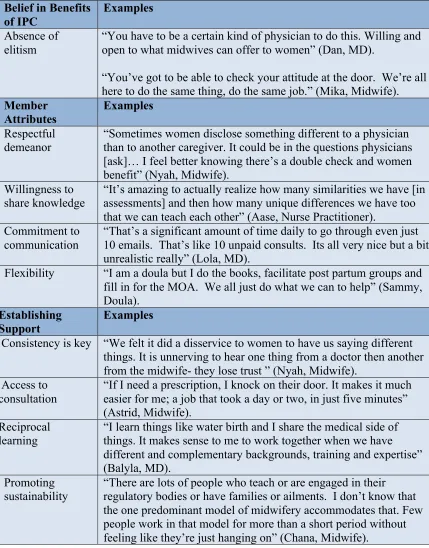
Belief in Benefits of IPC ...162
Member Attributes ...162
Establishing Support ...164
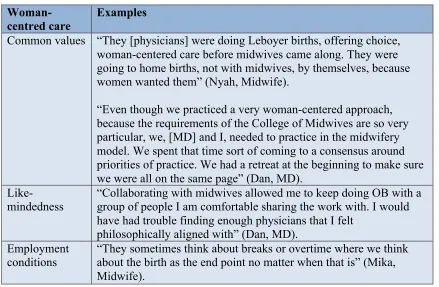
Woman-centred Care as a Mediating Variable ...166
Discussion ...167
Attributes as Enablers ...168
Importance of Formalization ...169
Impact of External Factors ...170
Limitations ...173
Conclusion ...175
References ...176
CHAPTER 5 – A SYNTHESIS OF THE FINDINGS TO PROMOTE COLLABORATIVE MODELS ...185
Method and Design ...185
Summary of Key Findings ...187
The Value of Differences and Similarities ...187
Relevant and Responsive Care ...188
Relational Care ...189
Broader Conceptualizations of Continuity ...191
Limitations of the Study...192
Implications of the Findings ...193
Implications for Policy Change ...194
Increased Support for IPCMC Practices ...194
Broader Definitions of Continuity of Care ...194
Adoption of Alternative Funding Models ...196
Implications for Research and Practice at the Point of Care ...197
Implications for Health Service Quality at the Systems Level ...198
Implications for Research and Education ...200
Intersectionality ...200
Evaluation of Health Services ...200
Provider Preparation ...201
Conclusion ...204
References ...207
APPENDICES ...213
LIST OF FIGURES AND TABLES
Figure Description Page
1 WC-3 Conceptual Framework ... 23
2 Analytic Framework for Interprofessional Collaborative Maternity Care
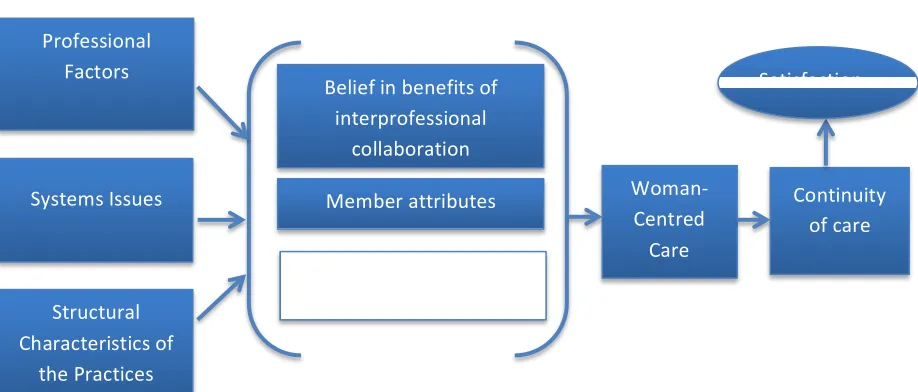
(Sicotte, D'Amour & Moreault, 2002) ... 154
Table
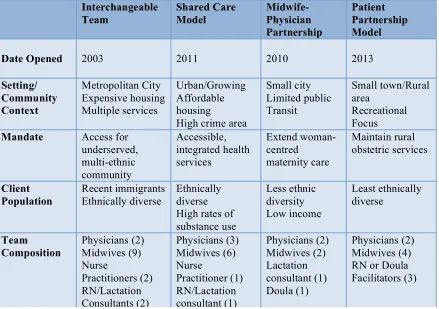
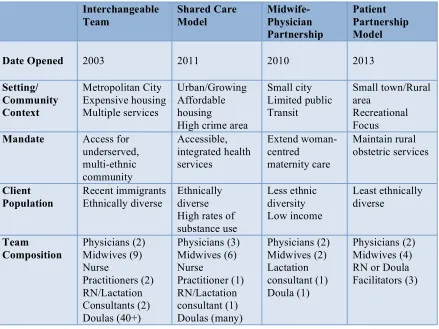
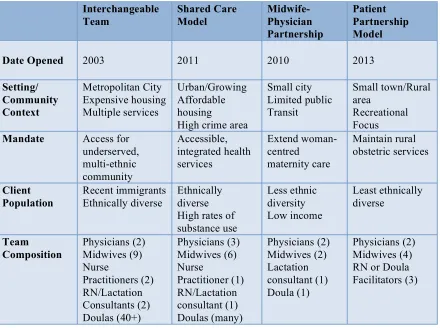
1 Characteristics of Four Interprofessional Maternity Care Practices ... 77, 116, 151 2 Professional Influences and Structural Characteristics as Contextual Variables ... 155
3 Intragroup Processes: Shared Benefits, Member Attributes,
LIST OF APPENDICES
Appendix A - Interview Schedule for Staff ...213
Appendix B - Interview Schedule for Women ...216
Appendix C - Letter of Information and Consent for Staff ...218
Appendix D - Letter of Information and Consent for Women ...224
Appendix E - Observational Grid ...230
Appendix F - Ethics Approval: Western University ...232
Appendix G - Ethics Approval: McMaster University ...233
Appendix H - Ethics Approval: Fraser Health Authority ...234
Appendix I - Ethics Approval: University of British Columbia ...236
CHAPTER 1
INTRODUCTION, OVERVIEWAND REVIEW OF THE LITERATURE Introduction
Midwifery is well integrated in many communities across Canada and the
dominant model of care brings satisfaction to consumers and midwives alike. The model
includes elements that are considered by governing bodies to be essential: continuity of care, choice of birthplace and shared decision-making. Narrow definitions of these tenets of care and strict requirements of governing bodies in some provinces limit the extent to
which midwives can collaborate with other maternity care providers to increase their ability to meet the needs of diverse populations with unique needs. People with physical,
psychological or social issues or those marginalized by poverty, geographic location or immigration status often experience difficulties accessing health care. The limits were originally included to provide time and attention in order to promote a more personalized
model of care. However, we do not know whether or not these limits on care actually improve outcomes or are what women today want.
Although there is great interest among midwives in a more flexible model, and many are eager to explore new approaches to care, internal resistance within the
profession exists. Some midwives fear that new organizational models could result in the
loss of essential elements of the model, resulting in negative outcomes for women and their babies. However, we do not know what the essential elements of care are,
particularly for diverse populations. A large literature exists in support of continuity of care, which is one of the philosophical tenets of the model, but how continuity is best
provided remains in question. A 2008 Cochrane review found that the benefits of
the trusting relationship that develops within midwifery care (Hatem, Sandall, Devane, Soltani & Gates, 2008). This begs the question of whether or not interprofessional groups, which share a common philosophical belief of birth as a normal life event and
who prioritize woman-centred care and shared decision-making, could have similarly positive outcomes.
The purpose of this study was to explore the factors influencing how collaborative care is organized and enacted and understand how midwives can provide relational care in interprofessional collaborative maternity care teams in a way that was positively
evaluated by consumers and staff. This multiple case study was designed to examine four existing collaborative models involving midwifery care, which varied from
“traditional” midwifery in Canada in an effort to understand the extent to which these models were woman-centred, included continuity of care, emphasized the client as decision-maker, and incorporated autonomous midwifery practice. The practices varied
in approach to care (either individual or group care) and the extent to which collaboration or interdisciplinary practice was employed. The perceptions of consumers, caregivers,
administrators and program planners were explored with attention to degree of
satisfaction with regard to woman as decision-maker, the extent to which continuity of care was provided and the degree of professional autonomy within the model.
Facilitators and barriers to collaboration were examined. Motivators for initiating the model were also sought in order to attempt to understand what prompted the development
This dissertation has been organized into five chapters. This introductory chapter identifies the purpose of the study and outlines where specific aspects of the study will be addressed. It provides historical analysis to situate the problem in light of past and
current midwifery practice and a review of the literature related to the problem to substantiate the need for better understanding as well as research questions that will be
addressed. Chapters 2, 3 and 4 provide findings related to the characterization of the models, structures and processes of care, how continuity is enacted within the models and the barriers and facilitators to effective collaboration. These are prepared as publishable
manuscripts consistent with an integrative manuscript approach; therefore, the study method, elements of design and sampling are included in each. These elements are
somewhat repetitive to ensure each can stand-alone. Chapters 2 and 4 address
characteristics of the collaborative practices studied and what promotes or inhibits their functioning, where chapter 3 explores the ways continuity is enacted within them a means
of reaching relational care. Chapter 2 is intentionally more descriptive in nature to bind the cases, consistent with case study methodology and chapter 4 focuses on application as
it addresses sustainability of these models of care. The organization of chapters is
intentional since content related to facilitators and barriers to collaborative care in chapter 4 builds on the structures and processes identified in chapter 2 and notions of continuity
in chapter 3 with consideration of broader definitions of continuity and appreciation of congruence with critical elements of the usual model of midwifery in Canada. Chapter 5
synthesizes the analysis, identifies key findings or main messages discovered in this work, discusses implications and provides recommendations for future research.
For the purposes of this dissertation, I will talk about recipients of care and
acknowledge that not all pregnant people identify as women consistent with professional midwifery statements (Canadian Association of Midwives [CAM], 2015) and use of the term is solely for ease of writing since the discussion of inclusive language is ongoing
and an agreed upon language has yet to be reached. Background
Maternity Care in Canada
For over a decade, maternity care in Canada today has been described as being in a state of crisis (Chan, Willet, 2004; Pearse, Gant & Hagner, 2000). Fewer family
physicians are providing intrapartum care; they cite concerns regarding lifestyle and fear of litigation as key reasons (Goodwin, Hodgetts, Seguin & MacDonald, 2002).
According to the National Physician Survey, in 2010 only 10.5 % of family physicians across Canada attended women in labour, which dropped from 15.7% in 2001 (College of Family Physicians of Canada [CFPC], 2010; CFPC, 2001). The decline is most notable in
Ontario where only 6.0% of family physicians provide intrapartum care (Ontario College of Family Physicians [OCFP], 2006). This has resulted in very limited clinical
mentorship and a subsequent withdrawal of obstetrics as a curriculum requirement within family medicine programs (OCFP, 2006). With limited or no exposure during their residency, fewer family physicians are choosing to deliver babies as part of their practice
resulting in a falling number of providers (Buske, 2001). Rural providers face fears of hospital closures, lack of peer support and stress related to on call demands with little
relief (Klein, Christilaw & Johnston, 2002). Low birth numbers and solo practices and reduced access to operative birth and specialist support affect sustainability of maternity providers in rural communities (Stoll & Kornelson, 2014). Women in these communities
obstetric care resulting in added emotional, social and financial stress (Rogers, 2003; Chamberlain & Barclay, 2000).
Recent surveys indicate that there are almost 2000 obstetricians in Canada, with
778 in Ontario and 262 in British Columbia (BC) (Canadian Medical Association [CMA], 2015). This number has increased from 1370 in 2008 (Society of Obstetricians
and Gynecologists of Canada [SOGC], 2008). According to a 2008 human resource survey, 48% of the Canadian obstetricians who responded attended 200-400 births per year (SOGC, 2008). Relying on obstetric specialists to provide primary care to women of
low-risk may not be the best use of expertise particularly when demand for their skills and knowledge results in delays in access to consultants for patients experiencing
complicated pregnancies (SOGC, 2008).
When first introduced in Ontario, midwifery was positioned as an alternative to physician care (Boscoe, Basen, Alleyne, Bourrier-Lacroix & White, 2004; Bourgeault,
Benoit & Davis-Floyd, 2004) for people experiencing low risk pregnancies. Since regulation in 1994, the number of midwives in Ontario has grown from 65 to
approximately 800 (CAM, 2016a). Since 2011 there have been nearly 100 new graduates each year, which means even more rapid expansion of the profession (CAM, 2016a). Midwifery became regulated in BC in 1998 and there are now almost 300 midwives
registered in that province (CAM, 2016a). In total, there are approximately 1500 registered midwives in Canada (CAM, 2016a) with regulated midwifery in all
jurisdictions except Prince Edward Island and the Yukon Territory (Malott, Murray Davis, McDonald & Hutton, 2009). Recent announcements of regulation in
Newfoundland (House of Representatives, 2016) and New Brunswick are leading to
Midwifery is growing and the demand for midwifery exceeds the supply in every province. In BC midwives attended over 9,000 women or 21% of all births in the province in 2015-16 with a goal to increase attendance to 35% of all births in 2020
(Midwives Association of British Columbia [MABC], 2016). In Ontario, midwives attend 15% of pregnant women, an increase from 9.1% in 2008 (CAM, 2016a). In many ways,
midwifery care, although once considered alternative, has become mainstream. Midwifery is funded differently across the county but in provinces where
midwives are paid per client, the number of clients is restricted. This limits their ability
to expand the provision of maternity services. If essential services are to be provided by midwives, the model of care needs to be flexible enough to serve more women. This
position has been promoted in policy documents (Ontario Maternity Care Expert Panel [OMCEP], 2006) with an emphasis on promoting collaborative care models but very little research has examined the outcomes of collaborative models. In particular, very little
Canadian research has examined the merits of different models of midwifery care (Harris, Janssen, Saxell, Carty, MacRae & Petersen, 2012; Malott et al., 2012). International
studies have compared models that include various types of continuity of care and team-based midwifery but very limited information exists regarding interprofessional teams involving midwives (Hatem et al., 2008; Brio, Waldenstrom, Brown & Pannifex, 2003;
Sandall, Hatem, Devae, Soltani & Gates, 2009; McCourt, Stevens, Sandall & Brodie, 2006; Green, Renfrew & Curtis, 2000; Flint, Poulengeris & Grant, 1989; Rowley,
Hensley, Brinsmead & Wlodarczyk, 1995; Hundley, Milne, Glazener & Mollison, 1997; Tinkler, Quinney, 1998; Waldenstrom, Turnbull, 1998; Rosenblatt et al., 1997; Hundley et al.,1994; Homer, Davis, Cooke, Barclay, 2002; McCourt, Page & Hewison, 1998;
& Rochefort, 1999).
History of Midwifery in Canada. Canadian midwives are autonomous primary maternity care providers for clients and their infants throughout pregnancy, birth and for
six-weeks postpartum (Canadian Midwifery Regulators Consortium [CMRC], 2016c). They promote normal physiologic birth with appropriate use of technology (CAM,
2010a). They promote wellness through education and support integrating social and cultural aspects of the patient’s life into care that is individualized and meaningful to the woman and her family (CMRC, 2016a).
The initial midwifery model was based in great part on the way midwives practice in The Netherlands and New Zealand where choice of birthplace and shared
decision-making are fundamental tenets of care (Malott et al., 2009). The regulation of the
profession in Canada was driven by the women’s movement in the 1970s when birth was being medicalized and maternity care did not reflect choice or control for women
(Boscoe, Basen, Alleyne, Bourrier-Lacroix & White, 2004). Prior to regulation, the Ontario Ministry of Health undertook a study assessing the need for and best approaches
to midwifery, which resulted in the Report of the Task Force on Implementation of Midwifery in Ontario (Eberts, Edney, Kaufman & Schwartz, 1987). Evidence from international models of midwifery was reviewed and input from consumers and midwives
was incorporated and the final recommendation included an evidence based model that made the consumer central to decision making and where continuity of care was a critical
element (Eberts, et al., 1987). Continuity of care in this context was defined as care provided by a small group of midwives with 24/7 on call availability (Ontario Midwives, 2016). The evidence in support of having a known primary care provider is strong
Continuity of care has been associated with increased patient satisfaction as well as improved birth outcomes (McLachlan et al., 2008; McLachlan et al. 2012; Waldenstrom & Turnbull, 1998) and therefore continues to be critical in the midwifery model today.
Respecting this history is important in appreciating how midwifery began in Canada, why the elements of the model were first included and why their preservation is important.
However, we do not know whether the benefits of care stem from midwives per se or from having continuity of known providers (Hatem et al., 2008).
Evaluations of the Current Model of Midwifery Care. Evaluations of
midwifery care in Ontario and British Columbia have been favorable with good outcomes related to mode of delivery, maternal and fetal wellbeing. An Ontario study comparing
birth outcomes of 6,692 low-risk patients who were attended by midwives and planned a homebirth matched with a group of consumers attended by midwives planning a hospital birth between 2003 and 2006 (Hutton, Reitsma & Kaufman, 2009). Perinatal and
neonatal mortality was very low for both groups (1/1000) and there was no difference in these rates between the groups (Hutton et al., 2009). No maternal deaths were reported in
either group and maternal morbidity and the rate of cesarean section were both lower in recipients of care planning homebirth (Hutton et al., 2009). A similar study in British Columbia compared the outcomes of planned home births from January, 2000 to Dec,
2004 attended by registered midwives with those planned hospital births attended by the same midwives or physicians (Janssen, Saxell, Page, Klein, Liston & Lee, 2009).
Included were all planned home births (n=2,889); all planned hospital births meeting the home birth requirements that were attended by the same group of midwives (n=4752); and a matched sample of physician-attended planned hospital births (n=5,331). Perinatal
home birth. People in the home birth group were also significantly less likely than both groups of women planning hospital births to experience obstetric interventions, or maternal mortality including postpartum hemorrhage (Janssen et al., 2009). The
similarity of findings in these studies provides evidence of the safety of home birth and midwifery attended birth in either home or hospital settings in Canada (Hutton et al.,
2009; Janssen et al., 2009).
Critique of the Current Model of Midwifery Care. The approach to providing midwifery care in each province reflects fundamental beliefs consistent with the model;
however, some differences exist in how midwifery is legislated and practiced across Canada (CMRC, 2016b). Regulatory bodies and midwives alike value the principles of
continuity of care and choice of birthplace. However, specific requirements to
demonstrate adherence to these principles vary among provinces (College of Midwives of British Columbia [CMBC], 2013a; CMO, 2015; Midwifery Regulatory Council of Nova
Scotia [MRCNS], 2009). Flexibility in how midwifery is implemented in some
jurisdictions helps meet the needs of diverse groups of consumers and maximize the role
of midwives in maternity care (Malott et al., 2012; MRCNS, 2009).
In the usual model of care, only the midwifery group sees patients unless a pre-existing medical condition or a complication of the pregnancy or postpartum period
requires consultation (CMO, 2000). This element of the model is not based on evidence but was included in the model at a time during the women’s movement when women
were seeking care that was woman-centred and not influenced by the medical model (Bourgeault, et al., 2004). Midwives were sought for their difference. Midwives were seeking to establish themselves as autonomous care providers independent from nursing
(Bourgeault et al., 2004). Over the past 20 years women have become active participants in many sectors of the health system making the need for alternative care less acute. The benefits of integration and collaboration have become increasingly apparent as a means
of promoting seamless care as consumers engage in the system through their birthing experiences.
Multiple provincial and national level reports have identified the benefits of collaborative models in promoting sustainable maternity care that is more accessible (Hutton, Farmer & Carson, 2016; Miller et al., 2012; OMCEP, 2006; SOGC, 2006;
SOGC, 2008). Interprofessional collaborative models of care fit well with the principles of primary care reform (Health Canada, 2012a) aimed at increasing access. However,
without evaluation of these interprofessional models we cannot substantiate their claimed benefits.
Women have diverse needs and preferences that may influence the model of
maternity care in communities. In rural or remote settings where care is not readily available consumers may be prioritizing essential services rather than focusing on
continuity of caregiver. Sustaining maternity care in communities is important on a number of levels. It contributes to economic development of the community since new young families are less likely to settle in a community where full health services are not
offered (Miewald et al., 2011). The cultural meaning of birthing in one’s community also contributes to development of social relations and social ties within the community
(Miewald et al., 2011; Miller et al., 2012). Efforts are being made to keep maternity care in rural and remote communities. In some regions specialty services are not available and birth numbers are low because the population is dispersed over vast geographic areas.
are available (Malott et al., 2012). General Practitioners in rural communities have addressed the provider crisis with additional qualifications in expanded surgical services (Iglesias et al., 2015; Kornelson, Iglesias & Woollard, 2016) and in some settings
expanded scope for midwives includes instrumentally assisted births, well woman gynaecologic care, family planning or public health education (Malott et al., 2012;
Rogers, 2003). In a different example, women with complex social, psychological or physical needs who may be marginalized by a physical condition or by immigration or socio-economic status could be better cared for in a model that encourages social support
and collaborative care from a team of caregivers (Fraser Health, 2013). Recognizing these different needs offers an opportunity to critique the present approach and consider
how midwifery can best contribute to promoting the health of childbearing people and their families.
The model of midwifery most commonly practiced in Canada presents issues for
consumers and issues for midwives. It inhibits the expansion of midwifery services because governing bodies limit the maximum number of clients midwives can care for.
This restricts access to essential services when the midwives have met their caseload limits and are unable to take on more clients. Governing bodies also often require a minimum number of homebirths to maintain registration. This effectively results in
needing a greater number of midwives to serve fewer clients since they are in individual homes at a distance from each other and are spending time traveling. Midwives in home
Attrition from the profession is a growing concern. Cameron (2011) conducted a qualitative study of midwives in Ontario who left the profession. Among other reasons were the inability to balance work-life demands and the desire for increased off-call time
(Cameron, 2011). Collaborative models with interprofessional shared care and support for off-call time could offer opportunities for sustainable maternity care reducing attrition
rates of midwives as well as other maternity care providers. Evaluation of satisfaction of all caregivers in collaborative care models is needed to determine if this is a desirable solution.
Midwives have expressed their desire for more flexible practice structures that meet the requirements of governing bodies. In turn, these bodies are aware of the desires
of midwives and recognize the need for flexibility (CMO, 2009b) that would enable more opportunities for midwives to engage in collaborative practice. With support from
provincial and national leaders, midwives are in a position to engage in creative
organizational models designed to increase access to care while supporting caregivers and influencing sustainability of maternity care services. In areas such as Nova Scotia
where the model is less prescriptive this has evolved naturally. Regulators intentionally did not define requirements for practice to avoid limiting approaches to organization of care (Malott et al., 2012). In jurisdictions where the model is more prescriptive such as
the central and western provinces, governing bodies recognize that there is interest in alternative organizational models and they review applications for alternative models of
care for specific populations (CMBC, 2013b; CMO, 2009a; CMO, 2009b). In BC there are efforts to support rural and remote practices through collaboration and the
professional association has engaged government for provincial funding to increase the
due to concern that in alternative models, specifically those that include interprofessional collaborative care, the key elements of the model might be lost. These elements include continuity of care and woman-centred decision-making.
There are examples across Canada of promising innovative approaches to organizing care. In British Columbia (BC) an interprofessional team has successfully
implemented group prenatal care to support consumers with high social needs as they transition to parenthood (Harris, et al., 2012). This is the only collaborative model in Canada to date that has been systematically evaluated. At the time of data collection
three other interprofessional collaborative maternity care practices existed in BC but had not yet been evaluated. One program was based on a partnership between physicians and
midwives where support and mentorship enabled midwives to care for a more complex population (Fraser Valley Maternity Group, 2014); a second was designed to provide care to a diverse population using a model that encouraged social support through group care
(Fraser Health, 2013); and the third evolved to unite midwives and physicians in the care of consumers in a small town/rural area where continued maternity services were at risk
(AppleTree Maternity, 2014). These unique approaches demonstrate an understanding of the needs of the population being served in the planning and delivery of health services that are appropriate and meaningful while maximizing the resources available.
Collaboration
Collaboration in general is defined as a process that occurs between individuals
with shared values and services working together toward a common goal (Axelsson & Axelsson, 2006). It requires a commitment to maximizing the contributions of each member resulting in action that is greater than the sum of each individual’s work (Evans,
negotiate options (Ahmann, 1994; Coeling & Wilcox, 1994; Vautier, & Carey, 1994). Other key behaviours for effective collaboration include accountability, competence and assertiveness (King, Lee & Henneman, 1993). Collaboration occurs between individuals
and therefore each member of a group must be committed to investing time and energy to develop the working relationship and overcome barriers.
In health care no one provider or profession can do it all. They cannot provide care continuously and must share a call schedule with other providers or, because of limitations in their scope or the expertise they bring to patient care, they must rely on the
integrated knowledge and work of others (Pike et al., 1993). There are many different meanings of collaboration. In clinical practice this might look like professionals working
together and referring patients to each other with written or verbal communication that facilitates the development of a collective plan, yet one member is the lead provider responsible for coordinating care. Alternatively, different providers might share care
equally with a shared responsibility for coordination. Within this study, collaboration always refers to interprofessional collaborative maternity care where providers share
values, beliefs and goals related to the provision of woman-centred maternity care. Interprofessional collaborative care has been researched in a variety of models and settings internationally and is credited with cost savings and reduced length of stay
(Brita-Rossi et al., 1996; Chimner & Easterling, 1993; Kearnes, 1994; Payne & King, 1998). It also has the potential to improve quality of care. A recent examination of midwifery
care confirms that the best maternal and perinatal outcomes result when midwifery care is provided in collaboration with other professional providers who have respect the unique skills of each member of the team (Renfrew et al., 2014). The value of varied
perspective has been shown to reduce the ability to problem solve, consider other approaches to care, give and receive support and participate in continuing education activities (Pike et al., 1993). Clients have indicated satisfaction with interprofessional
collaborative care when there was consistency in philosophy across the team and where models were patient-centred (Pike et al., 1993; Swan, 1993).
Facilitators and Barriers to Collaboration. Collaboration between care providers can increase the capacity of the healthcare system by using the skills and attributes of group members from different professions to their maximum potential.
However, barriers such as professional competition, educational differences, lack of understanding of roles, ineffective communication, gender issues, hierarchical
relationships, social class, and economics do exist (Sheer, 1996; Stapleton, 1998). Structure, liability issues, interdisciplinary rivalry, philosophical differences and lack of mutual respect further obstruct collaboration (OMCEP, 2006; Peterson, Medves, Davies,
Graham, 2007; Smith et al., 2009; SOCG, 2006).
Clear communication and practice protocols and policies that define roles and
scope of practice facilitate comprehensive care in interprofessional collaborative
maternity care models (SOGC, 2006). These policies explicitly outline management plans offering clarity and understanding among care providers, which has otherwise been a
challenge for providers from different professions. This clarity and understanding builds confidence and trust that a standard of care will be maintained across the professional
groups that is within the professional scope of practice of each member of the group reducing concerns related to litigation (SOGC, 2006). Midwifery regulatory bodies set out the scope of practice dictating when consultations and transfers of care are required.
protects members in collaborative practice. However, trust is an emotional response that needs to be developed over time in a supportive working environment where the
contributions of group members are valued (Peterson et al., 2007).
Policy Directives
Primary health care reform stimulated the development of several reports in the
mid 2000’s examining the maternity care human resource crisis at both the provincial and federal levels (OMCEP, 2006; OCFP, 2006; SOGC, 2006; SOGC, 2008). Midwifery is regulated at the provincial level however macro-level national policies also have an
impact and provide context. Provincial level policy directives must therefore be
considered in the context of national projects. These reports address factors and identify
barriers that have the potential to shape interprofessional collaborative maternity care [IPCMC] practices. They promote IPCMC as a strategy for improving access to
sustainable services in more communities; outline how a shift away from fee-for-service
opens up opportunities for collaborative care; and discuss how the health care quality agenda has prompted continual awareness of how quality improvement enhances
accountability of health care practitioners (Campbell, Braspenning, Hutchison & Marshall, 2002).
At the national level, the Multidisciplinary Collaborative Primary Maternity Care
Project (MCP2) was funded by the Federal Primary Health Care Transition Fund to reduce barriers and identify strategies to promote the implementation of multidisciplinary
collaborative primary maternity care models that would address the human resource crisis in maternity care in Canada (Peterson et al., 2007). Like other reports, it identified
regulatory issues and restrictions in scope of practice as barriers to interprofessional care
standards and legislation between professional groups to enable interprofessional care and support the creation of collaborative practices (SOGC, 2006). This initiative resulted in the creation of a seven-module guide offering clear direction for moving theory to
practice in support of changing practice patterns to promote collaboration (SOGC, 2006). The content of the modules is consistent with the literature on collaboration that stresses
the need for group member commitment and emphasizes team building, effective
communication and respect (Ahmann, 1994; Coeling & Wilcox, 1994; Smith et al., 2009; Vautier & Carey, 1994).
MCP2 provided a framework for a National Birthing Initiative addressing sustainability of maternity services in Canada (SOGC, 2008). The initiative was
developed jointly by The College of Family Physicians of Canada, The Canadian Association of Midwives, The Association of Women’s Health, Obstetric and Neonatal Nurses and The Society of Rural Physicians of Canada and arose from a commitment to
reduce maternal and neonatal mortality and morbidity (SOGC, 2008). Although Canada has a reputation of quality health care these rates have worsened in recent years in
comparison to other Organization for Economic Co-operation and Development [OECD] countries. These rates are attributed in part to later maternal age, increasing numbers of multiple births, health human resource shortages and inequitable access to services
(SOGC, 2008). The report indicated that situations in rural and remote areas of the country are particularly concerning since restricted maternity services in those areas force
communities and implementation of IPCMC as a potential solution to the human resource shortage (SOGC, 2008).
The Joint Position Paper on Rural Maternity Care was later produced in response
to continued interest in promoting sustainability of maternity services in rural communities nationally (Miller et al., 2012). Contributors included The Canadian
Association of Midwives, The Canadian Association of Perinatal, Women’s Health Nurses, The College of Family Physicians of Canada, The Society of Obstetricians and Gynecologists of Canada and The Society of Rural Physicians of Canada.
Recommendations from the report reinforced the need for high quality care close to home that is woman or family-centred and respectful (Miller et al., 2012). The deleterious
effects of lost maternity services on women, families and communities are especially pronounced for Aboriginal families where ties with the land, community values and a traditional birth culture are strong (Miller et al., 2012). The paper provides support for
collaborative efforts including IPCMC practices as part of the solution for the human resource shortage and low number of births in these communities, and addresses the need
for training of learners in rural settings and opportunities for continuing education of providers to maintain skills and competencies in maternity care (Miller et al., 2012). Support for recruitment, retention and continuing education of General Practitioner–
Surgeons and General Practitioner-Anesthetists in particular is emphasized because this added training provides access to operative birth in small communities where there is no
specialist obstetrician (Miller et al., 2012).
At the provincial level, BC adopted a Primary Health Care Charter aimed at creating an effective, accessible and sustainable health care system for residents of BC by
the Primary and Community Care in BC: A Strategic Policy Framework was prepared to re-energize momentum initiated with the Charter (MOHBC, 2015). This discussion paper was created to consolidate initiatives and policies that result from efforts to
improve both primary care and home and community care (MOHBC, 2015). Maternity services are included in primary and community care services with options for care by
general practitioner, obstetrician or registered midwife (MOHBC, 2015). The document, consistent with reports noted above, emphasizes patient-centred, integrated and
comprehensive care that focuses on health promotion aimed at reducing fragmentation of
health services. (Miller, et al., 2012; MOHBC, 2015; OMCEP, 2006; SOGC, 2008). Initiatives and policies outlined within the discussion paper are based on the assumption
that every woman in BC should have equitable access to high quality, timely, woman centred, primary maternity care, that is close to home, a position also consistent with other reports (Miller, et al., 2012; MOHBC, 2015; OCFP, 2006; OMCEP, 2006; SOGC,
2008). Concerns about access to rural maternity services echo those reported by Miller and colleagues (2012) and, similar to other reports, IPCMC is supported as a means of
increasing access (Miller, et al., 2012; MOHBC, 2015; OMCEP, 2006; SOGC, 2008) Relevance to Health Promotion
Examining existing interprofessional collaborative maternity care practices
provides an opportunity to learn how interprofessional groups provide low risk primary
maternity care with a focus on promoting health and access to services that are equitable
and contextually appropriate. The Alma Alta Declaration (1978) identifies primary
health care as care that is responsive to local community needs (WHO, 1986; WHO, 2006). It reduces health inequalities through accessible, continuous and comprehensive
for Health Promotion (1986) builds on these principles specifying fundamental
prerequisites for health such as shelter, education, food, sustainable resources and social
justice aimed at promoting equity and health for all (WHO, 1986). Primary care teams contribute to primary health care and health promotion through provision of
comprehensive care with access to internal consultation reducing the need for specialist
involvement. They attend to local needs consistent with indicators of quality of care
(Campbell, Roland & Buetow, 2000). Understanding how woman-centred care, shared decision-making and continuity of care are enacted in interprofessional collaborative
maternity care practices and how the practices aim to provide equitable access to services
is consistent with health promotion and health services research and in keeping with the
directives of primary healthcare reform (Romanow, 2002). Developing this
understanding is important in all populations, however health promotion services for rural women in particular receive very little attention in the literature underscoring the
importance of including rural populations in this examination (Leipert, 2005). The Knowledge Gap
Limited information exists about how collaborative practices provide woman-centred care or whether or not collaborative models can promote shared decision-making. Although team-based midwifery care and team-based care have been evaluated, only one
Canadian evaluation of an interprofessional team including midwives exists (Harris et al., 2012). Researchers found that despite having the potential to receive care from a larger
number of caregivers than is typically the case in Canada patients benefited from the consistency of philosophy among team members contributing to high degrees of satisfaction among participants (Harris et al., 2012). Exploring how continuity can be
number of caregivers and determining whether or not there is satisfaction particularly related to engagement in the decision-making process are important considerations in order to advise similar interprofessional collaborative practices in a way that promotes
sustainability while maintaining consumer satisfaction.
Numerous studies exist involving nurse or nurse practitioner-physician collaborative models. They address issues similar to those faced by midwives and provide informative lessons learned. An examination of these models as well as international interprofessional collaborative practices that include midwifery may help address some of these issues and may help us understand who is best served by
Review of Literature
Searches of CINHAL, EMBASE and Pubmed on MeSH terms and key words of woman and patient-centred care, informed choice, decision-making, and continuity of maternity care between 1993-2013 then updated to include 2013-2016. Many had overlapping key concepts and were duplicated across databases. Attention was given to those addressing maternity care situations. Reference lists of these articles were hand searched for additional sources. Literature describing midwifery and various approaches to care is included to provide a context for the key elements of continuity of care and shared decision-making. These concepts are intertwined with woman-centred care since continuity is thought to allow increased time contributing to relationships that respect personal wishes. Centering the woman in her care involves sharing information that enables decision-making, further exemplifying how these concepts are interwoven. The literature related to each concept will be reviewed separately.
Woman-Centred Philosophy
Collaborative Care Enacted
Provider-Patient Encounter:
-Shared Decision-Making
-Continuity of Care
Team Dynamics and Interactions:
-Communication -Autonomy
Provider Outcomes
• Satisfaction
• Sense of Autonomy • Full Scope of Practice
Patient Outcomes
• Experiences of Shared Decision-making
• Experiences in continuity
Woman-Centred Care
Woman-centred care is defined as care centred on the needs and choices of individuals and families (NHS England, 2013). It must be accessible, continuous,
comprehensive and coordinated (Starfield, 2011). Midwifery was founded on the woman-centred ideology and core belief that the pregnant woman is central to her care
and therefore continually engaged and supported in decision-making (Van Kelst, 2013). Maputle et al., (2010) explored birth experiences of women receiving person-centred midwifery care in South Africa, citing key concepts and characteristics of the model that
included mutual participation and responsibility-sharing, shared decision-making, information sharing and empowerment and open communication. Antecedents of
person-centred care include open communication, respect and cultural sensitivity (Maputle & Hiss, 2013a). Evidence of the value of woman-centred models exists that indicates increased feelings of control, reduced anxiety and increased confidence (McLachlan et
al., (2016). International reviews support the notion that woman-centred care is associated with good outcomes without high cost (Shaw et al., 2016).
Person-centred care as a core belief is shared by medicine and nursing.
International nursing standards reflect the importance of placing people at the centre of care in a way that helps them make decisions about care that are personally relevant
(Manley, 2011). Individual patient circumstances affect what person-centred care means to patients (Perez-Merino, 2014). Emphasis on self-care and patient autonomy with
informed decision-making is recognized as an essential basis for providing person-centred nursing care (Jackson & Irwin, 2011). A theory of conditional partnership
according to Howarth and colleagues explains how person-centered care is influenced by
partnerships restore patient autonomy and self-care (Howarth, Warne & Haigh, 2014). This grounded theory study generated understanding about person-centred care from the perspectives of patients with chronic pain and their teams of providers that underscores
the importance of validation, belief and understanding of the patient experience in the provider-patient relationship.
The provider-patient relationship is highlighted in the literature on family physician care (Glass, 1996; Hudon, Fortin, Haggerty, Lambert & Poitras, 2011; Laine, Daidoff, 1996; Stewart, Brown, Weston & Freeman, 2003). Stewart et al. (2000) studied
the impact of physician-led, patient-centered care on clinical outcomes and found that patient-centred communications were associated with perceptions of finding common
ground in understanding the patient. This common ground refers to an understanding of the patient’s concerns and agreement with a treatment plan that meets the needs of the individual rather than focusing on the caregiver’s agenda. According to Levinson (1994)
when the physician’s agenda dominates an interaction, compliance with treatment and satisfaction with care are reduced.
The benefits of patient-centred communication are well documented. Positive perceptions were associated with greater satisfaction with care, improved mental health status and better recovery from ailments (Levinson, 1994; Rotter et al., 1997). Stewart
and colleagues (2000) found that the relationship of perceptions of patient-centeredness with health implies a process through which caregiver-patient communication affects
health by influencing patients’ perceptions of being actively involved in their care. One explanation for these improvements is that active participation in care reduces anxiety and increases confidence that the physician understands the patient’s complaints (Stewart
(Dingman, 1999). The importance of relationship development and trust is foundational in patient-centeredness. Criteria that facilitate woman-centred practice emphasize interaction skills, power sharing and respectful relationships between patients and
caregivers (Maputle & Hiss, 2013b). Mead and Bower (2000) explore a model that includes components of the physician-patient relationship based on the concept of
patient-centred care. These components are like those that underlie midwifery care where the woman is a biopsychosocial being who shares in the responsibility of decision-making (Mead & Bower, 2000).
Shared Decision-Making
Patient-centered interactions promote participation in care and an active role in
decision-making (Stewart et al., 2000). Participatory decision-making has been a philosophical tenet of midwifery care in Canada since its inception (CAM, 2010a,
2010b). Ensuring that consumers are central to their care through sharing of information
and knowledge enables them to make decisions and choices that reflect their needs. The ability to maintain woman-centred care in an interprofessional collaborative model is an
important consideration if shared decision-making is to be foundational to care. Understanding the extent to which existing collaborative care models address shared decision-making is important in determining the philosophical fit between professional
groups working in collaborative practices and how active participation in decision-making can be preserved.
Shared decision-making (SDM) is described and promoted by many researchers as a model which involves collecting, interpreting and discussing information through multiple interactions until agreement is reached (Harding, 2000; Edwards, 2003;
concerning active participation in making includes two concepts: decision-making and informed choice. The two are often confused or used interchangeably when in fact they are quite different (Noseworthy, Phibbs & Benn, 2013). SDM is considered a
more interactive and dynamic process with informed choice as the ideal outcome. In general, shared decision-making is considered desirable among recipients of
health care services because it has a positive influence on health. According to Kaplan and colleagues (1996), SDM has been associated with patient satisfaction, adherence with a treatment plan and better health outcomes (Kaplan, Greenfield, Gandek, Rogers &
Ware, 1996). Numerous studies found that choice and control in childbirth relate to greater maternal satisfaction and subsequent emotional wellbeing (Brown & Dietsch,
2013; Brown & Lumley, 1994; Gibbins & Thomson, 2001; Lavender, Walkinshaw & Walton, 1999; Proctor, 1998; Sandin-Bojo, Larson & Hall-Lord, 2008;). Little et al. (2001) found that women appreciate having their voices heard and prefer to engage in the
decision-making process. Goldberg (2009) found that women report receiving
information about maternity care options less often than they would like. Other authors
report similar findings when women were not involved in decision-making (O’Cathain, Thomas, Walters, Nicholl & Kirkham, 2002). O’Cathain et al. found higher patient satisfaction when patients and caregivers shared decision-making styles. Goldberg
(2009) reported similar findings connecting SDM with development of a trusting relationship and satisfaction with care. However, there are some inconsistencies in the
literature. An evaluation of an intervention aimed to train practitioners in SDM
techniques found that although communication behavior changed, patient satisfaction did not (Davis et al., 2003). Likewise, Mead and colleagues found that patient-centred
concluded that maternal satisfaction is most influenced by a combination of shared decision-making, effective communication and development of a trusting relationship.
The extent to which women are involved in the decision-making process is
influenced by many factors. These include beliefs, attitudes and preferences of the woman and the practitioner, the nature of the situation in which the care is being
delivered as well as the social, political, economic or cultural environments (Cooke, 2005; Sullivan, 2006). Women’s attitudes and beliefs influence whether or not they value participation in decision-making. Women perceive birth as either a normal natural
process or as a medical condition with risks (Fenwick, Hauck, Downie & Butt, 2005). They see themselves as recipients of care delivered by specialists or as experts in their
knowledge of self. They often seek caregivers who share their beliefs. Women cared for by midwives are more likely to value participation in decision-making (Jimenez, Klein, Hivon & Mason, 2010).
Caregivers from different professions have different attitudes toward the use of technology and interventions (Reime et al., 2004). Obstetricians are more likely to offer
cesarean birth without medical indication, epidurals in early labour and induction of labour as soon as possible where midwives are least likely to offer these and family physicians were in between (Reime et al., 2004). Obstetricians are least likely to
encourage women to prepare a birth plan and engage in decision-making compared to the other two professional groups (Reime et al., 2004). However, decision-making is not
Increasing concern about risk has led to the medicalization of birth and use of technology as the norm (Davis, 2003). The current health care system continues to be based on a paternalistic model where the authority of the physician is seldom questioned.
The American College of Obstetrics and Gynecology (ACOG) recognizes this as being problematic (ACOG, 2011). Roter (2000) and Murphy and colleagues (2001) agree that
enhanced patient-caregiver relationships offer better experiences over paternalistic models (Murphy, Chang, Montgomery, Rogers & Safran, 2001). Saba et al. (2006) studied interactions involving 18 patients and their physicians in three clinic settings.
Experiences of partnership in decision-making were examined and like Mead et al. (2002) and Davis et al. (2003), these authors found that relationship factors of trust and
power as well as communication behavior influenced experiences of partnership (Saba et al., 2006). They concluded that engaging the patient in the relationship and soliciting their views on satisfaction with the process encourages development of trust. They
further discovered that eliciting and offering more information through effective communication behavior is equally important in relationship development (Saba et al.,
2006).
In a shared decision-making model decisions are made mutually. The practitioner brings knowledge and skills to the discussion and the woman brings their preferences,
self-knowledge and experience to the encounter (Noseworthy et al., 2013). Continuity of care allows for time to collect, interpret and discuss information and to develop a trusting
relationship, which may promote understanding of information and context (Harding, 2000; Edwards Elwyn, Smith, Williams & Thornton, 2001). Noseworthy et al. described the value of a relational decision-making model as one that extends beyond the
influence shared decision-making (Noseworthy et al., 2013). In this study of 8 midwife/woman pairs, pre and post birth interviews revealed that participants were embedded in a series of connections. The authors found that ontological characteristics
arising from cultural, social and political experiences influenced the development of relationships and consequently the decision-making process as much as the protocols,
procedures and clinical experiential context of the midwife (Noseworthy et al., 2013). Among other factors, socio, political and cultural influences include the organization of care within a practice, the dynamics of the local hospital, the culture of birth including
the extent to which birth is medicalized, provider shortages, funding issues, poverty and cultural expectations related to how, where and with whom women should birth.
According to Noseworthy et al. (2013) all of these factors influence how decisions are made and how involved women are in the process.
Centering women in their decision-making contributes to relational care by
recognizing them as experts in their own care and valuing and supporting the choices they make. A theory of relational coordination according to Gittell (2006) proposes that
interdependent work is most effective when there are shared goals, shared knowledge and mutual respect. These aspects of relational coordination extend to relational care through patient-provider interactions founded on shared goals of optimal clinical outcomes,
informed and shared decision-making and mutual respect of the expertise of the provider with clinical understanding and the woman with an expert appreciation of her own
context (Gittell, Godfrey, Thistlethwaite, 2013). Relational care is facilitated by continuity that promotes feelings of being known but there are different approaches to how continuity is enacted.
There is a huge literature addressing continuity of care in different settings within health care. There are 3 types of continuity including continuity of information,
continuity of management and relational continuity (Haggerty, Reid, Freeman, Starfield,
Adair & McKendry, 2003). Informational continuity includes medical records or documents that provide context for the clinical situation. Management continuity gives
direction to care through protocols, standards and care pathways that indicate who is responsible and how care is coordinated. Relational continuity is established through ongoing contact consistent with continuity of care provider allowing for development of a
trusting interpersonal connection (Haggerty et al., 2003).
The definition of continuity across maternity care studies differs making it
difficult to compare data (Sandall, Hatem, Devae, Soltani & Gates, 2009). The term is commonly used within the midwifery profession to mean care by a small number of midwives (Brown & Dietsch, 2013; Johnson et al., 2003). However, the benefits of
‘midwifery-led continuity models’ have been reported without including a definition of continuity or the number of providers involved in care (Perriman, & Davis, 2016) and
debate remains about an ideal definition. According to the National Institute for Health and Care Excellence (NICE) guidelines, continuity should be care by a small number of providers who are known to the patient in order to promote development of a trusting
relationship (National Collaborating Centre for Women’s and Children’s Health, 2008). Continuity can refer to care provided by one person or to a philosophy of care provided
by a group. The term continuity of carer refers to having a consistent caregiver or pair of caregivers who are responsible for organizing and planning care and who attend the women in the intrapartum period (National Collaborating Centre for Women’s and
midwifery’ (McCourt et al., 2006; Sandall et al., 2009; Waldenstrom & Turnbull, 1998; Green et al., 2000). Continuity refers to the relationship that develops over time with a small number (usually 2-3) of providers. The relationships that develop over time with
continuity of caregivers are credited with increasing access and safety by reducing fragmentation that can lead to gaps in care (Cook, Render & Woods, 2000; Sandall et al,
2010).
Continuity of care may be considered more broadly as referring to care by a team of providers who see the woman antenatally with one being on call for the birth (Sandall
et al., 2009; McCourt et al., 2006; Waldenstrom & Turnbull, 1998; Green et al., 2000). In this definition the continuity is in how the plan of care is managed and how
information is shared among care providers (Haggerty et al., 2003). Much attention has been given in the literature to informational and management continuity to promote safety by providing clear plans of care through policy development, care pathways and
electronic documentation (Guthrie, Saultz, Freeman & Haggerty, 2008). However, neither informational nor management continuity can completely substitute for the
relationships that develop over time with a known caregiver (Guthrie, et al., 2008) since an understanding is gained through the relationship resulting in a plan of care that is meaningful to the patient.
The benefits of having a known caregiver for the labour and birth experience are inconsistently reported in the literature. In a review of the literature Green et al. (2000)
found no evidence to support prioritizing having a known caregiver in labour. Although having a known midwife was preferred, competence and caring were identified as being more important attributes (Fellowes et al., 1999; Green et al., 2000). Receiving care from