Scholarship@Western
Scholarship@Western
Electronic Thesis and Dissertation Repository
4-17-2015 12:00 AM
Disinfection and advanced oxidation of highly absorbing fluids by
Disinfection and advanced oxidation of highly absorbing fluids by
UV/VUV light: process modeling and validation
UV/VUV light: process modeling and validation
Ferdinando CrapulliThe University of Western Ontario
Supervisor Dr.Ajay K. Ray
The University of Western Ontario
Graduate Program in Chemical and Biochemical Engineering
A thesis submitted in partial fulfillment of the requirements for the degree in Doctor of Philosophy
© Ferdinando Crapulli 2015
Follow this and additional works at: https://ir.lib.uwo.ca/etd
Part of the Catalysis and Reaction Engineering Commons, Computational Engineering Commons, and the Transport Phenomena Commons
Recommended Citation Recommended Citation
Crapulli, Ferdinando, "Disinfection and advanced oxidation of highly absorbing fluids by UV/VUV light: process modeling and validation" (2015). Electronic Thesis and Dissertation Repository. 2753. https://ir.lib.uwo.ca/etd/2753
This Dissertation/Thesis is brought to you for free and open access by Scholarship@Western. It has been accepted for inclusion in Electronic Thesis and Dissertation Repository by an authorized administrator of
DISINFECTION AND ADVANCED OXIDATION OF HIGHLY ABSORBING FLUIDS BY UV/VUV LIGHT: PROCESS MODELING AND VALIDATION
(Thesis format: Monograph)
by
Ferdinando Crapulli
Graduate Program in Engineering Science Department of Chemical and Biochemical Engineering
A thesis submitted in partial fulfillment of the requirements for the degree of
Doctor of Philosophy
The School of Graduate and Postdoctoral Studies The University of Western Ontario
London, Ontario, Canada
ii
Abstract
One of the limitations in treating highly absorbing fluids with ultraviolet photoreactors is the
short light penetration into the fluid leading to the following issues: (a) if not engineered
properly, ultraviolet photoreactors dealing with highly absorbing fluids are likely to be
energy-inefficient due to a non-ideal use of emitted photons and non-uniform dose
distribution (b) the quantification of photo-chemical rate constants could be a challenging
task due to the severe mixing-limited conditions of the experimental apparatus used during
the investigation. As a result, new lab-scale apparatus (alternative to the conventional
collimated beam system) and modeling approaches are needed in order to overcome such
technical limitations.
The aim of this thesis is two-fold: firstly, to develop and validate lab-scale apparatus and
standard operating procedures suitable for investigating the disinfection and the advanced
oxidation processes (AOPs) initiated by short-penetrating wavelengths; secondly, to apply
such newly developed methodologies for quantifying microbial inactivation kinetics in liquid
foods by 253.7 nm light as well as total organic carbon (TOC) removal from ultrapure water
by Vacuum-UV-initiated (VUV) AOPs employing the 172 and the 185 nm wavelengths.
For quantifying microbial inactivation kinetics in liquid foods, a Taylor-Couette (TC)
apparatus can be used for fluids with ultraviolet transmittance as low as ∼0.001% cm-1. A
computational fluid dynamics (CFD) model was used to optimize the TC system, indicating
that a Taylor number of ∼46,500 was sufficient to overcome the very short UV light
penetration.
For the TOC removal from ultrapure water by AOPs employing VUV light a mechanistic
VUV-AOP model was developed by incorporating the vacuum UV-AOP kinetics into the
theoretical framework of in-series continuous stirred tank reactors (CSTRs). Experimental
trials were conducted using an annular photoreactor equipped with VUV lamps able to emit
the 185 nm and 172 nm radiation revealed that, at the investigated conditions, the 185 nm
AOP process gave three times better TOC degradation performance than the 172 nm AOP
iii
Keywords
Ultraviolet disinfection, VUV light, advanced oxidation processes, highly absorbing fluids,
iv
Co-Authorship Statement
The journal articles used in some chapters of the present thesis are listed below. The
individual contributions of all members are also indicated.
Chapter 2 Article title:
Quantifying Ultraviolet Inactivation Kinetics in Nearly Opaque Fluids
Authors:
Ferdinando Crapulli, Domenico Santoro, Michael R. Sasges, Shaunak Ray, Housyn Mahmoud, Ajay K. Ray
Status:
Published in Water Quality Research Journal of Canada (2015)
Individual contributions:
The manuscript was written by Ferdinando Crapulli who also conducted the numerical analysis on Fluent. Shaunak Ray and Housyn Mahmoud conducted several experimental tests on Taylor-Couette collimated beam apparatus. Various drafts of the article were reviewed by Domenico Santoro, and Michael Sasges. The work was supervised by Ajay Ray.
Chapter 3 Article title:
Mechanistic Modeling of vacuum UV advanced oxidation process in an annular photoreactor
Authors:
Ferdinando Crapulli, Domenico Santoro, Michael R. Sasges, Ajay K. Ray
Status:
Published in Water Research (2014)
Individual contributions:
v
Chapter 4 Article title:
AOP for TOC removal from ultrapure water by short UV wavelengths: experimental and numerical studies in thin-film photoreactors
Authors:
Ferdinando Crapulli, Ajay K. Ray
Status:
To be submitted in Water Research
Individual contributions:
vi
Acknowledgments
During these four years of my Ph. D. program I had the opportunity and the pleasure to meet
people who helped and encouraged me in this long journey.
I wish to express my gratitude to my university supervisor Dr. Ajay Ray for his support and
suggestions during the course of this research. He gave me the possibility to start and
complete this advanced degree in Engineering.
I would like to thank, in particular, Dr. Domenico Santoro as my friend and mentor from
Trojan Technologies. He gave me support and encouragement especially during difficult
times. I always received constructive feedback from him, with helped me building my
expertise and self-confidence. I would like to extend my sincerest thanks and appreciation to
the people I met in Trojan Technologies: scientists, engineers and technicians. Their
contribution towards fabricating the annular photoreactors helped immensely in my project.
Special thanks go to Drs. Bill Cairns and Michael Sasges for reviewing the present thesis.
I would like also to thank MITACS for its financial support in several projects conducted at
Trojan Technologies.
In addition I would like to express my gratitude to my friends, colleagues, secretaries and
personnel in the Department of Chemical and Biochemical Engineering of University of
Western Ontario. We had very good moments together in classes, at lunch and, with some of
them, watching TV during football matches.
My sincere thanks go to Elsevier and IWA publishing press for granting me permission to
use parts of my two previously published manuscripts appeared in Water Research and Water
Research Journal of Canada as part of this thesis.
Priceless thanks are for my parents Aldo and Annamaria, as well as my brother Gianluca, for
all the moral assistance throughout my education journey. Finally deepest thanks to my wife
vii
Table of Contents
Abstract ... ii
Co-Authorship Statement... iv
Acknowledgments... vi
Table of Contents ... vii
List of Tables ... x
List of Figures ... xii
List of Appendices ... xviii
Nomenclature ... xx
Chapter 1 ... 1
1 INTRODUCTION ... 1
1.1 UV for the inactivation of pathogens in nearly-opaque fluids ... 1
1.2 AOP processes for degradation of chemical pollutants ... 3
1.2.1 The role of hydroxyl radical (HO*) ... 4
1.3 Vacuum-UV light... 4
1.3.1 Lab-scale experiments using vacuum-UV light ... 6
1.3.2 Mechanistic AOP models based on water photolysis by low wavelengths 8 1.4 Thesis objectives and outline ... 9
1.5 References ... 10
Chapter 2 ... 14
2 QUANTIFYING ULTRAVIOLET INACTIVATION KINETICS IN NEARLY OPAQUE FLUIDS ... 14
2.1 Introduction ... 14
2.2 Materials and Methods ... 15
2.2.1 The Taylor-Couette collimated beam apparatus ... 15
viii
2.2.3 CFD governing equations ... 17
2.2.4 Grid independence study... 20
2.2.5 Tracer studies ... 22
2.2.6 Numerics ... 24
2.3 Results and Discussion ... 26
2.3.1 Model verification ... 26
2.3.2 Model calibration ... 29
2.3.3 Model validation ... 30
2.3.4 CFD analysis ... 34
2.4 Conclusions ... 37
2.5 References ... 38
Chapter 3 ... 41
3 MECHANISTIC MODELING OF VACUUM UV ADVANCED OXIDATION PROCESS IN AN ANNULAR PHOTOREACTOR ... 41
3.1 Introduction ... 41
3.2 Materials and Methods ... 43
3.2.1 Experimental set-up ... 43
3.2.2 The kinetic model ... 45
3.2.3 Sensitivity analysis of the kinetic model ... 48
3.2.4 The semi-batch model ... 49
3.2.5 CFD model: governing equations and boundary conditions ... 54
3.3 Results and discussion ... 57
3.4 Conclusions ... 74
3.5 References ... 75
Chapter 4 ... 80
ix
4.1 Introduction ... 80
4.2 Materials and Methods ... 81
4.2.1 The 185/253.7 nm photoreactors set-up... 81
4.2.2 The 172 nm photoreactor set-up ... 83
4.2.3 Experimental procedure and analytical methods ... 84
4.2.4 The Box-Behnken design ... 85
4.2.5 Additional reactions ... 87
4.2.6 The modified MATLAB mechanistic model ... 90
4.2.7 CFD model of annular photoreactor: governing equations and boundary conditions ... 91
4.3 Results and Discussion ... 95
4.3.1 Experimental data ... 95
4.3.2 Comparison between VUV-AOPs (185/253.7 nm vs. 172 nm)... 106
4.3.3 Model calibration and validation - MATLAB ... 112
4.3.4 Model calibration and validation - FLUENT... 114
4.3.5 CFD optimization of annular photoreactors ... 118
4.3.6 Lagrangian dose series of AOP-participating species ... 125
4.4 Conclusions ... 129
4.5 References ... 130
Chapter 5 ... 132
5 CONCLUSIONS AND RECOMMENDATIONS ... 132
5.1 Conclusions ... 132
5.2 Recommendations for future work ... 134
Appendices ... 136
x
List of Tables
Table 1.1: Oxidation potential of several oxidants ... 4
Table 2.1: D10 [mJ cm-2] measured at 253.7 nm for various pathogen types ... 14
Table 2.2: Source terms used in the CFD model ... 19
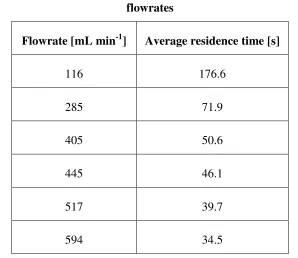
Table 2.3: Average residence time in the Taylor-Couette reactor at different flowrates ... 23
Table 4.1: Coded factors level for a Box-Behnken design of a three variable system ... 86
Table 4.2: List of additional reactions and rate constants for the 185/253.7 nm AOP ... 87
Table 4.3: Empirical constants of the realizable κ-ε turbulence model ... 93
Table 4.4: Initial and final concentration of pCBA after first and second annular photoreactor (185/253.7 nm irradiation - synthetic quartz sleeve) ... 95
Table 4.5: Initial and final concentration of pCBA after first and second annular photoreactor (185/253.7 nm irradiation - natural quartz sleeve) ... 97
Table 4.6: Initial and final concentration of methylene blue after first and second annular photoreactor (185/253.7 nm irradiation - synthetic quartz sleeve) ... 99
Table 4.7: Initial and final concentration of methylene blue after first and second annular photoreactor (185/253.7 nm irradiation - natural quartz sleeve) ... 101
Table 4.8: Initial and final concentration of pCBA (172 nm irradiation - synthetic quartz sleeve) ... 103
Table 4.9: Initial and final concentration of methylene blue (172 nm irradiation - synthetic quartz sleeve) ... 105
xi
Table 4.11: Average of difference between MB degradation using synthetic and natural
xii
List of Figures
Figure 1.1: Absorption coefficient of distilled water at short wavelengths ... 5
Figure 2.1: Schematic representation of the flow loop used for TC-CB experiments ... 16
Figure 2.2: Normalized velocity profiles at different quad elements along fluid thickness ... 22
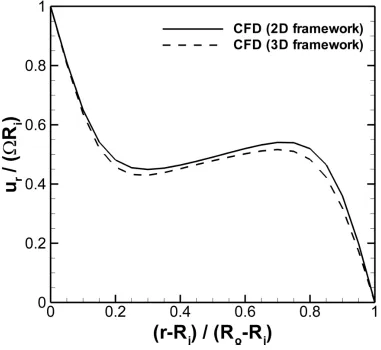
Figure 2.3: Normalized velocity profile for a 2-D and 3-D framework ... 27
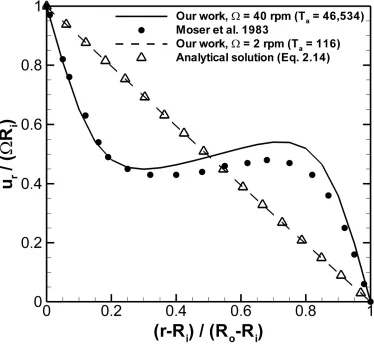
Figure 2.4: Normalized velocity profile for stable (Ta = 116) and unstable (Ta = 46,534)
Taylor regimes ... 28
Figure 2.5: Normalized velocity profile for different angular velocities ... 29
Figure 2.6: Measured and calculated irradiance profiles at the quartz/fluid interface (with and
without doped sleeve quartz) ... 30
Figure 2.7: Breakthrough curve with passive tracer ... 31
Figure 2.8: Normalized transient tracer concentration Ta = 46,534 (left) and Ta = 0 (right). . 32
Figure 2.9: Absorbed vs. absorbed energy for the 1:20 diluted actinometer ... 33
Figure 2.10: Steady state tests with reactive tracer ... 34
Figure 2.11: TC-CB apparatus with radial velocity (left) and incident radiation contours
(right) ... 35
Figure 2.12: CFD predicted pathogen inactivation vs. AD/D10 for a) Ta = 46,534 and b) Ta =
0... 37
Figure 3.1: Experimental set-up modeled in the present chapter... 44
Figure 3.2: H2O2 concentration produced in VUV process in air saturated. The solid line
represents the modeling result including the hydraulic bypass while the dashed line is
obtained excluding the hydraulic bypass ... 50
xiii
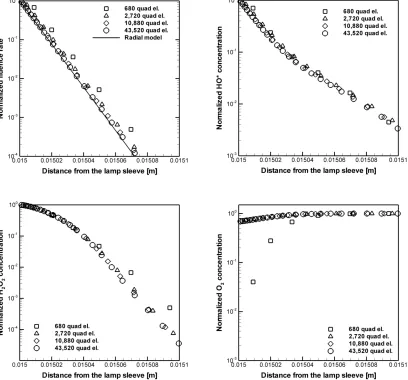
Figure 3.4: Comparison between normalized concentration profile of HO* for several values
of the diffusivity, ΓC, of all the species and of the flowrate, Q (λ = 172 nm) ... 52
Figure 3.5: Schematic representation of recirculating system decomposed into
CFSTR-in-series ... 53
Figure 3.6: Grid independence tests on normalized fluence rate, HO*, H2O2 and O2 species
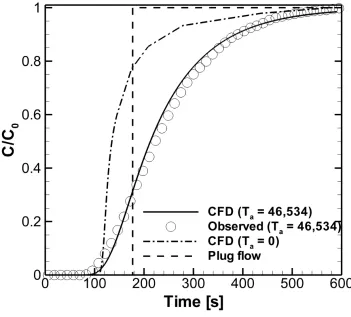
(log scale) ... 56
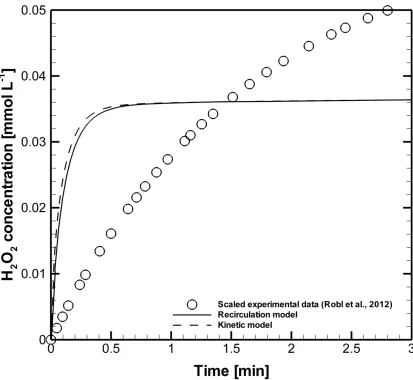
Figure 3.7: Comparison of H2O2 profile (numerical and scaled experimental data) ... 58
Figure 3.8: H2O2 profile, changing the number of photoreactors and reservoirs in series ... 59
Figure 3.9: H2O2 concentration produced in VUV process (172 nm) in air saturated (О) and
oxygen saturated conditions (∆). The solid and dashed lines represent modeling results for
the case of n.1 CFSTR (n=1), in semi-batch mode, with hydraulic bypass ... 60
Figure 3.10: Kinetic constants ordered from most significant to least significant according to ∆, for the case of air-saturated condition at 172 nm irradiation with no organic
pollutant in water ... 62
Figure 3.11: H2O2 concentration in VUV/UV process (185/253.7 nm) with no (О) and 0.5
mmol L-1 () initial concentration of H2O2. H2O2 concentration in UV process (253.7 nm)
with 0.5 mmol L-1 initial concentration (∆). The lines represent modeling results from this
work using the CFSTR, semi-batch new mechanistic photoreactor model ... 64
Figure 3.12: Comparison between FA and H2O2 profiles at different initial concentrations of
the micropollutant (λ = 185/253.7 nm) ... 65
Figure 3.13: FA degradation in VUV/UV process (185/253.7 nm) with no (О) and 0.5 mmol
L-1 () initial concentration of H2O2. FA degradation in UV process (253.7 nm) with 0.5
mmol L-1 initial concentration of H2O2 (∆). The lines represent modeling results from this
work ... 67
Figure 3.14: Comparison of formic acid concentration profiles at 253.7 nm with (squares)
xiv
Figure 3.15: Fluence rate, H2O2 and HO* normalized distributions at two conditions: 172 nm
(left column) and 185/253.7 nm (right column) ... 69
Figure 3.16: Velocity and HO* distribution in Robl's reactor (130x5 mm, left - a) and a small
part (5x5 mm, right - b) (λ = 172 nm) ... 70
Figure 3.17: Concentration of the radical species (HO*) versus fluence rate in pure water at
different conditions: 172 nm (O), 185/253.7 nm (∆) and 253.7 nm with initial 10 ppm of
H2O2 (). The bold line represents the 1:1 direct proportionality curve between concentration
and fluence rate ... 71
Figure 3.18: Concentration of species (HO* and H2O2) versus fluence in pure water at
different conditions: 172 nm (first row), 185/253.7 nm (second row) and 253.7 nm with
initial 10 ppm of H2O2 (third row) ... 73
Figure 3.19: Concentration of the radical species versus fluence in pure water at 172 nm. The
bold line represents the 1:1 proportionality curve between concentration and fluence rate ... 74
Figure 4.1: Schematic representation of the single-pass experiment at 185/253.7 nm ... 81
Figure 4.2: Schematic representation of the single annular thin-film reactor (longitudinal
section, not on scale) ... 82
Figure 4.3: Schematic representation of single-pass system using Xe 172 nm lamp ... 84
Figure 4.4: The cube for BBD (a) and three interlocking 22 factorial designs (b) ... 85
Figure 4.5: Schematic illustration of the proposed degradation pathway of pCBA (He et al.,
2011; Mezyk et al., 2008; Mezyk et al., 2009; Zona et al., 2010; Manion et al. - NIST
database) ... 89
Figure 4.6: Schematic representation of the 2-dimensional axisymmetric geometry defined in
Gambit... 92
Figure 4.7: Overall t-student test on EEO and log(C0/C) after the first (a) and second (b)
photoreactor. Percentage of significance for each investigated variables is reported
xv
Figure 4.8: Overall t-student test on EEO and log(C0/C) after the first (a) and second (b)
photoreactor. Percentage of significance for each investigated variables is reported
(degradation of pCBA with 185/253.7 nm lamp and natural quartz sleeve) ... 98
Figure 4.9: Overall t-student test on EEO and log(C0/C) after the first (a) and second (b)
photoreactor. Percentage of significance for each investigated variables is reported
(degradation of methylene blue with 185/253.7 nm lamp and synthetic quartz sleeve) ... 100
Figure 4.10: Overall t-student test on EEO after the first (a) and second (b) photoreactor.
Percentage of significance for each investigated variables is reported (degradation of
methylene blue with 185/253.7 nm lamp and natural quartz sleeve) ... 102
Figure 4.11: Overall t-student test on log(C0/C) (a) and EEO (b). Percentage of significance
for each investigated variables is reported (degradation of pCBA with 172 nm lamp) ... 104
Figure 4.12: Overall t-student test on log(C0/C) (a) and EEO (b). Percentage of significance
for each investigated variables is reported (degradation of methylene blue with 172 nm lamp)
... 106
Figure 4.13: Comparison between 185/253.7 nm and 172 nm processes (pCBA degradation -
synthetic quartz sleeve) ... 107
Figure 4.14: Comparison between 185/253.7 nm and 172 nm processes (methylene blue
degradation - synthetic quartz sleeve) ... 108
Figure 4.15: pCBA degradation efficiency under 185/253.7 nm irradiation (synthetic and
natural quartz sleeve) ... 109
Figure 4.16: Methylene blue degradation efficiency under 185/253.7 nm irradiation
(synthetic and natural quartz sleeve) ... 110
Figure 4.17: Predicted vs. observed data (185/253.7 nm irradiation) ... 112
Figure 4.18: Global minimum for the fraction of 185 nm power in water ... 113
Figure 4.19: Comparison between predicted (MATLAB) and observed (experimental) data
xvi
Figure 4.20: Comparison between predicted (FLUENT) and observed (experimental) data
(pCBA degradation under 185/253.7 irradiation after first annular photoreactor - synthetic
quartz sleeve) ... 115
Figure 4.21: Overall t-student test with respect to the error function. Percentage of significance for each investigated variables is reported ... 116
Figure 4.22: Comparison between predicted (FLUENT) and experimental data (pCBA degradation under 185/253.7 irradiation after second annular photoreactor - synthetic quartz sleeve) ... 117
Figure 4.23: Comparison between experimental and numerical data (pCBA degradation under 185/253.7 irradiation after first annular photoreactor - natural quartz sleeve) ... 118
Figure 4.24: Schematic representation of annular photoreactor with seven baffles equally spaced ... 119
Figure 4.25: pCBA degradation vs. annular gap - with and without baffles at low Re number and constant flowrate ... 120
Figure 4.26: Pressure drop vs. annular gap – with and without baffles at low Re number .. 120
Figure 4.27: Dose 253.7 nm per particle distribution ... 122
Figure 4.28: Dose 185 nm per particle distribution ... 123
Figure 4.29: Dose HO* per particle distribution ... 124
Figure 4.30: Average dose HO* vs. pCBA initial concentration – turbulent regime ... 125
Figure 4.31: Example of uncorrelated (left) and perfectly correlated (right) distributions of variable A and B ... 126
Figure 4.32: Correlations between 253.nm and 185 nm dose distributions ... 127
Figure 4.33: Correlations between 253.7 nm and HO* dose distributions ... 128
xvii
Figure A1.1: Schematic representation of single-pass system... 152
xviii
List of Appendices
Appendix A: List of elementary reactions and rate constants (compiled from primary and
secondary sources) for the 172 nm, 185 nm and 253.7 nm AOP ... 136
Appendix B: Derivation of semi-batch governing equations with dark and light reaction
terms. ... 152
Appendix C: Sensitivity study on pCBA degradation including (blue curve) or excluding
(green curve) 4HydroBzA and 4ClBzA reactions. Simulations were conducted at different
initial pCBA concentrations and flowrates, fixing the electrical power of the lamp (108 W)
... 154
Appendix D: MATLAB code. Discretization of an annular photoreator, radial lamp emission
model (185/253.7 nm), degradation of pCBA as target pollutant. ... 155
Appendix E: Initial value problem (IVP) function - MATLAB. ... 160
Appendix F: C code implemented in ANSYS Fluent to calculate the spatial distribution of the
species. ... 162
Appendix G: Polynomial coefficient of the fitted response surfaces ... 166
Appendix H: Dose per particle distributions and correlations among 185 nm, 253.7 nm, HO*,
and H* doses (10 mm annular photoreactor with baffles, C0 = 0.1 mg L-1, Q = 42 L min-1) 168
Appendix I: Dose per particle distributions and correlations among 185 nm, 253.7 nm, HO*,
and H* doses (10 mm annular photoreactor with baffles, C0 = 1.0 mg L-1, Q = 42 L min-1) 169
Appendix J: Dose per particle distributions and correlations among 185 nm, 253.7 nm, HO*,
and H* doses (10 mm annular photoreactor with baffles, C0 = 0.1 mg L-1, Q = 84 L min-1) 170
Appendix K: Dose per particle distributions and correlations among 185 nm, 253.7 nm, HO*,
xix
Appendix L: Dose per particle distributions and correlations among 185 nm, 253.7 nm, HO*,
and H* doses (10 mm annular photoreactor with baffles, C0 = 0.1 mg L-1, Q = 126 L min-1)
... 172
Appendix M: Dose per particle distributions and correlations among 185 nm, 253.7 nm,
HO*, and H* doses (10 mm annular photoreactor with baffles, C0 = 1.0 mg L-1, Q = 126 L
min-1) ... 173
Appendix N: Dose per particle distributions and correlations among 185 nm, 253.7 nm, HO*,
and H* doses (1 mm annular photoreactor without baffles, C0 = 0.1 mg L-1, Q = 42 L min-1)
... 174
Appendix O: Dose per particle distributions and correlations among 185 nm, 253.7 nm, HO*,
and H* doses (1 mm annular photoreactor without baffles, C0 = 1.0 mg L-1, Q = 42 L min-1)
... 175
Appendix P: Dose per particle distributions and correlations among 185 nm, 253.7 nm, HO*,
and H* doses (1 mm annular photoreactor without baffles, C0 = 0.1 mg L-1, Q = 84 L min-1)
... 176
Appendix Q: Dose per particle distributions and correlations among 185 nm, 253.7 nm, HO*,
and H* doses (1 mm annular photoreactor without baffles, C0 = 1.0 mg L-1, Q = 84 L min-1)
... 177
Appendix R: Dose per particle distributions and correlations among 185 nm, 253.7 nm, HO*,
and H* doses (1 mm annular photoreactor without baffles, C0 = 0.1 mg L-1, Q = 126 L min-1)
... 178
Appendix S: Dose per particle distributions and correlations among 185 nm, 253.7 nm, HO*,
and H* doses (1 mm annular photoreactor without baffles, C0 = 1.0 mg L-1, Q = 126 L min-1)
... 179
Appendix T: Permission request relating the material published in Water Research Journal of
xx
Nomenclature
Absorption coefficient of the solution at specified wavelength [m-1] , , , Generic stoichiometric coefficients
, Initial and final concentration of the species [mol m-3]
, , , Concentration of the generic species A, B, C, and D [mol m-3] , Concentration of the generic species A in the reservoir [mol m-3]
, Concentration of the generic species A in the photoreactor [mol m-3]
Light speed in vacuum (2.99•108 m s-1)
Center point
UV dose [J m-2]
UV dose required for 1 log10 inactivation [J m-2]
Fraction of flowrate entering in the active layer of the photoreactor Plank's constant (6.626•10-34 J s)
Fluence rate [W m-2] K Number of factors
Microbial inactivation constant [m2 J-1]
Reaction rate constant, second order [m3 mol-1 s-1] or first order [s-1] ! Lamp arc length [m]
"# Molecular weight of the generic species A [g mol-1]
$ Concentration of cells [cfu m-3]
% Number of CSTRs in series in the photoreactor zone $ Avogadro's number (6.022•1023 molecules mol-1)
& Number of CSTRs in series in the reservoir zone P Electrical lamp power [W]
'( Pressure [Pa]
'() UV power absorbed by the solution [W]
'*+ UV power emitted from the sleeve [W]
, Total number of absorbing light species - Flowrate [m3 s-1]
./ Generic light-independent reaction rate [mol m3 s-1]
.0 Inner Taylor-Couette cylinder radius [m]
.1 Generic light-dependent reaction rate [mol m3 s-1] .2 Outer Taylor-Couette cylinder radius [m]
.3 Sleeve radius [m]
.4 Reactor wall radius [m]
5 Radial direction [m] 56 Position of vector [m] .7( 0(1 Axial Reynolds number [-]
xxi 89, 8: Source term [; s
-1 ] <6 Direction vector [m] Sc Schmidt number [-] =( Taylor number [-]
> Time [s]
?@6 Fluid velocity vector [m s-1]
?0 Fluid velocity components in Cartesian coordinates [m s-1] ? Fluid velocity (radial component) [m s-1]
? Fluid velocity (axial component) [m s-1] ?A Fluid velocity (azimuthal component) [m s-1]
B Reservoir volume [m3]
B Photoreactor volume [m3]
C Axial direction [m] C, CD, CE Independent variables
C0 Cartesian components [m] Y Response variable
Abbreviations
AD Average UV dose [J m-2] AOP Advanced Oxidation Process BBD Box-Behnken Design
CFD Computational Fluid Dynamics
CFSTR,CSTR Continuous (Flow) Stirred Tank Reactor DO Discrete Ordinate
EEO Electrical Energy per Order [W min L-1 log-1]
FA Formic acid
MB Methylene blue
pCBA Para-chlorobenzoic acid RTE Radiative Transport Equation TC-CB Taylor-Couette Collimated Beam
TOC Total Organic Carbon UV Ultraviolet Light
UVTDIE.K Ultraviolet Transmittance at 253.7 nm [% m-1] VUV Vacuum Ultraviolet Light
Greek letters
xxii M, M: Diffusion coefficient [m
2 s-1] N Annulus width [m]
N Depth of photoactive layer [m]
∆:,OP Relative error in predicting the scalar CA when the reaction kx is omitted from the kinetic model [mol m-3]
Q, Molar absorption coefficient for the generic species A at a given wavelength λ [m3 mol-1 m-1]
Q Turbulent dissipation rate [m2 s-3] R Turbulent kinetic energy [m2 s-2] S Wavelength [m]
T Dynamic viscosity [kg m-1 s-1]
TU Turbulent dynamic viscosity [kg m-1 s-1]
V Density [kg m-3]
W Kinematic viscosity [m2 s-1]
WU Turbulent kinematic viscosity [m2 s-1]
Φ1 Quantum yield [mol einstein-1]
; Generic scalar
1
Chapter 1
1
INTRODUCTION
The research presented in this thesis focuses on two distinct problems entailing the use of
short-penetrating UV wavelengths for treating a contaminated fluid, namely the
inactivation of specific microorganisms in highly absorbing fluids such as liquid foods by
the 253.7 nm ultraviolet (UV) wavelength and the oxidation of model pollutants in
ultrapure water by advanced oxidation processes initiated by vacuum ultraviolet (VUV)
wavelengths (172 and 185 nm). In both cases, due to a very short light penetration into
the fluid, an effective photoreactor design requires a deep understanding of the reactor
hydraulics, the optics, and the reaction mechanisms involved, which can be taken into
account by coupling reaction kinetics, optics, and hydraulics through the use of numerical
models and computational fluid dynamics (CFD). Thus, a key aspect of this research is to
understand and explore different photoreactor configurations in order to identify their
industrial potential as well as their limitations.
More specifically, the first investigation presented hereafter focuses on the
Taylor-Couette apparatus as an alternative collimated beam reactor to quantify the intrinsic
inactivation kinetics of microorganisms in high absorbing fluids irradiated by 253.7 nm
UV light. Then, the attention was directed towards the advanced oxidation processes
(AOPs) initiated by short wavelengths (λ<200 nm) for the removal of total organic
carbon (TOC) from ultrapure water. As known, at 185 and 172 nm pure water exhibits
high absorbance leading, as in the first example of an application, to short penetration of
the light in the treating fluid.
1.1 UV for the inactivation of pathogens in nearly-opaque
fluids
After more than a century since its first documented application (Downes and Blunt,
1877), the use of ultraviolet light (UV) to inactivate pathogens can be considered a
cost-effective and environmentally-friendly solution to disinfect contaminated fluids. The
of UV photons cause the formation of pyrimidine dimers and other structural changes
that ultimately prevent cell replication and lead to cell death (Miller et al., 1999).
Many successful UV applications were documented (Severin et al., 1985; Hijnen et al.,
2006; Gori and Caretti, 2008; Santoro et al., 2010; Blatchley III et al., 2012), in which
monochromatic or polychromatic UV reactors were applied to disinfect fluids having an
ultraviolet transmittance at 253.7 nm (UVT253.7) ranging from nearly opaque
(UVT253.7<10% cm-1) to nearly transparent (UVT253.7>30% cm-1). Recently, the use of
UV light was considered as a possible alternative to chemical and thermal treatments of
liquid foods although carefully reactor design was identified as critical step to overcome
the high UV absorptivity of these fluids (Forney et al., 2004; Koutchma, 2009). It is also
well established that experimentally determined UV dose-response curves are essential
for accurate reactor sizing (U.S.EPA, 2003b). For relatively transparent fluids
(UVT253.7>30% cm-1), such as municipal water and wastewater, such experiments are
typically carried out in an industry standard apparatus known as a collimated beam
(Bolton and Linden, 2003). It consists of a UV lamp, with emission characteristics similar
to those used in the full-scale UV reactor, installed in an opaque housing equipped with
an open, vertically mounted tube. The sample is located at a prescribed distance
underneath the tube end such that only the quasi-collimated component of the emitted
light is delivered to the irradiated sample. This way, assuming perfect mixing in the
crystallization dish, controlled and quantifiable UV doses (which can be estimated using
average dose calculations) can be delivered to the sample.
Given the potentially complex photochemistry associated with the UV treatment of
nearly opaque fluids, it is often required to irradiate larger volumes in order to be able to
use the same sample to investigate multiple aspects such as possible side-effects caused
by the interaction of the absorbed light and the mixture constituents. In such
circumstances, a standard collimated beam apparatus, as described by Bolton and Linden
(2003), may not be the appropriate choice due to the violation of the ideal mixing
assumption required during conventional collimated beam studies. Indeed, lack of
sufficient mixing would result in a deviation from the desired kinetically-controlled
3
would not be representative of intrinsic inactivation kinetics. The limitations in this type
of process consist in both photon short-penetration in the liquid and lack of sufficient
mixing in order to provide a uniform dose distribution to the microorganisms and,
subsequently, obtain an intrinsic inactivation kinetics.
1.2 AOP processes for degradation of chemical pollutants
One of the major threats to environmental and potable water quality is chemical
pollution. These chemicals can be either dumped directly into the environmental waters
as constituents of industrial or municipal wastewater effluents from treatment plants that
do not fulfill the discharge limit rules, or indirectly as soil runoff or leachate of
agricultural chemicals such as biocides and fertilizers. Generally, water-soluble
substances can be transported and distributed easily in the water cycle.
In the past, attention was paid to studying the impact of direct effects of individual
pollutants on the ecosystems. But with the advancement of scientific understanding, a
considerable number of chronic effects that can only be detected after a long period of
time were documented (Pal et al., 2013). Furthermore, larger quantities of recalcitrant
substances are being found at long distances from their sources of discharge (Oller et al.,
2011).
A feasible option for treating such persistent recalcitrant compounds is the use of the
advanced technologies based on chemical oxidation, such as the Advanced Oxidation
Processes (AOPs), widely recognized as highly efficient treatments. AOPs were studied
intensively for decades. Various combinations of oxidants, radiation and catalysts such as ZE/\DZD, ]B/\DZD, ]B/ZE, ]B/=^ZD, _7D`/\DZD, _7D`/\DZDa b, vacuum ultraviolet radiation (VUV) and ionizing radiation were developed for the removal of
pollutants. These processes involve the generation of highly reactive radical
intermediates, especially the hydroxyl (HO*) radical (Glaze et al., 1987). The appeal of
AOPs is the possibility of achieving complete mineralization of organic contaminants
1.2.1
The role of hydroxyl radical (HO*)
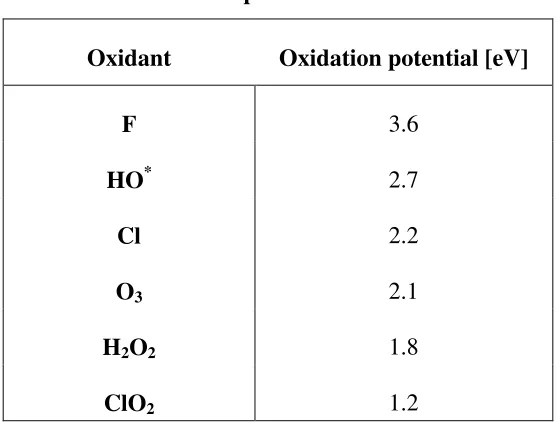
The HO* is one of the most powerful oxidants known with oxidation potential 2.7 eV,
second only after fluorine (Table 1.1).
Table 1.1: Oxidation potential of several oxidants
Oxidant Oxidation potential [eV]
F 3.6
HO* 2.7
Cl 2.2
O3 2.1
H2O2 1.8
ClO2 1.2
The reaction rate constants between HO* and organic species are in the range of 108-1010
L mol-1 s-1. Once free radical reaction was initiated by photolysis, ozone, hydrogen
peroxide, etc., a series of reactions will ensue providing the oxidation or degradation of
recalcitrant compounds present in water. The reactions of HO*, that is non-selective
oxidant, with chemical compounds can proceed in mainly three different ways: 1) by the
addition of HO* to double bonds, 2) by H-atoms abstraction, which yields carbon
centered radical and 3) by reaction mechanisms where HO* acquires an electron from an
organic substance (Matilainen et al., 2010).
1.3 Vacuum-UV light
Among several advanced oxidation processes one involves the use of vacuum-UV, which
relies on the high energy photons generated by VUV lamps that emit radiation at
wavelengths lower than 190 nm. Such short wavelengths are most commonly produced
by xenon excimer lamps (excilamps). The photonic energy produced by these lamps is
greater than that of the 253.7 nm wavelength produced by conventional low pressure
5
in the HO* production without adding any other chemical reagent. The cost of excimer
lamps that can emit a quasi-monochromatic VUV radiation, depending on the type of the
gas used, is greater than that of low pressure mercury lamps providing similar electrical
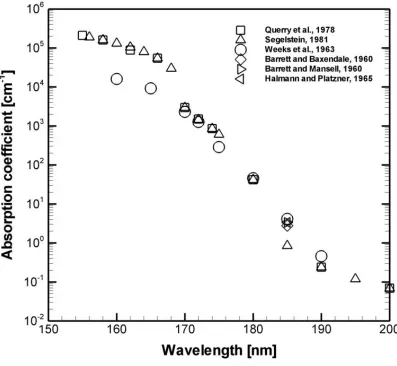
efficiency (Oppenländer, 2003). Moreover, even ultrapure water exhibits high absorption
at these low wavelengths and so the penetration of UV light is confined in millimeters for
the case of 185 nm, or fraction of a millimeter for the case of 172 nm. The following
Figure 1.1 shows the absorption coefficient of ultrapure water (in napierian base),
measured by different authors, in a wavelength range of 155-200 nm (Barrett and
Baxendale, 1960; Barrett and Mansell, 1960; Halmann and Platzner, 1965; Querry et al.,
1978; Segelstein, 1981; Weeks at al., 1963).
1.3.1
Lab-scale experiments using vacuum-UV light
Numerous papers are available in the scientific literature focusing on lab scale
experiments involving the degradation of chemicals due to direct photolysis of the
compounds as well as oxidation of organic species in water resulting from reaction with
reactive oxygen species (ROS) such as HO* created from the photolysis of water and
subsequent reactions initiated by short wavelengths light. For example in the publication
by Gonzalez (Gonzalez and Braun, 1994) the effect of depletion of nitrite and nitrate, in
aqueous solutions, initiated by the VUV photolysis of water under different experimental
conditions was measured. A cylindrical Xe excimer lamp of 25 cm length and 3 cm
external diameter developed by ABB (Baden, Switzerland) emitting 172 nm was used as
the irradiation source. The photochemical reactor was of annular geometry with volume
220 mL. It was noted that the depletion of nitrate depends strongly on the presence of
dissolved oxygen and on temperature; higher rates of nitrate depletion were observed for
argon saturated solutions at 60 °C. In their work also a numerical code was developed in
order to simulate the elementary reactions involved in VUV irradiation of aqueous
solutions of nitrite and nitrate at 20 and 25 °C. In the case of irradiation of ultrapure
water, 12 different species were considered: HO*, H*, eaq-, HO2*, O2*-, H2, O2, H2O2, HO2
-, H+, OH- and H2O ending up with 28 total reactions. In a more recent work Gonzalez
(Gonzalez et al., 2004) considered methanol (CH3OH) as a simple model pollutant of
natural water and its oxidation was investigated in a pH range of 1-12 ending up with 14
different species (HO*, H*, eaq-, HO2*, O2*-, H2, O2, H2O2, HO2-, H+, OH-, O3*-, HO3* and
H2O) and a minimum set of 25-30 reactions and acid-base equilibria for a complete
reaction scheme.
The PhD thesis of Jakob (1992, and subsequent paper published in 1993) focused on
oxidative degradation of 4-chlorophenol (4-CP) in aqueous solution using a lab scale
annular reactor with the following geometric configuration: internal diameter of 4.5 cm, a
Xe-excimer lamp, emitting monochromatic light at 172 nm, with 3 cm diameter and 13
out of 24 cm total length immersed in an annular reactor. The total volume of treated
solution was 220 mL. The study concluded that neither oxygen concentration nor the
7
An actinometric experimental method was developed by Heit (Heit et al., 1998) using
cis-trans isomerisation of cyclooctene solution in a lab scale apparatus with a VUV lamp
at 172 nm. The production rate of hydroxyl radicals was determined from the rate of
degradation of methanol dissolved in the aqueous reaction system. Once the rates of
production of hydroxyl radicals and methanol degradation were determined, the quantum
yield of the homolysis of water by VUV irradiation was calculated.
From all these papers, based on the experimental works presented, it can be noticed the
inadequacy of the VUV photoreactors used due to a mismatch between reactor gap and
light penetration. These annular photoreactors have an inner space (gap) of millimeters,
where the fluid resides, meanwhile the light, at that wavelength, has a penetration of a
fraction of a millimeter thereby only a small amount of the total fluid is treated. Moreover
there is no agreement among these authors on the complete set of elementary chemical
equations involved in the process of photolysis of pure water and, sometimes, the values
of the rate constants are in disagreement. Due to the above issues, a better understanding
of the hydraulic and chemical phenomena that take place would be required to provide a
more definitive understanding of the process. This understanding cannot be achieved with
experimental campaigns using an annular photoreactor with gap of few micrometers, due
to manufacturing limitations, but it is possible by developing a numerical kinetic model
which involves hydraulic, UV radiation, mass transfer and kinetic equations; however,
modeling VUV processes may present some challenging tasks for a number of reasons.
First of all, several reactions occur during VUV photolysis of liquid water only involving
several radical and stable species. These photogenerated radicals can react with other
species present in the system. Second, kinetics of photoreactions depend strongly on the
radiation field in the reactor, and steep gradients are present in VUV systems due to the
high absorption coefficient of water at short wavelength, which produces steep gradients
in the reaction rate of photoreactions and in the concentration of photogenerated radicals.
In particular, the ultrapure water absorption coefficient at 172 nm is about 555.5 cm-1
(base 10) and so 90% of photons are absorbed in an 18 µm layer close to the lamps. On
the other hand, VUV-Hg lamps have an efficiency around 30-40% at 253.7 nm and
5-10% of UV power is emitted at 185 nm. The absorption coefficient of pure water at 185
a 5.5 mm layer. The radiation profile, for these types of lamps, is less steep and more
uniform. Due to the better penetration of the light at this wavelength in the solution, the
advanced oxidation at 185 nm can be competitive with the VUV process at 172 nm.
1.3.2
Mechanistic AOP models based on water photolysis by low
wavelengths
Few mechanistic models were proposed in the literature to describe the degradation of
pollutants at low wavelength radiation in aqueous solutions. Zvereva (2010) modeled the
concentration of products of liquid and gaseous water decomposition under the action of
VUV radiation at 172 nm. The water decomposition resulted in the formation of the
following main products: H*, HO*, eaq-, H2, OH-, O*-, H+, H2O2, O2*-, HO2*, HO2- and O3-.
She composed and solved a system of 53 total kinetic equations with respect to the
concentration of these components. The author neglected the diffusion term of the
products because diffusion rates were smaller than the time scale considered (10-5-10-4
cm2 s-1 versus 10-2-10-1 s). In the second part of the study the author used the model to
estimate the decomposition of PCBs under the action of HO*. Zvereva showed that the
VUV radiation causes efficient formation of highly reactive HO* which were able to
oxidize the polychlorinated biphenyl, starting from a concentration of its average
solubility in the water, in less than 0.004 s in liquid water.
Another kinetic model was developed by Imoberdorf (Imoberdorf and Mohseni, 2012)
considering the most important reactions involved in photolysis of water at 185 nm with
presence of 2,4-dichlorophenoxyacetic acid (2,4-D) as a model micropollutant: 32 main
reactions and 4 reactions of pollutant oxidation were included. They discovered that the
initial degradation rate of 2,4-D in ultrapure water was not dependent on the initial
concentration of the contaminant, and the presence of alkalinity and natural organic
matter (NOM) reduced the degradation rate by up to 72%. The kinetic model developed
in that work included also the propagation and absorption of radiation in the reactor. The
9
1.4 Thesis objectives and outline
The main objective of this thesis is to evaluate the efficiency and limitations of different
annular photoreactor configurations where the highly absorbing fluid is irradiated by
UV/VUV lamps. To achieve this, the following steps were undertaken and discussed in
the following chapters:
• In Chapter 1, a literature review was presented. The focus was directed towards
reviewing the documented applications and process performance of fluids
irradiated by 253.7 nm light for the quantification of intrinsic inactivation kinetics
highlighting the limitations of a specific device when the fluids exhibited high UV
absorption. Then, the attention was paid to the previously published papers
describing mechanistic models for advanced oxidation processes initiated by short
wavelengths (172 and 185 nm) for degradation of chemical pollutants in ultrapure
waters. Available experimental and numerical studies were summarized and
reported in this chapter.
• In Chapter 2, a modeling and experimental study was carried out using a
Taylor-Couette apparatus as an alternative to a collimated beam reactor. CFD simulations
were first verified, and then passive and active tracer tests were experimentally
conducted in order to calibrate and validate the model. Finally, the validated CFD
model was used for a sensitivity study using hypothetical fluids with varying
absorption coefficients in order to identify a criterion for the accurate
quantification of microbial inactivation rate constants.
• In Chapter 3, a novel mechanistic model is presented to simulate the process
performance and reactor hydraulics of VUV photolysis at 172 nm and 185 nm on
ultrapure water with hydrogen peroxide and formic acid (as investigated target
micropollutant). The mechanistic model was validated with previously published
data and used to investigate the role of HO* in these different processes.
• In Chapter 4, data collected from experimental campaigns using VUV reactors are
reported. The studies were conducted on annular thin-film photoreactors where
the lamp is placed parallel to the main direction of the fluid and emitting 172 nm,
and methylene blue were used. Different concentrations of pollutants as well as
flowrates and annular gaps were investigated. Subsequently, the previous
validated mechanistic model (discussed in Chapter 3) was extended to other
elementary reactions in order to take into account the degradation mechanism of
para-chlorobenzoic acid. The tested annular photoreactor geometries were
modeled in MATLAB and, subsequently, a more detailed model was carried out
using CFD. The model was validated after a careful calibration and finally applied
to the exploration of different baffled annular photoreactor configurations by
changing variables such as annular gap, flowrate and initial concentration of
target model pollutants.
1.5 References
Barrett, J., Baxendale, J.H., 1960. The photolysis of liquid water. Transaction of the Faraday Society 56, 37-43.
Barrett, J., Mansell, A.L., 1960. Ultraviolet absorption spectra of the molecules H2O, HDO and D2O. Nature 187, 138-139.
Blatchley III, E.R., Weng, S., Afifi, M.Z., Chiu, H-H., Reichlin, D.B., Jousset, S., Erhardt, R.S., 2012. Ozone and UV254 radiation for municipal wastewater disinfection. Water Environmental Research 84(11), 2017-2027.
Bolton, J.R., and Linden, K.G., 2003. Standardization of Methods for Fluence (UV Dose) Determination in Bench-Scale UV Experiments. Journal of Environmental Engineering 129(3), 209-215.
Downes, A. and Blunt, T.P., 1877. The influence of light upon the development of bacteria. Nature 16, 218.
11
Glaze, W.H., Kang, J.W., Chapin, D.H., 1987. The Chemistry of Water Treatment Processes Involving Ozone, Hydrogen Peroxide and Ultraviolet Radiation. Ozone: Science & Engineering: The Journal of the International Ozone Association 9 (4), 335-352.
Gonzalez, M.C., Braun, A.M., Bianco Prevot, A., Pelizzetti, E., 1994. Vacuum-Ultraviolet (VUV) photolysis of water: mineralization of atrazine. Chemosphere 28 (12), 2121-2127.
Gonzalez, M.G., Oliveros, E., Wörner, M., Braun, A.M. 2004. Vacuum-ultraviolet photolysis of aqueous reaction systems. Journal of Photochemistry and Photobiology C: Photochemistry Reviews 5 (3), 225-246.
Gori, R., and Caretti, C., 2008. Experimental study on municipal and industrial reclaimed wastewater refinement for agricultural reuse. Water Science and Technology 58(1), 217-223.
Halmann, M., Platzner, I., 1965. The photochemistry of phosphorus compounds. Part III. Photolysis of ethyl dihydrogen phosphate in aqueous solution. Journal of the Chemical Society 1440, 5380-5385.
Heit, G., Neuner, A., Saugy, P.-Y., Braun, A.M., 1998. Vacuum-UV (172nm) Actinometry. The Quantum Yield of the Photolysis of Water. Journal of Physical Chemistry A 102 (28), 5551-5561.
Hijnen, W.A.M., Beerendonk, E.F., Medema, G.J., 2006. Inactivation credit of UV radiation for viruses, bacteria, and protozoan (oo)cysts in water: A review. Water Research 40(1), 3-22.
Imoberdorf, G, Mohseni, M., 2012. Kinetic study and modeling of the vacuum-UV photoinduced degradation of 2,4 D. Chemical Engineering Journal 187, 114-122.
Jakob, L., 1992. Traitement des eaux par photocatalyse et photolyse V-UV dégradation oxydative de polluants organiques. Ph.D Thesis, EPF-Lausanne, Switzerland.
Koutchma, T., 2009. Advances in Ultraviolet Light Technology for Non-thermal Processing of Liquid Foods. Food and Bioprocess Technology 2(2), 138-155.
Matilainen, A., Sillanpää, M., 2010. Removal of organic matter from drinking water by advanced oxidation processes. Chemosphere 80 (4), 351-365.
Miller, R., Jeffrey, W., Mitchell, D., Elasri, M., 1999. Bacterial responses to ultraviolet light. ASM News 65, 534-541.
Oller, I., Malato, S., Sánchez-Pérez, J.A., 2011. Combination of Advanced Oxidation Processes and biological treatments for wastewater decontamination - A review. Science of the Total Environment 409 (20), 4141-4166.
Oppenländer, T., 2003. Photochemical Purification of Water and Air: Advanced Oxidation Processes (AOPs): Principles, Reaction Mechanisms and Reactor Concepts. Wiley-VCH, Weinheim.
Pal, R., Megharaj, M., Kirkbride, K.P., Naidu, R., 2013. Illicit drugs and the environment - A review. Science of the Total Environment 463-464, 1079-1092.
Querry, M.R., Cary, P.G., Waring, R.C., 1978. Split-pulse laser method for measuring attenuation coefficients of transparent liquids: application to deionized filtered water in the visible region. Applied Optics 17(22), 3587-3592.
Santoro, D., Raisee, M., Moghaddami, M., Ducoste, J., Sasges, M., Liberti, L., Notarnicola, M., 2010. Modeling hydroxyl radical distribution and trialkyl phosphates oxidation in UV – H2O2 photoreactor using computational fluid dynamics. Environmental Science and Technology 44(16), 6233-6241.
Segelstein, D.J., 1981. The complex refractive index of water. University of Missouri-Kansas City.
Severin, B.F., Blaine, F., Suidan, M.T., 1985. Ultraviolet disinfection for municipal wastewater. Chemical Engineering Progress 81, 37-44.
13
Weeks, J.L., Meaburn, G.M.A.C., Gordon, S., 1963. Absorption Coefficients of Liquid Water and Aqueous Solutions in the Far Ultraviolet. Radiation Research 19(3), 559-567.
Chapter 2
2
QUANTIFYING ULTRAVIOLET INACTIVATION
KINETICS IN NEARLY OPAQUE FLUIDS
2.1 Introduction
An alternate design to the standard collimated beam apparatus is proposed for advanced
kinetic studies in low transmittance and nearly opaque fluids. The design is based on the
use of the well-known Taylor-Couette flow (Karpel et al., 1997; Prigent and Dauchot,
2000) established between rotating cylinders, with UV light delivered through the inner
one made of quartz, irradiated by an axially mounted UV lamp. This new Taylor-Couette
collimated beam (TC-CB) apparatus exploits the fluid instabilities resulting in the
formation of toroidal, counter-rotating pairs of vortices, and the axi-symmetric fluence
rate generated by the central position of the 253.7 nm UV lamp.
Specifically, the disinfection performance of a TC-CB system is investigated using
computational fluid dynamics (CFD). First, CFD simulations were verified by comparing
the numerical solutions obtained from the current CFD model with analytical equation
and previously published information. Then, passive and reactive tracer experiments were
conducted in order to macroscopically calibrate and validate the CFD model. Finally, the
validated CFD model was used to conduct a sensitivity study using hypothetical fluids
(with varying absorption coefficients) and hypothetical inactivation kinetics (with various
inactivation rate constants, or D10 ,as listed in Table 2.1) to determine a generalized criterion for accurate kinetic studies of nearly opaque fluids using a TC-CB apparatus.
Table 2.1: D10 [mJ cm-2] measured at 253.7 nm for various pathogen types
Pathogen type D10 [mJ cm-2] Reference
Escherichia coli O25:K98:NM 5 Sommer et al., 2000
15
Coxsackie B3 15 Gerba et al., 1996
MS2 (Phage) 20 Lazarova and Savoye, 2004
Adenovirus 41 ATCC TAK 25 Meng and Gerba, 1996
Adenovirus 40 ATCC Dugan 30 Meng and Gerba, 1996
Adenovirus type 2 35 Ballester and Malley, 2004
Acanthamoeba spp. 40 Hijnen et al., 2006
2.2 Materials and Methods
2.2.1
The Taylor-Couette collimated beam apparatus
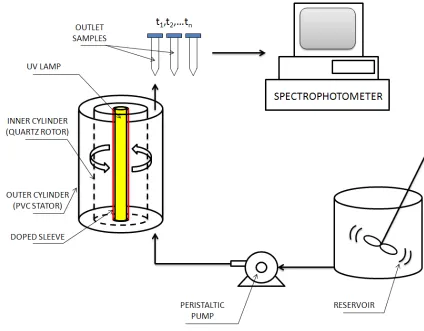
The TC-CB apparatus used in this study is schematically represented in Figure 2.1. It
consists of a low pressure mercury vapor UV lamp (UV Max Pro, Trojan Technologies,
Canada) emitting 253.7 nm radiation, positioned along the vertical axis of the apparatus,
two concentric cylinders (an inner quartz rotor and an outer polyvinyl-chloride stator),
and an optional doped sleeve to control the incident radiation entering the fluid region.
The physical dimensions of TC-CB apparatus are as follows: the inner and the outer
cylinders have radii of 73.8 mm and 77.1 mm respectively, leaving a net annulus of 3.3
mm between cylinders. The inner quartz rotor and the polyvinyl-chloride (PVC) stator
have thicknesses of 5 mm and 6 mm, respectively. The total vertical length of the system
is 198.6 mm of which 123.7 mm is directly exposed to UV light. The TC flow is
generated by rotating, via a motor, the inner quartz cylinder while keeping the outer
cylinder stationary.
The TC-CB is connected to a 40 L reservoir via a Masterflex L/S HV-07523-80
peristaltic pump (Cole-Parmer, Canada) which can be used to control flow in the
actinometer (Rahn et al., 2003), diluted in Milli-Q water (dilution factor 1:20, absorbance
at 253.7 nm ~ 1.9 measured with a 1 cm cuvette), exits the TC-CB annulus via an
overflow weir and is continuously collected in sterile vials. Absorbance measures were
conducted, at the wavelength of interest (352 nm to detect the photoproduct of potassium
iodate actinometry and 664 nm to quantify methylene blue concentration), using a
Cary50 UV-Vis spectrophotometer (Agilent, USA).
A doped quartz sleeve with reduced transmittance at 253.7 nm (GE Type 214) was
optionally mounted co-axially to the UV lamp to control the fluence rate distribution
inside the fluid domain.
17
2.2.2
Irradiance measurements
A X911 radiometer equipped with an UV-3718-4 detector (Gigahertz-Optik, Germany)
was used to measure the radiation emitted by the 253.7 nm UV lamp, with and without
doped sleeve, at the outer surface of the rotating quartz cylinder, that is, the cylindrical
face exposed to the fluid without the presence of any liquid in the annulus. Measurements
were conducted in triplicate in order to determine the mean and standard deviation. The
sensor was installed using a vertical stand placed besides a graduated tape to allow
irradiance measurements at different vertical positions. The position of the sensor was
kept perpendicular to the vertical lamp axis and at constant distance from the surface of
the lamp (~7.4 cm). Irradiance measurements were taken also in presence of a low
transmittance quartz sleeve which was used to adjust the average dose of the apparatus.
2.2.3
CFD governing equations
Two dimensional axi-symmetric CFD simulations were carried out to solve the
Taylor-Couette flow established in the annulus of the TC-CB apparatus. Ansys Fluent 12.1.4
(Ansys Fluent, Canonsburg) was used in order to numerically solve the governing
equations in cylindrical coordinates.
• Continuity equation
The continuity equation for an incompressible, constant-density fluid is given by cdV? e
cC acdV?c5 ae V?5 f 0 d2.1e
where x and r are the axial and radial coordinates, respectively, and ux and ur are the axial and radial velocities.
• Navier-Stokes equations
The Navier-Stokes equations for a 2D incompressible, constant viscosity fluid can
be written in cylindrical coordinates as follows:
1
f kc'cC a( 15cC l5T m2c c?cC k23 do · ?@6eqr a15c5 s5T tc c?c5 ac?cC uv d2.2e
and
1
5cd5V?cC?ea15cd5V?c5?e f
f kc'c5 a( 15cC s5T tc c?cC a c?c5 uv a a15c5 l5T m2c c?cC k 23 do · ?@6eqr k
k2T?5Da23T5 do · ?@6e aV?5 d2.3eAD
The tangential momentum is given by:
1
5cd5V? ?A e
cC a15cd5V??A e
c5 f
f15cC s5T tc c?cC uv aA 51Dc5 s5c ET c
c5 w?5 xv kA V?5 d2.4e?A
where
do · ?@6e fc?cC ac?c5 a ?5 d2.5e
in which uθ is the swirl (azimuthal) velocity. In the simulations the effect of
rotation of the wall was taken into account by assigning a radial pressure gradient
as shown in Eq. 2.6
c'(
c5 fVΩ
D
5 d2.6e
As the distribution of angular momentum in non-ideal vortex evolves, the radial
19
• Scalar transport equation
Since in this investigation the concentrations of both tracers and microbes were
assumed to be sufficiently small so that all the physical properties of the carrying
fluid remained constant, a generalized scalar transport equation (Eq. 2.7) was
employed and involved in the transport dynamics:
cV;
c> acCc0tV?0; k Γ
c;
cC0u f 89 d2.7e
where Γ and Sφ are the diffusion coefficient and source term for the scalar
equation respectively. The source term Sφ for passive, reactive and microbial
inactivation is given in Table 2.2.
Table 2.2: Source terms used in the CFD model
Description ~
Microbial Inactivation (N) k$
Absorbed Energy (AE) – Reactive
Tracer concentration – Passive 0
• Radiative transport equation
In this study, fluence rate distribution for all three media involved (air, quartz and
water) was described using the radiative transfer equation (RTE) for
non-scattering media:
d56, <6e
< a d56, <6e f 0 d2.8e
where Aλ is the absorption coefficient of each media (air, quartz, water) and I the
fluence rate distribution which depends on position and direction vectors (56, <6).
from light refraction. Given the high absorbing nature of the fluids involved,
reflection was not considered. The discrete ordinates (DO) radiation model was
used to solve the RTE for a finite number of discrete solid angles associated with
a vector direction <6.
• Inactivation kinetics
It is well documented that many pathogens, irradiated by UV light, follow a first
order inactivation model (Hijnen et al., 2006; Ye et al., 2007; Mounaouer and
Abdennaceur, 2012). Therefore, this study assumed that the inactivation rate
changes linearly with respect to pathogen concentration, N, and fluence rate, I,
such that:
$
> f k$ d2.9e
where k (or k-1, e.g. the D10 that is the dose required for one log inactivation of a given microbe) is the first order inactivation rate constant. After integration, the
following expression can be obtained:
$ $ f 7
O d2.10e
where D represents the UV dose (the dose for a given organism population is the
integration of fluence rate and time). In an ideal apparatus suitable for kinetic
studies, either the fluence rate distribution is carefully controlled such that it is
uniform across the entire fluid domain or enough mixing must be provided to
overcome fluence rate gradients. In the latter case, the delivered dose can be
replaced with average dose (AD).
2.2.4
Grid independence study
Grid independence studies were carried out to determine the minimum number of
21
Taylor number (Ta) of 46,534 corresponding to the angular velocity of 40 rpm used
during the experiment. It is defined as:
T f δ ERΩD
νD d2.11e
where δ is the annulus width between the inner and outer cylinder, Ri the inner radius of the annulus, υ is the kinematic viscosity of the treating fluid and Ω the angular velocity of
the rotating cylinder. As shown by Eq. 2.11, Ta is function of the reactor geometry (inner radius Ri and annulus δ) and the angular velocity of the inner cylinder, but it is independent of reactor flowrate which is taken into account by axial Reynolds number
(Eq. 2.13).
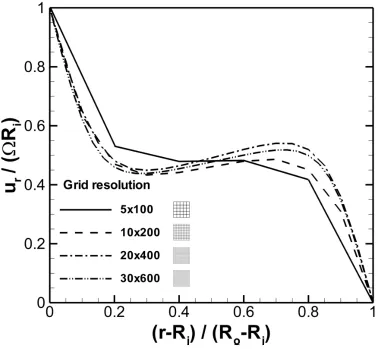
Figure 2.2 shows the normalized velocity profiles along radial direction at different grid
resolution (5x100, 10x200, 20x400, and 30x600). The first and the second number refer
to the number of elements placed in the annulus and along the direction parallel to the
vertical axis of the cylinder, respectively. In all cases, the aspect ratio was kept constant
as 1:1. As shown in Figure 2.2, a 20x400 grid returns grid independent results (as the
Figure 2.2: Normalized velocity profiles at different quad elements along fluid
thickness
2.2.5
Tracer studies
Two types of tracer studies using passive and UV photo-reactive fluids were conducted in
order to macroscopically validate the flow field and its convolution with the fluence rate
distribution within the annulus. The first type consisted of applying, at the TC-CB inlet, a
step injection of a conservative, light-inert tracer (methylene blue) in order to determine
the axial dispersion and the hydraulic behavior of the system (Levenspiel, 1998). The
second type of tracer tests were conducted at steady state using a modified protocol of the
potassium iodate actinometer (Rahn et al., 2003). It consisted of a 1:20 diluted mixture of
23
(KIO3, Sigma-Aldrich, USA) in 0.01 M sodium tetraborate hydrate (Na2B4O7*10 H2O,
Sigma-Aldrich, USA) buffer solution at pH 9.2, which was injected at the TC-CB inlet to
generate a photoproduct (tri-iodide I3-), the concentration of which increases as a function
of the total absorbed energy accumulated during the exposure paths in the irradiated
annulus. As such, its response is representative of both the fluence rate field and the flow
field established in the annulus.
In both cases, the TC-CB apparatus was first brought to pseudo steady-state conditions by
feeding it with deionized water contained in the 40 L reservoir (Figure 2.1) at the desired
volumetric flow (Table 2.3) and waiting for more than three times the average residence
time of the entire system; then, the inner quartz cylinder was put in rotation at 40 rpm to
give a Taylor number of 46,534 (greater than the critical Taylor number of 2,900).
Table 2.3: Average residence time in the Taylor-Couette reactor at different
flowrates
Flowrate [mL min-1] Average residence time [s]
116 176.6
285 71.9
405 50.6
445 46.1
517 39.7
594 34.5
After reaching steady state, the suction pipe of the peristaltic pump was switched to a
smaller reservoir containing the tracer in order to generate the desired step function.