Scholarship@Western
Scholarship@Western
Electronic Thesis and Dissertation Repository
12-12-2016 12:00 AM
Collaborative Work Environments: Development and Sustainability
Collaborative Work Environments: Development and Sustainability
Christy L. Thompson
The University of Western Ontario
Supervisor
Dr. Katina Pollock
The University of Western Ontario Graduate Program in Education
A thesis submitted in partial fulfillment of the requirements for the degree in Doctor of Education
© Christy L. Thompson 2016
Follow this and additional works at: https://ir.lib.uwo.ca/etd
Part of the Educational Leadership Commons
Recommended Citation Recommended Citation
Thompson, Christy L., "Collaborative Work Environments: Development and Sustainability" (2016). Electronic Thesis and Dissertation Repository. 4290.
https://ir.lib.uwo.ca/etd/4290
This Dissertation/Thesis is brought to you for free and open access by Scholarship@Western. It has been accepted for inclusion in Electronic Thesis and Dissertation Repository by an authorized administrator of
Abstract
This dissertation examines how elementary principals develop collaborative work
environments. Specifically, it explores how principals understand collaborative work, examines
the strategies principals employ to encourage such an environment, the supports principals use
when developing collaborative work environments and the challenges principals experience
when trying to create one in his or her school. The study was conducted using a qualitative
research design and an interpretivist approach was used to frame the research. Eleven elementary
principals were interviewed for this study. The interviews were semi-structured and ranged in
length from 45-60 minutes.
Findings included an important emphasis on positive relationship building amongst
teachers and the school principal in order to develop trust, the use of a distributed style of school
leadership, the importance of communication and the significance of developing a positive
school culture. Principals shared the supports that assisted them in developing collaborative
working environments, such as monetary and staffing resources from the district school board,
moral support from other principals and effective working relationships with their teacher union
representatives. Challenges to the creation of a collaborative work environment included a lack
of time and funding, staff members who were unwilling to work in a collaborative manner, as
well as challenges that occur outside the school such as parental and union involvement.
The implementation of a collaborative working environment in elementary schools could
result in a reduced workload for both principals and teachers. This would be accomplished
through the sharing of responsibilities amongst the staff.
Keywords: elementary principals; collaboration; leadership; school culture; Ontario
Acknowledgements
A number of people have offered a great deal of support during this doctoral journey. It
has been very much appreciated.
Dr. Katina Pollock has worked tirelessly along with me, along with my colleagues in my
thesis group, in the completion of this process. Her suggestions for improvement, always
resulted in positive changes to this thesis. I appreciate the encouragement she provided
throughout this process.
My parents Rev. Dr. Robert and Rev. Beverly Thompson who have fostered a lifelong
love of learning since I was a small child. They both undertook their own graduate level studies,
after a number of years spent working. I would not have embarked on the completion of this
degree without their example.
Darline Pomeroy, my valued colleague at KPR ETFO and a trusted friend. When I
thought I would be unable to complete this degree due to the demands of my job, she encouraged
me to keep going and stepped up by taking on extra responsibilities when needed.
My teaching colleagues at Northumberland Hills P.S. have worked around my crazy
schedule and I appreciate the support they have offered to me.
My fellow Ed.D. Students have offered assistance and encouragement throughout this
process.
Finally my husband SeanDickinson who has spent many an evening and/or weekend
watching me work, and patiently waiting for me to be done. I promise that this is the end!
List of Figures
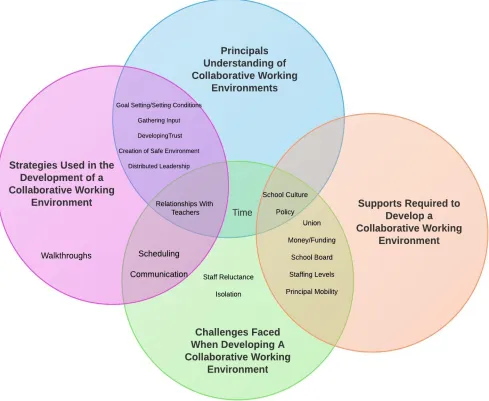
Figure 1. Conceptual Framework: Development and Sustainment of a Collaborative Work Environment ……….. 37
List of Appendices
Appendix A: Interview Questions ………. 141
Appendix B: Research Ethics Review Board Approval …………...……… 143
Appendix C: Letter of Information and Consent Form ……….. 144
Appendix D: Email Script ……… 148
Table of Contents
Abstract……… i
Acknowledgements ……… ii
List of Figures ……… iii
List of Appendices ………. iv
Chapter 1: Introduction ……… 1
Collaborative Work Environment ………. 1
Purpose of Study ……….. 3
Positionality ……….. 4
Assumptions ………... 5
Problem of Practice ………. 6
Research Questions ………. 8
Sub-questions ………. 8
Significance ……….. 8
Chapter 2: Literature Review ………. 11
Principals Understanding of Collaborative Work Environments ……….. 11
The Ontario Context ……… 13
Creating a Safe Environment ……….. 14
Strategies to Encourage Collaborative Work Environments ………. 14
Gathering Information ……… 15
Developing Trust ……… 15
Relationship Building ……… 16
Leadership Style ……… 18
Distributed leadership ………. 18
Shared Decision Making ………. 19
Capacity Building ……… 20
Expanded leadership opportunities ……… 22
Setting Conditions ……… 23
Strategies for goal setting ……….. 23
Walkthroughs ……….. 24
Scheduling ……….. 26
Common preparation time ……… 26
In-school solutions ………... 26
Large-scale solutions ………. 27
Supports Received ………. 28
Policy ……… 28
Staffing Levels ………. 29
Stability ……… 29
Support from Union ………. 31
Challenges to the Creation of a Collaborative Work Environment ……… 32
Culture ………. 32
Balkanization ………. 33
Comfortable collaboration ………. 33
Contrived collegiality ……… 33
Isolation ………... 34
Coercion ……….. 34
Principal Turnover ……….. 34
Time ……… 35
Time as a staff ……….. 35
School size ………. 36
Connection to Conceptual Framework ………. 36
Conceptual Framework ………. 37
Chapter 3: Methodology ……….. 42
Interpretivist Approach ……… 42
Qualitative Study ………. 44
Method ……….. 45
Interviews ……… 45
Interview format ……… 46
Interview questions ……… 47
Data Collection ………. 48
Sampling ……….. 49
Sample size ……… 49
Sampling procedure ……… 49
Recruitment ……….. 50
Participants ……….. 52
Key Parameters ……… 53
Information on Participants ………. 54
Data Analysis ……… 55
Trustworthiness ……… 57
Credibility ……… 57
Member checking ……….………. 57
Other ways to assess credibility ……… 58
Transferability ………. 58
Dependability ……….. 59
Confirmability ………. 59
Ethics ………. 60
Chapter 4: Findings ………. 62
Definitions of a Collaborative Working Environment ……… 62
Role of School Principal ………. 65
Managing the School ……….. 65
Involving teachers in management decisions ……….. 65
Managing staff ………. 66
Encouraging staff collaboration ………... 66
Finding links within staff ………. 66
Acting as an Instructional Leader ……….. 67
Supporting teachers in the classroom ……….. 67
Advocating for professional development ……… 68
Finding learning opportunities ……… 69
Ensuring the Existence of a Positive School Culture ……….. 69
Strategies Used by Principals to Develop Collaborative Work Environments…. 70 Involving Teacher in the Development of this Environment ……… 70
Listening to Teachers ……… 71
Communicating with Teachers ………. 72
Two way communication ……… 72
Filtering of information ……….. 72
Use of Distributed Leadership Approach ………. 73
Shared decision making ………. 73
Shared workload ………. 74
Identifying teacher leaders ………. 74
Developing Relationships with Staff ……… 75
Being available ……… 75
Gathering feedback ………. 75
Working in a new school ……… 76
Consistently building relationships ……… 77
Developing trusting relationships ………... 77
Trusting relationships between principals and teachers ……… 77
Demonstrating support ………. 78
Supports Received when Developing Collaborative Work Environments …….. 79
Support from Board ……… 79
Support from Other Principals ……… 80
Support from Union ……… 81
Challenges to Collaboration ……….. 81
School Size ………. 81
Finding solutions ……… 82
Scheduling ……….. 83
Staffing ……… 83
Teachers ……… 84
Staff reluctance ……… 84
Personality conflicts ………... 85
Parents ……….. 86
Union ……… 86
Regulation 274 ……… 87
Time ………. 88
Ways to Improve Collaborative Working Environments in Schools ………….. 88
Time ………. 89
Funding ………. 89
Use of Professional Activity Days ……….. 90
Scheduling ……… 91
Autonomy ………. 91
Greater Consistency ………. 92
Teacher Mobility ………. 92
Chapter 5: Discussion ……… 94
Principals Understanding of a Collaborative Working Environment ………… 94
Role of Principal ……….. 95
School management ……… 95
Instructional leadership ……….. 96
One Common Vision ……… 97
Goal setting ………. 98
Time together ………. 98
Shared decision making ………. 99
Culture ……….. 100
Strategies to Encourage Collaborative Work Environments ……… 100
Building Relationships ……….. 101
Developing trusting relationships ……… 101
Demonstrating trust ………. 102
Being available to staff ……… 102
Assisting in developing staff relationships ……… 102
Communication ……… 103
Listening to Teachers ……….. 103
Communicating with Teachers ……… 104
Filtering of information ………. 104
Operating from a Distributed Leadership Style ……….. 105
Sharing decision making ……… 105
Sharing the workload ………. 105
Identifying teacher leaders ………. 106
Supports Received in the Development of a Collaborative Work Environment …. 107 Support from Within the School ……… 107
Support from Within the Board ………. 107
Support from Union ……… 108
Support from Policy ……… 109
Challenges to Collaboration ……….. 109
Challenges within the school ……….. 110
Teachers ………. 110
School size ………..………. 111
Small school ………..……. 112
Large school ………..……. 112
Lack of Time ………..… 113
Outside Challenges to Collaboration ……… 114
Parents ………. 114
Teacher Unions ……… 115
Regulation 274 ………. 115
Ways to Improve Collaborative Working Environments in Schools ……….... 116
School Level ………. 116
Common preparation time ……….. 116
Creative solutions ……….. 117
District Level ……… 117
Allocation of school budgets ………. 118
Time ……….…. 118
Greater principal autonomy ……….……. 118
Teacher movement ……….….. 119
Ministry Level ……… 119
Allocation of funds ……….. 119
Time ……… 120
Additional P.A. days ……… 120
Preparation time ……… 120
Chapter 6: Conclusion ………. 121
The Research Question ……….. 121
How do principals understand collaborative work? ……… 121
Common goals……… 121
Common vision ………. 122
Shared decision making ……… 122
Shared learning ………. 122
What strategies do principals use to encourage collaborative work environments? 122 Relationship building ……… 123
Communication ……… 123
Listening to staff ……….. 123
Support ………. 124
Developing a positive school culture ……… 124
Information filtering ………. 124
What facilitates and supports principals to develop a collaborative work environment? 125 Teacher leaders ………... 125
Other administrators ……… 125
Board level support ………. 125
What challenges do principals experience? ……….. 126
School size ……….. 126
Uncooperative staff ………. 127
Staff conflict ……… 127
Time ……… 127
Parents ……… 127
Government ……… 128
Unions ……… 128
Research Contributions ……… 128
Contributions to Practice ……….. 129
Distributed leadership ……… 129
Autonomy ……….. 129
Support ……….. 129
Contributions to Policy ……… 130
Fewer initiatives ……… 130
Greater principal autonomy ……….. 130
Changes to Regulation 274 ……….. 130
Greater funding ……… 130
Contributions to Theory ……… 131
Further Research ………..……… 132
Principal Workload ……… 132
Effect on Teachers ………. 132
Student Achievement ………. 132
Summary ……….. 133
References ……… 134
Appendix A: Interview Questions ………. 141
Appendix B: Research Ethics Review Board Approval …………..……… 143
Appendix C: Letter of Information and Consent Form ……….. 144
Appendix D: Email Script ……… 148
Collaborative Work Environments: Development and Sustainability
Chapter 1: Introduction
No two schools function in exactly the same way. Not only are there a variety of
procedures that go into the day to day running of a school, but the work environment varies.
There are many influences that go into determining why a school operates the way it does. One
of the most important determinants of this variation is the school principal (Minckler, 2014).
The principal has an important role to play in developing a collaborative work
environment amongst his or her staff (Sindhi, 2013; McLeskey & Waldron, 2010). The principal
has the opportunity to set the tone of the school through his or her leadership (Kohm & Nance,
2009). The actions of the principal can be the most important factor in determining if the school
environment is a collaborative working one (McLeskey & Waldron, 2010; Rhodes, Stevens &
Hemmings, 2011). Collaboration requires effective and appropriate support from leadership
(Patel, Pettit & Wilson, 2012). The development of a collaborative work environment requires
knowledge on the part of the principal regarding the concept and how to allow for teacher
leadership in his or her school (Mangin, 2007). A collaborative culture is very hard to develop
and sustain in the absence of supportive leadership from school administration (Leithwood &
McAdie, 2007).
Collaborative Work Environment
When people are working collaboratively they are interacting with each other, working
towards common goals (Patel, Pettit & Wilson, 2012). While working cooperatively is an
important aspect of collaboration, it is actually a prerequisite to working collaboratively, as
working together, but they have equal roles and power is evenly distributed among the
participants (Henderson, 1996).
The term distributive work environment could be used as well to describe such an
environment, as many aspects of the running of the school on a daily basis have been distributed
amongst the teaching staff. When a school is collaborative there is an emphasis on structures
and processes that foster shared commitment to achieving goals as well as shared accountability
among staff members and collaborative decision making is the norm (Heck & Hallinger, 2010).
In order for a collaborative work environment to exist, the principal must be open to sharing
leadership and decision making (Goddard, Goddard & Tschannen-Moran, 2007).
In a collaborative work environment, shared decision making amongst the staff is key.
Decisions are not made by a single individual, but they emerge from collaborative dialogues
between many (Scribner, Sawyer, Watson & Myers, 2007). Ideally decisions are arrived at by
consensus, after much discussion and seeking input from the experts who are involved.
Principals in schools with collaborative work environments empower all school personnel to
share responsibility for decision making (McLeskey & Waldron, 2010). Having this practice of
shared decision making makes the time that the teachers have to work together more productive,
as they have agreed on a common purpose for the use of the available time (Irwin & Farr, 2004).
Collaborative schools are ones where teachers are guided by a common purpose and have
a broad agreement on educational values (Gruenert, 2005; Turning Points, 2001; Peterson &
Deal, 1998). The primary goal of a collaborative school is effective teaching and learning.
Teachers and administrators work together in collaborative work environments to achieve this
goal (Scott & Smith, 1987). Teachers working in a collaborative working environment feel as
both from and with each other when teachers work as a team (Fullan, 2014). Schools that are
collaborative work environments have developed core goals and values as a group and share
decision making (Peterson & Deal, 1998; Crum, Sherman & Myran, 2010). These collaborative
schools also share leadership amongst the staff (Mulford, 2008; Coleman, 2011).
It is important to note that the phrase “collaborative work environment” was chosen
specifically because this study explores the principals’ understandings of collaborative work
environments. It considers the ways in which principals develop and sustain collaborative work
environments as well as the benefits and challenges to collaborative work environments in
schools.
Purpose of Study
The purpose of this study was to examine the role elementary principals in Ontario play
in the development and continued growth of collaborative work environments. The study
explores how principals understand the collaborative work environment. It also examines the
strategies principals use to assist in the creation of collaborative work environments in their
schools. The study explores the challenges that principals face when working with their staff to
create collaborative work environments in their schools. The research attempts to understand
some of the reasons why a school may not be operating as a collaborative work environment. As
stated earlier, each worksite is different and the therefore the reasons for a lack of collaboration
may vary between schools.
By learning ways in which elementary principals can develop and sustain collaborative
work environments in their schools, I hope to share these strategies, to ensure better working
existing literature on the topic of collaborative working environments in schools. It may assist
principals to develop strategies to improve collaboration in their schools, as well as offer
suggestions regarding avenues of support and ways to overcome the challenges that they may
face in the development of such an environment. Finally, the information gained from this
research study, will perhaps also improve the collaborative work environment that exists in my
own school building. It may allow me to improve my own working environment.
If a school is not operating as a collaborative work environment, I would like to
understand why this is, what are the challenges that the school is facing, and what supports can
be offered to help in the development of a collaborative work environment. I hope to be able to
learn and put into practice ways in which I can personally assist my own principal in the
development and sustainability of our school’s collaborative work environment.
Positionality
My interest in the development of collaborative work environments and the ways in
which principals can encourage and sustain them, evolved from my work within my Elementary
Teachers Federation of Ontario (ETFO) Local over the last decade. I have been heavily involved
in my ETFO Local, having held every elected position, with the exception of President. Due to
my extensive work experience with ETFO, I see the union as a viable partner in the work of
developing collaborative work environments in schools. Others whose experiences differ, may
not view this issue in the same way.
This work within the Local culminated in my previous role as a released union officer
(Vice-President) for the Local. As a released officer it was my job to act as a resource for the
administration at the board office on a variety of issues, and work collaboratively with the
provincial ETFO organization. On a day to day basis, in that role, my Local ETFO colleagues
and I worked to problem solve situations when such a work environment did not exist at a given
school or worksite.
The lack of collaboration may have been between an administrator and a teacher or, as
often occurs, between teacher colleagues. While I always encouraged teachers to work
collaboratively in all situations, it is the principal who has the authority, both from a positional
and a legal standpoint, to create the conditions for the teachers on their staff to work in a
collaborative environment. Although I have now returned to the classroom, how to create such
an environment and the need to understand how to sustain it, continues to be a focus of mine.
My work continues in a lesser role in my ETFO Local, and I would like to be able to assist
colleagues in improving their working conditions, even if in a smaller way.
Assumptions
Certain assumptions were made in the completion of this research study. This study
began with the idea that one of the most important determinants regarding whether or not the
working environment was collaborative was the principal (Minckler, 2014) and that principals
have an important role to play in developing collaborative working environments in schools
(Sindhi, 2013; McLeskey & Waldron, 2010). There was a belief that both teachers and
principals saw collaboration in a positive manner, and as an important way in which to improve
the Ontario education system (Ministry of Education, 2013). In fact that the Ontario Ministry of
Education has clearly stated that it is an expectation that all education stakeholders are required
Problem of Practice
Improving the working conditions of the ETFO members that I represent, as a member of
the local executive, is a priority for me. My focus on the importance of teacher working
conditions began nearly a decade ago when I attended a symposium on this topic, featuring the
work of Ken Leithwood and Alma Harris as keynote speakers. The most significant piece of
information that I took away from that day was that “teacher working conditions are student
learning conditions” and that has always remained forefront in my mind (Leithwood & McAdie,
2007). Students also benefit when teachers perceive they have good working conditions;
therefore, in a time in which there is increased accountability for student success (Directions,
2014a), a focus on improving teacher working conditions is valid. My interest in this area of
research continued with my work as a released officer in my ETFO Local.
In a previous school year, I visited approximately 75 elementary school sites throughout
my school board. Each worksite had a different culture and it was often evident from the
moment I entered the building. Some things that have always stood out for me when I first enter
a school are, the way in which I am greeted when I arrive, what types of things are hanging in the
front foyer (e.g. student work or pre-printed educational posters), and how the school looks. I
was often in the staff room of these elementary schools and could tell instantly how well used the
room was. Some staff rooms seem sterile while others are quite obviously well used by the staff.
How can one school be so different from another, even those that are alike in many ways (e.g.
demographics, location)?
Part of my role as a released officer for ETFO often involved conversations with
principals and working collaboratively with them to solve problems. I was in a particularly rare
visited schools I could often see how the influence of the principals played a role in the culture of
the school. Some school staffs appeared to work as a team and had developed a collaborative
working environment, while other school staffs did not. As a released officer this was an area in
which I could be of help to my colleagues and school administrators, working with them in
various ways to improve collaboration in their schools. Some of the barriers that I noted when
working with teachers and principals included miscommunication or simply a lack of
communication, little time to work collaboratively, challenging relationships and differing
beliefs. I was not always successful in improving the collaboration among my colleagues and
was constantly searching for new ways to be of assistance.
The Ontario Leadership Framework states that one of the leadership roles of Ontario
school principals is to work to promote collaborative learning cultures in their individual schools
and beyond. The expectation is that these collaborative learning environments will improve
teaching quality and student achievement and well-being (Ministry of Education, 2013). Given
that this is the expectation set out by the Ontario Ministry of Education, what strategies do the
principals who are successful at developing a collaborative working environment use and what
supports do they make use of? What challenges do the principals who have been unable to
develop that collaborative working environment face? What can the principals who have not
been able to develop a collaborative working environment at their school site, learn from the
Research Questions
The research questions for this study focused on exploring how principals’ view
collaborative work environments in their schools. They also explored ways in which principals
can encourage and facilitate this work environment and the challenges the principals may face.
The main research question is: How do elementary principals develop collaborative work
environments?
Exploring this question more deeply, I focused on the following sub-questions.
Sub-questions
- How do principals understand collaborative work?
- What strategies do principals use to encourage collaborative work environments?
- What facilitates and supports principals to develop collaborative work environments?
- What challenges do principals experience when trying to create collaborative work
environments?
These questions allowed the research participants to be more explicit when sharing their
knowledge and experience regarding the ways in which they work to develop collaborative work
environments in their schools.
Significance
Collaborative work environments is a topic with many facets. There is a body of
literature regarding the positive effects of a collaborative school environment on student
achievement (Gruenert, 2005; Goddard, Goddard & Tschannen-Moran, 2007; Mangin, 2007;
surrounding how administrators perceive the work of teachers and the ways in which both
principals and teachers can work together to create collaborative working environments.
This study attempted to learn about the ways in which principals can develop
collaborative working environments in their schools, and examine the supports required and
challenges faced when developing such a work environment. It attempted to examine principals’
views about and perceptions of collaborative work environments.
When principals and teachers believe they are working in a collaborative work
environment and they understand that leadership is shared, it can result in a reduced workload for
everyone (Leithwood & Azah, 2014). When teachers and principals are able to work in a
collaborative manner, the tasks and events that are required for a school to run effectively can be
distributed more evenly. For example, grade-alike teachers can share in the writing of report
card comments or a group of teachers and/or administrators can take on the planning of a parent
information session, rather than one individual being burdened with the task.
Another example of collaborative work environments possibly lessening the workload of
principals is in the area of teacher turnover. The presence and perception of a school being a
collaborative working environment lowers the rate of teacher turnover in that worksite
(Allensworth, 2012; Muijs & Harris, 2006). Lower teacher turnover reduces principal workload,
as principals do not have to hire as frequently and do not have to work to integrate the new
teachers into the school culture (Allensworth, 2012).
Teachers report working 25 hours a week beyond the time spent in the classroom
teaching (Directions, 2014a). This time is spent on a variety of tasks, related to their work in the
classroom, such as planning, assessment, parent communication, and extra-curriculars. Although
designated for assessment have been introduced in an attempt to lighten teacher workload in
response to the increased accountability expected from the Ontario Ministry of Education,
teachers still reported reforms had led to an increased workload (Directions, 2014a). The stated
expectation from the Ontario Ministry of Education is that collaborative professionalism in
schools is not intended to increase the workload of educators (Ministry of Education, 2016).
A recent study also looked at workload issues for Ontario principals. There were a
number of common workload challenges mentioned by principals. These included school
improvement planning, dealing with email, building staff capacity and working within the new
Ontario Regulation 274/12 (Hiring Practices, 2014). Relationship building, sharing leadership
and support from central office staff were all mitigating factors for the workload of Ontario
principals (Leithwood & Azah, 2014). The information learned from this study, will hopefully
help to reduce educator workload in Ontario.
This study will add to the small body of research regarding how collaborative work
environments can impact the educators in schools and more specifically the elementary school
principal, rather than focusing on how it impacts students. Most research to date has focused on
the way in which collaborative environments affect student achievement in schools (Gruenert,
2005; Kruse & Louis, 2009; Goddard, Goddard & Tschannen-Moran, 2007; Mangin, 2007; Heck
& Hallinger, 2010; McLeskey & Waldron, 2010). This study hopes to instead attempt to
Chapter 2: Literature Review
This literature review examines the concept of collaborative work environments in
schools and how it is understood by elementary principals. Strategies principals use are
examined as well as the supports they receive from both inside and outside the school. Finally
challenges to the development of this collaborative work environment are also outlined.
Principals’ Understanding of Collaborative Working Environments
The role of the elementary principal is complex. While principals are expected and have
the right to exercise formal leadership in schools, they are increasingly asked to share the
responsibility of leadership with others (Deal & Peterson, 1990). Although principals are often
expected to share leadership, it is ultimately the responsibility of the principal to set the tone in
their schools and to demonstrate clarity of focus (Leithwood & Fullan, 2012). Principals need to
be constantly working towards the improvement of the school climate, culture and working and
learning conditions (Osman, 2012).
The terms, school climate and school culture, are sometimes used interchangeably.
Culture can be defined as the set of shared meanings, beliefs and assumptions of the members of
an organization. It is what individual members of such organizations believe or assume
themselves (Van Houtte, 2005; Hoy & Hoy, 2003). It may be defined further as the guiding
beliefs and expectations that are evident in the way a school operates (Fullan, 2007). Climate is
defined as the perception of those meanings and beliefs (Hoy & Hoy, 2003). Climate is a
broader term that encompasses culture, dealing with the school in its entirety (Van Houtte,
2005). When teachers and school administrators are working collaboratively, they are
environment to operate, in a concrete manner. A collaborative work environment is an
expression of the school culture.
The literature on collaborative work environments in schools outlines what some
elementary principals know about creating such an environment. These successful school
leaders appreciate that an important part of their role as principal is to develop collaboration
amongst their staff. These principals recognize that it is important to support and participate in a
collaborative culture in their work environment (Sindhi, 2013; Mitchell & Castle, 2005).
Principals who maintain a focus on developing a collaborative work environment in their
schools, also recognize that the active support of the principal needs be obvious to the staff as
they work to develop goals that are explicit and clear. Communication of this support by the
principal and articulating that they value the team effort is important (Little, 1990).
Collaborative working environments take time to develop. They do not come about
quickly. In schools that demonstrate collaborative working environments, there is a high level of
collegiality, team work and dialogue about problems of practice. Schools with collaborative
work environments support a shared sense of purpose, focus on long-term improvement and
become networks of supportive professionals (Peterson, 1994).
Effective collaboration is not always easy. It often involves some difficulty or discomfort
as ideas and strategies are challenged. Teachers who collaborate examine ideas and their
existing instructional practices with a critical eye. They work to seek better alternatives, to the
The Ontario Context
Many principals and teachers view collaborative environments in schools to be an
essential component in improving the Ontario education system (Ministry of Education, 2013).
The establishment of collaborative environments is a shift away from the traditional notion of
isolation and autonomy that have been commonly found in Ontario schools. Ontario principals
recognize that it is important to engage staff in direction setting, and planning, as well as
distributing the leadership amongst school staff (Ministry of Education, 2013).
The recently released Policy/Program Memorandum No. 159 (Collaborative
Professionalism) explains the expectations in Ontario school regarding collaborative
professionalism, which it defines as “professionals at all level of the education system working
together, sharing knowledge, skills and experience to improve student achievement and
well-being of both students and staff “ (Ministry of Education, 2016, p.1). This document explains
that collaborative professionalism has the potential to improve both learning and working
conditions in Ontario schools. In order for a culture of collaborative professionalism to be
developed, a trusting environment where schools, school boards, the Ministry of Education and
union leaders work together to create the necessary conditions is required (Ministry of
Education, 2016).
Given the size of the education system in Ontario, there are many principals who could
be expected to work towards the development of collaborative work environments in his or her
school. A recent report noted that there were 2701 principals working in publicly funded schools
Creating a Safe Environment
The principal fulfills many roles in a school, including but not limited to, that of site
manager and instructional leader. It is the responsibility of the principal to create a safe school
environment not only for the students, but also for the staff. Principals are charged with
providing a school atmosphere that facilitates the emotional, physical and overall well-being of
everyone. It is their job to develop a positive school culture (Sindhi, 2013) and to develop
cultural norms (Kohm & Nance, 2009). The school principal is expected to develop a school
culture which promotes shared knowledge and responsibility for outcomes (Institute for
Education Leadership, 2013). All school staff and those in the wider school community also
have a role to play in developing this environment, but it is the principal who takes a leadership
role. The creation of a safe school environment, promotes and sustains student well-being and
positive student behaviour (Ministry of Education, 2013). The development of a safe school
environment is one of the preliminary steps towards the creation of a collaborative working
environment in a school building.
Strategies to Encourage Collaborative Work Environments
While principals understand the importance of developing a collaborative environment at
their workplace, the way in which that occurs, differs by individual and location. Principals
employ a number of diverse strategies to create collaborative work environments in their schools.
As the environments in which principals work vary significantly, they are able to make use of a
variety of different strategies. The strategies used by the principals may include: developing
trust, relationship building, a particular style of leadership, shared decision making, capacity
may choose to use one strategy exclusively or to employ a variety of strategies. The strategy
chosen may differ, depending on the circumstances and the people with whom the principal is
working.
Gathering Information
An important strategy that principals may use in order to develop collaborative working
environments in their schools, is to gather input from all staff, when making major decisions that
impact the school community (Crum, Sherman, & Myran, 2010). This can be done in a variety
of both formal and informal ways. Teacher input could be solicited through surveys, email, and
individual and group meetings as well as through information discussions between principal and
teaching staff (Mullen & Jones, 2008). The most effective schools are now led by teams of
leaders, rather than just one single leader, which therefore requires a great deal of input by all
involved (Coleman, 2011). This change has occurred as the task of leading a school has become
too complex and demanding for a single individual (Mulford, 2008). The gathering of
information and opinions from all teaching staff prior to making decisions, can assist the
principal in the development of a collaborative work environment.
Developing Trust
The first strategy that principals may make use of when beginning to develop a
collaborative work environment in their school is to develop trusting relationships with their
staff. In order for principals and their teaching staff to begin to work collaboratively, there must
be trust developed between them. Kruse and Louis (2009) explain that trust involves the
competence, reliability and consistency. Principals and teachers need to feel as though the other
person (or people) are behaving in an honest manner (Crum, Sherman & Myran, 2010).
The establishment of trust between the principal and teachers is ideally one of the first
actions that the principal undertakes when he or she arrives at a school, as many other aspects of
the working relationships between the principal and teachers follow from this trusting
relationship (Mullen & Jones, 2008). Positive working relationships, which may lead to
collaborative work, cannot exist without trust (Crum, Sherman & Myran, 2010). Trust is
required for the development of a collaborative working environment (Kruse & Louis, 2009).
Principals can work to build trusting relationships with their teaching staff through the
establishment of school norms that allow for constructive debate (Ministry of Education, 2013).
Trust and collaboration are mutually reinforcing, as when there is trust between the
principal and the teachers, a collaborative environment is more likely to exist (Brewster &
Railsback, 2003). While a trusting relationship does not guarantee collaboration, it increases the
possibility that it can develop and be sustained. Principals cannot be held solely responsible for
the development of this trusting relationship but they are able to set the tone and lay the
foundation (Kruse & Louis, 2009). The development of such a trusting relationship with one’s
staff is arguably the most important strategy that a principal may undertake when attempting to
develop a collaborative working environment.
Relationship Building
Once trust has developed between the principal and the teaching staff, relationship
building between the administrator and staff and amongst staff is the next important aspect to the
2011; Crum, Sherman & Myran, 2010; Harris, Day, Hopkins, Hadfield, Hargreaves & Chapman,
2013). How well the adults in a school get along has greater influence on the character and
quality of the school than anything else (Barth, 2006). The ability to successfully move a school
towards a collaborative working environment is affected by the quality of relationships in the
building. Without a positive working relationship amongst the principals and staff, the
likelihood of a collaborative work environment developing is considerably lower (Ministry of
Education, 2013a).
Barth (2006) describes four types of relationships amongst educators in schools: parallel
play, adversarial, congenial and collegial. The most effective and most difficult to achieve is the
collegial relationship. Indicators for this type of relationship include educators discussing
professional practice, sharing of knowledge, observing each other while engaged in practice and
rooting for one another’s success. If the educators in a school are able to achieve relationships at
the collegial level, then the likelihood of a collaborative working environment developing is
magnified.
There are considerable differences among schools in regards to the relationships between
staff and the way in which they interact (Moolenaar, 2012). The relationships at every worksite
will differ and the way in which they are encouraged to develop will not be the same. The
principal plays a key role in assisting in this relationship development. It is an expectation that
an Ontario principal will have knowledge and understanding of relationships and of strategies
used to promote team and individual development (Institute for Education Leadership, 2013).
He or she must lead by example and display a leadership role to the teaching staff in the
and energizing teachers and by building relationships with the disconnected teachers. This will
increase the chance of the collaborative work environment flourishing (Fullan, 2002).
Leadership Style
While one’s leadership style as a principal can influence the running of a school in a
number of ways, an appropriate leadership style can enhance the likelihood of a collaborative
working environment being developed in a building. Eyal and Roth (2011) found that leadership
style plays a significant role in teacher motivation and well-being. A school that demonstrates a
collaborative working environment can be said to be operating under a collaborative leadership
style. This is more commonly referred to as a distributed leadership (Coleman, 2011).
Distributed leadership. There are a variety of opinions regarding the definition of
distributed leadership. For the purposes of this study, I understand distributed leadership as a
type of collective leadership, where teachers are able to develop expertise by working
collaboratively. Distributed leadership is a way of thinking about leadership rather than a
technique or a practice. When a principal operates within the framework of distributed
leadership, it is still their role to be ultimately responsible for the running of the organization, but
it allows the skills and abilities of many to be utilized (Harris, 2004). Distributed leadership is
about interactions among leaders and leadership practice, not simply roles and formal positions
(Spillane, 2012). There is a recognition that expertise rather than position can be the basis of
leadership within groups. Distributed leadership does not mean that the principal delegates tasks
to teachers, but rather they let go of the tasks and allow others to make decisions in their own
McLeskey and Waldron (2010) examined the role of the principal in distributing
leadership amongst staff and its connection to collaborative school culture, through research on
Comprehensive School Reform in the U.S. They explain that schools with a collaborative
culture require a different type of leadership and decision making style compared to schools
possessing a more traditional culture. They found that operating within a distributed style of
leadership is the most significant way a principal can develop and support a collaborative culture
in a school. Principals can promote collaboration in simple ways, such as having teachers help to
set the agenda for a staff meetings and through helping to facilitate teachers working together
and teaching cooperatively (Scott & Smith, 1987).
Principals can support the development of distributed leadership in their schools by being
explicit in their willingness to share leadership and empowering others to share decision making
(McLeskey & Waldron, 2010). Principals having a sense of the needs, motivations and
individual professional goals of each staff member would facilitate this shared decision making
(Crum, Sherman & Myran, 2010). A principal operating within the framework of a distributed
leadership style is more likely to be successful in creating a collaborative work environment in
their school.
Shared Decision Making
Shared decision making can be defined as teachers being given the responsibility to make
decisions on behalf of the school (Muijs & Harris, 2006). Shared decision making amongst
principals and teaching staff can lead to the creation of a more collaborative working
environment. When decisions are made in a shared way, teachers are more likely to believe in
changes in schools to be successful, when the decision making process is an interactive one
(Osman, 2012).
When an elementary school principal is operating from a distributed leadership
perspective, they are able to allow other members of their staff greater decision making power
(McLeskey & Waldron, 2010). While there are many aspects involved in leading in a distributed
manner, one of the important components is allowing the decision making to be shared amongst
all staff. The principal is not required to make all of the decisions that are necessary for the day
to day running of the school. The principal is comfortable enough with his or her staff to allow
others to assist in the decision making process.
Consulting with teachers regarding the focus of collaboration in the school has a positive
impact on the perception of teachers regarding their work and their collaboration with others
(Directions, 2014). Having a staff who are willing to work collaboratively, in their interactions
with students and when participating in professional learning, creates a more positive working
environment for the principal as well (Leithwood & Azah, 2014).
Capacity Building
Distributed leadership is key in schools with collaborative cultures, as leadership is often
shared amongst the principal and other school personnel (McLeskey & Waldron, 2010). This
increased need for leadership in schools with collaborative cultures, is a key reason why
principals today must work to develop capacity amongst their staff. The principal cannot fulfill
all of the leadership roles on their own (Sindhi, 2013).
Mitchell and Sackney (2001) explain that there are a variety of ways to build capacity in
multiple members of the teaching staff, both in a formal and informal manner. They suggest
building one’s own personal capacity involves exploring one’s professional networks to identify
new and different ideas. Building interpersonal capacity involves building a well-functioning
team of people who work and learn together. Finally they explain that organization capacity
requires changes in current school structure to allow new organizational structures that ask
teachers to work in a more collaborative manner and engage in more professional conversations
and inquiry. Harris (2004) describes capacity building as a form of collective leadership in
which teachers develop expertise by working together.
Capacity building is also a form of leadership development (Mayrowetz, 2008).
When principals distribute leadership in their buildings, they are helping to build leadership
capacity amongst their teaching staff. Principals will foster this collaborative environment by
sharing responsibility with teachers as often as possible and they must work to help with skill
development for their teaching staff (Kohm & Nance, 2009; Institute for Education Leadership,
2012). One way that principals can work to build teacher leadership capacity is through ongoing
and targeted professional learning for their teaching staff (Mullen & Jones, 2008).
Although building capacity can be seen as a singular strategy towards the development of
a collaborative working environment, principals are able to build capacity amongst their staff in
a variety of ways. They are able to do so by creating leadership opportunities through the
creation of committees for their teachers to develop leadership skills. These committees could
develop curriculum or lead professional development for others. Principals can model being
good communicators and be readily accessible to their staff. They help to develop teacher
leaders by treating the teachers on their staff as professionals and by relying on the expertise of
Expanded leadership opportunities. Principals know their staff best and one strategy
to assist in the development of collaborative work environments in their schools is to act as
conduits for leadership development of their teaching staff. They are able to be the link between
the teachers in their building and professional development opportunities available to them.
Effective principals allow teachers, who wish to take advantage of professional development and
training that is relevant to them and their future goals, to do so (Mullen & Jones, 2008).
Principals are an important component in the process of allowing expanded leadership
roles in their schools for teachers with whom they work as they are most able to determine the
opportunities for which they are best suited. These roles and opportunities will only be met with
success when the identified teachers want to undertake them (Peterson, 1994). One does not
need to demonstrate the capacity for formal leadership in order to contribute positively to a
collaborative work environment. People can demonstrate leadership qualities in a number of
ways that do not necessarily involve those formal roles. These could include such things as
being willing to share new learning with a colleague or simply being open to learning new ideas
and trying new methodologies for the classroom.
Developing this teacher leadership role does not mean that teachers take on formal
leadership positions in their schools, nor does it mean that they are required to take on these
roles, but rather that they engage in collaboration and facilitation with their colleagues. These
types of leadership are necessary to the success of any organization, not simply educational
organizations (Peterson, 1994). Principals and teachers may view leadership opportunities
differently. The differences may be explained as teacher leadership versus formal leadership.
Mullen and Jones (1998) explain that in their study, principals saw things such as running
roles in the school. These aspects of leadership could be described as teacher leadership roles.
In contrast, teachers felt that only paid leadership roles, commonly viewed as more formal
leadership roles, such as working as an acting vice-principal or department head, were valid
leadership opportunities. Principals can work to assist teachers in seeing the value of all chances
to demonstrate leadership.
Setting Conditions
Setting the conditions for collaborative work in schools is the responsibility of the
principal. This is supported by the Ontario Leadership Framework, which anticipates that
principals will set the conditions and demonstrate their vision for the school, through the work
that they do every day (Institute for Education Leadership, 2013). Some ways in which
principals set the conditions that create collaborative working environments include: gathering
relevant data and making it accessible; organizing meetings so that every voice is heard; ensuring
meetings result in clear goals and action plans; creating SMART (Specific, Measurable,
Achievable, Realistic, Timely) goals; and measuring progress on these goals throughout the year
(Kohm and Nance, 2009). Working towards common goals is an important aspect of working in
a collaborative manner (Pater, Pettit & Wilson, 2012). This setting of conditions for the school
in general and the school staff more specifically, assists in the creation of a collaborative
working environment and can be considered a strategy in working towards the realization of such
an environment (Sanzo, Sherman & Clayton, 2011).
Strategies for goal setting: While it is appropriate that principals may take the lead in
essential when setting goals and developing a vision for the school (Mullen & Jones, 1998).
Principals need not work in isolation.
When principals involve teachers in the goal setting process in their schools, they are
demonstrating their ability to work collaboratively. The principal is setting the tone in their
building regarding the expectations on staff collaboration. The administrator is modelling the
development of a collaborative work environment through the practise of goal setting (McLeskey
& Waldron, 2010).
It is most effective when principals clearly define their vision and goals, in regards to
establishing the collaborative work environment in their school (Rhodes, Stevens, Hemmings,
2011). Principals who develop collaborative cultures in their schools shift from being the person
who sets the goals, to being the one who sets up the conditions that allow others to establish
goals (Kohm and Nance, 2009). The most successful school leaders, are able to create a shared
purpose in their schools (Leithwood, Harris & Strauss, 2010). When teachers and principals
have a shared purpose, it is easier for a collaborative work environment to develop.
Walkthroughs
Ginsberg and Murphy (2002) explain that one strategy that principals could use to assist
in developing a collaborative working environment in their schools is to do walkthroughs in their
schools. In their study they found that frequent, brief, unscheduled walkthroughs improved the
collaborative environments in the schools in which these walkthroughs occurred. In order to be
effective, these classroom visits will ideally be no longer than 5 minutes, and they can be used to
Walkthroughs are a mandated aspect of the School Effectiveness Framework that is used
as a guide in all publicly funded Ontario schools. These formal walkthroughs are conducted by
teams from the district school board and are used as a means to gauge compliance with the stated
school and district goals. More informal walkthroughs are also conducted on a regular basis by
the school principal. Principals are to use these walkthroughs as a way to learn what is being
taught in each of the classrooms in their schools and to allow them to more effectively offer
targeted professional development to the teachers on their staff (Ministry of Education, 2013b).
While these walkthroughs are mandatory, they are not to be evaluative, from the perspective of a
formal teacher evaluation (personal communication, 2014).
While the walkthroughs are not to be evaluative, in terms of individual teachers, when a
work environment is a not a collaborative one, they could be seen in such a way. This is one
area where the trust that is developed between the school principal and his or her staff is key.
For the walkthrough to be of use, the principal will generally provide feedback to teachers after
their classroom visit. Simple, focused feedback that allows teachers to reflect is most helpful.
When working relationships are positive, the feedback given by the principal can be seen as
supportive, rather than evaluative. Informational and supportive feedback is more productive
than evaluative feedback in creating change (Ginsberg & Murphy, 2002). When the feedback
given to teachers emphasizes student performance, there is a demonstrated positive impact on the
perception of the teacher that they are working in a collaborative working environment
Scheduling
The timetabling of a school is the responsibility of principals, although it is limited by the
resources available to them. The thoughtful allocation of these staffing resources, can be seen as
a strategy in the development of a collaborative working environment.
Common preparation time. The scheduling of classes and the preparation time of the
teachers, can allow for a greater collaborative work environment. Time during the work day
allows teachers a greater capacity to work collaboratively. This could be in the form of common
preparation time or in regularly scheduled subject based team meetings (Liberman, 1986; Little,
1990; Honawar, 2008). If in the form of a team meeting, this should be in addition to the
teacher’s preparation time. Khorsheed (2007) refers to this time not as preparation time, but as
collaborative professional learning. This ideally occurs during the school day, when students are
in the building, as this allows for practice based learning, such as modelling and co-teaching.
Teachers who work in schools with common planning time, feel a greater sense of
community with their colleagues (Habegger, 2008). The scheduling of common preparation
time, or even an offer by principals to cover classes for teachers, results in collaborative work in
schools being more likely to occur (Hargreaves, 1991).
In-school solutions. Beyond common preparation time, there are other ways for
principals to schedule opportunities for teachers to engage in professional dialogue and to work
collaboratively. A principal could provide substitute teachers or cover classes themselves for
teachers on their staff who wish to engage in collaborative activities. The successful
development of collaborative relationships requires time and structured opportunities to work
together and principals are in a position to assist teachers in finding the time to work
Giving the teachers the time to work together in small teams, however often as is
possible, is another example of ways in which principals can provide teachers opportunities to
collaborate. Some schools have also created “schools within schools” models, where smaller
groups of teachers work together on a regular basis, in order to allow for greater teacher
collaboration (Leithwood & McAdie, 2007; Honawar, 2008). Creative scheduling, such as
re-organizing classes for subjects such as physical education or music, may be solutions as well,
depending on the collective agreement (Khorsheed, 2007). Release time during the day, for
grade-alike teams to work together is also a useful way to develop collaboration among teachers,
as well as the use of professional activity days for collaborative work (Sever & Bowgren, 2007).
Large-scale solutions. Some strategies that could improve the collaborative work
environment in schools are beyond the scope of the individual school principal. Solutions on a
larger scale could also be implemented board or province wide, such as the creation of more
professional development days or increased class size, which might free up funds for release
time. The lengthening of school days or reducing the number of hours students are required to
be in school while teachers’ hours remain the same are also possible solutions. This would give
teachers more time during the instructional day to work together collaboratively. Sever and
Bowgren (2007) suggest early dismissal days for students, allowing teachers a block of time to
work collaboratively, without lengthening the school day. Another possibility is a four and a half
day schedule for students, giving teachers the opportunity to meet for one half day a week
Supports Received
The development of a collaborative working environment in schools requires structures
to be set in place and a variety of supports to be available. These supports can either be
structural in nature or they can deal with individuals. These supports may come from within the
school and board or from an outside source.
Policy
The Ontario Leadership Framework (OLF) was developed to support and sustain high
quality leadership in Ontario schools. School administrators in Ontario are familiar with the
framework and may consider its use when working to develop a collaborative work environment.
The OLF provides a framework for growth as well as details and describes good leadership. It is
applicable in the various contexts of leadership in Ontario schools (Institute for Education
Leadership, 2012). The OLF promotes and supports the development of collaborative working
environment in schools and acknowledges that there are a number of ways that leaders can
develop such environments.
The Ontario Ministry of Education has re-iterated its commitment to collaboration in
Ontario school through the recent release of Policy/Program Memorandum No. 159,
Collaborative Professionalism. This document sets out an expectation that education
stakeholders are to be working towards the building of collaborative cultures in Ontario schools
Staffing Levels
As previously mentioned, the principal is responsible for timetabling the school. They
are charged with making use of the staffing allocation provided to them, by their school board.
Hargreaves (1991) explains that when teachers are able to have common preparation time, it is
more likely to result in collaborative work. In order for this to be able to occur, a school must
receive adequate staffing from the school board, to allow for the possibility of teachers being
able to have common preparation time. When principals are supported by the board, with the
provision of adequate levels of staffing, the ability for them to develop a collaborative work
environment, increases.
Stability
Principal mobility is a deterrent to the development of collaborative working
environments. There is a great deal of movement among elementary principals in Ontario
schools. A recent study found that 49% of elementary school principals had been in their current
school for two years or less (People for Education, 2011). While this does encompass new
principals as well as principals who have recently changed schools, it indicates a great deal of
turnover.
Collaborative work environments are founded on relationships. Relationships take time
to develop. It is difficult for principals to develop strong connections with their communities and
relationships with their teaching staff when they have been in their schools for such a short time
(People for Education, 2011). Principal stability and time are needed for positive working