Attachment And Theory Of Mind
In Borderline Personality Disorder
Amanda Malins
Submitted in partial fulfilment for the requirements of the degree of
D.Clin.Psy
All rights reserved
INFORMATION TO ALL USERS
The quality of this reproduction is dependent upon the quality of the copy submitted. In the unlikely event that the author did not send a complete manuscript and there are missing pages, these will be noted. Also, if material had to be removed,
a note will indicate the deletion.
uest.
ProQuest 10014464
Published by ProQuest LLC(2016). Copyright of the Dissertation is held by the Author. All rights reserved.
This work is protected against unauthorized copying under Title 17, United States Code. Microform Edition © ProQuest LLC.
ProQuest LLC
789 East Eisenhower Parkway P.O. Box 1346
CONTENTS
Page
TABLES V
ACKNOWLEDGEMENTS vi
A B STR A C T vii
Chapter 1
IN TR O D U C TIO N
^
U BO RDERLINE PERSO NALITY
DISORDER (BPD) 2
1.1.1 The nature o f BPD 3
1.1.2 Why undertake research into this client group? 6 1.1.3 What are the obstacles in researching this client
group? 12
1.1.4 Aetiology o f BPD 14
1.1.5 What Treatment is useful ? 17
L 2 ATTAC H M EN T 18
1.2.1 Attachment theory 19
1.2.2 Attachment styles 22
1.2.3 Attachment and BPD 27
L 3 M ENTALISING AND THEORY OF M IND
(TOM) 33
1.3.1 Definitions 34
1.3.2 Methods o f measuring ToM 35
1.3.3 Normal ToM development 36
1.3.4 ToM development and child clinical populations 37
1.3.5 BPD and ToM 39
L 4 ATTAC H M EN T AND TOM 43
1.4.1 Empirical data 43
1.4.2 Theory relating to attachment and ToM
association 46
L 5 BPD - D SM CRITERIA, ATTA C H M EN T AND
TOM 47
L 6 A IM S OF PRESENT STUDY 53
Chapter 2
P IL O T S T U D Y
Page
57/58
2.1 RATIO NALE 58
12
2.2.12.22
2 .2.j 2.2.4
2.2.J 2.2.6
U 2.27 2.222
2.4
M ETHODS Design o f study Measures Participants Recruitment procedure Testing procedure Ethics information RESU LTS
Reading the Mind in the eyes Test (RMIET) Story Comprehension Test (SCT)
DISCUSSION 59 59 60 64 65 66 67 67 67 69 70
Chapter 3
M E TH O D OF PR IN C IPA L
S T U D Y
73/74
3.1 D ESIG N OF THE STUDY 74
1 2 PARTICIPANTS 3.2.1 Power Analysis
3.2.2 Inclusion and exclusion criteria
3.2.3 Number o f participants recruited and drop out rate
75 75 75 76
3.3 ETH ICAL PERM ISSIO N 77
3.4 3.5
RECRU ITM ENT PROCEDURE TESTING PROCEDURE
78 79
M M EASURES
(1) (a) SCID-II Questionnaire (b) SCID-11 Interview
(2) Beck Depression Inventory (BDl-Il) (3) Symptom Checklist Revised (SCL-90) (4) Story Comprehension Test (SCT)
(5) Reading the Mind in the Eyes Test (RMIET) (6) Attachment Q sort
(7) Adult Attachment Interview
I Z D ATABASE E N T R Y AND PLANNED STATISTIC AL A N A LYSE S
Chapter 4
R E SU LT S OF PR IN C IPA L
S T U D Y
Page
96
£ 1 O VERVIEW 96
£ 2 ISSU ES OF N O RM ALITY 96
£ 3 GROUP CH ARACTERISTICS 97
4.3.1 Demographic data 91
4.3.2 Descriptive data 99
£ 4 THEORY OF M IND 101
4.4.1 Restatement o f hypotheses 101 4.4.2 Theory o f mind measures, RMIET and SCT data 102 4.4.3 ToM results holding background variables
constant 103
4.4.4 Total RMIET ToM scores compared to other
populations 104
4.4.5 Total SCT scores compared to previous research
findings fo r people with BPD 105
£ 5 ATTAC H M EN T 106
4.5.1 Restatement o f hypotheses 106 4.5.2 The relationship between attachment and degree
o f borderline psychopathology 106 4.5.3 Differences between groups on attachment
dimensions 108
4.5.4 Differences within groups on attachment
dimensions 109
4.5.5 Adult Attachment Interview questions 109
£ 6 ATTAC H M EN T AND TOM IIO
4.6.1 Restatement o f hypotheses 110
4.6.2 Analyses 110
£ 7 EXPLORATION OF OTHER VARIABLES
AND THEIR EFFECTS ON TOM SCORES 112 4.7.1 Impact o f therapy on ToM 112 4.7.2 Relationship between level o f general
Chapter 5
D IS C U S SIO N OF PR IN C IPA L
ST U D Y
115M TH EORY OF M IND 115
5.1.1 Does a ToM deficit exist in people with BPD? 115 5.1.2 Is ToM context dependent ? 122
^ ATTAC H M EN T 125
5.2.1 How do levels o f borderline psychopathology
relate to different attachment dimensions? 126 5.2.2 How do the attachment dimensions compare
between the two groups? 127
M ATTAC H M EN T AND TH EO RY OF M IND 130 5.3.1 Does a relationship exist between Attachment and
ToM? ISO
5.3.2 Do people higher on the secure attachment dimension have better ToM skills than those
lower on the secure attachment dimension ? 132
M REJECTIO N 134
^ LIM ITATIO N S OF THE STUDY 134
5.5.1 Participants 134
5.5.2 Measures 135
5.5.3 Design 137
M CLINICAL IM PLICATIONS OF THE
FINDINGS 139
^ FUTURE RESEARC H SUGGESTIONS 141
5.7.1 Replication 141
5.7.2 Dissociation and ToM 141
5.7.3 Item Analysis o f RMIET data 142
M CONCLUSIONS 142
R E F E R E N C E S
1^4
Page
Chapter two-pilot Study
principal study
Chapter four- Results, principal study
Table 1 Demographic data o f participants who
completed the RMIET 64
Table 2 Demographic data o f participants who
completed the SCT 65
Table 3 RMIET data resulting from this study and
Baron-Cohen et al. ’s (2001) study 67 Table 4 Statistical properties o f two forms o f
RMIET obtained from USA and UK sample
69
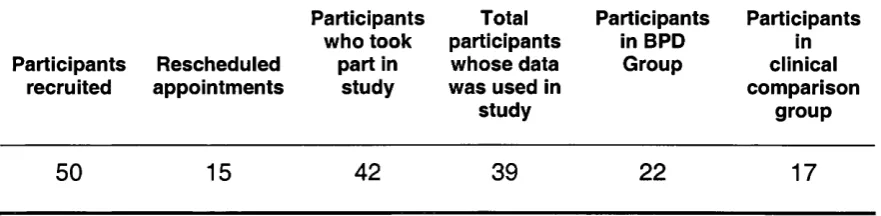
Table 1 Number o f participants recruited and
drop-out rate 76
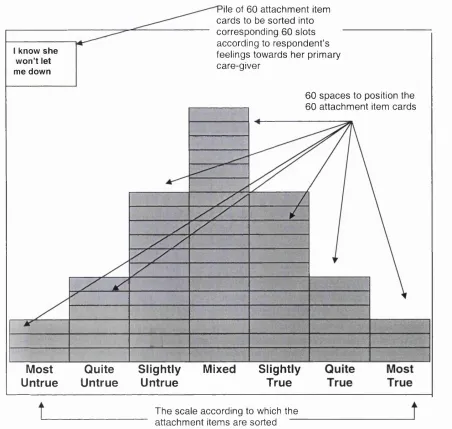
Figure 1 A diagrammatic representation o f the Attachment Q Sort, as it appears on the
screen o f the lap-top 91
Table 2 Primary Caregivers that participants
chose to rate during the Attachment Q Sort 92
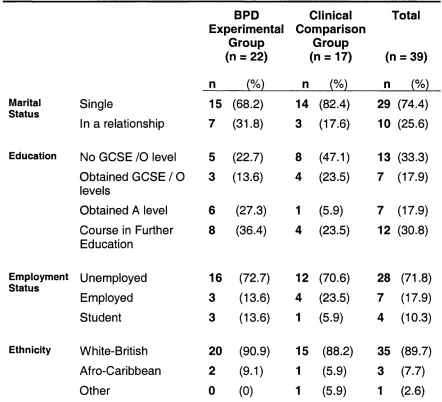
Table 1 Demographic data o f participants 97 Table 2 Differences between groups on
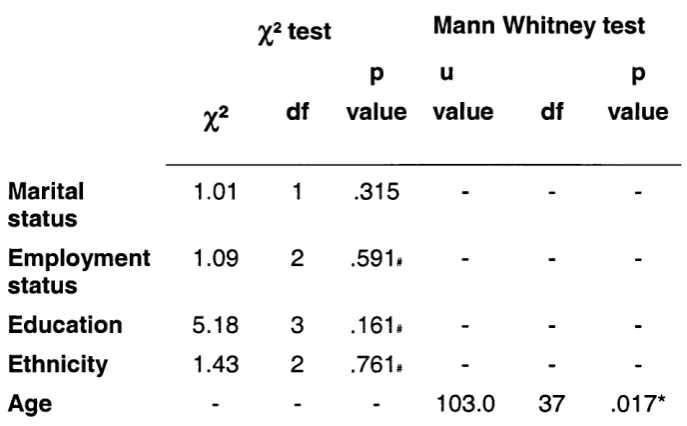
demographic data 98
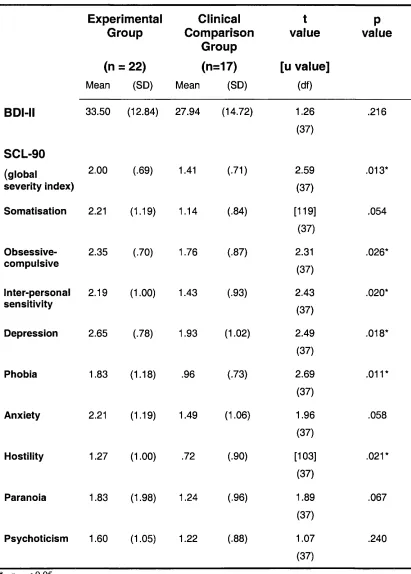
Table 3 Differences in psychopathology between groups as measured by the EDI - I I and
SCL-90 100
Table 4 Repeated measures ANOVA on ToM
variables 102
Table 5 Results o f repeated measures ANOVAs 102 Table 6 Comparison o f current with Baron-Cohen
et al. (2001) 104
Table 7 Relationship between attachment dimensions and BPD psychopathology
(SCID-II) 107
Table 8 Differences in attachment between groups 108 Table 9 Relationship between ToM and attachment 110 Table 10 Mean ToM scores on RMIET according to
attachment dimensions 112
Table 11 General psychopathology (SCL-90) and
ACKNOWLEDGEMENTS
First I would like to thank Professor Peter Fonagy for his supervision and guidance with the study. I would also like to thank Dr Janet Feigenbaum for her unending enthusiasm and support, particularly during the recruitment ‘dry times’. I would like to thank them both for their guidance over the write-up. I would also like to extend my sincere thanks to Dr Pasco Fearon, for guidance over statistical matters.
The project would not have been possible without the help of Jim Fultz, who sadly died in April, 2003. His contribution to the study was enormous and included
guidance over the pilot study, the subsequent re-programming of a computerised test, and continual support with problems encountered in the utilisation of the two
computerised measures.
ABSTRACT
Background: Individuals with BPD are characterised by extreme difficulties in their interpersonal functioning. Recently, a deficit in Theory of Mind abilities (ToM) has been proposed to underlie these difficulties. Although there has been little research investigating this claim, studies by Stokes (2001) and Fonagy et al. (1996) have provided some initial support. Clinical observations of individuals with BPD in therapy suggest that ToM abilities may fluctuate.
To date, studies using the Adult Attachment Interview (AAI) have indicated that the ‘anxious-preoccupied’ attachment style is the most frequently assigned attachment style for individuals with BPD. A high proportion of them are also categorised as ‘unresolved in relation to loss, trauma and abuse’ (Fonagy et al. 1996; Patrick et al., 1994). This category best relates to the most recently identified attachment style, ‘disorganised attachment’, and Fonagy et al. (2000) suggest that this is the characteristic attachment style of individuals with BPD. The present study investigates the constructs of attachment and ToM in women with BPD.
Results: Contrary to the study’s hypothesis, no deficit in ToM was found in BPD participants as compared to the clinical comparison group. The study provided some support that women with BPD may have a better ToM ability than women with mood- related disorders on one measure (which may be comparable to a non clinical population as measured in previous research), although this may be connected to whether or not they were in individual therapy at the time of testing, and their younger age. Whilst the Stokes (2001) study concluded that individuals with BPD may have a slight deficit compared to healthy individuals in understanding social situations (as measured in the SCT), the present study concluded they do not have a deficit compared to other women with mood- related disorders. It may be that general psychopathology is a contributing factor to any subtle deficit. In line with clinical observations, the current study provided a little support for a state or context dependent ToM deficit in women with BPD although again, differences in age and current therapy status between the two groups is associated with this finding.
The results of the attachment component of this study provide further evidence that the preoccupied attachment style is the one most associated with individuals with BPD. It proposes further research with more participants to investigate the disorganised attachment style. The present study hints that these findings relate to the higher levels of psychopathology inherent in individuals with BPD but encourages more research to assess this notion further. Contrary to the study’s hypothesis, it provides no support for a direct one-to-one correspondence between ToM and secure attachment in adults.
INTRODUCTION
SYNOPSIS
Borderline Personality Disorder; current status
The recent circulation of the policy implementation guidance, ''Personality Disorder: No longer a diagnosis o f exclusion” (NIMHE; 2003) demonstrates the government’s current high level of commitment to the issue of Personality Disorders (PDs). Following extensive debate and as a result of the proposed amendments to the Mental Health Act legislation, Borderline Personality Disorder (along with the other PDs) is on the verge of being perceived and treated very differently by the mental health system.
The present study; central tenet and short definitions of the constructs
This study is primarily concerned with furthering knowledge about Borderline Personality Disorder (BPD). Although definitions of BPD vary, most people agree that an attachment related interpersonal deficit is at the heart of the disorder. Some people (Fonagy & Target, 1997) propose that a mentalising deficit underlies the deficit in interpersonal functioning. It is these two concepts specifically, attachment and mentalising (or theory of mind), which have come be associated with BPD that will be explored in this thesis.
definitions will serve as the foundations upon which all future discourse can be located.
‘BPD’ is a disorder in which the individual has problems in interpersonal functioning, identity disturbance, and regulation of emotions. ‘Attachment Theory’ (Bowlby, 1969) offers explanations for the relationship between the experiences of type of care in childhood and interpersonal functioning in adulthood. ‘Theory of Mind’ (mentalising) is best defined as “the ability to impute mental states in oneself and in others” (Premack & Woodruff, 1978).
The association of ‘attachment’ and ‘theory of mind’ in relation to BPD is best described by Fonagy et al. (1991). Simply stated, they propose that a child’s ability to mentalise (be reflective about mental processes or employ his or her theory of mind) develops within the context of a secure attachment. Thus, if people with BPD have poor attachment relationships (as emerging evidence suggests) it follows that they will also have a deficit in mentalising (theory of mind). This deficit in mentalising may be a crucial, causal factor in the BPD client’s deficit in interpersonal functioning as the ability to acknowledge and consider the mental states of others, underlies good interpersonal functioning.
(1.1) BORDERLINE PERSONALITY DISORDER (BPD)
(1.1.1)
THE NATURE OF BPD
(i) Difficulties in interpersonal functioning
People with BPD regularly experience high levels of emotional distress as a result of their extreme difficulty in interpersonal functioning. Similarly, the high levels of emotional distress contribute to further difficulties in interpersonal functioning. This difficulty, considered to be the fundamental deficit of people with BPD, manifests itself in a pattern of unstable and intense relationships. This deficit has ‘knock on’ effects on many areas of the individual’s life, for example, people with BPD find it extremely hard to manage interpersonal issues such as difficult work situations and close relationships. The deficits in interpersonal functioning can be problematic not only in relationships with people close to them such as partners, friends and family but also with those who work therapeutically with them. People with BPD have a tendency to behave in a chaotic manner and often seem oblivious to the negative effects that their behaviour has on others. A key factor in the interpersonal functioning deficit appears to be an extreme difficulty in modulating their own emotional reactions. The difficulty can lead them to put themselves and sometimes other people at risk.
(ii) DSM-IV criteria
Providing a framework for identifying and diagnosing psychiatric disorders, the Diagnostic Statistical Manual-IV (DSM-IV; American Psychiatric Association, 1994) defines BPD on Axis II along with the other nine personality disorders and developmental disabilities. Personality disorders in general are characterised by:
”an enduring pattern o f inner experience and behaviour that deviates markedly from the expectations o f the individual’s culture, is pervasive and inflexible, has an onset in adolescence or early adulthood, is stable over time and leads to distress and impairment” (pp 629).
BPD is described as one of the “flamboyant” cluster B personality disorders (PDs) as opposed to the “odd and eccentric” cluster A PDs, or the “anxious and fearful” cluster C PDs and according to DSM-IV (APA, 1994), it is
“a pervasive pattern o f instability o f personal relationships, self image, and affects and marked impulsivity beginning in early adulthood and present in a variety o f contexts” as indicated by five (or more) of the following :
(1) Frantic efforts to avoid real or imagined abandonment (do not include suicidal or self-mutilating behaviour);
(2) A pattern of unstable and intense interpersonal relationships characterised by alternating between extremes of idealization and devaluation;
(4) Impulsivity in at least two areas that are potentially self-damaging (spending, sex, substance abuse, reckless driving, binge eating - do not include suicidal or self-mutilating behaviour);
(5) Recurrent suicide behaviour, gestures or threats or self mutilating behaviour; (6) Affective instability due to a marked reactivity of mood (e.g. intense episodic
dysphoria, irritability, or anxiety usually lasting a few hours and only rarely more than a few days);
(7) Chronic feelings of emptiness;
(8) Inappropriate, intense anger or difficulty controlling anger (e.g. frequent displays of temper, constant anger, recurrent physical fights);
(9) Transient, stress-related paranoid ideation or severe dissociative symptoms. (pp 654)
(1.1.2) WHY UNDERTAKE RESEARCH INTO THIS CLIENT
GROUP?
It is clear that the life of the individual with BPD is characterised by dangerousness particularly in terms of harm to the self. This in itself implies that research into the client group is worthwhile. However, in order to fully acknowledge the issues associated with BPD and validate the importance of research into the client group, other factors need to be taken into consideration. Such factors include prevalence rates (how large a problem do people with BPD represent?) the impact of BPD on services, and finally the impact on the people who care for and work with them. These factors are detailed in turn.
(i)
Prevalence rates - how large a challenge do people with
BPD represent?
(a) Community prevalence rates
Prevalence rates for BPD range from 1.1% (Maier, Lichterman, Klinger, Heun & Hallmeyer, 1992) to 1.8% (Swartz, Blazer, George & Winfield, 1990) of community samples, depending on the assessment measures used. (Both studies present methodological weaknesses associated with the use of the different assessment measures employed).
(b) Clinical prevalence rates
figure as, unlike the previous two studies mentioned, it relates to the current concept of BPD (as defined by DSM-IV). Together therefore, these studies indicate that BPD is not an uncommon disorder.
(c) Bias of BPD diagnosis according to gender
Of those diagnosed with BPD, there appears to be a significant gender bias inherent in the disorder. BPD is observed more frequently in women as compared to men. In an epidemiological study carried out by Swartz et al. (1990), females accounted for 70% of BPD cases.
The gender bias inherent in this disorder was duly acknowledged and subsequently only women were recruited as participants for this study (see chapter three).
Accordingly, and for ease of reading, BPD clients will be referred to hereafter in the female form.
(ii) Implications of BPD for the NHS and wider system
Clients with BPD present a significant challenge to services. They are renowned heavy users of psychiatric resources. On reviewing treatment utilisation by BPD patients. Bender, Dolan, Skodol, Sanislow, Dyck, McGlashen, et al. (2001) describe how such patients are more frequently hospitalised, make greater use of outpatient psychotherapy, and make more visits to emergency services. In addition, the implementation of treatment plans by hospital and clinical staff was found to be worse for these patients compared to other personality disordered or Axis I diagnosed individuals (Clark, Hofner & Holme, 1995; Delito & Stam, 1989; Ewing, Falk & Otto, 1996; Soloff, 1998). Perry, Lavori and Hoke (1987) and Skodol, Buckley and Charles (1983) point out that not only is there a high uptake of services by clients with BPD but that the types of service they tend to use are the more expensive resources, for example, emergency, day treatment and inpatient services.
anti-psychotic medication. Although findings should be considered with caution as data was generated from participants’ memories of treatments and is therefore subject to bias, it seems that generally BPD clients receive considerable input from services. In summary, caring for people with BPD is exceptionally costly.
(iii) Implications for the therapist working with the BPD client.
So far, we have seen that BPD clients present a danger to themselves and others, that they are not uncommon in the community or clinical population and that they are very costly to treat. But what is the impact for the professionals who work with them or care for them?
Given the descriptions so far, particularly the high rates of self-harming and dangerous behaviour, it is not surprising to learn that anyone supporting an individual with BPD, particularly the therapist, experiences a very much-increased practical and emotional workload. This increased workload can lead to staff burnout.
“ because o f the chronic nature o f the BPD patient's problems, their frequent referral through family pressure or judicial remand, and their apparent reluctance to change, they often are the most difficult and trying patients in a clinician's caseload. Typically, they require more time within a session, cause greater drain on the therapist's energy, demand more time outside o f the session because o f emergencies and evoke more powerful counter-transference reactions than do any other patients. "
(Layden, Newman, Freeman & Morse, 1993; pp 1-2).
“staff splitting” is an additional obstacle in working with the BPD client. Commonly professionals begin arguing over the client, her treatment plan or the behaviour of other professionals towards her. Responsibility for the conflict is then attributed to the client who is said to have ‘split the staff. De Zulueta (1999) acknowledged the difficulty in the management of BPD clients attributing it to their extreme moods and impulsive behaviour, their tendency to become extremely dependent and often angry with people involved in their care.
(a) Perspective of health care professionals towards PD
Lewis and Appleby (1988) reported that patients with a previous diagnosis of PD were viewed by psychiatrists as more difficult and less deserving of care than people in comparison vignettes (the vignettes controlled for depression, gender and occupation). The responses given to the PD vignettes indicate that PD patients were seen as ''''manipulative, difficult to manage, unlikely to arouse sympathy, annoying and not deserving o f NHS resources uncompliant, not accepting advice and as having a poor prognosis... suicide attempts were seen as attention seeking rather than genuine.... judged less mentally ill and their problems were less severe.'"
(Lewis & Appleby, 1988; pp 47).
acceptance in the eyes of the professional (NIMHE, 2003). If professional attitudes have changed since 1988, the impact has not yet had a desirable effect on service users. Thus, the situation between health care professional and client appears far from satisfactory.
The emotional and practical impact of burnout in professionals seems to have influenced the generation of negative perceptions of this client group. Overcoming the consequences of working with BPD clients seems a monumental task. One way of addressing this issue could be to explore the nature of the relationship between client and professional (therapist) as difficulties are played out in this relationship. For example, stronger negative emotions may be evoked in the BPD client (as compared to a non BPD client) if she is unable to accurately work out the reasons behind why her therapist continues to ask her questions of a sensitive nature about a difficult topic, when she is clearly distressed by this. If she is unable to identify her therapist’s mental state at such a time accurately, she may conclude that the therapist is enjoying asking such questions and is thus deliberately persecuting her in some way. Naturally, this would result in considerable emotional distress. Thus the value of investigating the factors that may be influencing this relationship negatively (whether they are difficulties in theory of mind or attachment) is highlighted once more.
finding which can further our understanding of the mental world of the person with BPD, particularly on dimensions relating to the therapeutic relationship, may assist the therapist in encouraging the individual to stay in therapy and benefit from help that is on offer.
(1.1.3)
BPD -WHAT ARE THE OBSTACLES IN RESEARCHING
THIS CLIENT GROUP?
Several factors present significant problems in undertaking research into this disorder. These will now be identified.
(i)
Diagnostic validity of BPD
The term ‘borderline’ is laced with ambiguity. Although DSM-IV sets out the criteria for BPD, many remain unconvinced that the concept constitutes a single distinct diagnostic category (Fromm, 1995; Holmes, 1993; Johnson, 1991). Some have suggested that BPD is more of a spectrum disorder than a single discrete category (Kemberg, 1975; 1984; Meissner, 1998). Others have directly questioned its discriminant validity among the personality disorders (Clarke, Livesley & Morey, 1997).
(ii)
Co-morbidity and BPD
(a) Axis I Disorders
The most recent study of co-morbidity in PD was undertaken by Zanarini, Frankenberg, Dubo, Sickel, Trikha, Levin and Reynolds (1998) who investigated lifetime rates of occurrence of a full range of DSM-III-R Axis I disorders in inpatients with PD. The study merits from being fairly large-scale in that 379 BPD patients were identified from an original sample of 520 PD patients. In addition, interviewers were blind to clinical information including prior diagnoses of the participants. However, a weakness exists in that the authors used a now out-of-date measure, the Structured Clinical Interview for DSM III-R (Spitzer, Williams, Gibbon & First, 1990) to identify Axis I disorders. The findings were as follows: 96% of the BPD group had a mood disorder, 88.4% had some kind of anxiety disorder, 82.8% had major depressive disorder, 64.1 % had a substance misuse disorder, 55.9% met criteria for PTSD, 53.0% a co-morbid eating disorder and 10.3% a somatoform disorder.
Depression in particular, is very common amongst people with BPD. However, it is noteworthy that controversy exists over the type of depression that people with BPD experience. Some authors (Gunderson, 1984; Kemberg, 1975; Masterson, 1976 as cited in Westen, Moses, Silk, Lohr, Cohen & Segal, 1992) have argued that individuals with BPD have a ‘qualitatively distinct depression’, compared to Major Depressive Disorder (as described in DSM-IV).
(b) Other personality disorders (Axis II)
Due to the queries about the concept's discriminant validity and its significant co morbidity with other psychiatric disorders, there is an ongoing debate regarding the usefulness of the concept of BPD. These difficulties present challenges to the researcher in terms of selecting definitions for BPD and in obtaining a homogenous group of participants with BPD,
(1.1.4)
AETIOLOGY OF BORDERLINE PERSONALITY
DISORDER
A review of background information to a disorder would not be complete without a summary of current ideas of how a person comes to develop the disorder. The central tenet of this thesis fits best with psychodynamic explanations of BPD. For this reason psychodynamic ideas are presented first. The psychodynamic ideas are elaborated later on in the section relating to attachment.
(i) Psychodynamic explanations
existing as one person. This difficulty was thought to occur as a consequence of an inadequacy in the infant’s holding environment. A review of the empirical studies exploring the link between BPD and childhood care giving experiences, is also set out in detail in the section relating to attachment.
(ii) Biological explanations
Silk (2000) reminds us that personality disorders were placed in Axis II on DSM-IV because researchers could not find any real biological theory that could exclusively explain the aetiology of BPD. However, there are thought to be biological disturbances underpinning difficulties in cognition, impulsivity, aggression, affective lability and the chronic anxiety often seen in people with BPD.
Biological explanations in conjunction with life events, is more likely to be a better way forward in understanding the aetiology of BPD. For example, repeated childhood trauma (something that has been shown to be characteristic of BPD patients) has been consistently linked to specific neuro-endocrine responses (Rinne, de Klut, Wouters, Goekoop, DeRijk, & Van den Brink, 2002). Work in this area is considered key to a better understanding of BPD.
In conclusion, none of the biological risk factors so far explored, can explain fully the development of BPD.
(iii) Cognitive-behavioural model
(iv) The Biosocial model
Linehan’s (1993) model of BPD is an amalgamation of biological and psychosocial theories. Linehan believes that a combination of invalidating environments (from caregivers which includes experiences of abuse and neglect) and a biological susceptibility to emotional reactivity, leads to problems relating to emotional dysregulation, the core feature of BPD, The treatment she has developed, Dialectical Behaviour Therapy (DBT), takes into account this proposed aetiology.
(1.1.5)
WHAT TREATMENT IS USEFUL FOR INDIVIDUALS
WITH BPD?
Given BPD clients’ highly distressing subjective experience, and the huge cost of treating them, it seems prudent to identify the treatments which are most helpful in order that precious resources can be channelled into treatments that are most likely to have positive outcomes. BPD patients are notoriously difficult to treat and heavy users of services. Fromm (1995) compared the BPD patient’s treatment outcome to a “disastrous marriage” which gives us a flavour of the treatment success in this client group. Some treatments may expose BPD clients’ deficits (the hypothesised attachment difficulties and poor theory of mind), which lead to negative outcomes, to a greater extent as compared to other treatments. Thus,, identification of factors that may be contributing to this state of affairs, through research (regardless of the theoretical orientation of the therapist) is valuable.
these patients present. Interventions need to be coordinated in an integrated way as opposed to being offered in a ‘piecemeal fashion’ especially given the difficulties in establishing an effective therapeutic alliance, inherent in this client group.
Evidence from randomised controlled trials reported in the research literature, indicates that several types of treatments may be useful in helping people with BPD with their emotional distress. Specifically, Dialectical Behaviour Therapy (DBT; for example, Linehan, Comtois & Koemer, 1998), and Psychoanalytically Oriented Partial Hospitalisation (POPH; Bateman & Fonagy, 1999) have been shown to be effective. Some types of medication can be helpful with certain symptoms of BPD such as impulsivity. Other treatments such as Transference Focused Psychotherapy (TFP; Clarkin et al., 2001) have shown promising preliminary results, but as yet have not been assessed using a control group.
(1.D
ATTACHMENT
Background information relating to the first of the two constructs to be explored in this study, attachment, will be covered in this section. The literature pertaining to attachment is vast and expansive, and a complete review is well beyond the means of this thesis. However, in order to be able to fully understand the study’s research questions and hypotheses, selected relevant aspects of the subject will be discussed and presented in discrete sections.
as attachment theory, the established attachment styles and the consistency of attachment status across the life span. Specifically, the most recently identified ‘disorganised’ attachment style, its manifestation in childhood and associated developmental theory will be emphasised, as this is the attachment status that has been linked to BPD (Fonagy, Leigh, Steele, Steele, Kennedy, Mattoon, Target & Gerber, 1996; Patrick, Hobson, Castle, Howard & Maughan, 1994).
(1.2.1) ATTACHMENT THEORY
Sable (1997) described Bowlby’s attachment theory as a
“...biologically rooted, lifelong attachment behavioural system which promotes proximity and feelings o f security...” (ppl72).
negative affect and emotional appraisals of anxiety, alarm and fear are made by the infant. If the infant perceives the attachment figure to be unreliable or inaccessible, anger and sadness are likely to comprise his or her emotional state. Over time, the response of the adult caregiver to the attachment behaviour reinforces the infant’s attachment behaviour and these behaviours then come to be organised around a representation of his or her care giving figures.
Solomon and George (1999) describe the importance of affective and emotional state in the organisation and expression of attachment. Thus, ‘‘the child’s affective states and emotional appraisals are expected to vary in accordance with the attachment
system. ” (Solomon & George, 1999; pp 5).
“These models reflect the child’s appraisal o f and confidence in, the self as acceptable and worthy o f care and protection, and the attachment figure’s desire, ability and availability to provide protection and care. ”
(Solomon & George, 1999; pp 5). If the attachment figure can be relied upon, she is seen to represent (something Bowlby referred to as) the “secure base” and the child tends to explore his or her world to a greater degree, safe in the knowledge that the caregiver will be there, should he or she encounter difficulties. Ainsworth (1989) found that if the child has a secure attachment to his caregiver, he or she not only tends to spend more time away from the attachment figure but also tolerates separation with less distress. It is thought that if no secure base is available, willingness to explore is inhibited, resulting in limited opportunities to interact with others. This can result in the internal working model failing to be updated and as such, the repertoire of ways of interacting may become limited or rigid (Sable, 1997). Sable believes that access to information and feelings necessary for adaptive functioning subsequently become severed, something that is then carried forward to the individual’s new relationships and influences the degree to which the individual is able to cope in stressful situations, particularly separation.
To summarise, Bowlby’s Attachment Theory (1969) offers explanations for the relationship between the experiences of lack of care in childhood and the range of mental distress shown in adulthood. It explains the behaviour and emotions that exist between an infant and his or her primary caregiver referring particularly to the concepts of “secure base” and “Internal Working Models”. Importantly, attachment behaviour is evident through the lifecycle.
(1.2.2) ATTACHMENT STYLES
One of the aims of this study is to identify the predominant attachment style of individuals with BPD. Whilst ‘disorganised attachment’ is the style most pertinent to the study and the understanding of BPD, it requires a context and comparison with the other recognised attachment styles in order to fully appreciate its distinctness. In addition, disorganised attachment is sometimes considered a blend of the two insecure styles, ‘anxious-ambivalent’ and ‘avoidant’.
(i) History and method of assessment of the attachment styles
presence and absence of the caregiver. The behaviours exhibited by the infant upon re-union with the caregiver are considered especially indicative of the hypothesised attachment style. Three identified attachment patterns have been described (cited in De Zulueta, 1999) secure, and two types of insecure attachment: anxious-ambivalent and anxious - avoidant.
(ii) Secure attachment
63% of the middle-class infants who took part in the study showed secure attachment. The infant was active in play, usually cried on separation from the mother, sought contact when distressed after a brief separation from the attachment figure, was readily comforted, and soon returned to absorbed play. These infants were reported to form good relationships with adults and peers and were able to empathize with them.
“The individual is confident that his parent (or parent figure) will be available, responsive, and helpful, should he encounter adverse or frightening situations. With this assurance, he feels bold in his explorations o f the world”
(Bowlby 1988; pp 124).
(iii) Insecure attachment - ‘anxious-ambivalent’
"This individual is uncertain whether his parent will be available or responsive or helpful when called upon. Because o f this uncertainty he is always prone to separation anxiety, tends to be clinging and is anxious about exploring the world”
(Bowlby, 1988; pp 124).
(iv) Insecure attachment - ‘anxious-avoidant’
20-25% of the infants in Ainsworth sample were seen to exhibit an anxious-avoidant attachment pattern. They showed no distress on separation from the mother and avoided her during reunion. Many of these children treated the stranger in a friendlier manner than their mother. It is known that these infants were anxious as their physiological responses (e.g. increased heart rate) were monitored (Stroufe & Waters, 1977). It is thought that these infants had been neglected or rejected and Main (1981; cited in De Zulueta, 1999) explains that they have diverted their attention and cut off their anger and fear so that they can remain close to the parent they need to depend upon.
"The individual has no confidence that, when he seeks care, he will be responded to helpfully but, on the contrary, expects to be rebuffed”
(Bowlby, 1988; pp 124).
the arousal in an appropriate way. Anxious-ambivalent children, on the other hand, having learned that the caregiver is sometimes available, increase their distress in an attempt to elicit a response from the caregiver. They tend to under-regulate their arousal so that even when the caregiver is present, they remain frustrated.
(v) Disorganised attachment
Subsequent to Ainsworth’s work, a fourth group of infants was identified by Main and Hesse (1992) using the ‘strange situation’ procedure. This group of infants were labelled as having a ‘disorganised attachment’ style. Research during the last 15 years indicates that it is the “disorganised” attachment style, rather than the “organised” insecure attachment styles, that presents a more serious developmental risk factor for pathological outcomes (George, West & Pettem, 1999).
(a) Behaviour inherent in the disorganised attachment style
(b) Who displays disorganised attachment?
Studies have shown that the highest proportion of disorganised attachment is found in children who have been maltreated (Carlson et al., 1989). This classification is also more frequent in the children of depressed and alcoholic mothers (DeMulder & Radke Yarrow, 1991) and in families where there is a high degree of marital conflict (Owen & Cox, 1997). Evidence from maltreated children is a putative factor that brings together BPD and disorganised attachment, given the high frequency of abusive childhood experiences of clients with BPD (elaborated later).
(c) Caregiver-child relationship in ‘disorganised’ children
Given that a central tenet of this thesis is understanding how attachment (with ToM) fits with BPD, it is useful to establish what is known about the child-mother relationship. Solomon and George (1999) interviewed the mothers of disorganised children and noted two significant findings. They found that these mothers were capable of increasing their child’s attachment related anxieties by frightening and rejecting the child when he or she most needs consolation, and that these mothers appear to simultaneously activate the child’s attachment system with threatening or angry behaviour followed by rejection and withdrawal. Solomon and George propose that these children are thus prevented from developing an organised strategy of attachment and their extreme fear overwhelms their ability to regulate their affect.
(d) Theory underlying the ‘disorganised’ attachment style
Bowlby’s notion of “segregated systems” is the component of attachment theory that has been most closely considered in relation to the disorganised attachment classification. This is due to the similarities in the behaviours he described in infants when this process is evoked, and those shown by infants who have subsequently been classified as disorganised. “Segregated systems” is defined as,
''an extreme and potentially pathological form o f exclusion that functions to separate attachment information from consciousness
(Solomon & George, 1999; pp 6). This type of exclusion is thought to take place as a defensive process when a child is under chronic stress and the attachment behaviour he or she elicits persistently and chronically fails to regain the attachment figure, and hence fails to be ‘switched o ff. The pain associated with this kind of attachment experience is so great that the memories and feelings associated with those experiences threaten to undermine the individual’s ability to function, therefore “segregated systems” are activated (Solomon & George, 1999). According to George, West and Pettem (1999), at such a time,
"Mental material related to attachment is literally re-housed elsewhere and in the most extreme situation, trauma related attachment memories and emotions (in a separate representational model) is kept, as completely as possible inaccessible to consciousness” (pp 320).
(1.2.3) ATTACHMENT AND BPD
1979) to explore partieipants’ reeolleetions of affeetion and eontrol from their parents over the first 16 years of their lives, Paris, Frank and Guzder (1994) found individuals in a BPD group to have experieneed both a greater frequeney of CSA and more severe CSA as compared to a non-BPD, PD group. The BPD individuals also experieneed more physical abuse and demonstrated a lower maternal affection score. The authors concluded that the nature of the CSA was the risk factor that most strongly discriminated between the BPD group and the non BPD group, but acknowledged that CSA has a low specificity to BPD (as compared to a group of patients with other Axis II disorders). CSA can be acknowledged as a vulnerability factor for BPD but not a direct cause, in that not all BPD clients have experieneed CSA, and not all who are sexually abused develop BPD.
The aim of the following section is to present the empirical data which specifically relates to attachment in people with BPD. However, before doing so, some explanation is required of how attachment styles are measured in adults.
(i) Attachment in adults: measures
Attachment status in adults has been assessed predominantly by using the Adult Attachment Interview (AAI; George, Kaplan & Main 1984;1985;1996). This is a semi- structured interview measure used with adults, which ''provides access to the adult’s current ‘state o f mind’ with regard to his or her childhood attachment experiences” (Main, 1995; pp 467). Adults are assigned to one of four categories according to the narratives that they generate from the questions on the AAI.
Although the AAI is often listed as the gold standard for measuring adult attachment, other measures have been developed and used in this area. One such measure is described briefly as it is mentioned in the studies described on attachment on BPD. The Parental Bonding Instrument (PBI; Parker, Tupling & Brown, 1979) is a self- report questionnaire that assesses an individual’s judgement of the parental contribution to the parent-child relationship. ‘Care’ and ‘overprotection’ are the two independent dimensions derived from scores on the PBI.
(il)
Adult attachment styles (on the AAI); comparison to
childhood attachment styles
‘insecure/dismissing’ tend to idealize and devalue early relationships, demonstrating avoidance and denying memories. These people often have a deep sense of shame, poor self-esteem and describe themselves as having no need for love. This is considered to be an extension of the ‘anxious-avoidant’ childhood classification. The ‘insecure/preoccupied’ classification is given if the individual is confused, angry or passive in relation to the attachment figure. They often give significance and emphasis to things that failed to go their way in childhood. This corresponds to the childhood ‘anxious- ambivalent’ classification. Finally the ‘unresolved’ classification is given to those who show a disorganisation and confusion when describing attachment relationships. This may be in terms of semantics or syntax in their attachment narratives with respect to loss and trauma. The unresolved or ‘disorganised’ adult shows a lack of resolution when discussing loss, trauma or physical abuse demonstrated by ‘significant lapses in the meta-cognitive monitoring of reasoning’ in the discourse of the attachment narrative (Main & Goldwyn, 1991).
(iii) Empirical Data - attachment and BPD
The research evidence pertaining to attachment status in adults with BPD will now be reviewed. Research evidence into attachment in people with BPD, is accumulating (for example Fonagy et al., 1996; Nickell, Wandby & Trull, 2002; Paris & Frank, 1989; Patrick et al., 1994; Sack, Sperling, Fagen & Foelsch, 1996; Sperling, Sharp & Fishier, 1991; Torgensen & Alnaes, 1992; West, Keller, Links & Patrick, 1993). Only selected studies will be presented.
Negative over-involvement can be seen as parents’ active hindrance of the child’s independence and separation, where the child’s natural curiosity tends to be met with warnings, hostility and an emphasis on potential danger (Parker et al., 1979, cited in Torgensen & Alnaes, 1992). In interpreting the results from this study, it is important to acknowledge that the PBI relies on patient’s retrospective memories, which may be subject to bias.
which they relate to alternating images of the caregiver and the characteristic tendency for BPD patients to use ‘splitting’ as a mode of functioning. This psychoanalytical term refers to the tendency to separate the ‘object’ (attachment figure or other person) into a good and bad form. This happens so that the individual can avoid the conflict (anxiety evoked) between loving and hating the other, who in reality is both good and bad.
To summarise, BPD has been associated with an anxious-preoccupied attachment style and more specifically with ‘confused, fearful and overwhelmed’ as the most common sub-classification. It is thought that this classification characterises the BPD patients’ emotional template of intimacy and anger (Dutton, Saunders & Starzomski, 1994). The BPD diagnosis is also associated with being ‘unresolved, disoriented and confused regarding trauma and loss’. Specifically, perceived low maternal care, perceived high maternal over-protection and more recently, a maternal over permissiveness (an apparently contradictory parenting style), appears characteristic of mothers of people with BPD. Disorganised attachment style as described earlier, can be seen as a mixture of ‘avoidant’ and ‘anxious-ambivalent’ behaviours. As yet however, other than the frequently assigned ‘unresolved’ status finding, evidence for the disorganised attachment style in people with BPD has not as yet emerged.
(1.3) MENTALISING OR THEORY OF MIND (TOM)
outlined. Then autism and schizophrenia will be discussed as ToM deficits have been found in people who have these disorders. Finally ToM in BPD is described.
(1.3.1) DEFINITIONS
‘Theory of mind’ is a term that has been used predominantly by developmental psychologists and is the term most commonly associated with autism. At the beginning of this thesis, Premack and Woodruff’s (1978) definition “the ability to impute mental states in oneself and in others” was given. Until now, ToM has been referred to alongside the term ‘mentalisation’. This term came about because some authors decided they needed a verb to refer to the active use of theory of mind capacities (Fonagy, 1999). They decided on ‘mentalising’ or ‘mentalisation’. This contains the original Premack and Woodruff definition but appears more extended in its usage. A fuller definition of mentalisation is,
“...the capacity fo r internal experience that is felt to belong to one. It is experience that is truly felt and owned, and that carries a sense o f personal meaning. It also means appreciating that one's thoughts and feelings are subjective, a mental state that is subject to modification. It is a primary avenue fo r understanding that others also have their own modifiable subjectivity. It means being able to step into the shoes o f the other and out again; to be able to anticipate that others can understand, to think about and be able to empathise with one. It means being able to be reflective
about mental processes” (Fonagy, 1999).
narrative structures in which such concepts are embedded as well as the autobiographical sense of self. Theory of Mind’ on the other hand, could be seen to have scientific implications and Allen and Fonagy (2002) consider the term fuses together ideas relating to our common sense folk psychology with those of scientific psychology in an unhelpful way. Both terms are used in this thesis and the term chosen generally reflects the origin of whichever issue is being discussed (i.e. developmental/autism literature or the specific author e.g. Fonagy and colleagues).
(1.3.2) METHODS OF MEASURING TOM
‘ToM’ is a significant factor in children’s development as it is thought that children come to understand behaviour as meaningful and predictable following the attribution of mental states to others. It is considered fundamental to social development as the foundation of human social interaction (Baron-Cohen, Joliffe, Mortimore & Robertson, 1997). Research often assesses ToM in terms of competence on ‘false belief tasks’ of which there are two types. A first order false belief task requires the child to infer another person’s mistaken belief about a situation. For example, Sally counts 10 sweets in a tin and then leaves the room. Whilst Sally is out of the room, 5 sweets are taken from the tin. Sally comes back into the room. The child is asked to predict how many sweets Sally believes are in the tin. To pass this false belief task the child needs to answer ‘10’ as opposed to ‘5’.
answer several questions correctly. First, the number of sweets that Ann thinks Sally thinks are in the tin, and second, the number of sweets Ann thinks are in the tin. Finally the child needs to demonstrate that he or she knows that the actual number present is different to both Sally and Ann’s prediction.
It is important to acknowledge that there is some controversy over whether mentalizing and ToM is or is not the same as executive function. Whilst this study is not aiming to provide any evidence for or against this argument, a brief outline is given. Russell, Saltmarsh and Hill (1999) suggest that executive functioning is required in order to answer the false belief tasks (as outlined above). The child must suppress his or her own belief and choose a less salient response (the other’s false belief). However Leekam and Pemer (1991) have shown that autistic children are able to perform adequately in a non-mental comparison task with the same element of executive functioning, which goes against the argument of ToM being the same as executive functioning. Stokes (2001) investigated ToM and executive functioning in BPD and whilst finding a subtle deficit in ToM, did not find any consistent findings with regards to executive functioning. It suffices to say, the relationship between ToM and executive functioning remains slightly ambiguous.
(1.3.3) NORMAL TOM DEVELOPMENT
continues to develop until adolescence and beyond. For example, the recognition of bluff, irony and double bluff are thought to be more sophisticated aspects of theory of mind, which Baron-Cohen et al. (1999) believe children do not fully understand until at least 8 years of age.
So what factors influence the development of theory of mind in children from a non- clinical population? The link between attachment and ToM is specifically discussed in a later section but it is worth taking note that research has shown measures of mother-child interaction at 33 months to correlate positively with a child’s ability to use false belief in explaining behaviour at 40 months (Dunn, 1994). Another factor that has been linked to ToM ability is Youngblade’s (1993) finding that the amount of pretend play exhibited at 33 months also independently predicted emotional understanding at 40 months.
(1.3.4) TOM DEVELOPMENT AND CHILD CLINICAL
POPULATIONS
a specific response. Therefore they could be said to be using them without understanding their full meaning. Thus, there is some evidence accumulating to support the notion that abused children retreat from the mental world. For example, Fonagy et al. (2000) found that physically and sexually abused children as old as 5-8 years had significant problems with second-order false belief tasks.
(i) ToM deficits and specific disorders: autism and schizophrenia
ToM deficits have been found consistently in children with autism and more recently with adults diagnosed with some types of schizophrenia. The majority of children with autism fail both first and second order false belief tasks (Baron Cohen, 1989; Baron Cohen, Leslie & Frith, 1985). It is thought that differences in ToM deficits exist in the two disorders; whilst autistic individuals never develop their ToM, people with paranoid schizophrenia may have lost the ability at a younger age. Therefore, whilst autistic individuals cannot make inferences about others’ mental states, people diagnosed with paranoid schizophrenia may make inaccurate inferences (Frith & Corcoran, 1996).
(ii) ToM - state or trait variable (in schizophrenia)?
understanding irony, but not in first and second order tasks or metaphor tasks. Irony requires more sophisticated ToM skills, and has been linked in the literature to second order ToM skills. They concluded that even in remission, participants diagnosed with schizophrenia have a ToM deficit, albeit a very subtle one. This issue of ToM as a state or trait variable will be considered later on in relation to BPD.
(1.3.5) BPD AND TOM
Clinicians working with BPD patients first considered the possibility that this group may have a deficit in ToM abilities. This section aims to describe the limited empirical evidence available on deficits in ToM in BPD, and makes links with current theory.
(i) Empirical data
Although the BPD patients had undergone the SCID-II as part of their assessment in the clinic, this was not undertaken as part of the project and depending on the timing of this, may have been inaccurate as to their current level of BPD psychopathology (particularly if they were in therapy).
Another source of data on ToM deficits in BPD comes from Fonagy et al. (1996). They created an additional scale for the AAI known as the ‘The Reflective Self Function Scale’ (RSF) that assesses interviewees’ transcripts for capacity to understand their own and others mental states and their willingness to think about these in a coherent manner. At the same time as exploring patterns of attachment and psychiatric status, they found that BPD individuals showed lower awareness of mental states than non-BPD psychiatric patients. Following analyses of experiences of abuse, RSF scores, and presence of BPD, they concluded that a low RSF score in itself is not an independent risk factor for BPD but that in conjunction with abuse, is highly predictive of BPD. The RSF was based on current knowledge on meta- cognitive reasoning and had a high inter-rater reliability after some training. It does not appear however, to have been validated against other ToM measures. The number of BPD participants in the study was relatively small and so the findings warrant further replication.
(ii) Current theory relating to the hypothesised ToM deficit
accurate recognition of the caregiver’s mental state (as torturing or having harmful intentions towards the child) would be negative and overwhelmingly damaging to the child’s self-esteem. Whilst in the short term, the defensive strategy preserves, to an extent, the child’s well-being and view of self, it appears to have negative implications for later life. This is because the inhibition to think about mental states (both in the self and other) is activated in other close relationships and can be the cause of significant misunderstandings and inter-personal problems. In avoiding thinking about the mental state of the self or the caregiver, the individual is prevented from working through an understanding of the abuse experience and thus misses out on the opportunity of resolving difficulties or feelings associated with such experiences.
(iii) The nature of the ToM deficit
opposed to words. Fonagy maintains that the child, however, retains an understanding of mental states at an unconscious level. BPD patients are thought to pick up information about mind states at the behavioural level but this does not emerge at a conscious level. “It is not that borderline patients are ‘mind blind’; it is rather that they are not ‘mind conscious’. ” (Fonagy, 2000; pp 1141).
With regard to the inconsistent ToM abilities clinically observed in BPD, Fonagy et al. (2000) also draw attention to Kurt Fischer’s skills theory of development. Using an example, Fonagy et al. (2000) assert that just as a young child’s understanding of conservation of liquid does not immediately generalise to conservation of area, mentalisation skills in individuals with BPD are not integrated. They remain in their ‘fractionated’ state and so are inconsistently applied across different domains. It is thought that this could be either a natural process or an active attempt not to coordinate so that the different contexts can stay separate, thus perhaps protecting the child’s positive view of himself.
attachment relationship, it does not seem surprising that the resultant ToM deficit may only become evident under difficult attachment contexts in the present.
In summary, just two studies have produced evidence that a ToM deficit may exist amongst the BPD population. The first study identified a possible subtle deficit on one of the two ToM tests employed (SCT), and the second study used a reflective function scale that the authors constructed and used on narratives of attachment experiences in the AAI. Reports from clinical observations, point to a variable ToM defieit.
(1.4) THE RFT.ATTONSHTP BETWEEN
ATTACHMENT AND TOM
FONAGY ET A L’S MODEL
(1991)
The next section outlines how the concepts of ToM and attachment fit together from a developmental perspective. The crucial point of note is that ToM is no longer considered as a distinct module of eognitive ability but rather a capacity very much dependent on attaehment status. First pertinent studies will be reviewed and then the current theory proposed to account for the association will be outlined.
(1.4.1) EMPIRICAL DATA
of those who had been classified as insecurely attached. In addition, significantly more children who were classified as securely attached in two relationships passed the belief desire task than did those with just one secure attachment relationship. On the second order false belief task, a similar but weaker pattern emerged.
In a later study, Fonagy, Redfem and Charman (1997) using a projective measure of attachment security, found that secure attachment predicted belief-desire reasoning capacity in 3-6 year-olds even when age, social maturity and verbal mental age were held constant.
(i) Parental mentalising and children’s’ attachment status
Mentalising abilities in the parent have also been explored in relation to infant attachment status. Meins and her colleagues have carried out substantial work investigating mother-child interactions, particularly relating their concept of 'maternal mind-mindedness’ to attachment concepts. ‘Maternal mind mindedness’ describes
“the mother's proclivity to treat her infant as an individual with a mind rather than merely as a creature with needs that must be satisfied"
(Meins, Femyhough, Fradley & Tuckey, 2001; pp638).
the mother’s tendency to use language to frame interaction in a mentalistic context. Some examples include reference to the infant’s thoughts, desires and interests, mental processes, level of emotional engagement and references to the infant’s intention to influence other’ beliefs, such as “you’re just teasing me”.
Another aspect of maternal mentalising and its link with attachment status in children has been explored by Koren-Karie, Oppenheim, Dolev, Sher and Etzion-Carasso (2002). Specifically, they assessed ‘mothers’ insightfulness’ into their child’s behaviour and emotions and demonstrated that this relates to a child’s attachment status. Mothers’ ‘insightfulness’ of their twelve-month-old infants was defined as
''parent’s capacity to consider the motives underlying their children’s behaviours and emotional experiences in a complete, positive, and child-focused manner while taking into consideration their children’s perspectives ”
(Koren-Karie et al., 2002; pp 534).
They also explored mothers’ sensitivity to their infants during play and the infants’ attachment status (as assessed in the strange situation). Insightfulness was assessed by asking the mothers questions about their infants’ thoughts and feelings, whilst they looked at pre-recorded clips of their own interactions with their child. Mothers classified as ‘positively insightful’ were rated as more sensitive and more likely to have securely attached children than those not classified as positively insightful, and furthermore, this insightfulness accounted for variance beyond maternal sensitivity.