Article
1
Rapid Senectome and Alternative Splicing miRNAs
2
Changes With the Relaxation Response: A One Year
3
Follow-Up Study
4
Carlo Dal Lin 1*, Mariela Marinova2, Laura Brugnolo2, Giorgio Rubino1, Mario Plebani2, Sabino
5
Iliceto1; Francesco Tona1
6
1 Department of Cardiac, Thoracic and Vascular Sciences, Padua University School of Medicine, Via
7
Giustiniani 2, 35100 Padua, Italy.
8
2 Department of Laboratory Medicine, Padua University School of Medicine, Via Giustiniani 2, 35100 Padua,
9
Italy
10
* Correspondence: Email: [email protected] . Carlo Dal Lin, Department of Cardiac, Thoracic and
11
Vascular Sciences, Padua University School of Medicine, Via Giustiniani 2, 35100 Padua, Italy. Fax: +39-049
12
8211802 Phone: +39-049 8218642.
13
14
Abstract: Mental stress represents a pivotal factor in cardiovascular diseases. The mechanism by
15
which stress produces its deleterious effects is still under study but one of the most explored
16
pathway is cell senescence. In this scenario, circulating microRNAs appear to be mobile regulatory
17
elements of the telomerase activity and alternative splicing within the ”senectome” network.
Anti-18
stress techniques seem to be able to slow-down aging process. As we have recently verified how the
19
practice of Relaxation Response (RR), counteracting psychological stress, determines favorable
20
changes of some inflammatory genes expression, of some neurotransmitters, hormones, cytokines
21
and inflammatory circulating microRNAs, we aimed to verify a possible change even in serum
22
levels of 4 senectome micro-RNAs (SE-miRNAs -20, -30, -410, -515), testing the activity of telomerase
23
in peripheral blood mononuclear cells-PBMCs. We analyzed also alternative splicing microRNAs
24
134 and 183. According to our data, miRNA-20 and -30 levels and PBMCs-telomerase activity
25
increase during the RR while -410 and -515 levels decrease.Moreover, during the RR sessions both
26
miRNA-134 and -183 decrease. The mediators considered in this work seem to vary rapidly
27
according to a (stress)-relaxation condition showing that psychic activity should be part of the study
28
of aging factors.
29
Keywords: cardiovascular disease; inflammation; aging; senectome, telomerase; alternative
30
splicing; Relaxation Response; microRNA.
31
32
33
1. Introduction
34
The close connection between chronic stress and deterioration of health has been amply
35
demonstrated with the relative increase in the risk of cardiovascular diseases and immune system
36
dysfunction[1,2]. It has already been widely confirmed that psychological stress determines
37
important changes in neural activity and in gene expression of multiple brain areas[3]. In particular,
38
the stress reaction involves amygdala hyperactivity associated with emotions of fear, anxiety or anger
39
[4,5],[6] with the triggering of a low-grade chronic inflammatory process that determines important
40
negative cardiovascular consequences[7],[8],[9].
41
The exact mechanism by which stress produces such effects is still under study but one of the most
42
explored molecular pathways is linked to cell senescence[10]. The aging process involves the
43
2 of 16
coordination of various cellular mechanisms, from the balance of telomeres to DNA damage, the
44
increase of inflammatory signals and oxidative stress, up to metabolic and cytoskeletal
45
modifications[11].
46
Psychic activity seems able to influence these processes. Indeed, Epel et al. have described[10] how
47
psychological stress is closely linked to greater oxidative stress, lower telomerase activity and lower
48
telomere length in leukocyte precursors.
49
On the other hand, different techniques designed to counteract the adverse effects of stress[12] thanks
50
to specific changes in brain activity[13] (resulting, over time, in a change in brain structure[14–16]
51
and to “silence” the amygdala[13,17]) play a favorable role in preventive terms in many
chronic-52
degenerative pathologies[18].
53
Even a recent statement from the American Heart Association cautiously advises to implement
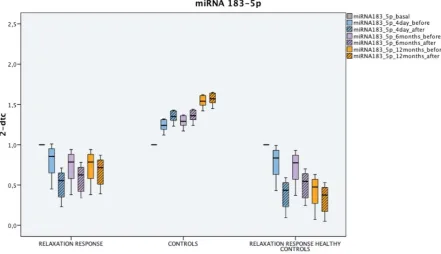
54
meditation in clinical practice “as an adjunct to guideline-directed cardiovascular risk reduction by those
55
interested in this lifestyle modification with the understanding that the benefits of such intervention remain to
56
be better established”[19].
57
Trying to answer this question by explaining some molecular mechanisms, we have recently verified
58
how the daily practice of Relaxation Response determines a favorable change in the expression of
59
some inflammatory genes in leukocyte precursors through the action of neurotransmitters,
60
hormones, cytokines[20] and circulating microRNAs[21].
61
Again, these mechanisms triggered by psychological activity seem to influence cellular aging
62
processes. Several researches have described the practice of meditation as correlating with an
63
improvement in telomerase activity in leukocyte precursors[22,23],[24].
64
Since the simple identification of correlations does not imply a causal link between phenomena, to
65
study the complexity of the interaction between psychological orientation (stress or relaxation) and
66
aging, different researchers are trying to identify all the possible molecular protagonists in play,
67
tracing their reciprocal influences with the creation of a network called "senectome"[11].
68
Circulating microRNAs appear to be mobile regulatory elements of this senectome-network and,
69
currently, have been grouped into 4 families based on shared action targets: the microRNA family
-70
154, -17, -515 and -30[11].
71
Moreover, among the mechanisms of senescence alternative splicing is indicated[25,26]. It’s known
72
that under stress, cholinergic transcription is modified[27] through post-transcriptional
73
mechanisms[28] involving the production of proteins with different and even opposite functions
74
starting from a common primary transcript, via alternative splicing[29,30]. This process would
75
appear to be regulated by microRNAs 134 and 183 through the SC35 splicing factor[31].
76
It is interesting to note that the same microRNAs are hyper-expressed during an acute coronary
77
syndrome[32],[33] and in some oncologic pathologies[34].
78
Given these premises, as we have recently described how the expression of some circulating
79
microRNAs linked to inflammation varies in relation to psychological relaxation[21], we designed
80
this study to verify a possible change even in serum levels of 4 senectome micro-RNAs (SE-miRNAs),
81
representative of the 4 families described above (respectively 20 for -154 family, 30,
miR-82
410 for -17 family, and miR-515) [11].
83
To validate our observations we also tested the activity of telomerase in leukocyte precursors
84
(Peripheral blood mononuclear cells-PBMCs). We wondered if the practice of RR could also
85
determine a coherent change in the circulating levels of the alternative splicing microRNAs 134 and
86
183.
87
2. Results
88
In figures 3 to 9 are reported the variations of the microRNAs analyzed and telomerase activity in
89
PBMCs.
90
We want to highlight the opposite variations in miRNAs changes during the 20 minutes sessions
91
between RELAXATION RESPONSE group and CONTROL group (p<0.01, Mann-Whitney test of the
92
delta (PRE-POST) comparisons at every timepoint). On the other hand, similar behavior seems to be
93
present between patients and healthy volunteers performing the RR (p>0.05 Mann-Whitney test of
94
the delta (PRE-POST) comparisons at every timepoint).
95
2.1 SE-miRNAs (miRNA-20, miRNA-30, miRNA-410, miRNA-515)
96
The RR results in a significative increasing of miRNA-20 and -30 (p<0.01 Wilcoxon test at every time
97
point), and in a significant reduction of microRNA-410, -515 (p<0.01 Wilcoxon test at every time
98
point) both in patients and healthy volunteers, with opposite significant behavior in CONTROLS
99
(p<0.01 Wilcoxon test at every time point).
100
2.2 Telomerase activity
101
Telomerase activity seems to increase during the RR sessions (p<0.01 Wilcoxon test at every time
102
point) both in patients and in healthy volunteers. No significant variation happens in CONTROLS
103
(p>0.05 Wilcoxon test at every time point).
104
2.3 Alternative splicing miRNAs (miRNA-134, miRNA-183)
105
During the RR sessions both miRNA-134 and -183 seem to significantly decrease both in patients and
106
healthy volunteers (p<0.01 Wilcoxon test at every timepoint) with opposite behavior in CONTROLS
107
4 of 16
109
Figure 3 miRNA-20. In light blue the results after the initial 4 days of RR training, in light violet after 6
110
months of regular practice of RR at home and in orange after 12 months (boxes with dashed lines represent
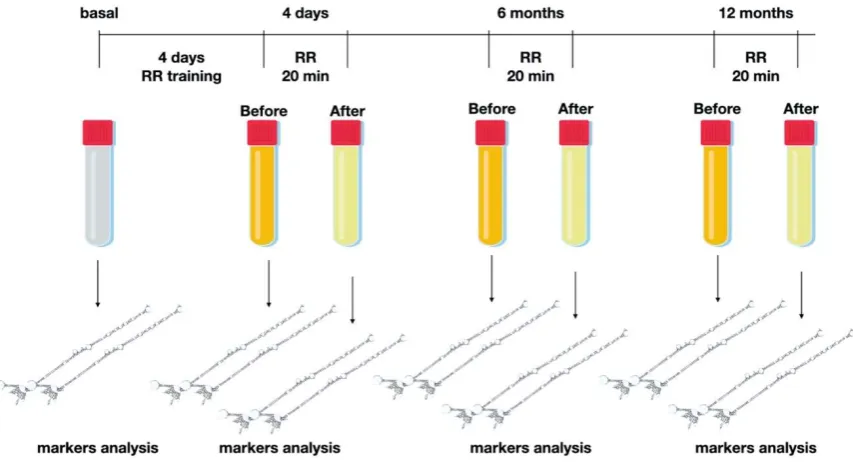
111
the values immediately after the RR session or 20 minutes of waiting in case of CONTROLS). It is possible to
112
notice in every session the significant increasing of miRNA-20 with RR with opposite behavior in
113
CONTROLS (p<0.01 Wilcoxon test at every timepoint).
114
115
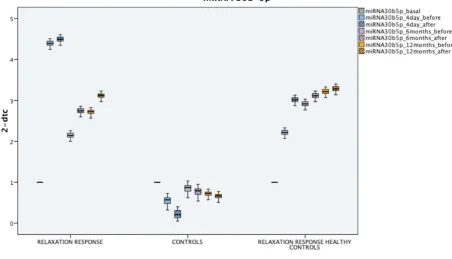
Figure 4 miRNA-30. In light blue the results after the initial 4 days of RR training, in light violet after 6
116
months of regular practice of RR at home and in orange after 12 months (boxes with dashed lines represent
117
the values immediately after the RR session or 20 minutes of waiting in case of CONTROLS). It is possible to
118
notice in every session the significant increasing of miRNA-30 with RR with opposite behavior in
119
CONTROLS (p<0.01 Wilcoxon test at every timepoint).
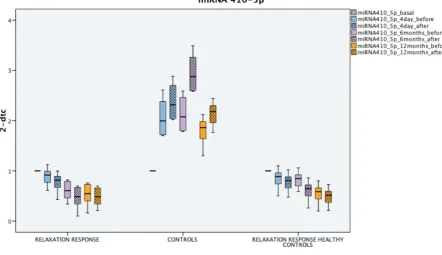
120
121
Figure 5 miRNA-410. In light blue the results after the initial 4 days of RR training, in light violet after 6
122
months of regular practice of RR at home and in orange after 12 months (boxes with dashed lines represent
123
the values immediately after the RR session or 20 minutes of waiting in case of CONTROLS). It is possible to
124
notice in every session the significant decreasing of miRNA-410 with RR with opposite behavior in
125
CONTROLS (p<0.01 Wilcoxon test at every timepoint).
6 of 16
127
Figure 6 miRNA-515. In light blue the results after the initial 4 days of RR training, in light violet after 6
128
months of regular practice of RR at home and in orange after 12 months (boxes with dashed lines represent
129
the values immediately after the RR session or 20 minutes of waiting in case of CONTROLS). It is possible to
130
notice in every session the significant decreasing of miRNA-515 with RR with opposite behavior in
131
CONTROLS (p<0.01 Wilcoxon test at every timepoint).
132
133
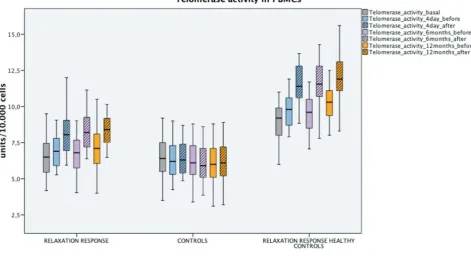
Figure 7 Telomerase activity in PBMCs. In light blue the results after the initial 4 days of RR training, in
134
light violet after 6 months of regular practice of RR at home and in orange after 12 months (boxes with dashed
135
lines represent the values immediately after the RR session or 20 minutes of waiting in case of CONTROLS).
136
It is possible to notice in every session the significant increasing of telomerase activity with RR (p<0.01
137
Wilcoxon test at every timepoint). No significant variation seems to happen in CONTROLS (p>0.05
138
Wilcoxon test at every timepoint).
139
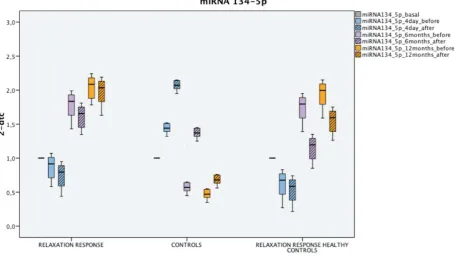
140
Figure 8 miRNA-134. In light blue the results after the initial 4 days of RR training, in light violet after 6
141
months of regular practice of RR at home and in orange after 12 months (boxes with dashed lines represent
142
the values immediately after the RR session or 20 minutes of waiting in case of CONTROLS). It is possible to
143
notice in every session the significant decreasing of miRNA-134 with RR with opposite behavior in
144
CONTROLS (p<0.01 Wilcoxon test at every timepoint).
8 of 16
146
Figure 9 miRNA-183. In light blue the results after the initial 4 days of RR training, in light violet after 6
147
months of regular practice of RR at home and in orange after 12 months (boxes with dashed lines represent
148
the values immediately after the RR session or 20 minutes of waiting in case of CONTROLS). It is possible to
149
notice in every session the significant decreasing of miRNA-183 with RR whit opposite behavior in
150
CONTROLS (p<0.01 Wilcoxon test at every timepoint).
151
3. Discussion
152
The “stress response” and the RR represent two sides of the same coin: the continuous process of
153
adaptation to the environment that the brain must organize. The mechanism that connects the mind
154
to cellular functions is still unknown but recently it has been seen that a process of cellular senescence
155
can be favored by a condition of psychological stress or slowed down by relaxation. The orientation
156
of mental processes, either towards stress or towards relaxation, can impact cellular aging through at
157
least 3 main recognized pathways: the immune system[35,36], the oxidative balance[37,38],[39] and
158
the activity of telomerase[40].
159
Telomerase is a cellular enzyme that adds the necessary telomeric DNA (T2AG3 repeats) to the 3 '-end
160
of the telomeres, protecting their degeneration[41].
161
The activity of this enzyme, together with the length of the telomeres, represent consolidated markers
162
of cellular aging[42]. However, compared to telomere length, telomerase function seems to correlate
163
more faithfully with stress-related psychological mechanisms[42]. Stress leads to a decrease in its
164
activity[10] while relaxation favors its functioning[43], as our results seem to confirm.
165
Recently, a substantial role for circulating microRNAs in regulating senescence has emerged[11],
166
although we are only at the beginning of the discoveries[44] about their precise action of co-regulation
167
of multiple target genes in different metabolic pathways[45]. They are 20-28 nucleotide non-coding
168
RNAs encoded in the genome able to repress or degrade target mRNAs of proteins responsible for
169
different signaling pathways[46], finely regulating various biological processes[47].
170
Currently, there seem to be 4 families of SE-miRNAs (-154, -17, -515 and -30) that regulate the
171
senescence process by modifying the expression of genes related to growth, cell differentiation and
172
migration, angiogenesis, apoptosis, DNA repair, calcium metabolism, oxidative stress and telomere
173
homeostasis[11].
174
In our work we considered one representative SE-miRNAs for each of these families (respectively
175
miR-20 for -154 family, miR-410 for -17 family, miR-30 and miR-515) and our data seem to describe a
176
rapid change in their expression according to the psychological orientation of an individual (in our
177
case as a function of relaxation). This variation, reverberating in specific signaling pathways (still
178
under study[47]), including that of telomerase, could likely alter the cellular behavior favoring its
179
homeostasis or its functional degeneration and senescence.
180
Among the mechanisms of senescence alternative splicing is indicated[25,26]. As it has been
181
demonstrated, in the animal model, that miRNAs 134 and 183 vary in acute stress and can alter
182
cholinergic neurotransmission via alternative splicing[31], our data seem to further expand this
183
evidence by describing a counter-regulation of the same microRNAs with relaxation in humans. We
184
speculate that this variation could in turn act on the SC35 factor favoring in the brain the alternative
185
splicing of the acetylcholesterasease transcript associated to the synapse instead of the soluble form
186
linked to stress[31]. This can be very interesting if we consider that it has already been shown that
187
during relaxation the levels of cholinergic neurotransmitters vary[48].
188
Moreover, the action of microRNAs 134 and 183 does not stop only at the brain but involves different
189
organs in different pathologies (http://mirandola.iit.cnr.it/visualizations.php).
190
Therefore, the specific action of the mediators considered in this work and the fact that they seem to
191
vary according to a (stress)-relaxation condition, could also mean that the structural alteration of the
192
proteins underlying many chronic-degenerative pathologies could be linked not to alleged "errors in
193
the genome" but to post-transcriptional epigenetic mechanisms partly linked to individual
194
psychological activity[49].
195
The results described in this paper could be very important from a preventive and therapeutic point
196
of view. In fact, chronic/degenerative diseases represent one of the main challenges of modern
197
medicine and one of the most significant costs for world health systems[50]. Many of these conditions,
198
characterized by early cellular senescence, recognize a condition of chronic stress at their origin[8].
199
In perspective, the evidence of a possible reversibility or at least of a slowing of this condition could
200
be really considerable, even if the actual clinical implications of our observations remain to be
201
extensively verified further[51].
202
Finally, our data seem to highlight the absolute need to pay close attention to the possible
post-203
transcriptional regulation of the genome linked to the psychic activity of a subject involved in any
204
future scientific study in order not to create false data associations. It seems that we cannot properly
205
understand the functioning of the body without the mind and of the mind without the body.
206
4. Materials and Methods
207
4.1 Study Design
208
We collected a serum samples of 120 subjects following an approved protocol (Comitato Etico
209
per la Sperimentazione Clinica-Azienda Sanitaria di Padova; protocol number 3487/AO/15 -
210
13/7/2015)[20]. Briefly, we enrolled 90 consecutive patients after myocardial infarction and 30 healthy
211
controls. 30 patients were taught to meditate, 30 to appreciate music and 30 did not carry out any
212
intervention and served as controls. In order to rule out that the disease state could interfere with the
213
relaxation effect, we enrolled 30 healthy volunteers (15 were trained to meditate and 15 had music
214
10 of 16
Relaxation Response (RR) in the same way[52]. The details of the RR techniques that we used and the
216
description of their pathophysiological mechanism is described in our previous works[20],[21].
217
After the initial four-days-training, after 6 and 12 months of RR practice, we collected a blood
218
sample immediately before and after the relaxation session (according to the scheme reported in
219
figure 1) in order to describe any variation of the markers object of this study.
220
221
Figure 1 The study design. Explanation in the text. RR: Relaxation Response. RR 20 min: after 4 days of
222
training, each subject relaxes through meditation or music appreciation for 20 minutes. A blood sample is
223
taken immediately before and immediately after. The acute variation of the studied parameters can be
224
attributed to the practice of relaxation according to the used methods because the precise timing of blood
225
sampling (before and immediately after the end of the session) prevents any other influences. All groups were
226
subjected to the same environmental conditions: in particular, also the control patients were taken in our
227
classroom for 20 minutes and were not subjected to any intervention. We simply asked them to relax and
228
most of them sat down with eyes closed. For more details please see our previous works[20,21].
229
Clear variation of the physical characteristics of the serum samples (figure 2), was observed.
230
231
Figure 2. Variation of the physical characteristics of the plasma of the same patient during 20 min
232
of meditation. On the left: the blood sample (after 4 min of centrifugation at 5000 rpm) before meditation is
233
opalescent. On the right, the blood sample immediately after meditation is clearer. The patient was fasting for
234
more than 5 h before meditating.
235
According to Benson's researches[52] and to our previous study [20,21], there are no significant
236
differences between relaxation techniques. Therefore, we merged into a single “intervention” group
237
(called “RELAXATION RESPONSE”) all patients treated with meditation and music and into a single
238
“intervention healthy controls” group (called “RELAXATION RESPONSE HEALTHY CONTROLS”)
239
all healthy subjects. Finally, the patients that did not carry out any intervention constituted the
240
“CONTROLS” group. We emphasize that our work aims to study the RR using two conditioning
241
techniques, meditation and music, which have to be considered as two ways leading to the same
242
relaxation effect[52]. Therefore, even from a strictly methodological point of view, we used a unique
243
technique -precisely the RR-, from which also the need to unite in a single “intervention group” the
244
treated subjects.
245
Indeed, all subjects enrolled in the study have continued the practice at home, twice a day, as they
246
taught. During the follow-up period, each subject reported to have pleasantly performed more than
247
80% of the meditation or music listening sessions.
248
4.2 Markers analysis
249
MicroRNAs were analyzed following the same procedure previously described[21]. Briefly, total
250
RNA was isolated from plasma by miRCURYTM RNA Isolation kit-Biofluids (Exiqon, Denmark),
251
following the manufacturer’s instructions. RNA was treated with rDNase (Exiqon) before reverse
252
transcription (RT). For miRNAs expression, 10 ng of RNA was reversely transcribed using miRCURY
253
LNATM Universal RT microRNA PCR reverse transcription kit (Exiqon) according to the given
254
12 of 16
LNATM Universal RT microRNA PCR LNATM PCR primers set (Exiqon) in a Bio-Rad CFX96 Real
256
Time PCR detection system. A negative control containing all reagents but no cDNA template was
257
included in all runs. The specific primers were (Exiqon): hsa-miR-20-3p, has-miR-30-5p,
hsa-miR-410-258
5p, hsa-miR-515-5p, hsa-miR-134-5p, hsa-miR-183-5p. We used hsa-miR-103a-3p as stably expressed
259
miRNA and reference gene based on the advice given by the primer manufacturer. Validation of
260
specificity of Real-Time PCR assay was performed by melt-curve analysis. For each target miRNA, a
261
calibration curve was generated with threshold cycle (Cq) values from serial dilutions of cDNA (from
262
106 to 10 copies/reaction) to determine reaction efficiencies, linearity, detection and quantification
263
limits. Data analyses were performed with the Bio-Rad CFX Manager. The comparative cycle
264
threshold method (∆∆Cq), which compares the difference between groups in cycle threshold values,
265
was used to obtain the relative fold change of miRNA expression.
266
PBMCs were obtained from fresh whole blood as described previously in detail[20], and telomerase
267
activity was assayed with the commercially available kit, TRAPeze (Chemicon, USA). The reaction
268
was carried out according to the TRAPeze kit manual following strictly the procedure described in
269
literature by Jacobs et al[22].
270
4.3 Statistical analysis
271
Data are expressed as median and interquartile range (variables don’t have a normal distribution as
272
assessed by the Shapiro-Wilk test). The comparison between the pre-post intervention changes was
273
performed by means of Wilcoxon test. The comparison between RELAXATION RESPONSE group
274
and CONTROLS and RELAXATION RESPONSE group and RELAXATION RESPONSE HEALTHY
275
CONTROLS was performed by means of the Mann-Whitney test. An initial comparison between
276
groups was performed by means of Kruskal-Wallis test for independent samples or by Friedman test
277
for paired data. Bivariate correlation was performed by Spearman test. Statistical significance was
278
assumed if the null hypothesis could be rejected at p=0.05. The statistical analysis was performed
279
using software SPSS version 22.0 (Chicago, SPSS, Inc., Chicago, IL).
280
We focused our analysis on the single follow-up sessions and we did not compare the basal values of
281
the markers over time because other factors (other than RR) could have influenced the one year trend
282
of the markers (alimentation, physical activity, smoking, different levels of stress between people
283
etc.).
284
285
Author Contributions: “Conceptualization, CDL.; methodology, CDL.; formal analysis, CDL, FT.; investigation:
286
CDL, LB, MM; resources: FT, SI, MP.; data curation, CDL, LB, MM; writing—original draft preparation, CDL;
287
writing—review and editing, CDL, FT.; supervision, FT, SI; funding acquisition, FT, SI. All authors have read
288
and agreed to the published version of the manuscript.
289
Funding: this research received no external funding, the entire study was funded by the Department of Cardiac,
290
Thoracic and Vascular Sciences, Padua University School of Medicine.
291
Acknowledgments: we thank the Pneumomeditazione teachers and the Entolé staff for the recording of audio
292
files used for meditation and for their support; the meditation music used in this study was composed by Paolo
293
Spoladore.
294
Conflicts of Interest: the authors declare no conflict of interest.
295
References
296
1. McEwen, B.S. Protective and damaging effects of stress mediators. N. Engl. J. Med.1998, 338, 171–9,
297
doi:10.1056/NEJM199801153380307.
298
2. Segerstrom, S.C.; Miller, G.E. Psychological Stress and the Human Immune System: A Meta-Analytic
299
Study of 30 Years of Inquiry. Psychol. Bull.2004, 130, 601–630, doi:10.1037/0033-2909.130.4.601.
300
3. McEwen, B.S. Physiology and Neurobiology of Stress and Adaptation: Central Role of the Brain. Physiol.
301
Rev.2007, 87, 873–904, doi:10.1152/physrev.00041.2006.
302
4. Vyas, A.; Mitra, R.; Shankaranarayana Rao, B.S.; Chattarji, S. Chronic stress induces contrasting patterns
303
of dendritic remodeling in hippocampal and amygdaloid neurons. J. Neurosci. 2002, 22, 6810–8,
304
doi:20026655.
305
5. Walker, D.L.; Davis, M. Role of the extended amygdala in short-duration versus sustained fear: a tribute
306
to Dr. Lennart Heimer. Brain Struct. Funct.2008, 213, 29–42, doi:10.1007/s00429-008-0183-3.
307
6. Wood, G.E.; Young, L.T.; Reagan, L.P.; Mcewen, B.S. Acute and chronic restraint stress alter the
308
incidence of social conflict in male rats. 2003, doi:10.1016/S0018-506X(02)00026-0.
309
7. Tawakol, A.; Ishai, A.; Takx, R.A.; Figueroa, A.L.; Ali, A.; Kaiser, Y.; Truong, Q.A.; Solomon, C.J.;
310
Calcagno, C.; Mani, V.; et al. Relation between resting amygdalar activity and cardiovascular events: a
311
longitudinal and cohort study. Lancet2017, 389, 834–845, doi:10.1016/S0140-6736(16)31714-7.
312
8. Chrousos, G.P. Stress and disorders of the stress system. Nat. Rev. Endocrinol. 2009, 5, 374–381,
313
doi:10.1038/nrendo.2009.106.
314
9. Steptoe, A.; Kivimäki, M. Stress and cardiovascular disease. Nat. Rev. Cardiol. 2012, 9, 360–370,
315
doi:10.1038/nrcardio.2012.45.
316
10. Epel, E.S.; Blackburn, E.H.; Lin, J.; Dhabhar, F.S.; Adler, N.E.; Morrow, J.D.; Cawthon, R.M. Accelerated
317
telomere shortening in response to life stress. Proc. Natl. Acad. Sci. U. S. A. 2004, 101, 17312–5,
318
doi:10.1073/pnas.0407162101.
319
11. Bilsland, A.E.; Revie, J.; Keith, W. MicroRNA and senescence: the senectome, integration and distributed
320
control. Crit. Rev. Oncog.2013, 18, 373–90.
321
12. Dal Lin, C.; Poretto, A.; Scodro, M.; Perazzolo Marra, M.; Iliceto, S.; Tona, F. Coronary microvascular
322
and endothelial function regulation: Crossroads of psychoneuroendocrine immunitary signals and
323
quantum physics [Part A-B and C]. J. Integr. Cardiol.2015, 1, 132–209, doi:10.15761/JIC.1000135.
324
13. Fox, K.C.R.; Dixon, M.L.; Nijeboer, S.; Girn, M.; Floman, J.L.; Lifshitz, M.; Ellamil, M.; Sedlmeier, P.;
325
Christoff, K. Functional neuroanatomy of meditation : A review and meta-analysis of 78 functional
326
neuroimaging investigations. Neurosci. Biobehav. Rev. 2016, 65, 208–228,
327
doi:10.1016/j.neubiorev.2016.03.021.
328
14. Lazar, S.W.; Bush, G.; Gollub, R.L.; Fricchione, G.L.; Khalsa, G.; Benson, H. Functional brain mapping of
329
the relaxation response and meditation. Neuroreport 2000, 11, 1581–1585,
doi:10.1097/00001756-330
200005150-00042.
331
15. Lazar, S.W.; Kerr, C.E.; Wasserman, R.H.; Gray, J.R.; Greve, D.N.; Treadway, M.T.; McGarvey, M.;
332
Quinn, B.T.; Dusek, J.A.; Benson, H.; et al. Meditation experience is associated with increased cortical
333
14 of 16
16. Hölzel, B.K.; Carmody, J.; Vangel, M.; Congleton, C.; Yerramsetti, S.M.; Gard, T.; Lazar, S.W.
335
Mindfulness practice leads to increases in regional brain gray matter density. Psychiatry Res. -
336
Neuroimaging2011, 191, 36–43, doi:10.1016/j.pscychresns.2010.08.006.
337
17. Hölzel, B.K.; Carmody, J.; Evans, K.C.; Hoge, E.A.; Dusek, J.A.; Morgan, L.; Pitman, R.K.; Lazar, S.W.
338
Stress reduction correlates with structural changes in the amygdala. Soc. Cogn. Affect. Neurosci.2009, 5,
339
11–17, doi:10.1093/scan/nsp034.
340
18. Bottaccioli, F.; Bottaccioli, A.G. Psiconeuroendocrinoimmunologia e scienza della cura integrata. Il manuale;
341
Edra S.p.A, 2017; ISBN 978-88-214-3766-3.
342
19. Levine, G.N.; Lange, R.A.; Bairey-Merz, C.N.; Davidson, R.J.; Jamerson, K.; Mehta, P.K.; Michos, E.D.;
343
Norris, K.; Ray, I.B.; Saban, K.L.; et al. Meditation and Cardiovascular Risk Reduction. J. Am. Heart Assoc.
344
2017, 6, e002218, doi:10.1161/JAHA.117.002218.
345
20. Dal Lin, C.; Marinova, M.; Rubino, G.; Gola, E.; Brocca, A.; Pantano, G.; Brugnolo, L.; Sarais, C.; Cucchini,
346
U.; Volpe, B.; et al. Thoughts modulate the expression of inflammatory genes and may improve the
347
coronary blood flow in patients after a myocardial infarction. J. Tradit. Complement. Med.2018, 8, 150–
348
163, doi:10.1016/j.jtcme.2017.04.011.
349
21. Dal Lin, C.; Gola, E.; Brocca, A.; Rubino, G.; Marinova, M.; Brugnolo, L.; Plebani, M.; Iliceto, S.; Tona, F.
350
miRNAs may change rapidly with thoughts: The Relaxation Response after myocardial infarction. Eur.
351
J. Integr. Med.2018, 20, 63–72, doi:10.1016/j.eujim.2018.03.009.
352
22. Jacobs, T.L.; Epel, E.S.; Lin, J.; Blackburn, E.H.; Wolkowitz, O.M.; Bridwell, D.A.; Zanesco, A.P.; Aichele,
353
S.R.; Sahdra, B.K.; MacLean, K.A.; et al. Intensive meditation training, immune cell telomerase activity,
354
and psychological mediators. Psychoneuroendocrinology 2011, 36, 664–81,
355
doi:10.1016/j.psyneuen.2010.09.010.
356
23. Conklin, Q.A.; King, B.G.; Zanesco, A.P.; Lin, J.; Hamidi, A.B.; Pokorny, J.J.; Álvarez-López, M.J.;
Cosín-357
Tomás, M.; Huang, C.; Kaliman, P.; et al. Insight meditation and telomere biology: The effects of
358
intensive retreat and the moderating role of personality. Brain. Behav. Immun. 2018, 70,
359
doi:10.1016/j.bbi.2018.03.003.
360
24. Lavretsky, H.; Epel, E.S.; Siddarth, P.; Nazarian, N.; Cyr, N.S.; Khalsa, D.S.; Lin, J.; Blackburn, E.; Irwin,
361
M.R. A pilot study of yogic meditation for family dementia caregivers with depressive symptoms: effects
362
on mental health, cognition, and telomerase activity. Int. J. Geriatr. Psychiatry 2013, 28, 57–65,
363
doi:10.1002/gps.3790.
364
25. Deschênes, M.; Chabot, B. The emerging role of alternative splicing in senescence and aging. Aging Cell
365
2017, 16, 918–933, doi:10.1111/acel.12646.
366
26. Meshorer, E.; Soreq, H. Pre-mRNA splicing modulations in senescence. Aging Cell 2002, 1, 10–16,
367
doi:10.1046/j.1474-9728.2002.00005.x.
368
27. Soreq, H.; Seidman, S. Acetylcholinesterase — new roles for an old actor. Nat. Rev. Neurosci.2001, 2, 294–
369
302, doi:10.1038/35067589.
370
28. Meshorer, E.; Bryk, B.; Toiber, D.; Cohen, J.; Podoly, E.; Dori, A.; Soreq, H. SC35 promotes sustainable
371
stress-induced alternative splicing of neuronal acetylcholinesterase mRNA., doi:10.1038/sj.mp.4001735.
372
29. Meshorer, E.; Soreq, H. Virtues and woes of AChE alternative splicing in stress-related
373
neuropathologies. Trends Neurosci.2006, 29, 216–224, doi:10.1016/j.tins.2006.02.005.
374
30. Stamm, S.; Ben-Ari, S.; Rafalska, I.; Tang, Y.; Zhang, Z.; Toiber, D.; Thanaraj, T.A.; Soreq, H. Function of
375
alternative splicing. Gene2005, 344, 1–20, doi:10.1016/J.GENE.2004.10.022.
376
31. Meerson, A.; Cacheaux, L.; Goosens, K.A.; Sapolsky, R.M.; Soreq, H.; Kaufer, D. Changes in Brain
377
MicroRNAs Contribute to Cholinergic Stress Reactions. J. Mol. Neurosci. 2010, 40, 47–55,
378
doi:10.1007/s12031-009-9252-1.
379
32. Gacoń, J.; Kabłak-Ziembicka, A.; Stępień, E.; Enguita, F.J.; Karch, I.; Derlaga, B.; Żmudka, K.; Przewłocki,
380
T. Decision-making microRNAs (miR-124,-133a/b,-34a and-134) in patients with occluded target vessel
381
in acute coronary syndrome. Kardiol. Pol.2016, 74, 280–288, doi:10.5603/KP.a2015.0174.
382
33. Tong, K.-L.; Mahmood Zuhdi, A.; Wan Ahmad, W.; Vanhoutte, P.; de Magalhaes, J.; Mustafa, M.; Wong,
383
P.-F. Circulating MicroRNAs in Young Patients with Acute Coronary Syndrome. Int. J. Mol. Sci.2018, 19,
384
1467, doi:10.3390/ijms19051467.
385
34. Yuan, D.; Li, K.; Zhu, K.; Yan, R.; Dang, C. Plasma miR-183 predicts recurrence and prognosis in patients
386
with colorectal cancer. Cancer Biol. Ther.2015, 16, 268–75, doi:10.1080/15384047.2014.1002327.
387
35. Fleshner, M. Stress-evoked sterile inflammation, danger associated molecular patterns (DAMPs),
388
microbial associated molecular patterns (MAMPs) and the inflammasome. Brain. Behav. Immun.2013, 27,
389
1–7, doi:10.1016/j.bbi.2012.08.012.
390
36. Chen, G.Y.; Nuñez, G. Sterile inflammation: Sensing and reacting to damage. Nat. Rev. Immunol.2010,
391
10, 826–837, doi:10.1038/nri2873.
392
37. Wadley, A.J.; Veldhuijzen van Zanten, J.J.C.S.; Paine, N.J.; Drayson, M.T.; Aldred, S. Underlying
393
inflammation has no impact on the oxidative stress response to acute mental stress. Brain. Behav. Immun.
394
2014, 40, 182–90, doi:10.1016/j.bbi.2014.03.009.
395
38. Sivoňová, M.; Žitňanová, I.; Hlinčíková, L.; Škodáček, I.; Trebatická, J.; Ďuračková, Z. Oxidative Stress
396
in University Students during Examinations. Stress2004, 7, 183–188, doi:10.1080/10253890400012685.
397
39. Huang, C.-J.; Franco, R.L.; Evans, R.K.; Acevedo, E.O. Effects of mental challenge on neurovascular
398
responses in healthy male subjects. Int. J. Psychophysiol. 2010, 78, 225–230,
399
doi:10.1016/j.ijpsycho.2010.08.001.
400
40. Epel, E.S. Psychological and metabolic stress: A recipe for accelerated cellular aging? Hormones2009, 8,
401
16 of 16
41. Chan, S.R.W.L.; Blackburn, E.H. Telomeres and telomerase. Philos. Trans. R. Soc. London. Ser. B Biol. Sci.
403
2004, 359, 109–122, doi:10.1098/rstb.2003.1370.
404
42. Wolkowitz, O.M.; Mellon, S.H.; Lindqvist, D.; Epel, E.S.; Blackburn, E.H.; Lin, J.; Reus, V.I.; Burke, H.;
405
Rosser, R.; Mahan, L.; et al. PBMC telomerase activity, but not leukocyte telomere length, correlates with
406
hippocampal volume in major depression. Psychiatry Res. Neuroimaging 2015, 232, 58–64,
407
doi:10.1016/j.pscychresns.2015.01.007.
408
43. Schutte, N.S.; Malouff, J.M. A meta-analytic review of the effects of mindfulness meditation on
409
telomerase activity. Psychoneuroendocrinology2014, 42, 45–48, doi:10.1016/j.psyneuen.2013.12.017.
410
44. Feliciano, A.; Sánchez-Sendra, B.; Kondoh, H.; LLeonart, M.E. MicroRNAs Regulate Key Effector
411
Pathways of Senescence. J. Aging Res.2011, 2011, 1–11, doi:10.4061/2011/205378.
412
45. Kosik, K.S. MicroRNAs and cellular phenotypy. Cell 2010, 143, 21–26.
413
46. Li, Q.J.; Chau, J.; Ebert, P.J.R.; Sylvester, G.; Min, H.; Liu, G.; Braich, R.; Manoharan, M.; Soutschek, J.;
414
Skare, P.; et al. miR-181a Is an Intrinsic Modulator of T Cell Sensitivity and Selection. Cell2007, 129, 147–
415
161, doi:10.1016/j.cell.2007.03.008.
416
47. Russo, F.; Di Bella, S.; Nigita, G.; Macca, V.; Laganà, A.; Giugno, R.; Pulvirenti, A.; Ferro, A. miRandola:
417
Extracellular Circulating MicroRNAs Database. PLoS One2012, 7, doi:10.1371/journal.pone.0047786.
418
48. Wallace, R.K. Physiology of Consciousness. Maharishi International University Press, Fairfield, Iowa.; 1993;
419
49. Capitanio, J.P. Personality and disease. Brain. Behav. Immun. 2008, 22, 647–50,
420
doi:10.1016/j.bbi.2008.02.002.
421
50. Fani Marvasti, F.; Stafford, R.S. From Sick Care to Health Care — Reengineering Prevention into the U.S.
422
System. N. Engl. J. Med. 2012, 367, 889–891.
423
51. Pavanello; Campisi; Tona; Dal Lin, C.; Iliceto Exploring Epigenetic Age in Response to Intensive
424
Relaxing Training: A Pilot Study to Slow Down Biological Age. Int. J. Environ. Res. Public Health2019, 16,
425
3074, doi:10.3390/ijerph16173074.
426
52. Benson, H.; Proctor, W. Relaxation Revolution. Enhancing your personal health through the science and genetics
427
of mind body healing.; Scribner, Ed.; 1 edition.; 2011;