Geschke Center
Doctoral Dissertations Theses, Dissertations, Capstones and Projects
Winter 2017
A Phenomenological Study of Lesbian and Gay
People in Leadership Roles: How Perspectives and
Priorities Shift in the Workplace as Sexual
Orientation Evolves Through Social Constructs
Justin Moore
University of San Francisco, [email protected]
Follow this and additional works at:https://repository.usfca.edu/diss
Part of theEducational Leadership Commons, and theOrganization Development Commons
This Dissertation is brought to you for free and open access by the Theses, Dissertations, Capstones and Projects at USF Scholarship: a digital repository @ Gleeson Library | Geschke Center. It has been accepted for inclusion in Doctoral Dissertations by an authorized administrator of USF Scholarship: a digital repository @ Gleeson Library | Geschke Center. For more information, please [email protected].
Recommended Citation
Moore, Justin, "A Phenomenological Study of Lesbian and Gay People in Leadership Roles: How Perspectives and Priorities Shift in the Workplace as Sexual Orientation Evolves Through Social Constructs" (2017).Doctoral Dissertations. 405.
A PHENOMENOLOGICAL STUDY OF LESBIAN AND GAY PEOPLE IN
LEADERSHIP ROLES: HOW PERSPECTIVES AND PRIORITIES SHIFT
IN THE WORKPLACE AS SEXUAL ORIENTATION EVOLVES
THROUGH SOCIAL CONSTRUCTS
A Dissertation Presented
to
The Faculty of the School of Education
Department of Leadership Studies
Organization and Leadership Program
In Partial Fulfillment
of the Requirements for the Degree
Doctor of Education
by
Justin W. Moore
San Francisco
ii
The queer community’s presence continues to increase in the United States, while
more individuals become visible throughout workplaces. An increasingly diverse
workforce leaves organizations struggling to leverage the knowledge and experience
lesbian and gay leaders bring to discussions. Limited research informs organizations of
the strategies lesbian and gay people in leadership roles use to navigate their ascension
into their positions, while managing the disclosure of their sexual orientation and
professional identity. This qualitative, phenomenological study involved recruiting 15
participants through purposeful, homogeneous sampling processes and snowball
sampling, identifying cisgender lesbian or gay people in leadership or managerial roles,
with a minimum of 5 years of experience, who are 50 years of age and older.
Data analysis revealed seven key findings: (a) coming out involves disclosure and
concealment strategies, (b) identity includes self-care and integrating personal and
professional life, (c) social change establishes new norms that cultures adapt, (d)
discrimination occurs most frequently through the “lavender ceiling” and
microaggression, (e) the workplace culture is most affected by leaders and policies,
(f) activism is critical to the advancement of equity, and (g) Supportive leadership
involves mentoring and building a professional network.
Through social constructionism theory and queer theory, this dissertation aimed to
understand the key findings from the data-collection phase. The conclusions from this
study highlight the impact the gay-rights movement of the 1970s and the AIDS crisis of
the 1980s had on creating a generation of activist leaders. Further, workplace climate
iii
passive-disclosure process and use a mask of professionalism to conceal their sexual
orientation. Organizations have several recommended approaches to create an inclusive
iv
This dissertation, written under the direction of the candidate’s dissertation committee
and approved by the members of the committee, has been presented to and accepted by
the Faculty of the School of Education in partial fulfillment of the requirements for the
degree of Doctor of Education. The content and research methodologies presented in this
work represent the work of the candidate alone.
Justin W. Moore December 13, 2017
Candidate Date
Dissertation Committee
Dr. Genevieve Negron-Gonzales December 13, 2017
Chairperson
Dr. Jane Bleasdale December 13, 2017
v
From the Compton’s Cafeteria Riot in 1966 to today, the fight for equality
continues for all members of the U.S. queer community. To plot a course for the future, it
is critical people understand where they have been in their past. This dissertation is
dedicated to the lesbian women and gay men who shared their stories, insights, and
experiences as leaders in their fields, over the decades. Without their participation, none
of this work would be possible. Together the community remembers the champions in
vi
This dissertation was a labor of love by the people in my community—supporting
my efforts to pursue my doctorate degree, achieve this life goal, follow my passion for
education, and learn about myself through reflection and interaction with others.
Lynda Watson (Grandma), from learning how to bake with you as a child to
celebrating the completion of my doctoral program, you have been there. I recall the time
I came out to you when I was in my undergraduate program; you said you love me and
had been doing research at the county’s public library since I was a young teenager to
understand my sexual orientation. You will never know how much that means to me,
even to this day. You have been present for every step of my life’s journey,
demonstrating unconditional love and support. Your sage advice and “good ole”
conversation has shaped me into the man I am today. Today, this degree is for you also!
Chi Vang, it is because of you that I am here today. You have stood by my side
through every phase of this research journey, learning with me about the research and
writing process, serving as a thought partner, and working as my right hand at key points
in the process. When the nights were late (or all-night), interviews and edits were
demanding after a long day at work and on the weekends, and when I was in desperate
need of encouragement, you pulled me up, and sometimes dragged me up, but were
always there no matter the circumstances. Thank you seems inadequate and I’ll spend a
lifetime expressing my gratitude.
Dr. Genevieve Negron-Gonzales, we met 4 years ago when I was entering the
program and you were my advisor. Over the years, I have been a student in your courses,
vii
space to learn and grow as a researcher and pushed me to new limits—more than I
thought I could accomplish. Thank you for calm encouragement, incredible edits and
guidance, and for being instrumental in shaping who I am today.
Dr. Jane Bleasdale and Dr. Danfeng Koon, you both have served faithfully and
thoughtfully as dissertation committee members, each taking a perspective that has
advanced my research in unexpected and wonderful ways. Jane, your challenge to pivot
sexual orientation from a deficit framework to one of empowerment has opened up the
field of queer theory for me. Danfeng, your insight and guidance on the morality of law
brought a unique lens to my study that shaped my line of inquiry and ultimately, my
findings. Thank you both for your diligence and attention throughout this process.
Ingrid McVanner, my colleague and friend: thank you for your support and
countless writing dates over the years. Your friendship and camaraderie has given me
perspective and grounding throughout this process. It is the sign of a dedicated friend to
step up and offer assistance with the research process—a favor I’ll repay when it is your
time!
Amy Gilgan and Claire Sharifi, navigating the USF Gleeson Library can be
daunting, but your masterful assistance in confirming my searches were at saturation,
guiding me through the databases and serving as a sounding board for lines of inquiry
that helped shape me as a researcher in my field. Thank you for your expertise and
support over the years.
Kia (Katie) Vang, you stepped in to assist with the organization of my literature,
viii
like a brother and helping me along in my research journey.
Justin A. Moore, cousin, thank you for providing me with superb marketing
materials that I was able to use in the recruitment of study participants. You worked
quickly to produce high-quality materials that became an integral part of my study’s
ix
SIGNATURE PAGE ... iv
DEDICATION ... v
ACKNOWLEDGMENTS ... vi
LIST OF TABLES ... xii
LIST OF FIGURES ... xiii
CHAPTER I THE RESEARCH PROBLEM ... 1
Statement of the Problem ... 1
Background and Need for Study ... 4
Purpose of the Study ... 13
Theoretical Framework ... 14
Social Constructionism ... 15
Queer Theory ... 17
Research Questions ... 18
Significance of the Study ... 19
Definitions of Key Terms ... 21
Summary ... 26
CHAPTER II REVIEW OF LITERATURE ... 27
Restatement of the Problem ... 27
Research Questions ... 28
Overview of Review of Literature ... 29
Theoretical Frameworks ... 31
Social-Construction Theory... 31
Queer Theory ... 34
Thematic Review of Literature ... 38
Discrimination ... 38
Heteronormativity as Discrimination ... 48
Disclosure of Sexual Orientation ... 51
Coming Out Strategically ... 51
Factors of Sexual Orientation Disclosure ... 54
Impacts of Disclosure ... 58
Sexual Orientation Management ... 62
Identity Formation ... 62
Sexual-Orientation Management ... 65
Workplace Factors ... 70
Diversity in the Workplace ... 70
Workplace Environment and Inclusion ... 71
Impacts of Workplace Policy ... 75
x
AIDS Epidemic and the Impact on the San Francisco Queer
Community ... 80
Summary ... 82
CHAPTER III METHODOLOGY ... 83
Restatement of the Purpose ... 84
Research Questions ... 84
Research Design ... 85
Research Setting ... 89
Research-Question Analysis ... 91
Population ... 94
Sample ... 95
Sampling Procedures ... 98
Limitations and Delimitations of the Study ... 100
Limitations ... 100
Delimitations ... 101
Instrumentation... 104
Data Collection ... 108
Data Storage ... 111
Data Analysis ... 112
Ethical Considerations ... 117
Summary ... 118
Researcher Background ... 119
CHAPTER IV THE FINDINGS... 122
Research Questions ... 123
Participant Demographics ... 124
Participant Profiles ... 125
Chris. ... 126
David ... 127
Dharma ... 127
Dick ... 128
James ... 129
Jim ... 129
Graham ... 130
Judge ... 131
Larry ... 132
Lora ... 132
Lynn ... 133
Manjot Singh ... 134
Maria ... 135
Max ... 136
Michael ... 137
Research Questions Findings ... 137
xi
Research Question 4 Findings ... 150
Research Question 5 Findings ... 155
Research Question 6 Findings ... 161
Additional Research Finding ... 163
Activism ... 163
Summary ... 165
CHAPTER V DISCUSSION, CONCLUSION, AND RECOMMENDATIONS... 166
Methods and Procedures ... 167
Discussion ... 174
Coming Out ... 175
Identity ... 181
Social Change ... 184
Discrimination ... 186
Workplace Culture ... 188
Activism ... 191
Conclusions ... 191
Research Question 1 Conclusion ... 191
Research Question 2 Conclusion ... 192
Research Question 3 Conclusion ... 194
Research Question 4 Conclusion ... 194
Research Question 5 Conclusion ... 195
Research Question 6 Conclusion ... 196
Recommendations ... 196
Research Recommendations ... 197
For the Individual Leader ... 198
For the Organization ... 199
Future Research ... 200
Concluding Thoughts ... 203
REFERENCES ... 205
APPENDIX A DISSERTATION PROSPECT PARTICIPANT SCREENING SURVEY ... 220
APPENDIX B INFORMED CONSENT TO PARTICIPATE IN A RESEARCH STUDY ... 227
APPENDIX C INTERVIEW PROTOCOL ... 232
APPENDIX D CODING STRUCTURE ... 235
APPENDIX E IRB APPROVAL... 242
xii
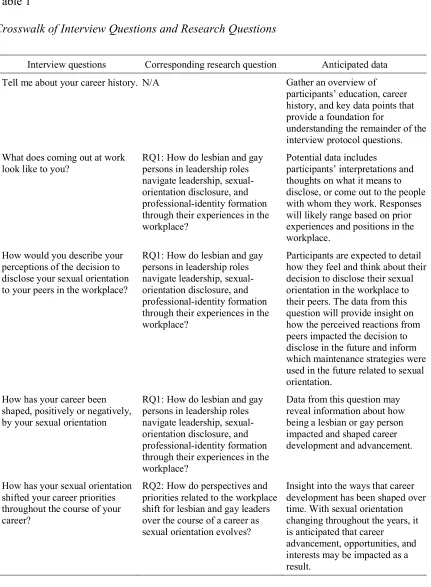
Table 1 Crosswalk of Interview Questions and Research Questions ... 105
Table 2 Research questions and corresponding key findings crosswalk ... 123
xiii
Figure 1. Knowledge of someone’s sexual identity. ... 2
Figure 2. Conflict between religious views and same-sex desires in the United States. .... 5
Figure 3. Respondents in the United States state if human rights should be applied to everyone. ... 6
Figure 4. Antidiscrimination employment laws by country and type. ... 7
Figure 5. Breakdown of antidiscrimination laws for sexual orientation and gender identity by state. ... 8
Figure 6. San Francisco Gay Men’s Chorus. ... 81
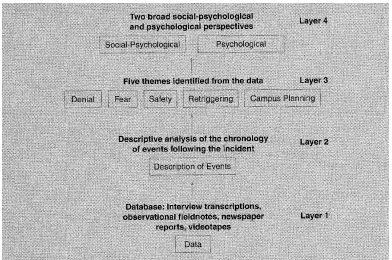
Figure 7. Coding process visual model. ... 115
Figure 8. Layers of themes example. ... 116
Figure D1. Phase Three Codes. ... 240
CHAPTER I
THE RESEARCH PROBLEM
Statement of the Problem
Over the past several decades, the lesbian and gay community gained legal
protection through various legislative actions in limited areas around the world, creating
freedom for people to publicly express their sexual orientation in personal and
professional environments. However, social attitudes continue to reinforce
heteronormative structures throughout society, including the workplace.
When looking at heteronormative structures in the U.S. workplace, numerous
characteristics are evident: issues related to workplace discrimination, factors that shape
the decision to disclose sexual orientation, and how sexual identities are formed and
managed. Woods and Lucas (1993) highlight that:
A gay man faces a decision every time he sets foot in a work environment,
whenever he is in the presence of a boss, client, secretary, customer. … At all
times, he must balance a whole host of considerations—worries that are largely
unknown to his heterosexual peers. (p. 4)
Considering that most colleagues in the workplace are unable to identify with a lesbian or
gay colleague’s experience with sexual orientation, it becomes apparent that the onus of a
lesbian or gay individual to manage their identity is of paramount importance. These
individuals represent a sizable portion of the U.S. workforce, with estimates ranging from
a 4 to 17 % (Gonsiorek & Weinrich, 1991, as cited in Ragins & Cornwell, 2001, p. 1244).
“The variance … reflects the fact that accurate estimates are difficult to obtain, as many
orientations in the workplace” (Ragins & Cornwell, 2001, as cited in Martinez, Ruggs,
Sabat, Hebl, & Binggeli, 2013, p. 456). Figure 1 illustrates an international study of
~96,000 participants asking whether they knew someone who identifies as homosexual:
46% of participants responded yes, 34% no, and 20% unsure.
Figure 1. Knowledge of someone’s sexual identity.
Note. From The Personal and the Political: Attitudes to LGBTI People Around the World, by International Lesbian, Gay, Bisexual, Trans, and Intersex Association, 2016b, retrieved from http://ilga.org/downloads/Ilga_Riwi_Attitudes_LGBTI_survey_Logo _personal_political.pdf. Used with permission from International Lesbian, Gay, Bisexual, Trans, and Intersex Association.
Further analysis of the report indicated that, of U.S. study participants, 65%
responded yes, 18% no, and 17% not sure. These percentages are well above the
international average (International Lesbian, Gay, Bisexual, Trans, and Intersex
Association [ILGA] 2016b). The difference in perceptions of participants surveyed
around the world, as compared to those in the United States, illustrates that regardless of
a participant’s continent or country of origin, lesbian and gay individuals have a lagging
visibility in their community and workplace. Societies continue to fail to provide an
environment where lesbian and gay individuals are safe, supported, free of
discrimination, and free to disclose their sexual orientation.
In the United States, 35% of respondents are uncertain whether they know or
many individuals in the United States are working alongside a lesbian, gay, or bisexual
colleague, whose sexual orientation they do not know (ILGA, 2016b). This presents an
enormous challenge because “up to one third [of lesbian and gay people] choose not to
disclose their identity to anyone at work” (Croteau, 1996 as cited in Ragins, Singh, &
Cornwell, 2007, p. 1103). Due to limited disclosure in the workplace and nearly one third
of people who are unaware of sexual orientation, lesbian and gay individuals often face
uncomfortable work environments that cause a host of problems. Revealing one’s
sexuality in the workplace is a significant event, equating to more than simply making
others aware of a person’s sexual orientation or disclosing the invisible stigma. Dubbed
coming out, personally and professionally, accompanies costs and risks based on cultural
heteronormativity, and challenges legislated, or lack thereof, antigay discrimination.
When analyzing the current literature and comparing it to the current state of
perceptions and beliefs around the globe, clearly many factors influence lesbian and gay
employees throughout their sexual and professional identity formation. Lesbian or gay
people practicing leadership roles in the workplace are a narrow subset of the population
studied for their mentorship and advocacy activities. However, the shifting perspectives
and priorities leaders hold throughout their careers related to their sexual orientation
remains largely unstudied.
The problem lies in that lesbian and gay leaders maintain and advance their
careers in every organization, yet little research studied how the impact of factors such as
discrimination, identity formation and maintenance, disclosure dilemmas, and the
Background and Need for Study
Lesbian and gay communities around the world are impacted by regional social
norms and political climates, leading to shifts in legislation on sexual orientation at
federal, state, and local levels. The United States provides no stable federal protections to
these communities at this time. The continual flux of protections in the United States
demonstrates that factors and decisions driving the implementation and sustainability of
such protections are driven by political forces and interests, and, in some cases, religion
and tradition. Interestingly, as states proposed new legislation or rescinded others
protecting lesbian and gay individuals from a myriad of discriminations, such as housing
or employment, citizens expressed an increasingly favorable view of lesbian or gay
individuals.
Understanding the current social and political context of the treatment and
perceptions of the lesbian and gay community provides the background for this study. In
a 2016b study produced by the International Lesbian, Gay, Bisexual, Trans and Intersex
Association that surveyed 96,331 respondents from 54 countries with a minimum
response rate of 700 respondents per country, researchers inquired about views regarding
the lesbian, gay, bisexual (LGB) community. First, considering the foundation of many
cultures is rooted in deep religious tradition or remnants of colonialism, it is important to
understand lesbian, gay, and bisexual individuals’ views related to religion. The ILGA
(2016b) found that a third of participants in the United States have a conflict between if a
same-sex desire and their religious beliefs, while a third do not, indicating that there is a
Figure 2. Conflict between religious views and same-sex desires in the United States.
Note. From The Personal and the Political: Attitudes to LGBTI People Around the World, by International Lesbian, Gay, Bisexual, Trans, and Intersex Association, 2016b, retrieved from http://ilga.org/downloads/Ilga_Riwi_Attitudes_LGBTI_survey_Logo _personal_political.pdf. Used with permission from International Lesbian, Gay, Bisexual, Trans, and Intersex Association.
The split in responses indicated large variances between religious views and
same-sex desires. The ILGA commented, “the forces of media, state and religion
combine to portray particular populations as ‘undesirable,’ and public dialogues on issues
of sexual and gender diversity are severely curtailed” (2016b, p. 20).
To enhance understanding of the impact of religion on the views of individuals in
the United States, researchers asked respondents if human rights should be applied to
everyone, regardless of their sexual orientation (ILGA, 2016b). Figure 3 highlights that
respondents in the United States overwhelming believed lesbian and gay individuals
should receive human rights, despite conflict with personal religious beliefs (ILGA,
2016d).
28%
31% 15%
12%
14%
Figure 3. Respondents in the United States state if human rights should be applied to everyone.
Note. From The Personal and the Political: Attitudes to LGBTI People Around the World, by International Lesbian, Gay, Bisexual, Trans, and Intersex Association, 2016b, retrieved from http://ilga.org/downloads/Ilga_Riwi_Attitudes_LGBTI_survey_Logo _personal_political.pdf. Used with permission from International Lesbian, Gay, Bisexual, Trans, and Intersex Association.
These responses are encouraging and demonstrate that despite conflicts with some
religions, substantial and increasing support persists for equal human rights.
In the absence of legal protections, abundant opportunity exists for discrimination
to occur. The ILGA (2016d) reported that antidiscrimination in employment laws are in
place, to varying extents, in 71 countries. Figure 4 highlights the countries offering
antidiscrimination protections, although protections may only be available in states or
provinces in each country.
61%
10% 19%
2% 8%
Strongly Agree Somewhat Agree Neither
Figure 4. Antidiscrimination employment laws by country and type.
Note. Retrieved from Sexual Orientation Laws in the World—Protection, by International Lesbian, Gay, Bisexual, Trans and intersex Association, 2016c, retrieved from http://ilga .org/downloads/05_ILGA_WorldMap_ENGLISH_Protection_May2016.pdf. Used with permission from International Lesbian, Gay, Bisexual, Trans, and Intersex Association.
The United Nations Human Rights Council and the Committee on Economic,
Social and Cultural Rights (United Nations High Commissioner for Human Rights, 2011)
urged:
State [country] parties to “guarantee equal rights to all individuals … regardless
of their sexual orientation.” [Further] states [countries] have a “legal obligation …
to ensure to everyone the rights recognized by the Covenant … without
discrimination on the basis of sexual orientation.” (p. 16)
Even with such strong language and clear direction, the United States has a dearth
of antidiscrimination protections for lesbian, gay, bisexual, and transgender citizens.
laws encompassing sexual orientation and gender identity, or in some cases, only sexual
orientation.
Figure 5. Breakdown of antidiscrimination laws for sexual orientation and gender identity by state.
Note. Retrieved from State Nondiscrimination Laws in the U.S., by National LGBTQ Task Force, 2014, retrieved from http://www.thetaskforce.org/static_html/downloads /reports/issue_maps/non_discrimination_5_14_color_new.pdf. Used with permission from International Lesbian, Gay, Bisexual, Trans, and Intersex Association.
Although the United Nations Human Rights Council encourages countries to
provide adequate protections for lesbian and gay individuals in the workplace, the United
States failed to do so federally. Understanding the current views of citizens in the United
States on their perceptions of lesbian and gay individuals is a critical step in
contextualizing the political issues of antigay discrimination. Researchers reported on the
social views of citizens in the United States illustrating the rift between the views of large
portions of the population and their lack of action, or malicious action, depriving lesbian
Human Rights, 2011). The failure of the government to adequately protect lesbian and
gay individuals from discriminatory acts, including in the workplace, forces these
individuals to navigate and manage their sexual orientation in dangerous workplace
environments, where the cost of disclosure may include termination, lack of career
advancement, lower incomes, and psychosocial stress.
About 1% of the U.S. population identifies as lesbian or gay; however, the
population measures of sexual orientation are difficult to measure because of several
factors, including fear of self-identification, denial, or failure to report (Catalyst, 2015).
Researchers stated, “an estimated 8.8 million gay, lesbian, and bisexual individuals live
in the United States” (Erens, McManus, Prescott, & Field, 2003, Gates, 2006, as cited in
Bell, Özbilgin, Beauregard, & Sürgevil, 2011, p. 133). The difference in population
estimates reflects inconsistencies established in identifying members of the LGB
community.
With no federal protections in place for LGB employees, those who express their
sexual orientation in the workplace are at high risk for termination, demotion, lack of
career advancement, and retaliation by employers. As of 2015, 29 of the 50 U.S. states
offered no legal protections for LBG employees, indicating significant risk for employees
who are out in the workplace (Catalyst, 2015). In 2015, more than 50% of LGB
employees hid their sexual orientation in the workplace and 33% lied about their personal
lives while at work (Catalyst, 2015). Even more recently, “one in four [lesbian, gay,
bisexual, and transgender] employees report experiencing employment discrimination in
The dismal accounts of unsafe workplaces indicate the high risk many lesbian and
gay professionals experience on a daily basis. Further, lesbian or gay individuals in
leadership roles experience increased pressure when faced with disclosing their sexual
orientation in the workplace to their managers and supervisees. These types of disclosure
can positively and negatively affect lesbian and gay leaders’ experiences in the
workplace, particularly with regard to career advancement. The barriers to career
advancement have been dubbed the lavender ceiling. King et al. described the power the
lavender ceiling can have over lesbian and gay employees:
Because fears of demotion or job loss partially motivate concealing an LGB
orientation (Ragins, 2004; Ragins, Singh, & Cornwell, 2007), it stands to reason
that LGB people may be particularly hesitant to disclose their sexual identities
with people who have the power to affect their job status. (King et al., 2014,
pp. 5–6)
Additionally, the heteronormative structures in which U.S. cultures operate
maintain a bearing on every facet of the traditional workplace. Magee and Galinsky
(2008, as cited in King et al., 2014, pp. 4–5) described that heteronormative structures
“typically involve hierarchies that reflect implicit power dynamics wherein managers
generally have both status and power over their subordinates.” That power dynamic
significantly impacts the likelihood that a person will disclose their sexual orientation.
In addition to the major role that the threat and occurrences of discrimination in
the workplace play in the decision to disclose one’s sexual orientation, personal factors
and experiences heavily guide a person’s intention to disclose their orientation. Ragins et
noting, “the disclosure is driven by anticipated consequences that are balanced by the
internal psychological processes driving disclosure on the one hand and the
environmental factors that support or punish disclosure on the other” (p. 1105). It is clear
that many factors impact decisions to disclose one’s sexual orientation in the workplace,
internal and external, through a process that is unique to each individual who experiences
the disclosure process over the course of their career.
Further compounding the challenges and benefits of the disclosure process, each
person’s sexual orientation is an ongoing formation, frequently referenced as a “career”
in and of itself because it is an unending process requiring maintenance and cultivation to
fully understand and manage in the workplace (Guittar & Rayburn, 2016). Creed (2006,
as cited in Marrs & Staton, 2016), found that because sexual orientation is essentially
invisible, lesbian and gay people “are always in the position of having to determine
whether to disclose their orientation when they encounter new colleagues” (p. 42). The
ongoing decision to disclose one’s sexual orientation requires continual assessment of the
workplace environment. Members of the gay community struggle to develop a lasting
identity because of professional and personal pressures (Hirsch, 2000, as cited by Tindall
& Waters, 2012, p. 463). Hill (2009) opined that “those in authority must provide a safe
environment for people to risk transformation” (p. 40). Ultimately, an inclusive
workplace environment, governed by antidiscrimination policies, will provide a
workspace for all employees to grow and flourish because they are able to focus on their
career development without the fear of negative consequences from their peers and the
As the number of lesbian and gay persons in leadership positions continue to
increase in the workplace, workplaces must understand the ways discrimination,
disclosure, sexual-orientation formation and management, and the environment impact a
person’s career. Researchers have predominately focused on the strategies lesbian and
gay people employed to manage their sexual orientation in the workplace (Button, 2004;
Chrobot-Mason, Button, & DiClementi, 2001; Collins, 2016; Croteau, Anderson, &
VanderWal, 2008; DeJordy, 2008; Guittar, 2013; Huffman, Watrous-Rodriguez, & King,
2008; King, Reilly, & Hebl, 2008; Madera, King, & Hebl, 2012; McFadden, 2015;
Oakleaf, 2013; Orne, 2011; Reed & Leuty, 2016, Rumens, 2011; Rust, 1993; Tindall &
Waters, 2012). Griffith and Hebl (2002, p. 1191), citing works by Bohan (1996), Ellis &
Riggle (1996), Franke & Leary (1991), Goffman (1963), Kronenberger (1991), and Wells
and Kline (1987) stated that “disclosing one’s sexual orientation is one of the toughest
issues that gay men and lesbians face because it involves considerable emotional turmoil
and a fear of retaliation and rejection.” Likewise, the disclosure of sexual orientation,
besides being wrought with emotional and psychological stress, is not limited to a single
occurrence. In other words, “the recursive nature of coming out, since meeting a new
colleague, for example, or changing jobs, necessitate a repetition of the disclosure
(Benozzo et al., 2015, p. 292).
The ongoing process of managing sexual orientation in the workplace directly
impacts how experiences and perceptions impact the workplace environment. McFadden
(2015, p. 136) identified five major areas of current research in the literature:
• Discrimination and identity management strategies impact career development
• Participants experienced decreased job satisfaction in heterosexist organizations
(Lyons, Brenner, & Fassinger, 2005; Parnell, Lease, & Green, 2012);
• LGBT executives were acutely aware of their position as advocate and role
model for other LGBT employees (Heintz, 2012);
• LGBT employees attempt to bring together their LGBT identity with other
workplace identities (O’Ryan & McFarland, 2010; Rumens & Kerfoot, 2009);
• Sexual and gender identity are central to many LGBT employees’ lives, and in
some cases the career may be of secondary importance compared with being
authentic to oneself (Heintz, 2012).
McFadden (2015) also noted, “interplay with identity development and how
perspectives and priorities may change over time is needed” for lesbian and gay
employees (p. 149). This study derived its research position from the application of
McFadden’s identification of a gap in the literature and applies the topic more narrowly
to how lesbian and gay people in leadership roles shift their perspectives and priorities
throughout their careers as a result of their ongoing sexual-orientation formation and their
professional-identity management.
Purpose of the Study
The purpose of this study is to identify how priorities and perspectives shift for
lesbian and gay people in leadership positions throughout their career, impacted by their
sexual-orientation formation and professional-identity maintenance. Throughout this
study, the researcher investigated priorities, perspectives, and career development in the
workplace of lesbian and gay leaders, and the factors that caused them to refocus, or shift
contributing to shifts in perspectives and priorities through a career, the researcher
analyzed how these factors came together to impact the decision-making process for each
individual. To gather this information, the researcher employed a phenomenological
approach to collect and analyze data to explore the lived experiences of this sample.
In the literature review, the researcher encapsulated the current body of research
on workplace discrimination, the disclosure of a person’s sexual orientation,
sexual-orientation formation and management, and workplace environment. Through exploration
of the aforementioned areas of literature, the researcher used the context to understand
the experiences, from a phenomenological standpoint, of lesbian and gay people in
leadership roles. Further, the researcher analyzed the experiences participants in this
study shared through two theoretical frameworks: queer theory and social
constructionism. Through the analysis process, the researcher explored how lesbian and
gay leaders managed their sexual orientation in the workplace (queer theory) by
determining when to disclose their sexual orientation and how other factors impacted the
decision to disclose, including the stigmatization of their sexual orientation. Further, the
researcher viewed the experiences collected through this study through the lens of social
constructionism, considering how societal and political norms, beliefs, and practices
shaped how participants view themselves in relation to society.
Theoretical Framework
The researcher analyzed how perspectives and priorities shifted through the
careers of lesbian and gay people in leadership positions as a result of their
sexual-orientation formation and professional-identity management through two theoretical
allows for an analysis that provides clarity and understanding to the phenomenon that
participants in this study experienced throughout their careers and shared during this
process.
Social Constructionism
Social constructionism, as defined by Burr (2015), “insists that we take a critical
stance toward our taken-for-granted ways of understanding the world and ourselves” (p.
2). Further, this challenge to our view of the world rests in the notion that one should “be
ever suspicious of our assumptions about how the world appears to be” (Burr, 2015, p. 3).
That is, individuals following social-constructionist theory should look at the world and
challenge those assumptions made about their seemingly definitive perceptions, such as
gender, that are often divided into unclassified categories as society evolves new gender
descriptions for people who existed all along, but did not receive the space to exist in
society. This is the core of social constructionism.
Four key assumptions comprise social constructionism that guide the use of this
theory: (a) a critical stance toward assumed knowledge, (b) historical and cultural
specificity, (c) knowledge sustained by social processes, and (d) knowledge and social
action go together (Burr, 2015). Drawing from these assumptions, Burr (2014) challenged
that “the ways in which we commonly understand the world, [and] the categories and
concepts we use,” lead some to, in one culture and context, “impose” their ways of
thinking on others, resulting in an attempt to override systems and practices that are
“specific to particular culture and period of history” that are “dependent upon the
particular social and economic arrangements prevailing in that culture” (p. 4). The
the perspective fails to account for the culture and history of the person/group, changing
the way society views or relates to them.
Through the lens of social constructionism, society is challenged to consider that
knowledge is created and shared through interactions between people in their everyday
lives, yielding a “product that is of the social process and interactions in which people are
constantly engaged with one another” (Burr, 2015, p. 5). The implication of social
constructionism for this study brings to light that sexual orientation is a social construct
that evolved in society, throughout history, and positions that lesbian and gay individuals
existed in the same manner throughout history. How society understands and relates to
lesbian and gay sexual orientation is what changes. To this point, Brower (2013) cited
Clarke and Turner (2007) and Blackwood and Weiringa (1999), stating “identity differs
with social, community, and workplace cultures” (p. 493), implying that the cultural and
historic context of social groups and, in this study, organizations, view identities in a way
established through the people in the organization and society that surround it. Rust
(1992) found, “social constructs that provides language for the description of social
location change over time. Historical changes in the conceptualization of sexuality
change the meaning of constructs and generate new constructs” (p. 68). This theory
enabled the researcher to understand how workplace priorities and perspectives have
shifted for lesbian and gay leaders in the workplace over time, due to the influence of the
change associated with society’s shifting knowledge and understandings of itself.
During the planning phase of this study, the researcher noted a potential conflict
with the use of social constructionism and a phenomenological approach due to the
rather only interpretations and discourses” (Stein, 2014, para 1). This notion ultimately
undoes the underpinnings of this study. However, upon further analysis, the researcher
successfully reconciled the two by approaching the theory and qualitative research
method in a more general sense, allowing for the discovery of an experience. As Stein
stated, what “we uncover [through the inquiry process] is contingent and constrained by
various discourses” (2014, para 22). That is, in the quest to uncover the experience of
each participant, the external factors that played a part in their lived experiences and their
understanding of the phenomenon received consideration.
Queer Theory
The emergence of queer theory in the 1990s struggled to gain academic
acceptance from management and organization studies due to the “hetero-/cisnormativity
of business and management schools” (Rumens, 2016, as cited in Rumens, 2017, p. 231),
where “regimes of heteronormativity not only regulate the homosexual, but control
heterosexual practices by creating a moral hierarchy of good and bad sexual citizens”
(Seidman, 2001, p. 354 as cited in Lee et al., 2008, p. 152). However, scholars
increasingly advance queer theory into organization contexts to challenge what has been
considered long-standing normal behaviors and structures.
Queer, by definition, “is whatever is at odds with the normal, the legitimate, the
dominant”, which Lugg and Tooms (2010) noted is also a term that implies “fluid sexual
and gender identities, and the term is radically inclusive by design” (p. 78). Parker
frankly stated “queer theory is about ‘fucking things up’ … and offering alternative
explanations of social life that appear radical and strange because they push the
cited in J. McDonald, 2016, p. 24). Additionally, “historically ‘queer’ has been the most
vicious of slurs—literally fighting words, in some areas”, but received reclamation for
positive intentions as a term to encompass the community (Lugg & Tooms, 2010, p. 78).
Further, Jagose remarked, “there is no generally acceptable definition of queer and the
boundaries between what is queer and what is not are ambiguous” (1996, as cited in J.
McDonald, 2016, p. 24). In this study, the researcher employed queer theory to analyze
and challenge the heteronormative assumptions and binary experiences that participants
experienced over the span of their careers, translated through their interviews.
Research Questions
The current literature related to lesbian and gay persons in leadership positions
encompasses many fields of study covering a significant set of variables that are
continuing to build the body of knowledge to better understand the situation of the
lesbian and gay communities in the United States and throughout the world. The
researcher of this study focused on a sample of lesbian and gay persons in leadership
positions to explore how their priorities and perspectives shifted throughout their careers,
impacted by their sexual-orientation formation and the management of their professional
identity. To guide this study, the researcher employed six research questions:
1. How do lesbian and gay persons in leadership roles navigate leadership,
sexual-orientation disclosure, and professional-identity formation through
their experiences in the workplace?
2. How do perspectives and priorities related to the workplace shift for lesbian
3. Under what situations and contexts do lesbian and gay people in leadership
roles disclose their sexual orientation in the workplace?
4. What disclosure strategies do lesbian and gay people in leadership roles
employ to manage their strategic “outness” in the workplace?
5. What forms of discrimination and other occurrences have lesbian and gay
people in leadership roles experienced following the disclosure of their sexual
orientation in the workplace?
6. How do organizational climate and policy impact the decision of lesbian and
gay people in leadership roles to disclose their sexual orientation?
Significance of the Study
The significance of this study anchored on advancing organization and leadership
research because it directly focused on the intersectionality of career advancement,
sexual-orientation formation, and professional-identity management as each shifted the
priorities and perspectives of the gay and lesbian individuals in leadership roles. As
managers advanced their careers and navigated the political landscape of a
heteronormative workplace, understanding how societal and political factors shaped their
experiences as a lesbian or gay leader is critical for their future success and for that of
others in similar positions.
A second key significance is the exploration of how various factors impact lesbian
or gay leaders’ priorities and perspectives while accounting for potential discrimination,
workplace environment—including culture and climate—the management of their sexual
orientation, and the disclosure process. The disclosure of one’s sexual orientation
of time in a company. As a result, providing leaders in the field with insight into how
societal and political factors influence their sexual-orientation formation, which then
impacts their career development, can provide them with information to determine the
best actions to take in their workplace.
In addition, the researcher built on the existing body of research, encompassing
several aspects that are the underpinnings of this study: (a) understanding the coming out
(disclosure) process for complexities and implications (Anastas, 1998; Benozzo,
Pizzorno, Bell, & Koro-Ljungberg, 2015; Guittar & Rayburn, 2016; King, Mohr, Peddie,
Jones, & Kendra, 2014; McLean, 2007; Orne, 2011; Williams & Giuffre, 2011; Woods &
Lucas, 1993), (b) the process of disclosing one’s identity (Brower, 2013; Einarsdóttir ,
Hoel, & Lewis, 2016; Marrs & Staton, 2016; Ragins et al., 2007), and (c) how individuals
proceeded in managing their sexual orientation (Huffman et al., 2008; Madera, 2010;
Oakleaf, 2013; Orne, 2011; Reed & Leuty, 2016; Rumens & Kerfoot, 2009; Tindall &
Waters, 2012). Through this study, the researcher also advanced the research of the
workplace environment as a factor influencing a leaders’ perspectives and priorities,
which can positively impact the individuals and the organization as a whole
(Cunningham, 2015; Hill, 2009; King et al., 2008; Trau, 2015).
Further, the researcher contributed to the expansion and understanding of the
moral bearing that law and policy hold in the workplace regarding the development of an
inclusive and safe work environment that enables employees, in particular lesbian and
gay individuals, to flourish and connect with their colleagues (Bell et al., 2011;
Cunningham, 2015; Everly & Schwarz, 2015; Martinez et al., 2013; Ragins & Cornwell,
researcher also integrated and advanced understanding of how discrimination in the
workplace factors into the priorities and perspectives of lesbian and gay leaders through
noninclusive practices in the absence of policy protections (Anastas, 1998; Bell et al.,
2011; Chavan, 2015; Cunningham, 2015) and heteronormative structures (Boso, 2016;
Drydakis, 2015; King et al., 2014; Oswald, 1999; Priola, Lasio, Simone, & Serri. 2014;
Williams & Giuffre 2011). Last, the researcher sought to advance the concept of the
lavender ceiling, a term marginally discussed in the literature (Anastas, 1998; Smith,
2013).
Definitions of Key Terms
The list below is not considered exhaustive of terms used in this study; however,
these are the most pertinent terms to the current research. The definitions provided below
are the most relevant to the intention with which each word is used in this study, but is
not the definitive, global meaning.
Bisexual: “A person whose primary sexual and affectional orientation is toward
people of the same and other genders, or towards people regardless of their gender” (UC
Davis Lesbian, Gay, Bisexual, Transgender, Asexual, Queer, Intersex [LGBTAIQ]
Resource Center, 2016, para. 19)
Cisgender: A gender identity, or performance in a gender role, that society deems
to match the person’s assigned sex at birth. The prefix cis means “on this side of” or “not
across.” A term used to call attention to the privilege of people who are not transgender
(UC Davis LGBTAIQ Resource Center, 2016, para. 21).
Closeted: “Individuals who engage in passing behaviors in the hope of remaining
Coming out: “Voluntarily making public one’s sexual orientation and/or gender
identity” (UC Davis LGBTAIQ Resource Center, 2016, para. 25).
Concealable stigma: Some stigmatized identities may be observable and difficult
to conceal, such as race, other identities may be invisible as is the case of attitudes,
values, or past experiences that may be stigmatized. Possessing a concealable stigmatized
identity allows individuals more latitude in deciding, how, when, and to whom to expose
this identity” (Reed & Leuty, 2016, p. 985).
Concealing: “Involves changing behavior and managing clues to explicitly and
directly restrict access to their sexual identity” (Orne, 2011, p. 690).
Culture: “A learned set of values, beliefs, customs, norms, and perceptions shared
by a group of people that provide a general design for living and a pattern for interpreting
life” (UC Davis LGBTAIQ Resource Center, 2016, para. 33).
Disclosure: See also coming out.
Gay: “A sexual and affectional orientation toward people of the same gender”
(UC Davis LGBTAIQ Resource Center, 2016, para. 43).
Gender identity: “A sense of one’s self as transgender, genderqueer, woman, man,
or some other identity, which may or may not correspond with the sex and gender one is
assigned at birth” (UC Davis LGBTAIQ Resource Center, 2016, para. 57).
Glass ceiling: “Symbolizes invisible barriers through which women can see elite
positions but cannot reach them because of gender inequities in the workplace”
(Hesse-Biber & Carter, 2005, p. 77, as cited in Smith, 2013, p. 2).
Heteronormativity: A set of lifestyle norms, practices, and institutions that
heterosexuality as a fundamental and natural norm; and privilege monogamous,
committed relationships and reproductive sex above all other sexual practices. (UC Davis
LGBTAIQ Resource Center, 2016, para. 42)
Identity management: “The ways in which people control access to and type of
information about their identities” (Orne, 2011, p. 682).
Intersex: People who naturally (that is, without any medical intervention) develop
primary or secondary sex characteristics that do not fit neatly into society’s definitions of
male or female. Many visibly Intersex people are mutilated in infancy and early
childhood by doctors to make the individual’s sex characteristics conform to society’s
idea of what normal bodies should look like. Intersex people are relatively common,
although the society’s denial of their existence has allowed very little room for intersex
issues to be discussed publicly. Hermaphrodite is an outdated and inaccurate term that
has been used to describe intersex people in the past. (UC Davis LGBTAIQ Resource
Center, 2016, para. 89).
Invisible identity: Seealso concealable stigma.
Lavender ceiling: Derived from the commonly used “glass ceiling” metaphor.
“The lavender ceiling describes similar issues for LGB employees, specifically the
unofficial barriers they may face in moving up the career ladder” (Smith, 2013, p. 2).
Leader: A person who is in a position of influence and power that may or may not
be granted by job title or function.
Lesbian: “A woman whose primary sexual and affectional orientation is toward
LGBT: “Lesbian, gay, bisexual, and [transgender] community refers to the shared
social and political identity of LGB[T] persons” (Gates, 2015, pp. 75–76).
Manager: “A person responsible for making significant decisions on what the unit
does: its purpose, functions and role, and for making commitments and decisions that
require the expenditure of significant unit resources” (UC Berkeley Human Resources,
n.d., para. 1).
Orientation: Includes the following aspects: “sexual attraction and sexual
behavior—as well as sexual identity, romantic attractions and behaviors, membership in
sexual communities (e.g., lesbian, bisexual, gay, kink, Bondage and Discipline, Sadism
and Masochism [BDSM]), sexual fantasies” (Grollman, 2010, para. 3).
Out: “Individuals who self–disclose their sexual orientation, and hence give
visibility to this aspect of their identity, are referred to as being out, as in out of the
closet” (Kaplan, 2014, p. 121).
Passing: “An active concealment technique, wherein the person behaves in ways
to appear heterosexual (e.g., uses heterosexual pronouns when referring to same–sex
romantic partner)” (Reed & Leuty, 2016, p. 988).
Professional identity: The image a worker portrays to their colleagues in the work
environment.
Queer: An umbrella term to refer to all LGBTIQ [lesbian, gay, bisexual,
transgender, intersex, queer/questioning] people. Also, a political statement, as well as a
sexual orientation, which advocates breaking binary thinking and seeing both sexual
orientation and gender identity as potentially fluid. (UC Berkeley Centers for Educational
Sexual identity (orientation): “enduring emotional, romantic, sexual or affectional
attraction or non-attraction to other people. Sexual orientation is fluid and people use a
variety of labels to describe their sexual orientation” (UC Davis LGBTAIQ Resource
Center, 2016, para. 131).
Sexual minority: “Refers to members of sexual orientations or who engage in
sexual activities that are not part of the mainstream” (UC Berkeley Centers for
Educational Justice & Community Engagement, 2013, para. 135).
Stigma: “Socially undesirable, deviant, or repulsive characteristics that discredit
or spoil an individual’s social identity” (Ragins et al., 2007, p. 1,104).
Stigmatization: “A pervasive process of devaluation that permeates social
interactions involving both targets and perceivers” (Ragins et al., 2007, p. 1,104).
Strategic outness: “Strategic outness is the contextual and continual management
of identity in which people are never fully ‘out’ or ‘closeted’” (Orne, 2011, p. 698).
Transgender: “Adjective used most often as an umbrella term. It describes a wide
range of identities and experiences of people whose gender identity and/or expression
differs from conventional expectations based on their assigned sex at birth” (UC Davis
LGBTAIQ Resource Center, 2016, para. 147).
Worker: “An individual who performs services for wages on a part- time or
full-time basis. Finding rewarding and meaningful work is a fundamental human need”
(Gates, 2015, p. 76).
Workplace climate: “Collective atmosphere of a workplace: the attitudes,
perceptions and dynamics that affect how people perform on a daily basis” (Lewis
Workplace culture: See also culture.
Summary
The shift in priorities and perspectives for lesbian and gay people in a leadership
role throughout the course of their ongoing sexual-orientation formation and management
of their professional identity is an area of research yet to be explored in the scholarly
community. The researcher sought to understand how discrimination, sexual orientation,
disclosure of orientation, and the workplace environment influenced participants’ shift
throughout their careers. The U.S. workplace has a considerable lack of
antidiscrimination protections for LGB workers. Shifting political and social climates
significantly influence the way individuals perceive themselves and their position in
society, which is a concept rooted in social constructionism. Further, the researcher used
queer theory as a lens to understand why participants made certain decisions regarding
their sexual orientation, which may be explained when understanding their orientation
from a stigmatized position in society. In the following chapter, the researcher explored
the existing body of research to build a context to understand participants’ lived
CHAPTER II
REVIEW OF LITERATURE
Restatement of the Problem
LGBT identity development and its role in the career development process has
been [minimally] explored. Given the overlap between one’s identity and
career… how one’s self-identity changes over time … their feelings and thoughts
regarding it, may have an important effect on a number of issues throughout their
career. (McFadden, 2015, p. 149)
The current problem, reflected in the focus of this study, pertains to the notion
that the queer community is gaining greater mainstream visibility in the United States,
from marriage rights to state workplace-discrimination policies, creating the opportunity
for lesbian and gay people to come out of the closest and embrace their sexual
orientation. Over the past several decades, scholarly research focused on the development
of models to explain the coming-out process; identity strategies that lesbian and gay
people use to disclose or conceal their sexual orientation; and how workplace climate,
culture, and policies impact a person’s performance, job satisfaction, and mental state.
In some areas of the international community, lesbian and gay people are gaining
more favorable societal opinions as a demographic minority. However, major
disconnections persist between society’s progression toward a more favorable view of
lesbian and gay people. For example, the United States and other countries fail to take
any significant action to ensure protections and equal rights are enshrined at the federal
level. With little legal protection for lesbian and gay individuals uniformly applied
their sexual orientation to their peers and the threat of rejection and negative
consequences. According to Out & Equal Workplace Advocates (n.d.), “in 28 states, you
can get fired just for being lesbian, bisexual, or gay” (p. 1). Considering the high stakes
of being out in the workplace, many areas of unexplored gaps exist in the current
research.
The researcher focused this study on how lesbian and gay people in leadership
roles respond to the workplace environment and societal factors, using
identity-management strategies to disclose or conceal their sexual orientation throughout the
course of their careers. In particular, the researcher aimed to reveal how individual
workplace priorities and perspectives shift as a lesbian or gay employees’ sexual
orientation continues to form. Although researchers considered specific aspects of
identity-formation and identity-management strategies in the workplace, an exploration
of the intersectionality of sexual-orientation formation, workplace environment and
discrimination, and sexual-orientation disclosure affects lesbian or gay leaders’ priorities
in the workplace needs to be formally conducted. This gap in literature is a problem
because, with increasing numbers of lesbian and gay individuals disclosing their
identities in the workplace, researchers need to reflect their experiences to inform
practitioners in the field.
This study is grounded in six research questions:
Research Questions
1. How do lesbian and gay persons in leadership roles navigate leadership,
sexual-orientation disclosure, and professional-identity formation through
2. How do perspectives and priorities related to the workplace shift for lesbian
and gay leaders over the course of a career as sexual orientation evolves?
3. Under what situations and contexts do lesbian and gay people in leadership
roles disclose their sexual orientation in the workplace?
4. What disclosure strategies do lesbian and gay people in leadership roles
employ to manage their strategic “outness” in the workplace?
5. What forms of discrimination and other occurrences have lesbian and gay
people in leadership roles experienced following the disclosure of their sexual
orientation in the workplace?
6. How do organizational climate and policy impact the decision of lesbian and
gay people in leadership roles to disclose their sexual orientation?
Overview of Review of Literature
“Gay, lesbian, bisexual, and transgender (GLBT) employees have been neglected
in much of the academic research… partly due to their invisibility, overt discrimination,
and lack of widespread protective legislation, GLBT employees are at high risk of
silencing at work” (Bell et al, 2011, p. 132). The researcher selected 15 participants who
identify as cisgender lesbian or gay persons in leadership positions to explore the impacts
society and sexual orientation impose on their career perspectives and priorities. The
researcher grounded this study in the work of McFadden (2015, p. 144) who noted:
The intersection between career development and LGBT orientation development
has not been studied in any great detail in the management literature, with only a
Brenner, & Lipman, 2010; Tomlinson & Fassinger, 2003) dealing specifically
with the topic.
With shifting political and social landscapes in the United States and around the
world, the presence of lesbian and gay workers may rise due, in part, to increasing
protections at the local level that provide a safe, inclusive, nondiscriminatory
environment. Through this chapter, the researcher developed a foundation and context for
viewing the factors that contribute directly to an individual’s career growth, position in
society, and relation to organizations. The content contained in this chapter is not an
exhaustive search of the literature, but has met saturation with content and database
searches that the researcher deemed appropriate to support this study. Due to the niche of
this study, the thematic sections of the literature review broadly encompass the various
aspects needed to understand this study. The literature in this review is intended to
provide context to the factors and situations that may cause lesbian and gay leaders to
shift their perspectives and priorities in the workplace.
This review assessed four major themes in the literature:
• Discrimination
• Disclosure of Sexual Orientation
• Sexual-Orientation Management
• Workplace Factors
In this chapter, the literature review explored pertinent studies, theorists, and
concepts that inform this body of work. The chapter opens with an examination of two
theoretical frameworks: social-constructionism theory and queer theory, that later inform
an exploration of the literature, beginning with discrimination in the workplace with a
focus on the prevalence and impact of discrimination, the effects of the lavender ceiling,
factors related to career impediment, and the heteronormative structures of the
workplace.
In the following section of this chapter, the researcher explored the concept of
disclosing sexual orientation through strategic outness, factors that lead to disclosing
sexual orientation, and the positive and negative impacts that occur as a result of
disclosure. The subsequent section includes a literature review of the formation and
management of sexual orientation. The chapter concludes with the last theme in the
literature-review section, addressing the organizational structures where individuals
work, and in particular, how diversity factors into an inclusive workplace, the
environmental impacts on lesbian and gay employees, and the role of workplace policies.
Theoretical Frameworks
Social-Construction Theory
Social-construction theory applies a contemporary lens to understanding
sexual-orientation formation. Adeagbo (2016) stated, “unlike the essentialist, the social
constructionist worldview induces each person to be energetic in creating sexual identity.
This view is contrary to the essentialists’ view that people’s sexual identity is static and
fixed” (p. 7194). Berger and Luckmann argued that “sexuality is channeled in specific
directions socially rather than biologically, a channeling that not only imposes limits on
these activities, but directly affects organismic functions” (1966, as cited in Adeagbo,
social construction theory provides the latitude to understand sexual orientation from the
standpoint of fluidity and, thus, nonbinding.
Foucault (1978) argued, “human sexuality is a social and cultural construct” and
challenged the claims made by “essentialists [that] stress universal forms of mate
selection [while] social constructionists argue that mating characteristics, such as age and
physical attractiveness, are valuable and changeable depending on the society, social
settings or diverse preferences” (Hatfield & Rapson, 1996 as cited by Adeagbo, 2016,
p. 7194). Similar to the argument that values and norms change over time, Rust (1993)
advocated, “the sociopolitical landscape upon which one locates oneself can change. As
new political movements emerge, develop, and change, social and political institutions
are built, and new social and political positions are created” (p. 70). Further, Rust (1993)
pointed out:
Unlike individual essences, social contexts are constantly changing. In the
developmental model of coming out, changes in self-identity are considered
indicative of immaturity, that is, signs that one is still in the process of
development. The achievement of homosexual identity the achievement of
maturity, and, once achieved, this identity is expected to be permanent. In
contrast, in the social constructionist model of identity formation, changes in
self-identity may in fact be necessary to maintain an accurate description of one’s
social location in a changing social context; hence changes in self-identity are to
be expected of psychologically and socially mature individuals. (p. 68)
Burr (2015) continued the argument from the standpoint of social
from the social realm. Socialisation takes place through significant others who mediate
the objective reality of society, render it meaningful and in this way, it is internalised by
individuals” (Andrews, 2012, para. 9). Thus, a significant importance rests on the role of
society in shaping the individual and how they experience social and political changes
(Andrews, 2012). Rust (1993) also pointed out that “social constructs vary cross–
(sub)culturally [and] reflects the fact that historical changes occur more quickly in some
cultural pockets than others, and some reflects racial-ethnic, class, generational,
geographic, and political differences in the social construction of sexuality” (p. 69).
Considering that local, state, and federal governments are slow to respond to shifting
cultural perspectives, the literature explains how sexual orientation may be gaining
acceptance and some organizations are responding through the creation of policy and
protections.
Social constructionism:
Plays an important role in illuminating gay and lesbian intimate relationships in
family sociology. It brings to life different forms of familial arrangements,
particularly gay and lesbian families, which have been silenced by institutions in
societies where traditional forms are celebrated. (Adeagbo, 2016, p. 7194)
The importance of understanding and giving voice to the function of this theory in
examining family structures and arrangements can inform organizational development in
an effort to increase inclusion in the workplace.
Rust (1993) reported another benefit of this theory: “changes in the
conceptualization of sexuality must accompany parallel changes in models of sexual


![Figure 6. San Francisco Gay Men’s Chorus. Note. Retrieved from San Francisco Gay Men’s Chorus 1993 [Photograph], by E](https://thumb-us.123doks.com/thumbv2/123dok_us/1122577.1613991/95.612.185.469.278.463/figure-francisco-chorus-note-retrieved-francisco-chorus-photograph.webp)