CHARACTERISTICS OF HEART ATTACK IN PATIENTS WITH ACUTE MYOCARDIAL INFARCTION - TRAINING NEEDS
Diana K. Ivanova
Medical Faculty, Sofia University “Saint Climent Ohridski”, Bulgaria
Abstract
Cardiovascular diseases have a certain medical and social importance in our modern society, which calls for a more in-depth studies and research focused on social factors and opportunities for overcome them.
The purpose of this study was to characterize the heart attack in patients with acute myocardial infarction and to identify information needs and training groups at risk. An survey of patients with acute myocardial infarction received treatment at the clinic of Cardiology University Hospital "Lozenets" - Sofia. The results show that patients need to be informed and educated about the nature and location of pain in acute myocardial infarction.
Key words: Cardiovascular diseases, heart attack, acute myocardial infarction
INTRODUCTION
Myocardial infarction is the main cause of death and disability worldwide. Myocardial infarction is an ischemic necrosis, i.e. death of part of the heart muscle tissue due to its insufficient supply of blood and oxygen. Myocardial infarction is one of the most severe forms of ischemic heart disease. It has a great social significance because of the high disability and death rate it causes (Tomov 2003).
The timely seeking of medical help during the first observation of signs and/or aggravation of the disease can often prevent the development of myocardial infarction and/or its complications.
Ischemic heart disease is one of the most common diseases in economically developed countries. According to different authors, the frequency of the disease varies in men aged between 40 and 59 years from 13.8% to 18%. A significant number of diseased people are not even aware that they suffer from IHD, even though they have clinical symptoms of stenocardia (Belov 1984).
Usually, 80% of patients with heart attack survive. However, they are faced with a real risk of repeated infarction. In order to prevent this, one should undertake various measures that have been underestimated before the adverse event. These are often the main causes for the heart attack. It would be good to start with the psycho-social sphere. The patient should overcome their fear from the event and the family should spare them any stress and support them in their new lifestyle. This means that, for instance, to change the diet of the entire family (Tomov 2003).
Depending on the infarction severity, returning back to normal life might take between several weeks and six months. The remedy, however, must be observed for their lifetime. During the first 12 months after the infarction, one should be closely monitored by a physician and make all the necessary tests on time. In case of mild heart attach, there are no other consequences besides the death of part of the heart tissue. If the attack is complicated, however, there may be deformation of the ventricle, heart palpitations and inflammation of the heart sac. In this case treatment is more complex and continues for months.
The hygiene and diet regime are critical for rehabilitation after infarction. This includes strict observation of some well-known measures - quitting smoking, losing the extra weight, excluding food with high fat content and sugar from the menu (Georgiev 2009).
For cardiac patients, inactivity is just as dangerous as physical exhaustion. Exercising should start as soon as possible after the end of the acute phase.
Blood pressure control is also a decisive protective measure against infarction. However, it should not be measured to often, because it varies a lot and leads to unnecessary fear in patients.
The success or failure of each rehabilitation programme is actually determined by the level of participation of the patients themselves. Willingness to participate, however, is not enough; the patient should be an active partner of the medical professionals. All this is possible to achieve if the patient is informed appropriately about the nature of their disease, the stages of their treatment and the principles of rehabilitation, considerations for undergoing primary and secondary prevention of coronary incidents.
The information should be provided in an understandable and clear manner for the patient; otherwise, this could only increase their fears and anxiety.
The attitude of the patients after completing the rehabilitation programme is different. The information should be given as early as possible - in the family environment, in primary school, in public organisations, by using all appropriate means. This information should cover the issues related to healthy lifestyle, balanced diet, based on the last scientific findings, quitting smoking, development of the physical culture and people's ability to overcome stressful situations. Almost all researchers have found direct relation between age and behaviour oriented toward protecting and enhancing one's health. During adulthood, the efforts to "take back what is lost" are more active. The educational level of the person may be a positive motivation to cooperate with the physician for decreasing the risk factors.
The objective of this study is to characterise the heart crisis in patients with acute myocardial infarction and to determine the needs of information and training for risk groups during their hospitalisation.
MATERIALS AND METHODS
An anonymous survey among patients admitted for treatment in the Cardiology Clinic of "Lozenets" University Hospital has been carried out, who have expressed their written consent to participate in the survey. The survey covered 100 patients diagnosed with acute myocardial infarction for the period 2012-2013.
RESULTS AND DISCUSSION
During the survey among patients with acute myocardial infarction, admitted for treatment in the hospital, several questions about the patients' awareness about their disease were asked, as well as questions related to the heart crisis they have experienced - description of pain, clinical signs of the crisis, transportation to the medical establishment, etc.
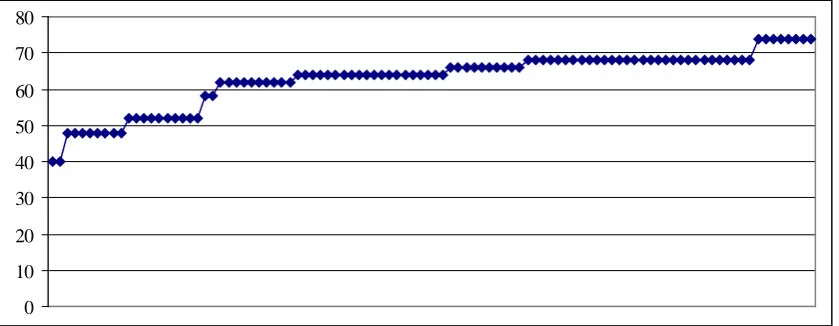
Fig. 1 Age characteristics of the patients with AMI 0
10 20 30 40 50 60 70 80
Based on the data analysis it is clear that there are no patients below 43 years of age. The average age of the patients admitted for treatment is 63.25 years. The oldest patients - 8 in total, are aged 74. These results indicate that the group with the highest risk for this disease are people aged over 63. These are people who are still capable to engage in active professional activities, however, their health status is of critical importance. The changes with age are an important and significant factor for a number of diseases, primarily cardio-vascular diseases.
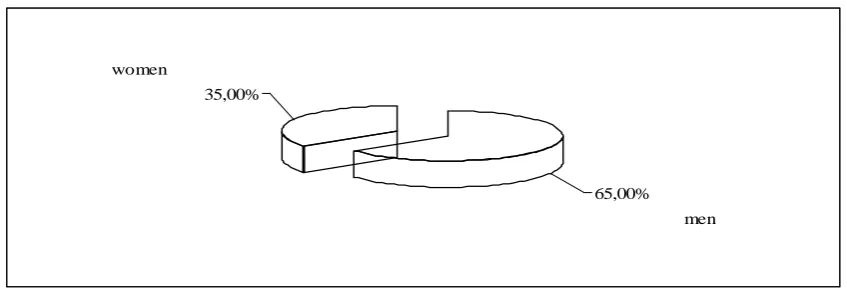
Fig. 2. Distribution of patients with AMI by gender
The results indicate that men diagnosed with AMI are twice as much as women. This clearly demonstrates the need of prevention of cardio-vascular diseases, especially in men.
The analysis indicates that the patient's gender impacts the other risk factors: family status, weight, family history, diabetes mellitus, stress, smoking and hypertensive crisis (p<0.0001).
Fig. 3. Distribution of the surveyed patients by family status
The data obtained indicate that the relative share of married patients, which are half of the surveyed patients, is the highest. Single patients take the smallest share of 12.00%. Almost one quarter of all patients surveyed is divorced, whereas the remaining part of 15% is alone because of death of their spouse. Therefore, it can be stated that primarily married patients are exposed to a risk of this disease. Family life naturally leads to a number of responsibilities and problems, which reflect on one's health status and therefore further research on this topic is needed.
65,00% 35,00%
men women
50,00%
12,00% 23,00%
15,00%
with family
single divorced
widower
The analysis indicates that the patient's family status impacts the other risk factors: gender, weight, family history, diabetes mellitus, stress, smoking and hypertensive crisis (p<0.0001).
Fig. 4. Awareness of hereditary cardio-vascular diseases
Based on the results obtained, a significant part of the patients (65.00%) are aware of cardio-vascular diseases of their relatives. One quarter of them indicate that they have no information about diseases of their relatives. Only 10.00% of the patients indicate lack of diseases among their relatives.
Fig. 5. Awareness of the patients on acute myocardial infarction
More than half of the surveyed patients are aware and informed on the acute myocardial infarction. There are no negative responses to this question. This means that, in general, people are informed on their disease and eventual complications.
65,00% 10,00%
25,00%
yes missing
no information
1
2
3
55,00%
0
45,00%
0 0.1 0.2 0.3 0.4 0.5 0.6
yes
no partly
Fig. 6. Methods for informing the patients with AMI
Based on the results, patients receive information primarily from their relatives. Only one third of the surveyed patients have received information about AMI from their general practitioner - 30.00%. Only 5.00% have received information from the internet.
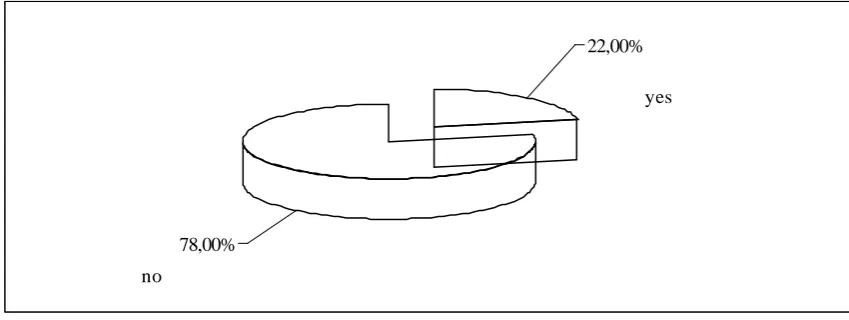
Fig. 7. Distribution of patients based on regular measurement of their arterial pressure
22.00% of the surveyed patients regularly measure their arterial blood pressure, while 78.00% of them measure it only when they have a strong headache, palpitations or shortness of breath. High blood pressure causes damage to the blood vessels. This, on the other hand, increases the risk of insults, kidney failure, heart disease and infarction.
The reason for this high importance of blood pressure is that it usually does not have symptoms, but can yet lead to serious complications.
1
2
3 65,00%
30,00%
5,00% 0
0.1 0.2 0.3 0.4 0.5 0.6 0.7
people
GP internet
22,00%
78,00%
yes
no
Fig. 8. Distribution of patients by presence of hypertension crisis
Hypertension is commonly called "the silent killer", since it can be present for years without any visible symptoms or without the patient being aware of it.
High arterial blood pressure is one of the main risk factors for the development of serious cardio-vascular diseases. 64.00 % of the patients surveyed have had repeated hypertension crises. One part of the respondents report palpitations, pallor, mild headache, dizziness, feelings of restlessness and anxiety before receiving the hypertensive crisis.
These data indicate that patients with hypertension need special care and this is decisive for the further complications.
The analysis indicates that hypertensive crisis in patients with AMI impacts the other risk factors: family status, weight, family history, diabetes mellitus, stress, smoking and gender (p<0.0001).
Fig. 9. Distribution of patients by the month in which they have received the heart attack
Patients report that they have had episodes of acute myocardial infarction only during four months of the year - January, February, November and December. It is noteworthy to mention that these are the winter months, when the temperature is low and the atmospheric pressure is high.
64,00% 36,00%
yes no
1
2
3
4
40,00% 20,00%
10,00%
30,00%
0 0.05 0.1 0.15 0.2 0.25 0.3 0.35 0.4
january february
november
december
Patients who have received a heart attack in January take up the largest relative share – 40.00%, followed by patients who have experienced it in December – 30.00% , the third place is taken by February – 20.00% and November is at the fourth place -10.00%.
The impact of seasons in patients with cardio-vascular diseases is of high importance that necessitates that patients follow a certain regime and consider the seasonal and temperature variations.
Fig. 10. Distribution of patients by the time of occurrence of heart pain
The results indicate that a significant part of the patients have had signs of the forthcoming crisis as early as one month before that - 68.00%. There are certainly no patients reporting that the signs and the pain have occurred during the last days before hospitalisation. These data indicate that when patients are sufficiently informed, they can seek timely medical help and behave adequately.
Acute myocardial infarction is an emergency case which carries a risk for human life if no proper measures are undertaken. In order to decrease the mortality rate and complications of these diseases, it is necessary to familiarise the patients with the organisation of care and the organisation under the clinical pathway, which have been introduced and regulated.
1
2
3 12,00%
20,00%
68,00%
0 0.1 0.2 0.3 0.4 0.5 0.6 0.7
a week ago two weeks ago
a month ago
Fig. 11. Conditions for pain in AMI
Based on the conditions leading to the heart pain in case of AMI, the results from the patients' responses indicate that the largest relative share is taken by patients who have undergone certain mental tension - 34.00%. The patients who have felt the acute pain at night are 26.00% and the ones with sudden strong pain are 25.00%. 15% of the surveyed patients report pain after physical activity. These data are indicative about the conditions and timing of occurrence of the acute coronary disease.
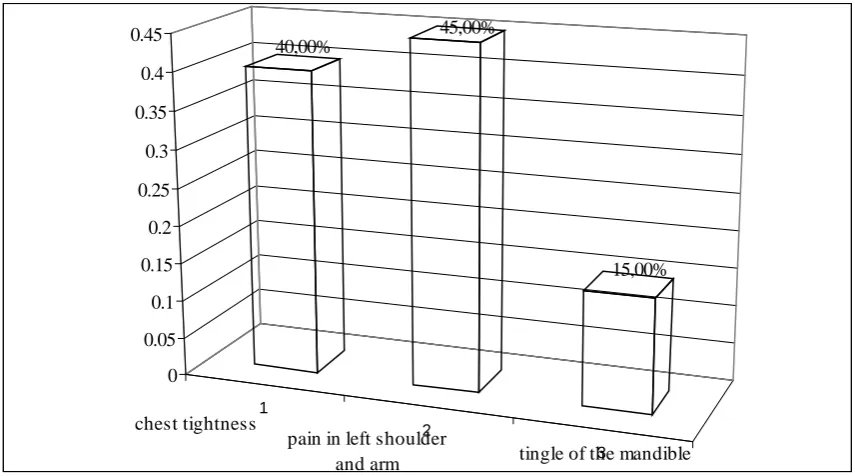
Fig. 12. Distribution of patients by the place of occurrence of the pain in AMI
The data indicate that the largest relative share - 45.00% is taken by patients who have experienced pain at the left shoulder and the left hand. A significant relative share of the patients - 40.00% report they have had chest tightness. Very few of the patients have experienced numbness of the mandible.
1
2
3
4
25,00% 26,00%
15,00%
34,00%
0 0.05 0.1 0.15 0.2 0.25 0.3 0.35
suddenly
night
after phisical exercise
after psychical stress
1
2
3 40,00%
45,00%
15,00%
0 0.05 0.1 0.15 0.2 0.25 0.3 0.35 0.4 0.45
chest tightness
pain in left shoulder
and arm tingle of the mandible
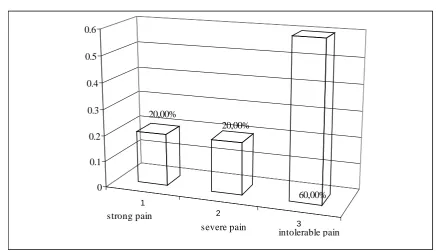
Fig. 13. Distribution of patients by the severity of pain
According to the largest proportion of the patients - 60.00%, the pain was "unbearable". 20.00% of the patients report "strong" pain and another 20.00% report "very strong" pain. In research, this pain has been described in a number of studies. Therefore the results from our study prove some established trends.
Fig. 14. Method of transportation to the medical establishment
The main method of transportation of patients to the medical establishments is through an ambulance of the emergency room. A significantly lower share of them has used their own transportation. There are no patients that have used a taxi.
1
2
3 20,00%
20,00%
60,00% 0
0.1 0.2 0.3 0.4 0.5 0.6
strong pain
severe pain
intolerable pain
1
2
3
78,00%
22,00%
0,00% 0
0.1 0.2 0.3 0.4 0.5 0.6 0.7 0.8
ambulance
private car
taxi
Fig. 15. Distribution of respondents by their professional mental stress
It can be definitely stated that most of the patients /76.00%/ have occupations with high level of mental stress. One quarter of the respondents has given negative answer to this question. Therefore it can be stated that people with occupations involving higher mental stress are predisposed to develop this disease.
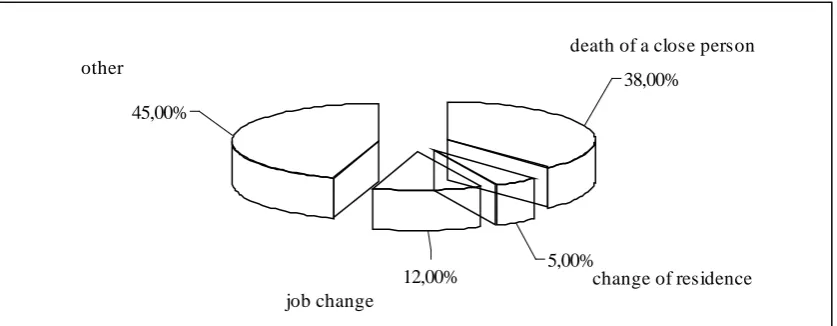
Fig. 16. Stressful situations experienced by the patient during the last year
Stress is defined as a condition of the organism arising as a result of an unusual prolonged stimulus. This leads to the release of a large quantity of stress hormones. Their impact is mainly related to influencing the functions of the cardio-vascular system. Stress hormones:
• increase arterial pressure
• can lead to heart infarction and other cardio-vascular diseases.
During the last year, 38.00% of the patients have experienced stress related to loss of a close person, 12.00% have experienced stress from changing the workplace, 45.00% have experienced other stressful situations and 5.00% have experienced stress from changing their place of residence. All this has seriously influenced their health status.
The analysis indicates that the patient's experienced stressful situation impacts the other risk factors: family status, weight, family history, diabetes mellitus, gender, smoking and hypertensive crisis (p<0.0001).
76,00% 24,00%
yes no
38,00%
5,00% 12,00%
45,00%
death of a close person
change of residence job change
other
Fig. 17. Distribution of patients by body mass
The results indicate that most of the respondents - 76.00 % define themselves as overweight. Nearly one quarter of the respondents have normal weight.
Being overweight increases the risk of developing serious diseases, such as atherosclerosis, heart failure, disturbances in the lipid metabolism, etc. It is necessary to improve the functional health status of the patients in order to reduce the risk of cardio-vascular diseases.
The analysis indicates that the patient's body mass impacts the other risk factors: family status, gender, family history, diabetes mellitus, stress, smoking and hypertensive crisis (p<0.0001).
Fig. 18. Distribution of patients by presence of diabetes mellitus
Long-term high blood sugar accelerates the development of atherosclerosis. As a result, all large blood vessels in the organism are covered with atherosclerotic plaque. This is most distinctive in the blood vessels supplying the hearth (the coronary arteries), the brain and the lower limbs.
The data obtained indicate that in 70.00% of the patients, the cardio-vascular disease is accompanied by another disease - diabetes mellitus. These are more than 2/3 of the patients and indicate an alarming trend that patients with diabetes mellitus are at potential risk of a cardio-vascular disease.
The analysis indicates that the presence of diabetes mellitus in patients impacts the other risk factors: family status, weight, family history, gender, stress, smoking and hypertensive crisis (p<0.0001).
24,00%
76,00%
normal weight
overweight
70,00% 30,00%
yes no
Fig. 19. Distribution of patients based on smoking
The risk of heart diseases is 30 times higher in smokers than it is in non-smokers. Smoking one or more packs of cigarettes per day increases the mortality rate of ischemic heart disease twice. Quitting smoking decreases this risk.
More than half of the surveyed patients in our study - 70.00% report they are smokers and non-smokers are only 30.00%.
The data obtain coincide with the established trends that smoking is one of the main factors for the development of cardio-vascular diseases.
The analysis indicates that smoking impacts the other risk factors: family status, weight, family history, diabetes mellitus, stress, gender and hypertensive crisis (p<0.0001).
Fig. 20 Awareness of the exercising regime after hospitalisation
It can be definitely stated that patients are only "partially" informed on the exercise regime they should follow after hospitalisation. 1/5 of the respondents have given a negative answer. The share of positive responses is the lowest - 15.00%.
Patients' awareness on the exercising regime is of critical importance for observing the rehabilitation process and preventing another hospitalisation and complications.
70,00% 30,00%
yes no
1
2
3 15,00%
20,00% 65,00%
0 0.1 0.2 0.3 0.4 0.5 0.6 0.7
yes
no partly
CONCLUSIONS AND IMPLICATIONS
The results indicate that patients who have experienced acute myocardial infarction need to be informed and trained on the nature and localisation of the pain during a heart crisis. Patients are weakly informed on the disease in general and on the signs characteristic for acute myocardial infarction. Most of them report certain discomfort and complaints approximately one month before the episode of the heart crisis. Therefore it is necessary to significantly increase the level of public awareness on the disease and the risk factors. It is necessary to apply preventive care toward the risk groups of the population focusing on healthy lifestyle.
REFERENCES
Belov, Y., Clinical cardiology. Sofia, 1984, 285 – 290
Georgiev, B., D. Popova, Foods and nutrients for decreasing health risk. The science of dietetics, 2009, issue №2, page 17
Shipkovenska, E 2004, Cardiovascular risk: the problem with many unknowns,Filvest, Sofia Tomov, I., Cardiology, Znanie EOOD 2003, vol. 1, page 68-73
Tomov, I., Cardiology, volume II, "Znanie" EOOD publishing house, 2003, page 56-60