BOWEN, LAURA LYNN. Multiple Measures Versus Developmental Education: Using Propensity Score Matching to Determine Effectiveness of Placement Policy at One Urban Community College. (Under the direction of Dr. James Bartlett.)
Placement of students entering community colleges would, intuitively, seem like a
simple process. Students recently graduating from high school would naturally be ready for college-level coursework and able to enroll in credit-bearing courses from the outset.
Unfortunately, myriad research exists illustrating quite the contrary. In fact, the widespread placement of students into developmental courses (which do not allow them to earn college credit) creates a graveyard for the hopes and dreams of many community college students.
This study was born from the extant literature on placement problems in community colleges. Finding alternative placement options is essential to increasing the number of students who
enroll in college courses, persist, and hopefully complete their programs of study. One such alternative is examined herein.
This study examined two groups of students entering a large, urban community
college in North Carolina. Group A comprised students who had a high school GPA between 2.60–3.00 who received the Multiple Measures waiver (thus avoiding developmental
courses). Group B comprised students who had a high school GPA of 2.60–3.00 who did not receive the Multiple Measures waiver and who placed out of developmental courses via placement tests.
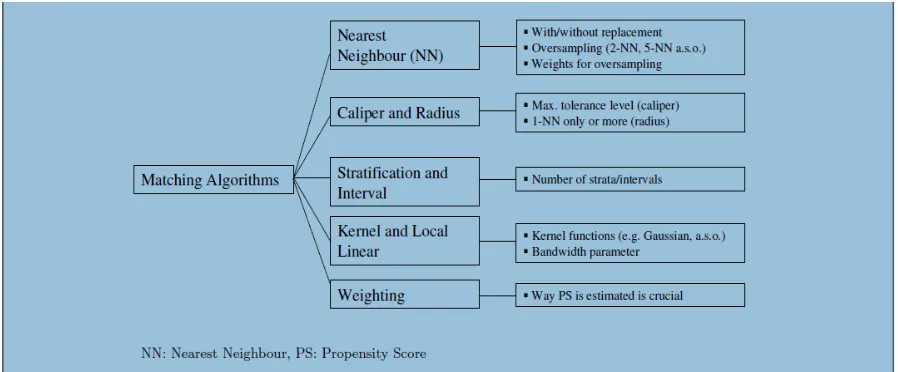
Propensity score matching was used to determine the effectiveness of the Multiple Measures policy by identifying differences in student success (completion of college-level
by
Laura Lynn Bowen
A dissertation submitted to the Graduate Faculty of North Carolina State University
in partial fulfillment of the requirements for the Degree of
Doctor of Education
Adult and Community College Education
Raleigh, North Carolina
2018
APPROVED BY:
_______________________________ _______________________________
Dr. James Bartlett Dr. Diane Chapman
Committee Chair
DEDICATION
This work is dedicated to several people from whom I have received unwavering support and encouragement. To my husband Jeff, who always had faith in me and
recognized the importance of this venture, I adore you. To my parents, who instilled in me a love for learning and led by example, I could not have done this without your unending encouragement and I love you both. To my brilliant brother-in-law Kelly, who, with the
patience of Job, helped me survive graduate-level statistics—you are my hero. To my sister and two brothers, who always asked how I was doing, listened patiently to my responses, and
BIOGRAPHY
Laura Bowen resides in Grover, North Carolina with her husband Jeff. She is a product of the North Carolina Community College System and graduated from Cleveland
Community College, where she completed her Associate in Arts degree. Laura earned a Bachelor of Science degree in Business Administration from Gardner-Webb University and a Master of Arts in Community College Administration from Appalachian State University.
Laura is currently the Dean of Planning and Institutional Effectiveness at Cleveland Community College, where she has spent the past 18 years in various roles working to
further the mission of the College. As the accreditation liaison, Laura is dedicated to ensuring the College maintains compliance with accrediting standards. She chairs the College Planning Council and Educational Assistance Program Committee and does all she
can to promote professional growth among her colleagues. She also serves on the College’s Administrative Council, Enrollment, Retention, and Success Committee, and Technology
ACKNOWLEDGMENTS
There are several colleagues to whom I owe a great deal of gratitude for recognizing in me a potential I did not always see in myself. Drs. Thornburg, Kennedy, and Gardner
were role models who all inspired, reassured, and challenged me to take this journey, and I am eternally grateful to each of them.
I must express my gratitude to Dr. James Bartlett (Dissertation Chair), Dr. Michelle
Bartlett, Dr. Bradley Mehlenbacher, and Dr. Diane Chapman for their willingness to serve on my dissertation committee, for helping me navigate the proposal and dissertation defenses,
and for their interest in my research. I am also obliged to thank Dr. Bobbie Frye, Executive Director of Institutional Research at Central Piedmont Community College for her selfless commitment to scholarly research and data analysis, her willingness to share her knowledge
in a nurturing way, and her many hours of time spent providing data and assistance in this research. A special thanks to Dr. Kelly Smith from Central Piedmont Community College for
TABLE OF CONTENTS
LIST OF TABLES ... vii
LIST OF FIGURES...x
CHAPTER ONE ...1
INTRODUCTION ...1
Statement of Problem ...2
Purpose of Study ...8
Theoretical Framework ... 10
Conceptual Framework ... 12
Research Questions... 12
Significance of Study ... 13
Potential Impact of the Research ... 15
Limitations ... 17
Delimitations ... 17
Definitions of Terms ... 17
Summary ... 19
CHAPTER TWO... 20
LITERATURE REVIEW ... 20
History of Developmental Education ... 20
Current Status of Developmental Education in North Carolina Community Colleges ... 22
Placement Test Exemption ... 24
Placement Methods in Developmental Education ... 25
Multiple measures for assessing readiness ... 26
Corequisite courses ... 26
Redesigned math ... 26
Accelerated developmental courses ... 26
Computer-assisted developmental math ... 26
Developmental education paired with workplace skills ... 26
High school partnerships ... 27
Improved preparation for placement tests ... 27
Student Success ... 27
Student Success and Developmental Education ... 28
Theoretical Framework for this Study ... 31
Alexander Astin’s theory of student involvement... 31
Context of Research Project ... 31
Justification for Theory Selection ... 34
Fit for the Project ... 35
Variables Included in the Study ... 36
CHAPTER THREE ... 39
METHODS ... 39
Methodology Selected ... 39
Relevance and Impact of Method ... 43
Explanation of Why Method Was Chosen ... 44
Uses, Critiques, and Benefits of Methodology ... 45
Method ... 46
Dataset construction ... 46
Summary ... 49
CHAPTER FOUR ... 51
RESULTS ... 51
Data Analysis ... 52
Study Population ... 56
Outcomes for Retention—Math ... 72
Outcomes for Credits Attempted in Math ... 74
Outcomes for Retention—English ... 85
Outcomes for Credits Attempted in English ... 86
Summary ... 88
CHAPTER FIVE ... 90
CONCLUSIONS, DISCUSSION, AND IMPLICATIONS ... 90
Conclusions and Discussion ... 91
Research Question 1 ... 91
Research Question 2 ... 92
Research Question 3 ... 93
Research Question 4 ... 93
Research Question 5 ... 94
Major Findings, Limitations, and Delimitations ... 95
Implications for Future Research ... 95
Policy Implications/Impact ... 96
Implications for Practice ... 101
Conclusion... 103
LIST OF TABLES
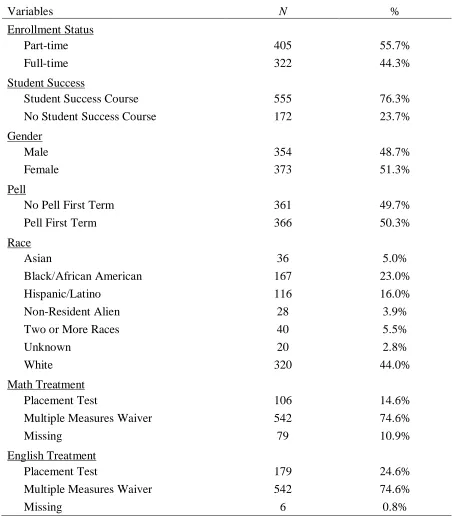
Table 1. Descriptives of the Study Population ... 57
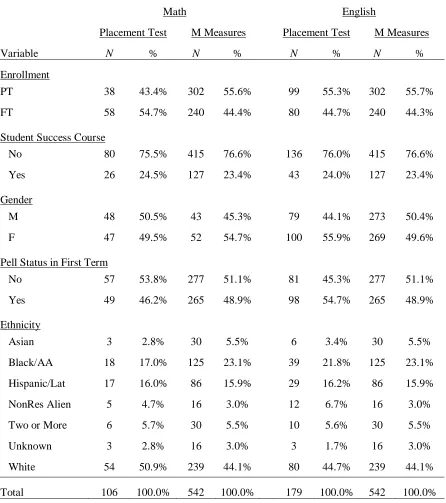
Table 2. Descriptive Statistics of English and Math Sub-Groups Prior to Matching ... 59 Table 3. Descriptive Statistics of English and Math Sub-Groups After Matching ... 62
Table 4. Logistic Regression Results Predicting Membership in Math Multiple
Measures Group Before Propensity Score Matching ... 64
Table 5. Chi-Square Analyses of Race/Ethnicity Prior to Propensity Score Matching by Math Group ... 65
Table 6. Chi-Square Analyses of Race/Ethnicity Post Propensity Score Matching by Math Group ... 66
Table 7. Chi-Square Analyses of Enrollment Status Prior to Propensity Score
Matching by Math Group ... 67 Table 8. Chi-Square Analyses of Enrollment Status Post Propensity Score Matching
by Math Group ... 67 Table 9. Chi-Square Analyses of Student Success Course in First Term Prior to
Propensity Score Matching by Math Group ... 68 Table 10. Chi-Square Analyses of Student Success Course in First Term Post
Propensity Score Matching by Math Group ... 68 Table 11. Chi-Square Analyses of Gender Prior to Propensity Score Matching by
Math Group ... 69 Table 12. Chi-Square Analyses of Gender Post Propensity Score Matching by Math
Group... 69 Table 13. Chi-Square Analyses of Pell Status Prior to Propensity Score Matching by
Math Group ... 70
Table 14. Chi-Square Analyses of Pell Status Post Propensity Score Matching by Math Group... 70
Table 15. Results of T-tests Analyses of Select Variables by Math Group Prior to
Table 16. Results of T-tests Analyses of Select Variables by Math Group Post
Propensity Score Matching... 72 Table 17. Chi-Square Analyses of Retention Fall-to-Spring Post Propensity Score
Matching by Math Group ... 73 Table 18. Chi-Square Analyses of Retention Fall-to-Fall Post Propensity Score
Matching by Math Group ... 74
Table 19. Results of T-tests Analyses of Select Outcome Variables by Math Group Post Propensity Score Matching ... 75
Table 20. Chi-Square Analyses of Completion and Transfer for Math Group ... 76 Table 21. Logistic Regression Results Predicting Membership in English Multiple
Measures Group Before Propensity Score Matching ... 77 Table 22. Chi-Square Analyses of Race/Ethnicity Prior to Propensity Score Matching
by English Group ... 78 Table 23. Chi-Square Analyses of Race/Ethnicity Post Propensity Score Matching by
English Group ... 78 Table 24. Chi-Square Analyses of Enrollment Status Prior to Propensity Score
Matching by English Group ... 79 Table 25. Chi-Square Analyses of Enrollment Status Post Propensity Score Matching
by English Group ... 80
Table 26. Chi-Square Analyses of Student Success Course in First Term Prior to
Propensity Score Matching by English Group ... 80
Table 27. Chi-Square Analyses of Student Success Course in First Term Post
Propensity Score Matching by English Group ... 81
Table 28. Chi-Square Analyses of Gender Prior to Propensity Score Matching by
English Group ... 81
Table 29. Chi-Square Analyses of Gender Post Propensity Score Matching by English Group... 82 Table 30. Chi-Square Analyses of Pell Status Prior to Propensity Score Matching by
English Group ... 82 Table 31. Chi-Square Analyses of Pell Status Post Propensity Score Matching by
Table 32. Results of T-tests Analyses of Select Variables by English Group prior to
Propensity Score Matching... 84 Table 33. Results of T-tests Analyses of Select Variables by English Group Post
Propensity Score Matching... 84 Table 34. Chi-Square Analyses of Retention Fall-to-Spring Post Propensity Score
Matching by English Group ... 85 Table 35. Chi-Square Analyses of Retention Fall-to-Fall Post Propensity Score
Matching by English Group ... 86 Table 36. Results of T-tests Analyses of Select Outcome Variables by English Group
LIST OF FIGURES
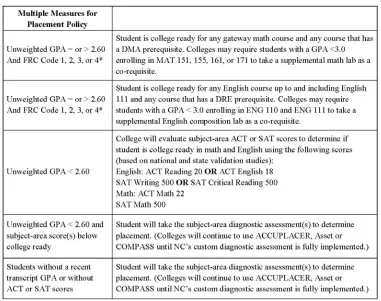
Figure 1. Multiple measures policy. ...7
Figure 2. Developmental student success rates in NC community colleges, 2013–14. ... 30
Figure 3. Conceptual framework—student variables. ... 38
CHAPTER ONE INTRODUCTION
In examining community college placement issues, researchers at the Community
College Research Center (CCRC) at Columbia Teacher’s College found high school grade point average (GPA) to be a better predictor of student success than standardized placement tests such as the ACCUPLACER® and COMPASS® (Belfield and Crosta, 2012).
Regarding placement for English, Belfield and Crosta (2012) explained, “Three out of every ten students is severely misassigned” (p. 28). Scott-Clayton (2012) found that the error
rates inherent in using placement test scores as a sole determinant for placing incoming students could be reduced as much as 15% by utilizing high school GPA in addition to or in lieu of placement scores. Belfield and Crosta (2012) concluded, “Due to its relationship to
cognitive competence, a useful piece of information for predicting college success is high school GPA” (p. 3). In addition, researchers concluded that “placement tests are not
strongly associated with college performance” (Belfield & Crosta, 2012, p. 25). The implications of being placed into developmental education have far-reaching and often negative results. In fact, researchers found “being assigned to developmental education
induces a very low probability of ever taking college-level courses” (Belfield & Crosta, 2012, p. 7).
Placement tests have set cut-off scores whereby, if students score above the cut-off, they are placed directly into college-level courses. Likewise, if students place below the cut-off scores, they are placed into developmental education courses, which often delays or
fared far better than their counterparts who conformed with their placement results by enrolling in developmental courses, as only a small number of students who enrolled in the suggested developmental courses ever completed their developmental coursework much
less enrolled in subsequent college-level courses. Research has shown that a
disproportionately small number of students who are placed into developmental education
ever complete their degree programs. Perhaps more troublesome, Jaggars and Stacey (2014) concluded that “over 68% of community college students are placed into at least one developmental course [and only] 28% of community college students who take a
developmental course go on to earn a degree within 8 years” (p. 1).
While there exists a plethora of research on the negative aspects of developmental
education, there is emerging research on alternative placement options which some colleges are already implementing. One such alternative being used in North Carolina community colleges is known as Multiple Measures. Multiple Measures allows high school graduates
with a high school GPA of 2.60 or higher who have successfully completed four high school mathematics courses to be exempt from college placement exams, thus allowing
them to enter directly into college-level mathematics and English courses. While Multiple Measures may mean the difference between staying in college and dropping out for many students, it may be premature to assume it is a cure-all for the ills of the developmental
education arena. Statement of Problem
Data on the placement of recent high school graduates illustrate an alarming
Placement into remedial courses (also referred to as developmental education) essentially means the student has been deemed not yet ready for college-level English/reading or mathematics coursework. Belfield and Crosta (2012) explained:
Colleges typically use placement tests as a binary indicator: does a student require developmental education, or is the student ready for college-level courses in a
particular subject? If a student achieves a certain score on the placement test, that student is considered college-ready. (p. 2)
More often than not, students who score the lowest on placement tests are referred to not just
one but a sequence of developmental courses, which are designed to take a step-by-step approach to prepare them for the rigors of college level coursework (Hughes &
Scott-Clayton, 2011; Scott-Scott-Clayton, 2012; Morissey & Liston, 2012). However, few students actually move from developmental courses into college-level courses. Morissey and Liston (2012) highlighted the magnitude of the problem in North Carolina:
[Sixty-nine] percent of recent high school graduates placed into at least one
developmental (remedial) course when they enrolled in a North Carolina community
college [and] for those at the lowest levels of developmental math, only 8 percent of students successfully make it through a gateway math course. (p. 1)
Bailey et al., (2012) explained, “Developmental course sequences often involve three
or more non-credit course levels, and fewer than 20 percent, sometimes fewer than 10 percent, of students ever complete these prescribed developmental course sequences” (p. 1).
A CCRC study of 250,000 community college students found “only 20 percent of students referred to math remediation and 37 percent of those referred to reading complete a
Essentially, this equates to only one in five students who take developmental math and one in three students who take developmental reading ever passing an entry-level college math or English course. In one regression discontinuity study of a large sample of Texas students,
Martorell and McFarlan (2011) found “little evidence that remediation improves student outcomes” and stated that “some of our results suggest a small negative effect on the number
of academic credits attempted and the likelihood of completing at least one year of college” (p. 452).
Placement of students in North Carolina community colleges has, until recently, been
most often determined by high-stakes tests like COMPASS or ACCUPLACER. The
COMPASS was a free computerized adaptive, untimed placement test which measures skills
in reading, writing, and mathematics no longer in use (B4 Accuplacer, n.d.). NC DAP® (NC Diagnostic Assessment and Placement Test), a state version of ACCUPLACER by College Board, is North Carolina’s most recent math placement test which was administered
beginning in 2013 (After Accuplacer, n.d.). NC DAP® is an untimed computerized test. Belfield and Crosta (2012) explained how placement tests have a preset cutoff score whereby
“in general, a score below the cutoff routes the student into developmental education, and a score above the cutoff routes the student into college classes” (p. 7). Research conducted over the past decade is beginning to shed light on how students are very often severely
under-placed using high-stakes placement testing. Findings suggest these same students would be capable of passing a college-level course with a B or higher had they been placed directly
instead of tests would significantly reduce the rate of severe placement errors in both developmental math and English courses” (p. 447). Students are graduating high school unprepared for college-level work and then becoming incoming community college students
who are placed into developmental courses unnecessarily, exacerbating low retention and completion rates (Bailey et al., 2010).
When confronted with data that indicate high school GPA is a more accurate predictor of student success and how few students complete developmental courses or sequences of courses to which they have been directed, the question arises as to why
high-stakes placement tests are the most common method of placing students entering college. Not surprisingly, efficiency and low costs of the testing process help answer these questions.
Ngo and Kwon (2014) explained that placement tests like ACCUPLACER and COMPASS provide more efficient and cost-effective processes for student placement than manually reviewing transcripts. Also, since most placement tests are now in an electronic format,
processing results can be done in a much timelier manner (Ngo & Kwon, 2014). However, what is gained in efficiency and dollars saved by colleges utilizing high-stakes placement
tests comes at a cost to students in terms of time to completion and a significant impact on their financial aid funds, which could prevent them from being able to complete their
programs of study. In an effort to save time and money getting students placed, colleges are
inadvertently creating barriers with negative consequences for their students and for the institutions themselves in terms of retention and completion rates.
Bettinger and Long (2005) found, “Remedial courses are ‘not allowed’ at public
institutions in two states, and at least eight states restrict remediation to two-year colleges” (p. 2).
it is imperative that more accurate placement methods be utilized to minimize the under-placement of students. Research by the Community College Research Center (CCRC) located at the Teachers College of Columbia University revealed that students in a statewide
study were severely under-placed between 14% and 28% (CCRC, 2009). These percentages point to the magnitude of the issue, and finding more accurate ways to place students is
imperative to solving this very costly problem. Bracco et al. (2014) explained that the need for new approaches stems from “the recognition that developmental education has not always provided a sufficient gateway into college-level work for students” (p. iii). Further, Crisp
and Delgado’s (2014) post-matching hierarchical generalized linear modeling showed “developmental education may overall serve to decrease community college students’ odds
of successfully transferring to a 4-year institution” (p. 112).
There are alternatives to placing students solely based on high-stakes placement test scores and some of these alternatives are beginning to come to the forefront as the necessity
of finding more accurate methods of placing incoming college students looms large in higher education today. One such emerging alternative to conventional placement via high-stakes
testing currently being used by the North Carolina Community College System is known as Multiple Measures. Multiple Measures uses a student’s unweighted high school GPA as a placement determinant, allowing those with an unweighted high school GPA of 2.60 or
higher to place directly into college-level English and mathematics courses (Morrisey, 2013). In fact, enough research exists to warrant the North Carolina State Board of Community
Purpose of Study
The purpose of this study was to examine whether students with a high school GPA of 2.60–3.00 have equivalent or better outcomes when placing out of developmental English
and/or mathematics than their counterparts who were placed via the Multiple Measures policy. The outcome variables that were examined included retention, transfer, and
completion. The study was quasi-experimental and utilized high school GPA as the unit of analysis. Propensity score matching was the method used.
College-level mathematics and English courses required for graduation at the
community college involved in this study included the following, as excerpted from the college website (CPCC, 2016):
• Associate in Arts
o ENG-111 Expository Writing
o ENG-112 Argument-Based Research o MAT-143 Quantitative Literacy
o MAT-152 Statistical Methods I
• Associate in Science
o ENG-111 Expository Writing
o ENG-112 Argument-Based Research o MAT-171 Precalculus Algebra
o MAT-172 Precalculus Trigonometry o MAT-271 Calculus I
This study examined students (divided into Groups A and B) enrolled in these courses,
North Carolina’s Multiple Measures policy allows many students who would otherwise place into developmental courses to now bypass them altogether. In a statewide community college system research study using data from the late 2000s which examined
ACCUPLACER, COMPASS, and high school GPA as predictors of student success, Belfield and Crosta (2012) found that “HS GPA is not only a better predictor but also more consistent
than the placement tests” (p. 17). Duffey et al. (2014) revealed how early data in North Carolina indicate that the majority of students being placed via Multiple Measures are succeeding at a rate greater than or equal to their counterparts taking developmental courses,
but there is concern that students with a high school GPA between 2.60 and 2.99 are not succeeding comparably to those with a high school GPA of 3.00 or higher.
In North Carolina, Multiple Measures has not necessarily been embraced by all faculty members. In a report by Duffy et al. (2014) which examined Multiple Measures reforms at six two-year institutions, the authors noted that “in North Carolina, the
combination of mandatory policy from the system office and limited campus involvement in development of the initiative has led to rapid scale-up but limited faculty support” (p.10).
Two of the six institutions Duffy et al. (2014) included in the article were North Carolina community colleges: Central Piedmont Community College (a large, urban institution) and Davidson County Community College (a small, rural institution), which are representative of
the diverse community colleges across North Carolina’s community college system. Duffy et al. (2014) also explained how
instructors at Central Piedmont expressed doubts about the validity of the policy’s 2.60 GPA cutoff, believing it to be far too low. (p. 10)
The notion that the policy’s 2.60 GPA cutoff was too low was a large part of the impetus for
this study. By comparing students entering via Multiple Measures with non-Multiple
Measures students who place into college-level courses, this researcher hoped to confirm the
effectiveness of Multiple Measures for Placement using Central Piedmont Community College’s data.
This research examined two groups of students entering North Carolina community
colleges using high school GPA of 2.60 or higher as the determinant for placement into college-level mathematics and/or English courses. Group A comprised students who had
high school GPAs between 2.60–3.00 who received the Multiple Measures waiver (thus avoiding developmental courses). Group B comprised all other students who had high school GPAs of 2.60–3.00 who did not receive the Multiple Measures waiver but tested out of
developmental courses. Theoretical Framework
Astin’s Student Involvement Theory lends itself well to this study, as students starting college-level courses are most likely better able to acclimate themselves into the institutional culture, thus becoming more involved in college life from the outset of their
college experience. Wilmer (2009) offered, “Alexander Astin developed his theory of student involvement as a way of explaining the environmental influences that contribute to
said for students who begin their college experience in developmental courses. Research has shown they rarely complete their developmental sequence and seldom make it to their first college-level course.
Astin’s Theory of Student Involvement contends that students who are involved in and acclimated to the institutional culture are more likely to complete their programs of
study. Two of Astin’s five basic postulates support this notion. Astin’s Postulate 4 indicates, “The amount of student learning and personal development associated with any educational program is directly proportional to the quality and quantity of student
involvement in that program (Astin, 1999, p. 519). Astin’s Postulate 5 states, “The
effectiveness of any educational policy or practice is directly related to the capacity of that
policy or practice to increase student involvement” (Astin, 1999, p. 519). Researchers and the North Carolina Community College System believe Multiple Measures has the
capability of increasing student involvement, as evidenced by the adoption of Multiple
Measures as a method of placing students.
This study hoped to confirm Astin’s findings in a population of students who
entered a large urban North Carolina community college under the Multiple Measures Placement Policy. One assumption of the study is that students entering into college-level courses via the Multiple Measures Placement Policy would integrate into, become involved
in, and acclimate to the institutional culture, thus resulting in higher rates of successful completion specifically in ENG 111 or college-level mathematics courses. This group of
success of students in the two groups and, if so, the effect size of the difference. From this, one could infer if Multiple Measures students do in fact integrate into, become involved in, and acclimate to the institutional culture more than those they are being compared to in this
study.
Conceptual Framework
Students who are placed into developmental education often bear a certain stigma. A perception exists that developmental students are less than compared to college-level students. At the Annual Meeting of the Ohio Association for Developmental Education,
Pidelty (2001) explained how this stigma makes students feel they are “intellectually inferior,” which has a negative effect on their self-confidence (Higbee and Lundell, p. 55).
This stigma can make it difficult for developmental students to integrate academically, leaving them feeling hopeless about their prospects for ever reaching college-level courses. That being the case, it should come as no surprise that students in developmental education
rarely complete a college program of study (Higbee, Chung, & Hsu, 2004).
Multiple Measures provides a mechanism for students to circumvent developmental
education, thus avoiding the stigma that often accompanies it. This mechanism (Multiple Measures) allows for the operationalization of Astin’s theories of student involvement. By placing students directly into college-level courses, the prospects for students’ academic and
social integration along with their levels of self-confidence and motivation are likely elevated automatically as well.
Research Questions
1. Is there a difference in success rates (defined as a grade of A, B, or C) in the first college-level English or mathematics courses for Groups A and B, both of which comprised students who had a high school GPA between 2.60–3.00, with Group
A having received the Multiple Measures waiver (thus avoiding developmental courses) and Group B having tested out of developmental courses by scoring
above the placement test cutoff score.
2. What are the demographic and academic characteristics of the study population? 3. What are the demographic and academic characteristics of the two sub-groups?
4. Is there a difference in the demographic and academic characteristics of the two sub-groups prior to propensity score matching?
5. Are the differences in success rates for the groups statistically significant? If so, what is the effect size of the difference?
Significance of Study
The placement problem described previously is significant for several reasons. Lengthening time to degree, depletion of financial aid funds, and costs associated with
developmental education all lend to the significance of the placement problem which exists in developmental education today.
To begin, relegating students to developmental courses lengthens the time it takes
them to complete their educational goals. A developmental course traditionally takes an entire semester to complete and prevents the student from enrolling in college-level English
remediation may negatively impact student outcomes such as persistence, major choice, and
eventual labor market returns” (p. 2).
Developmental courses in North Carolina community colleges cost the same as other
curriculum courses, which often creates a considerable financial burden and significantly increases the aggregate cost of a student’s education. Students from low socioeconomic backgrounds make up a disproportionately high percentage of the student population in North
Carolina community colleges and are often most affected by the increased educational costs associated with taking developmental courses. Many of these students qualify for financial
aid, but limits on how much financial aid a student can receive can leave those who have to take developmental courses without enough financial aid funding to last them throughout their programs of study. Consequently, this can have a negative impact on retention and
completion rates, which is detrimental to both the students and the institutions they attend. Another area of concern is the cost of developmental education. Using data from the
National Center for Education Statistics’ 2011 Digest of Education Statistics, the CCRC estimates the annual cost of providing developmental education at community colleges to be close to $4 billion (Scott-Clayton & Rodriguez, 2012). From a system perspective, Morrisey
and Liston (2012) explained that, in North Carolina, “developmental education consumes approximately 10% of the community college budgets statewide” (p. 1).
Time to completion, depletion of financial aid funds, and the exorbitant cost of providing developmental education are all factors which point to the need for alternative methods of placing students. One emerging method currently being used in North Carolina
graduated from high school with a 2.60 GPA to bypass development education by enrolling directly into college-level mathematics and English courses.
While North Carolina’s Multiple Measures policy has the potential to greatly reduce
the cost of remediation in North Carolina’s community colleges, research to ensure that students entering community colleges via Multiple Measures are actually able to succeed at
levels comparable to their non-Multiple Measures counterparts is lacking. This gap in the research provides an opportunity to study the performance of students in both groups to determine if Multiple Measures is a feasible solution for an alternative approach to
developmental placement and if the policy in its current form is equitable. Potential Impact of the Research
This research has the potential to impact the field positively in multiple ways. By placing students using methods other than high-stakes placement testing, the cost of
educating students in community colleges could be decreased, thus lowering the multi-billion
dollar expense currently being born by community college systems across the country. The potential for cost savings has nationwide implications related to the cost of higher education
in this country. Further, placing students directly into college-level courses can be beneficial to students because it decreases the amount of precious financial aid funds currently being spent on developmental courses. Often, students who have to take a sequence of
developmental courses find themselves short of funding as they approach the end of their programs of study. This can have a detrimental impact on their ability to persist and
to circumvent developmental courses via alternative placement methods would also shorten a student’s time to completion, allowing the student to either transfer to a four-year institution or join the workforce in a more expeditious manner.
From a system perspective, alternative placement methods could provide community colleges the opportunity to increase institutional retention and completion rates. With the
ever-expanding shift toward performance-based funding, increasing retention and completion rates will become paramount in maintaining current funding levels at institutions where state appropriations continue to decline. However, diligence must be given to ensuring students
on the lower end of Multiple Measures’ high school GPA scale are getting the support and interventions necessary to perform at levels comparable to their non-Multiple Measures
counterparts. Intuitively, by reducing the cost of developmental education, minimizing time to degree, and increasing community college retention and completion rates, utilizing effective alternative placement options like Multiple Measures should have a significantly
positive impact on labor market outcomes. This research hoped to confirm that notion without overlooking the needs of students on the lower end of the Multiple Measures
placement scale.
This work has the potential to impact students in Group A (entering via Multiple Measures) if the research indicates they do not succeed comparably to students in Group B
(entering without receiving the Multiple Measures waiver). Should that be the case,
implications for future research could include examining what interventions might level the
Limitations
This study had several limitations. First, the population of students was limited to those entering an urban North Carolina community college under the state’s Multiple
Measures Placement Policy and may not be generalizable to all student populations. Second, the study included the entire population of students entering an urban North
Carolina community college via Multiple Measures, but that population may not be
representative of all community college populations. Third, the method used for this study only controls for observed variables, unlike randomization, which controls for both
observed and unobserved variables. Finally, all student records in the dataset did not have an exact propensity score match to pair with, so the total number of student records in the
analysis was decreased. Delimitations
Several delimitations pertained to this study. To begin, this study did not examine
success rates of students whose high school GPA was above 3.00, but focused solely on those entering via North Carolina’s Multiple Measures Placement Policy with a high school
GPA of 2.60–3.00. The study was limited to this sub-population in order to determine if there is a difference in successful completion of college-level math or English for students who have a high school GPA of 2.60–3.00 and who tested out of developmental math or
English compared to those who were placed via Multiple Measures directly into college-level math or English.
Definitions of Terms
Astin’s Theory of Student Involvement: Student engagement in the college
growth occurs is directly tied to the degree to which the student is involved and engaged in his or her college experience.
Developmental Education: Courses designed to further develop students’ skills in
mathematics, English, and reading in order to prepare them for the rigors of college-level coursework.
Multiple Measures: An alternative placement option North Carolina community
colleges can use to place students who have successfully completed four high school math classes with a GPA of at least 2.60 directly into college-level mathematics and English
courses.
Placement: The level at which incoming North Carolina community college students
are advised to begin their college experience. Placement can either be into developmental English, reading, or mathematics courses if students’ placement test scores are below the cut-off point or directly into college-level English and mathematics courses if placement scores
are above the cut-off point.
Placement Tests: High-stakes examinations administered to entering college students
to determine at what level they are best able to perform. Propensity Score Method (PSM):
PSM examines grouped data and the dependent variable is categorical instead of
quantitative. Covariate variables are the independent variables with the highest degree of influence on the dependent variable. The use of logistic regression permits
Propensity Score:
The covariates identified in the logistic regression before PSM are combined into a single summary score whose value ranges between 0.0 and 1.0. A variety of
estimation techniques have been used to determine propensity scores; the appropriate technique depends on the number of study groups being examined. (Frye, 2014, p.
42)
Successful Completion of ENG 111: Completion of ENG 111 with a grade of A, B, or
C.
Stigma: A feeling of inferiority when comparing oneself to others.
Summary
This chapter provided an introduction to the topic, problem statement, purpose statement, and theoretical and conceptual frameworks. The chapter also provided the
significance of the study and applicable study limitations and delimitations. In addition, a list
CHAPTER TWO LITERATURE REVIEW
This chapter describes the theory that provides a framework for studying the selection
of students for developmental education, specifically students placed via Multiple Measures. This chapter provides a brief context for the research, as well as justification for the selection of the theory discussed and why it best fits this specific project. Lastly, illustrations of the
potential variables that were studied and how they related to each other using this theoretical frame are provided.
History of Developmental Education
Developmental education and its efficacy have been debated as far back as the earliest beginnings of American higher education (Parker, Barrett, and Bustillos, 2014).
Institutions such as Harvard University and King’s College enrolled students who were not college-ready because there were not large numbers of applicants from which to choose
(Parker et al, 2014). Parker et al (2014) explained, “Colleges accommodated their learning ‘deficiencies’ and provided tutoring and other forms of developmental instruction” (p. 17). From the beginning of America’s system of higher education, the question of college
readiness has plagued college administrators.
In colonial America, rhetoric and bible studies were commonly offered courses and
were intended for males from the highest levels of society (Parker et al, 2014). Changes in the curriculum began to emerge in the last quarter of the 18th century as American colonies began seceding from England, which precipitated the move to a less religious curricular
The role of education shifted from the training of an elite populace to one that resonated greatly with the spirit of democracy [and] the optimism that characterized the nation after the Revolutionary War catapulted the development of a distinct
American educational system that was funded by taxpayers and welcomed a broader segment of society. (p. 19)
As the number of colleges established post-Revolutionary War increased, the Morrill Acts expanded the purpose of higher education. This resulted in students with more diverse levels of preparedness and colleges and universities scrambling to determine how to provide
them “the moral purpose of colleges and schools” (Parker et al, 2014, p. 20). Brown
University established an extension program to address the educational pursuits of “farmers,
mechanics, and industrialists,” which was abandoned a few years later; however, this marked the beginning of college and university expansion of accessibility to higher education,
academic support, and developmental education” (Parker et al, 2014, p. 20).
To illustrate the magnitude of need for developmental education at that time, Parker et al (2014) explained:
The University of Wisconsin (UW) is credited for forming the first formal
preparatory program in higher education. Established in 1849, the Department of Preparatory Studies instructed students in study skills and provided developmental
courses in reading, writing, and math. In 1865, of the 331 students admitted to the University of Wisconsin, only 41 students were enrolled in credit-granting
college-level courses. (p. 22)
fields” (Parker et al, 2014, p. 23). The needs of businesses began making their way into higher education curricula, and developmental education played a role in preparing students in those areas as well.
In the early 20th century, junior colleges emerged and were intended to be terminal. Their popularity grew rapidly and “by 1930, over 70,000 students were enrolled in 450 junior
colleges instituted in all but five states across the country” (Parker et al, p. 25). Several mid-century events including “World War II, the GI Bill, the launch of Sputnik, and the Civil Rights Act of 1964” followed, elevating the ideal that “education is a national imperative to
ensure national security, economic stability, and global competitiveness” (Parker et al, p. 25). America’s educational history has illustrated why developmental education has been
essential throughout our nation’s evolution and how the context of the day changed those reasons over time. Parker et al (2014) summarized these reasons in the following excerpt:
Whether it was due to inconsistent precollege requirements in the eighteenth century,
the need to enroll as many students as possible to guarantee the survival of emerging institutions in the nineteenth century, or fear over national security and global
competitiveness in the twentieth century, developmental education has been employed to attain those goals. (p. 26)
Current Status of Developmental Education in North Carolina Community Colleges In North Carolina, there are two public systems of higher education from which students can choose. The University of North Carolina system comprises 16 four-year
United States. Clotfelter et al. (2015) shared that developmental education courses have typically been offered at community colleges and universities across the country, but at least 12 states have halted funding for developmental courses at four-year colleges. In those
states, students deemed not college-ready must take developmental courses at community colleges. Since community colleges that have open-door admission policies are accustomed
to serving students who may have greater academic needs, it is plausible that community colleges may be the best place for students needing developmental courses (Clotfelter et al., 2015).
Developmental education in North Carolina is changing. Historically, students placed into developmental courses would spend an entire semester per course, extending the time
and the expense associated with their education and decreasing the likelihood they would ever complete a degree (Bailey et al., 2010). Over the last several years, progress has been made in North Carolina in terms of finding alternative ways to get students through
developmental courses in a timelier manner or to allow them to avoid developmental courses altogether. The latter of these (avoiding developmental courses altogether) is the focus of
this dissertation and will be explained in more detail in subsequent sections of this paper. The North Carolina community college system’s current placement testing policy is excerpted here:
The NC DAP is the placement test used by community colleges in North Carolina to assess a student’s English, reading, and math college readiness and identifies which
algebra. The test is divided into two sections, DRE English/Reading and DMA Math. There is no fee to take the NC DAP at a community college. ACCUPLACER is used to identify your strengths and weaknesses in each subject area and to help you
improve your skills through interactive online learning tools. The results of the assessment, in conjunction with your academic background, goals and interests, are
used by academic advisors and counselors to place you in the appropriate college courses that meet your skill level. (NCCCS, 2016)
Placement Test Exemption
If a student meets one or more of the following criteria, they may be exempt from all or a section of the NC DAP Placement Test. Official documentation showing one or more of
the following criteria must be submitted to the college in order to validate exemption status:
• An official NC high school transcript showing graduation within the past five years of
enrollment with an un-weighted cumulative GPA of 2.6 or higher and completion of
four math classes including Algebra I, Algebra II, Geometry, and a 4th math as determined by the North Carolina Department of Public Instruction.
• Before March 2016:
o SAT scores of 500 or more in Critical Reading or 500 in Writing (waives DRE placement test).
o SAT scores of 500 or more in Math (waives DMA placement test).
• After March 2016:
o SAT scores of 480 or more in Evidence-Based Reading and Writing (waives DRE placement test).
• ACT scores of 22 or more in Reading or 18 or more in English (waives DRE
placement test).
• ACT scores of 22 or more in Math (waives DMA placement test).
• Placement test results from a NC community college.
• College transcripts indicating enrollment in a level English and/or
college-level math course.
Placement Methods in Developmental Education
For many years, colleges and universities have relied on high-stakes placement tests
to determine if students were placed into developmental courses or college-level courses (Bowling, Morrissey, & Fouts, 2014). The two most often utilized placement exams,
ACCUPLACER and COMPASS, were used widely (Scott-Clayton, 2012). Both tests were high-stakes tests with multiple components (reading, writing, and math). Over time,
researchers began to question whether high-stakes placement tests were accurately placing
students. Studies by the Community College Research Center (CCRC) found that high school GPA was a more accurate predictor of student success (Hughes and Scott Clayton,
2011).
More recently, community college placement methods in developmental education have been expanding. According to the Center for Community College Student Engagement
(CCCSE, 2016), several efforts currently underway are showing potential. These include the following, excerpted from CCCSE’s 2016 report, Expectations Meet Reality: The
Multiple measures for assessing readiness. A recent Community College Research Center study found high school GPA to be more predictive of student success than current placement tests in one large community college system (CCCSE, 2016, p.2).
Corequisite courses. In this model, students taking a developmental class are required to concurrently enroll in a higher-level class in the same subject, typically taught by
the same instructor (CCCSE, 2016, p. 3).
Redesigned math. The new Mathways Project, for example, creates differentiated math pathways that redesign math classes and align them with students’ programs of study.
With this structure, STEM students take college-level algebra while students in other fields can take alternative classes, such as statistics or quantitative reasoning that meet their
program needs (CCCSE, 2016, p. 3).
Accelerated developmental courses. Students placed in a developmental math or English sequence frequently face multiple levels of developmental classes before they can
enroll in credit-bearing courses. Accelerated math and English programs redesign the developmental sequence to reduce students’ time to completion (CCCSE, 2016, p. 3).
Computer-assisted developmental math. This approach accelerates developmental math with a web-based learning system offered in a computer lab. Each student works at his or her own pace and progresses through course content as he or she masters each concept.
Students have access to their instructors as well as to tutors and other faculty (CCCSE, 2016, p. 4).
professional-technical faculty. The model helps students build academic skills and/or English language proficiency, advance more quickly toward earning and credential, and develop workplace skills (CCCSE, 2016, p. 4).
High school partnerships. Partnerships with high schools allow colleges to offer summer bridge and other transition programs. These collaborations increase the likelihood
that student will enroll in college, increase the number of students who are college ready upon enrollment, and help students persist once they become college students (CCCSE, 2016, p. 4).
Improved preparation for placement tests. Some colleges are improving their preparation tools and/or offering—or requiring—brush-up experiences (CCCSE, 2016, p. 4).
Worries regarding student placement into developmental courses are such that some methods have been mandated in certain states (CCCSE, 2016). North Carolina, for example, implemented the Multiple Measures for Placement Policy which utilizes high school GPA as
its predictor of student success beginning in Fall 2013 on a voluntary basis, with implementation required by Fall 2016 (NCCCS, 2016). This placement policy was the
impetus for this study to ascertain if students placed via the policy succeed at comparable rates when compared to all other students. North Carolina also adopted an accelerated developmental reading and mathematics format for its 58 community colleges (NCCCS,
2016)
Student Success
example, completion is negatively impacted, as the number of students who complete developmental courses/sequences (much less degree programs) is woefully small (Bailey et al., 2010). Equity is impacted by differing placement policies. Multiple Measures is a good
illustration of this. For recent high school graduates who qualify for the Multiple Measures waiver, they are afforded the opportunity to enter college-level courses immediately upon
admission, whereas students who don’t qualify for the waiver are relegated to taking
developmental courses if they don’t test out of them via placement tests. The labor market is another area affected by developmental education. The longer a student lingers taking
developmental courses as opposed to college credit-bearing courses, the greater the impact on the labor market in terms of lower wages and longer time to completion. Perhaps the area
most impacted by developmental education in a negative way is student learning. For students who choose not to enroll in developmental or any other courses, their formal learning stops when they make the decision not to enroll. For those who enroll and do not
complete their developmental courses/sequences, it is often the end of the educational road for them, as they decide college is not for them.
Student Success and Developmental Education
In a 2004 Community College Research Center study of 256,672 students from Achieving the Dream colleges in Florida, New Mexico, Texas, North Carolina, and Virginia
who were referred to developmental courses, 59% were referred to developmental
mathematics. Of those, 24% were considered one level below entry-level college, 16% were
were three levels below (Bailey et al., 2008). The following excerpt illustrates the study findings:
Results indicate that only 3 to 4 out of 10 students who are referred to remediation
actually complete the entire sequence to which they are referred. Most students exit in the beginning of their developmental sequence—almost half fail to complete the
first course in their sequence. The results also show that more students exit their developmental sequences because they did not enroll in the first or a subsequent course than because they failed a course in which they were enrolled. (Bailey et al.,
2008, p. 31)
This study suggests only 30–40% of students complete their developmental course
sequence. That leaves 60–70% of students who either do not complete their sequence or never enrolled to begin with. Essentially, two-thirds of students who are most in need of remediation never move beyond developmental courses and, thus, never earn a credential.
To overcome this enormous barrier to completion, policies are being implemented in at least one of the Achieving the Dream states, North Carolina, to allow students meeting certain
requirements to avoid developmental courses and enter college directly into college-level credit-bearing courses (NCCCS, 2016). Multiple Measures is one such policy and student success resulting from that policy is the main area of focus for this study.
A closer look at data from North Carolina community colleges sheds additional light on developmental student success in the annual Performance Measures for Student Success
report from 2015, which is the last year that developmental student performance in
actually enrolled in their developmental course/sequence, 30% either failed or withdrew. There is no way of knowing how many students across the system chose not to enroll at all.
Theoretical Framework for this Study
Alexander Astin’s theory of student involvement. Astin’s Theory of Student Involvement contends that students who are involved and acclimated to the institutional
culture are more likely to complete their programs of study (Astin, 1999). Two of Astin’s five basic postulates are especially relevant to this study and are synthesized here:
• Postulate 4 indicates the degree to which a student gains in terms of furthering
knowledge and personal growth is essentially comparative to the level of commitment
and degree to which they engage in their program of study (Astin, 1999).
• Postulate 5 suggests the effect of an educational course of action is expressly linked
to the course of action’s ability to raise student connection and participation (Astin, 1999).
Context of Research Project
The context of this research is focused on developmental education and its efficacy.
Specifically, this work was framed by the emerging use of Multiple Measures for Placement in North Carolina community colleges. Within that frame, there were sub-contexts that must be included to fully understand the main focus of Multiple Measures for Placement into
college-level courses. These sub-contexts included the high cost of developmental education, implications related to retention and completion, time to degree, depletion of financial aid funding, and the effect on labor market outcomes as a consequence of
The high cost of developmental education is nothing new. Scott-Clayton and
Rodriguez (2012) estimated the cost of remediating students in community colleges to be as much as $4 billion dollars a year. Bettinger and Long (2005) contended that developmental
education affects retention and other outcomes adversely, at a substantial expense. Bailey et al. (2010) pointed to the lack of research regarding whether the good which comes from
offering developmental education compensates for the enormous cost that comes with providing it. With the ever-increasing demand for accountability in higher education, one would expect a greater return on investment than the dismal retention and completion rates
associated with students who enroll in developmental courses/sequences at community colleges. As stewards of taxpayer dollars, it is incumbent upon institutions of higher
education to find more cost-efficient ways to help students traverse their programs of study through to completion.
The impact of developmental education on retention and completion rates is another
important factor when trying to determine the efficacy of remediating students in community colleges. Bailey et al. (2010) highlighted a 2007 study by Martorell and McFarlan of
developmental students in Texas where no positive effect was found for number of credits earned, programs completed, or degrees awarded. Crisp and Delgado (2014) found
“developmental education may overall serve to decrease community college students’ odds
of successfully transferring to a 4-year institution, with negative impacts on students enrolled in English and mathematics courses” (p. 99). One regression discontinuity study in Texas
Time to degree is yet another factor directly impacted by developmental education. Developmental courses are often semester-long courses. For students who place into more than one developmental course, the time it takes them to complete their developmental
course or sequence of courses can add substantially to how long it takes them to complete their programs of study, if in fact they stay enrolled long enough to do so. The longer a
student spends taking developmental education courses, the more likely the student is to dropout altogether (Clotfelter et al., 2012; Strong American Schools, 2008; Martorell & McFarlan, 2011). For students who do persist beyond developmental courses to complete
their programs, the time spent taking developmental courses comes with certain opportunity costs. Potential lost earnings are one example (Bailey et al., 2010). If a student spends two
semesters taking developmental courses, that can equate to 32 weeks of time during which the student could have been earning income.
Another costly expense to students associated with developmental education involves
depletion of precious financial aid funds (Bailey et al., 2010). When a student is placed into developmental education courses, federal financial aid funds may be used to cover the tuition
costs. However, there is an unintended consequence that may accompany using financial aid funds for remediation. Students are limited in the number of semesters they may utilize financial aid. If they have to use part of their financial aid award to cover the cost of
developmental courses, they may find themselves short of sufficient financial aid funds to complete their program of study (Bailey et al., 2010). This can also have a negative impact
Justification for Theory Selection
In developing this research project, theory selection was of critical importance. Finding an appropriate theory and developing a framework from it was central to this work.
It was imperative to find a theory which would align with the intended direction of the research. Among the numerous theories examined, one stood out as being the most closely
related to the research topic and the most appropriate from which to construct a theoretical frame. Upon reviewing Astin’s Theory of Student Involvement, particularly how
institutional policies can impact student involvement, Astin’s theory was chosen for its
relation to the Multiple Measures policy in North Carolina. Astin’s theory lends itself well to the intent of Multiple Measures as a means for students becoming more involved in their
educational programs through immediate access to college-level courses.
Astin’s Theory of Student Involvement centers around five postulates. Astin (1999) explained each postulate, as excerpted here, in his article in the Journal of College Student
Development:
1. Involvement refers to the investment of physical and psychological energy in
various objects. The objects may be highly generalized (the student experience) or highly specific (preparing for a chemistry examination).
2. Regardless of its object, involvement occurs along a continuum; that is, different
students manifest different degrees of involvement in a given object, and the same student manifests different degrees of involvement in different objects at different
times.
quantitatively (how many hours the student spends studying) and qualitatively (whether the student reviews and comprehends reading assignments or simply stares at the textbook and daydreams).
4. The amount of student learning and personal development associated with any educational program is directly proportional to the quality and quantity of student
involvement in that program.
5. The effectiveness of any educational policy or practice is directly related to the capacity of that policy or practice to increase student involvement. (p. 519)
Fit for the Project
Of the theories considered for this project, Astin’s Theory of Student Involvement
was deemed most appropriate. Two aspects of Astin’s theory aligned especially well with this research. As indicated by Astin’s Postulate 4, the degree to which students are involved with their educational program has a direct correlation to the amount of learning and
development they gain (Astin, 1999). Research has shown that students who are placed into developmental education courses rarely complete them in order to move on to credit-bearing
college courses or they choose not to enroll at all (Bailey et al., 2010; Crisp & Delgado, 2013). Hence, this failure to complete or even enroll in developmental courses prevents students from ever truly becoming involved or engaged in their chosen programs of study.
Through this lens, developmental courses are viewed as a barrier created by the placement policy itself. Further, Astin’s Postulate 5 provides a perfect illustration of how policy
their programs of study from the outset. This almost certainly provides a greater degree of involvement and engagement, which speaks to why Astin’s theory is the better of the two in terms of appropriate fit for this particular project.
Variables Included in the Study
The research for this project looked specifically at two groups of students who
entered North Carolina community colleges: Group A comprised students who had a high school GPA between 2.60–3.00 who received the Multiple Measures waiver (thus avoiding developmental courses) and Group B comprised all other students who had a high school
GPA of 2.60–3.00 who did not receive the Multiple Measures waiver.
The variables to be examined included the number of college credits completed; grades in those courses; age; gender; ethnicity; financial aid status (receiving/not receiving); and percentage of students who persisted, transferred, or completed. Additional variables
included were first term Pell status, first term enrollment status (FT or PT), and first term enrollment in a student success course. From these data, the following outcomes were
studied: credits attempted; credits completed; A–C credits; college-level math attempted, completed, and A–C grades; and college-level English attempted, completed, and A–C grades. Persistence was studied via numbers of students retained, completed, or transferred.
Relationship of Variables Using Theoretical Frame
Astin’s Theory of Student Involvement provides the overarching theoretical
it would also be useful to determine whether particular student characteristics (e.g., socioeconomic status, academic preparation, sex) are significantly related to different forms of involvement and whether a given form of involvement produces different
outcomes for different types of students. (p.527)
Astin’s suggestion was the impetus for choosing the variables for this research. Including
students’ financial aid status addressed socioeconomic status. High school GPA was used to indicate academic preparation since Multiple Measures deems students with a high school GPA of 2.60 or higher to be prepared for college. Further, using Multiple Measures as a
given form of involvement and comparing Multiple Measures students’ performance to students not placed via Multiple Measures allowed the researcher to determine if different
outcomes were produced among the two groups. As Astin (1999) also suggested, gender was included, as well as other demographic variables like ethnicity, to identify differences which might exist among ethnic and gender subgroups of the Multiple Measures population studied.
A conceptual framework is provided to illustrate the links between the background,
CHAPTER THREE METHODS
This study used propensity score matching (PSM) to examine the impact of Multiple
Measures on student success in a large North Carolina community college for two cohorts of students. The first cohort, Group A, comprised students who had a high school GPA
between 2.60–3.00 who received the Multiple Measures waiver (thus avoiding
developmental courses). The second cohort, Group B, comprised all other students who had a high school GPA of 2.60–3.00 who did not receive the Multiple Measures waiver and
placed out of developmental courses via placement tests. Student outcomes examined included persistence, completion, and transfer.
A description of the propensity score matching methodology, which was used to
examine the efficacy of Multiple Measures placement by examining the two groups of students entering a North Carolina community college, is included in this chapter. The
relevance of PSM as it pertains to this research is discussed as is the impact it could have on research regarding placement of students, developmental education, and support or
interventions which may ensure students in Group A succeed at rates comparable to students
in Group B. An explanation of why this methodology was chosen and a description of its uses, critiques, and benefits is also provided.
Methodology Selected
Propensity score matching (PSM) is a methodology whose origins stem from research in the biomedical arena as a way to compare different, unequal groups and give researchers a