University of Windsor University of Windsor
Scholarship at UWindsor
Scholarship at UWindsor
Electronic Theses and Dissertations Theses, Dissertations, and Major Papers
2011
Speciation with gene flow in the Daphnia pulex species complex
Speciation with gene flow in the Daphnia pulex species complex
Anna Constantin University of Windsor
Follow this and additional works at: https://scholar.uwindsor.ca/etd
Recommended Citation Recommended Citation
Constantin, Anna, "Speciation with gene flow in the Daphnia pulex species complex" (2011). Electronic Theses and Dissertations. 447.
https://scholar.uwindsor.ca/etd/447
Speciation with gene flow in the Daphnia pulex species complex
by
Anna Constantin
A Thesis
Submitted to the Faculty of Graduate Studies
through the Great Lakes Institute for Environmental Research in Partial Fulfillment of the Requirements for
the Degree of Master of Science at the University of Windsor
Windsor, Ontario, Canada
2010
Speciation with gene flow in the Daphnia pulex species complex
by
Anna Constantin
APPROVED BY:
______________________________________________ T.J. Crease
Department of Integrative Biology, University of Guelph
______________________________________________ T.E. Pitcher
Department of Biological Sciences, University of Windsor
______________________________________________ D.D. Heath
Great Lakes Institute for Environmental Research, University of Windsor
______________________________________________ M.E. Cristescu, Advisor
Great Lakes Institute for Environmental Research, University of Windsor
______________________________________________ G.D. Haffner, Chair of Defense
Great Lakes Institute for Environmental Research, University of Windsor
DECLARATION OF CO-AUTHORSHIP/ PREVIOUS PUBLICATION
I. Co-Authorship Declaration
I hereby declare this thesis incorporates the outcome of a joint research undertaken in collaboration with T.J. Crease and C.E. Cáceres under the supervision of professor M.E. Cristescu. This collaboration is covered in Chapter 2 of the thesis. The key ideas, primary contributions, experimental designs, data analysis and interpretation, were performed by the author, and the contribution of co-authors was primarily in an advisory capacity. I am aware of the University of Windsor Senate Policy on Authorship and I certify that I have properly acknowledged the contribution of other researchers to my thesis, and have obtained written permission from each of the co-authors to include the above materials in my thesis.
I certify that, with the above qualification, this thesis, and the research to which it refers, is the product of my own work.
II. Declaration of Previous Publication
Chapter 2 includes one original paper by A. Constantin, T.J. Crease, C.E. Cáceres and M.E. Cristescu titled “Ecological speciation with gene flow in the Daphnia pulex species complex” which will be submitted for publication in a peer reviewed journal.
I certify that the above material describes work completed during my registration as a graduate student at the University of Windsor.
I declare that, to the best of my knowledge, my thesis does not infringe upon anyone’s copyright nor violate any proprietary rights and that any ideas, techniques, quotations, or any other material from the work of other people included in my thesis, published or otherwise, are fully acknowledged in accordance with the standard referencing practices. Furthermore, to the extent that I have included copyrighted material that surpasses the bounds of fair dealing within the meaning of the Canada Copyright Act, I certify that I have obtained a written permission from the copyright owners to include such materials in my thesis.
ABSTRACT
Divergent selection between contrasting habitats has the potential to drive adaptive
divergence and the evolution of reproductive isolation in the face of initially high gene
flow. This work explores the genetic divergence in a young ecological species pair,
Daphnia pulex and Daphnia pulicaria, during habitat transition events, by surveying 363
individuals from 9 lakes and 8 ponds in Southern Ontario and Michigan. I conducted a
phylogenetic and population genetics study using the mitochondrial NADH
dehydrogenase 5 (ND5) gene, the nuclear Lactate dehydrogenase A (Ldh-A) locus, and
21 microsatellite markers. A discordant phylogenetic signal between nuclear and
mitochondrial markers suggests a prolonged history of hybridization and introgression
between lake and pond species. Population genetic analysis, based on nuclear markers,
reflects a low level of contemporary gene flow, clear genetic differentiation between
pond and lake populations, and additional substructure within lakes, suggesting the
DEDICATION
ACKNOWLEDGEMENTS
First and foremost, I would like to thank my advisor, Melania Cristescu, for taking me on
as her graduate student and encouraging me throughout these two years. She has taught
me many things about science, the academic world, and how to balance work with family
life. I also thank the members of my graduate committee, Trevor Pitcher and Daniel
Heath, for their guidance and suggestions, and especially Teresa Crease for all her ideas
and continuous feedback. Carla Cáceres and Michael Allen helped with much of my
sampling and their knowledge of these habitats sparked much interest and stimulating
discussions. Thank you also to Allyson Hutchens from theLitchman lab for help with
sampling. All the undergraduate students and volunteers in the Cristescu lab have helped
tremendously with Daphnia culturing and maintenance. Special thanks go to Dan Bock,
James Vaillant, Ryan Walter, Sen Xu, and Aibin Zhan without whose knowledge and
assistance this study would not have been successful. I am grateful to the rest of the
Cristescu, Heath, and MacIsaac lab members for conversations that clarified my thinking
on this and other matters, and especially for their friendship, which meant a great deal to
me. Thank you to Russell Hepburn at the Environmental Genomics facility of the Great
Lakes Institute for Environmental Research for performing all the sequencing and
genotyping for my project and to Mary Lou Scratch for taking care of all administrative
tasks and being so helpful in so many ways.
I would like to thank my parents and my mother-in-law for all their help and
encouragement and especially thank my one and only, Alexandru Constantin, for
supporting and encouraging me to pursue this degree. Without his love and
TABLE OF CONTENTS
DECLARATION OF CO-AUTHORSHIP ... iii
ABSTRACT ... iv
DEDICATION ...v
ACKNOWLEDGEMENTS ... vi
LIST OF TABLES ... ix
LIST OF FIGURE………..xi
CHAPTER I. INTRODUCTION Ecological speciation with gene flow……….1
References……….………...5
II. SPECIATION WITH GENE FLOW IN DAPHNIA PULEX AND DAPHNIA PULICARIA Introduction Speciation in Daphnia……….…9
Daphnia pulex and Daphnia pulicaria………..…11
Divergence and speciation between Daphnia pulex and Daphnia pulicaria……….….13
Materials and Methods Sample collection………. ………15
Sexuality tests………...…16
Mitochondrial DNA amplification………...….17
Nuclear Lactate dehydrogenase survey………18
Microsatellite survey………...………..…18
Phylogenetic analyses……….………..19
Population genetics analyses……….21
Results Phylogenetic analysis………24
Genotypes at the Ldh-A locus………...…25
Population genetics analysis………...25
Linkage disequilibrium……….26
Discussion
Divergence with gene flow………...…29 Discordance between nuclear Ldh and mitochondrial data.…..32 What multi locus nuclear data reveals about lake and
pond Daphnia………..………….……..33 Difference in linkage disequilibrium between lakes and
ponds……….….34 Population differentiation between the different habitats...35 Discordance between nuclear and mitochondrial
phylogenies……….………...37 Conclusions………..….38
References………..…72
III. CONCLUSIONS AND FUTURE DIRECTIONS
Identifying genomic regions under divergent selection….…...….84 References ...87
APPENDIX
Supplementary material ...90
LIST OF TABLES
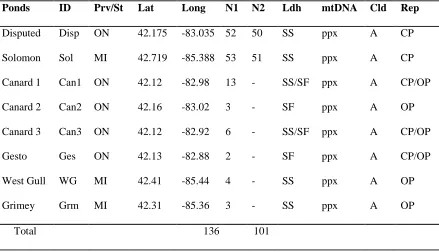
Table 2.1A Habitat location and sampling size for pond Daphnia pulex populations.
Habitat locations, mitochondrial and nuclear profiling for the study of 271 Daphnia
isolates with ID, location code, N1, number of individuals analyzed using mitochondrial
marker ; N2, number of individuals analyzed using 21 microsatellite markers and
mitochondrial marker; Ldh, nuclear lactate dehydrogenase A profiling, SS- homozygous
slow, FF- homozygous fast, SF-heterozygous; mtDNA, mitochondrial profiling, ppx,
panarctic Daphnia pulex, wpc, western Daphnia pulicaria,; Cld, indicates which Daphnia
pulex clade the individuals belong to in phylogenetic analysis based on mtDNA (figure
2.2); Rep, reproduction mode, CP-cyclical parthenogenesis, OP-obligate parthenogenesis;
Prov/St, province or state of habitat, MI-Michigan, ON-Ontario………...39
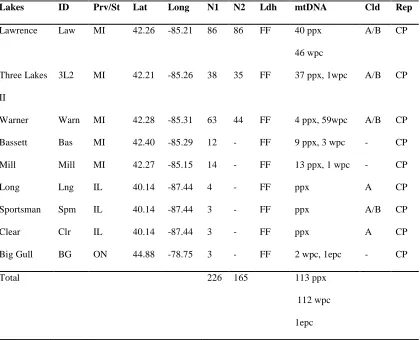
Table 2.1B Habitat location and sampling size for lake Daphnia pulicaria populations
with ID, location code, N1, number of individuals analyzed using mitochondrial marker
only; N2, number of individuals analyzed using 21 microsatellite markers and
mitochondrial marker; Ldh, nuclear lactate dehydrogenase A profiling, FF- homozygous
fast; mtDNA, mitochondrial profiling ppx, panarctic Daphnia pulex, wpc, western
Daphnia pulicaria, epc, eastern Daphnia pulicaria,; Cld, indicates which Daphnia pulex
clade the individuals belong to in the phylogenetic tree based on mtDNA (figure 2.2);
Rep, reproduction mode, CP-cyclical parthenogenesis, OP-obligate parthenogenesis;
Prov/St, province or state of habitat, MI-Michigan, ON-Ontario, IL-Illinois……..…….40
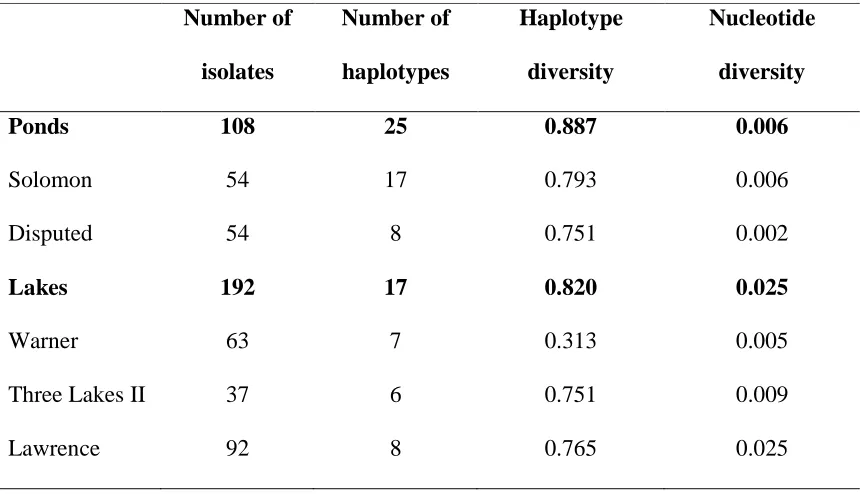
Table 2.2 Genetic diversity indexes for 2 pond and 3 lake populations based on a 687 bp
sequence of the mitochondrial NADH dehydrogenase 5 gene...41
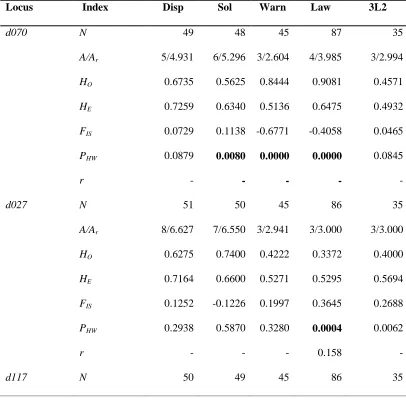
Table 2.3 Genetic diversity at 21 microsatellite loci for 6 populations of Daphnia pulex
and Daphnia pulicaria. N, sample size; A, number of alleles; Ar, allele richness; HO,
observed heterozygosity; HE, expected heterozygosity; FIS, inbreeding coefficient; PHW,
exact P-value for Hardy-Weinberg equilibrium test; r, frequency of null allele,“-“
sequential Bonferroni correction. Abbreviations for the different populations are given in
tables 2.1A, 2.1B………42
Table 2.4 Pairwise FST estimates between five populations of Daphnia pulex and Daphnia pulicaria based on 21 microsatellite loci. All FST values are significantly
different from 0 (P<0.05). Abbreviations for the different populations are given in tables
2.1A, 2.1B...49
Table 2.5 Migration rates (Nm, number of migrants per generation) between lake and
pond populations. Results are averaged over 21 microsatellite loci. Source populations
are listed by column, recipient populations listed by row. Abbreviations for the different
populations are given in tables 2.1A, 2.1B………50
Table 2.6 Linkage disequilibrium between all pairs of loci in each population of Daphnia
pulex and Daphnia pulicaria. Abbreviations for the different populations are given in
tables 2.1A, 2.1B, with Law, all individuals from Lawrence Lake; Law1, Lawrence lake
individuals with Daphnia pulicaria mitochondrial DNA; Law2, Lawrence lake
individuals with Daphnia pulex mitochondria DNA. Values are P-values and those in
bold are significant after Bonferroni correction……….51
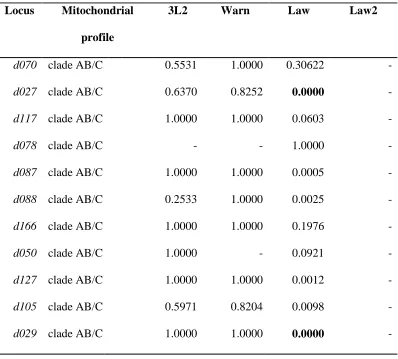
Table 2.7 Linkage disequilibrium between 21 microsatellite loci and mitochondrial
profiles of Daphnia pulex and Daphnia pulicaria. Abbreviations for the different
populations are given in table 2.1, with Law, all individuals from Lawrence Lake; Law2,
Lawrence lake individuals with Daphnia pulex mitochondria DNA; mtDNA, indicates
LD between a given microsatellite locus and an association with any mitochondrial
profile (either panarctic D. pulex clade or western D. pulicaria clade); clade A/B,
indicates any LD between a microsatellite locus and either clade A or clade B (figure
LIST OF FIGURES
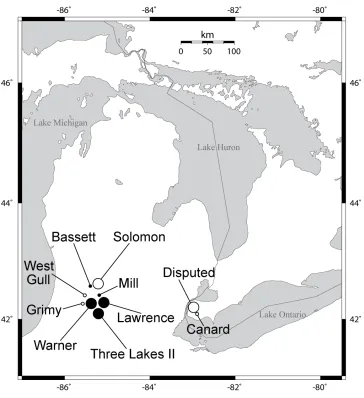
Figure 2.1 Distribution of collection sites in Michigan and Ontario. Lake habitats are
denoted by black circles and pond habitats are denoted by white circles. The smaller
circles represent habitats from which a low number of individuals were collected (3-14
individuals from each site) and only screened with the mitochondrial NADH
dehydrogenase 5 gene and Lactate dehydrogenase markers. Larger circles indicate
populations that have been sampled intensely (>35 individuals from each site) and were
screened with microsatellite, LDH, and mitochondrial markers...64
Figure 2.2 A Neighbor-joining (NJ) phylogeny of the mitochondrially encoded NADH
dehydrogenase 5 gene (ND5) of Daphnia pulex and Daphnia pulicaria from Illinois,
Michigan, and Ontario. The label code of each haplotype identifies the haplotype
number, it’s location (see table 2.1), followed by lactate dehydrogenase A profile (FF-
homozygous fast, SS-homozygous slow, SF-heterozygous slow/fast) and habitat (lake
denoted by black circles, ponds denoted by white circles), * indicates populations
reproducing by obligate parthenogenesis, all other populations reproduce by cyclical
parthenogenesis. Numbers before and after dashes beside nodes represent bootstrap
support with 1000 replicates and posterior probabilities, respectively. The tree was rooted
with European D. pulex (GenBank accession number DQ235231). Only values > 50% are
shown. The small panel on the left represents a NJ ND5 phylogeny of the D. pulex
complex (Colbourne et al. 1998), branches in bold correspond to the two major clades in
the phylogenetic reconstruction of this study...65
Figure 2.3 Unrooted statistical parsimony network of mitochondrial ND5 haplotypes of
363 Daphnia pulex and Daphnia pulicaria isolates from Illinois, Michigan, and Ontario.
The network was estimated under the 95% statistical limits of parsimony using the
algorithm of Templeton et al.(1992). Numbered circles represent the label code of each
haplotype. The area of the haplotype circles is scaled to represent the relative frequency
of that haplotype. The outline of each circle identifies the specific habitat(s) from which
each haplotype was collected. Lake populations are shaded in grey, pond populations are
circles on the branches represent a single nucleotide difference between haplotypes and
are hypothetical haplotypes. Only Haplotype 2 is found in both lakes and ponds. The box
corresponds to clade B in figure 2.2………..67
Figure 2.4 Unrooted neighbour-joining phylogram based on genetic distances at 21
microsatellite loci in 101 Daphnia pulex and 165 Daphnia pulicaria from Michigan and
Ontario. The two distinct, monophyletic groups correspond to pond and lake habitats.
Different symbols identify specific habitats. Solid lines identify lineages that share D.
pulex mitochondria while dashed lines identify D. pulicaria mitochondria…………..…68
Figure 2.5 Number of alleles at 21 microsatellite loci in 101 Daphnia pulex collected
from Solomon and Disputed ponds and 215 Daphnia pulicaria isolates sampled from
Warner, Lawrence, and Three Lakes II……….69
Figure 2.6 Results of a Bayesian STRUCTURE analysis of variation at 21 microsatellite
loci. A) Genotypes of Daphnia pulex (101) and Daphnia pulicaria (165) from 5 habitats
with best support for K = 2. B) Genotypes of Daphnia pulicaria (165) from 3 habitats
with best support for K = 2. Each individual’s multilocus genotype is represented by a
thin vertical line, which is partitioned into K shaded segments that represent the
individual’s probability of belonging to each of the genetic clusters. Black lines separate
different populations, which are labeled below the figure. Five STRUCTURE runs at
each K-value produced nearly identical individual membership coefficients. The figures
show the highest probability runs………..70
Figure 2.7 Genetic structure of Daphnia represented by a principle component analysis
of variation at 21 microsatellite loci. A) 101 genotypes of Daphnia pulex and 165
genotypes of Daphnia pulicaria from 2 ponds and 3 lakes. B) 165 genotypes of Daphnia
pulicaria from lakes, with Lawrence lake divided into Law1, Daphnia pulicaria
mitochondrial profile and Law2, Daphnia pulex mitochondrial profile. Different symbols
CHAPTER I
INTRODUCTION
Ecological speciation with gene flow
Ecological processes are central to the formation of new species when barriers to gene
flow evolve between populations as a result of ecologically-based divergent selection
(Schluter and Conte 2009; Rundle and Nosil 2005) such as in a habitat transition event.
Habitat isolation is usually based on the inability of a species to use another species’
environment, and rests on genetically based differences in fitness associated with habitat
use (Coyne and Orr 2004). The process of populations becoming differentially adapted to
occupy distinct habitats or utilize different resources while reproductive isolation
develops incidentally is called by-product speciation (Rice 1987; Rice and Hostert 1993;
Rundle and Whitlock 2001). Several laboratory experiments have simulated by-product
speciation using Drosophila (Kilias et al. 1980; Dodd 1989; Rice and Salt 1990) and the
yeast Saccharomyces cerevisiae (Dettman et al. 2007). However, examples of speciation
by habitat isolation from nature are rare (Schluter 2002), mainly because it is difficult to
assess if habitat separation is the main mechanism that reduces gene flow during the
incipient stage of speciation (Coyne and Orr 2004). However, a few cases of ecological
speciation have been explored in which ecological factors were the main driving force of
speciation. For example, the freshwater amphipod, Hyalella azteca exhibits substantial
adaptive, genetically based phenotypic variation among populations that occupy distinct
habitat types and likely experienced recent ecological speciation (McPeek and Wellborn
1998). Lakes with fish contain a small-bodied form of the amphipod, and fishless ponds
three-spined stickleback fish, Gasterosteus aculeatus, evolved independently across multiple
lake-stream habitat transitions that usually coincide with limnetic-benthic ecotones
(Berner et al. 2009). These ecological populations have diverged with gene flow within a
few thousand generations and make a case for ecological speciation in a parapatric
context.
Speciation in the face of gene flow is generally thought to be difficult, because gene flow
constrains population differentiation and prevents the evolution of strong reproductive
isolation (Mayr 1963; Coyne and Orr 2004). However, recent studies show that strong
natural selection may promote local adaptation and ecological speciation, even in the face
of extensive gene flow. Niemiller et al. (2008) present phylogenetic evidence from
nuclear and mitochondrial genealogies suggesting that the Tennessee cave salamander
(Gyrinophilus palleucus) originated from its sister species, the surface-dwelling spring
salamander (Gyrinophilus porphyriticus) via divergence with gene flow. In the sympatric
host races of the larch budmoth, Zeirphera diniana, evidence from RFLP markers show
that strong divergent selection acts on a few linkage groups, while the selectively neutral
part of the genome is subjected to homogenizing gene flow between races (Emelianov et
al. 2004). The two forms are considered host races rather than full species because of the
potential for hybridization, but sympatric differentiation is maintained by selection. In
another study of the African malaria mosquito, Anopheles gambiae, which is divided into
two sympatric, partially isolated subtaxa, the M and S form, a genome scan revealed that
differentiation between the two forms is only present in three small regions of the
responsible for the ecological and behavioral isolation between the M and S form of the
mosquito.
In ecological speciation with gene flow, divergence can occur in some genes even if there
is significant exchange of other regions (Hey 2006; Via 2009). A simple model by Hey
(2006) proposes that hybrids carry a full set of genes from each population, but backcross
hybrids do not, and so it is possible for some genes to pass between populations if
backcross hybrids vary in their fitness depending on which genes they carry. An
extension of this idea is the “transporter” hypothesis (Schluter and Conte 2009) which
proposes that in the early stages of divergence, standing variation of one population is
maintained by recurrent gene flow from another population. A slightly different model is
proposed by Via (2009), where she describes the genome of sister species in early
speciation as having a mosaic nature, where ecologically important genomic regions
resist gene exchange, while gene flow continues over most of the genome. Evidence for
gene flow may be revealed by discordance between different gene genealogies often
caused by hybridization (Wang et al. 1997; Dopman et al. 2005; Bull et al. 2006; Putman
et al. 2007; Chen et al. 2009), and suggests a history of divergence with gene flow.
Despite the above mentioned studies, demonstrating divergence with gene flow remains
somewhat difficult because weak genetic differentiation between taxa could be due to
recent divergence, gene flow, or a combination of both (Nosil 2008). Our understanding
of the genetics of ecological speciation is very limited (Rundle and Nosil 2005; Schluter
2009) and future work on the ecological and genetic factors reducing gene flow can help
flow (Nosil 2008). To accomplish this, new model systems are needed to better
understand the evolutionary forces driving speciation with gene flow, such as during
habitat transition.
Studying the concept of speciation is best achieved through comparative studies of
evolutionary young lineages where the process of strengthening reproductive isolation is
still active (Bernatchez 2004; Via 2009). Daphnia (Crustacea: Branchipoda) has been
used as a model organism in many diverse areas of biology (Peters and de Bernandi
1987) and its wide geographic distribution across many aquatic environments, easy
cultivation under controlled conditions, as well as the availability of many genomic
resources, makes it also an ideal study system for studies of speciation. In this study, I am
using two ecological sister species (Daphnia pulex and Daphnia pulicaria) which are part
of the Daphnia pulex species complex to study speciation with gene flow during habitat
transition between lakes and ponds. By conducting both a phylogenetic and population
genetics study and using a variety of different genomic markers, I evaluate contemporary
and historical patterns of gene flow between and among the two ecological sister species.
I also examine the population structure and the colonization history of these species.
Ultimately, this study introduces Daphnia as a model system for the study of speciation
with gene flow during habitat transition and reveals interesting findings about speciation
REFERENCES
Bernatchez L. 2004. Ecological theory of adaptive radiation: an empirical assessment
from coregonine fishes (Salmoniformes). In Evolution illuminated: salmon and
their relatives, A.P. Hendry and S.C. Stearns, editors. Oxford University Press,
Toronto, pp. 175-207.
Berner D., A. Grandchamp, and A.P. Hendry. 2009. Variable progress toward ecological
speciation in parapatry: Stickleback across eight lake-stream transitions.
Evolution 63: 1740-1753.
Bull V., M. Beltrán, C.D. Jiggins, W.O. McMillan, E. Bermingham, and J. Mallet. 2006.
Polyphyly and gene flow between non-sibling Heliconius species. BMC Biology
4:11.
Chen W., K. Bi, and J. Fu. 2009. Frequent mitochondrial gene introgression among high
elevation Tibetan megophryid frogs revealed by conflicting gene genealogies.
Molecular Ecology 18: 2856-2876.
Coyne J.A. and H.A. Orr. 2004. Speciation. Sinauer Associates, MA, U.S.A.
Dettman J.R., C. Sirjusingh, L.M. Kohn, and J.B. Anderson. 2007. Incipient speciation by
divergent adaptation and antagonistic epistasis in yeast. Nature 447: 585-588.
Dodd D.M. 1989. Reproductive isolation as a consequence of adaptive divergence in
Dopman E.B., L. Pérez, S.M. Bogdanowicz, and R.G. Harrison. 2005. Consequences of
reproductive barriers from genealogical discordance in the European corn borer.
Proceeds of the National Academy of Science 102: 14706-14711.
Emelianov I., F. Marec, and J. Mallet. 2004. Genomic evidence for divergence with gene
flow in host races of the larch budmoth. Proceeds of the Royal Society of London
271: 97-105.
Hey J. 2006. Recent advances in assessing gene flow between diverging populations and
species. Current Opinion in Genetics & Development 16: 592-596.
Kilias G., S.N. Alahiotis, and M. Pelecanos. 1980. A multifactorial genetic investigation
of speciation theory using Drosophila melanogaster. Evolution 34: 730-737.
Lynch M. 1985. Speciation in the Cladocera. Vert. Internat. Verein Limnol. 22:
3116-3123
Mayr E. 1963. Animal species and Evolution. Harvard University Press, Cambridge,
Massachusetts.
Mcpeek M.A. and G.A. Wellborn. 1998. Genetic variation and reproductive isolation
among phenotypically divergent amphipod populations. Limnology and
Oceanography 43:1162-1169.
Niemiller M.L., B.M. Fitzpatrick, and B.T. Miller. 2008. Recent divergence with gene
flow in Tennessee cave salamanders (Plethodontidae: Gyrinophilus) inferred from
Nosil P. 2008. Speciation with gene flow could be common. Molecular Ecology 17:
2103-2106.
Omilian A.R. and M. Lynch. 2009. Patterns of interspecific DNA variation in the
Daphnia nuclear genome. Genetics 182: 325-336.
Peters R.H. and R. de Bernandi. 1990. Memorie dell’Istituto Italiano di Idrobiologia,
Vol. 45: Daphnia. Verbania Palaza, Palanza, Italy.
Putman A.S., J.M. Scriber, and P. Andolfatto. 2007. Discordant divergence times among
Z-chromosome regions between two ecologically distinct swallowtail butterfly
species. Evolution 61: 912-927.
Rice W.R. 1987. Speciation via habitat specialization: the evolution of reproductive
isolation as a correlated character. Evolutionary Ecology 1: 301-314.
Rice W.R. and E.E. Hostert. 1993. Laboratory experiments on speciation: what have we
learned in 40 years? Evolution 47: 1637-1653.
Rice W.R. and G. Salt. 1990. The evolution of reproductive isolation as a correlated
character under sympatric conditions: experimental evidence. Evolution 44:
1140-1152.
Rundle H.D. and P. Nosil. 2005. Ecological speciation. Ecology Letters 8: 336–352.
Rundle H.D. and M.C. Whitlock. 2001. A genetic interpretation of ecologically
Schluter D. 2002. The ecology of adaptive radiation. Oxford University Press, Oxford,
U.S.A.
Schluter D. 2009. Evidence for ecological speciation and its alternative. Science 323:
737-741.
Schluter D. and G. Conte. 2009. Genetics and ecological speciation. Proceeds of the
National Academy of Science 106: 9955-9962.
Turner T.L., M.W. Hahn, and S.V. Nuzhdin. 2005. Genomic islands of speciation in
Anapheles gambiae. Public Library of Science Biology 3:e285
Via S. 2009. Natural selection in action during speciation. Proceeds of the National
Academy of Science 106: 9939-9946.
Wang R.L., J. Wakeley, and J. Hey. 1997. Gene flow and natural selection in the origin
of Drosophila pseudoobscura and close relatives. Genetics 147: 1091-1106.
Wellborn G.A. 1994. Size-based predation and prey life histories: A comprehensive study
CHAPTER II
SPECIATION WITH GENE FLOW IN DAPHNIA PULEX AND DAPHNIA
PULICARIA*
INTRODUCTION
Speciation in Daphnia
The relative contribution of geography and ecology to the diversification of freshwater
organisms is little understood. While allopatric isolation is considered the main
mechanism of speciation in zooplankton species such as Daphnia (Adamowicz et al.
2009), colonization of new aquatic habitats has been also proposed to initiate many
speciation events in cladocerans (Lynch 1985). The genus Daphnia (Cladocera) is a
group of widespread freshwater crustaceans which includes about 200 species (Colbourne
et al. 1997), of which 34 species inhabit North America (Hebert 1995). It is believed that
this genus originated over 200 million years ago, during the Mesozoic (Colbourne and
Hebert 1996), and fossil records from Australia confirm that the genus has been in
existence for at least 70 million years and closely related genera have existed for at least
120 million years (Fryer 1991). The genus includes 3 subgenera (Daphnia,
Hyalodaphnia, and Ctenodahnia) comprised of about 15 species complexes (Colbourne
and Hebert 1996) that possess strong dispersal abilities due to their diapausing eggs being
encased in a modification of the female’s carapace known as an ephippium, typical of
Anomopoda zooplankton.
Attempts to understand taxonomic relationships within the genus Daphnia have been
limited by the constrained morphological diversity and dramatic phenotypic plasticity of
this group (Hebert 1978; Dodson 1989; Lampert 1994; Ghadouani and Pinel-Alloul
2002), the occurrence of interspecific hybrids (Taylor and Hebert 1992; Hebert and
Finston 1996; Spaak 1997; Weider et al. 1999), the total suppression of sexual
reproduction in some groups (Crease et al. 1989; Crease and Lynch 1991; Hebert et al.
1993), and the occurrence of polyploidy (Dufresne and Hebert 1994; Adamowicz et sl.
2002; Mergeay et al. 2008; Vergilino et al. 2009). All these factors make the
establishment of species boundaries difficult. Allozyme analyses have traditionally been
used to distinguish between species in the Daphnia pulex complex (Hebert 1987) and
more recently, sequence analysis provided more insight into the evolutionary history of
this group (e.g. Colbourne and Hebert 1996; Adamowicz et al. 2009). Lynch (1985) was
the first to propose an explicit mechanism of speciation for cladocerans where he argues
for a combined role of founder effect and adaptive divergence in Daphnia speciation.
According to his model, speciation via the founder effect is much more likely to occur if
it is accompanied by a shift in environment since this can facilitate the development of
reproductive isolation through different selective pressures in different habitats. De
Meester et al. (2002) extended this idea and argued that once a population is locally
adapted, a strong colonization “priority effect” reduces much of the gene flow between
differently adapted aquatic habitats. This priority effect is achieved by founder events,
rapid population growth and local adaptation upon colonization, resource
persistence of newly invading genotypes and results in high genetic subdivision and
speciation.
Daphnia pulex and Daphnia pulicaria
It has been suggested that habitat transitions followed by local adaptation played an
important role in the evolution of the Daphnia pulex species complex (Lynch et al. 1999;
Pfrender et al. 2000), which includes several ecological species inhabiting a variety of
different freshwater habitats (Adamowicz et al. 2009). Some of the species in this
complex include: Daphnia middendorffiana which is an arctic lake species (Hobaek and
Weider 1999), Daphnia tenebrosa which inhabits both ponds and lakes in the Arctic
(Edmondson 1955), Daphnia melanica that is found in sand dune ponds (Hebert 1995),
Daphnia pulex which is a temperate pond species, and Daphnia pulicaria which is one of
the most widely distributed North American lake species (Hebert 1995). The two sister
species, Daphnia pulex and Daphnia pulicaria, are estimated to have diverged ~82,000
years ago but still experience significant levels of gene flow (Omilian and Lynch 2009).
Hybrids of the two species can be successfully produced in laboratory settings (Heier and
Dudycha 2009), and can be found in nature in disturbed, deforested ponds, and generally
reproduce by obligate parthenogenesis (Hebert and Crease 1983). The opportunity for
gene flow between lake and pond populations is high because Daphnia can easily
disperse across wide distances (Cohen and Shurin 2003) when its long term dormant
eggs, that are enclosed with an ephippial case, are transported by wind, rain (Cáceres and
disperse between water bodies, genetic data indicates low levels of achieved gene flow
between lake and pond populations (Pfrender et al. 2000).
It has been proposed that barriers to gene flow between lake and pond Daphnia are likely
ecologically based (Lynch 1985; Heier and Dudycha 2009) and divergent selection
between D. pulex and D. pulicaria populations should be substantial. Several studies
have found that lakes and ponds have different physical and biotic conditions (Wellborn
et al. 1996), and that Daphnia in these habitats differs significantly in its life history traits
(Dudych and Tessier 1999; Dudycha 2003; Dudycha 2004). Daphnia pulex is present in
shallow, fishless, temporary ponds for a short period of time in the spring, while D.
pulicaria populations can persist in stratified lakes year-round (Cáceres and Tessier
2004). In lakes, Daphnia populations feed on phytoplankton and are usually exposed to
predation by fish, while in temporal ponds, they also feed on detritus, experience mainly
invertebrate predation and experience, anoxia, and complete freezing (Colbourne et al.
1997). In the presence of fish, D. pulicaria inhabits the cold hypolimnetic region to avoid
fish predation and competition from other Daphnia species (Wright and Shapiro 1990),
while in the absence of fish, D. pulicaria largely feeds in the epilimnetic waters (Werner
et al. 1977) and has been observed to be up to 3 times more abundant (Leibold 1991).
Additionally, sediment egg banks contain a larger volume of resting eggs in lakes than in
ponds (Cáceres and Tessier 2004), and this is likely caused by a lower hatching rate in
the lakes due to differences in environmental cues between lake and pond habitats
(Cáceres and Tessier 2003). Pond Daphnia grow faster and have shorter life spans
(Dudych and Tessier 1999; Dudycha 2003; Dudycha 2004), experience greater changes
2004). All these differences between pond D. pulex and lake D. pulicaria indicate that the
two species have diverged ecologically and make for a good study system of ecological
speciation with gene flow involving habitat transition between lakes and ponds.
Divergence and speciation between Daphnia pulex and Daphnia pulicaria
Models for gene exchange between the ecologically distinct Daphnia pulex and Daphnia
pulicaria have previously been proposed. Pfrender and colleagues (2000) suggest that in
Oregon, permanent lake populations periodically colonize temporary ponds following
floods and must then quickly adapt to an ephemeral habitat (Pfrender et al. 2000).
Despite this long-term gene flow, D. pulex and D. pulicaria in Oregon form
monophyletic clades (based on 10 allozyme and 6 microsatellite loci, Morgan et al.
2001). However, an allozyme screen has been used in the past as a diagnostic marker to
distinguish between pond D. pulex and lake D. pulicaria (Hebert et al. 1989; Hebert et al.
1993), where pond individuals are usually homozygous for the “slow” (S) allele and lake
individuals are homozygous for the “fast” (F) allele. Additionally, a recent study of
variation at six nuclear protein-coding loci indicates that Daphnia pulex and Daphnia
pulicaria form distinct genetic clusters and are also monophyletic with respect to their
closest relative, D. arenata (Omilian and Lynch 2009). The study also reports high levels
of gene flow between D. pulex and D. pulicaria. However, based on mitochondrial data,
as much as 19% sequence divergence separates the different lineages found within this
complex (Colbourne et al. 1998). North American D. pulex and D. pulicaria belong to the
same major clade within this complex, with North American D. pulicaria consisting of
Since D. pulex and D. pulicaria are not completely reproductively isolated but clearly
occupy different habitats, there is a need to study the extent of genetic mixing, both
between and among habitats, to better understand the colonization and evolutionary
history of Daphnia. For this study, I most often use Van Valen’s (1976) ecological
species concept that defines a species as a lineage which occupies an adaptive zone
minimally different from that of any other lineage in its range and which evolves
separately from all lineages outside its range. Using the mitochondrial ND5 gene, the
nuclear Ldh-A gene, and 21 microsatellite markers, I explore the evolutionary
consequences of habitat transition events in the Daphnia pulex complex. I present a
phylogenetic and population genetics study using 363 Daphnia isolates collected from
natural ponds and lakes in Southern Ontario and Michigan. Specifically, I evaluate the
extent of gene flow between lake and pond D. pulicaria and D. pulex populations in
Southern Michigan and Ontario, examine the population structure and explore the history
MATERIALS AND METHODS
Sample collection
Lake samples were collected by towing a plankton net vertically through the deepest part
of each lake, while pond samples were taken with a dip net from shore. After collection,
single individual female Daphnia were placed in separate 250 ml beakers and allowed to
reproduce parthenogenetically to establish clonal lines, hereafter referred to as isolates.
The isolates were maintained in filtered river water at 15 - 18°C with a 12-h light, 12-h
dark photoperiod and fed every 3-4 days with a combination of the microalgae species
Nannochloropsis and Tetraselmis (Reed Mariculture) diluted in ddH2O. After several
weeks, 6-10 clonal individuals were collected from each beaker and immediately stored
at -20°C.
D. pulex and D. pulicaria were collected from a total of 15 habitats (9 lakes and 8 ponds)
across Michigan, Illinois, and Ontario (figure 2.1). The mitochondrial ND5 gene was
used to conduct a phylogenetic study on a large number of isolates (363) with low
sampling (3-14 individuals) per habitat (tables 2.1A, 2.1B). In contrast, the population
genetic survey was based on a focal geographic area (southwestern Ontario and
Michigan) and on an intensive sampling of 3 lakes (165 isolates) and 2 ponds (101
isolates) with 35-86 isolates per habitat. The 165 lake D. pulicaria isolates were collected
in July 2008 and May 2009 from three permanent lakes; Lawrence and Warner Lakes in
Barry County and Three Lakes II in Kalamazoo County all located in southwestern
Michigan, USA (figure 2.1, table 2.1B). All three lakes are hard water lakes with small
1991), and have similar zooplankton communities dominated by D. pulicaria and D.
galeata mendotae (Haney and Hall 1975; Leibold and Tessier 1991). Warner Lake also
contains D. retrocurva (Leibold and Tessier 1991). The 101 D. pulex isolates were
collected from two temporary ponds, Disputed and Solomon, located in Southern Ontario
and Michigan, respectively, in the spring and early summer of 2007 2008, and 2009
(table 2.1A).
Sexuality tests
During optimal conditions, cyclically parthenogenetic (CP) females produce diploid eggs
by apomixis which develop into genetically identical daughters. Certain environmental
cues, such as warm temperatures and crowding can induce the production of males and
haploid diapausing eggs, which need to be fertilized (Hebert and Crease 1983). Some
populations reproduce by obligate parthenogenesis (OP), in which case the diapausing
eggs are also produced by apomixis and do not require fertilization. Unlike the apomictic
eggs, which develop directly into juveniles in the female’s brood pouch, the diapausing
eggs are expelled into an ephippium, where they can remain dormant for days or decades
(Heier and Dudycha 2009). D. pulicaria shows large between-population variation in the
magnitude of investment in dormancy or sex (Cáceres and Tessier 2004), while D. pulex
is more consistent and produces dormant eggs every year before its temporary habitat
dries up.
Since D. pulex is known to consist of cyclically parthenogenetic (CP) populations,
obligately parthenogenetic (OP) populations, as well as populations with mixed
conducted on all pond isolates to determine their reproductive strategy. Single females
were isolated and their mode of reproduction was determined using the method of Innes
et al. (1986). Since lake populations were previously reported to be reproducing solely by
CP (Tessier and Leibold 1997), sexuality tests were performed on a subset of 10 isolates
from each lake to confirm that their mode of reproduction was indeed CP.
Mitochondrial DNA amplification
DNA was extracted from isolate cultures using the CTAB protocol described by Doyle
and Doyle (1987) and the final yield of DNA was resuspended in 100 µl of H2O. An 897
bp fragment of the NADH dehydrogenase 5 (ND5) gene was amplified using the forward
primer: 5’GGGGTGTATCTATTAATTCG 3' and reverse primer:
5’ATAAAACTCCAATCAACCTTG 3' (Colbourne et al. 1998). PCR was carried out in
a 25 µl volume consisting of 1.5 µl DNA template, 1X PCR buffer with 0.25 mM of
MgCl2, 2.5 units of Taq polymerase, 0.1 µ M of dNTP, and 0.08 mM of each of the
forward and reverse primers. The thermal cycle program included an initial denaturation
step of 3 min at 95°C followed by 5 cycles of 35 s denaturation at 94°C, 35 s annealing at
54°C, 40 s extension at 72°C followed by 30 cycles of 35 s at 94°C, 35 s at 50°C, and 40
s at 72°C, with a final extension at 72°C for 4 min. PCR products were verified on a 1%
agarose gel and sequenced with the forward primer using BigDye terminator sequencing
chemistry. The reactions were resolved on an ABI 3130XL genetic analyzer (Applied
Biosystems). Sequences were inspected and aligned using CODONCODE ALIGNER 2.0
Nuclear Lactate dehydrogenase survey
Previous surveys of allozyme variation (Hebert et al. 1989; Hebert et al. 1993) have
shown that lake populations are generally fixed for an electrophoretically “fast” (F) allele
at the Lactate dehydrogenase A locus (Cristescu et al. 2008). Pond populations are either
fixed for a “slow” (S) allele or are SF heterozygotes. SF heterozygotes have been
reported to reproduce by OP (Innes et al. 1986) and been consideredF1-generation
hybrids of D. pulex and D. pulicaria (Hebert et al. 1993; Hebert and Finston 2001).
Allele specific primers (Crease et al. 2010) were used to determine the Ldh-A genotype
of each isolate (table AA). Primers that amplify the F allele are LdhAF-F;
5’GAGCGATTTAACGTTGCGCCT’ and LdhAF-R:
5’GGACGACTTGTGTGTGAATTTC. Primers that amplify the S allele are LdhAS-F;
5’GAGCGATTTAACGTTGCGCCC3’ and LdhAS-R:
5’GGACGACTTGTGTGTGAATTTG3’. Each isolate was tested with both sets of
primers. PCR reactions and cycling conditions were the same as those used for ND5
amplification. Alleles were resolved on a 1.5% agarose gel. To confirm the results,
fifteen individuals were additionally analyzed using the traditional method of allozyme
electrophoresis (Hebert and Beaton 1989).
Microsatellite survey
Twenty one unlinked and previously mapped microsatellite markers were chosen from
different linkage groups of the D. pulex linkage map (Cristescu et al. 2006) and were
used to genotype 266 isolates from three lake and two pond populations. The forward,
according to the method described by Schuelke (2000). The PCR was performed in 12 µl
reactions with 0.98 µl DNA template, 1X PCR buffer with 25 nmol of MgCl2, 0.5 units
of Taq polymerase, 2.5 nmol of dNTP, 1 pmol of forward primer, 2 pmol of reverse
primer, and 2 pmol of a universal fluorescently-labeled M13(-21) primer (NED, PET,
FAM, VIC). A touchdown PCR was used to reduce nonspecific amplification. Thermal
cycle programs include an initial denaturation step of 3 min at 95°C followed by 10
cycles of 35 s denaturation at 94°C, 35 s at 60°C with the annealing temperature
decreased by 1°C every cycle during each of the 9 following cycles, 45 s extension at
72°C followed by 30 cycles of 35 s at 94°C, 35 s at 53°C, and 45 s at 72°C, with a final
extension at 72°C for 10 min. Reactions were denatured for 5 min at 90°C, quickly
cooled on ice and resolved on an ABI 3130 XL automated sequencer with GeneScanTM
-500 LIZTM internal size standard. Genotypes were scored using GENEMAPPER v4.0
(Applied Biosystems) and verified manually by eye.
Phylogenetic analyses
Unique mitochondrial ND5 haplotypes were identified using DnaSP v.5.0 (Librado and
Rozas 2009). Genetic diversity for mtDNA was characterized by the standard indices of
haplotype diversity and nucleotide diversity using DNASP v 5.00.07 (Rozas et al. 2003).
Phylogenetic analyses were performed using neighbor-joining (NJ) and Bayesian
inference (BI) methods. Based on the phylogeny of the D. pulex complex constructed by
Adamowicz et al. (2009), European Daphnia pulex (GenBank accession number
DQ235231) was chosen as an outgroup. MODELTEST 3.7 (Posada and Crandall 1998)
Neighbor-joining phylogenetic analysis was conducted in MEGA 4.0 (Tamura et al. 2007) based on
nucleotide distances corrected using the Tamura–Nei model (Tamura & Nei 1993) with a
gamma rate distribution (0.3241). Confidence level for the topology of the tree was
estimated using bootstrap analyses with 1000 replicates. Bayesian phylogenetic analyses
were performed in MrBayes 3.1.2 (Ronquist & Huelsenbeck 2003). All searches used
random starting trees and employed four independent runs. Trees were sampled every
100 generations for 6 million generations and the first 25% of all the trees were discarded
as burn-in. The 50% majority rule consensus tree was generated from the remaining trees
and the posterior probability of each node was calculated as the percentage of trees
recovering any particular node.
Since I was interested at looking at the close relationship of mitochondrial haplotypes
between pond and lake individuals, a network was generated using all ND5 haplotypes
from the panarctic Daphnia pulex clade and MI lake Daphnia pulicaria clade and
excluding the western Daphnia pulicaria clade using TCS 1.0 (Clement et al. 2000). The
program estimates genealogical relationships among sequences at the population level
using the 95% statistical parsimony algorithm (Templeton et al. 1992).
A NJ phylogeny was constructed based on microsatellites by calculating the commonly
used Nei’s standard genetic distance Dm (1972) between genotypes of all pairs of
Population genetics analyses
Allelic richness (Ar) at microsatellite loci was measured in each of the three lake and two
pond populations as the number of alleles independent of sample size using FSTAT v.
2.9.3.2 (Goudet 2001). Weir and Cockerham’s (1984) inbreeding coefficient (FIS )was
calculated for each population and linkage disequilibrium (LD) was measured between
all pairs of loci in each population using GENEPOP online v.4.0.10 (Raymond and
Rousset 1995). Alleles with a frequency of less than 10% were removed from linkage
disequilibrium analysis because the rare alleles often give false positives.
A probability test with Markov chain (1000 dememorization steps, 100 batches, and 1000
iterations per batch) was conducted to determine the likelihood of two pairs of loci being
in linkage disequilibrium. Significance levels were determined after Bonferonni
correction of P-values (P<0.00048).
Observed heterozygosity (HO) and unbiased estimates of expected heterozygosity from
Hardy-Weinberg assumptions (HE) as well as P-values for tests of Hardy-Weinberg
equilibrium (HWE)were calculated using ARLEQUIN version 3.1 (Excoffier et al.
2005). Tests for deviations from HWE used Markov chain (1000 dememorization steps,
100 batches, 1000 iterations per batch) and sequential Bonferonni correction was applied
to determine significant P-values. The presence of null alleles was tested with the
software MICRO-CHECKER version 2.2.0 (van Oosterhout et al. 2004).
Repeated multilocus genotypes were detected using GENALEX v. 6 (Peakall and
Smouse 2006). Repeated genotypes were removed from the dataset for all subsequent
(Sunnucks et al. 1997). Microsatellite data analysis was performed with one
representative of each genotype (i.e. clonal copies removed).
Pairwise estimates of the fixation index, FST from Weir and Cockerham (1984) were
calculated as a measure of genetic differentiation among populations and tested for a
significant departure from zero using permutation procedures in ARLEQUIN ver. 3.0
(Excoffier et al. 2005). To examine fine-scale genetic patterns between lakes and ponds
and among the three lake populations, I used GENALEX v.6 (Peakall and Smouse 2006)
to construct a Principal Coordinates Analysis (PCA) to explore multivariate patterns of
molecular diversity relative to populations.
To further determine if there was genetic structure between ponds and lakes and among
the lakes, a Bayesian inference of population structure was conducted using
STRUCTURE v. 2.3.1 (Pritchard et al. 2000; Falush et al. 2003). This program uses
multilocus genotypic data to define a set of populations with distinct allele frequencies,
hereafter referred to as clusters, and assign individuals probabilistically to these defined
clusters without prior knowledge of sampling location. Two separate analyses were
conducted, the first included 2 ponds and 3 lakes and the second included only the 3
lakes. For the lake and pond analysis I assessed likelihoods for models with the number
of clusters (K) ranging from K = 1 to K = 5 (total number of populations) and for lakes K
ranged from K = 1 to K = 3. For each value of K, I carried out 5 independent Markov
Chain Monte Carlo (MCMC) runs with 100,000 generations discarded as burn-in
followed by an additional 1,000,000 generations and results were consistent across runs.
data given the number of clusters [ln P(X|K)] (Pritchard et al. 2000) and by examining the
standardized second order rate change of ln P(X|K) (∆K) (Evanno et al. 2005). Individual
multilocus genotypes were then assigned to a cluster according to the HWE criteria
(Pritchard et al. 2000).
To illustrate the historical dispersal patterns between sites, a Bayesian method was used
to calculate emigration and immigration rates with MIGRATE version 3.0.3 (Beerli
2008). The number of migrants (Nm) per generation was calculated as θi Mi, where θi
equals xNe(i)µ and Mi equals mi/µ. Among the parameters, x is the inheritance parameter;
Ne(i) is the effective population size; µ is the mutation rate per locus per generation; and
mi is the immigration rate. For my analysis, x was set as 4. This value is commonly used
for nuclear gene data, and other parameters were estimated from the data by the program.
A Brownian motion mutation model was used. I used 10 short chains (10,000 iterations)
and 3 long chains (1,000,000 iterations) with 50,000 iterations discarded as an initial
'burn-in' for the Bayesian search strategy. MIGRATE assumes that all interbreeding
populations have been sampled, despite this limitation, I have chosen to use this software
since it allows to estimate both emigration and immigration rates between all the
RESULTS
Phylogenetic Analyses
The 687 bp long mitochondrial ND5 sequence-alignment of the 363 isolates contained
539 conserved sites and 148 variable sites of which 88 were parsimony-uninformative.
There were more haplotypes found among the two ponds (25) than among the three lakes
(17; table 2.2) and haplotype diversity was slightly higher for ponds (0.89) than for lakes
(0.82). However, nucleotide diversity was lower for ponds (0.006) than for lakes (0.025).
The 50 unique haplotypes identified formed two well supported clades that correspond to
the panarctic D. pulex (ppx) and western D. pulicaria (wpc) lineages identified by
Colbourne et al. (1998). All isolates collected from ponds grouped within the ppx clade
while lake isolates were found either in the ppx clade or in the wpc clade (figure 2.2). All
but one of the isolates from Three Lakes II had a ppx mitochondrial profile (table 2.1B).
Four isolates from Warner Lake had ppx mtDNA with the rest of the isolates having wpc
mtDNA. In Lawrence Lake, 47% of the isolates were found to have ppx mtDNA and
53% had wpc mtDNA.
The network of the ppx clade displayed a star-shaped pattern. Two separate groups were
detected within the network (figure 2.3) that corresponded with the clades observed in the
NJ and BI analysis (figure 2.2). The most common haplotype, haplotype 2 (ppx), was the
only one found in both lakes and ponds. Many of the haplotypes differed from haplotype
2 by only 1-4 nucleotide differences, while a distinct group of lake haplotypes
nucleotides. Only lake isolates were found among this more distinct group, except some
lake-pond hybrid (LDH heterozygotes) sampled from Windsor ponds.
A neighbor-joining (NJ) phylogram was constructed based on 21 microsatellite loci
(figure 2.4) and shows a clear separation with no overlap between lake and pond habitats.
All of the pond isolates group into one clade, while all the lake isolates group into
another. Lake isolates with the two different mitochondrial profiles group together.
Genotypes at the Ldh-A locus
Despite the occurrence of both ppx and wpc mtDNA in lake populations, all lake isolates
were homozygous for the F allele at the Ldh-A locus and are referred to as Daphnia
pulicaria. Moreover, all pond isolates that were determined to reproduce by CP were
homozygous for the S allele and are referred to as Daphnia pulex. Out of the 136 total
pond individuals screened in the large phylogenetic survey, 19 were determined to be OP
and were either homozygous (SS) or heterozygous (SF) at the Ldh-A locus (table 2.1A,
figure 2.2).
Population genetics analyses
The total number of alleles at each microsatellite locus ranged from 1 to 10 (table 2.3,
figure 2.5). The allelic richness for the ponds ranged from 2.000 to 8.863, and for the
lakes from 1.000 to 4.974. The observed heterozygosity for each microsatellite locus in
each population ranged from 0 to 0.925. In total, 50 private alleles were found among the
two pond populations and 6 private alleles in the three lakes, all with a frequency below
At locus d174 on linkage group I, all lake populations were fixed for the same allele.
Additionally, genetic diversity was very low in the lake populations at loci d015 and
d111, on linkage groups II and VI respectively. Fifty-four out of 105 tests of HWE across
all populations and loci were nominally significant (P<0.05) and 25 were significant after
sequential Bonferroni adjustment (table 2.3). Each lake had ~3-4 loci (14-19% of loci)
out of HWE. Disputed and Solomon ponds had 3 and 9 loci (14%, 43%) out of HWE
respectively. Almost all loci that were out of HWE in the two ponds showed heterozygote
deficiency (8 out of 9 in Solomon Pond and 3 out of 3 in Disputed Pond). There was no
clear pattern of heterozygote deficiency or excess in the lakes. Low levels (10-24%) of
null alleles were detected among the lakes and ponds (table 2.3). Isolates that had the
same genotype at all 21 microsatellite markers were identified and clones were removed
for all subsequent microsatellite analysis.
Linkage disequilibrium
The test for linkage disequilibrium (LD) between pairs of microsatellite loci indicated
that lake populations have higher numbers of loci in LD than pond populations. After
Bonferroni correction for multiple tests (P<0.00048), Lawrence Lake had the highest
number of pairs of loci in LD with 34 out of 210 pairs, Warner Lake had 18 out of 210
pairs in linkage disequilibrium, and Three Lakes II had the lowest number with 10 out of
210 pairs of loci (table 2.6). The two pond populations had much lower levels of linkage
disequilibrium; Solomon Pond had 3 pairs out of 210 pairs and Disputed Pond had 0 out
of 210 pairs of loci in disequilibrium. A separate analysis was conducted for Lawrence
levels of LD (31 pairs) than individuals with wpc mtDNA (Law1, 13 pairs). Locus pairs
d186-d006 and d186-d148 were in LD in all the lake habitats. In addition 6 loci were
found to be in LD with either of the three mitochondrial clades (A and B, or C) in
Lawrence Lake; d027, d029, d186, d006, d148, d016 (table 2.7). Ten loci were identified
(d070, d027, d087, d127, d029, d186, d042, d006, d148, d016) to be in LD with either
mitochondrial haplotypes within clade A or B.
Population differentiation and genetic distance
Microsatellite markers revealed marked genetic differentiation among the lake and pond
habitats. For example, pairwise FST values between the ponds and lakes ranged from
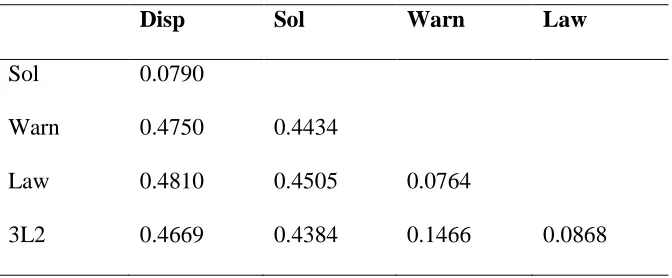
0.438 to 0.481 (table 2.4). FST values among lakes were between 0.076 and 0.147
between ponds was 0.080. A separate analysis comparing the two mitochondrial groups
in Lawrence Lake (Law1 and Law2) revealed an FST value of 0.109 between the two
groups within the same lake (APPENDIX table S.1). All FST values were significantly
different from 0 (P<0.05). Principal component analysis (PCA) indicated the existence of
two clusters corresponding to ponds and lakes (figure 2.7A). The PCA analysis of only
the lake isolates did not show any pattern of population subdivision.
The STRUCTURE analysis based on microsatellites indicated the highest posterior
probability for two clusters, corresponding to the pond and lake groups (figure 2.6A). The
lakes-only analysis indicated that there are two distinct clusters within the lakes (figure
2.6B). The method recommended by Evanno et al. (2005) confirmed two genetic clusters
for both the global data set and also for the lakes subset. Warner Lake was mostly part of
mixture of the two clusters. In Lawrence lake (where there is a mixture of individuals
with both ppx and ppc mtDNA), there was no correlation between the clustering pattern
observed in STRUCTURE and the mitochondrial type of each individual.
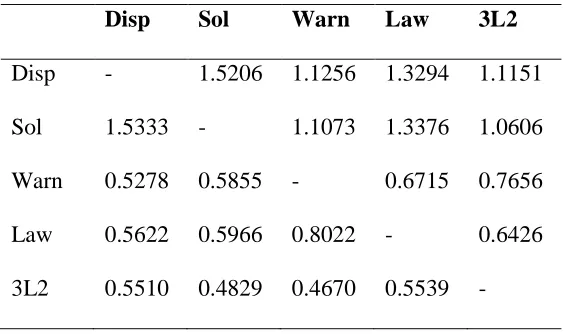
Analysis of emigration and immigration rates (number of migrants/generation=Nm)
revealed that the highest level of gene flow can be observed among ponds with Nm of 1.5
migrants/generation, while the lowest level of gene flow was observed between lakes and
ponds with Nm ranging from 0.48 to 1.34 (table 2.5). The number of migrants among the
DISCUSSION
Divergence with gene flow
Mitochondrial gene introgression may be detected without any evidence for nuclear gene
mixing when hybrids from one habitat successfully introgress into a different habitat type
and are subject to strong selection pressures at the nuclear genome level. It is striking that
two divergent mitochondrial lineages occur in 5 out of 9 lakes surveyed in this study
(figure 2.2). Daphnia pulex mitochondrial DNA lineage (ppx mtDNA) was previously
found in lakes from Michigan (Crease et al. 1989), the arctic (Dufresne and Hebert 1997)
and western Canada (Crease et al. 1997). However, no previous study detected the
presence of both ppx mtDNA and wpc mtDNA within the same habitat. In this study, all
lakes examined from Michigan (Three Lakes II, Warner, Lawrence, Bassett, and Mill)
had both mitochondrial types. It is likely that the large sample size enabled me to detect
both mitochondrial types since each lake had one common type and one rare type, except
for Lawrence Lake which had both mitochondrial types in equal proportions. Of course, I
cannot rule out the possibility that the occurrence of the different mitochondrial types
within the same lake is not a common occurrence in lake Daphnia pulicaria and that the
lake system presented here is unique.
Mitochondrial introgression between two young species can reveal historical patterns of
gene flow and can shed light on possible habitat transition events. The mitochondrial
phylogenetic reconstruction revealed three monophyletic clades with high statistical
support (figure 2.2): a Western D. pulicaria clade (clade C), a more diverse panarctic D.
which is very closely related to panarctic D. pulex. The Western D. pulicaria clade
consists of only lake isolates. Clade A includes all the pond isolates and some of the lake
isolates, including the most common haplotype (haplotype 2, figure 2.5) that was the only
one shared between lakes and ponds. Clade B mostly consists of lake isolates and
pond-lake hybrids (SF LDH heterozygotes) from ponds in Windsor. The ppx mtDNA
haplotypes of lake D. pulicaria do not form a monophyletic group relative to the D. pulex
cluster, indicating that at least three independent habitat transition events from ponds to
lakes have occurred. The first corresponds to basal clade C and likely represents the
initial establishment of lake Daphnia from ponds. The second event corresponds to clade
B, which is more recent than the well established Western D. pulicaria clade (clade C).
Since clade B is highly statistically supported and contains only lake individuals and F1
hybrids, it seems reasonable to suggest that this is a separate D. pulicaria clade that may
be genetically distinct from other D. pulicaria groups. I call this clade, MI lake Daphnia
pulicaria. Clade A corresponds to the most recent transition event from ponds to lakes,
where the presence of shared haplotypes between lake and pond suggests that transition
or hybridization events are ongoing. An overall pattern of historical gene flow from
ponds to lakes is supported by the mitochondrial phylogeny.
This proposed scenario of multiple, unidirectional habitat transitions is further supported
by the results of the network analyses. The ND5 haplotype network exhibits a star-shaped
pattern with two major groups recovered (figure 2.3). These two groups correspond to the
two clades (A and B) identified in the NJ phylogenetic analyses (figure 2.2). Group A
displays a typical star shape with haplotype 2 appearing to be the ancestral haplotype and
multiple descendant haplotypes yielding a haplotype tree with true multifurcations
(Posada and Crandall 2001), as is seen with the network in this study. The large number
of derived haplotypes in this group suggests population expansion within this species.
The second group enclosed by a rectangle in figure 2.3 includes only one F1 hybrid
haplotype and 7 lake haplotypes that are divided into two groups. The network indicates
that this group is separated by at least 8 mutation steps and suggests that the transition
from lakes to ponds of lineages with type B mitochondria happened earlier than did
transitions from lakes to ponds of lineages with type A.
Differences between a species’ mitochondrial gene genealogy and its nuclear gene
genealogy can provide initial support for divergence with gene flow. The higher mutation
rate of microsatellite markers than mitochondrial markers indicate that microsatellite data
reflect a more contemporary pattern, whereas mitochondrial data show a more historical
perspective. The nuclear microsatellite phylogram based on allele frequencies (figure 2.4)
shows two distinct clades corresponding to lake and pond habitats, indicating that
populations of lakes and ponds are currently diverging. The pond isolates show more
diversity than the lake isolates and this same pattern can also be observed from the
mitochondrial data (figure 2.3). Since the lake and pond clades in the microsatellite
phylogram (figure 2.4) do not overlap, it is reasonable to conclude that isolates with
either mitochondrial haplotype found in the lakes are interbreeding and that these
mitochondrial patterns are remnants of past colonization events. Despite introgression in
the mitochondria, nuclear data clearly supports divergence between lakes and ponds and
Discordance between nuclear Ldh and mitochondrial data
Past work on allozymes in pond and lake Daphnia indicate that certain nuclear loci show
a consistent pattern corresponding to each type of habitat (Hebert et al. 1989; Hebert et
al. 1993) and this study is strongly concordant with previous findings. The Ldh-A
genotype of all the lake isolates, regardless of their mitochondrial lineage, has a typical
lake profile (FF). The Ldh-A genotype of the isolates was also consistent with the
microsatellite data since it provided evidence of discordance between the mitochondrial
data and a nuclear coding region. Based on nucleotide variation analysis at the Ldh-A
locus of Daphnia, Crease et al. (2010) found that this locus is under strong purifying
selection in the lakes and the occurrence of a selective sweep in lake populations was
associated with the appearance of the fast (F) allele at Ldh-A. Lactate dehydrogenase
(LDH) catalyses the interconversion of pyruvate and lactate, is involved in the terminal
step of anaerobic glycolysis, and the conversion of lactate to glucose in gluconeogenesis
(Powers et al. 1991). In the fish Fundulus heteroclitus, LDH enzyme activity was found
to change with temperature (Crawford and Powers 1989) and differences in Ldh gene
expression exist between populations adapted to different thermal habitats (Schulte et al.
2000). Ldh may directly affect many biological functions such as: differences in oxygen
consumption, metabolic flux, developmental rate, hatching time, swimming performance,
survival at elevated temperatures (Powers and Schulte 1998), and tolerance to hydrostatic
pressure (Nishiguchi et al. 2010). This study again points out the importance of the LDH