MITCHELL, RACHEL COURTNEY. An Evaluation of a Parent Tutoring Reading Fluency Program. (Under the direction of John Begeny).
Parent tutoring offers promise as a means for assisting the large percentage of
students who need to improve their reading skills; therefore, the primary purpose of this
study was to assess the impact of a parent tutoring reading fluency program on child reading
outcomes. The study examined the effects of the Helping Early Literacy with Practice
Strategies (HELPS) Program, which integrates eight evidence-based fluency-building
instructional strategies into a systematic program, when implemented by parents with first
and second grade students over the summer months. Using a one-group pre-test-post-test
quasi-experimental design with the addition of a nonequivalent dependent variable, findings
showed that students receiving HELPS significantly improved on four of five measures of
early reading, with effect sizes ranging from medium to large. Previous research has
indicated positive effects for students receiving HELPS, but this was the first study in which
HELPS was implemented by parents. Implications of these findings and future research
Rachel Courtney Mitchell
A dissertation submitted to the Graduate Faculty of North Carolina State University
in partial fulfillment of the requirements for the Degree of
Doctor of Philosophy
Psychology
Raleigh, North Carolina
2012
APPROVED BY:
Dr. Mary Haskett Dr. Scott Stage
Dr. Susan Osborne Dr. John Begeny
BIOGRAPHY
Rachel Courtney Mitchell was born on November 1, 1982 and grew up in Richlands,
North Carolina. After graduating from Richlands High School in 2001, Courtney attended the
University of North Carolina at Chapel Hill where she majored in Psychology and received a
Bachelor of Arts degree in May of 2005. She entered the School Psychology doctoral
program at North Carolina State University in August of 2006 and completed her Master of
Science degree in May of 2010. After completing her Doctoral of Philosophy degree in May
of 2012, Courtney plans to continue working within the public school system as a school
ACKNOWLEDGEMENTS
My doctoral journey has been filled with wonderful support from my advisor,
committee members, family, and friends. I would first like to acknowledge Dr. John Begeny,
my advisor, for his guidance, encouragement and input during this project and throughout my
graduate career. His expertise has provided me direction as well as helped to prepare me for
my career as a school psychologist. I would also like to thank my committee members, Dr.
Scott Stage, Dr. Mary Haskett, and Dr. Susan Osborne, for their time, support and
willingness to provide me with constructive feedback, which has furthered my professional
development. In addition, I am incredibly grateful to my parents, who have always
encouraged me to persistently work to achieve my goals. I feel so fortunate to have such
amazing love and support in my life.
.
TABLE OF CONTENTS
LIST OF TABLES... vi
CHAPTER 1: REVIEW OF THE LITERATURE ...1
Parent Involvement and Inconclusive Support ...1
Parent Tutoring Offers Promise ...7
Parent Tutoring in Reading ...9
CHAPTER 2: PURPOSE OF THE STUDY ...13
Research Questions...13
CHAPTER 3: METHOD ...16
Research Design ...16
Participants ...16
Student participants ...16
Parent participants ...17
Setting ...19
Assessment Materials...20
Reading assessment materials...20
Dynamic Indicators of Basic Early Literacy Skills, 6th Edition! Oral Reading Fluency...22
Test of Word Reading Efficiency ... 23
Gray Oral Reading Test-Fourth Edition...23
Comprehensive Tests of Phonological Processing...24
Mathematics assessment materials...24
Wechsler Individual Assessment Test-III...25
Acceptability ratings ...26
Instructional Materials ...26
Procedures ...27
Screening and selection of participants...27
Assessment procedures ...29
Parent training...30
RA training...32
Implementation procedures ...33
Observation/feedback sessions ...34
Final meeting with parents ...35
CHAPTER 4: RESULTS...36
Statistical Analysis Strategy...36
Doubly Repeated-Measures Multivariate Analysis of Variance...36
Paired t-Tests...37
Additional DORF Analyses...39
Implementation Integrity...43
Acceptability ...43
CHAPTER 5: DISCUSSION...45
Conclusions...54
REFERENCES ...56
APPENDICES ...65
Appendix A. Confidential Background Questionnaire...66
Appendix B. Questions Regarding Summer 2011 Academic Activities.. ...68
Appendix C. Confidential Feedback Regarding the HELPS Program ...69
Appendix D. Scripted Protocol—HELPS...70
Appendix E. HELPS One-on-One Program: Tips and Reminders ... for Implementation ...71
Appendix F. HELPS One-on-One Implementation Flow Chart...73
Appendix G. Student Progress Tracking Form...74
Appendix H. HELPS Student Graph ...75
Appendix I. HELPS Program Star Chart ...76
Appendix J. Timeline of Procedures ...77
Appendix K. HELPS Program Implementation Quiz...78
Appendix L. Preparing for HELPS Observation Sessions ...81
Appendix M. Steps and Guidelines for Observing Parents During Their Implementation of the HELPS One-on-One Program...82
Appendix N. Observation Checklist for Implementing the HELPS One-on-One Program ...85
Appendix O. Observation Summary Form ...87
LIST OF TABLES
Table 1 Doubly Repeated-Measures Multiple Analysis of Variance of
Achievement Measuresby Time...37
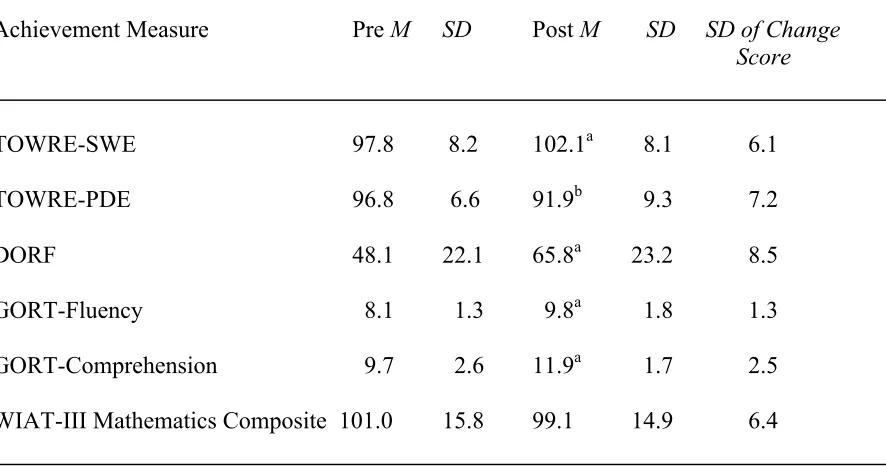
Table 2 Pre- and Post-Test Means & Standard Deviations by Achievement Measure..38
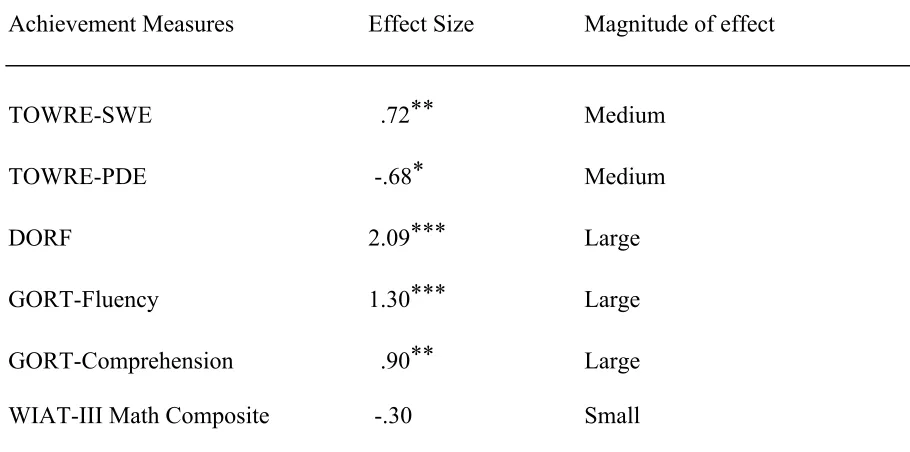
Table 3 Effect Size Comparisons Across Achievement Measures...39
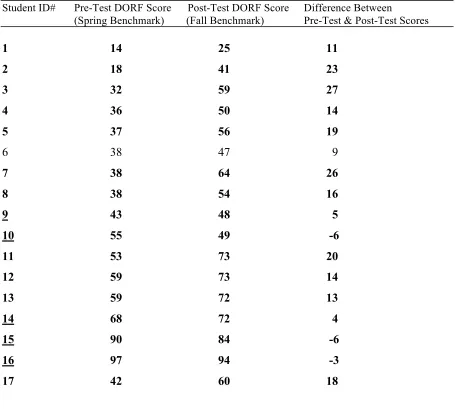
Table 4 Student Participants’ Pre- and Post-Test DORF Scores ...42
CHAPTER 1 Review of the Literature Parent Involvement and Inconclusive Support
Parent involvement in children’s education is generally encouraged and has been
emphasized as an important aspect of the school-family relationship with positive
implications for children’s education. This is based on the idea that the more continuity
between home and school, the more positive the outcomes will be for the student. Epstein
(1986) emphasizes that teachers and parents share common goals for children, which are
most effectively achieved when teachers and parents work together. This view of education
as a shared responsibility is also promoted by the National Association of School Psychology
(NASP) with an emphasis on establishing effective partnerships between parents and
educators (NASP, 2005).
Much research over the past several decades has concurred that increased parent
involvement in a child’s education is associated with enhanced student academic
achievement (e.g., Epstein, 1986; Hill & Taylor, 2004; Iverson Brownlee, Walberg, 1981;
Reynolds, 1992). Cross-sectional (e.g., Grolnick & Slowiaczek, 1994) and longitudinal (e.g.,
Miedel & Reynolds, 1999) studies have demonstrated an association between higher levels of
parental school involvement and greater academic success for children and adolescents.
However, establishing a clear link between parent involvement in education and an increase
in student achievement has been complicated by numerous parent involvement definitions,
methodological weaknesses in parent involvement studies, and a lack of clear direction
Chen, 2001; Fishel & Ramirez, 2005; Mattingly, Prislin, McKenzie, Rodriguez, & Kayzar,
2002; Powell-Smith, Stoner, Shinn, & Good III, 2000).
Parent involvement is a complex and loose term. It encompasses a variety of types of
participation from significant caregivers (including but not limited to, parents, stepparents,
foster parents, guardians, other family members, etc.) in both home-based and school-based
activities to support children’s academic learning. The most widely cited definition of parent
involvement (Epstein, 1987; Epstein, 1995) consists of six categories, including (a) parenting
(i.e., parents' responsibility to provide for children's basic needs of food, shelter, emotional
support, etc., throughout their developmental years), (b) communicating (i.e., parents and
school staying in contact), (c) learning at home (i.e., practices occurring at home in which
parents interact, monitor, or assist their children in educationally related activities), (d)
volunteering and/or attending (i.e., all activities in which the parents come to the school
setting to either help or support), (e) decision making (i.e., parents participating in
parent-teacher organizations and school advisory or governance), and (f) community connections
(i.e., parents collaborating with community and other outside agencies to facilitate students'
education). Additionally, because of the diverse definitions of parent involvement, it is
sometimes difficult to use combined studies to examine the effects of various types of parent
involvement, such as school involvement, parent as teacher, parent as advocate, and others
(Miedel & Reynolds, 1999).
The parent involvement literature has also been characterized by a prevalence of
descriptive and nonexperimental studies (e.g., Epstein, 1991; Keith, Keith, Troutman,
meta-analytic studies that examined the effectiveness of parent involvement interventions on
academic achievement (Fan & Chen, 20001; Fishel & Ramirez, 2005; Mattingly, Prislin,
McKenzie, Rodriguez, & Kayzar, 2002), methodological weaknesses in parent involvement
studies stand out as the most critical challenge in determining the effectiveness of parent
involvement.
Fan and Chen (2001) found the parent involvement research to be largely qualitative
and filled with inconsistencies in the operational definitions and measurement of parent
involvement based on their meta-analysis of 25 studies. The authors reported an average
correlation coefficient of .25 between parent involvement and students’ academic
achievement for the 15 examined quantitative studies in the literature, which represented a
small-to-moderate effect size (ES).
Mattingly and colleagues’ (2002) meta-analysis consisted of 41 studies in which they
provided a methodological review of the parent involvement programs. Their review
included a broad definition of parent involvement that allowed for the inclusion of
home-school collaboration programs. The authors looked specifically at program components,
significant outcomes, research design, and data analytical methods in an effort to determine
how the effectiveness of programs differed based on the quality of methodology. In addition
to the Epstein’s previously mentioned six categories of parent involvement (Epstein, 1987;
Epstein, 1995), Mattingly and colleagues identified a seventh component: parent academic
education (e.g., GED, ESL), which was included in 28.6% of the reviewed programs.
Most programs reviewed were multidimensional and included an average of 3.4
parents support student learning at home and to improve parenting skills (61.0%). Fifteen
programs (36.6%) included some form of intervention with teachers. However, the authors
stated that the reviewed studies generally did not provide adequate description of program
procedures.
Data collection techniques were grouped into four categories based on reviewed
studies: questionnaires (68.3%), measures of academic achievement (65.9%), interviews
(46.3%), and measures of attendance (36.6%). In regards to research design quality, 10
(24.4%) used only post-tests and several of these studies asked participants for retrospective
data (e.g., to recall attitudes and behaviors before intervention). Seventeen (41.5%) compared
within group pre-test and post-test data, while 14 (34.1%) used a control group to compare
differences between groups based on pre-test and post-test data. Of those with a control
group, only half were matched. Thus, the authors stated that of the 41 reviewed studies, only
7 (17.1%) used methodologically sound research designs.
The types of statistical analyses utilized in the reviewed studies were also examined.
Of the 12 studies, which provided no statistics regarding program effectiveness (29.3%), two
(4.9%) included no numerical data and 10 (24.4%) showed only tabulations (e.g., number of
parents reporting that they liked the program). Sixteen studies (39.0%) used basic inferential
statistics, such as chi-square tests and t tests, and 13 (31.7%) used regressions and analysis of
variance models. Ten studies (26.8%) did not collect pre-test data and 14 studies (36.6%) did
not measure academic achievement data. Only four studies used what the authors considered
rigorous research designs (i.e., matched controls, pre-test and post-test). Unfortunately, only
program did not perform significantly better than students in a control group. However,
Mattingly and colleagues (2002) did not report ESs.
In conclusion, Mattingly and colleagues (2002) suggested that even though their
findings did not indicate that parent involvement programs are not effective, they indicated
that there is little empirical evidence that they are effective in increasing student academic
achievement, and most studies had serious methodological flaws (e.g., evaluation designs
and data collection techniques were often not sufficiently rigorous to provide valid evidence
of program effectiveness). Some of the many threats to the validity included: failure to report
crucial information (e.g., program components), lack of a control group to account for
maturation and history effects (Cook & Campbell, 1979), and a reliance on highly subjective
indicators of effectiveness (Mattingly et al, 2002).
Fishel and Ramirez (2005) more recently evaluated the methodological characteristics
and effectiveness of 24 studies of parent involvement aimed at improving children's
school-related learning and behavior. Applying stricter inclusion criteria than Mattingly et al. (2002),
studies were only included if a behavioral outcome was measured and included a control
group (applied only to group design studies), and used pre- and post-test results. In addition,
studies were excluded if conducted outside of North America. Most studies utilized a single
type of parent involvement (i.e., learning at home) in which the parents worked directly with
children at home assisting them in learning school-relevant skills. Activities included
parent-implemented tutoring, parent reinforcement/encouragement, and parents reading to their
children. The primary outcome measured in most studies was students' academic
Other outcomes measured included spelling and student self-concept.
Across all reviewed studies, Fishel and Ramirez (2005) concluded that there was
insufficient evidence to indicate that parent involvement, as a method of intervention, was
effective. In general, studies with effective methodology failed to demonstrate significant
change in child outcomes, and studies with large ESs had flawed methodology. The authors
found consistent methodological weaknesses such as not clearly linking parent involvement
interventions to key outcomes and a failure to report ESs. Methodological strengths were
evident in documentation of the program components and manualization or adequate
description of program procedures.
A few studies were considered to be promising based on the combination of high
methodological ratings, significant student outcomes, and large ESs. Programs identified as
promising used parent tutoring in the home to prevent or change a single academic problem
(mathematics or reading) of elementary school-aged children. Two of the promising parent
tutoring studies employed single-subject designs to evaluate the effectiveness of parent
tutoring on students’ reading skills (Duvall, Delquadri, Elliott, & Hall, 1992; Hook & DuPaul,
1999). Duvall et al. (1992) evaluated the effects of in-home parent tutoring of reading with
elementary school children ranging from second to fifth grade, most with reading difficulties.
Hook and DuPaul (1999) evaluated the effects of in-home parent tutoring of reading
specifically with second and third grade children with attention-deficit hyperactivity disorder.
For both studies, interventions were successful for all participants with large ESs ranging
Parent Tutoring Offers Promise
One reasonable way to summarize the research on parent involvement is that parent
tutoring offers promise as an intervention to improve children’s academic performance.
Specifically, parent tutoring in the home has at least some evidence for improving a child’s
achievement directly through providing individualized assistance and increasing the child’s
opportunity to practice important academic skills (e.g., Graue, Weinstein, & Walberg, 1983;
Powell-Smith et al., 2000). Research on parent tutoring has been reported for at least 40 years
(Regal & Elliot, 1971; Ryback & Statts, 1970); however, much like the previously mentioned
reviews of parent involvement studies (i.e., Fan & Chen, 2001; Fishel & Ramirez, 2005;
Mattingly et al., 2002), a review of the published literature specifically on parent tutoring
indicates the research has often been plagued by methodological problems and limited
descriptions of intervention characteristics (i.e., Erion, 2006; Powell-Smith et al., 2000).
Powell-Smith and colleagues (2000) reported that based on their review of parent tutoring
studies, conclusions about the effectiveness of parent tutoring as an intervention were
difficult to draw due to problems with research design, dependent measures, and lack of
implementation integrity data.
A more recent meta-analytic review of parent tutoring (not parent involvement, which
was described previously) has provided support for tutoring as an effective procedure for
improving children’s academic skills (Erion, 2006). The author’s search included both
published and unpublished experimental studies of parent tutoring. The criteria for including
academic skill (i.e., reading, spelling, math, or written expression); (d) the study included one
or more single-subject designs with potential of establishing a functional relationship and
displaying data on a linear graph, or the study had a group design; (e) if a group design was
used, the study reported enough quantitative information (e.g., means, standard deviations, t
tests or F Tests); and (f) the study was available in English. Based on this criteria, the author
identified 37 studies meeting search standards, including 20 group design studies and 17
single-subject design studies. Of the 37 total studies, 13 were published and the remaining
were dissertations or master's theses.
Most of the reviewed studies targeted reading skills. Overall ESs for subject areas
were not offered by the author; however, the subject area(s) targeted specifically for group
design studies were coded into three categories and calculated ESs for individual studies
were provided: (a) reading fluency (ES = -0.40-3.35); (b) reading comprehension/vocabulary
(ES = 0.13-1.49; (c) word recognition (ES = 0.14-0.73); (d) mathematics calculation (ES =
0.24-2.33); and (e) mixed achievement (two or more skills targeted and only one composite
provided) (ES = 0.50-3.29).
Treatment features, the method in which the studies reported how parents were
trained and how follow-up was conducted, were coded according to seven variables (i.e.,
length of treatment, written instructions, modeling, supervised practice, duration of training
session, consultation, and monitoring). Mean ESs, as a function of treatment features, were
provided for group design studies. The amount of training provided to parents was the only
treatment feature that appeared to moderate outcomes. Longer training sessions (i.e., greater
training sessions (i.e., less than two hours) corresponded to a weighted ES = + .18. Among
treatment features for single subject design studies, only monitoring (i.e., collecting progress
monitoring data and providing it to parents) showed statistically significant differences
between categories.
Overall, results were generally positive for both group design studies and
single-subject design studies, with a mean weighted ES of +.55 for group design outcomes and a
median percentage of non-overlapping data (PND) of 94 for single-subject design outcomes.
However, Erion (2006) recommended that more research was needed before specific
guidelines for parent tutoring could be put forth. For example, many studies failed to note the
presence or absence of some important components of treatment (e.g., modeling, supervised
practice, consultation). In addition, including quantifiable checks on how well parents have
mastered tutoring skills prior to the start of tutoring was also suggested. While most of the
studies used monitoring and consultation to assist parents with proper implementation of
tutoring, few studies reported the degree to which parents provided the required treatment
(i.e., the number of tutoring sessions children received). Thus, the author suggested that
future research should have a greater focus on the integrity with which parents implement
tutoring programs.
Parent Tutoring in Reading
Although students can be tutored in a variety of academic areas, parent tutoring in
reading may be the most important skill to target, as the ability to read is one of the most
complex and critical skills that a student will learn. One particular area of reading, reading
that parents can help their children develop (Duvall et al., 1992; Hook & DuPaul, 1999;
Thurston & Dasta, 1990).
Often defined as the ability to read text with speed, accuracy and proper expression
(National Institute of Child Health and Human Development [NICHHD], 2000), reading
fluency represents a complicated, multifaceted process. It entails a reader’s ability to “(a)
automatically translate letters into coherent sound representations, (b) unitize letter sound
components into recognizable wholes and automatically access their lexical representation,
(c) process meaningful connections within and between sentences, (d) relate text meaning to
prior information, and (e) make references to supply missing information” (Fuchs, Fuchs,
Hosp, & Jenkins, 2001, p. 240). A fluent reader is able to recognize words automatically,
read aloud effortlessly and with expression as the student is not forced to concentrate on
decoding and instead can focus attention on comprehension (LaBerge & Samuels, 1974;
NICHD, 2000; Perfetti, 1977). Furthermore, reading fluency is considered one of the five key
components of early reading instruction (Armbruster, Lehr, & Osborn, 2001; NICHHD,
2000) and oral reading fluency (ORF), specifically, is one of the strongest predictors of
students’ overall reading ability, including reading comprehension and performance on
end-of-grade tests (Daane, Campbell, Grigg, Goodman, & Oranje, 2005; McGlinchey & Hixson,
2004).
Despite the recognized importance of reading fluency, students still continue to
struggle to read. In fact, a nationally representative sample of 1,779 US fourth-grade students
suggests that 40% of US students are “nonfluent” readers (Daane et al., 2005). Likewise,
are likely to continue to have poor reading skills later (Good, Simmons, & Smith, 1998).
Thus, as a parent, helping their child to become a proficient reader may be one of the greatest
contributions he or she can make to their child’s academic success.
The research literature in the area of parent tutoring in reading has not yet converged
on clear or consistent recommendations regarding what parents should do with their children
or what type of tutoring strategies are most practical and effective in improving reading
(Erion, 2006; Fitton & Gredler, 1996; Powell-Smith et al., 2000; Toomey, 1993). However,
based on the current parent tutoring literature, children’s oral reading fluency gains have
been made when instruction, reinforcement, modeling, and/or error correction methods are
used (Duvall, Delquadri, Elliott, & Hall, 1992; Hook & DuPaul, 1999; Gortmaker, Daly,
McCurdy, Persampieri, & Hergenrader, 2007; Kupzyk, McCurdy, Hofstadter, Berger, 2011;
Persampieri, Gorkmaker, Daly, Sheridan, & McCurdy, 2006). These findings are concurrent
with recent meta-analyses of fluency-based instructional strategies, which identified the
strategies shown to be most effective in improving reading skills (i.e., Chard, Vaughn, &
Tyler, 2002; Morgan & Sideridis, 2006; NICHHD, 2000; Therrien, 2004). These strategies
include repeated readings, modeled reading by an adult, systematic error-correction
procedures, goal setting, performance feedback, and a reward system to help motivate
student performance and effort.
Additionally, straightforward and structured interventions need to be identified by
researchers so that educators can easily communicate these procedures to parents and, as a
result, parents feel encouraged and well equipped to help their children at home (Kupzyk et
(HELPS) reading fluency program (Begeny, 2009) is a structured, evidence-based reading
fluency program that integrates the six aforementioned strategies shown to be most effective
in improving reading skills. Developed as a supplement to students’ core reading curriculum,
HELPS has improved students’ reading skills when used by a variety of implementers (i.e.,
research assistants, elementary school teachers, and teacher assistants) (Begeny, 2011;
Begeny, Laugle, Krouse, Lynn, Tayrose, & Stage, 2010; Begeny, Mitchell, Whitehouse,
& Harris, 2011). Given that HELPS has previously demonstrated its effectiveness with a
variety of implementation agents, it represents an evidence-based reading fluency program
that could potentially be used by parents. More specifically, this program is considered
practical for parent use as it includes a structured implementation protocol, a reading
curriculum that is appropriate for students’ individual reading levels, and implementation
only requires approximately 10 minutes per day, 2-3 days per week. In fact, the HELPS
CHAPTER 2 Purpose of Study
Parent tutoring offers promise as a means for assisting the large percentage of
students who need to improve their academic skills. Given the importance of developing
reading fluency skills, as well as the need for evaluating fluency-based programs that can be
feasibly implemented by parents, this study adds to the relatively small research base of
reading interventions implemented by parents. The information derived from the study has
practical implications for understanding the extent to which a structured program, such as
HELPS, can be effectively used by parents to improve students’ reading skills.
Additionally, the methodological weaknesses noted in previous parent tutoring
studies, such as a failure to note the presence or absence of some important components of
treatment (e.g., modeling, supervised practice, consultation) have limited the parent tutoring
literature. Erion (2006) suggested teaching parents tutoring skills to a mastery level and
carrying out quantifiable follow-up implementation checks as important components to
include in a parent tutoring program. Thus, this study included recommended methodological
components and emphasized the importance of implementation integrity in an effort to
extend the parent tutoring literature.
Research Questions
The primary research question of this study addressed: When HELPS is implemented
by parents in the home during the summer months with children who have reading
difficulties or those at risk for reading difficulties, does the program produce significant
based on HELPS procedures over summer months would improve on multiple reading
measures (i.e., Dynamic Indicators of Basic Early Literacy Skills Next Oral Reading Fluency
[DORF; Good, Kaminski, Dewey, Wallin, Powell-Smith, & Latimer, 2011], the Fluency
subtest of the Gray Oral Reading Test [GORT; Wiederholt & Bryant, 2001], the
Comprehension subtest of the GORT, the Phonemic Decoding Efficiency subtest of the Test
of Word Reading Efficiency [TOWRE; Torgesen, Wagner, & Rashotte, 1999] and the Sight
Word Efficiency subtest of the TOWRE). These hypotheses were based on the rationale that
students who received HELPS in the past made significantly larger reading gains than
students who did not receive the program (Begeny, 2011; Begeny, et al., 2011; Begeny, et al.,
2010), with ESs ranging from 0.51-1.33 for measures of fluency and 0.64-1.25 for measures
of comprehension. Also, previous studies have demonstrated that a combination of reading
fluency building strategies typically results in better reading outcomes for students (e.g.,
Chard, Vaughn, & Tyler, 2002; Morgan & Sideridis, 2006; NICHHD, 2000; Therrien, 2004).
The second research question addressed: When parents do not implement a structured
mathematics program during the summer months, do children show improvement on a
measure of mathematics? It was hypothesized that students would not significantly improve
on a measure of mathematics (i.e., WIAT-III; Wechsler Individual Achievement Test-III
Math Composite; Wechsler, 2009), as it was not intended to be a targeted subject area in the
home setting during this time frame. The addition of a mathematics measure served as a
nonequivalent dependent variable to improve upon the research design of the study, a
one-group pre-test-post-test quasi-experiment design. More specifically, a nonequivalent
treatment but is expected to respond to some or all of the contextually important internal
validity threats in the same way as the target outcome” (Shadish, Cook, & Campbell, 2002, p.
509).
The third research question addressed: To what degree can parents implement the
HELPS Program with integrity? It was hypothesized that parents would each demonstrate an
average implementation integrity of 90% or higher based on core HELPS procedures across
four observation/feedback sessions. As highlighted by Erion (2006), this study included
recommended methodological components (i.e., comprehensive two-day training workshops
which included modeling and supervised practice, meeting criteria prior to implementation of
the program, four observation/feedback sessions) to better ensure that HELPS procedures
CHAPTER 3 Method Research Design
A one-group pre-test-post-test quasi-experimental design was used to determine if
receiving the parent tutoring reading fluency program had a significant effect on students’
reading outcome measures. The addition of a nonequivalent dependent variable was used to
improve upon this design, as this measure was expected to respond to salient internal validity
threats, which helped to reduce the plausibility of such threats (Shadish et al., 2002).
Participants
Student participants. Of the 17 student participants, 12 were first grade students transitioning to second grade and 5 were second grade students transitioning to third grade.
All students were from one elementary school located in a rural area in the southeastern
United States. The average student age was 7.7 years (SD = 0.63), 11 were male, six were
female, eight were African American, seven were Caucasian, one was Pacific Islander, and
one was identified as Indo-American. None of the students received English as a Second
Language (ESL) services or special education services at the time of the study. One student
had been retained in a previous grade. Due to state and county regulations at the time of the
study, individual students’ eligibility for free- or reduced-price lunch could not be obtained;
however, 34 percent of students received free- or reduced-price lunch at the participating
elementary school.
Prior to beginning the study, student participants’ ORF scores on AIMSweb Reading
2002) fell approximately within the 10th to the 50th percentile based on ORF norms
(Hansbrouck & Tindal, 2006). First grade student participants’ median spring benchmark
scores ranged from 24 – 61 words correctly read per minute (WCPM) (M = 46.5, SD = 11.5)
and second grade student participants’ median spring benchmark scores ranged from 60 – 99
WCPM (M = 79.6, SD = 18.3, range = 60 – 99). Further information regarding student
eligibility for participation in the study is provided under the screening and selection of
participants heading within the Procedures section.
Parent participants. Sixteen parents participated in the project and provided written consent for participation. One parent implemented the program with two of her children, who
were both participating in the study. Prior to the study, none of the parents had experience
implementing HELPS or any of the specific strategies integrated within the program (e.g.,
repeated reading, phrase-drill error correction). In fact, all parents reported no previous
training specifically in strategies targeting reading fluency.
A parent self-report questionnaire (see Appendix A) was developed for the purposes
of this study and was based on the literature of home literacy environment (e.g., Burgess,
Hecht, & Lonigan, 2002; Evans et al., 2004; DeBaryshe, 1995; Weigel, Martin, & Bennett,
2006). The following information was requested: ethnicity, gender, level of formal schooling,
occupation, marital status, and activities, including reading activities, carried out in the home.
Of the 16 parents, 14 were female, two were male, eight were Caucasian, six were
African American, one was Multiracial, and one was Pacific Islander. In regards to parents’
relationships to student participants, 13 were biological mothers, two were biological fathers,
spouse, while three were not married and either lived in a dual-adult household or as a single
parent.
Parents had an average of 15.13 years of schooling (SD = 1.63; range = 12–18 years).
All parents indicated that they worked outside of the home and reported the following
occupations: information technology manager, medical lab technician, pharmacist, certified
nursing assistant, airline customer service representative, paramedic, probation parole officer,
childcare director, paramedic, preschool teacher, public relations, management engineer,
state trooper, and operating room scheduler. Two parents did not specify their occupations.
Prior to implementing HELPS, parents were asked questions regarding the home
literacy environments of their children, which included aspects of parents’ modeling of
literacy activities, parents’ involvement in literacy-related activities and children’s
involvement in literacy-related activities. Parents indicated that they first started reading to
their children (i.e., student participants) at an average of 8.9 months (SD = 11.56; range = 1–
36 months). Parents also specified that they read an average 12.97 minutes (SD = 11.15;
range = 0-30 minutes) to their children on the previous day.
Parents indicated that they read an average of 1.72 books (SD = 1.33; range = 0-4) for
pleasure each month and their partners/spouses read an average of 1.14 books (SD = 1.35;
range = 0-4) for pleasure each month. Seven parents reported that they were currently
reading a book and provided book titles, and three spouses/partners were reported as
currently reading a book and book titles were specified.
Using a 6-point scale (1 = daily, 2 = every other day, 3 = weekly, 4 = twice a month,
saw them reading a book for pleasure on a weekly basis (M = 3.06; SD = 1.84; range = 1-6);
their children typically saw their partners/spouses reading a book for pleasure between
monthly to twice a month (M = 4.43; SD = 1.40; range = 2-6); parents reported that they read
to their children at home usually daily to every other day (M = 1.94; SD = .92; range= 1-3);
and parents indicated that they went to the library with their child, on average, twice a month
to monthly (M = 4.75; SD = 1.0; range = 3-6).
In addition, parents reported that they spent an average of 146.0 minutes (SD =
112.17; range = 30–480 minutes) per day watching television and their spouses/partners
spent an average of 182.5 minutes (SD = 183.80; range = 30– 720 minutes) per day watching
television. Parents also reported that their children spent, on average, 159.84 minutes (SD =
97.16; range = 30-360 minutes) per day watching television/videos.
Parents also completed a self-report questionnaire regarding Summer 2011 academic
activities, which was developed for the purposes of this study. Parents were asked to report
any academic activities (e.g., academic tutors, academic camps, academic program) that their
children received during the time of this project (in addition to the HELPS Program), which
could account for changes in reading and/or math skills outside of the independent variable
(see Appendix B). Across all student participants, four were reportedly receiving some form
of reading instruction or practice in the home during the summer break, each for
approximately 30-40 minutes per week. Seven students were reportedly receiving some form
of math instruction or practice, each for approximately 10-30 minutes per week.
Setting
United States. The study was carried out in three settings: school (parent training, student
post-test assessments, observation/feedback sessions), public library (an alternative location
for parent training, student pre-test assessments) and home (HELPS sessions).
Training in HELPS implementation procedures was provided to parents in a two-day,
two-part training workshop, with dates held within one week of each other. To accommodate
parents’ various schedules, two dates were offered for the Part I training workshop and two
dates were offered for the Part II training workshop. The first dates offered for Part I and Part
II training workshops were held in the media center of the participating elementary school
and the second dates offered for Part I and Part II workshops were held in a conference room
at the local public library. Further information regarding parent training is provided under the
parent training heading within the Procedures section.
All student assessments were carried out in a non-distracting location (i.e., in a room
free from noise and distractions) in mid-to-late June (pre-test) and early-to-mid October
(post-test). Pre-test assessments were carried out in a conference room at the local public
library and post-test assessments were carried out in a conference room at the elementary
school. HELPS sessions were implemented in a one-on-one (i.e., parent-child) context in the
home environment. Parents were asked to implement HELPS in a location free from noise
and distractions. All observation/feedback sessions were carried out in a conference room at
the participating elementary school.
Assessment Materials
Indicators of Basic Early Literacy Skills (DIBELS) Next Oral Reading Fluency (DORF;
Good et al., 2011), the Gray Oral Reading Test, Fourth Edition (GORT; Wiederholt & Bryant,
2001), and the Test of Word Reading Efficiency (TOWRE; Torgesen, 1999). Both primary
subtests of the GORT (GORT-Fluency and GORT-Comprehension) and the TOWRE (Sight
Word Efficiency [SWE] and Phonemic Decoding Efficiency [PDE]) were used. The GORT
and TOWRE provide alternate test forms, so Form A was used during pre-test and Form B
was used during post-test. Additionally, the Rapid Digit Naming (RDN) and Rapid Letter
Naming (RLN) subtests of the Comprehensive Test of Phonological Processing (CTOPP;
Wagner, Torgesen, & Rashotte, 1999) were used at pre-test to assess students’ rapid naming
abilities and to better ensure students were appropriate for receiving the intervention
described in this study.
The above reading measures were selected to evaluate reading skills considered
critical for early reading instruction (e.g., fluency, phonics, comprehension). According to
the Institute for the Development of Educational Achievement and their Analysis of Reading
Assessment Instruments for K–3 (Big Ideas in Beginning Reading–Assessment Domain,
2005), these measures were reported to have sufficient evidence for assessing one or more
essential reading components. Also, these measures each met important standards for
reliability and validity, as assessed by expert committees affiliated with national reading
centers such as the Florida Center for Reading Research (Florida Department of Education,
2005) and the Institute for the Development of Educational Achievement (Big Ideas in
Dynamic Indicators of Basic Early Literacy Skills (DIBELS) Next-Oral Reading
Fluency (DORF). DORF is a standardized, individually administered test of accuracy and
fluency with connected text. DORF passages and procedures are based on the program of
research and development of Curriculum-Based Measurement of reading by Deno and
colleagues at the University of Minnesota (Deno, 1989).
Students orally read three grade-level benchmark passages for 1 minute each. Errors
(i.e., substitutions, omissions, and hesitations for more than 3 seconds) are marked while
listening to the student read aloud. If words are self-corrected within 3 seconds, then they are
scored as correct. A student’s DORF score represents the median number of WCPM for three
grade-level passages (triads), as it provides the best indicator of student performance over a
range of different text and content (Good et al., 2011).
Two-week alternate form reliability based on students’ median WCPM scores on
three grade-level benchmark passages includes: .98 for first grade passages, .97 for second
grade passages, and .96 for third grade passages. Two-week test-retest reliability based on
students’ median WCPM scores on three grade-level benchmark passages includes: .95 for
first grade passages, .91 for second grade passages and .93 for third grade passages.
Inter-rater reliability is also reported for grade-level triads and is .99 for both second grade and
third grade passages; however, inter-rater reliability for first grade triads was not provided.
Predictive validity of this measure is also well-supported and calculated based on
students’ median WCPM scores on grade-level triads with the Group Reading Assessment
Predictive validity coefficients of WCPM for first grade benchmark passages are as follows:
.64 (middle of the year) and .75 (end of the year). Predictive validity coefficients of WCPM
for second grade benchmark passages include: .69 (beginning of the year), .76 (middle of the
year), and .73 (end of the year). Predictive validity coefficients of WCPM for third grade
benchmark passages include: .66 (beginning of the year), .67 (middle of the year), and .66
(end of the year).
Concurrent validity coefficients were calculated based on median WCPM for
grade-level triads with the Standard 4th Grade Reading Passage used in the NAEP 2002 Special
Study of Oral Reading (Daane, et al., 2005). These coefficients include: .97 for first grade
passages, .91 for second grade passages, and .96 for third grade passages.
The!standard error of measurement (SEM), an index of measurement error, is based on median WCPM for grade-level triads and includes: 5.56 for first grade passages, 8.00 for
second grade passages, and 7.00 for third grade passages.
Test of Word Reading Efficiency (TOWRE). The TOWRE contains two subtests: the
SWE subtest assesses the number of real printed words that can be accurately identified
within 45 seconds, and the PDE subtest measures the number of phonemically constructed
printed nonwords that can be accurately decoded within 45 seconds. TOWRE test-retest
coefficients range from .83 to .96, average alternate forms reliability coefficients each
exceed .90, and scorers’ inter-rater reliability is .99 (Torgesen, Wagner, & Rashotte, 1999).
Gray Oral Reading Test, Fourth Edition (GORT-4). The GORT-4 assesses students'
reading accuracy, rate, and comprehension on 14 developmentally sequenced passages of 50
+ Accuracy); Comprehension; and a composite score (i.e., the Oral Reading Quotient)
comprised of the sum of the Fluency and Comprehension standard score. Coefficient alphas
for the Oral Reading Quotient, and the separate Fluency and Comprehension components are
all at or above .90 for early primary students. Alternate form reliability is .90 for all subtests
except for Comprehension (r = .78). Test-retest reliability range from .85 to .95 for the four
subtest scores (Wiederholt, & Bryant, 2001).
Comprehensive Test of Phonological Processing (CTOPP). Two subtests of the
CTOPP (Wagner, Torgesen, & Rashotte, 1999), RLN and RDN, assess students’ ability to
rapidly recall phonological information from long-term memory store. Scores from each of
these subtests comprise the CTOPP Rapid Naming Composite score. RLN consists of
72-items and measures the speed with which a student can name randomly arranged letters on
two pages. The student’s score is the total number of seconds taken to name all the letters on
both pages. The average internal consistency of this subtest (taking into account all
age-levels) is .85. RDN is identical to the RLN subtest, except students are required to name
randomly arranged numbers. The student’s score is the total number of seconds taken to
name all the numbers on both pages. The average internal consistency of this subtest is .87
and the average internal consistency of the Rapid Naming composite is .80.
There is evidence to suggest adequate criterion-related validity for the two subtests
described above. Specifically, the RLN and RDN subtests correlate from .52 to .70 with the
Word Attack and Word Identification subtests of the Woodcock Reading Mastery
Test-Revised (Woodcock, 1987) (Wagner et. al, 1999).
student participants were assessed using the following math measure.
Wechsler Individual Achievement Test, Third Edition (WIAT-III). The WIAT-III
includes the Math Reasoning subtest and the Numerical Operations subtest, which comprise
the Mathematics Composite. Numerical Operations assesses the ability to identify and write
numbers (e.g. counting, solving pencil/paper computations), while Math Reasoning assesses
the ability to reason mathematically (e.g. counting, identifying shapes, solving word
problems) (Wechsler, 2009).
Reliability coefficients for these two WIAT–III subtests were obtained utilizing the
split-half method. A subtest’s split-half reliability coefficient represents the correlation
between the total scores of items from each half of the subtest, corrected by the
Spearman-Brown formula for the length of the full subtest (Crocker & Algina, 1986; Li, Rosenthal, &
Rubin, 1996). The Math Problem Solving subtest has the following reliability coefficients:
.91 for 6-year-old children, .89 for 7-year-old children, and .90 for 8-year-old children, and
.87 for 9-year-old children. The Numerical Operations subtest has the following reliability
coefficients: .93 for 6-year-old children, .91 for 7-year-old children, and .92 for 8-year-old
children, and .90 for 9-year-old children.
The Mathematics Composite score internal consistency reliability coefficients were
calculated using the formula recommended by Guilford (1954) and Nunnally and Bernstein
(1994). The following reliability coefficients are provided: .95 for 6-year-old children, .94 for
7-year-old children, and .95 for 8-year-old children, and .93 for 9-year-old children.
Test-retest stability for subtest and composite scores were obtained by administering
days for grades PK–5. The Math Problem Solving subtest has a stability coefficient of .82,
the Numerical Operations subtest has a stability coefficient of .87, and the Mathematics
Composite has a stability coefficient of .92.
Concurrent validity was evaluated by comparing the WIAT-III to the WIAT-II. The
WIAT-III Math Problem Solving subtest correlates highly with the WIAT-II Math Reasoning
Subtest (.84), the WIAT-III Numerical Operations subtest correlates highly with the WIAT-II
Numerical Operations subtest (.81), and the WIAT-III Mathematics Composite is also highly
correlated with the WIAT-II Mathematics Composite (.91)
Acceptability ratings. Parents’ acceptability of HELPS was assessed at the end of the study using a revised form of the Intervention Rating Profile (IRP-15; Witt & Martens,
1983). The scale was revised to apply to parents and reading skills rather than to teachers and
behavior problems; however, questions used from the IRP-15 generally remained intact (see
Appendix C).
Instructional Materials
The HELPS Curriculum consisted of a set of 100 instructional passages ranging in
difficulty from the beginning of first grade to the end of fourth grade and was used as part of
all HELPS implementation procedures (Begeny, Mann, Cunningham, Tsuen, 2009). HELPS
implementation materials included (a) specific implementation protocols for parents to
follow while implementing HELPS procedures (see Appendix D, E, F); (b) scripted
directions; (c) a progress tracking form to document session information (e.g., session #,
reading goal met/not met; WCPM/WIPM) (see Appendix G); (d) a student graph (used for
Appendix H); (e) a star chart (for the purposes of the motivational reward system) (see
Appendix I); and (f) examiner copies of the instructional passages, so parents could score
students’ reading performance during Timed Readings that occurred during each HELPS
instructional session (Timed Readings were scored in the same way as DORF assessment
passages).
Procedures
For a timeline of procedures (e.g., screening, assessments, training, observations),
please see Appendix J.
Screening and selection of participants. As previously indicated, all first and second grade students in the participating school were screened in May 2011 to determine
their initial eligibility for the study. Student’s ORF scores on AIMSweb Reading
Curriculum-Based Measurement (R-CBM) Spring Benchmark Passages (Shinn & Shinn,
2002) helped determine if students would likely benefit from an intervention specifically
targeting students’ reading fluency. A small team of teachers, who had previously been
validated in the administration and scoring of AIMsweb R-CBM, carried out these
assessments as a part of universal screening at the participating elementary school.
Next, the following criteria were used to determine potential eligibility for
participation. First, students’ ORF scores on AIMSweb R-CBM Spring Benchmark passages
had to fall approximately within the 10th to the 50th percentile based on school-based norms.
ORF norms for spring assessments (Hasbrouck & Tindal, 2006) were used to determine
cutoff scores. First grade students’ median WCPM score on the DORF spring first grade
31–99 WCPM. With respect to the upper limit of these ranges, Hasbrouck and Tindal
suggested that students reading “more than 10 WCPM above the 50th percentile [are likely]
making adequate progress in reading (unless there are other indicators that would raise
concern)” (p. 642). Based on Hasbrouck and Tindal norms, first grade students at the 50th
percentile read 53 WCPM in the spring; therefore the upper limit of our eligibility criterion
was 63 WCPM. Regarding second grade students, the 50th percentile corresponded to 89
WCPM in the spring; hence the upper limit of our eligibility criterion was 99 WCPM.
Collectively, by targeting first and second grade students reading below 63 WCPM and 99
WCPM, respectively, students with reading difficulties and those at risk for reading
difficulties were included. The lower limit of these ranges (i.e., 15 WCPM for first grade
students, 31 WCPM for second grade students) represented the approximate minimal level of
ORF that a student should have to likely benefit from fluency-based interventions such as
HELPS. Additionally, students reading below this level would likely benefit more from an
intervention that targets decoding skills. Second, students were not considered eligible to
participate if they were receiving special education services and/or ESL services. Thus, 106
first and second grade students were considered eligible to participate in the study.
Parents of these 106 students received letters from their school, which invited them to
attend an information session to learn about reading fluency, the HELPS Program, and the
present study. Twenty-two parents attended the information session, which was held in the
school’s cafeteria on the evening of a school day. Childcare was provided at the school for
parents during this time frame. Following the information session, the principal investigator
study. Eighteen of the 22 parents responded that they would like to participate, attended
training workshops to learn HELPS procedures, and met criterion for implementation;
however, two parents dropped out approximately midway through the study. One parent who
did not complete the study indicated that the program required more time during the week
than she had originally anticipated. The other parent reported that she was feeling stressed
and too overwhelmed to continue due to her son’s involvement in multiple activities over the
summer break (i.e., participating in this study, private academic tutoring, athletics).
The 16 parents who participated in this study provided informed consent and adhered
to the following conditions: (a) attended two training workshops to learn HELPS procedures;
(b) implemented the program with their children for at least 20 sessions; (c) submitted
weekly session summary reports by phone or email; and (d) met individually with the
primary investigator to receive implementation feedback four times across the project.
Additionally, one parent had two students who participated in the study, so this parent
fulfilled each requirement for both student participants.
Assessment procedures. At pre-test, student participants were administered the following assessment battery: DORF spring benchmark passages, the GORT, the TOWRE,
the Math Reasoning and Numerical Operations subtests of the WIAT-III, and the RDN and
RLN subtests of the CTOPP. The RDN and RLN subtests of the CTOPP were administered
only at pre-test to determine students’ rapid naming skills. This measure was used to screen
for student participants who earn a Rapid Naming composite score of 70 or below (i.e., two
standard deviations below the mean) on the CTOPP. No student participants scored 70 or
intervention rather than needing intensive instruction in decoding and/or rapid naming. A
HELPS Placement Assessment (Begeny, 2009) was also carried out to provide an appropriate
starting point for student participants within the HELPS Curriculum based on their current
reading level.
At post-test, student participants were administered the following assessment
measures: DORF spring benchmark passages (i.e, the triad of grade-level passages
administered at pre-test) and fall benchmark passages (i.e., the triad of grade-level passages
based for their current grade) for their respective grade levels, the GORT, the TOWRE, and
the Math Reasoning and Numerical Operations subtests of the WIAT-III.
Pre-test and post-test assessment batteries were each administered to student
participants individually in one session by the primary investigator. Student assessments
were carried out within approximately three weeks. Prior to the study, students had not been
assessed using any of the assessment measures.
Parent training. Parents attended a two-day two-part training workshop (i.e, Part A and Part B) during Summer 2011. They were instructed on all HELPS implementation
procedures in these training workshops, which were approximately three hours each. To
accommodate parents varying schedules, two dates were offered for Part A and Part B
workshops. Of the 16 parents, 13 attended the first offered date/time for Part A training, 3
attended the second offered date/time for Part A training, 11 parents attend the first offered
date/time for Part B training, and 5 attended the second offered date/time for Part B training.
The first offered time/date for Part A and Part B workshops were held in the media
and Part B workshops were held in a conference room at the local public library. This site
was decided to be an acceptable alternative location given that the participating elementary
school was closed during this time frame and the conference room was free of distractions.
Training and information provided to parents was consistent in all workshops. During
the first workshop (i.e., Part A), the primary focus was on acquainting parents with
evidence-based reading fluency procedures. For example, parents received information about fluency,
the purpose of the project, and previous HELPS research. Parents viewed modeled
demonstration of HELPS being implemented, learned how to implement each instructional
component of the program (e.g., repeated reading, modeling, performance feedback with
graphing), and practiced implementing each program component with feedback and
assistance from HELPS-trained research assistants (RAs).
During the second workshop (i.e., Part B), parents practiced implementing the full
HELPS implementation protocol while receiving specific feedback and assistance from
HELPS-trained RAs. Prior to implementing HELPS with student participants, parents had to
demonstrate their ability to implement the HELPS primary protocol with 100% integrity
during two consecutive practice sessions. If a parent did not meet this criterion at the end of
the second workshop and/or he or she wanted additional practice time, then a follow-up
meeting was scheduled within a week with the primary investigator so that the parent could
demonstrate that this level of implementation integrity could be reached. Of the 16 parents, 6
met criterion at the end of the second workshop and 10 parents scheduled a follow-up
meeting with the primary investigator to validate his or her proficiency in implementing
investigator, 9 were then able to meet criterion. Only 1 of the 16 parents needed a second
follow-up meeting with the primary investigator to meet criterion.
Additionally, parents were asked to complete a HELPS implementation quiz
following the second workshop and bring it with them to their first observation/feedback
session for review. The quiz consisted of 12 True/False, 12 multiple choice, and three short
answer/applied items (see Appendix K). Eight of the 16 parents returned the quiz at the first
observation/feedback session. The primary investigator reviewed the quiz with the parent and
items that were marked as incorrect were discussed to better ensure their understanding of
correct implementation procedures. Scores on the quiz ranged from 80 to 100 percent.
RA training. Five RAs were selected to assist with the parent workshops based on their leadership skills and ability to communicate with others in a professional setting.
During the parent training workshops, RAs provided assistance and feedback to parents as
they were learning the components of the program.
RAs had demonstrated proficiency in the program by reaching mastery criterion
based on the implementation protocol. Mastery criterion was set at 100% implementation
integrity during two consecutive practice sessions. All RAs had at least nine months
experience directly implementing HELPS with elementary school students and at least five
months experience of observing and providing feedback to others regarding their
implementation of HELPS procedures.
Implementation procedures. Parents were instructed to implement HELPS approximately three times per week (e.g., every Monday, Wednesday, Friday) for
would interrupt the three times per week schedule (e.g., family vacation), parents were
expected to adhere to the implementation schedule as regularly as possible. Overall, students
received an average of 28.88 HELPS sessions throughout the study (SD = 3.71; range = 20 to
33) with an average of 82.33 days from students’ first session to their last session (SD= 7.45;
range = 74 to 94).
HELPS instructional procedures include eight evidence-based strategies shown in
previous research to improve students’ reading fluency (see, for example, Chard, Vaughn, &
Tyler, 2002; Therrien, 2004). The strategies include repeated reading, modeling, phrase-drill
error correction, verbal cueing procedures for students to read with fluency and for
comprehension, goal-setting, performance feedback, and a motivational/reward system.
These strategies were integrated into one structured program because (a) research suggests
that integrating several fluency-based strategies into one instructional package is typically
more effective than implementing one or only a small number of strategies (e.g., Therrien,
2004); and (b) the program offers an integrated set of evidence-based, systematic procedures
that target students’ reading fluency development.
Guidelines for implementing HELPS are provided through three primary protocols:
(a) an Implementation Flow Chart (Appendix F), which provides a basic overview of HELPS
procedures; (b) Scripted Directions (Appendix D), which provides a full script of directions
for implementing procedures; and (c) Tips and Reminders for Implementation (Appendix E),
which consists of 31 separate recommendations and procedural “reminders” that better
teaching characteristics most likely to engage the student and improve his/her reading during
a HELPS session.
As shown in Appendix F, the parent began a session by reading an introductory
statement that reminds and prompts the student during each session to read with speed,
accuracy, and good expression, as well as to comprehend what he or she is to read. The
student then reads an instructional passage aloud while the parent scored the student’s
WCPM and WIPM. This instructional passage would be the same passage the student
practiced in the most previous session. The parent then asked the student to recall what he or
she remembered about the story during a brief retell task. Depending on the student’s
performance during these initial steps of the intervention, the parent would determine
whether the student met the Reading Goal (i.e., a specific criteria for WCPM, WIPM, and a
Retell Check that the student tries to meet). The student had the opportunity to meet his or
her Reading Goal only one time per session. If the student met his or her Reading Goal, the
student would begin reading the next story in the sequenced curriculum and the parent would
use the Timed Reading (i.e., repeated reading), modeling, error-correction, graphing, and
reward procedures shown on the left-hand side of Appendix F (i.e., steps 4a–13a). If the
student did not meet the Reading Goal, he or she would continue practicing the passage read
at the beginning of the session and the parent would follow the instructional procedures on
the right-hand side of Appendix F (i.e., steps 4b–12b). !
Observation/feedback sessions. The principal investigator met individually with parents during four of their HELPS sessions to directly observe their implementation with
observation/feedback sessions with the primary investigator within the first two weeks of
implementing the program. The three remaining observation/feedback sessions were
scheduled at approximately two to three weeks intervals. During these observed sessions, the
principal investigator followed a protocol, which provided a systematic procedure for (a)
observing of the parents’ implementation of HELPS procedures with their children (which
lasted approximately 10 minutes); (b) providing immediate corrective feedback to the parents
about any missed procedures; (c) providing praise and support for the parent after his or her
implementation with the child; (d) reviewing possible implementation errors and answering
any questions posed by the parent, and (e) recording information relevant to the observed
session (e.g., implementation steps missed, inter-scorer reliability of the parent’s scoring of
timed readings, questions the parent had during the session) (see Appendix L-O). During
each observed session, all data from the session were recorded on an Observation Summary
Form (see Appendix O).
Final meetings with parents. Following HELPS sessions and student post-testing, the principal investigator met with parents individually at the participating elementary
school. These meetings provided the principal investigator the opportunity to discuss
students’ reading progress with parents, address questions parents might have, inquire about
other academic activities carried out over the summer, and gain feedback from parents
regarding HELPS. Parents completed two forms during this meeting (see Appendix B and
C). Information requested regarding the acceptability of the program (Appendix C) was
CHAPTER 4 Results Statistical Analysis Strategy
To satisfy the requirement of having a minimum power of .8 to detect a medium
effect size of .4, with alpha = .05, a total sample of 15 student participants was needed. As
previously indicated, there were 17 student participants in the study.
Doubly Repeated-Measures Multivariate Analysis of Variance
To evaluate the overall difference in student participants’ “basic reading and math
achievement ” from pre-test to post-test, a doubly repeated-measures multivariate analysis of
variance (MANOVA) was used (Tabachnick & Fidell, 2007). The statistical design included
a repeated-measures, within-subjects factor of time (i.e., from pre-test to post-test) and
achievement measures (i.e., six pre-test and post-test measures: SWE,
TOWRE-PDE, DORF, GORT-Fluency, GORT-Comprehension, WIAT-III- Mathematics Composite).
Prior to conducting the doubly-repeated MANOVA, a test of skewness and kurtosis
was carried out for each pre-test measure, as well as test of sphericity. A conservative
correction, Greenhouse-Geisser, was used to adjust the degrees of freedom in the doubly
repeated MANOVA, as the Mauchly's Test of Sphericity indicated that the assumption of
sphericity had been violated (p = .000).
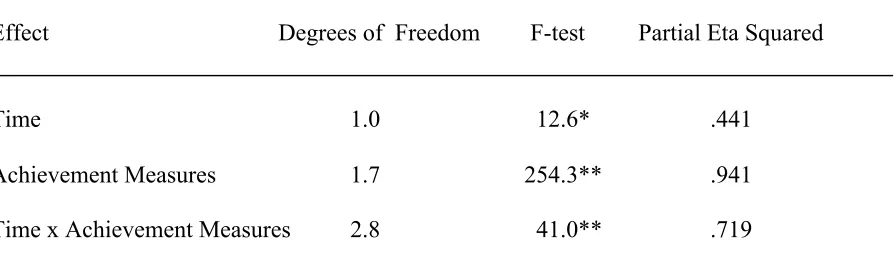
Although there was a statistically significant and medium effect found for the changes
in “basic reading and math achievement ” based on time from pre-test to post-test, the effect
due to the interaction between the achievement measures and time was of particular
but not on a mathematics measure. As shown in Table 1, a statistically significant interaction
was found between measures by time, accounting for 72% of the variance.
Table 1
Doubly Repeated-Measures Multivariate Analysis of Variance of Achievement Measuresa by
Timeb
Effect Degrees of Freedom F-test Partial Eta Squared
Time 1.0 12.6* .441
Achievement Measures 1.7 254.3** .941
Time x Achievement Measures 2.8 41.0** .719
Notes. Levels of statistical significance: ** at p < .001, * at p < .01
a Achievement Measures= Within-subjects factor of reading and math including these six
measures: TOWRE-SWE, TOWRE-PDE, DORF, GORT-Fluency, GORT-Comprehension, WIAT-III Mathematics Composite
b Time = Within-subjects factor Pre-Test to Post-Test.
Paired t-Tests
In order to explore differences from pre-test to post-test for each of the six
achievement measures, a series of paired t tests was carried out. The means, standard