Electronic Thesis and Dissertation Repository
1-31-2011 12:00 AM
Ethical Challenges in Cluster Randomized Trials
Ethical Challenges in Cluster Randomized Trials
Andrew McRae
University of Western Ontario
Supervisor Allan Donner
The University of Western Ontario Joint Supervisor Charles Weijer
The University of Western Ontario
Graduate Program in Epidemiology and Biostatistics
A thesis submitted in partial fulfillment of the requirements for the degree in Doctor of Philosophy
© Andrew McRae 2011
Follow this and additional works at: https://ir.lib.uwo.ca/etd
Part of the Bioethics and Medical Ethics Commons
Recommended Citation Recommended Citation
McRae, Andrew, "Ethical Challenges in Cluster Randomized Trials" (2011). Electronic Thesis and Dissertation Repository. 91.
https://ir.lib.uwo.ca/etd/91
This Dissertation/Thesis is brought to you for free and open access by Scholarship@Western. It has been accepted for inclusion in Electronic Thesis and Dissertation Repository by an authorized administrator of
ETHICAL CHALLENGES IN CLUSTER RANDOMIZED TRIALS
(Spine title: Ethical Challenges in Cluster Randomized Trials)
(Thesis format: Integrated-Article)
by
Andrew D. McRae
Graduate Program in Epidemiology and Biostatistics
A thesis submitted in partial fulfillment of the requirements for the degree of
Doctor of Philosophy
The School of Graduate and Postdoctoral Studies The University of Western Ontario
London, Ontario, Canada
ii
CERTIFICATE OF EXAMINATION
Joint-Supervisor
______________________________ Dr. Allan Donner
Joint-Supervisor
______________________________ Dr. Charles Weijer
Supervisory Committee
______________________________ Dr. Monica Taljaard
______________________________
Dr. Judith Belle Brown
Examiners
______________________________ Dr. K Steve Brown
______________________________ Dr. Carolyn McLeod
______________________________ Dr. Amardeep Thind
______________________________ Dr. Evelyn Vingilis
The thesis by
Andrew D. McRae
entitled:
Ethical Challenges in Cluster Randomized Trials
is accepted in partial fulfillment of the requirements for the degree of
Doctor of Philosophy
iii
Background: Cluster randomized trials (CRTs) are a widely used research design in
healthcare, health services, public health and education research. CRTs randomly assign
groups of individuals to different experimental arms. Because CRTs randomize groups
rather than individual subjects, they pose ethical challenges that do not arise in
individually-randomized clinical trials.
Research Questions: This dissertation sought to examine how ethical challenges in
CRTs, particularly challenges relating to obtaining informed consent, are addressed in
practice. This dissertation also sought to provide principled guidance as to who must be
considered a research subject in a CRT, and when consent must be sought from research
subjects in CRTs.
Methods: The association between consent practices in healthcare CRTs and particular
trial features were examined using a multivariable logistic regression model.
Information on ethical challenges encountered by CRT researchers in practice was
obtained using descriptive qualitative analysis of semi-structured interviews with
experienced CRT investigators. Two normative questions, “Who is the research subject
in CRTs?” and “When is consent required in CRTs?” were addressed by appealing to a
conceptual framework derived from the basic principles of research ethics.
Results: Consent in CRTs is associated with publication after 2004, publication in
higher-impact journals, smaller cluster sizes, and the use of individual-level
experimental and data collection interventions. CRT researchers are most concerned
with issues around informed consent, and less concerned with issues related to the
iv
or who contribute identifiable private information. Consent must be sought for CRT
participation from research subjects. Seeking consent after randomization of clusters is
permissible if methodologically necessary. Some CRTs may meet criteria for a waiver
of informed consent. Consent is not required from cluster members who are not research
subjects.
Conclusions: This dissertation describes the state of the art of ethics practices in CRTs,
and presents guidance around consent issues in CRTs that will inform the development
of international ethics guidelines for CRTs.
Keywords:
v Chapter 3:
Andrew McRae, Monica Taljaard, Allan Donner, Charles Weijer, Carol Bennett, Zoe
Skea, Jeremy Grimshaw, Martin Eccles
Andrew McRae contributed to the revision of the data abstraction instrument,
abstracted data from selected studies, designed and performed the data analysis, and
drafted and edited the manuscript. Monica Taljaard conceived the study, drafted the data
abstraction instrument, conducted the literature search, jointly selected published
studies for review, abstracted data from the selected studies, provided input in the data
analysis, and contributed to revisions of the manuscript. Carol Bennett jointly selected
published studies for review and abstracted data from the selected studies. Zoe Skea
abstracted data from the selected studies. Allan Donner provided supervisory support,
provided substantive input into the design and conduct of the data analysis, and
contributed to revisions of the manuscript. Charles Weijer provided supervisory support,
contributed to the design of the data analysis and contributed to revisions of the
manuscript. Jeremy Grimshaw and Martin Eccles contributed to revisions of the
manuscript.
Chapter 4:
Andrew McRae, Carol Bennett, Charles Weijer, Jamie Brehaut, Judith Belle Brown,
Allan Donner, Martin Eccles, Jeremy Grimshaw, Ariella Binik, Merrick Zwarenstein,
vi
manuscript. Monica Taljaard conceived the study, drafted the initial interview guide, and
contributed to revisions of the manuscript. Judith Belle Brown contributed to the
revision of the interview guide, to the data analysis and to revisions of the manuscript.
Carol Bennett jointly performed the interviews and data analysis. Charles Weijer
provided supervisory support, contributed to revisions of the interview guide and
contributed to revisions of the manuscript. Allan Donner provided supervisory support
and contributed to revisions of the manuscript. Jeremy Grimshaw, Jamie Brehaut,
Martin Eccles, Ariella Binik and Shazia Chaudhry contributed to revisions of the
manuscript.
Chapter 5:
Andrew D. McRae,Charles Weijer, Ariella Binik, Jeremy Grimshaw, Robert Boruch,
Jamie C. Brehaut, Allan Donner, Martin P. Eccles, Raphael Saginur, Monica Taljaard,
Merrick Zwarenstein
Andrew McRae performed the conceptual work, drafted and edited the
manuscript. Charles Weijer provided supervisory support, contributed to the conceptual
work and to revisions of the manuscript. Ariella Binik contributed to the conceptual
work and to revisions of the manuscript. Allan Donner provided supervisory support and
contributed to revisions of the manuscript. Monica Taljaard, Jeremy Grimshaw, Robert
Boruch, Jamie Brehaut, Martin Eccles, Raphael Saginur, Merrick Zwarenstein
vii
Jamie Brehaut, Martin P. Eccles, Robert Boruch, Monica Taljaard
Andrew McRae performed the conceptual work, drafted and edited the
manuscript.
Charles Weijer provided supervisory support, contributed to the conceptual work and to
revisions of the manuscript. Allan Donner provided supervisory support and contributed
to revisions of the manuscript. Ariella Binik, Martin Eccles, Monica Taljaard, Jeremy
ix and support of friends, colleagues, and supervisors.
Thank you to Zoe Skea, and Julia Taleban for your assistance in abstracting data
from published CRT reports that were used in the regression analysis in chapter three.
Thank you to Carol Bennett for your assistance with the data abstraction, for
shouldering an equal portion of the work in conducting interviews with CRT
investigators and for sharing the work of the data analysis.
I am indebted to Jamie Brehaut, Bob Boruch, Shazia Chaudhry, Martin Eccles,
Ray Saginur, Merrick Zwarenstein, my collaborators on the CIHR-funded CRT project,
who provided valuable feedback on drafts of the manuscripts in chapters three to six.
I am profoundly grateful to Ariella Binik, Chad Heilig, Spencer Hey, Carolyn
McLeod, Angela White, my colleagues at the Rotman Institute of Philosophy who
provided critical feedback during the drafting of chapters five and six.
Thank you to Anthony Belardo for your editorial assistance with chapters five
and six.
Thank you to Neil Klar, Carolyn McLeod and Amardeep Thind for valuable
constructive feedback during and after the defense of my dissertation proposal.
I am grateful for the input of Judith Belle Brown, an advisory committee member
who was invaluable to the design, conduct, analysis and reporting of the qualitative
research presented in chapter four.
I am particularly thankful for Jeremy Grimshaw’s enthusiasm for this project,
x
provided vital guidance at all stages of the dissertation, from study design to writing.
My deepest thanks to my co-Supervisor, Allan Donner. His knowledge,
experience, and high standards were essential to the empirical work, and his wisdom and
enthusiasm was vital to the completing the conceptual work in chapters five and six.
I will always be thankful for my friendship and working relationship with
Charles Weijer. He has been my co-Supervisor, friend and mentor for the better part of a
decade. His enthusiasm, high expectations and faith in my ability to rise to the challenge
of this work were essential to the completion of this dissertation.
Finally, the greatest thanks of all go to Michelle Jackman, my wife, partner, and
best friend. Without her unconditional love and support, none of this would have been
xi
Certificate of Examination ii
Abstract and Keywords iii
Co-authorship Statement iv
Dedication viii
Acknowledgments ix
Table of Contents xi
List of Appendices xii
Chapter One: Introduction 1
Chapter Two: Literature Review and Glossary of Terms 10
Chapter Three: Features Associated with Reporting of Informed 51 Consent in Healthcare Cluster Randomized Trials
Chapter Four: Researchers’ Perceptions of Ethical Challenges of Cluster 88 Randomized Trials: A Qualitative Analysis
Chapter Five: Who is the Research Subject in Cluster Randomized Trials? 110
Chapter Six: When is Informed Consent Required in Cluster Randomized 147 Trials?
Chapter Seven: Summary and Discussion 181
Appendices 207
xii three
Appendix B: Ethics Approval from the University of Ottawa and UWO 221
Appendix C: Interview guide used for key informant interviews in 224
chapter four
Appendix D: Final coding template for descriptive qualitative analysis 227
Chapter 1
This dissertation will address ethical challenges associated with cluster randomized
trials (CRTs). It asks two related questions: 1) what is currently being done in CRTs to
address some of the unique ethical challenges that stem from the CRT design? 2) How
ought two key ethical challenges—the identification of research subjects in CRTs and
adherence to proper informed consent practices—be addressed?
The cluster randomized trial is an experimental design that has become increasingly
commonplace in health services research, quality improvement, education, public health
and a variety of other fields1-4. It differs from individually-randomized controlled trials
(RCTs) in fundamental ways1. In an RCT, subjects are recruited individually and then
randomly assigned to different intervention arms. Subjects are subjected to different
experimental interventions in each study arm. Outcome data is collected from the
individual subjects and analyzed. Based on the data collected, inferences are then made
about the comparative effectiveness of the experimental interventions.
In a CRT, groups of individuals are randomly assigned to different intervention
arms. Depending on the kind of interventions under study, the experimental interventions
may be applied either to the entire group, or to the members individually. Data may be
collected from all group members, from a sample of group members, or from other sources
that may reflect the group members’ response to the intervention such as hospital
administrative data. After the data analysis, inferences may be made about the effects of the
experimental interventions on the group-level outcomes, on individual-level outcomes or
Thus, in typical RCTs, the individual research subject is the unit of randomization,
intervention, and analysis. In CRTs, the cluster is the unit of randomization. The unit of
intervention may be the cluster, individual cluster members, or another entity closely
associated with the cluster (such as a health professional) such that the intervention on that
entity produces a cluster-level effect. The unit of analysis may be the cluster, the
individual, or both1,5.
The randomization of groups leads to a host of ethical challenges that are unique to
the CRT design. It is not always obvious who is the research subject in CRTs4,6-8. This is
especially true in CRTs with interventions that are administered broadly at the cluster level,
such as in large scale CRTs of public health interventions. Are all residents of a community
participating in a CRT research subjects? What if they are not affected by the study
intervention? Identifying the research subject is also complicated in CRTs in such fields as
healthcare or education, in which the study interventions are administered to an individual
such as a health professional or teacher, and the effect evaluated by collecting data on
group members such as patients or students4,6-8. Are the research subjects the cluster
members, individuals who receive interventions in order to produce cluster-level effects
(such as health professionals or teachers), or both?
In some large CRTs, it may not be feasible to obtain informed consent from all
cluster members2,4,9. It may also not be possible for some cluster members to avoid
experimental interventions that are designed to affect the entire cluster2,4,9. There are also
concerns that obtaining informed consent from subjects in some CRTs may threaten the
validity of trial findings2,4,9. Because of these challenges, investigators’ obligations with
It is not clear whether the typical criteria that are used to evaluate the harms and
benefits of interventions performed on individual subjects in traditional RCTs can be easily
applied to CRTs of group-level interventions5,6.
The moral status of groups is unclear. Some clusters may be groups of individuals
with legitimate structure and representation, such as communities10. Other kinds of clusters
are less well defined with no clear leadership, such as customers in a shopping mall that is
participating in a CRT11. There is little principled guidance as to who has the authority to
decide on behalf of clusters whether or not to participate in a trial12, nor is there any
normative work outlining the scope of authority of these “gatekeepers”. Furthermore, there
is no normative work addressing the question whether groups of individuals may have
collective interests that are in need of protection as that group participates in a CRT.
Communities may have collective interests that require regulatory protection10, but the
status of groups that are not communities (e.g. sports teams, schools, medical practices) is
not clear.
Recent research ethics guidelines recognize some of the difficult ethical challenges
that arise in CRTs. The United Kingdom Medical Research Council included
recommendations for ethical CRT conduct within its methodological guidelines for
CRTs12. The Council of International Organizations of Medical Science’s 2009 ethical
guidelines for epidemiological research also take note of the logistical challenges in
obtaining informed consent in some CRTs13. However a systematic examination of the
ethical challenges related to CRTs has yet to be undertaken. As a result, there is no
authoritative, comprehensive guidance on the ethical conduct of CRTs to aid investigators
Similarly, research ethics committees have no standard to guide their review of
CRT protocols6,14. The lack of comprehensive, authoritative guidance on the ethical
conduct of CRTs has lead to substantial variability in the findings of research ethics
committees who have evaluated CRT protocols14. This variability in research ethics review
has become an impediment to the conduct of multicenter CRTs6,14. One group of authors
highlighted this problem, writing that “…the moral hazard of this uncertainty is that few
formal patient safety studies may be undertaken, resulting in a slowdown in progress…”15.
This dissertation is undertaken in the context of a larger project, funded by the
Canadian Institutes of Health Research16. This project, which includes both empirical
methods and philosophical reflection by a group of experienced CRT investigators and
ethicists, is designed to comprehensively evaluate the key ethical challenges related to
CRTs, and to spearhead the development of international consensus guidelines for the
ethical conduct of CRTs16. The conclusions of each of the papers that comprise this
dissertation will contribute to the body of scholarly work that addresses the ethical
challenges of CRTs. This work will be invaluable in informing the guideline development
process, and will also provide useful guidance to investigators and research ethics boards
who deal with the ethical challenges of CRTs on a daily basis.
In order to address the two questions posed at the beginning of this chapter, the
dissertation will proceed as follows:
Chapter two will review the basic methodological features of CRTs and the ethical
challenges that stem from this design. Chapter two will also outline the basic principles of
regulations. The basic principles of research ethics will be used as the framework for
evaluating the empirical findings in chapters three and four, and as the basis for normative
work in chapters five and six.
Chapter three provides a quantitative description of current informed consent
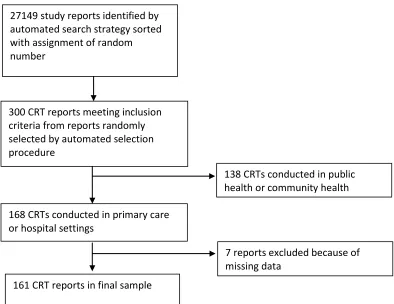
practices in healthcare CRTs. It examines consent practices in a sample of 161 CRTs in
primary and hospital care settings. The chapter includes descriptive statistics on the
proportion of CRTs that obtained informed consent from patients. The chapter also
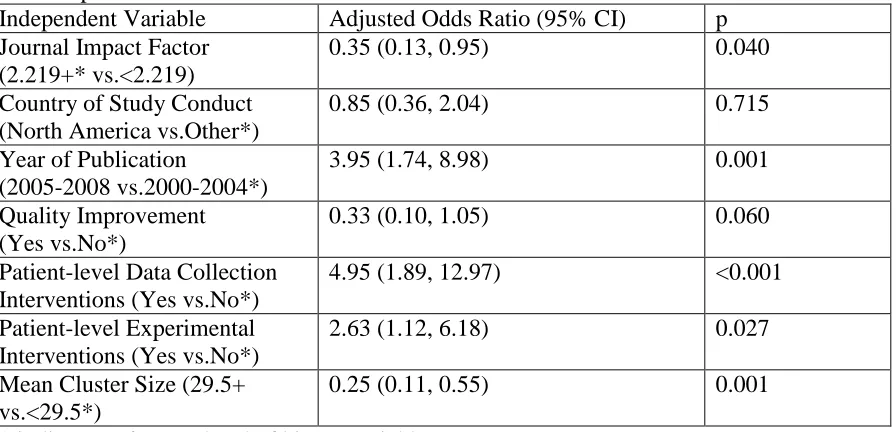
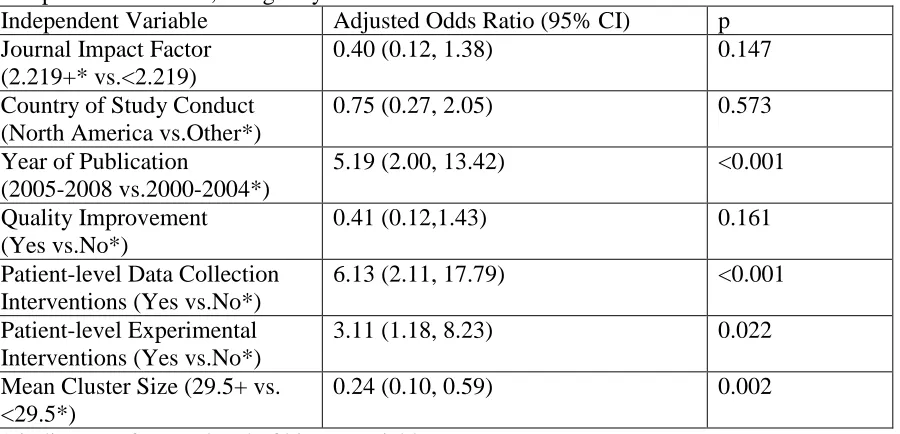
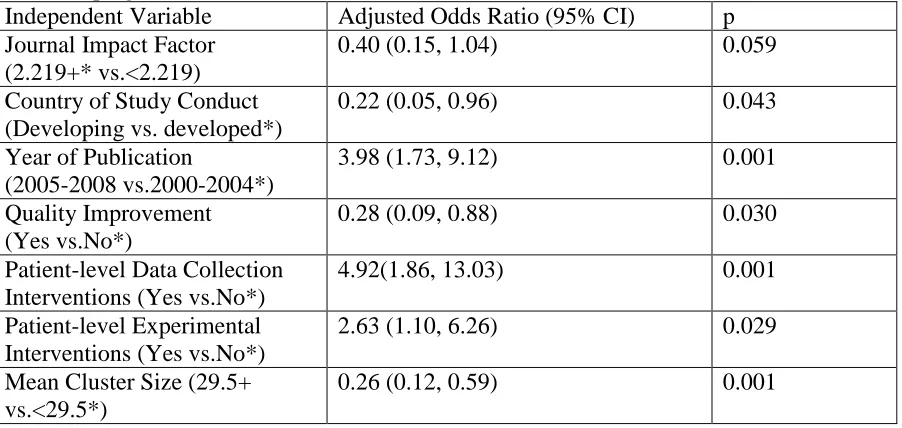
describes a logistic regression analysis that identifies methodological features of CRTs that
are independently associated with the practice of obtaining informed consent from patients
in healthcare CRTs.
Chapter four describes an empirical study in which 20 CRT investigators were
interviewed about the ethical challenges associated with CRTs and their experiences in
addressing these challenges. Qualitative analysis methods were used to provide a rich
descriptive summary of researchers’ experiences addressing the ethical challenges that are
unique to CRT design and conduct.
Chapter five addresses a key ethical question: “Who is a research subject in
healthcare CRTs?” In this chapter I argue for a principled, comprehensive definition of
“research subject” and I apply it to the CRT context. This work allows the formulation of
guidelines that adequately protect subjects in CRTs while avoiding excessive regulatory
burdens on CRT investigators, and enables research ethics boards to consider protections
Chapter six reviews the challenges associated with obtaining informed consent in
CRTs, including the feasibility of seeking informed consent in large-scale CRTs, the
potential for bias introduced by the consent process, and the timing and content of consent
discussions. This chapter then draws on one moral theory that underpins the requirement
for informed consent for research participation to argue when, and from whom, informed
consent is required in CRTs, and what information must be disclosed to potential subjects
during consent discussions.
Chapter seven summarizes the preceding chapters, and reflects on the findings of
the empirical work in the light of the conclusions of the two normative chapters. This
chapter includes a reflection on the relationship between empirical work and normative
work in the scholarly enterprise of research ethics. It considers the implications of the
findings in this dissertation for the development of ethical guidelines for CRTs. It also
considers the implications of this work for other study designs that are used in the quality
improvement, health services and public health fields. Finally, chapter seven lays out plans
for future work that stems from both the content and the methodology used in this
REFERENCES
1. A Donner, N Klar. Pitfalls of and controversies in cluster randomization trials. Am J Public Health. 2004; 94:416-422.
2. SJ Edwards, DA Braunholtz, RJ Lilford, AJ Stevens. Ethical issues in the design and conduct of cluster randomised controlled trials. BMJ. 1999; 318:1407-1409.
3. SM Eldridge, D Ashby, GS Feder. Informed patient consent to participation in cluster randomized trials: An empirical exploration of trials in primary care. Clin Trials. 2005; 2:91-98.
4. JL Hutton. Are distinctive ethical principles required for cluster randomized controlled trials? Stats Med. 2001; 20:473-488.
5. C Weijer, AD McRae, A Binik, et al. Ethical challenges posed by cluster randomized trials in health research. 2010; Manuscript under submission.
6. E Chaney, LG Rabuck, J Uman, et al. Human subjects protection issues in QUERI implementation research: QUERI series. Implementation Sci. 2008; 3:10.
7. H Mann, M Reyes. Identifying the human research subject in cluster randomized controlled trials. IRB Rev Hum Subj Res. 2008; 30:14-18.
8. LE Wolf, J Ferrara Walden, B Lo. Human subjects issues and IRB review in practice based research. Ann Fam Med. 2005; 3:S30-S37.
9. Donner A, Klar N. Design and Analysis of Cluster Randomization Trials in Health Research. London: Arnold; 2000.
10. C Weijer, EJ Emanuel. Protecting communities in biomedical research. Science. 2000; 289:1142.
11. The Public Access Defibrillation Investigators. Public access defibrillation and survival after cardiac arrest. N Engl J Med. 2004; 351:637-646.
12. Medical Research Council. Cluster randomized trials: Methodological and ethical considerations. Available at:
http://www.mrc.ac.uk/consumption/idcplg?IdcService=GET_FILE&dID=8241&dDocNam e=MRC002406&allowInterrupt=1. Accessed 03/18, 2008.
13. Council of International Organizations of Medical Science. International Ethical Guidelines for Epidemiologic Studies. Geneva: Council of International Organizations of Medical Science; 2009.
15. N Kass, PJ Pronovost, J Sugarman, CA Goeschel, LH Lubomski. Controversy and quality improvement: Lingering questions about ethics, oversight, and patient safety research. Jt Comm J Qual Patient Saf. 2008; 34:349-353.
16. M Taljaard, C Weijer, J Grimshaw, et al. Ethical and policy issues in cluster
Chapter 2
This chapter introduces the CRT design and the ethical questions that arise from its
methodological features. First, the features of the CRT design will be explained. Basic
statistical issues, the uses of the CRT design, and CRT typology will be reviewed. Second,
a conceptual framework for the evaluation of ethics challenges in human subjects research
will be described. Third, this conceptual framework will be used to guide a comprehensive
review of the literature outlining the ethical problems relating to CRTs
Introduction: Cluster Randomized Trials
What is a Cluster Randomized Trial?
A cluster randomized trial (CRT) is an experiment in which groups of individuals
(clusters) are randomly assigned to different intervention arms, so that the same
intervention is delivered to the entire cluster1. The efficacy of the experimental intervention
may be evaluated using data from several sources. Data may be obtained from all cluster
members or from a sample of the cluster membership. Cluster-level data may also be
obtained from other sources, such as administrative databases.
CRTs are becoming an increasingly important methodological tool in a variety of
fields, including public health, education, health services research, and for the evaluation of
What are the methodological differences between CRTs and RCTs?
Randomization of Groups Instead of Individuals
In an individual randomized, controlled trial (RCT), individual subjects are randomly
assigned to one trial arm or another. The hallmark feature of the CRT is that, rather than
randomly assigning individual research subjects to study arms, groups of individuals are
randomly assigned to different study arms.
It is important at this point to distinguish between the cluster—the actual group of
individuals under study --andthe unit of randomization—the entity that is actually
randomly assigned. In many CRTs, the cluster and the unit of randomization are the same.
This happens most often when the cluster is an intact social unit, such as a community,
family or sports team. Alternatively, the unit of randomization can be an entity that is
distinct from the cluster, but whose association with the cluster results in randomization of
the entire cluster. For example, in a primary care CRT, a clinic may be the the unit of
randomization, creating clusters comprised of that clinic’s patients.
Correlation of outcomes between cluster members
Cluster members’ responses to the experimental intervention are often correlated
with one another. In other words, the effect of the intervention may vary between clusters
for reasons unrelated to the efficacy of the intervention, but related instead to common
characteristics of cluster members. Depending on the type of cluster and the type of
intervention under study, responses between cluster members may be correlated for several
• Cluster members may share similar environments, such as in CRTs of public
health interventions in which all members of the same community receive a
cluster-level intervention;
• Cluster members may have genetic similarities, such as when families or
isolated communities are used as clusters in a CRT.
• Individuals with particular traits that are relevant to treatment response may
self-select cluster membership because of a particular cluster characteristic. For
example, older patients may choose a physician with a reputation for being
skilled in geriatric medicine.
• Personal interactions between cluster members that result in sharing of
information about experimental interventions may create a clustering effect.
Similarly, personal interactions between cluster members may lead to rapid
spread of communicable diseases1.
Increased sample size, decreased precision
The correlation in responses between cluster members violates an assumption of
standard statistical tests that observations on different subjects are independent.
Accordingly, sample size calculations and hypothesis tests must be adjusted to account for
the correlation between cluster members. The degree of within-cluster correlation may be
quantified using the intra-cluster correlation coefficient (ICC, ρ). One interpretation of the
ICC is simply the pairwise Pearson correlation between any two members of the same
group or cluster1. An ICC of 0 indicates that there is no within-cluster correlation of
correlation. In practice, the ICC may be estimated based on existing literature, or measured
empirically in a pilot sample.
Formulae for sample size and hypothesis tests must be adjusted to account for the
within-cluster correlation. To account for clustering effects, the estimate of the required
number of individuals in each trial arm should be multiplied by a variance inflation factor,
[1+(m-1)ρ], where m is the number of individuals in each cluster, and ρ is the ICC. This
gives a sample size that accounts for within-cluster correlation1. Because of these
adjustments, CRTs generally require larger sample sizes than do individually-randomized
trials to achieve the same degree of precision.
Hypothesis testing involving procedures such as the t-test or chi-squared test, as well
as formulae for confidence interval estimation, must be similarly adjusted. These
adjustments result in larger p-values for hypothesis tests, and wider confidence intervals
around the estimated effect sizes1. A common approach to adjusting for within-cluster
correlation in the analysis of CRT data is to add a random effect term to a multivariable
regression model so that standard errors are adjusted for within-cluster variation. It is also
possible to conduct analyses of summary measures of outcomes at the cluster-level, thereby
avoiding the need to adjust for within-cluster correlation.
As a result of the need for larger sample sizes, CRTs often impose greater
administrative and financial burdens on study investigators and sponsors. For this reason,
Why is a CRT used?
Given the statistical and logistical disadvantages of the CRT design, the use of the
CRT must be justified by some other methodological advantage. There are several reasons
for choosing the CRT design. For some studies, there may be multiple reasons for choosing
the CRT design.
The CRT Evaluates Group-level Interventions
CRTs are often used to evaluate interventions that are designed to affect the entire
group. For example the COMMIT study compared the efficacy of different public
education and media strategies aimed at increasing smoking cessation in participating
communities2. These interventions are administered to the entire community, and therefore
the community was used as the unit of randomization.
This same justification for cluster randomization may apply to some CRTs in
healthcare, particularly to CRTs evaluating knowledge translation (KT) or health service
interventions. KT CRTs evaluate training or educational interventions for health
professionals that are intended to improve patient care. Outcomes of interest may include
health professional behaviours as well as patient-level outcomes. For example, one CRT
evaluated the efficacy of different educational strategies for physicians designed to
improve evidence-based prescribing for patients with diabetes and cardiovascular disease3.
The outcomes evaluated included physicians’ perceptions of the efficacy of the
intervention, as well as objective changes in prescribing practices as ascertained from
patients’ prescription data accessed from a national pharmacy database. CRTs are used to
interventions are conducted only at the cluster level. For example, a CRT evaluating a
modification to patients’ electronic medical record to issue prescribing reminders for
patients with diabetes4 is most easily implemented at the practice level. For this reason, a
CRT design was chosen with the medical practice being the unit of randomization.
Avoidance of Treatment Contamination and Maximizing Adherence
The CRT design may be chosen in order to avoid treatment contamination. Treatment
contamination refers to a phenomenon observed in individually randomized trials in which
subjects assigned to one arm may share elements of their intervention with subjects in
another trial arm who are in close proximity1. For example, contamination might be
observed if individuals in the same family are participating in a trial of a dietary
intervention, and are randomly assigned to different arms. It is possible that subjects would
share elements of the different interventions with each other. Treatment contamination
tends to bias the outcome of a trial toward a null result. CRTs are therefore used to evaluate
individual-level interventions that are easily shared by individuals who may be
participating in the same trial1.
CRTs are also used to evaluate interventions directed at healthcare professionals or
organizations in which it would be difficult to apply the intervention to some patients and
not to others1. One example of such a trial evaluated the efficacy of early breastfeeding in
reducing the frequency of postpartum hemorrhage5. The unit of randomization for this trial
was the birth attendant rather than the individual patients, as the birth attendants may have
Random assignment in clusters may also improve intervention adherence within the
cluster. A CRT evaluating the effect of treated nasal tissues on incidence of respiratory
illness randomized families rather than individuals6. Investigators believed that adherence
to use of the assigned tissue type would be enhanced if entire families were the unit of
randomization rather than individuals within families.
Evaluation of Individual- and Group-level outcomes
The CRT design permits the evaluation of both individual-level outcomes and
group-level outcomes within the same study1. This is particularly advantageous in CRTs
evaluating vaccine efficacy7. A CRT randomly assigning communities to two different
vaccine programs allows for comparison between the relative efficacy of vaccine programs
for vaccinated persons (an individual-level outcome) as well relative vaccine efficacy at the
community level (a group-level outcome that includes both vaccinated and unvaccinated
individuals)7.
Political, Logistical and Administrative Reasons
The CRT design has sometimes been employed for political reasons, often in
developing countries in which communities were the unit of randomization. Investigators
have encountered situations in which community leaders have refused to allow random
assignment of individuals within communities, and have insisted that all community
members be offered the same intervention. One example is a CRT evaluating the effect of
vitamin A supplementation on child mortality. 450 villages in Indonesia were randomly
communities. Investigators reported that it was “not politically feasible” to randomly assign
individuals within communities to either intervention or control arms8.
The statistical inefficiency of the CRT design may be outweighed by administrative
or logistical factors9. Randomization in clusters may decrease the number of research
personnel required to collect data, and decrease the logistical challenges required for data
collection such as time and travel requirements9. Some subjects, such as patients, may only
be accessible through health professionals or health care organizations, so the use of these
professionals or health care organizations as the unit of randomization may be necessary9.
It may also be easier to access administrative data or private health information in some
circumstances if a health professional or health care organization is used as the unit of
randomization9.
In some CRTs, medical practices were randomized rather than individual patients in
order to assuage the fears of health professionals who were uncomfortable having their
patients randomly assigned to either the intervention or control arms1.
Typologies of CRTs
Two typologies have emerged to describe the variety of interventions that may be
evaluated in the multiple fields that employ the CRT design. The aim of developing a
typology is to be able to easily refer to CRTs or to CRT interventions that share common
features. These two typologies group CRTs and CRT interventions based on the ability of
individual cluster members to either consent or opt out of study interventions.
Edwards and colleagues created a dichotomous typology to describe CRTs10.
level and designed to affect all individuals in the cluster. Examples include public health
interventions such as mass media campaigns or water treatments, curricular innovations in
education, or healthcare quality improvement innovations that are implemented at the level
of a hospital or health system. Individual-cluster interventions are CRTs in which
experimental interventions are administered to individual cluster members, primarilyto
avoid experimental contamination, with the intent of producing an individual-level effect.
Examples include individual health interventions evaluated in CRTs that randomize
medical practices in order to avoid contamination.
Eldridge and colleagues expanded Edwards’ classification to four categories:
cluster-cluster, individual-cluster-cluster, professional-cluster and external-cluster11. Importantly, Eldridge
et al recognize that a CRT may include both interventions administered at the cluster level
as well as interventions administered to individual cluster members. Therefore, the
Eldridge typology classifies CRT interventions, rather than classifying CRTs as a whole.
Cluster-cluster interventions have a similar meaning for Eldridge et al. as for
Edwards et al. The key feature of a cluster-cluster intervention is that the intervention is
applied at the cluster level, and affects all cluster members. Cluster members cannot avoid
or opt out of a cluster-cluster intervention.
Individual-cluster interventions are also similarly classified in the Eldridge and
Edwards typologies. These interventions are applied to individuals, who have the
opportunity to choose whether or not to participate in the CRT. The CRT is chosen to avoid
experimental contamination in the administration of the experimental intervention.
Professional-cluster interventions are used in CRTs in which the cluster is defined by
typically educational or quality improvement interventions directed at professionals, and
are designed to influence how those professionals serve those for whom they are
responsible. An example is the use of automated reminders of optimal prescribing practices
of antiplatelet medications for diabetic patients in primary care4. Patients do not have the
opportunity to avoid the effects that the experimental intervention may have on their care,
although there may be an opportunity for patients to decline to have their data used11.
External-cluster interventions are primarily used in healthcare CRTs, and refer to
interventions that re-organize health systems by using additional or different healthcare
providers11. Randomization of clusters is done to avoid contamination, or for logistical or
financial reasons. An example of an external-cluster intervention is the use of a nurse
specialist to administer asthma care instead of or in addition to a primary care physician12.
Patients can opt out of studies using external-cluster interventions simply by refusing to
utilize the additional staff11.
These categories may be useful in categorizing interventions that have different
ethical implications, particularly respect to subjects’ ability to choose whether or not to
undergo a particular type of intervention. However, this typology hasa number of problems
that limit its widespread use without further clarification and validation.
First, these categories only refer to the experimental interventions under study in a
CRT. Trials also include interventions used solely to collect data13. In CRTs, these may be
interactions with, or interventions on individual subjects; they may consist of collection of
subjects’ identifiable private information; or they may use administrative data that allows
the evaluation of group-level outcomes. The categories in the Eldridge typology do not take
Second, while it makes sense to categorize the experimental interventions in a CRT,
rather than categorizing the trials themselves (which may contain different kinds of
interventions), it is easy for users to conflate a typology describing the interventionsas
describing the trials themselves. Therefore, it is important to be clear on the distinction
between a subject’s ability to avoid or opt out of an intervention, and a subject’s ability to
avoid or opt out of a trial.Subjects can only opt out of a trial if they are able to avoid or opt
out of all experimental and data-collection interventions.
Third, Eldridge concedes that users may disagree on the categorization of a particular
intervention, and that there may be overlap between categories11.
Fourth, the typology does not capture all of the interventions in CRTs in which the
cluster is defined by its relationship to a professional such as a healthcare professional or
teacher. These CRTs may have interventions that are directed at those professionals, and
are designed to produce a specific effect on those professionals, such as in increase in
knowledge. These interventions do not necessarily have a measurable cluster-level effect,
and so describing them using the professional-cluster typology seems inappropriate.
Finally, the four-category Eldridge typology for CRT interventions may be reducible
to two categories that resemble Edwards’ classification. Professional-cluster interventions
closely resemble cluster-cluster interventions, in that they are administered at the cluster
level that cannot be avoided by individual cluster members. The fact that a cluster member
may opt out of data collection is a feature of the trial, not of the intervention in question, so
professional-cluster interventions are probably best thought of as a subspecies of
cluster-cluster interventions. External-cluster-cluster interventions resemble individual-cluster-cluster
see the additional staff members. For CRTs of external-cluster interventions, cluster
randomization is undertaken for practical reasons, not because of the nature of the
interventions. It may be reasonable to think of external-cluster interventions as a subspecies
of individual-cluster interventions.
In this dissertation, the preferred terminology will refer to cluster-level interventions
and individual-level interventions. Cluster-level interventions are those that are directed at
the entire cluster, and intended to produce an effect on all cluster members, independent of
their ability to avoid the intervention. These include Eldridge’s cluster-cluster and
professional-cluster interventions. Individual-level interventions are those that are directed
at individual subjects and are intended to produce an effect on that particular subject. These
include Eldridge’s individual-cluster and external-cluster interventions. Interventions
directed at professionals that are designed to produce an effect on those professionals,
without necessarily producing a cluster-level effect, will be considered separately.
A Conceptual Framework for Addressing Ethics Questions in
CRTs
There is a small but growing literature that discusses the ethical issues of the CRT
design. Specifically, commentators have been concerned with the logistical feasibility of
obtaining consent from subjects in large trials9-11,14-16, the potential biasing effect of the
consent negotiations in CRTs of behavioural interventions9,10,15,17, the lack of benefit to
subjects in control groups14,15, and questions about who has the authority to speak on behalf
CRTs share many of the characteristics of individually-randomized clinical trials. It
therefore makes sense to appeal to the robust literature on the ethics of clinical trials as a
starting point for a discussion of the ethical questions of CRTs. In some instances,
however, there will be a lack of fit between research ethics guidelines for
individually-randomized clinical trials and CRTs that randomize groups of individuals. Current research
ethics guidelines and regulations were developed to address ethical challenges in which
subjects are recruited individually, as in a typical RCT. The ethics of CRTs in which a
cluster is the unit of randomization and/or the unit of intervention are less clear.
In instances in which widely-accepted solutions for ethical challenges in individually
randomized trials do not address problems in CRTs, it is helpful to turn to a
broadly-accepted framework for the discussion of ethical issues in human subjects research. This
conceptual framework has been developed over more than forty years of scholarly work.
By using this approach, solutions to ethical problems posed by CRTs can be defended by
appealing to widely accepted ethical principles, and to the moral theories on which these
principles are based.
The Ethics and Regulation of Human Subjects Research
The study of the ethics of research involving human subjects evolved largely in the
second half of the twentieth century19,20. Scholarly work in research ethics occurred in
parallel with the development of regulations governing human research that have been
promulgated by various international bodies and federal governments. Both normative
reflections on human subjects research and regulatory documents generally refer to
of research interventions. With a few notable exceptions, CRTs are not specifically
mentioned in most scholarly work and regulatory documents, meaning that the application
of research ethics principles and guidance to CRTs is left to the interpretation of ethicists,
researchers and research ethics boards. Below, we review first the evolution of scholarly
work that lays out the basic principles of the ethics of human subjects research, then review
in detail the key regulatory documents that researchers and research ethics boards may
draw upon while reflecting on the ethical questions posed by CRTs.
Basic Ethical Principles for Human Subjects Research
The most broadly accepted articulation of the basic ethical principles for human
subjects research comes from the Belmont Report, the 1979 Report of the US National
Commission for the Protection of Human Subjects in Biomedical and Behavioral Research
(referred to hereafter as the “National Commission”)21. The Belmont Report outlines three
basic ethical principles that guide the conduct of human subjects research: respect for
persons, beneficence, and justice. The Belmont report also specifies moral rules that stem
from each of these principles21.
The principle of respect for persons is derived from a philosophical heritage that
emphasizes the unconditional worth of all autonomous individuals21-23. Therefore, the
principle of respect for persons requires that the choices of autonomous individuals be
respected, and that individuals with diminished autonomy be protected. The Belmont
Report states that to respect an autonomous individual is to respect that individual’s wishes
with regard to research participation, and to maintain the confidentiality of private
informed consent for research participation from research subjects, as well as requirements
for safeguarding subjects’ private information. The Belmont Report also recognizes that
individuals with diminished autonomy are vulnerable to exploitation. To respect these
individuals requires extending additional protections. These include requirements for
consent from an authorized substitute decision-maker, the requirement for the potential
subjects’ assent for research participation, and limits on the kinds of risks to which an
individual with diminished autonomy may be exposed as a result of research
participation21.
The principle of beneficence encompasses two moral obligations: to refrain from
doing harm, and to maximize possible benefits while minimizing harms. The principle of
beneficence entails moral rules with respect to the analysis of harms and benefits that
particular studies pose to their subjects. Investigators and ethics committees are responsible
for ensuring that the risks and benefits to research subjects stand in reasonable relation21.
The principle of beneficence also applies more broadly to societal benefits that
accrue from scientific research. It is an issue of beneficence as to whether the knowledge
benefits of a scientific research program justify the risks that research poses both to
individual subjects and to our social fabric21.
The principle of justice refers to the fair distribution of the burdens and benefits of
research, and entails moral rules about selection of study populations and subjects. Justice
requires that no individuals or groups of individuals be systematically excluded from
research, thus depriving them of the benefits of research participation, unless that exclusion
can be justified on scientific grounds. This requirement is particularly relevant to groups
who have historically been unjustifiably excluded from research studies. Justice also
requires that a group not be unfairly burdened with the risks of research participation. This
means that a group should not be used as a population of convenience, as has occurred in
the past with hospitalized individuals, visible minorities, underprivileged persons, and
prisoners21.
More recently, a fourth principle, respect for communities, has been proposed and is
gaining increasing acceptance24. This principle recognizes the value of communities as a
source of personal values and self-understanding, and their importance for the well-being
of community members. Some types of communities legitimately exercise power to make
decisions that are binding on their members. The principle of respect for communities
demands that investigators respect communal values and social structures, and abide by
decisions of legitimate community authorities24.
These basic principles are intended to entail prima facie obligationsthat must be
fulfilled25. Ethical challenges arise when obligations stemming from one principle conflict
with obligations stemming from another. There is no implicit hierarchy of principles:
“Although we begin our discussion of principles of biomedical ethics with respect
for autonomy, our order of presentation does not imply that this principle has
priority over all other principles. A misguided criticism of our account is that the
principle of respect for autonomy overrides all other moral considerations. This we
firmly deny.25”.
It is the task of the research ethics committee to resolve ethical dilemmas resulting from a
conflict between principles. This can be done by a weighing of the competing moral
of the basic principles22. In subsequent chapters, we will apply this approach to a critical
examination of the ethical questions posed by CRTs.
Ethical Guidelines for Human Subjects Research
Guidelines for the ethical conduct of research involving human subjects were
promulgated prior to the systematic articulation of basic ethical principles in the Belmont
Report 27,28. Although early guidelines are not obviously based on the Belmont Report
principles, these guidelines and the Belmont Principles reflect common moral norms25.
The promulgation of the Nuremberg Code marks the effective start of international
efforts to regulate the conduct of human subjects research. The Code comprises a set of
recommendations for the conduct of ethical research that emerged from the trial of Nazi
physicians who conducted medical experiments on non-consenting prisoners during the
Second World War. The experiments in question often caused terrible suffering to subjects,
and frequently had little scientific importance or methodological validity. These
experiments took place in spite of research regulations in German and Russian law that
required the informed consent of research subjects29. The Nuremberg Code’s first
requirement isabsolute: researchers must obtain informed consent from subjects. The
Nuremberg Code also requires that the research be scientifically valid, that unnecessary
suffering should be avoided, that risks be justified by the humanitarian importance of the
research, and that research be stopped if there is risk of death or injury to the subject29.
The Nuremberg Code does not specifically address the broad range of areas of
inquiry and variety of research methodologies in human subjects research. It does not
capacity such as children or incapable adults, nor does it recognize that some human
research necessarily involves interventions that may pose serious risks to research subjects.
Taken literally, the Nuremberg requirements would curtail the biomedical research
enterprise.
The World Medical Association has promulgated its own ethical guidelines, which
have become known as the Declaration of Helsinki. Initially published in 1964, and revised
on eight occasions, most recently in 2008, the Declaration of Helsinki has become the most
widely utilized international guideline for the conduct of human subjects research. The
Declaration of Helsinki differs from the Nuremberg Code in that it explicitly allows for
research on subjects with diminished autonomy, even though it pays more attention to the
use of vulnerable or disadvantaged populations in research.
Revisions of the Declaration of Helsinki27, Guidelines from the Council of
International Organizations of Medical Science30,31, and guidelines from the Canadian
Institutes of Health Research, National Science and Engineering Research Council and
Social Sciences and Humanities Research Council32, along with the Australian National
Health and Medical Research Council33 include their own statements of basic principles.
Although each agency’s guidelines articulate basic principles differently, all are clearly
indebted to the authors of the Belmont Report27,30-33. Numerous research ethics guidelines
therefore outline specific moral rules that stem from the basic principles of respect for
persons, beneficence and justice outlined in the Belmont Report.
In 1981, US Department of Health and Human Services issued new human subjects
research regulations in 1981 based on the recommendations of the National Commission. A
Institutional Review Board review are known as the Common Rule because, as of 1991,
they apply to all human subjects research conducted or funded by US Federal
departments34. The Common Rule offers specific guidance as to the procedural
requirements for research ethics review. It also outlines, in great detail, requirements for
informed consent, including a provision for a waiver of consent for certain kinds of
research34. Human subjects research in Canada is governed by the guidelines adopted by
the country’s three major research funding agencies, namely the Tri-Council Policy
Statement: Ethical Conduct of Research Involving Humans32. The Tri-Council Policy lays
out eight basic ethical principles that are largely reducible to the three Belmont Principles.
This framework of ethical principles gives rise to detailed guidance for consent processes,
the assessment of the harms and benefits of research, and the just recruitment and treatment
of research subjects32.
Guidelines for CRTs
Two guidelines address specific ethical problems in CRTs, but neither
comprehensively addresses the breadth of ethical questions that have been encountered in
CRTs.
The 2009 revision of the Council of International Organization of Medical Science
(CIOMS) International Ethical Guidelines for Epidemiological Studies30 clearly derives
from three Belmont Report principles of respect for persons, beneficence, and justice.
CRTs are one of five types of studies for which the CIOMS guidelines state that a waiver
of consent may be permissible: If a CRT is evaluating cluster-level interventions that are
The CIOMS guidelines suggest that even if consent is not possible, that community
residents should still be notified that a CRT is being conducted30. If consent from
individual cluster members is not possible, the CIOMS guidelines require that investigators
identify an entity that has the authority to give permission for the cluster to be enrolled in
the CRT. According to CIOMS, the decision-maker should have the authority to make
decisions to undertake interventions similar to those being evaluated by the CRT. The
decision-maker may also choose to consult the community more broadly prior to agreeing
to CRT participation. The CIOMS guidelines give research ethics committees the latitude
to require that investigators consult with community members prior to commencing a
study, in order to seek the community’s input into the study protocol. The CIOMS
guidelines also contain sections pertaining to research performed on underprivileged
populations that may be applicable to CRTs conducted in developing countries30.
The 2002 UK Medical Research Council’s statement Cluster Randomized Trials:
Methodological and Ethical Concerns18 contains guidance with respect to consent
procedures and the role of cluster decision makers. The MRC guidelines require
investigators to seek consent from individual cluster members whenever possible (i.e. for
CRTs involving individual-level experimental interventions or interventions on individual
cluster members for the purpose of data collection)18. The MRC guidelines also set out
detailed guidelines for the function of individuals who make decisions on behalf of
clusters, referred to in the guidelines as Cluster Representation Mechanisms (CRMs)18.
CRMs must act in the interests of both the cluster and the individual cluster members,
individual subject in an individually randomized trial, including the right to withdraw the
cluster from the CRT.
Neither set of guidelines clearly identifies when seeking informed consent is
necessary and when using a waiver of consent is acceptable. They only specify
circumstances in which consent may not be required. Nor do these guidelines detail the
essential elements of disclosure in consent negotiations. Neither the CIOMS nor MRC
guidelines lay out clear rules for the analysis of harms and benefits in CRTs.
Using a conceptual framework for research ethics to address ethics questions in CRTs
This dissertation will employ a conceptual framework rooted in the basic ethical
principles of respect for persons, beneficence, and justice. Ethical questions arising from
the CRT design will be framed in terms of conflicts between obligations that stem from
conflicting principles. Ethical challenges in CRTs will then be addressed by evaluating the
competing moral demands of each conflicting principle. By appealing to the moral theories
on which each principle is founded, and to associated moral concepts articulated in the
research ethics literature, one can hope to identify a justifiable solution to the ethical
problems associated with the CRT design. This work will, in turn, inform the development
of comprehensive research ethics guidance that adequately addresses the breadth of ethical
Ethical Questions in CRTs
Many of the ethical problems relating to CRT conduct have been identified in the
literature by CRT investigators who have encountered these challenges in practice. This
dissertation contributes to the activities of a working group of experienced CRT
investigators and ethicists, funded by the Canadian Institutes of Health Research. This
working group systematically reviewed the literature on the ethics of CRTs and identified
key ethical questions raised in the literature. Using the conceptual framework outlined
above, the working group identified important ethical issues that had not surfaced in the
CRT literature35,36 as well as questions arising from the conceptual framework for research
ethics. It identified six broad questions that, once addressed, will provide comprehensive
guidance to investigators and research ethics committees:
1) Who is the research subject in CRTs?
2) When, from whom, and how must consent be obtained?
3) Does clinical equipoise apply to CRTs?
4) How should the risks and potential benefits of CRTs be evaluated?
5) How ought vulnerable groups be protected in CRTs?
6) Who are cluster gatekeepers, and what are their responsibilities?
Each of these questions will now be briefly considered.
1) Who is the research subject in CRTs?
A key ethical problem in CRTs is the identification of research subjects36. In typical
is recruited, enrolled, and intervened upon. In CRTs it may be unclear who the research
subjectsare. CRTs often target groups of individuals, but it is not obvious that all group
members who may be affected by CRT interventions are, in fact, research subjects. For
example, a CRT may randomly assign communities to different mass media campaigns
aimed at increasing residents’ participation in physical activity37. Although there are no
direct interventions on the community residents, they may still be research subjects. What
if a resident is not exposed to the campaign? What about individuals who may be visiting
that community? What about residents of control communities that do not receive any
intervention?
Some CRTs may intervene upon professionals (e.g., physicians or teachers) and
evaluate the effect of the intervention using data from the individuals that the professionals
serve (e.g. patients or students). It is unclear whether the research subjects arethe
professionals who are intervened upon, the individuals that they serve, or both9,38-40. In one
example, a trial randomized primary care clinics to different continuing education
strategies, and evaluated the effect of the education strategies on prescription patterns by
abstracting data from patients’ prescriptions41. Are the patients research subjects? How
about the health professionals who are the recipients of the study interventions?
There are two important reasons to examine the question of who the research subject
is in CRTs. First, failure to correctly identify who is and who is not a research subject in
CRTs may result in the failure to adequately protect some research subjects or may,
conversely, lead to overzealous protection of individuals who are not research subjects,
leading to the hindrance of important research. Second, research subjects in CRTs must be
and benefits, may be considered either as a normative question or as a pragmatic issue for
investigators and research ethics boards.
Both the MRC ethics guidelines for CRTs18 and the CIOMS guidelines for
epidemiologicresearch 30 assume that cluster members will necessarily be subjects, without
providing any justification. The issue of whether or not professionals who are the recipients
of educational or quality improvement interventions in CRTs are research subjects has been
addressed in two papers in the research ethics literature; both concluded that health
professionals are research subjects39,40. Several other papers offer diverging views on
whether consent is required from health professionals, without explicitly considering
whether or not the professional is, in fact, a research subject. Some authors argue that
consent should be sought from health professionals9,38, while others argue that consent
requirements should be waived42.
Only one paper has explicitly considered whether the patients of health professionals
participating in a CRT need to be considered research subjects39. The paper concluded that
patients of a health care provider whose care may be indirectly affected as a result of
interventions on the provider are research subjects. However, no argument is offered in
support of this conclusion39. Further normative work is required to examine arguments that
may support or refute these conclusions. The question of who is a research subject will be
addressed in detail in Chapter Five of this dissertation.
2) When must consent be obtained in CRTs?
The bulk of the literature on the ethical challenges of CRTs focuses on issues around
informed consent in CRTs can be grouped into four broad categories. Each of the issues
described below will be addressed in more detail in Chapter Six of this dissertation.
2.1) Feasibility of obtaining informed consent in CRTs
CRTs have become the gold standard methodological technique for evaluating the
efficacy of public health interventions applied to groups such as neighborhoods,
communities or larger social-political entities. Assuming that citizens of communities
participating in public health CRTs are research subjects (something that is not a foregone
conclusion), the logistical effort and expense that would be required to obtain consent for
research participation from all subjects would make many large community-based CRTs
unfeasible1,9,10,14,15,18,39,40. Some research ethics guidelines include rules for waiving the
requirement for obtaining informed consent if this is not feasible18,27,30,32,34. However, there
has been no principled examination of the moral justification for the use of a waiver of
consent. Identifying a justification for the use of a waiver of consent will be helpful in
developing clear guidelines that specify when the use of a waiver of consent is permissible
for CRTs.
2.2) Threats to internal validity due to consent requirements
CRTs are often used to evaluate interventions designed to modify the behaviour of
the research subjects. Several commentators have suggested when information is disclosed
to subjects during consent negotiations about the study’s purpose and interventions, this
may be sufficient to prompt a behavioural change among subjects10,15,17,42. This unintended
Some have argued that the potential for bias in CRTs of behavioural interventions is
sufficient to justify either a waiver of consent for some CRTs, or an alteration of the
information that is disclosed to potential subjects during consent negotiations10,15. A
principled moral justification for waiving consent requirements because of potential threats
to validity from disclosure in consent negotiations has yet to be articulated in the CRT
literature.
One strategy for minimizing bias and for increasing sample sizes has been to use a
passive consent, or “opt-out” model for subject enrollment. This has been used frequently
in education43 and health services research44-46. Subjects are assumed to be agreeable to
CRT participation unless they (or their substitute decision-maker) explicitly opt out.
Although national and international ethics guidelines allow for waivers or alterations of
consent requirements in specific circumstances, none discuss the use of an opt-out consent
model18,27,30-34. Furthermore, there has been no substantive normative work that examines
whether or not an opt-out consent model is sufficiently respectful of subjects’ autonomy so
as to be a reasonable substitute for seeking informed consent.
2.3) Timing and Meaning of informed consent in CRTs
In typical RCTs, subjects give consent for trial participation at the time of enrolment.
This consent includes consent to random assignment, to receive the study intervention, and
to undergo any interventions necessary to gather data. In many CRTs, investigators may
not be able to seek subjects’ consent for random assignment or for the experimental
interventions11,42. Whether obtaining consent for CRT participation is possible prior to