Time and Frequency Domain Feature Extraction Method of Doppler
Radar for Hand Gesture Based Human to Machine Interface
Aloysius Adya Pramudita1, *, Lukas2, and Edwar1
Abstract—In the development of hand gesture based Human to Machine Interface, Doppler response
feature extraction method plays an important role in translating hand gesture of certain information. The Doppler response feature extraction method from hand gesture sign was proposed and designed by combining time and frequency domain analysis. The extraction of the Doppler response features at time domain is developed by using cross correlation, and the time domain feature is represented by using peak value of cross correlation result and its time shift. The Doppler response feature of frequency domain is extracted by employing a discriminator filter determined by the frequency spectrum observation of Doppler response. The proposed method was employed as a preprocessing for Continuous Wave (CW) radar output signals, which is able to relieve the pattern classification of Doppler response associated with each hand gesture. The simulation and laboratory experiment using HB 100 Doppler radar were performed to investigate the proposed method. The results show that the combination of all three features was capable of differentiating every type of hand gestures movement.
1. INTRODUCTION
The development of Human to Machine Interface (HMI) needs to accommodate any form of sign used as command interface. With regard to this matter, hand gesture can be represented as a sign of a command to control the system or machine. It encourages the development of the HMI which has capability to interpret the hand gesture sign into signal command in the form of electrical signals. As a result, the development of technology has continued to increase in the last few years to support activities for disabled people [1, 2]. The development of technology also occurs in electronic devices. The interpretation of cues such as movement, eyes, and bioelectric in communication becomes one of the technology features that can be developed for disabled people. A number of researches in the HMI field are also motivated by the needs of disabled people to help them work on various activities independently [3–5].
This research is more focused on interpreting hand gesture motion into information that can be used to communicate with the machine. An important concept that needs to be elaborated on the development of a hand gesture interpreter is motion detector. In the past decades, gestures have been usually identified and judged by wearing sensor gloves [6] to obtain angles and positions of each joint in the gesture. However, it is difficult to use widely due to the cost and inconvenience of wearing the sensor. Therefore, non-contact device is more suitable to be implemented in detecting hand gesture. To the best of the authors’ knowledge, there are a few studies conducted in this area. Passive Infrared (PIR) was studied in developing a motion detection method, but this method is only limited to discriminate the presence or absence of movement and combining with other sensors such as seismic sensors which was used to overcome the problem [7]. The use of cameras has also been studied and proposed to conduct motion detection through either image processing or video [8]. Kinect sensors has been proposed to
Received 16 September 2019, Accepted 19 November 2019, Scheduled 27 December 2019 * Corresponding author: Aloysius Adya Pramudita ([email protected]).
use in body pose detection [9, 10], skeleton tracking technology [11], and other aspects. By using three-dimension video analysis, this method certainly generates large data size (image/video) that gives a consequence of higher computation and memory needs. This method also has limitation on the adequacy of light intensity. The use of radio signals in wireless communications such as Wi-Fi signals has been studied in the development of methods for detecting human movements [12]. However, the use of a Received Signal Strength Indicator (RSSI) as a parameter needs to consider the problem of interference from similar sources, so that this problem needs to be mitigated [13]. For further development of the method, elaborating the concept of passive radar can be conducted as further research.
Development of non-contacting sensors based on radar systems has been done in several fields such as in medical field for detecting a human vital signs (respiration, heartbeat [14–16], structure health monitoring [17], and landslide monitoring [18]. Doppler radar is a radar system that detects the Doppler effect that occur on a target. When the target moves, the reflection of the radar signal generated by the target will experience a Doppler effect which is indicated by a frequency shift. The direction of movement will determine the frequency shift that occurs [19]. The Doppler response is then determined by the parameters of the movement.
Research in the development of Doppler radar as a motion detection has been conducted [20, 21]. An experiment and development of a 2.4 GHz Doppler radar system for detecting small-range motion was performed to overcome the resolution problem in PIR and ultrasonic sensor [20]. In this experiment, a Doppler radar was used to detect a human respiration signature by observing the radar output in time domain. Phase data processing is commonly used in improving the resolution in motion detection. Several methods of handling a distortion that may occur in phase processing has also been studied [21]. Considering motion detection/interpretation purposes, this method potentially provides smaller data, and its operation is independent of light availability. Several previous researches on hand gesture recognition using a radar system were developed based on CW, Frequency Modulated Continuous Wave (FMCW), and Ulta-wideband (UWB) radar. The extended Differentiate and Cross Multiply (DACM) algorithm to solve the null point and codomain restriction issued from traditional Doppler radar sensors [22], which is hand gesture recognition using FMCW millimetre wave, was reported [23]. The complex processing of the radar signal for obtaining the accurate detection result was needed. For example, a neural network was applied to recognize the pattern of radar output from a hand gestures target [24]. Feature extraction method can be used to reduce the complexity of recognition or classification process. With respect to the need of a compact and simple HMI, the Doppler response feature extraction method from CW radar output is proposed in this paper.
The proposed model is expected to be a preprocessing for the CW radar output signal that is able to relieve the pattern classification of Doppler response associated with each hand gesture. The simulation and laboratory experiment using HB 100 Doppler radar are performed to investigate the proposed method.
The discussion in this paper is organized as follows. Section 1 explains the background and problem addressed related to the development of the proposed method. Furthermore, Section 2, describes the proposed method and the experiment method conducted to investigate the proposed method. Then, Section 3 is the discussion and analysis of the experiment results, and finally, the last section is conclusion.
2. PROPOSED METHOD
2.1. CW Doppler Radar for Human to Machine Interface
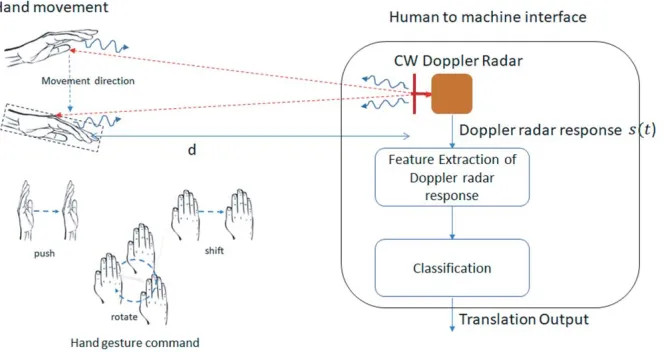
In this research a simple Doppler radar using CW radar is elaborated as a hand movement sensor in developing HMI. Every hand gesture that is used as a command sign on HMI is expected to be identified with its features based on its Doppler response. The conceptual illustration of hand gestures sign interpretation employed as an HMI system is shown in Figure 1. A number of hand gesture forms could be selected and set as a gesture of command to the machine or equipment, then HMI uses it to interpret the signal. The model for extracting the Doppler response feature from a motion gesture becomes one of the key parts of the HMI system. The extraction model of the Doppler response feature was expected to ensure that each gesture is successfully interpreted and simplifies the classification process.
Figure 1. .Illustration of Human to Machine interface based on CW Doppler radar.
The CW radar basically consists of sinusoidal signal generator, power splitter, power amplifier and transmitting antenna at transmitter side and low pass filter, mixer, low noise amplifier, and receiving antenna at receiver side. The block diagram of CW radar system is shown in Figure 2. CW radar system transmitted electromagnetic waves with a single frequency of f0, and target distance to the
radar will affect the phase shift in the reflected wave received by radar. The transmitted signal can be written as Eq. (1) withAtand θrespectively representing the amplitude and initial phase ofXt. If the
distance between target and radar is d0, then the transmitted waves reflected by the target will arrive
at the receiver with phase shift of 4πd/λ. λ is the wavelength of transmitted wave form. The received waveform can be written as Eq. (2) with Ar and θ respectively representing the amplitude and initial
phase ofXr.
Figure 2. Block Diagram of 10 GHz CW radar system.
Xr(t) = Arcos
2πf0t+
4πd λ +θ
(2)
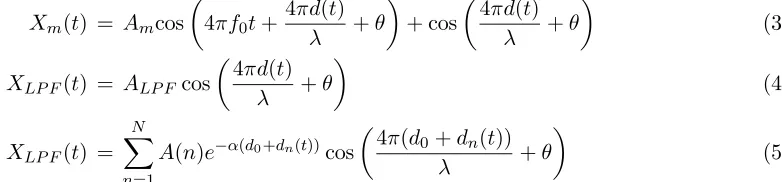
The reflected wave is then mixed with the transmitted signal, and the mixer output can be written as Eq. (3) with Am representing the amplitude of Xm. Furthermore, the phase difference component
from the mixer output is selected by using a low-pass filter (LPF), and the LPF output is the dc signal when the target is static. The LPF output is then written as Eq. (4) with ALP F representing the
amplitude ofXLP F. When there is a movement from the target, the distance between radar and target
varies in time until the movement stop. In this research, the LPF output on the CW radar system illustrated in Figure 2 is defined as Doppler response from target movement. To investigate properties of the Doppler radar output regarding the target movement, the LPF output modelling is derived. Basically, the received signal contains multiple reflected waves from the target, thus the LPF output can be estimated as superposition of individual LPF output relating occurred multiple reflections from moving target. The LPF output model is written as Eq. (4). d0 is the initial distance between radar and
target, α the attenuation that may occur when the wave propagates and reflects back to the receiver, and dn(t) the shifting which is caused by the movement.
Xm(t) = Amcos
4πf0t+
4πd(t)
λ +θ
+ cos
4πd(t)
λ +θ
(3)
XLP F(t) = ALP Fcos
4πd(t)
λ +θ
(4)
XLP F(t) = N
n=1
A(n)e−α(d0+dn(t))cos
4π(d0+dn(t))
λ +θ
(5)
Referring to Equation (4), it can be concluded that the movement on target will affect the frequency of the LPF output. When the target movement is modelled with a linear function at a constant speed
v, dn(t) can be substituted by
d20+ (vt)2. Figures 3 and 4 show the LPF output of the CW radar
system for a target with two different motion functions. Those motion functions represent the linear and exponential shift. To investigate the property of the Doppler response, the observation on time and frequency domains is conducted to the LPF output. Figure 3 shows the LPF output on the time domain, and Figure 4 shows the frequency spectrum of the LPF output. It appears from Figure 3 that the LPF output for linear and exponential motions indicates different Doppler responses.
Figure 3. LPF output of 10 GHz CW radar for two different kinds of motions.
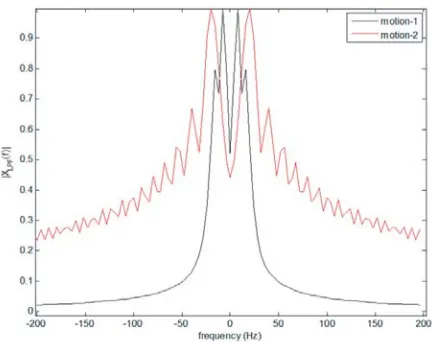
Figure 4. The spectrum of LPF output for two
different motions.
Referring to the result in Figure 4, it appears that the two movements have different Doppler responses characterized by the difference in frequency spectrum. Referring to Eq. (5), it can be understood that the hand gestures function influences the frequency component of the LPF output. After observing each spectrum in Figure 4, a discriminator filter can be used to differentiate between gestures. The type and frequency range of the discriminator filter can be determined so that the filter output for each hand gesture can be well differentiated. For example, when we use the high pass filter with cutoff frequency of 50 Hz as a discriminator filter, filter output for motion-1 will be greater than motion-2. However, there is a variation on a type of hand gesture when it is repeated causing variation on its Doppler response. This fact should be considered in the development of the feature extraction model.
2.2. Proposed Method
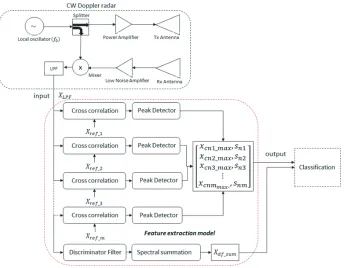
Considering the observation results that have been obtained in time and frequency domains, the design of proposed feature extraction model consists of two parts. The first part is used to extract the time domain feature, and the second part is used to extract the frequency domain feature. Cross correlation is used for extracting the time domain feature with the peak, and time shift is chosen to represent the time domain feature. A discriminator filter is used to extract the frequency domain feature with the type of filter that could be selected by observing the spectrum of the LPF output of each hand gesture. In this model, we use summation spectrum to obtain the frequency domain feature. The proposed method applied tomtype of hand gestures is depicted in Figure 5. The cross correlation between LPF output ofnth sample and reference signal for themth hand gesture can be calculated by using Eq. (6) withT standing for recording period of the radar output, and the time shift (Snm) could be determined
from the location of the peak value.
XCnm(s) =
1 2T
T
−T
XLP Fn(t)Xrefm(t−s) (6)
The output of frequency domain feature extraction (Xdfsum) can be calculated by using Eq. (7),
with Hd(f) and XLP Fn(f) respectively standing for frequency response of discriminator filter and
Fourier transform of LPF output. fL and fH are respectively the lowest and highest frequencies of
Figure 5. Feature extraction method that proposed for hand gesture Doppler response.
hand gestures.
Xdfsum =
fH
fL
|XLP Fn(f)Hd(f)|df (7)
The feature extraction calculation becomes preprocessing for the hand gesture Doppler response before being recognized or classified into a certain sign. With respect to the proposed feature extraction method depicted in Figure 4, the feature of each hand gesture is represented by three values, i.e.,XCnm,
Snm, and Xdfsum. The peak value of cross correlation, time shift, and total spectrum of discriminator
output are used as input data of classification process.
2.3. Experimental Model
Further investigation is conducted by performing laboratory experiments using the HB 100 as CW module radar working at a frequency of 10 GHz. LPF output from HB 100 is connected to a USB soundcard. The acquisition of LPF output data is carried out using a laptop. The experiment setup is shown in Figure 6.
Hand gesture movements are recorded at a distance (d0) of 50 cm from the CW radar module. Four
Figure 6. Experiment setup.
(a) (b)
(c) (d)
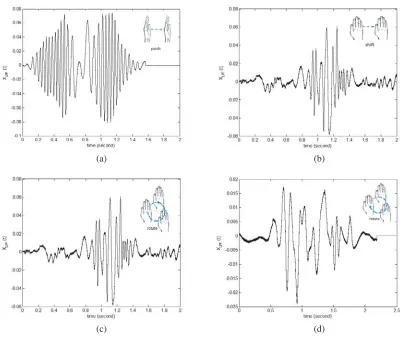
Figure 7. The measured LPF output samples from each hand gestures. (a) Hand gesture-1. (b) Hand
0.2 0.4 0.6 0.8 1 1.2 1.4 1.6 1.8 2 -0.1
-0.08 -0.06 -0.04 -0.02 0 0.02 0.04 0.06 0.08
time (second)
XLPF
(t)
(a)
0.2 0.4 0.6 0.8 1 1.2 1.4 1.6 1.8 2 -0.1
-0.08 -0.06 -0.04 -0.02 0 0.02 0.04 0.06 0.08
time (second)
XLPF
(t)
(b)
0.2 0.4 0.6 0.8 1 1.2 1.4 1.6 1.8 2 -0.1
-0.08 -0.06 -0.04 -0.02 0 0.02 0.04 0.06 0.08
time (second)
XLPF
(t)
(c)
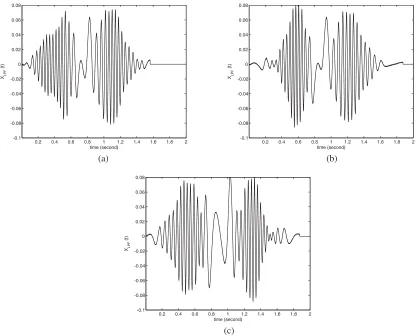
Figure 8. The LPF output samples for hand gesture-1. (a) 1st sample. (b) 2nd sample. (c) 3rd
sample.
and X(ref4). Furthermore, the cross correlation calculations between recorded LPF output represent
the Doppler response of a hand gesture, and each signal reference is performed referring to Eq. (7). The similarity level of two signals could be determined based on the cross correlation peak value obtained by using peak detector. Moreover, cross correlation could be used to determine the relative delay of the similar signal regarding the reference signal. Shown in Figure 7, the LPF output from each hand gesture has a different pattern. Several LPF output samples form hand gesture-1, which are depicted in Figure 8, illustrate the variation that may occur during recoding. Several methods have been studied and applied to classify the signal such as statistical method [30], neural network [31], and Fuzzy logic [32]. To deal with the number of hand gesture signs that used in HMI system, simplicity and low computational cost are more appropriate for this case.
3. RESULT AND ANALYSIS
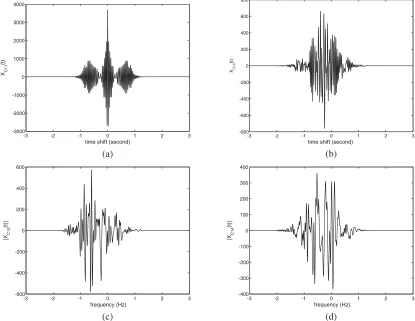
Figure 9 shows cross correlation result of the LPF output sample recorded for hand gesture-1. With respect to four results in Figure 9,Xc11,Xc12,Xc13, andXc14respectively represent the cross correlation
between sample signal for hand gesture-1 and first, second, third, and fourth reference signals. The results show that cross correlations with the first reference signal having the largest peak value are compared to cross correlations with another reference signal. The result indicates that the recorded LPF output is Doppler response from hand gesture-1. The same result can be found for hand gesture-2, hand gesture-3, and hand gesture-4. These results indicate that the peak value of cross correlation result is promising as a feature of Doppler response.
-3 -2 -1 0 1 2 3 -3000 -2000 -1000 0 1000 2000 3000 4000
time shift (second) XC11
(t)
(a)
-3 -2 -1 0 1 2 3
-800 -600 -400 -200 0 200 400 600 800
time shift (second)
XC12
(t)
(b)
-3 -2 -1 0 1 2 3
-600 -400 -200 0 200 400 600 frequency (Hz) |XC13 (t)| (c)
-3 -2 -1 0 1 2 3
-400 -300 -200 -100 0 100 200 300 400 frequency (Hz) |XC14 (t)| (d)
Figure 9. Cross-correlation results between LPF output of hand gesture-1 with references signals.
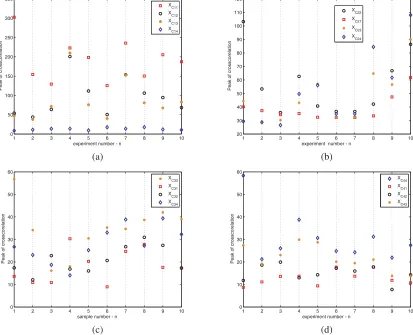
experiments on each hand gesture are performed by taking several recordings and then processed by using the proposed feature extraction method. The result of 10 times of the experiment performed for hand gesture-1 indicates that the peak value of cross correlation result to the first reference signal has the largest value. The results are shown in Figure 10(a). By using the same number of experiments for hand gesture-2, there are seven experiments produced the largest peak value when LPF output was correlated with the second reference signal, and the result can be seen in Figure 10(b). The result in Figure 10(c) indicates that seven experiments produced the largest peak value when LPF output was correlated with the third reference signal. The result in Figure 10(d) shows that all experiment produced the largest peak value when correlated with the fourth reference signal. The summary of these results is that the similarity level of the Doppler response could be identified by cross correlation method, although the result might not absolutely produce the correct identifier for all hand gesture responses. For example, three samples on hand gesture-2 are stated to have the largest peak value with respect to its correlation with the fourth reference signal. Some variation that might occur with similar hand gesture movements might result in cross correlation with its reference signal lower than the cross correlation with another reference signal. The same result also appears in hand gesture-3 with three samples that are identified with the largest peak on it cross correlation with the fourth reference signal. Furthermore, the experiments are conducted by taking 50 samples, and the success rates in extracting the features are listed in Table 1.
1 2 3 4 5 6 7 8 9 10 0 50 100 150 200 250 300 350
experiment number - n
Peak of crosscorelation
XC11 XC12 XC13 XC14
(a)
1 2 3 4 5 6 7 8 9 10
20 30 40 50 60 70 80 90 100 110 120
experiment number - n
Peak of crosscorelation
XC22 XC21 XC23 XC24
(b)
1 2 3 4 5 6 7 8 9 10
0 10 20 30 40 50 60
sample number - n
Peak of crosscorelation
XC33 XC31 XC32 XC34
(c)
1 2 3 4 5 6 7 8 9 10
0 10 20 30 40 50 60
experiment number - n
Peak of crosscorelation
XC44 XC41 XC42 XC43
(d)
Figure 10. Peak value of cross correlation for Doppler response of hand gestures. (a) Hand gesture-1.
(b) Hand gesture-2. (c) Hand gesture-3. (d) Hand gesture-4.
Table 1. Success rate in extracting each feture of hand gesture.
Hand gesture Peak of cross correlation (Xcn,m) Time Shift (Snm) Discriminator filter output (Xdfsum)
Hand gesture-1 100% 100% 100%
Hand gesture-2 73% 100% 100%
Hand gesture-3 73% 100% 100%
Hand gesture-4 100% 100% 168%
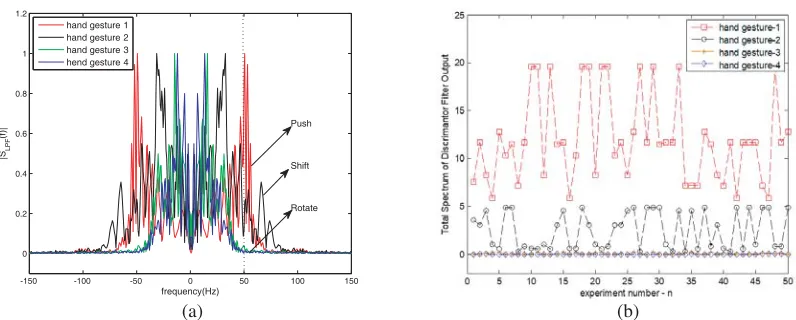
-150 -100 -50 0 50 100 150 0
0.2 0.4 0.6 0.8 1 1.2
frequency(Hz)
|SLPF
(f)|
hand gesture 1 hand gesture 2 hand gesture 3 hend gesture 4
Push
Shift
Rotate
(a) (b)
Figure 11. The frequency domain features. (a) Spectrum of Doppler response for four different hand
gestures. (b) Total spectrum of discriminator filter output for four different hand gestures.
method, high pass filter with the low frequency cut off at 50 Hz is applied as a filter discriminator. To anticipate the fluctuations that might be found in the passband range, the summation of entire spectrum of the discriminator (Xdfsum) filter output is performed. Furthermore, to investigate the performance of
proposed method in extracting the frequency domain feature, the experiment is performed by recording 50 samples on each hand gesture. Figure 11(b) shows Xdfsum of each hand gesture. Hand gesture-1
has Xdfsum value which is always greater than the other. Hand gesture-2 has Xdfsum value which is
always lower than hand gesture-1 and always higher than hand gesture-3 and hand gesture-4. Hand gesture-3 and 4 have the lowest Xdfsum and a very similar Xdfsum value. It can be understood from
the fact that hand gesture-3 and hand gesture-4 are the same movement function (rotation in clockwise and counter clockwise) with different directions. These movements have the same relative shift to the radar position; therefore, the LPF output as the Doppler response has relatively same spectrum. For the case of different directional movements, the directional feature could be extracted from the time shift (Snm) of cross correlation peak value. Success rates in extracting each feature of hand gestures
are listed in Table 1. The results show that hand gesture-1 could be identified from all defined features. The different hand gesture movements, i.e., pushing, shifting, and rotation, could be well differentiated by using Xdfsum. Considering the results in Table 1, each hand gesture could be identified at least
from two features that are defined in the proposed method. Finally, the proposed method is capable of extracting the features of each hand gesture.
4. CONCLUSION
of the movement in which this direction on a similar hand gesture can be distinguished through time shift of cross correlation results. The use of combination of all three features shows the capability to differentiate every type of hand gestures movement.
ACKNOWLEDGMENT
This research was supported by KEMENRISTEK DIKTI Indonesia under grant number 7/E/KPT/2019; 226/SP2H/LT/DRPM/2019.
REFERENCES
1. Harris, N., “The design and development of assistive technology,” IEEE Potentials, Vol. 36, No. 1, 24–28, 2017, doi: 10.1109/MPOT.2016.2615107.
2. Calder, D. J., “Assistive technology interfaces for the blind,”Proceeding of 3rd IEEE International
Conference on Digital Ecosystems and Technologies, 318–323, Istanbul, June 2009, doi:
10.1109/DEST.2009.5276752.
3. Zheng, X., X. Li, J. Liu, W. Chen, and Y. Hao, “A portable wireless eye movement-controlled Human-Computer Interface for the disabled,” Proceeding of 2009 ICME International
Conference on Complex Medical Engineering, 1–5, Tempe, AZ, April 9–11, 2009, doi:
10.1109/ICCME.2009.4906647.
4. Parmar, K., B. Mehta, and R. Sawant, “Facial-feature based Human-Computer Interface for disabled people,” Proceeding of 2012 International Conference on Communication, Information and Computing Technology (ICCICT), 1–5, Mumbai, October 19–20, 2012, doi: 10.1109/ICCICT.2012.6398171.
5. Berjn, R., et al., “Alternative Human-Machine Interface system for powered wheelchairs,” Proceeding of 2011 IEEE 1st International Conference on Serious Games and Applications for Health (SeGAH), Vol. 1, 1–5, Braga, November 16–18, 2011, doi: 10.1109/SeGAH.2011.6165452. 6. Panwar, M., “Hand gesture recognition based on shape parameters,” Proceeding of 2012
International Conference on Computing, Communication and Applications, India, February 22– 24, 2012.
7. Jin, X., S. Sarkar, A. Ray, S. Gupta, and T. Damarla, “Target detection and classification using seismic and PIR sensors,” IEEE Sensors Journal, Vol. 12, No. 6, 1709–1718, 2012, doi: 10.1109/JSEN.2011.2177257.
8. Gaba, N., N. Barak, and S. Aggarwal, “Motion detection, tracking and classification for automated Video Surveillance,” Proceeding of 2016 IEEE 1st International Conference on Power Electronics, Intelligent Control and Energy Systems (ICPEICES), Delhi, July 4–6, 2016, doi: 10.1109/ICPEICES.2016.7853536.
9. Lu, X., C. C. Chen, and J. K. Aggarwal, “Human detection using depth information by Kinect,”Proceeding of 2011 IEEE Computer Society Conference on Computer Vision and Pattern Recognition Workshops (CVPRW), Springs, Colorado, USA, June 20–25, 2011.
10. Oh, C. M., et al., “Upper body gesture recognition for human-robot interaction,”Human-Computer Interaction, Interaction Techniques and Environments. Lecture Notes in Computer Science, 294303, Springer, Berlin, Heidelberg, 2011.
11. Wei, T., Y. Qiao, and B. Lee, “Kinect skeleton coordinate calibration for remote physical training,” MMEDIA 2014: The Sixth International Conferences on Advances in Multimedia, Nice, France, February 23–27, 2014.
12. Nishida, Y., “Proximity motion detection using 802.11 for mobile devices,” Proceeding of 2007 IEEE International Conference on Portable Information Devices, Orlando, May 25–29, 2007, doi: 10.1109/PORTABLE.2007.7.
14. Zhang, D., et al., “FMCW radar for small displacement detection of vital sign using projection matric method,” International Journal of Antenna and Propagation, 1–5, 2013, doi: 10.1155/2013/571986.
15. Wang, Y., et al., “Detecting and monitoring the micro-motions of trapped people hidden by obstacles based on wavelet entropy with low centre-frequency UWB radar,” International Journal of Remote Sensing, Vol. 36, No. 5, 1349–1366, 2015, 10.1080/01431161.2015.1009651.
16. Ambarini, R., et al., “Single-tone Doppler radar system for human respiratory monitoring,” 2018 5th International Conference on Electrical Engineering, Computer Science and Informatics (EECSI), Malang, Indonesia, October 16–18, 2018, doi: 10.1109/EECSI.2018.8752871.
17. Li, C., et al., “A noncontact FMCW radar for dispalcement measurement in structure health monitoring,”Sensor, Vol. 15, 7412–7433, 2015.
18. De Macedo, K. A. C., “A compact ground-based interferometric radar for landslide monitoring: The Xer´em experiment,” IEEE Journal of Selected Topics in Applied Earth Observations and Remote Sensing, Vol. 10, No. 3, 975–986, 2017.
19. Mahafza, B. R., Radar System Analysis and Design, CRC Press, 2013.
20. Nuti, P., E. Yavari, and O. Boric-Lubecke, “Doppler radar occupancy sensor for small-range motion detection,” Proceeding of IEEE Asia Pacific Microwave Conference (APMC), Kuala Lumpar, November 13–16, 2017, doi: 10.1109/APMC.2017.8251411.
21. Gu, C., Z. Peng, and C. Li, “High-precision motion detection using low-complexity doppler radar with digital post-distortion technique,” IEEE Transactions on Microwave Theory and Techniques, Vol. 64, No. 3, 961–971, 2016, doi: 10.1109/TMTT.2016.2519881.
22. Zheng, C., et al., “Doppler biosignal detection based time-domain hand gesture recognition,” Proceeding of IEEE MTT-S Int. Microw. Workshop Ser. RF Wireless Technol. Biomed. Healthcare Appl. (IMWS-BIO), December 9–11. 2013, doi: 10.1109/IMWS-BIO.2013.6756200.
23. Peng, Z., C. Li, J. Munoz-Ferreras, and R. Gomez-Garcia, “An FMCW radar sensor for human gesture recognition in the presence of multiple targets,” Proceeding of 2017 First IEEE MTT-S International Microwave Bio Conference (IMBIOC), Gothenburg, May 15–17, 2017, doi: 10.1109/IMBIOC.2017.7965798.
24. Zhang, J., J. Tao, and Z. Shi, “Doppler-radar based hand gesture recognition system using convolutional neural networks,” Communications, Signal Processing, and Systems. CSPS 2017. Lecture Notes in Electrical Engineering, 463, Springer, 2017.
25. Fan, T., et al., “Wireless hand gesture recognition based on continuous-wave Doppler radar sensors,” IEEE Transactions on Microwave Theory and Techniques, Vol. 64, No. 11, 4012–4020, 2016, doi: 10.1109/TMTT.2016.2610427.
26. Ryu, S., et al., “Feature-based hand gesture recognition using an FMCW radar and its temporal feature analysis,” IEEE Sensors Journal, Vol. 18, No. 18, 7593–7602, 2018, doi: 10.1109/JSEN.2018.2859815.
27. Dardas, N. H. and N. D. Georganas, “Real-time hand gesture detection and recognition using bag-of-features and support vector machine techniques,” IEEE Transactions on Instrumentation and Measurement, Vol. 60, No. 11, 3592–3607, 2011, doi: 10.1109/TIM.2011.2161140.
28. Lubow, B., “Correlation entering new fields with real-time signal analysis,” IEEE
Trans-actions on Electromagnetic Compatibility, EMC, Vol. 10, No. 2, 284–284, 1968, doi:
10.1109/TEMC.1968.302964.
29. Kim, J. and J. A. Fessler, “Intensity-based image registration using robust correlation coefficients,” IEEE Transactions on Medical Imaging, Vol. 23, No. 11, 1430–1444, 2004, doi: 10.1109/TMI.2004.835313.
30. Negi, S., Y. Kumar, and V. M. Mishra, “Feature extraction and classification for EMG signals using linear discriminant analysis,” Proceeding of 2016 2nd International Conference on Advances in Computing, Communication, and Automation (ICACCA) (Fall), 1–6, Bareilly, 2016, doi: 10.1109/ICACCAF.2016.7748960.
Modern Computing (JVA’06), Sofia, December 4–8, 2006, doi: 10.1109/JVA.2006.17.