Scholarship at UWindsor
Scholarship at UWindsor
Electronic Theses and Dissertations Theses, Dissertations, and Major Papers
2008
The role of the father in preschool behaviour problems
The role of the father in preschool behaviour problems
Vilija Petrauskas
University of Windsor
Follow this and additional works at: https://scholar.uwindsor.ca/etd
Recommended Citation Recommended Citation
Petrauskas, Vilija, "The role of the father in preschool behaviour problems" (2008). Electronic Theses and Dissertations. 8277.
https://scholar.uwindsor.ca/etd/8277
This online database contains the full-text of PhD dissertations and Masters’ theses of University of Windsor students from 1954 forward. These documents are made available for personal study and research purposes only, in accordance with the Canadian Copyright Act and the Creative Commons license—CC BY-NC-ND (Attribution, Non-Commercial, No Derivative Works). Under this license, works must always be attributed to the copyright holder (original author), cannot be used for any commercial purposes, and may not be altered. Any other use would require the permission of the copyright holder. Students may inquire about withdrawing their dissertation and/or thesis from this database. For additional inquiries, please contact the repository administrator via email
By Vilija Petrauskas
A Thesis
Submitted to the Faculty of Graduate Studies Through the Department of Psychology In Partial Fulfillment of the Requirements for the
Degree of Master of Arts at the University of Windsor
Windsor, Ontario, Canada 2008
Published Heritage Branch
395 Wellington Street Ottawa ON K1A0N4 Canada
Direction du
Patrimoine de I'edition
395, rue Wellington Ottawa ON K1A0N4 Canada
Your file Votre reference ISBN: 978-0-494-47051-0 Our file Notre reference ISBN: 978-0-494-47051-0
NOTICE:
The author has granted a non-exclusive license allowing Library and Archives Canada to reproduce, publish, archive, preserve, conserve, communicate to the public by
telecommunication or on the Internet, loan, distribute and sell theses
worldwide, for commercial or non-commercial purposes, in microform, paper, electronic and/or any other formats.
AVIS:
L'auteur a accorde une licence non exclusive permettant a la Bibliotheque et Archives Canada de reproduire, publier, archiver,
sauvegarder, conserver, transmettre au public par telecommunication ou par Plntemet, prefer, distribuer et vendre des theses partout dans le monde, a des fins commerciales ou autres, sur support microforme, papier, electronique et/ou autres formats.
The author retains copyright ownership and moral rights in this thesis. Neither the thesis nor substantial extracts from it may be printed or otherwise reproduced without the author's permission.
L'auteur conserve la propriete du droit d'auteur et des droits moraux qui protege cette these. Ni la these ni des extraits substantiels de celle-ci ne doivent etre imprimes ou autrement reproduits sans son autorisation.
In compliance with the Canadian Privacy Act some supporting forms may have been removed from this thesis.
Conformement a la loi canadienne sur la protection de la vie privee, quelques formulaires secondaires ont ete enleves de cette these.
While these forms may be included in the document page count,
their removal does not represent any loss of content from the thesis.
Canada
Bien que ces formulaires
Author's Declaration of Originality
I hereby certify that I am the sole author of this thesis and that no part of this
thesis has been published or submitted for publication.
I certify that, to the best of my knowledge, my thesis does not infringe upon
anyone's copyright nor violate any proprietary rights and that any ideas, techniques,
quotations, or any other material from the work of other people included in my thesis,
published or otherwise, are fully acknowledged in accordance with the standard
referencing practices. Furthermore, to the extent that I have included copyrighted material
that surpasses the bounds of fair dealing within the meaning of the Canada Copyright
Act, I certify that I have obtained a written permission from the copyright owner(s) to
include such material(s) in my thesis and have included copies of such copyright
clearances to my appendix.
I declare that this is a true copy of my thesis, including any final revisions, as
approved by my thesis committee and the Graduate Studies office, and that this thesis has
Abstract
The present study examined the parenting role played by fathers in a sample of
preschool-aged children at increased risk (n = 5) and low risk (n= 13) of ADHD. Fathers
completed a revised version of the PSDQ, the APQ-PR, the PSI-SF, and a Quality of Life
inventory. Separate MANOVAs were used to evaluate the relationship between group
status and the outcome measures of parenting styles, strategies, and stress. Results
indicated that group membership was not associated with parenting strategies or
parenting styles endorsed by fathers. Lastly, separate ANCOVAs were used to determine
whether fathers of at-risk children had higher parenting stress (PSI) or higher stress
unrelated to parenting (QLI) after accounting for effects of authoritarian parenting style.
Authoritarian parenting style was not related to group status for either parenting stress, or
general stress. These data support the notion that fathers employ different parenting
Acknowledgements
I would like to take this opportunity to express my sincere thanks and appreciation
to a number of people who were instrumental in the completion of this project. First and
foremost, I would like to thank my supervisor, Dr. Carlin Miller, for all of her guidance,
insight, and support. Her advice has been invaluable throughout the duration of this
study. I would also like to express my gratitude to the members of my supervisory
committee - Dr. Scott Miller and Dr. Sharon McMahon, whose knowledge and guidance
AUTHOR'S DECLARATION OF ORIGINALITY iii
ABSTRACT iv
ACKNOWLEDGEMENTS v
LIST OF TABLES ix
CHAPTER
I. INTRODUCTION 1
Overview 1
Context of the Problem 1
II. LITERATURE REVIEW 10
Organization of Review 10
The World of the Preschooler 10
Etiology of ADHD 12
A Coercion Theory Framework 14
ADHD in Preschool-aged Children 16
Parenting and Associated Stresses 19
Fathering 24
Fathering Children with ADHD 25
Differences between US and Canadian Families 28
Methodological Issues 30
Purpose of Proposed Research 30
Research Questions 30
III. IV. V. Hypothesis 1 Hypothesis 2 Hypothesis 3a Hypothesis 3b METHOD Participants Measures ADHD Checklists
Medical and Developmental History Form
PSDQ APQ-PR QLI PSI-SF Procedures RESULTS Preliminary Analyses Main Analyses Hypothesis 1 Hypothesis 2 Hypothesis 3a Hypothesis 3b DISCUSSION
Review of Purpose and Hypotheses
Review of Research Questions 43
Review of Findings 44
Limitations 56
Clinical Implications 58
Future Directions 59
WORKS CITED 61
APPENDICES
A. Consent to participate in screening process for research. 93
B. Consent for minor child to participate in research. 96
C. Parent consent to participate in research 99
D. Preschool demographic information 102
E. ADHD Rating Scale-IV: Home Version 110
F. ADHD Rating Scale-IV: School Version 112
G. Parenting Styles and Dimensions Questionnaire 114
H. PSDQ Constructs Scoring Key 116
I. Alabama Parenting Questionnaire - Preschool Revision 119
J. Parenting Stress Index - Short Form 121
K. Quality of Life Index 124
Page
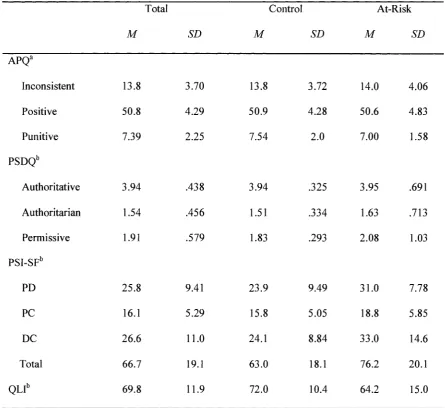
Table 1 Means and Standard Deviations of Measures 90
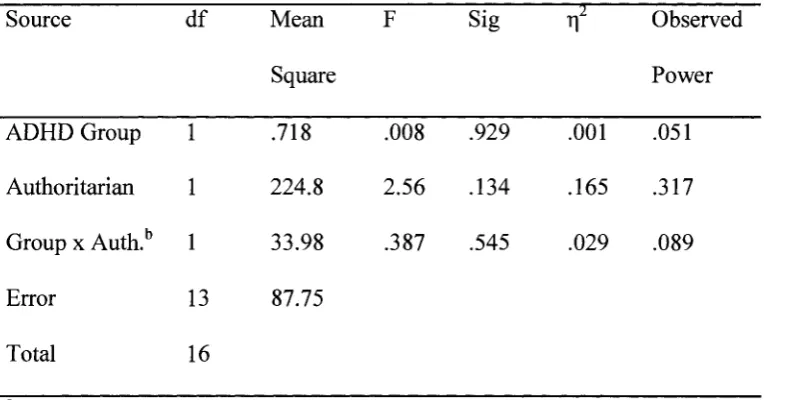
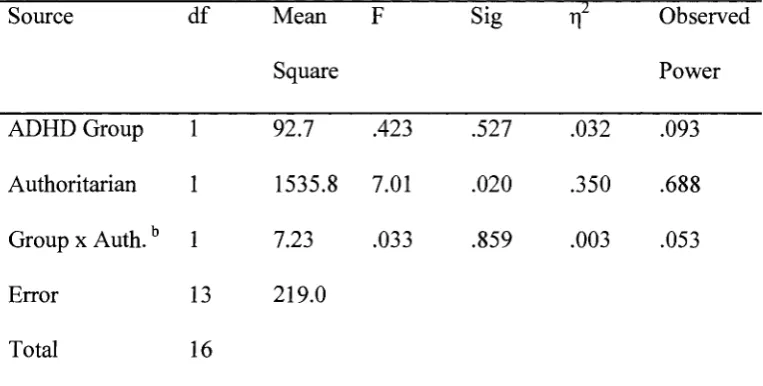
Table 2 Test of Between-Subjects Effects for QLI scores 91
Chapter I
INTRODUCTION
Overview
Context of the Problem
Attention deficit hyperactivity disorder (ADHD) is a chronic debilitating
condition of childhood and adolescence that represents an extreme expression of
childhood hyperactivity (Derks, Dolan, Hudziak, Neale & Boomsma, 2007; Smids &
Oosterlaan, 2007). The ADHD diagnosis is most commonly made when children reach
middle childhood (around 8 years of age; Sonuga-Barke, Auerbach, Campbell, Daley, &
Thompson, 2005). Recently, however, there has been a noticeable increase in the number
of preschool children (e.g. under the age of 5 years) receiving the diagnosis (Zito, Safer,
dosReis, Gardner, Boles & Lynch, 2000), and many studies indicate that preschool-aged
children are likely to be rated inattentive and overactive by their parents (e.g., Derks et
al., 2007; Smidts & Oosterlaan, 2007). In fact, there have been pop culture books written
with the aim of addressing these behavioural issues for parents that include strategies
parents may find useful in the parenting of their difficult children (e.g., Kurcinka, 2006).
Additionally, it has been noted that children identified as "hard-to-manage" at ages 3 or 4
have a high probability of continuing to show difficulties in self-control, behavioural
regulation, focused learning and successful adaptation to change and stress throughout
the elementary school years and into adolescence (Campbell, 1995).
Attention deficit hyperactivity disorder is the most commonly diagnosed
behaviour disorder among children in North America and is one of the most common
example, it has been estimated that in the United States 3% to 5% of the school age
population has ADHD (American Psychiatric Association, 2000). Looking at children
(aged 0 to 11) in the Canadian National Longitudinal Survey of Children and Youth
sample, Willms (2002) found that approximately 14% of children are hyperactive,
whereas a different study (Breton, Bergeron, Valla, et al., 1999) found the prevalence rate
to be 5% in Canadian children aged 6 - 1 4 . Differences between the US and Canadian
prevalence rates may be due to the different ages sampled (e.g., the US prevalence rates
are for school age children only, whereas the Canadian statistics include younger
children). Prevalence rates in Australian children aged 6 - 1 7 has been found to be 7.5%
(Graetz, Sawyer, Hazell, et al., 2001). In Colombian preschool-aged children the
prevalence rate was found to be 18.2% (Pineda, Ardila, Rosselli, 1 Arias, Henao, Gomez,
et al., 1999), and in Iranian children aged 5 - 6 the prevalence rate was found to be 12.3%
(Hebrani, Abdolahian, Behdani, Vosoogh, & Javanbakht, 2007). In Germany, the
prevalence for 5 year old children was found to be 9.6% (Baumgaertel, Wolraich, &
Dietrich, 1995), while in India the prevalence was found to be 5.2% in children aged 3
and 4 (Bhatia, Nigam, Bohra & Malik, 1991). Finally, the prevalence rate in the United
Kingdom for children aged 5 - 7 is 1.9% (Ford, Goodman & Meltzer, 2003). Taken
together, the studies outlined above demonstrate that ADHD truly is a global disorder,
with varying prevalence rates. The different prevalence rates may also be reflective of
how much of a problem ADHD may seem to be in a particular country and accordingly
how much funding is dedicated to the study and prevention of ADHD.
This disorder is seen three times more frequently in males than in females
by inattention, distractibility, restlessness, and impulsivity (Valente, 2001), and has been
noted to be observed in all ethnic groups, social classes and nationalities (Barkley, 2000).
Many home situations involve the child being noncompliant to parental requests and
directives (Statistics Canada, 1999). The child is described as having frequent displays of
active verbal or physical resistance in complying with parental directives by way of
verbal refusal, temper outbursts, and even physical aggression against the parent when
the parent attempts to impose compliance (Statistics Canada, 1999). Overall, children
with ADHD use disproportionately more medical and mental health services compared to
children without ADHD (Rowland, Lesesne & Abramowitz, 2002). The costly toll that
ADHD takes on individual adjustment, family life, schools, and social services
underscores the importance of understanding the developmental course of ADHD
symptoms with the ultimate goal of early identification and treatment (von Stauffenberg
& Campbell, 2007).
The cost-effectiveness of prevention is an important area to consider (Bernfort,
Norfeldt & Persson, 2008). For example, an American study estimated that the annual
excess production loss costs due to ADHD were $690 per male with ADHD, while the
difference for females was not significant (Birnbaum, Kessler, Lowe, Secnik, Greenberg,
Leong, et al., 2005). Individuals with ADHD can also be expected to consume more
healthcare resources compared to the average individual. Studies of children and
adolescents have shown that ADHD is associated with higher healthcare costs, even when
controlling for psychiatric treatment. Leibson et al. (2001) found that children and
adolescents with ADHD had more diagnoses, more healthcare contacts, and cost twice as
different ages. A retrospective study found that even when controlling for comorbidity,
adult ADHD subjects compared to controls had significantly higher annual costs for
outpatient care ($3009 vs. $1492), inpatient care ($1259 vs. $514), and drugs ($1473 vs.
$1008; Birnbaum et al, 2005). Another study calculated the costs per year of adult
ADHD subjects at $4929 compared to $1473 for controls (Swensen, Birnbaum, Secnik,
Marynchenki, Greenberg & Claxton, 2003). Similarly, a recent study of the societal and
quality of life costs of children with ADHD in Europe found that not only were the direct
medical costs of ADHD significantly higher, but also that children with ADHD scored
lower on a psychological health measure (Hakaart-van Roijen, Zwirs, Bouwmans, Tan,
Schulpen, Vlasveld, & Buitelaar, 2007). Pelham et al., (2007), using a prevalence rate of
5%, estimated that the annual societal cost of illness for ADHD in childhood and
adolescence is $42.5 billion. Clearly, the cost-effectiveness of developing prevention
programs is evident.
Parenting is an important contributor to long-term outcome in all children.
Parents who are consistent, self-confident, and affectionate raise socially competent
children (McCord, 1991; Reid, Webster-Stratton & Hammond, 2003). In contrast, poor
parental monitoring and inconsistent or punitive discipline strategies are reported to
predict a number of negative outcomes in adolescence and adulthood which include
alcohol and substance abuse, delinquency, and academic failure (e.g., Frick & Loney,
1999; Loeber & Hay, 1997; Pelham, Foster & Robb, 2007). In addition to predicting
negative outcomes later in life, noncontingent and inconsistent parental discipline is a
predictor of the development of future maladaptive parental discipline strategies in future
preschool years has been shown to be related to fifth grade externalizing behaviour
(Bradley & Corwyn, 2007). Results of parent-training programs have been positive.
Pelham, Wheeler and Chronis (1998) reviewed the treatment literature on attention deficit
hyperactivity disorder and concluded that behavioural parent training (BPT) was a
well-established treatment for children with ADHD. Pelham and Fabiano (2008) updated the
review of the BPT literature and reached the same conclusions as ten years prior
-namely that behavioural interventions for ADHD in the form of BPT is supported as an
evidence-based treatment for ADHD.
Research on parents of children with ADHD indicates that these parents often use
more negative and reactive discipline strategies than positive parenting skill strategies
(Johnston, 1996) in comparison to parents of children not diagnosed with ADHD.
Self-report and observational studies across a wide developmental range (preschool through
adolescence) indicate that parents of children with ADHD experience more stress, use
more directives and commands, display more disapproval, use more physical punishment,
cope less efficiently with their children's behaviour, and exhibit more overall negative
behaviour than parents of nonproblem children (Danforth, Barkley & Stokes, 1991;
Fischer, 1990; Johnston, 1996; Johnston & Mash, 2001; Woodward, Taylor & Dowdney,
1998). As such, when treating childhood mental health disorders, targeting parenting is
an essential area of intervention.
Family stress theory was developed by Hill (1949) after observing war-induced
separation and reunion within families. Hill's model describes how families experiencing
the same stressor can react and respond differently. Factors thought to influence the
(Hill, 1949). Susceptibility to crisis was thought to be determined by the balance
between these factors (Robinson, 1997). The ABCX and the Double ABCX Model of
family adaptation by McCubbin and Patterson (1983) builds upon Hill's work by
including additional variables that influence family adaptation (e.g., pile up of additional
stressors, new and existing resources, and family perceptions of the situation and coping
strategies). The Double ABCX Model has been expanded further to the Resiliency
Model of Family Stress, Adjustment and Adaptation by McCubbin and McCubbin
(1991). This model includes the addition of factors of family type, problem-solving
capability, and higher level of family perception (Robinson, 1997). In this model, the
factors that influence the outcome of the crisis situation (e.g., the child with ADHD's
behavioural issues) are family resources and social support, family types and patterns of
functioning (i.e., parenting styles and strategies), the family's appraisal of the situation
(i.e., the parent's attributions of what causes the ADHD in the child), and their
problem-solving and coping abilities, resulting in either bonadaptation (i.e. successful adaptation)
or maladaptation (McCubbin & McCubbin, 1993). This theory provides a useful
framework for examining the different ways that family members interact and influence
each other in times of stress.
Parents of children with ADHD experience elevated levels of parenting stress
(Anastopoulos et al., 1992). Children with ADHD often disregard parental commands,
requests and rules; fight with their siblings; have more frequent negative encounters with
school educators and principals; and disrupt fellow students (Pelham, Lang, Russell,
Cooper, Frone & Peirce, 1999). Combined with the chronic disruptive nature of ADHD,
2000). Parenting a child with ADHD requires continual adjustment to the child's
behaviours and demands and requires more skills compared to parenting a child without
ADHD (Lewis-Abney, 1993). Researchers have found increased levels of stress in
parents of children with ADHD compared to parents of children without ADHD using
self-report measures (Anastopoulos, Guevremont, Shelton & DuPaul, 1992; Mash &
Johnston, 1983a; 1983b). Child, parent, and environmental characteristics seem to be
related to increased stress levels in parents of children with ADHD. Specifically,
elevated levels of parental stress appear to be related to severity of ADHD
symptomatology and behaviour problems (Anastopoulos et al., 1992; Baldwin, Brown &
Milan, 1995).
Understanding the factors that are associated with parents' behaviour and their use
of ineffectual discipline strategies is an important consideration in the evaluation of the
effectiveness of parent training programs. Research is needed to better understand the
determinants of authoritarian and permissive parenting styles which have been
consistently linked with current and future behaviour problems in children from
preschool through adolescence. Permissive parenting refers to parental tendencies to:
make few demands; not enforce rules; be inconsistent; and give in to children's coercive
behaviour (Baumrind, 1967, 1991; Franz, McClelland & Weinberger, 1991; Harvery,
Danforth, Ulaszek & Eberhardt, 2001). Authoritarian parenting refers to discipline that is
punitive, forceful, overly harsh, and hostile (Arnold, O'Leary, Wolff & Acker, 1993;
Baumrind 1967, 1991; Franz, McClelland & Weinberger, 1991; Harvey, Danforth,
Research also suggests that parental stressors, including daily hassles of
parenting, marital conflict, and parental psychopathology can disrupt parenting practices
and are associated with dysfunctional discipline patterns and children's externalizing
symptoms (Crnic & Low, 2002; Rubin & Burgess, 2002). However, stress does not
affect all parents equally (Crnic & Low, 2002), and further research is needed to clarify
the relation between stress, parenting behaviours, and children's behaviour problems.
Much of the parenting literature relies on maternal report, and few studies
document the father's perception of the parenting experience, father-child interactions,
and paternal influences on young children with problem behaviour (Amato & Rivera,
1999; Hoza et al., 2000; MTA, 1999; Webster-Stratton, 1985; Yogman, Kindlon & Earls,
1995). Consequently, paternal influences on children with ADHD and the patterns of
father-child interactions are largely unexplored (Phares, 1996; Phares, Fields,
Kamboukos & Lopez, 2005). Despite the under-representation of fathers, a growing
interest is evident in the relationship of paternal factors to child and adolescent
adjustment (Phares, 1996; Phares, Fields, Kamboukos & Lopez, 2005; Psychogiou,
Daley, Thompson & Sonuga-Barke, 2007; Rolf, Masten, Cicchetti, Neuchterlein &
Weintraub, 1990). In fact, fathers of children with ADHD were more likely to be
diagnosed with ADHD during their own childhood (Frick, Lahey, Christ, Loebe, &
Green, 1991; Mulligan, Gill & Fitzgerald, 2008), and parent psychosocial factors were
shown to increase the likelihood of the development of ADHD in children (Barkley,
1990; Psychogiou, Daley, Thompson & Sonuga-Barke, 2007). Considering that fathers
essential to examine the role that the father plays in the manifestation of childhood
Chapter II
LITERATURE REVIEW
Organization of Review
This chapter begins by reviewing the importance of examining ADHD in
preschool children, and outlines studies which have shown ADHD symptoms in
preschool to be predictive of later behavioural problems and ADHD diagnosis or
symptoms. Since negative parenting practices and styles are often at play in families with
children with ADHD, a coercion theory framework will be used to then discuss factors
that contribute to parenting stress, as well as the relationship between difficult child
temperament and evoked parenting strategies.
The World of the Preschooler
Cognitive and social development is rapid during childhood (Anderson, Northam,
Hendy & Wrennall, 2001). Early conceptual models of cognitive development,
originating with Piagetian theories (Piaget, 1963) emphasized a hierarchical or stage-like
process, with children required to pass through a preset series of developmental stages,
not unlike the preset genetic code underpinning cerebral development (Rourke, Bakker,
Fisk & Strang, 1983). Although some individual variation is expected to occur with
respect to the timing of these stages, the actual stages and the need to pass through each
in order are considered invariant. For example, classical Piagetian models, as well as
those of more contemporary developmental psychologists, describe a number of stages of
development, each characterized by increasing symbolic thought and the ability to deal
with increasingly complex information (Bjorklund, 1989; Flavell, 1992; Piaget, 1963).
preoperational stage, which lasts from about age two to age six or seven (Lefton,
Brannon, Boyes & Ogden, 2008). It is in this stage that children begin to use their
newfound ability to represent the world symbolically, and can talk about various people,
objects and events (Lefton et al., 2008). It is in this stage also that children are egocentric
in that they cannot perceive a situation or event except in relation to themselves (Piaget,
1963). Piaget used a related term, centration, to refer to the consistent tendency of
preoperational children to become centered on one salient feature or dimension of a
situation they encounter (Lefton et al., 2008). This notion of centration may be
particularly salient for the present study in that it emphasizes the fact that preschool-aged
children may focus on certain aspects of their interactions with other individuals.
The preschooler's world clearly involves their interaction with others, including
their parents. It has been noted that since 1969 the time that American parents spend with
their children has declined by 22 hours per week (Council of Economic Advisors, 1999),
and in Canada it has been found that while the proportion of childcare conducted by
fathers has increased from 0.4 hours per day in 1986 to 0.5 hours per day in 2006, the
number of hours mothers care for children remains double that of fathers (Statistics
Canada, 2006a). A study by Sayer, Bianchi and Robinson (2004) assessed the amount of
time that parents spent with children using time diary data. They found that between
1965 - 75 there was a decline in the routine child care time for mothers and then a
rebound between 1975 - 98 with a steady increase in time doing more developmental
activities (Sayer, Bianchi & Robinson, 2004). For fathers, the 1998 report indicated an
increase in participation in routine child care as well as in more "fun" activities (Sayer,
father involvement with their children (e.g., Sanderson & Sanders Thompson, 2002;
Sayer, Bianchi & Robinson, 2004; Yeung, Sandberg, Davis-Kean & Hofferth, 2001), it
has also been found that when fathers do engage with young children such as
preschoolers, they tend to engage in more playful social interactions than in practical
caretaking tasks (e.g., Bailey, 1994; Wood & Repetti, 2004; Yeung et al., 2001).
Etiology of ADHD
The specific etiology of ADHD is unknown. ADHD is a highly heritable
behavioural condition for which recent estimates suggest a 4-8 fold increase in risk for
the condition in first-degree relatives of ADHD cases compared to those in the general
population (Christiansen et al., 2008; Faraone et al., 2005; Willcutt, Pennington &
DeFries 2000). Transactional models have stressed the interactive nature of contributors
in the development of ADHD, including biological, environmental, and psychosocial
factors (Faraone & Doyle, 2001). Many suggest that the most common pathway to the
development of ADHD is one in which the child is born with a genetic, congenitally
acquired predisposition to ADHD (Gillis, Gilger, Pennington & DeFries, 1992;
Milberger, Biederman, Faraone, Guite & Tsuang, 1997). Furthermore, heritability has
been estimated to be 80% (Lin & Chung, 2002).
Several genetic studies have addressed the contribution of both genetic and
environmental factors to the development of ADHD (Albayrak, Friedel, Schimmelmann,
Hinney & Hebebrand, 2008). The concordance rates for monozygotic twins (MZ) versus
dizygotic twis (DZ) range between 50 - 80% and 30 - 40%, respectively (Thapar,
Holmes, Poulton & Harrington, 1999). MZ and DZ correlations for the combined
respectively, also indicating substantial heritability (Thapar et al, 1999). Thus, it has
been estimated that 60 - 80% of the variance of the phenotype is based on genetic factors
(Faraone & Biederman, 1998). Most twin studies indicate a weak contribution of shared
environmental factors, with 20 - 40% of the variance explained by non-shared
environmental factors (Smidt et al., 2003). Adoption studies also support the importance
of genetic factors in the etiology of ADHD. Biological parents and siblings of a child
with ADHD are three times more often affected with ADHD than the adoptive parents
and siblings (Alberts-Corush, Firestone & Goodman, 1986; Cadoret & Stewart, 1991;
Thapar et al., 1999; Sprich, Biederman, Crawford, Mundy & Faraone, 2000).
Family studies help to clarify the role of familial segregation of ADHD
phenotypes and associated disorders. The occurrence of ADHD in first-degree relatives
of patients is approximately five times higher than that in control families (Epstein et al.,
2000; Faraone, Biederman & Friedman 2000). Interestingly, however, the subtype of
ADHD of an affected patient within a family does not predict the subtype of other
affected members within the same family (Albayrak, Friedel, Schimmelmann, Hinney &
Hebebrand, 2008). It appears that even if genetic risk factors are shared with first-degree
relatives, different clinical manifestations of ADHD might occur (Smalley, McRacken &
McGough, 2001) and therefore the developmental nature of ADHD may need to be taken
into account. The genetic susceptibility factors influencing the origins of ADHD may
differ across developmental stages (e.g., genes that contribute to ADHD in children may
not be the same genes that contribute to ADHD in adulthood) (Albayrak, Friedel,
Schimmelmann, Hinney & Hebebrand, 2008) and may differ from those that influence
(Thapar, Langley, Asherson & Gill, 2007). As such, gene-environment interactions can
be expected in the manifestation of ADHD symptoms.
A Coercion Theory Framework
Models of the relationships between parenting practices and children's behaviour
problems emphasize a bidirectional process (Lifford, Harond, & Thapar, 2008). To better
understand the causes of childhood externalizing behaviours, theorists often point to the
significance of early developmental periods. A review of current research revealed a
number of theoretical frameworks used to describe the complex interactions among
parents and their children. Theories of social interactions and coercion seem to be
particularly applicable given the nature of the child with ADHD's behaviour problems.
Similar to attachment theory (Bowlby, 1969), social interactional theories
emphasize that the quality of early childhood parent-child interactions is an important
risk factor predicting behaviour problems during middle childhood and adolescence
(Greenberg & Speltz, 1988; Keenan & Shaw, 1995; Lifford, Harold & Thapar, 2008;
Patterson, Reid & Dishion, 1992; Shaw & Bell, 1993; Sroufe, 1989). In contrast to the
attachment paradigm, social interactional theories focus on both the solicited and
unsolicited affective and behavioural characteristics of parent-child interactions.
Specifically, the coercion model hypothesizes that when parent-child exchanges are
characterized by negative and intense emotionality, risk for problem behaviours
intensifies (Scaramella & Leve, 2004). Through a process of mutual reinforcement,
parent behaviour inadvertently reinforces difficult child behaviour; difficult child
behaviour similarly amplifies parental negativity. For instance, cycles of negativity may
negativity evokes similar angry and hostile emotions from parents, causing parents to
intensify their angry response to the child. Such demand-resistance interactions are not
only expected to increase in frequency and intensity during early childhood, they also
promote negative, reactive, and acting-out (e.g., externalizing) child behaviour and harsh
parenting (Frick, 1998; Patterson, 1982; Shaw & Bell, 1993). Coercion theory also takes
child temperament into account and notes that child temperament influences the quality
of interactions with parents and the emergence of harsh parenting strategies. When
children are temperamentally difficult or exhibit immediate and intense negative
emotional reactions to environmental changes, risk for harsh parenting increases
(Scaramella & Leve, 2004).
Barkley (1990) reported that parents of hyperactive children make more
commands and reprimands, and are more likely to use negative punishment strategies.
Patterson and colleagues (1992) suggest that a child's compliance with parental
commands relates to the intensity of the parental directives and/or parental hostility.
When a child's problem behaviour is coupled with negative parent verbalizations, it often
results in the parent's withdrawal or failure to follow through with a command. Each
person is reinforced for increasingly negative and aggressive behaviours, and the
interdependent negative behaviour between parents and their children contributes to the
evolution of childhood behaviour problems (Patterson, 1982). Later work by Patterson
and colleagues has produced a wealth of empirical evidence for this theory (e.g.,
Patterson, Forgatch, Yoeger & Stoolmiller, 1998). However, theoretical models have not
generally emphasized the role of hyperactivity in the relation between parenting practices
ADHD in Preschool-aged Children
Among the first major studies to examine the persistence of behavioural problems
in preschool through early childhood was an epidemiological study reported by Richman,
Stevenson and Graham (1982) that followed three year olds through to the age of eight.
Both maternal and teacher reports indicated that problems persisted through to age eight.
Problems were found to more likely persist in boys than girls. Richman and colleagues
(1982) noted that externalizing symptoms in preschool age, including hyperactivity,
concentration difficulties, discipline problems, tantrums, attention seeking behaviour, and
poor sibling relations were especially pronounced in the children whose problems
continued in elementary school.
Campbell and various colleagues in assorted studies (1982, 1984, 1990, 1991,
1994) described two cohorts of hard-to-manage preschool children and demonstrated the
persistence of behaviour problems identified during the preschool years with later
externalizing behaviour problems. The first cohort was identified via maternal
complaints of inattention, overactivity, and discipline problems when children averaged 3
years of age (Campbell, Szumowski, Ewing, Gluck & Breaux, 1982), behaviours were
then confirmed through teacher reports. Children were followed up at ages 4, 6, 9, and
13. Children identified as hard-to-manage at age three continued to have difficulties at
home and school at age 4 (Campbell, Breaux, Ewing & Szumowski, 1984), and by age
six, 50% of the problem group met criteria for ADHD or were perceived by parents to
have significant problems according to ratings on the Child Behavior Checklist (CBCL)
significant externalizing behaviour problems when followed-up at ages 9 (Campbell,
Szumowski, Ewing, Gluck & Breaux, 1982) and 13 (Ewing, 1994) also.
A second cohort of overactive and inattentive preschool-aged boys were studied
by Campbell and colleagues (Campbell, 1994; Campbell, March, Pierce, Ewing &
Szumowski, 1991; Campbell, Pierce, March, Ewing & Szumowski, 1994). When
followed up at ages 5 and 6, the boys in the externalizing behaviours group were rated as
being more aggressive, delinquent, and oppositional compared to control boys. Both
cohorts were followed up by Pierce, Ewing and Campbell (1999). Hard-to-manage
children from cohort 1 with problems that persisted from ages 3 through 9 years were
much more likely to meet diagnostic criteria of ADHD at age 13 than children whose
early problems were less stable in elementary school. Similarly, hard-to-manage boys in
cohort 2 whose problems persisted at age 6 were more likely to meet criteria for an
externalizing diagnosis at age 9 than hard-to-manage boys whose problems appeared less
stable at age 6. Additionally, severity of early problems had prognostic value in that
children whose problems persisted showed more severe initial symptoms of externalizing
problems generally and of ADHD with little decline in symptoms over time.
The Dunedin epidemiological study also indicates that children identified as
problematic in early childhood are likely to show problems that persist into school age
and adolescence (McGee, Partridge, Williams & Silva, 1991). Investigators followed a
birth cohort of New Zealand children from age 3 at 2-year intervals until they reached the
age of 15. At age 11 and 15, 50% of the children, who were classified as "very difficult
It was also found that only 25% of the original problem group was seen as problem free
(McGee, Partridge, Williams & Silva, 1991).
The Preschool ADHD Treatment Study (PATS) examined ADHD treatment in
preschoolers through a multicenter, randomized, efficacy trial designed to evaluate the
short-term (5 weeks) efficacy and long-term (40 weeks) safety of methylphenidate
(MPH) in preschoolers with ADHD (Kollins et al, 2006). In this large-scale study, 303
children aged 3 to 5.5 years who met criteria for a DSM-IV diagnosis of ADHD entered
the trial. As part of the screening process, children and their parents underwent
behavioural parent-training (BPT) and it was those children who did not benefit from
BPT that continued on to receive the MPH treatment. A separate PATS study (McGough
et al., 2006) examined the pharmacogenetics of MPH response in preschoolers with
ADHD. They found that individual genetic differences contribute to variability in ADHD
treatment response when preschoolers were treated with MPH. Results of these two
PATS studies, that not all children benefit from BPT and that there are genetic
differences in terms of the efficacy of MPH treatment, suggests that complex
gene-environment interactions are at play and therefore the outcome of all preschool-aged
children with ADHD cannot be reliably predicted. There are some preschool-aged
children who benefit from either BPT or MPH, however there will also be another group
of children who benefit only from one or both forms of treatment, and another group who
will not benefit from either treatment. As such, both genes and environment should be
examined.
Taken together, follow-up studies of preschool children identified as having
However, these studies also indicate that not all children originally identified as at risk for
developing ADHD do in fact develop the disorder. Among those children whose
problems may be severe enough to receive a clinical diagnosis of ADHD, only
approximately half will have this same disorder by later childhood or early adolescence
(Barkley, 1998; Greenhill, Posner, Vaughan & Kratochvil, 2008). This finding suggests
that the appearance of significantly inattentive and overactive behaviour by age 3 to 4
years, by itself, is not indicative of a persistent pattern of ADHD into later childhood or
adolescence in at least 50 - 90% of those children so characterized. Additionally, As
such, the significance of other factors must also be considered.
Parenting and Associated Stresses
The parent-child relationship has been identified as a significant family factor in
accounting for variation in children's normal and abnormal emotional, behavioural and
social development (Cox & Paley, 1997; Paley, Conger & Harold., 2000; Waters &
Cummings, 2000). From attachment (Bowlby, 1969) to parenting style traditions
(Baumrind, 1966), the affective quality of the parent-child relationship has been regarded
as formative in accounting for variation in children's long-term psychological
development. Parenting is an important aspect of the parent-child relationship, and
parenting stress undoubtedly influences these interactions.
Parents of children with ADHD symptoms in preschool describe them as restless,
always up and on the go, acting as if driven by a motor, and frequently climbing on and
getting into things (Barkley, 1998). They are more likely to encounter accidental injuries
as a result of their overactive, inattentive, impulsive, and often fearless pattern of
in their curiosity of their environment, ADHD preschoolers pose a definite challenge to
the child-rearing skills of their parents (Barkley, 1998). Such children require far more
frequent and closer monitoring of their ongoing conduct than do normal preschoolers, and
the group of children with ADHD who display excessive moodiness, quickness to anger,
and low adaptability and rhythmicity are likely to prove the most distressing to mothers
(Barkley, 1998). Noncompliance with parental and teacher direction is common, and at
least 30 - 60% are actively defiant or oppositional, especially if they are boys (Barkley,
1998). Although temper tantrums may be common instances even for normal
preschoolers, their frequency and intensity are often exacerbated in children with ADHD.
Mothers of these children are likely to find themselves giving far more commands,
directions, criticism, supervision, and punishment than do mothers of preschoolers
without ADHD symptoms (Barkley, 1988; Campbell, 1990; Cohen & Minde, 1981). The
coexistence of additional difficulties such as sleep problems, toilet training difficulties,
and/or motor and speech delays in a small percentage of children with ADHD is likely to
further tax the patience and competence of many of their parents. As such, it is not
surprising that parents of preschool children with ADHD report their lives to be much
more stressful in their parental roles than do mothers of normal preschoolers or mothers
of older children with ADHD (Anastopoulos et al., 1992; Fisher, 1990; Mash & Johnson,
1982,1983b).
Although the role of early parenting in the developmental course of ADHD has
yet to be established empirically, examining these variables in young children who meet
criteria or are at risk of developing ADHD is particularly important. High levels of
& Stokes, 1991; Mash & Johnston, 1982), parenting stress (Anastopoulos et al., 1992;
Fischer, 1990) and parental psychopathology (Chronis, Lahey, Pelham, Kipp, Bauman &
Lee, 2003; Lahey, Piacentini, McBurnett, Stone, Hartdagen & Hynd, 1988; Lahey, Russo,
Walker & Piacentini, 1989) are common in families of children with ADHD, particularly
younger children. Parenting influences are expected to be particularly strong in the
preschool years relative to later childhood and adolescence, when the peer group becomes
increasingly important.
Typical parenting strategies are often ineffective for children with ADHD. If the
child is the first born, parents may come to think they are bad parents (Lerner, Lowenthal
& Lerner, 1995). On the other hand if there are older siblings, parents may begin to think
the child is defective in some way (Lerner, Lowenthal & Lerner, 1995). Research
suggests that these families experience increased levels of parental frustration, marital
discord and divorce (National Institutes of Health, 2000). The heterogeneity of ADHD
points to multiple causal pathways, with genes and environment interacting to produce
the behavioural profile characteristic of the disorder (Campbell, 2000; Faraone,
Biederman, Weber & Russell, 1998; Rutter & Sroufe, 2000; Taylor, 1999). Family
environment is an important consideration in the development, manifestation, and
outcome of the disorder. As such, the stressful, demanding, and often intrusive nature of
the child's ADHD characteristics are likely to evoke different parenting strategies than
those employed by parents of children without ADHD.
There have been many studies conducted with school-aged children with ADHD
and their families (e.g., Alizadeh, Applequist & Coolige, 2007; Gadeyne, Ghesquiere &
school-aged children with ADHD experience more negative feelings toward their child, are less
likely to employ inductive control methods like reasoning and positive incentives, are
more likely to resort to physical punishment, use disciplinary aggression, show less
warmth, and use authoritarian parenting strategies (Alizadeh, Applequist & Coolidge,
2007; Gadeyne, Ghesquiere & Onghena, 2004; Gillion & Shaw, 2004; Harrison &
Sofronoff, 2002; Hurt, Hoza & Pelham, 2007; Lange et al., 2005; Mash & Johnston,
1990; Psychgriou, Daley, Thompson & Sonuga-Barke, 2007; Tallmadge & Barkley,
1983; Woodward, Taylor & Dowdney, 1998).
Shaw and colleagues (1994) examined developmental precursors of externalizing
behaviour from infancy through to age 3. Infant persistence and lack of maternal
responsiveness was related to later child disruptive and aggressive behaviour at ages 2
and 3, and gender differences were found. For boys, salient predictors of age 2 and 3
externalizing behaviour were maternal unresponsiveness, infant attention-seeking,
aggression, and noncompliance whereas for girls, infant noncompliance was related to
both age 3 externalizing and internalizing problems.
Keown and Woodward (2002) examined early parent-child relations and family
functioning of preschool boys aged 47 to 62 months with pervasive hyperactivity.
Parents of hyperactive boys showed a greater tendency to report using lax and
overreactive parenting strategies than parents of comparison boys. These differences
(i.e., reporting both lax and overreactive parenting) may be due to differences in the
child's behaviours. For example, if the child is exhibiting more of the inattentive
symptoms of ADHD the parents may be more lax, whereas if the child is exhibiting more
overreactive parenting strategies. Additionally, there were lower rates of father-child
communication and less synchronous mother-child interactions in the families of
hyperactive boys. In fact, it was found that boys whose mothers had lax disciplinary
styles were two times more likely to be hyperactive. Additionally, boys were found to be
13.6 times more likely to be hyperactive if their mothers were coping less well with their
child's behaviour issues.
Cunningham and Boyle (2002) studied 4-year-old children at risk for ADHD,
oppositional defiant disorder (ODD), both Attention Deficit Disorder (ADD) and ODD,
and compared them to those without externalizing problems. It was found that when
solving child management problems, mothers of children in all groups suggested twice as
many controlling/negative management strategies as positive/preventive strategies.
Additionally, when faced with oppositional or conduct problems, mothers of children in
all groups increased controlling/negative suggestions and decreased positive/preventive
suggestions. Mothers of girls in all but the control groups gave more rewards for positive
behaviour than did mothers of boys. It appears that boys may elicit more negative
parenting strategies than do girls, regardless of behavioural issues.
Marks and colleagues (2006) examined objective and subjective assessments of
parenting in hyperactive preschoolers. It was reported that hyperactive preschoolers were
more non-compliant than controls irrespective of task demands. Parenting styles were
found to be task-dependent, and mothers of hyperactive preschoolers tended to exhibit
more negative behaviour and less encouragement with increased situational demands. In
contrast, parents' disciplinary practices did not differ between parents of hyperactive
Goldstein, Harvey and Friedman-Weieneth (2007) examined differences in
parenting practices of mothers and fathers of 3-year-old children who were classified as
hyperactive (HYP), hyperactive and oppositional defiant (HYP/OD), or non-problem
based on mothers' reports of behaviour. They found that parents of children with
HYP/OD were less warm, showed more negative affect, and were more lax than parents
of non-problem children. Parents of the HYP/OD children did not differ from parents of
HYP children. Mothers of children in the HYP/OD group did not differ significantly
from mothers in the HYP group, and in fact, mothers of children in the HYP group
showed significantly more overreactivity and laxness and less warmth than mothers of
children in the non-problem group.
Taken together, research focusing on preschool-aged children is consistent with
studies of older children with ADHD or similar conditions: children's disruptive
behaviour problems are associated with negative parent-child-interactions (e.g., Shaw,
Keenan & Vondra, 1994), overreactive and lax parenting (e.g., Goldstein, Harvey &
Friedman-Weieneth, 2007; Keown & Woodward, 2002), and increased maternal
restrictive control (Cunningham & Boyle, 2002; Gadeyne, Phesquiere & Onghena, 2004).
Additionally, parenting style may be task dependent (Marks et al., 2006) and may differ
for boys and girls (Cunningham & Boyle, 2002).
Fathering
Few studies document the father's perceptions, father-child interaction, and
paternal influences on young children (Amato & Rivera, 1999; Hoza et al., 2000; MTA,
1999; Webster-Stratton, 1985; Yogman, Kindlon & Earls, 1995). Consequently paternal
unexplored. Phares (1992), more than fifteen years ago, noted that compared with
mothers, fathers are dramatically under-represented in clinical child and adolescent
research. In a follow-up article, Phares and colleagues (2005) noted that while there have
been modest gains in the research literature on clinical child issues, there remains a wide
gap between the inclusion of mothers and fathers in clinical child and family research.
This pattern has not changed over the 13 year interval between the publication dates of
the two articles (Phares, 1992; Phares, Fields, Kamboukos & Lopez, 2005).
Current research reflects that fathers have complex, multidimensional roles; direct
and indirect patterns of influence; and that the social construction of fatherhood varies
across cultures (Belsky, 1990; Cummings & O'Reilly, 1997; Furstenburg, 1988; Lamb,
1997; O'Hare, 1995; Pleck & Pleck, 1997; Steinberg, Kruckman & Steinberg, 2000).
Amato and Rivera (1999) demonstrated that paternal involvement (reported by fathers) is
inversely related to the number of behaviour problems exhibited by their children
(reported by mothers), and that this finding holds when the level of maternal involvement
is controlled.
Fathering Children with ADHD
Few studies have examined how fathers' parenting may be related to hyperactivity
(Johnston, 1996; Kashdan, Jacob & Pelham, 2004; Lindahl, 1998; Pfiffner, McBurnett &
Rathouz, 2005; Stormont-Spurgin & Zentall, 1995). This reflects a general pattern in
developmental psychopathology research in which fathers continue to be
under-represented (Phares, Fields, Kamboukos & Lopez, 2005), despite calls for more research
(Phares, 1992). Fathers play an important role in child development (Lamb, 1997), and
1990) including preschool-aged children (DeKlyen, Biernbaum, Greenberg & Speltz,
1998). Loeber (1990) notes that whether or not a child became aggressive was partly
dependent on the initial temperament of the child and on the child's having a close and
intense relationship with their father, which acted as a buffer. Thus, fully understanding
the role of parenting in the development of ADHD requires more research on fathers.
Harvey-Arnold and colleagues (1997) highlighted the importance of examining
paternal ADHD symptoms. They found that father involvement was associated with
fathers' use of more effective discipline when fathers had no ADHD symptoms
themselves; in contrast, father involvement was associated with fathers' use of less
effective discipline and more overreactivity when fathers reported ADHD symptoms. A
linear relationship was found between ineffective discipline practices and number of
paternal ADHD symptoms.
Both negative and positive dimensions of fathering appear to be associated with
the emergence of early onset conduct problems. DeKlyen and colleagues (1998)
examined the role that fathering plays in early onset conduct problems in clinic-referred
and normal boys. Fathers of clinic-referred boys were more likely to report they engaged
in hostile-ineffective practices, interacted with sons in an angry way, and were physically
threatening and punitive. Additionally, fathers' harsh parenting was a more powerful
predictor of early conduct problems than positive parenting. Fathers of clinic-referred
boys reported significantly less involvement with their sons than comparison fathers,
highlighting the importance of fathers and their potential influence over their children's
A meta-analysis conducted by Amato and Gilbreth (1999) found that children
tended to have higher academic achievement, fewer externalizing problems, and fewer
internalizing problems if nonresident fathers exhibited behaviours reflecting authoritative
parenting. This finding supports the notion that even minimal father involvement has a
positive impact on their child even when the father does not live in the same home as the
child, and that parenting styles are important aspects to consider when examining father
involvement. Authoritative parenting has been shown to best predict desirable outcomes
among children in terms of academic success, lower levels of externalizing and
internalizing problems, and more positive social behaviour (Marsiglio, Amato, Day &
Lamb, 2000). Fathers' authoritative parenting may be a protective factor for the
development of ADHD symptoms.
A study conducted by Belsky and colleagues (1998) found different results. They
found that mothering rather than fathering, makes a significant contribution to the
prediction of externalizing problems. However, fathering rather than mothering makes
significant contributions to the prediction of behavioural inhibition in children. The more
negative and less positive was the mother's parenting across the second and third year of
life, the more externalizing problems the boys had at age 3. In contrast, the more positive
and less negative was the father's parenting, the more inhibited the child was at age 3.
Gerdes and colleagues (2003) investigated the relationships of boys with ADHD
with their mothers and fathers. Both mothers and fathers of boys with ADHD perceived
their relationships with their children as more negative than did mothers and fathers of
control children, but boys with ADHD did not differ from control children in their
being less warm and more power assertive, while fathers of boys with ADHD reported
being more power assertive. No significant differences were found overall between
mothers' and fathers' rated relationships with their children in terms of parental warmth,
disciplinary warmth, power assertion, and possessiveness.
Taken together, the literature on fathering, and fathering of children with ADHD
indicates that while authoritative parenting produces the most favourable outcomes, most
fathers of children with ADHD do not have an authoritative parenting style. Instead,
fathers of children with ADHD are less involved with their children, show more hostile
and ineffective parenting, engage in interactions characterized by anger, and are more
likely to be physically threatening and punitive. However, not all studies agree and it has
been shown that fathering may in fact be associated with internalizing rather
externalizing problems in young children, at least in maritally intact, Caucasian, middle
class families (Belsky, Kuang-Hua & Crnic, 1998). Finally, there may be gender
differences in terms of problem behaviours.
Differences between US and Canadian Families
Most research on preschool behaviour problems has occurred in the United States
(U.S.); however, differences exist between the United States and Canada. As such, it
cannot simply be assumed that results of American studies hold true for Canadian
families. Although Canadian cities have districts of social dysfunction, they do not have
large dense regions of inner city decay that concentrate people into homogeneous
impoverished areas (Bowman, 2000). Average family income is higher in the U.S. by
about US$2,200 (MacKinnon, 1998), although Canadians' median after-tax income is
the median household income across all households is $48,451 (U.S. Census Bureau,
2007), whereas the average total income of Canadian families is $81,700 (Statistics
Canada, 2006b), and the median after tax income in Windsor, Ontario specifically is
$44,388 (Statistics Canada, 2007). Also, the U.S. has a smaller and shrinking middle
class (Burkhauser, Cutts, Daly & Jenkins, 1999), while Canada has a larger and more
stable middle class (Wolfson, 1997). Income is more dispersed among the lower
quintiles in Canada (Picot & Myles, 1995) because of government transfer payments that
yield increases in family income greater for the poorest (Statistics Canada, 2006c), a
pattern opposite to that seen in the U.S. (Bowman, 2000).
Such differences are reflected in the amount of time and money American and
Canadian families have to dedicate to their children, which consequently affect the
child's well-being. For instance, it has been found that despite fairly similar patterns of
parental labor-force participation, U.S. parents, on average, spend considerably more time
doing paid work each week than parents in Canada (Burton & Phipps, 2007). Canadian
two-parent families have significantly more hours of parental time available each week
than American two-parent families (Burton & Phipps, 2007). Roughly one-quarter of
two-parent families in the U.S. devote more than 80 hours per week to paid work,
compared to 17.6 percent in Canada (Burton & Phipps, 2007). In the U.S., many
low-and middle-income families do very long hours of paid work. Combined with relatively
larger families (Burton & Phipps, 2007) and hence potentially greater time needs, this
creates a situation of "severe time shortage" (p. 482). If parents are less available to their
children, it may be presumed that differences in child well-being may exist. Phipps
compared on physical health outcomes, poor Canadian children are significantly better
off in that they are less likely to be low birth weight babies (low birth weight is an
important predictor of future health and social problems; Phipps, 2002), and they are less
likely to be limited in their ability to engage in activities normal for a child of the same
age. Given these outlined differences between the U.S. and Canada, results of studies
conducted in the U.S. cannot simply be generalized to Canadian families.
Methodological Issues
The research on fathers of ADHD preschoolers has been scarce. The majority of
the current studies focus on maternal reports of child behaviours, or maternal reports of
fathering behaviour, neglecting to obtain father data from fathers themselves. From the
studies that have explicitly looked at fathers, results, while for the most part convergent,
still show some discrepancies, highlighting the need for further study of fathering by
gathering information from fathers directly. Additionally, no study to date has examined
the role of fathers in child behaviour problems in a Canadian sample.
Purpose of the proposed research
Research Questions
The primary purpose of the proposed research is to address the following research
questions in a Canadian sample:
1. Are there differences in father parenting style in light of child behaviour problems
in comparison to fathers of control children?
2. Are there differences in father parenting discipline strategies in light of behaviour
problems in comparison to fathers of control children?
Hypotheses
Hypothesis 1
Previous studies have shown that fathers of children with externalizing behaviours
are more likely to be authoritarian in their parenting style in American samples. Similar
results are expected in the present study.
Hypothesis 2
Studies conducted outside of Canada suggest that fathers of children with
externalizing behaviours have been shown to be more hostile and angry in interactions
with their children. They have also been shown to be more physically threatening and
punitive, and to use more negative and ineffective parenting strategies. Similar results
are expected in the present study.
Hypothesis 3a
Fathers of children with ADHD (compared to control fathers) will show increased
levels of stress after any significant positive associations of authoritarian parenting with
stress are taken into account.
Hypothesis 3b
Fathers of children with ADHD (compared to control fathers) will have increased
Chapter III
METHOD
Participants
The present study is part of a larger study on child behaviour and parent stress in
preschoolers with ADHD. Participant recruitment was the first step in this research
activity. Inclusionary criteria were: a) no gender or ethnic restrictions; b) both the child
and their parents had to be English-speaking; and c) the child's estimated intelligence
quotient (IQ) had to be at least 80 or above. Exclusionary variables were set as: a) if the
child was diagnosed with Mental Retardation; b) if the child was diagnosed with a
pervasive developmental disorder; c) if the child was diagnosed with a neurologic
disorder; d) or if the child was taking systemic medication for a chronic medical
condition. Only Canadian resident families were considered, however a cosmopolitan
cohort was attained, reflective of the Canadian cultural mosaic.
Twenty six children (13 boys, 13 girls) were recruited from private preschools,
public daycares, and listservs focused on mothers. Flyers were also posted in public
venues such as restaurants, stores, and community centers. Mall recruitment was also
used to recruit participants. It should be noted that an additional 19 potential participants
were recruited. Seven of these had concerns either about the research process (e.g., "I
don't believe my child is a lab rat," "I don't to frighten my child"), 10 did not return
phone calls, and two were repeated no-shows.
Children were recruited using ADHD checklists completed by parents and
teachers, with those in the control group exhibiting three or fewer symptoms of ADHD (n
hyperactivity/impulsivity by either parent or teacher report (n = 8). The mean age for the
sample of children was 4.08 years (SD = .54; range = 3.1 - 4.9). Among the participants,
80.8% of the children were non-Hispanic Caucasian, and 19.2% were of "other or mixed
ethnicity" according to demographic data obtained from the parents, reflecting the
multicultural social context of Canadian society.
Of the 26 children who participated, father data was available for 18 (n = 5 for
at-risk, and n = 13 for control). The mean age of control children for whom father data was
available was 4.14 years (SD = .54 years, range = 3.1 - 4.9 years), while that of at-risk
children for whom father data was available was 3.92 years (SD = .54 months, range =
3.31 - 4.94). The mean age of the father's of control children was 35.06 years (SD =
6.70; range = 20 - 47), while that of at-risk children was 37.83 years (SD = 4.99; range =
33 - 45). Among control children with father data available, 77.8% of children were
non-Hispanic Caucasian, 22.2% were of "other or mixed ethnicity." Among at-risk
children with father data available, 87.5% were non-Hispanic Caucasian, and 12.5% were
of "other or mixed ethnicity." Among fathers of control children, 77.8% were
non-Hispanic Caucasian, 11.1% were of "other or mixed ethnicity," 5.6% were of African
descent, and 5.6% were Asian. Among fathers of at-risk children, 87.5%) were
non-Hispanic Caucasian while 12.5% were of African descent. Families in both groups were
of primarily middle class status with a mean SES score of 47.30 (SD - 12.84) for controls
and a mean SES score of 53.18 (SD - 12.34) for families of at-risk children on a measure
of socio economic prestige (Nakao & Treas, 1994). Mean estimated IQ, based on the
Information subtest of the Wechsler Preschool and Primary Scales of Intelligence - Third
13.38, SD = 3.33) and controls (M= 12.39, SD = 2.55); estimated FSIQ > 80 was
required for inclusion in the study. Preliminary data analyses revealed no significant
differences between groups in terms of child's age, t(24) = .972, p > .05; father's age,
/(19) = .909, p > .05; father's level of education, t (24) = .553,/?> .05; SES, t (24) =
-1.09,p > .05; or child's WPPSI Information scores, t (24) = -.829,p > .05.
Children and their parents participated in a full assessment battery as part of the
larger study. There were no gender or ethnic restrictions; however both the children and
their parents were required to be English-speaking. Children diagnosed with mental
retardation, a pervasive developmental disorder, a diagnosed neurological disorder (e.g.,
epilepsy), or those who were taking systemic medication for a chronic medical condition
were excluded from participation. The larger project from which this study was derived
was approved by the University of Windsor, Research Ethics Board. All parents gave
informed consent for themselves and their child to participate. The accompanying parent
was always the mother.
Measures
ADHD Checklists
Parents and teachers were asked to complete checklists based on ADHD
symptoms listed in the DSM-IV as part of the child's participation in the study. The
checklists were used as a screening measure for participation in the study whereby three
or fewer symptoms across raters is the criteria for the control group, and more than six
items endorsed is the criteria for the at-risk group. The checklists consist of the 18
ADHD behaviours listed in the DSM-IV, which are to be rated on a 4-point scale (0 = not
the child) were asked to rate the child's behaviours over the last 6 months. Previous
research indicates that this type of checklist is a reliable and valid assessment tool for
children with ADHD (DuPaul, Anastopoulos, Power, Reid, Ikeda & McGoey, 1998) and
appropriate for use with diverse populations (Reid et al., 1998).
Medical and Developmental History Form
Demographic information was gathered via a form to be filled out by one of the
parents. Racial/ethnic background was determined by parent report. Parental income and
education were determined in order to facilitate calculation of the family's social
economic status. Prenatal, perinatal and postnatal complications were assessed along
with the child's medical, developmental and academic history. Children with significant
pre-, peri-, and postnatal complications, as well as those children with chronic medical
conditions requiring systemic medication were excluded from the study.
Parenting Styles and Dimensions Questionnaire (PSDQ)
The PSDQ (Robinson, Mandleco, Olsen & Hart, 2001) is a 32-item questionnaire
that assesses the global parenting dimensions of authoritative, authoritarian, and
permissive parenting typologies. Each item is measured on a scale ranging from 1
{never) through 5 (always), and assesses how often the individual exhibits certain
behaviours towards their child, resulting in three factor scores that represent the three
typologies (authoritative, authoritarian, and permissive). There are 11 items on the
Authoritative parenting style scale, and scores on this scale may range from 11 through
55. There are 12 items on the Authoritarian parenting style scale, and scores may range
from 12 through 60. Lastly, there are five items on the Permissive parenting style scale,