AN EXPLORATION
OF ADOLESCENTS’
EXPERIENCES OF
INTENSIVE FAMILY
INTERVENTIONS
Trilby Langton
1
University of East London
Doctoral Degree in Clinical Psychology
Assessment Proforma
Please read the following candidate’s declaration, and tick the adjacent boxes to confirm that you have complied with each statement. Then complete the cover sheet below in full. Failing to do either will result in your assessment being delayed and/or returned to you for resubmission. Please raise any queries regarding this form with your academic tutor well in advance of submission.
CANDIDATE’S DECLARATION
I confirm that no part of this submitted material, except where clearly quoted and referenced, has been copied from material belonging to any other person (e.g., from a book, article, lecture handout, web site, or another candidate). I am aware that it is a breach of university regulations to copy the work of another without clear
acknowledgement, and that attempting to do so will render me liable to disciplinary proceedings.
Tick to confirm
I confirm that, for Practical Reports, where appropriate and feasible, client consent for the writing up of clinical work has been sought and obtained. If consent has not been sought and/or obtained I confirm that the reasons for this have been addressed in the body of the report.
Tick to confirm
I confirm that the word count cited below is accurate, and within the limit allowed for this type of assessment. The count includes all words in the body of text, diagrams, tables and footnotes (though not the contents page, references or appendices). I have presented the assessed work with page margins, line spacing, font size and page numbers as required in the relevant section of the assessment handbook.
Tick to confirm
COVER SHEET
UEL STUDENT NUMBER U1037630
WORK TO BE ASSESSED
(e.g., Year 1 Essay, Practical Report 3, SRR) Doctorate Thesis
SUBMISSION DATE 9th May 2013
CURRENT ACADEMIC YEAR 2013
YEAR OF TRAINEE AT TIME OF SUBMISSION
(i.e. Year 1, Year 2 or Year 3) Year 3
FOR PRs ONLY: YEAR OF TRAINEE
WHEN CLINICAL WORK WAS CARRIED OUT
WORD COUNT 27,865
2
AN EXPLORATION OF ADOLESCENTS’ EXPERIENCES OF INTENSIVE FAMILY INTERVENTIONS
ABSTRACT
In seeking to make sense of adolescents’ experiences of Intensive Family Interventions, this study has focused on one service in an inner London Borough chosen to be representative of this broader group of interventions. The term Intensive Family Interventions describes a collection of models that have been developed to attend to the needs of families in which there is an adolescent engaging in anti-social, criminal or risk behaviours, and where there is concern that the adolescent may enter the care system. Significant changes in legislation over the last two decades have influenced the emphasis on the governance of anti-social behaviour and a focus on the family. Within the literature there appears to be a paucity of research that seeks to understand how families, and particularly how adolescents, experienced this type of intervention.
3
ACKNOWLEDGMENTS
Firstly and most importantly, I would like to thank the ten young people who took part in this research. I am very grateful for their time and willingness to share their experiences. I would like to thank the team who welcomed me back and helped enormously with the development of ideas, with recruitment and in providing general encouragement and support.
Thank you to Dr Lara Frumkin and Dr Ken Gannon for the academic supervision. Thank you to Clarrie and Sam for your keen eyes and helpful ideas.
And to Julian and Arthur – thank you for all the support, patience and love you have given me over the last three years.
4
CONTENTS PAGE
CONTENTS PAGE ... 4
1. INTRODUCTION ... 8
1.1 Introduction Overview ... 8
1.2 Theoretical Conceptualisations of Adolescence ... 9
1.2.1 Historical Perspective ... 9
1.2.2 Early Cross Cultural Perspectives ... 10
1.2.3 Psychodynamic Perspective ... 10
1.2.4 Systemic Frameworks ... 13
1.2.5 Ecological Theories ... 14
1.2.6 Relationship to Help ... 16
1.2.7 Section Summary ... 17
1.3 The Legislative Context of Intensive Family Interventions ... 17
1.3.1 Current Legislation ... 18
1.3.2 Section Summary ... 19
1.4 Literature Search ... 19
1.5 Intervention and Treatment Approaches ... 20
1.5.1 The Influence of Cognitive Frameworks ... 21
1.5.2 The Influence of Behavioural Frameworks ... 21
1.5.3 The Influence of Systemic Frameworks ... 22
1.5.4 Mentalization-Based Treatments ... 22
1.5.5 Integrative Social Work Models ... 23
1.5.6 Section Summary ... 24
1.6 The Current Research ... 24
1.7 Parents’ Experiences of Intensive Family Interventions ... 26
1.8 Adolescents’ Experiences of Intensive Family Interventions ... 27
5
1.9.1 Experience of Intensive Family Interventions ... 29
1.9.2 Adolescent Participation ... 29
1.9.3 Beyond Service Evaluation or Audit ... 29
1.9.4 Research Questions ... 30
2. METHODOLOGY AND METHOD ... 31
2.1 Methodology ... 31
2.1.1 Adopting a Qualitative Design ... 31
2.1.2 Justification for Choosing IPA ... 32
2.1.3 Epistemological Position ... 32
2.1.4 Interpretative Phenomenological Analysis ... 33
2.2 Ethical Considerations ... 36
2.2.1 Paying Participants Using Vouchers ... 37
2.3 Method ... 37
2.3.1 Participants ... 37
2.3.2 Semi-Structured Interviews ... 40
2.4 Data Analysis ... 43
2.4.1 Initial Encounter with the Text ... 43
2.4.2 Identification of Initial Themes ... 44
2.4.3 The Clustering of Emerging Themes ... 45
2.4.4 Cross-Case Analysis ... 45
2.4.5 Written Narrative Account Constructed ... 46
3. RESULTS ... 47
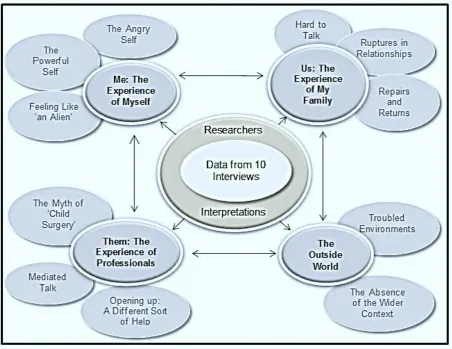
3.1 Introduction to the Whole ... 47
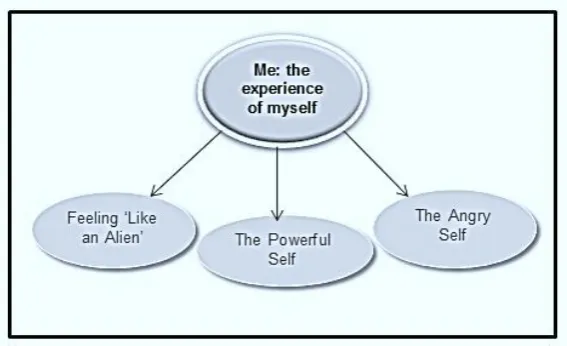
3.2 Me: The Experience of Myself ... 48
3.2.1 Feeling like ‘an Alien’ ... 49
3.2.2 The Powerful Self ... 51
6
3.2.4 Summary ... 54
3.3 Us: The Experience of My Family ... 55
3.3.1 Hard to Talk ... 55
3.3.2 Ruptures in Relationships ... 57
3.3.3 Repairs and Returns ... 60
3.3.4 Summary ... 63
3.4 Them: The Experience of Professionals ... 63
3.4.1 The Myth of ‘Child Surgery’ ... 64
3.4.2 Mediated Talk ... 65
3.4.3 Opening up: A Different Sort of Help ... 68
3.4.4 Summary ... 71
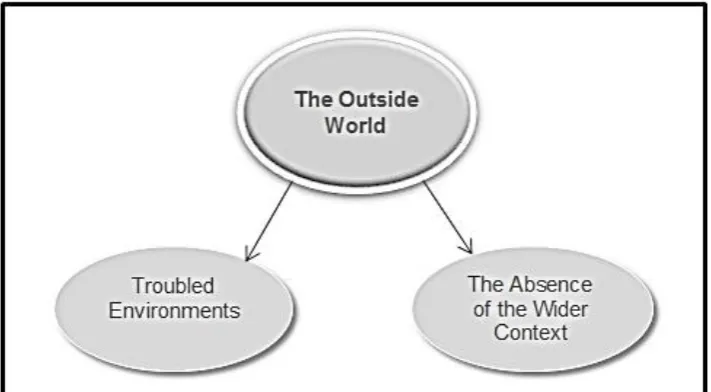
3.5 The Outside World ... 71
3.5.1 Troubled Environments ... 72
3.5.2 The Absence of the Wider Context... 73
3.5.3 Summary ... 76
4. DISCUSSION ... 78
4.1 Addressing the Research Questions ... 78
4.1.1 How do Young People Make Sense of Themselves and Their Contact with Intensive Family Interventions? ... 78
4.1.2 How do Young People Make Sense of Some of the Changes that can Take Place in the Systems that they Inhabit? ... 82
4.1.3 In What Ways do Young People Feel they are Viewed by Intervening Agencies and How do They, in Turn, View Those Agencies?... 85
4.2 Implications and Recommendations for Clinical Practice ... 89
4.2.1 Implications for Working with the Young People ... 89
4.2.2 Implications for work with Parents ... 90
4.2.3 Implications for Professionals ... 91
7
4.3 Recommendations for Future Research ... 93
4.4 Assessment of Quality and Methodological issues ... 93
4.4.1 Smith (2011) Quality Criteria in IPA Research ... 94
4.4.2 Personal Reflections and Closing Thoughts ... 100
5. REFERENCES ... 101
8
1. INTRODUCTION
1.1 Introduction Overview
The aim of this study is to understand how adolescents aged between 10 and 16 experience and make sense of ‘Intensive Family Interventions’. The name
‘Intensive Family Intervention’ is used in this research to describe a collection of services that target adolescents and families who are characterised in particular ways. It is difficult to define precisely who these families and young people are because who they are changes over time and is constructed within different social and political contexts. In the last decade, political terminology has
generated terms such as ‘problematic’ (Parr, 2009), ‘chaotic’ (Gregg, 2010) and ‘troubled’ (Casey, 2012) as ways of describing the families requiring intensive support. These families have also been described as ‘socially excluded’, ‘multiply disadvantaged’, ‘hard to reach’ and, most recently, ‘beleaguered’ (London
Metropolitan University, 2013). Multiple disadvantages include poor housing, homelessness, unemployment, generational poverty, illness, disability and mental health problems (Social Exclusion Task Force, 2007).
The adolescent whose behaviour has brought the family in contact with services is often the target of the intervention. Political terminology tends to focus on anti-social behaviour (hereafter ASB) and its effects in communities (Parr, 2011). Within the realms of social care and health these adolescents are often described as having emotional and behavioural difficulties and, increasingly, this profile of behaviours in adolescents has been categorised as ‘conduct disorder’, since the emergence of this diagnostic category in the 1980 Diagnostic and Statistical Manual III (DSM III) (Harwood, 2006). It seems that multiple disadvantages in relation to these adolescents translates as socially excluded, not in education or training, at risk of entering the care system and high rates of offending (Social Exclusion Task Force, 2007).
9 adolescents’. This quote epitomises the dominant media representation of a group of families and adolescents and the problems they are seen to pose to society.
The introduction will begin by examining theoretical conceptualisations of adolescenceas a distinct developmental period, making reference to how
challenging adolescent behaviour has been viewed within these frameworks. The chapter will then review how key legislation has conceptualised and responded to problems within families and to challenging adolescent behaviour. Different
treatment approaches will then be considered in relation to their theoretical underpinnings and their influence on the formation of today’s various Intensive Family Intervention models.
What seems to be lacking is a more nuanced understanding of how the adolescents who receive these types of interventions make sense of their experiences. This chapter will therefore examine the existing literature on parents’ and young people’s experience of these interventions. This will outline what is known and what is not known about how these adolescents conceptualise ‘the problem’ and what it might be like to be viewed as ‘troubled’. The introduction will end with a summary and outline of the research questions addressed in this study.
1.2 Theoretical Conceptualisations of Adolescence
It is important to begin by examining how ‘troubled’ adolescents have been conceptualised within psychological theory.
1.2.1 Historical Perspective
Adolescence as a construct emerged in social psychology in the early 20th
10 population. A number of Shakespeare’s youthful characters were described as ‘wronging the ancestry, stealing and fighting’ (Esman, 1998), while William Fleetwood, a religious scholar of the 1600s, spoke of youth growing ‘wanton, insolent and headstrong’ (Ben-Amos & Krausman, 1994).
Stanley Hall (1904) was one of a number of psychologists who conceptualised adolescence in theory. Hall (1904) described this period of development as one of ‘storm and stress’, a term he borrowed from a German literary movement named ‘Sturm und Drang’. The movement began in 1774 when Goethe wrote ‘The Sorrows of Young Werther’, a story depicting the emotional turmoil of a young German man (Goethe, 1982). Although Hall is often depicted as offering a concrete biological view of adolescence, Arnett (1999) argues that he did
acknowledge some differences caused by contextual and relational factors, but that these ideas were overshadowed by Hall’s focus on adolescent stress being universal.
1.2.2 Early Cross Cultural Perspectives
The 1920s saw cultural anthropologists such as Margaret Mead (1928) offering new perspectives on adolescence. Based on her observations in communities in Samoa, she argued against the universality of adolescent storm and stress. She observed that in many communities, adolescence was not characterised as either stressful or stormy, suggesting that ecological factors associated with
development were significant in predicting a troubled adolescence. Although Mead’s work received considerable criticism, it also drew attention to the influence of culture on young people’s development and the notion that ‘storm and stress’ is predominately a western construct (Shankman, 2009).
1.2.3 Psychodynamic Perspective
Anna Freud, writing in 1958, suggested that a lack of any emotional turmoil in adolescence may be indicative of excessive defences against powerful drives (Arnett, 1999). In fact she goes so far as to say ‘to be normal during the
11 is and is not normal are obviously subjective, however what is being conveyed is the sense that to experience turmoil is in some way characteristic of this
developmental period.
Further developments in psychoanalytic thinking on the question of adolescence have included Erikson’s (1968) psychosocial model and Bowlby’s (1973)
attachment theory. Erikson (1968) saw adolescence as the threshold into
adulthood and intimately bound up with the move away from the family (Dallos & Comley-Ross, 2005). He argues that there are eight stages within the
developmental lifespan, with the period between 12-18 years old characterised by what he called ‘identity’ versus ‘role confusion’. Erikson (1968) argues that the task of adolescence is to find some resolution between these two poles, with the process involving the integration of early relationships and identifications into a new, more fully formed, identity (Kroger, 2003). The concept of a ‘psychosocial moratorium’ was introduced by Erikson (1968, p. 157), and refers to a space in which adolescents are allowed to separate from the family and try out different adult roles. Erikson (1968, p. 156) conceptualised this in the following passage;
“Any experimentation with identity images means also to play
with the inner fire of emotions and drives and to risk the outer danger of ending up in a social ‘pocket’ from which there is no
return. Then the moratorium has failed; the individual is defined
too early, and he has committed himself because circumstances or, indeed, authorities have committed him”.
12 1.2.3.1 Attachment Theory
Bowlby (1973) argued that in Western cultures children are dependent on their parents to provide for all their needs. Whether these needs are met in a secure base that is the family context is said to shape the child’s developing sense of self and trust. Both Erikson (1968) and Bowlby (1973) saw this early development of trust as a central element in an adolescent’s ability to negotiate the transition into adulthood. Infants who experience their needs met in a consistent way are said to develop a secure attachment to their parents and thus a secure sense of their own self-worth and ability, as well as a belief that the world is generally a safe place (Dallos & Comley-Ross, 2005). Conversely, infants who experience a sense of insecurity about their safety, or experience trauma or a lack of care are said to develop avoidant or ambivalent patterns of attachment. An avoidant attachment to one’s parents may lead to feeling one cannot depend on others, while an ambivalent attachment style might be characterised by uncertainty about one’s own capacity to love and be loved (Carr, 1999). These ideas are
questioned on a number of counts, including Bowlby’s emphasis on a very Western idealisation of parenting, and the focus he placed on the maternal relationship (Dallos & Comley-Ross, 2005). However, since attachment theory’s first emergence, it has been considerably researched and refined, with a body of subsequent work suggesting that anti-social or offending behaviour is often
associated with insecure early attachment relationships (Cassidy & Shaver, 1999, Fearon, et al. 2010).
13 1.2.4 Systemic Frameworks
Family life cycle perspectives see adolescents within the ever changing contexts and transitions that families face. As adolescence progresses, Carter and
McGoldrick (1989) argue that the family system has to become more of a
‘preparation centre’ for adult life, rather than a base of protection and nurturance. Within this view, emphasis is placed on the meaning that is bestowed on the adolescent’s behaviour rather than on adolescence in general as a time of turmoil. In this way, ‘storm and stress’ starts to look more like an interaction between family and the young person, as relationships rebalance and redefine (Carter & McGoldrick, 1989).
Systemic frameworks consider the ways in which problems within families can often become situated within individuals, as opposed to being seen as relational. Indeed in the last two decades, family therapy practice has seen the introduction of more Narrative Therapy (White, 1995) ideas that attempt to ameliorate the damaging ways in which adolescents can often become the focus or vessel for whole family problem narratives (Fredman, 2003).
1.2.4.1 Family Scripts
14 the mother’s own early experiences of domestic violence. Scripts triggered by early trauma can often be rigidly held, further compounding the adversarial relationship between adolescent and parent (Dallos, 2013).
1.2.5 Ecological Theories
For Bronfenbrenner (1977), the entry into adolescence was seen to involve the negotiation of continuously interacting social relationships. These social
relationships are embedded within four major structural systems.
The first, the ‘microsystem’, is seen to be the immediate social environment which for adolescents is considered to include the home, school and peer network. It is argued that as the adolescent develops, these social contexts become increasingly complex as there are often entries and exits (Muuss, 1996). Families also have to make profound shifts in relationship patterns across
generations in response to the transition into adolescence (Preto, 1989).
The next level within Bronfenbrenner’s ecological model is called the
‘mesosystem’, and this is seen as a collection of smaller microsystems. The quality of a mesosystem is judged on the nature of the relationships that may all function either in a congruent or divergent way (Bronfenbrenner, 1977). In the case of young people who have very conflicted relationships at home and in school, and who are not involved in positive activities, it is likely that there are a limited number of microsystems, and the nature of the relationships between the systems is often adversarial. Furthermore these microsystems might also include a number of helping agencies who may or may not be working in union with the young person, family and each other. Within Bronnfenbrenner’s (1977) model, a mesosystem signified by divergent aims and conflicted relationships would be described as impoverished, making the opportunities for adolescents to negotiate a smooth transition into adulthood less likely.
15 influences within these systems can play a significant role in the development of an adolescence characterised by challenges (Biglan, Brennan, Foster, & Holder, 2004). For example, communities low in socioeconomic status are associated with higher rates of adolescent crime, drug and alcohol use and risk behaviours (Leventhal & Brooks-Gunn, 2000). Furthermore, exposure to adverse life
experiences such as early maltreatment and growing up in chronically violent communities is consistently linked in research with the mental health of young offenders (Paton, Crouch, & Camic, 2009).
The widest layer of Bronfenbrenner’s (1977) structure is the macrosytem, and this is broadly said to be the blueprint underlying the organisation of society at any particular time in history. This includes judicial and economic systems, cultural practices, religious organisations and broad networks of knowledge, to name but a few (Bronfenbrenner, 1977). Bandak (2005) argues that economic poverty is the single most important factor in making raising a physically and psychologically healthy child difficult. Having said this, it is often hard to pin-point exactly how poverty or inequity gets under the skin. Wilkinson and Pickett (2010), in their analysis of a broad range of health and societal issues, make a
convincing argument that the highest rates of health problems are present in the countries that are the most unequal. The UK and USA have the highest level of income differences between rich and poor and also have the highest rates of physical and mental health problems. This is compared to poorer but more equal countries such as Greece, where there are lower rates of health problems
(Wilkinson & Pickett, 2010).
Using the UNICEF Index of Child Wellbeing, Pickett and Wilkinson (2007)
16 emotional needs in a consistent way might be considerably hampered by the context of inequity and its effects on communities’ health and wellbeing.
It seems that there are complicated interactions that take place across the ecological structures that influence child and adolescent development. Thus, finding a positive and effective early adult identity is a complex process made all the more challenging in the context of an external reality characterised by
adversity and inequity. Indeed, Lemma (2010) argues that a healthy confidence in oneself can be destroyed by the experience of trauma in adolescence. For the young people who are the most disadvantaged, the transition to adulthood
through adolescence seems to be particularly complex and can involve repeated cycles of progression and backtracking (Right Here, 2008).
1.2.6 Relationship to Help
Within the negotiation of these different systems young people and families often have complex relationships with services and professionals. Reder and Fredman (1996) highlight the importance of understanding people’s ‘relationship to help’. They hypothesise that this can be influenced by a number of factors, such as early attachment experiences being re-enacted in contact with helping
17 1.2.7 Section Summary
Selected theories and frameworks have been examined in this section to develop an understanding of how ‘troubled’ adolescents have been conceptualised. There appears to be some consensus that adolescence can be at times characterised by both internal and external exploration. The attachment relationship and its influence on development has been examined, as well as the ways in which parents’ own experiences of being parented can influence the meaning of adolescent behaviour. For some adolescents, this time can signal a period of unrest as the transition into a more adult position is made, however, for some this point of transition can bring both threats and opportunities. Adolescents are also required to negotiate a continually changing social environment that is affected by a number of influences both known and unknown to them. Young people who experience multiple disadvantages are expected to negotiate a considerably more complex and poorly resourced structure.
It is now important to consider the ways in which young people whose
adolescence is characterised by significant challenges have been thought about in legislation. The next section will examine how the state has intervened when risks and turmoil becomes too great.
1.3 The Legislative Context of Intensive Family Interventions
Contrary to political rhetoric, interventions targeting adolescents and families are not new, with the concept of ‘problem families’ emerging in social work practice in the 1940s (Parr, 2009). Biehal (2005) argues that since the introduction of the Children Act 1948 there has been on-going tension between ‘state paternalism’ and ‘the defence of the birth family’ (p. 4). Throughout the 1950s a number of factors encouraged attempts to prevent unnecessary admission into care,
18 and Children Act 1963 which set out statutory duties to provide assistance to families in need, marking a shift from state paternalism to a greater emphasis on providing support for families (Biehal, 2005).
However, throughout the 1970s a number of cases of child abuse weakened the argument for supporting families. This in turn shifted thinking away from state involvement in prevention work towards more decisive action once parenting was viewed as impaired (Biehal, 2005). The 1980s saw renewed interest in
preventative work and concern around the outcomes for children leaving care. This change in emphasis influenced the formation of the Children’s Act 1989, which outlined local authorities’ responsibility not only to safeguard children but also to promote their upbringing by their families. The Children’s Act 1989 also enshrines in law the concept of parental responsibility (Coulter & Rapley, 2011). Emphasis was now placed on both the state’s role in providing support for families, and on the ultimate responsibility for child welfare being firmly placed with parents (Parr, 2011). To some extent, this demonstrated a unification between competing political ideologies, reflecting both the influence of
conservative anti-collectivism that aimed to reduce the role of the welfare state by emphasising the responsibilities of parents, whilst simultaneously outlining ways in which families in need would be supported by external agencies (Biehal, 2005).
1.3.1 Current Legislation
The last Labour government brought in a wide range of legislative powers aimed at tackling ASB. The political discourse tended to focus on two strands: support for parents struggling with younger children and accountability for parents of older children exhibiting ASB (Biehal, 2005). This is most notably illustrated in the 1998 Crime and Disorder Act and the 2003 Anti-Social Behaviour Act which introduced the means by which the state can take action against parents for the ASB of their child (Coulter & Rapley, 2011). Critical analysis of this legislative development has argued that the linking of ASB with problem families has created a theoretical rationale based on ‘individual deficiencies’ rather than seeing contextual
19 as driven by forces internal to the family, the foremost of which becomes
parenting (Parr, 2011). It is argued that this context legitimises the significant extension of the state’s involvement and ability to intervene in families and the domestic sphere (Prior & Paris, 2005).
May 2010 saw the election of the current Conservative and Liberal Democrat coalition government. Just over one year later, young people rioted in many cities across the UK. Although pertinent to this research, it is beyond this introduction to discuss the causal factors of these riots. What is significant are the policies that were generated to respond to these events, most notably the Troubled Families agenda (Casey, 2012). David Cameron has pledged to target 120,000 of the country’s most troubled families before the 2015 general election (Department for Communities and Local Government , 2012). A ‘troubled’ family is currently defined as one in which there is ASB, low school attendance and where parents are classified as high-cost to the tax payer (Lloyd, Wollny, & Gowland, 2011). The proposed method of intervention seems to mirror the approach taken by the previous Labour government.
1.3.2 Section Summary
Biehal’s (2005) description of an on-going tension between state involvement and parental responsibility seems to be as present as it ever has been. What this section has illustrated is that challenging adolescents have been intervened with for much of the last century in different ways and with different emphasises. The next few years will see considerable resources and focus being placed on the outcomes of projects funded by the Troubled Families agenda. These
interventions and their theoretical underpinnings will be examined in detail in the following section.
1.4 Literature Search
20 Ebsco Host was used to search the following electronic databases: PsycINFO, Psych Extra, Psychology & Behavioral Sciences Collection, and Psych
ARTICLES. Search terms such as ‘conduct disorder’ entered individually generate vast quantities of research examining epidemiology, aetiology,
outcomes, cost and so forth. Because of the more specific focus of this research being on young people’s experience of certain interventions, it was necessary to refine the search criteria. The search terms ‘family interventions’ and ‘conduct disorder’ entered simultaneously with the filter adolescence (13-17 years)
generated 20 results. Those that were relevant have been incorporated into the literature review; however, most examined the effectiveness of parenting
interventions with younger children. The same search terms were used with a filter that selected only papers that used qualitative research methods, and this generated 6 matches. None of these papers were in fact qualitative in their design and few provided much insight into the specfic topic under
examination.The most relevant matches have been incorporated into the
examination below. Athens was also used to search NHS health and social care databases such as the Medline, with relevant papers being incorporated. Other recognised independent health databases in medicine and healthcare specialties such as the Cochrane Library were also searched. Google Scholar was used to search for relevant references found in articles and for government and
legislative documents. However, the most relevant papers (Lemma, 2010; Tighe, Pistrang, Casdagli, Baruch, & Butler, 2012) were recommended by other
researchers interested in this area.
1.5 Intervention and Treatment Approaches
Different theoretical conceptualisations of adolescence have been examined, with the aim of developing a theoretical framework with which to understand the
challenge that some adolescents experience. Significant legislative developments have been reviewed in order to situate the way in which the state has
21 1.5.1 The Influence of Cognitive Frameworks
Some approaches draw on cognitive theory in understanding adolescent ASB and argue that certain patterns of thinking initiate and maintain challenging behaviour in young people (McCrory & Farmer, 2009). Interventions tend to employ strategies that focus on social skills training, improving emotional and behavioural regulation and anger management (McCrory & Farmer, 2009). Meta-analysis looking at the effectiveness of Cognitive Behavioural Therapy (CBT) in reducing conduct problems report small or moderately positive outcomes
(Bennett & Gibbons, 2000). Based on the complexities of the environments in which these young people exist it is argued that individual cognitive approaches have limited effectiveness if concurrent changes are not made in the young person’s wider context. Indeed, a number of researchers argue that it is essential that young people’s environments change in tandem with new ways of thinking (Guerra et al., 2005).
1.5.2 The Influence of Behavioural Frameworks
22 1.5.3 The Influence of Systemic Frameworks
The most researched form of systemic intervention is Multisystemic Therapy (MST) (Henggeler & Borduin, 1990). MST has been designed to prevent reoffending and improve behaviour by changing the systems around the
adolescent (Carr, 1999).The MST intervention consists of an individual therapist working closely with the family for approximately 3-5 months, building up a systemic formulation and using a variety of techniques to support change. MST has been studied extensively, including more than 15 Randomised Controlled Trials (RCTs) that indicate reduction in ASB and offending (Borduin, et al., 1995; Henggeler, Cunningham , Pickrel, Schoenwald, & Brondino, 1996), although after 25 years of rigorous study, Tighe et al. (2012) argue that little is still known about how families experience the intervention.
Although MST is often cited as the most effective intervention for adolescents and families with complex needs, a review of eight of the RCTs has called into question this taken-for-granted understanding (Littell et al., 2009). The authors argue that most of the RCTs have been conducted by the developers of the intervention, have not included unpublished studies containing negative findings, and that the largest fully independent study found no significant difference
between MST and a range of other youth offending services. Littell et al. (2009) suggest that the evidence to support MST’s effectiveness is at this stage
inconclusive. Currently, a large trial named START, led by University College London, is piloting MST projects across ten UK sites to ascertain the
effectiveness of MST in the UK. The findings of this large research project will no doubt further illuminate our understanding of this model.
1.5.4 Mentalization-Based Treatments
23 has developed a framework, including tools for practitioners to use when working with this population. The model emphasises the importance of supporting parents and young people to mentalize, but also aids staff in taking a mentalizing stance towards what can often be very challenging work (Bevington & Fuggle, 2013). Within this approach, a key belief is that the capacity to mentalize is significantly hampered in the context of conflict and high levels of emotion (Fonagy &
Bateman, 2006). Practitioners therefore work to reduce conflict to enable families to start holding one another in mind and subsequently improve family functioning.
1.5.5 Integrative Social Work Models
Family Interventions Projects (FIPs) have become the most commonly used intervention model, and were introduced by the Labour government in 2006 (Respect Taskforce, 2006). FIPs appear to be formed using an integrative model that draws on systemic and behavioural approaches and are influenced by local practice-based knowledge and resources. Within the intervention, families are provided with support to identify goals in order to reduce ASB. Workers are required to understand a complex set of issues and develop a support plan (Parr, 2009). The FIP model of intervention is being recommended by the government in the current Troubled Families intervention strategy. They advocate for
interventions to offer a dedicated worker to provide practical support, take a whole-family approach and be intensive and community based (Department for Communities and Local Government , 2012).
24 employment outcomes, and there is limited evidence to indicate that FIPs
improve family functioning (Lloyd et al. 2011). Although critical commentators draw our attention to these issues, there is also recognition that interventions like FIP do have the capacity to provide multiply disadvantaged families with
practical, solution focused and systemic support (Parr, 2011). Indeed, many professionals report that family interventions allow them to offer comprehensive and practical support in a way that is lacking in most mainstream social work practice (Parr, 2009).
1.5.6 Section Summary
The main theoretical approaches to intervention have been discussed, and examples of how these theories translate into a number of models and
approaches have been given. It seems there are a variety of different approaches that place a different emphasis on the social, the psychological, and some
suggest the punitive (Parr, 2011). Overall, what is clear is that the effect of such interventions in families’ lives can be considerable, and, with a large collection of professionals involved, the pace of change can be rapid. It is now appropriate to introduce the specific service in which this research will take place and then consider what is known and also not known about families’ experiences of these types of interventions.
1.6 The Current Research
The service in which this research is being conducted provides intensive psychological and social care support to families in order to prevent family breakdown and reduce ASB. The service was set up in 2006 in line with a legislative drive and in response to the re-emerging understanding that the psychological, social, educational and vocational outcomes for young people entering the care system were poor (Department of Education and Skills, 2006; Forrester, 2008). Furthermore, out of home placements were seen as
25 It is important to give some detail about the nature of the intervention so that it is possible to understand what the young people in this study are likely to have received. The service takes the form of a multidisciplinary team consisting of psychologists, social workers, teachers and youth outreach workers. The term intensive refers to the quantity of contact the family and young person is likely to receive which could be as many as 3 contacts a week, typically in the family home or in the local community. The first phase of the intervention is called the ‘intensive period’ in which there is a highest level of contact. After 6 months the intervention moves into the ‘maintenance phase’, whereby workers aim to maintain change that has occurred in the first phase.
In line with systemic and mentalization-based approaches, the multiple systems around the young person and family are targeted by each corresponding
professional. For example, psychology and social work professionals work with parents intensively to start to support change in the way the young person is thought about and responded to in the home using predominantly behavioural strategies such as reward systems and new routines. Individual home sessions are completed with the parent as well as joint family sessions, in which issues are discussed and difficult conversations facilitated. Teachers in the team aim to reconnect the young person back into school and support the repair of
relationships. This may involve school meetings and or practical help getting the young person to school regularly.
26
1.7 Parents’ Experiences of Intensive Family Interventions
There appears to be a paucity of research examining how parents and
adolescents experience the process of receiving these types of interventions. Research to date appears to focus on the effectiveness of family interventions, what works and what is cost effective. Likewise, research that has attempted to understand parents’ experience of family interventions has tended to take more of an audit perspective, having focussed on parent satisfaction as opposed to a more nuanced psychological understanding of the process. Indeed, Tighe et al. (2012) argue that much is known about the outcomes of MST but little is known about the the process from the perspective of families. They conducted the first qualitaitive research with parents and adolecents of MST projects in which 21 parents and 16 young people were interviewed about their perceptions of the process. The results were grouped into two broad themes entitled ‘Engagement in MST and initial process of change’ and ‘Outcomes are complex’. Results in these two themes indicated that families overall had a positive experience of MST but that outcomes were mixed. The intensive, community approach and the
building of the therapeutic relationship emerged as significant factors in families’ engagement in the service. Parents reported feeling more confident in their parenting, having a more positive outlook and an improved relationship with their child. However, some parents did not experience improvements, finding that the behavioural approaches had limited impact on the older adolescents in particular. But even in these cases, parents acknowledged that in attempting different
strategies a better relationship with the young person was formed even in the absence of any obvious behaviour change.
27 professionals. Due to the lack of qualitative research in this area, very little is known about the types of relationships these families have with helping professionals.
In one rare instance of such research, Parr (2011) conducted a sequence of interviews with 5 mothers over the course of their involvement with a FIP intervention. This research examines more closely than previous research how these mothers experienced the process, and focuses more explicitly on the women’s perceptions of the help they were offered. The mothers, who had experienced on-going professional intervention, described a sense of a
‘disciplinary gaze’ both from existing agencies and from the FIP workers (Parr, 2011, p. 731). Although the mothers experienced some aspects of the
intervention as invasive and at times punitive, they also saw benefits in the practical support they received to improve their housing, access to financial support and in the reintegration of their child into school and activities. Similarly to the findings of Tighe et al. (2011), the mothers spoke about appreciating the sensitive, befriending role the workers took in their often isolated lives. Parr (2011) compares these positive and negative experiences to the parallel discussion in the academic literature, in which critical commentators
acknowledge that this type of intervention can affect instrumental change in multiple domains of families’ lives, but warn against overlooking the potentially coercive and punitive influence that family interventions can have and the effects that this may have on the dynamics between families and professionals (Parr, 2011).
Although the perspective of young people was present in both studies, the parent perspective is the primary focus of both. Having provided some sense of the qualitative research on this topic, it is now important to examine the literature concerned only with young people’s experiences.
1.8 Adolescents’ Experiences of Intensive Family Interventions
28 offended. They valued staff who were respectful and appeared committed to helping them, and also placed great importance on a flexible outreach way of working and on interventions that they felt reflected their needs. Although these findings are helpful for this study as a similar population of young people
participated, the intervention was not an Intensive Family Intervention.
In a paper by Harris and Allen (2011), adolescents said that the multi-agency work that felt most effective to them was that which had a direct impact on their lives and was aimed at both themselves and their families. Likewise, the authors note that there was considerable disengagement with services that were
perceived as being disconnected to young people’s perspectives and needs. Dallos and Comley-Ros (2005) give a more psychologically informed analysis of the experience of a mentoring service for young people who had been in care, had severe problems in their families and engaged in incidents of offending. Drawing on attachment theory, the authors interpret young people’s experiences of their relationships with their mentors as something like a relationship with a mother figure (Klein, 1952). For most of the young people, this was an imagined figure due to the young people having had very inconsistent parenting
experiences. Young people noted that the care, attention and encouragement they received from the mentors aided the development of a trusting relationship. Significantly, this was seen to generalise to other relationships in line with
attachment theory. Dallos and Comley-Ros (2005) argue that this helped the young people start to develop more coherent stories about themselves, not just through actions but through talking. Prior to the mentoring, talking to adults seems to have been experienced as something to mistrust.
29 Dallos and Comley-Ros (2005) findings, this research showed that engaging with key workers, for some young people, is their first experience of a trusting
relationship.
The papers discussed above give a rich indication of some of the experiences that marginalised young people have in different services. What remains unclear is how young people experience Intensive Family Interventions that incorporate some elements of mentoring but also aim to alter family dynamics. The following short sections will outline the gaps this research hopes to fill.
1.9 Areas Neglected in Research
1.9.1 Experience of Intensive Family Interventions
The researcher worked for two years in the service that is the focus of this research and observed there was sometimes a limited understanding amongst professionals of the ways in which young people who are categorised as
requiring Intensive Family Interventions make sense of being viewed in that way, experience the process, and understand their position.
1.9.2 Adolescent Participation
Article 12 of the UN Convention on the Rights of a Child and subsequent legislation enshrines in law the necessity for young people to have a say and express their views on the experiences they have in relation to the interventions they receive (Right Here, 2008). This research may therefore contribute to greater adolescent participation in our understanding of service delivery.
1.9.3 Beyond Service Evaluation or Audit
This research project aims to go beyond a statistics-focussed understanding of young people’s satisfaction with services by attempting to explore the
30 wider systems that they inhabit. It seems that neglected within the literature is a more nuanced understanding of the ways in which the adolescents themselves conceptualise the experiences they have. It is within these conceptualisations that we may begin to understand what it is like to be ‘anti-social’ and what it is like to be seen as ‘troubled’.
The findings will be representative of a group of young people who are seen by society and professional networks as posing a particular problem. It is hoped therefore that the findings of this study will be of use to professionals in their work, and give voice to the experiences of these marginalised young people.
1.9.4 Research Questions
Based on all that has been discussed the following research questions will be asked:
- How do young people make sense of themselves and their contact with Intensive Family Interventions?
- How do young people make sense of some of the changes that can take place in the systems that they inhabit?
31
2. METHODOLOGY AND METHOD
The following chapter will outline the methodology used in this study. This will include the rationale for choosing a qualitative approach, the epistemological position taken and a description of the theoretical underpinnings of the chosen method of Interpretative Phenomenological Analysis (IPA). This will be followed with a description of the fine detail of the method, information on how participants were recruited and how the interviews were conducted. This chapter concludes with a detailed description of the stages of analysis in order to make the process as transparent as possible.
2.1 Methodology
2.1.1 Adopting a Qualitative Design
Three main factors were considered important when deciding to use a qualitative methodology. Firstly, there has already been a considerable amount of
quantitative research conducted on this population of young people, including 15 RCTs examining rates of offending behaviour, ASB, school attendance, family functioning and longer term outcomes (Henggeler & Borduin, 1990; Henggeler et al. 1996; Henggeler et al. 1998). Secondly, the service had outlined a possible sample number which was not sufficient for robust quantitative research but was more suited to an in-depth qualitative analysis. Thirdly, because the aim of this research was to understand more about the idiosyncratic experience of young people receiving intensive family interventions – the ways in which they make sense of their world and experiences – it was decided that a qualitative
methodology was more suitable. Indeed, nuanced understandings of psychological experiences are not easily accessed through quantified,
32 2.1.2 Justification for Choosing IPA
It was clear from the outset that what was lacking in the literature was an account of young people’s experiences. A method was therefore required that could capture subjective experience but also situate those experiences within the complex social, cultural and professional systems in which the adolescents exist. Larkin, Watts, and Clifton, (2006) argue that IPA, compared to other
phenomenological methods, enables the researcher to situate participants’ accounts in broader social and cultural contexts, but also remains wedded to individual experience. In the early stages of the project development the author considered recording live sessions with the young people and analysing them using more discursive approaches that place emphasis on language as an instrument in constructing reality rather than language accessing experiences (Willig, 2008). Although this would have been an interesting project, this
approach may not have sufficiently accessed adolescents’ views on and stories of their own experiences in the way that was sought. Advocates of IPA claim that the method provides a more robust and detailed examination (Smith, Flowers, & Larkin, 2009) of experience compared to similar methods, such as Thematic Analysis (TA) (Braun & Clarke, 2006). TA tends to be used in larger sample sizes and compared to IPA does not place as much significance on researcher
reflexivity, an element that was considered important due to the researcher’s prior relationship to the service. The method of Grounded Theory was considered, but after developing the research aims further, it was decided that the project should be more focused on subjective experience rather than on developing a model of social process (Harper & Thompson, 2012).
2.1.3 Epistemological Position
Larkin et al. (2006) argued that psychology’s ‘complex epistemological field’ makes it difficult for the researcher to easily perform the balancing acts required in producing a good piece of qualitative research. It could also be argued that the need to have an epistemological position forces an identification with one
33 that a particular method need not be representative of the researcher’s entire epistemological position or an exercise in ‘nailing one’s colours to the mast’, but that each project can enable the exploration of different beliefs and methods that each have benefits and pitfalls.
For the purposes of this project I am adopting a predominately critical realist epistemological position. This epistemology assumes that there are phenomena to be examined – in this case, the young people’s experience of the intervention, but that this phenomenon can only be partially understood through language (Larkin et al. 2006). This approach also recognises that both the young people and I will be engaged in an inter-subjective process of meaning-making. I will be attempting to make sense of the experience being made sense of by the young people (Smith et al. 2009). Alongside this overarching position I will also be adopting an interpretative phenomenological stance which will be enacted through the chosen method of IPA (Larkin & Thompson, 2012). Aspects of this epistemological position and IPA’s theoretical basis will be examined in the following sections.
2.1.4 Interpretative Phenomenological Analysis
IPA was first proposed by Smith (1996), who argued that there was a need for a methodology that could capture both the experimental and the qualitative within psychological research. IPA is underpinned by three theoretical positions: phenomenology, hermeneutics and ideography (Smith et al. 2009).
2.1.4.1 Phenomenology
Phenomenology is an umbrella concept used to describe a philosophical
34 & Thompson, 2012). This ‘bracketing off’, or the ‘epoche’, as Husserl called it, was thought to allow the researcher to reduce the layers of assumptions and preconceptions they held until they had arrived at a point of understanding the essence of a phenomenon (Langdridge, 2007).
Smith (2009) argues that Husserl’s approach to phenomenology gave IPA its emphasis on the close examination of the content of lived experience, and furthermore provided IPA researchers with the theoretical rationale for reflecting on their own prior understandings. The ‘bracketing off’ of existing understandings has been a vital part of the process of this research, due to my prior work in the service studied. Although I had a sense of the young people that the service worked with and the conditions that would allow them to feel more able to speak, I also held a number of beliefs about how much and if the young people would talk to me about their experiences. This belief meant that often after the
interviews I had a sense that not much had been said and it wasn’t until I began to examine the data in-depth that I noticed the very concise and important things that had been said. Although I undoubtedly hold multiple beliefs and
preconceptions about the work and the young people, in using reflexive methods these beliefs can begin to be examined in as transparent a way as possible. See Appendix A for an extract of a peer reflexive group in which these issues are considered further.
The phenomenological underpinnings of IPA have come under scrutiny and criticism on a number of grounds. Giorgi (2010) argues that in the transformation from philosophy to ‘science’, inevitable modifications are made that have led to the misuse or misrepresentation of the broader phenomenological movement. In Smith’s (2010) riposte he asserts that he has argued for the importance of
researchers understanding the history and theoretical roots of phenomenology in order to bring a genuinely phenomenological stance to the method. The following section will explore IPA’s relationship to the theory of interpretation, that of
hermeneutics. It is important to note that in taking a hermeneutic position, IPA inadvertently places less emphasis on one of the core features of
35 2.1.4.2. Hermeneutics
In its origin, hermeneutics was the art and science of textual interpretation, most notably of biblical texts. As a philosophical movement, it has been engaged in the interpretation of a range of historical and literary texts (Smith et al. 2009). The influence that theoretical hermeneutics has on IPA can be seen in its approach to the interpretation of meaning in participants’ accounts of experience. Advocates of IPA acknowledge that the route from experience, through consciousness and into language is not straightforward. They argue that it would be naïve to assume a direct connection between a description of the world and the world itself (Larkin et al. 2006). Heidegger (1927) argued that there are phenomena that exist and can be partially understood, but that the meaning bestowed upon or taken from these experiences is mediated by the contexts in which we exist (Langdridge, 2007). Heidegger’s concept of ‘Dasein’ or ‘being there’ referred to the idea that people are always located in meaningful contexts (Larkin et al. 2006). Rather than reducing to abstractions, IPA takes on this Heideggerian phenomenological position that all interpretations are made from somewhere (Larkin & Thompson, 2012).
This idea has helped considerably in the reflexive process and has encouraged me to examine the contexts from which my interpretations may be originating. I approached this study with a number of identities that may influence the research. Some of these are introduced here and will be developed further throughout. I am 30 years old. I identify as white British, as female, and as a trainee clinical psychologist. My professional status, age and ethnicity are all likely to have created some distance between myself and the participants. Although this distance may have had some impact on what young people shared with me, it also meant I was able to remain curious about their worlds and ask questions from a position of ‘not knowing’.
36 and acknowledge that this is likely to influence how I might conceptualise the young people’s experiences – with a tendency to focus on systemic, contextual factors. Having said this, I am currently on a psychodynamic training placement in which I am thinking and learning about adolescents from a much more analytic frame. When applying these theoretical ideas to a qualitative method involving a participant and researcher, the picture becomes more complex, as both people are interpreting and both are existing in contexts that influence their interpretations. Smith et al. (2009) describe this as the ‘double hermeneutic’: the researcher making sense of the participant making sense. Through the process of reflexivity, the researcher becomes more aware of themselves in the interpretation, with the aim of arriving at a position described as ‘experience close’ – as opposed to far – from the participant’s account (Smith, 2011, p. 9).
2.1.4.3 Ideography
The third major theoretical influence on IPA is an ideographic approach to
knowledge (Smith et al. 2009). IPA’s commitment to the idiographic is manifested in its analysis of each participant’s experience and the individual meaning and significance of that experience for each person. Once a case-by-case analysis has been performed there is a search for patterns across all cases, looking in detail for the convergence and divergence of experience within the sample (Larkin et al. 2006). In this way, IPA claims to be to be able to present shared themes as well as the unique way in which themes are lived by different participants. Harper (2013) warns against moving too quickly to the cross sectional and therefore losing the rich particularities of each individual experience.
2.2 Ethical Considerations
The research proposal was reviewed by the University of East London’s research sub-committee and given approval (Appendix B). Following this, ethical approval was obtained from the University of East London research ethics board
37 application form was completed and approval was granted (Appendix D).
Approval was also given by the Head of Service of the Children in Need department in which the service is situated. The researcher consulted with the Social Care Research Ethics Committee (SCREC) who advised that that the previous levels of ethical approval were sufficient (Appendix E).
2.2.1 Paying Participants Using Vouchers
The payment of participants in research is a controversial area with many researchers arguing that any introduction of payment has important ethical
implications. It is argued that payment can lead to a coercive context in which the participants may, for example, feel unable to exit the research (Wendler, Rackoff, Emanuel, & Grady, 2002). Within this study it was decided that participants would be offered a £10 gift voucher and also a certificate to mark their involvement in doctorate research as a possibly useful token towards their CVs. The decision to do this was considered carefully in the context of the practical and ethical
implications this raises (Head, 2009). It was felt that for this largely marginalised and low socioeconomic group of adolescents, some reimbursement for their time was important. Indeed, some researchers argue that omitting to pay participants can be unethical (Head, 2009). This is based on the argument that payment can in some way equalise the power imbalance between researcher and researched (Head, 2009). Having considered these dilemmas it was decided to offer the small incentive indicated above.
2.3 Method
2.3.1 Participants
Consistent with the principles of IPA, it was important to interview participants who would be able to offer insight into the phenomena under investigation (Smith et al. 2009). In order to satisfy IPA’s criteria of obtaining a purposive,
38 2.3.1.1 Inclusion Criteria
It was deemed important that young people should be recruited from within the same service and should have all experienced at least six months of the
intervention. Because of the service’s eligibility criteria, all young people
participating would be aged between 10 and 16 years old. In order to provide a service there has to be significant concern in the professional network that the young person is at risk of going into care. Young people are normally excluded or at significant risk of school exclusion, have an offending history or at risk of
offending, display persistent and enduring violent and aggressive interpersonal behaviour and pose a significant risk of harm to themselves in the form of substance misuse, sexual exploitation and risk of absconding.
2.3.1.2 Participant Recruitment
Access to the young people was to some extent filtered by the service in that they provided me with a list of all the young people who fulfilled the criteria (N 20). Within a team meeting, this list was examined and it was decided that it was not appropriate to approach some of the eligible young people due to circumstances in their life. One young person’s mother had recently died and others had moved out of borough the making ethical approval more complicated. I was therefore left with a list of 17 young people who were appropriate to contact.
These young people and parents were informed about the possibility of
39 2.3.1.3 Obtaining Consent
Participating young people and their parents were asked to sign a consent form (see Appendix G). Procedures around maintaining anonymity were explained to each young person and their parent and permission was sought to record
interviews. Young people and parents were told how the data would be used and that the findings would be disseminated in this thesis and in clinical implications. Anonymity of data was maintained by assigning each participant a pseudonym and editing all identifying information, including the name of the service.
2.3.1.4 Participant Numbers
Smith et al. (2009) do not prescribe a sample size for doctorate level research, but suggest that typically between four and ten interviews are sufficient. Ten young people were recruited and agreed to take part in the research, which, in light of Smith et al’s. (2009) opinions, is an appropriate number for the completion of IPA within a professional doctorate setting.
2.3.1.5 Participant Demographics
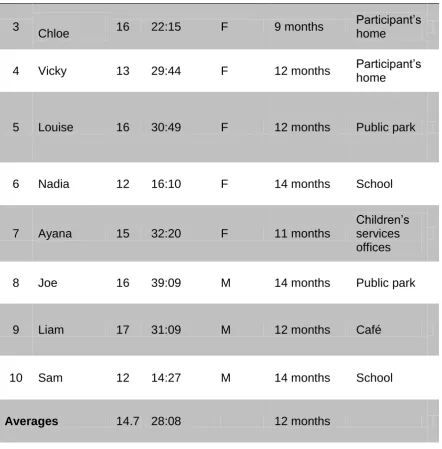
[image:40.595.88.528.635.766.2]All participants who took part in this study live in a central London borough. Figure 1 details the demographics of the participants. Ethnicity and information about household structure was removed as it could reveal the identity of each participant. Five participants identified as Black British, two as white Portuguese, one as white Moroccan, one as white British and one as British Somali.
No. Participant Age
Length of interview
(m:s)
Gender
Length of contact with service
Location of interview
1 Madison 14 38:03 F 12 months School
2 Jade 16 27:20 F 10 months
40 3
Chloe 16 22:15 F 9 months
Participant’s home
4 Vicky 13 29:44 F 12 months Participant’s
home
5 Louise 16 30:49 F 12 months Public park
6 Nadia 12 16:10 F 14 months School
7 Ayana 15 32:20 F 11 months
Children’s services offices
8 Joe 16 39:09 M 14 months Public park
9 Liam 17 31:09 M 12 months Café
10 Sam 12 14:27 M 14 months School
[image:41.595.87.530.69.519.2]Averages 14.7 28:08 12 months
Figure 1: Participant demographics
2.3.2 Semi-Structured Interviews
41 2.3.2.1 Initial Consultation
Prior to writing the interview schedule the researcher consulted with one young person who currently receiving the intervention. This consultation helped the researcher gain a young person’s view on the design of this project and what factors would be important to consider when planning the interviews. The researcher also consulted extensively with the service staff around the design and viability of the project, and visited an innovative community psychology project to speak with staff and young people about ways in which to approach this research.
2.3.2.2 Developing and Interview Schedule
Until recently, Hefferon and Gil-Rodriguez (2011) facilitated the London regional IPA group. The author attended this group in order to gain information on
developing the interview schedule (Appendix H). It seems that in general, overly extensive and detailed schedules are seen to be constraining, and can result in the agenda of the interviewer taking over from what the participants have to say. Hefferon and Gil-Rodriguez (2011) argue that a delicate balance needs to be achieved in the interview, whereby the resercher gently guides but the participant leads. Open questions are recommended, but the researcher may need to be more interventionist with some groups such as children and young people (Smith et al. 2009). All the interviews started with an broad open question. Some of the older adolescents spoke with very little prompting, while some of the younger participants required much more support to think about the topic. This will be explored further in the critical review.
2.3.2.3 Conducting the Interviews
42 compromise a relaxed atmosphere (Long & Dart, 2001). Indeed, in the
consultation stage of this study, the young person consulted said: ‘If it’s long [a questionnaire], like 5 pages, I’d just give you random answers to get through it. If it’s one page I’d probably give you real answers.’
2.3.2.4 Being Flexible with the Location of Interviews
The young person who was consulted also made reference to the benefits of taking a ‘walking and talking’ approach, describing finding the conversations that took place on the way to somewhere in some ways the most meaningful. It was also important to consider that some young people may not feel comfortable talking about their thoughts in the home (Long & Dart, 2001). The researcher made efforts to incorporate these ideas and recommendations in the way the interviews were conducted. Figure 1 indicates the location of each interview: parks, cafés, schools, young people’s homes or on local authority premises.
2.3.2.5 Length of Interviews
The young person consulted said: ‘I think half an hour is good amount of time to be interviewed, there is less pressure’. Although the researcher made it possible for interviews to continue for as long as young people wished, the average length of each interview was 28 minutes (range: 14-39 minutes). These figures mirror the length of interviews conducted in the Tighe et al. (2011) paper, where young people spoke on average for 30 minutes.
2.3.2.6 Safeguards for the Young People
43 provide free support and advice for young people in distress, which we had
planned to do should it have been necessary. Following all the interviews, participants were debriefed and given the £10 voucher to a shop of their choice, and, for those that wanted it, a certificate indicating their participation in research was later sent to them.
2.4 Data Analysis
Researchers and developers of IPA offer, at times, conflicting perspectives on whether or not there is a prescribed method of analysing data. For the most part, proponents argue that IPA can be done in a number of ways. Having reviewed a number of different recommended steps, the researcher has developed the following method and has applied it to the analysis of the data (Flowers et al., 1997; Hefferon & Gil-Rodriguez, 2011; Larkin & Thompson, 2012; Osborn and Smith, 1998; Smith et al, 2009; Willig, 2001).
2.4.1 Initial Encounter with the Text
In order to illustrate each stage of the analysis I have included a section of Jade’s transcript, themes tables, mindmaps, and then a final cross-case analysis
diagram (see Appendices H-K in order). It is hoped that this will help to make the process transparent and show the development and evolution of my thoughts.
2.4.1.1 Transcription
44 Following transcription, each individual interview was read in close detail with the aim of developing a sense of the overall structure. The researcher attempted to refrain from performing too quick a reduction, instead taking time to reflect on initial thoughts and striking observations. This detailed initial encounter with each text aided the researcher’s ability to become absorbed in the data and so aided the process of entering each participant’s world ideographically.
2.4.2 Identification of Initial Themes
The next stage was to begin to analyse each transcript with the purpose of establishing initial exploratory coding. This involves examining on a line-by-line basis the content and language used to describe the experience, noting
contradictions and paradoxes in the account. Columns were created on each side of the text in which to annotate each line, and colour was used as a means of marking out important sections of speech (Appendix I).
2.4.2.1 Different Layers of Exploration
Three layers of exploration are suggested in the literature (Smith et al. 2009), and were followed in this research. The first layer of exploration is the descriptive level, which focusses on the content of what each participant said. Descriptive comments consist of noting key words, phrases and ways in which the
45 2.4.3 The Clustering of Emerging Themes
Once the detailed stage of analysis was completed on all cases, the researcher began to map connections and patterns between the exploratory notes for each case. This stage of the process aims to reduce the volume of material without losing detail, in the hope of generating what Smith, et al. (2009) call ‘emergent themes’. This stage in the process marked an analytic shift from working with the transcript itself to focussing on the exploratory notes, although these were still tied closely to the original data. This shift also signifies a move away from the participant’s own interpretations and introduces more of the researcher’s
analytical interpretation. This stage is described as ‘moving from the particular to the shared and from the descriptive to the interpretative’ (Smith, Flowers, & Larkin, 2009, p. 79). The ‘emerging themes’ were transferred from the annotated transcript into initial cluster groups within a spreadsheet with correspo