Georgia State University
ScholarWorks @ Georgia State University
Computer Information Systems Dissertations Department of Computer Information Systems
8-11-2015
An Event-based Analysis Framework for Open
Source Software Development Projects
Tianjie Deng
Follow this and additional works at:https://scholarworks.gsu.edu/cis_diss
This Dissertation is brought to you for free and open access by the Department of Computer Information Systems at ScholarWorks @ Georgia State University. It has been accepted for inclusion in Computer Information Systems Dissertations by an authorized administrator of ScholarWorks @ Georgia State University. For more information, please [email protected].
Recommended Citation
Deng, Tianjie, "An Event-based Analysis Framework for Open Source Software Development Projects." Dissertation, Georgia State University, 2015.
An Event-based Analysis Framework for Open Source Software
Development Projects
BY
Tianjie Deng
A Dissertation Submitted in Partial Fulfillment of the Requirements for the Degree
Of
Doctor of Philosophy
In the Robinson College of Business
Of
Georgia State University
GEORGIA STATE UNIVERSITY ROBINSON COLLEGE OF BUSINESS
Copyright by Tianjie Deng
ACCEPTANCE
This dissertation was prepared under the direction of the Tianjie Deng Dissertation Committee. It has been approved and accepted by all members of that committee, and it has been accepted in partial fulfillment of the requirements for the degree of Doctor of Philosophy in Business
Administration in the J. Mack Robinson College of Business of Georgia State University.
Richard Phillips, Dean
DISSERTATION COMMITTEE
Dr. William Robinson
Dr. Dr. Balasubramaniam Ramesh Dr. Mark Keil
ACKNOWLEDGMENT
I would especially like to express my deepest gratitude to my advisor, Dr. William Robinson, for his excellent guidance, caring, and patience. My dissertation could not have been completed without him. I enjoy his creativity and his passion to programming. I especially enjoy brainstorming with him. I am fortunate to have him as my advisor.
I would like to thank my committee members: Dr. Balasubramaniam Ramesh, whose practical questions challenged me to grow, Dr. Mark Keil, whose constructive criticism helped me to improve, and Dr. Kalle Lyytinen, whose open-mindedness encouraged me to reach higher.
I am very grateful to Dr. Dan Robey and Dr. Mike Gallivan, my unofficial committee members. Dan has helped me greatly during my doctoral study. He has been a mentor, a motivator, and a close friend. He often refers tome as his “academic family.” His workinprocess models has havegiven me much inspiration. Dr. Gallivan’s suggestions and comments added considerable value to my study.
I owe a great amount of gratitude to Youyou Tao and Langtao Chen, my colleagues and close friends. They have spent so many nights helping me with my defense presentation and my job talks. Those stressful nights have now become some of my happiest memories.
I would also like to thank my colleagues, Arash Akhlaghi, Zirun Qi, and Aron Lindberg who helped me with data collection and coding. I also want to thank Hyung Koo Lee, who gave me helpful advice on statistics.
I was very fortunate to have met Lynet Mortensen, Scott Mortensen, and their children, Jake, Aaron, Carrie, and Elena, through the AMIGO Program in 2009. They have become my family ever since. I am SO thankful to have them in my life. Special thanks to Lynet’s sister, Terri Germann, who volunteered to edit my dissertation. I thank her very much for her time and effort.
I want to thank my uncle, Li Deng, his wife, Xiuwen Luo, and their children, George (Eagle) and Alex. They are my family in Atlanta. My uncle and auntie treat me like their own daughter. Because of them, I always have a home in Atlanta.
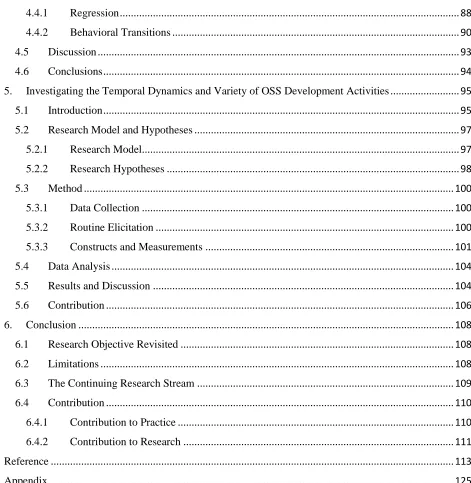
Table of Contents
Table of Contents ... 5
List of Tables ... 8
List of Figures ... 9
Abstract ... 10
1. Introduction ... 11
1.1 Motivation ... 11
1.2 Research Objectives and Overview of Studies ... 14
1.2.1 Key Terms ... 14
1.2.2 OSS Development Processes Comprised of Design Routines ... 16
1.2.3 OSS Development as Distributed Cognitive Processes ... 17
1.2.4 Towards a Process Perspective of OSS Development ... 18
1.2.5 Study Overview... 20
2. Literature Review ... 25
2.1 Evolution of OSS Development Process... 25
2.2 OSS Development Routines... 27
2.3 Routine Diversity and Routine Change ... 28
2.3.1 Routine Diversity ... 28
2.3.2 Routine Change ... 29
2.4 Process Models ... 31
2.5 Distributed Cognition ... 32
2.5.1 Distributed Cognition in Software Development Projects and OSS ... 33
2.6 OSS Performance ... 34
2.6.1 Project Attractiveness ... 38
2.7 Sequence Stream Mining ... 39
3 Discovery and Diagnosis of Behavioral Transitions in Patient Event Streams ... 42
3.1 Introduction ... 42
3.1.1 A Cognitive Rehabilitation Scenario ... 44
3.1.2 Goal Attainment Scales ... 44
3.1.3 Approach ... 45
3.2 Related Research ... 47
3.2.1 Data Stream Mining ... 47
3.2.2 Model-Based Monitoring in AT ... 49
3.3 Monitor Design and Development ... 49
3.3.1 TAL Data Stream ... 49
3.3.2 Identify Transitions ... 50
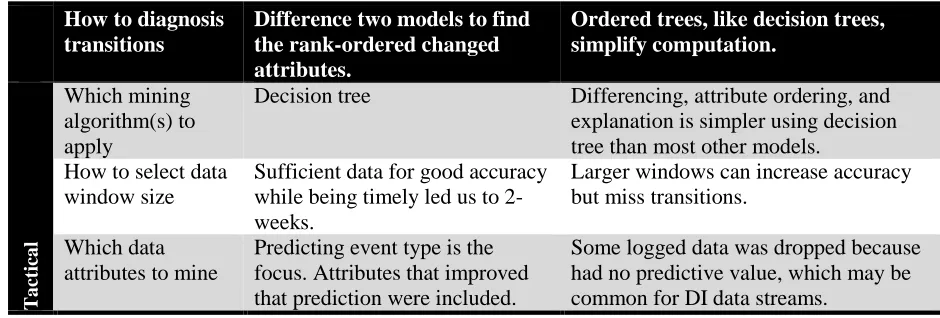
3.3.3 Diagnosing Transitions ... 53
3.3.4 Development ... 58
3.4 A Case Demonstration ... 59
3.4.1 Data Mining Models ... 59
3.4.2 Identifying Transitions ... 60
3.4.3 Diagnosing Transitions ... 62
3.4.4 Evaluation ... 65
3.5 Monitoring with Hidden Markov Models ... 67
3.6 Conclusion ... 68
4. OSS Development Behavior Transition Discovery ... 70
4.1 Introduction ... 70
4.1.1 Recognizing Behaviors and Change ... 71
4.1.2 Building a Process Theory ... 72
4.2 Theoretical Background ... 73
4.2.1 Distributed Cognition ... 73
4.2.2 Sequence Stream-Mining ... 74
4.2.3 Model Differencing ... 76
4.2.4 HMM Probabilities ... 76
4.2.5 Volatility Models ... 78
4.3 Approach ... 78
4.3.1 Data Selection ... 79
4.3.2 Data Preparation ... 80
4.3.3 Work Constructs ... 81
4.3.4 Sequence Feature Construction ... 82
4.3.5 Sequence Modeling ... 84
4.3.5.1 Project Clustering ... 85
4.4.1 Regression ... 88
4.4.2 Behavioral Transitions ... 90
4.5 Discussion ... 93
4.6 Conclusions ... 94
5. Investigating the Temporal Dynamics and Variety of OSS Development Activities ... 95
5.1 Introduction ... 95
5.2 Research Model and Hypotheses ... 97
5.2.1 Research Model... 97
5.2.2 Research Hypotheses ... 98
5.3 Method ... 100
5.3.1 Data Collection ... 100
5.3.2 Routine Elicitation ... 100
5.3.3 Constructs and Measurements ... 101
5.4 Data Analysis ... 104
5.5 Results and Discussion ... 104
5.6 Contribution ... 106
6. Conclusion ... 108
6.1 Research Objective Revisited ... 108
6.2 Limitations ... 108
6.3 The Continuing Research Stream ... 109
6.4 Contribution ... 110
6.4.1 Contribution to Practice ... 110
6.4.2 Contribution to Research ... 111
Reference ... 113
[image:8.612.68.539.66.549.2]Appendix ... 125
Table A1: DCog Metric Table ... 125
Table A2. OSS Success Constructs and Measurements... 125
Table A3. Pseudo Codes for Tree Differencing ... 127
Table A4. Git Events ... 128
Table A5. List of Projects and Associated Cluster ... 128
List of Tables
Table 1. Study Overview ... 23
Table 2. Design Rationale for the Design of the Monitor ... 50
Table 3. Qualities of Model M1 for Read and Compose Email ... 60
Table 4. First Derivative of Accuracy, q'. ... 62
Table 5. Significant Changes in Composing Email ... 63
Table 6. Significant Changes in Reading Email ... 63
Table 7. GitHub Queries for Data Selection ... 80
Table 8. Cluster Characteristics ... 86
Table 9. Regression Results (Five Clusters) ... 89
Table 10. Cluster Characteristics (Four Clusters) ... 89
Table 11. Regression Results (Four Clusters) ... 90
Table 12. Blog Entries for Bootstrap Transitions ... 92
Table 13. Constructs and Measurements ... 102
Table 14. Descriptive Statistics ... 104
List of Figures
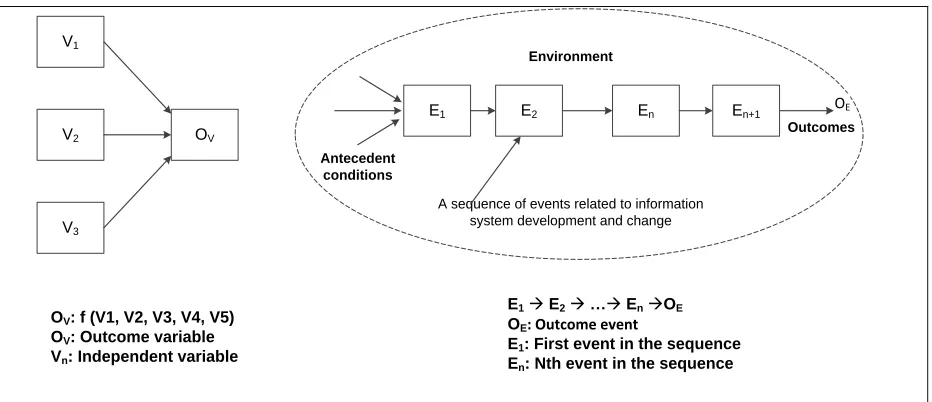
Figure 1. Comparison between Variance Models and Process Models ... 19
Figure 2. The EventMiner Framework ... 24
Figure 3. Some of Don's Emailing Goals ... 46
Figure 4. Quality of Stream-mined Models for Read and Compose Email, over 2 Years of Data Using 2-week Windows; Potential Goal Transitions Shaded ... 47
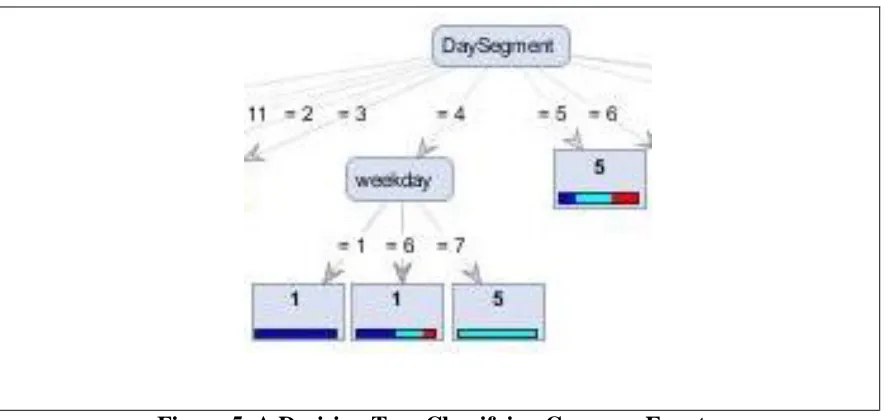
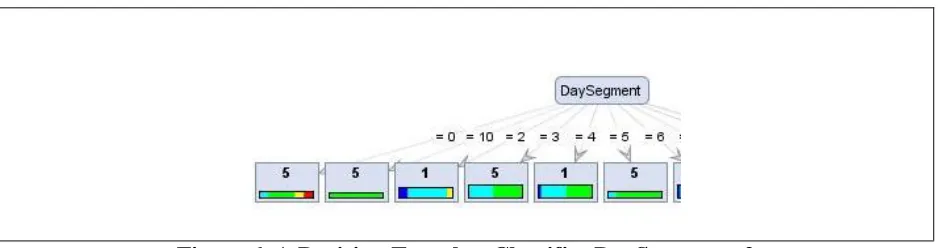
Figure 5. A Decision Tree Classifying Compose Events ... 54
Figure 6. A Decision Tree that Classifies DaySegment =2 ... 56
Figure 7. A Decision Tree that Lacks DaySegment =2 ... 57
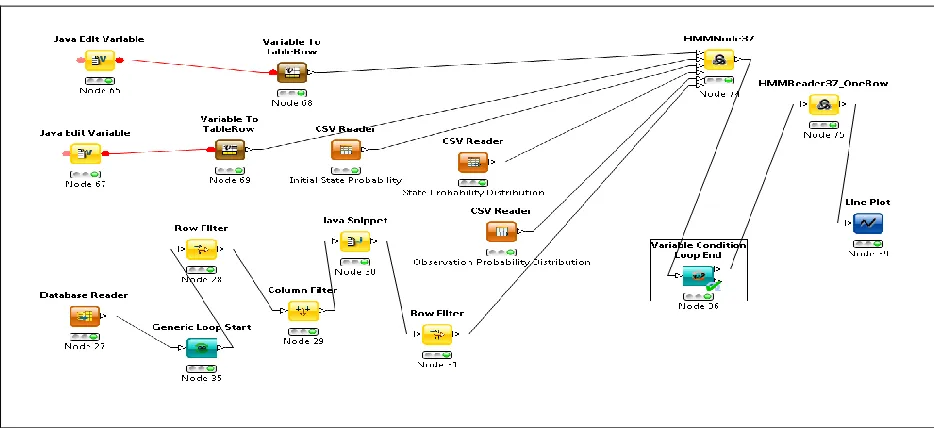
Figure 8. A KNIME Workflow Example ... 59
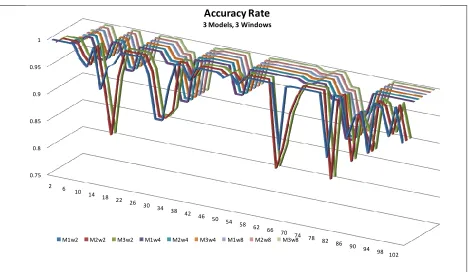
Figure 9. Predictive Quality for the Read Models ... 61
Figure 10. Stack Graph of the Read Counts, by Buddy, Weeks 50 – 56 ... 64
Figure 11. Sequence Frequencies for Bootstrap ... 85
Figure 12. HMM Differences of Cluster Samples ... 91
Figure 13. Research Model ... 97
Abstract
An Event-based Analysis Framework for Open Source Software Development Projects
By
Tianjie Deng
July 2015
Committee Chair: Dr. William Robinson
Major Academic Unit: Computer Information Systems
The increasing popularity and success of Open Source Software (OSS) development projects has drawn significant attention of academics and open source participants over the last two decades. As one of the key areas in OSS research, assessing and predicting OSS performance is of great value to both OSS communities and organizations who are interested in investing in OSS projects. Most existing research, however, has considered OSS project performance as the
outcome of static cross-sectional factors such as number of developers, project activity level, and license choice. While variance studies can identify some predictors of project outcomes, they tend to neglect the actual process of development. Without a closer examination of how events occur, an understanding of OSS projects is incomplete. This dissertation aims to combine both process and variance strategy, to investigate how OSS projects change over time through their development processes; and to explore how these changes affect project
performance. I design, instantiate, and evaluate a framework and an artifact, EventMiner, to analyze OSS projects’ evolution through development activities. This framework integrates concepts from various theories such as distributed cognition (DCog) and complexity theory, applying data mining techniques such as decision trees, motif analysis, and hidden Markov modeling to automatically analyze and interpret the trace data of 103 OSS projects from an open source repository. The results support the construction of process theories on OSS development. The study contributes to literature in DCog, design routines, OSS development, and OSS
1.
Introduction
An open-source software development team is working on its sixth release,
openPhotoBooth.06. During the past two years, the team has gone through various changes:
new developers joined and old members dropped out, hundreds of bug requests were
reported, the project’s vision went through several shifts, thousands of commits were made,
and the download numbers of the previous releases went up and down. Though release 4.0
was a huge success, the last release did not garner much attention. Now before the sixth
release, the team is wondering, “Are we doing well so far? What is the likelihood that this
version will be a success?”
This scenario raises interesting questions about Open Source Software (OSS)
development projects: how do we utilize the huge amount of digital trace data of OSS
projects to investigate their evolutionary patterns? Can we do more than just takin g a
“snapshot” of an ongoing OSS project and analyzing its static data at a given moment?
How can we examine and understand the evolving trajectory of the projects to predict their
future prospects?
1.1Motivation
The success of Open Source Software development projects has generated the interest
of academics and practitioners over the last two decades. Known for their “chaotic”
development style, OSS projects have produced software with exceptional quality (Mockus
et al. 2002). Surveys show that today’s open source software has a higher quality than the
industry average (Coverity 2012). Most extant literature attributes this superior quality to
license choice. How the everyday “chaotic” development activities and their characteristics
shape OSS project performance remains under-researched.
Researchers have been engaging in analyzing OSS development processes (Mockus et
al. 2002; Scacchi et al. 2006) and project performance (Crowston et al. 2003; Crowston et
al. 2004; Crowston et al. 2006; Grewal et al. 2006; Lee et al. 2009; Raja and Tretter 2006;
Ravi Sen 2012). However, there are several limitations in the current studies. First, many
studies on OSS success take a “snapshot” of a given project at a given point, but the
ever-changing nature of OSS projects and the dynamic structure of OSS teams require an
evolution-oriented perspective. Second, extant studies mostly used a cross-sectional
method to analyze project attributes, while overlooking the change pattern of development
activities and processes. Consequently, the understanding of the evolution of OSS projects
through their development processes is limited. Software quality is believed to be heavily
dependent on development processes (Humphrey 1989). IS researchers have been
advocating for the empirical examination of projects and IS projects through sequences of
events (Lewin and Minton 1986; Lucas 1981; Van De Ven 1992) with a process strategy
(Hirschheim et al. 1991; Sabherwal and Robey 1993; Sabherwal and Robey 1995).
Although several studies have investigated the development processes of OSS projects,
many of the studies adopted a qualitative method and used narrative descriptions of OSS
development processes (Mockus et al. 2002; Reis and De Mattos Fortes 2002; Scacchi
2002a; Scacchi 2002b; Scacchi 2004; Scacchi 2005; Scacchi et al. 2006). Another set of
studies applied a simulation approach to model and reenact OSS development processes
(Jensen and Scacchi 2005; Smith et al. 2004). Among all these studies, the timing and
these studies is that most of them study the processes with a single-case approach, rather
than in a multiple project setting.
Within the era of “Big Data”, data with high volume, velocity and variety are made
available to researchers (Mcafee and Brynjolfsson 2012). Open source software
repositories, such as SourceForge, GitHub.com, and Google Code, produce and archive a
large volume of public event data of OSS development, providing researchers with the
opportunity to investigate multiple OSS projects from a longitudinal and process -oriented
perspective.
In summary, despite the attribution of success to identifiable factors associated with
OSS projects, many successes may still be regarded as “chaotic” and seemingly disregard
conventional wisdom regarding project success. While variance studies can identify some
predictors of project outcomes, they tend to neglect the actual process of development,
which may or may not occur “chaotically.” Without a closer examination of how events
occur, an understanding of OSS projects is incomplete. A systematic and quantitative
method of empirically investigating how OSS projects evolve through development
processes, as well as how the evolution of development processes impacts project
performance, is warranted.
In this set of studies, a longitudinal, mixed-method computational method that
combines sequence mining techniques with quantitative analysis is conducted to analyze
digital trace data of the development processes of 103 OSS projects. As a framework,
EventMiner, is designed and instantiated to automatically collect, preprocess, classify, and
analyze process digital trace data from open source repositories. Drawing from tenets of
theory of distributed cognition (DCog) (Hutchins 1995; Hutchins and Klausen 1996), the
framework classifies the obtained process data into sequences of theory-based constructs,
for analysis and interpretation. This framework automatically detects potential changes in
event streams. Using this framework, I am able to detect behavior transitions in patient
event streams, and behavior transitions in OSS development processes. In addition, 103
OSS projects are clustered into five groups, based on their sequence of development
events. Finally, building on a design routine perspective (Gaskin et al. 2014; Gaskin et al. 2011; Gaskin et al. 2010), a factor model of impacts of development routine diversity and
routine change on project success is developed.
1.2Research Objectives and Overview of Studies
This dissertation follows the multi-paper model and includes three studies. The
objective of this set of studies is to investigate how OSS projects evolve through
development events, and how the evolution of development processes affects project
performance. Therefore, the general research questions are:
How and why do OSS projects evolve through development processes?
What are the impacts of development processes’ evolution on project performance?
To answer these two questions, this study approaches OSS development activities as
design routines, performed by developers through distributed cognition processes
(Hutchins 1995; Hutchins and Klausen 1996).
1.2.1 Key Terms
Before introducing the overview of the dissertation, I will define key terms to be discussed.
leading ultimately to a generation of design artifact.” In accordance with this definition, I
define OSS routines as “a sequence of OSS design activities, which are patterns of behavior
executed by participants to perform a design or development task.” Those routines vary and
change over time (Feldman 2000; Gaskin et al. 2011), due to changing and ambiguous goals,
shifting requirements, and internal learning (Gaskin et al. 2011). Given the dynamic nature of
OSS, the design routines described in this study are more dynamic than ostensive routines with
standardized steps (such as payroll). In particular, in this dissertation, I will focus on two types of
routines: issue handling routines and pull-request handling routines. A typical issue handling routine begins with a member of an OSS project reporting an issue in the current code base. Following this initiating event, other activities are performed: contributors can comment on this
issue, make suggestions, or reference it to other issues or solutions. Developers can also make
commits to the code, and reference the commits as “solutions” to the issue. If a solution is made,
or if the core team decides the issue is not worth pursuing, this issue will be closed, and thus the
routine ends. Otherwise, an issue will remain open. A typical pull request handling routine starts when a developer posts a pull request, proposing to commit changes to the current code base.
Members then comment on the pull request, make suggestions, and reference other pull requests
and issues. The pull request is also reviewed by core developers, determining how well the
proposed commits follow the repository’s standards. The pull request is either merged by core
developers into the main source code, or rejected. Finally, the pull request is closed.
I chose these two types of routines for two reasons: first, they are common patterns in OSS
development (Dabbish et al. 2012). Second, through these two types of routines, uncertain
I define routine diversity and routine change similarly to Feldman and Pentland (2003).
Routine diversity is defined as the number of different configurations/patterns of the same routine type (Pentland et al. 2011), and the number of different routine types observed within a given period. Routine change is defined as the change of routine configurations/patterns over time.
A framework is a structure intended to serve as a support or guide for the building of
something that expands the structure into something useful. In particular, a software framework
is a reusable architecture for various application domains (Pree 1994). I use the term framework
for both methodological framework and “small” software framework that consist of reusable
components. Therefore, I define a framework as a set of methodological guidelines to support
sequence data analysis and process theory building. It can also be considered as a software
framework that provides general sequence mining functionalities and components, which can be
reused and modified for different applications.
1.2.2 OSS Development Processes Comprised of Design Routines
Design routines are believed to have less clearly defined inputs and outputs as a result
of changing requirements (Dorst et al. 1996; Gaskin et al. 2011). Unlike ostensive routines
such as payroll, design routines are more fluid (Gaskin et al. 2011). Given the dynamic
nature of OSS development, one can expect that design routines are prevailing in OSS
development processes (Gaskin et al. 2011; Gaskin et al. 2010), and that changes in
development behavior can be reflected in the changing routines. Therefore, I suggest that
changes in OSS development processes can be analyzed though changes of routines over
In the OSS contexts, routines are performed in a distributed way. From a sociomaterial
view, those routines are comprised of social and material elements; they are performed
through the collaboration of social actors, who draw upon “informalisms” to finish design
and development tasks. To investigate how OSS design routines change and evolve in a
distributed way through social and material factors, I will introduce the theory of
distributed cognition as the analytical lens.
1.2.3 OSS Development as Distributed Cognitive Processes
The theory of distributed cognition (DCog) developed by Hutchins (Hutchins and
Klausen 1996) extends the boundary of cognition processes from individual to
socio-technical systems. It explains how cognition processes distribute socially, structurally, and
temporally when a distributed team’s members collaborate on information processing tasks.
Social distribution concerns the dispersion of activities across people and organizations.
Structural distribution deals with the spread of knowledge across representational media and computational artifacts for knowledge validation and propagation. The perspective of
DCog is well-suited to the OSS project development context; the social and structural
contexts of OSS projects are rather unique. An open source project can have much more
distributed social structure than a traditional one; an OSS team is normally self-organized,
developers are often geographically distributed and have developed a unique mechanism
for task assignment in which they self-assign their technical roles (Gacek and Arief 2004;
Scacchi et al. 2006; Ye and Kishida 2003), the decision making is likewise decentralized
(Gacek and Arief 2004). Scholars have observed an onion-like social structure in OSS
projects (Gacek and Arief 2004; Mockus et al. 2002), which indicates that knowledge,
OSS team. From the structural distribution perspective, OSS communities rely heavily on
various external artifacts and structural representations such as emails, websites, forums,
and chats, for cognitive task processing. These structural representations and artifacts are
referred by Scacchi as “software informalisms” (Scacchi 2002b). One of the reasons that
OSS development is considered to outperform the commercial method is the
implementation of distributed and concurrent design and testing (Kogut and Metiu 2001).
Given the distributed characteristics of OSS development, DCog can serve as an
appropriate lens to investigate how OSS development processes evolve socially and
structurally. Therefore, I draw upon DCog to explore the social and structural factors
involved in the evolution of OSS development behavior.
1.2.4 Towards a Process Perspective of OSS Development
One ultimate goal of this set of work is to analyze OSS project development
processes toward supporting the construction of process theories on OSS development
process change. Since Mohr advocated the process perspective for studying organizational
changes in 1982 (Mohr 1982), and Markus and Robey introduced the perspective to IS in 1988
(Markus and Robey 1988), it has been commonly acknowledged that variance perspective and
process perspective are two major alternatives for studying information systems. In a variance
(factor) perspective, models are developed to predict outcomes from predictor static variables,
whereas process theories are concerned with explaining how outcomes develop over time
(Markus and Robey 1988). A comparison between variance models and process models is
E1 E2 En En+1
A sequence of events related to information system development and change
Antecedent conditions
Outcomes
OE
Environment
V1
V2
V3
OV
OV: f (V1, V2, V3, V4, V5)
OV: Outcome variable
Vn: Independent variable
E1à E2à …à EnàOE
OE: Outcome event
E1: First event in the sequence
[image:20.612.76.542.69.270.2]En: Nth event in the sequence
Figure 1. Comparison between Variance Models and Process Models
Researchers who advocate for process models suggest that they complement variance models
(Newman and Robey 1992), especially in studying organizational change. Mohr pointed out that
the variance perspective was ill-suited to studying change, and process models are useful in
explaining IS changes (Mohr 1982). Similarly, Lyytinen and Newman argued that “(change
explanations using variance theories) close-box the change process and mask its dynamics and
generative mechanisms” (Lyytinen and Newman 2008). Yet, over the past 20 years, only 20% of
articles in leading IS journals used a process perspective (Paré et al. 2008). Although Mohr
suggested that the process perspective and variance perspective should not be combined within a
single research study (Mohr 1982), recent studies have been advocating for the joint use of the
two strategies (Burton-Jones et al. 2014; Sabherwal and Robey 1995). To address my research
questions regarding change in OSS development processes, a process perspective is an
appropriate and fruitful strategy.
In this dissertation, I use both process strategy and variance strategy to examine OSS
task of detecting and displaying patterns of events and patterns of change. I will demonstrate this
framework in Study 1 of Chapter 3. Second, I draw upon distributed cognition (Hutchins and
Klausen 1996), hidden Markov modeling and process theorizing to identify and interpret changes
in OSS projects, for the purpose of formulating process theories on OSS development change.
This work is described in study 2 of Chapter 4. Finally, in my last study presented in Chapter 5, I
will make a preliminary effort to develop a variance model that captures the relationship between
development process change and project performance. This model includes measures of project
variability and change, which represent the process of OSS development. Thus, process and
variance approaches are combined in the investigation of OSS development.
In summary, building on concepts from design routines, distributed cognition, process
theories, and sequence mining, I designed and developed a framework and artifact,
EventMiner, to acquire, classify, and analyze low-level sequential patterns and their
aggregation as design routines from OSS development event data. By applying this
framework to various data sources, I conducted three studies to investigate OSS
development process evolution. In the following section, I will describe the topic of each
study and main research questions addressed by it.
1.2.5 Study Overview
To model project evolution dynamics, the framework should first detect behavioral
changes and identify specific behavioral patterns. Analyzing the sequence of events can
reveal event patterns as a project evolves. Abnormal changes in the sequence of events
indicate transitions. Detecting significant behavioral transitions would provide a base for
further investigation on how and when the changes occur. It can also serve as a platform
development processes, such as project performance. This implies the following research
questions:
RQ1: How can a framework be developed to facilitate the detection of behavioral
transitions in OSS projects?
RQ2: What patterns of evolution are specific to OSS project development activities?
RQ3: How are sequential patterns related to OSS project performance?
To answer these three questions, I developed a framework and artifact, EventMiner, for
behavioral monitoring and demonstrated its application to patient event data in study 1. As
a framework, EventMiner serves as a methodological support and guide for building
process theories from event stream data. It provides methods for analyzing event stream
data in computational and mixed methods research. These methods transform incidents in
event streams into theory-based entities (Van De Ven and Poole 1990). It is also a software
framework that provides general, reusable sequence mining components. As an artifact,
EventMiner provides functionalities for sequence mining event stream data and for
detection transitions. In this study, I demonstrate how this framework and artifact can be
applied to monitor software usage behavior. This study, as an initial attempt to develop
tools for computational analysis of process data, builds the base for answering RQ1 and
RQ2.
In the second study, I apply EventMiner to the OSS context. Using DCog as the
theoretical lens, I detect behavioral transitions in OSS projects. Furthermore, I cluster 103
projects into five groups based on their sequential patterns, and find that projects in
different groups have significantly different performances. This study addresses RQ1 –
This study and the resulting artifact, automate the process of identifying (1) behavioral
transitions, similar to the concepts of “encounters” refereed by Robey and Newman (1996),
and (2) “recurring sequences of events that comprise the social process of ISD” (Markus
and Robey 1988). As pointed out by Markus and Robey, “the resulting ‘pictures of the
process’ can support a variety of theoretical interpretations” (Markus and Robey 1988), for
building process models. These transition points and recurring patterns, can be interpreted
by DCog, or other theories, as the base for process theory building. I will extend this study
to building process theories on OSS development, in future research.
In the third study, I approach the OSS development processes from a design routine
perspective. I develop a factor model to connect development behavior and behavioral
changes, with project performance. This model includes measures of project variability and
change, which represent the process of OSS development. In this way, I combine process
and variance approaches, in examining the relationship between OSS development
processes and project success. Research questions addressed by this model are:
RQ4: What factors drive routine diversity and routine change in OSS projects?
RQ5: What is the impact of routine diversity and routine change on OSS project
performance?
Study Topic Research Objective
Research Questions
Study 1 Discovery and diagnosis of behavioral transitions in patient event streams
To build
EventMiner and demonstrate its application to the detection of
behavioral changes
R1
Study 2 (a) OSS development behavior
transition discovery (b)Clustering of OSS projects
based on sequential patterns
To detect behavioral transitions and evolutions of sequential patterns R1-R3
Study 3 Investigating the temporal dynamics and variety of OSS development activities
To investigate the relationship between OSS design routines and project performance
R4-R5
Table 1. Study Overview
In addition, the study produces EventMiner, which is both an event-based automatic
analysis framework and an implemented artifact. IS researchers have been advocating for
the sharing of both data and analysis practices in the IS discipline (Lyytinen 2009). OSS
researchers also suggested sharing and analyzing OSS process data in an open-source
manner (Scacchi et al. 2006). Similarly to OSSmole developed by Howison and his
colleagues (Howison et al. 2006), EventMiner can serve as both an open data repository
and an open source toolkit for analyzing process data. It consists of five components: (1) a
raw data extraction component to automatically extract raw data from public OSS
repositories, (2) an extracting method that incorporates the theory of distributed cognition
to determine data of interest, (3) a rule-based classifier that incorporates DCog theory to
map extracted data into theory-based constructs, (4) event-based sequence mining techniques to analyze event data stream, and (5) an open data repository containing OSS
process data (Figure 2). This framework can be used by researchers who are engaged in
research in general. Researchers for data analysis and theory building can reuse each
component. For example, the rule-based classifier component can be reused for event
classification with any analytical lens of the researcher’s interest. However, a “rule
engineer” needs to modify the rules, based on the theory or ontology he or she wants to use
for event classification.
(4) Theory-Based Motif Construction
Sequences of Event Vectors
(2) Open Data Repository
Qualitative Data
· Interviews
· Forums
· Blogs Event Data
· Timeline Data
· Email Logs
Performance Data
· Stars
· Forks
· Contributors
Process Data (1) Extraction Engine
Process Data Repository APIs Web Crawler Plugin Motif Analysis
(5) Computational Analysis
Sequence Mining Hidden Markov Models Decision Trees Optimal Matching Clustering Regression
· Number of Contributors
· Same vs. Different Actors
Motif Elicitation
(3) Theory-Based Data Extraction Method
· Number of Comments
[image:25.612.73.541.215.520.2]· Number of References Social Structural Theory-Based Routine Classification Sequences of Theory-Based Motifs
2.
Literature Review
In this chapter, I summarize the state of the art in related research areas. I will introduce
extant literature in OSS evolution and OSS development routines. In particular, I will
discuss literature on routine diversity and routine change. I will also review the history and
major works in process theory research. Then I will introduce the theory of distributed
cognition, which will serve as the theoretical lens for development process analysis. After
reviewing current studies in OSS performance, I will introduce the sequence-mining
techniques that guided the design of EventMiner.
2.1Evolution of OSS Development Process
While software evolution of commercial systems has been in focus of research since
Lehman and Belady’s work on IBM’s OS/360 operating system (1976), there have been
only a handful of studies looking into evolution and evolutionary patterns in open source
software projects. Several of those studies reported a super-linear or exponential growth
rate of individual OSS projects (Scacchi 2002a; Scacchi 2006; Smith et al. 2004),
contradicting the well-established Lehman’s law (Lehman 1980). Similar patterns were
reported in Godfrey and his colleagues’ series of studies on evolutionary patterns of open
source software projects including Linux Operating System Kernel, VIM text editor,
fetchmail utility and GCC compiler suite (Godfrey and Tu 2001; Godfrey and Lee 2000;
Godfrey and Tu 2000; Tu and Godfrey 2001). They examined evolution both on the system
level and subsystem level. Godfrey and Tu (2001) conducted a case study on the evolution
of the Linux Operating System Kernel over its six year lifespan, and found the growth at
system level to be super-linear. They suggested that researchers should take into account
identified cloning as a useful practice for open source projects to evolve, as opposed to the
common belief that it is an indicator of poor process (Godfrey and Tu 2001). Koch also
looked at OSS project evolution from the perspective of growth rate, and found that a
quadratic model outperformed a linear model when modeling evolutionary behavior (Koch
2005). In those studies, cloning, modularization, and self-selection for tasks are found to be
beneficial to the evolution of OSS projects (Godfrey and Tu 2001; Koch 2005). Overall,
those studies focused on the system and its growth behavior, not on the community or its
development behaviors.
Nakakoji et al. (2002) expanded the focus of the investigation on OSS system evolution
to the evolution of OSS communities, and further studied the relationship between the two
types of evolution. They found that different collaboration models resulted in different
evolutionary patterns of system and communities; for system evolution, GNU and Jun
evolve as a single version tree; Linux allows multiple implementations for the same
functionality, and postgreSQL starts with multiple patches but those patches which merge
into one single core version. As for the evolution of communities, they concluded that it is
determined by the existence of motivated members and social mechanism of the
community. This paper proposed to classify OSS projects into three types based on those
difference models: exploration-oriented, utility-oriented, and service-oriented. Besides
evolution in project size and project communities, there are also studies looking into
evolution on OSS developers’ individual participation in projects. Qureshi and colleagues
looked into the growth patterns of developers' socialization behavior and how that behavior
relates to their status progression (Qureshi and Fang 2011). They discussed joiner's
dimensions: initial level of social resources of the developer (low, medium and high) and
growth rate of his/her socialization (low, medium and high). Although there could be nine
possible types of trajectories, the data only yielded four types with different combinations
of initial level of social resources and growth rate. Researchers have identified five primary
entities as suitable targets in the study of software evolution: software releases, systems,
applications, development processes, and process models (Lehman 1980; Lehman and
Ramil 2003; Scacchi 2006). Most of the above studies focused on the evolution patterns of
the system, application or community, but lacked a process-oriented perspective (Langley
1999).
2.2OSS Development Routines
Routines are important to organizations because they are performed to accomplish work
in organizations (Cyert and March 1963; Feldman 2000; March and Simon 1958; Nelson
and Winter 1982). Feldman defines routines as “repeated patterns of behavior that are
bound by rules and customs and that do not change very much from one iteration to
another” (2000, p.611). However, she pointed out a “discrepancy between the concept and
the observation”, with the observation that routines were “undergoing substantial changes”
(Feldman 2000, p.611). Cohen et al. (1996) define a routine as “an executable capability
for repeated performance in some context that has been learned by an organization in
response to selective pressures’’. Although slightly different from each other, th ese
definitions all consider routines to be repeatable behavioral patterns that also have the
inherent potential to change.
Routines and the diversity of routines, have been commonly studied in both
(Gaskin et al. 2014; Gaskin et al. 2011). Recently, Gaskin et al. (2011) argued the
importance of studying the variations of design routines and defined a design routine as “a
sequence of (design) tasks” (Gaskin et al. 2010).
2.3Routine Diversity and Routine Change
2.3.1 Routine Diversity
Routine diversity has been referred to by different terms such as routine variation (Gaskin et al. 2014; Gaskin et al. 2011; Gaskin et al. 2010; Pentland et al. 2011), or routine heterogeneity
(Lindberg et al. 2015a; Lindberg et al. 2015b). There are conflicting theories on the value of
routine diversity. Pentland et al. (2011) believe that variation is “a prerequisite for change.” Page
argues that diversity can enhance the robustness of complex and adaptive systems (Page 2010).
Diversity and variation are considered to be the foundation for learning in general (Campbell
1960; Weick and Kiesler 1979) and for learning in routines (Levitt and March 1988). Routine
diversity allows actors to work in different ways, which provides the flexibility required by
dynamic environments. In the context of open source software development, Lindberg conducted
a case study on Rubinius, an open source project, to investigate the co-evolving relationship
between open source software development coding practice and communities (Lindberg 2013).
A positive relationship between practice diversity and inflow of new developers was reported.
Conversely, some studies advocate for the reduction of process variation to improve
process performance. The six sigma framework argues in favor of minimizing process variation
(Schroeder et al. 2008). Frei et al. investigated the relationship between service process variation
and firm performance in the retail banking industry (Frei et al. 1999). They found that process
Researchers have also attempted to identify drivers of the increases or the decreases in
routine diversity. Environmental contexts, such as degree of digitalization (Gaskin et al. 2011),
degree of centralization (Gaskin et al. 2011), degree of volatility (Gaskin et al. 2011; Sutton
2000), structural variation of the community (Crowston and Howison 2006), social and technical
challenges (Lindberg et al. 2015b), and social discourse are explored (Lindberg et al. 2015b;
Scacchi 2009; Winograd 1987). Sutton argued that start-up companies in a “fast-paced, reactive,
and innovative” environment may not have the foundation to have repeatable and predictable
processes, which are required by CMM. On the contrary, in an environment where flexibility is
more important than structure, companies simply need more flexible and adaptable processes
(Sutton 2000). Gaskin et al. (2011) found that design routines have less variation among more
centralized organizations than among networked organizations.
2.3.2 Routine Change
Routines are a central element of organizations and have been the subject of discussions
on organizational stability and change (Cyert and March 1963; Feldman 2000; March and Simon
1958; Nelson and Winter 1982). Pentland et al. suggest that routine changes are changes in
“patterns of action” (2011,p.1371). Researchers hold different views on whether and how
routines contribute to organizational stability and change. Some researchers conceptualize
routines as stable, repetitive, standard operating procedures that do not change (March and
Simon 1958). Others hold a “routine as change” (Feldman 2000; Feldman and Pentland 2003;
Pentland et al. 2011), viewing routines as “continuously changing entities”(Geiger and Schröder
2014. page 171). Pentland et al. (2011) argue that every performance of a routine is different due
to the different time, places, actors and other objects involved. Levitt and March (1988) attribute
Changes of routines have been empirically studied. Different dimensions of routine
change include: rhythm of change (Klarner and Raisch 2012), frequency of change (Klarner and
Raisch 2012), magnitude of change (Pentland et al. 2011), and types of change (Feldman 2000).
Feldman analyzed the changes of five routines in an organization for four years. She found that
routines change as a response to problems. This view is consistent with Levitt and March’s
theory that routines change in response to evaluation of outcomes. Pentland et al. (2011) studied
changing routines in invoice processing in four organizations. They found that some routines are
stable, whereas the patterns of actions generated by those routines, which are also routines, do
change over time. They noted that one cause of routine changes is inexperienced users; however,
routines also changed due to the allowed variability in the system and its potential for user
exploration (Pentland et al. 2011).
Adapting from the concepts of “requisite variety” (Ashby 1956), Beer developed a Viable
System Model (VSM) (Beer 1975; Beer 1979; Beer 1981). VSM is concerned with the essential
characteristics that systems need to survive in a forever-changing environment. A system
increases its degrees of freedom to accommodate greater variety in requirements, by increasing it
variety (Beer 1979). That is, any system has to be able to generate a variety equivalent to the
variety of the system to be regulated (Beer 1979). It is important to note that both the
environment and the organization should be complex systems to allow the behavior to emerge
(Snowdon and Kawalek 2003).
Similarly, complexity theory suggests that diversity enhances the robustness of complex
adaptive systems (Benbya and Mckelvey 2006; Page 2010). ISD projects are commonly
considered as complexity adaptive systems (CAS) (Benbya and Mckelvey 2006; Van Aardt
(Muffatto and Faldani 2003; Van Aardt 2004). Complexity is magnified in the OSS development
context, by the continuous changes in requirements and thus the continuous changes in resulting
artifacts. With such complexity and changes, it is essential for the development system to have
the requisite variety in its processes. For example, Lindberg et al. (2015b) suggest routine
variation as a “coping mechanism” to both social and technical problems.
2.4Process Models
A process model “explains development in terms of the order in which things occur and
the stage in the process at which they occur” (Van De Ven 2007). The process model
perspective is advocated by researchers for its advantage in explaining organizational
changes (Mohr 1982). Markus and Robey first introduced it to IS discipline in their study
(Markus and Robey 1988). Newman and Robey (1992) stated the importance of treating the
information system development (ISD) process as a “dynamic social process,” and to
conceive it as a “sequence of events that occurs over time.”
A process theory can be derived from data by analyzing event sequences. An event can
be viewed as the change in state of some variable values (Chandy and Schulte 2009). An
event sequence can be characterized by common metrics, such as length, entropy,
subsequences, pattern frequency, and similarity to other sequences. Through abduction, a
researcher can infer common constructs and higher level concepts, and eventually relate
these terms to a theory that can explain relationships among concepts within a set of
boundary conditions (Van De Ven 2007).
The variance perspective and process perspective are often considered a dichotomy (Markus
and Robey 1988; Mohr 1982; Seddon 1997). However, several researchers argued that although
method. For example, in their 1995 paper, Sabherwal and Robey demonstrated how variance
strategy and process strategy can be reconciled (1995). They applied variance strategy to the
examination of levels of participation of key actors and process strategy with sequences of
actions, to 50 ISD projects. The results showed that projects that are similar based on
participation are also similar based on event sequences. More recently, Burton-Jones et al.
suggested “a shift from the traditional process-variance dichotomy to a broader view,” by using
different perspectives more flexibly (Burton-Jones et al. 2014). They illustrated how one can use
different theoretical perspectives (variance, process and system perspectives) to critique and
extend the IS success model.
2.5Distributed Cognition
Proposed by Hutchins and colleagues in the late 1980s and early 1990s, distributed cognition
theory (DCog) (Hollan et al. 2000; Hutchins and Lintern 1995; Johnson-Laird 1989; Newell
1980; Simon and Kaplan 1989; Wright et al. 2000) views cognition as a process of computation
and expands the unit of analysis from the individual to a socio-technical system attending to a
specific task. The fundamental concept of this theory is that in collaborative projects,
information processing activities are not limited to individuals, but are distributed among
participants, artifacts, and the environment. According to Hutchins, there are three important
facets within distributed cognition. Cognitive processes can be distributed socially, structurally,
processing activities. Finally, cognitive processes distribute in a temporal manner in which the
prior cognitive processes will influence the future ones.
2.5.1 Distributed Cognition in Software Development Projects and OSS
Researchers from different disciplines have studied DCog in several contexts such as
airline and navigation systems (Hutchins and Klausen 1996; Hutchins and Lintern 1995), human
computer interaction (Hollan et al. 2000; Wright et al. 2000), peer tutoring (King 1998),
collaborative activities in different organizational settings (Rogers and Ellis 1994), and
classroom practice (Hewitt and Scardamalia 1998). More recently, scholars have started to
explore distributed cognition in the discipline of IS development practices. Lyytinen and
colleagues have conducted a series of studies to build a distributed process model of RE
practices, both in traditional software projects and OSS projects (Hansen and Lyytinen 2009;
Hansen et al. 2012a; Thummadi et al. 2011). Hansen and Lyytinen applied a multi-case study
approach to explore how requirements are distributed socially, structurally, and temporally
in RE practices (Hansen and Lyytinen 2009). Later, they examined the nature of distributed
cognition in RE practices in a more systematic manner by including both a case study and
simulation experiment (Hansen et al. 2012a). In this study, the authors identified several DCog
related goals, along with other goals in RE practice, and analyzed how different RE tasks
satisfied those goals by running a simulation. They suggested DCog could serve as a lens to
analyze RE processes and provide implications for RE process design and process efficiency
evaluation. In their study on the quality of RE in open source projects, Thummadi et al.
(2011) proposed to investigate how social, structural, and temporal dimensions of
distributed cognition impact the quality of requirements in open source development. Table
of DCog (social distribution, structural distribution, and temporal distribution) from existing
studies focusing on software development activities.
2.6OSS Performance
Studies in OSS success have been investigating both identification of determinants of
OSS successes and definition of OSS success measurements. The identified factors leading
to success mainly fall into two categories: time-invariant factors and time-dependent
factors (Subramaniam et al. 2009). In the category of time-invariant factors, researchers
have repeatedly investigated license choice (Comino et al. 2007; Lerner 2005; Sen et al.
2012; Stewart et al. 2006a; Stewart and Gosain 2006a; Stewart and Gosain 2006b;
Subramaniam et al. 2009). Most of these studies found that restricted licenses do not
provide developers with the freedom to modify the code, and thus the licenses have an
adverse impact on OSS success. Comino et al. (2007) and Sen et al. (2012) have discussed
how the intended user type might affect project success. For example, Comino et al. (2007)
found applications for more sophisticated users are more likely to evolve successfully.
Other time-invariant factors include whether the project accepts financial donations (Sen et
al. 2012), as well as the choice of programming language (Sen et al. 2012; Subramaniam et
al. 2009), operating system (Sen et al. 2012; Subramaniam et al. 2009), developer
motivation and interest (Bonaccorsi and Rossi 2003), sponsorship (Stewart et al. 2006a),
and modularity (Bonaccorsi and Rossi 2003; Giuri et al. 2010; Mockus et al. 2002).
Several time-dependent factors have been investigated in terms of their impact on OSS
success. For example, project activity level is believed to be an important factor
contributing to OSS success (Crowston and Scozzi 2002; Stewart et al. 2006b; Stewart and
by the number of files released, number of bugs fixed, and number of commits. Some other
examples of time-dependent factors include age and duration of the project (Beecher et al.
2009; Indyk et al. 2000; Sen et al. 2012), size of the project and community (Beecher et al.
2009; Comino et al. 2007; Mockus et al. 2002), developer interest over time (Bonaccorsi
and Rossi 2003; Subramaniam et al. 2009), user interest (Subramaniam et al. 2009), project
status (Subramaniam et al. 2009), and knowledge of developers and users (Mockus et al.
2002). A group of studies has also focused on the social aspect of OSS projects. For example,
while an effective collaboration structure and process (Bonaccorsi and Rossi 2003;
Méndez-Durón and García 2009) can contribute to OSS success, Bonaccorsi and Rossi (2003) also
suggested that “a widely acceptedleadership” is important. Grewal and associates (2006)
examined the effect of network embeddedness on project success. They used network
embeddedness to capture the architecture of network ties, and defined structural,
junctional, and positional embeddedness as its subconstructs. They found heterogeneity
existed in network embeddedness in OSS projects and that the effect is quite complex. Both
positive and negative effects were observed. Singh and colleagues (2008) investigated
network social capital and found that internal cohesion among the developers has a posit ive
impact on success, while external cohesion (the cohesion among the external contracts of
the project) does not always benefit the project. Knowledge flow direction (Méndez-Durón
and García 2009) within a network and a developer’s status in the network were also studied
(Frank 2008).
Many different measurements of OSS success have been used in these studies mentioned
above. To obtain a better understanding of OSS success and to help facilitate the empirical study
measurements. Most of them found that the measures of OSS success are interrelated. A
summary of those measures is in Table A2. Crowston and colleagues have conducted three
studies to define OSS success and measures (Crowston et al. 2003; Crowston et al. 2004;
Crowston et al. 2006). They reviewed existing IS success models developed by Delone and
Mclean (1992) and Seddon (Seddon 1997) to propose potential measurements for the OSS
context. They then reexamined the OSS development process to remove measurements, which
are not applicable to OSS and proposed additional measurements. They categorized
measurements of OSS success into three types: measurements concerning the process,
measurements concerning project output, and measurements concerning outcomes for project
members. Similarly, Lee and colleagues proposed five measures based on DeLone and McLean’s
model by incorporating OSS characteristics: software quality, use, user satisfaction, individual
net benefits, and community service quality. They then tested the relationship among those
measures and found that usage is determined by user satisfaction and software quality; and user
satisfaction is determined by software quality and community service quality. Based on the
categorization summarized by Crowston and colleagues (2006), some commonly-used success
measures in previously discussed empirical studies regarding project outputs are: user and
developer satisfaction (Crowston et al. 2006; Lee et al. 2009), project status (Comino et al. 2007;
Crowston and Scozzi 2002), and community service quality (Lee et al. 2009). User interest has
been used often, being operationalized as the number of downloads (Crowston and Scozzi 2002;
Grewal et al. 2006; Méndez-Durón and García 2009), page reviews (Crowston and Scozzi 2002),
and number of subscribers (Sen et al. 2012; Subramaniam et al. 2009). Because user interest can
change over time, some studies have measured the change of number of subscribers over time
Howison and colleagues (2006) is project completion. This often measures the technical
achievements of the project, such as movement from alpha to beta to stable and the achievements
of the identified goals (Crowston et al. 2006). Size achieved is also a common measure, in the
form of lines of code (Beecher et al. 2009), or number of commits (Giuri et al. 2010; Grewal et
al. 2006) . Other measurements to evaluate the achievements of the project include number of
releases (Giuri et al. 2010; Grewal et al. 2006) and defect density (Mockus et al. 2002). Another
set of OSS success measurements focuses on the development process. For example, during the
development process, a more successful OSS project would be able to attract inputs from
developers (Stewart and Gosain 2006a). Therefore, the number of developers of an OSS project
has been used repeatedly to measure success (Beecher et al. 2009; Crowston et al. 2006; Sen et
al. 2012; Stewart and Gosain 2006a; Subramaniam et al. 2009). Another important indicator of
success is activity level, which can be measured by the number of commits within a time period
(Beecher et al. 2009; Grewal et al. 2006), or the number of releases (Crowston et al. 2003;
Crowston et al. 2006; Crowston and Scozzi 2002). Others have suggested or used cycle time
such as the time required to fix bugs or implement features (Crowston et al. 2006; Mockus et al.
2002), or the time between releases (Crowston et al. 2003; Crowston et al. 2004; Crowston et al.
2006). A third group of OSS success measurements are concerned with outcome for members,
such as individual jobs, opportunities and salaries, knowledge creation, and individual
reputations (Crowston et al. 2006). Lee and his colleagues used individual net benefit as one
construct and found that it is influenced by use and user satisfaction (Lee et al. 2009).
Different methods are deployed to explore the success of open source projects. There
have been several case studies which attempted to explore the nature of open source
researchers started to study OSS success quantitatively, trying to identify the factors
contributing to it and quantify the effects of those factors. There are also studies applying
data mining methods to predicting OSS success (Raja and Tretter 2006; Wang 2007). Raja
and Tretter (2006) used three data mining techniques to mine OSS data to predict success:
logistic regression, decision trees, and neural networks. The factors identified as
contributors to success are: number of downloads, number of bugs reported, team size, and
use of a project manager or not. They also used text mining to cluster the projects based on
their description. Wang (2007) used k-means clustering to predict OSS project success,
with a performance accuracy of over 94% (i.e., just 2 prediction failures among 42
projects).
However, most of those studies looked at static attributes of projects, without
investigating the dynamic changes of projects and teams while those projects evolve.
Subramaniam et al. (2009) pointed out that since most open source software projects are
continual, the dynamics should be analyzed. Aksulu and Wade (2010) also suggested that
“multi-dimensional frameworks covering all procedural stages would likely lead to the
emergence of better performance.”
2.6.1 Project Attractiveness
The OSS literature has emphasized the importance of attracting users and developers to
keep a project active and successful (Arakji and Lang 2007; Koch 2004; Krishnamurthy 2002;
Von Krogh et al. 2003). Developer motivation and participant interest has been suggested as one
important factor for OSS success (Bonaccorsi and Rossi 2003). Some researchers also attribute
OSS success to user interest (Subramaniam et al. 2009). Users, often serving as the observing
an OSS project to attract both developers and users to be successful. Several studies attempted to
identify what makes an OSS project favored by developers and users. Drivers of attractiveness
include contributors’ intrinsic and extrinsic motivations for joining OSS projects (Crowston and
Scozzi 2002; Fang and Neufeld 2009; Hertel et al. 2003; Krishnamurthy 2006; Roberts et al.
2006), contextual factors of the project (Santos et al. 2013), visibility of the project, and the work
activities performed toward software maintenance and improvement (Santos et al. 2013).
2.7Sequence Stream Mining
Sequence mining aims to find statistically relevant patterns between data examples where the
values are delivered in a sequence (Mabroukeh and Ezeife 2010). Common problems include
pattern discovery, prediction, classification, clustering, the efficient building of an index for
sequence data, and the comparison of sequence for similarity. Agrawal and Srikant (1995) made
the first attempt to discover sequential patterns in transactions, proposing two algorithms
AprioriSome and AprioriAll. Some important applications in sequential patterns include choice
of patterns (closed vs. regular) (Chang et al. 2008), and efficient algorithms which include exact
methods and approximate methods. Several algorithms were developed in order to efficiently
mine frequent sequential patterns, such as SPADE (Zaki 2001), GSP (Srikant and Agrawal
1996), SPAM (Ayres et al. 2002), and PreFixSpan (Han et al. 2001). Some common algorithms
to mine closed sequential patterns include CloSpan (Yan et al. 2003) and BIDE (Wang and Han
2004).
A Markov model is a stochastic model that can be used to model a random system that
changes states according to a transition rule that depends solely on the current state. In particular,
a hidden Markov model (HMM) is a type of Markov model in which the system being modeled
mining technique, HMM has been used to detect changes in the sequence patterns (Rabiner and
Juang 1986). Common applications of the hidden Markov model include speech recognition,
artificial intelligence, pattern recognition, and bioinformatics. More recently, HMM has been
used to detect anomalies in behavior. For example, Joshi and Phoha (2005) applied the HMM
method to anomaly detection in network traffic. Cho and Park (2003) used HMM to build an
intrusion detection system, while Ourston et al. (2003) applied HMM to detect multi-stage
network attacks. Hoang et al. (2003) applied HMM to process sequences of system calls for
anomaly detection. Additionally, human behaviors are modeled by HMM in studies. Lane (1999)
presents a method for human behavior modeling in the computer security domain. HMM models
of normal human behaviors from genuine users are built and then any deviation from the model
will be considered a potential attack. Later on, Srivastava, Kundu et al. (2008) applied HMM to
detect credit card fraud. Customers’ previous transaction history was obtained as a training set to
construct an HMM model on the customer’s spending profile. Any new transactions are added to
the observation sequence of the old transaction behavior sequence to calculate the probability
using the constructed model. If the probability is lower than the old one, the new transaction
might be fraudulent.
This dissertation aims to investigate the change in the development behavior, which is
captured by the sequence of development events. Therefore, I reviewed studies that have
analyzed the change of sequence patterns in time series data.There have been a limited number
of studies looking into variations on a single pattern over a data stream. Silberschatz and
Tuzhilin (1996) proposed a method to measure the “interestingness” of patterns to monitor
variation. Both Agrawal and Psaila (1995) and Chakrabarti et al. (1998) measure variation of a
proposed a framework FOCUS, in which they generalize a method to compute the deviation
among a series of same data mining models (decision tree models, frequent item-set models) to
3
Discovery and Diagnosis of Behavioral Transitions in Patient Event
Streams
3.1Introduction
In this study, I demonstrate how various data mining techniques, as components of
EventMiner, are applied to discover and diagnose behavioral transitions in patient event streams.
More than one million adults in the U.S. are diagnosed each year with cognitive impairments
(CI) due to neurological disease or trauma (e.g., traumatic brain injury, stroke, tumor, epilepsy,
infectious disease). Currently, there are between 13.3 to 16.1 million Americans living with
chronic brain disorders and associated CI (Alliance 2001). In addition, approximately 4 million
Americans have developmental disabilities that impact cognitive functioning (Services 2002).
Cognitive impairments prevent this large and growing segment of our society from fully
integrating into society; they are unable to participate in mainstream computer-based activities
(Mccoll et al. 1998).
Clinics provide assistive technology (AT) to help with cognitive rehabilitation. However,
studies have found that AT systems are abandoned by CI users at shockingly high rates (De
Joode et al. 2010; Lopresti et al. 2004; Wilson et al. 2001; Wright et al. 2001). One major cause
of abandonment is an eventual misalignment with: (1) user goals and abilities, and (2) the
functionality delivered by the system. To support the monitoring of this relationship between
user goals and their satisfaction to the system, I developed EventMiner. It is a data-mining
enabled, event analysis framework, for change detection in user behavior. Users are given an
email system to aid in their activities of daily living (ADLs). At appropriate times, the system is
adapted to meet the changing needs of the user. By monitoring a user’s event stream,