Summer 6-12-2017
An Exploration of Nurse Educators' Knowledge,
Attitudes and Practice of Horizontal Violence
Measured through Dimensions of Oppression
Brenda Berner Petersen
Follow this and additional works at:https://scholarship.shu.edu/dissertations Part of theInterprofessional Education Commons
Recommended Citation
Petersen, Brenda Berner, "An Exploration of Nurse Educators' Knowledge, Attitudes and Practice of Horizontal Violence Measured through Dimensions of Oppression" (2017).Seton Hall University Dissertations and Theses (ETDs). 2313.
i
An Exploration of Nurse Educators’ Knowledge, Attitudes and Practice of Horizontal Violence Measured through Dimensions of Oppression
By
Brenda Berner Petersen
Dissertation Committee
Deborah A. DeLuca, M.S., J.D. (Chair) Terrence F. Chaill, Ed.D., FACHE
Genevieve Zipp, Ed.D.
Submitted in partial fulfillment of the requirements for the degree of Doctor of Philosophy in Health Sciences
Seton Hall University 2017
ii
©2017 Brenda Berner Petersen All Rights Reserved
iv
ACKNOWLEGEMENTS
As I reach this milestone of achieving a terminal degree following a ten-year journey, which included many barriers, hurdles and roadblocks, I am deeply aware of the support that has surrounded me along this passage to completion of my research. I would not have made it through the struggle to reach this final stage without those who surround me with their knowledge, strength, care and support. First and foremost, I acknowledge my Chair and Committee.
Dr. DeLuca, from the first time I met you and had the opportunity to sit in front of you in the classroom, I was struck by your brilliance and listened intently to every lecture you provided; learning in those moments how to think like a scientist. But how do I truly say thank you to someone who opened my mind and stretched my thinking through quantum theory? But I will try, nonetheless. I thank you Dr.
DeLuca for the times you shared your knowledge and expertise and helped me expand my mind. I thank you for every minute you devoted to me, for your mentoring and for all you did to teach me to become a better writer, a better thinker. I thank you for every minute you shared yourself with me and cared for me along this long path to this final milestone in my academic career, as I achieve a terminal degree. I thank you for supporting me, guiding me, teaching me, listening to me, motivating me and most of all for believing in me as you gave of yourself to me as my Advisor and my
Dissertation Chair.
Dr. Cahill, thank you for your endless calm and reassuring support as you asked me the questions that helped me explore all avenues of this research proposal
v
and defense. Thank you for always encouraging the deeper dive. Your leadership traits are those I seek to emulate. Your knowledge of leadership theory has deepened my understanding of the elements that lead to successful organizational leadership through an inter-professional, evidence-based framework. I deeply appreciate the time you devoted to my success and the support you provided, as well as your leadership of the program that I am proud to have completed.
Dr. Zipp, thank you for joining my committee and providing me with valuable feedback and support. Thank you for your example of leadership and scientific enquiry. Thank you for all you have done to support me in this scientific exploration.
With deep thanks I acknowledge my Delphi Committee. Thank you for sharing your valuable time and expertise. Thank you for your contribution in review of the NEKAP-HV© instrument. This research would not have been possible without your support.
I would not have been able to complete this work without the loving and constant support of my husband, John Norman Petersen, Jr., my touchstone, my strength. You were excited when I was excited and every time I hit a barrier, and every time I wanted to give up, your steady strength and endless support held me up and kept me moving forward. Your faith in me gave me faith in myself when I wanted to give up. Your love for me when I didn’t always feel good about myself showed me what love really means. You have been by my side since we were 19 years old and I can never truly express how amazing it has been to take this road with you, knowing you would never give up on me. My true north, my husband, I thank
vi
you. To my adult “children,” Tyler Jeffrey Petersen, Victoria Alice Petersen and Erik Lars Petersen, you are my reason. My reason for living, my reason for working so hard, my reason for being. There has been no greater accomplishment in my life than the three of you and it is you who give me strength to hold on and you who inspire me to always strive for excellence. Thank you Tyler, Victoria and Erik for sharing this journey with me. I love you.
To my sister, Janice Edna Berner Daku. Your unconditional love and quiet strength have always been my guide. You have been so excited for me and so supportive of me every step along this journey and there are not adequate words to express my gratitude to you for believing in me, for encouraging me, for listening to me and most of all for loving me, sister, my sister.
To the rest of my dear family and dear friends, I am truly, deeply, richly blessed to have so many wonderful people in my life who have encouraged me and motivated me and cared for me. Your support and enthusiasm means more than I can say and I thank you for believing in me and for loving me.
vii DEDICATION
This dissertation of my research is dedicated in loving memory to my beloved parents Alice Emfinger Berner and Norman Berner, and my beloved brother Jeffrey Norman Berner. Mom and Dad, you taught me how to be strong. Daddy, as a WWII Veteran and member of “the greatest generation,” you earned a Bronze Star for bravery and you were truly the strongest, bravest and most honorable man. I learned the definition of faithfulness by watching you. Mommy, as one of the first Physician Assistants in the State of New Jersey, you were a trailblazer and taught me to be a strong woman. You loved me unconditionally and you were so deeply proud and excited about my academic journey, and the memory of that has kept me moving forward. I strive every day to do my best to honor both of you in all I do.
To my sweet, loving, quiet brother, Jeffrey, you were taken from us far too soon but in the 12 years that you were my big brother on this earth, you taught me to be kind. You taught me to be a fighter. You taught me that life is far too short and so very fragile and that I need to cherish every moment – through despair and joy – to cherish this life.
I wish you were all still here beside me and could be here to share this with me because I know how proud you would be. But mom and dad, I am so grateful you lived long enough to see me qualify for this degree and I am so grateful you were beside me through my coursework. I am so grateful that I was given to you as your child. Your strength literally runs through my veins
viii
“I have long wondered what role we play in this.” “The power should be held by the team.”
“Oppression is perpetuated by healthcare systems, media, some physicians and even some nurses”
“A physician can yell, scream and throw a fit like a toddler and the nurse is supposed to take it.”
“Nurses are still giving up their chairs to physicians” “It’s a gender issue”
“I believe nurses are oppressed” “Nurses do this to themselves”
“Still battling in some states for full prescribing rights.” “If we ignore their concerns we silence their voice.”
“We are all inter-dependent. In this era of IPE the silos should be gone, the hierarchy flattened and the patient in the center of the circle.”
ix
TABLE OF CONTENTS
ACKNOWLEDGEMENTS i
DEDICATION viii
LIST OF TABLES xii
LIST OF FIGURES iii
ABSTRACT 1
I. INTRODUCTION
Background of the problem 2
Statement of the problem 3
Purpose of the study 6
Variables 7
Research questions 7
Research hypothesis 9
Significance of the study 10
Operational definitions 11
Conceptual framework 13
II. RELATED LITERATURE III. METHODS
Research design 33
Instrument development 33
Assessing validity 34
x
Delphi Panel 39
Inclusion/exclusion criteria 42
Participant recruitment 43
Data coding & analysis 43
Reliability assessment of the tool 45
A Prior G* Power Analysis 45
IV. RESULTS & DISCUSSION Introduction 46
Characteristics of the sample 46
Frequencies of respondents 47
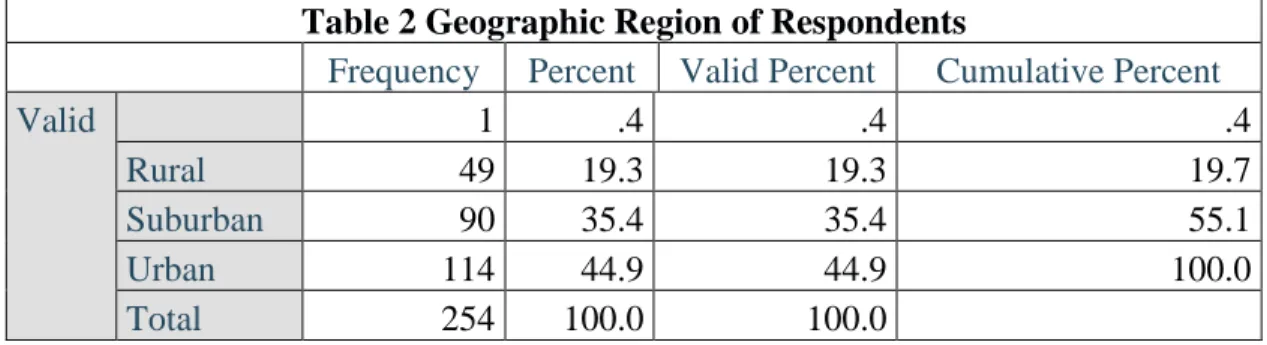
U.S. Geographical location of respondents 47
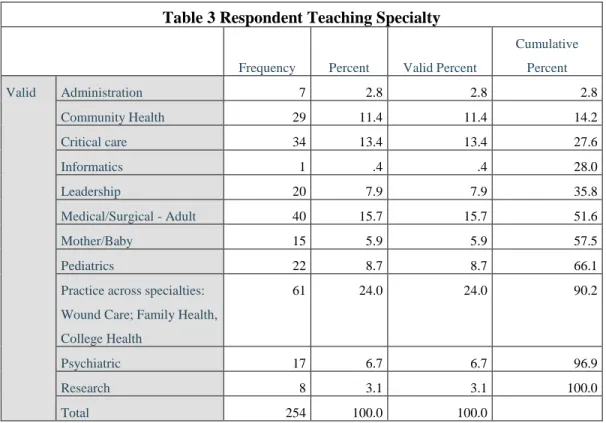
Gender of respondents 47 Teaching specialty 47 Focus area of teaching 48 Highest level of education 49 Years of nursing experience 49 Years of experience as nurse educator 50 Descriptive research questions 1a - 1e 51 Descriptive research questions 2a – 2 e 58 Descriptive research questions 3a – 3 e 63 Discussion of descriptive results 70 Correlational research question 4a – 4 c 77
xi
Analysis of Variance between groups (ANOVA) 81
Post-Hoc G*Power Analysis 83
Summary of findings 89
Review of hypothesis (accept or reject) 85 V. SUMMARY & CONCLUSIONS
Overview 86
General discussion of study findings 88
Practical Implications 90
Study limitations 90
Future research 91
REFERENCES 93
APPENDIX A. Delphi Panel Letter of Solicitation 99 APPENDIX B. Delphi Panel Worksheet Round 1 – 3 115 APPENDIX C. Institutional Research Board (IRB) Approval 125 APPENDIX D. Letter of Solicitation to Survey Participants 127
xii
LIST OF TABLES
Table 1 Responses by State to NEKAP-HV 46 Table 2 Geographic Region of Respondents 47 Table 3 Areas of practice specialty 48
Table 4 Focus Area of Teaching 48
Table 5 Highest Level of Education 50 Table 6 Years of Experience as an RN 50 Table 7 Years of Experience as a Nurse Educator 50 Table 8 Descriptive Statistics for Variables 1-43 NEKAP-HV 70 Table 9 Spearman Rho Correlation Coefficient for NE
Knowledge and Attitude 78
Table 10 Spearman Rho Correlation Coefficient for NE
Attitude and Practice 80
Table 11 Spearman Rho Correlation Coefficient for NE
Knowledge and Practice 81
Table 12 Post Hoc Analysis Using G*Power 3.10.0 83 Table 13 Post Hoc Analysis Using G*Power 3.10.0 84
xiii
LIST OF FIGURES
Figure 1 Image to Reflect Research Questions 1a-e – 3a –e 9
Figure 2 Nurse Educator KAP Model 10
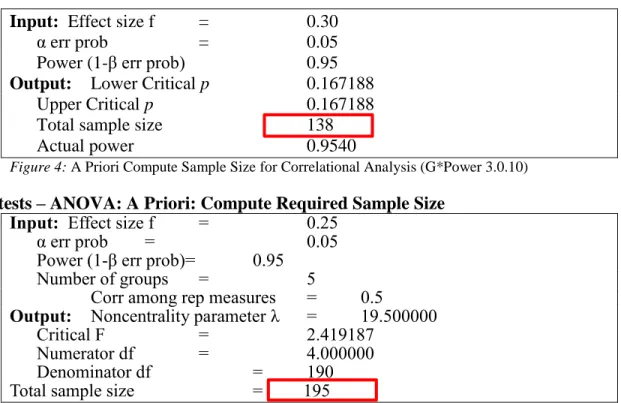
Figure 3 Conceptual Model NEKAP-HV© 16 Figure 4 A Priori Compute Sample Size 45 Figure 5 A Priori Compute Sample Size 45
Figure 6 Research Q 1a 53 Figure 7 Research Q 1b 54 Figure 8 Research Q 1c 55 Figure 9 Research Q 1d 56 Figure 10 Research Q 1e 57 Figure 11 Research Q 2a 59 Figure 12 Research Q 2b 60 Figure 13 Research Q 2c 61 Figure 14 Research Q 2d 62 Figure 15 Research Q 2e 63 Figure 16 Research Q 3a 64 Figure 17 Research Q 3b 65 Figure 18 Research Q 3c 66 Figure 19 Research Q 3d 67 Figure 20 Research Q 3e 68
1 ABSTRACT
There is a paradox in the profession of nursing. Although nursing is known as the caring profession, evidence demonstrates that nurses do not care well for their own. Literature demonstrates that the phenomenon of horizontal violence (HV) is an international problem in the nursing profession, which negatively affects the nurse workplace environment. HV is broadly described as aggressive destructive behavior and intergroup conflict that occurs between nurses. Where behaviors of HV exist, the workplace becomes a toxic environment or nurses (Woefle & McCaffrey, 2007).
This dissertation provides the results of a research study exploring nurse educator’s knowledge, attitudes and practices of HV measured through dimensions of oppression. Nurses have been widely argued to exhibit oppressed group behaviors (Roberts, 1983; Roberts, 1986; Roberts, DeMarco, & Griffin, 2009).and empirical evidence demonstrates that HV is a widespread problem in the nursing profession, with a cycle of behaviors that are embedded during nurse role socialization (Randle, 2003; Longo, 2007). This study explores the phenomenon of HV in nursing using a national sample of nurse educators.
2 CHAPTER I Introduction Background of the Problem
There is a paradox in the profession of nursing. Although nursing is known as the caring profession, evidence demonstrates that nurses do not care well for their own. Literature demonstrates that the phenomenon of horizontal violence (HV) is an international problem in the nursing profession, which negatively affects the nurse workplace environment. HV is broadly described as aggressive destructive behavior and intergroup conflict that occurs between nurses. Where behaviors of HV exist, the workplace becomes a toxic environment (Woefle & McCaffrey, 2007).
Five dimensions of oppression applied in the nursing literature are (1) assimilation, (2) marginalization, (3) low self-esteem, (4) submissive-aggressive syndrome; and (5) horizontal violence (Roberts, 1983; Mathey & Bobay, 2007). Roberts describes characteristics of Friere’s (1971) model and states that oppressed group behavior stems from the ability of the dominant group to identify the norms and values as the “right” values for the subordinate group. Typically, within oppressed groups, the dominant group looks and acts differently compared to the subordinate group and the characteristics of the subordinate group become negatively valued.
For this study on horizontal violence, the pedagogy of oppression is
operationally defined as groups who are controlled by forces outside of themselves that have greater prestige, power and status (Roberts, 1983; Friere 1971). HV is defined as acts of overt or subtle aggression between colleagues that may be emotional
3
or verbal; and rarely physical (Stanley, Martin, Michel, Welton & Nemeth, 2007). Making sarcastic remarks, using belittling words or gestures, minimizing or ignoring a colleague’s concerns and withholding information are common examples of HV within nursing (Longo, 2007).
The evidence reveals that HV is significant problem that has a negative impact on the novice nurse during professional role socialization as a registered nurse
(Woefle & McCaffrey, 2007). A growing evidence base both domestically and
internationally has identified the phenomenon of horizontal violence within nursing as an endemic problem that remains poorly understood. Horizontal violence has a negative impact on the nurse work environment as well as the healthcare delivery system. When HV is prevalent - the workplace environment becomes toxic to nurses. HV has a significant negative impact not only on nurses, but also on the healthcare institution and patients.
HV is described as a cyclical and global phenomenon (Farrell, 2001) with negative social behaviors that become entrenched within the profession of nursing (Randle, 2003). Socialization of the novice nurse into the profession occurs through acts of HV (Randle, 2003) and through this socialization process, the cycle of HV is maintained, and HV becomes a professional behavioral norm (Sofield & Salmond, 2003).
Statement of the Problem
Cyclical behaviors characteristic of HV are passed on from the more experienced nurse to the novice nurse (Farrell, 2001). This cycle is believed to
4
perpetuate HV as these characteristic behaviors become culturally embedded within the nursing profession when negative behaviors are passed on from one generation of nurses to the next. The literature suggests that HV proliferates through an existing culture in nursing whereby there is an acceptance of nurse-to-nurse abuse as a professional norm (Farrell, 2001; Sofield & Salmond, 2003; Randle, 2003).
International and domestic research demonstrates that HV is a global problem within the professional culture of nursing as a result of embedded characteristic behaviors that are passed on throughout professional role socialization(Roberts, 1983; Roberts, Demarco & Griffin, 2009).
HV results in 33% to 61% of new registered nurse graduates leaving the profession or changing their place of employment within their first year of practice (Cox, 2001; Farrell, 2001; McKenna, et al, 2003; Duchscher & Myrick, 2008; Beecroft, Kunzman & Krozek, 2001; Duchscher & Myrick, 2008; Tinsley & France, 2004). With the migration of the novice nurse out of the profession, the cost to employers is significant. The cost of replacing a staff nurse is $65,000, while the cost of replacing one specialty nurse as exceeds $145,000 (Pendry, 2007).
There is a migration of novice and experienced registered nurses out of the profession, who would prefer to stay at the bedside but who leave due to HV (Feblinger, 2009). Costs are incurred due to work absenteeism, treatment for
depression and anxiety, decreased work performance and increased turnover (Gerardi & Connell, 2007). Organizations face financial losses when intelligent highly talented professionals exit to escape workplace dysfunction.
5
In addition to the financial cost, there is a correlation between negative behaviors and patient safety. The Joint Commission, an independent, not-for-profit organization which certifies and accredits more than 17,000 health care organizations and programs in the United States, issued a Sentinel Event Alert (Issue 40, 2008) regarding associated characteristic horizontal violence behaviors, and states that negative behaviors in healthcare undermine a culture of safety and can foster medical errors, contribute to poor patient satisfaction and also contributes to otherwise
preventable adverse patient outcomes. Cost to the patient, the nurse, the family, and the hospital from the ultimate compromised care, as well as the potential for legal action due to patient harm can be staggering. Although the Joint Commission requires organizations it accredits to have zero-tolerance policies for negative intergroup behavior, evidence demonstrates that over half of the events of are never reported (Stagg et al, 2012, Vessey et al., 2010).
The Commission reported in a root cause analysis of sentinel events that nearly 70% of the events are connected to communication problems between healthcare professionals (Rosenstein & O’Daniel, 2008). A sentinel event is a “never event” i.e., a preventable medical mistake that should have been prevented. The seminal Institute of Medicine report “To Err is Human” published in 2000 identified that 45,000 to 98000 patients die each year from preventable medical error and more recently medical errors are identified as the third leading cause of death. Breakdown in communication is at the root of 70% of sentinel events and poor communication between nurses occurs in organizations where HV exists.
6 Purpose of the Study
The purpose of this study is to develop and test a newly designed quantitative self-report tool. This tool provides applied relevance to the existing science on HV by providing a measure of the five dimensions of oppression from which HV has
emerged. Each dimension serves as a construct. Variables measure nurse educators’ knowledge, attitudes and practice behaviors using the dimensions of oppression as a theoretical framework (Friere, 1971; Roberts, 1983).
More specifically, the purpose of this study is to explore nurse educators’ knowledge, attitudes and practice of horizontal violence and to determine which factors if any have a predictive relationship in the knowledge, attitudes and practice of horizontal violence by nurse educators. Nurse educators are the first to socialize new nurses into their professional role.
Published studies have looked at experience of nurses with HV, and demonstrate the problem is highly prevalent in the nursing profession both domestically and internationally. We know that HV is a widespread endemic problem. We do not understand why the behavior occurs. In the under-researched area of HV in nursing domestically there are no published peer-reviewed studies identified which have utilized nurse educators as a sample, despite the fact that
research demonstrates that nurses first experience HV while in nursing school (Longo, 2007, Randle, 2003).
HV is an area of emerging research domestically (Vessey, DeMarco, Gaffney, Budin, 2009). Matheson & Bobay (2007) discuss the fact that although more than 20
7
years have passed since Roberts (1983) initial observations of oppressed group behaviors in nursing; oppressed group behaviors have not been studied as a distinct phenomenon. Research has demonstrated the need to continue to study, as well as define, the dimensions of oppression (Matheson & Bobay, 2007; Friere, 1971)
In order to better understand HV, the interlinked dimensions of the pedagogy of oppression that form the basis of HV must be assessed. Existing tools only measure one dimension of oppression; i.e., horizontal violence or low self-esteem (Randle, 2003). This study addresses a gap in the literature on horizontal violence and oppression in nursing, specifically within nursing education.
Variables
The dependent variables are nurse educators’ knowledge, attitudes and practice of HV measured on dimensions of oppression. Independent variable measured is years of experience.
Research Questions
The overarching research question being explored is what are nurse educator’s knowledge, attitudes and practice (K, A, P) of horizontal violence (HV) utilizing oppression pedagogy (see Figure X). Oppression pedagogy includes the dimensions of assimilation, marginalization, low self-esteem, submissive-aggressive behaviors and horizontal violence that will serve as constructs. Research questions 1 a. – e. through 3 a. – e. will be analyzed through descriptive analysis therefore there is no hypothesis.
8
To explore nurse educator knowledge of HV as measured through dimensions of oppression, the research questions are:
RQ 1a: What is Nurse Educator (NE) Knowledge (K) of HV as measured on dimension of assimilation?
RQ 1b: What is NE K of HV as measured on dimension of marginalization? RQ 1c: What is NE K of HV as measured on dimension of low self-esteem? RQ 1d: What is NE K of HV as measured on dimension of submissive-aggressive behavior?
RQ 1e: What is NE K of HV as measured on dimension of HV?
To explore nurse educator attitude of HV as measured through dimensions of oppression, the research questions are:
RQ 2a: What is NE Attitude (A) of HV as measured on dimension of assimilation? RQ 2b: What is NE A of HV as measured on dimension of marginalization? RQ 2c: What is NE A of HV as measured on dimension of low self-esteem? RQ 2d: What is NE A of HV as measured on dimension of submissive-aggressive behavior?
RQ 2e: What is NE A of HV as measured on dimension of HV?
To explore nurse educator practice of HV as measured through dimensions of oppression, the research questions are:
RQ 3a: What is NE Practice (P) of HV as measured on dimension of assimilation? RQ 3b: What is NE P of HV as measured on dimension of marginalization? RQ 3c: What is NE P of HV as measured on dimension of low self esteem?
9
RQ 3d: What is NE P of HV as measured on dimension of submissive-aggressive behavior?
RQ 3e: What is NE P of HV as measured on dimension of HV?
Figure 1. Image to reflect Research Questions 1 a. – e. through 3 a. – e. Research Hypothesis
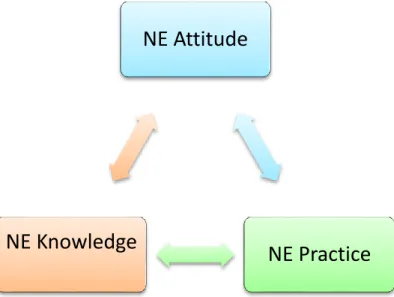
Correlational analysis will consider whether or not relationships exist between NE knowledge and attitude, NE attitude (A) and practice (P) and NE knowledge (K) and Practice (see Figure X). If the result is positive, the null hypothesis is rejected that there is no relationship, and the researcher will accept the hypothesis that a positive correlation exists. In correlational design, researchers do not manipulate an
independent variable and there is no effort to control for other possible factors that may vary. For this reason, a significant correlation does not show that one factor causes changes in another (i.e., causality). A significant correlation shows that two factors are related but it does not provide an explanation for how or why they are related. The correlational research questions are:
Nurse Educator
Knowledge
Assimilation Marginalization Low Self-Esteem Submissive-Aggressive Horizontal ViolenceNurse Educator
Attitude
Assimilation Marginalization Low Self-Esteem Submissive-Aggressive Horizontal ViolenceNurse Educator
Practice
Assimilation Marginalization Low Self-Esteem Submissive-Aggressive Horizontal Violence10
RQ 4 a. What is the relationship between NE K and A? H 4 a. There is a relationship between NE K and A RQ 4 b. What is the relationship between NE A and P? H 4 b. There is a relationship between NE A and P RQ 4 c. What is the relationship between NE K and P? H 4 c. There is a relationship between NE K and P?
Figure 2: Nurse Educator KAP model. Significance of the Study
The evidence demonstrates that the negative acts of HV are embedded in the socialization of the novice nurse into the profession of nursing and become the professional norm. HV is a problem that exists around the world in the profession of nursing with empirically evidence that HV adversely affects the novice nurse
psychologically and physiologically. HV has a negative impact on retention of nurses and the cost to healthcare systems is significant.
NE Attitude
NE Practice
NE Knowledge
11
HV threatens patient safety (JCAHO, Sentinel Event Alert 40, 2008). Joint commission identifies interpersonal communication between health care providers as a critical aspect of quality care with breakdown in communication contributing to the majority of medical errors and HV as corollary to this problem. Joint Commission has called for its accredited agencies to have zero-tolerance policies for HV with
mandatory reporting guidelines; however, HV commonly goes unreported.
More than 3 million nurses are the backbone of the healthcare delivery system in the United States. The need to retain competent, confident nurses in a healthcare environment that is rapidly changing, complex and frequently unsafe, is critical to the quality of this healthcare delivery system. HV is a widespread problem in the
profession of nursing that is not going away. There is a need for nurse researchers to look deeper into the phenomenon of HV. There is an exodus of both novice and expert nurses from the profession when the need for competent, confident nurses will
continue to increase significantly over time, in the technologically driven, complex and rapidly changing healthcare delivery industry. Without studying HV on a deeper level, we will never find a way to end the negative cycle of HV embedded within the profession of nursing. We must end the cycle of nurse-to-nurse HV. This study adds to the body of evidence on HV and addresses a significant gap in the literature.
Operational Definitions
12
Knowledge – Expertise that includes cognitive and affective domains (American Nurses Association Scope & Standards of Practice, 2016; Blooms Taxonomy).
Attitude – A way of thinking and feeling (Webster, 2015)
Practice – The “who, what, where and how of nursing” (ANA, 2016).
Oppression: Friere’s Pedogogy of Oppression (Friere, 1971) posits that groups are controlled by forces outside of themselves that have greater prestige, power and status and oppressed behavior stems from ability of dominant group to identify their norms and values as the “right” values (Roberts, 1983). The dimensions of oppression include assimilation; marginalization, low self-esteem, passive-aggressive behavior, and horizontal violence (Friere, 1971; Roberts, 1983):
Assimilation is defined as group behavior that includes customs and attitudes acquired through communication or observation. Individuals are fully assimilated to a new group when traits from the old group are indistinguishable from the new cultural group.
Marginalization occurs when members of a group feel unimportant or like their opinion does not matter.
Low self-esteem and self-hatred occur when individuals feel devalued. Submissive aggressive behavior results in individuals feeling unable to speak up and confront issues which concern them (submissive) and when they do speak up to confront an issue, they do it in an ineffective, confrontational manner (aggressive).
13
HV is defined as subtle or overt acts of aggression between group members and intergroup conflict. An example of a subtle act of HV is ignoring the concerns of another or withholding information. An example of overt acts are extreme criticism or ridicule.
Conceptual Framework
Nursing is widely argued to be an oppressed group (Roberts, 1983). With tenets in oppressed group behavior, the understanding of HV first emerged through the work of Freire (1971) as he observed native Brazilians who had been taken over and dominated by Europeans (Roberts, 1996). HV emerges within the oppressed group when the dominant powerful group determines what is valued or rewarded. This causes the oppressed group to feel defective or substandard. Oppression results within a social system when dominant groups control, perpetuate and normalize unequal roles and relationships (Duchscher & Myrick, 2008). The five dimensions of oppression in nursing from the literature (Roberts, 1983; Matheson & Bobay, 2007) are (1)
assimilation, (2) marginalization, (3) low self-esteem, (4) submissive-aggressive syndrome; and the final dimension of oppression that is (5) horizontal violence.
The conceptual frame for this study is Friere’s Pegagogy of Oppression (1971) from which HV has been defined through his research in Brazil. Friere’s oppression pedagogy posits that HV occurs when groups feel powerless due to oppression. Seminal work by Roberts in 1983 posits that nursing is an oppressed group, as nurses often feel powerless due to the controls of the hierarchy of healthcare that places physicians and hospital administrators at the top. Although we know empirically that
14
HV exists and is a widespread phenomenon, there has been no scale identified to apply Friere’s theory directly.
Bandura’s social learning theory also underpins this research. Bandura describes the theories of human behavior that examine the impact of external influences to evoke behavior and then maintain the behavior. The work of Bandura and others posit that the most powerful influence on human behavior resides not within the organism, but within environmental forces (Bandura, 1977 p. 6). Bandura further describes that experiences predict behavior. The social learning view is explained in terms of continuous and reciprocal interaction that learned behavior and acquisition is acquired through modeling the behaviors of others.
In fact, it is widely recognized that most human behavior is learned
observationally through modeling and that people learn by example. Application of Bandura’s Social Learning Theory demonstrates the predictive nature of learning through modeling behavior such as when people applaud when they observe others clapping. Bandura’s theory is particularly relevant to this research as it correlates to power as an influence to behavior. Bandura identifies that characteristics of behavior modeling are more effective to the observer when those who have high status,
competence or power then have greater effect in prompting others to behave in similar ways. Bandura cites the force of this model when researchers found that pedestrians were more likely to cross a street when the light was red when someone with high-status for example, wearing executive clothing were observed doing so, versus a negative perspective when someone with patched clothes and scuffed shoes crossed
15
the street on a red light. This observational research shows that status enhances social modeling of observed conduct. Bandura specifically describes the impact of modeling to develop competencies when students observe skillful instructors, and Bandura emphasizes that learning is fostered by modeling and instruction, but also through the feedback that individuals receive through their own transactions with the environment (Bandura, 1977, p. 91).
Friere’s pedagogy of the oppressed (1971) is also a theoretical framework for this research. Central to this conceptual framework is the nurse educator who
comprised the sample group. Nursing students learn professional skills through direct instruction by nurse educators and direct observance of instructors within healthcare practice settings. This research explores nurse educators’ knowledge, attitudes and practice of horizontal violence measured through dimensions of oppression. The NEKAP-HV instrument is designed to measure nurse educators’ knowledge, attitudes and practice of horizontal violence through the lens of Friere’s oppression framework. Horizontal violence as the final dimension of Freire’s pedagogy has been researched; however, this is the only tool identified that has been developed in nursing to measure the other dimensions of Friere’s oppression theory as applied to nursing (Matheson & Bobay, 2007). Those include the dimensions of assimilation, marginalization, low self-esteem, passive-aggressive behavior and the final dimension of horizontal violence.
16
Figure 3. Conceptual Model NEKAP-HV© (Petersen, 2017; Friere, 1971, Roberts, 1983; Matheson & Bobay, 2007).
Social Learning Theory & Friere’s Pedagogy of Oppressed (Bandura, 1977 Friere, 1971)
.
Nurse Educator (NE) Knowledge, Attitude & Practice (KAP) Assimilation Marginalization Low Self Esteem Passive-Aggressive Horizontal Violence17 CHAPTER II Related Literature
Evidence of HV in nursing first emerged in international literature (McKenna et al. & Randle et al.). This was followed by domestic research that has demonstrated that HV is a common method of socialization of students and new nurses (Longo, 2007; Stanley, et al, 2007). Researchers across the globe have concluded that HV is part of the organizational culture embedded within the profession of nursing
(McKenna, et al, 2003). We know from the literature that HV is an endemic problem within the profession of nursing. Empirically we know that HV begins in nursing school and HV exists around the globe. HV has a negative impact on the socialization of the novice nurse into the professional practice role. HV has a negative impact on nurse well-being and erodes self-esteem. It has a negative psychological and physiological impact on nurses. It has a significant negative impact on retention of nurses with resultant negative financial impact on healthcare delivery systems. We know from the Joint Commission that HV has a negative impact on patient safety.
Literature demonstrates that the phenomenon of horizontal violence is a
significant issue that negatively affects the professional nurse workplace environment. Horizontal violence (HV) is also referred to as lateral violence or disruptive behavior (Rosenstein, Russell & Lauve, 2002; Weber, 2004; McKenna, Smith, Poole & Coverdale, 2002; Longo, 2007). HV is described as aggressive destructive behavior that occurs between nurses and these behaviors exist in what are described as toxic
18
work environments (Rowell, 2005, Woefle & McCaffrey, 2007). Within the profession of nursing, HV is referred to anecdotally as “nurses eat their young.”
Characteristic disruptive behaviors that are associated with HV have a negative impact on the nurse workplace environment as well as retention. It is reported that 30% to 50% of novice nurses leave a position, and sometimes the profession all together due to the physiological and psychological distress experienced from HV (Weber, 2004). HV is a common experience in the transitional professional role socialization experience from student nurse to novice nurse, and finally to expert nurse. Characteristic HV behaviors among nurses occur across all clinical settings (Woefle & McCaffrey, 2007).
Although similarities exist between bullying and HV, bullying differs from HV. Bullying is defined as repetitive behavior that occurs at least twice a week, continue for a minimum of 6 months; and consists of behaviors that occur in situations where the person is targeted, finding it difficult to defend themselves to end the abuse (Felblinger, 2009). HV may be overt or subtly covert and includes behaviors such as belittling gestures or sarcastic comments; ignoring or minimizing the concerns of another or verbal abuse. Bullying has tenets in victimization theory while HV has tenets in the theory of oppressed group behavior. Although problems associated with workplace bullying have been identified as a problem in nursing as well, HV will be the focus of this research.
Research has shown that nurses first experience the phenomenon of horizontal violence as they begin their journey of professional role socialization during nursing
19
school. Behavioral patterns associated with horizontal violence are often an element of professional role socialization within nursing (McKenna, Smith, Poole and Coverdale, 2002; Foster, Mackie and Barnett, 2004; Dunn, 2003; Rosenstein, et al., 2002; Randle, 2003; Longo, 2007). Professional role socialization is a process whereby professional attitudes, values and beliefs become internalized and the individual develops a sense of occupational identity through assimilation of characteristic professional behaviors (Nesler, Hanner, Melburg & McGowan; Clayton, Broome & Ellis, 1989). Student and novice nurses assimilate their professional role through social learning by directly observing more experienced nurses within clinical settings (Bandura, 1977; Randle, 2003a; Randle, 2003b; McKenna, et al, 2002).
This learning model perpetuates negative social behaviors as negative behaviors become entrenched within the profession as the novice nurse is socialized into the profession through acts of HV. HV is described as possessing a generational nature that is cyclical; i.e., behaviors characteristic of HV are passed on from the more experienced nurse to the novice nurse. This cycle is believed to perpetuate HV as characteristic behaviors are passed on from one generation of nurses to the next, and the cycle of HV is thereby maintained.
There is a suggestion that HV proliferates through a culture that exists in nursing whereby there is an acceptance of nurse-to-nurse abuse as a professional norm. Researchers have theorized that this process demonstrates a hierarchical structure that preserves the status quo and thereby prevents an end to the cycle of HV (Kohnke, 1981; Farrell, 2001). International and domestic research demonstrates that
20
HV is a global problem within the professional culture of nursing because of
embedded characteristic behaviors passed on from the more experienced nurse to the novice, throughout professional role socialization.
With tenets in oppressed group behavior, the understanding of HV first emerged through the work of Freire (1971) as he observed native Brazilians who had been taken over and dominated by Europeans (Roberts, 1996). HV emerges within the oppressed group when the dominant powerful group determines what is valued or rewarded. This causes the oppressed group to feel defective or substandard.
Oppression results within a social system when dominant groups control, perpetuate and normalize unequal roles and relationships (Duchscher & Myrick, 2008). It has been widely argued that nursing is an oppressed group as it is controlled by forces outside of the profession; within the hierarchy of medicine. Hierarchical power structures within medicine have created a long tradition where the novice members of the organization are oppressed. Hospitals and physicians are the alphas in this
hierarchy with nurses at the bottom of the totem pole (Weber, 2004).
Freire postulates that the ability of the dominant group to enforce their norms and values upon the oppressed group results in characteristic oppressed group
behavior of intergroup conflict and horizontal violence (Roberts, 1983). Applying this perspective to the nursing profession, it is recognized that problems related to HV have a significant impact on nurse professional role socialization into the dynamic culture of today’s healthcare delivery system within the hierarchy of medicine
21
throughout the available literature on HV and nursing has been widely argued to be an oppressed group (Roberts, 1983). Oppressed group behavior rises from a dominant groups’ ability to control a lower, more submissive group. Roberts (1983) argued that dependent and submissive behaviors evolve throughout the history of nursing, in response to the domination of nursing by the more powerful groups of doctors and hospital administrators (Matheson & Bobay, 2007). Friere’s theory of oppression includes five dimensions (1) assimilation, (2) marginalization, (3) self-hatred and low self-esteem, (4) submissive-aggressive syndrome and (5) the final dimension is horizontal violence.
Concepts from oppression theory have emerged throughout the HV nursing literature both internationally and domestically. HV and oppression within nursing have been reported in the literature for more than 20 years with nursing seen to have a long tradition of hierarchical power structures and struggles. The evidence on HV demonstrates that the result is nurses who perceive a lack of control over their
profession that leads to self-destructive aggression within in the oppressed group, and horizontal violence. HV drains the nurse of energy and undermines the strength of organizations (Woefle & McCaffrey, 2007). The Joint Commission, an independent, not-for-profit organization which certifies and accredits more than 17,000 health care organizations and programs in the United States, issued a Sentinel Event Alert (Issue 40, 2008) regarding intergroup conflict (HV) in healthcare. This Alert states that disruptive behavior undermines a culture of safety and can foster medical errors, contribute to poor patient satisfaction and also contributes to otherwise preventable
22
adverse patient outcomes (The Joint Commission, 2008; 2012; Rosenstein, et al. 2002).
There is a strong link between quality healthcare delivery and HV. Clinical outcomes of patient safety, errors, adverse events and quality of care are all negatively impacted by behaviors associated with HV (Rosenstein & O’Daniel, 2005; Institute for Safe Medication Practices, 2004). Healthcare organizations are expected to be patient focused, deliver the highest standard of quality care, and to be fiscally
responsible. However, there has been very little analysis of the collective conditions, patterns of thought and professional behaviors that perpetuate oppressive workplace environments for nurses, and which establish breeding grounds for HV (Feblinger, 2007; Duchscher & Myrick, 2008, Thompson, 1987).
HV is identified as a global problem. National, international and state nurse and physician organizations have adopted position statements that call for recognition and eradication of HV within the healthcare professional workplace environment (Rosenstein, et al., 2001). However, while healthcare quality and safety organizations and professional organizations have begun to recognize this problem, there is a dearth of literature on the phenomenon of HV domestically. The first studies related to HV were conducted in the United Kingdom, New Zealand and Australia. Foster and colleagues (2004) note that horizontal violence in the profession of nursing is a phenomenon that has existed for decades but have only recently been studied, and are just beginning to be understood. The evidence demonstrates that intergroup conflict in the form of HV has been identified as an endemic problem in the profession of nursing
23
internationally while a growing body of evidence demonstrates the significance of the problem domestically (Sofield & Salmond, 2003; Aiken et al., 2001; McKenna, et al., 2004; Randle, 2003a; Randle, 2003b; Rosenstein, et al., 2002; Longo, 2007).
Although limited, literature reveals that HV is a common experience in the professional role socialization process toward becoming a professional registered nurse. Domestic evidence demonstrates that characteristic behaviors of HV such as verbal abuse are widespread (Sofield & Salmond, 2003). Despite the fact that
oppression theory has emerged as a common theme in the global literature on HV, no studies have been identified which have tested this theory as a conceptual frame. There are no published studies using nurse educators as a sample; although it has been demonstrated empirically that HV is first experienced in nursing school (McKenna, et al.,; Longo, 2007). This study addresses this gap in the literature by using nurse educators as a sample. Limited domestic evidence available on HV is fraught with methodological weaknesses and there is a clear need for further research on this topic to add to the limited body of knowledge.
Assessment and measurement of HV is challenging (Sofield & Salmond, 2003; Vessey, DeMarco & DiFazio, 2010) due to differing perspectives of the phenomenon (Stanley, Martin, Michel, Welton & Nemeth, 2007). HV is often seen historically as a “right of passage.” Although HV is widely viewed as a negative socialization process, some nurses report that it is simply part of the job in the fast-paced, high-stress complex healthcare environment (Dunn, 2003; Sofield & Salmond, 2003).
24
While one nurse may perceive certain behaviors as HV, another nurse may simply see it as the “nurse being stressed out” (Stanley, Martin, Michel, Welton & Nemeth, 2007. ; Some propose that the demands of the profession drain nurses emotionally, physically and spiritually, ultimately leaving them with little energy left to provide support to their colleagues. HV is accepted as a common persistent problem in nursing (Vessey et al 2011). There is a migration of both novice and experienced registered nurses out of the profession who would prefer to stay at the bedside but who leave due to HV (Feblinger, 2009).
Costs are incurred as a result of work absenteeism, treatment for depression and anxiety, decreased work performance and increased turnover (Gerardi & Connell, 2007) Organizations face financial losses as a result of intelligent highly talented professionals who exit to escape workplace dysfunction. HV results in 33% to 61% of new registered nurse graduates leaving the profession or changing their place of employment within their first year of practice (Cox, 2001; Farrell, 2001; McKenna, et al, 2003; Duchscher & Myrick, 2008; Beecroft, Kunzman & Krozek, 2001; Duchscher & Myrick, 2008; Tinsley & France, 2004). The cost to employers to replace a staff nurse is $65,000, while the cost of replacing one specialty nurse as exceeds $145,000 (Pendry, 2007).
Nurses must be confident and competent to render safe effective care; but new graduates consistently express a sense of demoralization as a direct result of the dissonance between what they perceive the profession of nursing will be when compared with the ultimate reality that they actually experience after entry into the
25
profession (Duchscher & Myrick, 2008). Novice nurses describe intellectually oppressive practice environments that lead them to exit the hospital workplace environment or the profession (Duchscher & Myrick, 2008).
Although the majority of the preeminent literature on the topic of HV was first published in peer reviewed international journals, there is considerable precedent for continued US research and scholarship because our healthcare systems are different as well as the way that we educate nurses. However, the international literature of HV provides the sentinel standard of understanding for HV in the US and also informs how we are addressing it as a community of educators and practitioners in the scholarly literature. International literature on HV is important in our understanding of the topic of HV in the US as these studies preceded domestic research on HV.
What we know from international studies on HV is that there is a cycle of characteristic HV behavior embedded within the culture of nursing and that HV is first experienced in nursing school. We know that HV Negatively impacts professional role socialization for nurses through as it lowers nurse self-esteem and it also
negatively impacts retention of new nurses with up to 50% of new nurses leaving the profession as a result of HV. While the international literature on HV is imperative to consider, as these studies were the first on the phenomenon of HV, there are
methodological weakness of these studies such as small samples and non-validated tools; as well as a Question about generalizability in the US where both the system for the education of nurses and the healthcare delivery system differs.
26
Cyclical behaviors characteristic of HV are passed on from the older more experienced nurse to the novice nurse (Farrell, 2001). This cycle is believed to perpetuate HV as these characteristic behaviors become culturally embedded as they are passed on from one generation of nurses to the next. The literature suggests that HV proliferates through a culture which exists in nursing whereby there is an
acceptance of nurse-to-nurse abuse as a professional norm. HV has been empirically demonstrated to negatively impact the novice nurse and lowers self-esteem, causes anxiety, depression, sleep disorders, gastrointestinal disorders, suicidal thoughts and behaviors
International and domestic research demonstrates that HV is a global problem within the professional culture of nursing as a result of embedded characteristic behaviors that are passed on throughout professional role socialization. Interpersonal conflict is common in nursing according to McKenna, Smith & Poole (2003). In this study 34% experienced statements made by other nurses that they perceived as
abusive and humiliating and these experiences affected confidence and self-esteem. Psychological consequences included fear, anxiety, sadness, depression, frustration, mistrust and nervousness. Physical consequences included weight loss, fatigue, headaches, hypertension and angina. HV occurred across all clinical settings with self-reported data seen as a limitation of this study.
In a seminal study by McKenna et al. (2003) which utilized the Impact of Event Scale that measures levels of distress over 7 days; results of the nurse
27
found that new graduate nurses experienced horizontal violence across all clinical settings. The preponderance of evidence from international research on the topic of HV reveals that there is a cycle of characteristic HV behavior which is embedded within the culture of nursing which negatively impacts professional role socialization for nurses and Interpersonal conflict is common in nursing (McKenna, Smith & Poole, 2003).
In the McKenna et al study 34% of new graduate nurses experienced
statements made by other nurses that they perceived as abusive and humiliating. This affected their confidence and self-esteem. The significant psychological consequences included fear, anxiety, sadness, depression, frustration, mistrust and nervousness. Physical consequences included weight loss, fatigue, headaches, hypertension and angina.
Randle (2003) conducted a study on the impact of HV using a sample of student nurses looking at their professional role socialization process where behaviors and group norms are adopted. Randle used the Professional Self-Concept Nursing Inventory and the Tennessee Self-Concept scale and found that both general and professional self-esteem deterioration occurred. This researcher found that the majority of students start their nurse training with normal self-esteem but leave with below average self-esteem. 95% of the student nurses in this study perceived
themselves as anxious, depressed and unhappy as they assimilated their nursing identity.
28
This researcher concluded this to be the result of HV and that these changes in self-esteem imply that the process toward becoming a nurse has a negative effect on self-esteem which is dramatic. 95% of students perceived themselves as anxious, depressed and unhappy as they assimilated their nursing identity as the result of HV. A common theme in student narratives was the hierarchy which is embedded within healthcare; and that having power over someone became integral to the novice nurses’ self-esteem. Students may ignore and accept HV perpetrated against them by more experienced nurses in an effort to gain a sense of belonging. Students also began to assimilate the same tactics of HV into their own practice as they identified these behaviors with becoming a nurse. And we can once again see here how HV becomes cyclical and embedded within the profession.
The impact on retention of new graduate nurses is significant as well with up to 50% of new graduates leaving their first position within the first 6 months because of HV. (Beecroft, Kunzman & Krozek, 2001; McKenna, Smith, Poole & Coverdale, 2003)
Students start their nurse training with normal self esteem but leave with below average self esteem (Randle, 2003). Randle found that 95% of students perceived themselves as anxious, depressed and unhappy as they assimilated the role of a nurse 50% of new nurses leave position within first 6 months post graduation (Beecroft, Kunzman & Krozek, 2001; McKenna, Smith, Poole & Coverdale, 2003). These authors describe the cycle of characteristic HV behavior which are embedded within the culture of nursing (McKenna, Smith, Poole & Coverdale, 2003).
29
In a review of the domestic literature, Longo (2007) conducted a study (n47) using a survey to describe the experience of HV by nursing students in the U.S. Longo (2007). The behavior most frequently reported was being put down by a staff nurse with 53% of respondents reporting this behavior. Longo found that 40% of nursing students reported being humiliated; 32% reported having a sarcastic remark made about them; 34% observed an act of horizontal violence between a staff member and a classmate. Although more than half of the students in this study reported
experiencing HV, 49% of students also reported that they did not report HV occurrences to their instructor. 72% of respondents agreed with the statement that “nurses eat their young.” Longo (2007) identifies limitations of this study related to small sample size with no discussion of the reliability and validity of the survey tool.
Stanley, Martin, Michel, Welton & Nemeth (2007) developed and tested the Lateral Violence in Nursing Survey (LVNS) using a questionnaire designed to
measure perceived incidence and severity of lateral violence(LV). Lateral violence is synonymous with HV. The survey instrument was developed and piloted at a tertiary medical center by a multicenter in the US. The survey was administered online to nursing staff participants (n=663). Although 75% of respondents reported that they were treated with respect and courtesy by their co-workers, 65% reported that they frequently observed LV and almost half believed that it was a very serious or
somewhat serious problem at their medical center. The literature demonstrates that a significant barrier to elimination of characteristic behaviors of HV is the fact that it commonly goes unreported. Stanley et al found that 26% of respondents did not feel
30
safe reporting it for fear of retribution. In this study 14% reported that LV had contributed to their decision to leave a nursing position. Qualitative statements and extensive narrative revealed perceived oppression (Stanley, Martin, Michel, Welton & Nemeth (2007) as new staff and young nurses were undermined in their integration on the unit. Nurses were unwilling to intervene when witnessing HV and nurses were unwilling to correct negative behaviors. This study by Stanley et al (2007) included qualitative statements with extensive narrative perceptions that many situations were perceived to be oppressive.
Especially noteworthy is the described treatment of new staff and young nurses by staff who undermined their integration on the unit or who were unwilling to
intervene to correct negative behaviors. The Stanley et al study found that rude behavior is common and participants believe that new nurses are tested to see if they can make it. One of my students described the experience as “it’s like they push you off the edge and you are hanging by your fingertips. If you are able to pull yourself up over the edge, then you are accepted.”
Stanley, et al (2007) report study limitations of a non-random convenience sample in this pilot study which increase the possibility of sampling errors. As a result, the probability exists that the sample is not representative of the population. There is also concern of socially desirable responses by the employed nurses that may have occurred as the survey was conducted internally within their healthcare system.
In an effort to add to the limited body of knowledge in the area of HV, a study by Sofield & Salmond (2003) was conducted which found that verbal abuse, a
31
characteristic of horizontal violence, is an almost universal experience in nursing with 91% of respondents (n=461) reporting its occurrence. Sofield & Salmond (2003) conclude that verbal abuse in healthcare is pervasive and accepted. It is suggested in this study that nurses lack the skills to respond to and cope with verbal abuse and that the problem is perpetuated when no action is taken following incidents of verbal abuse. These researchers conclude that nurses accept verbal abuse because they feel powerless to change it. This sense of powerlessness as well as these behaviors of acceptance of negative behaviors exhibit the tenets of oppressed group behavior.
Nursing has been widely argued to be an oppressed group. Roberts is the seminal author on oppression in nursing and states that oppressed group behaviors exist in nursing because nursing falls below physicians and administrators within the hierarchy of medicine. Nurses often feel powerless within this system. The study by Sofield and Salmond suggests an organizational culture exists, leading to a passive response by nurses who experience verbal abuse. The qualitative data from this study demonstrates that the organization allows verbal abuse to continue as it is often
accepted and ignored. Nurses report a general non-responsiveness by administration to verbal abusive incidents.
Disruptive behavior in the form of HV undermines a culture of safety (Joint Commission Sentinel Event Alert No. 40 (2008) and 70% of sentinel events connected to problems with communication between healthcare professionals. HV results in 33% to 61% of new registered nurse graduates leaving the profession or changing their place of employment within their first year of practice (Cox, 2001; Farrell, 2001;
32
McKenna, et al, 2003; Duchscher & Myrick, 2008; Beecroft, Kunzman & Krozek, 2001; Duchscher & Myrick, 2008; Tinsley & France, 2004).
There is a migration of both novice and experienced nurses out of the
profession due to HV (Feblinger, 2009) and the cost to employers is significant with $65,000 to replace and train a staff nurse, while the cost to replace a specialty nurse exceeds $145,000 (Pendry, 2007). The phenomenon of HV measured through dimensions of oppressed group behavior have not been developed and validated and oppressed group behaviors have only been studied independent of each other.
HV has an impact on patient safety. Disruptive behavior in the form of HV undermines a culture of safety (Joint Commission Sentinel Event Alert No. 40 (2008) and 70% of sentinel events connected to problems with communication between healthcare professionals. Preventable medical error remains the third leading cause of death in this country and HV undermines patient safety.
33 Chapter III METHODS Research Design
This study is non-experimental as there is no attempt to control variables. This study is descriptive in nature, in addition to correlational. In correlational design, we do not manipulate an independent variable and there is no effort to control for other possible factors that may vary. For this reason, a significant correlation does not show that one factor changes another (i.e., causality). A significant relationship shows that two factors are related, but it does not provide an explanation for how or why they are related.
This dissertation study used a newly created validated survey instrument and this research is non-experimental design, cross-sectional and descriptive. The design is correlational intending to explore relationships between domains of knowledge, attitudes and practice behaviors along the dimensions of assimilation, marginalization, low self-esteem, submissive aggressive syndrome and horizontal violence.
Instrument Development
An instrument was developed to assess the affective domain of nurse educator knowledge, attitude and practice of horizontal violence (NEKAP-HV©) (Polit & Beck, 2008). Responses are rank ordered on a Likert type scale. With no
demonstrated reliability or validity, this questionnaire was reviewed by an expert panel for construct validity. Variables are based upon descriptions of which have emerged from the research on HV in nursing. Five constructs of oppression theory.
34
Variables are based upon descriptions of HV which have emerged from the research on HV in nursing. The five constructs of Friere’s (1971) model are measured through the domains of nurse educator’s knowledge, attitudes and practice.
This instrument uses a comparative Likert scale with all items rated on the same dimension, to provide simplicity, clarity and economy. The questions are supported by what is known from the literature in nursing on horizontal
violence. Items were written to be short and brief while conveying meaning; and were developed to be as simple and clear as possible.
Assessing Validity - Primary Investigator Tool Creation Concepts as items on questionnaire
Variables on the NEKAP-HV© instrument are based upon descriptions of HV which have emerged from the research on HV in nursing. The five constructs of Friere’s 1971 model are measured through the domains of nurse educator’s knowledge, attitudes and practice.
Construct Number One – Assimilation
Construct definition: Assimilation is defined as group behavior that includes
customs and attitudes acquired through communication or observation. Individuals are fully assimilated to a new group when traits from the old group are indistinguishable from the new cultural group (Friere, 1971; Roberts, 1983).
Variable: It is natural within healthcare systems for physicians to hold all the power (Roberts, 1996). (Attitude, Item 1).
35
Variable: In general, nurses perceive themselves to be less powerful than physicians (Matheson & Bobay, 2007). (Attitude, Item 2).
Variable: Nurses have been identified as an oppressed group (Roberts, 1996). (Knowledge, Item 3).
Variable: I act like a physician to receive recognition and prestige. (Practice, Item 12).
Variable: An oppressed group assimilates the norms and values of the dominant group (Matheson & Bobay, 2007; Friere, 1971). (Knowledge; item 5)
Variable: I teach my students that nurses are subordinate to physicians. (Practice, Item 6).
Construct Number Two – Marginalization
Construct definition: Marginalization occurs when members of a group feel unimportant or like their opinion does not matter (Roberts, 1983).
Variable: Students should please the nurses on the unit (Randle, 2003). (Attitude, Item 4).
Variable: Students nurses should not disagree with expert nurses on the unit (Randle, 2003). (Attitude, Item 7).
Variable: Marginalization occurs when group members feel unimportant (Roberts, 1983). (Knowledge, Item 9).
Variable: Student nurses should be encouraged to emulate physicians in appearance (Roberts, 1996). (Attitude, Item 4).
36
Variable: Marginalized leaders are inflexible (Matheson & Bobay, 2007; Roberts, 1983). (Knowledge, Item 11).
Variable: I teach students to show respect to elite staff (Matheson & Bobay, 2007; Roberts, 1983). (Practice, Item 13).
Construct Number Three – Low Self Esteem
Construct definition: Low self esteem occurs when individuals feel devalued (Roberts, 1983).
Variable: Nursing students are dependent upon those superior to them in the hierarchy of healthcare delivery (Sofield & Salmond, 2003). (Attitude, Item 14).
Variable: Students must understand that the hierarchy in healthcare makes nurses less powerful (Sofield & Salmond, 2003; Roberts, 1983). (Attitude, Item 16).
Variable: There is a hierarchy in healthcare and nurses are subordinates within that system (Sofield & Salmond, 2003; Roberts, 1983). (Attitude, Item 15).
Variable: Self-esteem is eroded when students are criticized (Hughes, 2003; Jackson, et al, 2002; Vessey, et al, 2009). (Knowledge, Item 17).
Variable: Students must demonstrate their value to the healthcare team. . (Hughes, 2003; Jackson, et al, 2002; Vessey, et al, 2009). (Practice ; Item 18).
Variable: Students are taught that they must adapt to the hierarchy in healthcare. (Practice, item 19).
Variable: Criticism threatens a student’s sense of self-mastery (Hughes, 2003; Jackson, et al, 2002; Vessey, et al, 2009). (Knowledge Item 20).
37
Construct definition: Submissive-aggressive syndrome results in individuals feeling unable to speak up and confront issues which concern them (submissive); however, if they do speak out to confront an issue they do it in an ineffective confrontational manner (aggressive).
Variable: It is acceptable for student nurses to speak directly to the primary nurse when they have concerns in clinical (Randle, 2003). (Attitudes, Item 21).
Variable: Nursing students should not approach a physician directly with questions without receiving permission from their instructor (Randle, 2003). (Practice, Item 22). Variable: Nursing students must follow all orders given by their primary nurse
(Roberts, 1983). (Attitudes, Item 23).
Variable: Nursing students should follow every order given by a physician (Roberts, 1983). (Attitudes, Item 24).
Variable: Nurses seldom confront physicians directly when they have complaints (Roberts, 1983). (Knowledge, Item 25).
Variable: Oppression results in passive-aggressive behavior (Roberts, 1983). (Knowledge, Item 26).
Variable: I teach students not to approach a physician directly without permission (Randle, 2003). (Practice, Item 27).
Construct Number Five – Horizontal violence
Construct definition: HV is defined as subtle or overt acts of aggression between group members. An example of a subtle act of HV is ignoring the concerns of another
38
or withholding information. Examples of overt acts of HV are of extreme criticism or ridicule.
Variable: Sometimes students concerns about a patient are unimportant. (Attitude, Item 28).
Variable: Criticizing students makes them resilient. (Attitude, Item 29).
Variable: It is acceptable for the primary nurse to criticize students. (Attitude, Item 30).
Variable: Sometimes it is appropriate for the primary nurse to withhold patient information from a student who is assigned to that patient (Attitude, Item 31). Variable: It is acceptable for primary nurses to be abrupt when students ask questions. (Attitude, Item 32).
Variable: I have reported nurses who have withheld patient information from my students. (Practice, Item 33).
Variable: I teach my students about horizontal violence. (Practice, Item 34). Variable: I teach conflict resolution skills. (Practice, Item 35).
Variable: It is not okay to criticize students in front of patients. (Attitude, Item 36). Variable: It is okay to criticize students in front of nursing staff. (Attitude, Item 37). Variable: There would be negative consequences if a student reported horizontal violence to the administration of a clinical agency (Longo, 2007). Attitude, Practice, Item 38).
Variable: Horizontal violence against nursing students should be reported. (Knowledge, Practice, Item 39).
39
Variable: I have reported nurses who have engaged in horizontal violence against my students. (Practice, Item 40).
Variable: An overt act of aggression between group members is horizontal violence. (Knowledge, Item 41).
Variable: Ignoring the concerns of another is horizontal violence. (Knowledge, Item 42).
Variable: Withholding information is an act of horizontal violence. (Knowledge, Item 43).
Variable: Extreme criticism is an act of horizontal violence. (Knowledge, Item 44). Variable: Acts of horizontal violence may be subtle. (Knowledge, Item 45).
Variable: There are times when it is acceptable to ignore a student. (Practice, Item 46).
Delphi Panel Review
The content validity of this 46-item scale was performed by five internationally known nurse experts in the field of oppression in nursing and horizontal violence to assess the instrument for relevancy, clarity and comprehensiveness through Delphi technique (DeVellis, 2012). The survey items are based on what has been tested in past studies on HV to enhance validity (Agarwal, 2010). Definitions of constructs in this model are based on the literature. When items are self-developed, verifying survey items is very important (Agarwal, 2010). This self-administered survey instrument is designed to measure the attitudes, knowledge and practices of nurse educators, with constructs related to the dimensions of oppression based on Friere’s pedagogy (1971).