Western University Western University
Scholarship@Western
Scholarship@Western
Electronic Thesis and Dissertation Repository
4-10-2019 10:00 AM
Development and Assessment of Signal Processing Algorithms
Development and Assessment of Signal Processing Algorithms
for Assistive Hearing Devices
for Assistive Hearing Devices
Farid MoshgelaniThe University of Western Ontario
Supervisor Dr. Vijay Parsa
The University of Western Ontario
Graduate Program in Electrical and Computer Engineering
A thesis submitted in partial fulfillment of the requirements for the degree in Doctor of Philosophy
© Farid Moshgelani 2019
Follow this and additional works at: https://ir.lib.uwo.ca/etd
Part of the Biomedical Engineering and Bioengineering Commons, and the Signal Processing Commons
Recommended Citation Recommended Citation
Moshgelani, Farid, "Development and Assessment of Signal Processing Algorithms for Assistive Hearing Devices" (2019). Electronic Thesis and Dissertation Repository. 6139.
https://ir.lib.uwo.ca/etd/6139
This Dissertation/Thesis is brought to you for free and open access by Scholarship@Western. It has been accepted for inclusion in Electronic Thesis and Dissertation Repository by an authorized administrator of
ii
Abstract
Speech identification in the presence of background noise is difficult for children with auditory processing disorder and adults with sensorineural hearing loss. The listening difficulty arises from deficits in their temporal, spectral, binaural, and/ or cognitive processing. Given the lack of improvement with conventional assistive hearing devices, alternate speech processing methodologies, which exaggerate the temporal and spectral cues, need to be developed to improve speech intelligibility for individuals who have poor temporal and/ or spectral processing.
This thesis first, reports results from a series of experiments on subjective and objective assessments of two different schemes of envelope enhancement algorithms (dynamic and static) across different types and levels of background noise. The subjective results revealed that the speech intelligibility scores are lower for children with auditory processing disorder compared to children with normal hearing. The subjective results also demonstrated that enhancing the temporal envelope is much more beneficial for children with auditory processing disorder when compared to children with normal hearing. Comprehensive objective assessments, which were conducted by developing novel intrusive and non-intrusive objective speech intelligibility predictors, demonstrated that both dynamic and static envelope enhancement algorithms are only effective in improving speech intelligibility under certain processing conditions that depended on the type, level and location of the background noise. Furthermore, the application of noise reduction algorithms prior to the envelope enhancement techniques increased their range of effectiveness. Second, using the proposed objective predictors, the effectiveness of a companding architecture (which enhances both temporal and spectral cues) is shown to be better than temporal envelope enhancement alone, across different noisy environments in the presence of a noise reduction algorithm.
Third, the application of the binaural dichotic processing is evaluated in stationary and non-stationary background noise environments through subjective experiments. The subjective results demonstrated that the dichotic processing is mainly effective in improving speech intelligibility for stationary background noise at poor signal to noise ratios. It is also shown that the incorporation of a noise reduction algorithm as a front-end to the dichotic hearing processing is inferior to increase its range of effectiveness regardless of the type and level of the background noise.
KEYWORDS: Auditory processing disorder, Sensorineural hearing loss, Dynamic envelope enhancement, Static envelope enhancement, Dichotic hearing processing, Hearing aid speech perception index, Modulation spectrum area.
iii
Acknowledgements
First and foremost, I would like to thank my thesis advisor, Dr. Vijay Parsa, for all of his support and guidance throughout my graduate work at Western University. Dr. Parsa's positive attitude, consistent encouragement, extensive knowledge and patient teaching style have made him a pleasure to work with. I also would like to extend thanks to my thesis advisory committee, Dr. Sheila Moodie and Dr. James Lacefield for providing their valuable time and expert advice.
I am grateful for the assistance received from Dr. Chris Allan, Dr. Sangamanatha Ankmnal Veeranna, and Paula Folkeard with respect to subject recruitment.
I am thankful to all the graduate students in National Centre for Audiology, who were participated in my experiments. Thanks to Steve Beaulac for his help and guidance.
I wish to acknowledge the funding received from Natural Sciences and Engineering Research Council of Canada and Ontario Research Fund.
I wish to thank my parents, who encouraged and supported me from far away. I wish I could show them how much I love and appreciate them.
Last but not the least, I would like to thank my family, especially my wife, Sima Soltani, for her love and continuous support from day one.
iv
Table of Content
Abstract ... ii
Acknowledgements ... iii
List of Tables ... xi
List of Figures ... xii
Nomenclature ... xvii
1
Introduction ... 1
1.1
Overview ... 1
1.2
Introduction and background ... 1
1.2.1
Human hearing ... 1
1.2.2
Hearing disorders ... 2
1.2.3
Conventional hearing aid technology ... 3
1.2.3.1
Amplitude compression ... 4
1.2.3.2
Directional microphone technology ... 4
1.2.3.3
Noise reduction algorithm ... 4
1.3
Cochlear implants ... 5
1.4
Development platforms ... 6
1.5
Problem statement ... 6
1.6
Thesis objectives ... 7
1.7
Thesis outline ... 9
2
Literature Review... 11
2.1
Envelope enhancement algorithm ... 11
2.1.1
Principles... 11
v
2.1.3
Significance to Thesis ... 13
2.2
Deepen Band Modulation (DBM) ... 14
2.2.1
Principles... 14
2.2.2
Published results ... 15
2.2.3
Significance to Thesis ... 16
2.3
Companding architecture ... 17
2.3.1
Principles... 17
2.3.2
Published results ... 18
2.3.3
Significance to Thesis ... 18
2.4
Dichotic processing ... 19
2.4.1
Principles... 19
2.4.2
Published results ... 20
2.4.3
Significance to thesis ... 21
2.5
Portable platforms ... 21
2.5.1
Significance to thesis ... 23
2.5.1.1
iPad platform ... 23
2.5.1.2
Hortech open MHA ... 23
2.6
Objective metrics ... 25
2.6.1
Hearing Aid Speech Perception Index (HASPI) ... 25
2.6.2
Modulation spectrum area (ModA) ... 26
2.7
Noise reduction (NR) ... 26
2.7.1
logMMSE NR ... 27
2.7.1.1
Maximum likelihood estimation ... 27
vi
2.7.2
MHA NR ... 28
2.8
Summary ... 29
3
Dynamic Envelope Enhancement Algorithm ... 30
3.1
Implementation of dynamic EE ... 30
3.1.1
MATLAB implementation... 30
3.1.1.1
Envelope extraction ... 31
3.1.1.2
Envelope expansion ... 31
3.1.1.3
Selection of time-constant (
) ... 32
3.2
iPad implementation ... 34
3.3
OpenMHA implementation ... 35
3.4
Subjective data collection for the dynamic EE ... 36
3.4.1
Database ... 36
3.4.2
Participants ... 37
3.4.3
Audio presentation and speech intelligibility measurement ... 37
3.5
Subjective score analysis ... 38
3.6
Statistical analysis ... 40
3.7
Objective evaluation ... 41
3.7.1
Subjective vs. objective measures... 41
3.7.2
First stage ... 41
3.7.3
Second stage... 42
3.7.4
Testing the DEEDT model... 44
3.7.4.1
Bland- Altman plot ... 45
3.8
Comprehensive objective assessment ... 47
vii
3.9
Discussion ... 52
3.9.1
Subjective and objective data... 52
3.9.2
Dynamic EE algorithm, their parameters, and interaction with noise type and
SNR ... 53
3.9.3
Effect of the NR algorithms ... 53
3.10
Summary ... 55
4
Static Envelope Enhancement Algorithm ... 56
4.1
Implementation of static EE... 56
4.1.1
Praat software (Deepen band modulation) ... 56
4.1.2
MATLAB implementation... 57
4.1.3
Modulation spectrogram analysis ... 59
4.2
Subjective assessment procedure ... 60
4.2.1
Database ... 60
4.2.2
Audio presentation and speech intelligibility measurement ... 61
4.2.3
Participants ... 61
4.3
Subjective analysis ... 62
4.3.1
Stationary background noise experiment ... 62
4.3.1.1
Averaged ratings (plots) ... 62
4.3.1.2
Statistical analysis ... 63
4.4
Non-stationary background noise experiment ... 64
4.4.1
Averaged ratings (plots) ... 64
4.5
Objective analysis ... 65
4.5.1
Stationary background noise experiment ... 65
4.5.1.1
First phase ... 65
viii
4.5.1.3
Training the model ... 67
4.5.1.4
Testing SEEDT model ... 67
4.6
Discussion ... 71
4.6.1
Subjective and objective data... 71
4.6.2
Static EE, and interaction with noise type and SNR ... 72
4.6.3
Effect of the NR algorithm ... 72
4.6.4
Robustness of SEEDT model... 72
4.7
Summary ... 73
5
Speech intelligibility prediction models for EE algorithms ... 75
5.1
Robustness of the individual EE models ... 75
5.1.1
DEEDT model ... 75
5.1.2
SEEDT model ... 78
5.1.3
Comparison between DEEDT and SEEDT models ... 80
5.2
Generalized models for predicting speech intelligibility ... 81
5.2.1
Weighted ModA (WModA) model ... 81
5.2.2
Modified HASPI (MHASPI) model ... 81
5.2.3
Validating WModA and MHASPI models ... 82
5.3
Companding Architecture ... 85
5.3.1
MATLAB implementation... 85
5.4
Two-tone suppression fundamentals ... 87
5.5
iPad development ... 88
5.6
Experimental methodology and results ... 89
5.6.1
Clean speech database and method ... 89
ix
5.7
Objective assessment ... 90
5.8
Summary ... 92
6
Binaural dichotic signal processing ... 93
6.1
Experiment I... 93
6.1.1
Method ... 94
6.1.1.1
Participants ... 94
6.1.1.2
Stimuli ... 95
6.1.1.3
Dichotic processing scheme ... 95
6.1.2
Gammatone filter design ... 96
6.1.2.1
Filterbank design ... 96
6.1.2.2
Frequency synthesis block design ... 99
6.1.3
Audio presentation and speech intelligibility measurement ... 100
6.2
Results ... 101
6.2.1
Statistical analysis ... 102
6.3
Experiment II ... 103
6.3.1
Participants ... 103
6.3.2
Stimuli ... 105
6.3.3
Results ... 105
6.3.3.1
Statistical analysis ... 106
6.4
Discussion ... 107
6.4.1
Subjective data ... 107
6.4.2
Dichotic processing, and interaction with noise type and SNR ... 109
6.4.3
Effect of the MHA NR algorithm ... 110
x
6.5
Summary ... 111
7
Summary ... 112
7.1
Thesis summary ... 112
7.2
Key contributions ... 114
7.2.1
Chapter 3 ... 114
7.2.2
Chapter 4 ... 114
7.2.3
Chapter 5 ... 115
7.2.4
Chapter 6 ... 115
7.3
Study limitations ... 115
7.4
Future work ... 115
7.4.1
Realtime implementation ... 116
7.4.1.1
Dynamic EE and companding ... 117
7.4.1.2
Static EE ... 117
7.4.1.3
Dichotic processing ... 117
7.4.2
Algorithm Parameter Customization ... 118
Bibliography ... 119
Appendix A: Dynamic EE Speech Intelligibility Statistical Report ... 126
Appendix B: Comprehensive Objective Assessment of Dynamic EE Results ... 150
Appendix C: Static EE Speech Intelligibility Statistical Report ... 157
Appendix D: Dichotic Processing Speech Intelligibility Statistical Report ... 207
Appendix E: Research Ethics ... 264
Appendix F: Subjective and Objective Assessment Results ... 265
xi
List of Tables
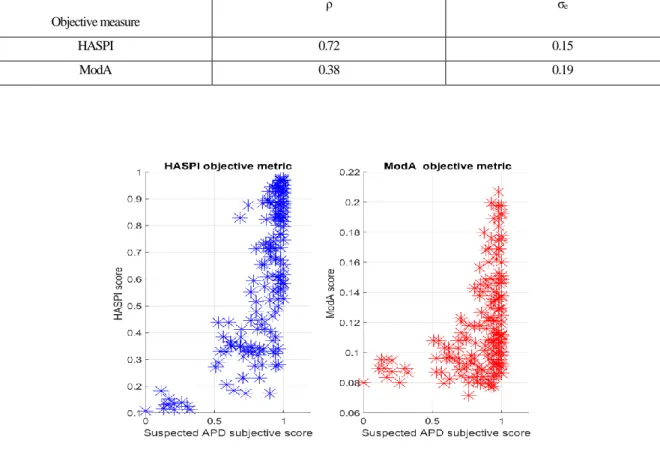
Table 3-1: Correlation coefficient and standard error of estimation for HASPI and ModA. ... 42
Table 3-2: Correlation coefficient and standard error of estimation for HASPI and ModA. ... 44
Table 4-1: Correlation coefficient and standard error of estimation for HASPI and ModA. ... 66
Table 4-2: Correlation coefficient and standard error of estimation for NHC and children with
APD... 68
Table 5-1: Estimated correlation coefficient and standard error of estimation for DEEDT model.
... 76
Table 5-2: Estimated correlation coefficient and standard error of estimation for SEEDT model.
... 79
Table 5-3: Correlation coefficient and standard error of estimation for WModA and MHASPI. 83
Table 6-1: Audiological profile of individuals with SNHL. ... 94
Table 6-2: Bands in the Gammatone filterbank; Fc: center frequency, ERB, Equivalent
Rectangular Bandwidth. ... 98
Table 6-3: Audiological profile of individuals with SNHL. ... 104
xii
List of Figures
Figure 1-1: Anatomy of the human ear [6] ... 2
Figure 1-2: Processing stages of a high-end hearing aid [13] ... 5
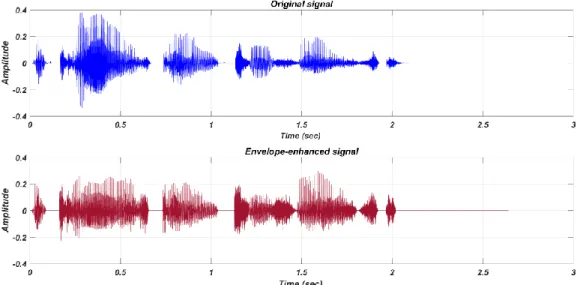
Figure 2-1: Comparison of speech signals with and without EE for the speech sample, “The car is
going too fast”. ... 12
Figure 2-2: Block diagram of a typical assistive listening device setup incorporating the EE
strategy. ... 14
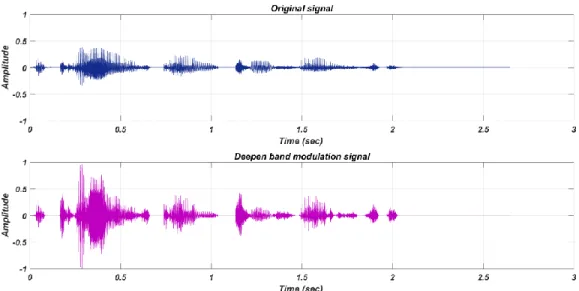
Figure 2-3: Comparison of speech signals with and without DBM technique for the speech sample,
“The car is going too fast”. ... 15
Figure 2-4: Block diagram for implementing of EE in hearing aid application. ... 16
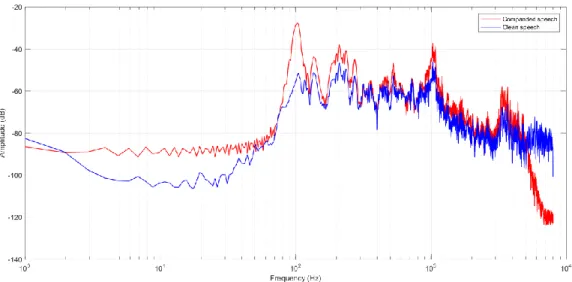
Figure 2-5: Effect of companding on the spectral peaks of the speech sample, “The car is going
too fast”. ... 17
Figure 2-6: Spectral splitting for binaural dichotic processing. ... 19
Figure 2-7: Layered structure of the open Master Hearing Aid [56]. ... 24
Figure 2-8: Block diagram of a Wiener filter. ... 28
Figure 3-1:Block diagram of the dynamic EE algorithm... 31
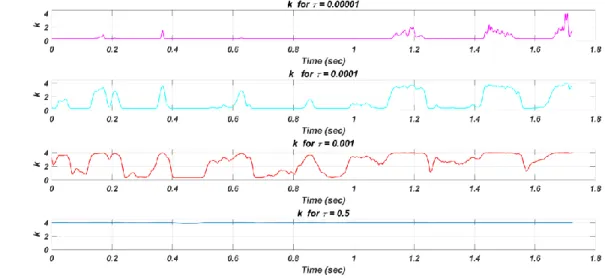
Figure 3-2: Effect of time-constant selection (τ) on
k
variations for the stimulus “the car is going
too fast”. ... 32
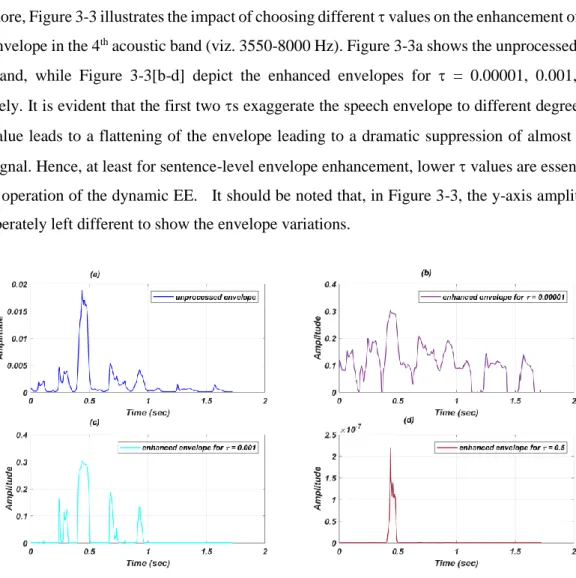
Figure 3-3: Effect of the τ parameter on envelope enhancement in the high frequency band for a
sample speech stimulus (“the car is going too fast”). (a) unprocessed envelope, (b) enhanced with
τ = 0.00001, (c) enhanced with τ = 0.001, and (d) enhanced with τ = 0.5 ... 33
xiii
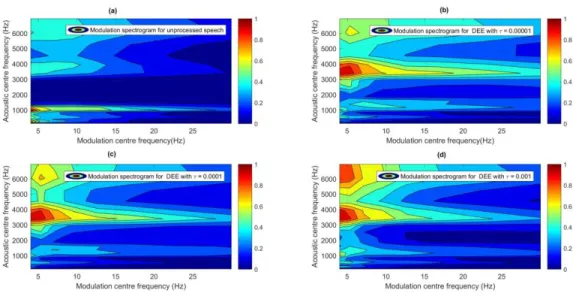
Figure 3-4: Modulation spectrograms for the original and enhanced speech samples. (a) original
speech, (b) dynamic EE with τ = 0.00001, (c) dynamic EE with τ = 0.0001, and (d) dynamic with
τ = 0.001. ... 34
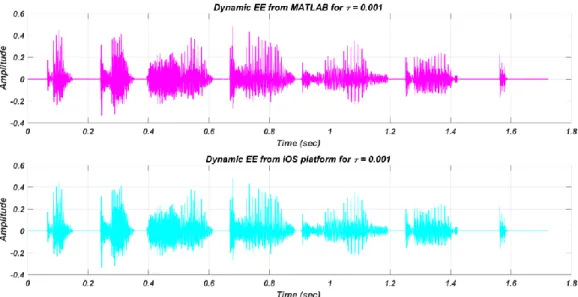
Figure 3-5: Comparison of the dynamic EE speech stimulus between MATLAB and iPad
platforms. ... 35
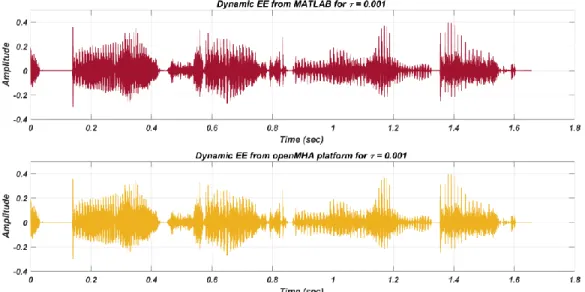
Figure 3-6: Comparison of the dynamic EE speech stimulus between MATLAB and openMHA
platforms. ... 36
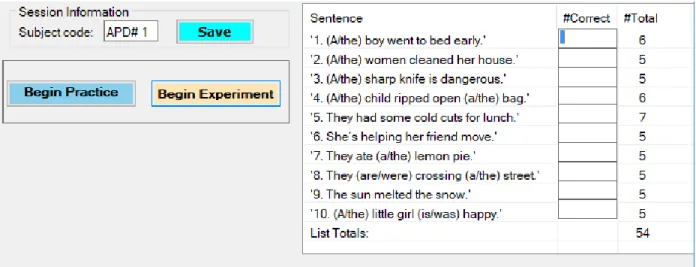
Figure 3-7: Graphical user interface (GUI) for collecting speech intelligibility scores from
participants. ... 38
Figure 3-8: Averaged speech intelligibility scores for children with suspected APD. ... 39
Figure 3-9: Averaged speech intelligibility scores for adults with NH. ... 39
Figure 3-10: Averaged speech intelligibility scores for children with NH. ... 39
Figure 3-11: Scatter plot of the objective and subjective scores from children suspected with APD
for HASPI and ModA. ... 42
Figure 3-12: Scatter plot of predicted and subjective scores for children and adults with normal
hearing participants. ... 44
Figure 3-13: Bland-Altman plot (adults with normal hearing subjective scores versus predicted
scores). ... 46
Figure 3-14: Bland-Altman plot (children with normal hearing subjective scores versus predicted
scores). ... 46
Figure 3-15: Objective assessment of the dynamic EE algorithm for LSNR = -6 dB and for various
values of SSNR, Speech-shaped noise, no NR algorithm. ... 48
xiv
Figure 3-16: Objective assessment of the dynamic EE algorithm for LSNR = -6 dB and for various
values of SSNR, Multi-talker babble noise, no NR algorithm. ... 49
Figure 3-17: Objective assessment of the dynamic EE algorithm for LSNR = -6 dB and for various
values of SSNR, Speech-shaped noise, logMMSE NR algorithm... 50
Figure 3-18: Objective assessment of the dynamic EE algorithm for LSNR = -6 dB and for various
values of SSNR, Multi-talker babble noise, logMMSE NR algorithm... 50
Figure 3-19: Objective assessment of the dynamic EE algorithm for LSNR = -6 dB and for various
values of SSNR, Speech-shaped noise, MHA NR algorithm. ... 51
Figure 3-20: Objective assessment of the dynamic EE algorithm for LSNR = -6 dB and for various
values of SSNR, Multi-talker babble noise, MHA NR algorithm. ... 51
Figure 4-1: GUI for Deepen band modulation feature in Praat software. ... 57
Figure 4-2: Block diagram of the static EE algorithm. ... 58
Figure 4-3: Comparison of the generated static EE stimulus from Praat and MATLAB. ... 59
Figure 4-4: Modulation spectrograms for the original and enhanced speech sample. (a) original
speech, (b) static EE. ... 60
Figure 4-5: Averaged speech intelligibility scores for children with APD. ... 62
Figure 4-6: Averaged speech intelligibility scores for children with NH. ... 63
Figure 4-7: Averaged speech intelligibility scores for children with APD. ... 64
Figure 4-8: Scatter plot of the predicted and APD subjective scores for HASPI and ModA. ... 66
Figure 4-9: Scatter plot of the predicted and actual subjective scores for children with APD and
NHC. ... 69
xv
Figure 4-11: Bland-Altman plot (APD subjective scores versus predicted scores). ... 70
Figure 5-1: Scatterplots showing the relationship between actual APD subjective scores and
predicted scores for SSN and MTBN. ... 77
Figure 5-2: Bland-Altman plot (APD subjective scores from SSN experiment versus predicted
scores). ... 77
Figure 5-3: Bland-Altman plot (APD subjective scores from MTBN experiment versus predicted
scores). ... 78
Figure 5-4: Scatterplot showing the relationship between actual APD subjective scores and
predicted scores. ... 79
Figure 5-5: Bland-Altman plot (APD subjective scores from DEE experiment versus predicted
scores). ... 80
Figure 5-6: Scatter plot of predicted and subjective test scores for MHASPI and WModA
predictors... 83
Figure 5-7: Bland-Altman plot (APD subjective test scores versus predicted scores from MHASPI
predictor). ... 84
Figure 5-8: Bland-Altman plot (APD subjective test scores versus predicted scores from WModA
predictor). ... 84
Figure 5-9: A single channel within the companding architecture [33]. ... 86
Figure 5-10: Graphical illustration of companding algorithm [32]. ... 87
Figure 5-11: Comparison of the companded speech stimulus between MATLAB and iPad
platforms. ... 88
Figure 5-12: Comparison of long-term average power spectra. ... 89
xvi
Figure 5-13: Objective assessment of companding algorithm in the presence of stationary
background noise. ... 90
Figure 5-14: Objective assessment of companding algorithm in the presence of non-stationary
background noise. ... 91
Figure 6-1: Block diagram of the dichotic processing scheme. ... 96
Figure 6-2: Frequency response of the individual filters in the Gammatone filterbank. ... 97
Figure 6-3: Averaged speech intelligibility scores for adults with NH. ... 101
Figure 6-4: Averaged speech intelligibility scores for adults with HI. ... 102
Figure 6-5: Averaged speech intelligibility score for adults with NH. ... 105
Figure 6-6: Averaged speech intelligibility score for adults with HI. ... 106
Figure 6-7: Speech intelligibility comparison between NH and HI in the presence of SSN. ... 108
xvii
Nomenclature
ADC Analog to Digital Converter
ANSD Auditory Neuropathy Spectrum Disorder APD Auditory Processing Disorder
BBBPF Broad Band Band-pass Filters
CI Cochlear Implants
CIL Confidence Interval Levels CPU Central Processing Unit
CV Consonant Vowel
DAC Digital to Analog Converter DBM Deepen Band Modulation
DEEDT Dynamic Envelope Enhancement Data Trained DSP Digital Signal Processing
DT Decision Tree
ED Envelope Detector
EE Envelope Enhancement
ERB Equivalent Rectangular Bandwidth FFT Fast Fourier Transform
GUI Graphical User Interface
HA Hearing Aid
HASPI Hearing Aid Speech Perception Index
HI Hearing Impaired
HINT Hearing in Noise Test
HL Hearing Level
xviii
IDE Integrated Development Environment IFFT Inverse Fast Fourier Transform iOS Internet Operating System IPP Intel’s Performance Primitive JACK Jack Audio Connection Kit LSNR Listener Signal to Noise Ratio MHA Master Hearing Aid
MHASPI Modified Hearing Aid Speech Perception Index MidSig Middle Signal
ML Maximum Likelihood
MMSE Minimum Mean Square Error ModA Modulation Spectrum Area MTBN Multi Talker Babble Noise NBBPF Narrow Band Band-Pass Filters
NH Normal Hearing
NHC Normal Hearing Children
NR Noise Reduction
PC Personal Computer
RAM Random Access Memory RAUs rationalized arcsine units
RM Remote Microphone
RMS Root Mean Square
RMSE Root Mean Square Error
SEEDT Static Envelope Enhancement Data Trained SI Speech Intelligibility
xix
SNHL Sensorineural Hearing Loss SNR Signal to Noise Ratio SPL Sound Pressure Level
SRTN Speech Recognition Threshold in Noise SSN Speech Shaped Noise
SSNR Source Signal to Noise Ratio STFT Short Time Fourier Transform VCV Vowel Consonant Vowel
WDRC Wide Dynamic Range Compression WModA Weighted Modulation Spectrum Area
1
Chapter 1
1
Introduction
1.1
Overview
Hearing assessment typically involves the measurement of hearing sensitivity in different frequency regions resulting in an audiogram [1]. While the audiogram is the front-line measurement of hearing loss, it does not adequately describe the functioning of the impaired auditory system. In particular, it does not capture the auditory processing capabilities such as auditory discrimination, auditory pattern recognition, auditory performance in noisy and reverberant environments, and the performance in the presence of competing signals [2]. Usually, researchers in the auditory signal processing field are interested in developing algorithms that modify speech to provide benefits in specific situations, for example, to increase speech intelligibility in noisy background environments [3]. Speech intelligibility indicates the ability of an individual to comprehend a speech signal and is a useful measure of auditory processing capabilities of hearing impaired listeners. Speech intelligibility can be assessed at the sentence, word or phoneme level, and is typically evaluated using subjective experiments. However, subjective measurements are costly and time consuming processes as they require individuals to participate in an experiment [4]. This thesis examines alternative signal processing algorithms that aim to enhance temporal, spectral and/or binaural features, and their performance in the presence of different types and levels of background noise is evaluated through subjective and objective speech intelligibility measurements.
In this chapter, human hearing and different types of hearing disorders are introduced, as well as brief overview of conventional hearing aids and cochlear implants. Development platforms for implementing signal processing algorithms for assistive hearing devices are introduced next. After that, the problem statement, which highlights the limitations of the conventional hearing aid technologies, are discussed followed by an alternative class of signal processing algorithms. Finally, the objectives and the outline of the thesis are presented.
1.2
Introduction and background
1.2.1
Human hearing
The sense of hearing involves the perception of sound through our auditory system. The human auditory system consists of the outer, middle, and inner ear as well as the central auditory nervous system. The basic
2
anatomy of the human ear is illustrated in Figure 1-1 [5]. As can be seen from Figure 1-1, the outer ear consists of the pinna and the external auditory canal, which leads to the tympanic membrane. The middle ear consists of the tympanic membrane and three middle ear bones, the malleus, incus and stapes classified as ossicles. The inner ear deals with neural processing, and has three parts, the semicircular canals, the vestibule and the cochlea. The cochlea is the organ where vibrations are converted to electrical signals that are processed by the central auditory nervous system [6].
Figure 1-1: Anatomy of the human ear [6]
1.2.2
Hearing disorders
Over the last 20 years, the proportion of people suffering from hearing loss has been increasing steadily [1]. In general, hearing loss can be divided into two categories: conductive and sensorineural. Conductive hearing loss is a disorder caused by a problem with the conduction of pressure vibrations from the outer ear to the cochlea. Problems with this type of hearing disorder can occur at several places such as blocking the ear canal or fluid building up in the middle ear which can disrupt the normal mechanisms of the ossicles [6]. Conductive hearing loss is improved by performing surgery to remove fluids or applying bone anchored hearing aids that can allow sound to be conducted through the bone instead of the middle ear [1]. Sensorineural hearing loss (SNHL) is a disorder that reduces hearing sensitivity when the sensory or neural cells or their connections within the cochlea are absent or not functioning well. This type of hearing loss is caused by noise exposure, ototoxic drugs, and aging. Hearing aids with nonlinear compression feature can
3
provide benefits for patients with sensorineural hearing loss, especially for those who have loudness recruitment[1].
Within the broader category of sensorineural hearing loss lies the Auditory Processing Disorder (APD). Individuals with APD may have deficits in temporal, spectral, or binaural processing [7]. In general, individuals with APD have disruptions in their auditory nerve and central auditory pathways that significantly degrade their auditory processing capabilities [8]. It is estimated that about 3-5 % of children suffer from APD, which directly impacts their ability to learn from what is heard and to communicate with others [9]. Auditory processing deficits are also prevalent in adults, particularly in adults over 60 [9]. In addition, the Auditory Neuropathy Spectrum Disorder (ANSD) can be considered as a subset of the broader APD category. People suffering from ANSD may have near-normal cochlear function, but not well-functioning auditory nerves. This type of hearing disorder affects the timing of neural activity in the auditory pathway and disrupts temporal aspects of auditory perception. ANSD can result from damage to the inner hair cells, or the synapse between the inner hair cells and/or the auditory nerve [10],[11]. However, the exact causes and treatment methods are not well understood. It is estimated that ANSD patients constitute approximately 10% of the hearing impaired population [12].
Temporal processing which consists of modulation thresholds, gap detection , and frequency discrimination are areas of significant impairment for individuals with ANSD [10]. The poor speech identification in individuals with ANSD is mainly due to reduced ability to follow the envelope (amplitude modulations) of the speech signal. Conventional hearing aids do not enhance the temporal envelope of the signal to compensate for temporal processing deficits in individuals with ANSD. In addition, conventional hearing aids reduce the amplitude fluctuations when a nonlinear amplitude compression feature is used, and this may result in the deterioration of performance in hearing sensitivity for people who have ANSD [10]. Hence, when designing assistive hearing devices to increase speech intelligibility for these patients, techniques to bring the temporal and spectral characteristics of speech within their thresholds should be given the priority.
1.2.3
Conventional hearing aid technology
Figure 1-2 illustrates processing stages of a high-end hearing aid. At the beginning, the acoustic signal is captured by microphones, then the microphone signals are processed into a single signal with the directional microphone unit [13]. The resulting mono-signal is further processed separately in different frequency
4
ranges. Generally, it requires an analysis filterbank and the corresponding signal synthesis filterbank. The main frequency-dependent processing steps are noise reduction and signal amplification combined with the dynamic compression processing blocks. These processing blocks as well as the directional microphone unit are discussed briefly in the following subsections.
1.2.3.1
Amplitude compression
The major role of compression technology is to reduce the dynamic range of signals in the environment so that all signals of interest can fit within the restricted dynamic range of a hearing-impaired person. This means that intense sounds must be amplified less than weak sounds. A compression technology uses a compressor, which is an algorithm that automatically reduces its gain as the signal level somewhere within the hearing aid rises. It should be mentioned that this type of technology is beneficial for patients who are suffering from sensorineural hearing loss as they have restricted dynamic range of hearing [1].
1.2.3.2
Directional microphone technology
This technology is effective when there is spatial separation of a signal of interest (speech), and unwanted signal (noise). A typical directional processing system in current generation hearing aids is constructed either with two ports on a single microphone or with multiple independent microphones, whose outputs are appropriately delayed or mixed electronically. This procedure reduces sound originating from behind the hearing aid wearer while amplifying sounds coming from the front [1]. The major disadvantage of this technology is that it is ineffective when desired and undesired sounds are spatially collocated.
1.2.3.3
Noise reduction algorithm
Adaptive noise reduction technology aims to reduce the amplification of noise compared to speech. This can be achieved by determining the noise segments which are significantly intense compared to speech and applying less amplification to these segments. In hearing aids that apply this technology, speech is detected, followed by estimations of the speech and noise levels at some point in time and across frequency to determine the appropriate gain reduction for each frequency region [1]. There are several techniques to perform adaptive noise reduction. However, most systems use either Wiener filtering or spectral subtraction [1]. These two techniques can decrease the gain in each frequency region where the Signal to Noise Ratio (SNR) is deteriorated. It should be noted that these types of techniques can enhance the overall SNR, but they cannot modify the SNR in any narrow frequency band. Furthermore, since background noise can change its characteristics within a short period of time, both Wiener filter and spectral subtraction do not
5
register any information about new noise and are trying to remove a noise that is no longer present. Hence, these techniques are most suitable for stationary noises such as machinery and air conditioning noise.
Figure 1-2: Processing stages of a high-end hearing aid [13]
1.3
Cochlear implants
Cochlear implants (CIs) are devices that bypass the inner ear and provide direct electrical stimulation to the auditory nerve. They involve a surgical implantation of an array of electrodes into the cochlea; hence, they are invasive and expensive. Cochlear implantation is routinely performed on patients with sensorineural losses where the cochlea is the primary section of dysfunction [14].
CIs for individuals with ANSD is a debatable issue. If the site of the dysfunction is the cochlea, then bypassing the inner hair cells with direct stimulation of the vestibulocochlear nerve should provide a good benefit in terms of the speech perception. However, if the pathological condition lies in the nerve itself, the CI might not be beneficial in improving the speech perception in patients with ANSD.
Despite the potential benefits of CIs, drawbacks also exist. These drawbacks include high cost, standard surgical risks, cochlear damage resulting from insertion of the electrode array (thus destroying residual hearing) [15] and no guarantee of oral speech communication skills development [14].
6
Furthermore, there is a considerable variability in the outcomes of children with ANSD receiving cochlear implants [16]. Some studies have shown considerable speech perception improvement with cochlear implantation, while others have shown no improvement. Therefore, as concluded in [16], hearing aid trials should be given to all the cases diagnosed with ANSD and those who received intermediate benefit from hearing aids should be considered for CIs.
1.4
Development platforms
Research and development in the field of speech and audio signal processing consists of three development stages: offline development, real-time development, and system integration for the fully developed algorithm [3]. In general, a new signal processing algorithm is firstly developed for offline processing, which consists of the evaluation of the algorithm performance by using an offline development database (e.g. speech database). For real-time development, the algorithm is evaluated by considering real-time issues (e.g. short time latency) before implementing on an embedded system. Finally, the algorithm is integrated and realized as a prototype [3]. It is pertinent to point out that in most cases, only the first two stages of algorithm development is conducted in academic institutions [3].
Both offline and real-time processing require specific development platforms. The platform design should specify the hardware and software as well as the rules that describe how these two should fit together. In existing offline development platforms, high-level programming languages such as MATLAB, Simulink, and C/C++ are used on a personal computer (PC) platform [3]. It should be noted that by considering today’s computing power, any complex signal processing algorithm can be easily developed for offline processing. On the other hand, the real-time development platforms are much more complex compared to offline development platforms. The existing real-time platforms typically consist of at least signal input/output (I/O) devices, analog-to-digital converter (ADC), central processing unit (CPU), random-access-memory (RAM), and a digital-to-analog-converter (DAC). Furthermore, the real-time platforms need a faster processor and an operating system conducive for real-time processing. In the next chapter of the thesis, a literature review of the existing platforms for offline and online processing will be examined and discussed.
1.5
Problem statement
Although several research works have been proposed toward assistive hearing devices to improve communication for the affected people, today’s commercial hearing aids have some restrictions in providing benefits for hearing impaired listeners. For example, Wide Dynamic Range Compression
7
(WDRC) algorithm, which is available in today’s commercial hearing aids, can deteriorate the speech intelligibility of an individual with SNHL in noisy environments [17]. Furthermore, individuals with SNHL, who have a dead zone in a high-frequency range, cannot hear the sound components in the dead zone region at any gain values of the WDRC [17]. In addition, conventional hearing aids and assistive listening devices offer little benefit to listeners with auditory processing deficits. For example, Mathai and Appu [18] investigated the effect of four different hearing aid settings on speech perception of seventeen adults with late onset ANSD. Results showed no significant differences between unaided and aided performance, indicating the lack of benefit from conventional amplification. Walker et al. [19] compared the speech perception capabilities of children with ANSD and children with SNHL, and found that the ANSD children demonstrated inferior speech recognition in a noisy environment even with the provision of a hearing aid. In a similar vein, Kuk [20] reported data on hearing aid benefits collected from 14 children diagnosed with APD, which showed that some but not all participants demonstrated improved performance with hearing aids. Researchers have also investigated the effectiveness of remote microphone (RM) assistive listening devices for APD and ANSD populations ([21] and [22]). A recent systematic review by Reynolds et al. [23] found moderate benefits from RM systems for children with APD, although the practicality of using an RM in a number of ecologically valid situations has been questioned by Kuk [20]. Therefore, alternative signal processing strategies for APD/ANSD and SNHL individuals need to be developed and validated.
1.6
Thesis objectives
This thesis addresses the abovementioned problem through the development of alternative signal processing algorithms and comprehensively evaluating their performance across a variety of environmental conditions. Three classes of algorithms were investigated: envelope enhancement, companding, and dichotic processing.
Envelope enhancement (EE) algorithms, which attempt to mitigate temporal modulation processing deficiencies by enhancing the temporal peaks and valleys of a speech signal, form the initial foci of this thesis, as evidence exists that such a strategy can indeed be effective for individuals with ANSD and SNHL [24], [10], [25], [26], and [27]. The first objective is to evaluate the performance of two different schemes of EE algorithms subjectively with children with APD at sentence-level speech perception. For this purpose, Hearing in Noise Test (HINT) database [28] was used as a clean speech, where sets of phonetically balanced sentences are presented at different processing conditions. The speech intelligibility in noise is measured using custom software developed in our laboratory.
8
The second objective is to benchmark the effectiveness of the EE algorithms across a number of noisy conditions. However, subjective testing of the EE algorithms at different types and levels of background noise can become an onerous task. Therefore, objective instrumental measures that employ computational models to predict the speech quality and intelligibility are attractive [4], [29], [30], [31]. A good objective metric that correlates well with subjective data can be used as a surrogate for benchmarking the performance of signal processing algorithms and allows for a more comprehensive assessment of the signal processing algorithms across a number of noise types and levels. It should be noted that in this thesis, the comprehensive assessments of the EE algorithms are conducted by developing new intrusive and non-intrusive objective instrumental predictors of speech intelligibility. Furthermore, the application of noise reduction algorithms prior to the EE algorithms is investigated at different levels and types of background noise in terms of speech intelligibility.
The third objective is to benchmark the performance of companding algorithms. Companding algorithms enhance both the spectral and temporal contrast in such a way that the compression is prevented from degrading spectral contrast in regions close to a strong spectral peak while allowing the benefits of improved audibility in regions distant from the spectral peaks [32], [33], and [34]. Previous research demonstrated that hearing aids incorporating a companding strategy, which enhances spectral and temporal contrast, may be beneficial to individuals with ANSD [34]. In this thesis, the proposed objective intelligibility predictors are used to comprehensively evaluate the performance of companding algorithm in different noisy environments, in the presence and absence of a noise reduction algorithm.
Finally, there is evidence that dichotic signal processing algorithm, which uses a pair of comb filters with complementary pass bands and stop bands, can reduce the spectral masking thresholds in individuals with SNHL and improve frequency selectivity of this group of hearing impaired listeners [35], [36], [37], [38] and [17]. The rationale behind dichotic processing is that the spectral components that are likely to mask or get masked by each other are presented to opposite ears. Hence, the spectral masking may be reduced [38]. Thus, the fourth objective is to implement a new binaural dichotic processing scheme and investigate its speech intelligibility performance with individuals with SNHL across different types and levels of background noise. Furthermore, the effectiveness of incorporating a noise reduction algorithm as a front-end to the application of binaural dichotic processing is evaluated across different processing conditions.
9
1.7
Thesis outline
The thesis is organized as follows. In Chapter 2, current envelope enhancement, companding and binaural dichotic processing algorithms are described as well as the published evidence. In addition, two objective metrics of speech intelligibility are examined and presented. Then, a literature review of portable platforms for hearing aid applications is presented, followed by a description of the open Master Hearing Aid (openMHA) portable platform. Finally, a single-channel-noise reduction plugin of the openMHA platform and the log Minimum-Mean-Square-Error (logMMSE) noise reduction (NR), are described and explained. In Chapter 3, the development of the dynamic EE algorithm for RM applications is described. In addition, the subjective data collection procedure for children with suspected APD is described, and the results are analyzed for statistical significance. Furthermore, an optimal objective speech intelligibility metric is derived to predict the perceptual impact of the dynamic EE algorithm followed by the objective assessment of the dynamic EE in the presence of different types and levels of background noise. Finally, the effectiveness of incorporating noise reduction algorithms (viz. logMMSE and MHA) as a front-end to the dynamic EE is discussed.
In Chapter 4, the performance of the static EE for hearing aid applications will be evaluated subjectively for children with APD, followed by a statistical analysis of the subjective scores. In addition, the optimal objective predictor will be derived in a manner like Chapter 3, which is utilized to predict the subjective scores across different levels of non-stationary background noise experiment, followed by the effectiveness of the application of (logMMSE and MHA) noise reductions as a front-end to the static EE.
In Chapter 5, the robustness of the individual objective predictors, which are derived in Chapter 3 and 4, is investigated followed by the derivation of a generalized intrusive and non-intrusive objective models. Then, the effectiveness of companding architecture is evaluated by utilizing the non-intrusive generalized objective predictor, followed by the effectiveness of incorporating a NR algorithm (MHA) as a front-end to the companding architecture.
In Chapter 6, the performance of dichotic processing is investigated subjectively with hearing impaired (HI) listeners with SNHL. Furthermore, the effectiveness of the same binaural dichotic processing algorithm is evaluated by incorporating an additional noise reduction algorithm (MHA) as a front-end to the application of dichotic processing.
10
Chapter 7 summarizes the findings of this thesis, highlights the contributions, and provides recommendations for future work, which consists of techniques and suggestions for practical real-time implementation of these signal processing algorithms as signal processing plugins of openMHA portable platform as well as proposing methods for customizing the algorithm parameters.
11
Chapter 2
2
Literature Review
This chapter discusses various speech enhancement algorithms including the dynamic EE, deepen band modulation (DBM) technique, companding architecture, and binaural dichotic processing as well as their application to improve speech recognition in people with ANSD and SNHL. Furthermore, a literature review of existing portable platforms for hearing aid applications is presented, followed by an introduction of the openMHA portable platform. Finally, two objective metric indices of speech intelligibility are examined followed by the description of the logMMSE and MHA NR algorithms.
2.1
Envelope enhancement algorithm
Most of the work completed in the field of ANSD speech enhancement has been related to EE [10], [24], and [25]. These studies have shown an increase in word identification scores when the envelope of the speech was enhanced, prior to the contamination by background noise.
2.1.1
Principles
As mentioned in the previous chapter, studies indicate that there are three major psychoacoustic impairments that likely contribute the most to degraded speech perception in people with ANSD: temporal modulation thresholds, gap detection thresholds and frequency discrimination. The primary focus of the EE concentrates on compensating for the poor modulation detection thresholds by reinforcing temporal speech cues. Slow temporal envelope modulations in the 4-10 Hz range have been shown to provide useful cues for speech perception [4]. Hence, enhancing the speech envelope over these slow modulation rates can exaggerate the useful cues. An example of an envelope-enhanced signal is shown in Figure 2-1.
12
Figure 2-1: Comparison of speech signals with and without EE for the speech sample, “The
car is going too fast”.
The procedure used to expand the speech envelope is described in greater detail in Chapter 3. It is pertinent to point out that in this thesis, the EE technique that was adopted from Narne et al. [25] is termed as ‘dynamic EE’, as the amount of envelope enhancement is not fixed and varies with respect to the minimum and instantaneous values of the envelope amplitude.
2.1.2 Published results
The performance of the dynamic EE algorithm was evaluated with ANSD subjects by Narne and Vanaja in [10], [24], and [25] (for various conditions), and the results from these studies are discussed next in detail. The effect of envelope enhancement on speech perception in individuals with auditory neuropathy was investigated in [24]. More specifically, the objectives were to investigate the ability of individuals with ANSD to identify consonant-vowel (CV) stimuli for different modulation enhancement bandwidths. In other words, an ideal cut-off frequency for temporal envelope extraction (and thus enhancement) was being sought after. Eight people with ANSD were tested. The results showed that speech identification improved with envelope enhancement. Furthermore, the greatest improvement was found for an enhancement bandwidth of 3-30 Hz.
13
Perception of envelope-enhanced speech in the presence of noise by individuals with auditory neuropathy was investigated in [25]. Considering people with ANSD have particularly poor speech discrimination in noise, the motivations for this study were clear. Fifteen people with ANSD were tested and significant improvements due to envelope enhancement were found in quiet and +10 dB SNR for all subjects. Four subjects with a less severe case of ANSD, improvements were also significant at +5 and 0 dB SNR. The perception of speech with envelope enhancement in individuals with ANSD and simulated loss of temporal modulation processing was studied in [10]. Results from two experiments were reported in [10]. In Experiment I, an ANSD simulator was used to test the effectiveness of the envelope enhancement on 12 normal hearing listeners. The parameters of the ANSD simulator were adjusted to simulate mild, moderate, severe and profound degrees of neuropathy. The test stimuli consisted of bi-syllabic words in Kannada (a language spoken in a southern state of India). Speech scores were calculated by counting the number of words correctly repeated and converting to a percentage of total words presented. Results revealed a significant main effect of degree of ANSD and a significant interaction between the degree of ANSD and stimuli (processed vs. unprocessed) and a significant difference between mean identification scores across all degrees of simulation.
In the second experiment, 12 people with ANSD and 12 normal hearing listeners were recruited to compare the results of envelope-enhanced speech to unprocessed speech. Word recognition scores were obtained using the same test stimuli from Experiment I. Statistical analysis of the recognition data showed a significant improvement in speech scores for envelope-enhanced stimuli with ANSD subjects, but no significant differences were found with normal hearing subjects.
2.1.3 Significance to Thesis
EE has been shown to benefit speech identification for people with ANSD. However, previous studies only explored the assessment of EE algorithms after application to short segments of speech (consonants, vowels, and words). In addition, a comprehensive assessment of the impact of background noise on the performance of EE is lacking. To elaborate on this further, consider Figure 2-2 which represents a typical RM setup where the RM is placed close to the source and the listener is wearing the hearing aid, which is connected wirelessly to the RM. Depending on where the EE algorithm is implemented (either in the RM or the hearing aid), background noise can add to the desired signal before and after the EE algorithm and can potentially create a differential impact. In previous studies, the background noise was only added after the speech signal is enhanced and ready to be transferred to a listener. In addition to the noise location, the
14
impact of different noise types (stationary vs. non-stationary) has not been previously investigated. Finally, all the previous research work only considered the subjective evaluation of the EE algorithm. However, as mentioned in the previous chapter, benchmarking the EE algorithm across a variety noisy conditions can become a costly and time-consuming procedure. Therefore, to make further contribution to the field in this research area, this thesis applies EE to sentence-level speech perception tasks and objectively benchmarks the EE algorithm across different types and levels of the background noise. A good objective metric that correlates well with subjective data is proposed as a surrogate for benchmarking EE algorithm performance across a number of noise types and SNRs. To the best of our knowledge, this thesis is the first study conducted to show that the benefit of EE in children with suspected APD for RM applications.
Figure 2-2: Block diagram of a typical assistive listening device setup incorporating the EE
strategy.
2.2
Deepen Band Modulation (DBM)
The second EE strategy is the DBM technique. The effects of temporal envelope enhancement using the DBM technique on speech perception in quiet and in the presence of background noise were evaluated with individuals with ANSD and SNHL with promising results in [26] and [27].
2.2.1
Principles
DBM technique is another technique of envelope enhancement, which was recently evaluated by Shetty and Kooknoor [27] using an algorithm adopted from Nagarajan et al. [39]. This EE methodology was applied to speech stimuli using the “Deepen band modulation” feature in the Praat software (version 6.0.25, Institute of Phonetic Science, University of Amsterdam, Netherlands). In this thesis, this EE technique is
15
labeled as ‘static EE’ since it applies a fixed modulation boost over a restricted acoustic frequency range. An example of deepen band modulation signal is shown in Figure 2-3.
Figure 2-3: Comparison of speech signals with and without DBM technique for the speech sample, “The car is going too fast”.
2.2.2
Published results
The effect of DBM technique on speech identification was evaluated in four groups of 10 people, young and old normal hearing, young and old hearing impaired listeners with mild to moderate SNHL in [26]. The results of this study generally showed that consonant identification scores in DBM conditions were significantly higher compared to unprocessed conditions, in both quiet and at 5 dB and 10 dB SNRs with multi-talker babble as the background noise, regardless of participant groups. In addition, the statistical analysis of their results revealed that younger adults achieved better consonant identification scores compared to older adults in both normal hearing and hearing-impaired participant groups irrespective of the processing condition and SNRs.
The goal of the research study conducted in [27] was to investigate the effect of DBM on phrase perception in quiet and stationary noise upon individuals with ANSD and SNHL. Twenty normal hearing listeners, 20 hearing impaired listeners with moderate SNHL, and 20 hearing impaired listeners with ANSD participated in the study. Four lists of phrases were used that each list comprised 10 phrases. Phrase recognition scores were evaluated in quiet and in the presence of stationary background noise at -1, -3, and -5 dB SNRs. These
16
experimental results in general revealed that in each participants’ group, the phrase perception score was better in DBM condition compared to unprocessed condition regardless of the SNR value. Furthermore, the statistical analysis of their results showed that phrase perception scores in quiet processing condition were not statistically different between DBM and unprocessed condition irrespective of the participant groups. However, the DBM phrase perception scores were statistically better compared to unprocessed condition at SNRs of -1 dB, -3 dB, and -5 dB for both SNHL and ANSD hearing impaired listeners.
2.2.3 Significance to Thesis
DBM technique has been shown to benefit speech perception for people with ANSD and SNHL. However, to date it has only been evaluated at phrase level and not sentence level for ANSD and SNHL subjects. In addition, in previous studies, the background noise was only added after the speech signal is enhanced and ready to be transferred to a listener. In this thesis, the DBM technique (static EE) is implemented in MATLAB for hearing aid applications, and its impact on speech intelligibility by children with APD is evaluated. Figure 2-4 represents a block diagram of the EE implementation for a typical hearing aid application, where the microphone of the hearing aid can pick up both speech and noise. In such a system, a NR block is potentially beneficial to separate speech from noise before enhancing the envelope of the speech signal, due to the fact that noise can reduce the modulation depth and create spurious modulations to the speech signal. In addition, the impact of applying different noise reduction algorithms as a front-end to the EE algorithm has not been previously investigated. Finally, a good objective metric that correlates well with subjective data is proposed as a surrogate for benchmarking static EE technique performance across a number of noise types and SNRs. To the best of our knowledge, this thesis is the first study conducted to show that there is a benefit of DBM technique to children with APD for hearing aid applications, as shown in Chapter 4.
17
2.3
Companding architecture
Poor frequency discrimination at lower frequencies (< 2000 Hz) is a common characteristic of people with ANSD [40]. Companding is a process that emphasizes the spectral peaks and valleys (as opposed to emphasizing the temporal peaks and valleys in EE) to aid with frequency discrimination. A research study conducted by Narne et al. [34] has evaluated the benefit of companding algorithm with ANSD subjects.
2.3.1
Principles
Turicchia and Sarpeshkar [32] proposed a companding architecture, which combines two-tone suppression – a non-linear phenomenon arising from complex interaction between outer hair cells of the inner ear and the basilar membrane – and dynamic gain control in order to increase the spectral contrast. By conducting such a strategy, a weak tone at one frequency is strongly amplified in such a way that is concurrently audible with a weakly amplified strong tone at another frequency. Hence, the asymmetric amplification due to compression degrades the spectral contrast, but when two-tone suppression strategies, which enhance contrast, are also simultaneously present, the compression is prevented from degrading spectral contrast in regions close to a strong spectral peak, while allowing the benefits of improved audibility in regions distant from the spectral peak [32]. Figure 2-5 compares the long-term averaged spectra of clean and companded speech signals. It can be seen from Figure 2-5 that companding does sharpen the spectral peaks.
Figure 2-5: Effect of companding on the spectral peaks of the speech sample, “The car is going too fast”.
18
2.3.2 Published results
Bhattacharya & Zeng [41] have examined the advantage of companding as a front-end noise suppression technique in listeners with cochlear implants. Both normal-hearing (NH) listeners and CI users performed phoneme and sentence recognition tests in quiet and steady-state speech-shaped noise. They observed that CI users showed significant improvements in both phoneme and sentence perception in noise. In general, their experimental results reveled that companding improved speech perception scores by 10 – 20 % in steady-state background noise. Recently, the effect of companding on speech perception in quiet and stationary background noise at different SNRs for individuals with ANSD and normal hearing was evaluated [34]. Speech perception was evaluated in two different experiments. In the first experiment, speech recognition threshold in Noise (SRTN) was evaluated at the sentence level in background noise at different SNRs ranging from 20 dB to -10 dB. The results from their first experiment revealed that mean difference in SRTN between original and companded stimuli was significantly different in both participant groups. In addition, the difference in SRTN between companded and original stimuli was more for ANSD subject compared to normal hearing subjects.
In their second experiment, consonant identification scores in quiet and at different SNRs, 15, 10, 5, and 0 dB were investigated. Their experimental results from the second experiment showed that companding showed marginal improvement only at 0 dB SNR in NH listeners. Listeners with ANSD showed a significant reduction in consonant identification scores in noise compared to NH listeners. In addition, none of the listeners with ANSD could identify any consonant at 0 dB SNR. Furthermore, listeners with ANSD showed significant improvements in consonant identification in quiet and 15 dB SNR with companding compared to the original stimuli.
2.3.3 Significance to Thesis
Companding technique has been shown to benefit speech perception for people with ANSD. However, to date it has only been evaluated subjectively with ANSD subjects in the presence of stationary background noise for hearing aid applications (viz. the background noise is added before companding). Hence, this thesis investigates the companding technique in the following steps. First, the companding algorithm is developed on the iPad platform for non-real time processing. This development platform allows a clinician to quickly change the algorithm parameters to compensate the patient deficit in frequency selectivity task procedure. Second, the performance of the companding is evaluated by applying an optimal objective index. Third, as previous research has shown that the effectiveness of the companding algorithm reduces in the
19
presence of background noise [34], in this thesis, the effectiveness of a NR algorithm is evaluated as a front-end to companding algorithm for different types and levels of background noise. The objective evaluation of the companding algorithm for hearing aid application will be examined in Chapter 5.
2.4
Dichotic processing
Dichotic hearing may improve the frequency selectivity of individuals with HI. The bandwidths of the auditory filters of HI individuals are generally wider than those of NH persons, which is referred to as spectral smearing [42]. Hence, the frequency selectivity of HI individuals is relatively low. Binaural dichotic processing reduces the spectral masking threshold and improve the frequency selectivity of HI individuals. However, the clinical benefits of dichotic hearing on speech intelligibility are currently debated as dichotic processing improved speech recognition in some studies [38] and [42] , but other studies [43] and [44] showed that dichotic hearing did not improve speech recognition.
2.4.1
Principles
For dichotic processing, the input speech signal is processed by a pair of comb filters with fixed bandwidth or critical bandwidth for spectral splitting of the input speech signal. Then, the output signal of the odd filters is added together, and this summed signal is heard in the left ear. Furthermore, the output signals of the even filters were added together, and this summed signal is heard in the right ear at the same time. Figure 2-6 shows the block diagram of dichotic processing, wherein the input signal is processed by a complementary pair of comb filters. As mentioned before, splitting the speech into two complementary parts on the basis of frequency and presenting it binaurally may increase its intelligibility due to the fact that the spectral masking effect is reduced [42].
20
2.4.2
Published results
Research study conducted by Chaudhari and Pandey [42] investigated the effectiveness of binaural dichotic processing on speech perception for vowel-consonant-vowel (VCV) and consonant-vowel (CV) words with HI participants. They utilized an 18 channel filterbank to split the speech signal into odd and even bands. Results associated with their study showed that employing dichotic signal processing improved recognition scores and reduced the response time for both VCV and CV words.
Murase et al. [43] reported that when they played recordings of VCV and CV syllables to four HI subjects in four different combinations (viz. diotic, diotic with amplitude -6 dB, dichotic with cross-over frequency 0.8 kHz, and dichotic with cross-over frequency 1.6 kHz), and the ranking of speech recognition performance scores was dichotic (0.8 kHz) > diotic > diotic (-6 dB) > dichotic (1.6 kHz).
Mani et al. [45] reported that when they conducted sentence recognition experiments with eight bilateral nucleus-24 implant users in three different processing conditions ( diotic, low-high dichotic, and odd-even dichotic), the ranking of speech recognition performance was diotic > odd-even dichotic>low-high dichotic. Kolte and Chaudhari [44] reported that when they conducted a recording of VCV words processed by an 18-band dichotic comb filter to seven HI subjects, the speech perception score increased for four subjects, but decreased for three subjects. Furthermore, the response time decreased for five subjects but, increased for two subjects.
Kulkarni and Pandey [38] reported that when they played a recording of VCV words processed by an 18-band dichotic comb filters based on fixed and auditory 18-bandwidth achieved improvement in consonant recognition and source direction identification. Furthermore, the improvement was significantly more for comb filters with auditory bandwidth when compared to ones with fixed bandwidth.
Hwang et al. [17], reported that the simultaneous application of nonlinear frequency compression and dichotic hearing on CVC recognition showed almost the same performance compared to the sole application of nonlinear frequency compression in a severe hearing loss simulation setting environment.
More recently, the research study conducted by Ozmeral et al. [46] investigated the impact of dichotic listening with NH participants and individuals with mild-to-moderate SNHL on VCV recognition test in the presence of asynchronous masker. The results associated with their study demonstrated that all participant groups achieved higher VCV recognition scores from dichotic presentation compared to diotic
21
processing. However, the beneficial of dichotic signal processing was much less for HI compared to NH participants.
2.4.3 Significance to thesis
Dichotic processing has been shown to benefit speech perception for people with SNHL. However, to date it has only been evaluated with a restricted set of algorithm parameters, stimuli, and processing conditions as discussed in the following paragraph.
Some studies ( e.g. [38]) evaluated the performance of dichotic processing with SNHL patients only in quiet environments. The studies that had the background noise present, it was only added after the speech signal was processed dichotically, and limited types of background noise (e.g. white/pink noise) were considered. Hence, to make novel contributions to the field in this research area, this thesis evaluated an efficient implementation of the dichotic processing algorithm by using analysis and synthesis gammatone filterbanks in MATLAB. The algorithm is evaluated subjectively with HI listeners with SNHL in the presence of different levels and types of background noise (viz. stationary versus non-stationary) for binaural hearing aid applications, where the background noise is added before dichotic processing. In addition, the incorporation of a NR algorithm as a front-end to dichotic processing is investigated. The subjective assessment and evaluation of the dichotic processing algorithm for hearing aid applications is detailed in Chapter 6.
2.5
Portable platforms
Literature review indicates that portable hearing aid platforms could either be PC-based Digital Signal Processing (DSP) platforms or Smartphones. The former one can process high amount of audio data, whereas the later one is more portable, but harder to program and configure. However, in most cases, users can not modify the algorithm parameters during the use of the device. In the following, a summary of some of the more recent development platforms are examined.
Magotra [47] and [48] developed a portable digital hearing aid platform which consists of a laboratory-based PC system with a TMS320C30 DSP card and a wearable unit laboratory-based on the TMS320C3X DSP chip. The proposed platform is a binaural hearing aid with two input microphone signals that can be sampled up to 32 kHz per channel and driving a stereo headphone at the output. Various algorithms such as frequency shaping, noise suppression, multi-band amplitude compression, and frequency dependent interaural time