Journal of Affective Disorders - journal homepage: www.elsevier.com/locate/jad
To be cited as: Scope A, Booth A, Morrell CJ, Sutcliffe P, Cantrell A. Perceptions and experiences of interventions to prevent postnatal depression. A systematic review and qualitative evidence synthesis. J Affect Disord. 2016 Dec 19;210:100-110.
doi: 10.1016/j.jad.2016.12.017. [Authors Manuscript]. Review.
Review article
Perceptions and experiences of interventions to prevent postnatal depression. A systematic review and qualitative evidence synthesis
Alison Scopea, Andrew Bootha, C Jane Morrellb, Paul Sutcliffec, Anna Cantrella
a The University of Sheffield, School of Health and Related Research (ScHARR), Sheffield, UK b University of Nottingham, School of Health Sciences, Nottingham, UK
c University of Warwick, Warwick Medical School, Warwick, UK Keywords:
Postnatal depression Prevention Service user Service provider Systematic review
Qualitative Antenatal
ABSTRACT
Background: More women experience depressive symptoms antenatally than postnatally.
Supporting women through the antenatal period is recognised as important in mitigating negative outcomes and in preventing postnatal depression (PND). A systematic review was conducted which aimed to provide a detailed service user and service provider perspective on the uptake,
acceptability, and perception of harms of antenatal interventions and postnatal interventions for preventing PND.
Methods: A comprehensive literature search was conducted in 12 major bibliographic databases in November 2012 and updated in December 2014. Studies were included if they contained qualitative evidence on the perspectives and attitudes of pregnant women and postnatal women who had taken part in, or healthcare professionals (HCPs) involved in delivering, preventive interventions for PND.
Results: Twenty-two studies were included. Support and empowerment through education were identified as particularly helpful to women as intervention components, across all intervention types. Implications for accessing the service, understanding the remit of the service and women's
preferences for group and individual care also emerged.
Limitations: The majority of the included studies were of moderate or low quality, which may result in a lack of rich data consistently across all studies, limiting to some degree interpretations that can be made.
Conclusion: The synthesis demonstrated important considerations for devising new interventions or adapting existing interventions. Specifically, it is important that individual or group interventions are carefully tailored to women's needs or preferences and women are aware of the remit of the HCPs role to ensure they feel able to access the support required.
http://dx.doi.org/10.1016/j.jad.2016.12.017 Corresponding authors.
E-mail addresses: [email protected] (A. Scope), [email protected] (A. Booth), [email protected] (C J Morell).
Abbreviations: PND, postnatal depression; HCP, health care professional; IPT, interpersonal psychotherapy; CAM, complementary or alternative medicine interventions.
1. Introduction
from 6.5% to 12.9% during the first postnatal year (Gaynes et al., 2005). Most women who have self-reported symptoms of postnatal depression (PND) have also self-reported symptoms of antenatal depression (Heron et al., 2004). Risk factors for postnatal depression include lack of social support, a history of depression, stressful life events during pregnancy and domestic violence (Lancaster et al., 2010; Robertson et al., 2004). There is a potential impact of PND on the mother-infant relationship, and on child development outcomes (Murray et al., 2010). For women who have mental health problems in pregnancy, her infant and child is more likely to have emotional and learning problems (Glover, 2014).
Effective treatments are available for PND, but it is less clear whether strategies for preventive interventions in pregnancy are effective for both mothers (Dennis and Allen, 2008) and their infants and whether those interventions should be targeted towards women who are at greater risk of developing PND (Fontein−Kuipers et al., 2014). A systematic review of psychosocial and psychological preventive interventions reported a beneficial effect on the prevention of depressive
symptomatology, especially in the short term (Dennis, 2013). In contrast, a meta-analysis, did not find that maternal distress was significantly reduced by preventive interventions (Fontein−Kuipers et al., 2014). Antenatal interventions have the potential to help not only the mother, but her infant in the longer term (Glover, 2014).
Providing support for women by preventive interventions is considered important to mitigate the potential negative outcomes of PND (Coe and Barlow, 2013). For preventive interventions to be effective, they have to be acceptable. Furthermore, it is important to assess the views of participants and those delivering health care in order to factor in important considerations when developing new interventions.
Women say they prefer health professionals who are supportive, caring, and who show an interest to help them feel that they can disclose their true feelings when identifying symptoms of depression (Brealey et al., 2010). For interventions to manage PND, women said the relationship with the health visitor as an individual was important in determining whether they would seek help and accept support (Slade et al., 2010).
Research has established that pregnant women prefer nonpharmacological interventions and are reluctant to take medication because of fear of affecting their developing baby (Wisner et al., 2009) hence the importance of the availability of alternative, non-invasive, interventions for the prevention of PND. In contrast, little is known in general about the views and experiences of women taking part in preventive interventions and what the health care professionals delivering the interventions believe. To our knowledge there is no published qualitative evidence synthesis that explores women and HCPs’ views and experiences of these interventions. The purpose of the study was to apply rigorous methods of systematic reviewing of qualitative studies to provide a detailed service user and service provider perspective on the uptake, acceptability, and potential harms of antenatal
interventions and postnatal interventions for preventing PND.
2. Methods
2.1. Search methods and search outcome
Searches for qualitative studies were conducted in November and December 2012, and updated in December 2014. The topic search devised for clinical effectiveness studies was limited using a qualitative filter and additionally run with a mixed methods filter (devised in collaboration with AB) to find papers that use quantitative and qualitative methodology.
(Ovid) from 1985; Conference Proceedings Citation Index- Science (CPCI-S)- (via ISI Web of Science) from 1990; and MIDIRS Reference Database from 1991.
Search results were merged and de-duplicated using manual checking within the Reference Manager software (Thomson Reuters, Philadelphia, PA, USA).
2.2. Study selection
A two-stage sifting process for inclusion of studies (title and abstract then full paper sift) was
undertaken. Titles and abstracts of the qualitative studies were scrutinised by one assessor (AS) using the inclusion and exclusion criteria. Full papers were obtained for potentially included studies and where the abstract provided too little information.
The PICOS (Population, Intervention, Comparators, Outcomes, Study designs) process was used to define the inclusion and exclusion criteria:
Population: Included studies examined either populations of pregnant women or postnatal women (up to the end of the first postnatal year), or their HCPs. Studies were excluded if they reported on pregnant women or postnatal women with pre-existing depression or other comorbid psychiatric disorders or major medical problems.
Interventions: Included studies reported experiences of women and HCPs who had taken part in preventive interventions for PND.
Comparators: All comparators were considered. Outcomes: All outcome measures were considered.
Study designs: Studies containing qualitative data, from qualitative or mixed methods studies, in order to examine perceptions of the interventions, including issues of acceptability and
perceptions of potential harm or adverse effects were included.
2.3. Quality assessment
The methodological quality of individual studies meeting the inclusion criteria was appraised by two reviewers (AS and AB) using an abbreviated version of the Critical Appraisal Skills Programme (CASP) quality assessment tool for qualitative studies (Critical Appraisal Skills Programme (CASP) 2014) and the CerQual (now Confidence in the Evidence from Reviews of Qualitative research) approach (Glenton et al., 2013). The CerQual approach aims to assess how much certainty could be placed in the qualitative research evidence. A summary assessment was made for each study, based on the methodological quality of each included study and the coherence of the review findings (the extent to which a clear pattern was identifiable across the individual study data). Coherence was assessed by examining whether the review findings were consistent across multiple contexts and incorporated explanations for variation across individual studies. Coherence was strengthened where individual studies contributing to the findings were drawn from a wide range of settings.
Review findings were subsequently graded as high, moderate, low, or very low according to: the CASP assessment; the number and richness of the data in the studies; the consistency of the data across the studies, across study settings and populations; and the relevance of the findings to the review question.
2.4. Data extraction and data synthesis methods
Data extraction for all included studies was undertaken by AS using a tool devised for the qualitative evidence synthesis. A 20% sample of data extractions were checked by AB. Where data for included studies were missing, reviewers attempted to contact the authors at their last known email address. Selective extraction of findings (Noyes and Lewin, 2011) was undertaken where only the data
pertaining to interventions to prevent PND were extracted, and data relating to other experiences of participants were not extracted. Extracted data included information on the basic characteristics of the study: country, setting, population, study design; the characteristics of the intervention; reported evidence from women and HCPs identified in the results and discussion sections, and author
developed by AS to elicit data extraction elements related directly to the review question, the framework elements are listed in Table 1.
Synthesis of the qualitative research was undertaken by highlighting women's and HCPs’ issues around the acceptability of interventions, using the data extraction framework and thematic synthesis to organise all extracted data and aggregate the findings (Thomas and Harden, 2008). Within the framework categories meta-themes and sub-themes were developed by coding the data.
Table 1 Data extraction framework elements.
1 What women found helpful as part of an intervention 2 What HCPs thought was helpful as part of an intervention 3 What women thought didn’t help as part of an intervention 4 What HCPS thought didn’t help as part of an intervention 5 What women thought they needed from an intervention
6 Women's perceived barriers to accessing an intervention, and HCPs perceived barriers to delivering an intervention or facilitating access to an intervention
3. Results
The initial electronic searches identified 2131 records after duplicate removal and 20 further records were retrieved from other sources. One fifth of the total citations identified by the initial electronic database searching (n=2131) were checked for inclusion or exclusion by AB (n=427). The kappa statistic 0.79 indicated an acceptable level of agreement. The update searches identified a further 451 records after duplicate removal. 2602 records were screened by title and abstract and 2434 were excluded. Of the remaining 168 records, 29 citations (representing 22 unique studies) were included. The PRISMA diagram outlining the identification of relevant included qualitative studies and reasons for exclusion of full text articles are provided in Fig. 1.
3.1. Study and participant characteristics
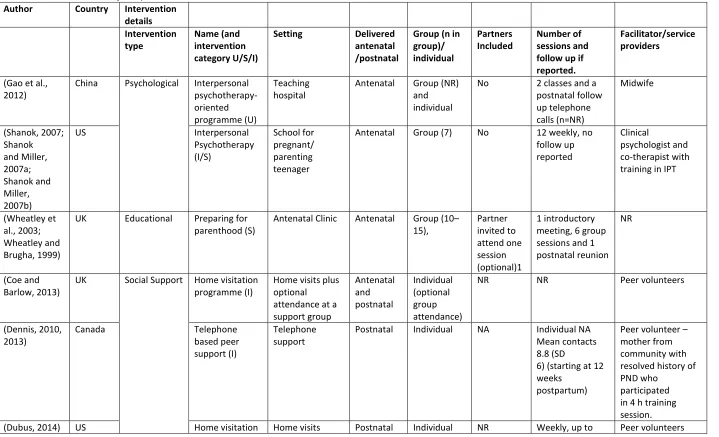
As shown in Table 2, of the 22 included studies, three were undertaken in the UK, eight in the US, one in Sweden, one in Ireland, four in Australia, four in Canada, and one in China. The studies contained qualitative data from 982 service users (where
Table 2 - Characteristics of the preventive interventions Author Country Intervention
details Intervention type Name (and intervention category U/S/I)
Setting Delivered antenatal /postnatal
Group (n in group)/ individual Partners Included Number of sessions and follow up if reported.
Facilitator/service providers
(Gao et al., 2012)
China Psychological Interpersonal
psychotherapy-oriented programme (U)
Teaching hospital
Antenatal Group (NR)
and individual
No 2 classes and a
postnatal follow up telephone calls (n=NR) Midwife (Shanok, 2007; Shanok and Miller, 2007a; Shanok and Miller, 2007b)
US Interpersonal
Psychotherapy (I/S) School for pregnant/ parenting teenager
Antenatal Group (7) No 12 weekly, no
follow up reported
Clinical
psychologist and co-therapist with training in IPT
(Wheatley et al., 2003; Wheatley and Brugha, 1999)
UK Educational Preparing for
parenthood (S)
Antenatal Clinic Antenatal Group (10–
15), Partner invited to attend one session (optional)1 1 introductory meeting, 6 group sessions and 1 postnatal reunion
NR
(Coe and Barlow, 2013)
UK Social Support Home visitation
programme (I)
Home visits plus optional attendance at a support group Antenatal and postnatal Individual (optional group attendance)
NR NR Peer volunteers
(Dennis, 2010, 2013)
Canada Telephone
based peer support (I)
Telephone support
Postnatal Individual NA Individual NA
Mean contacts 8.8 (SD
6) (starting at 12 weeks
postpartum)
Peer volunteer – mother from community with resolved history of PND who
participated in 4 h training session.
programme (U) one year postpartum (Evans et al.,
2012)
Canada Online
discussion support group (U)
Online forum Postnatal Virtual
group (NA) (Online forum)
NA NA Peers
(Morrell, 2002)
UK Postnatal
support worker intervention (U)
Home visits Postnatal Individual NR up to 10 sessions;
up to 28 days postpartum.
Support workers trained to NVQ level 2 for the role (Andersson et
al., 2012)
Sweden Midwifery-led
interventions
Centering pregnancy (U)
Antenatal Clinic Antenatal
and postnatal
Group (6–8) and
individual
Yes – all sessions (optional)
6–9; NRa Midwife
Author Country Intervention details Intervention type Name (and intervention category U/S/I)
Setting Delivered antenatal /postnatal
Group (n in group)/ individual Partners Included Number of sessions and follow up if reported.
Facilitator/service providers
(Kennedy et al., 2009)
US Centering
pregnancy (U)
Air force base/US Navy hospital
Antenatal Group (4–
10) and individual
NR 10; one postnatal
reunion
Midwives / nurse
(Klima et al., 2009)
US Centering
pregnancy (U)
Antenatal Clinic Antenatal
and postnatal
Group 96-12) and individual
NR NRa Certified
nurse-midwives
(Lehman, 2012)
US (S) Faith based
community health centre
Antenatal Group (NR)
and individual
NR 10 (first 4
monthly, last 6 fortnightly); early postpartum 2–3 weeks
NR
(McNeil et al., 2012)
Canada (U) Antenatal Clinic Antenatal
and postnatal
Group (8– 12) and individual
NR 10* Family physician
and a perinatal educator (McNeil et al.,
2013)
Canada (U) Antenatal Clinic Antenatal
and postnatal
Group (8– 12) and individual
NR 10* Family physician
and a perinatal educator
nurse-2013, 2012) and postnatal
12) and individual
8–10 groupa midwife and a
medical assistant Tanner-Smith
et al., 2012)
US (U) Antenatal clinic/
community health centres– Multisite Antenatal and postnatal Group (8– 12) and individual
NR NRa NR
(Teate et al., 2011)
Australia (U) Antenatal clinic/
community health centres Antenatal and postnatal Group (8– 12) and individual
NR NRa Midwives, student
midwives, social workers (Myors et al.,
2014)
Australia Organisation
of maternity care Specialist perinatal and infant mental health (I)
Secondary care - Location not reported
Antenatal and postnatal
Individual No Multiple contact;
ongoing
Nurse, Psychiatrist, Psychologist, Social workers
(Scott, 1987) Australia Maternal and
child health nurses (U)
Maternal and child health centres
Postnatal Individual No Multiple contact;
ongoing
Nurse
(Carolan et al., 2012a,2012b)
Ireland CAMs Singing lullabies Antenatal clinic Antenatal Group (6) No 4; no follow up Musicians
(Doran and Hornibrook, 2013)
Australia Yoga and
discussion group Community based feminist nongovernment women's health centre Antenatal and postnatal
Group (NR) No Ongoing/flexible Midwife and a yoga
Author Country Intervention details Intervention type
Name (and intervention category U/S/I)
Setting Delivered antenatal /postnatal
Group (n in group)/ individual
Partners Included
Number of sessions and follow up if reported.
Facilitator/service providers
(Migl, 2009) US mind-body
exercise (MBE) techniques
Prenatal support group
Antenatal Group (NR) No 5 weekly
sessions; no follow up
NR
Key: NR=Not reported; NA=Not applicable; U=Universal preventive interventions targeting a population not at increased risk for PND; S=Selective preventive interventions for women perceived to be at risk for PND because of social factors; I=Indicated preventive interventions for women at risk of PND because of history, predisposition or above average scores on psychological measures, but not meeting diagnostic criteria.
3.2. Study quality
All studies met the requirement to report either qualitative research or qualitative data within mixed methods studies, indicated in Table 3. All included studies also adequately described the context and aims of the study. Few studies (n=6) demonstrated evidence of researcher reflexivity (that is,
awareness of the researcher's contribution to the construction of meanings throughout the research process and an acknowledgment of the impossibility of remaining 'outside’ of one's subject matter while conducting research). Where studies did describe reflexivity explicitly, these descriptions were brief. However, other studies illustrated that reflexivity in the research process had been
incorporated, evidenced, for example, by making changes to the interview guide as necessary and responding to participants’ wishes. All 22 studies provided adequate descriptions of recruitment methods, just over half (n=15) provided adequate descriptions of data collection methods, although such descriptions tended to be brief. Interviews were the most common method of data collection (n=16), supplemented by other methods such as focus groups and observation in three of these studies. Qualitative data came from open-ended questions within a questionnaire in three studies. Two studies used focus groups and one study used online messages. Thirteen studies provided an adequate description of data analysis methods, and 13 studies provided in-depth, detailed and rich data. The absence of detail in the remaining studies may have been, in part, due to limitations imposed by journal reporting requirements.
3.3. Certainty of the review finding
The CerQual approach (Glenton et al., 2013) was used to assess the certainty of the review findings across all intervention types. These were graded as high, moderate, low or very low. There were 37 findings from the accounts of the women themselves: nine assessed as moderate, 25 as low, and three of very low certainty. For HCPs’ evidence, there were 25 findings: one finding was assessed as moderate certainty; 18 were assessed to be of low certainty; and six were very low certainty. No findings were assessed as high certainty.
3.4. Qualitative evidence synthesis
Table 3 - Qualitative studies: quality assessment of the studies of universal preventive interventions.
Question Yes/
Somewhat (n/N) N=22 studies 1 Is the study qualitative research/or provide qualitative data? 22/22
2 Is the study context and aims clearly described? 22/22
3 Is there evidence of researcher reflexivity? 6/22
4 Are the sampling methods clearly described and appropriate for the research question?
22/22
5 Are the methods of data collection clearly described and appropriate to the research question?
15/22
6 Is the method of analysis clearly described and appropriate to the research question?
13/22
7 Are the claims made supported by sufficient evidence? i.e., did the data provide sufficient depth, detail and richness?
13/22
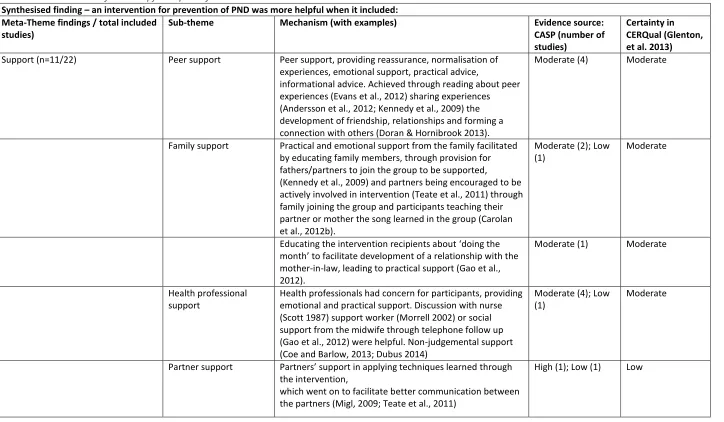
Table 4 - What women found helpful as part of an intervention.
Synthesised finding – an intervention for prevention of PND was more helpful when it included: Meta-Theme findings / total included
studies)
Sub-theme Mechanism (with examples) Evidence source:
CASP (number of studies)
Certainty in CERQual (Glenton, et al. 2013)
Support (n=11/22) Peer support Peer support, providing reassurance, normalisation of
experiences, emotional support, practical advice,
informational advice. Achieved through reading about peer experiences (Evans et al., 2012) sharing experiences (Andersson et al., 2012; Kennedy et al., 2009) the development of friendship, relationships and forming a connection with others (Doran & Hornibrook 2013).
Moderate (4) Moderate
Family support Practical and emotional support from the family facilitated
by educating family members, through provision for fathers/partners to join the group to be supported,
(Kennedy et al., 2009) and partners being encouraged to be actively involved in intervention (Teate et al., 2011) through family joining the group and participants teaching their partner or mother the song learned in the group (Carolan et al., 2012b).
Moderate (2); Low (1)
Moderate
Educating the intervention recipients about ‘doing the month’ to facilitate development of a relationship with the mother-in-law, leading to practical support (Gao et al., 2012).
Moderate (1) Moderate
Health professional support
Health professionals had concern for participants, providing emotional and practical support. Discussion with nurse (Scott 1987) support worker (Morrell 2002) or social support from the midwife through telephone follow up (Gao et al., 2012) were helpful. Non-judgemental support (Coe and Barlow, 2013; Dubus 2014)
Moderate (4); Low (1)
Moderate
Partner support Partners’ support in applying techniques learned through
the intervention,
which went on to facilitate better communication between the partners (Migl, 2009; Teate et al., 2011)
Empowerment (n=6/22) Education / Active participation in own health care)
Participants empowered by being allowed to weigh themselves (Kennedy et al., 2009) providing education and information (Doran and Hornibrook, 2013; Gao et al., 2012; Klima et al., 2009).
Moderate (4) Moderate
Learning Practical Strategies/ skills/knowledge
Learning practical strategies, such as singing (Carolan et al., 2012b), problem solving skills, mind-body exercise (MBE) and techniques (Migl, 2009) to be applied during pregnancy or in the postpartum. These included the ability to calm the infant (Carolan et al., 2012b) and gaining information about sensitive subjects such as PND (Gao et al., 2012) and realistic information about motherhood, thus helping participants accept the reality of early motherhood (Gao et al., 2012). Yoga provided emotional preparation for birth (Doran and Hornibrook, 2013).
Moderate (3); High (1)
Moderate
Self esteem Interventions promoted abilities in dealing with offers of
support and asking for support, and developing a good relationship with mother-in-law to be empowered to ask for help (Gao et al., 2012).
Moderate (1) Low
Time out/ Relaxation/ Socialisation (n=2/22)
Reduction of stress and anxiety, and countering isolation by the provision of socialisation in a group (Carolan et al., 2012b) or via a one to one intervention (Morrell, 2002).
Moderate (1); Low (1)
Low
Physical preparation/recovery (n=1/22)
Yoga practice as part of the group intervention promoted preparation for birth and quicker physical recovery from birth (Doran and Hornibrook 2013).
Moderate (1) Low
Reduced waiting times (n=1/22) A group, rather than individual format resulted in reduced
waiting times (Teate et al., 2011).
Low (1) Very Low
Continuity of care (n=1/22) Group intervention promoted continuity of care (Andersson
et al., 2012).
Moderate (1) Low
Connecting with the baby (n=1/22) Yoga aspect of group intervention promoted connection
with unborn baby (Doran and Hornibrook, 2013).
Moderate (1) Low
Safe space (n=1/22) Group intervention provided a safe space (Doran and
Hornibrook, 2013).
Moderate (1) Low
3.5. Synthesis of findings from women and HCPs
3.5.1. Support
Across all intervention types support was perceived by women and HCPs as a key mechanism in preventive interventions. In group interventions the main mechanism of prevention was peer support. Specifically, this support came in the form of emotional and informational support derived from sharing experiences, the normalisation of experiences by other group members (Wheatley et al., 2003; Wheatley and Brugha, 1999) and exchanging advice (Andersson et al., 2012; Kennedy et al., 2009; Klima et al., 2009; Lehman, 2012; McNeil et al., 2012, 2013; Novick et al., 2012; Tanner-Smith et al., 2012; Teate et al., 2011). Service providers (Shanok, 2007; Wheatley and Brugha, 1999), also reported that the intervention was effective when the group was supportive. Few women reported a dislike for a peer group environment, and in these cases this appeared to be due to a preference for privacy (Andersson et al., 2012; Wheatley et al., 2003).
Partners’ involvement in the group interventions was welcomed by the majority of participants (Andersson et al., 2012; Kennedy et al., 2009; Klima et al., 2009; Lehman, 2012; McNeil et al., 2012, 2013; Novick et al., 2012; Tanner-Smith et al., 2012; Teate et al., 2011; Wheatley et al., 2003; Wheatley and Brugha, 1999) with a smaller number reporting that they themselves felt
uncomfortable with the partners’ presence, (Andersson et al., 2012; Kennedy et al., 2009) or the partners felt uncomfortable with certain aspects of the intervention, such as intimate discussion (Novick et al., 2012). Partners’ input away from the intervention setting was reported as valuable in interventions where learning strategies were the key component (Migl, 2009), and, additionally, this activity was credited as serving to improve communication between the women and their partners. Recipients also reported that the intervention helped them to harness support from family members (Gao et al., 2012; Wheatley and Brugha, 1999).
Women found the Midwives’ support and group skills in running the intervention helpful (Andersson et al., 2012; McNeil et al., 2013; Teate et al., 2011) since they were able to pay attention to women's concerns and offer women solutions. In contrast, the skill of the midwife was raised as an important factor in the success of the intervention;
“I was disappointed that the midwife did not ask about the wishes of the group” (participant) (Andersson et al., 2012).
HCPs reported that better relationships could be developed between provider and users when delivering care in a group setting (Klima et al., 2009; Tanner-Smith et al., 2012), and furthermore, that better relationships between different HCPs involved in prenatal care could be developed when using such interventions in comparison to usual care. It was felt by HCPs that such improved
relationships led to enhanced care (Klima et al., 2009; Tanner-Smith et al., 2012). In individual interventions, which included social support interventions and organisation of maternity care interventions (Dennis, 2010; Morrell, 2002; Myors et al., 2014; Scott, 1987) support primarily came from the relationship between the women and the HCP. In these cases that relationship became a very important aspect of the intervention, providing emotional and informational support. Women reported that they were able to rely on the service and that if they needed the service urgently it was available to them;
However, some women reported that they did not understand the role of the maternal and child health nurse;
“…I never thought I had a right to talk about emotional problems as I was never told what the role of the nurse covers” (participant) (Scott, 1987).
Table 5 - What HCPs thought was helpful as part of an intervention Synthesised finding – things that health professionals
thought were helpful to prevent PND: (n=number
contributing to the findings / total included studies) Things helpful for the intervention recipients (n=5/22)
Evidence source: CASP (number of studies)
Certainty in CERQual
Peer support through sharing experiences providing reassurance, normalisation of experiences, emotional support, practical support and informational advice (McNeil et al., 2013; Morrell, 2002; Tanner-Smith et al., 2012).
Moderate (1); Low (2)
Moderate
Education, group environment provided more opportunity for teaching (Klima et al., 2009; Tanner-Smith et al., 2012)
Moderate (1); Low (1)
Low
Active participation in women's own health care
(empowerment), the group environment allowed more time to be allocated to this (McNeil et al., 2013; Klima et al., 2009)
Moderate (2)
Better communication between provider and user facilitating information exchange in the group setting (McNeil et al., 2013).
Moderate (1)
Health professional developed better relationships with service users in the group setting (McNeil et al., 2013).
Moderate (1)
Provision of richer care provided in a group setting (McNeil et al., 2013; Tanner-Smith et al., 2012).
Moderate (1); Low (1) Women's enthusiasm about a group setting served to
increase participation (Klima et al., 2009).
Moderate (1)
Group setting allowed more women to be seen in same amount of time, addressing waiting time issues (Klima et al., 2009).
Moderate (1)
Sensitivity to the women and to approach issues in a subtle and non-threatening manner (Scott, 1987).
Moderate (1)
Things helpful for the health professionals delivering the intervention (n=3/22)
Group setting resulted in more efficient use of time (McNeil et al., 2013).
Moderate (1) Low
The group intervention was enjoyable, satisfying and rewarding (McNeil et al., 2013; Tanner-Smith et al., 2012).
Moderate (1); Low (1) Delivering an innovative (group) intervention brought
recognition to the site (health centre) (Klima et al., 2009).
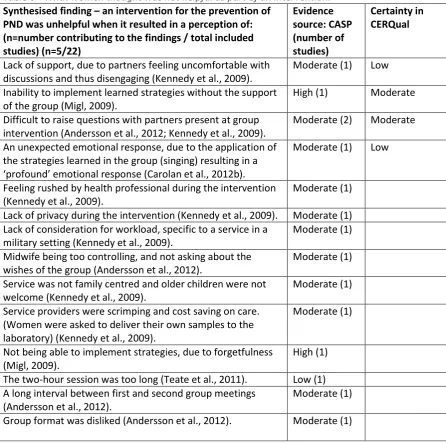
Table 6 - What women thought was not helpful as part of an intervention. Synthesised finding – an intervention for the prevention of
PND was unhelpful when it resulted in a perception of: (n=number contributing to the findings / total included studies) (n=5/22)
Evidence source: CASP (number of studies)
Certainty in CERQual
Lack of support, due to partners feeling uncomfortable with discussions and thus disengaging (Kennedy et al., 2009).
Moderate (1) Low
Inability to implement learned strategies without the support of the group (Migl, 2009).
High (1) Moderate
Difficult to raise questions with partners present at group intervention (Andersson et al., 2012; Kennedy et al., 2009).
Moderate (2) Moderate
An unexpected emotional response, due to the application of the strategies learned in the group (singing) resulting in a ‘profound’ emotional response (Carolan et al., 2012b).
Moderate (1) Low
Feeling rushed by health professional during the intervention (Kennedy et al., 2009).
Moderate (1)
Lack of privacy during the intervention (Kennedy et al., 2009). Moderate (1) Lack of consideration for workload, specific to a service in a
military setting (Kennedy et al., 2009).
Moderate (1)
Midwife being too controlling, and not asking about the wishes of the group (Andersson et al., 2012).
Moderate (1)
Service was not family centred and older children were not welcome (Kennedy et al., 2009).
Moderate (1)
Service providers were scrimping and cost saving on care. (Women were asked to deliver their own samples to the laboratory) (Kennedy et al., 2009).
Moderate (1)
Not being able to implement strategies, due to forgetfulness (Migl, 2009).
High (1)
The two-hour session was too long (Teate et al., 2011). Low (1) A long interval between first and second group meetings
(Andersson et al., 2012).
Moderate (1)
3.6. Empowerment
In a number of interventions, the provision of education relating to pregnancy and labour was a key component (Andersson et al., 2012; Kennedy et al., 2009; Klima et al., 2009; Lehman, 2012; McNeil et al., 2012, 2013; Novick et al., 2012; Shanok, 2007; Tanner-Smith et al., 2012; Teate et al., 2011; Wheatley and Brugha, 1999). Participants of the Centering Pregnancy intervention reported that they felt they had sufficient information and were well prepared for pregnancy and labour. Providers of the Centering Pregnancy intervention (Klima et al., 2009; Tanner-Smith et al., 2012) agreed there was more opportunity for teaching and providing enhanced education. However, a small number of respondents felt that they did not have enough information about labour, birth and parenting, in particular the early postnatal weeks and about coping and caring for a new born (Teate et al., 2011). Although some reported they only became aware of this gap in their knowledge during the postnatal period when the intervention had ended;
“At the time, we were given ample information. I was very well informed for my birth. More information about coping with a new born would be helpful” (participant) (Teate et al., 2011).
It has been suggested that the incongruity between expectations and reality of motherhood may contribute to the development of PND (Beck, 2002). Although this is not an established risk factor for PND, a lack of knowledge in this early postnatal period might exacerbate feelings of anxiety particularly if expectations are unrealistic.
Women valued practical strategies learned during interventions, such as mind-body exercises and singing lullabies for use in the postnatal period (Carolan et al., 2012b; Migl, 2009). Benefits included the ability to prevent panic attacks, and combat physical symptoms of stress. However, women expressed some difficulty in being able to apply techniques in practice (Migl, 2009), together with concerns that the use of the learned strategies could result in unexpected emotional responses (Carolan et al., 2012b).
Participants reported that the interventions promoted active participation in their own health care (Wheatley and Brugha, 1999), and building self-esteem and confidence were also reported as resulting from a number of the interventions (Carolan et al., 2012b; Doran and Hornibrook, 2013; Gao et al., 2012; Myors et al., 2014). Recipients of one intervention (Wheatley and Brugha, 1999) reported that they were able to gain information about sensitive subjects such as PND (Wheatley and Brugha, 1999), although, the authors reported that women appeared to want information about PND but were reluctant to ask for this information for fear that they would be thought of as ‘going mad’. The authors concluded that some participants avoided information about PND as they
believed a lack of knowledge could operate as a protective factor. When this information about PND was provided to them in the context of the intervention it appeared most were receptive to it. Furthermore, the authors (Wheatley and Brugha, 1999) raised the point that the way the
intervention was presented to them may have caused them to make an assumption that they were considered as being at increased vulnerability for PND, but as this was never confirmed it may have left them with unresolved questions and anxieties.
3.7. Practical implications for service delivery
Whilst support and empowerment emerged as meta-themes relating to helpful aspects of
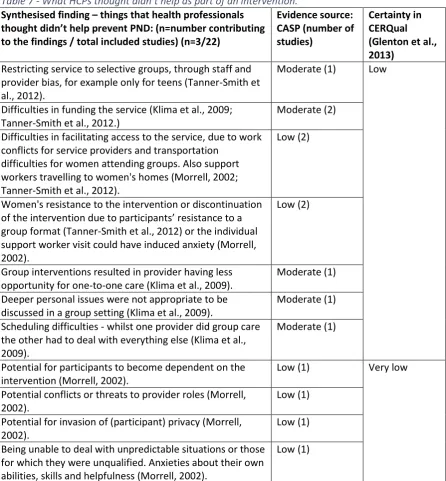
Table 7 - What HCPs thought didn’t help as part of an intervention. Synthesised finding – things that health professionals
thought didn’t help prevent PND: (n=number contributing to the findings / total included studies) (n=3/22)
Evidence source: CASP (number of studies)
Certainty in CERQual (Glenton et al., 2013)
Restricting service to selective groups, through staff and provider bias, for example only for teens (Tanner-Smith et al., 2012).
Moderate (1) Low
Difficulties in funding the service (Klima et al., 2009; Tanner-Smith et al., 2012.)
Moderate (2)
Difficulties in facilitating access to the service, due to work conflicts for service providers and transportation
difficulties for women attending groups. Also support workers travelling to women's homes (Morrell, 2002; Tanner-Smith et al., 2012).
Low (2)
Women's resistance to the intervention or discontinuation of the intervention due to participants’ resistance to a group format (Tanner-Smith et al., 2012) or the individual support worker visit could have induced anxiety (Morrell, 2002).
Low (2)
Group interventions resulted in provider having less opportunity for one-to-one care (Klima et al., 2009).
Moderate (1)
Deeper personal issues were not appropriate to be discussed in a group setting (Klima et al., 2009).
Moderate (1)
Scheduling difficulties - whilst one provider did group care the other had to deal with everything else (Klima et al., 2009).
Moderate (1)
Potential for participants to become dependent on the intervention (Morrell, 2002).
Low (1) Very low
Potential conflicts or threats to provider roles (Morrell, 2002).
Low (1)
Potential for invasion of (participant) privacy (Morrell, 2002).
Low (1)
Being unable to deal with unpredictable situations or those for which they were unqualified. Anxieties about their own abilities, skills and helpfulness (Morrell, 2002).
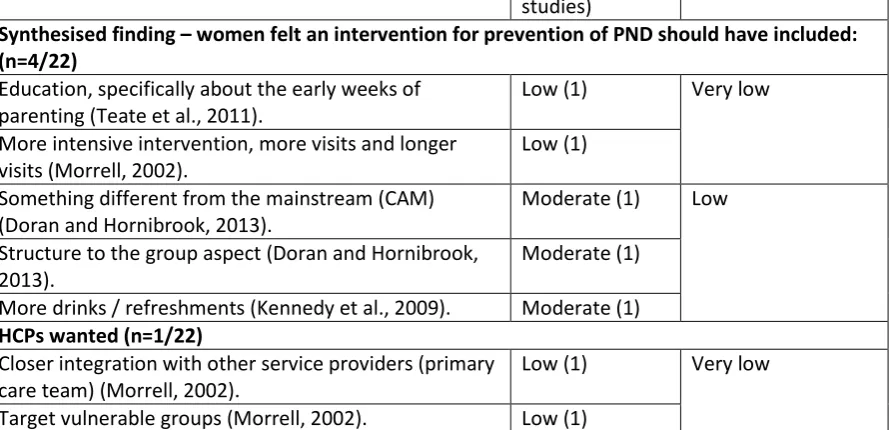
Table 8 - What women and HCPs thought a preventive intervention should include. What did you need? (n=number contributing to the
findings / total included studies)
Evidence source: CASP (number of studies)
Certainty in CERQual (Glenton, et al., 2013)
Synthesised finding – women felt an intervention for prevention of PND should have included: (n=4/22)
Education, specifically about the early weeks of parenting (Teate et al., 2011).
Low (1) Very low
More intensive intervention, more visits and longer visits (Morrell, 2002).
Low (1)
Something different from the mainstream (CAM) (Doran and Hornibrook, 2013).
Moderate (1) Low
Structure to the group aspect (Doran and Hornibrook, 2013).
Moderate (1)
More drinks / refreshments (Kennedy et al., 2009). Moderate (1) HCPs wanted (n=1/22)
Closer integration with other service providers (primary care team) (Morrell, 2002).
Low (1) Very low
4. Discussion
This review presents women's and HCPs’ perceptions of interventions designed for the prevention of PND. The findings offer insight in to the mechanisms of preventive interventions which were
perceived by women and by HCPs as important to the success of the intervention and could
therefore contribute towards an understanding of what might make a more successful intervention.
Although the quality of the study reports included in the review was low to moderate the studies were in general suitable for the purpose of the review. Although the quality of the studies would have been increased by limiting to only studies which could be identified as qualitative research (i.e., using both accepted methods of qualitative data collection and data analysis), important data may have been missed had this criterion been applied. It was not considered necessary to perform a formal qualitative sensitivity analysis to confirm this. For example, one study rated as low quality (Teate et al., 2011) provided insights from postnatal women reflecting on the information they had recognised, in hindsight, they needed from an antenatal intervention.
These insights provide potentially important information for the development of future
interventions. The findings of the synthesis showed, what women thought was helpful, as part of group interventions, was support from other group members and HCPs, and that partner support was fostered. In individual interventions women felt they were able to rely on the HCPs and developed close relationships with them. Educational aspects of both group and individual interventions appeared to lead to empowerment through gaining knowledge about pregnancy, childbirth and the postnatal period, and about PND.
What women thought was unhelpful, in a minority of cases, was the presence and involvement of partners during group interventions, and in individual interventions some women felt they did not understand that the HCP was there to support them and not just the baby. Some women also commented that interventions ended too soon at a time when they were still in need of support. Women thought, what could have been included was more time for sharing experiences with peers during group interventions. Barriers to participation were associated with the stigma around asking for help, and practical difficulties such as not being able to get to appointments.
What HCPs thought helpful was that interventions were a helpful forum for the provision of support. They felt they could better develop relationships with the women when delivering care in a group setting, that better relationships between other HCPs involved in the woman's care could be developed, and that group care enhanced opportunities to teach and educate women.
What HCPs thought was unhelpful was the potential for development of over dependence on the HCP or service. What HCPs thought could have been included was to target vulnerable groups and to promote closer integration with other HCPs.
In terms of the implications for the development of preventive intervention for PND, although group care appears acceptable to the majority, a minority of women did not want group care, requiring that considered matching of intervention type to women should take place. Even those who
expressed positive feelings about group care felt they would benefit from additional individual care. Individual care may again be suited to women with particular needs and preferences. The barriers to accessing support in individual care settings should be addressed, such as, the importance of
The findings suggest that the way provision of information about PND is approached is important, as women were aware of problems of stigma around asking for this type of information. The evidence presented here also suggests that in the postnatal period, only after an intervention has ended, women may become aware of gaps in their knowledge. This presents a challenge around how to provide information that pregnant women may not think they need and highlights the need to consider the view of postnatal women when designing an intervention. Care should be taken to listen to HCPs’ views on the development of a service, to encourage inter-disciplinary working, and address fears around professional conflicts and training for those with a non-clinical background, such as peer volunteers, to address a lack of confidence in dealing with difficult situations. Although most of the studies reported on the characteristics of the participants in terms of age and ethnicity, most did not report on the effect of these factors. Only one study reported that their intervention had been adapted to account for cultural differences (Gao et al., 2012), and another was focussed on teenage mothers (Shanok et al., 2007). The effect of such factors may be an important and overlooked consideration.
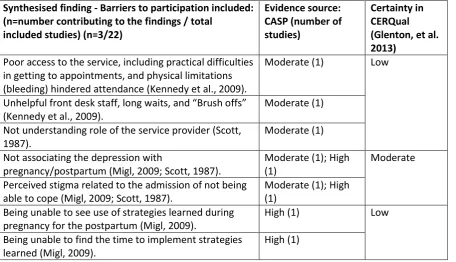
Table 9 - What women thought the barriers to accessing interventions were. Synthesised finding - Barriers to participation included:
(n=number contributing to the findings / total included studies) (n=3/22)
Evidence source: CASP (number of studies)
Certainty in CERQual (Glenton, et al. 2013)
Poor access to the service, including practical difficulties in getting to appointments, and physical limitations (bleeding) hindered attendance (Kennedy et al., 2009).
Moderate (1) Low
Unhelpful front desk staff, long waits, and “Brush offs” (Kennedy et al., 2009).
Moderate (1)
Not understanding role of the service provider (Scott, 1987).
Moderate (1)
Not associating the depression with
pregnancy/postpartum (Migl, 2009; Scott, 1987).
Moderate (1); High (1)
Moderate
Perceived stigma related to the admission of not being able to cope (Migl, 2009; Scott, 1987).
Moderate (1); High (1)
Being unable to see use of strategies learned during pregnancy for the postpartum (Migl, 2009).
High (1) Low
Being unable to find the time to implement strategies learned (Migl, 2009).
4.1. Limitations
Limitations include the fact that the majority of the included studies were of moderate or low quality, as assessed using CerQual (Glenton et al., 2013). Word limits imposed by journals may have contributed to this. Such limitations may result in a lack of rich data consistently across all studies, limiting to some degree interpretations that can be made, particularly for some of the minor themes identified. The methods used to generate data may have contributed to this limitation as some studies used methods such as open-ended questions on a questionnaire, and an online forum. While the meta-themes identified were supported by a number of studies and were supported by the CerQual assessment, a number of other findings reported here did not offer the same strength of evidence. Whilst the validity of these findings should not be understated, it may be the case that further research is required to ascertain their generalisability and importance in the development of future interventions.
References
Almond, P., 2009. Postnatal depression: a global public health perspective. Perspect. Public Health 129 (5), 221–227.
Andersson, E., Christensson, K., Hildingsson, I., 2012. Parents' experiences and perceptions of group-based antenatal care in four clinics in Sweden. Midwifery 28 (4), 502–508.
Beck, C.T., 2002. Postpartum depression: a metasynthesis. Qual. Health Res. 12 (4), 453–472. Brealey, S.D., Hewitt, C., Green, J.M., Morrell, J., Gilbody, S., 2010. Screening for postnatal
depression: is it acceptable to women and healthcare professionals? A systematic review and meta-synthesis (Provisional abstract). J. Reprod. Infant Psychol. 28, 328–344.
Carolan, M., Barry, M., Gamble, M., Turner, K., Mascarenas, O., 2012a. The Limerick Lullaby project: an intervention to relieve prenatal stress. Midwifery 28 (2), 173–180.
Carolan, M., Barry, M., Gamble, M., Turner, K., Mascarenas, O., 2012b. Experiences of pregnant women attending a lullaby programme in Limerick, Ireland: a qualitative study. Midwifery 28 (3), 321–328.
Coe, C., Barlow, J., 2013. Supporting women with perinatal mental health problems: the role of the voluntary sector. Community Pract. 86 (2), 23–27.
Critical Appraisal Skills Programme (CASP). 2014. CASP Checklists, Oxford, CASP. 〈 http://www.casp-uk.net/#!casp-tools-checklists/c18f8〉.
Dennis, C.L., 2010. Postpartum depression peer support: maternal perceptions from a randomized controlled trial. Int. J. Nurs. Stud. 47 (5), 560–568.
Dennis, C.L., 2013. Peer support for postpartum depression: volunteers' perceptions, recruitment strategies and training from a randomized controlled trial. Health Promot. Int. 28 (2), 187–196. Dennis, C.L., Allen, K., 2008. Interventions (Other than Pharmacological, Psychosocial or
Psychological) for Treating Antenatal Depression. Cochrane Database of Systematic Reviews (4) CD006795.
Doran, F., Hornibrook, J., 2013. Women's experiences of participation in a pregnancy and postnatal group incorporating yoga and facilitated group discussion: a qualitative evaluation. Women Birth 26 (1), 82–86.
Dubus, N., 2014. Permission to be authentic: an intervention for postpartum women. J. Women Soc. Work 29 (1), 43–55.
Evans, M., Donelle, L., Hume-Loveland, L., 2012. Social support and online postpartum depression discussion groups: a content analysis. Patient Educ. Couns. 87 (3), 405–410.
Fontein-Kuipers, Y.J., Nieuwenhuijze, M.J., Ausems, M., Bude, L., Vries, R., 2014. Antenatal
interventions to reduce maternal distress: a systematic review and metaanalysis of randomised trials. BJOG: Int. J. Obstet. Gynaecol. 121, 389–397.
Gaynes, B. N., Gavin, N., Meltzer, B. S., Lohr, K. N., Swinson, T., Gartlehner, G., Brody, S., Miller, W. C. 2005. Perinatal Depression: Prevalence, Screening Accuracy, and Screening Outcomes, Agency for Healthcare Research and Quality., Rockville, MD, Evidence Report/Technology Assessment No. 119.
Glenton, C., Colvin, C.J., Carlsen, B., Swartz, A., Lewin, S., Noyes, J., Rashidian, A., 2013. Barriers and facilitators to the implementation of lay health worker programmes to improve access to maternal and child health: qualitative evidence synthesis. Cochrane Database Syst. Rev., 10. Glover, V., 2014. Maternal depression, anxiety and stress during pregnancy and child outcome; what
needs to be done. Clin. Obstet. Gynaecol. 28 (1), 25–35.
Heron, J., O'Connor, T.G., Evans, J., Golding, J., Glover, V., 2004. The course of anxiety and
depression through pregnancy and the postpartum in a community sample. J. Affect. Disord. 1, 65–73.
Kennedy, H.P., Farrell, T., Paden, R., Hill, S., Jolivet, R., Willetts, J., Rising, S.S., 2009. “I wasn't alone"-a study of group prenalone"-atalone"-al calone"-are in the militalone"-ary. J. Midwifery Women’s Healone"-alth 54, 176–183. Klima, C., Norr, K., Vonderheid, S., Handler, A., 2009. Introduction of CenteringPregnancy in a public
health clinic. J. Midwifery Women's. Health 54 (1), 27–34.
Lancaster, C.A., Gold, K.J., Flynn, H.A., Yoo, H., Marcus, S.M., Davis, M.M., 2010. Risk factors for depressive symptoms during pregnancy: a systematic review. Am. J. Obstet. Gynecol. 202 (1), 5– 14.
Lehman, E., 2012. Centering Pregnancy: A Combined Quantitative and Qualitative Appraisal of Women's Experiences of Depression and Anxiety During Group Prenatal Care Wheaton Coll. McNeil, D.A., Vekved, M., Dolan, S.M., Siever, J., Horn, S., Tough, S.C., 2012. Getting more than they
realized they needed: a qualitative study of women's experience of group prenatal care. BMC Pregnancy Childbirth 12 (1), 17.
McNeil, D.A., Vekved, M.F., Dolan, S.M., FAU - Siever, J., Siever, J.F., Horn, S.F.A.U., Tough, S., Tough, S.C., 2013. A qualitative study of the experience of CenteringPregnancy group prenatal care for physicians. BMC Pregnancy Childbirth 13 (Suppl 1), S6.
Migl, K.S., 2009. The lived experiences of prenatal stress and mind-body exercises: reflections of post-partum women (Dissertation, Ph.D.). University of Texas Medical Branch Graduate School of Biomedical Sciences.
Morrell, C.J., 2002. Postnatal support: Who Wants It, What Is Its Benefit and How Much Does It Cost (Dissertation Ph.D.). University of Sheffield.
Murray, L., Halligan, S., Cooper, P., 2010. Effects of postnatal depression on mother infant
interactions, and child development. In: secondGavin Bremner, J., Wachs, Theodore D. (Eds.), In Handbook of Infant Development 2. Wiley Online Library, 192–220.
Myors, K.A., Schmied, V., Johnson, M., Cleary, M., 2014. My special time: Australian women's experiences of accessing a specialist perinatal and infant mental health service. Health Soc. Care Commun. 22 (3), 268–277.
Novick, G., Sadler, L.S., Knafl, K.A., Groce, N.E., Kennedy, H.P., 2012. The intersection of everyday life and group Prenatal care for women in two urban clinics. J. Health Care Poor Under. 23 (2), 589– 603.
Novick, G., Reid, A., Lewis, J., Kershaw, T.S., Rising, S.S., Ickovics, J., 2013. Group prenatal care: model fidelity and outcomes. Am. J. Obstet. Gynecol. 209 (2), 112, (e1).
Noyes, J., Lewin, S. 2011, Extracting Qualitative Evidence. Supplementary guidance for inclusion of qualitative research in Cochrane Systematic Reviews of Interventions Version 1.
Oates, M.R., Cox, J.L., Neema, S., Asten, P., Glangeaud-Freudenthal, N., Figueiredo, B., Gorman, L.L., Hacking, S., Hirst, E., Kammerer, M.H., Klier, C.M., Seneviratne, G., Smith, M., Sutter-Dallay, A.L., Valoriani, V., Wickberg, B., Yoshida, K., TCS-PND Group, 2004. Postnatal depression across countries and cultures: a qualitative study. Br. J. Psychiatry - Suppl. 46, s10–s16.
Scott, D., 1987. Maternal and child health nurse: role in post-partum depression. Aust. J. Adv. Nurs. 5 (1), 28–37.
Shanok, A.F., 2007. Experiences of pregnancy and parenting among inner city teens attending an alternative public school (Dissertation Ph.D.). Columbia University.
Shanok, A.F., Miller, L., 2007a. Depression and treatment with inner city pregnant and parenting teens. Arch. Women'S. Ment. Health 10 (5), 199–210.
Shanok, A.F., Miller, L., 2007b. Stepping up to motherhood among inner-city teens. Psychol. Women Q. 31 (3), 252–261.
Slade, P., Morrell, C., J., Rigby, A., Ricci, K., Spittlehouse, J., Brugha, T.S., 2010. Postnatal women's experiences of management of depressive symptoms: a qualitative study. Br. J. Gen. Pract. 60 (580), e440–e448.
Tanner-Smith, E.E., Steinka-Fry, K.T., Lipsey, M.W., 2012. A multi-site evaluation of the
CenteringPregnancy programs in Tennessee. Peadbody Research Institute, Vanderbilt University, Nashville, TN.
Teate, A., Leap, N., Rising, S.S., Homer, C.S., 2011. Women's experiences of group antenatal care in Australia-the centering pregnancy pilot study. Midwifery 27 (2), 138–145.
Thomas, J., Harden, A., 2008. Methods for the thematic synthesis of qualitative research in systematic reviews. BMC Med. Res. Methodol. 8 (1), 45.
Wheatley, S.L., Brugha, T.S., 1999. Just because I like it doesn't mean it has to work': Personal experiences of an antenatal psychosocial intervention designed to prevent postnatal depression. Int. J. Ment. Health Promot. 1, 26–31.
Wheatley, S.L., Brugha, T.S., Shapiro, D.A., 2003. Exploring and enhancing engagement to the psychosocial intervention 'Preparing for Parenthood'. Arch. Women's. Ment. Health 6, 275–285. Wisner, K.L., Sit, D.K., Hanusa, B.H., Moses-Kolko, E.L., Bogen, D.L., Hunker, D.F., 2009. Major
depression and antidepressant treatment: impact on pregnancy and neonatal outcomes. Am. J. Psychiatry 166, 557–566.