S T U D Y P R O T O C O L
Open Access
Mobility of Vulnerable Elders (MOVE): study
protocol to evaluate the implementation and
outcomes of a mobility intervention in long-term
care facilities
Susan E Slaughter
1*, Carole A Estabrooks
1, C Allyson Jones
2and Adrian S Wagg
3Abstract
Background:Almost 90% of residents living in long-term care facilities have limited mobility which is associated with a loss of ability in activities of daily living, falls, increased risk of serious medical problems such as pressure ulcers, incontinence and a significant decline in health-related quality of life. For health workers caring for residents it may also increase the risk of injury. The effectiveness of rehabilitation to facilitate mobility has been studied with dedicated research assistants or extensively trained staff caregivers; however, few investigators have examined the effectiveness of techniques to encourage mobility byusual caregiversin long-term care facilities.
Methods/Design:This longitudinal, quasi-experimental study is designed to demonstrate the effect of the sit-to-stand activity carried out by residents in the context of daily care with health care aides. In three intervention facilities health care aides will prompt residents to repeat the sit-to-stand action on two separate occasions during each day and each evening shift as part of daily care routines. In three control facilities residents will receive usual care. Intervention and control facilities are matched on the ownership model (public, private for-profit, voluntary not-for-profit) and facility size. The dose of the mobility intervention is assessed through the use of daily
documentation flowsheets in the health record. Resident outcome measures include: 1) the 30-second sit-to-stand test; 2) theFunctional Independence Measure; 3) theHealth Utilities Index Mark 2 and 3;and, 4) theQuality of Life -Alzheimer’s Disease.
Discussion:There are several compelling reasons for this study: the widespread prevalence of limited mobility in this population; the rapid decline in mobility after admission to a long-term care facility; the importance of mobility to quality of life; the increased time (and therefore cost) required to care for residents with limited mobility; and, the increased risk of injury for health workers caring for residents who are unable to stand. The importance of these issues is magnified when considering the increasing number of people living in long-term care facilities and an aging population.
Trial Registration:This clinical trial is registered with ClinicalTrials.gov (trial registration number: NCT01474616).
Background
Immobility is a major factor contributing to a reduced quality of life and preventable adverse events among older adults living in residential long-term care (LTC). Of the more than 150,000 older Canadians living in LTC facilities [1] almost 90% have some type of reduced
mobility, [2] with approximately 40% of LTC residents with dementia losing their ability to walk annually [3,4]. Immobility leads to a loss of ability in activities of daily living (e.g. dressing or toileting), increased risk of falls and medical problems such as pressure ulcers and incontinence [5-9]. Although the adverse consequences of immobility and bed rest have been known for many years, elderly residents living in LTC facilities still com-monly sit in wheelchairs or lie in bed for prolonged
* Correspondence: [email protected]
1Faculty of Nursing, University of Alberta, Edmonton, Canada
Full list of author information is available at the end of the article
periods of time, in many cases for most of their waking hours [10,11].
When a resident loses the ability to stand up from a chair, the bed, or a toilet, both the time and the cost of health care escalate dramatically [12,13]. Transferring the resident then involves seeking a second health care aide to assist and often retrieving a mechanical lift to assist with the transfer. In the resource constrained environment of LTC, the extra time required for a transfer may translate to fewer transfers, significant delays in toileting (if toileted at all), and higher risk for a host of adverse consequences associated with immobi-lity. Inactivity significantly affects quality of life for LTC residents in terms of ability to walk, balance and transfer [14-16].
Residents’immobility has ramifications on the nature of the work in LTC. Increased resident dependency increases the workload for health care aides as they per-form more lifting and thereby heightens their risk of injury [17,18]. Approximately 60% of the loss of ability to walk in residents with dementia is potentially treata-ble [4]. The effectiveness of rehabilitation to facilitate mobility has been studied in LTC settings with dedi-cated research assistants or extensively trained staff caregivers [19-30]; however, the evidence that such rehabilitative approaches will be transferred, accepted, or sustained in the typically resource constrained envir-onments of contemporary residential LTC facilities is lacking [31-33]. Few investigators have examined the effectiveness of techniques to encourage mobility by the usual caregivers in these settings, that is, by the unregu-lated health care aide workforce.
The primary purpose of this study is to determine if a simple mobility innovation (the sit-to-stand activity), implemented within the context of routine care activities of health care aides, can maintain or improve the mobi-lity, function, and health-related quality of life of resi-dents with dementia in LTC facilities.
We have selected our mobility intervention to be the sit-to-stand activity based on: a) the feasibility of inte-grating it into the daily practices of health care aides and residents using existing resources; b) preliminary evidence which supports integrating activity into func-tional situations such as dressing, toileting, or walking rather than introducing an exercise [27,34]; and, c) evi-dence suggesting that performance of the sit-to-stand activity may delay the well known trajectory of func-tional decline in LTC residents [24,32,34-38]. The sit-to-stand activity is thought to be one of the most mechanically demanding for LTC residents [39], yet it is still considered to be a low intensity exercise. Low intensity exercise has been found to improve physical performance [40,41] and activities of daily living [40,42,43] among frail older adults in LTC facilities
although high intensity exercise did achieve a greater effect [40].
The benefits of implementing this simple sit-to-stand activity are seen at several levels. The intervention is low cost, does not require any specialized staff, training or equipment nor does it involve an important increase in the time required to care for residents; thus the mobility intervention possesses most of the attributes of successfully adopted innovations [44]. At the level of the health care aide and resident, standing up from a chair has the following attributes: relative advantage (does not require extensive training); compatibility (is consistent with activity in existing routines); low complexity (is a simple activity); trialability (can be easily tried and cus-tomized to individual residents); and, observability (improved mobility was visible to some health care aides during the pilot study).
Prior to the development of this protocol we com-pleted a pilot study to assess the effect of the uptake of the sit-to-stand mobility intervention by health care aides on the mobility of LTC residents with dementia. This enabled us to: (1) assess the feasibility of integrat-ing a simple activity into the daily work of health care aides; (2) develop a method of monitoring the adherence of health care aides to the activity; (3) calculate an appropriately powered sample size; and (4) begin to assess the response of this frail LTC population to the mobility intervention [34]. In the pilot study we assessed the mobility of 32 residents at baseline and after four months of exposure to the sit-to-stand intervention with the assistance of health care aides on day and evening shifts. Residents completed a mean of 29.7 (SD = 20.79; range 2 to 76) occasions of sit-to-stand repetitions in the month prior to the measurement of their sit-to-stand performance. For every 12 occasions of repeating the sit-to-stand exercise that month, the odds of improving or maintaining performance with the 30-sec-ond sit-to-stand test doubled (p = 0.02). This early find-ing with a small sample provides promisfind-ing evidence that exposure to the sit-to-stand functional activity car-ried out in the context of daily care with health care aides may delay the loss of ability to transfer in nursing home residents with dementia [45]. We hypothesize that this ability to transfer will positively influence the resi-dent’s overall mobility, function and health-related qual-ity of life.
Our research question is: What is the effect of the sit-to-stand mobility intervention on the mobility, function, and health-related quality of life of LTC residents with dementia?
Methods/Design
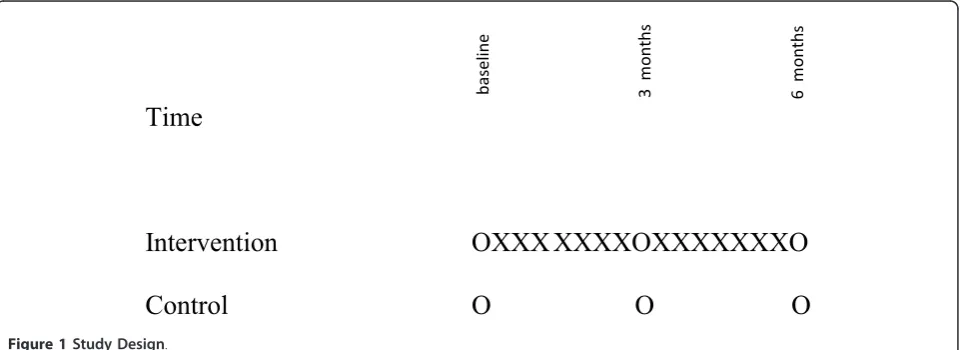
on the mobility, function, and health-related quality of life of LTC residents with dementia (Figure 1).
Sampling and recruitment
Residents with dementia residing in six LTC facilities in Edmonton, and the health care aides working with them, will be recruited to participate in the study. The purposive sample of research participants will be recruited from units which serve cognitively and physi-cally frail older adults rather than units for young dis-abled people or sub-acute units. Residents that have a diagnosis of dementia and are able to transfer indepen-dently, or with the assistance of one person, will be eli-gible for inclusion in the study. Residents with a serious physical illness or life expectancy less than six months at the time of recruitment will be excluded from the study. We expect that most of the resident participants will be recruited to the study within eight months, how-ever recruitment will continue throughout the study if necessary.
Sample Size
The sample size calculation for the number of resident participants is based on the primary outcome measure in the pilot study: the number of sit-to-stands that the resident is able to complete in 30 seconds. Based on our earlier pilot work, we observed residents’ ability to maintain and in some instances increase the number of sit-to-stands that they could complete in 30 seconds. We judge an increase of two sit-to-stands completed in 30 seconds to be a meaningful change in the residents’ mobility. Based on existing research [10,38,46,47] and the pilot study, the standard deviation of the 30-second sit-to-stand measure is 3.5 sit-to-stands. Thus we will need 49 residents in each of the intervention and the control groups to detect an increase in the number of
sit-to-stands that the resident is able to complete in 30 seconds (power = 0.80; 2-tailed; a= 0.05). Assuming an attrition rate of 20% over 6 months we will recruit 60 residents to the intervention group and 60 residents to the control group. We expect to succeed in recruiting and following our sample of 120 residents based on our experience with the pilot study and the experience of SES who recruited similar samples in two previous stu-dies using similar recruitment methods [4,48].
Intervention
Health care aides will be trained to prompt residents to repeatedly stand up and sit down on four occasions dur-ing daily functional activities (twice on each of the day and evening shifts). The number of repetitions on each occasion will vary according to residents’ability and fati-gue. The sit-to-stand activity is to be integrated into usual care routines such as when entering the dining room at mealtimes, while toileting, and on other occa-sions of regular activity. The timing and location will be at the discretion of the health care aide. Health care aides will be reminded that, as with their usual care activities, when a resident’s condition deteriorates they should consult with the registered nurse or licensed practical nurse about the appropriateness of repeating the sit-to-stand activity.
Intervention group
Residents in the three intervention facilities will be exposed daily to the intervention for 6 months. This will enable an assessment of the effect of the intervention on residents’mobility over time and a preliminary assess-ment of the sustainability of the intervention. Their mobility, function in basic activities of daily living, and health-related quality of life will be measured at base-line, 3 months and 6 months.
Time
Intervention
OXXX
XXXXOXXXXXXXO
Control
O
O
O
baseline 3 m
ont
hs
6 m
ont
hs
Control group
Resident participants in the control facilities will receive usual care. The only change in their routine will be the measurement of mobility, function and health-related quality of life on three occasions as for residents in the intervention group. Health care aides may work in more than one unit in a facility thus intervention and control groups will be designated at the facility level rather than the unit level to avoid contamination of the control group. It is also possible that some health care aides may work in more than one facility. We will assess the extent of contamination of the control group at the end of the study by asking health care aides who work con-trol facilities if they have ever encouraged residents in the control facilities to repeat sit-to-stands.
LTC facilities in the intervention group will be matched to the control group facilities on ownership model (public, private for-profit, voluntary not-for-profit) and size because quality of care and resident out-comes are associated with ownership models [49-54] and size [48,49,52]. To assess the comparability of the intervention and control facilities a research assistant will gather information about each facility by: a) inter-viewing managers to obtain information such as staff-to-resident ratios on each shift, availability of rehabilitation services and size of units; b) observing activity across both the day and evening shifts using a structured observation schedule; and c) measuring environments using two standardized instruments: the Alberta Context Tool and the Professional Environmental Assessment Protocol (PEAP). Drawing on data collected from the observations and data elicited during the manager inter-views, total PEAP scores will be calculated immediately following each manager interview.
Schedule of Intervention
After obtaining informed consent the research assistant will gather residents’demographic information and mea-sure residents’ baseline mobility, function, and health-related quality of life in both the intervention and con-trol groups (see Figure 1). The extent of baseline mea-surement is limited because of the frailty of this population and the likelihood of attrition during the study period. After baseline measurement the mobility intervention will be introduced exclusively to residents in the intervention group. Resident outcomes will be measured for both the intervention and comparison groups at three months and six months.
Procedure
As the first residents are recruited from each tion facility we will introduce the sit-to-stand interven-tion to the interveninterven-tion facilities on the units where the residents reside. A nurse educator contracted for the
study will deliver 20 minute education sessions on the sit-to-stand functional activity to as many health care aides as possible who are working on both day and eve-ning shifts. These 20 minute sessions will be offered between 8 and 32 times depending on the size of the intervention facility. During these small group education sessions we will: a) describe the potential rationale for the sit-to-stand activity; b) provide standardized instruc-tion and practice of the activity; and, c) illustrate how to document resident participation with the sit-to-stand activity. Following the education sessions health care aides will begin to facilitate the sit-to-stand activity with residents in their care who have been recruited to the study. Our pilot study demonstrated that health care aides require encouragement at regular intervals to con-sistently integrate the sit-to-stand activity into their daily routine. Thus we have included knowledge transla-tion interventransla-tions that were tested in the pilot study to optimize the likelihood that residents in the treatment group will perform the sit-to-stand activity. In the first month the nurse educator will return to the intervention facilities to converse with the health care aides about their experiences with the sit-to-stand activity and to facilitate problem-solving around any barriers that they may have encountered. In the second month a set of reminders will be introduced including: a) prominently posting the names of resident participants where the change of shift occurs; b) affixing a colourful sticker to residents’bedroom doors and beside their beds; and, c) marking with a sticker the usual documentation flow-sheets where the health care aides record residents’ shift-to-shift responses to the exercise. During the third month 20 minute problem solving sessions with health care aides will be conducted to identify barriers to com-pleting the sit-to-stand activity and to suggest ways to overcome them. The next month a poster and small handouts that summarize the discussion and problem-solving sessions will be posted on the treatment units and distributed to the health care aides. Each month a different approach will be taken to heighten the aware-ness of the health care aides about the importance of continuing to integrate the sit-to-stand activity into the residents’activities of daily living.
independent of the nurse educator who will introduce the mobility intervention to the intervention group. The research assistant will not have access to data that were collected during the previous round of assessments and are unlikely to recall residents’ precedent scores. The research assistant will assess all residents for the dura-tion of the study unless unavailable; when the research manager will perform this duty. Therefore inter-rater reliability between the research assistant and the research manager will be assessed at the beginning, mid-dle, and end of data collection.
The extent to which resident participants in the inter-vention group are exposed to the sit-to-stand activity will be measured using daily documentation flowsheets which are part the residents’ health record. Managers expect these flowsheets to be completed by health care aides at the end of every day and evening shift. The pre-cise method of incorporating the documentation of the sit-to-stand activity will be tailored to the existing flow-sheets in the intervention group facilities. Experience from the pilot study demonstrated that this usual method of documenting personal care using a flowsheet can be an effective and efficient means to assess the sit-to-stand activity adherence of both the health care aides and the residents. We will use this usual documentation as a research data collection tool to minimize the response burden for health care aides. The research assistant will conduct spot checks to compare health care aide performance of the sit-to-stand activity with what they record on the flowsheets. The flowsheets will be collected monthly for the duration of the study.
The frequency and intensity of practicing the sit-to-stand activity will be abstracted from the flowsheets every month in the intervention facilities. The number of occasions per month that health care aides document that the functional activity is completed will be the measure of the frequency. The mean number of sit-to-stands completed on each occasion will be the measure of performance intensity. If after one month it is appar-ent that the residappar-ents in the intervappar-ention group are not performing the sit-to-stand activity at least once a day then we will conduct brief interactive education sessions with the health care aides to review the procedure for the sit-to-stand activity and the documentation process and to identify strategies to overcome any reported barriers.
Measures
We are interested in functional activity which, according to the International Classification of Functioning, Dis-ability and Health [55] framework, involves the execu-tion of tasks or acexecu-tions at the level of the whole human being in the daily life of the individual; therefore, we will measure functional outcomes rather than balance
and strength which more narrowly focus on body func-tions and structure.
Outcomes
Mobility
The sit-to-stand action is a functional activity that has been incorporated into a number of mobility measures including the time to rise without using arms, time for 5 sit-to-stands, time for 10 sit-to-stands, and the number of sit-to-stands completed in 30 seconds. We have cho-sen to measure mobility using the number of sit-to-stands in 30 seconds because in the frail nursing home population many residents must use their arms to stand [10,38,47,48] and may be unable to complete more than one sit-to-stand. This mobility assessment will be com-pleted by a research assistant using a stopwatch and standard armchair with a standard height of 42 cm. Residents will be instructed to stand up and sit down as many times as possible until they are asked to stop after 30 seconds. In a group of community-dwelling older adults aged 66 to 97 years [47], researchers found evi-dence for test-retest reliability, criterion validity (com-paring the chair stand performance to a measure of lower body strength), and discriminant validity (compar-ing performance in different age and physical activity groups) with the 30-second sit-to-stand test.
Function
The Functional Independence Measure (FIM) is an 18-item instrument which assesses the amount of assistance required to complete basic activities of daily living using a 7-point scale graded from 1 (dependent) to 7 (inde-pendent) [56-58]. The FIM includes motor (self-care, sphincter control, transfers, locomotion) and cognitive (communication and social-cognition) subscales. The 18 individual items are totalled to produce a score ranging from 18 to 126. Originally designed with rehabilitation populations in mind [57], the reliability and validity of the FIM has been assessed with older adults in acute care [59] and the community [58,60] with demonstrated reliability in each of these settings [61]. More recently the FIM has been used in a LTC setting [21,62,63] and has been compared with the Resident Assessment Instrument [64-68]. Eight responsiveness studies all found the physical but not the cognitive subscales to be responsive to change [59,65]. We will interview health care aides using a structured questionnaire to measure residents’functional abilities.
Health-Related Quality of Life
takes 15 to 20 minutes to administer the HUI2 to frail older adults [71]. The HUI2 assesses capacity on six dimensions (or attributes) of health status: sensation (vision, hearing, and speech), mobility, emotion, cogni-tion, self-care, and pain. The HUI3 assesses capacity on eight attributes: vision, hearing, speech, ambulation, dex-terity, emotion, cognition, and pain with each attribute consisting of five or six levels ranging from normal to severely impaired function. The HUI3 may be less prone to floor effects than the HUI2, and the HUI3 has a greater capacity to measure a wider range of utility scores than does the HUI2. Together the HUI2 and HUI3 provide complementary and clinically relevant information for LTC residents with dementia. Both have been used in samples of people with dementia [72-75]. When the HUI2 was administered to frail older adults and caregiver proxy respondents of people with demen-tia there was evidence of discriminant validity [76], con-struct validity [74] and responsiveness to decline but not responsiveness to improvement [72,74]. A change of 0.03 or more in overall HUI scores is considered clini-cally important as is a change in level within any of the HUI attributes [71]. The HUI2/3 was chosen over other health-related quality of life measures because its wide-spread use facilitates the interpretation of results and allows comparisons.
Dementia Specific Quality of Life
Because utility based instruments are generic measures, a measure of attributes specific to residents with demen-tia is also needed [76]. We have selected the caregiver version of the Quality of Life - Alzheimer’s Disease (QOL-AD) instrument because it has excellent psycho-metric properties, is brief (generally administered in 10 minutes), and is based on a sound conceptual frame-work. The QOL-AD was developed to capture the domains considered important to health-related quality of life in Lawton’s broad conceptual framework: the interpersonal; environmental; functional; physical; and, psychological domains [77,78]. The 13 items including physical health, energy, mood, living situation, memory, family, marriage, friends, self as a whole, ability to do chores around the house, fun, money and life as a whole scored on a 4-point Likert scale ranging from 1 (poor) to 4 (excellent). Total scores range from 13 to 52 with 6 points on the QOL-AD scale equivalent to 1 standard deviation. The instrument has demonstrated responsive-ness to change [79,80] and good evidence of reliability (coefficienta = 0.87; ICC = 0.92) and validity [80-83]. Caregiver ratings on the QOL-AD were not correlated with various levels of the person with dementia’s cogni-tive functioning. Criterion related validity was demon-strated with Pearson correlation coefficients for measures of behavioural competence, psychological sta-tus, physical function and interpersonal environment
[82,84]. Some individual item scores for the person with dementia do not correlate with those of the proxy care-giver [82,84].
Covariates
Depression, cognitive impairment, and comorbidities have been identified as important predictors of loss of mobility [85-87]. Measures for each of these covariates can be derived from the Resident Assessment Instru-ment 2.0 (RAI 2.0) [88-90] which is completed quarterly in all Alberta LTC facilities. We have opted to use these data for some of the covariate measures to minimize response burden. For each resident participant we will acquire the RAI 2.0 data directly from the LTC facility for the three quarters that best approximate the times in which resident’s baseline, three month and six month outcome data are collected. We will use the following scales derived from the RAI 2.0: the MDS Depression Rating Scale (DRS) [91,92]; the Cognitive Performance Scale (CPS)[93-95]; and, the Changes in Health, End-stage disease Symptoms & Signs Scale (CHESS)[96].
The degree to which the environment supports the person with dementia has been identified as an impor-tant predictor of loss of mobility [4]; therefore we will use the Professional Environmental Assessment Protocol (PEAP) and theAlberta Context Tool (ACT) as covari-ates. The PEAP provides a global assessment of the quality of dementia care environments on nine dimen-sions deemed to be therapeutic for people with demen-tia: awareness and orientation, safety and security, provision of privacy, regulation of stimulation, quality of stimulation, support of functional abilities, opportunities for personal control, facilitation of social contact, and continuity of the self with the past through personal and familiar objects. It involves a subjective evaluation of the physical and social environment on a 13-point scale for each dimension, with total scores ranging from 13 to 117 [97]. All PEAP dimensions have demonstrated good inter-rater reliability: percentage agreement from 58.3 to 91.7%, Spearman’s from 0.69 to 0.88 and kappas from 0.69 to 0.85 [98]. The PEAP total scores correlate with the more established Therapeutic Environment Screen-ing Scale (r = 0.89) [99] providScreen-ing evidence for criter-ion-related validity [100]. Correlations among the PEAP dimensions ranged from 0.45 to 0.85 and a principal components analysis generated a single factor structure for the nine PEAP dimensions accounting for 67% of the total variance [101]. The PEAP summary scores dis-criminated between special care units and integrated facilities in rural Canadian LTC facilities [101].
leadership, evaluation, social capital, informal interac-tions, formal interacinterac-tions, structural and electronic resources, and organizational slack [102]. The ACT comprises 56 multiple choice items scored on five-point scales with the exception of the structural and electronic resources items scored on a six-point scale. Psycho-metric properties of the measure were assessed with a sample of health professionals in six Canadian pediatric hospitals [103]. A principal components analysis gener-ated a 13 factor structure accounting for 59% of the total variance. Correlations among the 13 ACT factors ranged from 0.54 to 0.91providing evidence for internal consistency. Instrumental research utilization [103] was correlated with 12 of the 13 ACT factors at the 5% level of significance providing evidence of construct validity.
Facility level characteristics such as size of facility, size of unit and ownership model (public, private for-profit, voluntary not-for-profit) are also potential predictors of resident outcome.
Data Analysis
All data will be entered into an SPSS 19 database (IBM, 2010, ©IBM Corporation). Ten percent of the data will be double entered to assess the accuracy of data entry. We will compare the baseline characteristics of the LTC facilities, health care aides, and residents in the interven-tion group with the control group by computing descriptive statistics. Data are structured for each out-come measure (the 30-second sit-to-stand test; the Functional Independence Measure; the Health Utilities Index Mark 2 and 3; and, theQuality of Life - Alzhei-mer’s Disease) to allow a mixed between-within subjects analysis of covariance. Specifically, the between subjects factor consists of the two groups (Control versus Inter-vention Group) and the within subject factor consists of the repeated measures. The covariates will include base-line characteristics the residents, including age, sex, level of cognitive impairment (Cognitive Performance Scale), extent of depression (MDS Depression Rating Scale), and extent of health instability (CHESS), and character-istics of the LTC facilities including facility size, unit size, ownership model, and quality of the environment (PEAP and ACT). A Multivariate Analysis of Covariance (MANCOVA) will be used to control the experiment-wise error rate for comparisons. Data will be analyzed according to the intention-to-treat principle, i.e. resi-dents who relocate to another setting or who die before completing the six months of follow-up will be included in the data analysis. The extent to which the residents in the intervention facilities actually received the mobi-lity interventions will be assessed using the documenta-tion flowsheet measures to establish a graphical analysis of the covariate-corrected time course of performance on the mobility intervention. These analyses will be
conducted using SPSS 19 in consultation with a statisti-cian from the Centre of Health Promotion Studies at the University of Alberta.
Ethical Considerations
We have received ethical approval for the study from the Health Research Ethics Board of the University of Alberta. We also have received a letter of support from the senior administrator of each of the six participating LTC facilities.
Adverse Events
Monitoring of adverse events in the intervention facil-ities will be compared with adverse events in the control facilities. We expect to see a reduced incidence of resi-dent falls and related injuries in the intervention facil-ities. Likewise we expect to see a reduction in the injury of health care aides working in the intervention facilities. Resident safety is unlikely to be compromised given our pilot study experience and the experience of others in carrying out exercise interventions in a similar popula-tion [20,28,37,42,104,105]. Although the mobility inter-vention is expected to reduce residents’ risk of falls by maintaining or improving their mobility, maintaining mobility extends the time that residents are at risk of a fall. We will monitor resident participants’falls monthly and compare these with their baseline pattern of falls three months prior to entering the study. In the event of a resident participant falling in one of the interven-tion facilities the principal investigator will decide in collaboration with the LTC facility manager whether or not that resident should remain in the study.
Knowledge Translation
study and the existing literature. It is in the context of the synthesized evidence that decisions will be made about if and how to integrate the new knowledge into practice and/or policy.
Discussion
The findings of this study will provide clinically relevant information on the effect of the sit-to-stand functional activity on mobility, function and health-related quality of life among individuals with dementia. Not only will it provide resident-specific information but also how and if health care aides are willing and able to integrate the activity into their daily work with residents; and what might be done to translate these findings into practice to improve care for LTC residents with dementia. The sit-to-stand mobility intervention introduces change at the level of the LTC facility, the health care team, the individual health care aide, and the resident [108].
This project represents an interdisciplinary partnership between knowledge users and new and established investigators, with a focus on maintaining the mobility, function and health-related quality of life of LTC resi-dents. There are several compelling reasons for this study: the widespread prevalence of limited mobility in this population, the rapid decline in mobility after admission to a LTC facility, the critical importance of mobility to quality of life, the increased time (and there-fore cost) required to care for residents whose mobility is compromised, and the increased risk of injury for health workers who are providing care for residents unable to stand. The importance of these issues is mag-nified when considering the increasing number of peo-ple living in long-term care facilities and an aging population. Demonstrating a feasible and practical mobility intervention with the potential to improve or maintain functional mobility in frail and vulnerable older Canadians in LTC facilities, and to reduce the risk of injury to direct care providers is a safety, economic and, importantly, a quality of life issue.
List of Abbreviations
The list of abbreviations contained in this article are as follows: Functional Independence Measure (FIM); Health Utilities Index Mark 2 and 3 (HUI2/3); Health Utilities Index 2 (HUI2); Health Utilities Index 3 (HUI3); long-term care (LTC); Quality of Life - Alzheimer’s Disease (QOL-AD); intraclass correlation (ICC); Resident Assessment Instrument 2.0 (RAI 2.0); Depression Rating Scale (DRS); Cognitive Performance Scale (CPS); Changes in Health; End-stage disease Symptoms and Signs Scale (CHESS); Professional Environmental Assessment Protocol (PEAP); Alberta Context Tool (ACT) and Multivariate Analysis of Variance (MANCOVA).
Acknowledgements
This research is supported by a grant from the Canadian Institutes of Health Research, Institute of Aging, file # 108891, and received the approval of the Health Research Ethics Board of the University of Alberta on March 31, 2011. We thank Dr. Donald Schopflocher, Associate Professor, Centre of Health Promotion Studies, University of Alberta, for his statistical advice.
Author details
1Faculty of Nursing, University of Alberta, Edmonton, Canada.2Faculty of
Rehabilitation Medicine, University of Alberta, Edmonton, Canada.3Faculty of Medicine and Dentistry, University of Alberta, Edmonton, Canada.
Authors’contributions
SES conceived of the study, led in the development of this protocol and prepared the initial draft the manuscript. CAE, CAJ and ASW participated in the development of the study design and revisions of the protocol. CAJ advised on the selection of outcome measures. All authors read and approved the final manuscript.
Competing interests
The authors declare that they have no competing interests.
Received: 12 August 2011 Accepted: 16 December 2011 Published: 16 December 2011
References
1. Statistics Canada. Residential Care Facilities 2005/2006Ottawa: Statistics Canada; 2007.
2. Williams S, Williams CS, Zimmerman S, Sloane P, Preisser J, Boustani M, Reed PS:Characteristics associated with mobility limitation in LTC residents with dementia.Gerontologist2005,45(Suppl 1):62-67. 3. Carpenter GI, Hastie CL, Morris JN, Fries BE, Ankri J:Measuring change in
activities of daily living in nursing home residents with moderate to severe cognitive impairment.BMC Geriatr2006,6(Article 7), Retrieved July 3, 2008 from http://wwwbiomedcentral.com/1471-2318/6/7.
4. Slaughter SE, Eliasziw M, Morgan D, Drummond N:Incidence and predictors of excess disability in walking among nursing home residents with middle-stage dementia: A prospective cohort study.Int Psychogeriatr 2010,23(1):54-64.
5. Alessi CA, Yoon EJ, Schnelle JF, Al-Samarrai NR, Cruise PA:A randomized trial of a combined physical activity and environmental intervention in nursing home residents: Do sleep and agitation improve?J Am Geriatr Society1999,47(7):784-791.
6. Creditor MC:Hazards of hospitalization of the elderly.Ann Intern Med 1993,18(3):219-223.
7. Harper CM, Lyles YM:Physiology and complications of bed rest.J Am Geriatr Soc1988,36(11):1047-1154.
8. Hoenig HM, Rubenstein LZ:Hospital-associated deconditioning and dysfunction.J Am Geriatr Soc1991,39(2):220-222.
9. Olson EV, Thompson LF, McCarthy JA, Johnson BJ, Edmonds RE, Schroeder LM, Wade M:The hazards of immobility.Am J Nurs1967, 67:780-797.
10. MacRae PG, Schnelle JF, Simmons SF, Ouslander JG:Physical activity levels of ambulatory nursing home residents.J Aging Phys Act1996,4:264-278. 11. Bates-Jensen BM, Schnelle JF, Alessi CA, Al-Samarrai NR, Levy-Storms L:The
effects of staffing on in-bed times of nursing home residents.J Am Geriatr Society2004,52:931.
12. Misplon S, Pacolet J, Hedebouw G:Care time and costs of care for elderly persons with dementia.Arch Belg2004,62:143-156.
13. Williams BC, Li Y, Fries BE, Foley WJ, Schneider D, Gavzzi M:Activities of daily living and costs in nursing homes.Health Care Financ Rev1994, 15(4):117-135.
14. Bourret EM, Bernick LG, Cott CA, Kontos P:The meaning of mobility for residents and staff in LTC facilities.J Adv Nurs2002,37:338-345. 15. Lam JMC, Wodchis WP:The relationship of 60 disease diagnoses and 15
conditions to preference-based health-related quality of life in Ontario hospital-based LTC residents.Med Care2010,48(4):380-387.
16. Trudeau SA, Biddle S, Volicer L:Enhanced ambulation and quality of life in advanced Alzheimer’s disease.J Am Geriatr Soc2003,51:429-431. 17. Alamgir H, Cvitkocich Y, Yu S, Yassi A:Work-related injury among direct
care occupations in British Columbia, Canada.Occup Environ Med2007, 64:769-775.
18. Stobbe TJ, Plummer RW, Jensen RC, Attfield MD:Incidence of low back injuries among nursing personnel as a function of patient lifting frequency.J Safety Res1988,19:21-28.
20. Dechamps A, Diolex P, Thiaudiere E, Tulon A, Onifade C, Vuong T, Helmer C, Bourdel-Marchasson I:Effects of exercise programs to prevent decline in health-related quality of life in highly deconditioned institutionalized elderly persons.Arch Intern Med2010,170(2):162-169. 21. Johnson CSJ, Myers AM, Jones GR, Fitzgerald C, Lazowski DA, Stolee P,
Orange JB, Segall N, Ecclestone NA:Evaluation of the restorative care education and training program for nursing homes.Can J Aging2005, 24(2):115-126.
22. Morris JN, Fiatarone M, Kiely DK, Belleville-Taylor P, Murphy K, Littlehale S, Ooi WL, O’Neill E, Doyle N:Nursing rehabilitation and exercise strategies in the nursing home.J Gerontol A Biol Sci Med Sci1999,54A(10): M494-M500.
23. Ouslander JG, Griffiths PC, McConnell E, Riolo L, Kutner M, Schnelle J: Functional incidental training: A randomized, controlled, crossover trial in Veterans Affairs nursing homes.J Am Geriatr Soc2005,53:1091-1100. 24. Peri K, Kerse N, Robinson E, Parsons M, Parsons J, Latham N:Does
functionally based activity make a difference to health status and mobility? A randomised controlled trial in residential care facilities (The Promoting Independent Living Study; PILS).Age Ageing2008,37:57-63. 25. Remsburg RE, Armacost KA, Radu C, Bennett RG:Impact of a restorative care program in the nursing home.Educ Gerontol2001,27(3-4):261-280. 26. Resnick B, Gruber-Baldini AL, Zimmerman S, Galik E, Pretzer-Aboff I, Russ K,
Hebel JR:Nursing home resident outcomes from the Res-Care intervention.J Am Geriatr Soc2009,57:1156-1165.
27. Rolland Y, Rival L, Pillard F, Lafont CH, Riviere D, Albarede JL, Vellas B: Feasibility of regular physical exercise for patients with moderate to severe Alzheimer disease.J Nutr Health Aging2000,4(2):109-113. 28. Rolland Y, Pillard F, Klapouszczak A, Reynish E, Thomas D, Andrieu S,
Riviere D, Vellas B:Exercise program for nursing home residents with Alzheimer’s disease: a 1-year randomized, controlled trial.J Am Geriatr Soc2007,55:158-165.
29. Schnelle JF, MacRae PG, Ouslander JG, Simmons SF, Nitta M:Functional incidental training, mobility performance, and incontinence care with nursing home residents.J Am Geriatr Soc1995,43:1356-1362. 30. Simpson MR, Stevens P, Kovach CR:Nurses’experience with the clinical
application of a research-based nursing protocol in a LTC setting.J Clin Nurs2007,16:1021-1028.
31. Schnelle JF, Cruise PA, Rahman A, Ouslander JG:Developing rehabilitative behavioural interventions for LTC: Technology transfer, acceptance, and maintenance issues.J Am Geriatr Soc1998,46:771-777.
32. Schnelle JF, Alessi CA, Simmons SF, Al-Samarrai NR, Beck JC, Ouslander JG: Translating clinical research into practice: A randomized controlled trial of exercise and incontinence care with nursing home residents.J Am Geriatr Soc2002,50:1476-1483.
33. Schnelle JF, Kapur K, Alessi CA, Osterweil D, Beck JC, Al-Samarrai NR, Ouslander JG:Does an exercise and incontinence intervention save healthcare costs in a nursing home population?J Am Geriatr Soc2003, 51:161-168.
34. Slaughter SE, Estabrooks CA:Optimizing the functional mobility of nursing home residents with dementiaFinal report submitted to the Alberta Heritage Foundation for Medical Research; 2010.
35. Britton E, Harris N, Turton A:An exploratory randomized controlled trial of assisted practice for improving sit-to-stand in stroke patients in the hospital setting.Clin Rehabil2008,22:458-468.
36. Canning CG, Shepherd RB, Carr JH, Alison JA, Wade L, White A:A randomized controlled trial of the effects of intensive sit-to-stand training after recent traumatic brain injury on sit-to-stand performance. Clin Rehabil2003,17:355-362.
37. Kerse N, Peri K, Robinson E, Wilkinson T, von Randow M, Kiata L, Parsons J, Latham N, Parsons M, Willingale J, Brown P, Arroll B:Does a functional activity programme improve function, quality of life and falls for residents in long term care?BMJ2008,337:a1445.
38. Rosie J, Taylor D:Sit-to-stand as home exercise for mobility-limited adults over 80 years of age - GrandStandTM system may keep you standing? Age Ageing2007,36:555-562.
39. Riley PO, Schenkman ML, Mann RW, Hodge WA:Mechanics of a constrained chair rise.J Biomech1991,24:77-85.
40. Seynnes O, Fiatarone Singh MA, Hue O, Pras P, Legros P, Bernard PL: Physiological and functional responses to low-moderate versus high-intensity progressive resistance training in frail elders.J Gerontol A Biol Sci Med Sci2004,59A(5):503-509.
41. Brown M, Sinacore DR, Ehsani AA, Binder EF, Holloszy JO, Kohrt WM: Low-intensity exercise as a modifier of physical frailty in older adults.Arch Phys Med Rehabil2000,81(7):960-965.
42. Fiatarone Singh MA:Exercise comes of age: Rationale and
recommendations for a geriatric exercise prescription.J Gerontol A Biol Sci Med Sci2002,57A(5):M262-M282.
43. Parsons M:Exercise programmes benefit even those who are most severely disabled.BMJ2001,322:797.
44. Rogers EM:Diffusion of Innovations.5 edition. Toronto: Free Press; 2003. 45. Slaughter S, Estabrooks C:Effect of a feasible mobility intervention in
nursing homes: Mobility Of Vulnerable Elders (MOVE).Gerontologist2010, 50(Suppl 1):437.
46. Jones CJ, Rikli RE, Beam WC:A 30s chair-stand test as a measure of lower body strength in community-residing older adults.Res Q Exerc Sport 1999,70(2):113-117.
47. McCarthy EK, Horvat MA, Holtsberg PA, Wisenbaker JM:Repeated chair stands as a measure of lower limb strength in sexagenarian women.J Gerontol A Biol Sci Med Sci2004,59A(11):1207-1212.
48. Reimer MA, Slaughter S, Donaldson C, Currie G, Eliasziw M:Special care facility compared to traditional environments for dementia care: A longitudinal study of quality of life.J Am Geriatr Soc2004, 52(7):1085-1092.
49. Aaronson WE, Zinn JS, Rosko MD:Do for-profit and not-for-profit nursing homes behave differently?Gerontologist1994,34:775-786.
50. Bravo G, De Wals P, Dubois MF, Charpentier M:Correlates of care quality in LTC facilities: A multilevel analysis.J Gerontol B Psychol Sci Soc Sci1999, 54B:P180-P188.
51. Castle NG, Fogel B:Characteristics of nursing homes that are restraint free.Gerontologist1998,38:181-188.
52. Harrington C, Woolhandler S, Mullan J, Carrillo H, Himmelstein DU:Does investor ownership of nursing homes compromise the quality of care? Am J Public Health2001,91(9):1452-1455.
53. Hillmer MP, Wodchis WP, Gill SS, Anderson GM, Rochon PA:Nursing home profit status and quality of care: Is there any evidence of an association? Med Care Res Rev2005,62(2):139-166.
54. McGregor MJ, Tate RB, McGrail KM, Ronald LA, Broemeling AM, Cohen M: Care outcomes in LTC facilities in British Columbia, Canada: Does ownership matter?Med Care2006,44(10):929-935.
55. World Health Organization:International classification of functioning, disability and health (ICF)Geneva: Author; 2001.
56. Granger CV, Cotter AC, Hamilton BB, Fiedler RC, Hens MM:Functional assessment scales: A study of persons with multiple sclerosis.Arch Phys Med Rehabil1990,71:870-875.
57. Pollak N, Rheault W, Stoecker JL:Reliability and validity of the FIM for persons aged 80 years and above from a multilevel continuing care retirement community.Arch Phys Med Rehabil1996,77:1056-1061. 58. Wallace D, Duncan PW, Lai SM:Comparison of the responsiveness of the
Barthel Index and the motor component of the Functional
Independence Measure in stroke: the impact of using different methods for measuring responsiveness.J Clin Epidemiol2002,55:922-928. 59. Jones CA, Feeny DH:Agreement between patient and proxy responses
during recovery after hip fracture: Evidence for the FIM instrument.Arch Phys Med Rehabil2006,87:1382-1387.
60. Ottenbacher KJ, Mann WC, Granger CV, Tomita M, Hurren D, Charvat B: Inter-rater agreement and stability of functional assessment in the community-based elderly.Arch Phys Med Rehabil1994,75:1297-1301. 61. Ottenbacher KJ, Hsu Y, Granger CV:The reliability of the Functional
Independence Measure: A quantitative review.Arch Phys Med Rehabil 1996,77:1226-1232.
62. Frandin K, Borell L, Gronstedt H, Bergland A, Helbostad JL, Puggaard L, Andresen M, Granbo R, Hellstrom K:A Nordic multicenter study on physical and daily activities for residents in nursing home settings: Design of a randomized, controlled trial.Aging Clin Exp Res2009, 21(4-5):314-322.
63. Yamada S, Liu M, Hase K, Tanaka N, Fujiwara T, Tsuji T, Ushiba J: Development of a short version of the Motor FIMTM for use in LTC settings.J Rehabil Med2006,38:50-56.
65. Rogers CR, Gwinn SM, Holm M:Comparing activities of daily living assessment instruments: FIMTM, MDS, OASIS, MDS-PAC.Phys Occup Ther Geriatr2001,18(3):1-25.
66. Velozo CA, Byers KL, Wang Y, Joseph BR:Translating measures across the continuum of care: Using Rasch analysis to create a crosswalk between the Functional Independence Measure and the Minimum Data Set.J Rehabil Res Dev2007,44(3):467-478.
67. Warren RT, Currie GA:Comparing OASIS, FIM, and MDS, in assessing disability.Home Care Provid1998,3(1):7-50.
68. Williams BC, Li Y, Fries BE, Warren RL:Predicting patient scores between the Functional Independence Measure and the Minimum Data Set: Development and performance of a FIM-MDS“Crosswalk”.Arch Phys Med Rehabil1997,78:48-54.
69. Furlong WJ, Feeny DH, Torrance GW, Barr RD:The Health Utilities Index (HUI) system for assessing health-related quality of life in clinical studies. Ann Med2001,33:375-384.
70. Horsman J, Furlong W, Feeny D, Torrance G:The health utilities index (HUI): Concepts, measurement properties and applications.Health Qual Life Outcomes2003,1:54.
71. Zhang JX, Walker JD, Wodchis WP, Hogan DB, Feeny DH, Maxwell CJ: Measuring health status and decline in at-risk seniors residing in the community using the Health Utilities Index Mark 2.Qual Life Res2006, 15:1415-1426.
72. Asakawa K, Rolfson D, Senthilselvan A, Feeny D, Johnson JA:Health Utilities Index Mark 3 showed valid in Alzheimer Disease, arthritis, and cataracts. J Clin Epidemiol2008,61:733-739.
73. Kavirajan H, Hays RD, Vassar S, Vickrey BG:Responsiveness and construct validity of the Health Utilities Index in patients with dementia.Med Care 2009,47(6):651-661.
74. McMahon PM, Araki SS, Sandberg EA, Neumann PJ, Gazelle GS: Cost-effectiveness of PET in the diagnosis of Alzheimer disease.Radiology 2003,228(2):515-522.
75. Neumann PJ, Sandberg EA, Araki SS, Kuntz KM, Feeny D, Weinstein MC:A comparison of the HUI2 and HUI3 utility scores in Alzheimer’s disease. Med Decis Making2000,20:413-422.
76. Silberfeld M, Rueda S, Krahn M, Naglie G:Content validity for dementia of three generic preference based health related quality of life instruments. Qual Life Res2002,11(1):77-79.
77. Lawton MP:The dimensions of well-being.Exp Aging Res1983,9:65-72. 78. Lawton MP:A multidimensional view of quality of life in frail elders.In
The Concept and Measurement of Quality of Life in the Frail Elderly.Edited by: Birren JE, Lubben JE, Rowe JC, Deutchman GE. New York: Academic Press; 1991:4-27.
79. Hoe J, Hancock G, Livingston G, Woods B, Challis D, Orrell M:Changes in the quality of life of people with dementia living in care homes. Alzheimer Dis Assoc Disord2009,23(3):285-290.
80. Spector A, Thorgrimsen L, Woods B, Royan L, Davies S, Butterworth M, Orrell M:Efficacy of an evidence-based cognitive stimulation therapy programme for people with dementia: Randomised controlled trial.Br J Psychiatry2003,183:248-254.
81. Logsdon R, Gibbons LE, McCurry SM, Teri L:Quality of life in Alzheimer’s disease: Patient and caregiver reports.J Ment Health Aging1999, 5(1):21-32.
82. Logsdon RG, Gibbons LE, McCurry SM, Teri L:Quality of life in Alzheimer’s disease: Patient and caregiver reports.InAssessing Quality of Life in Alzheimer’s Disease.Edited by: Albert SM, Logsdon RG. New York: Springer Publishing Company; 2000:17-30.
83. Logsdon R, Gibbons LE, McCurry SM, Teri L:Assessing quality of life in older adults with cognitive impairment.Psychosom Med2002,64:510-519. 84. Spector A, Orrell M:Quality of life (QoL) in dementia: A comparison of
the perceptions of people with dementia and care staff in residential homes.Alzheimer Dis Assoc Disord2006,20(3):160-165.
85. Aguero-Torres H, Thomas VS, Winblad B, Fratiglioni L:The impact of somatic and cognitive disorders on the functional status of the elderly.J Clin Epidemiol2002,55(10):1007-1012.
86. Espiritu DAV, Rashid H, Mast BT, Fitzgerald J, Steinberg J, Lichtengberg PA: Depression, cognitive impairment and function in Alzheimer’s disease. Int J Geriatr Psychiatry2001,16:1098-1103.
87. Holtzer R, Scarmeas N, Wegesin DJ, Albert M, Brandt J, Bubois B, Hadjigeorgiou GM, Stern Y:Depressive symptoms in Alzheimer’s disease:
Natural course and temporal relation to function and cognitive status.J Am Geriatr Soc2005,53(12):2083-2089.
88. Hawes C, Morris JN, Phillips CD, Mor V, Fries BE, Nonemaker S:Reliability estimates for the Minimum Data Set for nursing home resident assessment and care screening (MDS).Gerontologist1995,35(2):172-178. 89. Hirdes JP, Fries BE, Morris JN, Steel K, Mor V, Frijters D, LaBine S, Schalm C, Stones MJ, Teare G, Smith T, Marhaba M, Pérez E, Jónsson P:Integrated health information systems based on the RAI/MDS series of instruments. Healthc Manage Forum1999,12(4):30-40.
90. Mor V, Angelelli J, Jones R, Roy J, Moore T, Morris J:Inter-rater reliability of nursing home quality indicators in the U.S.BMC Health Serv Res2003, 3(1):20.
91. Koehler M, Rabinowitz T, Hirdes J, Stones M, Carpenter GI, Fries BE, Morris JN, Jones RN:Measuring depression in nursing home residents with the MDS and GDS: An observational psychometric study.BMC Geriatr2005,5:1.
92. Burrows AB, Morris JN, Simon SE, Hirdes JP, Phillips C:Development of a Minimum Data Set-based depression rating scale for use in nursing homes.Age Ageing2000,29:165-172.
93. Hartmaier SL, Sloane PD, Guess HA, Koch GG, Mitchell CM, Phillips CD: Validation of the minimum data set cognitive performance scale: Agreement with the mini-mental state examination.J Gerontol A Biol Sci Med Sci1995,50(2):M128-M133.
94. Morris JN, Fries BE, Mehr DR, Hawes C, Phillips C, Mor V, Lipsitz LA:MDS Cognitive Performance Scale.J Gerontol A Biol Sci Med Sci1994,49(4): M174-M182.
95. Paquay L, De Lepeleire J, Schoenmakers B, Ylief M, Fontaine O, Buntix F: Comparison of the diagnostic accuracy of the Cognitive Performance Scale (Minimum Data Set) and the Mini-Mental State Exam for the detection of cognitive impairment in nursing home residents.Int J Geriatr Psychiatry2007,22:286-293.
96. Hirdes JP, Frijters DH, Teare GF:The MDS-CHESS Scale: A new measure to predict mortality in institutionalized older people.J Am Geriatr Soc2003, 51:96-100.
97. Weisman G, Lawton MP, Sloane PS, Calkins M, Norris-Baker L:The Professional Environmental Assessment ProtocolMilwaukee, WI: School of Architecture, University of Wisconsin at Milwaukee; 1996.
98. Norris-Baker C, Weisman GD, Lawton MP, Sloane P, Kaup M:Assessing special care units for dementia: The Professional Environment Assessment Protocol.InEnabling Environments: Measuring the Impact of Environment on Disability and Rehabilitation.Edited by: Steinfeld E, Danford GS. New York: Kluwer Academic Plenum Publishers; 1999:.
99. Sloane PD, Schatzberg K, Weisman G, Zimmerman S:The Revised Therapeutic Environment Screening Scale (TESS-3)Chapel Hill, NC: Department of Family Medicine, University of North Carolina; 1997. 100. Lawton MP, Weisman GD, Sloane P, Norris-Baker C, Calkins M,
Zimmerman SI:Professional Environmental Assessment Procedure for special care units for elders with dementing illness and its relationship to the Therapeutic Environment Screening Schedule.Alzheimer Dis Assoc Disord2000,14(1):28-38.
101. Morgan DG, Stewart NJ, D’Arcy KC, Werezak LJ:Evaluating rural nursing home environments: Dementia special care units versus integrated facilities.Aging Ment Health2004,8(3):256-265.
102. Estabrooks CA, Squires JE, Cummings GG, Birdsell JM, Norton P: Development and assessment of the Alberta Context Tool.BMC Health Serv Res2009,9:234.
103. Estabrooks CA:The conceptual structure of research utilization.Res Nurs Health1999,22(3):203-216.
104. Fiatarone MA, O’Neill EF, Ryan ND, Clements KM, Solares GR, Nelson ME, Roberts SB, Kehayias JJ, Lipsitz LA, Evans WJ:Exercise training and nutritional supplementation for physical frailty in very elderly people.N Engl J Med1994,330:1769-1775.
105. Jensen J, Nyberg L, Rosendahl E, Gustafson Y, Lundin-Olsson L:Effects of a fall prevention program including exercise on mobility and falls in frail older people living in residential care facilities.Aging Clin Exp Res2004, 16(4):283-292.
106. Caplan N:The two-communities theory and knowledge utilization.Am Behav Sci1979,22:459-470.
108. Ferlie EB, Shortell SM:Improving the quality of health care in the United Kingdom and the United States: a framework for change.Milbank Q 2001,79(2):281-315.
Pre-publication history
The pre-publication history for this paper can be accessed here: http://www.biomedcentral.com/1471-2318/11/84/prepub
doi:10.1186/1471-2318-11-84
Cite this article as:Slaughteret al.:Mobility of Vulnerable Elders (MOVE): study protocol to evaluate the implementation and outcomes of a mobility intervention in long-term care facilities.BMC Geriatrics2011
11:84.
Submit your next manuscript to BioMed Central and take full advantage of:
• Convenient online submission
• Thorough peer review
• No space constraints or color figure charges
• Immediate publication on acceptance
• Inclusion in PubMed, CAS, Scopus and Google Scholar
• Research which is freely available for redistribution