
Going Further PDF final
138
0
0
Full text
(2) Copyright © 2012 by the Appalachian Collaborative Center for Learning, Assessment, and Instruction in Mathematics (ACCLAIM). All rights reserved. The Working Paper Series is published at Ohio University, Athens, Ohio by the ACCLAIM Research Initiative.. ACCLAIM Research Initiative 314F McCracken Hall Patton College of Education Ohio University, Athens, OH 45071 Contact: [email protected] Web: https://sites.google.com/site/acclaimruralmath/Home All rights reserved.. Funded by the National Science Foundation as a Center for Learning and Teaching, ACCLAIM is a partnership of the University of Tennessee (Knoxville, TN), University of Kentucky (Lexington, KY), West Virginia University (Morgantown, WV), Marshall University (Huntington, WV), University of Louisville (Louisville, KY), and Ohio University (Athens, OH).. This material is based upon the work supported by the National Science Foundation Under Grant No. 0119679. Any opinions, findings, and conclusions or recommendations expressed in this material are those of the author(s) and do not necessarily reflect the views of the National Science Foundation..
(3) Going Further: A Roadmap to the Works of the ACCLAIM Research Initiative. Zach Wilson Teacher Education Department, Ohio University. Craig B. Howley Educational Studies Department, Ohio University. February, 2012.
(4) Table of Contents Executive Summary ……………………………………………………………………. i Introduction and Background ………………………………………………………….. 1 Categorizing the ACCLAIM Opus …………………………………………………….. 3 Synthesis of Quantitative Research Findings …………………………………………...10 Synthesis of Qualitative Research Findings …………………………………………….18 Synthesis of Theoretical Work ………………………………………………………… 32 Going Further: Critique ……………………………………………………..………….. 47 Going Further: Recommendations …………….…...…………..………………………..68 A Perspective on the Future: Finally ……………….………………………………….. 77 References …………………………………………………………………..………….. 79 Appendices …………..…………………………………………………………………100 Appendix A: Table of ACCLAIM works replaced by later versions..............101 Appendix B: ACCLAIM’s Theoretical Framework.......................................103 Appendix C: Background Information............................................................106 Appendix D: Numerical Codes for ACCLAIM Works by Year.....................109 Appendix E: Evaluation Chart for High-Scoring Theoretical Works ............117 Appendix F: Glossary of Key Concepts.........................................................118.
(5) List of Tables. Table 1: ACCLAIM Opus by Themes and Type................................................................ 8 Table 2: Fourteen Quantitative Works by Theme, Sample, and Findings.........................11 Table 3: Twenty Qualitative Works by Theme, Participants, and Findings......................19 Table 4: Evaluation of Unduplicated ACCLAIM Publications.........................................42 Table 5: Papers with Maximum Rating.............................................................................45.
(6) EXECUTIVE SUMMARY Going Further presents a roadmap to the works of the ACCLAIM1 Research Initiative, the research effort of one of the Centers for Learning and Teaching (CLTs) created with a grant (2001-2005) from the National Science Foundation. No-cost extensions and one supplemental grant extended the period of funding to September 2011. At this writing, the initiative continues unfunded to manage ongoing projects. Our Center began with a broad mission to include practitioners, a doctoral program, and a research program. This report focuses on the most substantive works produced for the Center’s research program (known as the “Research Initative”). Some insight into the processes of the Research Initiative is, however, available in the Inverness Research Associates third-party evaluation of the Center (St. Johns, Helms, & Smith, 2008). The Center developed rich connections across its participating institutions, such that a wide range of Center scholars were fully involved in the research effort. This report also offers an internal evaluation of the works produced (the present authors work for the Center), but it relies rather more heavily on descriptions of the works, and less on nuanced judgments than might an essay review. We adopt this approach in the name of the main mission: making the range of work accessible via a single document (i.e., the “roadmap” mission).2 One section deals specifically with the evaluation of individual works, as to be explained shortly, but one section engages a wider discussion around the critique of several key ideas that surface across the ACCLAIM opus. Both these presentations are 1. The acronym stands for “Appalachian Collaborative Center for Learning, Assessment, and Instruction in Mathematics.” 2 Internal evaluations receive less credence than third-party efforts, and for good reason. We are quite aware that not every reader would judge the research effort worthy; its commitments are opposite those of some colleagues in the field..
(7) best read as part of the roadmap mission; they give a somewhat deeper engagement with the scope of the works than the simple descriptions initially presented. We begin with background about the Center and the research effort, and then develop a scheme for classifying the works produced. The following categories emerge in this section: 1. Contextual factors on (and in) rural schools, and how they are perceived; 2. Structural factors on (and in) most rural schools; 3. Place-based education and other suggested reforms; and 4. Content and conduct of research. A table displays the works thus categorized, by the year of publication. With the table, one can observe which themes were engaged most strongly and when. The core members of the ACCLAIM research team needed time to debate relevant issues, conceptualize studies, and then to execute them. And the sequence of work reflects this reality. Three other interesting points are evident: First, there are six think-pieces focused on contextual factors, but none focused on structural factors as defined there; second, ACCLAIM works studied place-based education by quantitative means in just one study (Lipka & Adams, 2004); third, there are no quantitative overviews (e.g., meta-analyses) of the conduct and content of research in rural mathematics education, possibly because the field has not yet produced a sufficient body of work to warrant such a review. Empirical Studies The report synthesizes the results of ACCLAIM’s empirical work, summarizing the findings of individual studies (14 quantitative studies and 20 qualitative studies; unduplicated accounting) but also characterizing the overall findings, as follows..
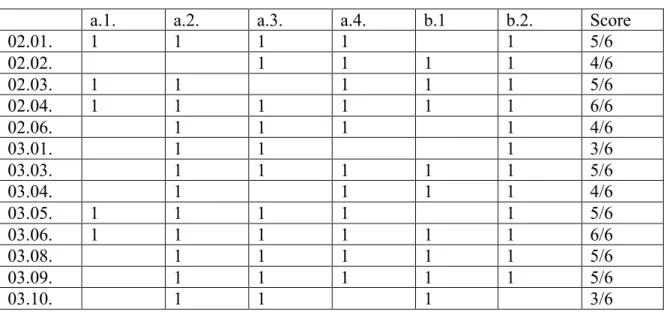
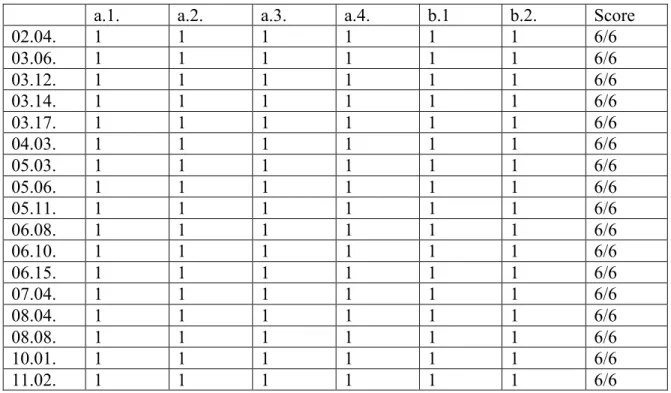
(8) The findings of the quantitative research conducted by ACCLAIM tend to coincide in (1) falsifying rural deficiency in mathematics outcomes (Alfonso, & Long, 2005; Hopkins, 2005); (2) providing evidence rather for the effectiveness of math instruction in rural schools (Hopkins, 2005; Lee, 2003); (3) disclosing the damage associated with consolidation, both overall and for math outcomes in specific (Gleason, Belcher, Britt, & Savich, 2008; Howley, Howley, & Hopkins, 2005; Howley & Howley, 2004); and (4) disclosing the advantage of small schools for the math outcomes of impoverished students (Howley, & Howley, 2004). Two studies (5) describe the ruralspecific benefits for the mathematics education of impoverished students (Bickel, Howley, & Maynard, 2003; Hopkins, 2005) and (6) suggest that higher percentages of funding devoted to instruction results in achievement gains, particularly in Ohio schools where overall funding is low (Howley, Howley, & Hopkins, 2005, p. 27). A description of each work (see reference list for full bibliographic entry) comprehends three qualities (see Table 2): (1) theme, (2) sample, and (3) findings. The brief summary of the 20 qualitative ACCLAIM studies is a necessarily highinference one, reflecting key ideas evident in the studies more than specific findings. Readers should consult Table 3 for findings of individual studies. One might in general make the following observations as applicable across studies: (1) Rural communities continue to invest their schools with local practical, social, and cultural significance, and this rural difference continues to constitute part of the struggle within rural schooling (Anderson, 2006; DeYoung, 2003; Lucas, 2005). (2) Engagement with impoverished students is a significant phase in the struggle to sustain rural community and provision it with decent mathematical educational experience (Best, 2006; Howley, Howley, Burgess,.
(9) & Pusateri, 2008; Lucas & Fugitt, 2009), although egalitarian class structure changes the terms of such engagement (Howley et al. 2008). (3) Structures associated with rural schools (e.g., small size, possibility of focused curriculum, less bureaucracy) seem to facilitate math education reform (Anderson, 2006), but incremental changes do not necessarily entail a shift to instruction vigorously focused on concepts (Boyd, 2007; Howley, Larson, Adrianaivo, Rhodes, & Howely, 2007). (4) Part of the difficulty of reform in rural schools may entail a lack of capacity to imagine mathematics as more than a set of useful rules and definitions (Boyd, 2007; Howley, Howley, & Helm, 2007; Howley, Pendarvis, & Gholson, 2006; Nichols, 2010; Owens, 2010; Ratliff, 2011; Smith, 2010; cf. Stigler & Hiebert, 1999). (5) Although place-based mathematics is quite rare, multiple “existence proofs” suggest that it can thrive given a champion and other auspicious circumstances (Howley, Howley, Klein, Belcher, Howley, Tusay, et al., 2010; Howley, Howley, Burgess, & Pusateri, 2008; Howley, Howley, Camper, & Perko, 2011). Theoretical Works We discuss ACCLAIM’s theoretical publications (the “think pieces” listed in Table 1; n = 23) in terms of the relevant insights, again writ large. The primary entitlement of theoretical work, of course, is wider freedom to pursue and develop ideas, a mission particularly germane to developing a new field of inquiry such as “rural mathematics education.” Some works were created by interdisciplinary teams of authors (Long, Bush, & Theobald, 2003; Lucas & Fugitt, 2009; Huber, Howley, & Howley, 2004; Waters, Howely, & Schultz, 2008; Howley, Showalter, Howley, Howley, Klein, & Johnson, 2011), but efforts by authors from one or the other discipline to contextualize the issues of the other field to their own disciplinary context were more common, perhaps.
(10) because of the difficulty of implementing a fully interdisciplinary effort, a difficulty clearly anticipated by one early theoretical piece (Harmon, 2003). The seven ACCLAIM Research Symposia 2002-2011 did, however, serve to foster cross-disciplinary collaboration across the 10-year span. Discussion of mathematics and resistance tended to overlap in theoretical work. (By “resistance” we mean problematizing dominant educational aims, curricula, pedagogies, and their sources in the wider political economy; by “mathematics” we mean school math, everyday mathematical practice, and the formal disciplinary field of human inquiry generally conducted in universities). The topic of mathematics encompassed concern for what constitutes mathematics (Howley, 2003a); how mathematics is seen and discussed (Bush, 2005); the curriculum and practices used to teach mathematics in local context (Long, Bush, & Theobald, 2003); and the relevance of ethnomathematics and culture (Bush, 2005; Eglash, 2004). The topic of resistance encompassed the contested nature of what constitutes reform, and for whose purposes (Civil, 2006; Lubienski, 2006); resistance to practices and aims that are dominant in public education, particularly those indifferent to locale (Klein, 2008); resistance to common views of rural areas and rural people (Howley, 2002b); and resistance to notions that there is a ‘one best system,’ or set of practices, in testing, curriculum, pedagogy, or education research (Gruenewald, 2006). Such skepticism, of course, has implications for programs of study in all fields of education, and specifically for the contextualized approach to both theory and practice that can be promoted there (Theobald, 2005). Again, a key summary of the Center’s theoretical commitments appears in its Theoretical Framework (see Appendix B). Notably, too, the theoretical works included recommendations for how to conduct or.
(11) prepare for inquiry in this new field (Bush, 2005; Coladarci, 2004; 2007; Howley, 2003a; Theobald, 2005). Evaluating the ACCLAIM Opus We understand the limitations of internal evaluations. The aim here is not so much a judgment of goodness but a judgment of qualities engaged by the works. First, we characterize the conceptual engagements, in this instance a necessarily impressionist identification. Third-party evaluators might apply discourse analysis to provide a more rigorous identification (see the full discussion and Appendix F for our list). We find the current more superficial approach, however, sufficient for a “roadmap” to the ACCLAIM opus. The list in any case suggests that the Center’s explicit commitments succeeded in securing a pluralist contribution from willing colleagues and partners.3 Second, in order to provide a roadmap-style evaluation of each of the works, in addition to an overall impressionistic evaluation of the relevant concepts engaged by them, we created a list of qualities evident in the theoretical pieces and related to the themes engaged across all works and rated each work accordingly. We think the qualities used to judge works thus represent (1) the Center’s stated commitments but als (2) the notable features exhibited across the range of published works. We judged the comparative presence or absence of six qualities:. 3. One overall observation seems worthy of note: both national cultures in general and the scholarly disciplines themselves judge rural life and education as poor by comparison to metropolitan, national, or international valorizations of “the best” (Herzog & Pitman, 1995; Williams, 1989; Weber, 1976). A research program such as ACCLAIM’s, which positioned itself theoretically to value rural outlooks (see Appendix B), would be expected to deploy a systematic skepticism toward works, outlooks, or positions that took a superficial view of rural or that accepted claims about rural deficiency as their starting points..
(12) Engaging: 1. place-based education, 2. rural issues, 3. mathematics teaching and learning, 4. assets or affordances of place, community, family. And exhibiting: 5. empirical or theoretical substantiveness 6. conceptual nuance or elaboration. Ratings judged works to possess or not to possess these features (0, 1), so that works that reflected more of these features received higher ratings. The ratings should be read as indicating the works’ reflection of the ACCLAIM commitments. Table 4 provides the ratings for each paper, and Table 5 lists those works (n = 17) that received the maximum rating. Appendix D identifies the works indicated by the numerical codes used in Tables 4 and 5 to make the presentation manageable. Critique Because ACCLAIM’s theoretical commitments involved skepticism toward the usual superficial engagements of education research with rural places and people (rural cultures, rural ways of being), and also rural education’s usual superficial engagement with mathematics education, a sort of intellectual resistance is evident in many (not all) of the published works. Indeed, some Center leaders and allied scholars (e.g., Corbett, 2011; Gruenewald, 2006; Howley, 2009; Long, Bush, & Theobald, 2003) explicitly theorized varieties of this resistance, and many works implicitly embraced an outlook reflective of such critique (e.g., Anderson, 2006; Beach, 2004; Belcher et al., 2005; Best,.
(13) 2006; Bush 2005; Civil, 2006; Nichols, 2010). For this reason, this section of the roadmap engages some of the key constructs (see Appendix F) more deeply, partly to demonstrate the connections between the ACCLAIM opus and the wider related literatures, and partly to interpret a sample of such ideas more extensively for interested readers. The presentation is merely suggestive. The key constructs reflected in this critical discussion are: (1) instrumental education aims, (2) best practice, and (3) rural deficiency theory. The purpose of critique is to probe the limits of ideas, and in the discussion on offer in this section, those limits are pressed toward, rather than reached. We want, in this report, simply to illustrate the possibility of critique for a funded project such as ACCLAIM. Responsible scholarship, we believe, must press beyond conventional wisdom (e.g., instrumental construction of educational purpose, best practice, and rural deficiency). Recommendations The penultimate section of Going Further presents six recommendations, framed for different role groups, but in fact accessible across them: Recommendation 1. The recommendation for rural citizens is deceptively simple: get involved in place-based education, and in particular in rural forms of mathematics education—math education that helps, both directly and indirectly, sustain everything significant in rural life. Recommendation 2. Oppose the dominant outcomes and intentions imposed so widely and stringently on schooling. Embrace, instead, alternatives that make local sense and help to sustain local community, in particular helping students, including academically able students, envision local rural futures for themselves and their families..
(14) Recommendation 3. Accept test score results with justifiable skepticism; in particular, do not propagate desperation to “boost” test scores, nor fixate on measures to “raise test scores.” Aiming for a test score jump is much like aiming directly for happiness: it can’t really work, because better scores and happiness are the result of something else—engagement and devotion to things that matter. Recommendation 4. Recognize and promote rural perspectives in your policy work. For those who care about rural places, the emphasis is on protecting them, and the communities that exist within them. Challenging the negative impacts of consolidating rural schools, of the outmigration of talented students from their communities, and of the neglect of rural issues by most researchers in education and of most programs that sponsor education research would be good starting points. Recommendation 5. Part of the self-imposed responsibility of the public intellectual4 is to engage the public in critical issues, and for us, rural mathematics education is one such issue (among others, such as school consolidation and the outmigration of rural youth). Scholars and others (as public intellectuals) should write about the relevant issues in popular venues—in policy briefs and research translations, in large-circulation magazines in education, and in local and state newspapers. Recommendation 6. One high purpose of empirical research is to ask dangerous questions, and the recommendation is especially apt in the case of rural math education, a field conceived as a sort of provocation. Such questions as “what is math?” and “whose math is this anyway?” and “what’s rural about math education?” and “what rural. 4. The sorts of thinkers and writers and activists for whom these recommendations are intended probably already consider themselves public intellectuals. ACCLAIM has collaborated with a broad swath of those long active and those who are joining the rural education and rural math education fields and the related frays..
(15) purposes should mathematics serve?” and “what mathematics knowledge will serve rural purposes?” illustrate where the dangers lie. ACCLAIM’s empirical work has only scratched the surface..
(16) GOING FURTHER: A ROADMAP TO THE WORKS OF THE ACCLAIM RESEARCH INITIATIVE. This monograph characterizes, synthesizes, and evaluates the scholarly works produced by the Appalachian Collaborative Center for Learning, Assessment, and Instruction in Mathematics (ACCLAIM) from its inception September 1, 2001 through August 31, 2011, the period of its funded activity. The purpose is to serve as roadmap to the ACCLAIM research opus for those interested in rural mathematics education, as this work goes further in the future. We classify the papers by type and theme; we characterize, as well, the empirical findings related to those themes, together with the positions taken and concepts favored in these works; we offer evaluative reflections on the works, including reflections on the embedded critique; and, finally, we reflect, with recommendations, on future directions for research in rural mathematics education. One might do a great deal more with these works and the research trajectory they indicate. In fact, we think such additional work is already underway, and has been for some time: the work is already going further. Background In the ten years since its founding in 2001, ACCLAIM organized rural mathematics education both as a concept and a field of study (Waters, Howley, & Schultz, 2004). It was one of sixteen U.S. Centers for Learning and Teaching (CLTs) sponsored by the National Science Foundation (NSF) (St. John, Helms, & Smith, 2008), with similar overall missions principally focusing on “capacity building” (that is, doctoral.
(17) 2 education and research, but with tentacles into classroom practice and education research). ACCLAIM’s most particular grounding was Central Appalachia: “eastern Kentucky, east Tennessee, southeastern Ohio and all of West Virginia” (Bush, 2003, p. 5), with the Center’s well-coordinated research effort based in Appalachian Ohio at Ohio University. Uniquely among the CLTs, ACCLAIM dealt (a) with math education only (instead of both science and math education) and (b) with rural education and the related constructs of place and community.5 What is “rural mathematics education”? Early in the history of the Center, the management team had earnest discussions about whether to focus attention on (1) mathematics education in rural schools or (2) a rural sort of mathematics education. The team selected the latter focus and prepared a formal “Theoretical Framework” document to share widely with colleagues and prospective individual and institutional partners (see Appendix B). The Center produced 98 documents in the course of its 10-year existence. Not counting four pieces6 that did not directly further the research initiative of ACCLAIM and twelve papers7 that were supplanted by later versions (mostly as peerreviewed journal articles), the Center produced 82 distinct research documents.. 5. The work of ACCLAIM overall was funded by more than $10 million in grants from NSF – one major, one supplemental (St. John et al., 2008). The Research Initiative received somewhat more than one-fifth of this total via subcontracts with Ohio University. The University of Tennessee at Knoxville was the prime contractor.. 6. Occasional Paper No. 4, which discusses input from focus groups for the ACCLAIM website; Occasional Paper No. 13, which transcribes a story told at an ACCLAIM gathering; Working Paper No. 39, which is a third-party qualitative review of ACCLAIM; and the article Professional development for mathematics teachers: A team approach, which does not present research, review research, discuss how to conduct future research, or contain a bibliography. Of these, only Working Paper No. 39 appears in Table 1 or in the list of numerical codes for ACCLAIM materials.. 7. Nine of these were Working Papers replaced by peer-reviewed articles, one was a Monograph replaced by a peer-reviewed article, one was a Working Paper replaced by a later Working Paper, and one was a dissertation replaced by a Working Paper. The numerical codes for these replaced pieces are as follows:.
(18) 3 By “research” we mean written reports of either empirical investigation or theoretical speculation. We exclude evaluation; prescription about practice; and short, informal reflection. Excluded from analysis, as well, are the numerous articles appearing in the 10 volumes (comprising, in this timespan, 24 separate issues) of ACCLAIM’s online magazine, The Rural Mathematics Educator. The online magazine considered relevant issues “through the lens of research” but did not itself aim to produce research as defined here. Of the 82 documents, we identify 34 as strictly empirical research (14 quantitative studies and 20 qualitative studies), a definition that excludes works that might, in colleges of education, be considered as research.8 Of literature reviews and think-pieces (broadly called ‘theoretical’), we identified 21 as substantive, based on their scores on the rubric for evaluating original academic works by ACCLAIM (see Appendix E). Categorizing the ACCLAIM Opus In order to characterize the ACCLAIM opus, we categorized the 82 unduplicated ACCLAIM papers by types and themes. This process also allowed us to chart the intersections of types and themes, and thus identify the type of inquiry most frequently used by researchers to address a given theme. We accomplished the categorization not via formal discourse analysis, but instead holistically, on the basis of a close reading of the documents. That is, we read the documents and made the required judgments based on direct familiarity with the texts;. 02.05., 03.02., 03.07., 03.15., 04.07., 04.11., 06.04., 06.07., 06.11., 06.13., 07.06., and 07.07 (see Table 1). To see the full citations for these documents and the documents that superseded them, see Appendix A. 8 Under the Boyer scheme designed specifically for education, “research” comprises the scholarships of discovery, integration, and application; here we focus only on the scholarship of discovery..
(19) 4 this method seemed sufficient to this comparatively simple task: The types of articles were identified quite readily as (1) quantitative research, (2) qualitative research, (3) literature reviews, and (2) “think pieces.” Identifying themes required rather more struggle. Our challenge was transparency—something more like indexing than like synthesis—rather than nuance. For nuance, we provide, following this section, separate syntheses for the quantitative studies, the qualitative studies, and the theoretical pieces. Thus, for this section we initially indexed the works by seven themes, as follows: 1. Theorizing apart from original empirical inquiry; 2. Evaluations of previous literature and recommendations for future work; 3. The findings and impact of programs, applications, interventions, and so forth; 4. Descriptions of the functions of rural education, especially rural math education; 5. Practices in teacher education, classroom pedagogy, and professional development; 6. Place-based education, and the role of community in place and schooling; and 7. Equity issues.9 Indexing by these concepts, however, revealed problems: The themes were imprecise, they applied spottily across types, and struck us ultimately as both too numerous and too disconnected. A plurality of the articles dealt with how the teaching of mathematics. 9. Equity issues included: negative assumptions and stereotypes about rural and Appalachian communities and students (‘rural deficiency’ and ‘Appalachian otherness’); consolidation of rural and Appalachian schools and districts; rural outmigration; the role of socioeconomic status in educational outcomes; curriculum and assessment procedures; gender; and race..
(20) 5 functions in rural schools10 and why, others considered alternatives to the prevailing paradigm of schooling (i.e., the prevalent instrumentalist purpose and decontextualized forms of instruction), while still others engaged in judgments about the research trajectory of or for rural mathematics education. In short, we decided that the seven themes identified might compose themselves more usefully into just three: (1) how mathematics functions in rural schools at present, and why; (2) suggestions for how mathematics might function differently in rural schools and empirical investigation of such alternatives in actual practice; and (3) the content and conduct of research on rural mathematics education. These themes are conceptually and even ontologically related. The first engages current realities, the second engages alternative realities (“improvement”), and the third deals with the system that assesses or implements the first two (i.e., rural math education research per se). We were still not, however, content. Making use of an insight that emerged in the course of reading and re-reading the literature, we split the first theme in two, based on whether the works focused attention on out-of-school “context” or within-school “structure.” We adopted the term “structure” here as perhaps idiosyncratic short-hand for influences that might be understood as within the control or purview of educators. Of course, we understand that reality is complex and (indeed) “nuanced,” so that the distinction of outside and inside is not so simple in reality. Clearly, in species of placebased education, educators treat context as content; and this is just one vector through which the outside comes inside and exerts inside an influence not typically under educators’ “control.” And the opposite is true, educators also gain influence over 10. Which entails, among other things, the practices math teachers in rural schools generally use, the influence of the beliefs, values, and aims, of teachers, administrators, state and national assessments, and accountability policies upon those practices, and the outcomes that result..
(21) 6 “context” in such work. Such mutual influence is one of the aims of place-based education. Nonetheless, the distinction seems applicable to developing a synoptic view of the ACCLAIM opus as a whole. Thus, the four themes on which we finally settled for our indexing task were: 1. Contextual factors relevant to rural schools, and how they are perceived; 2. Structural factors within rural schools; 3. Place-based education and other suggested reforms; and 4. Content and conduct of research. Although the works are often, of course, relevant to more than one theme, we categorized them by what we judged as the predominant theme. A more complex rendering of the intersection of themes and types is beyond the scope of this monograph, which, again, functions as a roadmap of the ACCLAIM opus for those interested in going further with rural mathematics education, particularly as a project of discovery and invention. Contextual factors, as we employ the term here, encompass such matters as neighborhood character, social class, race and ethnicity, locale, and the commitments, beliefs, attitudes, and social and cultural practices that constitute the circumstances of rural districts and schools (and of a rural sort of education per se). As noted above, context does exert an influence on schooling such that the boundary with what we are calling “structural” conditions within schools is less clear than is often presumed. Again, the distinction, we think, imposes a delimitation useful for the prescribed purpose. Structural factors, as we use the term here, pertain to funding, school and district size, classroom size, curriculum, general instructional practices, assessments, teacher quality, classroom environment, and so forth. The term encompasses all potential.
(22) 7 influences on educational achievement that are within the supposed control of the educational system (i.e., including those who determine funding and policy). Of course, the notion of “control” is, overall, as doubtful as context.11 Place-based education entails a contextualized frame of reference for curricula and pedagogy. Whereas structural factors include general instructional practices, this theme (theme 3) focuses on the particular connection of place to practice. “Other reforms” in this theme refers to educational approaches that one or more of the ACCLAIM authors understand as potentially useful in informing the theory and practice of place-based education. Such approaches predictably include progressive education, constructivism, environmental education, critical pedagogy, and ethnomathematics. The intersections of the 4 types of works, and the 4 themes we decided upon, appear in Table 1, with numerical codes for each work (see Appendix D for the works, which are numbered there alphabetically by year). The first two numbers of each code indicate the year the article was published; the second two numbers give a within-year identifier.. 11. Many schools and many individual educators seem unable to control the very things seemingly “under” their control, and the reason is not necessarily ignorance, laziness, or incompetence. Institutional theory (e.g., Powell, 1988; Tye, 2000) explains, for instance, a great deal of the observable difficulties..
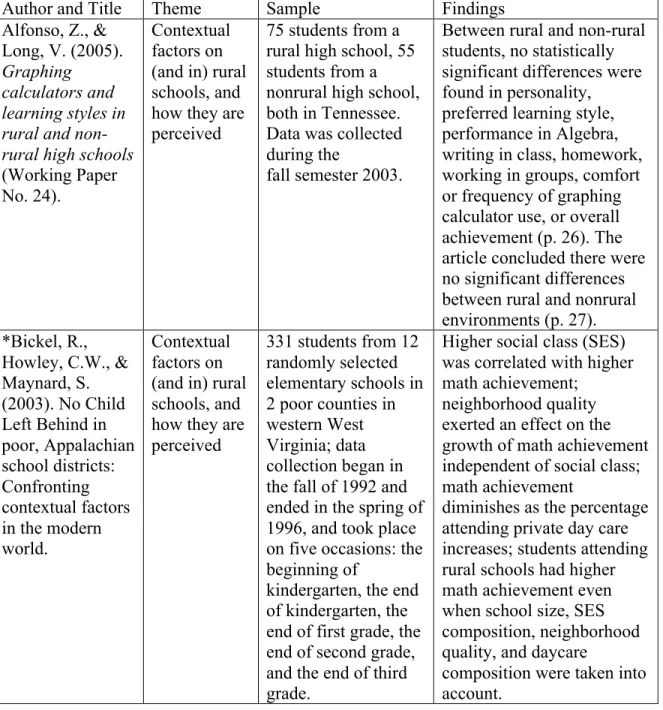
(23) 8 Table 1. ACCLAIM Opus by Theme and Type Quantitative 03.02. 03.03. 03.04 05.01. 05.04. 05.12. 07.08.. Qualitative 03.08. 05.07. 06.02. 06.06. 06.10. 06.13. 06.14. 07.07. 09.02.. Literature reviews 02.02. 02.05. 03.05. 03.19. Think pieces 02.03. 03.07. 03.14. 04.01. 04.03. 04.05.. Structural factors in rural schools. 03.15. 03.16. 04.04. 05.02. 05.05. 05.08. 07.03. 07.09. 08.01. 08.05.. 03.01. 04.09. 05.09.. None.. Placebased education and other suggested reforms. 04.08.. 06.01. 06.07. 06.08. 06.11. 07.01. 07.02. 07.04. 10.02. 10.03. 10.04. 11.03. 07.05. 08.03. 08.04. 10.01. 11.01. 11.02.. 02.06. 03.06. 03.09. 03.17. 05.11. 06.15. 08.02.. Content and conduct of research. None.. 08.07.. 03.12. 03.20 04.06. 04.07. 04.11. 05.03. 05.06. 06.09. 08.08.. 04.02. 04.10. 05.10. 06.03. 06.04. 06.05. 07.06. 08.06. 11.04 02.01. 02.04. 03.10. 03.11. 03.13. 03.18. 06.12. 09.01.. Contextu al factors relevant to rural schools, and how they are perceived. Note: (See Appendix D for the citations that coincide with each numerical code.).
(24) 9. One of the most interesting results of showing the intersection of themes and types with coding by year is that one can see not only which types of research were most prominent within each theme, but when. For instance, in studying contextual and structural factors in rural mathematics, most ACCLAIM research initially used quantitative methods; beginning in 2006, however, qualitative methods received much greater attention. A likely contributor is the evolution of the Research Initiative’s own studies; earlier studies cultivated interested partners outside the Center’s core, partly in order to build a network of relationships and partly to secure relevant existing work already in progress for publication by the Center. The core members of the ACCLAIM research team needed time to debate relevant issues, conceptualize studies, and then to execute them. Thereafter, qualitative research became arguably more likely thereafter—particularly since qualitative methods predominate in math education research. The character of the rural mission as a cultural engagement (both in itself and in the emerging discussions of the ACCLAIM management team) also indicated the particular suitability of qualitative methods to access rich information about subjects’ experiences. Another, but similar, influence is the fact that ACCLAIM dissertations began to appear only as students completed coursework and qualifying exams and organized studies. Dissertation studies more frequently deployed qualitative than quantitative methods, again probably influenced by scholarly traditions in mathematics education research..
(25) 10 Three other interesting points are evident: First, there are six think pieces focused on contextual factors, but none focused on structural factors as defined there; second, ACCLAIM works studied place-based education by quantitative means in just one study (Lipka & Adams, 2004); third, there are no quantitative overviews (e.g., meta-analyses) of the conduct and content of research in rural mathematics education, presumably because there is not yet enough material within the field to warrant such a review. To a limited extent, the present work provides such a review12 (though on arguably less objective terms than is typically the case, considering the within-Center authorship of this monograph). The absence of theorizing related to within-schooling conditions likely stems from ACCLAIM’s principal concern with place, a key vector of context for rural studies, and one that the Center’s Theoretical Framework (Appendix B) delineates. Synthesis of Quantitative Research Findings The ACCLAIM corpus of quantitative studies would be identified as such, we believe, by most observers. It consists of 14 works that used data gathered with questionnaires comprised of varied forms of close-ended items producing dichotomous, categorical, or continuous numerical values, analyzed as such. Some tested hypotheses, and some did not, but all used familiar quantitative methods. In Table 2 we list the 14 quantitative works, comprised of peer-reviewed articles and dissertations by ACCLAIM students. The description of each work (see reference list for full bibliographic entry) comprehends three qualities: (1) theme, (2) sample, and (3) findings. A brief synopsis of the findings across the studies appears immediately following Table 2.. 12. Though not, of course, a meta-analysis..
(26) 11. Table 2: Fourteen Quantitative Works Produced by ACCLAIM Characterized by Theme, Sample, and Findings Author and Title Alfonso, Z., & Long, V. (2005). Graphing calculators and learning styles in rural and nonrural high schools (Working Paper No. 24).. Theme Contextual factors on (and in) rural schools, and how they are perceived. Sample 75 students from a rural high school, 55 students from a nonrural high school, both in Tennessee. Data was collected during the fall semester 2003.. *Bickel, R., Howley, C.W., & Maynard, S. (2003). No Child Left Behind in poor, Appalachian school districts: Confronting contextual factors in the modern world.. Contextual factors on (and in) rural schools, and how they are perceived. 331 students from 12 randomly selected elementary schools in 2 poor counties in western West Virginia; data collection began in the fall of 1992 and ended in the spring of 1996, and took place on five occasions: the beginning of kindergarten, the end of kindergarten, the end of first grade, the end of second grade, and the end of third grade.. Findings Between rural and non-rural students, no statistically significant differences were found in personality, preferred learning style, performance in Algebra, writing in class, homework, working in groups, comfort or frequency of graphing calculator use, or overall achievement (p. 26). The article concluded there were no significant differences between rural and nonrural environments (p. 27). Higher social class (SES) was correlated with higher math achievement; neighborhood quality exerted an effect on the growth of math achievement independent of social class; math achievement diminishes as the percentage attending private day care increases; students attending rural schools had higher math achievement even when school size, SES composition, neighborhood quality, and daycare composition were taken into account..
(27) 12 *Bickel, R., & Howley, C.W. (2003). Math achievement and the development of poor, rural areas: Effects of contextual factors intrinsic to the modern world.. Contextual factors on (and in) rural schools, and how they are perceived. Based on the same sample as the paper above.. *Hopkins, T. (2005). Gender issues in mathematics education in Tennessee: Does rural school locale matter? (Doctoral dissertation, University of Tennessee, 2005).. Contextual factors on (and in) rural schools, and how they are perceived. Made use of data from the Tennessee Department of Education’s 2003 Report Card, the Tennessee Comprehensive Assessment Program (TCAP), and scores from the ACT Mathematics subtest. Surveys were sent to each high school in Tennessee to study mathematics course enrollment figures.. “[NCLB] oversimplifies the social context of schooling and underestimates the importance and complexity of contextual factors. It does so by ignoring …the increasing importance of social class background; the need for two breadwinners in most families, requiring heavy reliance on dubiousquality day care; and the weakening of established institutions, including neighborhoods.” (p. 338) Rural schools are more effective at teaching students of low SES than urban TN schools; ACT scores were comparable between locales; females do better at math in middle school than males, but worse in high school; and, despite higher enrollment in non-foundational math courses at the beginning of high school, the number of females enrolled in math classes decreases in TN as the math sequence progresses until the percentages of males and females taking calculus are even..
(28) 13 **Perry, C., Motivation and attitude of preservice elementary teachers toward mathematics: is rural relevant? (Doctoral dissertation, University of Louisville, 2007).. Contextual factors on (and in) rural schools, and how they are perceived. *Williams, J. H. (2005, April 23). Cross-national variations in rural mathematics achievement: A descriptive overview.. Contextual factors on (and in) rural schools, and how they are perceived. 384 participants from 4 universities- 83 at Eastern Kentucky, 86 at Morehead State, 131 at University of Kentucky, 84 at University of Louisville (p. 107).. Preservice KY elementary teachers had significantly higher mastery and performance-avoidance goals than performance or performance-approach goals, and were less confident in learning math than a sample of female students pursuing a variety of non-education majors; those from Appalachian rural areas were less confident in learning math than the nonrural group; those from rural areas (Appalachian and nonAppalachian) had less confidence in learning math, and were also more likely to view mathematics as a male domain. Individual-level data In 14 of 24 countries, from PISA 2000 mathematics scores in rural (which evaluates areas were significantly achievement among lower than those in urban 15-year-olds in 24 (large) and medium-size participating communities. Across all countries). Sample countries a marginal rural sizes of 2,000 – 5,000 achievement gap, prevailed per nation. Area but this disappeared in 20 of population size used 24 countries, including the across nations as U.S, when SES was proxy for locale controlled. In the U.S., (population less than students in urban 15,000=rural). communities scored the lowest, and scores in rural areas were in the middle of the distribution. The relationship of SES and achievement was strongest in US urban areas, more moderate but significant in rural areas, and weakest in mid-size communities..
(29) 14 **Fugitt, J., Does the grade level at which algebra I is completed affect future mathematics performance? (Doctoral dissertation, University of Tennessee, 2008).. Contextual factors on (and in) rural schools, and how they are perceived. 449 students at a small liberal arts college in the Midwest, grouped according to the grade level at which they completed Algebra I.. **Gregory, J., Presentation software and its effects on developmental students’ mathematics attitudes. Contextual factors on (and in) rural schools, and how they are perceived. 99 students enrolled in a community college in Eastern Tennessee.. Howley, C. B., Howley, A. A., & Hopkins, T. (2005). Does place influence mathematics achievement outcomes? An investigation of the standing of Appalachian Ohio school districts (Working Paper Series 23).. Contextual factors on (and in) rural schools, and how they are perceived. District-level data from the Ohio State Education Agency (SEA) from 20002001.. “Early entrants into algebra had higher mathematics achievement as measured by Algebra II grades, mathematics grade point averages, and ACT Mathematics scores.” (p. vi) Neither school-district size nor rural locale were associated with differences in the timing of Algebra I completion. Presentation software (PowerPoint) increased math anxiety among subject rural students, but not among non-rural students; math anxiety was higher among females pre-test and mid-test, but comparable to that of males after the test. Presentation software did not affect the differences in math anxiety that existed between the genders’ pretest or mid-test. The charge of deficiency is inapt; Appalachian districts are more efficient in the production of mathematics achievement than other districts; the proportion of expenditures devoted to instruction, particularly among lower-spending districts, exerts a positive influence on achievement..
(30) 15 *Howley, C., & Howley, A. (2004, September 24). School size and the influence of socioeconomic status on student achievement: Confronting the threat of size bias in national data sets. *Lee, J. (2003). Evaluating rural progress in mathematics achievement: Threats to the validity of “Adequate Yearly Progress.”. Contextual factors on (and in) rural schools, and how they are perceived. Individual-level data from the restricteduse version of the NELS data set. 19,396 eighth-grade students in public schools during 1988. (pp. 12-13). Of all schools, the 10% that are smallest maximize the achievement of the poorest 25% students; the appropriate size of a school varies by student SES.. Contextual factors on (and in) rural schools, and how they are perceived. Eighth-grade mathematics achievement data from national and state assessments in the 1990s.. Rural schools had greater progress than nonrural schools on AYP and NAEP measures; the instability of small sample sizes have not been sufficiently corrected by rolling averages; resulting errors of interpretation leave smaller, particularly rural schools vulnerable to unjust criticism; rural schools “have a better prospect of progress than their nonrural counterparts,” but are also unlikely to meet overly optimistic AYP targets. (p. 76).
(31) 16 **Rice, C., Comparing recent high school graduates placed in developmental and college-level mathematics courses. (Doctoral dissertation, University of Tennessee, 2007).. Contextual factors on (and in) rural schools, and how they are perceived. 2,443 students from two community colleges in East Tennessee. **Jones, S., The question of learning equity between online and onsite undergraduate mathematics courses in rural Appalachia. [note:. Contextual factors on (and in) rural schools, and how they are perceived. Sample: 24 students in a mathematics course at Glenville State College, Spring 2008 semester. this is a mixed method study; only findings derived from quantitative methods are presented here]. Between rural and non-rural students, no significant differences were found in high school course-taking patterns in math, attitudes and beliefs towards math, or likelihood of placement in developmental math courses upon entering college. Between students placed in developmental and collegelevel math courses, the former took significantly fewer math courses in high school, were less likely to have gone beyond Algebra II or Geometry in high school, and had lower levels of: confidence and motivation, belief in math’s usefulness, and belief in their ability to solve timeconsuming problems. “No significant differences in online and onsite student final grades, in rural online and rural onsite student final grades, or in rural and nonrural student final grades. Equity of learning occurred among the student groups in this study.” (from abstract).
(32) 17 Lipka, J., & Adams, B. (2004). Culturally based math education as a way to improve Alaska Native students' math performance (Working Paper No. 20).. Contextual factors on (and in) rural schools, and how they are perceived. “One semester's worth of data (258 students in 15 classes). …The study involved one urban school district, Fairbanks, and four rural school districts with approximately a 97% Yup'ik population.” (from abstract). Statistically significant improvements for both the urban and rural experimental groups which received the culturally based math curriculum; the urban group that received this curriculum saw the greatest improvement.. Note. Three quantitative studies from ACCLAIM do not appear in Table 2, as follows: (1) Working Paper 15, which was replaced (in Table 2) by a peer-reviewed version of the same, titled “Math achievement and the development of poor, rural areas: Effects of contextual factors intrinsic to the modern world”; (2) Working Paper 26, which was quantitative, but more an evaluation of a specific teacher-development initiative run by ACCLAIM than a research study; and (3) Working Paper 27, which was quantitative, though not an empirical research study in the sense adopted for this analysis; its quantitative aspect concerned reworking bus routing algorithms to accommodate community preferences.. Brief synopsis of quantitative findings. The findings of the quantitative research conducted by ACCLAIM tend to coincide in (1) falsifying rural deficiency in mathematics outcomes (Alfonso, & Long, 2005; Hopkins, 2005); (2) providing evidence for the effectiveness of math instruction in rural schools (Hopkins, 2005; Lee, 2003); (3) disclosing the damage associated with consolidation, both overall and for math outcomes in specific (Gleason, Belcher, Britt, & Savich, 2008; Howley, Howley, & Hopkins, 2005; Howley & Howley, 2004); and (4) disclosing the advantage of small schools for the math outcomes of impoverished students (Howley, & Howley, 2004). Two studies (5) describe the rural-specific benefits for the mathematics education of impoverished students (Bickel, Howley, & Maynard, 2003; Hopkins, 2005) and (6) suggest that higher percentages of funding devoted to instruction results in achievement gains, particularly in Ohio schools where overall funding is low (Howley, Howley, & Hopkins, 2005, p. 27)..
(33) 18 Synthesis of Qualitative Research Findings ACCLAIM researchers produced nearly 50% more qualitative than quantitative studies. In part because the Center argued that rural context most properly comprehended rural meanings, the qualitative approach could be seen as a preferred, but, hardly an exclusive method for pursuing an approach to such meanings. These 20 qualitative works (characterized in Table 3) each used some form of interview transcription as their principal data source. As in Table 2, we list in Table 3 the qualitative works according to theme, participants, and findings. A brief synopsis of the findings given for each study appears immediately following Table 3..
(34) 19. Table 3. Twenty Qualitative Empirical Works Produced by ACCLAIM Characterized by Theme, Participants, and Findings Article name and title Best, C. (2006). Community college students’ perceptions of their rural high school mathematics experience (Unpublished doctoral dissertation). The University of Tennessee, Knoxville.. Theme Contextual factors of rural schools, and how they are perceived. DeYoung, A. J. (2003). The social construction of rural mathematics: Final report to ACCLAIM. (Working Paper No. 17). Athens, OH: ACCLAIM Research Initiative.. Contextual factors of rural schools, and how they are perceived. Participants (i.e., subjects) 18 students who recently graduated from rural high schools and taking their first math class in college, interviewed midterm of fall semester 2005. Follow up interviews with 7 of them the following spring. Data also used high school transcripts and the student information system at Pellissippi State Technical Community College. Two rural Kentucky high schools (p. 1); several weeks of data collection (p. 19); ethnographic interviews and field notes (p. 20); interviews of administrative staff (the principal, at least one guidance counselor, and at least one other staff member at both schools) and math teachers (p. 20); 100 in-school hours spent collecting data (p. 21). Findings Students from rural transitional counties do not see rural as a major factor in their education, whereas those from at-risk counties do; the latter are negative about their high school experiences with math, in part because of ineffective explanations of the material and the low expectations of teachers and administrators.. School accountability concerns motivated administrative concern about how math was taught. “Some [students] felt that higher level teaching, courses, or both were desirable, but few thought it was the teachers’ fault that these levels could not be attained.” (pp. 67-68) Both schools put a great deal of effort into “finding, recruiting, or training adequate math teachers.” (p. 69). Both schools were “Focused upon changing the image of math from an abstract and distant subject to one useful and immediate for either [a vocational or academic post-secondary] future.” (p. 70)..
(35) 20. Heaton, R., Smith, W., Kromminga, R., & Hartman, D. (2008). Understanding the meaning of rural within a middle school mathematics professional development and research project in Nebraska (Working Paper No. 40). Athens, OH: Appalachian Collaborative Center for Learning, Assessment, and Instruction in Mathematics. Howley, C. B., Howley, A. E., Howley, C. W., & Howley, M. D. (2006). Saving the children of the poor in rural schools (Working Paper No. 28). Athens, OH: Appalachian Collaborative Center for Learning, Assessment, and Instruction in Mathematics.. Contextual factors of rural schools, and how they are perceived. 63 rural in-service teachers from the first three cohorts at The Math in the Middle Institute Partnership (M2) at the University of NebraskaLincoln (UNL) in summer 2006. 30-60 minute interviews. (abstract). “Teachers the researchers considered "rural" “did not necessarily refer to themselves that way, and sometimes even teachers from the same town did not agree on whether or not to call themselves rural” (abstract).. Contextual factors of rural schools, and how they are perceived. 24 interviews at each of “six rural schools serving lowincome students… honored by the SDE for… high achievement in mathematics during (2003-04 school year). [They] included one 9-12 high school, two 7-12 high schools, one 5-8 middle school, one K8 elementary school, and one K-4 elementary school” (p. 6).. “Three distinct approaches to engaging the poor. The major tendency is "saving the poor," a benign middle-class attempt to support impoverished families and intending to help children from such families enter the local middle class. Four of the six schools embrace this approach. The other two schools were different. In one, the poor were repudiated and even demonized. In the other, the poor were not even identified as a group; instead, interviewees described all residents as "common people," and the school exhibited a strong community purpose and a strong concern for the common good” (abstract)..
(36) 21. Lucas, D. (2005). A rural community’s perceptions of the importance of math and math education in Appalachia (Monograph No. 1). Athens, OH: Appalachian Collaborative Center for Learning, Assessment, and Instruction in Mathematics. Lucas, D., & Fugitt, J. (2009). The perceptions of math and math education in Midville, Illinois. The Rural Educator, 31(1), 3854.. Contextual factors of rural schools, and how they are perceived. “650 surveys and conducted nearly 250 interviews with informants in three age groups (youth, adults, seniors)” conducted in “the community of Padua (a pseudonym), in a state in the Appalachian south” (from abstract).. “Informants were found to value mathematics principally for its utility, to esteem good mathematics teaching and good mathematics teachers, and few blamed any failure to understand mathematics on teachers. Many, however, appeared to believe that some mathematics teachers could be more sympathetic in their instructional role. …Possibly because of the prevailing utilitarian outlook, many informants saw little use in the community or region for higher forms of math should the current economic decline persist in the region” (from abstract).. Contextual factors of rural schools, and how they are perceived. “A community that will be referred to as Midville, located in the state of Illinois… over one hundred miles from the nearest metro complex. The study was conducted in May of 2006” (from abstract). Study uses the method of folknography.. “Many adults see schools as failing to offer effective math education… emphasis on technology, instead of mental computational skills, makes for weaker curriculum and instruction…. Math students wish for more positive, pleasant, kind instruction …respondents seek math instruction that challenges, inspires, and motivates the youth. …they believe that quality schools offer a rigorous and comprehensive math education.” (from summary of results).
(37) 22. Sloan, M. H. (2006). Mathematics education in rural Georgia: Social, political, and economic factors (Working Paper No. 35). Athens, OH: Appalachian Collaborative Center for Learning, Assessment, and Instruction in Mathematics. Anderson, R. (2006). Factors contributing to rural high school students' participation in advanced mathematics courses (Working Paper No. 34). Athens, OH: Appalachian Collaborative Center for Learning, Assessment, and Instruction in Mathematics.. Contextual factors of rural schools, and how they are perceived. Focused on Mayfair County School, a charter school with 275 pre-K through 12th grade students in rural Georgia. “The mathematics faculty… set out to improve not only the educational opportunities of the students but also their awareness of the “outside world,” and… the social skills necessary to succeed there” (p. 57). “The Charter Assurances specified that both academic and vocational tracks would be offered. [However,] the mathematics program was evolving into a single college track… There seems to be a serious breakdown in communication and/or understanding of the school’s policy, if one exists, about curricular matters, at least in the area of mathematics” (p. 63).. Structural factors exerting influence within rural schools. Research conducted over three months at a small rural high school in the Pacific Northwest (p. 2). Interviews with 14 of the sixteen students enrolled in Pre-calculus, 1 of the four students enrolled in calculus (p. 4). “After the survey was administered, nine of the students were selected for individual, semi-structured interviews” (p. 4). Data collected using ethnographic techniques, including observations and interviews (p. 3).. “Rural high schools may have an advantage over their non-rural counterparts when it comes to making changes to the mathematics curriculum that would encourage all students to study mathematics each of the four years of high school” (p. 38). Three reasons: 1) There is generally less bureaucracy to navigate in making curriculum changes in rural schools. 2) Students in rural schools may have the same math teacher for more than one year; as a result, the teacher will not need to spend time getting to know them, and may have more time to spend on time-consuming reform efforts and community projects (p. 39). 3) Rural schools generally have fewer electives to choose from, so “If mathematics teachers design a relevant and engaging mathematics curriculum students may be more apt to make that choice whether or not they intend to go to college” (p. 39)..
(38) 23. Boyd, B. (2007). Effects of state tests in Ohio on assessment practices in mathematics education (Unpublished doctoral dissertation). University of Louisville, Kentucky.. Structural factors exerting influence within rural schools. Howley, A., Larson, W., Adrianaivo, S., Rhodes, M., & Howley, M. (2007, May 17). Standards-based reform of mathematics education in rural high schools. Journal of Research in Rural Education, 22(2). Retrieved February 14, 2009, from http://jrre.psu.edu/articl es/22-2.pdf. Structural factors exerting influence within rural schools. 9 eighth-grade mathematics teachers and their classes; data collected for 2003-04 and 2005-06, the school years before & after implementation of the eighth-grade Ohio Achievement Test (OAT) in mathematics. Data included classroom tests, interviews with teachers about their assessment practices, and classroom assessment data. Twenty principals from three rural regions of Ohio, semistructured interviews.. Presence of a state test led to an increase in class test items of material below the eighth grade level, but did not increase or decrease the already low conceptual difficulty of class tests. “The reforms adopted at their schools neither fully embraced the reform agenda nor completely ignored it. Instead, the reforms tended to entail incremental changes involving curriculum alignment, minor modifications of curriculum content, and provision of individualized instruction.” (abstract).
(39) 24. Howley, A., Pendarvis, E., & Gholson, M. (2006). How talented rural students experience mathematics. Journal for the Education of the Gifted, 29(2), 123-160.. Structural factors exerting influence within rural schools. Interviews with 16 gifted children from a rural Appalachian school district (p. 132). Nichols, S. (2010). Perceptions and implementation of the Ohio Academic Content Standards for Mathematics among middle school teachers (Unpublished doctoral dissertation). Ohio University, Athens. Owens, S.K. (2010). Professional development: a case study of Mrs. G (Unpublished doctoral dissertation). University of Louisville, Kentucky.. Structural factors exerting influence within rural schools. 12 inservice teachers. Data included interviews, observations, and surveys of lesson plans and assessments. Structural factors exerting influence within rural schools. 1 inservice teacher. Data included transcripts from professional development sessions, teacher’s reflections, and classroom observations.. “The children's experience was constrained by the presentation of mathematics as a discipline focused on calculation and bound by rules. Students' view of mathematics was further limited by a narrow conception of its usefulness. …Notably, instruction provided in the gifted program was reported as being more advanced, more challenging, and more engaging than what was offered in regular classrooms.” (abstract) Traditional methods are more common than standards-based instruction, even when teachers believe they are engaging in the latter; standardsbased instruction itself is often not well understood even by teachers who have undergone professional development in regard to it. Instruction held to a standard is often conflated with teaching the Standards themselves. Professional development is more likely to succeed when the teacher is allowed autonomy and choice in selecting professional development opportunities..
(40) 25. Ratliff, M. (2011). Preservice secondary school mathematics teachers’ current notions of proof in Euclidean geometry (Unpublished doctoral dissertation). The University of Tennessee, Knoxville. Smith, R. (2010). The impact of secondary mathematics methods courses on preservice secondary teachers’ beliefs about the learning and teaching of mathematics (Unpublished doctoral dissertation). The University of Tennessee, Knoxville.. Structural factors exerting influence within rural schools. 4 preservice teachers. Data included interviews, and discussion of justifications for proof in Euclidean geometry.. In teaching and learning about proofs in Euclidean geometry, empirical and deductive evidence should be used.. Structural factors exerting influence within rural schools. 16 secondary mathematics A significant positive relationship was found methods courses at 16 different between the number of methods used in the course universities [class sizes ranged and improvement in MBI scores. from 3 to 27 (p.64)]; data collected before and after the course. Data used included the Mathematics Belief Instrument (MBI), syllabi, interviews with instructors, and examination of course textbooks..
(41) 26. Howley, A., Howley, C., Burgess, L, & Pusateri, D. (2008). Social class, Amish culture, and an egalitarian ethos: Case study from a rural school serving Amish children. Journal of Research in Rural Education, 23(3). Retrieved from http://jrre.psu.edu/articl es/23-3.pdf. Place-based education, and other suggested reforms. Howley, A., Howley, C. B., & Helm, V. (2007). Reform of secondary mathematics education in highperforming rural schools (Working Paper No. 36). Athens, OH: Appalachian Collaborative Center for Learning, Assessment, and Instruction in Mathematics.. Place-based education, and other suggested reforms. “25 interviews lasting from 30–90 minutes and observed in five classrooms once (and sometimes twice) for periods of time lasting from one to two hours” (p. 5) Willemsburg Elementary School, K-8, about 200 students, one of four elementary schools in a rural district. No formal sample size- students, parents, teachers, administrators, and non-parent members of the community participated in interviews and five classrooms were observed. “…four case studies of mathematics education in rural secondary schools” (from abstract). “Almost no evidence of negative views about the poor or even of much awareness of social class… a pervasive egalitarianism… a collectivist and communitarian ethos.” (p. 7) “Four themes emerged from the analysis of transcripts: (1) “in league with parents,” (2) “teaching agrarian values,” (3) “educating for community participation,” and (4) “embracing all children.”” (from abstract). “Two emergent themes: (1) math teachers address calls for improvement by building on traditional practices and (2) math teachers meld traditional and reform practices” (from abstract)..
(42) 27. Howley, A., Howley, C., Klein, R., Belcher, J., Howley, M., Tusay, M., Clonch, S. Perko, H., Foley, G., Pendarvis, E., Miyafusa, S., & Jimerson, L. (2010). Community and place in mathematics instruction in selected rural schools [ACCLAIM Monograph No. 4]. Athens, OH: Appalachian Collaborative Center for Learning, Assessment, and Instruction in Mathematics.. Place-based education, and other suggested reforms. Case studies at 7 rural schools (in OH, AL, KY, NE, VT, ME, WA), with research conducted during the 2007-2008 school year. A total of 85 interviews and 27 classroom observations (p. 7).. “We would cite all these cases as successes—the activities and engagement described were at least ongoing, and most were clearly thriving” (p. 59). “…the educators we studied, and the sites we visited were unusual, though not always aware of either their rarity… maybe they would not be happy with the mantle “contrarian.” Maybe they embraced the State’s “standards,” interpreting them according to purposes not exactly entertained by the accountants and enforcers of standards” (pp. 60-61)..
(43) 28. Howley, A., Howley, M., Camper, C., & Perko, H. (2011). Place-based education at Island Community School. The Journal of Environmental Education, 42(2), 216236.. Place-based education, and other suggested reforms. Island Community School has 71 students, P-12.. “Illustrates the overlap between place-based and environmental education” (p. 3) “Place-based efforts at Island are inextricably tied Interviews with 2 student focus to the community… [and] ecological dimensions groups of 5 students each, 8 of place… As a result of these two major foci, teachers, 1 place-based students come to understand that they have a direct educator hired by a local personal stake in promoting the survival of both nonprofit, 1 school board their rural community and the ecosystem from member, 1 parent actively which their community draws sustenance.” (p. 38) engaged with the school, and 2 community members who engage in fund-raising and foundation management for the school. (pp. 13-14) Data also from participant observation, and artifacts such as newspapers, school plans, and community documents, were also gathered (p. 14).
(44) 29. Howley, A., Showalter, D., Howley, M., Howley, C., Klein, R., & Johnson, J. (2011). Challenges for placebased mathematics pedagogy in rural schools and communities in the United States. Children, Youth, and Environment, 21(1), 101-127. Retrieved from http://www.colorado.ed u/journals/cye/21_1/21 _1_05_MathematicsPed agogy.pdf. Place-based education, and other suggested reforms. Case studies at 7 sites nominated by national experts; subjects included educators, parents, non-parent community members, and students. Interviews were the primary data source of data, supplemented by field notes and relevant documents from each site.. “The higher the level of the math taught, the less frequently used were place-based methods… the typical use of these methods was with less capable math students, often in “vocational” or “general” rather than “college-prep” curriculum tracks.” The schools did not effectively embrace the egalitarian or communitarian spirit of place-based education, or sufficiently integrate mathematics into this approach.. Note. Smith (2010) is actually a multi-method study, and the principal findings strike us as proceeding from the study’s quantitative analysis; however, his theme accords better with those undertaken by the strictly qualitative studies.
(45) 30 Brief synopsis of qualitative findings. By its nature, qualitative research produces findings that are more idiopathic than quantitative research—more germane to the specifics of the subjects as purposively involved in the research project. For this reason, the synopsis here proceeds according to theme, which does serve as a sort of generalization about the findings. The synopsis, then, attempts to extract a more particularized finding relevant to the theme. The extraction is a necessarily highinference one; the following three paragraphs, in order, treat the three themes listed in Table 3: (1) contextual factors, (2) structural factors, and (3) place-based education and other reforms. (Contextual factors relevant to rural schools) In sharp contrast to professional expectation, rural communities continue to invest their schools with local practical, social, and cultural significance, and this rural difference continues to constitute part of the struggle within rural schooling (Anderson, 2006; DeYoung, 2003; Lucas, 2005). Indeed, according to Heaton and colleagues (2008), rural identification itself is sometimes problematic for rural math teachers. The salience of rural context to schooling in mathematics depends partly on the nature of that context; economic impoverishment, for instance, is weakly associated in some accounts, with (literally) impoverished forms of schooling in mathematics (Best, 2006; Lucas & Fugitt, 2009). Engagement with impoverished students, then, would comprise a significant phase in the struggle to sustain rural community and provision it with decent mathematical educational experience. Finally, although sharp class divisions work systematically to subvert this intention, most especially in rural communities riven by class divisions, a more egalitarian class structure.
(46) 31 would perhaps tend to make the intention itself unnecessary (Howley and colleagues, 2006). (Structural factors within rural schools) Based on interviews and observations in an Oregon school, structures associated with rural schools (e.g., small size, possibility of focused curriculum, less bureaucracy) may facilitate math education reform (Anderson, 2006). Math reform efforts in rural and other locales in Ohio, however, led to modest incremental changes, but, according to self-reported practice as disclosed in teacher and principal interviews, did not entail a shift to instruction that focused more vigorously on concepts (Boyd, 2007; Howley, Larson, Adrianaivo, Rhodes, & Howely, 2007). Part of the structural difficulty (i.e., in the limited sense of “structure” used in this monograph) within some or many rural schools may entail a lack of capacity to imagine mathematics as more than a set of useful rules and definitions (Boyd, 2007; Howley, Pendarvis, & Gholson, 2006; see also Stigler & Hiebert, 1999, for the generality across American schools). Indeed, many teachers appear not to improve their mathematics instruction because of a narrow understanding of standards, a narrowness not overcome by professional development; indeed, some teachers conflate teaching according to standards with teaching the standards themselves to students (Nichols, 2010). Perhaps professional development is too rigid in general (Owens, 2010) or insufficiently concerned with conceptual understanding, as illustrated by one study about teachers’ engagement with proof (Ratliff, 2011). Smith (2010) demonstrated the relationship between capacity and professional development in his study of mathematics pre-service education: math education students’ preconceptions are perhaps too seldom and too weakly challenged as they prepare to assume responsibility for their own classrooms..
Figure

Related documents
An example is provided by the return of the "tremolo" structure discussed above, in the third bar-cycle (page 6, bottom line); it is typical of Ferneyhough's method that the
Effective schools are characterized by a culture of collaboration in which all the stakeholders within the school, that is the school principal, educators, learners, parents
Since these factors existed in the model ,the 14 criteria are brought up as key factors for success, until after t-value tests , those which are confirmed would be screened, and
Treatment failure with oral or injectable DMARD agent (e.g., Hydroxychloroquine (Plaquenil), Leflunomide (Arava), Cyclosporine (Neoral), Sulfasalzine (Azulfidine),
derived from CMJ are sensitive to changes in training load in elite team sport athletes.. Indeed, the
1900: UK, FR, BE CAPITAL 1960: US CAPITAL 2000: GLOBAL CAPITAL 1800: NL, UK, FR CAPITAL Global Market: LOCAL SAVERS LOCAL PROJECT FINANCIAL RISK LOCAL BENEFITS Local Market:
1. The work involved in this occupation is the type of work I’d like to do. I believe I have the ability to do well in this occupation. This occupation involves work that is
Keywords : Just and Pope, risk increasing, risk reducing, Ethiopia, stone bunds, soil bunds, waterways, grass strips, contours, soil and water conservation, low-rainfall
