ASSOCIATIONS BETWEEN HURRICANE WEATHER EXPOSURE AND PREGNANCY OUTCOME: DEMONSTRATION OF ECOLOGICAL AND INDIVIDUAL-LEVEL
METHODS
Shannon C. Grabich
A dissertation submitted to the faculty at the University of North Carolina at Chapel Hill in partial fulfillment of the requirements for the degree of Doctor of Philosophy in the Department
of Epidemiology in the Gillings School of Global Public Health.
Chapel Hill 2015
Approved By:
Stephanie Engel
Jennifer Horney
Charles Konrad II
ABSTRACT
Shannon C. Grabich: Associations between hurricane weather exposure and pregnancy outcome: demonstration of ecological and individual-level methods
(Under the direction of Whitney Robinson)
The impacts related to natural disasters are influenced by population growth, increasing
coastal settlement, and global climate change. Socially vulnerable groups, including pregnant
women, may be disproportionately affected by hurricane-related health effects. The limited
literature on this topic is comprised primarily of pre-post ecological studies that may have biases
due to confounding. The results of current studies, although mixed, have suggested that adverse
fetal outcomes, including preterm delivery, may increase with hurricanes exposure.
We assessed hurricane exposure in 2004 with pregnancy outcomes using a cohort of
Florida pregnancies constructed from 2003-2005 using vital statistics records. We first utilized a
difference-in-differences modeling technique to assess the county-level association between
hurricane exposure and birth rates. We then conducted an individual-level analysis using
time-to-event modeling to investigate hazard rates of single and multiple hurricane exposures on preterm
delivery stratified by race/ethnicity.
In county-level analysis the difference-in-differences method consistently produced
estimates that suggested no association between hurricane and live birth rate, while the results
from generalized linear model sensitivity analysis were inconsistent across exposure methods.
The consistency of the difference-in-differences method suggests potential ability to control for
In individual-level analysis we found evidence of association between hurricane exposure
and increased hazard of extremely preterm delivery (<32 weeks gestation) but no association
with overall preterm delivery (<37 weeks gestation). Suggested associations appeared driven by
white Hispanic and black Hispanic subgroups although we found limited evidence of statistical
interaction. We did not find evidence of increasing hazards of preterm delivery with exposure to
multiple hurricanes.
This work provides examples for confounding control for future research to reduce biases.
Although we found no association between hurricane exposure and live birth rate, we
demonstrated a potential increase in hazard of extremely preterm delivery with hurricane
exposure consistent with some of the current literature. As coastal populations and hurricane
severity increases, future research is needed to understand the impacts of hurricane exposure on
reproductive health, with a potential focus on the heterogeneity among race/ethnicity subgroups
for targeting interventions, such as messages about evacuation or education about the importance
ACKNOWLEDGEMENTS
This dissertation would not have been possible without the help, guidance, and support of
many people. I would like to thank my committee members who have guided me through the
dissertation process. I would like to first thank my adviser, Dr. Whitney Robinson, for her
support, advice and encouragement through the academic and dissertation process. I would like
to thank my mentor Dr. Jennifer Horney for her support, knowledge and friendship through the
doctoral career. I would also like to thank Dr. Stephanie Engel, Dr. Charles Konrad and Dr.
David Richardson for their comments, suggestions and support which greatly improved the
quality of this work and continued my educational experience at UNC Chapel Hill.
I would also like to gratefully acknowledge the significant contributions of the following
affiliations and personnel. Hurricane Weather Data was provided by Dr. Charles Konrad through
his efforts with the (CDC’s) BRACE study and the Florida Department of Health. Vital statistics
data and consulting were provided by the Florida Department of Health, Vital Statistics Division.
Special thanks to Yasmin Serrano, a Research Associate at the Florida Bureau of Vital Statistics,
who served as my point of contact and assisted greatly with data management. Also, to the Odum
Institute for their statistics and Arc Map 10 support, specifically Phillip MacDaniel GIS
Librarian. I also am thankful to Danelle Lobdell who has created a supportive working
environment through my ORISE fellowship and has been both a mentor and friend through this
process.
as through an Education Fellowship at the Environmental Protection Agency. Both fellowships
have provided mentoring as well as financial support for me and my family.
I would also like to thank my friends and family for their invaluable support. I am
especially grateful to my mom who has always been very supportive and encouraging not only
during the course of my education but for all my life. Finally, many thanks to my husband, James,
and son, Aaron, who supported me and kept my spirits high; I love you both and appreciate
TABLE OF CONTENTS
LIST OF TABLES ... xi
LIST OF FIGURES ... xv
LIST OF ABBREVIATIONS ... xvi
CHAPTER 1: BACKGROUND ... 1
Introduction to Hurricanes and Reproductive Health ... 1
Literature Review ... 4
Review of Other Natural Disasters and Reproductive Health ... 16
Outcome Review: County-level Live Birth Rate ... 19
Outcome Review: County-level Fetal Death Rate ... 20
Outcome Review: Preterm Delivery ... 20
Preterm Delivery and Race/Ethnicity ... 22
Study Significance... 24
Climate Change and Disasters... 25
Climate Change and Public Health ... 25
Hurricane Burden and Trends ... 26
Hurricanes and Reproductive Health ... 28
CHAPTER 2: METHODS ... 30
Specific Aims ... 30
Exclusion Criteria ... 34
Study Population ... 34
Data Sources ... 40
Variable Measurement ... 43
Exposure ... 43
Outcomes ... 46
Analysis Plan ... 48
Estimation of Conception ... 48
Statistical Analysis ... 49
Effect Measure Modifiers ... 58
Missing Data ... 58
CHAPTER 3: AIM 1 RESULTS ... 60
Summary ... 60
Background ... 61
Methods ... 63
Study Population ... 63
Exclusions ... 63
Hurricane Exposure ... 64
Statistical Methods: ... 64
Results ... 66
Discussion ... 67
CHAPTER 4: AIM 2 RESULTS ... 81
Methods ... 83
Birth Cohort ... 83
Exposures ... 84
Outcomes ... 84
Covariates ... 85
Statistical Analysis ... 85
Results ... 87
Descriptive Data ... 87
Multiple Hurricane Cox Proportional Hazard Models ... 88
Discussion ... 88
Conclusions ... 93
CHAPTER 5: DISCUSSION ... 98
Overall Study Aims, Findings and Interpretation ... 98
Aim 1: Difference-in-differences Analysis Method ... 98
Aim 2: Hazard of Preterm Delivery with Race/Ethnicity Subgroup Analysis ... 99
Methodological Considerations... 100
Future Approaches ... 102
Conclusions ... 103
APPENDIX A: PRELIMINARY PAPER 0 RESULTS. ... 105
Summary ... 105
Background ... 105
Methods ... 107
2004 Hurricane Season Study Population ... 108
Mapping and Analysis ... 109
Results ... 111
Descriptive Results ... 111
Statistical Results: Preterm Delivery ... 113
Statistical Results: Low Birth Weight ... 115
Discussion ... 116
Conclusions ... 121
APPENDIX B: SUPPLEMENTAL TABLES ... 126
LIST OF TABLES
Table 1.1 Saffir-Simpson hurricane wind scale definitions ... 3
Table 1.2 Literature review of hurricanes and reproductive health outcomes ... 16
Table 2.1 Comparison of Florida and US 2004 maternal characteristics ... 33
Table 2.2 2003-2005 Florida Vital Statistics population numbers ... 34
Table 3.1. Florida 2004 census adjusted1 generalized linear models (GLM) and difference-in-differences models of hurricane exposure and live birth rates ( n=67 counties) ... 75
Table 3.2 Florida 2004 description of census county variables from adjusted analysis (n=67 counties) ... 76
Table 3.3 Florida 2004 census unadjusted and adjusted1 generalized linear models (GLM) anddifference-in-differences analysis of hurricane exposure and live birth rates ( n=67 counties) ... 78
Table 3.4 Florida 2004 census unadjusted and adjusted1 generalized linear models (GLM) anddifference-in-differences analysis of hurricane exposure and fetal death rates ( n=67 counties) ... 79
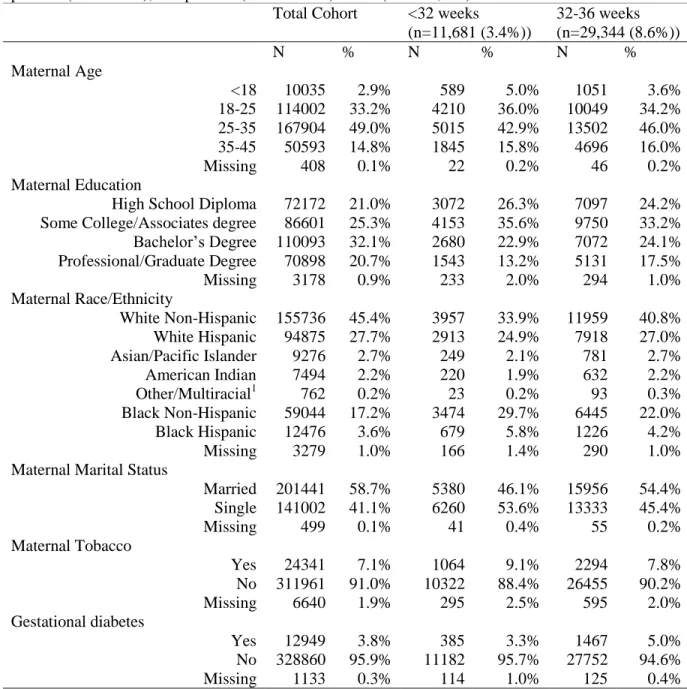
Table 4.1 Descriptive characteristics of study population 2004 and 2005 live births by extremely preterm (<32 weeks), and preterm (32-36 weeks) status ( n= 342,942) ... 94
Table 4.2 Florida 2004 unadjusted and adjusted1 hazard ratio(HR) of Hurricane Charley wind exposure on extremely preterm (<32 weeks) and overall preterm (<37 weeks ) delivery ... 95
Table 4.3 Florida 2004 adjusted1 hazard ratio (HR) of Hurricane Charley race/ethnicity stratified hurricane wind exposure on extremely preterm (< 32 weeks) and overall preterm (< 37 weeks) delivery and p-value for interaction in exposure by race/ethnicity model term. ... 96
Table 4.5 Florida 2004 adjusted1 hazard ratio (HR) of multiple hurricane exposure and single Hurricane Charley exposure to no hurricane exposure on extremely preterm (< 32 weeks) and overall preterm (< 37 weeks) delivery. ... 97
Table S.1 Number of counties exposed by exposure method and hurricane (n=67 total counties) ... 112
Table S.2a Hurricane exposure by declaration and spatial buffer and preterm delivery crude and adjusted(adj) rate linear models for all Florida
counties (n= 67 counties) ... 122
Table S.2b Hurricane exposure by maximum wind speed method and preterm delivery crude and adjusted rate linear models for all Florida
counties (n= 67 counties) ... 122
Table S.3a Hurricane exposure by declaration and spatial buffer and low birth weight rate crude and adjusted linear models for all Florida counties (n= 67 counties) ... 123
Table S.3b Hurricane exposure by maximum wind speed method and ow birth weight rate crude and adjusted linear models for all Florida
counties(n= 67 counties) ... 123
Table S.4 Comparison of the 2003 and 2004 Florida birth record covariate distribution ... 126
Table S.5 Description of available covariates from vital statistics records
considered for confounding and modification in preterm delivery Aim 2 analysis ... 128
Table S.6 Florida 2004 adjusted beta of Hurricane Charley wind exposure on very preterm (<32 weeks) and preterm (<37 weeks ) delivery with
interaction by subsequent Hurricane Frances exposure. ... 129
Table S.7 Florida 2004 unadjusted and adjusted1 hazard ratio(HR) of hurricane wind exposure on extremely preterm (<32 weeks) and overall preterm (<37 weeks )
delivery for each 2004 hurricane ... 130
Table S.8a Florida 2004 unadjusted and adjusted1 Hazard Ratio(HR) of
Hurricane Charley and Frances ≥74 mph wind speed exposure on extremely preterm (<32 weeks) and overall preterm (<37 weeks ) delivery including
Table S.8b Florida 2004 unadjusted and adjusted1 Hazard Ratio(HR) of Hurricane Ivan and Jeanne ≥74 mph wind speed exposure on extremely preterm (<32 weeks) and overall preterm (<37 weeks ) delivery including
Interaction by race... 132
Table S.9a Florida 2004 unadjusted and adjusted1 hazard ratio(HR) of Hurricane Charley and Frances ≥74 mph wind speed exposure on extremely preterm (<32 weeks) and overall preterm (<37 weeks ) delivery including interaction by hispanic ethnicity ... 133
Table S.9b Florida 2004 unadjusted and adjusted1 hazard ratio(HR) of Hurricane Ivan and Jeanne ≥74 mph wind speed exposure on extremely preterm (<32 weeks) and overall preterm (<37 weeks ) delivery including
interaction by hispanic ethnicity ... 133
Table S.10a Florida 2004 unadjusted and adjusted1 hazard ratio(HR) of Hurricane Charley and Frances ≥74 mph wind speed exposure on extremely preterm (<32 weeks) and overall preterm (<37 weeks) delivery including interaction by race/ ethnicity ... 134
Table S.10b Florida 2004 unadjusted and adjusted1 hazard ratio(HR) of Hurricane Ivan and Jeanne ≥74 mph wind speed exposure on extremely preterm (<32 weeks) and overall preterm (<37 weeks) delivery including interaction by race/ ethnicity ... 135
Table S.11a Florida 2004 unadjusted and adjusted1 Hazard Ratio(HR) of Hurricane Charley and Frances ≥ 39 mph wind speed exposure on extremely preterm (<32 weeks) and overall preterm (<37 weeks ) delivery including
Interaction by race... 136
Table S.11b Florida 2004 unadjusted and adjusted1 Hazard Ratio(HR) of Hurricane Ivan and Jeanne ≥ 39 mph wind speed exposure on extremely preterm (<32 weeks) and overall preterm (<37 weeks ) delivery including Interaction by race... 137
Table S.12b Florida 2004 unadjusted and adjusted1 hazard ratio(HR) of Hurricane Ivan and Jeanne ≥ 39 mph wind speed exposure on extremely preterm (<32 weeks) and overall preterm (<37 weeks ) delivery including interaction by hispanic ethnicity ... 138
Table S.13a Florida 2004 unadjusted and adjusted1 hazard ratio(HR) of Hurricane Charley and Frances ≥ 39 mph wind speed exposure on extremely preterm (<32 weeks) and overall preterm (<37 weeks) delivery including interaction by race/ ethnicity ... 139
Table S.13b Florida 2004 unadjusted and adjusted1 hazard ratio(HR) of Hurricane Ivan and Jeanne ≥ 39 mph wind speed exposure on extremely preterm (<32 weeks) and overall preterm (<37 weeks) delivery including interaction by race/ ethnicity ... 140
LIST OF FIGURES
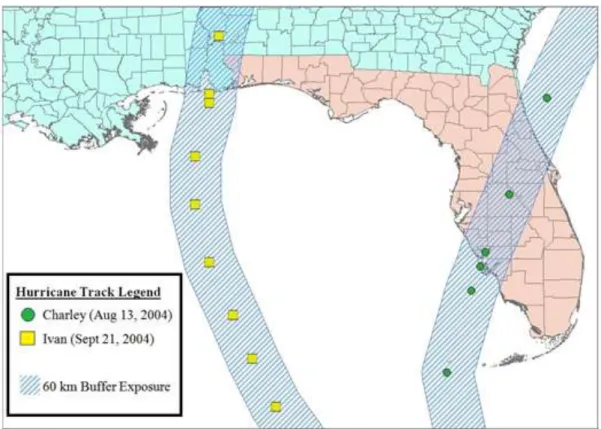
Figure 1.1 2004 Florida Hurricane Track County Map with Counties on
Track Highlighted ... 3
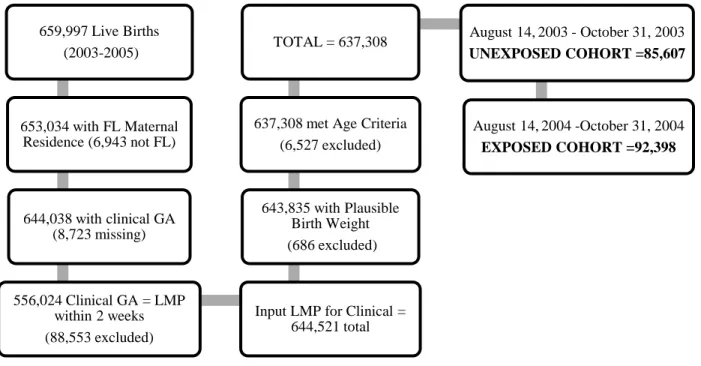
Figure 2.1 Sample selection of live births for Aim 1. birth rate analysis ... 37
Figure 2.2 Sample selection of fetal deaths for Aim 1. fetal death analysis ... 38
Figure 2.3 Sample selection of live births for Aim 1. fetal death analysis ... 39
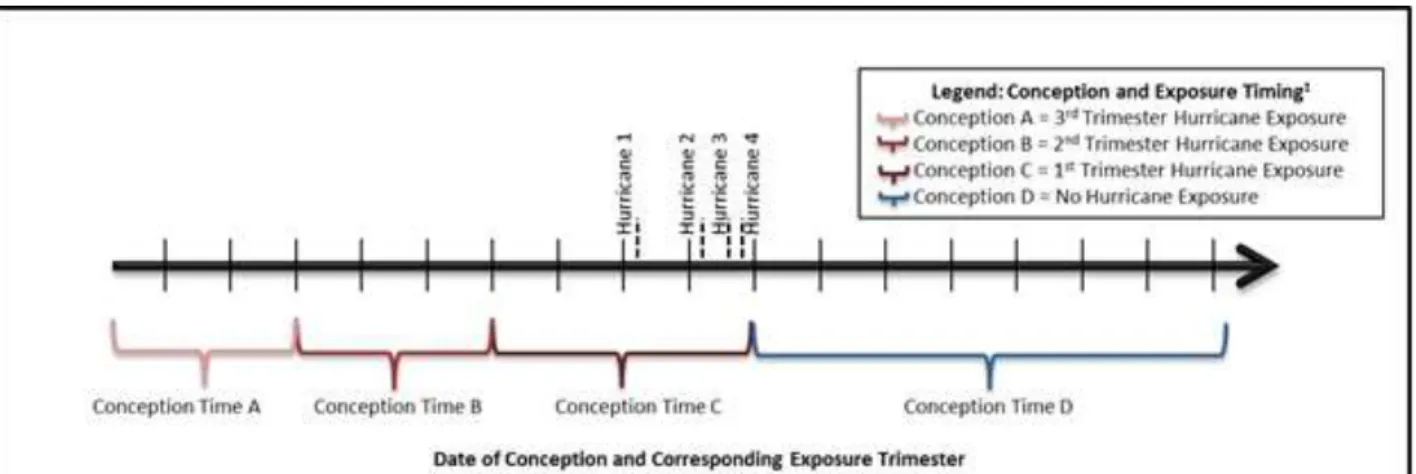
Figure 2.4 Hypothetical exposure trimester timing by date of conception (which result in live birth and hurricane exposure) for Aim 2 analysis... 45
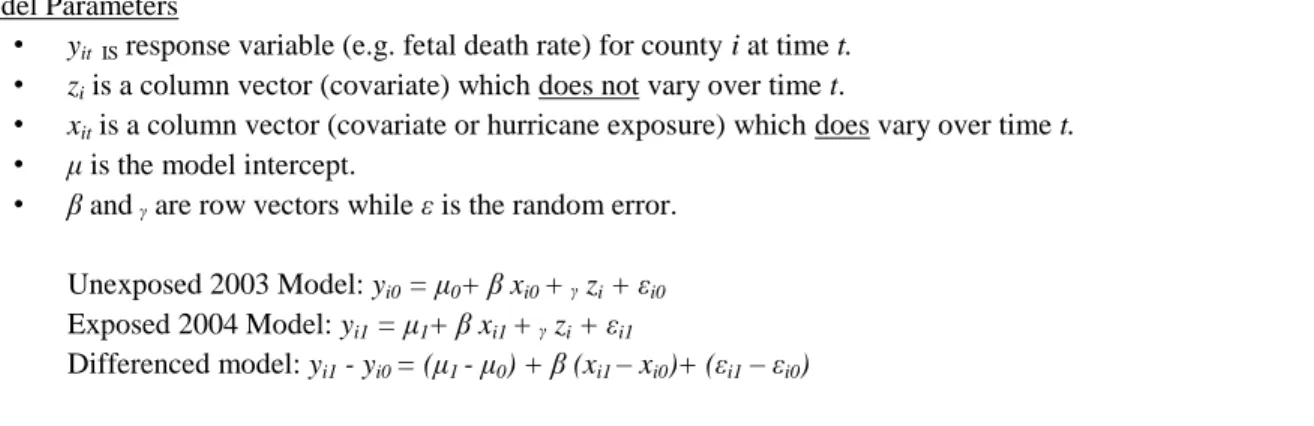
Figure 2.5 Descriptions of model parameters and form for difference-in-differences Aim 1. analysis... 51
Figure 2.6 Example pregnancies in cohort: exposure timing by date of conception ... 53
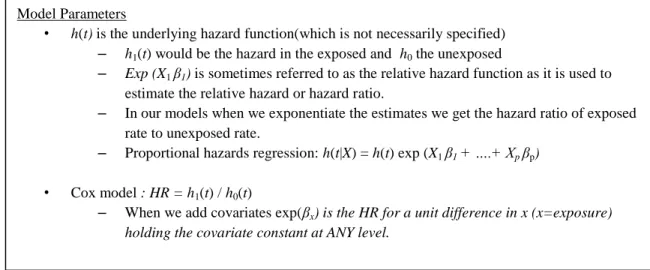
Figure 2.7 Description of model parameters and form for Cox hazard ratio Aim 2. analysis... 54
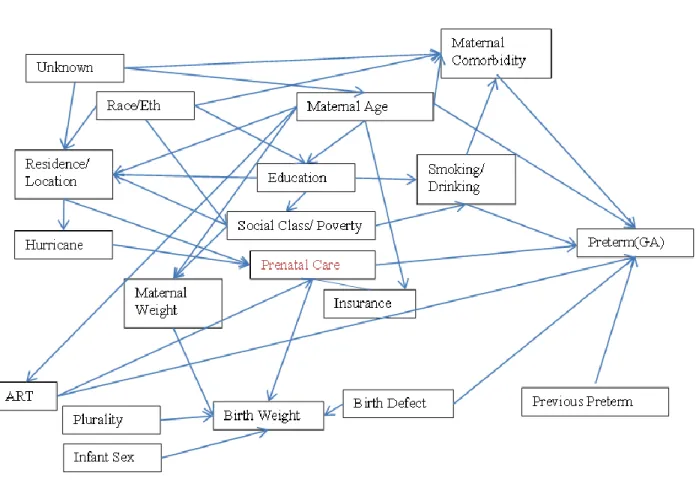
Figure 2.8 Example Directed Acyclic Graph (DAG) of hurricane exposure and preterm delivery association ... 57
Figure 3.1 2004 Florida hurricane track map with 60 km buffer (n=67 counties) ... 74
Figure 3.2 Hypothetical illustration of difference-in-differences method ... 77
Figure 3.3 Model description for generalized linear and difference-in-differences models ... 77
Figure 3.4 Annotated SAS code for difference-in-differences example ... 80
Figure S.1a 2004 Florida hurricane tracks with 100 km buffer and declaration shown for Hurricane Ivan ... 124
LIST OF ABBREVIATIONS
BD birth defect
BRACE Building Resilience against Climate Effects
BW birth weight
CDC Center for Disease Control and Prevention
DAG Directed Acyclic Graph
DID difference-in-differences
EPA Environmental Protection Agency
EQI Environmental Quality Index
EXP exponentiated
FEMA Federal Emergency Management Agency
FIPS Federal Information Processing Standard
FL Florida
GIS geographic information system
GLM generalized linear models
HR hazard ratio
HRD Hurricane Research Database
IPCC Intergovernmental Panel on Climate Change
km kilometers
LBW low birth weight
mph miles per hour
NCHS National Center for Health Statistics
NOAA National Oceanic and Atmospheric Administration
NS non-significant
PTB preterm delivery
PTSD post-traumatic stress disorder
RR risk ratio
UNC University of North Carolina
US United States
CHAPTER 1: BACKGROUND
Introduction to Hurricanes and Reproductive Health
The impacts and losses related to natural disasters have grown as populations in
vulnerable areas and the severity of large-scale disasters have increased. Specifically, hurricane
hazard vulnerability is influenced by population growth, urbanization, increasing coastal
settlement, and global climate change. The eastern seaboard region of the United States (US),
which along with the US Gulf coast, is the area where hurricanes most often make landfall, is
home to over 50% of the nation's population, and its proportion of the US population is projected
to exceed 55% by 2015. Suggested hurricane-related health effects include mortality, injury,
economic distress, excessive stress and disruption of health care. Federal Emergency
Management Agency (FEMA) defines pregnant women as a socially vulnerable populations
disproportionately affected by disaster-related health effects. Hormone fluctuation during
pregnancy may influence stress related reactions while potential lapses in access to health care
could impact reproductive outcomes.
Published studies investigating associations between hurricane exposure and adverse
pregnancy have often had mixed results. Studies have predominantly shown that adverse fetal
outcomes, including preterm delivery, increase with exposure to natural disasters; however,
results of research on the association between exposure to natural disaster and birth or fetal death
rates have been mixed. Due to increased vulnerabilities during the perinatal period and the
increasing hazard vulnerability, understanding the potential adverse consequences of hurricanes
Published research on this topic is comprised primarily of ecological studies conducted
after the hurricanes make landfall, using surrounding areas as controls. These case studies are not
generalizable to other areas impacted by storms of differing magnitudes, and have not yet
addressed the impact of being exposed to multiple hurricanes during a single hurricane season.
Also, the use of the surrounding areas as controls may induce confounding by county-level
differences as well as other environmental differences. Past studies have also used different
definitions for what constitutes hurricane exposure, making it difficult to compare studies and
possibly leading to the heterogeneity of effects seen in the literature.
To investigate potential associations between hurricane exposure during pregnancy and
reproductive health outcomes, we propose to construct a population-based cohort of Florida
pregnancies occurring between 2003-2005 using combined birth certificates and fetal death
records. This unique timeframe includes a variety of exposures: a non-hurricane control year,
2003, when no hurricanes made landfall; and 2004, when four hurricanes made landfall in
Florida - Charley (August 13th), Frances (September 5th), Ivan (September 21st) and Jeanne
(September 25th) (Figure 1.1). In general, hurricanes are categorized by the maximum strength
Figure 1.1 2004 Florida Hurricane Track County Map with Counties on Track Highlighted
Charley, a category 4 hurricane, was the strongest hurricane to strike the US since
Hurricane Andrew in 1992 and was relatively small but intense. Charley travelled northeastward
through central and northeast Florida, through the heart of the Florida Peninsula. Frances, a
Table 1.1 Saffir-Simpson hurricane wind scale definitions
Hurricane Category
Sustained Winds (miles per hour (mph))
1 74-95 mph 2 96-110 mph 3 111-129 mph 4 130-156 mph 5 157 mph and higher
category-2 hurricane, was not as strong as Charley, but was much larger and responsible for over
100 tornadoes and massive floods. Frances traveled northwest through Florida, hitting central
Florida and the western coast towards the panhandle. Hurricane Ivan, a category 3 hurricane
when it hit Alabama and Florida, was both strong and large leading to flooding and tornadoes,
but only affected a small area of the Florida panhandle. The final hurricane of the 2004 season,
Jeanne, a category 3 hurricane, followed a very similar path to that of Frances and affected many
moving, dropping several inches of rain over the already saturated flooded region of Florida just
hit by Frances. The 2004 hurricane season was the worst in Florida’s history, with four
hurricanes causing at least 47 deaths and over $45 billion in damages.
First, we show preliminary analyses which explore methods of quantifying hurricane
exposure. Next, we will use a novel application of the difference-in-differences method to
describe the association between 2004’s hurricane-related weather exposure and county-level
live birth rates. Lastly, we will conduct individual-level analysis to investigate the effect of
hurricane exposures on preterm delivery, defined as births before 37 total gestational weeks,
using time-to event models. The proposed research will be conducted using novel meteorological
modeling of hurricane wind speed in comparison to previous published methods. Our results
will both demonstrate efficient analytic methods to control confounding and provide insight
regarding the potential effect of hurricane-related weather exposure on reproductive health
outcomes. The findings may be generalizable to Florida pregnancies during other hurricane
seasons and used to make inference to similar coastal populations.
Literature Review
A growing body of literature suggests that hurricane-related exposures may impact
maternal and fetal health; however, many of the currently published reports were either anecdotal
in nature or clinician recommendations as opposed to systematic studies (1, 2). Systematic
studies of natural disaster and reproductive health outcomes are primarily focused on single
disasters of large economic consequence including Hurricane Agnes (1972), Hurricane Gilbert
(1988), Hurricane Hugo (1989), Hurricane Andrew (1992) and Hurricane Katrina (2005).
Several mechanisms have been hypothesized for the way in which hurricane exposure can
injury, disruption of health care, economic distress and psychosocial stress. These mechanisms
include both long term (e.g., post-traumatic stress disorder [PTSD]), and short term (e.g., power
outages) exposures. Much of the literature on post-disaster outcomes hypothesizes maternal
psychosocial stress as either a primary exposure or the proposed mechanism influencing fetal
outcomes. These mechanisms are thought to be similar across various types of natural disasters.
This review includes literature describing potential mechanisms related to natural
disasters on reproductive health as well as the current state of the literature concerning the effects
of disaster exposure on reproductive health outcomes including birth rates, fetal death rates,
maternal depression, PTSD, birth weight and gestational age. First, we discuss the effects of
biological mechanisms of exposure on public health and vulnerability of pregnancy and
reproductive health outcomes. Next, we review the current literature on hurricanes and other
natural disaster exposures and reproductive health outcomes. Two recent systematic review
articles of disaster and reproductive outcomes have included both manmade and natural disasters
(1, 2). Our review has been limited to natural disasters since we are primarily interested in the
impacts of hurricane exposure. Hurricanes are unlike spontaneous manmade disasters in that
populations often receive advance warning when a hurricane threatens their area, giving them
opportunity to evacuate from unsafe locations.
Mechanisms of Health Outcomes from Hurricane Exposure
Hurricanes are some of the world’s most catastrophic disasters and have a wide range of
public health implications (2-4). Severe storms have lasting implications, including economic
crisis, infectious disease, injury, psychosocial stress, and disruption of health care services (3,
however, psychosocial stress and PTSD are a continuing problem, both in populations who
directly experience a hurricane and in those who evacuate (8-10).
Injury/Mortality
Injuries attributed to hurricane can occur before, during, or after the actual hurricane
landfall. Prior to the storm, injuries such as falls, strains, and fractures can occur during storm
preparation. Motor vehicle accident related injuries also tend to increase with mass evacuations
During hurricanes, physical injury represents the major cause of death and the primary cause of
morbidity (3). Major injuries during the storm are often caused by structural collapse, wind borne
debris, and fallen trees and power lines. The direct impact of hurricanes can include contact with
hurricane force winds, rain, and flood. Minor trauma is common, including lacerations, abrasions,
sprains, and fractures (11-15). After the hurricane, injuries are more likely due to fire, carbon
monoxide poisoning, injury from chainsaws, and falls sustained in repairing storm damages (3,
16).
Prior to the implementation of evacuation and shelter systems, drowning from storm
surge flooding accounted for 90 percent of hurricane attributable mortality (3, 5). Likewise,
before 1990, the majority of deaths attributed to hurricanes making landfall in the US occurred at
the time of impact and were attributed to drowning in storm surges (11). Advances in
construction, forecasting, and evacuation have decreased hurricane-related mortality in the US
(17-20). Improvements in forecasting and evacuation have shifted hurricane mortality trends in
two ways (21). First, storm-surge drowning deaths have decreased, and thus the majority of
deaths during the most violent part of the storm are now due to injury by high-velocity winds (16,
22). Second, most of the storm-related mortality and much of the morbidity now occurs in the
injury during the storm are now electrocutions from downed power lines, chain-saw injuries,
blunt trauma from falling trees, and motor vehicle fatalities while after the storm flooding is the
major cause of death (23). Specifically, flooding in part due to hurricanes, accounts for 40% of
the natural disasters reported and is the leading cause of death associated with natural disasters in
the US (37, 116).
Pregnant women may be more vulnerable to some types of injuries due to changes in
balance, increased blood flow, and pregnancy related comorbidities such as fractures due to
falls(24). Some studies of pregnancy trauma have found increased fetal loss and poor
outcomes in mothers who experience other types of trauma, such as vehicular accidents and
severe falls (25, 26), but, to our knowledge, none of the published disaster literature has
specifically investigated hurricane injury and related morbidity in pregnant women.
Infectious Disease
In general, outbreaks of infectious disease following hurricanes are rare in the US and
other developed countries. In these nations, increases in gastrointestinal disease and respiratory
illness are reported occasionally, which are generally shelter associated (17, 21, 27, 28). No
notable post storm increases in communicable diseases have been captured by the post-disaster
surveillance systems in use in developed nations (16, 28).
In the developing world, occurrences of infectious disease outbreaks are more common
after hurricanes (16, 21, 28). Increases in both acute respiratory infection and severe
gastrointestinal disease have been noted (27). Factors unique to developing nations that are more
likely to lead to outbreak of disease include high endemic rates of disease, low immunization
rates, poor access to clean water , poor sanitation, prolonged crowding in shelters, and
likely to occur in developing countries and contributes to an increase in disease (16).
Additionally, interruption of public health-care service and antimalarial spraying have
contributed to several outbreaks of malaria after hurricanes in Central America, South America,
and Haiti (30).
Pregnant women are more susceptible to some communicable diseases and may have a
more severe reaction due to a compromised immune system during pregnancy; however no
published reports to date have focused on reproductive health and outbreaks of infectious disease
due to hurricanes (31-33). Since hurricane-related outbreaks of infectious disease are not a
problem in developed nations, we do not expect this to be an active mechanism in our hurricane
reproductive health analysis.
Economic/Property Loss and Disruption of Care
Hurricanes are among the costliest weather-related natural disasters. NOAA reports all
of the billion-dollar weather related disaster in the US and since 1980, hurricanes have accounted
for the vast majority of these disasters (34).From 1970-2009, seven of the ten most costly global
natural disasters, in terms of insured losses - a total of $164 billion - were hurricanes that struck
the Gulf of Mexico and Atlantic coasts of the US (4). Previous research into long-term trends in
hurricane-related damage along the US coast has suggested that damage has been quickly
increasing within the last three decades, even after adjusting for inflation. To best capture the
year-to-year variability in hurricane damage, consideration must also be given to coastal
population changes and changes in wealth (35). Much individual property loss is driven by
location and housing type (36) - for instance, mobile homes and homes not retrofitted for
Structural damage together with a loss of power, water, and communication are to be
expected from severe hurricane weather. Lack of access to medical care may occur due to high
winds, rain, and flooding during and after the hurricanes and floods (38). The windows of health
care facilities may be shattered from a hurricane’s high winds or the premises may be flooded
with water, prompting the evacuation of patients and staff to safer areas of the hospital.
Additional nursing staff, family members, and high need patients (e.g. pregnant women, dialysis
patients, ventilator patients) contribute to hospital overcrowding and need for additional
resources (39). In addition to crowding, health care facilities may be understaffed or have some
staff working long hours due to road damage and infrastructure problems that limit workers’
ability to commute to work (40, 41).
Factors that influence individual property loss and health care facilities could have a
major impact on pregnancy outcomes. Case studies have reported increases in Caesarian delivery
around the time of disaster occurrences (42, 43). If women are unable to get to the hospital
during labor, it may take emergency services longer to respond. Also, if services are lost or
health facilities are disabled, pregnant women may delay routine checkups or may not receive
adequate prenatal care. The effects of economic, structural, and other sources of disruption of
health care may differ depending on the timing of exposure during pregnancy as well as the
severity of hurricane weather.
Psychosocial Stress
Behavioral health effects due to fear, injury, economic loss, and other psychosocial
stresses are among the most debilitating long-term outcomes of hurricane exposure (3, 9, 10,
44-46). Studies have consistently shown increased levels of stress, anxiety, and depression among
suicide increases by 13.8 percent generally, and by 31 percent in counties affected by hurricanes
(2, 51). Even exposure to moderate-scale disasters with a small number of deaths and injuries has
been linked to increased stress, especially for women. Hospital and public health services may be
compromised by other physical damage and stress to personnel (3, 7, 52, 53). Psychosocial stress
and the disruption of health care often act in tandem to create an unstable environment for
populations highly dependent on health care services, including pregnant women (1, 43).
While the exact biological mechanism that links increased levels of maternal stress and
poor fetal outcomes like preterm delivery and low birth weight is not precisely known, studies
suggest excess stress in the fetal environment is caused by excessive maternal psychosocial
stress disrupting the maternal hypothalamus and adrenal systems (54-57). Clinical data has
shown that the increased production of neuropeptide corticotrophin-releasing hormone during
periods of anxiety can play a role in initiating labor. Studies have found women with elevated
blood levels of corticotrophin-releasing hormone in the second trimester or early third trimester
were at a greater risk of preterm delivery (57-61). Maternal stress measured at different
gestational ages has been found to correlate significantly with corticotrophin-releasing hormone
measured at the same time, and including levels of corticotrophin-releasing hormone in analyses
has been found to mediate the relationship between maternal stress and preterm delivery (61).
Stress during pregnancy is a suggested risk factor for many adverse reproductive outcomes
including distressed delivery, low birth weight and preterm delivery (55, 56, 62).
A published review of stress and reproductive health studies published between 1966
and 2001 reported that pregnant women with (generally self-reported) high stress and anxiety
levels are at an increased risk for spontaneous abortion, preterm labor, low birth weight, and the
confounding by omitted variables and biased by other factors that correlate with both stress and
birth outcomes, e.g., poverty or poor health (56). A more recent review of prenatal maternal
psychological distress and adverse reproductive outcomes found that, in general, elevated levels
of depression and anxiety were found to be associated with poorer obstetric outcomes (e.g.
obstetric complications, pregnancy symptoms and preterm delivery), which had implications for
fetal and neonatal well-being and behavior (63).
Pregnancy Vulnerability
Vulnerability to natural hazards is not based solely on the event itself, but also on the
social, economic, and political environment in which populations face hazards (64). In general,
the term “vulnerable populations” refers to individuals who are either physically, psychologically,
or socially disadvantaged compared to the average individual in the population (65). Studies
have shown that racial and ethnic populations in the US are more vulnerable to natural hazard events due to “language, housing patterns, building construction, community isolation and
cultural insensitivities” (66). Although not well studied, it is suggested that pregnancy may
encompass both physical and psychological vulnerabilities for the mother and fetus, which
increase the effects of natural disaster exposure (67, 68).
Pregnant women and fetuses may be disproportionality vulnerable to disruptions in health
care due to the physical status and psychosocial stresses during hurricane exposure (2). Pregnant
women not only require routine medical care throughout pregnancy, but also immediate medical
services throughout pregnancy and during delivery (40, 43). Studies of disasters and stress
indicate that women need disaster psychotherapy more often than men (45) and pregnant women
may be even more vulnerable (2, 9, 69, 70). Factors related to natural disaster stress exposure
hurricane exposure. Several studies of pregnancy and disaster-related stress find that pregnant
women with disaster exposure experience PTSD, depression and anxiety after delivery more
often than women not exposed to hurricanes (9, 43, 67, 71).
While there are many hurricane exposure mechanisms that could have an influence on
preterm delivery, the assumed stress mechanism is well supported in the literature. This
exposure may be ubiquitous in individuals living in Florida, regardless of evacuation, in areas
that are routinely and severely affected by hurricane weather. We are not directly able to test
anxiety and stress in the proposed cohort, but do acknowledge this as an avenue for potential
intervention to improve post-disaster outcomes in the future.
Review of Hurricanes and Reproductive Health
The current body of literature pertaining to hurricane exposure and reproductive health
outcomes is primarily based on hurricanes that made landfall in the United States. The majority
of these are individual case studies of hurricanes that made landfall with destructive large scale
consequences, including Agnes (1972), Gilbert (1988), Hugo (1989), Andrew (1992) and Katrina
(2005). A single study by Currie (2013) investigated major hurricanes (categories 3, 4, or 5),
which made landfall in Texas between 1980-2008, to look at the overall effect of hurricane
exposure on reproductive health. Most studies have focused on the association between hurricane
exposure and adverse birth outcomes in areas directly impacted by hurricanes in comparison
with surrounding areas without hurricane exposure. Many of these studies either assume
psychosocial stress is or measure it as the primary mechanism between disaster exposure and
Birth and Fetal Death
Several ecological studies have investigated birth and fetal death after hurricane exposure.
These studies have mixed results but suggest an increase in birth and fetal death rates the year
following hurricane exposure.
A study by Cohan and Cole (2002) examined the change in marriage, birth, and divorce
rates following Hurricane Hugo from 1975 to 1997 for all counties in South Carolina.
Time-series analysis indicated that in the year following the hurricane, birth rates increased in the 24
counties declared disaster areas compared with the 22 other counties in the state(72). Hamilton
(2009) also investigated county birth rates in the Gulf Coast states following Hurricane Katrina.
This study had mixed results, with births declining in most counties and parishes of Louisiana
and Mississippi and rising in the counties of Alabama. Overall, birth rate trends were
inconsistent across counties although these trends declined most in non-Hispanic black
populations (51). A study conducted of deeply flooded areas after Hurricane Agnes found that
fetal death rates increased the year after severe flooding in highly affected areas (73).
Maternal Stress
Many of the currently published studies on hurricanes and reproductive health outcomes
measure maternal psychosocial exposures or outcomes and all of them were conducted after
Hurricane Katrina. These studies assessed PTSD, depression, or general psychosocial stress in
pregnant or postpartum women post disaster. Overall, these studies consistently found an
increased incidence of PTSD and depressive symptoms in women exposed to the storm as
compared to those unexposed or with less exposure. Differences were particularly profound
In a study of 301 Louisiana women, Xiong et al. (2010) found that measured
psychological trauma after Hurricane Katrina was not associated with low birth weight or
preterm delivery. The authors did find an association between low birth weight and greater
hurricane exposure, i.e., reporting three or more of eight severe hurricane experiences (9). A
subset of this cohort was utilized by Harville (2010) to analyze hurricane-related threat, illness,
loss, and damage. Overall, two or more severe hurricane experiences was associated with an
increased risk for both depression and PTSD. These associations were found to be strongest in
black women and women with less education (74). Savage (2010) used a cross-sectional,
exploratory study of 199 postpartum /expectant mothers to describe perinatal moods and
complementary alternative therapy (CAT) use among childbearing women living in New Orleans,
LA, after Hurricane Katrina. This study found that women who sought alternative therapies and
health behaviors had decreased self-perceived anxiety and depression (75).
Fetal Distress
A single study explored an indicator of fetal distress using birth records and monthly time
series spatial models to examine the effects of Hurricane Andrew in Florida. Increased fetal
distress was found when comparing the hurricane exposure period to the non-exposure periods in
areas of severe hurricane damage. Exposure during the second and third trimester was associated
with increased odds of fetal distress compared to first trimester exposure or no exposure. Similar
to Harville et al. (2010), this study found that black mothers were more likely to have birth
Low Birth Weight and Gestational Age
Several studies have explored the effect of hurricane exposure on low birth weight and
gestational age, and these studies have found an increase in low birth weight (68, 74) but mixed
results for gestational age. Xiong (2008) also found a higher frequency of low birth weight and
preterm delivery in women with greater hurricane exposure. The study concluded that women
who had greater hurricane exposure were at an increased risk of having poor infant outcomes
(68). Harville et al. (2010) concluded that while the risk of low birth weight and preterm delivery
remained higher in black compared to white women, the storm did not appear to have
exacerbated health disparities (74). Another study of Hurricane Katrina investigated birth rates
and poor fetal outcomes in the Gulf Coast states, including Louisiana and Alabama (51). This
study found lower rates of very preterm deliveries and very low birth weight in exposed parishes
of Louisiana following Hurricane Katrina, as well as higher rates of very preterm deliveries in
exposed counties of Alabama.
A single study used Texas birth records over a twelve year period to look at the effect of
multiple hurricanes between 1996-2008 (Currie and Rossin-Slater 2013). This study found that
exposure to a hurricane during pregnancy increased the probability of abnormal conditions of the
newborn, such as being on a ventilator and meconium aspiration syndrome. Also, exposure in the
third trimester, but not first or second trimester exposure, increased the risk of low birth weight.
The authors concluded that exposure to stressful events like natural disasters during pregnancy
can influence fetal outcomes, although the effects may be subtle and sensitive to statistical
Birth Defects
Two studies have investigated birth defects after hurricane occurrence. Duff (2004)
conducted a case control study (17 cases, 51 controls) of neural tube defects in Jamaica after
Hurricane Gilbert. An increase in neural tube defects was noted after Hurricane Gilbert, thought
to be due to decreased folic acid intake after crop destruction (77). Janerich and colleagues
conducted a study after Hurricane Agnes of highly flooded areas and found that fetal death rates
were higher the year after severe flooding in highly affected areas; however, change in birth
defect rates were not significant (73).
Table 1.2 Literature review of hurricanes and reproductive health outcomes
Outcomes Major Findings Hurricane Author Pub
Date Life Events Maternal Stress Fetal Outcome
Agnes(1972) Janerich 1981 X X Increase fetal death, BD NS
Gilbert(1988) Duff 1994 Increase BD
Hugo(1989) Cohan and Cole
2002 X X Increase birth rates
Andrew(1992) Zahran 2010 X Increase fetal distress
Katrina(2005) Xiong 2008 X Increase LBW, PTD NS
Hamilton 2009 X X Conflicting birth rates by county. Decrease VPTD, PTD LBW NS
Harville 2009 X Increase PTSD
Harville 2010 X Increase LBW, PTD NS
Xiong 2010 X Increase PTSD/Depression
Savage 2010 X Increase PTSD/Depression
Texas(1980-2008) Currie
2013 X BW and PTD NS
NS – non-significant, PTD- preterm delivery, VPTB – very PTD, BW – birth weight, LBW – low birth weight, BD-birth defect
Review of Other Natural Disasters and Reproductive Health
Given that the biological mechanisms could be similar across various types of natural
disasters, it is necessary to briefly review literature on reproductive outcomes following other
types of natural disasters, including earthquakes, floods, and ice storms. This literature is more
studies. These studies may provide additional insight on the relationship between disasters and
preterm delivery, as well as timing of disaster exposure during pregnancy.
Earthquake
Several systematic studies have been conducted following earthquake events. Overall,
these studies show that earthquake exposure increases the risk of maternal psychosocial stress
and that the exposure timing in pregnancy can affect fetal outcomes including gestational age
and birth weight.
For example, a study of the Northridge Earthquake in California showed that the mean
gestational age was lowest in pregnancies exposed to earthquake in the second and third
trimester (78). A study by Torche used individual-level data on measured shaking from
earthquake to study the effects of the 2005 earthquake in Chile, and found that exposure to the
shaking during the first trimester of pregnancy increased the risk of low birth weight and short
gestation (79). Another study of a 2010 earthquake in Chile found a reduction in the overall
birth rate, but an increase in the rate of early preterm deliveries (<34 weeks), premature rupture
of membranes (PROM), macrosomia, small size for gestational age, and intrauterine growth
restriction (IUGR). Women exposed to the earthquake during the first trimester were more
likely to deliver smaller newborns and preterm infants compared to those exposed at third
trimester (80). A study in China by Tan and colleagues used birth records to investigate birth
outcomes as a consequence of a major 2008 earthquake. Significant low birth weight, greater
ratio of low birth weight, preterm delivery and low Apgar scores were all observed in the
post-earthquake group (81). One study of birth outcomes after an post-earthquake in Israel found a
of preterm delivery(82). These studies consistently suggest increased adverse birth outcomes
after earthquake exposure.
Several earthquake exposure studies have investigated maternal psychosocial stress. A
study of an earthquake in Taiwan investigated the prevalence of minor psychiatric morbidity in a
group of women who were pregnant during or immediately after a major earthquake. Overall,
maternal history of abdominal injury, death of a spouse, and instability in living conditions were
significantly correlated with low birth weight (142). A study in Japan demonstrated that
psychological impact and stress resistance were associated with exposure during pregnancy.
During pregnancy, postnatal depression was a significant predictor of a physical abnormality
during pregnancy or childbirth (83).
Flood
While floods often co-occur with hurricane, there is no literature specifically addressing
this type of flooding on health. Studies of overall flood exposure in the US and in Poland have
been conducted to investigate potential associations with reproductive health outcomes. These
studies suggest an increase in preterm delivery and birth complications after disaster, but
inconsistent results with regard to birth rates.
A study of the 2009 North Dakota Red River Floods explored changes in birth rates, birth
outcomes, and pregnancy risk factors. The study used county-level birth files and found that the
crude birth rate and the direct-adjusted fertility rate decreased significantly following floods.
Compared to pre-disaster figures, there were significant increases in poor maternal outcomes as
well as significant increases in low birth weight and preterm deliveries (249). Two studies were
conducted by Neuberg (1998, 2010) in Poland after a flooding disaster in the Klodzko region:
(85). The first, a small study of women injured in flood, found injured women to have an
increased risk of pregnancy loss, preterm delivery, birth asphyxia, premature rupture of
membranes and intrauterine growth retardation. The second study found an increase in birth rates
in the year after the flood (84, 85).
Ice Storm
A single study of an ice storm in Canada found that gestation lengths and predicted birth
weights were smaller among participants exposed to the ice storm during early to mid-pregnancy,
compared to third trimester and pre-pregnancy exposure. High objective prenatal maternal stress
levels predicted smaller head circumferences in early pregnancy, however, these effects
decreased in later pregnancy (86).
Non-Specific Natural Disasters
In a large-scale study, Simeonova (2009) used county-level data on all births in the US in
1968–1988 to investigate a range of natural disasters. Exposure to disaster during pregnancy
increased the likelihood of a preterm delivery but not low birth weight. This study also found
that mothers affected in the second trimester of pregnancy suffered the largest negative impact
on preterm deliveries and low birth weight (87).
Outcome Review: County-level Live Birth Rate
Live birth rates are defined as live births per 1,000 persons in the population at midyear,
indicating the number of births respective to the entire population. The birth rate is usually the
dominant factor in determining the rate of population growth. It depends on both the level of
fertility and the age structure of the population (88). Since 2010, the number of births and the
fertility rate either declined or were unchanged for most races and Hispanic origin groups in the
rose. The birth rate for teenagers 15-19 years was down 6 percent (29.4 births per 1,000
teenagers 15-19 years), with rates declining for younger and older teenagers and for nearly all
race and Hispanic origin groups (88). The literature of hurricane exposure and birth rates is
inconsistent, with some evidence of declining birth rates the year after disaster (51, 72).
Outcome Review: County-level Fetal Death Rate
Fetal death rates are computed as the number of fetal deaths at 20 weeks of gestation or
more per total 1,000 live births and fetal deaths (89). Fetal death is defined as the intrauterine
death of a fetus at any gestational age (90). Much of the concern surrounding reproductive loss
has focused on infant mortality, due in part to a lesser understanding of the incidence, etiology,
and prevention strategies for fetal death. Although the vast majority of fetal deaths occur very
early in pregnancy, it is customary in research to only consider fetal deaths after 20 weeks of
completed gestation because of the lack of information on loss before 20 weeks (91). Most
states in the US only report fetal deaths at 20 weeks of gestation or more, and statistics on fetal
death exclude data for induced terminations of pregnancy. Even when only fetal deaths at 20
weeks or more are considered, nearly as many fetal deaths as infant deaths occur in the US each
year (89, 92).
Outcome Review: Preterm Delivery
Preterm deliveries, which are defined as births before the 37th week of gestation, are one
of the major health problems of industrialized societies (93). The 37-week cut point has been
established because several organ systems mature between 32 and 37 weeks, and the fetus is
thought to reach adequate maturity by the end of this period (94). One of the main organs greatly
affected by premature birth is the lungs. The lungs are one of the last organs to mature; because
to 13 percent of all births in the US in 2006 were preterm (54, 57, 95). While the frequency of
low birth weight (<2,500 g) infants declined somewhat in the US between 1970 and 1980, this
decline appears to have occurred primarily among full-term as opposed to preterm infants (96).
The neonatal and long-term health care costs of preterm infants impose a considerable
economic burden both on individual families and the nation (97). A recent March of Dimes
report estimates that the average cost of care for a premature baby is $49,000, as compared to
$4,551 for a full-term birth without complications. The costs of prematurity are almost five times
higher than for any other complication of birth and delivery, resulting in at least $26.2 billion in
societal costs each year (93).
Preterm delivery is the single most important cause of perinatal mortality in the United
States (97). Preterm deliveries are the leading cause of infant mortality and are associated with
substantial neurocognitive, pulmonary, and ophthalmologic problems later in life. Death rates
among extremely preterm infants (less than 32 weeks of gestation) are more than 150 times
higher than among full term babies (90). Also, the risk of neurologic and developmental
impairment during childhood is substantially elevated for the youngest gestational age survivors.
Despite reductions in infant mortality, the rate of preterm delivery in the US remains
considerably higher than the rates in many other industrialized countries. It is unlikely that there
will be further substantial improvement in infant survival in the US unless a reduction in births
of preterm infants can be accomplished (97).
While clinical measures can be taken to delay birth and drugs can be used to facilitate
maturation of the lungs, understanding the underlying mechanism of preterm delivery has been
difficult (93). Preterm delivery as a consequence of excessive stress at any time point in
studies imply an underlying stress mechanism in the analysis of natural disaster exposure and
adverse fetal outcomes including preterm delivery. The association between hurricane exposure
and preterm delivery has been inconsistent; however, studies of other disaster exposure have
consistently demonstrated increased risk of preterm delivery (1, 2, 43, 51, 55, 70, 76, 100, 101).
Current studies on the relationship between maternal hurricane exposure and preterm delivery
suggest a dose response relationship with severity of exposure, and potential differences by
exposure trimester; however, these studies are limited to case reports and single disaster cases (3,
9, 17, 51, 76). Disaster-related stress, injury, clinical disruption and economic loss could all play
an important role in preterm delivery risk.
Preterm Delivery and Race/Ethnicity
Studies of preterm delivery consistently find significant differences by race (91, 97). In
the US, black women are consistently reported to be at higher risk of preterm delivery compared
to other minorities or white women. Preterm delivery rates are in the range of 16–18% in black
women compared with 5–9% for white women. Black women are also three to four times more
likely to have a very early preterm delivery than women from other racial or ethnic groups (102,
103). Part of the discrepancy in preterm delivery rates between the US and other countries might
be explained by the high rate of preterm deliveries in the US black population (104). Over time,
the disparity in preterm delivery rates between black and white women has remained largely
unchanged and unexplained, and contributes to a cycle of reproductive disadvantage with
far-reaching social and medical consequences (105).
Clustering and diversity of race/ethnicity groups in Florida created a unique
environment to look at subgroups in the relationship between hurricane exposure and preterm
Americans have increased risk of adverse fetal health outcomes compared to other minorities and
white women (66, 74). In contrast, regarding the assumed stress mechanism, a recent study of
stress and preterm delivery across 19 states using the Pregnancy Risk Assessment and
Monitoring System found that no significant interaction effects between race-ethnicity and stress
on preterm delivery (107). With our large racial and ethnically diverse cohort, we will investigate
differences between race and ethnic subgroups.
Hurricane Exposure Measurement
A hurricane is often defined by its wind speed and force. The Saffir-Simpson Hurricane
Wind Scale classifies hurricanes into 5 distinct categories of severity: Category 1 (74-95 mph), 2
(96-110 mph), 3 (111-129 mph), 4 (130-156 mph), and 5 (157 and higher mph). Category 3-5
hurricanes are considered major hurricanes in which buildings and resources can be damaged or
unavailable for days or weeks.
Appendix A describes our preliminary analysis of 2004 hurricane exposure measurement.
The current disaster literature focuses primarily on two methods of assigning disaster exposure: 1)
Federal Emergency Management Agency (FEMA) Presidential Disaster Declarations and 2)
exposure using spatial data on the specific storm trajectory. We compared the use of these two
methods and an additional novel wind speed measure based on Saffir-Simpson hurricane
intensity scale. Hurricane wind exposure was defined by residence from the birth certificate in a
hurricane affected county as determined using several maximum wind speed categorizations.
In summary this paper highlights that FEMA disaster declaration, spatial data based on
storm trajectory, and meteorological severity of wind speed displayed clear heterogeneity of
exposure assignment when assessing the four hurricanes of the 2004 hurricane season. The
margin of difference for Hurricane Ivan, which impacted the far western Florida panhandle. The
disaster declaration method consistently assigned a higher number of counties as exposed to
hurricanes when compared to other exposure methods, supporting the assertion that the use of
this method, developed for providing federal assistance to affected jurisdiction, likely over
assigns county-level hurricane exposure. We found no statistically significant associations
between counties designated as exposed using the disaster declaration method and reproductive
health outcomes.
For increased comparability between studies, a more objective, quantitative method of
exposure such as wind speed may be preferred over the less specific assignment of disaster
exposure like the FEMA disaster declaration. Meteorological wind speed modeling provides a
new and reproducible approach to better characterize hurricane exposure and its effect on health.
For these reasons the binary wind speed classifications were chosen for the primary exposure
classification method in this research. For the difference-in-differences analysis the spatial buffer
was also used to assess consistency across exposure methods.
Study Significance
The potential impacts of global climate change on health are not yet well understood.
More frequent and more intense weather events may be one result of climate change. In
particular, variability in climate has been demonstrated by the increasing intensity of hurricanes
in the US (9, 42). With increasing scientific evidence of climate change and its subsequent
potential impact on severity of hurricanes, a better understanding of the growing health
consequences is needed. Some populations, including the elderly, racial and ethnic minorities,
investigate pregnancy outcomes and multiple hurricane events using methods to reduce
methodological biases and
Climate Change and Disasters
Much of the social and economic costs associated with climate change may result from
related health consequences and the shifts in the frequency and severity of extreme weather
events (108). This is illustrated by a large number of costly weather disasters in 2011, which tied
2005 as the warmest year globally since 1880 (108). In 2011, overall damages from major
natural disasters exceeded $55 billion, five times the costs incurred in the average year (35).
Some effects of climate change include increasing temperature, changes in patterns and amount
of precipitation, rising sea level, and increasing number of global natural disasters. Global
climate change can affect interannual variability in the climate system, such as El Niño, which
influences disaster probabilities (109, 110). While we cannot state that climate change has
directly caused a specific disaster event, there is evidence that increases in temperature influence
the weather in unexpected ways and the occurrence of hazardous weather events.
Climate Change and Public Health
There are many mechanisms by which climate can affect health, including temperature
(e.g., heat waves) and rainfall (e.g., floods and droughts), which have both immediate and long
term effects (111). Often the most severe hurricane weather includes high winds and heavy rains
that can lead to severe flooding. Populations that have experienced flooding may suffer from
sustained increases in mental illness such as depression and anxiety (112). Disruption in ecology
from excessive rainfall also can affect the distribution of disease vectors, such as mosquitoes
(111). Climate can also affect levels of air pollutants. For example, studies suggest ozone
well understood (113). There is also the potential of environmental degradation associated with
climate change, which can lead to population displacement as well as economic or property loss
(47).
Increases in natural disaster severity are the most widely hypothesized economic and
health risk attributable to climate change. Losses from disasters have grown exponentially as
populations have increased in vulnerable areas and the severity of large-scale disasters has
increased (114, 115). The current literature suggests that natural disaster exposure is related to
injury, infectious disease, psychosocial stress and mortality (3).
Climate change effects of warming tropical sea surface temperatures are argued to be
increasing the intensity and longevity of tropical cyclones. Since 1980, hurricanes have
contributed to more billion-dollar weather disasters than any other natural hazard (4).
Specifically, flooding in part due to hurricanes, accounts for 40% of the natural disasters reported
and is the leading cause of death associated with natural disasters in the US (37, 116). Along the
Atlantic Coast, almost 60% of the land that is within a meter of mean sea level is planned for
further development despite inadequate information on the potential rates and amount of sea
level rise (35). Climate change and increases in temperature may be increasing severity of
hurricane occurrences and related hazardous weather events.
Hurricane Burden and Trends
NOAA reports that the average number and intensity of hurricanes has increased by in
the US over the last 20 years, and the economic burden of each major hurricane (category 4, or 5)
has increased from $7 to $22 billion(3, 4, 7, 44, 45, 110, 117, 118). Specifically the number of
Category 4 and 5 hurricanes had increased 80% in the past 30 years (117). The
cyclone wind intensities and mean and peak precipitation intensities, as well as an increased
intensity of mid-latitude storms (119). In the past, North Atlantic storms have made landfall once
every few years, but recent occurrences have included single hurricane seasons where multiple
storms have made landfall (118, 120, 121). In our study period, during the 2004 hurricane
season, four storms made landfall in Florida, causing destructive flooding, high winds, and
tornados (4, 110, 117, 118, 122). Some of the climate models currently used by IPCC predict that
major cities in Europe and Northern America will experience more frequent and more severe
hurricanes over the next century (123). This effect is a current focus area of climatological and
epidemiological research into the related health consequences. While we cannot prevent
hurricanes, we can respond to the increasing burden caused by these storms by understanding the
public health implications and increasing emergency preparedness measures.
Hurricanes are increasing in severity while US populations are steadily increasing in
coastal areas. In the US, hurricanes most frequently make landfall along the Outer Banks of
North Carolina, southern Florida and southern Louisiana. Landfalls of hurricanes of Category 3
and higher are most frequent in south Florida and along the eastern Gulf Coast. Additionally,
adverse weather effects, including severe wind and rain, have extended as far inland as Kansas
and Nebraska (3, 4). The US southeast is most often and hardest hit by hurricanes; it is also the
most developed, and home to 50% of the nation's population (124, 125). Florida’s population
density of 654 persons per square mile is more than double that of any other region of the US
and continues to increase daily (118, 124). Between 2000 and 2010, Florida, along with Georgia
and North Carolina, had the highest percent increase (approximately 18%) in population(25).The
health consequences related to hurricane exposure are an increasing public health concern, given
Hurricanes and Reproductive Health
Increasing storm severity has lasting public health implications, including economic
crisis, infectious disease, injury, psychosocial stress, and disruption of health care services (3,
5-7). Evacuation mitigates some of these negative outcomes, such as mortality and injury;
however, psychosocial stress and PTSD are a continuing problem, both in populations who
directly experience hurricane and those who evacuate (8-10).
Behavioral health effects due to fear, injury, economic loss, and other psychosocial
stresses are among the most long term and debilitating outcomes of hurricane exposure (3, 9, 10,
44-46). Studies have shown increased levels of stress, anxiety, and depression among victims of
natural disasters (47-50). In the four years after any natural disaster, the incidence of suicide
increases by 13.8 percent generally and by 31 percent in counties affected by hurricanes. Even
exposure to moderate-scale disasters with a small number of deaths and injuries has been linked
to increased stress, especially for women. Studies of disaster and stress indicate that women need
disaster psychotherapy more often than men, (45) and pregnant women may be even more
vulnerable (2, 9, 69, 70).
Psychosocial stress and disruption of health care act in tandem to create an unstable
environment for populations highly dependent on health care services, including pregnant
women (1, 43). Not only do pregnant women experience stress, but necessary public health
services can be affected through both employee stress and physical damages, potentially
compromising the health care infrastructure (3, 7, 52, 53). Women require routine medical care
throughout pregnancy, but also immediate medical services for acute conditions and delivery (40,
43). Case studies of delivery during disaster suggest that labor and delivery method may be