Understanding the learning and development of sports coach mentors
By
Thomas Miles Leeder
A thesis submitted for the degree of Doctor of Philosophy
School of Education and Lifelong Learning
University of East Anglia
February 2020
© This copy of the thesis has been supplied on condition that anyone who
consults it is understood to recognise that its copyright rests with the author and
that use of any information derived therefrom must be in accordance with
current UK Copyright Law. In addition, any quotation or extract must include
I
Abstract
Research which explores the learning of coach developers, such as coach mentors, is often neglected. Thus, the aim of this thesis was to provide greater insight into this area and understand the nature of mentor learning and development within sports coaching. Framed by social constructionism, a qualitative instrumental case study design was utilised. Semi-structured interviews were conducted with coach mentors employed as part of a national governing body (NGB) formalised mentoring programme. Current coach mentors (n=9) employed for a minimum of one year were interviewed once. New coach mentors (n=9) were interviewed twice, at the start of their employment and again nine months later. Regional mentors (n=8) who oversee the training of the coach mentors participated in one focus group, whilst field notes were recorded from observations of five NGB-delivered mentor training events. A theoretically informed thematic analysis procedure was adopted, involving an iterative abductive process which integrated the sociology of Pierre Bourdieu and Phil Hodkinson and colleagues' cultural learning theory. Findings indicated that coach mentor learning involves the embodiment of dispositions, where perceptions towards 'good' mentoring practice centred on a struggle for capital, with coach mentors valorising their varying forms of capital in order to enhance their field position. Recruiting and training coaches as mentors reflected a process of misrecognition, where exposure to the NGB sub-field resulted in coach mentors internalising a doxa which became evident in their practice (Bourdieu, 1990a). This doxa centred on the NGB's ideologies surrounding 'good' coaching practice, which was disseminated during mentor training. Moreover, evidence suggested that the workplace learning of coach mentors was structured by a discourse which promoted 'learning on the job', justifying the limited amount of support available. This research contributes to knowledge by enhancing our limited understanding of sports coach mentor learning, whilst providing practical recommendations for both mentors and NGBs.
II
Acknowledgements
Firstly, a sincere thank you to my supervisors Dr Kate Russell and Dr Lee Beaumont. Thank you for the trust you have shown and the confidence you have given me throughout the doctorate process. You have given me freedom and enabled me to become someone I never thought I could be. Your guidance and words of wisdom have been invaluable.
I would like to thank the Football Association for their support in this research project. I hope the relevant individuals find this thesis beneficial in enhancing the FA Coach Mentor Programme further. I also owe a huge thank you to all the FA Coach Mentors involved within this thesis. Thank you for your honesty, engagement, and enthusiasm to give up your time and share your experiences.
To Mum and Dad, I simply would not have been able to undertake this process without your support. Thank you for believing in me and encouraging me to pursue something I am truly passionate about. I promise you won’t receive any more books from Amazon, and I forgive you for continually mispronouncing Bourdieu’s name. All I’ve ever wanted to do is make you both proud. I hope I have done that.
To friends and colleagues both near and far, at some point over the past three and a half years you have all helped to keep me sane, provided welcomed distractions, and taken an interest in my work. Thank you.
Finally, a wholehearted thank you goes to my wonderful girlfriend Charlotte. You’ve been my rock, inspiration, and motivation since I first met you. You’ve invested so much time and care into supporting me throughout this process and I simply would not have got to this stage without you. From creating detailed Excel documents to track my word count, helping to manage my timetable, and for pushing me over the final hurdle. Thank you for praising every word I have typed, sacrificing so much, and for your encouragement to get this finished. I’ve needed you more than you realise. I love you.
III
Thesis publications Journal articles:
Leeder, T., Russell, K., & Beaumont, L. (2019). "Learning the hard way": Understanding the workplace learning of sports coach mentors. International Sport Coaching Journal, 6(3), 263-273.
Leeder, T. (2019). Learning to mentor in sports coaching: A design thinking approach. Sport, Education and Society, 24(2), 208-211.
Book chapters:
Leeder, T. (2019). “You need to be a certain kind of person”: Learning to ‘become’ a community coach mentor. In L. Gale & B. Ives (Eds.), Sports coaching in the community: Developing knowledge and insight (pp. 33-49). Manchester: Manchester Metropolitan Publishers.
Leeder, T. (2019). Foucault and pastoral power: Implications for formalised sports coach mentoring. In C.L.T Corsby & C.N Edwards (Eds), Exploring research in sports coaching and pedagogy: Context and contingency (pp. 111-120). Newcastle upon Tyne: Cambridge Scholars Publishing.
Conference presentations:
Leeder, T., Russell, K., & Beaumont, L. (2019). Developing sports coaches as mentors: A Bourdieusian analysis. Oral presentation delivered at the Cluster for Research into Coaching (CRiC) 5th International Conference, September 2019, University of Worcester, UK.
Leeder, T., Russell, K., & Beaumont, L. (2018). “It could be quite a lonely job being a mentor”: Exploring the learning and development of sports coach mentors. Oral presentation delivered at the AIESEP World Congress, July 2018, University of Edinburgh, UK.
Leeder, T., Russell, K., & Beaumont, L. (2018). ‘Becoming’ a community coach mentor: Past experiences, dispositions, and responsibility for learning. Oral presentation delivered at the CRiC Coaching in the Community Symposium, April 2018, Manchester Metropolitan University, UK.
Leeder, T. (2017). Mentoring and Foucault: A suggested research agenda for sports coaching. Oral presentation delivered at the Cluster for Research into Coaching (CRiC) 4th International Coaching Conference, September 2017, Cardiff Metropolitan University, UK.
IV
Table of contents
Abstract ... I Acknowledgements ... II Thesis Publications... III Table of contents ...IV List of figures ... VII List of tables... VIII
Chapter I Introduction ... 1
1.1 Mentoring: A primer ... 1
1.2 Thesis structure ... 4
Chapter II Literature Review ... 5
2.1 Introduction ... 5
2.2 Mentor training ... 6
2.2.1 Approaches and issues in mentor training ... 8
2.2.2 Perceived benefits of mentor training... 10
2.2.3 Mentor training summary ... 12
2.3 Learning to become a mentor ... 13
2.3.1 Developing skills and traits ... 14
2.3.2 Mentor identity and socialisation ... 16
2.3.3 Lifelong mentor learning ... 18
2.3.4 Positioning mentors as learners: Educative mentoring ... 21
2.3.5 Mentor learning summary ... 22
2.4 Mentoring in sports coaching ... 23
2.4.1 Mentoring’s impact on coach learning ... 26
2.4.2 Mentoring and coach education ... 31
2.4.3 Formalising coach mentoring: A sociological critique ... 34
2.4.4 Coach learning: A sociocultural endeavour ... 39
2.4.5 Developing sports coaches as mentors ... 43
2.5 Conclusion ... 47
V
3.1 Introduction ... 51
3.2 Pierre Bourdieu’s social praxeology ... 53
3.2.1 Habitus ... 55
3.2.2 Field ... 59
3.2.3 Capital... 62
3.3 Workplace learning ... 65
3.3.1 Learning as becoming: A social and cultural endeavour ... 68
3.4 Conclusion ... 71
Chapter IV Methodology ... 73
4.1 Introduction ... 73
4.2 Paradigmatic assumptions ... 74
4.3 Qualitative research ... 78
4.3.1 The FA Coach Mentor Programme: A case study ... 80
4.4 Research methods ... 86
4.4.1 Interviews ... 87
4.4.2 Focus groups ... 89
4.4.3 Participant observation ... 90
4.5 Data collection: Procedure and participants ... 93
4.5.1 Phase one (June to November, 2017) ... 93
4.5.2 Phase two (January to May, 2018) ... 99
4.5.3 Sampling within the case ... 101
4.6 Data analysis ... 102
4.7 Reflexivity ... 106
4.7.1 Ethical considerations ... 111
4.8 Judging qualitative research ... 113
4.9 Conclusion ... 115
Chapter V The development of mentoring dispositions ... 116
5.1 Introduction ... 116
5.2 Habitus construction and wider mentoring experiences ... 116
VI
5.4 Conclusion ... 142
Chapter VI Recruiting and training sports coaches as mentors ... 144
6.1 Introduction ... 144
6.2 “Hiring mentors in our own like”: The recruitment of FA Coach Mentors ... 145
6.3 “It’s always on our agenda”: The influence of the FA’s culture ... 153
6.4 “It just underlined what I already knew”: The training of FA Coach Mentors ... 167
6.5 Conclusion ... 177
Chapter VII Learning in the workplace: Doxa, positions, and support ... 179
7.1 Introduction ... 179
7.2 Learning through experience: A discourse of trust ... 180
7.3 Horizons of learning, capital, and (non) support networks ... 189
7.4 Conclusion ... 199
Chapter VIII Conclusion ... 202
8.1 Introduction ... 202
8.2 Contribution to knowledge ... 203
8.3 Implications for sports coach mentors ... 206
8.4 Implications for sporting organisations ... 207
8.5 Future research agendas and limitations ... 210
8.6 Concluding Remarks ... 214
References ... 216
Appendices ... 239
Appendix A: England DNA Coaching Fundamentals ... 239
Appendix B: Interview and focus group guides ... 240
Appendix C: Observation inventory and example field notes ... 247
Appendix D: FA Coach Mentor Programme Map ... 261
Appendix E: Exemplar mentor training agendas ... 262
Appendix F: Participant consent forms and information sheets ... 264
Appendix G: Participant invite letters... 273
Appendix H: Example interview transcript ... 275
VII
List of figures
Figure 1. Mapping and scale of learning (Hodkinson et al., 2007, 2008) ... 69
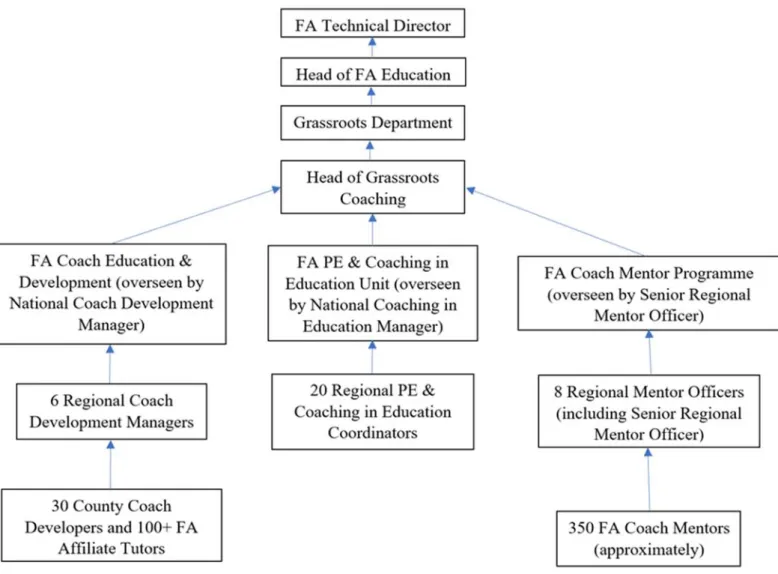
Figure 2. FA organisational structure ... 81
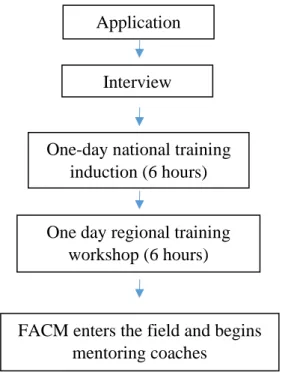
Figure 3. FACM recruitment process ... 83
VIII
List of tables
Table 1. The case in question ... 84
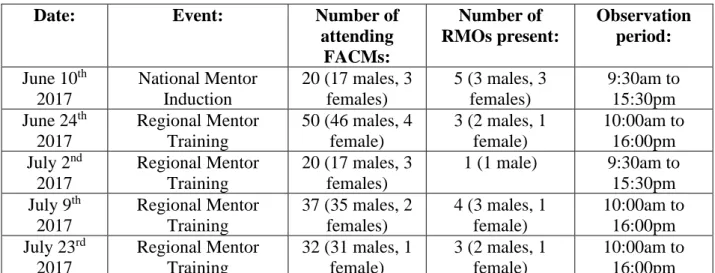
Table 2. Participant observation dates ... 94
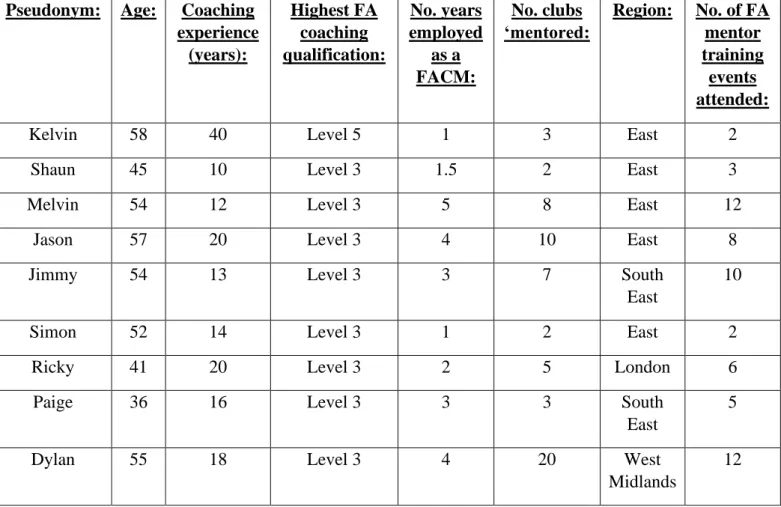
Table 3. NFACM participant information ... 97
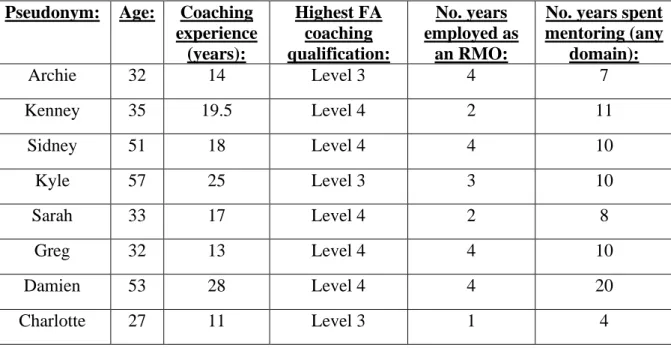
Table 4. CFACM participant information ... 98
Table 5. RMO participant information ... 99
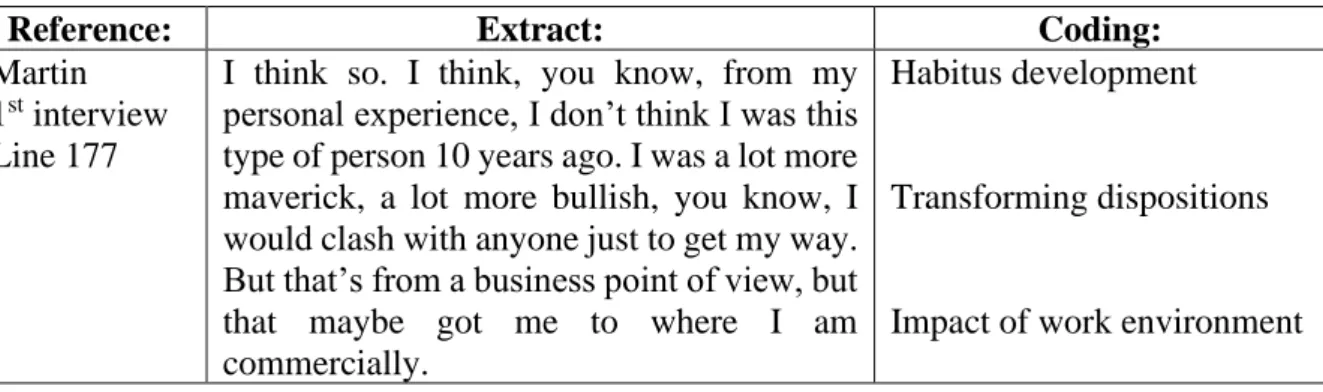
Table 6. Coding example ... 104
1
Chapter I Introduction
“Sports coaches are often untrained for their secondary role as mentors… findings places and spaces for such training can prove difficult” (Chambers, 2018, p. xiii).
1.1 Mentoring: A primer
Mentoring is a practice suffering from a lack of definitional clarity, resulting in contradictions, overlaps and fluctuating emphases (Garvey, Stokes, & Megginson, 2014). The absence of precision present within the literature has produced a contested debate, influencing how mentoring is applied across social contexts, with each milieu carrying its own commercial, ethical, and practical considerations (Garvey et al., 2014). The first use of the term ‘mentor’ was found within Homer’s classic poem The Odyssey, which can be translated to refer to an advisor or guide (Garvey et al., 2014). The Odyssey tells a story of how Odysseus left his son Telemachus to learn from his trusted friend, Mentor, as he left to fight in the Trojan War (Merriam, 1983; Cushion, 2006). As the story develops, the reader begins to acknowledge that Mentor has two forms, one as ‘Mentor’ the trusted friend of Odysseus and another in the form of Athena, the goddess of wisdom and knowledge (Garvey et al., 2014).
Scholars have proclaimed The Odyssey has enabled conclusions to be made regarding what constitutes the act of mentoring. For example, Anderson and Shannon (1995) propose that through reading Homer’s poem, a mentor can be considered as a role model, whilst mentoring can be viewed as an intentional, nurturing, and supportive process. Nevertheless, it has been argued that Homer’s poem contains unclear interpretations and messages (Garvey et al., 2014). In addition, there is a school of thought which argues that individuals have often attempted to create associative links to historical texts such as The Odyssey merely to add “historical credibility to the concept of modern mentoring and thus create a positive discourse” (Gray, Garvey, & Lane, 2016, p. 7). Despite these perceptions, mentoring broadly involves processes of support, guidance, and advice, with a more knowledgeable or experienced ‘other’ facilitating the development of a neophyte practitioner.
Consequently, mentoring has been adopted as a professional learning strategy for practitioners in various domains. It is proposed that learners who are mentored by a more experienced individual become open to an array of psychosocial and career development benefits, through engaging with contextualised knowledge and experience (Kram, 1988; Schunk & Mullen, 2013). Furthermore, organisations may utilise mentoring, whether
2
informally or formally, as a “vehicle for handing down knowledge, maintaining culture, supporting talent, and securing future leadership” (Darwin, 2000, p. 197). For practitioners, meaningful interactions with a mentor should facilitate some form of alteration (Gilles & Wilson, 2004), where individuals participate in a dialogic exchange to co-construct knowledge to impact upon practice (Griffiths, 2015). Thus, mentoring supports practitioners in transitioning from passive to active learners, helping to enhance their confidence, self-esteem, and reflective capabilities, overcoming some of the common critiques of professional development programmes (Armour, 2015; Chambers, Templin, & McCullick, 2015).
Whilst domains such as education, health care, and business are more established in the use of mentorship, sports coaching has emerged as a relevant setting to help facilitate the learning of neophyte coaching practitioners (Bloom, 2013). However, contextual factors influence how mentoring is conceptualised (Kram, 1988), and at present sports coaching is wrestling with issues surrounding volunteerism, professionalisation, and inconsistencies regarding coach education provision (Cushion, 2015). When looking to professionalise the role of the sports coach, the field has undergone a number of ‘sharpened’ initiatives to further support practitioner learning and development (Cassidy, Jones, & Potrac, 2016; Taylor & Garratt, 2010). The emergence of sports coaching as a profession is reflective of a movement towards a legitimised knowledge base, where coaches need to undertake certified courses and assessments to obtain membership to a ‘certified’ club (Cassidy et al., 2016; Taylor & Garratt, 2010). Problematically, it has been argued that the professionalisation of sports coaching has led to increased regularisation, whereby national governing bodies (NGBs) administering coach education are no longer solely responsible for designing the structure and content of their delivered provision (Taylor & Garratt, 2010).
Indeed, NGBs face pressure from funding bodies, partnering organisations, and central government to adopt new policies and practices regarding coach development (Taylor & Groom, 2016), with mentoring now a heavily advocated initiative for NGBs to adopt. McQuade, Nash, and Davis (2015) have identified a number of lead sporting agencies across the globe such as UK Sport and the Coaching Association of Canada which promote the use of mentoring programmes within NGB-delivered coach education, to provide coaches with contextualised and experiential learning opportunities (Cushion et al., 2010). Despite mentoring enabling coaches to develop in situ, the use of mentoring programmes as a progressive method of assessing and certifying coaches is still tied to institutional agendas (Sawiuk, Groom, & Fidler, 2019). Institutional agendas and objectives are often derived from
3
funding targets; hence the use of mentorship may be related to specified demographic needs of the coaching workforce, a target number of certified coaches, or prescriptive coaching models (Sawiuk et al., 2019). Indeed, the professionalisation of sports coaching, coupled with the need to develop a coaching workforce whose education is grounded in practice, has seemingly led to the inclusion of and advocation for, coach mentoring programmes.
However, mentoring might not always function as a positive and problem-free method of developing sports coaches (Cushion, 2015). Hence, researchers need to “critically challenge existing formal mentoring programmes… to improve the education of coaches” (Sawiuk et al., 2019, p. 58). One area which needs to be critically challenged is the training and development of coach mentors. Broadly, it has been proposed that relatively little is known about the knowledge and skills required, in addition to the training needs of those individuals tasked with developing sports coaches (Cale & Abraham, 2016). Whilst the wider literature base on mentoring is rich, there is an overemphasis on mentee learning (Langdon, 2014), resulting in a lack of understanding regarding the learning and development of individuals who lead professional development for others, such as sports coach mentors (Perry & Boylan, 2018). Disturbingly, if researchers continue to overlook mentor learning and development, they risk enlarging “a critical gap in our understanding of the overall mentorship process” (Allen, 2007, p. 123).
Understanding the learning and development of individuals who support coaches, such as coach mentors, is likely to have positive benefits for the professionalisation of coaching. For example, quality assurance assumptions are clear, improving the training of coach educators, coach developers, and mentors is likely to result in an improved coach education provision and ultimately ‘better’ coaches (Taylor & Groom, 2016). If mentoring is to be positioned as a ‘hot topic’ within coach education (Nash & McQuade, 2015), adequate recruitment, training, and professional development opportunities for coach mentors seems paramount. In understanding the influences and origins of mentors’ beliefs, it is hoped their practice and ultimately learning, can be enhanced further. In sum, Aspfors and Fransson (2015, p. 84) have called for researchers to “study the effects of mentor education in practice… the focus needs to be on how the education informs and influences mentoring”. With this in mind, the aim of this research is to address this very issue, by understanding the nature of mentor learning and development within sports coaching.
4
1.2 Thesis structure
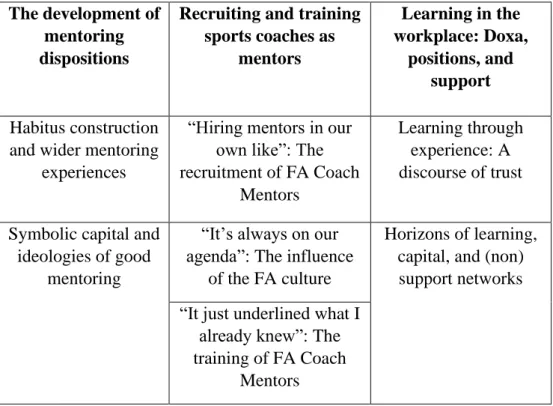
Having ‘set the scene’ within this introduction, Chapter II will review the current literature base surrounding mentor training and mentor learning within broader domains, before explicitly focusing on mentoring within sports coaching to provide a rationale for this thesis. Chapter III will highlight the conceptual framework which underpins the analysis of data, explaining the key conceptual tools and demonstrating their relevance and application to this body of work. Chapter IV will then progress to describe and explain the methodological decisions and choices made throughout the research process, in addition to providing the context of the formalised mentoring programme used as a case study for this research. Chapters V, VI, and VII form the discussion and ‘main body’ of the thesis, utilising the specified conceptual framework to explore and theorise the nature of mentor learning and development within sports coaching. Finally, Chapter VIII concludes the thesis, by illuminating the research’s contribution to knowledge, alongside offering recommendations for both coach mentors and sporting organisations.
5
Chapter II Literature review
“Mentoring is perceived as important but there seems little evidence to support this” (Cushion, 2015, p. 157).
2.1 Introduction
The aim of this chapter is to critically analyse the existing literature which addresses mentor learning and development. Initially, this chapter will introduce the literature on mentor training and the process of learning to mentor within broader domains, specifically those within education and health care. Historically, the dearth of evidence which explores the preparation and development of mentors has been considered a weak link within mentoring research (Wang & Odell, 2002). Nonetheless, whilst being cautious of the problems associated with ‘borrowing’ from other disciplines (Griffiths, 2015), it is necessary to take a ‘step back’ and critically examine the wider literature on mentor preparation and development. In doing so, it is hoped an enhanced understanding into the nature of mentor learning within the sports coaching field can be developed. Having presented the broader literature on mentor training and mentor learning, the attention of this chapter will then turn explicitly towards sports coach mentoring. Here, current issues surrounding coach learning, coach education, formalised mentoring, and developing coaches as mentors which exist within the field will be illuminated, helping to provide a rationale for, and need to, understand and theorise the nature of mentor learning in sports coaching.
Specifically, this literature review has adopted what has been termed a semi-systematic or narrative approach (Lyle, 2014; Snyder, 2019). A semi-systematic/narrative approach to literature reviews are strategically utilised by researchers when attempting to detect themes, theoretical perspectives, or issues within a topic in the hope of identifying knowledge gaps to develop future research agendas (Snyder, 2019). A semi-systematic/narrative approach is often used when a topic area is studied within diverse disciplines (Snyder, 2019). In the context of this research, mentoring is a social practice which is common within diverse fields such as education and health care, alongside sports coaching. Therefore, this literature review has endeavoured to “capture relevant sources from coaching and other fields” (Lyle, 2014, p. 73). Whilst semi-systematic/narrative approaches rely on a researcher’s judgement in identifying the key themes or issues within a designated topic area, it has been argued that the literature within sports coaching is to diverse to support a systematic review (Lyle, 2014). Consequently,
6
in wanting to critically analyse and explore the literature surrounding mentor learning and development within wider domains and more specifically sports coaching, a semi-systematic/narrative review was deemed appropriate.
Regardless of the ‘type’ of review adopted, Snyder (2019) has outlined several phases which need to be followed by researchers to produce a suitable and coherent literature review. Within this thesis, phase one involved the design of the literature review, where the area of investigation was identified, and the semi-systematic/narrative approach was chosen. The area of investigation and inclusion criteria focused on the broad themes of mentor training, mentor learning, and mentoring within sports coaching. Having identified these areas, specific search strategies were employed with a selection of key phrases and terms such as ‘learning to mentor’ and ‘mentor training’ used when searching for literature within journals. The literature review was conducted in phase two, where in stages abstracts from articles which appeared as a result of the search strategies were read and selected, with the full texts explored in greater depth later. Articles were screened in relation to the inclusion criteria outlined in phase one, whilst the reference lists within the selected articles were scanned to identify other empirical articles of potential interest (Snyder, 2019).
Phase three involved the analysis of the chosen articles, with a thematic approach utilised to highlight and develop the key themes and issues in relation to mentor training, learning to mentor, and mentoring within a sports coaching context, outlining both current knowledge and what aspects remain under researched. This form of analysis helped to identify the state of knowledge and the ‘gap’ needing to be addressed in the literature (see section 2.5). Finally, this chapter represents phase four, the writing of the review, with the results presented alongside the identified ‘gap’ being emphasised within the designated area of investigation (Snyder, 2019). In sum, this literature review will highlight the phenomenon in question, identify the research ‘gap’, support the methodological decisions made, and inform the analytical procedures further on within the thesis (Sparkes & Smith, 2014).
2.2 Mentor training
When considering the mentoring literature holistically, it would appear an overt focus towards mentee learning or the benefits accrued from individuals engaging with mentoring practice has prevailed (Langdon, 2014), resulting in the professional development of mentors becoming an unknown quantity (Billett, 2003). This is surprising, as the recruitment, training, and preparation of mentors are substantial contributing factors towards the creation of successful
7
mentoring programmes (Alhija & Fresko, 2014; Wallace & Gravells, 2007). Indeed, as Feiman-Nemser and Carver (2012, p. 358) have stipulated, it is difficult to envisage an “effective mentor program [sic.] that does not ensure time for mentoring and time for mentor development”. Furthermore, in their review of mentor education and development within UK further education, Robinson and Hobson (2017) have proposed that effective mentor preparation can increase mentoring competence and effectiveness, whilst enhancing a mentor’s role clarity, ability to reflect, and understanding of different approaches. Despite this, the research landscape surrounding the broad and often ill-defined concept of mentoring largely overlooks the role of mentor training and education for developing mentors (Blake, 2016; Jones, 2013).
Within their qualitative meta-synthesis of mentor education for newly qualified teachers (NQTs), Aspfors and Fransson (2015) suggested that mentor education and training1 can encompass varying practices. These might include: any formal course involving universities or education institutions; any continuous professional development (CPD) activity such as workshops and seminars; or action research projects involving mentors and researchers. However, at present the process of ‘mentoring’ another learner is seen by many organisations as a form of CPD for both mentors and mentees (Cunningham, 2007; Hudson, 2013). The suggestion that mentoring is something that cannot be taught and needs active immersion in the practice has also impacted upon mentor training (Gilles & Wilson, 2004), meaning that opportunities to attend designated formal CPD are often limited for mentors, regardless of their field of practice. The absence of a systematic and consistent approach to mentor training has resulted in delivered organisational provision varying in its aims, intentions, and assumptions (Griffiths, 2015). Organisations and institutions designing mentor training will possess their own assumptions regarding both mentoring and learning, which will impact upon the content and method of delivery. As Wang and Odell (2002) allude to, mentor training and education mediums may be underpinned by models of: knowledge transmission (focus on mentoring skills); theory-and-practice connection (focus on practical application of mentoring skills); and collaborative enquiry (focus on collaboration between educator, mentor, and mentee).
Mentoring has been described as a ‘culturally scripted activity’ (Ulvik & Sunde, 2013), hence it is understandable that varying underpinning assumptions structure both the design and volume of CPD available. Nonetheless, mentor training and education needs to be structured
1 Throughout this thesis, the terms mentor training and mentor education will be used interchangeably to refer to any form of organised and structured continuous professional development for mentors.
8
on the premise that mentoring is a subject to be taught and mentors need to access professional development opportunities in different contexts to enhance their practice (Garvey & Alred, 2000). Subsequently, the following sections will explicitly review the mentor training literature within the education and higher education domains to understand wider developments.
2.2.1 Approaches and issues in mentor training
In comparing the preparation of teacher mentors in both Romania and Estonia, Stingu, Eisenschmidt, and Iucu (2016) identified two central approaches which inform mentor training, with each approach dependent upon contextual factors, such as the administering organisation. For instance, mentor training programmes overseen by higher education institutions tend to be highly centralised, with training informed by a strong research base. In contrast, mentor preparation programmes developed by private organisations vary more significantly in quality, despite greater flexibility. Despite different models and assumptions underpinning mentor training, the effects these types of preparation have on the actual practice of mentors themselves remains elusive (Hobson, Ashby, Malderez, & Tomlinson, 2009). It would appear that mentors are generally appointed based upon their experience within a particular domain, i.e. it is assumed that extensive teaching experience will equate to effective mentoring of teachers (Ambrosetti, 2014; Bullough, 2005; Stingu et al., 2016). This uncritical stance has contributed to the dearth of professional development opportunities available to those wishing to enhance their mentoring practice. Relying solely on practitioner experience is problematic for individuals wanting to become mentors, as Jones and Straker (2006, p. 179) argue:
The danger inherent in such a belief lies in the power and status it allocates to individual mentors’ experiences and practice, the consequence of which could be an inflexible, idiosyncratic approach to mentoring and thus to professional training and development. Although an absence of mentor training and education is considered problematic for mentor development, a body of thought exists which questions the assumption that larger quantities of mentor training results in more effective mentoring practice.For example, over 30 years ago Kram (1988) challenged the presumed value and positive influence mentor training may have. In a more recent review, Feiman-Nemser and Carver (2012) suggested that currently most mentor preparation programmes consist of initial upfront days of ‘information overload’, coupled with unsustained longitudinal support. Additionally, due to the limited training which is available, when professional development opportunities do arise mentors may demonstrate some resistance, as they believe it is something they have merely been doing ‘anyway’ without any support (Jones & Straker, 2006; Wallace & Gravells, 2007).
9
Mentor training should enhance role clarity, however, mentors misinterpreting their role remains a common theme within the mentor training literature (Castanheira, 2016; Hobson & Malderez, 2013). Ingleby and Hunt (2008) explored the CPD needs of mentors working within post-compulsory initial teacher training (ITT)2, collecting data from questionnaires with 60 mentors and 60 ITT students, alongside a focus group with six mentors. Their analysis revealed that mentors require a greater awareness of their role and the aims of mentoring, whilst it was suggested that the training mentors received was not compatible with the expectations of the designated mentoring programme. Furthermore, mentors within post-compulsory ITT are unsure of what their training needs are due to the uncertainty surrounding their role and remit. Therefore, it seems imperative that organisations administering mentor training provision are convinced their mentors fully comprehend their role requirements, in order for training to positively impact upon practice.
However, the impact of mentor training and education in some instances may be beyond the direct control of the training providers. Ulvik and Sunde (2013) questioned the impact of mentor education by focusing on a formal mentor education programme based at a Norwegian university, offered to teachers in secondary schools. The programme lasted for one year, involving eight full-day meetings over the course of the programme, with the aim of supporting teachers to develop a conceptual and practical understanding of mentoring. Informed by a qualitative methodology, pre (31 teachers) and post (17 teachers) course open ended questionnaires, in addition to two focus groups were used to elicit the insights of the attending teachers. Key findings revealed that despite enrolling on the course through their own initiative and valuing their enhanced conceptual understanding and challenges with peers, the cultural climate of the schools they worked at prevented the successful enactment of mentoring. Thus, mentor education only matters if the context in which it occurs values the practice (Ulvik & Sunde, 2013). A further issue within the literature relates to the evaluation of mentor training and education programmes. Problematically, evaluations have relied on mere self-report surveys and questionnaires (Gandhi & Johnson, 2016), rather than an explicit focus on dispositional alterations and evidenced changes in mentoring behaviours. Furthermore, mentor training often involves singular workshops with little follow-up (Aspfors & Fransson, 2015; Billett, 2003; Feiman-Nemser & Carver, 2012), therefore, evaluating these isolated events through self-report surveys and quantitative methodologies fails to capture the wider picture of mentor learning. When taking into account the fact mentors often struggle to negotiate the
10
complexities in their role and embed content from training into practice (Gardiner & Weisling, 2018; Jones & Straker, 2006), it seems unlikely that one-off training events will have a beneficial and lasting effect on practice.
2.2.2 Perceived benefits of mentor training
A selection of literature on mentor training and education situated within the higher education domain has proposed one-off events may enhance mentoring practice. Drawing upon quantitative data, several studies have adopted the Mentoring Competency Assessment (MCA) 26-item questionnaire, which measures changes in communication, aligning expectations, assessing understanding, addressing diversity, and fostering independence. For example, Lau and colleagues (2016) investigated the impact of a three hour long mentoring workshop for academic staff within the Department of Psychiatry and Behavioural Neurosciences at McMaster University. Their results indicated that self-reported mentoring competency was higher post-workshop in comparison to pre-workshop. Likewise, further research within higher education utilising the MCA has indicated that attendance at an eight-hour workshop (Pfund et al., 2013) and two-day workshop (Johnson & Gandhi, 2015) enhances a mentor’s competencies. However, without longitudinal data, or an acknowledgement of how both agentic (individual) and structural (contextual) factors impact upon the manner in which training content and knowledge is enacted in practice, we fail to understand how exactly a mentor’s competence is influenced by training.
To understand in greater depth the experiences of mentors attending training events, several studies have instead embraced qualitative methodologies. Moreover, these papers present mentor development as a process of identity change, involving alterations to an individual’s dispositions within specified cultural contexts. Kupila, Ukkonen-Mikkola and Rantala (2017) highlighted these issues in their research examining the ways in which mentors’ interpretations of mentoring are impacted by mentor training. Data was collected through 36 narrative writings from teacher mentors who had attended mentor training, alongside one focus group. Despite not providing any information on the training mentors had attended (e.g. duration, content, organisation), prior to training mentoring was seen as a challenging and unfamiliar practice. However, both during and after training greater emphasis was placed on the reciprocal nature of mentoring practice (see Langdon & Ward, 2015; Trevethan & Sandretto, 2017), suggesting mentor training enabled reflection upon dispositions and current understandings of the mentoring role. These findings build upon previous work by Ambrosetti (2014), who investigated the role of professional development in the preparation of mentor
11
teachers who attended a university-based mentor preparation programme of eight hours in duration, spread across four weeks. After analysing open-ended questionnaires, the results identified changes towards mentors’ understanding of mentoring (in relation to complexity and roles), alongside changed mentoring practices (structural aspects of mentoring and the mentoring relationship).
It would appear that mentor training and education needs to have an explicit aim of enhancing mentors’ understanding of their role (Ambrosetti, 2014). Indeed, according to Beutel and colleagues (2017), attendance at mentor preparation programmes will help mentors to develop a ‘common language’, providing a social space for collaborative enquiry and self-reflection. However, when investigating a government funded teacher-mentor preparation programme in Australia, some evidence suggests that despite attending the same event, mentors may still show discrepancies in how they perceive their role. This is potentially due to the cultural climate of where mentoring is enacted, with contextual and structural demands defining the mentoring role contrarily to the one promoted within mentor training (Ulvik & Sunde, 2013; Kemmis, Heikkinen, Fransson, Aspfors, & Edwards-Groves, 2014). The curriculum which informs mentor training and education will vary based upon an organisation’s demands (Griffiths, 2015), however, generic content may include pedagogical approaches, the development of interpersonal skills, and reflective practice (Hobson et al., 2009).
The literature at present is calling for mentor training and education to move beyond a focus on ‘skills’ and knowledge transmission (Wang & Odell, 2002), instead striving to enhance mentors’ capacity to reflect whilst developing mentor identities and dispositions (Achinstein & Athanases, 2006; Hobson et al., 2009; Ulvik & Sunde, 2013). Traditionally, mentor training has tended to focus on ‘red tape’, privileging administrative duties or organisational elements (Hobson et al., 2009). However, mentor training should strive for more this and attempt to foster a sense of belonging, rather than focusing on ‘skills’ which might reduce the mentor role to one of mere ‘technician’ (Achinstein & Athanases, 2006; Bullough, 2005). As Heirdsfield, Walker, Walsh, and Wilss (2008) propose, mentor preparation programmes provide an opportunity for mentors to discuss their role with others, whilst developing a greater awareness of the structures which underlie their practice. Mentor training and education should attempt to capture the relational dimensions of learning and “organise enough space for the mentors to meet, interact, share their new experiences as mentors and build a culture of openness and trust” (Aspfors & Fransson, 2015, p. 84).
12
Mentor training and education programmes lack consistency (Aspfors & Fransson, 2015; Feiman-Nemser & Carver, 2012) and unfortunately may adopt a ‘scheme’ orientated rather than ‘mentor’ orientated approach (Blake, 2016). Nevertheless, Webb, Pachler, Mitchell, Herrington (2007) sought to address this issue by developing a pedagogy of mentor education. Working with the London Providers Mentoring Group, described as a community of practice involving mentor-teachers and mentor educators, the authors conducted both interviews and observations. The findings indicated that activities within the community of practice involved two main types: type one activities are associated with learning to become and being a mentor (practical knowledge); and type two activities are engaged in by groups who have come together to focus on professional mentor development (propositional knowledge). It is advocated that a pedagogy of mentor education should embrace collaboration, challenge, and reflection, akin to existing literature within the field (Aspfors & Fransson, 2015). Activities within mentor training and education which provide a space where mentors’ beliefs can be challenged rather than reinforced, is where mentor learning is said to truly occur (Webb et al., 2007).
2.2.3 Mentor training summary
In summary, the literature unanimously suggests mentor training is of great importance when looking to support the development of mentors (Feiman-Nemser & Carver, 2012). Nonetheless, it would seem that opportunities for mentors to access professional development is restricted, primarily due to the assumption that domain-specific experience is sufficient to effectively mentor a neophyte practitioner (Bullough, 2005; Stingu et al., 2016). If facilitated and designed correctly, mentor training will help to challenge identities, encourage reflective practice, and provide a safe arena to foster collaborative relationships with other mentors (Ambrosetti, 2014; Kupila et al., 2017; Webb et al., 2007). Problematically, the mentor training literature within education and higher education fails to adopt a critical stance. Although it is argued that one-off workshops with little follow-up will struggle to enhance mentoring practice (Aspfors & Fransson, 2015; Feiman-Nemser & Carver, 2012; Gandhi & Johnson, 2016), alongside acknowledging the impact of contextual factors (Ulvik & Sunde, 2013), greater scrutiny is required.
Formalising the mentoring process requires training for mentors, yet this factor introduces issues often overlooked within the literature, relating to the influence of external organisational interests (Colley, Hodkinson, & Malcolm, 2003). Mentoring programmes can involve a ‘standards driven’ approach, where mentoring practice and mentor training are
13
susceptible to pressure from institutional agendas (Ingleby, 2010). However, the literature to date often fails to explore these connotations in-depth, presenting mentor training and education as neutral and benign, despite the fact CPD can be viewed differently by varying stakeholders. For example, Bullough (2005) proposes that mentor training and education should foster a sense of belonging for the attending mentors, whilst notions of communities of practice are heavily advocated (Webb et al., 2007). Yet, this sense of belonging could refer to aspects of inculcation, where education for mentors may act as a method of socialisation to initiate these individuals into existing practices, traditions, and wider professional ‘orders’ uncritically (see Biesta, 2011). Tensions can exist between mentors’ perceptions of mentoring and those of their organisations or employers (Ingleby, 2014), yet this agency versus structure struggle is seemingly neglected within the mentor training literature. Therefore, understanding the effects of mentor education in terms of organisational culture, in practice, is still lacking empirical depth (Aspfors & Fransson, 2015).
In short, varying perspectives exist regarding mentor training, with some authors highlighting its benefits, whilst others challenge its privileged position. Yet, how organisational cultures are reproduced and embedded within mentor training is an overlooked factor. This is problematic, as cultures have the power to both shape and re-shape a mentor’s dispositions and ultimately their practice and beliefs. Learning to mentor should be appreciated as an idiosyncratic and holistic course of action, which extends beyond mere attendance at mentor training events (Jones & Straker, 2006). Thus, the attention of this chapter now turns to literature which acknowledges the on-going and broader process of mentor development.
2.3 Learning to become a mentor
The previous section has highlighted literature exploring the influence (or not) of mentor training and education for developing mentors within the education and higher education fields. Mentor training and education plays a significant role in the development of mentoring knowledge, skills, and expertise (Heirdsfield et al., 2008; Chambers et al., 2015).Nonetheless, it has been suggested that mentor training alone will not provide enough ‘nourishment’ for mentors to develop and enhance their mentoring practice (Bryan & Carpenter, 2008). Therefore, for some individuals learning to mentor is regarded as a developmental process, where mentoring is learnt by enacting the practice over time in varying contexts (Gilles & Wilson, 2004). Consequently, a growing body of literature from predominantly the education and health care domains has sought to explore the process of learning to mentor, primarily due to the recognition that mentor training is lacking in quality and consistency.
14
The need to explore how mentors learn beyond attendance at mentor training and education events is clear. According to some authors, mentor training lacks consistency and adequate time to successfully enhance mentoring practice (see Aspfors & Fransson, 2015; Feiman-Nemser & Carver, 2012; Gandhi & Johnson, 2016). For example, within Schatz-Oppenheimer’s (2017) research, it was suggested that prior to receiving training, teacher-mentors were generally unaware of what their role entails and the training they received generally neglected what they considered to be important aspects. Therefore, mentors highlighted the importance of learning through experience and via self-reflection, akin to older studies within the educational field, to overcome the gaps within their current training provision (Gilles & Wilson, 2004). Although it clearly has its place, it would seem mentor training cannot solely prepare mentors for the nuances and complexities inherent within their role. Mentoring involves the mediation of professional learning, where the practice and its mediation are strongly influenced by context and power relations (Orland-Barak, 2014). Indeed, as Hawkey (1998) suggests, mentoring is a complex political practice, where individuals need to negotiate between their own embodied beliefs and the perspectives of the organisation which administers the mentoring programme. Therefore, learning how to manage and navigate these intricacies cannot always be derived from training. Instead, the process of learning to mentor evolves over time, through developing mentoring networks, engaging with critical reflection, and enacting the practice (Gilles & Wilson, 2004).
2.3.1 Developing skills and traits
It is frequently stated within the literature that by engaging with mentoring practice individuals are able to develop and enhance a number of ‘soft skills’. For example, in exploring the development of volunteer mentors working with underprivileged adolescents, Rekha and Ganesh (2012) discovered mentors improved certain skills and traits after engaging with mentorship, such as: building rapport; creating trust; communication; and leadership. Using data collected from 15 telephone interviews and 59 online qualitative surveys, the authors suggested that mentoring leads to a change of attitude or dispositions, although it was not specified in-depth as to what these might be. These findings mirror those of Haber-Curran, Everman, and Martinez (2017) who conducted 14 interviews with mentors and other programme staff working on a high school mentoring programme. The authors focused on the personal and educational gains developed through serving as a high school mentor, which included increased self-confidence, greater self-awareness, more responsibility, broadened
15
horizons, and enhanced organisation and communication skills, in addition to career development.
However, mentoring is a practice influenced by the context in which it occurs (see Ulvik & Sunde, 2013; Heikkinen, Wilkinson, Aspfors, & Bristol, 2018; Kemmis et al., 2014). Therefore, for individuals who are learning to become mentors, an increased understanding of the contextual nuances that exist within their mentoring environment is a likely outcome of undertaking a mentoring position. Recently, Aravena (2018) sought to investigate the knowledge acquired by eight Chilean mentors during their first experience of working within a formal mentoring programme to support novice school principals. Through analysing 280 reflective sheets, the findings suggested that mentors learned about the system (rules), school context (opportunities and limitations), self (how they perform their role), and professional strategies (how to effectively support learning). In building upon existing literature, mentors learned the relevance of being a good listener, critical friend, guide, and source of knowledge (Haber-Curran et al., 2017; Rekha & Ganesh, 2012). It should be acknowledged that simply engaging with mentoring does not result in mentors automatically acquiring new skills and traits. Very few mentors have the chance to engage with meaningful learning opportunities, therefore, they often reproduce existing norms and maintain the status quo, as opposed to obtaining new expertise and competencies (Achinstein & Athanases, 2006).
Learning to mentor is an idiosyncratic process (Jones & Straker, 2006; Thornton, 2014), thus, mentors are likely to experience professional growth and development contrarily to one another. This sentiment was evidenced by Langdon (2014) when analysing the conversations between teacher-mentors and new teachers within New Zealand. Through analysing mentor-mentee conversations, mentor self-evaluations, in addition to focus group data, it was indicated that professional growth through mentoring varied between participants. A change in mentoring practice was not guaranteed, instead requiring time, effort, and a conscious attempt to mentor ‘differently’. In drawing upon the work of Orland-Barak and Yinon (2005), it is proposed mentors are more likely to develop and alter their practice when they view themselves as learners. Utilising the same data set, Langdon (2017) has presented the development of mentor expertise as a complex process which cannot be assumed. The impact of context on mentor learning (see Aravena, 2018; Ulvik & Sunde, 2013) was reiterated, where a mentor’s ability to change their practice was dependent upon the relationship between the school context, the mentor’s preconceptions and role clarity, in addition to available training and education opportunities. Therefore, mentor learning is more likely to flourish through a commitment to
16
learning, time, and a context that supports and facilitates professional development (Langdon, 2014, 2017).
2.3.2 Mentor identity and socialisation
Whilst the influence of context and the development of skills and traits through mentoring has been acknowledged, some authors within the literature have begun to allude to the socialising aspect of learning to mentor and the impact this has upon mentoring identity. Tensions between structure and agency alongside cultural elements are important when considering how individuals ‘learn’ and construe their personal mentoring identity. For example, Rhodes (2006) conducted research with learning mentors from both the primary and secondary school sector, exploring the influence of faculty management on mentoring identity. The findings highlighted the emergence of two distinct mentoring identities. Firstly, an instrumental technical identity characterised by compliance, whilst secondly, a creative professional identity emphasised through active involvement. Although mentors saw value in networking and collaborating with one another as a source of learning, ultimately the cultural context they were positioned within strongly impacted upon the development of their own mentoring identity (Rhodes, 2006). Interestingly, a body of research implies that the process of learning to mentor involves conscious effort, alongside a commitment to developing specific traits and skills (see Langdon, 2014, 2017; Orland-Barak & Yinon, 2005). However, when considering the development of a mentoring identity, the embodiment of cultural beliefs appears to be a more tacit process (Rhodes, 2006).
Nyanjom (2018) conducted a self-study action research account which attempted to understand the development of mentoring practice from the mentor’s perspective, addressing both the conscious and unconscious process of identity growth. It has been proclaimed that mentoring identity is socially constructed, developed through a mentor’s life course (Daloz, 2012). However, it is argued by Nyanjom (2018) that mentors need conscious action to enhance their practice and cannot solely rely on the unconscious development of dispositions and the transformative nature of learning. Whilst to some extent learning for mentors is contextually bound, shaped by interactions through tacit socialisation (Daloz, 2012; Rhodes, 2006), more recent research advocates that mentors need to consciously transform their mentoring identity (dispositions, attitudes, and beliefs) to impact their practice (Langdon, 2014, 2017; Nyanjom, 2018). This notion of consciously altering mentoring behaviours has been alluded to by Orland-Barak (2001), who has adopted the metaphor of learning to mentor as learning a second language of teaching. This perspective implies that the transition from teacher to mentor is
17
shaped by strong emotional and motivational dispositions, a highly conscious and gradual process of developing communicative competencies (Orland-Barak, 2001).
Nevertheless, the idea that mentoring and the process of learning to mentor is socially constructed through the life course (see Daloz, 2012; Jones & Straker, 2006) has been supported by Griffin (2012). Within this research, 28 interviews were conducted to understand how Black professors learn to mentor and how this process influences professors’ work with their students. Through the analysis, the process of learning to mentor is presented as one akin to socialisation, where knowledge on how to mentor is developed through teaching experience and from observing previous mentors. Indeed, as Perry and Boylan (2018, p. 268; insertion added) have more recently argued, “the most common way of learning the role of a facilitator [mentor] appears to be through observing others in practice”. Within Griffin’s (2012) research, individuals discussed how they attempted to mentor in a similar manner to which they were mentored previously, suggesting past experiences of mentoring may impact upon future behaviours and beliefs. This apprenticeship model of mentor development may appear useful, however, as it has been acknowledged elsewhere, relying on past experiences alone without reflection can be problematic through reproducing uncritical ‘folk’ mentoring behaviours (Langdon, 2014, 2017; Lejonberg, Elstad, & Christophersen, 2015; Jones & Straker, 2006).
The belief that learning to mentor can be considered a process of socialisation has been supported further by Balmer, Darden, Chandran, D’Alessandro, and Gusic (2018). Within their research focusing on the evolution of mentoring identity with mentors involved in an Educational Scholars Programme within the paediatric field, it was proposed that mentor learning is largely structured by an implicit curriculum. For the authors, the implicit curriculum refers to the values and beliefs not necessarily promoted by organisations, but structure normative behaviour. Through interviews with 19 mentors, findings revealed that the implicit curriculum emphasised the importance of observing multiple mentors, valued peer mentorship and networking, in addition to emphasising the incremental process of becoming a mentor. In this context, mentor development was presented as a ‘rite of passage’, with a set of distinct practices mentors must accept and engage with. Such findings echo previous literature which highlights the often unconscious and continuous process of learning to mentor, influenced in part by the cultural environment and contextual social norms (Daloz, 2012; Griffin, 2012; Rhodes, 2006).
18
Significantly, the mentoring literature at present is largely descriptive of the benefits of mentoring for mentors (see Haber-Curran et al., 2017; Rekha & Ganesh, 2012), whilst overlooking the extent to which the process is either productive or reproductive, alongside the social and power relations within cultural contexts (Orland-Barak, 2014; Shan & Butterwick, 2017). In drawing upon the work of Jack Mezirow, Shan and Butterwick (2017) have proposed that developing mentors may engage with either informational learning (reproductive) or transformational learning (transforming existing power relations). The authors interviewed 19 mentors involved in a formalised mentoring programme designed to enhance employment prospects of immigrants. Data were illustrative of how engaging with the act of mentoring resulted in large amounts of transformative learning, moving away from uncritical socialisation and informational learning. Mentors’ broadened their horizons towards cultural and professional differences, whilst expanding their professional knowledge and enhancing self-reflection, instead of replicating existing norms (Shan & Butterwick, 2017).
2.3.3 Lifelong mentor learning
It would seem that mentoring identity evolves over time (Balmer et al., 2018), influenced by a combination of conscious and unconscious learning which can either transform or merely reproduce existing beliefs, attitudes, and practices of mentors (Griffin, 2012; Langdon, 2014, 2017; Nyanjom, 2018; Shan & Butterwick, 2017). Yet, mentor learning and development is not rigid, with experiences, situations, and incidents impacting upon individuals in varying ways (Langdon, 2014). Hence, whilst mentor learning can be considered an evolving, continuous, and lifelong endeavour, it should also be appreciated as both idiosyncratic and complex (Jones & Straker, 2006). Acquisition of mentor knowledge can arise through a combination of practice and experience, collaboration with colleagues and mentor training, all occurring at different stages of a mentor’s career (Jones & Straker, 2006). Following 102 questionnaires and 12 interviews with teacher mentors who work across primary, secondary, and post-16 education sectors, Jones and Straker (2006, pp. 175/176) concluded that:
Almost all mentors expressed the unanimous belief that their professional practice and experience as teachers and, to some extent, their collaboration with colleagues provided the main source of the knowledge… Depending on individual mentors’ career profiles, their ‘personal’ knowledge base may have developed in a rather idiosyncratic way, determined and, in some cases, limited by factors inherent in the settings within which they acquired their knowledge.
The lifelong and incremental aspect of learning to mentor has been alluded to within the field of nursing, where suggestions are made towards being a ‘certain’ type of person who possesses
19
a set of skills, traits, and attitudes which cannot be trained. McCloughen, O’Brien, and Jackson (2011) utilised aspects of hermeneutic phenomenology to understand the meanings and experiences of 13 nurse leader mentors. Having conducted in-depth interviews with all nurse leaders, it was proposed that the process of becoming a nurse leader was lifelong, where individuals struggled to explain the development of their mentoring characteristics as it appeared to be something which ‘naturally’ occurred. From this standpoint, “nurse leaders were not formally prepared to be mentors; rather, they grew into being mentors as a result of their life journeys” (McCloughen et al., 2011, p. 97). Building upon the same data set, McCloughen, O’Brien, and Jackson (2014) delved further into the journey to become a nurse mentor. In a similar fashion to existing research (see Balmer et al., 2018; Griffin, 2012; Jones & Straker, 2006), nurse leaders’ life journeys provided experiences that developed their understanding and personal mentoring identity. For example, mentor development is seen as a generative, implicit, and intuitive process, characterised by engagement with critical incidents through the life course such as observing other mentors, being mentored previously, and holding mentorship positions within other contexts.
Throughout a mentor’s career, it is likely they will encounter several critical incidents which will form a significant opportunity for learning to occur. This sentiment was examined in greater depth by Orland-Barak and Yinon (2005), who sought to understand how mentoring professional expertise is developed through the sharing of and reflection on critical incidents. Within this research, 20 teacher mentors took part in group meetings once a month for one year, providing a space where they could discuss critical incidents and moments of dissonance within their practice. Through actively sharing their experiences, the complexities of mentoring were highlighted, where the decision making and reasoning mentors made could be de-constructed and analysed in-depth. Findings reflected the situational nature of mentoring, whilst highlighting the importance of mentors experiencing dissonance and engaging with case studies to support their learning (Orland-Barak & Yinon, 2005). This sentiment was echoed in a more recent study by Eliahoo (2016), who explored the barriers and dilemmas for novice mentors in post-compulsory education through analysing their critical incidents. In total, 21 mentors wrote about two critical incidents which were analysed thematically. Once again, the complex nature of mentors’ decision making was illuminated, with dilemmas arising when a mentor’s own values and beliefs contradicted the practices they had to employ (see Rhodes, 2006; Wallace & Gravells, 2007; Ulvik & Sunde, 2013). The process of learning to mentor for
20
these individuals involved a balance between institutional demands, alongside their mentee’s needs and their own experiences as a mentor.
For mentors to learn from critical incidents, it would appear the opportunity to collaborate and interact with other mentors as a means to share case studies is beneficial (Orland-Barak & Yinon, 2005). Furthermore, when mentors experience dilemmas during their practice, the prospect of sharing their tensions with others may help individuals to negotiate the complexities and challenges which plague the mentoring role. For the veteran teachers transitioning to a mentoring position within Ponte and Twomey’s (2014) study, mentors frequently sought advice from other mentors in an attempt to overcome feelings of vulnerability and the insecurities they were experiencing, in a similar vein to individuals within the nursing domain (see Fernandez, Sheppard-Law, Curtis, Bancroft, & Smith, 2018). The five mentors involved within Ponte and Twomey’s (2014) research highlighted the ways in which performing the role of a mentor contributed to their professional growth, whilst the importance of peer collaboration and reciprocal learning with other mentors proved meaningful. Whilst mentorship has traditionally been positioned as a hierarchical and dyadic relationship between mentor and mentee (Colley, 2003a; Colley, 2003b), similar assumptions should not be made with regards to developing mentors. Within the nursing domain, MacLaren (2018) conducted semi-structured interviews with three newly qualified mentors to explore the supportive relationships of neophyte nurse mentors. It was argued that dyadic relationships may not provide enough access to skills, attitudes, and experiences for learning nurse mentors. Hence, mentor learning and development is at risk if support systems and networks are not presently available (MacLaren, 2018).
The influence of collaborations, discussions, and interactions with other mentors has been highlighted as an imperative feature of learning to become a mentor (see Jones & Straker, 2006; MacLaren, 2018; Orland-Barak & Yinon, 2005; Ponte & Twomey, 2014). The importance of engaging with other mentors resonates with situated learning theories, in particular, the work of Lave and Wenger (1991) and Wenger (1998) in relation to communities of practice (CoP). As mentor training and education alone is unlikely to provide enough growth for mentors, Bryan and Carpenter (2008) explored the extent to which mentoring practice is developed within communities. Interestingly, the 60 mentors involved within initial teacher education showed no evidence of a distinct community of practice forming (Bryan & Carpenter, 2008). Due to a lack of mutual engagement, there was no development of a shared repertoire, consequently, no distinct and clear mentoring discourse evolved, resulting in
21
mentors adopting idiosyncratic and ‘folk’ approaches towards practice (Bryan & Carpenter, 2008; Lejonberg et al., 2015; Wenger, 1998). Nonetheless, more recent work by Holland (2018) has demonstrated the distinct benefits and possibilities for mentor learning when individuals have access to a mentoring CoP. Following data collection involving qualitative diaries, reflective recall interviews, and focus groups with 12 mentors, Holland (2018) argues that engagement with a mentoring CoP can result in the development of a mentoring identity, enhanced support and solidarity, alongside knowledge expansion.
2.3.4 Positioning mentors as learners: Educative mentoring
For mentor learning to be maximised, mentors need to be positioned as learners by both themselves and the organisations which employ them (Achinstein & Athanases, 2006; Langdon, 2014; Orland-Barak & Yinon, 2005). This stance has been entitled ‘educative mentoring’, which involves mentors positioning themselves as co-learners within the mentoring process (Trevethan & Sandretto, 2017). Indeed, there is no formal expectation for mentors to ‘learn’ when placed within mentoring roles (Trevethan & Sandretto, 2017), however, as it has been stipulated elsewhere (see Gilles & Wilson, 2004; Haber-Curran et al., 2017; Rekha & Ganesh, 2012), a number of positive personal, technical, and professional outcomes are available for mentors who adopt an educative stance (Trevethan & Sandretto, 2017). Once again, educative mentoring is said to be consistent with a community of practice model (Wenger, 1998), based upon the premise that learning is a social practice, involving collaborative and reciprocal learning within a participatory framework (Langdon & Ward, 2015; Trevethan & Sandretto, 2017). When exploring the development of mentors as educational leaders, Thornton (2014) acknowledged that to adopt an educative stance, strong dispositions related to specific interpersonal skills and a commitment to lifelong learning were required. Nonetheless, through collaboration with other mentors alongside additional idiosyncratic developments, a mentor’s ability to function as an educational leader could be increased (Thornton, 2014).
More specifically, educative mentoring takes a shift away from positioning the mentor as expert and begins to emphasise aspects of reciprocity, collaboration, and openness on the behalf of the mentor (Schwille, 2008). For example, Trevethan and Sandretto (2017) interviewed nine teachers twice each to explore their experiences of mentor development and professional learning. Their findings suggested that a mentor’s opportunity to develop are significantly restricted if they view the mentoring relationship in a hierarchical and dyadic fashion (see Colley, 2003a; Colley, 2003b; MacLaren, 2018). In a similar vein to Thornton