post-conviction polygraph testing among sexual
offenders. Sexual Abuse . ISSN 1573-286X
Access from the University of Nottingham repository:
http://eprints.nottingham.ac.uk/37422/1/SYSTEMATIC%20REVIEW%20march%202016.pdf Copyright and reuse:
The Nottingham ePrints service makes this work by researchers of the University of Nottingham available open access under the following conditions.
This article is made available under the University of Nottingham End User licence and may be reused according to the conditions of the licence. For more details see:
http://eprints.nottingham.ac.uk/end_user_agreement.pdf A note on versions:
The version presented here may differ from the published version or from the version of record. If you wish to cite this item you are advised to consult the publisher’s version. Please see the repository url above for details on accessing the published version and note that access may require a subscription.
The Utility of Post-conviction Polygraph Testing Amongst Sexual Offenders
Elizabeth Elliott
Professor Birgit Vollm
The University of Nottingham
Author Note
Elizabeth Elliott, The Division of Psychiatry and Applied Psychology, School of Medicine The University of Nottingham
Correspondence concerning this article should be addressed to Elizabeth
Elliott, The Division of Psychiatry and Applied Psychology, School of Medicine The University of Nottingham
.
Abstract
It is often difficult to ascertain the true extent and nature of sexually deviant behaviour, as
much relies on self-report or historic information. The polygraph has been proposed as a
useful tool in the treatment and supervision of sex offenders. The current review aims to
provide a coherent, objective and recent synthesis of evaluation studies exploring the utility
of the post-conviction polygraph (PCSOT) in the treatment and management of sexual
offenders. This was assessed based on offence recidivism rates and disclosure, self-reported
utility was also considered. Nineteen studies were identified from the US, UK, and the
Netherlands with no randomised controlled trials identified. Overall, there was a significant
increase in relevant disclosures associated with the polygraph. The impact on reoffending
rates was significant for violent but not sexual offences. A number of methodological factors
introduced the potential for bias in a significant number of studies reviewed in this review.
The Utility of Post-conviction Polygraph Testing Amongst Sexual Offenders
The magnitude of sexual offence convictions amongst males is estimated to be
between 1-2% of the general population, however less than 2% of these arrive at a guilty
verdict (Myhill & Allen, 2002). Such offences have a substantial negative impact at both a
macro- and micro- level with a substantial economic cost and emotionally devastating impact
on victims. In the UK, the Home Office stated that approximately 8% of prisoners are
incarcerated for a sexual offence with rape being the most common of these offences
(Councell & Olagundoye, 2003). Official figures indicate that since the introduction of new
court orders, e.g. the Suspended Sentence Order (SSO) in 2005 (under the Criminal Justice
Act 2003), there has been an increase in the number of offenders being supervised in the
community.
Although rates of re-offending are inconsistent and tend to vary between samples and
settings, a widely reported overall sexual recidivism base-rate over a lifetime is between 10%
- 14% (Schmucker & Lösel, 2015). These figures are likely to be an underestimate of true
recidivism rates due to factors such as underreporting and undetected offences (Meijer et al.,
2008). Recidivism will also vary according to the degree of risk that an individual poses, for
example, for those presenting with moderate to high risk, recidivism rates for sexual offences
can reach 65% (Hilton et al., 2008) however more recent research indicates that risk can
reduce dramatically (e.g. to 4.2%) as the time from release increases (Hanson et al., 2014).
There are a number of validated assessment tools which are used to assess and
categorise the risks posed by convicted or suspect sexual offenders. Although these tools are
the assessment of risk rather than its management, and many assessments rely on self-report
requiring honest responding for accurate measurement (Beech et al., 2003). For those tools
which categorise reoffending rates into discrete and separate categories, predications of more
‘serious’ reoffending has been found to be limited (Kemshall, 2003).
The polygraph, a tool measuring physiological responses to pre-defined questions, has
been advocated as a useful means of dealing with these shortfalls, as it may encourage
offenders to reveal more information. As a result, the polygraph test can lead to the exposure
of detailed and unknown information, which may trigger actions that could result in
improvements to an offender’s risk management plan and assist with more effective
supervision and management. In addition, challenges to successful treatment programmes,
such as a lack of honesty or a continuing influence of cognitive distortions can reduce the
benefit of such interventions. The polygraph can help offenders overcome barriers to honesty,
such as denial, feelings of guilt and shame by encouraging disclosure early on in the
treatment process (Grubin et al., 2004).
The acceptance of the polygraph in sex offender management strategies differs
between countries. In the United States (for example) the polygraph has received wide
acceptance for supervising and monitoring sexual offenders on parole or probation (English
et al., 2000). In many US states, the polygraph is used to assess recidivism and adherence to
community restrictions, with almost 80% of community treatment programmes using this
method (McGrath et al., 2010). In contrast to the US, in the UK the polygraph has not been
used as an investigative tool to assist in determining guilt or innocence (Gannon et al., 2011)
and only recently has it been given serious consideration, for example with the introduction
of pilots, as a potential means of facilitating the assessment and treatment of sex offenders.
With respect to Dutch countries, the post-conviction polygraph examination as a means of assessing, treating, and monitoring sex offenders was first presented and clinically used in the
Netherlands in 2001 (Sosnowski & Wilcox, 2001). Despite this relatively little research has been conducted in this country.
The most common type of polygraph use in sex offender testing is the post-conviction
polygraph examination (PCSOT). The PCSOT measures change within the automatic
nervous system in response to offence- relevant questions which may indicate deceptive
responding. There are three types of PCSOT’s; the specific issue denial test (SID, Grubin,
2008), the sexual history disclosure examination (SHDE; Wilcox et al., 2005) and the
maintenance examination (Wilcox, 2000). The SID focuses specifically on an offender’s behaviour or an allegation against them. The SHDE is a comprehensive psychosexual
evaluation employed to gather information on an offender’s complete sexual history and obtain a more thorough understanding of their previously undisclosed sexual activities. The
maintenance examination polygraph is periodically conducted in order to assess the
offender’s adherence to treatment and supervision restrictions (e.g. Community
Rehabilitation Order/Licence Conditions) during their time on probation or licence. These
types of PCSOT’s differ from alternative applications of the polygraph such as the Concealed Information Test (CIT; Verschuere, Ben-Shakhar, & Meijer, 2011) which has different underlying theoretical (and practical) assumptions and focusses on the pre-conviction period in relation to offending.
In efforts to decrease recidivism and obtain more accurate information regarding an
individual’s offending behaviour, the PCSOT has been used in numerous jurisdictions across the US, and is usually implemented within a containment approach towards sex offender
management. The containment approach offers a popular framework for managing offending,
as it utilises input from both supervisory and treatment services. The approach is used with
convicted sex offenders who are placed on probation, or amongst those who are ultimately
of the polygraph examiner is addition to the supervision of the offender, and can provide verification of an offender's self- report regarding their compliance to treatment and licence conditions. Examiners are expected to adhere to guidelines when administrating the test (Honts & Handler, 2013) to encourage fair testing. Despite its popularity amongst
professionals using the PCSOT, with many supporting its use in facilitating disclosure and
enhancing compliance, research exploring the utility of the PCSOT is limited, critics are
widespread, and research is lacking.
Due to the potential magnitude of risks posed by offenders, it is essential that a
rigorous process is employed for their monitoring, particularly those in the community. For
this reason Hanson & Wallace-Capretta (2000) have recommended that professionals avoid
relying on offenders’ responses to post-treatment questionnaires, as such questionnaires may not reflect true attitudes and behaviours. For this reason, amongst others, a PCSOT may be
useful in evaluating to what extent an offender has been managing their dynamic risk and
offending behaviour whilst subject to supervision.
A Critique of the Polygraph with Sexual Offenders
During the past decade there has been an increase (albeit limited) in studies exploring
the utility of the polygraph in sex offender research, although the topic remains under
researched. For proponents of the technique, the PCSOT contributes to the derivation of a
more accurate and complete picture of an individual’s offending, high-risk behaviours and sexual history, while also serving to enhance compliance with probation conditions.
Proponents highlight three key benefits resulting from the use of post-conviction polygraph
• An increase in self-reports of previous offences by offenders;
• A superior assessment of therapeutic engagement and progress following a sexual offence conviction;
• A deterrent for future offending
Critics of the polygraph commonly focus their challenges upon the accuracy of the
procedure itself and its underlying premise, claiming that it is difficult to determine the
origins of physiological responses which are recorded by the polygraph (National Academy
of Sciences, 2003).
Another common criticism of polygraph testing is that the process itself is likely to
elicit an emotional reaction. Being subjected to a polygraph assessment may lead the
individual to feel anxious and misclassify innocent subjects. False confessions may also be
made due to ‘false positive’ outcomes, whereby an innocent individual is found deceptive,
and suggestible influences from the examiner or exam conditions (Leo & Ofshe, 1998).
However, in response to these concerns, polygraph examiners often attempt to control for
subjects’ anxiety levels by conducting a pre-polygraph interview which explores offender’s
levels anxiety related to testing procedures by recording a baseline reading. The examiner
may also formulate a number of control questions comprised of ‘known’ or ‘probable’ lies,
which are irrelevant to the focus of the polygraph examination, but can assess the validity of
the test through the observation of psychological changes to known lies (Honts & Reavy,
2015).
The debate is on-going with regards to the validity and reliability of polygraph
techniques, including those executed in post-conviction settings. For example, the outcome of
(i.e. a not-guilty outcome for guilty individuals) continues to be issue challenging the validity
of the tool. However, for some this argument is irrelevant as that accuracy of the polygraph in
distinguishing guilty from innocent individuals is not seen to be the focus of the PCSOT.
According to such individuals, attention should be given to the information given by
individuals during the test which can give better insight into risk and management
considerations.
Most critics recognise that the PCSOT increases disclosures, but potentially generate
uncredible information due to the poor scientific validity of the method (Cross & Saxe,
2001). For example, opponents of the polygraph contend that individual differences, such as
body mannerisms of clients, the amount of examiner experience in testing special
populations, quality of examiner training, and various types of therapist/examiner
partnerships bias the polygraph results. However, it could be argued that the majority of
studies are biased by such variables if not adequately controlled (Almeyer, et al., 2000). In addition, research indicates that actuarial measures (when used in isolation) have little utility for individual offenders as the statistical variation gathered from group models is too large to make personalised predictions of reoffending (Gannon, Beech & Ward, 2008). The polygraph may be useful when combined with other measures of risk, as individual predictions of risks and results of different risk tools often diverge (e.g. Barbaree, Langton, and Peacock., 2006 found that less than 5% of their sample was consistently identified as high risk or as low risk across five actuarial risk tools for sexual offenders including the VRAG, SORAG, RRASOR, Static–99, MnSOST–R).
The issue of ‘countermeasures’ is a long-standing concern amongst individuals cautious of the polygraph. Countermeasures are purposeful techniques used by the examinee
truthful when engaging in countermeasures. Innocent individuals may use countermeasures
as an additional safety tactic in an attempt to elicit extra caution, and to try and avoid any
possibility of a deceptive outcome. Repeated testing of the same individual may also threaten
the accuracy of testing due to habituation to the experience, which may aid an offender’s
effective use of countermeasures (Honts, 2004). To date, no study has attempted to measure
the features or correlates of countermeasures specifically.
Individual differences in responses during the PCSOT are another matter for potential
concern. For example, not all psychopathic individuals have been found to encounter
heightened physiological arousal when deceiving others (Zuckerman & Driver, 1985).
Therefore it may be that individuals with high levels of psychopathy are less susceptible to
polygraph lie detection. This is particularly relevant to forensic populations where
psychopathic individuals are overrepresented (Shaffer et al., (2015). Studies have no yet
considered the usability of the polygraph with specific groups of such as young children or
those with active mental illnesses, whose test may also be comprised, due to the nature of
these impairments affecting the accuracy of the outcomes (Blasingame, 1998). Again, mental
illness is also a common feature of forensic populations (Fazel & Seewald, 2012).
Ethical concerns arise in the context of treatment, as suggestions have been made that
the testing process can hinder therapeutic alliance for subsequent treatment (Iacono, 2008).
This then calls into question whether the use of the polygraph is sufficient to outweigh
potential barriers it may cause to treatment engagement. Protection from self-incrimination
during the polygraph is sometimes offered to offenders in an attempt to encourage disclosure.
This presents another ethical and policy concern associated with decisions in criminal justice.
Such legal complexities raise ethical concerns as individuals do not receive the ‘punishment’
offender for the successful completion of a treatment program when relying on a test that is
based on deception (Meijer et al., 2008).
The systematic review is needed in an attempt to shed some light on the ongoing
debate which remains with regards to the utility and efficacy of the post-conviction test in
forensic settings. The review will present a coherent, critical and updated synthesis of all
relevant studies identified in order to explore the evidence, in light of ongoing criticisms, and
offer an overall summary of the key conclusions made in the existing academic literature.
Method
We conducted a systematic review exploring the utility of post-conviction polygraph
testing amongst sexual offenders following PRISMA (Preferred Reporting Items for
Systematic Reviews) guidelines for structuring the review and evaluating study outcomes.
Eligibility. Studies evaluating the utility of post-conviction polygraph testing amongst
sexual offenders were included. All studies included the administration of a polygraph with
questions focusing on sexual offending. Polygraph studies in pre-conviction settings, without
considerable evidence that the individual was guilty of the offence, were not considered for
review due to the different types of questions which featured in these tests, and the fact that
some individuals assessed in a pre-conviction setting will not be guilty of the allegations
made against them. Eligible studies could be published or unpublished. There was no limit
with regards to the time of appearance. Unpublished studies that were already accepted for
publication were later coded as published studies. There were no restrictions to country of
origin or reported language.
Due to the relatively limited amount of research exploring the utility of the polygraph
with reference was drawn to this as a methodological weakness. Due to the limited amount of
research including comparison and control groups, studies without such conditions were also
included. Conditions could be randomly or purposefully assigned.
There was no restriction with regards to individual characteristics including previous
offence history, stage of treatment engagement, age, gender, or ethnicity and country of
origin/residence.
Information sources. The following databases were searched: 1) Embase 2) Pubmed
3) PsycInfo 4) Medline 5) Cochrane library 6) Web of Science. An internet search was also
conducted to retrieve unpublished studies, reviews and materials in progress. To our
knowledge there are no guidelines on how to perform a most efficient internet search. Google
was the primary search engine used to reveal relevant materials. Specific sites and use links
were accessed in an attempt to find sites that deal with the post-conviction polygraph sexual
offender management, monitoring and treatment. An additional focus was on institutional
sites that promote correctional treatment (e.g. the Correctional Service of Canada, U.S. State
Departments for Corrections, UK Home Office etc.) and sites that specifically deal with
sexual offending (e.g. Centre for Sex Offender Management). Reference lists from all
retrieved studies were examined for further studies.
Searches. Searches were performed in November 2014 and employed the following
search terms: [(sex* or paraphil* or rape or rapist or molest* or exhibitionis* or voyeur* or
pedophil* or paedo* or incest* or fetish* or necrophil* or frotteur*) and (offen* or crim* or
delinquen* or perpetrator* or prison*)] and (polygraph* or PCSOT*).
Data extraction. Studies were coded by two independent reviewers (both members of
the University of Nottingham). A coding protocol was developed to record the important
including sample characteristics, study/methodological characteristics, outcomes and
potential study weaknesses inviting consideration.
Outcome measures. Studies had to report a minimum 6 month follow up if
recidivism was the outcome measure due to potential memory bias. Disclosure of sexually
deviant thoughts or fantasies, new offences, plans to commit new offences, and/or failure to
comply with treatment regulations of license conditions could be included topics of
disclosure. The proportion of individuals who make a disclosure in each group will be
reported as a percentage. Although selected studies will be focusing on the PCSOT, some
studies may consider disclosure at different points in the polygraph process: on referral, after
Results
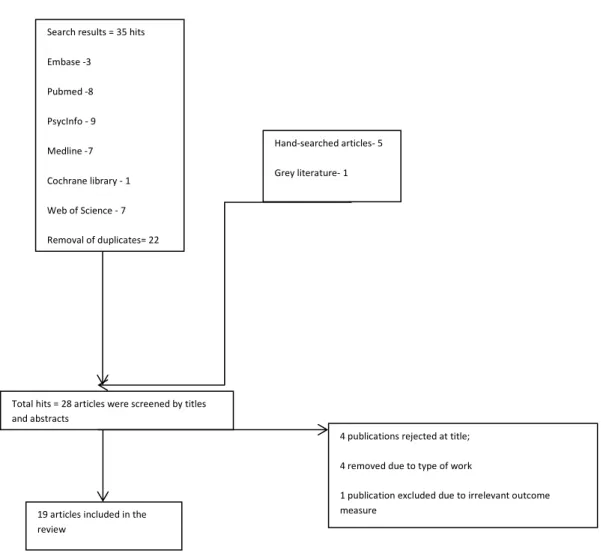
Figure 1: The Process of Study Selection and Search Results
Search results = 35 hits Embase -3 Pubmed -8 PsycInfo - 9 Medline -7 Cochrane library - 1 Web of Science - 7 Removal of duplicates= 22 hits Hand-searched articles- 5 Grey literature- 1
Total hits = 28 articles were screened by titles and abstracts
4 publications rejected at title; 4 removed due to type of work
1 publication excluded due to irrelevant outcome measure
19 articles included in the review
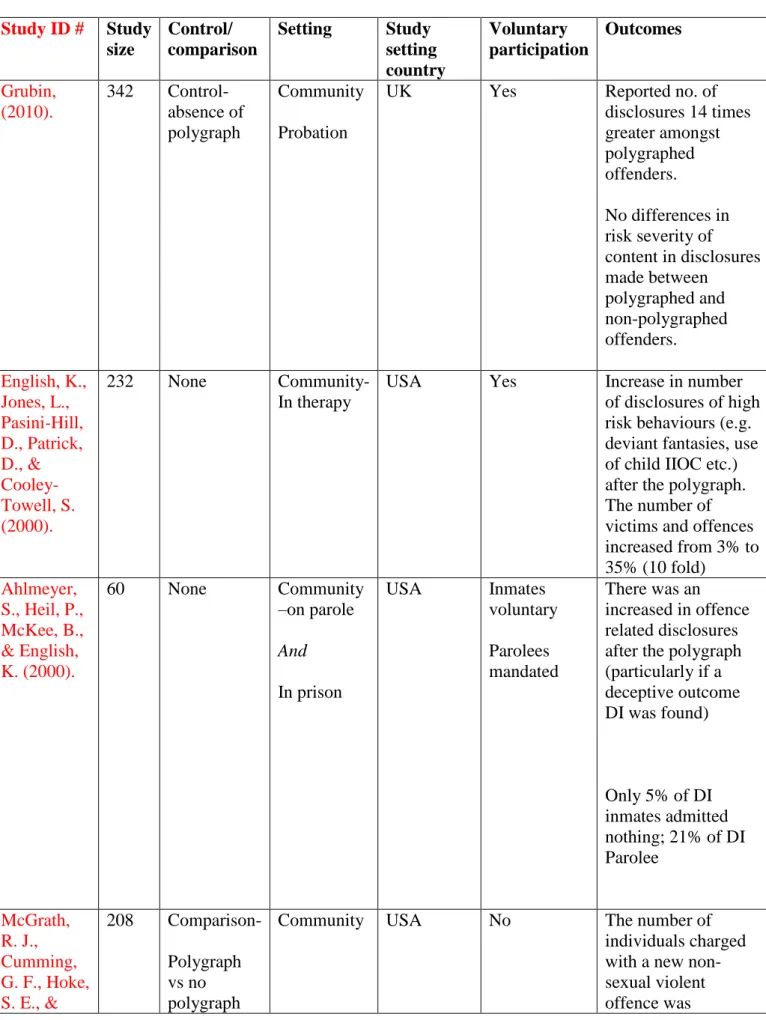
Sample Characteristics. Details of the sample characteristics in the reviewed studies
are displayed in Table 1.Overall, the sample size across studies ranged from 25 (Buschman
et al., 2009) to 635 (Gannon et al., 2014) and the age of participants spanned from 13- 76
years. However, demographic data was not made available for all participants in three of the
studies (Kokish et al. 2005; Bourke et al., 2014; Cook et al., 2014).
The ethnicity of the offenders was predominantly white/ Caucasian. All offenders
were male with the exception of one study (English, Jones, Patrick, & Pasini‐Hill, 2003)
where 4.3% of the sample was female.
Twelve studies included offenders who offended against both adult and child victims.
Six studies included only offenders with convictions against children, some of which
included juvenile offenders who had offended against peers or younger children (Schneck et
al., 2014; Grubin et al., 2014; Van Arsdale et al., 2012; Bourke et al., 2014; Stovering,
Nelson & Hart, 2013, Buschman et al., 2009).
All studies were carried out in the USA aside from five studies that were conducted in
the United Kingdom (Grubin, 2010; Grubin & Madsen 2006; Grubin et al., 2004; Grubin et
al., 2014; Gannon et al., 2014) and one conducted in the Netherlands (Buschman et al., 2009).
All but two studies included participants in community settings only; the other two
studies compared the usefulness of the polygraph in both prison and community samples
(Ahlmeyer et al., 2000; Heil, Ahlmeyer, & Simons, 2003).
In thirteen studies it was reported that some/all of the participants were also receiving
(inpatient and outpatient) psychological therapy (O'Connell, 1997; Stovering, Nelson, &
Hart., 2013; Heil, Ahlmeyer, & Simons, 2003; Van Arsdale et al., 2012; Cook et al., 2014;
al. 2005; Grubin et al., 2004; Grubin & Madsen, 2006; Buschman et al., 2010). However,
one study controlled for these treatment effects in the analysis by comparing a treatment only
with a combined polygraph treatment group (McGrath et al., 2007). Treatment programs
frequently targeted sexual offending and were implemented in a variety of settings including
prisons and community treatment facilities.
The most common test reported was the sexual history disclosure polygraph which
was employed in six of the included studies (Emerick & Dutton, 1993; O'Connell, 1997;
English et al., 2000; Van Arsdale et al., 2012; Heil, Ahlmeyer, & Simons, 2003; Buschman et
al., 2009). The maintenance polygraph test was used in three studies (McGrath et al., 2007;
Gannon et al., 2014; Grubin et al., 2004) and the specific issue test in two of the included
studies (Schenk et al., 2014; Bourke et al., 2014). Combinations of test types were used in
four of the reviewed studies (Grubin, 2010; English et al., 2000; Stovering, Nelson, & Hart.
2013., English et al., 2003).
Study Design. Control groups were not a common feature in the included cohort, and
only four of the included studies reported the inclusion of a control group in their
methodology (Grubin, 2010; McGrath et al., 2007; Gannon et al., 2014; Heil, Ahlmeyer, &
Simons, 2003).
Nine studies employed a single intervention group study design with no comparison
group that assessed participants before and following a polygraph but did not follow-up after
completion of the polygraph (English et al., 2000; Schenk et al., 2014; Van Arsdale et al.,
2012; Bourke et al., 2014; Stovering, Nelson, & Hart., 2013; O'Connell, 1997; Emerick &
Dutton., 1993; Buschman et al., 2009; English et al., 2003). Two studies explored
self-reported accuracy and utility from a single intervention design (Kokish et al., 2005; Grubin &
Four studies followed a quasi- experimental design with a polygraph intervention and
comparison group, (McGrath et al., 2007; Gannon et al., 2014; Cook et al., 2014; Schenk et
al., 2014); others included a polygraph unaware group (Grubin et al., 2004), a between
samples comparison, i.e. parolee vs. prisoner (Heil et al., 2000; Heil, Ahlmeyer, & Simons,
2003), or a within subjects comparison between multiple polygraphs (Ahlmeyer et al., 2000).
No randomized controlled trials were identified.
The polygraph was conducted on a voluntary basis in all but six studies, where it was
either a mandatory part of treatment or supervision (McGrath et al., 2010; Schneck et al.,
2014; Cook et al., 2014; Stovering, Nelson & Hart, 2013; English et al., 2003; O'Connell,
1997). Ahlmeyer et al., (2000) included both volunteer and mandated offenders due to the
inclusion of prison and community samples).
Outcomes Reported. The most frequent primary outcome from the included studies
was offense-related disclosure of previously unknown information, with this being the focus
in twelve of the studies. Offence-related disclosures may include engaging in risky
behaviours (Cann, 2007) or experiencing deviant offence-related thoughts/fantasies (Wilcox & Buschman., 2014).The timespan of these covered periods in suspense of, during or shortly
following a polygraph examination. Topics of disclosure could be directly related to
polygraph questions, but also could occur independently of these. All disclosures of interest
included information on the individual’s past of future forensic risk, including their
compliance with supervision or treatment.
Another reported outcome, which featured in two of the included studies focused on
the influence of the polygraph on rates of recidivism (McGrath et al., 2007; Cook et al.,
offences occurring following the polygraph. Both studies measured convicted re-offenses
over a five year period.
Two studies in the review explored the self-reported accuracy and utility of the
polygraph with offenders (Kokish et al., 2005; Grubin & Madsen, 2006). Both studies
implemented self-report measures in their methodology. One study used a 12-item survey
with offenders (Previous Experiences of the Polygraph Questionnaire PEPQ) to obtain this
information (Grubin & Madsen, 2006). This survey explores offenders perceptions regarding
the usefulness of the polygraph in increasing self-reported disclosure and encouraging
honesty with supervisory and treatment professionals. The other study (Kokish et al., 2005)
utilised a questionnaire specifically constructed for the purpose of their research. The
questionnaire asked respondents whether mandatory polygraph examinations were helpful
or/and harmful to their treatment and whether they felt the polygraph outcome was accurate.
One of the included studies explored whether the expectation of an upcoming
polygraph (in 3 months) was sufficient to decrease an individual’s level of risk and help them avoid engaging in their identified high risk behaviours (Grubin et al., 2004). The number of
disclosure were compared between two conditions, one in which individuals were informed
of an upcoming polygraph and the other group in which individuals were only told that their
behaviours would be reviewed, but with no mention of the polygraph. Both groups were
matched with regards to demographic characteristics and level of presenting risk.
Disclosure. Five studies reported an increase in the number of disclosures relevant to
the number of victims for those individuals who had the polygraph (Ahlmeyer et al., 2000;
Emerick & Dutton, 1993; Bourke et al., 2014; Heil, Ahlmeyer & Simons, 2003; Van Arsdale
Five studies reported an increase in disclosures regarding the number of offenses
(some reporting previously unknown contact offences) for polygraphed participants
(Ahlmeyer et al., 2000; O’Connell, 1997; Cook et al., 2014; Bourke et al., 2014; Heil, Ahlmeyer & Simons, 2003) and six studies reported an increase in the disclosure of rule
violating behaviours (e.g. licence violations) or engagement in risky behaviours indicative of
a cause for concern with regards to the person’s sexual risk (Ahlmeyer et al., 2000; English et
al., 2003; Grubin & Madsen 2006; Buschman et al., 2009; Gannon et al., 2014; Grubin et al.,
2004). Risk behaviours included masturbation to deviant fantasies, violation of treatment or
supervision arrangements, and contact with potential victims or engagement in substance
misuse. Seven studies reported an increase in admissions of cross-over offenses (Schenk et
al., 2014; English et al., 2003; Emerick & Dutton, 1993; O’Connell, 1997; Bourke et al., 2014; Heil, Ahlmeyer & Simons, 2003; Van Arsdale et al., 2012). Cross over included a
higher proportion of offences against victims of multiple ages, across genders,
offender-victim relationships and a wider variety of offenses. Seven studies found an increase in
disclosure signalled a change in offenders’ level/ category/seriousness of risk (e.g. preference
for a more explicit category of preferred indecent image/ higher scores on risk assessment
tools such as the Static 99) as result of a polygraph (Grubin 2010; Emerick & Dutton., 1993;
Cook et al., 2014) Buschman et al., 2009; Van Arsdale et al., 2012; Grubin et al., 2014;
Grubin et al., 2004).
In a study comparing the impact of the polygraph on inmate and parole samples,
offence-related disclosure was only significantly increased amongst inmates (Heil, P.,
Ahlmeyer, & Simons, 2003).
Recidivism. Two studies included in the review explored the influence of the
polygraph on rates of recidivism (McGrath et al., 2007; Cook et al., 2014). McGrath et al.
significantly less likely to be charged with committing a new non-sexual violent offense
(2.9% vs.11.5%). However, there were no significant differences between conditions for
sexual re-offenses (5.8% vs. 6.7%). Cook et al. also found that individuals subjected to the
polygraph were significantly less likely to receive a conviction for violent and sexual
recidivism combined or violent-only offences. Similarly to McGrath’s findings, there was no
significant impact of the polygraph on sexual-only recidivism. Cook et al. also found that
reoffending participants were on supervision significantly longer prior to partaking in the
polygraph examination. The authors suggested that offenders who fear being detected, as they
are guilty of committing another offence, avoid the polygraph. However, the reasons for
avoidance were not explicitly explored in the study, and it could be that the need for a
polygraph was simply overlooked or the offender was in treatment, but not progressing to a
stage where the polygraph was scheduled to be undertaken.
Self-Reported Accuracy and Utility. Results from Grubin & Madsen revealed low
levels of self-reported inaccuracy regarding the polygraph outcomes, with 15% stating the
polygraph resulted in a false positive outcome and 16% that it resulted in false negative
findings. Overall, participants’ perceived accuracy of the polygraph was 85%. With regard to
self-reported increases in disclosure, 44% of participants stated the polygraph made them
more honest with professionals. Amongst participants expecting to be subject to the
polygraph, 44% reported an increase in the likelihood of their disclosing offence relevant
information to supervisory and treatment agents. With regards to the polygraph as a deterrent
for future risk, 56% reported that the test was encouraging for avoiding reoffending, and 68%
stated it helped them with avoiding engagement with risk behaviours. The use of the
polygraph as a deterent to future reoffending or engagement in risk behaviour has also been commented upon by Buttars, Huss, & Brack (2016) who found that
Results from Kokish et al. also suggest a propensity for high levels of self-reported
disclosure amongst polygraphed offenders, with 72% stating that the test made them more
honest with themselves and their therapists. Similar levels of reported accuracy were reported
as found by Grubin & Madsen, with regard to false positive outcomes at 19%; however,
fewer incidents of false negatives were reported at 6%.
Timing of Disclosure. There were no significant differences between the aware and
unaware conditions with regard to the number of disclosed ‘high risk’ behaviours in the three
months leading up to the polygraph test, which suggested that the expectation of an upcoming
polygraph test was not sufficient enough to deter individuals from engaging in risk
behaviours.
Bourke et al. 2014 found offenders were more likely to make offence-relevant
disclosures during the polygraph (52.8%) than beforehand during the pre-test interview
(20.5%) or during the post-test debrief (32.3%). Pre-test disclosures yielded information from
29 offenders’ highlighting an additional 102 compared to an additional 170 victims disclosed by 54 individuals during the post-test interview. Ahlmeyer et al. (2000) also found
offence-related disclosures during polygraph, or shortly after during the post-test interview if a
deception-indicated result were found. In contrast, Grubin et al. 2004 found that subjects
were most likely to report high risk behaviours to the examiner during the pre-test interview
(84%); however, following a failed test, 80% of participants reported additional and unknown
information about their high-risk behaviours during the post-test interview. Grubin et al.
however, did not specify ‘during the test’ so that it is difficult to identify exactly when
disclosures were made.
Stovering et al. (2013) studied the number of unique disclosures made over a wider
periods over the course of a mandated sex offender treatment program (adjudication,
assessment/education, at the polygraph examination, and during continued treatment (from
after the polygraph until discharge). Results indicated that the largest number of victims was
disclosed during the assessment/education phase (from the first day of treatment until taking
the polygraph). Although additional victims were also disclosed during the polygraph
examination itself and during continued treatment after the polygraph, this represented a
small number of additional victims. For example, only one additional victim was disclosed
during the polygraph, and 19 in continued treatment compared to 87 and 157 during the
adjunction and assessment/education phase retrospectively.
Discussion
The main finding of this systematic review is that the polygraph appears to be a useful
technique in eliciting a greater number of offence-related disclosures amongst sexual
offenders. The polygraph appears to lead to an increase in disclosures associated with a
number of risk-related areas, including the number and variety of offences and victims, risk
behaviours and violations of licence and treatment conditions. All of these factors influence
how an individual’s presenting level of risk is perceived, and this can dictate how we manage
and treat this risk in the future. An increase in the reported levels of disclosure regarding
crossover offending in seven of the included studies suggests an opportunistic and malleable
nature to sexual offending which challenges the validity of traditional sex offender typologies
(based on a known victim type). A higher degree of crossover is also indicative of higher risk
associated with sexual recidivism as it is suggestive of deficits in impulsivity and
self-regulation (Hanson & Morton-Bourgon, 2004). Information on crossover offending is useful
patterns (Heil et al. 2003). Therefore, the polygraph may help in generating more accurate
information to allocate resources, evaluate risk, or devise individualised interventions.
Despite these increases in disclosure rates, offenders may continue to conceal information
and disclose only the bare minimum they feel necessary. Or indeed, offenders may fabricate
their confessions after being found deceptive to prevent the examiner from revealing the
truth, or to satisfy what they believe the examiner wants to hear. Additionally, it is not always
possible to ascertain what in these studies is conceived as a ‘sex offence,’ and therefore it might be that offenders are simply disclosing more of events that they would not have
previously considered to be offences (e.g. having sex with someone who is intoxicated).Thus,
it is difficult to ascertain to what extent the newly disclosed information can be trusted as
wholly accurate and complete. (Kokish, Levenson, & Blasingame, 2005; Grubin & Madsen,
2006). This is why it is crucial to continue with thorough investigative procedures following
an admission. In addition, immunity from criminal prosecution was a feature of many of the
included studies which may also have increased disclosure.
Studies reported different findings with regard to the timing of disclosures made in relation to
the polygraph test. Therefore, it is likely that additional factors play a role in the timing of
disclosures, such as the impact of treatment or good offender- practitioner relationships
(Wood et al., 2010). Unfortunately none of the included studies compared disclosures
between polygraph and non-polygraph groups, when both groups were in
treatment. Therefore it is difficult to determine how much additional information is the effect of the polygraph as additional to the disclosures that occur during treatment.
In studies that showed a decrease in recidivism rates following a polygraph
examination, this effect was significant only for violent reoffending, perhaps due to lower
base rates for sexual offences, which may preclude statistically significant outcomes
offenders’ risk behaviours, this was not associated with sexual reoffending rates. This confirms previous research demonstrating that (threat of) sanctions have little impact on
sexual recidivism (Andrews & Bonta, 2007). It appears, however, that the polygraph can
separate those who reoffend less often from frequent reoffenders in that those who avoid
undertaking the polygraph tend to reoffend more often, perhaps due a fear of detection.
Therefore, in the future it might be beneficial to focus on increasing supervision for those
individuals who appear to be actively avoiding the polygraph.
There was a large degree of variance between studies with regards to the type of
polygraph test administered dictated by the content of the questions and the purpose of the
test. It is unknown whether the type of polygraph test administered impacts upon the validity
of the outcomes; however, some researchers have suggested that the method of questioning
employed may have an influence on the outcomes (Saxe et al., 1985). The type of polygraph
test employed was not specified in four of the included studies (Kokish et al.; Ahlmeyer et
al., 2000; Grubin et al., 2014; Grubin & Madsen, 2006).
Limitations. It is possible that some studies have escaped identification due to limited
accessibility of their data, or ongoing execution. However, given our comprehensive search
strategy, it is likely that the studies reported here adequately represent the present state of
polygraph research with sex offender populations.
The main limitations in terms of the conclusions that can be drawn on the
effectiveness of the polygraph in the management of sex offenders lie within the poor quality
of the available evidence. In the included recidivism studies, assignment to treatment
conditions was not random (e.g. Ahlmeyer, 2000) and polygraphed offenders may have
underwent lengthier periods of treatment and supervision, arguably reducing their risk to
contributed to the likelihood of reoffending aside from the polygraph. A small proportion of
the included studies rely to some extent on casefile data, therefore the information used may
have been initially gathered for clinical and treatment purposes rather than for research, and
missing or unreported data may weaken the accuracy of the conclusions made.
Previous Experiences with the Polygraph. It was not always possible to ascertain
whether offenders had undergone polygraph testing previously and, if so, how many times
and during what time frame. It is possible that some studies included participants who had
previous exposure to the polygraph and this could have impacted upon study findings.
Previous research suggests that experience of the polygraph may increase the number of false
negative results due to practice effects and therefore could also influence the content and
rates of disclosures (Rovner et al., 1979). However, Ben-Shakhar & Dolev (1996) showed
that practice is not necessary for a successful implementation of countermeasures, and
therefore previous exposure to polygraphy may not necessarily impact on disclosures.
Study Design. Small sample sizes without comparison groups weaken the
generalisability of findings. A substantial number of the studies were multiple case or single
intervention group designs. In a number of studies, individuals undergoing a polygraph were
also concurrently receiving treatment for their sexual offending. Retrospective methodologies
and the absence of an appropriate control group make it difficult to disentangle the impact of
therapy/supervision from the effect of the polygraph examination, and research indicates that
engagement in sexual offender treatment reduces recidivism and disclosure (Hanson et al.,
2002). Therefore, it is possible that an increase in disclosure for the polygraph was due to the
fact that these individuals were also receiving psychological treatment, which also
encourages openness and for some therapies it is a requirement or fundamental aim that
Only two studies have considered the impact of the polygraph on recidivism. For
studies considering the influence of the polygraph on rates of recidivism, the length of the
follow-up was a maximum of 5 years. Given the slow rate to reoffending and generally low
base rates of sexual offending, such time frames may not be sufficient to gain an accurate
picture of recidivism. Longitudinal research shows that sexual recidivism increases with
extended follow-up (Loucks 2002). After 20 years, it is estimated that rates of recidivism in
the general sex offending population will approach 30% - 40% (Hanson et al., 2003).
A major confounding variable amongst the included studies is sampling bias. Many
studies included voluntary participants who represent a subgroup of offenders (noted by the
discrepancy between the number approached and those agreeing to participate). Volunteers
are perhaps more compliant and eager to please, making them more likely to disclose or
adhere to experimenter effects during the polygraph. In one of the included studies
(Ahlmeyer et al., 2000) volunteering inmates were significantly more likely to disclose
victims during the polygraph than mandated parolees. Therefore, results from voluntary
participants cannot be generalised to all sexual offenders.
Sample Characteristics. Participants included in the reviewed studies represent a
homogenous group of individuals and therefore it is difficult to generalise these findings to
other groups. Participants were predominantly white, middle-aged males from the US or UK
(with one study from the Netherlands) and demographic data was missing is a substantial
number of the studies, making it difficult to explore whether such characteristics influenced
disclosure or reoffending rates. Also, to date there is no known research exploring gender
differences in admissions made during or following a polygraph. Therefore it is possible that
Issues with Self-reported Utility. For those studies including self-reported rates of
polygraph utility, it is likely that social desirability impacted upon participant responses,
particularly where self-report was obtained during face-to-face interviews or whilst a
therapist was present in the room. Offenders are likely to want to make a good impression on
those with whom they are working and therefore are more likely to be compliant and report
that such influences are useful. However, others may argue that some offenders may be more
likely to state that the polygraph is not useful to undermine confidence in the test.
Drop-out. There were substantial drop-out rates amongst the included studies which
is likely to skew the data. It was not possible to determine systematically why offenders
dropped out at various times during certain studies, but it is likely that participants
completing the studies represent a different subgroup to those who drop- out of the study, the
latter most likely being less compliant and more resistant to making disclosures during the
polygraph. Also, because no detailed information was offered in studies with regards to
characteristics of those who dropped out, it is possible that those offenders confronted with a
deceptive outcome result may have simply dropped out.
Conclusion
The studies included in this systematic review provide a foundation for understanding
the utility of the PCSOT amongst forensic samples. The review has a particular focus on
disclosure. As with a number of other techniques, current studies suggest the polygraph may
be useful in increasing offence-related admissions which promotes more realistic risk
assessments. However, these findings are tempered by the severe lack of empirical inquiry
and the significant issues surrounding quality of included studies. However, the initial results
provided by studies, particularly the increased disclosure across a wide range of risk relevant
Such study should take into account the methodological shortcomings identified in the
current literature and employ more rigorous methods in order to expand the evidence base for
the use of the polygraph in sex offender management and treatment. Future research may also
benefit from comparing polygraph disclosure with elicited from other communicative techniques, such as motivation interviewing, and other techniques that influence denial through their impact on motivational/insight; threats to self-esteem; and fear of negative, extrinsic consequences (Lord & Willmot, 2004).
The parameters of polygraph testing that need to be investigated include how it
should be designed in relation to theories of lie detection, the frequency of polygraphs for
optimal disclosure, how and when the polygraph is most effectively administered
(pre/post-conviction), and what types of offenders may be eligible for testing. Only then will we know
References
Note. References marked with an asterisk indicate studies included in the systematic review.
*Ahlmeyer, S., Heil, P., McKee, B., & English, K. (2000). The impact of polygraphy on
admissions of victims and offenses in adult sexual offenders. Sexual Abuse: A Journal of
Research and Treatment, 12, 123-138.
Barbaree, H. E., Langton, C., & Peacock, E. J. (2006). Different actuarial risk measures produce different risk rankings for sexual offenders. Sexual Abuse: A Journal of Research and Treatment, 18, 423–440.
Beech, A. R., Fisher, D. D., & Thornton, D. (2003). Risk assessment of sex offenders.
Professional Psychology: Research and Practice, 34, 339-352.
Ben-Shakhar, G., & Dolev, K. (1996). Psychophysiological detection through the guilty
knowledge technique: Effect of mental countermeasures. Journal of Applied Psychology, 81,
273-28.
Blasingame, G. D. (1998). Suggested clinical uses of polygraphy in community-based sexual
offender treatment programs. Sexual Abuse: A Journal of Research and Treatment, 10, 37-45.
Bonta, J., & Andrews, D. A. (2007). Risk-need-responsivity model for offender assessment
and rehabilitation. Rehabilitation, 6, 1-22.
*Bourke, M. L., Fragomeli, L., Detar, P. J., Sullivan, M. A., Meyle, E., & O'Riordan, M.
(2014). The use of tactical polygraph with sex offenders. Journal of Sexual Aggression,
(ahead-of-print), 1-14.
*Buschman, J., Bogaerts, S., Foulger, S., Wilcox, D., Sosnowski, D., & Cushman, B. (2009).
explorative study. International Journal of Offender Therapy and Comparative Criminology,
48, 572-586.
Buttars, A., Huss, M. T., & Brack, C. (2016). An analysis of an intensive supervision program for sex offenders using propensity scores. Journal of Offender Rehabilitation, 55, 51-68.
Cann, J. (2007). Assessing the extent of discretionary disclosure under the Multi-Agency Public Protection Arrangements (MAPPA). Home Office.
*Cook, R., Barkley, W., & Anderson, P. B. (2014). The Sexual History Polygraph
Examination and Its Influences on Recidivism. The Journal of Social Change, 5, 1-10.
Councell, R., & Olagundoye, J. (2003). The prison population in 2001: A statistical review.
Home Office. Research, Development and Statistics Directorate.
Cross, T. P., & Saxe, L. (2001). Polygraph testing and sexual abuse: The lure of the magic
lasso. Child Maltreatment, 6, 195-206.
*Emerick, R. L., & Dutton, W. A. (1993). The effect of polygraphy on the self-report of
adolescent sex offenders: Implications for risk assessment. Annals of Sex Research, 6,
83-103.
*English, K., Jones, L., Pasini-Hill, D., Patrick, D., & Cooley-Towell, S. (2000). The value of
polygraph testing in sex offender management. Colorado Department of Public Safety.
English, K., Jones, L., Patrick, D., & Pasini‐Hill, D. (2003). Sexual offender containment.
Falshaw, L., Friendship, C., Travers, R., & Nugent, F. (2004). Searching for ‘What Works':
HM Prison Service accredited cognitive skills programmes. The British Journal of Forensic
Practice, 6, 3-13.
Fazel, S., & Seewald, K. (2012). Severe mental illness in 33 588 prisoners worldwide:
systematic review and meta-regression analysis. The British Journal of Psychiatry, 200,
364-373.
*Gannon, T., Wood, J., Pina, A., Tyler, N., Barnoux, M. F., & Vasquez, E. A. (2014). An
evaluation of mandatory polygraph testing for sexual offenders in the United Kingdom.
Sexual Abuse: Journal of Research and Treatment, 26, 178-203.
*Grubin, D., Madsen, L., Parsons, S., Sosnowski, D., & Warberg, B. (2004). A prospective
study of the impact of polygraphy on high-risk behaviours in adult sex offenders. Sexual
Abuse: A Journal of Research and Treatment, 16, 209-222.
*Grubin, D. (2010). A trial of voluntary polygraphy testing in 10 English probation areas.
Sexual Abuse: Journal of Research and Treatment, 22, 266-278.
*Grubin, D., & Madsen, L. (2006). Accuracy and utility of post-conviction polygraph testing
of sex offenders. The British Journal of Psychiatry, 188, 479-483.
*Grubin, D., Joyce, A., Holden, E. J., Janssen, D. F., Pfäfflin, F., & Rehder, U. H. (2014).
Polygraph Testing of 'Low Risk 'Offenders Arrested for Downloading Indecent Images of
Children. Sexual Offender Treatment, 9, 2-12.
Hanson, R. K., & Wallace-Capretta, S. (2000). Predicting recidivism among male batterers.
Hanson, R. K., & Morton-Bourgon, K. E. (2005). The characteristics of persistent sexual
offenders: a meta-analysis of recidivism studies. Journal of Consulting and Clinical
Psychology, 73, 1154-1163.
Hanson, R. K., Harris, A. J., Helmus, L., & Thornton, D. (2014). High-risk sex offenders may not be high risk forever. Journal of Interpersonal Violence, 29, 2792-2813.
*Heil, P., Ahlmeyer, S., & Simons, D. (2003). Crossover sexual offenses. Sexual Abuse: A
Journal of Research and Treatment, 15, 221-236.
Hilton, N. Z., Harris, G. T., Rice, M. E., Houghton, R. E., & Eke, A. W. (2008). An in-depth
actuarial assessment for wife assault recidivism: The Domestic Violence Risk Appraisal
Guide. Law and Human Behaviour, 32, 150-163.
Honts, C.R., 2005. The psychophysiological detection of deception. In: Stromwall,
P.A.G.L.A. (Ed.) The Detection of Deception in Forensic Contexts. University Press,
Cambridge, pp. 103–123.
Honts, C. R., & Reavy, R. (2015). The comparison question polygraph test: A contrast of methods and scoring. Physiology & Behaviour, 143, 15-26.
Iacono, W. G. (2008). Effective policing: Understanding how polygraph tests work and are
used. Criminal Justice and Behaviour, 35, 1295-1308.
Kemshall, H. (2003). Understanding risk in criminal justice. Maidenhead: Open University
Press.
*Kokish, R., Levenson, J. S., & Blasingame, G. D. (2005). Post-conviction sex offender
polygraph examination: Client-reported perceptions of utility and accuracy. Sexual Abuse: A
Leo, R. A., & Ofshe, R. J. (1998). The consequences of false confessions: Deprivations of
liberty and miscarriages of justice in the age of psychological interrogation. Journal of
Criminal Law and Criminology, 88, 429-496.
Lord, A., & Willmot, P. (2004). The process of overcoming denial in sexual offenders.
Journal of Sexual Aggression, 10, 51-61.
Loucks, N. (2002) Recidivism Amongst Serious Violent and Sexual Offenders. Scottish
Executive Social Research, Edinburgh.
Meijer, E. H., Verschuere, B., Merckelbach, H. L., & Crombez, G. (2008). Sex offender
management using the polygraph: A critical review. International Journal of Law and
Psychiatry, 31, 423-429.
*McGrath, R. J., Cumming, G. F., Hoke, S. E., & Bonn-Miller, M. O. (2007). Outcomes in a
community sex offender treatment program: A comparison between polygraphed and
matched non-polygraphed offenders. Sexual Abuse: A Journal of Research and Treatment,
19, 381-393.
Myhill, A., & Allen, J. (2002). Rape and sexual assault of women: findings from the British
Crime Survey. Great Britain, Home Office, Research, Development and Statistics
Directorate. Committee to Review the Scientific Evidence on the Polygraph (National
Research Council (US)), National Research Council (US). Board on Behavioral, Sensory Sciences, National Research Council (US). Committee on National Statistics, National Research Council (US). Division of Behavioural & Social Sciences. (2003). The Polygraph
and Lie Detection. Haworth Press.
*O'Connell, M. A. (1997). Using polygraph testing to assess deviant sexual history of sex
Rovner, L. I., Raskin, D. C., & KIrcher, J. C. (1979). Effects of information and practice on
detection of deception. Psychophysiology, 16, 983-997.
Saxe, L., Dougherty, D., & Cross, T. (1985). The validity of polygraph testing: Scientific
analysis and public controversy. American Psychologist, 40, 355.
*Schenk, A. M., Cooper‐Lehki, C., Keelan, C. M., & Fremouw, W. J. (2014). Underreporting
of Bestiality Among Juvenile Sex Offenders: Polygraph Versus Self‐Report. Journal of
Forensic Sciences, 59, 540-542.
Shaffer, C., McCuish, E., Corrado, R. R., Behnken, M. P., & DeLisi, M. (2015). Psychopathy
and violent misconduct in a sample of violent young offenders. Journal of Criminal Justice,
43, 321-326.
Schmucker, M., & Lösel, F. (2015). The effects of sexual offender treatment on recidivism: an international meta-analysis of sound quality evaluations. Journal of Experimental
Criminology, 11, 597-630.
*Stovering, J., Nelson, W. M., & Hart, K. J. (2013). Timeline of victim disclosures by
juvenile sex offenders. The Journal of Forensic Psychiatry & Psychology, 24, 728-739.
*Van Arsdale, A., Shaw, T., Miller, P., & Parent, M. C. (2012). Polygraph testing for
juveniles in treatment for sexual behaviour problems: An exploratory study. OJJDP: Journal
of Juvenile Justice, 1, Epub. Retrieved from http://www.journalofjuvjustice.org/ JOJJ0102/ article05.htm.
Verschuere, B., Meijer, E. H., & Clercq, D. (2011). Concealed information under stress: A test of the orienting theory in real-life police interrogations. Legal and Criminological Psychology, 16, 348-356.
Wilcox, D. T. (2000). Application of the clinical polygraph examination to the assessment,
treatment and monitoring of sex offenders. Journal of Sexual Aggression, 5,134-152.
Wilcox, D., Sosnowski, D., Warberg, B., & Beech, A. R. (2005). Sexual history disclosure
using the polygraph in a sample of British sex offenders in treatment. Polygraph, 34,
171-183.
Wilcox, D., & Buschman, J. (2011). Case Studies in the Utility of the Polygraph. Sexual
Offender Treatment, 6, 97-112.
Wood, J., Kemshall, H., Westwood, S., Fenton, A., & Logue, C. (2010). Investigating
disclosures made by sexual offenders: preliminary study for the evaluation of mandatory
polygraph testing. Research Summary, 6, 1-5.
Zuckerman, M., & Driver, R. E. (1985). Telling lies: Verbal and nonverbal correlates of
Table 1: A table summarising key study qualities Study ID # Study size Control/ comparison Setting Study setting country Voluntary participation Outcomes Grubin, (2010). 342 Control- absence of polygraph Community Probation
UK Yes Reported no. of
disclosures 14 times greater amongst polygraphed offenders. No differences in risk severity of content in disclosures made between polygraphed and non-polygraphed offenders. English, K., Jones, L., Pasini-Hill, D., Patrick, D., & Cooley-Towell, S. (2000). 232 None Community- In therapy
USA Yes Increase in number
of disclosures of high risk behaviours (e.g. deviant fantasies, use of child IIOC etc.) after the polygraph. The number of victims and offences increased from 3% to 35% (10 fold) Ahlmeyer, S., Heil, P., McKee, B., & English, K. (2000). 60 None Community –on parole And In prison USA Inmates voluntary Parolees mandated There was an increased in offence related disclosures after the polygraph (particularly if a deceptive outcome DI was found) Only 5% of DI inmates admitted nothing; 21% of DI Parolee McGrath, R. J., Cumming, G. F., Hoke, S. E., & 208 Comparison- Polygraph vs no polygraph
Community USA No The number of
individuals charged with a new non-sexual violent offence was
Bonn-Miller, M. O. (2007). Both groups receiving therapeutic input and correctional supervision significantly lower for those who received a poly (2.9% v 11.5%)
No significant difference between groups regarding the number of
individuals charged with sexual offence
Schenk, A. M., Cooper‐ Lehki, C., Keelan, C. M., & Fremouw, W. J. (2014). 32 None Secure treatment facility
USA Yes Significantly more
individuals admitted bestiality offences in the polygraph condition than they did on the self-report measure Kokish, R., Levenson, J. S., & Blasingame, G. D. (2005 95 None Community- outpatient treatment
USA Yes 19% of respondents
stated the polygraph resulted in a false positive outcome 6% stated the polygraph resulted in false negative 72% of participants stated the polygraph made them more honest with others and themselves 11% stated the polygraph was harmful to their wellbeing Grubin, D., & Madsen, L. (2006). 114 None Community in treatment USA Yes Overall perceived accuracy of the polygraph was 85% 44% said the polygraph made them more honest with probation
officer and treatment provider
34% said the polygraph made them more honest with family and friends
56% said the polygraph was moderately helpful in helping them avoid reoffending
68% said the polygraph was moderately helpful in helping them avoid engagement with risky behaviours
44% said receiving a polygraph in the future would increase the likelihood of disclosing to the police
Those who had had polygraph disclosed that they were significantly less likely (at the p=.04 level) to go to places to view children than those who were awaiting their first test Grubin, D., Madsen, L., Parsons, S., Sosnowski, D., & Warberg, B. (2004 34 Comparison: polygraph aware and unaware Community treatment UK Yes No significant differences in the avoidance of high risk behaviour between polygraph aware and polygraph unaware participants
Poly 1: 97% of entire sample disclosed average of
2.45 high-risk behaviours
previously unknown during or following the polygraph
Poly 2: all subjects expected the second polygraph. 71% disclosed an average of 1.57 high-risk behaviours- suggesting polygraphed offenders engage in less high-risk behaviours following an initial polygraph test Results from an offender feedback Questionnaire- 57% reported that knowledge of impending polygraph decreased risk behaviours 52% reported that poly encouraged them to disclose more to probation officer questionnaire Grubin, D., Joyce, A., Holden, E. J., Janssen, D. F., Pfäfflin, F., & Rehder, U. H. (2014). 31 None Community on bail UK Yes 35% of participants made new disclosures following a DI outcome on the polygraph examination ‘Low risk’ judgements’ of risk before the polygraph were confirmed in only 26% of participants following the polygraph
Offenders risk level was modified upwards for 74% of individuals completing the polygraph Gannon, T., Wood, J., Pina, A., Tyler, N., Barnoux, M. F., & Vasquez, E. A. (2013). 303 Control- polygraph and no polygraph Community Probation
UK Yes A higher proportion
of polygraphed offenders made at least one disclosure
There were no differences between polygraphed and non-polygraphed offenders regarding the seriousness of disclosures
The total number disclosures 3 times greater for those in the polygraph condition Van Arsdale, A., Shaw, T., Miller, P., & Parent, M. C. (2012). 60 None Community treatment
USA Yes The number of
victims disclosed significantly increased post-polygraph and there was an increase in disclosure of male victims There were significantly more contact offense admissions than exposure or force admissions following the polygraph 15% of those polygraphed
disclosed own sexual abuse victimisation which may be considered in treatment
Heil, P., Ahlmeyer, S., & Simons, D. (2003). 489 None Community – Parole And Prison
USA Yes Inmate sample:
Increase in number of victims, no. of offenses and offenses category disclosures following the administration of the polygraph in treatment. Parolee sample: The number of victims, offenses and offenses category disclosures increased following the polygraph in treatment. More admissions of more than one sex offenses category, offending against both children and adults, males and female victims, strangers and non-strangers, molesting relatives/non-relatives all following the polygraph.
The most dramatic increase was the number of
admissions of having both child and adult victims
Polygraph and treatment were critical factors in increasing the rate of crossover admissions amongst inmates. Impact of the polygraph on admissions was not
so strong for parolees.
Both groups admitted more sexual offences than was recorded in the presentence investigation report. Bourke, M. L., Fragomeli, L., Detar, P. J., Sullivan, M. A., Meyle, E., & O'Riordan, M. (2014). 127 None Community- on bail
USA Yes Following the
polygraph 57% of total sample admitted contact sexual
offence against a minor
52.8% of these admissions were during the polygraph, 20.5% during pre-test interview, and 32.3% during post-test.
Pre-test yielded an additional 102 victims by 29 offender and post-test an additional 170 victims disclosed by 54 suspects.
10 participants admitted to actively abusing a child post-polygraph
34% of those who disclosed contact offences also
identified the victim by name Cook, R., Barkley, W., & Anderson, P. B. (2014) 166 Control- Polygraph or no polygraph
Community USA No Individuals having a
polygraph were significantly less likely to violently reoffend than those without a polygraph
No significant differences in rates
of sexual recidivism between those who had a polygraph and those who did not
Stovering, J., Nelson, W. M., & Hart, K. J. (2013) 74 None Community in residential treatment
USA No Juvenile sex
offenders further disclosed, on average 2.39 additional victims, after being adjudicated to a residential treatment program. Most additional victim reports
occurred between the period of entering treatment program (Time 1 - 87 total victims reported by all) to the polygraph test (Time 2-157 total victims reported by the 74 participants BUT participants were told of
upcoming polygraph here), with fewer victims being reported during the polygraph test [Time 3 (at their polygraph examination) - 1 victim reported and Time 4
(post-polygraph) - 19 total victims reported].
96% of respondents rated the polygraph helpful O'Connell, M. A. (1997). 127 None Community- in treatment USA No A significantly greater number of reported incidents of deviancy (for all categories) were disclosed following the polygraph
There was an increase in the number of
disclosures of cross-over offending across different areas of sexual deviancy (e.g. extra familial/interfamilial) McGrath, R. J., Cumming, G. F., Hoke, S. E., & Bonn-Miller, M. O. (2007).
76 None Community USA Yes There were
significant increases in disclosure of child victims and assaults following the polygraph examinations There was an increase in disclosures regarding an increase in degree of force, abuse of both genders, and having multiple victim relationships following the polygraph.
The mean number of sexual offences increased from 27 noted in the file to 77 offenses following the polygraph Buschman, J., Bogaerts, S., Foulger, S., Wilcox, D., Sosnowski, D., & Cushman, B. (2009). Sexual 25 None Community In treatment
Netherlands Yes The polygraph
revealed:
Drop in mean age started to view indecent image of children (IIOC) from 41 to 18
After the polygraph all offenders
admitted grooming children and contact sexual behaviour
After the polygraph offenders disclosed an interest in more extreme IIOC
There was no change in reported preferred age for child in the IIOC following the polygraph There was an increase in the number of individuals disclosing cross-over between victims; boys and girls, gender combinations in IIOC and IIOC featuring adults
The polygraph revealed an increase in disclosures of offender interest pre-pubescent children
15 offenders
disclosed engaging in high risk behaviours following a polygraph English, K., Jones, L., Patrick, D., & Pasini‐ Hill, D. (2003).
180 None Community USA No Disclosure of assault
against male victims (sexual) increased from 20-36% after exposure to combined treatment and polygraph Disclosure or cross over offences increased from 10 to 29% (both genders); from 10 to 33% (adult and children) following the polygraph/treatment
Increased reporting of incestuous offences from 38 to 58% following the polygraph Increased report of deviant behaviour in all offending categories (particularly
bestiality which saw a nine-fold increase from 4.4% known to engage in bestiality to 36.1%) following the polygraph