Faculty of science, engineering &
environment Celebration of research
Various,
Title Faculty of science, engineering & environment Celebration of research
Authors Various,
Type Conference or Workshop Item
URL This version is available at: http://usir.salford.ac.uk/9430/ Published Date 2010
USIR is a digital collection of the research output of the University of Salford. Where copyright permits, full text material held in the repository is made freely available online and can be read, downloaded and copied for noncommercial private study or research purposes. Please check the manuscript for any further copyright restrictions.
Contents
School
of
Environment
&
Life
Sciences
Centre
for
Parasitology
&
Disease
Research
Occurrence of Helminth and Protozoan Parasites in UK Populations of the European Eel (Anguilla Anguilla). Rosilah, Ab Aziz1, Michael Godard2, Alan Walker2, Chris Williams3, Miran Aprahamian3 and Darren Brooks1
Antigen Recognition Patterns in Humans with Different Cyst Classifications in Cystic Echinococcosis. Tony Bodell, Russell Richardson, Philip Craig, Eberhard Zehyle and Mike Rogan
Studies on the Life Cycle and Transmission of the Trematode Plagiorchis muris at Malham Tarn, Yorkshire. Kellyanne Boyce, Helen Bradshaw, Mike Rogan, Geoff Hide, Adrian Pickles, Philip Craig
Endoparasites of Pipistrelle Bats.
Jennifer Lord, Nicole Dodd, Geoff Hide and Darren Brooks
An Investigation into the Prevalence of Toxoplasma gondii Infection in British Bats. Nicole Dodd
Antimicrobial Properties of Ag/TiO2 and CuO/TiO2 Films Deposited by Chemical Vapour Deposition. H A Foster, S Varghese, P Evans, P Sheel, D W Sheel, N Rutschke and H M Yates
Evidence for High Levels of Vertical Transmission in Toxoplasma gondii.
Geoff Hide, Emma K Morley, Jacqueline M Hughes, Omar Gerwash, Mohamed S Elmahaishi*, Khalid H Elmahaishi*, Denise Thomasson, Elizabeth A Wright, Huw Williams, Gai Murphy and Judith E Smith
Detection of Echinococcus granulosus in Farm Dogs in South Powys, Wales using coproELISA. Wai‐San Li
Mosquito Monitoring in the UK. Dr Gai Murphy
Imaging Mass Spectrometry: Optimising Tissue Specific Methodology for Cancer Biomarker Investigation. Dr Niroshini Nirmalan
Development and Validation of a Quantitative in vitro Model System to Investigate Host Erythrocyte Remodelling in Severe Malaria.
Dr Niroshini Nirmalan
Inflammatory Bowel Disease and Trichiuris muris Infection. Ekta Bhardwaj, Kathryn J Else, Geoff Warhurst and M T Rogan
Hydatid Cysts: Every Picture Tells a Story.
Michael T Rogan, Wang Yun Hai, Russell Richardson Eberhard Zeyhle & Philip S Craig
Role of Fibroblasts in Chronic Obstructive Pulmonary Disease. Stephanie Buxton, Dave Singh*, Jeremy T Allen, Lucy Smyth
Biocidal Surfaces: Activity Testing and Growth using APCVD .
S Varghese, P Fitton, S Haq, D W Sheel, P Youngson, P Sheel, F J (Eric) Bolton and H A Foster
Inhibition of Murine Skeletal Muscle Differentiation by Transforming Growth Factor β1 (TGF‐β1) is Attenuated by the Omega‐3 Polyunsaturated Fatty Acid Eicosapentaenoic Acid (EPA).
J K Whittingham‐Dowd and J T Allen
Centre
for
Biochemistry,
Drug
Design
&
Cancer
Research
An in vitro Study of the Cytotoxic and Cellular Biochemical Effects of L‐glutamine Moderation in Pediatric Sarcomas.
Jodie Allsup
Electrochemical Monitoring of Tumour Cell Responsiveness to Anti‐cancer Drugs. Jon A Deakin and Alan T McGown
Novel Heparin Mimics: Design, Synthesis & Biological Evaluation. R Lagoutte and J A Wilkinson
Investigating the Biological Role of human NEIL3. Thomas Roedl and Rhoderick H Elder
Photoactivation of Trans‐combretastatins as Anticancer Drugs.
Kathrin Scherer, Roger Bisby, John Hadfield, Nicholas Hirst and Alan McGown
Asymmetric Alkylation of Diarylmethane Derivatives.
James Wilkinson, Steve Rossington, Eun‐Ang Raiber, John Leonard, Nigel Hussain
Centre
for
Environmental
Systems
&
Wildlife
Research
Fuel Moisture Content Estimation based on Hyperspectral Data for Fire Risk Assessment. T A Almoustafa, R P Armitage, F M Danson
Genetic Response of the Common Toad (Bufo bufo) to Environmental Change. Robert Coles, Chris Reading* and Robert Jehle
The Salford Advanced Laser Canopy Analyser (SALCA): A Multispectral Full Waveform LiDAR for Improved Vegetation Characterisation.
R Gaulton, F M Danson, G Pearson, P E Lewis and M Disney
Do Great Crested Newts (Triturus cristatus) find their Breeding Ponds by Following Acoustic Cues from Frogs and Toads?
Neil Madden & Robert Jehle
The Historical Ecology of the Large Mammal Fauna of Ngorongoro Crater, Tanzania. Louise Oates and Dr Paul Rees
Research
Centre
for
Urban
Change
Green Fix: Valuing Manchester’s Nature. Luke Blazejewski
Pond Landscapes in an Urban Context. David G Gledhill and Philip James
The Urban Environment: Quantifying Ecosystem Services at the Neighbourhood Scale. Kathleen G Radford
Drivers of Change – Regenerating Saltmarsh using Conservation Grazing Cattle in an Industrialised Area. Damian Smith and Philip James
The Resilience of Urban Green Infrastructure: A Case Study of Runcorn, UK.
School
of
Computing,
Science
&
Engineering
Materials
&
Physics
Research
Centre
Bulk Ordering Phenomena in the Li‐N‐H Hydrogen Storage System. G Baldissin & D J Bull
Experimental and Theoretical Investigation of the Li‐N‐H System for Hydrogen Storage. D J Bull, D J Riley, D Moser, G Baldissin, W A Oates, I Morrison and D K Ross
A High‐Pressure Hydrogen Energy Research Facility in the Faculty of Science, Engineering and the Environment.
D J Bull, D Moser, J S Cowpe, R D Pilkington and D K Ross Snell’s Law for Nonlinear Beams.
J M Christian, G S McDonald, J Sánchez‐Curto and P Chamorro‐Posada
Laser‐induced Breakdown Spectroscopy of Organic and Biomedical Materials. J S Cowpe, R D Pilkington, R D Moorehead, S H Kilcoyne, G Crofts, C Ucer
Spectroscopic Study of Transient Laser‐induced Plasmas.
J S Cowpe, J S Astin, D Moser, D K Ross, J J Smith and R D Pilkington
Hydrogen Storage on Pyrolysed Carbon.
Gilbert Dwek, Dan Bull, Simon Keens, David Moser, Tom Patterson and Keith Ross
Transmission Electron Microscopy with in situ Ion Irradiation at the University of Salford. J A Hinks, J A van den Berg and S E Donnelly
A Single Step PDMS Deposition Process for Stoichiometric CuInSe2 Solar Cell. Sreejith Karthikeyan, Arthur E Hill and Richard D Pilkington
Paschen Curve Analysis to Optimise Pulsed dc Sputtering Plasmas. Sreejith Karthikeyan, Arthur E Hill, John S Cowpe and Richard D Pilkington
Scientific Analysis of Archaeological Artefacts.
K Gannon, S H Kilcoyne, R D Pilkington, J Cowpe, G Parr, L M Simmons
Relativistic Effects in Non‐Relativistic Systems. G S McDonald, J M Christian and T F Hodgkinson
SANS Study of Pore Structure of Activated Carbon: The Use of Contrast Matching and Partial Pressure Variation.
Z A Mileeva and D K Ross
Spatial and Temporal Solitons in Magnetooptic Metamaterials . R C Mitchell‐Thomas and A D Boardman
Optimising Processing Routes in Fluorapatite – Fluorphlogopite Glass Ceramics. R D Moorehead , S H Kilcoyne, N L Bubb, D J Wood , P M Bentley
Transition Metal Doped Magnesium‐based Hydrogen and Energy Storage Materials.
David Moser, Gael Baldissin, Dan Bull, John Cowpe, Ian Morrison, Alan Oates, Dag Noréus, Richard Pilkington, Duncan Riley and Keith Ross
The Pressure‐Temperature Phase Diagram of MgH2 and MgD2.
David Moser, Gael Baldissin, Dan Bull, John Cowpe, Ian Morrison, Alan Oates, Dag Noréus, Duncan Riley and Keith Ross
Planned in‐situ TEM Study of Silicon Carbide under Irradiation. C J Pawley, S E Donnelly, M‐F Beaufort, J A Hinks and E Oliviero
Optical Emission Spectroscopy for Remote Materials Analysis in Hazardous Environments. R D Pilkington1, J S Cowpe1, D Moser1, A I Whitehouse2
The UKLIBS Network. J S Cowpe and R D Pilkington
Geo‐archaeological Applications of LIBS.
R D Pilkington, J S Cowpe, S H Kilcoyne and K Gannon
Fabrication and Characterisation of Iron‐Gallium (FeGa) Thin Films and Nanostructures. C J Quinn, N Mellors and P J Grundy
First Principles Study of Hydrogen Storage in Metal‐Organic Frameworks. Duncan Riley, Ian Morrison, Dan Bull and David Moser
Application of Poly‐CINS Modelling to Defect Dynamics in Natural and Irradiated Graphites. Daniel L Roach and D Keith Ross
White Light Lasers .
C S Rose, G S McDonald and J M Christian
Nanostructured Hybrid Hydrogen Storage Materials.
D K Ross, I L Shabalin, T M Paterson, S G Keens & Z A Mileeva
Thermal Shock Resistance of Hetero‐Modulus Ceramics based on Transition‐Metal Carbides. I L Shabalin
Hybrid 3D‐Nano/Microstructures Obtaining on the Basis of Pretreated Carbon Fibers.
Z A Mileeva, V A Bogolepov, D V Schur, S Y Zaginaichenko, V A Begenev, I L Shabalin and D K Ross
Investigation of Common Industrial Wastes for the Production of Hetero‐Modulus Hybrid Materials with Reduced Embodied Energy.
I L Shabalin, J Cloughley and H Naji
Nano‐Structured Hybrid Hydrogen Storage Materials . D K Ross, I L Shabalin, T M Paterson, S G Keens, Z A Mileeva
Energy‐Saving Hybrid Materials based on Polymer‐Ceramic Chemically Bonded & Fibre Reinforced Microstructures.
I L Shabalin and J Cloughley
Soft X‐Ray Magnetic Imaging of Focused Ion Beam Lithographically Patterned Fe Thin Films. P J Cook, T H Shen, P J Grundy, G A Jones, S A Morton, P J Fischer, M Y Im and A L D Kilcoyne
Observation of the Effect of Spin‐resolved Density of States in Optically Excited Polarised Electron Injection at Schottky Barriers.
N Wang, T H Shen, G A Jones, P J Grundy and W Y Liang
Monocrystalline Hexagonal Close‐packed and Polycrystalline Face‐centered Cubic Co Nanowire Arrays Fabricated by Pulse dc Electrodeposition.
J Zhang, G A Jones, T H Shen, P J Grundy, S E Donnelly and G Li
Investigation into the Recrystallisation of Amorphous CoFeB Alloys. L M Simmons, S H Kilcoyne, D Greig and M J Walker
Three Dimensional Mapping of Texture in Dental Enamel. L M Simmons, S H Kilcoyne, M Al‐Jawad, K Abboud and D J Wood
The Nanomaterials Research Group – Sample Preparation and Characterisation Techniques. S H Kilcoyne, N J Mellors, R D Moorehead, L M Simmons, C J Quinn, P Busby and S Atkinson
Diffusion of Hydrogen in Palladium Nano Particles. David Wilkinson
Engineering
2050
Research
Centre
Evaluating the Performance of Motorway Weaving Sections using Micro‐simulation. Hamid Al‐Jameel
Modelling Ramp Metering at Motorway Merges. Jalal Al‐Obaedi & Saad Yousif
Residential Trip Generation Characteristics in City Centre Developments. Firas H A Asad and Ralph Henson
Manufacture and Characterisation of Metal‐Alloy Nanowires. P Busby & N J Mellors
Estimation of the Wheel‐Rail Contact Condition for Traction & Braking Control. Imtiaz Hussain, T X Mei
Enhanced Safety and Reliability through Fault Tolerant Control. James Thomas
Acoustics
Research
Centre
Structure Borne Sound from a Small Wind Turbine: Characterisation by Measurement in‐situ. Andy Elliott and Andy Moorhouse
Subjective Perception of Room Mode Control Methods based on Multiple Sources and Signal Processing. Lucy Elmer
Acoustics Research in Modelling and Simulation, with Implications for VR and Future Media. Y W Lam
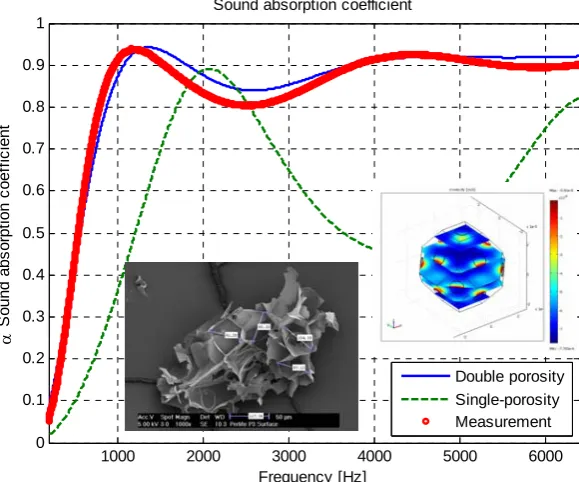
A Microstructure‐based Approach for Modelling Acoustical Properties of Multi‐scale Porous Materials. Rodolfo Venegas and Olga Umnova
The Development of a Transponder Based Technique for the Acoustic Calibration of SODARs (acoustic wind profilers).
B Piper and S von Hünerbein
Validation of Sodar Real‐Time Sensing and Visualisation of Wake Vortices.
S G Bradley, S v Hünerbein and K Underwood
Data
Mining
&
Pattern
Recognition
Research
Centre
A Rules Based System for Named Entity Recognition in Modern Standard Arabic . Ali Elsebai
An Empirical Comparison of Cost‐Sensitive Decision Tree Induction Algorithms. Susan Lomax and Sunil Vadera
A Survey of Cost‐Sensitive Decision Tree Induction Algorithms. Susan Lomax and Sunil Vadera
UML QoS Profile Exploration for the Specifications of a Generic QoS Metamodel for Designing and Developing Good Quality Web Services.
Wan Nurhayati Wan Ab. Rahman
Computer
Networking
&
Telecommunications
Research
Improvements in Data‐Transport Security in Wireless Sensor Networks. E Ekonomou & K Booth
A New Framework for Context Representation, Maintenance and Discovery in Mobile and Ad Hoc Networks.
Qi Liu and Nigel Linge
Virtual
Environments
&
Future
Media
Research
Centre
Upgrading Emergency Planning Tabletop Exercises. J S Mooney, L S Griffiths, L Wallis, W P Smith & P A Driscoll
Major Incident Tabletop Exercises: A High Tech, Low Cost Evolution. J S Mooney, P A Driscoll & L S Griffiths
School
of
Health,
Sport
&
Rehabilitation
Sciences
Centre
for
Health,
Sport
and
Rehabilitation
Sciences
Research,
Relationships between Amputee Independent Prosthesis Properties and Gait Performance. Matthew J Major
The Role of Visual Attention in Learning to use Myoelectric Prosthesis – A Pilot Study. M Sobuh, L Kenney, S B Thies, A Galpin, P Kyberd and M Twiste
Salford
Analytical
Services
Identification and Quantification of API in Counterfeit Medicines by Nuclear Magnetic Resonance (NMR) Spectroscopy. Kirit Amin
Occurrence
of
Helminth
and
Protozoan
Parasites
in
UK
Populations
of
the
European
Eel
(
Anguilla
anguilla
)
Rosilah, Ab Aziz1, Michael Godard2, Alan Walker2, Chris Williams3, Miran Aprahamian3 and
Darren Brooks1
1
Centre for Parasitology & Disease Research,
School of Environment and Life Sciences, University of Salford
2
CEFAS, Lowestoft, UK
3
Environment Agency, UK
Populations of the European eel Anguilla anguilla are under threat and one contributory
factor is believed to be the effect of infection with parasites. One parasite has attracted
more attention than others, the swim‐bladder nematode Anguillicoloides crassus, due to its
relatively recent and rapid invasion of European waters and the subsequent debilitating
pathology that occurs within A. anguilla. The natural host, the Pacific eel A. japonica, is not
harmed by A. crassus infection. In an attempt to update our knowledge of A. crassus in UK
habitats, we have obtained eels from widely distributed sites. Data highlighting the
prevalence and intensity of A. crassus infection in UK eel populations will be presented at
the meeting. In addition, eels are host to a variety of other helminth and also protozoan
parasites. As part of an overall strategy to analyse parasite community structures within UK
eel populations, molecular‐based techniques are being developed to assist rapid
identification of these eel parasites. Preliminary effort has focussed upon Trypanosoma
granulosum given that a number of reports suggest that the effects of this protozoan may
have been underestimated and that the parasite may indeed be pathogenic to the European
eel. As such, data on the development of a PCR‐based screening approach for identification
of T. granulosum in eel samples derived from sites across the UK will also be presented at
Evaluating
the
Performance
of
Motorway
Weaving
Sections
using
Micro
‐
simulation
Hamid Al‐Jameel (PhD Student – Supervisor: Dr Saad Yousif)
Engineering 2050 Research Centre,
School of Computing, Science & Engineering, University of Salford
Motorway weaving sections are characterised by generally higher number of lane changes
which normally results in turbulence and consequently, causes bottlenecks leading to
congestion and queues. Thus, and in order to alleviate the effects of congestion in these
sections, measures to improve motorway capacity needs to be considered. Such measures
include geometric design features as well as using traffic control devices, such as Intelligent
Transport Systems (ITS) to influence drivers’ behaviour. Micro‐simulation models have
proved to be more effective in replicating such complex situations rather than relying on
mathematical models to predict and evaluate traffic performance when certain measures
were implemented aiming to increase weaving capacity. The figure below shows a typical
weaving section.
Weaving section
The methodology of this research is to determine the factors/affecting weaving capacity
based on previous literature to help in the building and developing the micro‐simulation
model using Visual Compact Fortran. This model consists mainly of two sub‐models: car‐
following and lane changing models. This car‐following model can represent different traffic
situations from free flowing to congested (stop‐and‐go) conditions. A hybrid lane changing
model has been developed to represent normal and weaving sections with different
configurations up to a total number of lanes of five.
The model has been calibrated with field data which have been collected from different
sections (i.e. normal and weaving) within Greater Manchester. The data will be used in both
the calibrating and validating processes of the model. The model will then be used to test
different scenarios on how best capacity may be improved for weaving sections such as
selecting the optimum location of warning signs and applying variable speed limits upstream
of the motorway to regulate traffic.
An
in
vitro
Study
of
the
Cytotoxic
and
Cellular
Biochemical
Effects
of
L
‐
glutamine
Moderation
in
Pediatric
Sarcomas.
Jodie Allsup
Centre for Biochemistry, Drug Design & Cancer Research, Room 310 Cockcroft Building, School of Environment & Life Sciences, University of Salford
Background
L‐glutamine (gln) has many cellular roles including energy generation and protein
biosynthesis making it vital to cells. Gln deprivation is being explored as a clinically relevant
means of chemosensitizing cancer cells to chemotherapeutic agents
Aims
To investigate the cytotoxic and cellular biochemical effects of gln and L‐asparagine (asn)
deprivation in vitro to explore the potential of using gln deprivation clinically and to
investigate synergism between gln and asn deprivation combined with clinically used anti
cancer agents.
Methods and results
Ewing’s Sarcoma (ES) TC32, Osteosarcoma (OS) HOS and Rhabdomyosarcoma (RMS) A204
cell lines were deprived of gln and asn for periods of up to 72 hours. Decreased viability of
cells with increasing time of gln deprivation was observed in all cell lines, but no effect was
observed for asn deprivation. However, a greater effect on viability was found with
simultaneous gln and asn deprivation. For gln deprivation, flow cytometry revealed
noticeable accumulation of cells in G1 phase of the cell cycle in ES and RMS cells. However,
Annexin‐V FITC staining showed dramatic increase in apoptosis in all cell lines. Cytotoxicity
assays with cisplatin, doxorubicin, temozolomide, topotecan, methotrexate and vincristine
have given sensitive IC50 results. Synergistic studies combining these agents with gln, asn
and combined gln/asn deprivation are being performed.
Conclusions
Loss of cell viability during gln and asn deprivation is caused by dramatic induction of
apoptosis here. Current cytotoxicity studies show these cell lines to be very sensitive to the
listed chemotherapeutic agents. Preliminary synergy studies are revealing encouraging
Fuel
Moisture
Content
Estimation
based
on
Hyperspectral
Data
for
Fire
Risk
Assessment
T A Almoustafa, R P Armitage, F M Danson
Centre for Environmental Systems & Wildlife Research, School of Environment and Life Sciences, University of Salford
This study aims to investigate whether the relationships between fuel moisture content
(FMC) and vegetation spectral reflectance identified in previous studies, can be used to
improve fire risk assessment for fire‐prone upland vegetation in the UK. Two hyperspectral
images from the AISA Eagle and Hawk sensors were collected over a UK test site in 2008 by
the Natural Environment Research Council (NERC) Airborne Remote Sensing Facility (ARSF).
In‐situ field spectra were collected concurrently with the flight using an Analytical Spectral
Devices (ASD) field spectroradiometer. Ground data on live FMC and other relevant variables
were collected. Spectral reflectance values were extracted from the two airborne images for
the sites at which coincident ground‐based measurements were made. The results show
that FMC varies temporally and with vegetation type. Reflectance variability with FMC is
expressed most strongly in the SWIR and NIR. The sensitivity of SWIR and NIR reflectance to
FMC variations is much greater when considering each vegetation type individually. The
results also compare first derivative and broad band vegetation indices to estimate
vegetation FMC.
Modelling
Ramp
Metering
at
Motorway
Merges
Jalal Al‐Obaedi & Saad Yousif
Engineering 2050 Research Centre,
School of Computing, Science & Engineering, University of Salford
Traffic congestion has increased rapidly in the past decades mainly due to a sharp increase in
vehicles using the road networks. Recently, and to deal with motorway congestion, traffic
signal devices (ramp metering) installed on motorway entrances were increasingly being
applied on a part‐time basis to regulate the entering traffic aiming at reducing congestion.
However, there are still some questions which this research project is trying to address for
justifying the use of ramp metering systems.
Questions to be addressed
¾ the effectiveness of ramp metering in reducing spill‐backs on motorway and slip‐road
sections in congested conditions;
¾ the optimum positioning of traffic signals and motorway detectors; ¾ the effect of slip‐road (ramp) length;
¾ the optimum algorithm for traffic signals timings; and finally
¾ the limits of the parameters used in triggering the ramp metering signals, such as
occupancy, flow and speeds.
Methodology
In order to answer the above questions, it is obvious that conducting on‐site trials will need
extensive time and funding resources. Therefore, the use of micro‐simulation models would
be more appropriate as a tool in this research to evaluate the effects on delay and reduced
road capacity for different conditions. A micro‐simulation model has been developed for
this purpose here at Salford. The model deals with general as well as more specific drivers’
behavioural tasks such as their cooperative nature when they allow others to merge either
by decelerating or shifting to other lanes. The developed model has been calibrated and
validated using different sets of available electronic and videos data recordings. At this
stage, the results from the process of applying the model to answer the above questions are
Identification
and
Quantification
of
API
in
Counterfeit
Medicines
by
Nuclear
Magnetic
Resonance
(NMR)
Spectroscopy
Kirit Amin
Salford Analytical Services, Office 02, Cockcroft Building, University of Salford
The Problem/Issue:
The problem of counterfeit drugs is a significant issue as administering a counterfeit
medicine can have serious health consequences. The counterfeit drug market is a
multibillion pound business. The problem compounded by the growing number of medicine
suppliers which includes internet vendors.
The Challenge:
Identification and quantification of the (Active Pharmaceutical ingredients (API’s) is of
paramount importance. The formulated medicines in addition to API’s contain considerable
amounts of excipients. The API needs to be extracted for identification and quantification.
Method:
In order to extract all the API the medicine tablet is grounded into powder and appropriate
solvent is added to it. This results in to a suspension as all of the excipients are not soluble.
For efficient extraction the suspension is sonicated for ~30min and then centrifuged to
separate the insoluble excipients. The supernatant liquor containing the API is analysed by
1H NMR to confirm the identity. Once the identity is confirmed quantification by 1H NMR is
carried out using and internal standard of known purity in duplicates. The purity
determination is carried out by weight the medicine tablet powder and the standard in the
same vial, solvent is added to this, then sonicated and centrifuged prior to analysis, as
carried out for identification. The 1H spectra are obtained under quantitative conditions and
purity of API is calculated from the NMR data as a weight % and this in turn converted to
actual amount in the tablet (mg/tablet).
Case Study
A suspected counterfeit tablet was analysed, spectrum B and compared with a control
tablet, spectrum A.
Residential
Trip
Generation
Characteristics
in
City
Centre
Developments
Firas H A Asad (PhD student) and Ralph Henson
Engineering 2050 Research Centre,
School of Computing, Science & Engineering, University of Salford
Trip generation is a vital stage in the orthodox travel demand forecasting process embedded
in urban transportation planning. In this stage, the number of trips generated from or
attracted to a specific development is determined and then modelled. Recently, it has
become clear that regeneration of city centre areas is taking into account a renewed desire
for some people to locate their homes in central areas. This change in land‐use has an
important impact on travel demand and on the need to design sustainable transport
systems.
The general purpose of the research is to enrich the trip making behaviour
literature while the particular one is to investigate the characteristics of
home‐based trips in urban development areas and hence to identify the traffic
impact of any land use changes on transport indicators. Eventually, practical and adequate
suggestions may be presented concerning the required transportation improvements.
Residential trip modelling is supported by national data resources including the UK Trip Rate
Information Computer System (Trics), UK National Travel Survey (NTS), UK Census and UK
Trip End Model Presentation Program (TEMPRO) and the work will review current
methodologies such as the Category Analysis and Regression Analysis techniques. The Figure
illustrates this, at its simplest level. More advanced statistical techniques are used to
examine the significance of the developed models.
Bulk
Ordering
Phenomena
in
the
Li
‐
N
‐
H
Hydrogen
Storage
System
G Baldissin & D J Bull
Materials & Physics Research Centre,
School of Computing, Science & Engineering, University of Salford
Lithium nitride is a potential candidate a high gravimetric hydrogen storage compound. It
was initially thought that the hydrogenation reaction occurs via a two stage process:
LiH
LiNH
H
LiH
NH
Li
H
N
Li
3+
2
2↔
2+
+
2↔
2+
2
The disordered phases, Li2+xNH [1] and Li2‐xNH1‐x, [2], have since been reported. Modelling
these phases would be of great benefit, enabling their incorporation in a general phase
diagram, but constitutes a significant research challenge.
From a fundamental point of view, equilibrium properties of a multi‐element system as a
function of concentration, xi ,and temperature, T, are described by the Gibbs Free Energy
G(xi,T). However, the determination of this function is not an easy task: a many‐body
problem has to be managed and approximations have to be made and tested carefully with
respect to their validity. First‐principles calculations based on Density Functional Theory
(DFT) have been very useful in understanding the stability of ordered compounds. Modelling
disordered systems adds significant complexity to the problem, due to the vast number of
configurations the systems can adopt. The best way approach the problem is to combine
quantum mechanics with statistical physics. In this approach, so‐called, cluster expansion
potentials are parameterised by DFT calculations and used in Monte Carlo simulations to
study, quantitatively, the finite‐temperature properties. The phases are being modelled in
terms of two ionic interacting sublattices [3] in the mixed‐phase CE ansatz [4].
[1] E Weidner, D J Bull et al. Chem Phys Lett. 444 (2007) 76‐79.
[2] W I F David et al. J Am Chem Soc. 129 (2007) 1594‐1601.
[3] P D Tepesch et al. Phys Rev Lett. 74 (1995) 2272.
Green
Fix:
Valuing
Manchester’s
Nature
Luke Blazejewski
Research Centre for Urban Change,
School of Environment & Life Sciences, University of Salford
There is a problem with the 21st Century, people in urban environments are becoming so
detached from the natural world (Goode 2005) that their only experience of nature is
coming from manufactured imagery (Kaiser 2007). Reintroducing people with nature is
becoming an incredibly important part of conserving our natural world. This is recognised by
leading organisations through their nature‐engagement schemes (Natural England 2009),
however very little region‐specific (or even city‐specific) research has been conducted in this
area. This study was an ambitious collaborative project between Manchester City Council,
Groundwork Manchester and the University of Salford and aimed to understand exactly how
Manchester’s population feel about their natural environment. The research emphasis was
on synthesizing quantitative (surveying) and qualitative (film and photographic) methods
into one cohesive research project, which aimed to engage people with their local wildlife in
a refreshing away. The findings were transformed into a people‐friendly 38 page booklet,
Antigen
Recognition
Patterns
in
Humans
with
Different
Cyst
Classifications
in
Cystic
Echinococcosis
Tony Bodell1, Russell Richardson1, Philip Craig1, Eberhard Zehyle2 and Mike Rogan1
1
Centre for Parasitology & Disease Research,
School of Environment and Life Sciences, University of Salford
2
AMREF, PO Box 30125, Nairobi, Kenya.
A recent WHO ultrasound classification of hydatid cysts in human cystic echinococcosis (CE)
has been developed to aid in the clinical management of this infection. The classification
may also represent a natural history of cystic development from a mature fertile and viable
cyst to a lesion which is degenerate non‐viable. However accurate assessment of viability
based on ultrasound is not possible. To try and use immunological markers as potential
indicators of viability, sera from hydatid patients from Turkana, Kenya, with different cyst
morphologies were tested for antibodies to a range of different Echinococcus antigens by
ELISA and immunoblotting. The antigens used were, crude hydatid cyst fluid; Laminate layer
homogenate; a protoscolex homogenate and protoscolex E/S antigens. Results from the
pilot study using native antigens of the cyst indicated that when the mean OD values for
each cyst type were calculated, HCF antigen was the most reactive and this was most
evident for CE2 cysts where reactivity was much greater than that for the LL antigen. For CE1
cysts however there was very little difference between HCF and LL antigen reactivity. PSC
and ES antigens were the least reactive only being recognised by the CE2 type cyst. Initial
results clearly show that there is different antigen recognition profiles associated with
different types of cyst.
Improvements
in
Data
‐
Transport
Security
in
Wireless
Sensor
Networks
E Ekonomou & K Booth
Computer Networking & Telecommunications Research Centre, School of Computing, Science & Engineering, University of Salford
Wireless Sensor Networks constitute a promising technological advance that poses
contradicting research challenges. The networks are limited, miniaturised computers that
aim to sense and wirelessly report information about their environment. Typical networks
are expected to be self‐organising and able to operate with little or no human interaction.
Many of the potential application scenarios for wireless sensor networks are either too
critical [1] or too valuable [2] to be run without an acceptable level of security. Therefore
provision of security widens the possible application of sensor networks. However, the
limited nature of the devices is an important obstacle in providing adequate security [3],
sufficient to enable application in most environments [4]. Traditional security mechanisms
cannot operate in sensor networks as they are too demanding in resources [5]. A new
security solution has to be developed to provide an acceptable level of security with as
minimal impact as possible to the longevity of the sensor network.
We therefore introduce SecRose, an efficient and easy to use data‐transport layer security
mechanism for WSNs. SecRose is based on improvements in existing proposals plus a set of
distinctive novel characteristics. Major Features include encrypted and authenticated
communications, integrated key management and categorisation of communication types.
SecRose is secure, scalable and extremely lightweight and, in its present form, meets
security requirements without significant energy cost. References:
1. Wartena, F., J. Muskens, and L. Schmitt. Continua: The Impact of a Personal Telehealth
Ecosystem. in International Conference on eHealth, Telemedicine, and Social Medicine,
2009. eTELEMED '09. 2009.
2. BP. Condition Monitoring. 2009 5/2009; Available from:
http://www.xbow.com/General_info/Info_pdf_files/BP_Intel_Sensor_Networks.wmv.
3. Walters, J.P., et al., Wireless sensor network security: A survey., in Security in
Distributed, Grid, Mobile, and Pervasive Computing. 2006, Auerbach Publications, CRC
Press. Available from: http://www.cs.wayne.edu/~weisong/papers/walters05‐wsn‐
security‐survey.pdf.
4. Karlof, C., N. Sastry, and D. Wagner. TinySec: A Link Layer Security Architecture for
Wireless Sensor Networks. in Second ACM Conference on Embedded Networked Sensor
Systems (SensSys 2004). 2004.
5. Perrig, A., et al., SPINS: security protocols for sensor networks. Wireless Networks, 2002.
Studies
on
the
Life
Cycle
and
Transmission
of
the
Trematode
Plagiorchis
muris
at
Malham
Tarn,
Yorkshire.
Kellyanne Boyce1, Helen Bradshaw1, Mike Rogan1, Geoff Hide1, Adrian Pickles2, Philip Craig1
1
Centre for Parasitology and Disease Research, School of Environment & Life Sciences, University of Salford
2
Malham Tarn FSC Field Study Centre, Settle, North Yorkshire, UK.
Plagiorchis muris is an intestinal trematode found in wild rodents from several countries.
Recently, the first recorded occurrence in the UK was reported in the wood mouse Apodemus sylvaticus at Malham Tarn, North Yorkshire (Rogan et al., 2007). The trematode
has been recorded each September for a 13 year period as part of an undergraduate field
course, with a mean prevalence of 18.4%. The lifecycle of this trematode is not well
understood and reasons for its occurrence in this location within the UK remain unclear.
Aquatic snails act as the first intermediate host for P. muris and as many as 25 species of
freshwater snail have been recorded within the Malham area (Norris, 2000). Aquatic insect
larvae are the second intermediate host and infected dragonflies, mosquitoes and naiads
have been most frequently reported (Hong et al., 1998). To define the lifecycle of P. muris
and establish prevalence rates at Malham Tarn, species‐specific molecular primers able to
detect adult and larval stage parasites are currently being designed. Primers will be used to
identify primary and secondary intermediate hosts, sampled from the Tarn, surrounding
streams and temporary surface water by PCR amplification of the mitochondrial cytochrome
oxidase C gene and ribosomal ITS regions of P. muris. Additionally, A. sylvaticus and the
bank vole Myodes glareolus will be sampled seasonally from three distinct locations within
the area to determine prevalence and intensity rates of P. muris in the rodent definitive
host.
Endoparasites
of
Pipistrelle
Bats
Jennifer Lord, Nicole Dodd, Geoff Hide and Darren Brooks
Centre for Parasitology and Disease Research,
School of Environment and Life Sciences, University of Salford
Bats (Chiroptera) are one of the most successful and diverse of mammalian orders, with an
estimated 1100 species worldwide. Due to protected species legislation, studies that focus
upon bat endoparasites are limited. As such, many fundamental questions concerning bat‐
parasite relationships remain unanswered, including evolutionary aspects of such
associations, host‐parasite interactions and factors that may influence the composition of
bat parasite communities. To further knowledge of bat parasitology, one hundred bats, that
had either died of natural causes, or had been euthanized due to severity of injury, were
acquired across Greater Manchester and Lancashire (England), between September 2005
and September 2008. Ninety three specimens were confirmed to be Pipsitrellus pipistrellus,
six to be Pipistrellus pygmaeus and one to be Myotis mystacinus. Development of PCR‐based
methodologies, coupled when possible with morphological analyses, confirmed the presence
of the following microparasites (prevalence data in parenthesis); Babesia vesperuginis
(23%), Trypanosoma spp (36%), Bartonella sp. (2%) and Eimeria sp. (20%), and the following
macroparasites; Lecithodendrium linstowi (80%), Lecithodendrium spathulatum (20%), Prosthodendrium sp. (35%), Plagiorchis koreanus (29%) and Pycnoporus heteroporus (10%).
Potential factors affecting the parasite community composition, including host sex and age,
season, year, geographic location and parasite co‐infection will be discussed. Bat genotyping
analyses are currently underway, and this data is expected to provide further insight into the
relationship between bats and their parasites.
The digenean trematode Lecithodendrium
linstowi, found in the GI tract of ~40% of
Experimental
and
Theoretical
Investigation
of
the
Li
‐
N
‐
H
System
for
Hydrogen
Storage
D J Bull, D J Riley, D Moser, G Baldissin, W A Oates, I Morrison and D K Ross
Materials & Physics Research Centre,
School of Computing, Science & Engineering, University of Salford
The Li‐N‐H system has attracted a great deal of research interest from the hydrogen storage
community since it was demonstrated that Li3N can reversibly absorb large amounts of
hydrogen; in excess of 10 wt%. Initially, it was suggested that the hydrogenation reaction
occurs via a two stage process, according to:
LiH
LiNH
H
LiH
NH
Li
H
N
Li
3+
2
2↔
2+
+
2↔
2+
2
Subsequent neutron diffraction measurements by the authors have revealed that the
underlying structural transitions are significantly more complicated than first proposed. In
particular, the suppression of LiH in the initial part of the reaction, coupled with the
presence of the compound Li4NH and a novel cubic phase with a compositionally‐dependent
lattice parameter, have been observed [1].
The authors have embarked on a coordinated experimental and theoretical program in an
attempt to elucidate the reaction mechanisms and their implication for hydrogen storage.
Further detailed neutron diffraction measurements have determined the phase fractions as
a function of hydrogen content [2] in addition to understanding the nature of the novel cubic
phase, which we believe to be a non‐stoichiometric (disordered) phase, formed from a solid‐
state interaction between Li4NH and Li2NH. A related non‐stoichiometric phase,
intermediate between Li2NH and LiNH2 has also been reported [3]. The stabilities of the
stoichiometric phases have been modelled by density functional theory, enabling a phase
diagram to be established. Modelling of the non‐stoichiometric phases poses a significant
challenge, and is the subject of ongoing research.
[1] E Weidner, D J Bull et al. Chem Phys Lett. 444 (2007) 76‐79.
[2] D J Bull et al. Phys. Chem. Chem. Phys. 12 (2009) 2089‐2097.
A
High
‐
Pressure
Hydrogen
Energy
Research
Facility
in
the
Faculty
of
Science,
Engineering
and
the
Environment
D J Bull, D Moser, J S Cowpe, R D Pilkington and D K Ross
Materials & Physics Research Centre,
School of Computing, Science & Engineering, University of Salford
Hydrogen could play a significant role in future low‐carbon energy strategies, predominantly
in off‐grid energy storage systems and the automotive sector. It is an attractive fuel, with a
specific energy density three times greater than petrol and the by‐product from its
consumption in both combustion and electrochemical reactions is pure water. However,
there remain many technical challenges hindering the large scale adoption of hydrogen
energy, in particular its production (from water or hydrocarbons), its distribution and
storage; for the automotive industry, the latter of these arguably remains the largest
challenge. Recent attention has focused on exploring synergies between conventional high
pressure gaseous storage and solid storage materials.
The high pressure hydrogen energy laboratory at Salford represents a major investment
toward the University’s energy research strategy. An existing hydrogenation laboratory has
been re‐fitted with a 200 bar external hydrogen supply, and a hydrogen detection and
automated shut‐off safety system. Currently, the facility has been equipped with two state‐
of‐the‐art volumetric apparatus, capable quantifying the up‐take and release of hydrogen
under carefully controlled conditions of pressure (up to 200 bars) and temperature (‐196 to
500oC). Planned future developments include the housing of a hydrogen permeation test rig,
designed for evaluating the effectiveness of permeation‐barrier coatings for hydrogen
supply pipes, and the development of a multi‐stage metal hydride compressor, operating at
350 bars coupled with apparatus for quantifying hydrogen up‐take at these pressures, which
corresponds to the current BS rated tanks used in the automotive sector. The high pressure
hydrogen energy laboratory will provide a unique facility with a focused research strategy,
providing a strong platform on which to build collaborative research with SMEs and
Manufacture
and
Characterisation
of
Metal
‐
Alloy
Nanowires
P Busby & N J Mellors
Engineering 2050 Research Centre
School of Computing, Science & Engineering, University of Salford
Research into the field of nanowires and nanotubes is becoming increasingly popular, driven
by the promise of being able to further miniaturise and improve a wide range of electronic
equipment ranging from magnetic data storage devices to pressure sensors, micro actuators
and pumps.
Techniques based on electrodeposition are now being developed which enable nanowires to
be manufactured from an increasing range of metals using a porous aluminium oxide
template, although the production of magnetostrictive metal‐alloys such as GaFe/NiFe and
others alloys based on transition metals such as Tb, Dy and Ho are still in their early stages of
development. Magnetostriction is the change in dimensions of a material in the presence of
a magnetic field.
Once a technique for producing nanowires in a chosen material has been perfected, in
addition to measuring their magnetic properties it is also important to be able to
characterise the nanowires physical properties in terms of their tensile strength and
modulus of elasticity.
A large part of this challenge is dependent on being able to see, manipulate and accurately
measure these miniature structures, which typically have a diameter of 20nm and a length
of 60µm. The practical aspects of this research will require the use of a range of microscopy
techniques such as; Scanning Electron Microscopy (SEM), Transmission Electron Microscopy
(TEM) and Atomic Force Microscopy (AFM), plus the development of miniature piezo‐driven
stages capable of accurately controlling applied load and strain rates. Combining real time
microscopy with new methods to measure these physical properties will help support our
Snell’s
Law
for
Nonlinear
Beams
J M Christian1, G S McDonald1, J Sánchez‐Curto2 and P Chamorro‐Posada2
1
Materials & Physics Research Centre,
School of Computing, Science & Engineering, University of Salford
2
ETSI Telecomunicación, Universidad de Valladolid, Spain
Genetic
Response
of
the
Common
Toad
(Bufo
bufo)
to
Environmental
Change
Robert Coles, Chris Reading* and Robert Jehle
Centre for Environmental Systems and Wildlife Research, School of Environment and Life Sciences, University of Salford
* NERC Centre for Ecology and Hydrology, Oxford, UK.
The Millennium Ecosystem Assessment (2005) regards current climate change, involving the
rise in temperature associated with alterations in precipitation and atmospheric CO2
concentrations, as a main contributor for adverse effects on environments. It has been
estimated that global biodiversity has declined by more than 25% over the last 35 years.
Amphibians are the most severely affected vertebrate group, with 32% of the currently
known species being threatened with extinction. The common toad (Bufo bufo) is the most
populous amphibian found in the UK, and often occurs in human‐altered environments. A
22‐year study in Southern England (led by Dr. Chris Reading, NERC Centre for Ecology and
Hydrology, Oxford) indicates that increasing mean winter temperatures can be linked to the
decline of individual body condition (body mass‐body weight ratio) of individuals, and also
alters the timing of breeding. The current study aims to identify a relationship between life
history traits (such as size, weight, reproductive timing and success) of the common toad
with information derived from DNA via genetic fingerprinting using microsatellites. The value
of the genetic data should be twofold. Firstly, it should reveal interactions between
genotypes and phenotypes: are individuals that are most severely affected by the adverse
effects of climate change carriers of specific genetic variants, or are they particularly poor in
overall genetic variation? Secondly, the genetic data should enable to construct individual‐
based pedigrees across the toad population, to reveal whether the amount of changes in
body condition are inherited across generations (signifying evolutionary adaptation), or
whether they are a general response to changing condition regardless of genealogical
Laser
‐
induced
Breakdown
Spectroscopy
of
Organic
and
Biomedical
Materials
J S Cowpe1, R D Pilkington1, R D Moorehead1, S H Kilcoyne1, G Crofts2, C Ucer3
1
Materials & Physics Research Centre,
School of Computing, Science & Engineering, University of Salford
2
School of Health, Sport and Rehabilitation Sciences, University of Salford 3Oaklands Dental Clinic, Salford, M6 8AQ.
The quality, density of bone and the three dimensional structure of a proposed dental
implant site are influential factors in the long term success of dental implants. Traditionally,
implantologists have relied on radiographs to obtain information regarding the nature of the
bone density and underlying pathology of the implant site. In the 1980s Computerised
Tomography (CT) was introduced, allowing the production of localised images of implant
sites to be taken without the superposition of other structures, which can be used to
ascertain bone density. There are, however, several disadvantages associated with CT
technology, namely the cost and the fact that several reports have highlighted a problem
associated with higher absorbed radiation doses when compared to conventional
radiography. Even using modern equipment, and the planned next generation of lower
radiation dosage Cone‐Beam Computerised Tomography scanners, there are still safety
issues associated with using any such equipment. The aim of this discipline hopping
research is to evaluate the performance of Laser‐Induced Breakdown Spectroscopy (LIBS) as
Spectroscopic
Study
of
Transient
Laser
‐
induced
Plasmas
J S Cowpe, J S Astin, D Moser, D K Ross, J J Smith and R D Pilkington
Materials & Physics Research Centre,
School of Computing, Science & Engineering, University of Salford
Optical Emission Spectroscopy (OES) of laser‐induced silicon plasmas was performed under
typical Pulsed Laser Deposition (PLD) ambient conditions to assess the application of OES as
a real‐time PLD process monitoring tool. The validity of the assumption of Local Thermal
Equilibrium (LTE) conditions as applied to the plasmas studied herein, and those generated
during typical Laser‐Induced Breakdown Spectroscopy (LIBS) experiments, is considered.
The second harmonic of a ns pulsed Nd:YAG laser was used to induce plasmas on the surface
of a silicon target through a range of ambient pressures, from atmospheric to 1 × 10⁻⁴ mbar.
Fast gated capture of the dispersed emission spectra enabled temporal resolution of the
resultant plasma plumes. Under the assumption of LTE, plasma excitation temperatures
were calculated using the emission line‐to‐continuum ratio method, and were found in the
range 9100 – 20140 K. Si (II) ionic species temperatures were determined using the Saha‐
Eggert equation, and were found in the range 13650 – 22560 K. Plasma electron number
densities were determined from the Stark broadening of the Si (I) 288.16nm emission line
profile in the range 2.79 × 10¹⁶ − 5.59 × 1019 cm−3. Comparison of temperature
measurements casts doubt on the validity of exclusively considering the McWhirter criterion
when assuming LTE plasma conditions.