Public Health Dissertations School of Public Health
Spring 5-9-2015
Psychosocial and Oxidative Stress and Health of
Adults
Francis Annor
Follow this and additional works at:https://scholarworks.gsu.edu/sph_diss
This Dissertation is brought to you for free and open access by the School of Public Health at ScholarWorks @ Georgia State University. It has been accepted for inclusion in Public Health Dissertations by an authorized administrator of ScholarWorks @ Georgia State University. For more information, please [email protected].
Recommended Citation
In presenting this dissertation as a partial fulfillment of the requirements for an advanced degree from Georgia State University, I hereby grant to Georgia State University and its agents the non-exclusive license to archive, make accessible, and display my dissertation in whole or in part in all forms of media, now or hereafter known, including display on the world wide web. I
understand that I may select some access restrictions as part of the online submission of this dissertation. I retain all ownership rights to the copyright of the dissertation. I also retain the right to use in future works (such as articles or books) all or part of this dissertation.
Signature:
_______________________________ ______________
ii
Psychosocial and Oxidative Stress and Health of Adults
By
Francis Boateng Annor Doctor of Philosophy
School of Public Health
Division of Epidemiology and Biostatistics
____________________________________________________ [Ike S. Okosun, MS, MPH, PhD]
Advisor
____________________________________________________ [Douglas W. Roblin, PhD]
Committee Member
____________________________________________________ [Michael Goodman, M.D, MPH]
iii
Psychosocial and Oxidative Stress and Health of Adults By
Francis Boateng Annor
BS, Georgia State University, 2008 MPH, Georgia State University, 2009
Advisor: Ike S. Okosun, MS, MPH, PhD
An abstract of
a dissertation submitted to the School of Public Health at Georgia State University in partial fulfillment of the requirements for the degree of
Doctor of Philosophy
iv Abstract
Psychosocial and Oxidative Stress and Health of Adults
Francis Boateng Annor
The role of stress (both psychosocial and oxidative) in the pathophysiology of several chronic diseases has been documented and has become a focus for chronic disease prevention and management. Although, psychosocial stress (PS) and oxidative stress (OS) have different mechanisms through which they impact health, they both cause physiological imbalance which might subsequently lead to a disease state. Laboratory and observational studies have linked both stresses to the pathophysiology of diabetes mellitus (DM) and hypertension. However, findings from previous studies have not been entirely consistent and results have varied based on the study population and the stress-measurement tool used. Given the gaps in the literature, three studies were conducted to examine: (1) the relationship between PS and glycemic control; (2) the association between PS and estimated glomerular filtration rate (eGFR); and (3) the association between OS and hypertension among adults.
In the first two studies, a longitudinal data from Kaiser Permanente Georgia (KPGA) survey on Health and Healthy Behaviors linked to patients’ laboratory and pharmacy records was used. In the third study a cross-sectional data from Study on Race, Stress and Hypertension was used.
The first study examined the association between baseline measure of work-related PS and glycemic control using both cross-sectional and longitudinal designs. None of the four PS sub-scales or the overall PS measure at the work environment was significantly associated with glycemic control at either study baseline or over time. The second study examined the
association between general measures of PS and changes in estimated glomerular filtration rate (eGFR) over time in a structural equation model framework. No significant direct association was observed between general PS measure and eGFR decline. However, age, race, mean arterial pressure and insulin use were found to be associated with eGFR decline. The third study
examined the association between hypertension and: 1) four markers of OS (F2-Isoprostanes,
Fluorescent oxidative products, copy number of mitochondrial DNA and Gamma-tocopherol); and 2) plasma nutrient based oxidative balance score (OBS). The OBS was inversely associated with hypertension, but none of the OS markers was significantly associated with hypertension after adjusting for study covariates.
v
Psychosocial and Oxidative Stress and Health of Adults
By
Francis Boateng Annor
BS, Georgia State University, 2008 MPH, Georgia State University, 2009
Advisor: Ike S. Okosun, MS, MPH, PhD
A dissertation submitted to the School of Public Health at Georgia State University in partial fulfillment of the requirements for the degree of
Doctor of Philosophy
vi
Acknowledgement
I’m grateful to God for His abundance provisions. I am also thankful to my dissertation chair and mentor, Dr. Ike S. Okosun, as well as other members of my dissertation committee, Dr. D. Roblin and Dr. M. Goodman.
i
Contents
Introduction ... 1
Background ... 3
Psychosocial Stress, DM management and complications ... 3
The historical background of psychosocial stress ... 4
The stress system and response ... 5
Psychosocial Stress, DM management and complications – the link ... 9
Literature on Psychosocial Stress, DM management and complications... 10
The gaps in knowledge ... 12
Oxidative stress, oxidative balance score and hypertension ... 13
Oxidative Stress and Hypertension ... 15
Anti-oxidants, oxidative balance score and hypertension ... 17
Measure of Oxidative Stress ... 18
The gaps in knowledge ... 20
Research Plan ... 20
Objectives, Specific aims and study hypotheses ... 20
Methods for Aims 1 and 2 ... 21
Methods for Study Aim 3 ... 27
Significant and impact of the study ... 31
CHAPTER 2. WORK-RELATED PSYCHOSOCIAL STRESS AND GLYCEMIC CONTROL AMONG WORKING ADULTS WITH DIABETES MELLITUS ... 34
Abstract ... 35
Introduction ... 36
Methods ... 38
Results ... 42
Discussion ... 44
Conclusion ... 47
Tables and figures ... 48
CHAPTER 3. PSYCHOSOCIAL STRESS AND CHANGES IN ESTIMATED GLOMERULAR FILTRATION RATE AMONG ADULTS WITH DIABETES MELLITUS ... 51
Abstract ... 52
ii
Methods ... 55
Results and discussions ... 59
Conclusion ... 63
Competing interests ... 64
Acknowledgements ... 64
Tables and figures ... 65
CHAPTER 4. OXIDATIVE STRESS, OXIDATIVE BALANCE SCORE AND HYPERTENSION AMONG RACIALLY ETHNICALLY DIVERSE POPULATION ... 72
Abstract ... 73
Key Words ... 73
Introduction ... 74
Materials and Methods ... 75
Results ... 80
Discussion ... 82
Conclusion ... 85
Tables and figures ... 86
CHAPTER 5. DISCUSSIONS AND FUTURE DIRECTIONS ... 91
Overview of findings ... 91
Implications for Future Research ... 93
iii
LIST OF FIGURES
Figure 1.1. A schematic representation of the physiological and behavioral response to stress….6
Figure 1.2. A schematic summary of the central and peripheral components of the stress
system………..8
Figure 1.3. Major sources of anti-oxidants in the body and their consequence… ………. ..14
Figure 1.4. Schematic summary of the role of vascular oxidative stress in pathogenesis of
hypertension………...16
Figure 3.1. Changes in eGFR at different values of MAP, controlling for other covariates ....…68
Figure 3.2.S Changes in eGFR over time, Insulin users vs non-users, controlling for other
covariates………...69
Figure 3.3.S Changes in eGFR over time, White vs Black, controlling for other
covariates………...70
iv
LIST OF TABLES
Table 1.1. OBS Assignment………..30
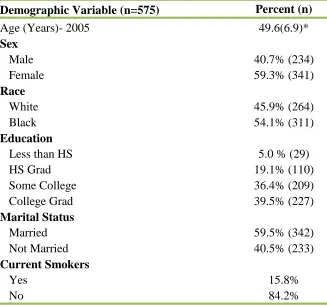
Table 2.1. Demographic Characteristics of Study Population………...48
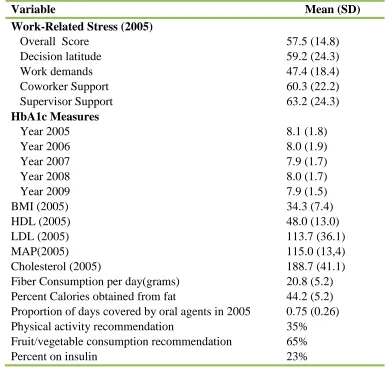
Table 2.2. Distribution of Study Variables among Study Participants………...49
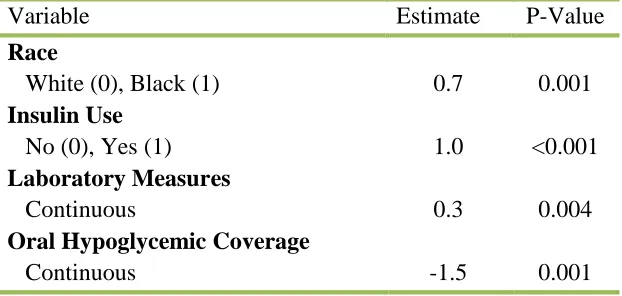
Table 2.3. Covariates with Significant Association with HbA1c………...50
Table 3.1. Selected characteristics of study sample………...65
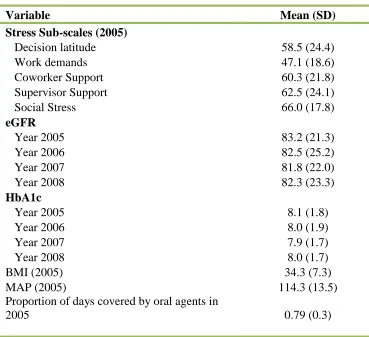
Table 3.2. Health status-related characteristics of study sample………...66
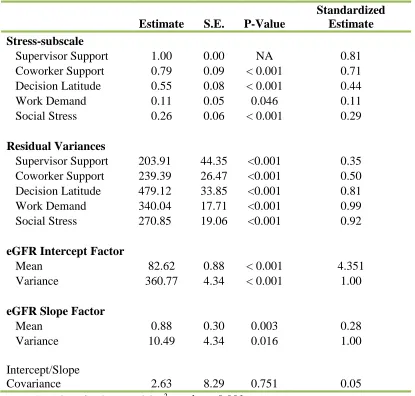
Table 3.3. Estimates from the CFA and the unconditional growth models ………..67
Table 3.4. Covariates in the final model………68
Table 4.1. OBS Assignment………...86
Table 4.2. Distribution of main study variables……….87
Table 4.3. Correlations between OS markers and OBS……….88
Table 4.4. Association between Blood Pressure and FOP, F2-isoP, MtDNA and G-Toc……….89
1
CHAPTER 1. INTRODUCTION AND BACKGROUND
Introduction
Diabetes mellitus (DM) and high blood pressure/hypertension are two common and costly
chronic conditions that significantly increase the risk of nephropathy, cardiovascular events and
death [1-6]. Although both conditions have several risk factors, an imbalance to the internal
environment or a threat to the balance, known as stress, is considered a factor that impacts both.
In the current study, we will consider psychosocial stress with respect to DM while consideration
will be given to oxidative stress in relation to hypertension.
DM is a chronic metabolic condition associated with elevated blood glucose level. It is usually
caused by insulin deficiency that is often associated with insulin resistance [7]. An estimated 366
million people worldwide, representing 8.3% of the global adult population aged 20 – 79 years
had DM in 2011 [8]. The current prevalence is expected to increase to 10% (552 million) by
2030 [8-11]. The prevalence of DM in the US is not different from the global estimate. An
estimated 8.3% (25.8 million) of adults in the US had DM in 2011 [12]. In addition to the high
DM prevalence, the age of onset, particularly, for type 2 DM has significantly declined in recent
years [13], a development which has a serious implication on quality of life for individuals with
early DM onset, cost associated with management, and complications that may arise from the
disease.
Although strong connection exists between genetic factors and DM etiology [14-16] the evidence
points to the external environmental factors such as diet and sedentary behaviors to be the main
culprits in the current surge in DM incidence and complications [17-19]. Therefore, most DM
2
physical inactivity and obesity but these factors have not entirely explained the variability in DM
management and complications. Research have also noted an important role of psychosocial
stress in DM etiology, management and complications [20, 21], however, research on
psychosocial tress and DM management is sparse and results have been inconsistent. Beside their
role in DM onset, the DM traditional risk factors as well as psychosocial stress also contribute to
poor glycemic control and the risk of complications from the disease [22-24]. In an era of
increased life expectancy but decreased age of DM onset [25], the importance of optimal DM
control cannot be overemphasized. Good DM management is crucial for improving overall
quality of life, while decreasing the long term complications among DM patients. Of importance
to the current research is the fact that psychosocial stress in modern society is increasing [26]
while the buffering context such as the social support and the physical environment in which
they occur is changing [27-29]. Understanding the dynamics of psychosocial stress in relation to
glycemic control and subsequent complications from DM will lead to improved DM
management and care.
The prevalence of high blood pressure/hypertension is high with approximately 31% of US
adults having the condition [30]. The current direct annual medical cost is approximately $70
billion but it is expected to triple by 2030 [31]. The traditional risk factors for hypertension
include family history, age, physical inactivity, obesity, tobacco use, and excessive alcohol
intake [32-34]. These factors have also not completely explained the pathophysiology of
hypertension. Evidence from recent studies have suggested a significant role of oxidative stress
(OS) in the pathogenesis of hypertension [35-38]. Although, basic science and animal studies
3
been entirely consistent and protective effects of anti-oxidant supplementation to reduce blood
pressure have not proven to be beneficial in clinical trials [42-44].
Based on the considerations of limited research and inconsistent findings from studies that have
examined the relationship between psychosocial stress and DM management and complications,
as well as the relationship between oxidative stress and hypertension/high blood pressure, the
overarching goal of this dissertation is to fill in some of the knowledge gaps. Specifically, the
aim of the current study is to examine the relationships between psychosocial stress and DM
management and complications on one hand and the relationship between oxidative stress and
hypertension on the other hand. The study aim will be addressed through three specific research
questions: 1) are high levels of psychosocial stress (at the work environment) associated with
poor glycemic control among individuals with DM; 2) are high levels of general psychosocial
stress associated with decline in estimated Glomerular Filtration Rate (eGFR); 3) is oxidative
stress associated with hypertension? These research questions will be answered using data from
two previously conducted studies.
Background
Psychosocial Stress, DM management and complications
Living organisms adapt to and survive in their environment by maintaining a balance that is
constantly challenged by complex array of internal and external forces/threats. This balance or
equilibrium is maintained by the counteracting forces that may involve both the physical and
mental forces to react to the threats in order to establish and re-establish balance/homeostasis
[45, 46]. An actual or perceived threat to the maintenance of this balance/homeostasis is what
4 The historical background of psychosocial stress
The concept of psychosocial stress is old and its meaning has changed over time. The
contemporary stress concept begun about two millennia ago when Heracleitus suggested that
there is an inherent capacity for all things to undergo a constant change [45]. A century later,
Hippocrates defined a disease state as a systemic disharmony of systems of balances [45, 48].
Hippocrates system of balance was later extended by Thomas Sydenham who suggested that the
adaptive response to those systems could also cause pathological changes[49]. In the early 19th
century, the principle of physiological equilibrium was suggested and the term homeostasis was
coined to describe the physiologic processes that maintains this balance state [50]. In the 1930s,
Selye described the general adaptation syndrome [51] using the term ‘stress’ to describe the
mutual action of forces that take place in the body. In his ‘Stress and the general adaptation
syndrome’ (GAS), Selye identified three phases of the stress response development; the ‘Alarm
reaction’ (AR) that prepares the organism for fight or flight, the resistance stage during which the
organism develops resistance to stress if it survived, and the stage of exhaustion, where
prolonged stress leads to decreased ability to resist [51, 52]. In the late 80s, Sterling and Eyer
(1988) introduced the concept of allostasis to describe the active process by which living
organisms adapt to potential threats and changes in their environment in order to maintain
homeostasis and promote survival [53]. Five years later, McEwen expanded on the concept of
allostasis noting that when the body anticipates a stress response and shifts the homeostatic set
point, the shift comes at a cost because it affects other physiological systems and processes.
McEwen also coined the term ‘allostatic load’ to ‘refer to the sequelae of overactivity and
dysregulation of the network of allostasis’ [54, 55]. The concepts of allostasis and allostatic load
have implications on the physiological processes that explains the relationship between stress
5
homeostasis but chronic activation of the stress process can have serious deleterious effect on the
body. Selye made a clarification that not all stressful conditions have deleterious effects on
health, by describing ‘eustress’ as a good stress that could cause good feelings and help in human
growth and development [57]. In the early 90s, Chrousos and Gold defined stress as a state of
disharmony, or a threatened homeostasis [45]. Most recently, Bao and colleagues have defined
stress to be the consequence of the failure of an organism to respond appropriately to emotional
or physical threats, whether actual or perceived [57]. The term stress and psychosocial stress
have been used interchangeably in the literature.
The stress system and response
The concept of stress is broad but overall, stress may be thought of as (1) a physiological
response to an external stimuli, (2) a psychological response to an external stimuli or (3) an
encounter of a negative or positive stressful life events [58]. The response to stress comes from
the body’s reaction to physical, biological and or socio-cultural stimuli that results in adaptive
activity [59]. The symptoms of stress may manifest as cognitive, emotional, physical or
behavioral responses [51, 57, 60, 61]. Some cognitive symptoms of stress include poor judgment,
low self-esteem, and poor concentration, while some emotional signs include moodiness, feeling
of anxiety, excessive worrying, irritability, and feeling of loneliness. Physical stress symptoms
include aches and pains, diarrhea or constipation, nausea, dizziness, and chest pain while
behavioral symptoms may include eating little or too much, sleeping little or too much, social
withdrawal, procrastination or neglect of responsibilities [61-63].
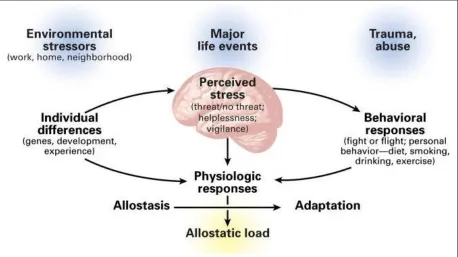
Several factors influence individuals’ response to a stressful situations, adaptation to stress, and
6
experience include culture, religion, race/ethnicity, the number of times experienced the stress,
[image:17.612.72.530.186.443.2]and the source of stress such as poverty, major life events, abuse or trauma [65-68].
Figure 1.1. A schematic representation of the physiological and behavioral response to stress. Reproduced with permission from N. Engl J. Med (1998) [65], Copyright Massachusetts Medical Society
The stress response system is highly complex and involves both the central and peripheral
nervous systems. Four components of the central part are involved: the parvocellular neurons
which secretes corticotropin-releasing hormone (CRH); the neurons of the paraventricular nuclei
(PVN) of the hypothalamus which secrete arginine vasopressin (AVP); the CRH neurons, which
form the paragigantocellular and parabrachial nuclei of the medulla and the locus caeruleus (LC)
and; other neural groups in the medulla and pons (LC/norepinephrine (NE)) which secret NE.
Three components of the peripheral part are also involved: the neuroendocrine
hypothalamic-pituitary-adrenal axis (HPA axis); the efferent systemic sympatheticadrenomedullary systems;
7
and interactions occur in the two systems during stressful situations, all of which are geared
towards re-establishing a state of homeostasis. Within the central nervous system, the changes
that occur activates and enables neural pathways to facilitate functions such as arousal, vigilance,
cognition, focused attention, and appropriate aggression while concurrently inhibiting pathways
that promotes vegetative functions. The changes to the peripheral system also occur to redirect
energy to the central nervous system and the sites under stress [47, 69, 70]. Many sites of these
two systems engage in lots of interactions through reciprocal neuronal connections as indicated
by Figure 1.2 [49, 71].
Two major components mediates this general adaptation response as described by Selye; the
corticotropin releasing hormone (CRH) and the locus ceruleus-norepinephrine
(LC-NE)/autonomic nervous system [47, 49]. The paraventricular nucleus of the hypothalamus is
mostly associated with the CRH component. The CRH action includes the activation of the
HPA-axis and the sympathetic nervous system, thus, increasing the level of glucose, heart rate
and blood pressure. The activation of the LC-NE system leads to the release of NE from neurons
located throughout the brain to enhance arousal and vigilance, and to also increase anxiety. The
sympathetic division of the autonomic nervous system also helps in adaption through its
effectors - the sympathetic nerves and the adrenal medulla during response to stress. The
parasympathetic division of the autonomic nervous system also produces negative effects to
8
Figure 1. 2. A schematic summary of the central and peripheral components of the stress system [49].
In encountering an acute stressor, the HPA-axis and the sympathetic nervous system (SNS)
produce stress hormones. The PVN produce corticotropin releasing factor, which in turn
stimulates the pituitary to produce adenocorticotropin. The adenocorticotropin also stimulates the
adrenal cortex to secrete cortisol. In parallel, the SNS also stimulates the adrenal medulla to
produce catecholamines [72]. The cortisol and the catecholamines together, increases the
availability of energy by stimulating lipolysis and glycogen to glucose conversion [72]. The
available energy is then distributed to essential organs such as the brain and the skeletal muscles
9
of the innate immune system enters the blood stream from the spleen and the lymphatic tissues,
migrating to tissues likely to sustain injury during physical confrontation [73]. When a stressor
become chronic, the stress system become continuously activated. The response to such chronic
stressor can become maladaptive and may lead to a disease state [52].
Psychosocial Stress, DM management and complications – the link
Psychosocial stress impacts DM management and complications through two proposed
mechanisms - physiological and behavioral.
The physiologic mechanism
The physiological part of the stress system that affects diabetes management and complications
include the autonomic nervous system, the neuroendocrine system, and the immune systems
[74]. The cortisol released during stressful situation has been found to antagonize the actions of
insulin and fat deposition [58, 75]. Under normal conditions, cortisol production follows a
circadian trend where its levels are highest in the morning but subsides as the day goes by.
However, when exposures to stress become chronic, excess cortisol get released to maintain
homeostasis. The implication is that the constant activation of the biochemical processes that
follow the activation of the HPA axis directly affect insulin uptake and fat deposition and thus,
impacts blood glucose level. Cortisol is also known to have an immunosuppressive effect and
therefore plays a role in the regulation of immune and inflammatory processes [58, 76]. The
catecholamines released during stressful situations are believed to promote hyperglycemia
among individuals with DM by blocking insulin action and stimulating hepatic glucose
10
conditions [77]. It has also been suggested that stress leads to increased visceral adiposity, a
factor that has consistently been associated with insulin resistance [78].
Behavioral mechanism
Psychosocial stress has been indirectly associated with DM control and complications through
the difficulties in self-care, inadequate medication adherence, and risky lifestyle behaviors - all
of which affect glycemic control and risk of vascular complications [79-83]. It is important to
mention that the effect of stressful experiences on behavior to impact diabetes management and
complications varies from person to person and it is impacted by several factors [84].
Literature on Psychosocial Stress, DM management and complications
Among DM patients, sustained hyperglycemia or fluctuations in blood glucose, an indication of
poor glycemic control have been associated with the initiation, sustenance and progression of
DM related complications [85-90].
Initial laboratory studies demonstrated that stressful situations such as unpleasant interviews or
impending examinations destabilized blood glucose levels [91]. Later clinical studies
corroborated the initial laboratory findings. For instance, Aikens (1992) observed that daily
psychosocial stress was significantly associated with poor glycemic control and that the
mechanisms of this association included both the direct effect on glucose levels and indirect
effect on treatment adherence [77]. Peyrot and colleagues also found poor glycemic control
among 105 adult DM patients who had higher levels of stress [92]. Peyrot et al noted that a good
stress coping mechanism could offset the deleterious effect of stress on glycemic level [92].
Similarly, Suwit et al. observed that a good stress management program confers clinically
significant benefits to individuals with DM through good glycemic control [22]. In assessing a
11
between stress and poor glycemic control noting that participants whose glycosylated
hemoglobin (HbA1c) level increased or remained high were significantly more likely to have
experienced severe personal stressors in the previous three months [23]. A more recent study
evaluating the psychosocial burden of Japan’s Great East Earthquake found a significant
independent association between stress and poor glycemic control among DM patients [93].
Although the majority of the studies noted a significant association between stress and glycemic
control, the results have not been entirely consistent. Gois and colleagues, for instance, did not
find a significant association between stress vulnerability and poor glycemic control [94].
Similarly, Trief and colleagues also did not find an association between work-related stress and
glycemic control [95].
Among DM patients, good glycemic control could delay the onset and slow the progression of
complications related to DM such as diabetes nephropathy (DN) [86, 96, 97]. However, some
DM patients with poor glycemic control never develop DN while some with good glycemic
control progresses to DN [85]. Such occurrence demonstrates that factors other than glycemic
control may be important for renal decline and subsequent progression to DN among individuals
with DM. Genes have been identified as one factor since there is a strong familial risk for DN;
however, there has been a limited success in identifying specific genes that account for such
predisposition among large DM population [98, 99]. Other risk factors found to influence the
initiation, sustenance, and progression of DN include high blood pressure and smoking but they
have not been able to entirely explained the variability in the onset and progression of DN among
DM patients [100-102].
Psychonephrologist (social nephrologic scientists), have hypothesized that chronic stress may be
12
has been found to increase in the engagement of some CKD related risk behaviors such as
alcohol use and abuse, tobacco and drug use [81, 105, 106]. The relationship between
psychosocial stress and renal decline among DM patients has not been adequately investigated.
The gaps in knowledge
First, as noted in the literature, finding from studies on the association between psychosocial
stress and glycemic control remains inconclusive. This calls for more studies to be conducted to
further examine this relationship. Secondly, limited studies have examined the relationship
between glycemic control and psychosocial stress from a specific source, particularly, from the
work environment. The majority of the studies to date have examined the relationship between
general psychosocial stress and glycemic control. However, workplace is becoming increasingly
relevant to health in the contemporary society where the majority of adults spend eight or more
hours a day and five or more days a week. Therefore, understanding the relationship between
psychosocial stress at the work environment and glycemic control is crucial for work place
policies that might contribute to good DM management. To the best of our knowledge, the
research on the association between psychosocial stress at the work environment and glycemic
control is limited to the unique study by Trief and colleagues [95]. The study did not find an
overall significant association between the factors. However, the study had some limitations;
small sample size, cross-sectional study design and the DM patients in the study were all insulin
requiring, an indication that the study participants, particularly those with type 2 DM had poor
glycemic control and or have had the condition for a long time. Thirdly, although it has been
hypothesized that psychosocial stress would be associated with DM complications such as DN,
this hypothesis has not been adequately tested. Fourth, the measurement errors associated with
13
The use of statistical models that will reduce the measurement errors such as latent variable
analysis have not been adequately utilized. Finally, most of the studies published to date had
small sample size. For instance all but one of the studies reviewed had a sample size of under
130 participants. This study will address some of these gaps identified in the literature.
Oxidative stress, oxidative balance score and hypertension
Oxidative stress (OS) has been defined as an imbalance between pro-oxidants and anti-oxidants
in favor of the former [107]. This imbalance leads to damages in essential biomolecules such as
proteins, lipids and DNA [108-110]. Pro-oxidants are factors that promote the generation of
reactive oxygen species (ROS) while anti-oxidants counteracts the actions of ROS.
Overproduction of ROS or impairment in their removal is the cause of the imbalance.
ROS are produced endogenously either as a by-product of aerobic metabolism or oxidative
phosphorylation [111-113]. Exogenously, ROS may be produced in response to some
environmental exposure such as ionizing radiation, inflammation, alcohol and smoking
[114-119]. To maintain homeostasis, living organisms use several strategies, both enzymatic and
non-enzymatic, to neutralize the deleterious effect of ROS [120]. Enzymatic anti-oxidants include
superoxide dismutase (SOD), catalases (CAT) and glutathione peroxide (GSH-Px) [121].
Non-enzymatic anti-oxidants include a variety of exogenous biological molecules such as
gluthathione, vitamin C, vitamin E, flavonoids, polyphenols and carotenoids [122, 123]. An
anti-oxidants system may work to either prevent the formation of ROS (primary anti-anti-oxidants) or
react with the ROS to neutralize or inhibit their actions (secondary anti-oxidants) [124]. OS have
been implicated in several disease states in humans including vascular diseases [125-127].
Hypertension has been associated with higher levels of OS, although the debate still exists
14
Figure 1.3. Major sources of anti-oxidants in the body and their consequence [121].
The majority of the evidence supporting the relationship between OS and hypertension are from
basic science and animal studies [39-41]. In humans, however, the results have not been entirely
consistent and the efficacy of anti-oxidants supplementation in reducing blood pressure have not
proven much benefits in clinical trials [42, 43]. Few smaller studies, have however, observed
15 Oxidative Stress and Hypertension
ROS has been identified as a major player in blood pressure regulation through their activities in
the homeostasis of the vascular wall [131, 132]. A variety of sources of ROS exists in the blood
vessel including NOX and NO synthase [133]. ROS effect on vascular tone are mediated through
redox-sensitivity regulation of multiple signaling pathways and second messengers [134]. OS
relates to hypertension through an impaired endothelium-dependent vasodilation with
inactivation of endothelium-derived nitric oxide by oxygen free radicals [128, 133].
The endothelial cells are important in the relaxation of arterial walls [135] through the release of
NO by agents such as acetycholine in the vascular vessel to cause vascular relaxation [136, 137].
The biosynthesis and bioavailability of NO to perform this function is mostly dependent on the
oxygen derived free radical superoxide anion which rapidly degrades them [138]. In addition, the
nitric oxide synthase (NOS), specifically, the endothelial isoform (eNOS) which generates NO
under normal cellular functioning also generate superoxide [139] in response to artheriogenic
stimuli in a process termed “NOS uncoupling”, which refers to the decrease in NO enzyme
activity due to increase in NOS-dependent superioxide activity [140]. NOS uncoupling could
also occur under conditions of depleted tetrahydrobiopterin (BH4), a cofactor and L-arginine, a
substrate to eNOS [140]. There is an evidence of the depletion of these cofactors during OS
which results in eNOS uncoupling [37, 140]. Beside their role in degrading the NO, superoxide
anions are also vasoconstrictors and may therefore modify the endothelial function [37].
Nicotinamide adenine dinucleotide phosphate (NADPH) oxidase is a major source of ROS in the
vasculature [141, 142]. The activity of NADPH oxidase is upregulated by hormones such as
Angiotensin II (AT-II), endothelin-1 (ET-1) and urotensin II (UT-II), thus, increasing the
16
effects by mediating other processes that have the potential to alter arterial pressure as indicated
by Figure 1.4 [143]. Ang II also stimulates hypertension by decreasing NO biosynthesis through
the down-regulation of soluble guanylyl cyclase which impair NO/cyclic guanosine
monosphosphate signaling [137]. NADPH oxidase-driven generation of ROS leads to the
formation of peroxynitrate that causes eNOS uncoupling to produce more ROS. Peroxynitrate
also causes the inactivation of the NO [144]. NO also not only suppress the effect of AT-II, it
[image:27.612.71.553.349.669.2]also down regulate the activity of angiotensin converting enzymes (ACE) and AT1 [141].
17
Anti-oxidants, oxidative balance score and hypertension
Anti-oxidants are compounds that are able to trap ROS and thus may be capable of reducing
oxidative damages and possibly, blood pressure [138]. They scavenge on free radicals. They act
as reducing agents (so they get oxidized) to terminate the actions of ROS by removing free
radical intermediates, and inhibiting other oxidation reactions [37, 145]. Antioxidants include
agents such as carotenoids, vitamin E, vitamin C, and selenium [146]. Dietary carotenoids are
obtained from consuming green and yellow vegetables such as sweet potatoes, spinach and
carrots. The major carotenoids include α-carotene, β-carotene, lycopene, leutin, β-cryptoxanthin
and zeaxanthin [147].
The intake of diets rich in anti-oxidants have been found to reduce blood pressure in both
normotensives and hypertensives and resulted in increased blood anti-oxidants capacity [148].
The Dietary Approaches to Stop Hypertension (DASH) study for instance, found diet rich in fruit
and vegetable to reduce clinical and ambulatory blood pressure in hypertensive and
normotensive subjects than the control diet [149]. A follow-up to the DASH study also noted that
the modified diet increased serum anti-oxidants capacity and decreased malondialdehyde, a
biomarker of OS [150]. A 6-months blood pressure intervention among hypertensives using
fruits and vegetables (consumption of 5 servings of fruits and vegetables daily) found a reduction
in both systolic and diastolic blood pressure, and noted an increase in plasma level α- and
β-carotene, lutein, β-crytoxanthin, and vitamin C [151].
While dietary antioxidants seem to have beneficial effects on blood pressure, antioxidant
supplementation have shown to be ineffective or even dangerous in clinical trials [152]. The
reasons for this discrepancy include: 1) the trial designs; 2) patients cohorts; 3) type of
18
antioxidants are mixed and work as continuous chain while supplementation are usually one or
two specific anti-oxidants and therefore, lacks this anti-oxidants chain. Also, if an antioxidant is
not restored by the next in the chain after scavenging ROS, it begins to act as a pro-oxidant
[153]. The evidence therefore suggests that biochemical interactions exists in dietary
antioxidants which may be lacking in supplements due to the use of one or two individual
antioxidants [154, 155].
To account for the complex relationship that may exist among various pro- and anti-oxidants and
to overcome the limitations of analyzing independent OS exposures, some researchers have
proposed combining known individual pro- and anti-oxidants available to a score, termed by van
Hoydonck and colleagues as ‘Oxidative Balance Score’ (OBS) [156]. The OBS has been
associated with the risk of cancer mortality [157-159]. Studies on the relationship between OBS
and hypertension is sparse.
Measure of Oxidative Stress
OS cannot be directly observed in vivo, due to the short lifespan of reactive oxygen species. They
can be assessed using biomarkers [160]. Numerous biomarkers of OS have been proposed.
While some are non-specific, others measure specific biochemical aspect of the process [161,
162]. Four OS markers that are important to hypertension studies include F2-isoprostanes (F2
-isoP), fluorescent oxidative products (FOP), copy number of mitochondrial DNA (MtDNA) and
γ-tocopherol (γ-Toc).
F2-isoP is a validated biomarker of OS and considered a gold standard OS marker [163]. They
are prostaglandin-like substances that are produced in vivo, primarily by free radical-induced
19
represents the level of lipid peroxidation in OS. High levels of F2-isoP has been associated with
cardiovascular disease [135].
FOP is considered a non-specific marker of OS that measures a mixture of analytes resulting
from reactions of reactive oxygen species with lipids, proteins and or DNA [165]. It is comprised
of fluorescent conjugated Schiff bases that are formed when malonaldehyde, a byproduct of lipid
peroxidation, reacts with amino groups [165]. Its use in human studies is relatively new. A study
found FOP to be an independent predictor of coronary heart disease in humans [166].
The use of MtDNA as an OS marker is also relatively new. The copy number of MtDNA has
been found to alter in response to OS [167], increasing its copy numbers during OS [168, 169].
The MtDNA has a limited repair capability and compensate for damage by increasing its copy
numbers [170]. Higher copy numbers of MtDNA has been associated with the risk of developing
prostate cancer [171].
γ-Toc is an isomer of vitamin E with two methyl groups on the phenol ring[172]. It has been
characterized as an antioxidant defense indicator whose level increases to reflect metabolic
response to OS [173]. Plasma levels of γ-Toc has been inversely associated with cardiovascular
disease [174].
OBS has also been used to represent the overall oxidative burden as initially proposed by van
Hoydonck and colleagues [156]. It has been assessed by assigning a score to the known pro- and
–anti-oxidant and summing the scores to determine the OBS. The elements that have been
included in the scoring and the methodology used in assigning the scoring has differed from
20 The gaps in knowledge
Although findings from laboratory studies and basic biology supports the association between
OS and hypertension, results from human studies have been entirely inconsistent. The results
from clinical studies have been driven by the type of OS biomarker used and population being
studied [35]. Few studies have examined multiple markers of OS and hypertension among the
same study population. To the best our knowledge, participants included in studies that have
examined the relationship between OS and hypertension tend to be homogeneous, usually from
same race and or ethnicity. Finally, although some studies have demonstrated the utility of OBS
as representing the overall oxidative burden and have found the score to be associated with some
health outcomes, to the best of our knowledge, the association between OBS and hypertension
has not been examined.
Research Plan
Objectives, Specific aims and study hypotheses
The primary objective of this dissertation is to examine the associations of stress (psychosocial
and oxidative) with diabetes management, diabetes complication and hypertension. The
association between OBS and hypertension will also be investigated.
Aim 1: Using data from Kaiser Permanente Georgia (KPGA) survey on Health and Healthy
Behaviors that has been linked to patients clinical and pharmacy information (n=537),
investigate the association between work-related psychosocial stress and glycemic control among
working adults with DM. I hypothesized that adults with DM who experience more strain and
21
Aim 2: Using the same KPGA data as in study aim 1 above, examine the association between
general psychosocial stress and changes in eGFR over time among DM patients. I hypothesized
that higher general psychosocial stress will be associated with decline in eGFR.
Aim 3: Using data from the cross-sectional study on Race, Stress and Hypertension (SRSH),
examine the association between oxidative stress (F2-isoP, FOP, MtDNA and g-Toc), oxidative
balance score (OBS) and hypertension. I hypothesized that oxidative stress will be positively
associated with hypertension while OBS will be inversely associated with hypertension.
Methods for Aims 1 and 2
To address the first two study questions (study aims 1 and 2), data from the 2005 Kaiser
Permanente Georgia (KPGA) Survey on Health and Healthy Behaviors will be utilized.
Data Source
Sample Selection and Survey Administration
Study participants were working adults who at the time of the data collection in 2005 met the
following inclusion criteria: (1) age 25-59 years; (2) diagnosed with DM but without major
micro or macrovascular complications; (3) employed by one of the 100 largest private or public
employer groups offering KPGA as an insurance option; (4) enrolled in KPGA; and (5)
subscribed within the enrolled family. Stratified randomized design was used to collect relatively
well balanced samples of respondents by condition cohort and by primary care practice. In the
initial data collection, three conditioned cohorts were identified for sampling: adults with
diabetes, adults with elevated lipids but no history of advanced coronary artery disease (CAD),
and adults without any identifiable major physical or mental morbidities (i.e. "low risk" adults).
The current study used data on only the diabetes conditioned cohorts. Only individuals who
22
current study because other racial/ethnic groups represented a very small proportion of KPGA
enrollees. There were a total of 625 participants in the diabetes conditioned cohort but study
specific sample size will vary due to different exclusionary criteria that will be implemented. The
sample size for study 1 will be 537 and that of study 2 will be 575. KPGA Institutional Review
Board reviewed and approved the study protocol.
Study Variables
Psychosocial Stress – Work environment. Work-related stress was assessed by the 4 MIDUS
subscales of work decision latitude (6 items), job demands (5 items), coworker support (2 items),
and supervisor support (3 items). Each item was assessed using a 5-response Likert scale: "All
of the time", "Most of the time", "Sometimes", "Rarely", "Never". Each subscale was scored
from 0 (most strained, least supportive work climate) to 100 (least strained, most supportive
work climate) by transforming each item response from 0-100 (and reverse coding where
necessary). An overall work-related psychosocial stress score was computed as the mean of these
4 subscales. The Cronbach’s alphas for work decision authority, job demands, coworker
support, and supervisor support subscales were 0.88, 0.78, 0.73, and 0.89, respectively – similar
to the MIDUS subscale alphas (0.68 for work decision authority, 0.74 for job demands, 0.74 for
coworker support, and 0.87 for supervisor support) [176].
Psychosocial Stress- Social Settings. This was assessed by 2, 4-item subscales of friend/family
support and friend/family strain, which was adapted from the MIDUS survey [176]. The
MIDUS scales for family and friends were essentially identical except for the reference (e.g.
"How much do members of your family really care about you?" and "How much do your friends
really care about you?"); therefore, we chose to combine the references to create a measure of
23
really care about you?"). Like the work-related psychosocial stress, the friends/family related
psychosocial stress was scored from 0 (most strained, least supportive social climate) to 100
(least strained, most supportive).
Dietary Intake. Percent calories from fat, fruit and vegetable (F/V) servings per day, and daily
fiber intake (grams per day) were derived from responses to the Block fat and F/V screeners
[177].
Leisure Physical Activity. Leisure physical activity (LPA) was ascertained from responses to the
Behavioral Risk Factor Surveillance Survey (BRFSS) physical activity items in the survey and
measured using 2 dichotomous variables: physical activity at the recommended level and
physical inactivity [178, 179]. Physical activity at the recommended level was defined as
moderate physical activity (leisure activities of moderate intensity for a minimum of 30 minutes
per day, 5 or more days per week) or vigorous physical activity (leisure activities of vigorous
intensity for a minimum of 20 minutes per day, 3 or more days per week). Physical inactivity
was considered to be <10 minutes per week of moderate or vigorous physical activity.
Physical and laboratory examinations. The physical and laboratory examination measures were
extracted from KPGA’s electronic medical record (EMR) data system. Height and weight,
systolic blood pressure (SBP), and diastolic blood pressure (DBP) associated with primary care
visits were collected. Height and weight were used to compute body mass index (BMI). SBP
and DBP were used to compute mean arterial pressure (MAP). Other component measures
including HbA1c, total cholesterol, LDL, HDL and serum creatinine were obtained from
24
For each respondent, component measures were summarized into an annual measure. If a
respondent had more than one result for a component measure in a year, median of the results for
the respondent in the year was retained for the component measure. Since most respondents had
none, one, or two results on a component measure in a year, the mean and median were
equivalent for most respondents.
Covariates. Respondent-level covariates included: age group, gender, race/ethnicity, and level
of education. Age (25-34, 35-39, 40-44, 45-49, 50-54, 55-59), and gender were assessed from
KPGA computerized data; race/ethnicity (African American, white, other/unknown) and level of
formal education (high school education or less, some college, college graduate, post-graduate)
were assessed from survey.
Calculated Variables
Estimate Glomerular Filtration Rate. The main dependent variable for the second study will be
eGFR. Using the serum creatinine (SCr) measures, the annual eGFR will be estimated using the
Modification of Diet in Renal Diseases (MDRD) equation [180].
𝒆𝑮𝑭𝑹 = 186 ∗ 𝑺𝑪𝒓−1.154∗ 𝑨𝒈𝒆−0.203∗ [1.210 𝑖𝑓 𝑏𝑙𝑎𝑐𝑘] ∗ [0.742 𝑖𝑓 𝑓𝑒𝑚𝑎𝑙𝑒]
Laboratory factor. The following baseline measures were obtained from participants’ laboratory
records; low density lipoprotein (LDL), high density lipoprotein (HDL) and cholesterol. Using
the lab measures and BMI values, we will calculate a laboratory factor using principal
component analysis to reduce the number of parameters to be estimated in the model. The
25
performing principal component analysis. We will retain the first factor only if it explains more
than 50% of the variance among the variables, otherwise, will retain the second factor as well.
Dietary Intake and Physical Activity factor. We will derive the percent calories from fat, the
number of fruit and vegetable (F/V) servings per day, and daily fiber intake (grams per day) from
the responses to the Block F/V screener [177] from the 2005 survey. Using the Behavioral Risk
Factor Surveillance Survey (BRFSS) physical activity items, we will categorize participants as
meeting the physical activity as recommended by the CDC [178, 179]. Using a principal
component analysis, we will create a dietary andphysical activity factor using the dietary and
physical activity variables to reduce the number of parameters to be estimated in the model. We
will retain the first factor only if it explains more than 50% of the variance among the variables,
otherwise, will retain the second factor as well.
Neighborhood-based Socio-economic status (SES) index. Individual level SES were generally
not available so will not include in this study as a covariate, rather we will use the
neighborhood-based SES, a validated scale comprising of 7 measures from the US Census at the census track
level [181].
Use of insulin and oral hypoglycemic agents. A binary variable will be created to indicate insulin
use versus insulin non-use. For individuals using oral hypoglycemic (OH) agents, we will
estimate the proportion of days with OH coverage in 2005.
Data Analyses Plan
The study aim #1 will be addressed using linear regression model (PROC REG procedure) and
individual growth model approach (PROC MIXED procedure) in SAS [182] to examine the
26
regression model will be used to assess the relationship between HbA1c and work-related
psychosocial stress sub-scales and their two-way interactions at study baseline (2005). The linear
growth model will be used to examine the relationship between work-related psychosocial stress
in 2005 and HbA1c measures from 2005 to 2009 while centering time at 2005. Different
covariance matrices will be explored to identify the matrix that best fit the data. Both the linear
and the growth model will be fit in a hierarchical fashion: model #1 will not include any
covariate; model #2 will adjust for socio-demographic variables (age, sex, race/ethnicity,
neighborhood-based SES, marital status and education level); model #3 will adjust for the diet
and physical activity factor; model #4 will adjust for the laboratory factor, MAP, insulin use and
proportions of days covered by oral hypoglycemic agents in 2005. Statistical significance for all
analyses will be determined at p<0.05.
The study aim #2 will be addressed using a confirmatory factor analysis (CFA) and a linear
growth model in a structural equation model (SEM) framework. Latent psychosocial stress
variable will be specified using CFA by loading the four work-related psychosocial stress
indictors and the social environment stress indicator on the latent stress variable. Without an a
priori hypothesis about the functional form of the relationship between stress and eGFR over
time, in the final conditional growth model, stress will be specified with direct effects on the
repeated measures to allow the greatest flexibility to obtain a time-varying effect estimates. In
the final growth model, we will controll for the annual HbA1c measures as a time varying
covariate while socio-demographic variables (sex, age, race, education, neighborhood-based
SES), smoking, BMI, insulin use, medication coverage (proportion of days covered by oral
27
maximum likelihood estimator will be used. Statistical significance will be determined at a two
sided alpha level of 0.05.
Methods for Study Aim 3 Data Source
To address study aim #3, data from the Study on Stress, Race and Hypertension (SRSH) will be
used. SRSH was designed to assess dietary, lifestyle and psychosocial exposures, in relation to
blood pressure and presence of arterial hypertension in three groups of subjects: Caucasians,
African-Americans and West African immigrants. The study included individuals aged 25-74
years who self-identified as Non-Hispanic Whites (NHW), African Americans (AA) or West
African Immigrants (WAI) and who were residents of Georgia. NHW and AA subjects were
selected from among 800 participants in a previously completed feasibility phase of the Georgia
Cohort Study (GCS). The WAI subjects were recruited de novo using previously established ties
with Atlanta churches that included large proportions of WAI. The sample of GCS participants
was selected after the completion of the WAI recruitment and frequency matched to WAI
participants on age and sex. All study protocols were reviewed and approved by the Institutional
Review Boards of the Emory University and the Georgia State University.
Variables and Measures
Blood Samples
All participants provided blood samples that were drawn into five 10mL vacutainer tubes (2
sodium heparin tubes, 1 EDTA tube, and 2 red top tubes for serum collection) and immediately
28
separated within 48 hours by centrifugation under refrigeration, aliquoted, frozen and stored at
-80°C. The aliquots were then shipped overnight on dry ice for molecular analysis by the
Molecular Epidemiology and Biomarker Research Laboratory (MEBRL) at the University of
Minnesota, Minneapolis, MN.
Laboratory Analysis
Plasma lycopene, α-carotene, β-carotene, β-cryptoxanthin, zeaxanthin, lutein, α-tocopherol, and
γ-tocopherol were measured by a high performance liquid chromatography (HPLC) assay using
previously described methods [183-185]. Serum ferritin was measured by an antibody-based
method using Roche 911 analyzer.
F2-Isoprostanes (F2-isoP). Gas chromatography-mass spectrometry (GCMS) [161], a gold
standard for the measurement of F2-isoP, was used to measure plasma free F2-isoP. The F2-isoP
were extracted from the plasma sample with deuterium (4)-labeled 8-iso-prostaglandin F2 alpha
as an internal standard. Unlabeled, purified F2-sioP was used as a calibration standard.
Fluorescent Oxidative Products (FOP). The measurement of FOP was performed using a
modified Shimasaki method [186], which has been previously described elsewhere [187]. A
mixed solution was centrifuged for 10mins at 3000rpm, 1mL of supernatant was added to
cuvettes for spectrofluorometric readings, and a relative fluorescence intensity unit per milliliter
of plasma was estimated using the spectrofluorometer [187]. Calibration was performed using
standard quinine diluted in 0.1 NH2SO4.
The copy number of mitochondrial DNA (MtDNA). MtDNA was determined using real-time
quantitative PCR described by Shen et al [188]. Two primers, one for MtDNA and the other for
DNA were used in the two steps of relative quantification for MtDNA content: one for the
single-29
copy nuclear gene human globulin (HGB). The ratio of MtDNA and nuclear DNA was
determined using serially diluted genomic sample DNA of a healthy referent [188].
Oxidative Balance Score (OBS)
The OBS will be estimated using a priori selected 13 pro- and anti-oxidants components
according to our previous study [175] and those of others [189, 190] as listed in Table 1.1. The
score will combine plasma micronutrient measurements and lifestyle behaviors. The plasma level
of pro- and anti-oxidants, will be divided into sex and race/origin specific tertiles. The number of
minutes of physical activity per week will also be divided into tertile. For anti-oxidants
(α-carotene, β-(α-carotene, β-cryptoxanthin, zeaxanthin, lutein, α–tocopherol) and physical activity, the
first to third tertiles will be assigned scores of 0-2. For pro-oxidants (ferritin), the first to third
tertile will be assigned a score of 2-0 respectively. To maintain scoring consistency, we will
assign a scores of 0-2 to the other categorical OBS components. We will assign a score of 0-2 for
obese (BMI ≥30kg/m2), overweight (BMI=25-29.99kg/m2) and normal weight (BMI <25kg/m2)
respectively. For smoking or alcohol use: never-smokers or never-drinkers will receive a score of
two; former smokers and former drinkers or those with missing information a score of one; and
current smokers and current drinkers a score of zero. For NSAIDs and aspirin, zero points will
be assigned to participants reporting no regular use of these medications, one point to those
reporting no usage or missing information, and two points to those reporting regular use. The
points assigned to each component will be summed up to represent the overall OBS. OBS will
then be categorized into three approximately equal intervals; 3-10, 11-17 and 18-25 to represent
low, medium and high OBS, respectively. OBS will be used in a separate analysis as a
30 Table 1.1. OBS Assignment
Component Score Assignment
Plasma Zeaxanthin 0=low (1st tertile), 1=medium (2nd tertile), 2=high (3rd tertile)
Plasma Cryptoxanthin 0=low (1st tertile), 1=medium (2nd tertile), 2=high (3rd tertile)
Plasma Lycopene 0=low (1st tertile), 1=medium (2nd tertile), 2=high (3rd tertile)
Plasma α-carotene 0=low (1st tertile), 1=medium (2nd tertile), 2=high (3rd tertile)
Plasma β-carotene 0=low (1st tertile), 1=medium (2nd tertile), 2=high (3rd tertile)
Plasma α-tocopherol 0=low (1st tertile), 1=medium (2nd tertile), 2=high (3rd tertile)
Serum Ferritin 2=low (1st tertile), 1=medium (2nd tertile), 0=high (3rd tertile)
Physical Activity 0=low (1st tertile), 1=medium (2nd tertile), 2=high (3rd tertile)
Alcohol use 0=current drinker, 1=former drinker/missing, 2=never drinker
Smoking 0=current smoker, 1=former smoker/missing, 2=never smoked
Aspirin use 0=no regular user, 1=unknown/missing, 2=regular user
NSAID use 0=no regular user, 1=unknown/missing, 2=regular user
Obesity 0=obese, 1=overweight, 2=normal weight
NSAID = Non-steroidal anti-inflammatory drugs. Normal weight=BMI<25kg/m2,
overweight=BMI between 25.0-29.9kg/m2, Obese=BMI ≥30kg/m2.
Blood Pressure and Hypertension
Trained and certified staff took all blood pressure measurements. After participants had rested
about five minutes seated, three blood pressure measures were taken with at least a minute
interval using mercury sphygmomanometry and appropriately sized arm cuffs. The mean of the
three blood pressure measures will be estimated and used in this study. Systolic and diastolic
blood pressure (SBP and DBP) measures will be expressed as a separate continuous variables.
Individuals will be considered hypertensive if they meet any of the following conditions; (a) ever
been told by a health care professional that s/he has hypertension, (b) on a blood pressure
lowering medications, (c) had systolic blood pressure (SBP) equal or greater than 140mmHg (c)
31 Statistical Analysis
All analyses will be performed using SAS version 9.3 [182].The F2-isoP, FOP, MtDNA and
γ-Toc will each be dichotomized into a ‘low’ and ‘high’ using their respective sex and race/origin
specific median as the cut-off. SBP and DBP will be modeled as continuous variables.
Hypertension will be included as a dichotomized (hypertensive and normotensive). OBS will be
used both as a continuous and a three level categorical variable.
The first series of statistical analyses will examine the association between SBP, DBP and each
of the OS markers and OBS entering them as continuous variables in a linear regression. The
second set of analyses, will examine the association of hypertension with OBS and with each
biomarker of OS. The odds ratios (OR) for the continuous OS variables in the logistic equation
will be scaled to their respective one standard deviation. Except for associations involving OBS,
each linear and logistic regression analysis will adjust for race/origin, age, sex, education and
BMI. Analyses involving OBS will not control for BMI because it was included in the scoring.
To estimate the effect of missing data, a sensitivity analysis will be performed by imputing the
missing values in two different fashions: 1) using five times multiple imputation method
available in SAS and 2) by replacing missing values with sex and race specific mean. All
measures of association will be accompanied by 95% confidence intervals (CI). Statistical
significance will be determined at two sided p-value of <0.05.
Significant and impact of the study
The purpose of the current study will be to address several of the gaps identified in the literature
32
previous studies have been inconsistent, inundated with small sample sizes, the use of general
measures of psychosocial stress and difficulty measuring the stress concept.
The innovative feature of the current study is the use of a unique study population, longitudinal
data, and the use of latent analysis approach. To the best of my knowledge, this is the first study
to investigate the association between psychosocial stress at the work environments and
glycemic control among working adults with DM who had no major DM related complications.
The sample size of the study sample is also adequate. Another strength of the study is the use of
confirmatory factor analyses in the measurement and quantification of psychosocial stress which
will explicitly account for differential measurement error related to the different stress
sub-scales, thus, yielding a more accurate and precise assessment of the underlying psychosocial
stress construct.
In relation to OS, OBS and hypertension, although, basic biology and some observational studies
have found association between OS and hypertension, the use of anti-oxidants supplementation
to reduce blood pressure have not yielded expected results. Part of the reasons for the
inconsistencies between anti-oxidants supplementation and blood pressure reduction identified
include: 1) the trial designs; 2) patients cohorts; 3) type of anti-oxidants; 4) and the dosage of
anti-oxidants. To overcome the problem of using one OS exposure variable at a time, the use of
OBS has been proposed but its use has been limited to cancer research. The current study will
examine the association between OBS and hypertension using plasma levels of micro-nutrients
which may accurately represent current intake and availability of pro- and anti-oxidants
compared to food frequency questionnaire-derived measures. Another important methodological
feature of the present study will be the use of a racially and ethnically diverse population. This
33
hypertension in US born whites and blacks and in West African immigrants. One of the
limitations of OS and hypertension research is that study findings have been driven by the
population being study and the type of OS marker used. Therefore our use of racially ethnically
diverse population while utilizing multiple markers of OS makes this study a unique.
The results of this study will help direct future epidemiologic studies that will examine the
association between psychosocial stress and DM, particularly, by identifying the best statistical
methods to use to combine psychosocial stress from multiple sources so as to control for
measurement errors. Secondly, the results from the association between OS, OBS and
34
CHAPTER 2. WORK-RELATED PSYCHOSOCIAL STRESS AND GLYCEMIC CONTROL AMONG WORKING ADULTS WITH DIABETES MELLITUS
Francis B. Annor, MPH1
Douglas W. Roblin, PhD1, 2
Ike S. Okosun, MS, MPH, PhD, FRSPH, FTOS1
Michael Goodman, MD, MPH3
1School of Public Health, Georgia State University, Atlanta, GA
2Center for Health Research, Kaiser Permanente Georgia, Atlanta GA
35 Abstract
Objective: To examine the association between work-related psychosocial stress and glycemic control among patients with diabetes mellitus at both study baseline and over time.
Materials and Methods: We used data from Kaiser Permanente Georgia (KPGA) 2005 survey on Health and Healthy Behaviors linked with patients’ clinical, pharmacy and laboratory records
for the period 2005-2009. Study participants (n=537) consisted of working adults aged 25-59
years, diagnosed with diabetes mellitus (DM) but without advanced micro or macrovascular
complications at the time of the survey. Four work-related psychosocial stress sub-scales were
used for the study. We estimated the baseline (2005) association between each work-related
psychosocial stress sub-scales as well as their two way interactions and HbA1c in linear
regression analyses. Using individual growth model approach, we estimated the association
between each work-related psychosocial stress subscale and HbA1c over time. Each model
controlled for socio-demographic variables, diet and physical activity factors, laboratory factors,
physical examinations variables and medication use in a hierarchical fashion.
Results: After adjusting for all study covariates, we did not find a significant association between work-related psychosocial stress and glycemic control either at baseline or over time.
36 Introduction
Diabetes mellitus (DM) is a major public health problem. It significantly increases the risk of
micro-vascular complications such as retinopathy, nephropathy and neuropathy, and
macro-vascular damages including myocardial infarction and stroke [86, 191, 192]. Currently, an
estimated 8.3% American adults have overt DM while about 35% have pre-diabetes [12]. In the
past three decades, DM prevalence has more than doubled and related complications have
significantly increased [22-24]. Although a strong connection exists between genetic factors and
DM etiology [14-16], recent increase in DM prevalence and its related complications have
mostly been attributed to internal environmental factors such as stress [20, 21] and the external
environmental factors such as diet and sedentary behaviors [17-19]. Long term complications
from DM are primarily the results of chronic elevation and/or fluctuations of blood glucose level,
which in turn damage blood vessels resulting in micro and macro-vascular complications [193,
194]. With increasing life expectancy but reduced age of DM onset in the US [13], the
importance of good glycemic control to prevent and or delay the onset and progression of long
term DM related complications cannot be overemphasized.
Proper DM management is demanding and involves adherence to multiple activities including
diet, physical activity, medication use, and self-monitoring of blood glucose level [195]. Each of
these activities is affected by multiple factors including: socio-demographic characteristics such
as age, race, and socio-economic status [196, 197]; the presence of other chronic conditions such
as obesity and hypertension [198]; and psychosocial stress [92, 199].
The relationship between general measures of psychosocial stress and glycemic control is well
established [77, 200-203]. Laboratory studies have demonstrated that stressful situations such as
unpleasant interviews or impending examinations destabilized blood glucose levels [91, 204].
![Figure 1. 2. A schematic summary of the central and peripheral components of the stress system [49]](https://thumb-us.123doks.com/thumbv2/123dok_us/9120122.986075/19.612.84.429.161.466/figure-schematic-summary-central-peripheral-components-stress.webp)
![Figure 1.3. Major sources of anti-oxidants in the body and their consequence [121].](https://thumb-us.123doks.com/thumbv2/123dok_us/9120122.986075/25.612.72.541.100.415/figure-major-sources-anti-oxidants-body-consequence.webp)
![Figure 1.4. Schematic summary of the role of vascular oxidative stress in pathogenesis of hypertension [141]](https://thumb-us.123doks.com/thumbv2/123dok_us/9120122.986075/27.612.71.553.349.669/figure-schematic-summary-vascular-oxidative-stress-pathogenesis-hypertension.webp)