Psychology Theses Department of Psychology
12-14-2016
Exploring the Effects of Brief Mindfulness and
Reappraisal Training on Executive Control and
Affect
Lee Schaefer
Follow this and additional works at:https://scholarworks.gsu.edu/psych_theses
This Thesis is brought to you for free and open access by the Department of Psychology at ScholarWorks @ Georgia State University. It has been accepted for inclusion in Psychology Theses by an authorized administrator of ScholarWorks @ Georgia State University. For more information, please [email protected].
Recommended Citation
Schaefer, Lee, "Exploring the Effects of Brief Mindfulness and Reappraisal Training on Executive Control and Affect." Thesis, Georgia State University, 2016.
ON EXECUTIVE CONTROL AND AFFECT by
LEE WARD SCHAEFER
Under the Direction of Akihiko Masuda, Ph.D.
ABSTRACT
Despite the efficacy of mindfulness-based interventions for a wide range of psychological problems, their mechanisms remain unknown. Analogue studies of key treatment components can help distinguish these approaches. One such component, focused-breathing meditation, has rarely been studied in direct comparison to another active and theoretically distinct technique, cognitive reappraisal. The present study examined the effects of mindful breathing and cognitive reappraisal instructions on negative affect and executive control, two potential mechanisms of mindfulness, in a laboratory setting. Non-clinical college undergraduates (N = 136) were randomly assigned to a 10-minute mindfulness, reappraisal, or mind-wandering control
condition. Contrary to hypotheses, no between-group differences were found in sadness ratings, state mindfulness, or the inhibitory control dimension of executive control following the
intervention. The mindfulness condition showed lower inattention compared to the mind-wandering condition. Implications of these results are discussed in terms of specific theoretical mechanisms of mindfulness- and cognitive-reappraisal-based interventions.
ON EXECUTIVE CONTROL AND AFFECT
by
LEE WARD SCHAEFER
A Thesis Submitted in Partial Fulfillment of the Requirements for the Degree of Master of Arts
in the College of Arts and Sciences Georgia State University
Copyright by Lee Ward Schaefer
TRAINING ON EXECUTIVE CONTROL AND AFFECT
by
LEE WARD SCHAEFER
Committee Chair: Akihiko Masuda
Committee: Robert Latzman Jessica Turner
Electronic Version Approved:
DEDICATION
ACKNOWLEDGEMENTS
I would like to acknowledge the invaluable guidance of my primary mentor, Aki Masuda, as well as the valuable feedback of my committee members, Rob Latzman and Jessica Turner. My labmates and fellow graduate students, Matt Donati and Mary Hill, offered helpful
suggestions on the study design, procedures and rationale. Research assistants in Dr. Masuda’s lab, including Stacey Ng, Kyosha Mazo, Paula Sinisterra, Desmond Fowler, and Hadrian
TABLE OF CONTENTS
ACKNOWLEDGEMENTS ... v
LIST OF TABLES ... ix
LIST OF FIGURES ... x
1 INTRODUCTION... 1
1.1 Defining Mindfulness ... 2
1.2 Mindfulness and Emotion Regulation ... 6
1.2.1 Brief mindfulness interventions in emotion regulation. ... 8
1.3 Executive Processes in Mindful Emotion Regulation ... 12
1.3.1 Executive control as a mechanism of mindful emotion regulation. ... 15
1.4 Experimental Comparisons of Mindfulness and Reappraisal ... 18
1.5 Study Goals and Objectives ... 21
2 METHOD ... 23
2.1 Participants ... 23
2.2 Materials and Design ... 24
2.3 Measures ... 26
2.3.1 Trait mindfulness. ... 26
2.3.2 State mindfulness. ... 27
2.3.3 Psychological distress. ... 28
2.3.5 Negative affect. ... 29
2.3.6 Sustained attention and inhibitory control. ... 29
2.4 Mood Induction ... 31
2.5 Experimental Manipulations ... 31
2.6 Procedures ... 33
2.7 Data Analysis ... 33
2.7.1 Potential covariates. ... 34
2.7.2 Data transformations and manipulation check. ... 34
2.7.3 Between-group differences in sadness. ... 35
2.7.4 Between-group differences in sustained attention and inhibitory control. ... 36
3 RESULTS ... 36
3.1 Mood induction manipulation check. ... 36
3.2 Missing data. ... 36
3.3 Preliminary analyses ... 37
3.4 Mindfulness manipulation check ... 40
3.5 Hypothesis 1: Equivalent reductions in negative affect across mindfulness and reappraisal, as compared to control ... 40
3.6 Hypothesis 2: Mindfulness increases sustained attention and inhibitory control over reappraisal and control ... 41
4.1 Group Differences in Sadness Ratings ... 45
4.1.1 Manipulation check and state mindfulness. ... 47
4.1.2 Duration of mood induction effects. ... 51
4.2 Differences in Sustained Attention and Inhibitory Control ... 52
4.2.1 Sustained attention. ... 52
4.2.2 Inhibitory control. ... 54
4.3 Limitations. ... 54
4.4 Implications and directions for future research. ... 56
4.5 Conclusion ... 58
REFERENCES ... 60
APPENDICES ... 77
Appendix A Mindfulness Training Instructions ... 77
Appendix B Reappraisal Training Instructions ... 79
LIST OF TABLES
Table 1. Sample Characteristics and Means and Standard Deviations for Baseline ... 24 Table 2. Means and Standard Deviations for Primary Outcome Measures, for Overall Sample
LIST OF FIGURES
Figure 1. Schematic diagram of experimental design. ... 25 Figure 2. Screen shot of Go/No-Go Task (Mueller & Piper, 2014). ... 30 Figure 3. Estimated marginal mean sadness VAS ratings by condition, controlling for baseline
1 INTRODUCTION
Recent years have seen a proliferation of psychotherapies that incorporate, either explicitly or implicitly, elements of mindfulness, a concept with roots in Buddhist philosophy and practice (Brown, Ryan, & Creswell, 2007). These therapies include Mindfulness-Based Stress Reduction (MBSR; Kabat-Zinn, Massion, Kristeller, & Peterson., 1992), Mindfulness-Based Cognitive Therapy (MBCT; Segal, Williams, & Teasdale, 2002), and Acceptance and Commitment Therapy (ACT; Hayes, Strosahl, & Wilson, 1999). Mindfulness-based therapies have demonstrated effectiveness for a wide variety of psychological problems, including depression and anxiety (Baer, 2003; Hofmann, Sawyer, Witt, & Oh, 2010). Mindfulness-based therapies are theorized to yield their clinical effectiveness (e.g., symptoms reduction) by
promoting clients’ dispositional mindfulness or their application of mindfulness skills to regulate emotion and behavior more adaptively (Hayes, Follette, & Linehan, 2004; Hayes, Villatte, Levin, & Hildebrandt, 2011).
Laboratory analogue experiments, such as the proposed study, are well suited to examining such questions (Kazdin, 2005; Levin, Hildebrandt, Lillis, & Hayes, 2012). An analogue study can isolate components of a larger treatment package, control with greater precision the precise “dosage” of each component that participants receive, and assess potential mediators and outcomes more immediately, in a controlled setting.
The present analogue study explored the immediate effects of a brief mindfulness intervention on affect and executive control. The study had two chief aims: First, it sought to replicate findings (Keng, Robins, Smoski, Dagenbach, & Leary, 2013; Broderick, 2005;
Hufziger & Kuehner, 2009; Arch & Craske, 2006; Erisman & Roemer, 2010) on the short-term effects of brief mindfulness training on negative affect and to examine whether those effects were accompanied by improvements in executive control. Second, it sought to compare brief mindfulness training to an active control, cognitive reappraisal instructions, to clarify points of similarity and difference in their immediate effects.
1.1 Defining Mindfulness
Among prevailing definitions of mindfulness, perhaps the most widely-cited are those by MBSR developer Jon Kabat-Zinn, who has described mindfulness as “an open-hearted, moment-to-moment, non-judgmental awareness” (Kabat-Zinn, 2005, p. 24) and “paying attention in a particular way: on purpose, in the present moment, and non-judgmentally” (Kabat-Zinn, 1994, p. 4).1 These descriptions are evocative and consistent with how mindfulness is commonly taught in Western meditation training programs. Yet Kabat-Zinn’s descriptions are intended primarily for a lay audience and for clinical applications, and as such, they leave ambiguous certain key
issues—whether mindfulness is unidimensional, for instance, or how “open-heartedness” or “non-judgment” might be operationalized. Hayes and Wilson (2003), among others, have critiqued popular definitions like Kabat-Zinn’s for leaving unclear whether mindfulness is a psychological process with particular downstream outcomes, a method for achieving certain outcomes, or an outcome itself (Hayes & Wilson, 2003). For the purposes of empirical research, mindfulness is still a poorly-defined psychological construct.
The absence of a consensus definition has led to a proliferation of various, competing definitions of mindfulness (e.g. Chiesa, 2013; Bergomi, Tschacher, & Kupper, 2013; Bishop et al., 2004).Mindfulness has been defined both as a stable trait (e.g., Brown & Ryan, 2003; Baer et al., 2006) and as a transient psychological state (Lau et al., 2006). Most self-report scales of mindfulness purport to assess it as a trait-level construct, with only two widely used scales assessing state mindfulness (Toronto Mindfulness Scale; Lau et al., 2006; Mindful Awareness and Attention Scale – State Version; Brown & Ryan, 2003). Even among trait mindfulness scales, however, there is considerable variability in definitions of the construct. The Mindful Awareness and Attention Scale (MAAS; Brown & Ryan, 2003) measures mindfulness as a unitary construct reflecting present-moment awareness, or the absence of “mindlessness.” By contrast, the Southampton Mindfulness Questionnaire (SMQ; Chadwick et al., 2008) and Cognitive and Affective Mindfulness Scale-Revised (CAMS-R; Feldman et al., 2007) both conceptualize mindfulness as a particular way of responding to distress, affect or cognitions. The Five Facet Mindfulness Questionnaire (FFMQ; Baer et al., 2006) presents yet another
conceptualization of mindfulness, this time derived from an exploratory factor analysis of other mindfulness scales, as a multifaceted construct that includes attentional and behavioral
Because each conceptual definition of mindfulness implicates specific potential mechanisms for its salutary effects on psychological health, the variation in definitions across self-report scales contributes to confusion about how mindfulness “works.” To address this confusion, Bishop and colleagues (2004) attempted to develop a consensus definition of
mindfulness with specific claims about its potential mechanisms. Bishop et al. (2004) stated that mindfulness consists of two components: 1) “self-regulation of attention so that it is maintained on immediate experience,” and 2) “an orientation [toward one’s inner experience] that is
characterized by curiosity, openness, and acceptance” (Bishop et al., 2004, p. 232). This model conceptualizes mindfulness as a “state-like phenomenon” (p. 237), arising from the practice of formal meditation, and also “similar to a skill that can be developed with practice.” In Hayes and Wilson’s (2003) formulation, then, Bishop et al. define mindfulness as a “process” arising specifically from the “method” of meditation or mindfulness training.
The same research team also developed the Toronto Mindfulness Scale (TMS; Lau et al., 2006) to assess mindfulness immediately following a meditation practice period. Interestingly, factor analysis of the final TMS items failed to replicate the two-dimensional Bishop et al. (2004) structure, instead yielding two factors (Curiosity and Decentering) most closely associated with the only the second, attitudinal facet of mindfulness (Lau et al., 2006). A trait measure, the Philadelphia Mindfulness Scale (PHLMS; Cardaciotto, Herbert, Forman, Moitra, & Farrow, 2008) was also developed explicitly based on the Bishop et al. (2004) consensus
definition and has a confirmed two-factor structure directly corresponding to the model’s
not contradict this definition so much as they differ in their points of emphasis, positing that mindfulness can be measured outside of formal meditation practice or that it can consist of a broader or narrower range of psychological processes. Thus the Bishop et al. model has not definitively resolved issues in measuring mindfulness.
A key advantage of Bishop and colleagues’ definition, however, is that it implicates specific, measurable attentional processes as correlates or outcomes of mindfulness (Bishop et al., 2004; Lutz, Slagter, Dunne, & Davidson, 2008). Importantly, not only are these processes plausibly enhanced in individuals with high dispositional mindfulness, they are also plausible correlates of a mindful state achieved during or immediately following meditation practice. In most forms of meditation, the practitioner attempts to sustain her attention on a particular object of focus. Upon noticing that her mind has wandered from this object to other sensations or thoughts, she switches her attention back to the original meditative object. She also attempts to let go of evaluative or elaborative patterns of thought, inhibiting these more discursive modes of cognition. Thus, Bishop and colleagues argue, dispositional mindfulness and meditation practice should be associated with improvements in sustained attention, attentional flexibility or set switching, and response inhibition (Bishop et al,. 2004).
explain mindfulness’ salutary effects on psychological health, one must also address mindfulness’ relationship to negative affect or distress, the primary target of most clinical applications of mindfulness (Khoury et al., 2013). Recent theoretical and empirical work has filled this gap by placing mindfulness, as defined by Bishop et al. (2004), within the framework of emotion regulation (e.g., Chambers, Gullone, & Allen, 2009; Hayes & Feldman, 2004; Farb, Anderson, Irving, & Segal, 2012).
1.2 Mindfulness and Emotion Regulation
As presented by Gross (2007), emotion regulation refers to the process of modulating one’s emotional experience or responses to emotion-eliciting stimuli. Emotion regulation has been called “the processes by which we influence which emotions we have, when we have them, and how we experience and express them” (Gross, 2002, p. 282). Maladaptive emotion
regulation, or emotional dysregulation, is presumed to be a common feature across psychopathologies (Gratz & Roemer, 2004; Werner & Gross, 2004). Many psychological interventions in turn purport to target emotion regulation, by teaching more adaptive emotion regulation strategies, usually with the aim of reducing distress by altering the frequency,
intensity or duration of positive or negative emotional experiences (e.g., Mennin, 2004; Liverant, Brown, Barlow & Roemer, 2008).
reappraisal) as generally adaptive, and others as generally maladaptive (e.g., rumination, suppression), in terms of their association with psychopathology and/or effects on subsequent affect, cognition or behavior (Aldao & Nolen-Hoeksema, 2010). For example, expressive suppression, an effortful attempt not to express the behavioral signs of a particular emotion, entails the evaluation that a particular emotion is bad or unwanted and can paradoxically increase the experience of that emotion (Gross & John, 2003).
Although mindfulness is not part of Gross’ canonical set of emotion regulation strategies, some researchers have conceptualized mindfulness as a technique or strategy for handling
difficult emotions (e.g., Hayes & Feldman, 2004; Chambers, Gullone, & Allen, 2009; Farb et al., 2013). Conceptualizing mindfulness as a form of emotion regulation is particularly appropriate when considering clinical applications of meditation and mindfulness training, rather than the mere phenomenology of mindfulness. Although these accounts of mindful emotion regulation differ in some respects, they all recognize that mindfulness’ emphasis on nonjudgment is antithetical to some maladaptive emotion regulation strategies, such as expressive suppression.
Studies of state mindfulness are necessarily more limited in their ability to assess emotion regulation flexibility, however, and thus most laboratory studies of brief mindfulness training have examined self-reported affective responses to a stressor. Interestingly, though, the experimental literature on emotion regulation, when it has addressed mindfulness at all, has typically treated it as a variant of distraction (e.g., Webb, Miles, & Sheeran, 2012) or acceptance (e.g., Kohl, Rief, & Glombiewski, 2012) strategies. Mindfulness, as defined by Bishop et al. (2004), certainly shares features with distraction, as both strategies require attentional control. Distraction entails the effortful deployment of attention to an object other than an aversive emotional stimulus, however. By contrast, mindful attention to the present moment does not preclude attending to the emotional experience and would likely involve some awareness of an aversive stimulus in the present moment. It is true that in the early stages of formal meditation training, mindfulness might resemble distraction more closely, as novice meditators are typically instructed to focus their attention on a specific meditational object, such as the physical
sensations of the breath (Lutz et al., 2008). Nevertheless, even in the context of novice meditators, mindfulness does not fit easily into a traditional taxonomy of emotion regulation strategies because of its simultaneous stipulation of an accepting, nonjudgmental stance toward emotions. Noting that distraction can be characterized by an almost opposite stance of
withdrawal from aversive emotion, Farb et al. (2013) describe mindfulness as a distinct form of emotion regulation in that it represents “approach-oriented attention deployment” (p. 550).
1.2.1 Brief mindfulness interventions in emotion regulation.
induction or emotional challenge. Laboratory-based mindfulness training interventions, such as brief focused-breathing meditation practice, have been shown to reduce negative affect, relative to distraction and rumination conditions, when the exercise follows an experimental sad mood induction (Broderick, 2005; Huffziger & Kuehner, 2009; Kuehner, Huffziger, & Liebsch, 2009). Mindfulness and acceptance manipulations have also demonstrated a buffering effect in lab studies, reducing negative affective response to a subsequent emotional stressor relative to rumination, distraction and worry (Arch & Craske, 2006; Erisman & Roemer, 2010; Keng et al., 2013; Singer & Dobson, 2007). Some conflicting findings in this literature warrant closer examination, however.
In two studies with nearly identical designs, Huffziger, Kuehner and colleagues (Huffziger & Kuehner, 2009; Kuehner et al., 2009) examined the effects of 8-minute
discrepant findings may be indicative of differences in the responsiveness of clinical and healthy populations to mindfulness or reappraisal instructions. Indeed, another analogue study with a remitted depressed population found that training in acceptance, using a script based on MBCT, was superior to rumination or no training, and comparable to distraction, in attenuating the negative emotional response to a subsequent mood induction (Singer & Dobson, 2007).
Erisman and Roemer (2010) obtained similarly mixed results from an experimental comparison of mindfulness and neutral educational control instructions with an analogue clinical sample. Students endorsing elevated difficulties in emotion regulation viewed affectively-laden film clips before and after brief mindfulness training, delivered via audio recording, or a control (educational) condition. The brief mindfulness training was 10 minutes long and relatively extensive when compared to other such brief instructions. In addition to providing a description of mindfulness and brief instructions in mindful awareness of breathing instructions, and an opportunity to practice mindfulness of breath, the mindfulness intervention also included an explanation of applying mindfulness to emotional experiences, and a mindfulness of emotions exercise focused on noticing responses to a poem. Participants in the mindfulness condition reported greater decentering on the TMS, indicating that the training was successful at inducing an aspect of state mindfulness. Mindfulness participants also reported greater positive affect in response to a positive emotional film clip and less negative affect in response to a clip with mixed affective content. There were no significant differences in self-reported affect between conditions, however. This finding was especially notable for negative affect in response to distressing film clips, as these were arguably the emotional stimuli most similar to the negative mood inductions used in the studies discussed above. With only 15 participants in each
between-condition effects. It is also possible, though, that mindfulness and distraction act similarly or with similar efficacy on emotions elicited through film clips. Watching emotional film clips involving third parties may evoke different emotions than negative autobiographical recall, and distraction and mindfulness may be equivalent strategies in regulating such empathic emotions.
attention conditions. With 20 participants in each condition, Arch and Craske’s (2006) study also may have been underpowered to detect such a difference.
Using similar, 10-minute focused-breathing meditation instructions with a healthy student sample, Ortner and Zelazo (2014) failed to find meditation-specific increases in either of the TMS state mindfulness subscales, when compared to a guided-imagery distraction exercise. Distraction and mindfulness also produced equivalent reductions in negative affect and anger on an anger-provoking writing task. However, both TMS-Decentering and TMS-Curiosity
interacted with condition to predict negative affect and anger, such that decentering and curiosity only predicted improvements in both affective outcomes for participants receiving mindfulness instructions.
Taken together, these findings suggest that brief mindfulness training can produce salutary effects on negative mood in healthy samples, even in comparison to other neutral or potentially adaptive strategies like distraction. Emerging findings also suggest that such brief training can induce decentering—a component of state mindfulness as assessed by the TMS—in healthy (Feldman, Greeson, & Senville, 2010) or analogue clinical populations (Erisman & Roemer, 2010) and that state mindfulness may ameliorate subsequent negative affective responding (Ortner & Zelazo, 2014). Still, it remains unclear whether meditation-specific increases in state mindfulness coincide with these reductions in negative affect and by what mechanism mindfulness diminishes this response in experimental settings.
1.3 Executive Processes in Mindful Emotion Regulation
functioning more broadly. Specifically mindfulness may enhance adaptive emotion regulation in mood disorders by reducing habitual modes of cognitive elaboration in favor of sustained
attention and monitoring associated with the anterior cingulate cortex (ACC), among other regions (Farb, Anderson, & Segal, 2012).
A growing body of literature supports the view that mindfulness is associated with, and may even improve, executive functions. Executive function encompasses a variety of cognitive processes theoretically linked to frontal lobe activity and more complex, planned, controlled or flexible behavior than is typically associated with more basic functions like attention (Suchy, 2009). Although definitions of these processes vary somewhat, commonly recognized executive functions include selective and sustained attention, shifting mental sets, updating and monitoring working memory, and inhibiting prepotent responses (Miyake et al., 2000; Banich, 2009).
Individuals with greater meditation experience perform better than controls on measures of sustained attention, change blindness, visual perspective shifting and visual selective attention (Valentine & Sweet, 1999; Moore & Malinowski, 2009; Hodgins & Adair, 2010).
training. Lee and Orsillo (2014) administered an emotional Stroop task to participants with elevated GAD symptoms after they received 20-minute training in mindfulness, relaxation, or a mind-wandering control exercise intended to exacerbate GAD-related worry. Participants in the mindfulness condition demonstrated reduced Stroop interference as compared to
mind-wandering but not relaxation, suggesting that a brief mindfulness induction can improve inhibitory control with respect to an analogue pathological condition but perhaps not in comparison to another analogue clinical intervention. However, Keng and colleagues (2013) found that a mindfulness condition significantly reduced depressed participants’ interference on the classic Stroop task as compared to cognitive reappraisal, despite employing an even briefer, 10-minute mindfulness induction period. Methodological differences in populations (healthy vs. GAD vs. depression) or the use of a mood induction before testing Stroop performance might account for some of the variability in these findings.
mindfulness that have been well established in the experimental literature. Such examination of concurrent executive and affective processes in brief mindfulness training is not only a gap in the literature, it is also increasingly indicated by emerging research in the mechanisms of
mindfulness.
1.3.1 Executive control as a mechanism of mindful emotion regulation.
Recently, studies have used the enhanced temporal specificity of electroencephalography (EEG) to corroborate the potential significance of enhanced executive functioning in the emotion regulatory effects of mindfulness. Teper and Inzlicht (2013) found that experienced meditators exhibit a heightened error-related negativity, an event-related potential (ERP) associated with an ACC-driven negative emotional reaction, to their own errors on the Stroop task, as compared to non-meditators. They propose that, by enhancing conflict-monitoring and executive control abilities, mindfulness allows people to regulate their negative emotional response to failure feedback more rapidly, thus facilitating adaptive responding (Teper, Segal, & Inzlicht, 2013). This theory is consistent with prior findings that mindfulness enhances flexibility in behavioral paradigms that include reinforcement, facilitating extinction and reducing stimulus
Neuroscience findings further complicate the relationship between trait mindfulness and the role of executive processes in mindful emotion regulation. Using functional neuroimaging, Taylor and colleagues (2011) found functional neuroimaging evidence that meditation
experience is associated with distinct mechanisms of state mindfulness. For both experienced and novice meditators, a state mindfulness induction reduced emotional intensity in response to affective pictures. For experienced meditators, state mindfulness was associated with
deactivation in default mode network regions (medial prefrontal and posterior cingulate cortices) and not with changes in amygdala activity. By contrast, though, novice meditators practicing mindfulness showed increased activity in the medial frontal gyrus and decreased amygdala activity. Taylor et al. (2011) suggest that, in beginners, mindfulness practice involves active down-regulation of emotional responding (similar to reappraisal), while for experienced meditators, mindfulness involves acceptance and reductions in elaboration and reappraisal. Reviewing neuroimaging studies of mindfulness and emotion regulation, Chiesa, Serretti, and Jakobsen (2013) concluded that the extant evidence does indicate distinct mechanisms at
differing levels of meditation experience. For novice meditators, they argue, mindfulness training appears to involve “top-down” emotion regulation, recruiting prefrontal regions to down-regulate limbic activity, while for experienced meditators, mindfulness practice is associated with a more “bottom-up” emotion regulation strategy characterized by decreased activity in default mode network areas. Thus, for novices, meditation practice may be especially likely to involve increased executive control, including sustained attention and inhibition, similar to reappraisal (Chiesa et al., 2013).
mindful-breathing—paired with progressive muscle relaxation (PMR)—to the attention training technique (ATT), a component of Wells’ (2009) metacognitive therapy. The ATT is structured to target the self-focused attention characteristic of worry and depressive rumination by training selective attention, divided attention and attentional switching in response to auditory stimuli (Wells, 2009). Fergus and colleagues compared the effects of these two techniques on changes in nonclinical undergraduates’ self-reported state anxiety and attentional focus (internal vs.
external, rated dimensionally by a single-item 7-point scale). Both ATT and mindfulness-plus-PMR reduced self-reported anxiety, but the techniques had differential effects on attention, with ATT producing reductions in focused attention and mindfulness training increasing self-focused attention. In their experimental comparison of mindfulness and reappraisal, Keng et al. (2013) found that both active interventions reduced negative affect following the mood
account of Keng and colleagues’ findings ignores a significant aspect of the theoretical
distinction between reappraisal and mindfulness: although mindfulness involves less cognitive elaboration than reappraisal, it also involves, at least in the early stages of training, a distinct form of attention.
1.4 Experimental Comparisons of Mindfulness and Reappraisal
Direct comparisons of mindfulness and reappraisal are fraught because the nature of relationship between mindfulness and cognitive reappraisal remains controversial. Proponents of the “third wave” or contextual approach to CBT typically claim that mindfulness-based therapies are part of this more recent response to traditional CBT (Hayes, 2004; Hayes et al., 2011). Hayes’ and colleagues’ argue that, despite their diverse origins and target disorders, contextual behavior therapies are alike in that they “target the context and function of psychological events such as thoughts, sensations, or emotions, rather than primarily targeting the content, validity,
intensity, or frequency of such events” (Hayes et al., 2011, pp. 157-158). Proponents of the
contextual approach argue that traditional CBT takes this latter approach, directly targeting
cognitive content and attempting to change it through techniques like cognitive restructuring or
reappraisal. This distinction is controversial, however, as many argue that traditional CBT and
contextual approaches may operate through the same mechanisms (Arch & Craske, 2008;
Herbert & Forman, 2013). Empirical findings regarding the specificity of mechanisms to
contextual or traditional CBTs have been equivocal thus far (Arch et al., 2012; Niles et al., 2014;
Forman et al., 2007), and extant studies have generally compared traditional CBT to
acceptance-based therapies, rather than those that include explicit and formal mindfulness training.
reappraisal, others suggest that mindfulness may even overlap with reappraisal. In cross-sectional research, decentering has been shown to mediate the relationship between social anxiety and—separately—both reappraisal and mindfulness (Hayes-Skelton & Graham, 2013), suggesting at the very least that these constructs may share a mechanism. In a series of studies, Garland and colleagues have found that positive reappraisal is associated with dispositional mindfulness (as measured both by the FFMQ full scale and subscales) and years of meditation experience (Hanley & Garland, 2014; Hanley, Garland, & Black, 2014), self-reported state mindfulness on the TMS prospectively predicts use of positive reappraisal (Garland, Hanley, Farb, & Froeliger, 2013), and increases in self-reported reappraisal mediate the relationship between increased dispositional mindfulness and stress reduction (Garland, Gaylord, & Fredrickson, 2011).
Because reappraisal is both considered a signature technique of traditional CBT
(Hofmann, Heering, Sawyer, & Asnaani, 2009; Beck, 1979) and a potential correlate of
mindfulness (Hanley & Garland, 2014; Garland et al., 2013), however, it provides a particularly
apt point of comparison when exploring the short-term effects of mindfulness training. Yet, aside
from Keng et al. (2013), very few studies have been conducted to date directly comparing mindfulness and reappraisal instructions in a lab setting. Some studies comparing reappraisal to acceptance instructions have found minor advantages for reappraisal in down-regulating negative affect (Hofmann et al., 2009; Szasz, Szentagotai, & Hofmann, 2011). Generally, however, such acceptance instructions have not included the explicit attentional training component of true mindfulness interventions.
implementations of mindfulness training, including a therapeutic rationale and psychoeducation (Roemer & Orsillo, 2009; Erisman & Roemer, 2010). Participants with social phobia completed a stressful public speaking task intended to elicit post-event processing (PEP), or negative retrospective review of one’s performance. Then they received either mindfulness, cognitive restructuring, or control instructions. Participants rated their level of PEP, state anxiety and state affect before and after the interventions and at follow-up one day later. While both mindfulness and restructuring reduced PEP and improved affect as compared to control, no differences were found in these measures between the active conditions (Shikatani, Antony, Kuo, & Cassin, 2014). Findings from the few direct comparisons of analogue reappraisal and mindfulness interventions thus suggest parity between these two techniques in their effect on negative affect.
Notably, though, Shikatani et al. (2014) and Keng et al. (2013) used meditation instructions that emphasized the acceptance component of mindfulness. Although Keng et al. (2013) employed a relatively shorter intervention and some attentional training, their
mindfulness script also included instructions in the acceptance of emotions. Emotional
some ecological validity by asking participants to practice, in a short period of time, a range of meditative techniques that would be taught more gradually in a formal training program.
This distinction between early and later formal meditation training is crucial in an experimental comparison of reappraisal and mindfulness. Mindfulness as it is practiced by experienced meditators might differ from reappraisal primarily because it deemphasizes
cognitive elaboration and evaluation in favor of acceptance. By contrast, mindfulness for novice meditators might be distinct from reappraisal more in its stipulation of a sustained attentional focus on affectively neutral stimuli like the bodily sensations of breathing. Thus it is essential for such comparative work to assess participants’ trait-level mindfulness and/or meditation
experience as a potential covariate of a state mindfulness induction.
1.5 Study Goals and Objectives
The present study examined the immediate effects of brief reappraisal and mindfulness interventions on two potential mechanisms of traditional cognitive-behavioral and mindfulness-based therapies: executive control, as assessed by sustained attention and inhibitory control on the Go/No-Go Task, and emotion regulation, operationalized as reduction in self-reported
negative affect. As mentioned above, few studies have directly compared these two techniques in a laboratory setting or examined both affective and executive functioning effects within the same study, despite evidence that implicates attention and inhibition in mindful emotion regulation. Keng et al. (2013) conducted the one extant comparison that assessed both cognitive and
meditation in enhancing this understudied construct. Finally, Keng et al. (2013) and others have generally used broader instructions in mindfulness, incorporating acceptance and guided
imagery, that depart from the relatively narrow form of focused-breathing meditation typically taught to novices (Lutz et al., 2008). The present study investigated a focused-breathing
mindfulness intervention, and compared its effects on sustained attention, inhibitory control and negative affect to those of cognitive reappraisal instructions.
As a study of analogue clinical interventions, the study design generally prioritized internal validity at the expense of external validity. Because previous findings of between-group differences in state decentering and curiosity (as measured by the TMS) have generally yielded small- to medium-size effects (Feldman et al., 2010; Alberts & Thewissen, 2011), efforts were made to minimize other potential sources of between-participant variability. Although no theory or extant evidence suggests systematic sex differences in responsiveness to mindfulness
interventions, some evidence suggests that women respond differently—both more severely and with a longer duration—to laboratory mood inductions than men (Albersnagel, 1988; Goodwin & Williams, 1982; Butler & Nolen-Hoeksema, 1994). Recruitment was thus limited to female student participants.
2 METHOD
2.1 Participants
Participants were 143 female undergraduate psychology students recruited from Georgia State University’s SONA psychology participant database (see Table 1 for full sample
characteristics). To meet inclusion criteria, participants had to be female, 18 years or older, and able to read and write English. Of those, 136 completed all study procedures. Participants were generally of traditional college age (M = 19.87, SD = 5.82). The sample was racially diverse. Participants were permitted to identify themselves using more than one racial/ethnic category: 56% identified as Black/African-American, 24.8% identified as Asian/Pacific Islander, 13.8% identified as White, 12.8% identified as Hispanic/Latino, 1.8% as Native American/American Indian, and 1.8% as Other. Racial/ethnic demographic data were also recoded as a single categorical variable, with participants reporting more than one racial/ethnic identity coded as “multiracial.” Based on this recoding, the sample was 9.2% Hispanic/Latino, 22.9%
Table 1. Sample Characteristics and Means and Standard Deviations for Baseline Potential Covariates.
Full Sample All analyzed Mindfulness Reappraisal Control (N = 136) (n = 109) (n = 36) (n = 36) (n = 37) Age 19.87 (5.82) 19.32 (3.07) 19.69 (4.83) 19.23 (2.04) 19.05 (1.27) Race/Ethnicity
Native American 2.2% 1.8% 2.8% 0% 2.7% Latino/Latina 11% 12.8% 16.7% 11.1% 10.8% Asian 34% 24.8% 19.4% 27.8% 27% White 12.5% 13.8% 25% 2.8% 13.5% Black/African-
American 57.4% 56% 50% 55.6% 62.2% Other 1.5% 1.8% 2.8% 2.8% 0% Currently Meditate 18.4% 15.6% 16.7% 16.7% 13.5% Daily 5.1% 0.9% 0% 0% 2.7% Weekly 9.6% 9.2% 5.6% 11.1% 10.8% Monthly 3.7% 5.5% 11.1% 5.6% 0% GHQ-12 11.75 (5.21) 11.23 (4.92) 10.14 (3.45) 12.33 (5.85) 11.20 (5.05) ACS 53.38 (7.40) 53.51 (7.01) 54.10 (7.52) 51.22 (7.20) 55.15 (5.79) PHLMS-Ac 25.72 (7.82) 26.22 (7.51) 26.88 (7.49) 26.89 (7.69) 24.92 (7.38) PHLMS-Aw 38.00 (5.83) 37.83 (5.84) 38.44 (5.20) 36.28 (5.66) 38.73 (6.44)
Note: GHQ-12 = General Health Questionnaire; ACS = Attentional Control Scale; PHLMS-Ac = Philadelphia Mindfulness Scale – Acceptance subscale; PHLMS-Aw = Philadelphia
Mindfulness Scale – Awareness subscale.
2.2 Materials and Design
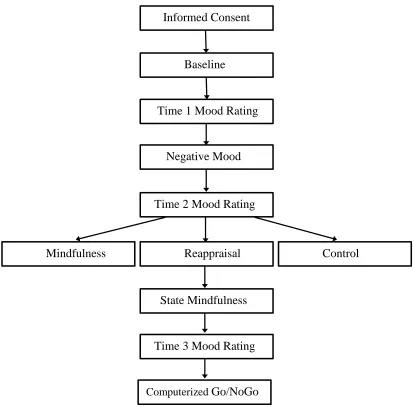
practice instructions in their assigned emotion regulation (or control) strategy. An assessment of state mindfulness and a third mood rating followed the intervention. Finally, participants
[image:37.612.70.484.204.611.2]completed the Go/No-Go task, a behavioral measure of sustained attention and inhibitory control, as well as demographics measures.
Figure 1. Schematic diagram of experimental design.
Mindfulness Reappraisal Control
Time 3 Mood Rating
Computerized Go/NoGo
Time 2 Mood Rating Negative Mood Time 1 Mood Rating
Informed Consent
Baseline
2.3 Measures
2.3.1 Trait mindfulness.
The Philadelphia Mindfulness Scale (PHLMS; Cardaciotto et al., 2008) was used to examine participants’ dispositional, or trait mindfulness. The PHLMS is comprised of 20 items based on the Bishop et al. (2004) and Kabat-Zinn (1994) definitions of mindfulness. Consistent with the Bishop model, the PHLMS has two 10-item subscales assessing awareness (e.g., “When I am startled, I notice what is going on inside my body”) and acceptance (e.g., “If there is
something I don’t want to think about, I’ll try many things to get it out of my mind”).
Respondents rate items on a 5-point, Likert-type scale (1 = “never,” 5 = “very often”) based on how often they experienced each in the past week. Awareness items are summed to obtain a subscale score, with higher scores indicating greater awareness, while acceptance items are reverse-scored before summing, with higher scores reflecting greater acceptance. Both the acceptance and awareness subscales have good internal consistency in non-clinical (α ranging from .75 to .86) and clinical (α = .75 for both subscales) samples (Cardaciotto et al., 2008; Butryn et al., 2011). In a student sample, both acceptance and awareness subscales were
internal consistency (α = .87), while the awareness scale (PHLMS-Aw) demonstrated acceptable internal consistency as well (α = .78).
2.3.2 State mindfulness.
The Toronto Mindfulness Scale (TMS; Lau et al., 2006) was used both as a manipulation check, to verify that the meditation group demonstrated greater state mindfulness relative to the comparison conditions at post-intervention. The TMS is a self-report measure intended to assess state mindfulness retrospectively, with respect to a preceding period of actively practicing mindfulness. Explicitly developed to fit the Bishop et al. (2004) model of mindfulness, the TMS consists of 13 statements, rated on a four point scale (0 = “not at all, 4 = “very much”),
describing what the respondent “just experienced.” Exploratory and confirmatory factor analyses supported a two-factor structure. The 7-item Decentering subscale assesses “awareness of one’s experience with distance and disidentification rather than being carried away by one’s thoughts and feelings,” while the 6-item Curiosity subscale reflects “awareness of present moment experience with a quality of curiosity” (Lau et al., 2006, p. 1452). Sample decentering items include “I was open to taking notice of anything that might come up,” and “I experienced myself as separate from my changing thoughts and feelings.” Sample curiosity items include “I was curious about my reactions to things” and “I was curious about each of the thoughts and feelings I was having.” Lau and colleagues (2006) report internal consistencies (Cronbach’s α) of .84 for the Decentering scale and .86 for the Curiosity scale in an adult sample with meditation
experience ranging from zero to 17 years. In a recent study of 10-minute mindfulness
Decentering (Quickel, Johnson, & David, 2014; Erisman & Roemer, 2010; Frewen, Lundberg, MacKinley, & Wrath, 2011). For the present sample, the Curiosity subscale had a Cronbach’s α of .87 and the Decentering subscale had a Cronbach’s α of .74.
2.3.3 Psychological distress.
Total scores on the General Health Questionnaire (GHQ-12; Goldberg, 1978) were examined as a potential covariate to control for baseline between-condition differences in psychological distress. The GHQ-12 is a self-report assessment of general psychological health. Participants rate the frequency with which they experience various behavioral and psychological stressors on a 4-point, Likert-type scale, ranging from 0 (not at all) to 3 (much more than usual). Scores range from 0 to 36, with higher scores indicating greater psychological distress. In other studies with the proposed study population, the GHQ-12 has demonstrated adequate internal consistencies of .87 and .88 (Masuda, Price, Anderson, Schmertz, & Calamaras, 2009; Masuda & Wendell, 2010). In the present study, the GHQ-12 also demonstrated adequate internal
consistency (α = .83).
2.3.4 Trait attentional control.
consistency was adequate (α = .77), and total scores on the ACS were moderately correlated with trait mindfulness as measured by both the FFMQ and MAAS (Brown, Goodman, & Inzlicht, 2013). For the present study, internal consistency was also adequate (α = .80).
2.3.5 Negative affect.
At three time points, participants used a computer-displayed Visual Analogue Scale (VAS) to indicate their current level of sadness. A horizontal line, with numbered and descriptive anchors on opposite ends (0 = Not at all sad, 100 = Extremely sad) was displayed and
participants were prompted to move a sliding indicator to the position that best reflected their current mood. The VAS is a widely used method of rapidly assessing within-subject changes in negative and positive affect and has shown sensitivity to affective changes following brief mindfulness, reappraisal, worry and rumination inductions (e.g., Arch & Craske, 2006; Keng et al., 2013; Singer & Dobson, 2007). Visual analog scales assessing changes in state anxiety have demonstrated good test-retest reliability and sensitivity to a variety of laboratory stressors, as well as concurrent validity with multiple-item self-report scales (for a review, see Rossi & Pourtois, 2012). Psychometric data on VAS assessing mood are more limited; Ahearn and Carroll (1996) found evidence for good test-retest reliability over 1 hour in a clinical sample.
2.3.6 Sustained attention and inhibitory control.
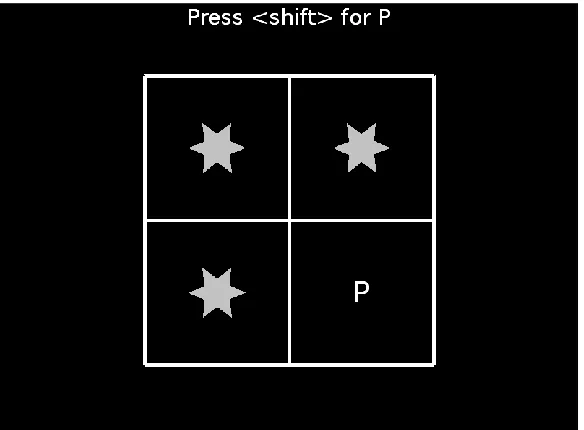
Total omission and commission errors on the Go/No-Go Task (Mueller & Piper, 2014) were used to assess participants’ sustained attention and inhibitory control, respectively. The Go/No-Go Task is a free, open-source implementation in the Psychology Experiment Building Language (PEBL; Mueller & Piper, 2014) of a computerized continuous performance task assessing sustained attention and inhibitory control (see Figure 2 for a screen shot of the
button while refraining from responding to non-targets. Targets and non-targets are presented sequentially, in a pseudorandom order, with letters appearing in one of four quadrants of a square in the center of the screen. Each stimulus presentation lasts 500 milliseconds, with an inter-stimulus interval of 1500 milliseconds. The PEBL version has two conditions: in the first condition, the target letters are Ps, and non-targets are Rs.” In the second condition, target and
[image:42.612.108.400.374.589.2]non-target rules are reversed, but the ratio of Ps to Rs remains the same (80:20, P:R), so that the first condition assesses performance with high frequency targets and the second with low-frequency targets. Each condition consists of 160 trials (presentation of a single stimulus), for a total of 320 trials and approximate task duration of 8 minutes. A brief training phase precedes each condition, and on-screen instructions inform participants that they are permitted to take a brief break between the first and second conditions.
Figure 2. Screen shot of Go/No-Go Task (Mueller & Piper, 2014).
Omission errors, or failures to respond to a target, are believed to index
errors, or responses to non-targets, are considered an index of impulsivity or failure of inhibitory control (Barkley, 1991).
Parameters for the PEBL Go/No-Go are identical to those used by Bezdjian et al. (2009) in a study of impulsivity and inattention in children. That study found that commission errors were significantly inversely related to hyperactivity/impulsivity symptom ratings and hit reaction times, suggesting that commission errors are a valid index of impulsive responding. Omission errors have also been examined, in both Bezdjian et al.’s version of the Go/No-Go and other continuous performance tasks, as an index of sustained attention (Barkley, 1991).
2.4 Mood Induction
After completing a battery of self-report measures including the potential covariates listed above, participants completed a modified, negative autobiographical recall exercise based on a model by Brewer, Doughtie, and Lubin (1980). Participants were prompted to think and then write about three negative life events that made them feel “sad,” “defeated,” “lonely,” “rejected,” or “hurt.” As the addition of music has been found to enhance the effectiveness of the mood induction procedures (e.g., Clark, 1983; Martin, 1990; Westermann, Spies, Stahl & Hesse, 1996), participants also listened to a 10-minute audio recording of mood-suggestive music (“Adagio in G-minor,” by Albinoni) while completing the mood induction procedures. Such a combined procedure has previously been effective at inducing negative mood in depressed (Huffziger & Kuehner, 2009), sub-clinically depressed (Keng et al., 2013), and healthy undergraduate participants (Hussey & Barnes-Holmes, 2012).
2.5 Experimental Manipulations
frequently used instructions by Singer and Dobson (2007) and Arch and Craske (2006). To align the mindfulness intervention with the focused-attention meditation instruction typically provided to novices (Lutz et al., 2008; Segal et al., 2002), these instructions emphasized the self-regulation of attention and awareness of present-moment experience, with less explicit emphasis on the nonjudgmental acceptance of that experience. The combined instructions directed participants to focus their attention on the present-moment sensations of their breath (e.g., “focus your
awareness on the physical sensations of your breathing”). The instructions also explained that unpleasant thoughts or feelings may arise (“You may notice… that your mind has wandered…is instead lost in thought or preoccupied with a feeling. These thoughts may be pleasurable, or they may be unpleasant.”). The instructions normalized this process and encouraged participants to accept these thoughts or feelings (“This is normal, and there’s no need to judge it.”). The instructions then stipulated that participants should “gently” refocus their attention on their breath.
The reappraisal instructions (see Appendix F) were adapted from those used by Keng et al. (2013). Participants were directed to try thinking of positive aspects of one of the negative life events they recalled previously or to imagine what an external observer would think of the event. In the mind-wandering control condition (see Appendix G), participants received instructions, based on those used by McHugh et al. (2012), to sit quietly, allow their thoughts to roam freely and wait for additional instructions after a brief period. To control for demand characteristics unrelated to the distinguishing features of the two active interventions (mindfulness and
addition, instructions were matched for duration (10 minutes) and approximate word count (608 words for mindfulness, 613 words for reappraisal, 426 words for mind wandering).
2.6 Procedures
All experimental procedures were conducted in Dr. Masuda’s laboratory space and administered via computer. Participants meeting inclusion criteria were assigned (via quasi-random assignment) to one of three conditions: mindfulness, reappraisal or control. To determine the order in which participants were assigned to conditions, a random sequence of numbers (integers ranging from 1 to 3, each corresponding to an experimental condition) was generated using an online tool. This sequence was matched to a list of participant numbers. Self-report measures, mood induction, interventions and the cognitive flexibility task were all administered by computer. On-screen prompts directed participants to notify the experimenter when assistance was needed (e.g., when opening the computer program to administer the Go/No-Go Task). Participants completed baseline questionnaires (PHLMS, GHQ, and ACS) and a baseline VAS mood rating (Time 1), and then were prompted to put on headphones and listen to a series of audio exercises. First, all participants received 10-minute mood induction instructions prompting rumination about a negative life event. After completing a second mood rating scale (Time 2), participants heard 10-minute audio instructions specific to their assigned intervention. Following the intervention, participants rated their mood a third time, completed the state mindfulness assessment (TMS), and then completed the Go/No-Go Task.
2.7 Data Analysis
2.7.1 Potential covariates.
Demographic variables (race, age, meditation practice) and baseline self-report measures (trait mindfulness, psychological distress, and attentional control) were examined as potential covariates in the main analyses. First, between-condition differences were assessed for each potential covariate. Categorical variables were evaluated with chi-square tests. Continuous variables were evaluated with ANOVAs if they met assumptions of linearity, normality, and homoscedasticity. Significant omnibus ANOVAs were further explored with post hoc tests. For continuous variables not meeting ANOVA assumptions, non-parametric tests were used. Any potential covariate with significant between-group differences was then examined further to assess the presence of a significant relationship to the outcome variables in the main planned analyses. In the case of categorical variables, ANOVAs were used to assess significant differences in outcome variables based on the potential covariate, with a significant ANOVA indicating inclusion of that covariate in analyses of the relevant outcome variable. For continuous variables, zero-order correlations between the potential covariate and outcome variable were examined. In the event of a significant correlation, the continuous covariate was included in all analyses involving the outcome variable with which it was significantly
associated.
Self-report outcomes (VAS sadness ratings at all three time points, TMS scale scores) were examined for normality and homoscedasticity, using skewness and kurtosis statistics, as well as normality plots and histograms. Variables for which skewness or kurtosis values or normality plots indicated significant concerns regarding non-normality or heteroscedasticity were transformed, using a square-root transformation. For variables with a high number of zero scores (e.g., VAS sadness ratings), the square-root transformation was performed after first adding a constant (i.e., x1= √(x + 1)). The transformed variables were then examined for the
same assumptions.
2.7.3 Between-group differences in sadness.
A 3 (Condition [mindfulness, reappraisal, mind-wandering control]) × 3 (Time) repeated-measures ANOVA was conducted to evaluate the effect of condition on VAS sadness ratings before mood induction, after mood induction, and after the intervention phase. Planned contrasts (weights: 1, 1, and -2, for mindfulness, reappraisal, and control, respectively) were employed to examine significant between-group effects, while pairwise comparisons were used to examine significant within-group effects. If the assumption of sphericity was not met, either Greenhouse-Geisser or Huynh-Feldt corrected degrees of freedom and p values were used. A power analysis was conducted using G*Power (Faul, Erdfelder, Lang, & Buchner, 2007) to determine an
2.7.4 Between-group differences in sustained attention and inhibitory control.
For Go/No-Go task outcome measures (Omission or Commission errors) meeting assumptions of normality, one-way ANOVAs with post-hoc comparisons were conducted to examine the effect of condition on sustained attention and/or inhibitory control.
3 RESULTS
3.1 Mood induction manipulation check.
Of the 136 participants who completed all study procedures, 27 (19.9%) reported a reduction or no change in sadness from the Time 1 to Time 2 VAS mood ratings and were excluded from subsequent analyses. There were no significant differences between conditions in the number of participants excluded for failing to meet the mood induction criterion, χ2(2, N = 136) = 0.72, p = .70.
3.2 Missing data.
Item-level missing data analysis was conducted for all self-report measures and indicated that 14 participants (12.84%) had one or more missing item values. The total number of missing values was 17, which represented 0.24% of the total number of values, and no variable had more than 1.5% missing values. The maximum number of missing values for a single participant was 3. Using estimation-maximization (EM) methods, missing values were imputed was used to impute missing values (Schafer & Graham, 2002).
control), leaving a sample size of N = 108. However the participant’s data were included in analyses of self-report outcomes (VAS sadness ratings and TMS scores).
3.3 Preliminary analyses
Table 1 displays demographic characteristics for the 109 participants meeting mood induction criteria. A one-way ANOVA revealed no significant differences between conditions in participant age. Using racial identity recoded as a single variable, a chi-square analysis revealed no significant differences in the distribution of participant race between conditions. Similarly, chi-square analyses indicated no significant between-condition differences in the number of participants endorsing current meditation practice or in the number of participants reporting daily, weekly, or monthly meditation practice (all ps > .05).
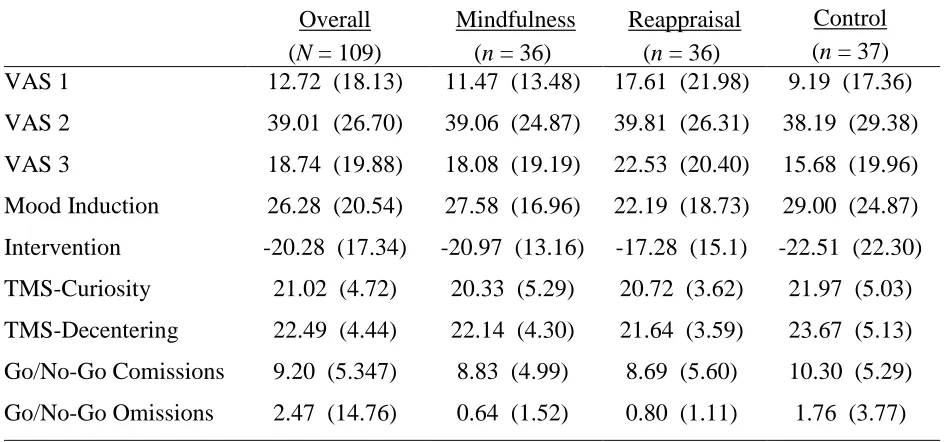
Table 2 displays descriptive statistics for baseline measures and primary outcome measures. Baseline levels of psychological distress (i.e., GHQ), trait mindfulness (i.e., PHLMS) and attentional control (i.e., ACS) were examined for between-group differences that might influence response to the experimental manipulation. Visual inspection of box plots and
Levene’s test for equality of variances indicated significant concerns regarding heteroscedasticity in GHQ scores across conditions. Normal P-P and Q-Q plots and normality tests were also indicative of significant concerns regarding the assumption of normality for PHLMS scores in the mindfulness and control conditions. Thus separate nonparametric Kruskal-Wallis tests were conducted for PHLMS and GHQ scores across all three conditions. The Kruskal-Wallis test indicated that distributions for GHQ across conditions were not significantly different (p = .302) and that PHLMS scores were distributed similarly across conditions as well (p = .582),
Table 2. Means and Standard Deviations for Primary Outcome Measures, for Overall Sample and by Condition.
Overall Mindfulness Reappraisal Control (N = 109) (n = 36) (n = 36) (n = 37) VAS 1 12.72 (18.13) 11.47 (13.48) 17.61 (21.98) 9.19 (17.36) VAS 2 39.01 (26.70) 39.06 (24.87) 39.81 (26.31) 38.19 (29.38) VAS 3 18.74 (19.88) 18.08 (19.19) 22.53 (20.40) 15.68 (19.96) Mood Induction 26.28 (20.54) 27.58 (16.96) 22.19 (18.73) 29.00 (24.87) Intervention -20.28 (17.34) -20.97 (13.16) -17.28 (15.1) -22.51 (22.30) TMS-Curiosity 21.02 (4.72) 20.33 (5.29) 20.72 (3.62) 21.97 (5.03) TMS-Decentering 22.49 (4.44) 22.14 (4.30) 21.64 (3.59) 23.67 (5.13) Go/No-Go Comissions 9.20 (5.347) 8.83 (4.99) 8.69 (5.60) 10.30 (5.29) Go/No-Go Omissions 2.47 (14.76) 0.64 (1.52) 0.80 (1.11) 1.76 (3.77)
Note: Statistics for Go/No-Go Omission and Commission errors in Reappraisal condition exclude one participant for whom data were incomplete due to administrative error (n = 35). VAS = Visual Analog Scale sadness rating; Mood Induction = change score in Visual Analog Scale sadness from Time 1 to Time 2; Intervention = Visual Analog Scale sadness change score from Time 2 to Time 3; TMS = Toronto Mindfulness Scale.
Based on visual inspection of normality plots and tests for normality and
homoscedasticity, ACS, PHLMS-Aw, and PHLMS-Ac scores met assumptions required for ANOVA. A MANOVA was conducted on PHLMS-Aw and PHLMS-Ac scores. Using Pillai’s trace, there was no significant effect of condition on acceptance or awareness scores, V = .05,
F(4, 212) = 1.23, p = .28. Results from a one-way ANOVA on ACS scores indicated a
significant omnibus difference in mean ACS scores across all three conditions, F(2, 106) = .318,
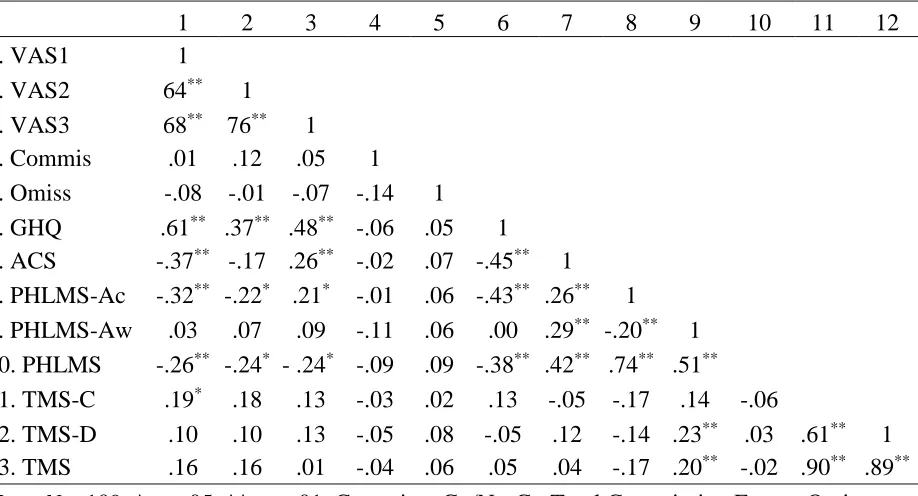
Table 3 displays bivariate correlations between all baseline measures and all primary outcome measures. Regarding potential covariates, ACS scores were significantly related to sadness VAS ratings at Time 1 and Time 3, such that greater attentional control was associated with lower sadness (p < .01). Because of the baseline difference in attentional control between the control and reappraisal conditions, ACS scores were included as a covariate in subsequent between-groups analyses of VAS sadness ratings. Because no potential covariates were significantly related to Go/No-Go outcomes (Omission or Commission errors; indices of executive control), none were included in analyses.
Table 3. Bivariate Correlations among all Baseline and Outcome Measures.
1 2 3 4 5 6 7 8 9 10 11 12 1. VAS1 1
2. VAS2 64** 1 3. VAS3 68** 76** 1 4. Commis .01 .12 .05 1 5. Omiss -.08 -.01 -.07 -.14 1 6. GHQ .61** .37** .48** -.06 .05 1 7. ACS -.37** -.17 .26** -.02 .07 -.45** 1 8. PHLMS-Ac -.32** -.22* .21* -.01 .06 -.43** .26** 1
9. PHLMS-Aw .03 .07 .09 -.11 .06 .00 .29** -.20** 1
10. PHLMS -.26** -.24* - .24* -.09 .09 -.38** .42** .74** .51** 1
11. TMS-C .19* .18 .13 -.03 .02 .13 -.05 -.17 .14 -.06 1 12. TMS-D .10 .10 .13 -.05 .08 -.05 .12 -.14 .23** .03 .61** 1 13. TMS .16 .16 .01 -.04 .06 .05 .04 -.17 .20** -.02 .90** .89**
3.4 Mindfulness manipulation check
As a manipulation check to assess the effectiveness of the mindfulness intervention in increasing state mindfulness, a MANCOVA was conducted with Decentering and TMS-Curiosity scores as the dependent variables, group as the between-subjects variable, and ACS scores entered as a covariate. No significant omnibus effects were obtained, indicating that there were no differences between conditions in state decentering or curiosity following the
intervention phase. Implications of this null finding are explored further in the Discussion.
3.5 Hypothesis 1: Equivalent reductions in negative affect across mindfulness and
reappraisal, as compared to control
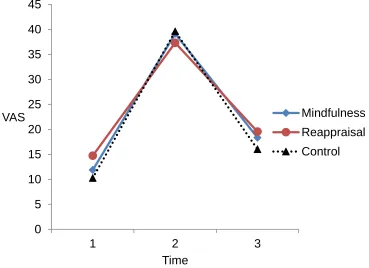
Hypothesis 1 was evaluated using a 3 (Condition) × 3 (Time) repeated-measures ANCOVA, with VAS mood ratings as the dependent variable, and ACS scores included as a covariate. Mauchly’s test indicated that the assumption of sphericity had been violated, χ2(2) =
12.68, p = .002, therefore degrees of freedom were corrected using Huynh-Feldt estimates of sphericity (ε = .93). Results indicated that, when controlling for baseline attentional control, sadness ratings did not significantly differ as a function of time, F(1.91, 196.61) = 1.47, p = .23,
η2
partial = .014. Because the main effect of time was not significant, interactions and planned
Figure 3. Estimated marginal mean sadness VAS ratings by condition, controlling for baseline attentional control.
3.6 Hypothesis 2: Mindfulness increases sustained attention and inhibitory control over
reappraisal and control
Based on inspection of normality plots and skewness and kurtosis statistics, the assumption of normality was justified for Go/No-Go Commission errors (i.e., the index of impulsivity or failures of inhibitory control). Levene’s test suggested that the assumption of homoscedasticity was also justified, F(2, 105) = 0.31, p = .74. Thus, a univariate ANOVA was conducted to evaluate the effect of condition (mindfulness vs. reappraisal vs. control) on Go/No-Go Commission errors. There were no significant differences between condition in mean number of Commission errors was not significant, suggesting that the groups did not differ in inhibitory control following the intervention phase, F(2, 105) = 1.03, p = .36.
0 5 10 15 20 25 30 35 40 45
1 2 3
VAS
Time
Mindfulness
Reappraisal
Normality plots and tests indicated that the distribution of Omission errors (i.e., the index of sustained attention) was significantly non-normal in all three conditions, with skewness values of 3.06 (SE = .39) in the mindfulness condition, 1.94 (SE = .40) in the reappraisal condition, and 3.5 (SE = .40) in the control condition. Levene’s test indicated significant concerns with
heteroscedasticity, F(2, 105) = 4.00, p < .05. With similar sample sizes across groups, ANOVA can be considered robust to violations of normality and heteroscedasticity (Schmider, Ziegler, Danay, & Buhner, 2010; Rogan & Kesselman, 1977). Given the similar sample sizes in each condition, a univariate ANOVA was conducted on Go/No-Go Omission errors. The omnibus effect of condition on Omission errors was not significant F(2, 105) = 2.22, p = .11, η2partial = .04.
Despite the nonsignificant omnibus finding, the small-to-medium effect size for condition suggests some relationship between condition and sustained attention on the Go/No-Go task.
Despite the reputation of ANOVA as robust to violations of the normality assumption, other analytic methods may be more appropriate to the analysis of such positively skewed data. In particular, low-frequency count data such as Go/No-Go omission errors may not be
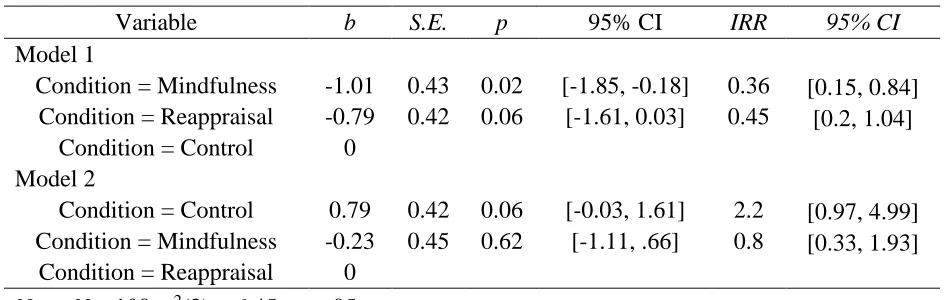
Negative binomial regression was performed on total omission errors with participant condition as the single categorical predictor. Model results are displayed in Table 4. Maximum likelihood estimation was used for parameter estimates. The overall model was significant, χ2(2)
= 6.45, p < .05. The dispersion parameter was estimated at 2.24, 95% CI [1.35, 3.71]. The confidence interval for this parameter indicated that Go/No-Go Omission errors were likely over-dispersed and that the negative binomial distribution is thus a better fitting approximation of the sample data than the Poisson distribution. As compared to the control condition, assignment to the mindfulness condition was significantly negatively associated with omission errors. Model parameters in a negative binomial model can be exponentiated and interpreted as incident rate ratios (IRR), indicated the degree to which the incidence of the outcome count variable changes with respect to a change in the predictor. For the categorical predictor of participant condition in the present model, the IRR for a particular condition represents the change in incidence of Go/No-Go omission errors from the reference category (control). The mindfulness intervention was associated with a nearly two-thirds lower rate of omission errors, as compared to control, IRR = 0.36, 95% CI [.158, .838]. Assignment to the reappraisal condition, as compared to control, was not significantly associated with a change in the incidence of omission errors, although this relationship approached significance, p = .06, IRR = 0.46, 95% CI [0.20, 1.04]. When the model was re-run with reappraisal coded as the reference group, mindfulness was not associated with a significant change in omission error rate, p = 0.62, IRR = 0.8, 95% CI [0.33, 1.93]. Mind wandering was marginally significantly associated with increased omission errors, p
improvement in sustained attention, as indexed by Go/No-Go task omission errors, as compared to the control condition.
Table 4. Negative Binomial Regression Models Predicting Total Go/No-Go Omission errors.
Variable b S.E. p 95% CI IRR 95% CI
Model 1
Condition = Mindfulness -1.01 0.43 0.02 [-1.85, -0.18] 0.36 [0.15, 0.84] Condition = Reappraisal -0.79 0.42 0.06 [-1.61, 0.03] 0.45 [0.2, 1.04]
Condition = Control 0 Model 2
Condition = Control 0.79 0.42 0.06 [-0.03, 1.61] 2.2 [0.97, 4.99] Condition = Mindfulness -0.23 0.45 0.62 [-1.11, .66] 0.8 [0.33, 1.93]
Condition = Reappraisal 0