www.wjpr.net Vol 7, Issue 15, 2018. 445
COMPARATIVE STUDY ON FORMULATION AND EVALUATION OF
MICROEMULSION BASED GEL OF CURCUMIN WITH DIFFERENT
COMBINATIONS OF POLYMERS
*Praveen Kumar and Dr. Rupa Mazumder
Pharmacy Institute, Noida Institute of Engineering & Tachnology Knowledge Park-2, Greater
Noida, Gautam Buddh Nagar.
ABSTRACT
The present study was developed microemulsion based gel of
curcumin polymer which will be useful in further drug delivery. The
prepared microemulsion based gel was subjected to a various test like
size distribution study, zeta potential, and soon. The microemulsion
was clear, stable, an isotropic mixture of oil, water, and surfactant
frequently in combination with a cosurfactant. It helps to solubilize the
lipophilic drug moiety and had showed rapid and efficient penetration
of the skin. The microemulsion had stability problem due to having
low viscosity but can be overcome by incorporation into topical DDS
causes improved viscosity and hydrating stratum corneum which
increase dermal drug permeation and the skin flux. The Curcumin
loaded micro-emulsion developed and optimized on the basis of Findings of physic-chemical
characterization, was further loaded into the Carbopol 934 and HPMC gel base. The gel
based micro-emulsion was expected to improve the overall pharmaceutical and
pharmacokinetic features of the drug candidate in terms of ease of dermal application and
improved transdermal drug penetration. The developed formulations were characterized by
physic-chemical parameters such as globule size, zeta potential, viscosity, pH, FTIR studies,
etc. The finding of FTIR studies released the absence of drug potential drug – excipient
interaction and ruled out any possible physic-chemical incompatibility b/w curcumin and
excipients. The proposed Curcumin loaded micro-emulsion was formulated using Castor oil
as the oil phase, Tween 80 and methanol as Surfactant and co-surfactant respectively. Due to
all these factors within the major group of semisolid preparations, the use of transparent gels
has expanded in pharmaceutical preparations. In spite of the many advantages of gels, a
Volume 7, Issue 15, 445-466. Research Article ISSN 2277– 7105
Article Received on 04 June 2018,
Revised on 25 June 2018, Accepted on 15 July 2018,
DOI: 10.20959/wjpr201815-12793
8533
*Corresponding Author
Praveen Kumar
Pharmacy Institute, Noida
Institute of Engineering &
Tachnology Knowledge
Park-2, Greater Noida,
www.wjpr.net Vol 7, Issue 15, 2018. 446 major limitation is in the delivery of hydrophobic drugs. So to overcome this limitation
microemulsion based approach being used so that even a hydrophobic therapeutic moiety can
be successfully incorporated and delivered through gels. Hydrophobic drugs can be
incorporated into the microemulsion based gel using drug/oil/water emulsions.
INTRODUCTION
The oral route is the most accessible, most convenient route for invasive administration and
the primary route of the drug delivery for the chronic treatment of many diseases. In current
years, new chemical entities exhibit poor aqueous solubility which in turn leads to low oral
bioavailability. Formulation of poorly aqueous soluble drugs is a challenging job to the
pharmaceutical scientists as result of modern drug discovery technique, and oral delivery of
such drugs is frequently associated with low bioavailability, high inter-subject variability and
lack of dose proportionality. Improving oral bioavailability of drugs such as solid dosage
forms remains a challenge for the formulation scientist due to some problems. A poor
bioavailability can be due to poor solubility, degradation in GI lumen, poor membrane
penetration and pre-systemic elimination. The formulation technique plays a vital role in
overcoming this shortcoming of poorly water-soluble drugs, to encounter these problems,
various formulation strategies are reported including use of surfactants, pulverization, crystal
polymorphism selection, salt formation, solid dispersion, mixed pulverization, complex
formation agent like cyclodextrin, emulsion, microemulsion, liposome, particle size,
nanoparticles, micro and nanospheres, lipid carriers, use of prodrug, drug derivatization,
solution phase studies and permeation enhancers to improve the dissolution rate of the drug.
Different approaches have been used for avoiding these problems. One of the most popular
methods is lipid-based formulation such as oils, surfactant dispersions, self- emulsifying
formulations, emulsions, and liposomes (Singh et al., 2014).
1. Curcumin
In the country like India, every kitchen has one of the spices named ‘haldi' without it food remains incomplete. This ‘haldi' is popularly known as turmeric. The botanical name of this
popular spice is Turmeric or Curcuma longa, which belongs to the Zingiberaceae or ginger
family, not only in food but turmeric is also used for many medicinal purposes in India in the
form of Ayurvedic, Unani and Siddha medicines. Turmeric is the boiled, dried, cleaned and
polished rhizomes of Curcuma longa. After harvesting the whole rhizomes are collected.
www.wjpr.net Vol 7, Issue 15, 2018. 447 long and 1 to 2 cm wide having bulbs and splits. The dried rhizomes are further processed
and reprocessed to obtain the turmeric powder.
The main constituent of turmeric is curcumin. Curcumin is a polyphenol that gives turmeric
its color. Curcumin is a polyphenol and is lipophilic in nature, hence insoluble in water and
also in ether but soluble in ethanol, dimethylsulfoxide, and other organic solvents. Curcumin
is stable at the acidic pH of the stomach. Curcumin, a yellow compound isolated from its
rhizome, may be responsible for much of the bioactive effects. Recent research shows that
curcumin may inhibit carcinogenesis and angiogenesis (Arbiser et al., 1998; Thaloor et al.,
1998) and may have a potential to improve chronic inflammatory conditions in obesity Other
investigations have also shown that curcumin inhibited the proliferation of cisplatin-resistant
ovarian cancer cells through the induction of superoxide generation, G(2)/M arrest and
apoptosis (Weir et al., 2007).
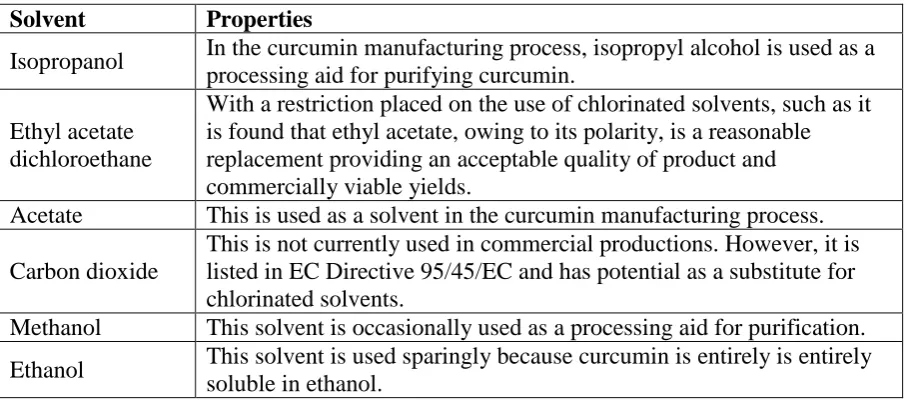
The solvents maintained in table 1.1 are considered suitable for preparation of microemulsion
[image:3.595.77.531.422.624.2]properties.
Table 1.1 Various Solvents Used in Preparation of Microemulsion Properties.
Solvent Properties
Isopropanol In the curcumin manufacturing process, isopropyl alcohol is used as a processing aid for purifying curcumin.
Ethyl acetate dichloroethane
With a restriction placed on the use of chlorinated solvents, such as it is found that ethyl acetate, owing to its polarity, is a reasonable replacement providing an acceptable quality of product and commercially viable yields.
Acetate This is used as a solvent in the curcumin manufacturing process.
Carbon dioxide
This is not currently used in commercial productions. However, it is listed in EC Directive 95/45/EC and has potential as a substitute for chlorinated solvents.
Methanol This solvent is occasionally used as a processing aid for purification.
Ethanol This solvent is used sparingly because curcumin is entirely is entirely soluble in ethanol.
2. Microemulsion
Micro-emulsions are clear, stable, isotropic mixtures of oil, water, and surfactant, frequently
in combination with a co-surfactant. Microemulsion acts as potential drug carrier systems for
oral, topical, and parenteral administration. They offer the advantage of spontaneous
formation, ease of manufacturing and scale-up, thermodynamic stability, and improved drug
www.wjpr.net Vol 7, Issue 15, 2018. 448 2.1. Methods of Preparation of Microemulsion (Patel et al., 2013)
2.1.1. Phase Titration Method
The microemulsions are prepared by the spontaneous emulsification method (phase titration
method) and can be depicted with the help of phase diagrams. Construction of phase diagram
is a useful approach to study the complex series of interactions that can occur when the
different components are mixed. Microemulsions are formed along with various association
structures (including emulsions, micelles, lamellar, hexagonal, cubic, and various gels and
oily dispersion) depending on the chemical composition and concentration of each
component. The understanding of their phase equilibrium and demarcation of the phase
boundaries are essential aspects of the study. As quaternary phase diagram (four component
system) is time-consuming and difficult to interpret, the pseudo-ternary phase diagram is
often constructed to find the different zones including microemulsion zone, in which each
corner of the diagram represents 100% of the particular component (Fig. 3.1). The region can
be separated into w/o or o/w microemulsion by merely considering the composition, which is,
whether it is oil-rich or water-rich. Observations should be made carefully so that metastable
systems are not included.
Fig. 1.1: Pseudoternary Phase Diagram of Oil, Water, and Surfactant Showing
[image:4.595.152.441.424.662.2]www.wjpr.net Vol 7, Issue 15, 2018. 449 2.1.2. Phase Inversion Method
Phase inversion of microemulsion occurs upon addition of an excess of the dispersed phase or
in response to temperature. During phase inversion, drastic physical changes occur, including
changes in particle size that can affect drug release both in vivo and in vitro. These methods
make use of changing the spontaneous curvature of the surfactant. For non-ionic surfactants,
this can be achieved by changing the temperature of the system, forcing a transition from an
o/w microemulsion at low temperature to a w/o microemulsion at high temperature
(transitional phase inversion). During cooling, the system crosses a point of zero spontaneous
curvature and minimal surface tension, promoting the formation of finely dispersed oil
droplets. This method is referred to as phase inversion temperature (PIT) method. Instead of
the temperature, other parameters such as salt concentration or pH value may be considered
as well instead of the temperature alone. Additionally, a transition in the spontaneous radius
of curvature can be obtained by changing the water volume fraction. By successively adding
water into oil, initially, water droplets are formed in a continuous oil phase. Increasing the
water volume fraction changes the spontaneous curvature of the surfactant from initially
stabilizing a w/o microemulsion to an o/w microemulsion at the inversion locus. Short-chain
surfactant forms flexible monolayers at the o/w interface resulting in a bicontinuous
microemulsion at the inversion point.
Three types of microemulsions are most likely to be formed depending on the composition
1) Oil in water microemulsions wherein oil droplets are dispersed in the continuous aqueous
phase;
2) Water in oil micro-emulsions wherein water droplets are dispersed in the continuous oil
phase;
3) Bi-continuous micro-emulsions wherein micro-domains of oil and water are
inter-dispersed within the system.
3. Microemulsion Based GEL
The present work aims to prepare microemulsion based gel (MBG) may be formulated to
enhance the drug release, onset of action to provide the more topical effect of curcumin.
Rapid drug release on specific site of skin compared to conventional dosage form can be
achieved by this approach (Shah, et al., 2014) microemulsion is a colloidal dispersion
www.wjpr.net Vol 7, Issue 15, 2018. 450 which is single optically isotropic and thermodynamic stable liquid solution with droplet
diameter, usually within the range of 10-100 nm. (Joshi B, et. al., 2011).
The concept of microemulsion was introduced in the early 1940s by Hoar and Schulman,
who generated a clear single-phase solution by titrating a milky emulsion with hexanol. They
prepared the first microemulsion by dispersing oil in an aqueous surfactants solution and
adding alcohol as a co-surfactant, leading to a transparent, stable formulation (Lapasin, et al.,
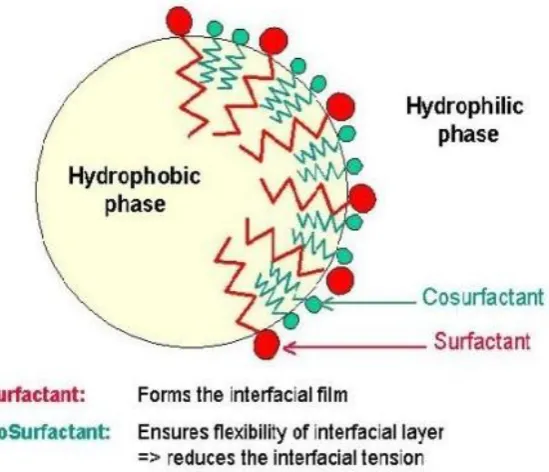
2001). The structure of microemulsion droplet has been described in Fig. 1.1.
Recently, the concept of microemulsion based gel formulation becomes popular as novel
drug delivery system. Most of the conventional topical agents, like ointment, creams and
lotion have many disadvantages. They are very sticky and exhibit stability problems.
Moreover, they also have lesser spreading coefficients and need to apply with rubbing The
present stability problems also (Patel, et al., 2014). Due to the factors mentioned above
within the significant group of semisolid preparations, the use of microemulsion based gels
have expanded both in cosmetics and in pharmaceutical preparations. Though the
conventional semisolid dosage forms have many advantages of gel, they have significant
limitations with hydrophobic drugs. So to overcome these limitations, microemulsion based
gel approach is being used, so that even a hydrophobic therapeutic moiety can be successfully
incorporated and delivered through microemulsion based gels(Ansel, et al., 1999).
In the microemulsion based gel, the drug particle size is maintained to the micron range. It is
soluble in oil, surfactant and co-surfactant and has a diameter in the range of 100-1000A
(10-100 nm). Also, the small size of the drug droplets in microemulsion yields large interfacial,
from which the drug can be quickly released into an external phase when it is area through
the skin at the particular site of action in specific diseases, maintaining the concentration in
the external phase close to initial levels for topical drug delivery system. (Singh V, et al.,
www.wjpr.net Vol 7, Issue 15, 2018. 451 Fig. 1.2: Microemulsion Structure.
The microemulsion based gel formulation has been well accepted for drugs with poor
aqueous solubility and high permeability, classified as Class II drugs by BCS system (Fig.
1.2). The rate and extent of absorption of class II compounds are highly dependent on the
performance of the formulated product. These drugs can be successfully formulated for oral
administration, but care needs to be taken with formulation design to ensure consistent
bioavailability (Mehta et al., 2011).
Fig. 1.3: BCS Classification of Drugs.
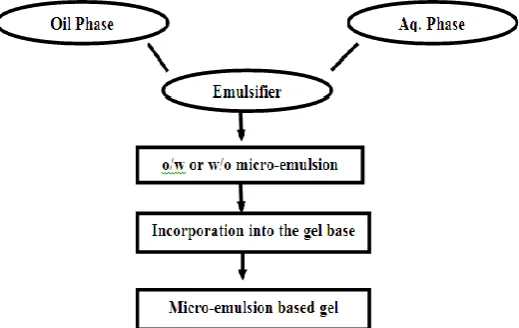
3.1. Method of Preparation of Microemulsion Based Gel.
STEP 1: Formulation of microemulsion either o/w or w/o.
STEP 2: Formulation of gel base.
[image:7.595.159.437.494.640.2]www.wjpr.net Vol 7, Issue 15, 2018. 452 Fig. 1.4: Flow Chart for Preparation of Microemulsion Based Gel.
3.2. Advantages OF MBG (Trommer et al., 2006)
(i) Better stability: Other Transdermal preparations are comparatively less stable than
microemulsion based gel. Like powders are hygroscopic, creams show phase inversion or
breaking and ointment shows rancidity due to an oily base and normal topical emulsion
shows creaming effect. The microemulsion based gel does not show any above problems
and gives better stability.
(ii)Better loading capacity: Other novel approaches like niosomes and liposomes are of
nano size and due to vesicular structures may result in leakage and result in lesser
entrapment efficiency. But gels due to the vast network have a comparatively better
loading capacity of the drug.
(iii) Production feasibility and low preparation cost: Preparation of microemulsion based
gel is comprised of more straightforward and short steps which increase the feasibility of
the production. There are no specialized instruments needed for the production of
microemulsion based gel. Moreover, the materials used are easily available and cheaper.
Hence, decreases the production cost of microemulsion based gel.
(iv) Incorporation of hydrophobic drugs: Most of the hydrophobic drugs cannot be
incorporated directly into the gel base because the solubility act as a barrier and a
problem occurs during the release of the drug, mainly class VI drug. Micro-emulsion
based gel helps in the incorporation of hydrophobic drugs into the oil phase, and then oily
www.wjpr.net Vol 7, Issue 15, 2018. 453 can be mixed into gel base. This may be proving better stability and release of a drug that
is merely incorporating drugs into gel base. E.g., ketoconazole, fluconazole, etc.
(v) No intensive sonication: Production of vesicular molecules needs intense sonication
which may result in drug degradation and leakage. But this problem is not seen during the
production of microemulsion based gel as no sonication is required.
(vi) Controlled release: Microemulsion based gel can be used to prolong the effect of drugs
having shorter t1/2.
3.3. Disadvantages oF MBG (Trommer, et.al, 2006)
A. The larger particle size drugs not easy to absorb through the skin.
B. The poor permeability of some drugs through the skin.
C. Can be used only for drugs which require minimal plasma concentration for action.
D. The possibility of allergenic reactions.
E. An enzyme in the epidermis may denature the drugs.
3.4. Application oF MBG
1) Enhance the transdermal permeation of drugs significantly compared to conventional
formulations such as solutions, gels or creams.
2) They can incorporate both hydrophilic (5-fluorouracil, apomorphine hydrochloride,
diphenhydramine hydrochloride, tetracaine hydrochloride, methotrexate, etc.) and
lipophilic drugs (estradiol, finasteride, ketoprofen, meloxicam, felodipine, triptolide, etc.)
and enhance their permeation.
3) A significant amount of drug can be incorporated in the formulation due to the high
solubilizing capacity.1wzs.
4) Increase thermodynamic activity towards the skin, the permeation rate of the drug from
microemulsion may be increased, since the affinity of a drug to the internal phase in
microemulsion can be easily modified to favor partitioning into the stratum corneum.
5) Using different internal phase, changing its portion in the microemulsion, the surfactant
and co-surfactant in the microemulsions may reduce the diffusional barrier of the stratum
corneum by acting as penetration enhancers.
6) The percutaneous absorption of a drug will also increase due to the hydration effect of the
www.wjpr.net Vol 7, Issue 15, 2018. 454 4. Components of MBG
i. Oils: The oils used for the preparation of microemulsion having the capacity to solubilize
the drug. For externally applied microemulsions, mineral oils, either alone or combined
with soft or hard paraffin, are widely used both as the vehicle for the drug and their
occlusive and sensory characteristics. Widely used oils in oral preparations are
non-biodegradable mineral and castor oils that provide a local laxative effect, and fish liver
oils or various fixed oils of vegetable origin (E.g., arachis, cottonseed, and maize oils) as
nutritional supplements. Some are as light liquid paraffin, isopropyl myristate, isopropyl
stearate, isopropyl palmitate, propylene glycol, etc.
Examples: Olive oil, Peanut oil, Sesame oil, Soybean oil, Sunflower oil, Triacetin, Paraffin
oil, oleic acid, castor oil, corn oil, ethyl oleate, polyoxy castor oil, etc.
ii. Aqueous Material: This forms the aqueous phase of the microemulsion. Most
commonly, water is used as an aqueous phase. The pH of the aqueous phase always needs
to be adjusted due to its considerable impact on the phase behavior of microemulsion.
The commonly used agents are water, alcohols, etc
iii. Surfactant (Emulsifier): Surfactant molecules consist of two-part, polar head group
region and non-polar headgroup region. They are classified into four categories according
to the nature of hydrophilic group within the molecule: Anionic surfactant, Cationic
surfactant, Non-ionic surfactant, an Ampholytic surfactant. Surfactant reduces the
interfacial tension between two immiscible liquids and makes them miscible. When
surfactants are incorporated in oil and water mixture, then their polar heads are
self-associated towards water phase, and non-polar tails towards oil phase or they can quickly
locate at the interface, which is thermodynamically very stable.
Examples: Tween 80, Tween 20, Cremophor RH40, Labrafil M1944CS, Cremophor EL,
Span 80.
iv. Co-surfactant (Co – Emulsifier): Relatively high concentration (usually, more than
30%w/w) are needed to produce a useful microemulsion for the topical drug delivery
system. Organic solvents: which is Suitable for topical administration (ethanol, propylene
glycol (PG), polyethylene glycol (PEG), etc.) may help to dissolve large amounts of
www.wjpr.net Vol 7, Issue 15, 2018. 455 play an essential role in the co-surfactant in the microemulsion systems. Polymeric liquid
and semi-solid excipients can be used alone or in mixture with other lipid excipients to
improve the solubilizing power of formulation. Among the polymeric glycol based
excipients, PEGs are the versatile, well characterized and widely applied class of
solubilizers which are available as both liquid and thermo softening semisolid.
Examples: Propylene glycol, PEG 200, PEG 400, Ethanol, Transcutol HP.
v. Polymers: Polymer present in 5 to 40% w/w, which is not ionizable at physiological pH
and able to form a matrix. Examples are hydroxypropyl ethyl cellulose, ethyl cellulose,
etc. (Giri etal., 2013).
vi. Gelling agents: Addition of gelling agent to these formulations gives a gelled structure.
The gelling agent is of two types: natural and synthetic. Incorporation of gelling to a
system makes it thixotropic. According to the Swedish national encyclopedia: thixotropy
is "property of viscous (viscid) or gel-like product turning more liquid as the long time
and the more vigorous, which is deformed (i.e., stirring)." It is generally accepted
thixotropy the phenomenon of the fluid which shows a reversible structural. Carbopol
polymers are polymers of acrylic acid cross-linked with polyalkenyl ethers or divinyl
glycol. They are produced from primary polymer particles of less a diameter. Each
particle can be viewed as a network structure of polymers chains interconnected via
crosslinking. Carbomers readily absorb water and get hydrated and swell. Besides it's
hydrophilic in nature, its cross-linked structure and it's insolubility in water make
carbopol a potential candidate for use in the controlled release drug delivery system.
Effect of gelling agent has been studied on the release rate of the drug from
microemulsion based gel. It has been found. That is an inverse correlation b/w the
concentration of gelling agent and the extent of drug released. Others type including
synthetic, semi-synthetic, natural gelling agent can also be employed.
vii.Penetration Enhancers: Penetration enhancers are the agents which increase the
penetration power of the drug through the skin. To promote absorption of drugs through
skin barrier, vehicles often include penetration enhancing ingredients which temporarily
disrupts the highly ordered structure of stratum corneum skin barrier, fluidize the lipid
channels between corneocytes, alter the partitioning of the drug into skin structures, or
www.wjpr.net Vol 7, Issue 15, 2018. 456
5. MATERIALS AND MATHODS
Formulation Development of MBG
Various composition of MBG (Table 1.2) were prepared
Drug (curcumin, 2gm) was dissolved in the oleic acid (oil phase). Then add tween 80 and
methanol was added as surfactant and co-surfactant respectively. All the ingredients were
mixed well. Then water was added drop by drop and mixed well on the magnetic stirrer. The
transparent microemulsion was formed. Now for preparation of Gel base (aq phase),
Carbopol 934 and HPMC was suspended in water and hydrated it for overnight. pH was
adjusted around 6 to 6.5 using triethanolamine. For the preparation of microemulsion based
gel, microemulsion and 1% Carbopol 934 gel and 1% HPMC were mixed in the ratio of 1:1.
Table 1.2: Composition of Microemulsion Based Gel of Curcumin.
Ingredients Amount of Ingredients Used in Various Formulations (gm)
F1 F2 F3 F4 F5 F6
Curcumin 2 2 2 2 2 2
HPMC 1 - 2 - 3 -
Carbopol 934 1 1 2 2 3 3
Tween 80 3.1 3.1 3.1 3.1 3.1 3.1
Methanol 1.56 1.56 1.56 1.56 1.56 1.56
PEG 5 5 5 5 5 5
Castor oil 0.9 0.9 0.9 0.9 0.9 0.9
Oleic acid 1 1 1 1 1 1
Triethanolamine for pH q.s q.s q.s q.s q.s q.s
Distt. Water q.s q.s q.s q.s q.s q.s
5.1. Methods
5.1.1. Preformulation Studies
Preformulation studies were carried out to standardize a spectrophotometric method of
estimation for curcumin and to investigate any possible polymer interactions. The
drug-polymer interaction was studied by carrying out Fourier transform infrared (FTIR) spectral
studies. It is the first step in the rational development of any dosage forms.
Identification of the pure drug and polymers was performed using infrared spectroscopy. IR
spectroscopy by potassium bromide method was carried out on drug, polymer, ingredients
and physical mixture of drug-ingredients.
About 2 mg of each sample was ground thoroughly with previously dried KBr at 120°C for
30 min. Uniformly mixed with drug and kept in the sample holder and compressed under ten
www.wjpr.net Vol 7, Issue 15, 2018. 457 4000 to 400 cm-1 in a spectrophotometer and peaks obtained were recorded. Pure, wholly
dried KBr was used as blank and before running the sample (Bassler and Morril, 1981;
Devendra and Dhananjay, 2007).
5.1.1.1. Identification and Characterization of curcumin (Nazzal, et al., 2002)
Organoleptic properties: Curcumin was tested for organoleptic properties such as
appearance, color, taste, etc.
The melting point determination: The melting point of a compound is the temperature
at which it changes from a solid to liquid. The melting point determination of the obtained
sample of curcumin was done by an open capillary method.
Clarity and color of solution: Clarity and color of curcumin solution were determined
by preparing the solution of 0.5 g of curcumin dissolved in 10 mL methanol. Results were
compared with specifications given in Herbal Pharmacopoeia and certificate of analysis
provided by drug sample provider.
Solubility profile: About 10 mg of curcumin was taken, and solubility was studied in
different solvents (Indian Pharmacopoeia, 1996; Martin, 2001).
5.1.1.2. UV Spectroscopy
The stock solution of curcumin was prepared by dissolving accurately 10 mg of curcumin in
methanol in a 100 ml volumetric flask to obtain a concentration of 100μg/ml. The UV
spectrum was recorded in the range of 220-430 nm on Shimadzu UV-visible
spectrophotometer (Shimadzu-1800, Japan) at 1 cm, slit width (Patel, P.A., 2008).
5.1.1.3. IR spectrum interpretation
The infrared absorption spectrum of pure curcumin was recorded on FT-IR
spectrophotometer and the spectrum analysis was done for functional groups.1 mg of the drug
was mixed with 100 mg of potassium bromide in a mortar by trituration and the mixture was
compressed into a pellet at 10 ton/cm2 in a pellet maker. The sample was scanned at 4000 cm
-1
- 400 cm-1. The IR spectra obtained was found concordant with the IR spectrum of
curcumin.
5.1.1.4. Determination of the solubility of drugs in oils, surfactants, and co-surfactants
The solubility of curcumin was studied in an aqueous and non-aqueous solvent. Different
oils, surfactants, co-surfactants (table 4.3) were taken separately in the small vial and an
www.wjpr.net Vol 7, Issue 15, 2018. 458 stirred continuously for 72 h using mechanical shaker at 25ºC. Then oils, surfactant and
cosurfactants were centrifuged at 1000 rpm for 10 min to separate un-dissolved drug. A
supernatant was taken and diluted with methanol and solubility was quantified with UV
spectroscopy (Shimadzu 1800) at 425 nm.
5.1.2. Quantitative Estimation of Drug
5.1.2.1. Preparation of calibration curve of curcumin in methanol
The standard curve in methanol was prepared to analyze the drug content in different oils,
surfactants, and co-surfactants during solubility study of curcumin. From this solution, 10 ml
was withdrawn and diluted to 100 ml with methanol. From this stock solution, serial dilutions
were made to obtain the solutions in the concentration ranging from 2-18 μg/ml. The
absorbance of the solution was measured at 425 nm, and the calibration curve was plotted.
(Palet et al., 2011)
5.1.2.2. Preparation of calibration curve of curcumin in phosphate buffer pH 8
10 mg of curcumin was dissolved in 10 ml solution of phosphate buffer pH 8 in the
volumetric flask, and the volume was made up to 100 ml using the phosphate buffer. From
this solution, 10 ml was withdrawn and diluted to 100 ml with phosphate buffer pH 7.5. From
this stock solution, serial dilutions were made to obtain the solutions in the concentration
ranging from 2-18 μg/ml. The absorbance of the solution was measured at 425 nm, and the
calibration curve was plotted.
5.1.2.3. Drug Excipients Interaction Study
Drug-excipient compatibility studies were designed to ensure the stability of the final
formulation. The physical mixture of drug and excipients in the ratio of 1:1 were placed in
glass vials, sealed and stored at ±40°C and ±75% relative humidity. The samples were drawn
at the predetermined time interval of 7, 15, 21, 30 and 45 days and examined for physical and
chemical integrity. Parameters such as color changes, odor or gas formation, liquification and
caking were analyzed. The excipients the showed minimal or no degradation when kept with
drug after 45 days were chosen for further studies since they were compatible with a drug.
5.1.3. Evaluation of Microemulsion Based GEL
pH: The pH of microemulsion the prepared was determined using pH meter. The pH
meter was calibrated using pH buffer solution (pH 4 and pH 7) and the pH of each
www.wjpr.net Vol 7, Issue 15, 2018. 459 Dilution test: A small amount of microemulsion was placed on a clean glass slide. A
drop of water added to the microemulsion and was mixed with the help of glass rod and
their transparency was assessed visually.
Viscosity measurements: The viscosity of each of the prepared microemulsion
containing different percentages of water content was determined by using digital
Brookfield viscometer equipped with spindle No. S64 at a speed of 10 rpm (Brookfield
Viscometer, model LVT, U.S.A.).
Determination of percentage drug content: The drug content of the microemulsion formulation was determined by dissolving 1 ml of the formulation in 10 ml of methanol.
After suitable dilutions with methanol, absorbance was determined using the UV
spectrophotometer keeping Methanol as control at wavelength 425 nm.
Droplet size and particle size measurement: Zeta potential must be negative or neutral,
which indicate that droplets of a microemulsion having no charge that is system is stable.
zeta potential was determined by using zetasizer. Zeta potential is mainly useful for
assessing flocculation since electrical charges on particles influence the rate of
flocculation. The polydispersity index (PDI) was also determined using zetasizer.
Measurement of droplet size the Micro-emulsions: Droplet size of novel formulations
was measured by use of dynamic light scattering based zetasizer nano- ZS instrument
(Malvern, master sizer SM 2000k, United Kingdom) at room temperature using the neon
laser at 425nm.
Refractive index and percent transmission: Refractive index and percent transmittance
prove the clearness of formulation. The refractive index of micro-emulsion gel was
measured by refractometer and compared with that of water. The percent transmittances
of the system were measured at a particular wavelength using UV-vis spectrophotometer
keeping the distilled water as a blank. If the refractive index of a system was similar to
that of water, formulation showing transmittance >99% was assumed to be transparent in
nature.
Percent Transmittance: Transparency of micro-emulsion formulation was determined
by measuring the percentage transmittance at 425 nm with purified water taken as blank
through UV spectrophotometer.
Transmission Electron Microscopy: Transmission electron microscopy characterized
the microstructure of the prepared curcumin microemulsion (TEM Hitachi (H-7500). The
www.wjpr.net Vol 7, Issue 15, 2018. 460 globules were determined with the aid of TEM. The microemulsion systems were dried
on a microscopic carbon coated grid and viewed under the microscope after staining at
the suitable magnification. Photo-micrographs of the globules were then taken.
6. RESULT AND DISCUSION
[image:16.595.189.411.506.613.2]6.1. Identification and Characterization of Curcumin
Table 1.3: Characterization of Curcumin.
Characters Specifications Result
Appearance Yellowish orange Yellowish orange
Taste Tangy, a little sour Tangy, a little sour
Melting range 178-181º C 180º C
Solubility
Practically insoluble in water, highly soluble in methanol, ethanol
Practically insoluble in water, highly soluble in methanol, ethanol
Loss on drying NMT 2.0% 1.0%
Discussion: The results of the characterization of curcumin complied with the specifications
given in certificate of analysis provided by the supplier.
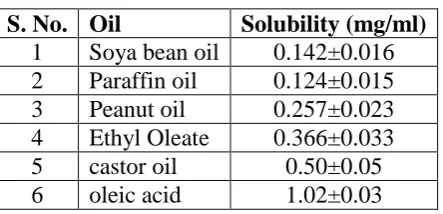
6.2. Solubility of Drug in Oils, Surfactants, and Co-Surfactants
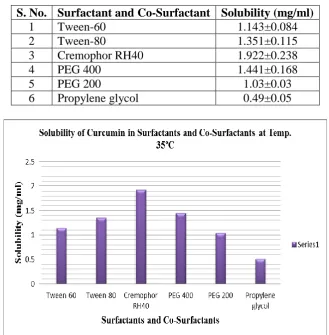
UV spectroscopy determined the concentration of curcumin in various oils, surfactants, and
co-surfactants at room temperature, and results are shown in Tables 5.2, 5.3 and Figs. 5.1, 5.2
respectively.
Table 1.4: Solubility of Curcumin in Various Oils.
S. No. Oil Solubility (mg/ml)
1 Soya bean oil 0.142±0.016
2 Paraffin oil 0.124±0.015
3 Peanut oil 0.257±0.023
4 Ethyl Oleate 0.366±0.033
5 castor oil 0.50±0.05
www.wjpr.net Vol 7, Issue 15, 2018. 461 Fig. 1.5: Solubility of Curcumin in Various Oils.
Table 1.5: Solubility of Curcumin in Various Surfactants and Co-Surfactants.
S. No. Surfactant and Co-Surfactant Solubility (mg/ml)
1 Tween-60 1.143±0.084
2 Tween-80 1.351±0.115
3 Cremophor RH40 1.922±0.238
4 PEG 400 1.441±0.168
5 PEG 200 1.03±0.03
6 Propylene glycol 0.49±0.05
[image:17.595.132.462.396.732.2]www.wjpr.net Vol 7, Issue 15, 2018. 462 Discussion: From the results of solubility study of curcumin in different oils, surfactants and
cosurfactant, it was found that curcumin was more soluble in Oleic acid, ethyl oleate,
cremophor RH40, Tween 80and PEG 400 than other vehicles. Hence Oleic acid was selected
as oil, and from Tween 80, Propylene glycol, cremophor RH40 and PEG 400 might be
chosen as surfactant and co-surfactant after screening their emulsification ability with Oleic
acid so that optimal SMEDDS will be formed with improved drug loading capabilities.
6.3. Compatibility Studies: FTIR
[image:18.595.94.504.250.541.2]IR Spectrum of Microemulsion Based Gel Formulation of Curcumin.
Fig. 1.7: IR Spectrum of MBG Formulation of Curcumin.
6.4. Analytical Method Development
Calibration Curve of Curcumin by UV Spectrophotometric Method
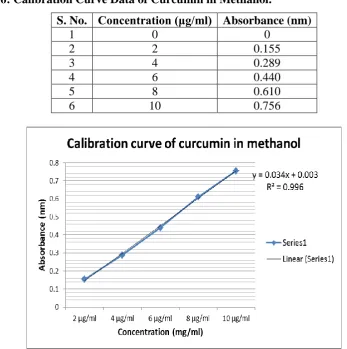
Table 5.5 and Fig. 5.12 represent the absorbance data and standard plot of curcumin in
methanol respectively. Beer-Lambert’s law was obeyed over the range of 1-8 μg/ml, and the
data was found to fit the equation.
y = 0.034x + 0.003
www.wjpr.net Vol 7, Issue 15, 2018. 463 Table 1.6: Calibration Curve Data of Curcumin in Methanol.
S. No. Concentration (μg/ml) Absorbance (nm)
1 0 0
2 2 0.155
3 4 0.289
4 6 0.440
5 8 0.610
6 10 0.756
Fig. 1.8: Standard Curve of Curcumin in Methanol.
[image:19.595.138.462.491.719.2]6.5. Globule Size And Zeta Potential Determination
www.wjpr.net Vol 7, Issue 15, 2018. 464 Fig. 1.10: Zeta Potential Curve of Curcumin Microemulsion.
Table 1.7: Results of Optimized Microemulsion Gel Batch.
Atch pH Viscosity (cps)
Globule Size (nm)
Zeta Potential
(Mv)
Poly Dispersity Index (PDI)
% Drug Content
% Transmittance
F1 6.36 70.46 85.90 -7.36 0.126 91.25 97.36±0.13
F2 6.19 74.24 89.5 -7.3 0.113 93.12 96.05±0.48
F3 6.45 67.92 82.90 -10.7 0.245 94.52 98.42±0.72
F4 6.58 80.60 80.0 +2.05 1.036 89.67 97.84±0.06
F5 6.25 71.95 98.2 -11.86 0.168 85.34 96.29±0.28
F6 6.72 68.83 104 +2.74 2.051 90.54 95.67±0.34
7. SUMMARY AND CONCLUSION
7.1. Summary
A preliminary comparative study not reported in this paper was used for selection of
appropriate oil and surfactant, which would aid comparative study of curcumin in the dosage
form and allow for retaining the drug in solution even after dilution with water.
Since the transdermal transport of a drug involves interactions among solubility, partition,
and diffusion processes, in the present study relationships between the vehicle composition
and curcumin solubility were investigated. The solubility of curcumin in the various polymer,
oils, surfactants, and co-surfactants was studied to determine the optimal components as a
vehicle for transdermal delivery. Different oils including castor oil, oleic acid.
A microemulsion gel formulation comprising of carbopol 934, HPMC, and water was
www.wjpr.net Vol 7, Issue 15, 2018. 465 fungal skin infections. Although, the gel preparation was more effective in vitro drug release
as an antifungal agent than the normal skin cream.
Curcumin was identified and characterized as per requirements of an official monograph
(Herbal Pharrmacopoeia, 2002). The λmax was obtained at 425 nm. IR spectroscopy also
identified the drug. The IR spectrum of drug sample was found to agree with the standard IR
spectra of pure drug given in the official monographs. A calibration curve of curcumin was
prepared in methanol in the concentration range of 2-10 μg/ml by measuring absorbance at
425 nm. The correlation coefficient of the calibration curve was found to be 0.996 indicating
good linearity.
A series of microemulsion gel were prepared in the formula with varying concentrations of
castor oil, HPMCC, carbopol 934 and PEG. Droplet size distribution of suitably diluted MBG
formulation with water was determined using Photon correlation spectrometer. The zeta
potentials of the optimized formulation were less than -11 mV, indicating excellent stability.
Polydispersity index below 0.11 indicates good uniformity in the droplet size distribution
after dilution with water.
1 ml of MBG was dissolved in excess methanol, and curcumin content in the extract was
analyzed spectrophotometrically (UV spectrophotometer) at 425nm. Drug content of various
formulations was found to be in the range of 89.67 - 94.52%.
7.2. CONCLUSION
A microemulsion prepared was clear, stable, isotropic mixtures of oil, water and surfactant,
frequently in combination with a co-surfactant. Formulating Curcumin as a microemulsion
was found to be useful for transdermal application with sufficient drug loading and drug
release profiles. Also, it was found to serve the purpose improves solubility and gel-based
microemulsion would cater to need of patient compliance.
8. REFERENCE
1. Ansel H.C., Allen L. V., and Popovich, N G., Pharmaceutical Dosage Forms and Drug
Delivery Systems, Lippincott Williams and Wilkins, New York, Edition, 1999; 7.
2. Arbiser J.L., Klauber N, Rohan R, van Leeuwen R, Huang MT, Fisher C, Flynn E, Byers
www.wjpr.net Vol 7, Issue 15, 2018. 466 3. Joshi B., Emulgel; A Comprehensive Review on the Recent Advances in Topical Drug
Delivery. International Research Journal of Pharmacy, 2011; 2(11): 66-70.
4. Lapasin R, Grassi M, Coceani N., Effects of polymer addition on the rheology of o/w
microemulsions, Rheol Acta, 2001; 40: 185-192.
5. Patel C, Tyagi S, Gupta A, Sharma P and Potdar M., Microemulsion based gel: A
Combination of emulsion and gel. Journal of drug discovery and therapeutics, 2013; 1(6):
57- 61.
6. Patel R. R., Patel Z. K, Patel K. R., and Patel M. R., Micro Emulsion-Based Gel: Recent
Expansions For Topical Drug Delivery System, Journal of Medical Pharmaceutical And
Allied Sciences, 2014; 8-12.
7. Shah N., S., and Chauhan S., Formulation Design and Characterization of Microemulsion
Based System for Topical Delivery of Antipsoriatic Drug, WJPPS, 2014; 3(2): 1465.
8. Singh, D. and Ranga, S., A review of self-emulsifying drug delivery system: promising
approach to enhance bioavailability. Journal of Drug Discovery and Therapeutics, 2014;
2(17): 1-12.
9. Singh V, Appala RS, Ahmad. R, Singh M., Microemulsions as Promising Delivery
Systems: A Review, Indian Journal of Pharmaceutical Education and Research. 2011;
45(4): 12-23.
10.Thaloor D., Singh A.K., Sidhu G.S., Prasad P.V., Kleinman H.K., Maheshwari R.K.,
Inhibition of angiogenic differentiation of human umbilical vein endothelial cells by
curcumin. Cell Growth and Differentiation, 1998; 09: 305–312.
11.Weir NM, Selvendiran K, Kutala VK, Tong L, Vishwanath S, Rajaram M, Tridandapani
S, Anant S, Kuppusamy P Curcumin induces G(2)/M arrest and apoptosis in
cisplatin-resistant human ovarian cancer cells by modulating Akt and p38 MAPK. Cancer Biol