GRAM POSITIVE BACTERIAL ISOLATES FROM SELECTED FRESH VEGETABLES
1,*
Kayode,
1
Department of Microbiology, Adekunle Ajasin University, Akungba
2
Department of Microbiology, Federal University of Agriculture, Abeokuta, P.M.B. 2240, Ogun S
ARTICLE INFO ABSTRACT
Three vegetables,
(Cucumber) were purchased from various markets in Ondo State (Akungba, Ikare, Ore, Akure and Owo), Nigeria and examined to determine their level of bacterial contamination and safety for human consumption. In this research, gram positive bacteria were iso
bacterial isolates were tested for antibiotic susceptibility. The Gram positive bacterial isolates from the vegetables include
faecalis Bacillus cereus
selected vegetables, cabbage had the highest bacterial levels with total vi while cucumber had the lowest with about 74 x 10
while all the isolates were resistant to augmentin except are antibiotic
food safety concern. However, with increasing discoveries of microbial contamination of fresh vegetables, consumers need to be aware of the potential risk involved with the
specifically in immune compromised individuals.
Copyright © 2018, Kayode et al. This is an open access article distributed under the Creative Commons Attribution License, which permits unrestricted use, distribution, and reproduction in any medium, provided the original work is properly cited.
INTRODUCTION
Vegetables are plants consumed in small amount and considered as side dish or relish with solid food in south western part of Nigeria. Their popularity grow with the belief that they give hundred percent nutrient in the body. As a result, fresh vegetables are common in Nigerian markets and sellers work hard to keep the freshness optimum for buyers. One method commonly used in preserving these produce is sprinkling with water. Although sprinkling vegetables with water is found ideal by sellers, there are hig
contamination by microorganism. Contamination may be direct or indirect. Direct contamination relates with the handlers (buyers and sellers). Touching of the produce with dirty hands or exposing of produce to flies are typical examples of direct contamination. The unhealthy surroundings of the market may lead to indirect contamination. Very dirty environment may create huge microbial loads on produce. Consequently, fresh vegetables with huge loads of microbial contaminants may begin to spoil so soon if not sold. However, adequate cleaning processes can reduce the microbial load
*Corresponding author: Kayode, S. J.
Department of Microbiology, Adekunle Ajasin University, Akungba PMB 001 Ondo State, Nigeria.
ISSN: 0975-833X
International
Vol.
Article History:
Received 11th November, 2017
Received in revised form 21st December, 2017 Accepted 06th January, 2018
Published online 28th February, 2018
Citation: Kayode, S. J., Adebayo. O. S. and Babalola, M. O.
International Journal of Current Research, 10, (02), 652
Key words: Vegetables, Bacteria, Contamination, Antibiotics, Resistance, Susceptibility.
RESEARCH ARTICLE
GRAM POSITIVE BACTERIAL ISOLATES FROM SELECTED FRESH VEGETABLES
IN ONDO STATE, NIGERIA
, S. J.,
2Adebayo. O. S. and
1Babalola, M. O
Microbiology, Adekunle Ajasin University, Akungba-Akoko PMB 001 Ondo State, Nigeria
Department of Microbiology, Federal University of Agriculture, Abeokuta, P.M.B. 2240, Ogun S
ABSTRACT
Three vegetables, Brassica oleracea (cabbage), Lactuca sativa
(Cucumber) were purchased from various markets in Ondo State (Akungba, Ikare, Ore, Akure and Owo), Nigeria and examined to determine their level of bacterial contamination and safety for human consumption. In this research, gram positive bacteria were isolated from these vegetables and the bacterial isolates were tested for antibiotic susceptibility. The Gram positive bacterial isolates from the vegetables include Brevibacillus laterosporus and Lactobacillus spp
faecalis, Bacillus licheniformis, Staphylococcus condimenti, and Bacillus cereus, Staphylococcus aureus, and Streptococcus faecalis selected vegetables, cabbage had the highest bacterial levels with total vi
while cucumber had the lowest with about 74 x 10-4. All the isolates were sensitive to gentamycin
while all the isolates were resistant to augmentin except Bacillus cereus
are antibiotic-resistant and may likely transfer the resistance gene in natural habitat, this constitute a food safety concern. However, with increasing discoveries of microbial contamination of fresh vegetables, consumers need to be aware of the potential risk involved with the
specifically in immune compromised individuals.
This is an open access article distributed under the Creative Commons Attribution License, which permits unrestricted use, distribution, and reproduction in any medium, provided the original work is properly cited.
Vegetables are plants consumed in small amount and considered as side dish or relish with solid food in south western part of Nigeria. Their popularity grow with the belief that they give hundred percent nutrient in the body. As a result, are common in Nigerian markets and sellers work hard to keep the freshness optimum for buyers. One method commonly used in preserving these produce is Although sprinkling vegetables with water is found ideal by sellers, there are high possibilities of contamination by microorganism. Contamination may be direct or indirect. Direct contamination relates with the handlers (buyers and sellers). Touching of the produce with dirty hands or exposing of produce to flies are typical f direct contamination. The unhealthy surroundings of the market may lead to indirect contamination. Very dirty environment may create huge microbial loads on produce. Consequently, fresh vegetables with huge loads of microbial oil so soon if not sold. However, adequate cleaning processes can reduce the microbial load
Department of Microbiology, Adekunle Ajasin University, Akungba-Akoko
(Schwab et al., 2008). Apparently, various studies have shown presence of spoilage microorganisms in fruits and vegetables. This is as a result of poor pre
practices (Sperber et al., 2009). One major pre of contamination is irrigating with
allows foodborne pathogens on the vegetables. Likewise, using raw animal manure as fertilizer can increase the possibilities of the vegetables being contaminated. There are reports indicating the presence of foodborne pathogens in
common isolates includes Listeria monocytogenes, Salmonella
and Escherichia coli. Gastrointestinal organisms mostly enteric
pathogens have also been found on various produce including lettuce, cabbage and tomatoes (Obieze
introduction of safety
concept-point (HACCP), microbial contamination in vegetables may be reduced however, cases of food poison
spoilage are continually increasing (Meng
continuous improvement in preservation will limit the tendencies of contamination as vegetables are consumed without heat treatment. Generally, washing procedures result in a one or two logs reduction in microbial counts. The efficacy of various disinfectants and sanitizing methods varies greatly. This depends on the fruit and vegetable surface, type of microorganism, physiological stage and environmental
International Journal of Current Research
Vol. 10, Issue, 02, pp.65296-65302, February, 2018
S. and Babalola, M. O. 2018. “Gram positive bacterial isolates from selected fresh vegetables in Ondo state, Nigeria
65296-65302.
Available online at http://www.journalcra.com
z
GRAM POSITIVE BACTERIAL ISOLATES FROM SELECTED FRESH VEGETABLES
O.
Akoko PMB 001 Ondo State, Nigeria
Department of Microbiology, Federal University of Agriculture, Abeokuta, P.M.B. 2240, Ogun State, Nigeria
Lactuca sativa (lettuce), and Cucumis sativus (Cucumber) were purchased from various markets in Ondo State (Akungba, Ikare, Ore, Akure and Owo), Nigeria and examined to determine their level of bacterial contamination and safety for human lated from these vegetables and the bacterial isolates were tested for antibiotic susceptibility. The Gram positive bacterial isolates from the Lactobacillus spp from cabbage, Enterococcus , and Bacillus lentus from lettuce, and Streptococcus faecalis from cucumber. Out of the three selected vegetables, cabbage had the highest bacterial levels with total viable count of about 155 x 10-4
. All the isolates were sensitive to gentamycin Bacillus cereus. Since some of these bacteria t and may likely transfer the resistance gene in natural habitat, this constitute a food safety concern. However, with increasing discoveries of microbial contamination of fresh vegetables, consumers need to be aware of the potential risk involved with their consumption
This is an open access article distributed under the Creative Commons Attribution License, which permits unrestricted use,
Apparently, various studies have shown presence of spoilage microorganisms in fruits and vegetables. This is as a result of poor pre-harvest and post-harvest ., 2009). One major pre-harvest source of contamination is irrigating with poor-quality water. This allows foodborne pathogens on the vegetables. Likewise, using raw animal manure as fertilizer can increase the possibilities of the vegetables being contaminated. There are reports indicating the presence of foodborne pathogens in raw vegetables. The
Listeria monocytogenes, Salmonella,
. Gastrointestinal organisms mostly enteric pathogens have also been found on various produce including lettuce, cabbage and tomatoes (Obieze et al., 2011). With the - hazard analysis critical control point (HACCP), microbial contamination in vegetables may be reduced however, cases of food poison-ing, intoxication, and spoilage are continually increasing (Meng et al., 2002). Also, continuous improvement in preservation will limit the tendencies of contamination as vegetables are consumed without heat treatment. Generally, washing procedures result in a one or two logs reduction in microbial counts. The fectants and sanitizing methods varies greatly. This depends on the fruit and vegetable surface, type of microorganism, physiological stage and environmental
INTERNATIONAL JOURNAL OF CURRENT RESEARCH
stress conditions (Beuchat, 1998). In Nigeria, information on microbial food safety is limited. There are very few reports explaining the microbial quality of fresh produce. In Calabar, a report indicated the prevalence of foodborne pathogens on these produce (Obieze et al., 2011). However, as the scope of this study is focus on fresh vegetables in Ondo State, this finding is bound to enlighten consumers of salad vegetables (cucumber, lettuce, and cabbage) that may have developed running stomach or dysentery after consuming these produce, to understand that it is as a result of microbial contamination due to poor food hygiene practices either at the markets where these fresh vegetables were bought, or even at home before they are been consumed.
Furthermore, this study aims at educating both the sellers and consumers of fresh vegetables to be cautious of the storage process that these vegetables are subjected to, as well as the environment where they are being sold should be strictly cleaned and sanitized. Particularly, much attention is focused on antibiotics that may be used whenever microbial contaminated vegetables are being consumed, as ignorance to the type of antibiotics used may cause greater havoc to the body. In essence, this study of bacteriological quality aims at examining the potential of bacterial contamination of fresh vegetables mostly sold in various markets in Ondo State and to determine their safety for human consumption.
MATERIALS AND METHODS
Sample Collection
The vegetable samples numbering three (each sample from three markets was mixed together) were bought from three different markets namely: Owo, Ikare, and Akungba (Cucumber and cabbage), Akure, Ore, and Owo (Lettuce) mar-kets respectively. The samples were collected inside a sterile polythene bags and were transported to the Microbiology laboratory of Adekunle Ajasin University, Akungba Akoko for Microbiological analysis.
Microbiological Analysis of the Samples
Gram positive bacteria were isolated from the fresh vegetables according to the method of Obieze et al., 2011. The vegetables were aseptically cuts into bits using a sterile knife. Ten grams (10g) of each vegetable were dispensed into 90ml of sterile distilled water inside a beaker and shaken at room temperature. This stock solution was serially diluted in sterile distilled water to 10-5. Inoculum (1ml) was taken from 10-2 and 10-4 dilutions
respectively to seed sterile plates of nutrient agar, all in replicates and labeled. An uninoculated plate was included as a control for the nutrient agar (NA). The nutrient agar plates were then incubated at 370C for 48hrs. Combinations of cultural characteristics, cellular morphology, and biochemical characterization were employed in identifying the isolates (Barrow et al., 1993). After 48hours of incubation, the NA plates were carefully examined for visible growth. The resultant colonies were counted and the cultural characteristics were carefully studied and recorded. Preparation of pure culture was done by preparing a fresh medium of tryptic soy agar (TSA). For each of the distinct colonies formed, sterile inoculation loop was used to streak the colonies on the sterile plates of the fresh medium and incubation was done at 370C for 24hours. The colonies were selected in a way that separate colonies, were picked up to avoid picking more than one colonies at a time. Inoculating loop was flamed red hot to become sterilized and swung for 20s to allow for cooling before use. The purified isolates were then sub-cultured into sterile TSA slants for further studies. The cellular morphology of the pure isolates were determined by gram staining and recorded. All isolates were preserved and maintained on NA for further characterization and full identification.
RESULTS
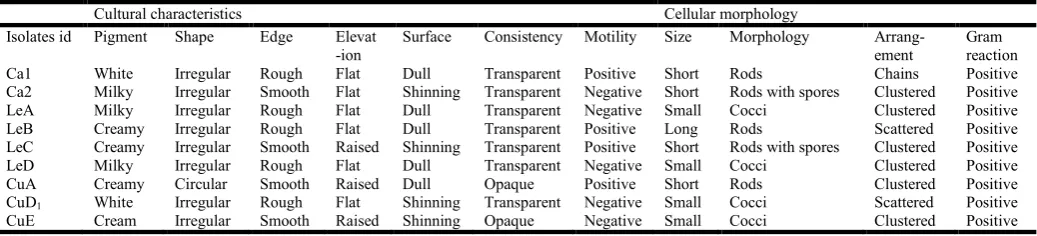
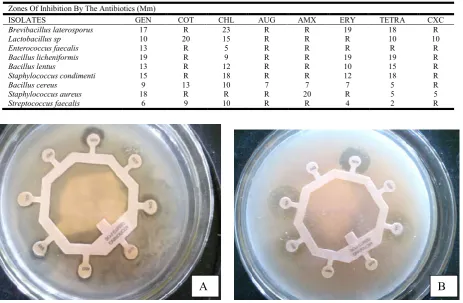
[image:2.595.41.560.655.773.2]All isolates have diverse cellular characteristics and cellular morphologies as shown in Table 1. The microscopic view shows that most isolates have irregular shape. Cultural characteristics such as edge, surface and motility are evenly distributed among the isolates. The biochemical characterization results in Table 2 show that all the isolates metabolized glucose except CuE. Similarly, all the isolates metabolized citrate except LeC and all isolates metabolized lactose except LeA and LeC. The predominant bacteria from the samples were Bacillus species and Staphylococcus species. Antibiotics such as GEN (Gentamycin), COT (Cotrimoxazole), CHL (Chloramphenicol), AUG (Augmentin), AMX (Amoxillin), ERY (Erythromycin), TETRA (Tetracycline) and CXC (Cloxacillin) were tested against all the isolates for susceptibility. All isolates were sensitive to GEN and all isolates were sensitive to CHL except CuD1. Also, all isolates were resistant to AUG except CuA,and all isolates were resistant to AMX except CuA and CuD1, while, CuA is sensitive to all the antibiotics except CXC (Table 3). The number of isolate susceptible or resistant to each antibiotics can be seen graphically in Figure 6.
Table 1. Cultural Characteristics and Cellular Morphology of Gram Positive Bacterial Isolates from Cabbage, Lettuce and Cucumber
Cultural characteristics Cellular morphology
Isolates id Pigment Shape Edge Elevat -ion
Surface Consistency Motility Size Morphology Arrang-ement
Gram reaction Ca1 White Irregular Rough Flat Dull Transparent Positive Short Rods Chains Positive Ca2 Milky Irregular Smooth Flat Shinning Transparent Negative Short Rods with spores Clustered Positive LeA Milky Irregular Rough Flat Dull Transparent Negative Small Cocci Clustered Positive LeB Creamy Irregular Rough Flat Dull Transparent Positive Long Rods Scattered Positive LeC Creamy Irregular Smooth Raised Shinning Transparent Positive Short Rods with spores Clustered Positive LeD Milky Irregular Rough Flat Dull Transparent Negative Small Cocci Clustered Positive CuA Creamy Circular Smooth Raised Dull Opaque Positive Short Rods Clustered Positive CuD1 White Irregular Rough Flat Shinning Transparent Negative Small Cocci Scattered Positive
Table 2. Chemical characterization and probable identities of gram positive bacterial isolates from cabbage, lettuce and cucumber
Isolates id
Catalase Coagulase Methyl red
Voges proskauer
Indole Citrate H2s Glucose Lactose Oxidase Urease Probable identity
Ca1 +ve -ve +ve -ve +ve +ve +ve +ve +ve -ve -ve Brevibacillus laterosporus
Ca2 -ve -ve -ve +ve +ve +ve -ve +ve +ve -ve +ve Lactobacillus sp
LeA -ve +ve +ve -ve +ve +ve -ve +ve -ve -ve +ve Enterococcus faecalis
LeB +ve -ve -ve +ve -ve +ve +ve +ve +ve -ve -ve Bacillus licheniformis
LeC +ve -ve +ve -ve -ve -ve +ve +ve -ve +ve -ve Bacillus lentus
LeD +ve +ve -ve +ve +ve +ve -ve +ve +ve -ve -ve Staphylococcus condimenti
CuA +ve -ve -ve +ve +ve +ve +ve +ve +ve +ve -ve Bacillus cereus
CuD1 +ve +ve -ve -ve -ve +ve +ve +ve +ve -ve -ve Staphylococcus aureus
[image:3.595.68.532.207.510.2]CuE -ve -ve -ve -ve -ve +ve -ve -ve +ve -ve -ve Streptococcus faecalis
Table 3. Antibiotic susceptibility profile of the gram positive bacterial isolates
Zones Of Inhibition By The Antibiotics (Mm)
ISOLATES GEN COT CHL AUG AMX ERY TETRA CXC
Brevibacillus laterosporus 17 R 23 R R 19 18 R
Lactobacillus sp 10 20 15 R R R 10 10
Enterococcus faecalis 13 R 5 R R R R R
Bacillus licheniformis 19 R 9 R R 19 19 R
Bacillus lentus 13 R 12 R R 10 15 R
Staphylococcus condimenti 15 R 18 R R 12 18 R
Bacillus cereus 9 13 10 7 7 7 5 R
Staphylococcus aureus 18 R R R 20 R 5 5
Streptococcus faecalis 6 9 10 R R 4 2 R
Figure 1. (A) Antibiotic susceptibility result of Bacillus cereus (B) Antibiotic susceptibility result of Bacillus lentus
Figure 2. (C) Antibiotic susceptibility result of Brevibacillus laterosporus (D) Antibiotic susceptibility result of Lactobacillus sp
A
B
C
D
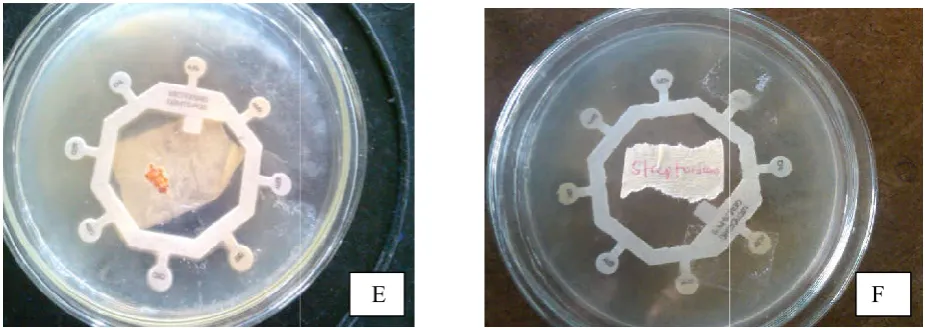
[image:3.595.66.534.554.734.2]Figure 3 (E) Antibiotic susceptibility result of
Figure 4 (G) Antibiotic susceptibility result of
[image:4.595.65.528.52.216.2]Figure 5 (I) Antibiotic susceptibility result of
Figure 6
0 2 4 6 8 10
GEN CHL
No
of Isolat
e
(E) Antibiotic susceptibility result of Staphylococcus aureus (F) Antibiotic susceptibility result of
(G) Antibiotic susceptibility result of Enterococcus faecalis (H) Antibiotic susceptibility result of
[image:4.595.72.523.246.396.2](I) Antibiotic susceptibility result of Staphylococcus condiment
Figure 6. Isolate reaction to selected antibiotics
CHL TETRA ERY COT AMX CXC
Antibiotics
Isolate susceptible Isolate resistant
I
E
G
(F) Antibiotic susceptibility result of Streptococcus faecalis
(H) Antibiotic susceptibility result of Bacillus licheniformis
condiment
AUG
F
[image:4.595.190.405.427.581.2] [image:4.595.86.509.600.779.2]DISCUSSION
This study shows various gram positive bacterial isolates from selected fresh vegetables; Cabbage, Lettuce, and Cucumber. All samples from each of the selected markets have one or more bacterial isolates. Previous report on microbial contaminant of salad vegetables in Abuja Municipal Area Council have shown that fresh vegetables mostly those used in salad mixtures, have been linked to food poisoning and have been proven to be detrimental to consumer’s health (Aboh et al., 2010). This is because they have loads of pathogenic microorganisms that produce poisonous toxins. When consumed, these toxins gradually affect the immune system and sometimes may cause inflammation of the human body. The poor practices these produce are subjected to, are fact as they are mostly consumed without proper washing or thermal process (Lund, 1992). Table 1 shows the cultural characteristics and cellular morphology of the bacterial isolates from the selected vegetables. Most of the organisms were creamy on plate; some were milky while others were whitish. Also, most of the isolates were non-motile on the culture plate and have flat elevation with few being motile and raised. The surface of some of the isolates were shinning while some were dull. In addition, most of the isolates have transparency consistency with many having rough edges while few were opaque with smooth edges. In the microscopic view of the isolates, many have rod--shaped with spores, and some are cocci while few are ovoid-shaped. All isolates were positive to gram reaction. Table 2 shows the biochemical characterization and the probable identities of the isolates. The bacterial isolates from cabbage obtained from the markets include; Brevibacillus
laterosporus, and Lactobacillus sp. Isolates from lettuce
include; Enterococcus faecalis, Bacillus licheniformis, Bacillus
lentus, and Staphylococcus condimenti, While those isolates
from cucumber include; Bacillus cereus, Staphylococcus
aureus, and Streptococcus faecalis. Generally, this study
corroborates the discoveries of Obieze et al. (2011) who reported a number of potential food borne pathogens in a varieties of raw vegetables including tomato, lettuce, and cabbage. Enteric pathogens such as Listeria monocytogenes,
Salmonella and Escherichia coli were isolated which explains
that majority of these salad condiments are contaminated with deadly pathogenic microorganisms. Furthermore, Lynch et al.
(2009) stressed that fresh salad vegetables have emerged as new carriers of infectious disease- this study have proved it right beyond measure that majority of the isolates have been associated with bacterial contamination, and have been linked with many gastrointestinal diseases. Moreso, this study correlates the work of Tambekar et al. (2006) who reported that salad vegetables are consumed raw without thermal treatment as a result linked with bacterial contamination. In this report, Staphylococcus condiment that is isolated may not be heat-labile. Further study is recommended.
Sicknesses due to Staphylococcus aureus are caused mainly by pre-formed enterotoxins in food (Hennekinne et al., 2012). Enterotoxins genes are present in some Staphylococcus aureus
therefore their ability to cause poisonings in food. Most cases of infections are as a result of Staphylococcus aureus in vegetables and soup. Recently, Staphylococcus condimenti
have been reportedly isolated in soy sauce mash (Misawa et al., 2015) however, isolation from fresh vegetables (cucumber, cabbage and lettuce) have not been reported. This study have proved its presence in fresh vegetables. Staphylococcal enterotoxins are heat-resistant and can withstand some normal
cooking processes including boiling which makes it difficult to eradicate in fresh vegetables that are minimally processed or not processed at all- therefore in the absence of metabolic active organisms, active toxin can be present (Shimelis et al., 2015). In this study, staphylococcus aureus tested positive against coagulase and most coagulase-positive staphylococci do not grow at refrigeration temperatures, they optimally grow at temperatures between 7°C and 48°C. Larger percentage of people carry Staphylococcus aureus as contaminants of fresh produce from either farm, markets, or during processing by food handlers or consumers (Hennekinne et al., 2012). Also,
Bacillus cereus isolated in this study is an opportunistic
pathogen occasionally associated with infections in humans (Hoffmaster et al., 2006). It has a potential of causing systemic infections which of public health concerns. To understand the pathogenicity for treatment or for developing antimicrobial drugs against it, sequencing its genome is very important and crucial (Wijnands et al., 2006). In addition, Enterococcus
faecalis is an isolate from lettuce in this study and have been
found to be universal commensal colonists of human’s gastrointestinal tract (Lynette et al., 2006). It is ubiquitous as it spreads and persists in the environment. This is because of its natural strength and vigor. Witte (2000) reported its strain transmission to human intestine with foods and water as possible vectors. Girraffa (2002) further explained this with antibiotic resistant strains discovered in raw foods.
Recently, there are growing concerns about the potential advancement of environmental inhabitant of antibiotic resistance in farmland which relate this study. Specifically, resistance genes are horizontally transferred to natural soil bacteria through irrigating with untreated water or application of manures to farmlands. These genes could be transferred back to animals or humans when crops and produce are harvested and consumed (Johnston et al., 2006). While there are documentations of presence and transfer of antibiotic resistance in bacteria linked with animals and foods, there are few or no research as regards resistance profiles of bacteria isolated from raw produce (Van den bogaard et al., 2000). This study has been able to prove resistivity in isolated microorganisms from the vegetables. A few studies measuring the predominance of resistance among isolated gram negative microorganisms in raw produce exist however, there are contradictory results as that from Hamilton-miller and Shah (2001) where they characterized the antibiotic susceptibility of enterobacterial flora of salad vegetables. They found high degree of resistance to ampicillin and cephalosporin. Furthermore, a study conducted by some Finnish discovered that members of the Enterobacteriaceae family isolated from vegetables were all susceptible to the antibiotics studied and there were no identification of multidrug-resistant strains (Prazak et al., 2002). They studied the resistance pattern among Listeria monocytogenes that are isolated from cabbage farms. Their report showed that 98% resistivity of the isolates to at least two drugs and 85% of the isolates were found resistant to penicillin. However, the antibiotic resistivity styles among Enterococcus strains that are cultured from fresh vegetables are not very well understood (Thai et al., 1995).
From this study, the antibiotic sensitivity patterns of the bacterial isolates were shown. Lactobacillus sp was sensitive to GEN, COT, CHL, ERY, TETRA and CXC while
Brevibacillus laterosporus was sensitive to GEN, COT, CHL,
ERY and TETRA. Similarly, Enterococcus faecalis was sensitive to GEN and CHL while Bacillus licheniformis was
sensitive to GEN, CHL, ERY, and TETRA. In addition,
Bacillus lentus was sensitive to GEN, CHL, ERY, and TETRA
while Staphylococcus condimenti was sensitive to GEN, CHL, ERY, and TETRA. Furthermore, Bacillus cereus was sensitive to all the antibiotics except CXC while Staphylococcus aureus
was sensitive to GEN, AMX, TETRA, and CXC. Lastly,
Streptococcus faecalis was sensitive to GEN, COT, CHL, ERY
and TETRA.
Generally, all the isolates were sensitive to GEN and all the isolates were sensitive to CHL except Staphylococcus aureus.
In contrast, all the isolates were resistant to AUG except
Bacillus cereus and all the isolates were resistant to AMX
except Bacillus cereus and Staphylococcus aureus. Also,
Bacillus cereus is sensitive to all the antibiotics except CXC.
Therefore, active drug may be prescribed and be useful for patients that have been infected from microbial contaminated fresh vegetables.
Conclusion
To conclude, lettuce, cucumber and cabbage have been found to be carriers of some gram positive bacteria and present potential sources of the organisms. These organisms were isolated from produce being sold in three different markets from different locations in Ondo State which calls for urgent awareness of the risk involved in consuming these produce. The antibiotics susceptibility results shows the recommended antibiotics that can be used when these contaminated produce are consumed. So far, there is no record in the literature on the isolation of most of the isolates obtained from the fresh vegetables grown in Nigeria. This explains that many of these pathogenic bacteria are emerging from fresh produce in the country therefore, thorough precautions and practices should be followed during processing of these vegetables in order to destroy the microorganisms before they find their way inside the human body.
Acknowledgement
We heartily appreciate Dr. Tony Adesemoye (Assistant professor), Department of Plant Pathology, University of Nebraska-Lincoln, USA, for his professional guidance, advice, expertise and helpful criticism of this manuscript.
REFERENCES
Aboh Mercy Itohan, Oladosu peters and Ibrahim Kolo, 2010. Bacterial contaminant of salad vegetables in Abuja Municipal Area Council, Nigeria, Malaysian Journal of
Microbiology, Vol 7(2) 2011,pp.111-114http://dx.doi.
org/10.21161/mjm.24610; https://doi.org/10.21161/mjm. 24610
Barrow, G.I. and Feltham R.K.A. 1993. Cowan and steel's manual for the identification of medical bacteria. 3rd Edn. Cambridge university press, Cambridge, UK. Pages :331. https://doi.org/10.1017/CBO9780511527104
Beuchat, L.R. 1996. Pathogenic microorganisms associated with fresh produce. J. Food Prot., 59: 204-216. https://doi.org/10.4315/0362-028X-59.2.204
Giraffa, G. 2002. Enterococci from foods. FEMS microbial. Rev., 744: 1- 9
Hamilton-Miller, J. M. T. and S. Shah. 2001. Identity and antibiotic susceptibility of enterobacterial flora of salad
vegetables. Int. J. Antimicrob. Agents, 18:81-83. https://doi. org/10.1016/S0924-8579(01)00353-3
Hennekinne, J.-A., De Buyser, M.-L. and Dragacci, S. 2012. Staphylococcus aureus and its food poisoning toxins: characterization and outbreak investigation. FEMS
Microbiol Rev., 36: 815–836. doi:10.1111/j.1574-6976.
2011.00311.x; https://doi.org/10.1111/j.1574-6976.2011. 00311.x
Hoffmaster, A., Hill, K., Gee, J., Marston, C., De, B., Popovic, T., Sue, D., Wilkins, P., Avashia, S., Drumgoole, R., Helma, C., Ticknor, L., Okinaka, R. and Jackson, J. 2006. "Characterization of Bacillus cereus Isolates Associated with Fatal Pneumonias: Strains Are Closely Related to Bacillus anthracis and Harbor B. anthracis Virulence."
Journal of Clinical Microbiology, Volume 44(9). p.
3352-3360. https://doi.org/10.1128/jcm.00561-06
Johnston, Lynette M. et al. 2006. "A field study of the microbiological quality of fresh produce of domestic and Mexican origin." International Journal of Food
Microbiology, 112.2: 83-95. https://doi.org/10.1016/j.ijfo
odmicro.2006.05.002 PMid:17045687
Lund, B.M. 1992. Ecosystems in vegetable foods. Journal of
Applied Bacteriology, 73: 115-135. https://doi.org/10.1111/
j.1365-2672.1992.tb03631.x
Lynch, M.F., Tauxe, R.V. and Hedberg, C.sW. 2009. The growing burden of foodborne outbreaks due to contaminated fresh produce: risks and opportunities. Epidemiology and Infection. 137:307-315. https://doi.org/ 10.1017/S0950268808001969 PMid:19200406
MacFaddin, J.F. 2000. Biochemical tests for the identification of medical bacterial, 3rd ed. Lippincott Williams and wilkins, Philadelphia, PA. 9: 368-385.
McManus, P.S., Stockwell, V.O., Sudin, G.W. and Jones, A.L. 2002. Antibiotic use in plant agriculture. Annual Review of Phytopathology. 40: 443-465. https://doi.org/10.1146/ anurev.phyto.40.120301.093927 PMid:12147767
Mehmet, E. E. and Aydin, V. 2008. Investigation of the microbial quality of some leafy green vegetables. Journal
of Food Technology, 6: 285-288.
Meng, Doyle and Robinson R.K. 2001. Nutritional value and microbiological safety of fresh fruit juices sold through retail outlets in Qatar. Pakistan. J Nutr., 1:79-81.
Misawa Y, Yoshida A, Okugawa S. and Moriya K. 2015. First reported case of Staphylococcus condimenti infection associated with catheter-related bacteraemia. New
Microbes and New Infections, 3:18-20. doi:10.1016/j.nmni.
2014.10.002. https://doi.org/10.1016/j.nmni.2014.10.002 Obieze, O., K.O., O., C.N., A., B.E., O., A.E., O., B.A. 2011.
Bacteriological Study of Vegetables from Markets of Calabar Cross-River State Southeastern Nigeria. The
Internet Journal of Public Health, Volume 1 Number 2. 10:
55-80
Prazak, A.M., E.A., Murano, I., Mercado and G.R., Acuff. 2002. Antimicrobial resistance of listeria monocytogenes isolated from various cabbage farms and packing sheds in Texas. J. Food Prot., 65: 1796-1799
Sagoo, S.K., Little, C.L., Gillespie, I.A. and Mitchell, R.T. 2003. Microbiological study of ready-to-eat salad vegetables from retail establishments uncovers a national outbreak of Salmonellosis. Journal of Food Protection, 66: 403–409. https://doi.org/10.4315/0362-028X-66.3.403 PMid:12636292
markets. Journal Applied and Environmental
Microbiology, 24: 627-630.
Shimelis Argaw and Mekonnen Addis 2015. A review on staphylococci food toxins. Food Science and Quality Management. www.iiste.org. ISSN 2224-6088 (Paper) ISSN 2225-0557 (Online) Vol.40, 2015
Sperber, W.H., M.P. Doyle (eds.), 2009. Compendium of the Microbiological Spoilage of Foods and Beverages, Food Microbiology and Food Safety, DOI 10.1007/978-1-4419-0826-1_6, C Springer Science+Business Media, LLC. Tambekar, D.H. and Mundhada, R.H. 2006. Bacteriological
quality of salad vegetables sold in Amravati city, India.
Journal of Biological Sciences, 6: 28–30. https://doi.org/
10.3923/jbs.2006.28.30
Thai, L.A., J.W., chow, R., Mahayni, H., Bonilla, M.B., Perri, S., Taber and M.J., Zervos, 1995. Characterization of antimicrobial resistance in enterococci of animal origin. Antimicrobial agents Chemother. 39: 2112-2115. https:// doi.org/10.1128/AAC.39.9.2112
Van den bogaard, A.E. and E.E. Stobberingh, 2000. Epidermiology of resistance to antibiotics links between animals and humans. Int. J. Antimicrobial Agent., 14: 327-335.
Walsh, C. and Fanning, S. 2008. Antimicrobial resistance in foodborne pathogens: a cause of concern? Current Drugs
Targets, 9: 808-815. https://doi.org/10.2174/13894500
8785747761 PMid:18781926
Wijnands, L., Dufrenne, J., Zwietering, M.H. and Leusden, F. 2006. "Spores from mesophilic Bacillus cereus strains germinate better and grow faster in simulated gastro-intestinal conditions than spores from psychrotrophic strains." International Journal of Food Microbiology, 2: 120-128. https://doi.org/10.1016/j.ijfoodmicro.2006.06.015 PMid:16860423
Witte, W. 2000. Ecological impact of antibiotic use in animals on different complex microflora: environment. Int. J.
Antimicrob. Agents, 14: 321-325. https://doi.org/10.1016/
S0924-8579(00)00144-8
Zagory, D. 1999. Effect of post-processing handling and packaging on microbial population. Postharvest Biol.
Technol., 15: 313-321. https://doi.org/10.1016/S0925-5214
(98)00093-3
65302 International Journal of Current Research, Vol. 10, Issue, 02, pp.65296-65302, February, 2018