warwick.ac.uk/lib-publications
A Thesis Submitted for the Degree of PhD at the University of Warwick
Permanent WRAP URL:
http://wrap.warwick.ac.uk/91114
Copyright and reuse:
This thesis is made available online and is protected by original copyright.
Please scroll down to view the document itself.
Please refer to the repository record for this item for information to help you to cite it.
Our policy information is available from the repository home page.
UNSELFISH INCENTIVE SCHEMES.
A TOOL TO INFLUENCE PEOPLES’
PREFERENCES IN ADOPTION AND
DIFFUSION PROCESSES
.
A thesis submitted in partial fulfilment of the requirements
for the degree of:
Doctor of Philosophy (Behavioural Science)
Juan C. Carpio B.
University of Warwick
Warwick Business School
TABLE OF CONTENTS
LIST OF TABLES ... 6
LIST OF FIGURES ... 7
ACKNOWLEDGEMENTS ... 9
DECLARATION OF AUTHORSHIP ... 10
ABSTRACT ... 11
PREFACE ... 13
CHAPTER 1 - LITERATURE REVIEW ... 16
1.1- Traditions in diffusion and adoption research ... 19
1.1.1- Characteristics of the adopters ... 20
1.1.2- Social Influence as a driver of adoption and diffusion ... 26
1.1.3- Innovation characteristics as a driver of adoption and diffusion... 37
1.2- Methodological approaches in diffusion research ... 42
1.3- Behavioural science perspective ... 48
1.4- Research focus ... 54
CHAPTER 2: CUSTOMERS SHARING THEIR LOYALTY REWARDS. A NEW PERSPECTIVE TO INCREASE ENGAGEMENT IN LOYALTY PROGRAMMES. . 55
2.1- Introduction ... 55
2.1.1- Loyalty programmes and incentives ... 60
2.1.2- Unselfish behaviour and the Dictator Game ... 64
2.1.3- Reciprocity in the Dictator Game ... 66
2.1.4- Recipient’s expectations and Dictator Game ... 69
2.2- Experiment 1 ... 77
2.2.1- Method ... 77
2.2.2- Results and Discussion ... 80
2.3- Experiment 2 ... 83
2.3.1- Method ... 83
2.3.2- Results and Discussion ... 93
2.4- Experiment 3 ... 103
2.4.1- Method ... 104
2.4.2- Results and Discussion ... 106
2.5- General Discussion ... 116
CHAPTER 3: STRENGTHENING SELF-CONCEPT BY FULFILLING OTHER’S EXPECTATIONS: A MECHANISM FOR IMPROVING LOYALTY PROGRAMMES ... 120
3.1- Introduction ... 120
3.1.1- Reward size and willingness to give ... 124
3.1.2- Reward framing and willingness to give ... 131
3.1.3- Fears of negative evaluations (FNE) ... 138
3.2- Method ... 139
3.2.1- Participants and Data Collection ... 139
3.2.2- Experimental design and variables ... 140
3.2.3- Procedure ... 142
3.2.3- Analytical strategy... 144
3.3.1- First choice preferences modelling ... 149
3.3.2- Scheme rankings and Reward Amount ... 165
3.3.3- Reward Amount and Expectations about Friend’s Reactions ... 170
3.3.4- Scheme rankings and Reward Framing ... 172
3.3.5- Reward Framing and Expectations about Friends’ Reactions ... 176
3.3.6- Interaction between “Reward Amount” and “Reward Framing” ... 176
3.3.7- Fear of Negative Evaluations (FNE) ... 177
3.3.8- Expectations about Friends’ Reaction in general ... 181
3.3.9- Income and schemes’ preferences ... 182
4- Discussion ... 185
CHAPTER 4- CONCLUSIONS ... 194
4.1 - Theoretical Contributions ... 198
4.2- Practical Implications ... 200
4.3- Limitations and Suggestions for Future Research ... 202
REFERENCES ... 206
APPENDICES ... 219
Appendix 1: General Instructions – Experiment 1. ... 220
Appendix 2: Scenario Description – Experiment 1. ... 220
Appendix 3: Reciprocity Condition – Experiment 1. ... 221
Appendix 4: No Reciprocity Condition – Experiment 1. ... 221
Appendix 5: No Awareness Condition – Experiment 1. ... 221
Appendix 6: Dependent Variable – Experiment 1. ... 222
Appendix 8: Third Part, Scenario Description – Experiment 2 and 3. ... 223
Appendix 9: Pairwise Comparisons Format – Experiment 2 and 3. ... 223
Appendix 10: Introduction Stage 2– Experiment 2. ... 224
Appendix 11: General Introductions – Experiment 3. ... 224
Appendix 12: Scenario Description – Experiment 3. ... 225
Appendix 13: Second Part, Scenario Description – Experiment 3... 225
Appendix 14: General Instructions – Experiment 4. ... 226
Appendix 15: Instrumental Manipulation Checks – Experiment 4. ... 226
Appendix 16: Scenario Description – Experiment 4. ... 227
Appendix 17: Second Part, Scenario Description – Experiment 4... 227
Appendix 18: “Selfish” Scheme Message – Experiment 4. ... 228
Appendix 19: Message for condition £5 Reward / Cash Framing / 1 Recipient – Experiment 4. ... 228
Appendix 20: Message for condition £5 Reward / Cash Framing / 2 Recipients – Experiment 4. ... 229
Appendix 21: Message for condition £5 Reward / Product Framing / 1 Recipient – Experiment 4. ... 229
Appendix 22: Message for condition £5 Reward / Product Framing / 2 Recipients – Experiment 4. ... 230
Appendix 23: Message for condition £2 Reward / Cash Framing / 1 Recipient – Experiment 4. ... 230
Appendix 25: Message for condition £2 Reward / Product Framing /
1 Recipient – Experiment 4. ... 231
Appendix 26: Message for condition £2 Reward / Product Framing / 2 Recipients – Experiment 4. ... 232
Appendix 27: Dependent Variable Format (Scheme rank) – Experiment 4. ... 232
Appendix 28: Measure of Expectations Instructions – Experiment 4. ... 233
Appendix 29: Example, measure of expectations about sharing the reward with only “One Friend” – Experiment 4... 233
Appendix 30: Example, measure of expectations about sharing the reward with “Two Friends” – Experiment 4. ... 234
Appendix 31: Fears of Negative Evaluations Scale, Part 1 – Experiment 4. ... 234
Appendix 32: Fears of Negative Evaluations Scale, Part 2 – Experiment 4. ... 235
Appendix 33: Sample explorative figures - Experiment 1. ... 236
Appendix 34: Sample explorative figures - Experiment 2. ... 237
Appendix 35: Sample explorative figures - Experiment 3. ... 238
LIST OF TABLES
Table 1: Model summary ... 90
Table 2: Models comparison, Experiment 2, Stage 1. ... 94
Table 3: Model parameters, Experiment 2, Stage 1. ... 96
Table 4: “Worth” parameters, Experiment 2, Stage 1. ... 96
Table 5: Odds of selecting each scheme compared to the reference group (100% of the reward to the client) – Experiment 2, Stage 1. ... 98
Table 6: Models comparison, Experiment 2, Stage 2. ... 101
Table 7: Model parameters, Experiment 2, Stage 2. ... 102
Table 8: First model comparison, Experiment 3. ... 107
Table 9: Second model comparison, Experiment 3. ... 108
Table 10: Model parameters, Experiment 3. ... 111
Table 11: "Worth" parameters, Experiment 3. ... 113
Table 12: Odds of selecting schemes sharing the reward with one coffee partner over the ones sharing it with 2 people – Experiment 3 ... 115
Table 13: Hypotheses summary -Experiment 4. ... 124
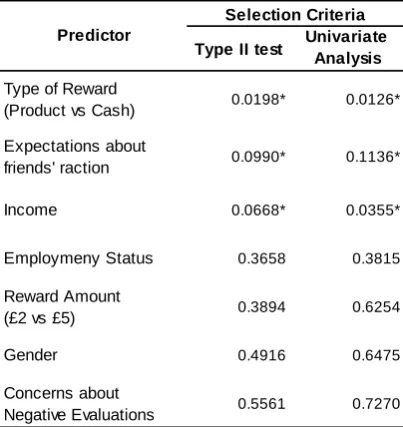
Table 14: p-values from Likelihood Ratio test, calculated based on Type II test and Univariate analyses ... 152
Table 15: Goodness of fit of comparison of different models based on AIC. ... 155
Table 16: Multinomial fit of selected model. ... 156
Table 17: Results summary for the “First choice preference” analysis. ... 164
LIST OF FIGURES
Figure 1: Adopters categories based on Innovativeness (Rogers, 2003). ... 21
Figure 2: Proportion of the reward given away in each experimental condition. ... 82
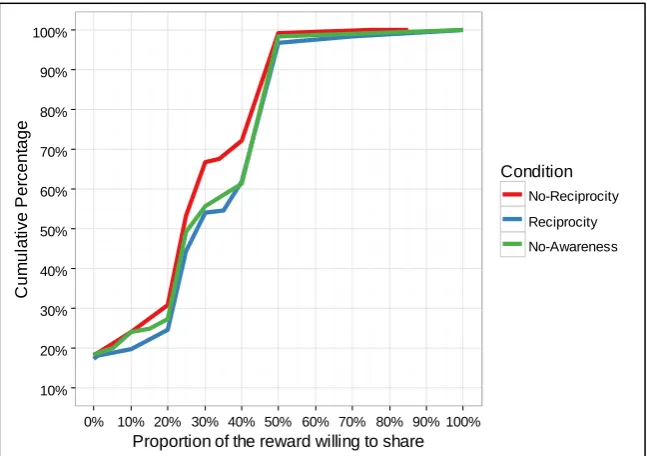
Figure 3: Cumulative distribution of participants’ offers in each experimental condition. ... 82
Figure 4: Incentive schemes Stage 1, Experiment 2. ... 85
Figure 5 :Incentive schemes Stage 2, Experiment 2 ... 87
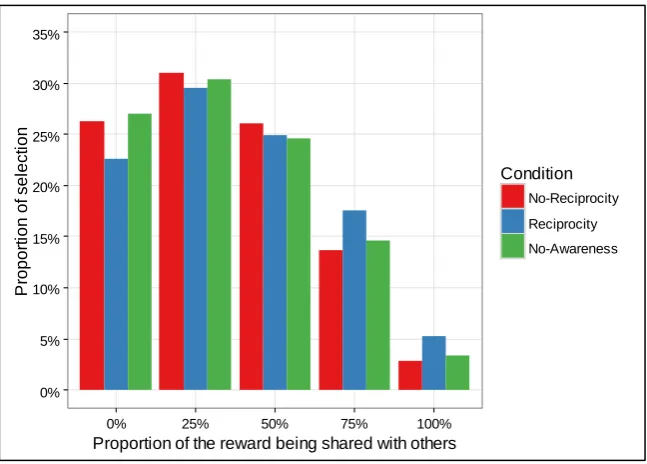
Figure 6: Proportion of participants selecting to share a given proportion of ... 95
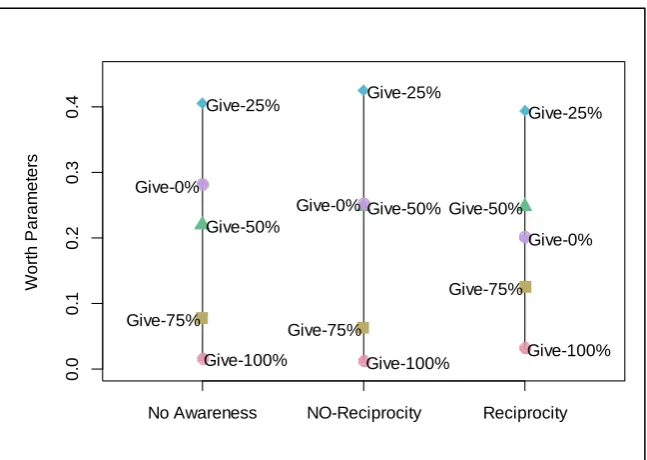
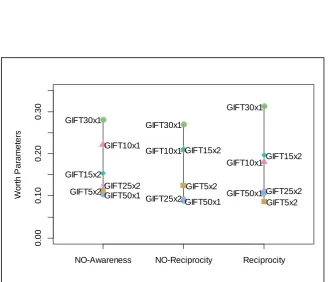
Figure 7: Worth parameters of each loyalty scheme in Experiment 2, comparing the three experimental conditions (possibilities of reciprocity). ... 97
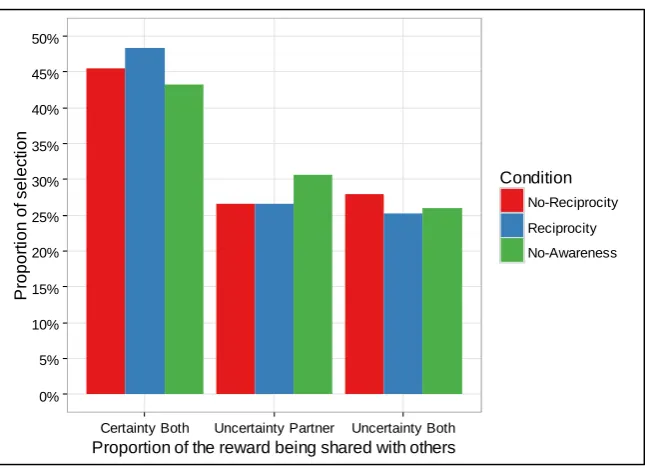
Figure 8: Proportion of selections, with respect to the total number of choices, of schemes with different levels of reward certainty. ... 101
Figure 9: Incentive schemes, Experiment 3. ... 105
Figure 10: Proportion of selections, with respect to the total number of choices, comparing number of coffee partners and experimental condition. ... 109
Figure 11: Proportion of selections, with respect to the total number of choices, comparing number of coffee partners and proportion of the reward being shared with others. ... 110
Figure 12: Worth parameters of each loyalty scheme in Experiment 3, compering the three experimental conditions (possibilities of reciprocity). ... 113
Figure 13: Estimated probabilities of the fitted model keeping “Income” constant, and comparing the “Reward amount” within each group. ... 160
Figure 14: Estimated probabilities of the fitted model keeping “Income” constant and comparing the “Reward Framing” within each group. ... 160
Figure 16: Average ranking of each incentive scheme comparing the “Reward
Amount” based on the expectations about sharing the reward with one friend. .... 168
Figure 17: Average ranking of each incentive scheme comparing the “Reward
Amount” based on the expectations about sharing the reward with two friends. .. 168
Figure 18: Differences between “Reward Amount” and expectations about sharing
the reward with one or two friends. ... 171
Figure 19: Average ranking of each incentive scheme comparing the “Reward
Framing”. ... 172
Figure 20: Average ranking of each incentive scheme comparing the “Reward
Framing” based on the expectations about sharing the reward with one friend. ... 174
Figure 21: Average ranking of each incentive scheme comparing the “Reward
Framing” based on the expectations about sharing the reward with two friends. .. 175
Figure 22: Differences between “Reward Framing” in terms of expectations about
sharing the reward with either one or two friends. ... 176
Figure 23: Differences between “Reward Framing” and “Reward Amount”. ... 177
Figure 24: Mediation Analysis, bootstrap method from Hayes (2013). ... 179
Figure 25: Relationship between age and the Fears of Negative Evaluations scale,
considering Gender. ... 180
Figure 26: Differences between “Genders” in terms of expectations about sharing
the reward with either one or two friends. ... 182
Figure 27: Income categories and schemes’ average rankings. ... 183
ACKNOWLEDGEMENTS
First, I would like to thank my supervisor Nick Chater, for his support, guidance and
encouragement during the PhD journey. I feel really honoured and privileged for the
opportunity he gave me of being part of the Behavioural Science Group at Warwick
Business School.
I would also like to thank the Design Council for partially founding my studies, and
Ed Gardiner, who got me involved into some of the interesting projects performed
by this organisation.
Finally, a huge thank to all my family and friends who support me during this long
journey. Specially to my wife Fernanda, whose unwavering support gave me the
strength to be able to finish my thesis.
DECLARATION OF AUTHORSHIP
This thesis, entitled “UNSELFISH INCENTIVE SCHEMES. A TOOL TO
INFLUENCE PEOPLES’ PREFERENCES IN ADOPTION AND DIFFUSION
PROCESSES”, is submitted to the University of Warwick in support of my
application for the degree of Doctor of Philosophy. I declare that this thesis and the
work presented (including data generated and data analysis) are my own.
Specifically, I confirm that:
This work was done wholly while in candidature for this research degree;
This thesis contains no material which has been accepted for the award of
any other degree or diploma in any university;
The work described in this thesis has not served as material for any
ABSTRACT
It is in the interest of many different types of organisations to encourage the
adoption of specific products or desirable behaviours. Such goal has been
commonly pursued by offering economic incentives to people with the aim of
making the desired action more appealing. This type of strategy is based on
standard economic theory, which assumes that people behave in ways that
maximise only their own economic benefits. However, behavioural scientists have
suggested that people frequently make decisions that go against their own benefit
and are affected by emotions, biases and social preferences, all of which may lead
to the failure of traditional economic incentives. In the present work, prosocial
motives are incorporated into the design of incentive schemes by allowing
participants to give away part of their rewards to relevant peers. We tested whether
such strategy can outperform the traditional “selfish schemes”. Specifically, four
experiments using hypothetical scenarios were performed, in which participants’
preferences were elicited by implementing different methodologies. The main
variables considered in this research are the number of recipients and the
expectations about their reactions, the possibilities of reciprocity, the certainty of the
reward, the size and framing of the reward, and the fear of negative evaluations.
The results show a substantial proportion of the participants favouring the
“unselfish” incentive schemes. Moreover, the expectations about recipients’
reactions were particularly relevant in defining the effectiveness of programmes that
incorporate prosocial motives. Findings also suggest that fulfilling others’
expectations allows people to strengthen their self-concept and maintain a positive
self-image. This research brings a new perspective in the study of adoption and
diffusion processes by incorporating insights and methods from behavioural
that have been neglected in the literature. These results can also contribute to the
understanding of the mechanisms driving prosocial behaviours and inform the
PREFACE
The journey of this research has started with a collaboration between the Design
Council and the Behavioural Science Group at Warwick Business School. The
former is a charity recognised as a leading authority on the use of strategic design,
and it focuses, among other areas, on understanding individuals in order to design
better products and services with a social purpose. On the other hand, the latter is
probably the biggest of its kind in Europe and aims to expand knowledge of
standard economics by incorporating a multidisciplinary approach in which insights
from psychology, cognitive science, neuroscience, and experimental economics,
among other disciplines, are taking into account in order to understand and predict
human behaviour.
One common challenge that the Design Council faces – as well as designers,
marketers, policy makers, and organisations in general – is that more beneficial
and convenient solutions are not necessarily adopted and diffused as intended. It is
therefore of great value to use a scientific understanding of people to encourage the
adoption and diffusion of new practices. Even though decades of research have
approached this topic from numerous perspectives, the methods and insights from
behavioural science have rarely been considered. In the present research, I aim to
contribute to the body of knowledge regarding the adoption and diffusion of products
and behaviours and to provide some practical insights that can be tested in
real-world settings. Specifically, I have decided to focus on how insights from
behavioural science can help to make economic incentives a more effective tool to
influence behaviours. This aspect is particularly relevant because they represent a
widespread strategy used for the purpose of encouraging adoption and diffusion
The plan for the current thesis is to split the research into four sections. The first
section consists of an integrative review of the studies from the main research
traditions regarding the topic of adoption and diffusion processes published during
the last decades. That summary is organised based on three categories that have
been proposed for practical reasons, based on whether the studies were focused
on: 1) Characteristics of the adopters, 2) Social Influence as a driver of adoption
and diffusion, or 3) Innovation characteristics as a driver of adoption and diffusion.
This categorisation provides a succinct and cohesive summary that familiarises the
reader with the topic and positions this research within the current body of
knowledge.
In the second section, a set of three experiments is presented in which participants
have to state their preferences regarding a range of hypothetical incentive schemes.
Some of these schemes allow participants to share a proportion of their reward with
relevant peers, with the purpose of appreciating whether such “prosocial” alternative
would be more appealing to people than the traditional “selfish” schemes. The
possibilities of reciprocity, the number of people with which the reward can be
shared, and the degree of certainty about receiving the reward represent the main
variables manipulated in the experiments. In the third section, a follow-up study is
performed in order to comprehensively explore some of the insights from the initial
experiments by measuring preferences with a different methodology and by
incorporating different variables. In particular, the two variables measured in the
experiment are the role of expectations regarding how others may perceive us after
sharing part of our reward with them and the fears of negative evaluations.
Moreover, the size of the reward and the way in which it is framed are manipulated
in the study. My results suggest, among other insights, that incentives schemes
allowing people to show prosocial behaviours can represent a mechanism for
Finally, in the fourth and last section, the conclusions of the whole thesis are
presented, including the contributions, implications and limitations of the research,
and discussions on how the insights regarding prosocial motives as a driver of
CHAPTER 1 - LITERATURE REVIEW
Why do people decide to buy a new product, start a specific diet or switch to a
different internet provider? The answer to these questions seems very obvious in
principle: people just want to adopt anything that can put them in a better situation.
However, the literature is full of examples where innovations that are obviously
more beneficial are adopted very slowly or not implemented at all (Rogers, 2003).
Even more surprising are the numerous occasions in which innovations are widely
adopted by people despite the conspicuous disadvantages of these inventions to
individuals. Therefore, a very frequent challenge for governments, companies and
organisations is to understand the drivers that motivate people to adopt certain
products or behaviours.
An interesting example that illustrates very clearly the failure to adopt better
innovations is the case of the QWERTY keyboard that we use in computers and
other devices nowadays. The QWERTY keyboard, named after the six first
characters in the upper row of letters, was invented in the nineteenth century and
even though it makes people work much harder than necessary, its use has
persisted. When early typewriters were rapidly and successively striking adjoining
keys in the old machines, the keys used to jam. In an attempt to find a solution,
Christopher Latham Scholes designed the keyboard in an awkward and inefficient
way that we use today in order to slow down typist. Decades later, when QWERTY
design was no longer needed, the Dvorak keyboard was proposed with a more
efficient arrangement, clustering keys according to the frequency of use and the
work assigned to each finger proportional to its skill and strength (Rogers, 2003).
Given the devices used by people today, it is evident that Dvorak never succeeded
A fundamental question is whether cases like the Dvorak’s keyboard in which more
beneficial innovations that are not adopted occur in exceptional circumstances or
instead they represent the norm. Admitting that these kind of phenomena are
commonplace in the real world, as it seems to be, would require firms to focus not
only on creating products and services with greater advantages but also on
understanding the mechanisms that could make their innovations more “sticky”, that
is, more likely to be adopted faster and for longer periods.. Considering that
adoption decisions are ultimately determined by individuals’ preferences; the
present work aims to contribute to the long tradition of research in adoption and
diffusion by exploring some of mechanisms driving people’s decision-making
processes. In particular, we incorporate insights and methods from behavioural
science to show how unselfish motives can represent a strong mechanism affecting
individuals’ preferences that can potentially encourage the adoption of products and
services.
Even though “adoption” and “diffusion” are concepts that are closely related, they
represent different processes. Adoption is understood as an individual process
which involves the mechanisms that encourage a person to acquire a new object or
behaviour. The present work will focus on identifying some of the mechanisms
influencing individual preferences for adopting desirable behaviours. On the other
hand, diffusion represents a wider phenomenon which involves the study of how
innovations are adopted among a group of people over time.
In relation to the definition of “innovation”, the term has been approached and
defined in different ways by a large number of disciplines including business and
management (Freeman & Engel, 2007), economics (Love & Roper, 2004),
organisation studies (Garcia-Morales, Matias-Reche, & Hurtado-Torres, 2008),
(Francis & Bessant, 2005), marketing (Berthon, Mac Hulbert, & Pitt, 2004), among
many others. In the context of the present research, we embrace the broad
definition provided by Rogers, Singhal, and Quinlan (2009), in which innovation is
understood as objects, practices or ideas perceived as new by members of the
social system where the diffusion process is taking place. The studies presented in
the current work approach the adoption of innovations in a very narrow domain.
Specifically, the studies concentrate on individual’s preferences for initiatives
encouraging the adoption of new behaviours in a commercial context. Even though
the scope of the studies is very specific, we strongly believe that the insights and
principles revealed in our results can have theoretical and practical implications in
the wider field of adoption and diffusion.
The following sections present a succinct and cohesive summary of the most
important traditions and methodological approaches in the study of adoption and
diffusion processes. The review offers a general framework to contextualise the
reader with the current body of knowledge in the field, and show how the study of
human decision making and individual preferences represent an important research
opportunity to contribute to the literature focusing on innovation characteristics as a
driver of adoption behaviour. The end of the chapter focuses particularly on how the
use of incentives as a tool to encourage adoption can significantly benefit from
gaining a deeper understanding of the cognitive mechanisms influencing individual
preferences for unselfish actions. The general framework just described represents
and introduction to the set of experiments developed in the rest of the thesis, which
explore the potential effectiveness of unselfish incentive schemes as a tool to
1.1- Traditions in diffusion and adoption research
The study of the adoption and diffusion of innovations started several decades ago.
The research conducted by Ryan and Gross (1943) on the adoption of corn hybrid
seeds among farmers in Iowa is commonly cited as the first formal approach and
probably the most influential research in the study of diffusion of innovations. These
authors were surprised to find that the widespread diffusion of the seed was only
achieved after 12 years, even though the new seed was significantly more beneficial
than those used for previous practices (Rogers et al., 2009). The main contributions
of this pioneering study were identifying the importance of social networks in
diffusion and setting research paradigms that are useful for understanding this
process.
After the mentioned research was performed during the 40’s, the disciplines and the
range of innovations studied increased significantly. By performing a meta-analysis
of the relevant literature, as many as 13 different traditions in the study of diffusion
of innovations were identified by Greenhalgh, Robert, Macfarlane, Bate, and
Kyriakidou (2004), whilst Rogers (2003) summarised up to 9 different areas of
knowledge where studies on this topic have been successively developed. In this
regard, the three most prolific traditions seem to be rural sociology, communication
and marketing.
A detailed exposition of all the topics studied in each tradition goes beyond the
scope of the present analysis (for a review see Greenhalgh et al., 2004; Rogers,
2003). However, I offer below a review of some of the topics most commonly found
in the literature by categorising them based on the elements involved in the diffusion
process that researchers have focused on. Specifically, we have separated the
topics according to those research works that emphasise the characteristic of the
influence. In reality, the different research streams are closely related. Nonetheless,
the categorisation that we have created represent a conceptual framework that aims
to facilitate the review of the current body of knowledge in adoption and diffusion
research and position more clearly the present work within the literature.
1.1.1- Characteristics of the adopters
One apparent observation from the initial studies about diffusion was that some
individuals decided to adopt innovations relatively earlier than other members of the
same social systems. Rogers (2003) defined “innovativeness” as the degree to
which this earliness in adoption characterise people. It involves all the mental,
behavioural, and demographic characteristics associated with consumer willingness
to adopt innovations (Hauser, Tellis, & Griffin, 2006).
Traditional approaches exploring adoption and diffusion processes have put
particular attention on identifying personal characteristics that could make some
people more likely to adopt innovations than others do. In this regard, Rogers
(2003) found that “Innovativeness” represented almost two-thirds of all publications
from a comprehensive review summarising all the different types of diffusion
research commonly found in the literature. This finding shows a great deal of
attention that this topic has attracted in the last few decades.
During the 50’s Everett Rogers, probably the most prominent exponent in the study
of diffusion of innovations, first published a classification of adopters based on the
concept of innovativeness previously mentioned. Even though innovativeness is
understood as a continuum, the author introduced the categories as a conceptual
device to facilitate the identification of adopter types (Rogers, 2003; Rogers et al.,
By realising that the adoption rate typically resembles a normal distribution, Rogers
established 5 categories by lying off standard deviations from the average time of
adoption, as shown in Figure 1. These five categories are as follows: Innovators,
Early Adopters, Early Majority, Late Majority and Laggards; they differ from each
other in the proportion of people they represent from the total population in the
social system and in the characteristics and values that are expected to be
observed within each group.
Figure 1: Adopters categories based on Innovativeness (Rogers, 2003).
Individuals under the categories of “innovators” and “early adopters” are of particular
interest for anyone aiming to get an innovation diffused. In this regard, some
research traditions like marketing have largely focussed on identifying the specific
characteristics and conditions that distinguish the people under these categories
with the aim of targeting them first when trying to spread a product or idea in a given
social system.
When attempting to identify “innovative” people, one common approach has been
consistent in assuming that some individuals are more innovative than others
products or ideas. Therefore, developing methods to measure these characteristics
became an important goal. In this sense, the definition and measures of
innovativeness have been very diverse within the extensive literature regarding the
topic (Roehrich, 2004). Some have understood innovativeness as an innate or
learned openness to novel ideas (Clark & Goldsmith, 2005; Mansori, Sambasivan, &
Md-Sidin, 2015), intentions to adopt new products (Van Ittersum & Feinberg, 2010;
Venkatesh, Morris, Davis, & Davis, 2003), actual ownership and usage of
innovations (Im, Bayus, & Mason, 2003; Im, Mason, & Houston, 2007), relative time
of adoption (Rogers, 2003), or a combination of different approaches that aim to find
convergent validity (Arts, Frambach, & Bijmolt, 2011; Demoulin & Zidda, 2009). Of
course, that heterogeneity when defining and measuring innovativeness has been a
challenge when trying to consistently link people’s characteristics to the actual
adoption of innovations.
In terms of the specific measures of innovativeness, we are not aware of any formal
attempt to synthesise the numerous scales and measures that have been
developed to quantify innovativeness. However, Roehrich (2004) have provided a
broad classification of these type of scales, dividing them into two broad groups: 1)
adoptive innovativeness scales, and 2) life innovativeness scales. The first group
refers to those measures capturing the tendency to adopt products in specific
contexts, whereas the second group involves those factors measuring
innovativeness as a general behaviour. The scales measuring innate
innovativeness have been found to have, in general, low power to predict the
willingness to adopt innovations when focusing on general innovativeness, but the
predictive power seems to improve for scales focusing on domain-specific
In sum, innovativeness as a personality predisposition has been found to be very
inconsistent as a predictor of adoption of innovations. Some authors have found
strong positive relationships between the adoption of innovation and psychological
variables such as innovativeness (Arts et al., 2011; Rogers, 2003). Nonetheless,
other researchers have found no relationships (Im et al., 2003) or only indirect links
between innovativeness and personality traits when incorporating other mediating
variables into their analysis (Im et al., 2007; Mansori et al., 2015).
Apart from personality traits, the second approach that has been implemented when
trying to link people’s characteristics with the tendency to adopt innovations is the
study of socioeconomic variables. Personal characteristics such as age, level of
education and level of income have been often considered because, among other
reasons, they are relatively easy to observe and allow companies and organisations
generally to segment audiences based on these features. Overall, the evidence
suggests that socioeconomic or demographic variables are poor and inconsistent
predictors of adoption behaviour (Arts et al., 2011).
Even though generalisable and systematic evidence has not been found regarding
the relationship between the adoption of innovations and demographic variables,
some interesting insights can be identified in the literature. Early adopters have
been found to have more years of formal education and a higher social status, but
their age seems irrelevant as a criterion for innovativeness (Rogers, 2003).
However, when studying the adoption of electronic products, age, level of income
and other innate consumer traits seems to be a strong predictor of adoption (Arts et
al., 2011; Im et al., 2003). Moreover, demographic variables can be powerful
mediators when building models to predict adoption (Venkatesh et al., 2003). We
can, therefore, conclude that demographic variables may have a limited impact on
specific contexts such as the adoption and diffusion of technology products or when
building multi-caused predicting models.
In summary, even if we consider that some characteristics that are specific to
people (e.g. age and personality traits) may favour some predispositions to be
innovative, it seems clear that other contextual factors should play a role. This is
probably why it is not uncommon to see people showing innovativeness in certain
domains but not in other fields.
The third type of variable that has been studied to predict innovativeness based on
people’s characteristics are the values and beliefs that they hold. The demographic
characteristics and innate traits previously described as a potential predictor of
adoption of innovations can be considered as relatively stable. In contrast, Mansori
et al.(2015) argue that the advantage of approaching values and beliefs as a
predictor of innovativeness is that they may change or evolve as a consequence of
environmental factors. Therefore, values and beliefs associated with adoption of
innovations can be identified and potentially modified.
Some research traditions such as anthropology have shown particular interest in
understanding why and how people’s values and beliefs can facilitate or represent
barriers to the adoption of innovations. By observing participants and getting
immersed into people’s day-to-day activities, researchers aim to understand and
adopt participant’s perspectives regarding the adoption of a new behaviour (Rogers,
2003). In other words, they could foresee which features of innovations could be
against current values, traditions or cultural norms. A common practice under this
approach consists of identifying “Positive Deviants”, who are individuals that are
already showing the desired behaviour, while most other members from the same
social system have not yet engaged in such behaviour (Pascale & Sternin, 2005;
these outliers can then be used to promote the adoption of innovativeness by other
members of the social system.
People’s values and beliefs – as well as demographic variables, personality traits,
and other characteristics – are frequently taken into account by marketers when
establishing market segmentation strategies. This consideration involves
implementing different communication channels and messages to target
sub-audiences based on their characteristics. This kind of approach could help identify
people who are more likely to adopt products and services in different contexts. One
limitation of this perspective is that a large proportion of research about the topic is
sponsored or directly performed by private companies aiming to gain a competitive
advantage (Rogers, 2003). Consequently, scholars have limits on accessing the
knowledge obtained from these studies. Even so, numerous publications linking
values and beliefs with innovativeness can be found. A recent example was
presented by Mansori, et al. (2015) who found that religiosity, ethnicity and the basic
values of individuals influenced the acceptance of novel products.
We have described how different types of individual characteristics have been
studied with the purpose of identifying potential drivers underpinning adoption
behaviours. Even though our summary is not a comprehensive review, it is
extensive enough to illustrate that individual characteristics provide useful insights
to understand why products, services or behaviours in general are adopted.
However, it is clear that they do not represent an analytical tool that can fully explain
and predict adoption behaviour. Moreover, a particular problem that has been
identified when targeting early adopters of innovations is that these are commonly
the individuals that least need the benefits associated with the adoption of the new
practice (Centola, 2010; Rogers, 2003). This fact is particularly relevant when trying
contraceptive methods are adopted only by well-off families, who probably are in a
better position to raise more children compared to poorer families who cannot do so.
For these reasons, diffusion researchers have realised that in order to explain and
promote adoption behaviours, they need to go beyond studying people’s
characteristics and consider how individuals’ interactions influence each other’s
behaviours. In the following section, we present a general review regarding the
research on social influence as a driver of adoption behaviour and diffusion.
1.1.2- Social Influence as a driver of adoption and diffusion
The benefits of understanding the impact of individual’s network and social influence
in adoption behaviour have significantly increased its relevance during the last few
years, especially because the technological and methodological tools that are
currently available were not present during the early years of diffusion research. We
will present a brief review of the main research streams on this topic. We will also
divide them, for practical reasons, into two broad categories: 1) micro-level influence
and 2) macro-level influence. The first group involves those studies exploring how
the influences among immediate peers affect adoption behaviours. On the other
hand, research from the macro-level perspective includes studies in which social
network configurations as a whole are explored as a driver of diffusion patterns.
Examples of both types of research are presented in the next sections.
1.1.2.1- Micro-level research on social influence
Adopting a new product, service or behaviour is a risky choice. New things can
always go wrong, and the fear of failure can refrain people from taking the
associated risks. Indeed, it is a well-established insight from behavioural science
1979; Wilkinson & Klaes, 2012). It means that they tend to prefer small gains with
certainty rather than larger rewards under a situation with a known probability of
losing the reward (higher risk). Such preference is prominent because individuals
are more motivated to avoid losses than to obtain gains. Moreover, people tend to
show ambiguity aversion (Ellsberg, 1961). Put simply, events that people know
more about are preferred over uncertain situations. The subtle difference between
risk and ambiguity aversion is that in the former the probabilities of the expected
outcomes are known by the decision maker, whereas in latter such probabilities are
unknown.
Both risk and ambiguity aversion are very crucial principles to take into account
when trying to understand how people influence each other to adopt behaviours. As
a mechanism to reduce uncertainty, potential adopters may need to seek for
different sources of information before making the decision to adopt an innovation.
In this context, behaviours from other individuals who are socially closed could
heavily affect the adopter’s decision because they may provide signals informing
them about the quality of the innovation. Therefore, according to Aral (2011), social
influence occurs when peer’s behaviours change one’s expected utility and
consequently affect the extent to which one will engage in a given behaviour.
Based on the idea previously described, Valente (1996) proposed a very influential
model in which individuals are characterised by different adoption thresholds.
Specifically, he argues that once a person is exposed to a certain proportion of
people from his or her personal network that has already adopted the innovation
(threshold), then this person will also accept the innovation. Also, the model takes
into account the time of exposure to the members of the local network who have
already adopted the product or behaviour. By re-analysing the data from three
author managed to predict the adoption patterns. Moreover, the adopter categories
described in the previous section (Innovators, Early Adopters, Early Majority, Late
Majority and Laggards) were explained by the model, suggesting that external
influences from a person’s network can actually define the level of innovativeness
relative to the entire social system.
The impact of interpersonal influence on adoption behaviour is frequently
understood as social contagion. That involves to assume that behaviours can
spread in a social system as if they were infectious diseases, a system in which
behaviours patterns are copied by other people who are exposed to them
(Christakis & Fowler, 2007; Fowler & Christakis, 2008). Some evidence suggests
that social influence occurs not only because of the mere exposition to peer’s
adoption, but peer’s usage volume also seems to be one of the main factors driving
the influence process (Iyengar, Van den Bulte, & Valente, 2011). Moreover, the
direct observation of others seems not to be always required to generate influence,
but also descriptive norms about how other people behave have been found to be
significantly influential (Bond et al., 2012; Duflo & Saez, 2003; Nolan, Schultz,
Cialdini, Goldstein, & Griskevicius, 2008; Sotiropoulos & d'Astous, 2012).
One of the main challenges that researchers have faced when attempting to explore
the effects of social influence is the presence of “homophily”. Homophily refers to
the degree to which linked people are similar to each other (Rogers, 2003).
Generally, individuals tend to make friends with people who are like them or with
individuals whose company they enjoy (Aral & Walker, 2011b). Hence, if people are
very similar to each other, their adoption patterns can be explained, at least in part,
by their personal characteristics and not because of their social influence. For that
reason, numerous studies in recent years have implemented complex statistical
influence from other factors (Aral & Walker, 2011a, 2011b, 2012), disentangle the
effect of homophily (Centola, 2011) or even quantify the weight of both effects,
social influence and homophily, within the same data set (Aral, Muchnik, &
Sundararajan, 2009). Nonetheless, controversies and challenges to these type of
analysis are not uncommon in the literature (Cohen-Cole & Fletcher, 2008; Fowler &
Christakis, 2008).
Another important research stream, regarding the impact of social influence on
adoption behaviour at a micro-level, is related to the identification of those
individuals who have distinctive abilities to alter the behaviours of other members
within a social system. People with such outstanding characteristics are frequently
defined as “opinion leaders”. According to Iyengar, et al. (2011), opinion leadership
has been associated with the early adoption and heavy use of the innovation been
adopted. From the perspective of the threshold model proposed by Valente (1996),
opinion leaders are represented by those individuals with a low adoption threshold
who are able to influence the most to those people with higher adoption thresholds.
Moreover, distinctive characteristics have been identified for people labelled as
opinion leaders. Specifically, Rogers (2003) summarises empirical evidence
suggesting that opinion leaders have greater exposure to mass media, greater
social participation, greater contact with change agents, higher social status, more
cosmopolitanisms and more innovative.
Due to the crucial role that opinion leaders can have on adoption and diffusion,
researchers have developed a large number of methodologies that aim to identify
these kinds of individuals. Indeed, in a meta-analysis performed by Valente and
Pumpuang (2007) in which about 200 relevant papers were considered, the authors
found up to 10 different types of methodologies. Specifically, these methods of
follows: (1) Celebrities, (2) Self-selection, (3) Self-identification, (4) Staff Selected,
(5) Positional approach, (6) Judge’s ratings, (7) Expert identification, (8) Snowball
method, (9) Sample sociometric and (10) Sociometric. Different approaches of
identifying opinion leaders may lead to different outcomes; therefore, many methods
are likely to differ from each other in the constructs that they capture (Iyengar et al.,
2011). Hence, the identification of effective opinion leaders should be driven by the
theory underpinning the implementation of the behaviour-change programme and
the type of behaviour being targeted (Rogers, 2003).
Opinion leaders are usually influential within a specific category. Other types of
individuals that have been defined in the literature as “Market Mavens” are
characterised by their influence across a large number of categories. These
individuals know different facets of markets, and they are very active in initiating
discussions and responding to requests from other people regarding market
information (Feick & Price, 1987). They have been associated with higher
self-esteem and a need for uniqueness, and at the same time, they seem to operate
within a system of social norms (Clark & Goldsmith, 2005). Even though market
mavens have been less studied than opinion leaders, they are also very valuable
individuals to target when promoting diffusion of innovations.
We have briefly described so far how social interaction can affect adoption
behaviours and how certain individuals can be more influential than others. An
additional research theme that have caught great attention is how organisations and
firms, in general, can encourage social interaction. Valente (2012) has defined
“induction” as all the strategies that aim to intervene in a social network by
stimulating or forcing peer-to-peer interaction in order to produce diffusion of
Word-of-Mouth (WOM) is probably the induction strategy that has been more widely
studied in the literature. It consists of stimulating interpersonal communication to
persuade others to adopt a new behaviour (Valente, 2012). It is worth noting that
this type of research is different from that found in the tradition of communication
studies. According to Rogers, et al. (2009), a distinctive characteristic is that the
communication messages being studied when approaching WOM are perceived as
new by the receiver, and they aim to go beyond mere awareness but produce
decision making and behavioural change. Furthermore, diffusion studies put greater
emphases on interpersonal communication networks, whereas communications
studies tend to focus more on creating awareness or knowledge about a given
innovation.
Intuitively, we could expect that people happy with a given product or behaviour will
immediately generate positive WOM within their social network. Similarly,
undesirable experiences should always produce negative WOM among relevant
peers. However, evidence shows that individuals’ satisfaction (or dissatisfaction) is
usually necessary but not sufficient to generate these kinds of referrals (Wirtz &
Chew, 2002; Wirtz, Orsingher, Chew, & Tambyah, 2013; Wojnicki & Godes, 2008).
For that reason, an important body of knowledge have been developed in order to
understand the conditions in which both positive and negative WOM occurs.
Presenting a detailed review of the extensive literature on WOM goes beyond the
scope of the present work (for a recent review see Berger, 2014). However, we
mention below some emblematic themes that have been of great interest in the
literature.
A first important topic in the WOM literature has been to understand the
psychological and social function that it serves. For instance, a plausible
their friends by recommending products or behaviours that might be useful to them
(Berger, 2013; Berger & Milkman, 2012; Price, Feick, & Guskey, 1995). Another
approach is to study the extent that WOM relates to the need of boosting or
strengthening the self-concept, maintaining self-esteem and reaching a positive
image by behaving in a way that is likely to result in a positive feedback from others
(Alexandrov, Lilly, & Babakus, 2013; Berger & Shiv, 2011; De Angelis, Bonezzi,
Peluso, Rucker, & Costabile, 2012; Wien & Olsen, 2014; Wojnicki & Godes, 2008).
Moreover, the impacts of many contextual factors on WOM have been studied.
These impacts include the culture (Chung & Darke, 2006) and the size of the
audience that will receive the message (Barasch & Berger, 2014), and the
communication through electronic channels (Eisingerich, Chun, Liu, Jia, & Bell,
2015; Hennig‐Thurau, Gwinner, Walsh, & Gremler, 2004; Kim, Lee, & Elias, 2015),
among many others.
Another predominant theme in the literature has focused on understanding how
organisations can encourage WOM. Even though WOM can occur spontaneously,
firms and organisations can exogenously encourage conversations by providing
economic incentives where none interpersonal communications would naturally
have happened otherwise (Godes & Mayzlin, 2009). This initiative is very crucial in
order to achieve diffusion, because messages about products or behaviours that
have been received from a friend are more persuasive and influential than those
obtained from traditional marketing campaigns that aim to affect behaviours (Arthur,
Motwani, Sharma, & Xu, 2009; Berger, 2013; Wirtz et al., 2013; Xiao, Tang, & Wirtz,
2011). Such situation occurs, at least in part, because close peers seem more
honest and objective (Day, 1971; Wirtz et al., 2013).
The initiatives in which firms and organisations generally provide economic
Programmes (RRP). Even though these types of programmes are very popular in
the industry, some pieces of evidence have identified many situations in which this
kind of initiatives fails (Tuk, Verlegh, Smidts, & Wigboldus, 2009; Verlegh, Ryu, Tuk,
& Feick, 2013; Wirtz et al., 2013). Therefore, an important volume of research has
been dedicated to better understand the mechanisms underlying externally
incentivised recommendations. For example, some topics that have been
approached are incentives magnitude (Ahrens & Strahilevitz, 2007; Ryu & Feick,
2007) reward distributions (Verlegh et al., 2013; Xiao et al., 2011), referral
incentives and social norms (Tuk et al., 2009), perception of the recommendations
(Wirtz et al., 2013), impact of the strength of social ties (Ryu & Feick, 2007; Wirtz &
Chew, 2002; Wirtz et al., 2013), and value of referred customers (Schmitt, Skiera, &
Van den Bulte, 2011), among many others.
We have previously presented a brief review of some of the most important
research streams that have been developed in order to understand how
peer-to-peer interactions can affect adoption behaviour. In the next section, we will explore
how these interactions produce patterns of adoption among groups of people that
can be analysed at an aggregated level or, in other words, in terms of patterns of
diffusion over time.
1.1.2.2- Macro-level research on social influence
We have just presented some evidence on how immediate peers can heavily
influence individuals’ behaviours. The research of social influence at a macro-level
involves considering a different conceptual dimension in which the unit of analysis is
not the relationship between a few people but the collection of all individuals from a
social group of interest and their social ties. In other words, groups are better
understood as a network where each person represents a node, and nodes are
definition of “links” is very flexible, and depending on the context, they can represent
different forms of relationships between nodes (e.g. friendship, communications
exchanged, and physical proximity). In summary, the general purpose of study is to
understand how the arrangement of the collection of linked nodes affects the spread
of communication and behaviours over time.
One of the main research streams in the area aims to identify which nodes can be
more influential within a given social network. Unlike the opinion leadership concept
presented in the previous section, in this perspective influence is not defined based
on personal characteristics or just by the amount of nodes that someone is
connected to, but it is also crucial to consider the extent to which people are
connected with nodes that are “central” within the network (Canright, Engø-Monsen,
Weltzien, & Pourbayat, 2004). The main idea is that the identification of network
centres that reach larger parts of the network may lead to accelerate diffusion
processes. In this regard, central nodes are identified by implementing complex
mathematical methods such as eigenvector centrality (Canright et al., 2004),
betweeness centrality (Kratzer, Lettl, Franke, & Gloor, 2016), closeness centrality
(Sabiduss.G, 1966), and super mediators (Saito, Kimura, Ohara, & Motoda, 2016),
among many others. None of the methodologies available are equally effective in
identifying influential nodes across different types of networks. On the contrary, their
outcomes and assumptions about the way in which information flows through a
network are different from each other (Borgatti, 2005). Therefore, the
implementation of these methods requires a clear understanding of their reach and
assumptions.
Another predominant topic within the literature on social networks has been the
identification of methodologies to capture network properties and how those
organisation of nodes which are connected by many links between each other, but
have only a few links with other nodes of the network. Revealing such dynamics that
characterises the networks’ topologies has become a crucial task. That is achieved
by implementing one of the vast amount of algorithms and complex methodologies
that are available to identify the formation of clusters, measure the isolation of
communities, and identify how links are distributed and how dense they are, among
many other features (for a review of the methodologies see Fortunato, 2010).
Moreover, according to Valente (2012), once the topology of a network is
understood, the structure may be deliberately altered in order to facilitate diffusion
processes by: 1)adding/deleting nodes, 2) promoting/eliminating links between
nodes, 3) rewiring existent links.
Apart from capturing the properties of social networks, researchers have frequently
focused on understanding why networks have these features. For instance, social
networks have been repeatedly found to form clusters because of homophily
(Rogers, 2003). In other words, such clustering of social networks happens because
people tend to become friends and establish links with other people who are similar
to them. The relevance of understanding these patterns is that they can profoundly
impact diffusion processes. In particular, more homophilous and clustered networks
have been found to increase adoption behaviour (Centola, 2011). Also, even though
clustered ties could be considered redundant in networks transmitting information or
diseases, they seem to be highly effective when it comes to behavioural contagion
(Centola, 2010). However, the acceleration of diffusion processes under these
conditions seems to be limited to those people connected in a close-knit network
(Rogers, 2003). Moreover, the presence of long weak ties in networks has been
largely studied as a potential promoter of diffusion in clustered networks. To say it
another way, bonds connecting socially distant locations in a network (weak ties)
2010; Rogers, 2003). In summary, the examples just presented above represent a
small sample of the many insights that can be obtained when exploring and
understanding the features and topology of a social network.
Researchers have also shown particular attention to the development of predictive
models based on the structural properties detected in social networks. A first type of
predictive model aims to forecast how the connections and nodes in a social
network will evolve based on its current and past properties. Some of the most
popular models predicting network growth assume that new links will preferentially
bond to nodes that are already well-connected, thus producing a self-organising
phenomena governed by a power-law distribution of people’s attachments (Barabasi
& Albert, 1999; Easley & Kleinberg, 2010). In other words, networks tend to be
characterised by having few people with a large number of attachments and many
individuals with very few links with other members. Numerous complex models
predicting network growth are currently available and the area is in constant
evolution (for a review of network growth models see Newman, 2003).
The second type of predictive models commonly found in the literature on diffusion
pretends to forecast how the adoption of behaviours will spread through networks.
These type of models, also known as cascades behaviour models (Leskovec,
Singh, & Kleinberg, 2006), usually take into account variables such as adoption
thresholds, which can be understood from the social influence micro-level, and also
elements from the macro-level of analysis such as node clusters or the presence of
long weak ties (Easley & Kleinberg, 2010; Kleinberg, 2007). In the marketing
tradition, the diffusion model proposed by Bass (1969) more than four decades ago
has been the most influential predictive tool. This tool takes into account the effect
encouraging research nowadays (e.g. Hong, Koo, & Kim, 2016; Ratcliff & Doshi,
2016).
The emerging body of knowledge aiming to identify the most appropriate ways to
measure networks’ characteristics has provided a much better understanding of
how social influence operates within a large group of people. However, being highly
central in a network of having a lot of links with other members of the system cannot
define whether someone is influential or not, but the individual’s “potential” to reach
more people and therefore influence larger segments of the social network. As Aral
(2011) argues, to be influential it is not enough being connected or passing
information to a significant amount of people. Instead, individuals must cause a
behavioural change in others. In this sense, such behavioural change is better
explained by the type of variables covered in the previous section regarding social
influence at a micro-level.
In the previous sections, we have presented how both personal characteristics and
social influence have proven to be important factors to consider when promoting
adoption and diffusion of innovations. However, one disadvantage of these
approaches is that they are relatively difficult to control or manipulate by people or
organisations interested in encouraging adoption behaviours. In the next section, we
will discuss how certain characteristics of the innovation itself, which are easier to
manipulate, can also favour adoption and diffusion.
1.1.3- Innovation characteristics as a driver of adoption and diffusion
It is extremely sensible to assume that, at least in part, innovations’ features have
an impact on adoption and diffusion processes. After all, when people are asked
people tend to say that the new practice/product is more beneficial than the current
one. In this regard, it is crucial to emphasise that the objective attributes of an
innovation are not necessarily the most important aspects when it comes to
adoption decisions but how people “perceive” those attributes. According to
Greenhalgh et al. (2004), the marketing tradition on diffusion is built under the
assumption that organisations can make efforts to influence the judgement of
potential adopters by increasing the perceived benefits or decreasing the perceived
costs of a novel product or behaviour.
In the influential diffusion theory proposed by Rogers (2003), the attributes of an
innovation leading to adoption behaviours have been classified into five different
conceptual categories. Even though the different types of attributes proposed are
empirically highly related, the categorisation serves as a useful analytical tool. The
first attribute suggested by Rogers is compatibility. People compare new products or
ideas with practices currently prevalent and evaluate whether they may match or
not. This compatibility assessment not only involves considering products or
practices previously adopted, but also includes how innovations match needs and
current beliefs. The second relevant innovation attribute is complexity, which
consists of evaluating the extent to which potential adopters perceive the innovation
as something easy to use or understand. Of course, they are likely to refrain from
adopting innovations perceived to be too complex. Observability is the third
important attribute that makes innovation more likely to be adopted. It refers to the
degree to which the outcomes from adopting an innovation are visible to other
members of the social system. The presence of public consequences can help
potential adopters to reduce uncertainty regarding the innovation. The fourth
attribute, the possibility of testing the innovation for a limited time before adopting it,
has also been found to favour acceptance of novel products or practices. This
Potential adopters need to perceive that the innovation is more beneficial than what
they are currently doing in order to change their behaviours. Benefits are frequently
assessed in terms of economic profitability; however, other variables such as
perceived comfort, time or effort saved, and social prestige are considered when
evaluating the relative advantage. In general, the impact that the different attributes
previously presented have in adoption rates may differ depending on the context,
the type of innovation being diffused or even the personal characteristics.
Overall, the relative advantage as an innovation attribute has been found to be one
of the strongest predictors of adoption behaviour (Rogers, 2003). One extremely
common strategy of increasing the degree of relative advantage is to offer direct or
indirect economic incentives. In other words, potential adopters are entitled to
receive economic rewards as a consequence of their decision to adopt the new
product or practice. The present work focuses on contributing to the understanding
of how incentives can be used as a mechanism in order to encourage adoption and
diffusion. For that reason, in the next section, we will briefly review some of the most
relevant research regarding incentives as a driver of behavioural change.
1.1.3.1- Incentives as an attribute driving adoption and diffusion
Incentives are considered as a tool that can lead to adoption behaviour among
individuals who would not adopt given products or behaviours otherwise or would do
it much later (Rogers, 2003). This is why its use as an instrument to encourage
diffusion can be appreciated in many different contexts, either with the aim to
achieve desirable social outcomes (Heil, Gaalema, & Herrmann, 2012; Rogers,
1971), or to simply sell products and services (Berman, 2006; Henderson, Beck, &
Regardless of the contexts in which incentives are implemented, the assumptions
underpinning their usage are usually the same. People are rational agents who
evaluate carefully the characteristics of potential products or practices to be adopted
in each situation, and based on that assessment, only those behaviours maximising
their own benefits are pursued. This assumption is the cornerstone of standard
economic theories (Wilkinson & Klaes, 2012). From that perspective, individuals are
mainly motivated to perform selfish behaviours that will maximise their own utility;
and therefore, providing them with financial incentives is an easy way to encourage
them to behave in ways that favour adoption and diffusion.
The variety of incentive schemes used as a mechanism to promote adoption and
diffusion can be divided into two conceptual categories: 1) incentives encouraging
own adoption and, 2) incentives encouraging recommendation behaviour. The first
type involves providing rewards either because someone decided to adopt a new
practice/behaviour for the first time or because the person has maintained the
desirable behaviour over time. This type of strategy, extensively used by marketers,
is represented by the so-called Loyalty Programmes, which aim to retain customers
and/or increase the frequency with which they acquire products or services by
providing them with different types of rewards. There is a broad body of knowledge
that aims to identify the conditions in which these kind of programmes are
successful. Some examples of the topics explored are the magnitude and frequency
with which a reward should be offered (Bagchi & Li, 2011; Kivetz & Simonson,
2003), the types of rewards (Nunes & Dreze, 2006b; Verhoef, 2003), and the way
the communication about the reward should be framed (Daryanto, de Ruyter,
Wetzels, & Patterson, 2010; Nunes & Dreze, 2006a), among many others.
Regarding the second category of incentives, they involve strategies in which
individuals are incentivised after someone whom they recommended adopt the new
Referral Programmes in the literature. Compared to the Loyalty Programmes, more
limited amount of research aims to understand the mechanisms driving these
initiatives, and variables that have been approached include the reactions of the
recommendation’s receiver (Verlegh et al., 2013; Xiao et al., 2011), rewards size
(Ryu & Feick, 2007), and strength of the relationship between recommenders and
receivers (Wirtz & Chew, 2002; Wirtz et al., 2013), among others.
Based on the assumptions of the standard economic theories, we should expect the
types of incentive schemes previously described to be highly effective in promoting
adoption and diffusion. This expectation is because they allow people to increase
their own benefits and maximise their utility. Moreover, there is empirical evidence
supporting the idea that incentives can represent an important source of motivation
(Lazear, 2000). Nevertheless, failures of initiatives promoting adoption through the
use of incentive are not uncommon (e.g. Nunes & Dreze, 2006b; Obrien & Jones,
1995).
One of the reasons that could explain the failure of the use of incentives as a tool for
encouraging adoption and diffusion is that this type of rewards may not be the only
one and not even the most important driver of human behaviour. Indeed, during the
last two decades, the evidence contradicting the positive effect that incentive should
have on motivation has been increasingly common (Fehr & Falk, 2002; Frey &
Jegen, 2001; Garnefeld, Iseke, & Krebs, 2012; Heyman & Ariely, 2004). In this
regard, research from behavioural science, in general, and in particular from
behavioural economics, has emerged as an alternative to the standard economic
approach. From the perspective of behavioural economics, people are not
considered rational decision makers who seek to maximise their utility in every
choice that they face. On the contrary, behavioural economists claim that people