Original Article
Effects of computer-assisted wrist/hand training
on the improvement of hand function in
traumatic hand injuries
Xiling Xiao1*, Jian Huang3*, Zhenbing Chen2, Xiaoxuan Xia1, Shuang Wang1, Zhaohui Yang1
1Department of Rehabilitation, Union Hospital, Tongji Medical College, Huazhong University of Science and
Tech-nology, Wuhan 430022, China; 2Departments of Hand Surgery, Union Hospital, Tongji Medical College, Huazhong
University of Science and Technology, Wuhan 430022, China; 3Key Laboratory of Image Processing and Intelligent
Control, School of Automation, Huazhong University of Science and Technology, Wuhan 430074, China. *Equal
contributors.
Received June 5, 2017; Accepted November 26, 2017; Epub February 15, 2018; Published February 28, 2018
Abstract: Objectives: To investigate the effects of computer-assisted wrist/hand intervention on the improvement of
hand function for patients with traumatic hand injuries. Material and methods: A total of fifty-six participants with traumatic hand injuries involving bone or/and flexor tendon were randomly assigned to a computer-assisted therapy
group (experimental group) and control group. Physical modalities and range of motion exercises were applied for all patients. In addition, patients in experimental group received computer-assisted wrist/hand strengthening training, while patients in control group received conventional strengthening exercises. Before and after 4-week interven-tion, all subjects were assessed by total active motion (TAM), grip and pinch strength, nine-hole pegboard test and
upper extremity functional index (UEFI). Results: Fifty-one patients were enrolled in this study. No significant differ -ence was found in demographics and other baseline outcome measures between groups. After 4-week training,
significant improvements were found in all these measures in both groups. Moreover, patients in computer-assisted
therapy group performed better in grip strength, lateral pinch strength, nine-hole pegboard test and UEFI scores, when compared to patients in conventional therapy group. During training, no severe complications were found in the experimental group. Conclusions: Computer-assisted wrist/hand intervention exhibited better results in improv-ing hand strength and dexterity for hand injuries. It might be an alternative treatment for hand injuries in both clini-cal and home-based rehabilitation practice.
Keywords: Computer-assisted therapy, traumatic hand injuries, hand, wrist, rehabilitation
Introduction
Hand injuries are among the most common body injuries and account for 6.6%-28.6% of all injuries and 28% of injuries to the musculos- keletal system [1]. Hand injuries occur mainly during industrial activities and professionally active young workmen are most susceptible to the injuries [2]. Pain, edema, joint stiffness, joint deformity, muscle tightness and reduced hand strength due to hand injuries tend to result in persistent disabilities, and profoundly hamper the patients from returning to previ- ous occupations, daily and leisure activities [3].
These injuries lead to major financial loss from
time away from work (indirect cost) and
medi-cal expense (direct cost), and thus may put a
significant economic burden on both patients
and the society [4].
Traditional hand rehabilitation is based on the repetition of several simple movements with-
out task-specific training or feedback, thus
December 2014. The ethical approval was obtained from the hospital’s research ethical committees. Before study, written informed consent was obtained.
The inclusion criteria was: (1) had experienced traumatic injuries to the hand or/and wrist,
involving bone or/and flexor tendon; (2) aged
between 16-65 years (3) 4 to 6 weeks after
bone fracture surgery, 8 weeks post flexor ten -don repair surgery, and amenable to progres-sive resistance movement; and (4) no
commu-nication or cognitive deficits. Clients were
ex-cluded from the study if they had: (1) bilateral hand injuries; (2) in conjunction with other inju-ries, such as peripheral nerve injuinju-ries, shoulder or elbow injury; or (3) wound was not healed. Eligible subjects were randomly assigned to the experimental group (receiving computer-assisted wrist/hand strengthening training) and control group (treated with conventional therapy). A staff member not involved in the study was responsible for the allocation by us- ing a computer generated random number table.
Description of computer-assisted wrist/hand rehabilitation system
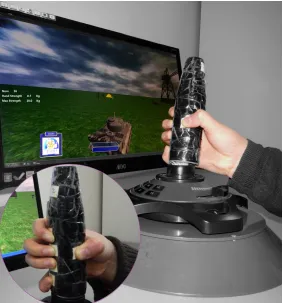
The hardware components of a computer-as- sisted wrist/hand rehabilitation system con-sisted of a desk-top computer, a handmade joy-stick handle with seven force sensing resistors on its surface and a data processing mo- dule (Figure 1). In order to suit different degre- es of thumb carpometacarpal joint abduction range of motion (ROM) of participants, the joystick handle was made into an ellipsoid
shape. Pinch force of the affected fingers was
selectively sampled and served as an input signal to control the virtual scene.
A virtual shooting video game was used to tra- in both wrist and hand in an integrated manner (Figure 1). The participants were asked to grip the handle, then to move forearm and wrist so as to hit targets. When the average pressing force applied to the selected sensors was
greater than firing force threshold (set by the
therapist on trying basis), the “tank” would
open fire at the target and finally destroyed it.
During the training process, the total number of hit targets and the average strength appli- ed would be displayed on the screen in real-time fashion (Figure 1). In addition, positive feedback in the form of encouraging remarks hand rehabilitation of stroke patients and sh-
owed promising results.
A variety of devices, such as haptic gloves [8, 9] and robotic assisted devices [10], have be- en developed for computer-aided hand exer-cises for stroke patients. However, a few stud-ies focused on patients receiving hand sur- gery [11]. Patients with traumatic hand injuri-
es usually have difficulties in donning
sens-ing gloves or exoskeletal robotic device [12]. Meanwhile, most devices exert force on hands, so patients with hand injuries may sustain se- condary injuries caused by excessive force applied. Moreover, the equipment might be too expensive for some clinics or for personal use. Since most multiple-tissue hand injuries are of complex nature, it is necessary to develop a simple, safe and inexpensive device for the rehabilitation of hand injuries [13].
Computer games have been reported to pro-vide interesting, motivating and challenging activities and to serve as an affordable and readily-available rehabilitation therapy [14]. Th-
ough evidence of the efficacy of
commercially-available video games in rehabilitation rema- ins lacking [15], it is an interesting idea to use off-the-shelf gaming devices for rehabilitation purpose [7]. Since commercially-available gam-ing devices are not designed for people with
motor disabilities, they may have to be
modifi-ed to suit clinical application [16].
Since wrist and hand are functionally integrat-ed for serving their purposes [17]. In this stu- dy, we developed a video-games-based hand rehabilitation system, which was designed to train wrist-hand functions simultaneously. This interactive equipment was made from a con-ventional joystick. The original handle was mo-
dified into ellipsoid handle for easy gripping
and equipped with force sensor resistors (FS- Rs) for sampling pinch force. Moreover, the device is inexpensive and easy to install. The objectives of this study were to assess the safety, feasibility of computer-assisted wrist/ hand treatment program for the rehabilitation of hand injuries and to evaluate its effects on hand rehabilitation as compared with conven-tional treatment.
Materials and methods
Participants
(sounds and images) was immediately given when the target was hit.
Intervention protocol
Over a 4-week intervention period, participants in both the experimental group and control group received a total of 40 sessions of inter-vention. Two intervention sessions were given a day, a total of 60 min each session, and all on weekdays.
All participants performed 40 min of the fol- lowing exercises for one session: (1) physical modalities and (2) ROM exercises. Physical modalities included thermal modalities and ultrasound, which aimed to decrease pain and reduce soft tissue adhesion. ROM exercises were composed of joint mobilization and ten-don gliding. If a tenten-don was adhering, the cli-ents were instructed actively in exercises to facilitate tendon gliding, such as hook, straight
fist and fist, as well as isolated exercises to
assist tendon gliding. While a joint was stiff, passive ROM exercise was done by the
thera-sively increased. The strengthening exercises lasted for 20 min for each session, and all these sessions were engaged under the guid-ance of the same therapist.
Baseline and post-intervention assessment
Demographic characteristics, such as age, gender, occupation, injured side, handedness, cause of injury, type of injury, etc, were docu-mented in both groups of patients. All the par-ticipants were assessed at baseline and post four weeks of intervention by a trained and experienced rehabilitation physician, who was blinded to group allocation. The outcome mea-sures were: (1) Total Active Motion (TAM) [18]; (2) Grip strength; (3) Pinch strength (two-point pinch, key pinch and three-point pinch) [19]; (4) Nine-hole pegboard test [20] and (5) Upper Extremity Functional Index (UEFI) [21].
Total active motion (TAM)
[image:3.612.91.374.71.374.2]TAM measured in composite flexion and exten -sion indicated the functional limitations of Figure 1. A subject is using the computer-assisted wrist/hand training
ap-paratus. The photograph at bottom left shows the locations of force sensing resistors (FSRs).
pist, such as joint mobiliza- tion. Appropriate splinting te- chniques were effective for joint contracture.
After the above physical mo- dalities and ROM exercises, all participants received a 20- minute of strengthening exer-cises, aimed to improve wrist and hand strength. Subjects in the experimental group re- ceived computer-assisted wri- st/hand strengthening train- ing using our designed appa-
ratus. The level of difficulty
could be adjusted by changing
the firing strength threshold
progres-motion. TAM was measured using a finger
go-niometer while the wrist at 0-degree neutral, and the forearm and hand supported on a
firm surface on the ulnar border. All measure -ments were conducted according to the stan-dardized protocol. TAM was computed by
add-ing the sum of all active flexion angles of
di-git and thumb joints, minus incomplete active extension of the digits and thumb joints. Grip strength
The grip gauge (Biometrics Ltd., Newport, United Kingdom) was a standard adjustable-handle tool for assessing grip strength. The subject was asked to sit with shoulder
adduct-ed and neutrally rotatadduct-ed, elbow flexadduct-ed at 90
degrees, forearm in neutral position and wrist between 0 and 30 degrees extension. With the dynamometer handle set at the second posi-tion, three measurements were taken each time and the average was used.
Pinch strength
The pinch gauge (Biometrics Ltd., Newport, United Kingdom) was used to assess two-point
pinch (thumb tip to index fingertip) strength, lat -eral pinch (thumb pulp to lat-eral aspect of
times and the average time of two tests was calculated and recorded.
Upper extremity functional index (UEFI)
UEFI was developed for self-assessment of upper extremity function, with good psycho- metric properties. UEFI includes 20 function items, which can be completed (3-5 minutes) and scored (only 20 seconds) in shorter time, compared with Disabilities of Arm, Shoulder, and Hand (DASH). It is graded from 0 (extre-
me difficulty or unable to perform activity) to 4 (no difficulty to perform activity). The final
UEFI score was calculated by adding the sco- re of each item. Lower the score, more severe the disability.
Statistical analysis
Data were analyzed with SPSS Version 19.0 (IBM Corporation, Armonk, NY). Independent sample t-test, Fisher’s exact test and Chi-squared test were used to determine differen- ces in participants’ characteristics and base-line values between groups. Repeated-mea- sure analysis of variance (ANOVA) was used for evaluating the main effects of time, group and the group-time interaction effects. Level
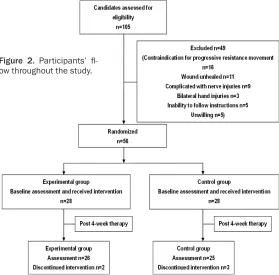
[image:4.612.91.370.74.349.2]of significance was set at P<0.05 (two-tailed). Figure 2. Participants’
fl-ow throughout the study.
the middle phalanx of the ind-
ex finger) strength, three-point (thumb tip to tips of index fin
-ger and middle fin-gers) pinch
strength. The position of mea-surement was similar to that used in grip strength. Three tri-als were taken and the aver-age was calculated for the analysis.
Nine-hole pegboard test
Nine-hole pegboard test (Smi- th & Nephew Rehabilitation, Inc.) was developed to assess hand dexterity. Tests were co- nducted by following stand- ard instructions. The test was timed by using a stopwatch, starting from the moment the
participant touched the first
Results
Characteristics of included patients
One hundred and five patients diagnosed with traumatic hand injuries involving bone and flex -or tendon injuries were initially included. F-orty nine patients were excluded against the inclu-sion criteria. Then, a total of 56 eligible sub-jects were selected for the study and were ran-domly assigned to two groups (28 in each). During the 4 weeks of intervention, three indi-viduals in the control group withdrawn (2 because of family affairs, and 1 underwent an operation), and two participants in the experi-mental group dropped out (one owing to medi-cal insurance, and the other because of prepar-ing graduation examination). Finally, a total of 51 participants completed the 4-week treat-ment sessions and their data were analyzed (Figure 2).
The experimental group was consisted of 26 patients (14 M, 12 F) with a mean age of
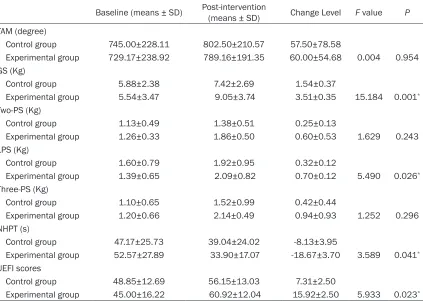
all the tests (all P<0.05), while no group effect was detected for any test variable (all P>0.05).
However, significant group-by-time interaction
effects were only demonstrated in grip streng- th (P=0.001), lateral pinch strength (P=0.026), NHPT (P=0.041) and UEFI scores (P=0.023) (Table 2). Post hoc analysis showed that par- ticipants in the trial group made greater im- provements after treatment in these variables (grip strength: 3.51±0.35 versus 1.54±0.37; lateral pinch strength: 0.70±0.12 versus 0.32±0.12; NHPT: -18.67±3.70 versus -8.1 3±3.95; UEFI scores: 15.92±2.50 versus 7.31 ±2.50) compared to the control subjects. Safety
All participants showed no serious adverse reactions during the treatment. Only one ca- se in the experimental group complained of
mild pain in the contact area between his
fing-er and the joystick. But aftfing-er re-setting the
[image:5.612.91.366.84.382.2]difficulty level of the game, the pain disap -peared within few minutes.
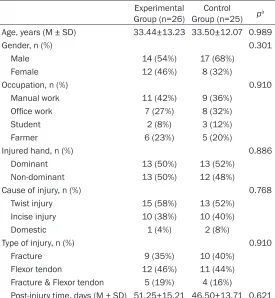
Table 1. Characteristics of participants
Experimental
Group (n=26) Group (n=25)Control pa Age, years (M ± SD) 33.44±13.23 33.50±12.07 0.989
Gender, n (%) 0.301
Male 14 (54%) 17 (68%)
Female 12 (46%) 8 (32%)
Occupation, n (%) 0.910
Manual work 11 (42%) 9 (36%)
Office work 7 (27%) 8 (32%)
Student 2 (8%) 3 (12%)
Farmer 6 (23%) 5 (20%)
Injured hand, n (%) 0.886
Dominant 13 (50%) 13 (52%) Non-dominant 13 (50%) 12 (48%)
Cause of injury, n (%) 0.768
Twist injury 15 (58%) 13 (52%) Incise injury 10 (38%) 10 (40%)
Domestic 1 (4%) 2 (8%)
Type of injury, n (%) 0.910
Fracture 9 (35%) 10 (40%)
Flexor tendon 12 (46%) 11 (44%) Fracture & Flexor tendon 5 (19%) 4 (16%)
Post-injury time, days (M ± SD) 51.25±15.21 46.50±13.71 0.621
Note. aChi-squared test or Fisher’s exact test for categorical variables (two-tailed); independent sample t tests for continuous variables (two-tailed).
(33.44±13.23 years), while 25 patients (17 M, 8 F) with a me- an age of (33.50±12.07 years) were in the control group. The two groups were similar with respect to the post-injury time (51.25±15.21 versus 46.50± 13.71). The demographic fea-tures of all the participants are presented in Table 1. No signifi -cant differences (P>0.05) were found between the groups in occupation, injured hand, cause of injury or types of injury. The baseline outcome measures in both groups are showed in Tab- le 2, and were similar at the baseline evaluations of TAM, grip and pinch strength, nine-hole pegboard test and upper extr- emity function index scores (all P>0.05).
Outcome before and after inter-vention
A repeated measure ANOVA at baseline and at the end of the
clinical trial revealed significant
Table 2. Outcome measures before and post-treatment and change levels
Baseline (means ± SD) Post-intervention (means ± SD) Change Level F value P
TAM (degree)
Control group 745.00±228.11 802.50±210.57 57.50±78.58
Experimental group 729.17±238.92 789.16±191.35 60.00±54.68 0.004 0.954 GS (Kg)
Control group 5.88±2.38 7.42±2.69 1.54±0.37
Experimental group 5.54±3.47 9.05±3.74 3.51±0.35 15.184 0.001*
Two-PS (Kg)
Control group 1.13±0.49 1.38±0.51 0.25±0.13
Experimental group 1.26±0.33 1.86±0.50 0.60±0.53 1.629 0.243 LPS (Kg)
Control group 1.60±0.79 1.92±0.95 0.32±0.12
Experimental group 1.39±0.65 2.09±0.82 0.70±0.12 5.490 0.026*
Three-PS (Kg)
Control group 1.10±0.65 1.52±0.99 0.42±0.44
Experimental group 1.20±0.66 2.14±0.49 0.94±0.93 1.252 0.296 NHPT (s)
Control group 47.17±25.73 39.04±24.02 -8.13±3.95
Experimental group 52.57±27.89 33.90±17.07 -18.67±3.70 3.589 0.041*
UEFI scores
Control group 48.85±12.69 56.15±13.03 7.31±2.50
Experimental group 45.00±16.22 60.92±12.04 15.92±2.50 5.933 0.023* Note: TAM, total active motion; GS, grip strength; Two-PS, two-point pinch strength; LPS, lateral pinch strength; Three-PS, three-point pinch strength; NHPT, nine-hole pegboard test; UEFI, upper extremity function index. *P<0.05 represents statistically
significant for group-by-time interaction effect.
Last, but not least, all the patients remarked that computer-assisted wrist/hand training was interesting and motivating.
Discussion
Computer-assisted intervention allows a user to interact with a computer-simulated environ-ment, which provides near real-time feedback on performance [22]. However, limited evi-dence exists regarding the effects of video games in traumatic hand injuries rehabilitation [11, 23]. The clinical study presented in this paper suggests that the computer-assisted wrist/hand therapy is feasible, safety, and can achieve better hand functional recovery, par-ticularly in hand strength and dexterity, as compared to conventional intervention.
A significant time effect was observed for all measures, but no significant differences were
observed after intervention between the con-trol and experimental groups in TAM, which suggested that both types of strengthening
exercises combining with ROM exercises were all effective in improving TAM. This may be ascribe to the fact that the computer-assisted system is designed to train hand strength mo-
re specifically than range of motion (ROM) of fingers. Since ROM is not specially trained in
this computer-assisted system, computer-as-
sisted strengthening exercises have no signifi -cant effect in ROM, comparing with conven- tional strengthening training.
In both groups, hand strength (measured in terms of grip and lateral pinch strength) was
significantly improved after 4-week training,
the effect of motor learning as compared wi- th conventional training [25]. Evidence also showed that feedback could enhance learning
efficiency [26]. As in this study, the
computer-assisted training could provide real-time train-ing performance feedback, as well as positive feedback in the form of encouraging remarks (sounds and images). This might be one of the reasons that patients in the computer-assisted therapy performed better in lateral pinch and grip strength compared to the conventional in- tervention. Meanwhile, computer-assisted th- erapy using video gaming is more interesting and thereby could motivate participants to
engage in training [27]. Moreover, difficulty lev -els of the computer-assisted training are ad- justable to adapt to patients’ function. Attrac-
tive games together with proper task difficulty
are essential to maintain a patient’s motiva- tion and compliance [28, 29]. Thus, the inten-sity of repetition training is guaranteed, which provides an important way to improve motor ability [30].
Compared with lateral pinch strength, which is used to measure pinch strength, two-point and three-point pinch strength are weaker and re-
latively more difficult to test [31]. The results showed that after intervention no significant
difference was observed for two-point or three-point pinch strength between the two groups.
This may be due to the fact that limited flexion
angles of digit and thumb joints possibly inter-fered with two-point or three-point pinch str- ength testing.
Assessment of the progress in the nine-hole pegboard test, even though both groups sh-
owed improvement over time, significant a bet -ter course of recovery on hand dex-terity for participants in the experimental group was found. Evidence showed that training the han- d-arm together, which was closer to the daily life of the patients, could improve the function-al use of the affected hand post-stroke [32]. The wrist is the key to the function of the hand. Positioning of the hand for functional tasks relies on the stability, mobility, and precision of placement permitted by the wrist. Similarly, the system designed in our study is to train the wrist and hand in an integrated manner, also improve hand-eye coordination, thus resulted in better progress in hand dexterity compared with conventional treatment. In addition,
com-pared with E-Link system, which trains grip and pinch strength separately [11], training involv-ing both wrist and hand in this system is more challenging and interesting.
With measures of hand rehabilitation outco- me, apart from impairment (e.g., strength, motion), it is of great importance to measure disability and function. In our study, partici-pants in both groups acknowledged improved upper extremity function over the course of training, but the experimental group showed even higher scores in UEFI than the control group. UEFI is self-administered questionnai-
re, which reflects the upper extremity function
[21]. Meanwhile, it is easily affected by the patients’ psychology. In this computer-assisted training course, real-time training performance and encouraging feedback could greatly inspi-
re patients and increase their confidence [33].
Therefore, training effects of this system
natu-rally transfer to real life, resulted in more confi -dence in performing daily activities.
Compared with conventional treatment, the cost of computer-assisted rehabilitation the- rapy is relatively low. Moreover, this simple
sys-tem, which combines modified joystick and
force sensing resistors, is easier to control and maintain. Therefore, it might be popular-ized for home use. The current study has so- me limitations. Firstly, the sample is focus on
traumatic hand injuries involving bone and
fl-exor tendon, and trials on other types of hand injuries should be conducted to provide further evidence for the effectiveness of this comput-er-assisted hand rehabilitation system. In ad- dition, longer follow-up will also be necessary to determine the transfer effect of computer-assisted therapy into reality.
Conclusion
Computer-assisted wrist/hand intervention ex- hibited better results in improving hand str- ength and dexterity for hand injuries. It might be an alternative treatment for hand injuries in both clinical and home-based rehabilitation practice.
Acknowledgements
University of Science and Technology (Grant number: 2011JC072), China.
Disclosure of conflict of interest
None.
Address correspondence to: Zhaohui Yang, De- partment of Rehabilitation, Union Hospital, Tongji Medical College, Huazhong University of Science and Technology, Wuhan 430022, China. Tel: +86-27-85726092; E-mail: [email protected]
References
[1] Trybus M, Lorkowski J, Brongel L and Hladki W. Causes and consequences of hand injuries. Am J Surg 2006; 192: 52-57.
[2] Sahin F, Akca H, Akkaya N, Zincir OD and Isik A. Cost analysis and related factors in patients with traumatic hand injury. J Hand Surg Eur Vol 2013; 38: 673-679.
[3] Rosberg HE, Carlsson KS, Cederlund RI, Ramel E and Dahlin LB. Costs and outcome for
seri-ous hand and arm injuries during the first year
after trauma - a prospective study. Bmc Public Health 2013; 13: 501.
[4] Shi Q, Sinden K, MacDermid JC, Walton D and Grewal R. A systematic review of prognostic factors for return to work following work-relat-ed traumatic hand injury. J Hand Ther 2014; 27: 55-62; quiz 62.
[5] Connelly L, Jia Y, Toro ML, Stoykov ME, Kenyon RV and Kamper DG. A pneumatic glove and im-mersive virtual reality environment for hand rehabilitative training after stroke. IEEE Trans Neural Syst Rehabil Eng 2010; 18: 551-559. [6] Thielbar KO, Lord TJ, Fischer HC, Lazzaro EC,
Barth KC, Stoykov ME, Triandafilou KM and Kamper DG. Training finger individuation with
a mechatronic-virtual reality system leads to
improved fine motor control post-stroke. J Neu -roeng Rehabil 2014; 11: 171.
[7] Pietrzah E, Cotea C and Pullman S. Using com-mercial video games for upper limb stroke re-habilitation: is this the way of the future? Top Stroke Rehabil 2014; 21: 152-162.
[8] Adamovich SV, Fluet GG, Mathai A, Qiu Q, Lew-is J and Merians AS. Design of a complex
vir-tual reality simulation to train finger motion for
persons with hemiparesis: a proof of concept study. J Neuroeng Rehabil 2009; 6: 28. [9] Friedman N, Chan V, Reinkensmeyer AN,
Ber-oukhim A, Zambrano GJ, Bachman M and Re-inkensmeyer DJ. Retraining and assessing hand movement after stroke using the music-glove: comparison with conventional hand therapy and isometric grip training. J Neuroeng Rehabil 2014; 11: 76.
[10] Chang WH and Kim YH. Robot-assisted therapy in stroke rehabilitation. J Stroke 2013; 15: 174-181.
[11] Levanon Y. The advantages and disadvantages of using high technology in hand rehabilitation. J Hand Ther 2013; 26: 179-183.
[12] Burdea GC. Virtual rehabilitation - Benefits and
challenges. Methods Inf Med 2003; 42: 519-523.
[13] Balasubramanian S, Klein J and Burdet E. Ro-bot-assisted rehabilitation of hand function. Curr Opin Neurol 2010; 23: 661-670.
[14] Kong KH, Loh YJ, Thia E, Chai A, Ng CY, Soh YM,
Toh S and Tjan SY. Efficacy of a virtual reality
commercial gaming device in upper limb re-covery after stroke: a randomized, controlled study. Top Stroke Rehabil 2016; 23: 333-340. [15] Laver KE, George S, Thomas S, Deutsch JE and Crotty M. Virtual reality for stroke rehabilita-tion. Cochrane Database Syst Rev 2015; CD008349.
[16] Burridge JH and Hughes AM. Potential for new technologies in clinical practice. Curr Opin Neurol 2010; 23: 671-677.
[17] Lockery D, Peters JF, Ramanna S, Shay BL and Szturm T. Store-and-feedforward adaptive
gaming system for hand-finger motion tracking
in telerehabilitation. IEEE Trans Inf Technol Biomed 2011; 15: 467-473.
[18] Omar MT, Hegazy FA and Mokashi SP. Influ -ences of purposeful activity versus rote exer-cise on improving pain and hand function in pediatric burn. Burns 2012; 38: 261-268. [19] Che Daud AZ, Yau MK, Barnett F, Judd J, Jones
RE and Muhammad Nawawi RF. Integration of occupation based intervention in hand injury rehabilitation: a randomized controlled trial. J Hand Ther 2016; 29: 30-40.
[20] Oxford Grice K, Vogel KA, Le V, Mitchell A, Mu-niz S and Vollmer MA. Adult norms for a
com-mercially available Nine Hole Peg Test for fin -ger dexterity. Am J Occup Ther 2003; 57: 570-573.
[21] Lehman LA, Sindhu BS, Shechtman O, Romero S and Velozo CA. A comparison of the ability of two upper extremity assessments to measure change in function. J Hand Ther 2010; 23: 31-39; quiz 40.
[22] Choi JH, Han EY, Kim BR, Kim SM, Im SH, Lee SY and Hyun CW. Effectiveness of commercial gaming-based virtual reality movement thera-py on functional recovery of upper extremity in subacute stroke patients. Ann Rehabil Med 2014; 38: 485-493.
[24] Nikooyan AA and Ahmed AA. Reward feedback accelerates motor learning. J Neurophysiol 2015; 113: 633-646.
[25] Turolla A, Dam M, Ventura L, Tonin P, Agostini M, Zucconi C, Kiper P, Cagnin A and Piron L. Virtual reality for the rehabilitation of the upper limb motor function after stroke: a prospective controlled trial. J Neuroeng Rehabil 2013; 10: 85.
[26] Benjaminse A, Gokeler A, Dowling AV, Faigen-baum A, Ford KR, Hewett TE, Onate JA, Otten B and Myer GD. Optimization of the anterior cru-ciate ligament injury prevention paradigm: novel feedback techniques to enhance motor learning and reduce injury risk. J Orthop Sports Phys Ther 2015; 45: 170-182.
[27] Fuster H, Carbonell X, Chamarro A and Oberst U. Interaction with the game and motivation among players of massively multiplayer online role-playing games. Span J Psychol 2013; 16: E43.
[28] Bryanton C, Bosse J, Brien M, McLean J, Mc-Cormick A and Sveistrup H. Feasibility, motiva-tion, and selective motor control: virtual reality compared to conventional home exercise in children with cerebral palsy. Cyberpsychol Be-hav 2006; 9: 123-128.
[29] Nagle A, Riener R and Wolf P. High user control in game design elements increases compli-ance and in-game performcompli-ance in a memory training game. Front Psychol 2015; 6: 1774.
[30] French B, Thomas LH, Leathley MJ, Sutton CJ, McAdam J, Forster A, Langhorne P, Price CI, Walker A and Watkins CL. Repetitive task train-ing for improvtrain-ing functional ability after stroke. Cochrane Database Syst Rev 2007; CD006073.
[31] King TI 2nd. Interinstrument reliability of the Jamar electronic dynamometer and pinch gauge compared with the Jamar hydraulic dy-namometer and B&L Engineering mechanical pinch gauge. Am J Occup Ther 2013; 67: 480-483.
[32] Fluet GG, Merians AS, Qiu Q, Davidow A and Adamovich SV. Comparing integrated training of the hand and arm with isolated training of the same effectors in persons with stroke us-ing haptically rendered virtual environments, a randomized clinical trial. J Neuroeng Rehabil 2014; 11: 126.