Chapter 1
OVERVIEW: DEFENSE AGAINST THE
EFFECTS OF CHEMICAL AND
BIOLOGICAL WARFARE AGENTS
FREDERICK R. SIDELL, M.D.*; AND DAVID R. FRANZ, D.V.M., PH.D.†
INTRODUCTION
HISTORICAL PRECEDENTS
INTRODUCTION TO CHEMICAL AND BIOLOGICAL AGENTS IMPLICATIONS FOR THE MILITARY MEDICAL DEPARTMENTS
*Formerly, Chief, Chemical Casualty Care Office, and Director, Medical Management of Chemical Casualties Course, U.S. Army Medical Research Institute of Chemical Defense, Aberdeen Proving Ground, Maryland 21010-5425; currently, Chemical Casualty Consultant, 14 Brooks Road, Bel Air, Maryland 21014
†Colonel, Veterinary Corps, U.S. Army; Commander, U.S. Army Medical Research Institute of Infectious Diseases, Fort Detrick, Frederick,
INTRODUCTION
“Gas! Gas!” This warning cry, so common in World War I, almost became real to U.S. forces again as they prepared to liberate Kuwait in late 1990. The threat of chemical, and even biological, warfare was foremost in the minds of U.S. military personnel during Operation Desert Shield, the preparation for the Persian Gulf War. Iraq was known to have a large stockpile of chemical weapons and had dem-onstrated during its conflict with Iran that it would use them. It was not until after the Persian Gulf War that the U.N. Special Commission on Iraq confirmed that Saddam Hussein also had biological agents loaded in weapons. The chemical and biological threats were major concerns to those in the mili-tary medical departments who would be called on to care for poisoned or infected casualties, possibly in a chemically contaminated environment. Fortu-nately the ground war of the Persian Gulf War (Operation Desert Storm) was brief, and even more fortunately, our adversary did not employ these weapons.
In the desert, during the fall and winter of 1990–1991, the threat of chemical warfare be-came very real to our military medical personnel. The threat of biological warfare was no less feared. The military medical departments realized that medical personnel were not prepared to pro-vide care to chemical or biological casualties or to function in a contaminated environment. This textbook should help accelerate the assimilation of medical defense information in the next war; in the past, such information has not been readi-ly accessible. Two handbooks have also been pre-pared: Medical Management of Chemical Casualties Handbook, Chemical Casualty Care Office, Med-ical Research Institute of ChemMed-ical Defense, Aber-deen Proving Ground, Maryland (September 1994); and Medical Management of Biological Casualties Handbook, U.S. Army Medical Research Institute of Infectious Diseases, Fort Detrick, Frederick, Mary-land (March 1996).
Rapid and intense teaching programs help-ed prepare our mhelp-edical healthcare providers, so that by the onset of Operation Desert Storm, they were as ready as any military medical per-sonnel might be to go to war. Hundreds of thou-sands of troops were supplied with chemical pretreatment and therapeutic agents and thou-sands were immunized against anthrax and the botulinum toxins, the two most likely biological
battlefield threats.
Two lessons were learned from this conflict, lessons that should never be forgotten by those in the military. The first was that there are coun-tries that have chemical and biological weapons, and there are other countries that might obtain or produce them. The second was that the U.S. military medical departments must be prepared at all times to treat both types of casualties. As long as potential adversaries exist, the U.S. mili-tary might face a chemical or biological battle-field.
Military medical personnel of the United States have not treated a chemical casualty on the battle-field for nearly 8 decades, and they have never treated a biological casualty. Chemical agents have not been used as weapons in a major war or in any military conflict in which the United States has been involved since World War I. Despite the re-cent dissolution of the Warsaw Pact, the breakup of the Soviet Union, and other events that have seemingly reduced the conventional military threat to the United States, a textbook for military medi-cal personnel on the management of chemimedi-cal and biological agent casualties is still urgently needed. The breakup of the Soviet Union, and the conse-quent glut of biowarfare experts on the world em-ployment market, may have actually increased the threat of biological proliferation. In addition to the recent experience in the Persian Gulf, a review of other events of the past 2 decades bears out this con-clusion (Exhibit 1-1).
EXHIBIT 1-1
RECENT TARGETS OF CHEMICAL OR BIOLOGICAL AGENTS
Laos (mid to late 1970s; alleged)
Kampuchea (late 1970s and early 1980s; alleged) Afghanistan (1980s; alleged)
HISTORICAL PRECEDENTS
During the Arab–Israeli War (also called the Yom Kippur War) of 1973, chemical weapons were not used. While processing captured soldiers, however, Israeli troops found that the Egyptians carried per-sonal protective equipment, a decontamination kit containing items unfamiliar to U.S. personnel, and an antidote with which we were also unfamiliar. This evidence suggested that the Egyptians were prepared for a chemical battlefield, and the com-ponents of the antidote suggested that they were prepared for the use of the nerve agent soman. (The antidote was a mixture of three compounds: atro-pine, benactyzine, and the oxime, TMB4.) The U.S. military soon issued the antidote to U.S. troops, only to withdraw it about 5 years later.
In the mid to late 1970s, reports began to appear that chemicals were being used against Hmong tribesmen in Laos. The Hmong had been loyal to the United States and had served this country in many ways during the Vietnam War; it was suggested that chemicals were being used against the Hmong in retaliation. Investigations were conducted by U.S. State Department personnel, by a medical team sent by The U.S. Army Surgeon General, and by international groups. Little defini-tive evidence was discovered, primarily because the alleged attacks took place deep in Laos. The victims took weeks to travel to Thailand to be examined, and outsiders could not enter Laos to examine the attack sites. The Hmong who reached Thailand provided graphic accounts of attacks by sprays and bombs from airplanes and how these “smokes,” which were of all colors, killed many in their villages. One member of the medical team brought back a sample of a yellow substance on the outer (barklike) layers of a bamboo culm (ie, stalk); the sample had been given to him by a Hmong, who claimed that the material had killed many of his fellow villagers. This yellow substance, along with samples from many other locations, later became known as “yellow rain” (see Chapter 34, Trichothecene Mycotoxins, which discusses yellow rain in greater detail).
Moreover, in the late 1970s and early 1980s, alle-gations were made of chemical agent use against refugees fleeing the barbaric conditions that existed in Kampuchea at that time.1 The clinical response
of the exposed humans did not fit what we under-stood about the effects of classic chemical agents. Tearing and itching looked like the effects of tear gas. Convulsions suggested nerve agents. But the
occurrence of internal hemorrhage and skin lesions could not be explained. Analysis of a leaf sample collected in Kampuchea 24 hours after an attack implicated trichothecene mycotoxins, a family of toxins produced by fungi but having characteris-tics more like chemical than biological agents.
In August 1981, based on limited physical evi-dence, the U.S. government announced that trichothecene mycotoxins had been used—but the findings were less than convincing to some in the scientific community and the issue became ex-tremely contentious. This controversy was never totally resolved, and the question of which, if any, agents were used against civilians was not an-swered. If mycotoxins were, in fact, used it was the first recorded use of biological agents since before World War II, when the Japanese used them against the Chinese in the early 1940s.2
In the 1980s, Soviet troops battled Afghan rebels protesting the communist Afghan regime. During this lengthy conflict, frequent allegations were made of the use of chemical agents against the Af-ghans. One of these chemicals, known as Blue-X, was said to cause instant immobilization, the vic-tim remaining in place for a number of hours be-fore recovering. The use of other, more lethal agents was also alleged, but again no definitive evidence was found.
The most widespread and most open use of chemical weapons on a battlefield in recent decades was by Iraq in its conflict with Iran. This time the evidence of chemical use was conclusive. Undeto-nated shells were sampled and their contents were analyzed by several laboratories in Europe. A vesi-cant or blister agent (mustard) and a nerve agent (tabun) were identified. About 100 Iranian soldiers with chemical wounds were sent to European hos-pitals for care; their wounds were consistent with vesicant (mustard) injury. A team appointed by the U.N. secretariat went to Iranian battlefields and hospitals and found chemical shells and patients with chemical injuries. The public outcry at the use of these weapons was less than overwhelming. Ig-noring protests from the world community, Iraq continued to use these agents.
gen-eral, the casualties were sent privately, not through governmental connections. Physicians in Europe accepted the patients and assumed responsibility for their care, usually in private hospitals (a situa-tion that made a retrospective analysis of the care rendered and the effectiveness of different treat-ment regimens difficult).
A similar situation enabled three physicians from the U.S. Army medical community to examine sev-eral casualties from Iraq’s use of chemical weap-ons. On March 19, 1988, Iraqi airplanes bombed the village of Halabja, in Iraq. The inhabitants were Kurdish Iraqi citizens, a tribespeople who live in the region where the borders of Turkey, Iran, and Iraq meet. The casualties from this raid received worldwide media attention. The chemical weapons allegedly used were nerve agents, cyanide, and mustard. The casualties were cared for by Iran, and five of them (a man, a woman, and three young children, all unrelated) were sent to the United States for care by an Iranian physician living here. On examination by three authors of chapters in this textbook, the casualties were found to have skin lesions and pulmonary pathological changes (as determined by radiograph) consistent with mustard exposure.
Other items in the news over the past decade have suggested that the proliferation of chemical and biological agents is greater than we might hope. For example, numerous accounts claimed that Libya had built a facility capable of chemical agent pro-duction at Rabta—Libya’s protestation that this fa-cility was a pharmaceutical plant notwithstanding. One report even noted that monthly production was about 30 tons of mustard.
In 1979, an accident at a previously undetected biological weapons plant in Sverdlovsk, Russia, sur-prised even the intelligence community.3 At least
66 humans living or working downwind of the plant died of pulmonary anthrax. Soviet troops quickly attempted to decontaminate the facility and the city following airborne release of anthrax spores, and medical teams instituted preventive therapy, but the message was clear. The Soviet biological warfare program was thriving, more than 6 years after the
Soviet Union had signed the Biological Weapons Convention.
In addition to their being used on the battlefield, chemical and biological agents might also be used in terrorist attacks. The nerve agent sarin was twice used in Japan. The first incident, in Matsumoto in June 1994, produced more than 200 casualties in-cluding 7 fatalities. In the second incident—in the Tokyo subway system on 20 March 1995—5,510 people were taken to medical facilities or sought medical assistance. About 20% of these were hos-pitalized, and 12 died. The cult that was accused of both attacks was found to have a large facility for manufacturing both chemical and biological agents. In the face of overwhelming evidence, the Soviet Union continued to officially deny having an offen-sive biological weapons program until 1992, when Russian President Boris Yeltsin admitted publicly to having maintained a program until March of that year. Since then, visits by teams from the United States and the United Kingdom to former biologi-cal warfare facilities under the Joint United States/ United Kingdom/Russia Trilateral Statement on Biological Weapons have clearly documented the capabilities to produce biological warfare agents in massive quantities.
Verification of compliance with agreements such as the Trilateral and with the chemical and biologi-cal weapons conventions are plagued by the “dual-use” nature of the facilities in which these agents are developed and produced. A legitimate chemi-cal facility can be converted fairly easily for the manufacture of chemical agents. On threat of in-spection by an international group, the facility can readily be converted back to a legitimate use. The dual-use nature of production facilities is even more applicable to the production of biological agents. Partly for this reason, chemical and biological weap-ons have been called “the poor man’s atom bomb.” It has also been said that agents can be made in a bathtub, which may be true to a limited extent for a skilled microbiologist or chemist. Production of even tactical quantities of these agents and their deployment on the battlefield, however, is not a trivial undertaking.
INTRODUCTION TO CHEMICAL AND BIOLOGICAL AGENTS
Chemical and biological agents differ in several important ways. Chemical agents are typically man-made through the use of industrial chemical pro-cesses. Biological agents are either replicating agents (bacteria or viruses) or nonreplicating ma-terials (toxins or physiologically active proteins or
rare exception) and none are volatile. On the other hand, most of the chemical agents are dermally ac-tive, volatile, or both.
Therefore, while many of the dermally active or volatile chemical agents can be disseminated as liq-uids or aerosols, and the biological agents must be dispersed as respirable aerosols (particles approxi-mately 1–10 µm in diameter). Dispersing a respirable aerosol on a battlefield requires a high-energy gen-erating system to produce the small particle size, appropriate weather conditions to assure that the aerosol cloud stays near the ground, and adequate infectivity or toxicity of the agent to produce the desired effect. Except for infectivity, these are all important practical requirements for the field use of chemical, as well as biological, warfare agents.
In World War I, the use of chemical agents began with the small-scale use of irritants (known today as riot control agents). Chlorine, the first agent used on a large scale, and phosgene caused large num-bers of deaths. Cyanide was introduced in midwar, but the agent that caused the greatest number of casualties was the vesicant mustard, which was in-troduced late in the war. Cyanide, phosgene, and mustard are still potential chemical weapons today. In the period before World War II, German sci-entists synthesized the first nerve agents; during the war, Germany had thousands of tons of nerve agents stockpiled in munitions. The United States and the Soviet Union captured the stockpiles and manufacturing facilities late in the war, and they began to manufacture and stockpile these agents. Nerve agents are 15- to 100-fold more potent than the chemical agents used in World War I. In the 1950s, the United States put the incapacitating com-pound BZ into munitions (which have been de-stroyed); late in that decade, the currently used riot control agent CS was introduced for military use.
Military chemical agents are classified as “per-sistent” and “nonpersistent.” Persistent agents are those with low volatility or which evaporate slowly. Since they do not readily evaporate, they stay on terrain, materiel, or equipment for days, weeks, or months, depending on the weather. Chief among the persistent agents are the vesicant mustard and the nerve agent VX. Nonpersistent agents are those that are volatile and hence evaporate quickly; they are not expected to be present for more than sev-eral hours. The nonpersistent agents are phosgene, cyanide, and the G series of nerve agents. Each type has military advantages. Advancing troops might disperse a nonpersistent agent ahead of their attack to have the advantage of its effects on the enemy and later to have uncontaminated terrain into which
to advance. A persistent agent might be used to con-taminate terrain, supplies, and equipment, deny-ing the enemy their use.
Biological weapons may contain either replicat-ing or nonreplicatreplicat-ing agents. Although hundreds of naturally occurring bacteria, viruses, and toxins, as well as “designer compounds,” could potentially be considered agents by an aggressor, a finite num-ber of these are actually useful as area weapons on the battlefield. The agents’ utility is limited by ease of production, stability, and infectivity (bacteria and viruses), or toxicity/effectivity (toxins and other physiologically active materials). Bacillus anthracis, for example, is often touted as the best of bacterial agents. Stability of the spore form and ease of pro-duction are its greatest strengths as weapons mate-rial. Among viral agents, Venezuelan equine en-cephalitis virus is easily grown to extremely high titers, making it a potential incapacitating agent. The bacterial agents that cause tularemia, Q fever, and brucellosis are infective at extremely low doses (1–10 organisms per person). Finally, the extraordi-nary toxicity (1,000- to 10,000-fold more toxic than the classic nerve agents) of the staphylococcal en-terotoxins as incapacitants and the botulinum tox-ins as lethal agents makes them candidates for weaponization.
Most of the chemical compounds noted above have characteristics that make them uniquely suited to warfare. Closely related chemical substances, however, and some of the threat agents, are found throughout the civilian community. Unlike the chemical warfare agents, which are not found in nature, essentially all of the biological agents de-scribed are found in nature and cause the same or very similar disease syndromes. Military medical personnel might encounter persons exposed to the organisms as endemic disease agents on remote battlefields.
is used in small amounts in research pharmacology (where it is known as QNB). Also, BZ is pharmaco-logically related to anticholinergic drugs, which are present in many over-the-counter preparations, such as sleeping medications.
Unlike the chemical warfare agents, essentially all of the biological agents described cause syn-dromes that mimic or are identical to naturally oc-curring diseases. Outbreaks of disease caused by bacteria or viruses or isolated intoxications caused by toxins may result in syndromes similar to those seen in biological warfare attacks. In the case of these agents, the route of exposure—universally via the airways on the battlefield—may cause slightly or significantly different clinical presentations. Gen-eral principles of prophylaxis and therapy pre-sented in this text, however, often apply. Although the reader may initially think that the information presented in this textbook is needed only in war-time, much of the contents will also be useful to the physician in a busy emergency room.
On the battlefield, knowledge of the chemical or biological agent threat and its medical and physi-cal countermeasures can actually reduce the threat. In World War I, the death rate for chemical casual-ties was about 3%. Data are not available for the Iran–Iraq War, but informal reports indicate that the death rate for those chemical casualties who reached medical care was probably less than 5%, despite the use of the highly toxic nerve agents against
rela-tively unprotected troops. With well-trained troops and well-prepared medical personnel, these figures will be lower. For the chemical agents, real-time detectors allow exploitation of the excellent indi-vidual physical protective mask, effective pretreat-ment, and therapy.
These countermeasures, in conjunction with training of our forces, can make an enormous dif-ference and actually serve as a deterrent to chemi-cal agent use. A chemichemi-cal attack on a battlefield will not be the devastating event that some military medical personnel fear. Soldiers will survive and return to duty. For the biological agents, field detec-tors are still not responsive enough to allow timely warning of a cloud moving across the battlefield. Al-though the mask is protective, adequate warning may still be a problem. Knowledge of the meteorological conditions necessary for effective deployment of bio-logical and chemical agents can at least limit the time during which a force must be on highest alert. In addition, effective medical countermeasures (vac-cines, drugs, and diagnostics) are available for many of the agents of greatest concern. An integrated sys-tem of countermeasures for the chemical and bio-logical agents can significantly reduce the threat by raising the cost/benefit ratio for the would-be ag-gressor. If the agents are used, appropriate medical care from well-informed medical care providers that enables soldiers to survive could be the factor de-termining whether a battle is won or lost.
IMPLICATIONS FOR THE MILITARY MEDICAL DEPARTMENTS
From 18 January to 28 February 1991, 39 Iraqi-modified SCUD missiles reached Israel.4 Although
many were off target or malfunctioned, some of them landed in and around Tel Aviv. Approximately 1,000 people were treated as a result of missile attacks, but only 2 died. Anxiety was listed as the reason for admitting 544 patients and atropine overdose for hos-pitalization of 230 patients. Clearly, these convention-ally armed SCUDs were not effective mass casualty weapons, yet they caused significant disruption to the population of Tel Aviv. Approximately 75% of the ca-sualties resulted from inappropriate actions or reac-tions on the part of the victims. Had one of the war-heads contained a chemical or biological agent that killed or intoxicated a few people, the “terror ef-fect” would have been even greater.
The likelihood of such a weapon causing panic among military personnel decreases, however, when the leaders and troops become better edu-cated regarding these agents. As General John J. Pershing wrote after World War I: “Whether or not
gas will be employed in future wars is a matter of conjecture. But the effect is so deadly to the unpre-pared that we can never afford to neglect the question.”5(p623)
The experience in the Persian Gulf War reinforced General Pershing’s warning. Despite the improve-ment in relations between the East and the West, potential adversaries still exist—and potential ad-versaries have chemical and biological agents. These agents have been used in recent years, and probably will be used again on the battlefield or in small, regional conflicts. They might also be used in acts of terrorism within the United States, in which case, by authority of Presidential Decision Directive 39 (1995), the military will assist civilian authorities and medical personnel.
REFERENCES
1. McDermott J. The Killing Winds. New York, NY: Arbor House; 1987: 49–60.
2. Williams P, Wallace D. Unit 731: Japan’s Secret Biological Warfare in World War II. New York, NY: The Free Press (Macmillan); 1989: 65–70.
3. Meselson M, Guillemin J, Hugh-Jones M, et al. The Sverdlovsk anthrax outbreak of 1979. Science. 1994;266:1202– 1208.
4. Karsenty E, Shemer J, Alshech I, et al. Medical aspects of the Iraqi missile attacks on Israel. Isr J Med Sci. 1991;27:603–607.
Chapter 2
HISTORY OF CHEMICAL AND BIOLOGICAL
WARFARE: AN AMERICAN PERSPECTIVE
JEFFERY K. SMART, M.A.*
INTRODUCTION
PRE–WORLD WAR I DEVELOPMENTS WORLD WAR I
THE 1920S: THE LEAN YEARS
THE 1930S: THE GROWING THREAT OF CHEMICAL AND BIOLOGICAL WARFARE
THE 1940S: WORLD WAR II AND THE NUCLEAR AGE THE 1950S: HEYDAY OF THE CHEMICAL CORPS THE 1960S: DECADE OF TURMOIL
THE 1970S: THE NEAR END OF THE CHEMICAL CORPS THE 1980S: THE RETURN OF THE CHEMICAL CORPS THE 1990S: THE THREAT MATERIALIZES
SUMMARY
INTRODUCTION
Webster’s Ninth New Collegiate Dictionary defines the term “chemical warfare,” first used in 1917, as “tactical warfare using incendiary mixtures, smokes, or irritant, burning, poisonous, or asphyx-iating gases.” A working definition of a chem-ical agent is “a chemchem-ical which is intended for use in military operations to kill, seriously injure, or incapacitate man because of its physiological effects. Excluded from consideration are riot con-trol agents, chemical herbicides and smoke and flame materials.”1(p1-1) Chemical agents were
usually divided into five categories: nerve agents, vesicants, choking agents, blood agents, and incapacitants.
Webster’s dictionary likewise defines “biological warfare” as “warfare involving the use of living organisms (as disease germs) or their toxic prod-ucts against men, animals, or plants.” A working definition of a biological agent is “a microorgan-ism (or a toxin derived from it) which causes dis-ease in man, plants or animals or causes deteriora-tion of material.”2(p1-1) Biological warfare agents
were normally divided into three categories: anti-personnel, antianimal, and antiplant.
Prior to World War I, the United States had little knowledge about the potential of chemical and bio-logical warfare. Particularly in terms of preparing soldiers for future wars, the possibility of chemical
or biological warfare went virtually unnoticed by the U.S. Army. By the end of World War I, the situ-ation had drastically changed. Chemical warfare had been used against and by American soldiers on the battlefield. Biological warfare had been used covertly on several fronts. In an effort to determine what had gone wrong with their planning and train-ing, U.S. Army officers prepared a history of chemi-cal and biologichemi-cal warfare. To their surprise, they found numerous documented cases of chemical and biological agents having been used or proposed to influence the outcome of a battle or campaign. In addition, they discovered that the technology to protect against chemical and biological agents al-ready existed, and, in some cases, was superior to the equipment used during the war. In hindsight, these officers realized that the army had failed to recognize and prepare for these two already exist-ing types of warfare.
[This chapter focuses primarily on the develop-ment of chemical and biological weapons and coun-termeasures to them, thus setting the stage for Chapter 3, Historical Aspects of Medical Defense Against Chemical Warfare, which concentrates on medical aspects of chemical warfare. To avoid ex-cessive duplication of material, protective equip-ment of the modern era is illustrated in Chapter 16, Chemical Defense Equipment.—Eds.]
PRE–WORLD WAR I DEVELOPMENTS
The chemical agents first used in combat during World War I were, for the most part, not recent dis-coveries. Most were 18th- and 19th-century discov-eries. For example, Carl Scheele, a Swedish chem-ist, was credited with the discovery of chlorine in 1774. He also determined the properties and com-position of hydrogen cyanide in 1782. Comte Claude Louis Berthollet, a French chemist, synthe-sized cyanogen chloride in 1802. Sir Humphry Davy, a British chemist, synthesized phosgene in 1812. Dichloroethylsulfide (commonly known as mustard agent) was synthesized in 1822, again in 1854, and finally fully identified by Victor Meyer in 1886. John Stenhouse, a Scotch chemist and in-ventor, synthesized chloropicrin in 1848.3
Many biological agents were naturally occurring diseases thousands of years old. Others were gen-erally discovered or recognized in the 19th and 20th centuries. For example, plague was recognized about 3,000 years ago. Smallpox was known in
China as early as 1122 BC. Yellow fever was first
named), in 1911, and the causative agent was iden-tified the next year.3
Early Chemical Weaponization Proposals and Usage
There are numerous examples of chemical weap-ons used or proposed during the course of a cam-paign or battle. The Chinese used arsenical smokes as early as 1000 BC. Solon of Athens put hellebore
roots in the drinking water of Kirrha in 600 BC. In 429 and 424 BC, the Spartans and their allies used
noxious smoke and flame against Athenian-allied cities during the Peloponnesian War. About 200 BC,
the Carthaginians used Mandrake root left in wine to sedate the enemy. The Chinese designed stink bombs of poisonous smoke and shrapnel, along with a chemical mortar that fired cast-iron stink shells. Toxic smoke projectiles were designed and used during the Thirty Years War. Leonardo da Vinci proposed a powder of sulfide of arsenic and verdi-gris in the 15th century.3
During the Crimean War, there were several pro-posals to initiate chemical warfare to assist the Al-lies, particularly to solve the stalemate during the siege of Sevastopol. In 1854, Lyon Playfair, a Brit-ish chemist, proposed a cacodyl cyanide artillery shell for use primarily against enemy ships. The British Ordnance Department rejected the proposal as “bad a mode of warfare as poisoning the wells of the enemy.”4(p22) Playfair’s response outlined a
different concept, which was used to justify chemi-cal warfare into the next century:
There was no sense in this objection. It is consid-ered a legitimate mode of warfare to fill shells with molten metal which scatters among the enemy, and produced the most frightful modes of death. Why a poisonous vapor which would kill men without suffering is to be considered illegitimate warfare is incomprehensible. War is destruction, and the more destructive it can be made with the least suf-fering the sooner will be ended that barbarous method of protecting national rights. No doubt in time chemistry will be used to lessen the suffering of combatants, and even of criminals condemned to death.4(pp22–23)
There were other proposals for chemical warfare during the Crimean War, but none were approved. During the American Civil War, John Doughty, a New York City school teacher, was one of the first to propose the use of chlorine as a chemical warfare agent. He envisioned a 10-in. artillery shell filled with 2 to 3 qt of liquid chlorine that, when released, would produce many cubic feet of chlorine gas.
If the shell should explode over the heads of the enemy, the gas would, by its great specific gravity, rapidly fall to the ground: the men could not dodge it, and their first intimation of its presence would be by its inhalation, which would most effectually disqualify every man for service that was within the circle of its influence; rendering the disarming and capturing of them as certain as though both their legs were broken.5(p27)
As to the moral question of using chemical weap-ons, he echoed the sentiments of Lyon Playfair a decade earlier:
As to the moral question involved in its introduc-tion, I have, after watching the progress of events during the last eight months with reference to it, arrived at the somewhat paradoxical conclusion, that its introduction would very much lessen the sanguinary character of the battlefield, and at the same time render conflicts more decisive in their results.5(p33)
Doughty’s plan was apparently never acted on, as it was probably presented to Brigadier Gen-eral James W. Ripley, Chief of Ordnance, who was described as being congenitally immune to new ideas.5 A less-practical concept, proposed the
same year by Joseph Lott, was to fill a hand-pumped fire engine with chloroform to spray on enemy troops.6
The 1864 siege of Petersburg, Virginia, generated several chemical warfare proposals. Forrest Shep-herd proposed mixing hydrochloric and sulfuric acids to create a toxic cloud to defeat the Confeder-ates defending Petersburg.5 Lieutenant Colonel
William W. Blackford, a Confederate engineer, de-signed a sulfur cartridge for use as a counter-tunnelling device.7 The Confederates also
consid-ered using Chinese stink bombs against the Union troops. Elsewhere, the same year, Union Army Cap-tain E. C. Boynton proposed using a cacodyl glass grenade for ship-to-ship fighting.5 Other than
pos-sibly Blackford’s cartridge, none of the proposals were used on the battlefield.
Two wars at the turn of the century also saw lim-ited use of chemical weapons. During the Boer War, British troops fired picric acid–filled shells, al-though to little effect.8 During the Russo–Japanese
War, which was closely observed by those who would plan World War I, Japanese soldiers threw arsenal rag torches into Russian trenches.3
grenade containing ethyl bromoacetate, and propos-als to fill artillery shells with chloropicrin.9
Early Biological Warfare Proposals and Usage
There were many examples of proposed usage or actual use of biological weapons on the battle-field. Hannibal hurled venomous snakes onto the enemy ships of Pergamus at Eurymedon in 190
BC. Scythian archers used arrows dipped in blood
and manure or decomposing bodies in 400 BC. The
use of dead bodies as the carrier of the biological agent proved particularly effective against an enemy’s water supply. Barbarossa used this tactic at the battle of Tortona in 1155. De Mussis, a Mongol, catapulted bubonic plague–infected bod-ies into Caffa in 1346. The Spanish tried wine in-fected with leprosy patients’ blood against the French near Naples in 1495. One of the more unique attempts at biological warfare was initiated in 1650 by Siemenowics, a Polish artillery general, who put saliva from rabid dogs into hollow spheres for fir-ing against his enemies. The Russians cast plague-infected bodies into Swedish-held Reval, Estonia, in 1710.
The proposed use of biological weapons was not limited to Europe and Asia. In 1763, during Pontiac’s Rebellion in New England, Colonel Henry Bouquet, a British officer, proposed giving the In-dians at Fort Pitt, Pennsylvania, blankets infected with smallpox. The disease, whether purposely dis-seminated or not, proved devastating to the Native American population. A similar plan was executed in 1785, when Tunisians threw plague-infected clothing into La Calle, held by the Christians.
The 19th-century wars continued the same trend. In 1861, Union troops advancing south into Mary-land and other border states were warned not to eat or drink anything provided by unknown civil-ians for fear of being poisoned. Despite the warn-ings, there were numerous cases where soldiers thought they had been poisoned after eating or drinking. Confederates retreating in Mississippi in 1863 left dead animals in wells and ponds to deny water sources to the Union troops.
A more carefully planned use of biological weap-ons was attempted by Dr. Luke Blackburn, a future governor of Kentucky, who attempted to infect clothing with smallpox and yellow fever and then sell it to unsuspecting Union troops. At least one Union officer’s obituary stated that he died of small-pox attributed to Blackburn’s scheme. Yellow fever, however, could not be transferred in this manner. Since more soldiers died of disease during the Civil
War than were killed on the battlefield, the effec-tiveness of Blackburn’s work was difficult to judge. Biological agents were also considered for antianimal weapons during the 19th century. Louis Pasteur, the French chemist and biologist usually recognized for his humanitarian accomplishments, also experimented with the use of salmonella as an agent to exterminate rats. Others successfully used chicken cholera to exterminate rabbits and dysen-tery to kill grasshoppers.3
Early Protective Devices
[image:11.612.330.514.359.629.2]Parallel to the development and use of chemical and biological weapons was the design of protec-tive equipment for use against toxic chemicals and biological agents. Although conventional protective masks started appearing in the 19th century, the earliest recorded mask proposal was written by Leonardo da Vinci in the 15th century. He envi-sioned a fine cloth dipped in water for defense
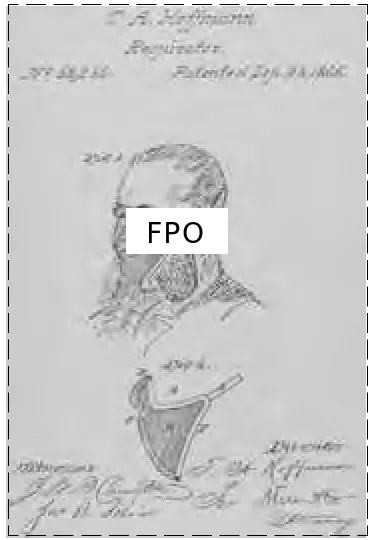
Fig. 2-1. Theodore A. Hoffman patented this respirator in 1866. It is representative of the already developing protective mask designs of the post–American Civil War era. Ironically, these masks were superior to the ad hoc emergency masks used by the Allies after the Germans began chemical warfare in World War I. Reprinted from US Patent No. 58,255; 25 Sep 1866.
against a sulfide of arsenic and verdigris powder he was proposing for a toxic weapon.10
The earliest known patent for a protective mask in the United States was filed by Lewis P. Haslett in 1847. His design included a moistened woolen fab-ric mask with an exhaust.11 Benjamin I. Lane’s
patent in 1850 included an air tank, goggles, and a rubber nose piece.12 John Stenhouse developed a
velvet-lined copper mask with a charcoal filter in 1854. The same year, George Wilson, a professor of technology at the University of Edinburgh, pro-posed that the British Board of Ordnance issue char-coal masks to soldiers to protect them from bombs employing suffocating or poisonous vapors during the Crimean War.13
Between the American Civil War and World War I, there were numerous additional patents and de-signs for protective devices that were used in dustry, for fire fighting, and in mines. These in-cluded an improved mask by Lane, which had a rubber facepiece with an exhaust; Theodore A. Hoffman’s mask, which was made of cotton with an elastic border to protect against aerosols (Figure 2-1); Samuel Barton’s mask with a metal-and-rub-ber facepiece, hood, goggles, and a charcoal filter; and Charles A. Ash’s mask, which added an air sup-ply for use by miners.3
Attempts to Control Chemical and Biological Warfare
Most of the early attempts to control chemical and biological warfare were bilateral or unilateral
agreements directed at the use of poisons. These included the 1675 agreement between the French and Germans, signed in Strassburg, to ban the use of poison bullets, and U.S. Army General Order No. 100, issued in 1863 during the American Civil War, which stated: “The use of poison in any manner, be it to poison wells, or food, or arms, is wholly ex-cluded from modern warfare.”14(p687)
The first international attempt to control chemi-cal and biologichemi-cal weapons occurred in 1874, when the International Declaration Concerning the Laws and Customs of War was signed in Brussels and included a prohibition against poison or poisoned arms. The First Hague Peace Conference in 1899 also banned the use of poisons and was ratified by the United States. However, a separate proposition stated: “The contracting Powers agree to abstain from the use of projectiles the sole object of which is the diffusion of asphyxiating gasses.”14(p685)
Al-though 27 nations, including Germany, France, Rus-sia, Austria-Hungary, and Great Britain, eventually agreed to this additional statement, the United States delegation declined to approve it.
Captain Alfred T. Mahan, a U.S. Navy delegate plenipotentiary, gave three reasons for opposing the additional restrictions: (1) currently used weapons were despised as cruel and inhumane when first introduced, (2) since there were no current chemi-cal weapons stockpiles, it was too early to ban them, and (3) chemical weapons were not any more inhu-mane than any other weapon. The 1907 Second Hague Peace Conference retained the ban against poisons.15
WORLD WAR I
When Europe was caught up in the crises of 1914 after the murder of Archduke Francis Ferdinand at Sarajevo and the declarations of war among Aus-tria-Hungary, Serbia, Germany, France, Russia, and Great Britain that followed within a month, few observers expected the 19th-century chemical and biological paper proposals to be transformed into actual battlefield operations. The United States, re-maining neutral under the policy of President Woodrow Wilson, certainly made no preparations for chemical and biological warfare.
Early Allied Chemical Warfare Plans
With the outbreak of hostilities, both the French and the British apparently considered, investigated, and tested various chemical weapons at home and on the battlefield. During the German invasion of
Belgium and France, the French used their ethyl bromoacetate grenades against the Germans, but with no noticeable effect. Although the grenades were considered of no military worth, the French apparently continued to consider the further use of tear agents against the Germans.
In the early stages of the war, the British exam-ined their own chemical technology for battlefield use. They initially investigated tear agents also but later turned to more toxic chemicals. In January 1915, several chemists at Imperial College success-fully demonstrated ethyl iodoacetate as a tear gas to the War Office by gassing a representative.
sympathetic ear in Winston Churchill in March 1915. The suggestion included a plan to use a sul-fur dioxide cloud against the Germans, screen the operation with smoke, and provide British troops a gas-proof helmet. Churchill declined to accept the sulfur dioxide plan but did put the officer in charge of a committee the next month to discuss the use of smoke on land and sea.9
German Chemical Warfare Plans
Possibly aware of the Allied interest in chemical weapons, the Germans also examined their own chemical technology for war applications. Their strong dye industry and the technical knowledge supplied by university professors in Berlin created the right combination for pursuing the concept of offensive chemical weapons. From the suggestion of Professor Walther Nernst, a physical chemist at the University of Berlin, or one of his colleagues, the Germans filled 105-mm shells with dianisidine chlorosulfate, a lung irritant, for use on the west-ern front. To evade the 1899 intwest-ernational ban, the Germans also put shrapnel in the shell so the “sole” purpose was not gas dissemination.
On 27 October 1914, the Germans fired 3,000 of these projectiles at the British near Neuve-Chapelle, but with no visible effects. The explosive aspect of the shells destroyed the chemical aspect. In fact, the British were apparently unaware that they were the victims of the first large-scale chemical projectile attack.
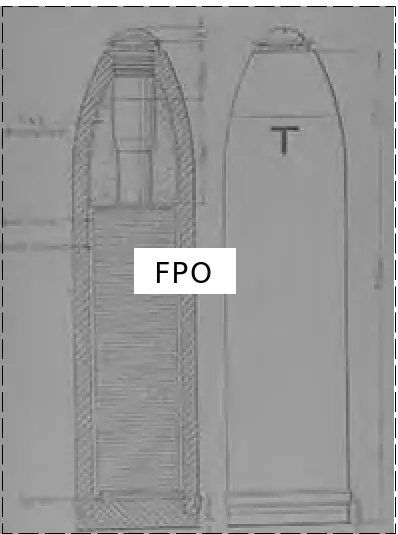
The Germans continued researching chemical shells, and by November 1914, Dr. Hans von Tappen, assigned to the Heavy Artillery Depart-ment, designed a 150-mm howitzer shell contain-ing 7 lb of xylyl bromide and a burster charge for splinter effect (Figure 2-2). The Germans moved these to the eastern front and experimented by fir-ing more than 18,000 of the shells at Russian posi-tions near Bolimov. In this case, the weather came to the aid of the Russians by providing cold tem-peratures that prevented the vaporization of the gas. The Germans tried the same shells again on the western front at Nieuport in March 1915 with equally unsuccessful results.9,14,16
Ypres, April 1915: The First Successful German Chemical Attack
[image:13.612.321.520.69.336.2]The concept of creating a toxic gas cloud from chemical cylinders was credited to Fritz Haber of the Kaiser Wilhelm Physical Institute of Berlin in late 1914. Owing to shortages of artillery shells,
Fig. 2-2. The German 150-mm T-Shell, which mixed xylyl bromide with an explosive charge. Note that the explo-sive charge was in the front and the chemical agent in the rear compartment. This design is similar to the one proposed in 1862 by John Doughty during the American Civil War (see Figure 3-1). Reprinted from Army War College. German Methods of Offense. Vol 1. In: Gas War-fare. Washington, DC: War Department; 1918: 59.
Haber thought a chemical gas cloud would negate the enemy’s earthworks without the use of high explosives. In addition, gas released directly from its storage cylinder would cover a far broader area than that dispersed from artillery shells. Haber se-lected chlorine for the gas since it was abundant in the German dye industry and would have no pro-longed influence over the terrain.
On 10 March 1915, under the guidance of Haber, Pioneer Regiment 35 placed 1,600 large and 4,130 small cylinders containing a total of 168 tons of chlo-rine opposite the Allied troops defending Ypres, Belgium. Haber also supplied the entire regiment with Draeger oxygen breathing sets, used in mine work, and a portion of the surrounding German infantry with small pads coated with sodium thio-sulfate. Once the cylinders were in place, the Ger-mans then waited for the winds to shift to a west-erly direction.9,14,17
The Germans believed this means of attack, nonprojectile, was still within the guidelines of the
Hague ban and hoped the cylinders would produce a potent cloud. The comments of General von Deimling, commanding general of the German 15th Corps in front of Ypres, written sometime after the war, however, perhaps better reflect the reason for initiating chemical warfare:
I must confess that the commission for poisoning the enemy, just as one poisons rats, struck me as it must any straight-forward soldier: it was repulsive to me. If, however, these poison gases would lead to the fall of Ypres, we would perhaps win a vic-tory which might decide the entire war. In view of such a high goal, personal susceptibilities had to be silent.18(p5)
On 22 April 1915, the Germans released the gas with mixed success. Initially, the Allied line simply fell apart. This was despite the fact that the Allies were aware of the pending gas attack, and British airmen had actually spotted the gas cylinders in the German trenches. The success of the attack was more significant than the Germans expected, and they were not ready to make significant gains de-spite the breakthrough. In addition, fresh Allied troops quickly restored a new line further back. The Allies claimed that 5,000 troops were killed in the attack, but this was probably an inflated number for propaganda purposes.18
The Germans used chlorine again at Ypres on 24 April 1915 and four more times during May 1915 (Figure 2-3). These additional attacks gained addi-tional ground. As one British soldier stated:
Nobody appears to have realized the great danger that was threatening, it being considered that the enemy’s attempt would certainly fail and that whatever gas reached our line could be easily fanned away. No one felt in the slightest degree uneasy, and the terrible effect of the gas came to us as a great surprise.19(p3)
Another observer, in reflecting about the attack at Ypres and the first major use of chemical war-fare, wrote: “The most stupendous change in warfare since gunpowder was invented had come, and come to stay. Let us not forget that.”20(p3) Yet chemical
warfare failed to be decisive and the German attack against Ypres was halted short of its objective.
Allied Chemical Warfare Retaliation
That same month, the British and the French be-gan planning to retaliate with chemical weapons. The Allied response to the chemical attacks evolved into three general categories:
Fig. 2-3. A typical German chemical cylinder set up and ready for discharge. The discharge from thousands of cylinders created the gas cloud. Reprinted from Army War College. German Methods of Offense. Vol 1. In: Gas Warfare. Washington, DC: War Department; 1918: 14.
1. protective devices for the troops, 2. toxic gases of their own, and
3. weapons to deliver the toxic gases to the enemy lines.
Shortly after the first chlorine attack, the Allies had primitive emergency protective masks. In Septem-ber, they launched their own chlorine attack against the Germans at Loos (Figure 2-4). This initiated a
Fig. 2-4. A French cylinder attack on German trenches in Flanders. The critical importance of the wind is appar-ent. Condensation of water vapor caused the cloudlike appearance of the gas. Photograph: Chemical and Bio-logical Defense Command Historical Research and Re-sponse Team, Aberdeen Proving Ground, Md.
FPO
deadly competition to develop better protective masks, more potent chemicals, and long-range de-livery systems to more widely disperse the agents. The Germans quickly escalated to phosgene to replace the less-effective chlorine. In May 1916, the Germans started using trichloromethyl chlorofor-mate (diphosgene), while the French tried hydro-gen cyanide 2 months later and cyanohydro-gen chloride the same year. In July 1917, the Germans introduced mustard agent to provide a persistent vesicant that could attack the body in places not protected by gas masks. To further complicate defensive actions, both sides mixed agents and experimented with camou-flage materials to prevent quick identification.3
German Biological Warfare Plans
While the German chemical warfare program was extensively documented after the war, the Ger-man use of biological weapons during World War I unfortunately was poorly documented and much debated. Apparently in 1915, the Germans initiated covert biological warfare attacks against the Allies’ horses and cattle on both the western and the east-ern fronts. In that year, they also allegedly used dis-ease-producing bacteria to inoculate horses and cattle leaving U.S. ports for shipment to the Allies. Other attacks included a reported attempt to spread plague in St. Petersburg, Russia, in 1915.3,21
The activities of German agents operating in the United States in 1915 came to light after the war. Erich von Steinmetz, a captain in the German navy, entered the United States disguised as a woman. He brought with him cultures of glanders to inocu-late horses intended for the western front. After try-ing unsuccessfully, he posed as a researcher and took the cultures to a laboratory, where it was de-termined the cultures were dead.
Anton Dilger was an American-educated surgeon who specialized in wound surgery at Johns Hopkins University, Baltimore, Maryland. After joining the German army in 1914, he suffered a nervous break-down and was sent to his parents’ home in Virginia since the United States was still neutral in the war. At the request of the German government, he brought along strains of anthrax and glanders to begin a horse-inoculation program. With his brother Carl, he set up a laboratory in a private house in Chevy Chase, Maryland, to produce additional quantities of the bacteria.
The bacteria from “Tony’s lab” were delivered to Captain Frederick Hinsch, who was using a house at the corner of Charles and Redwood Streets in
Baltimore, Maryland. Hinsch inoculated horses in Baltimore that were awaiting shipment to Europe. Dilger also attempted to establish a second biologi-cal warfare laboratory in St. Louis, Missouri, but gave up after a cold winter killed the cultures. Al-though the impact of these German agents’ activi-ties was not determined, the year 1915 is consid-ered to be the beginning of 20th-century antianimal biological warfare.22
Additional biological attacks reportedly occurred throughout the war. In 1916, a German agent with intentions to spread a biological agent was arrested in Russia. German agents also tried to infect horses with glanders and cattle with anthrax in Bucharest in 1916. In 1917, Germany was accused of poison-ing wells in the Somme area with human corpses, and dropping fruit, chocolate, and children’s toys infected with lethal bacteria into Romanian cities. German agents tried to infect horses with glanders and cattle with anthrax in France. A more success-ful attack was the infection of some 4,500 mules with glanders by a German agent in Mesopotamia. An-other reported attack was with cholera in Italy. A 1929 report also accused the Germans of dropping bombs containing “plague” over British positions during the war. Many of these reports were of ques-tionable authenticity and were vehemently denied by the Germans. As had happened during the American Civil War, the rampant spread of natu-rally occurring disease during World War I made the impact of planned biological warfare attacks impossible to determine.3,21
Pre-War Interest in the United States in Chemical Warfare
The production and use of offensive chemical weapons in the European war did not go completely unnoticed in the United States. The combination of the use of chemical warfare at Ypres in April, fol-lowed by the sinking of the Lusitania by a German U-boat off the Irish coast on 7 May 1915, shocked the nation. Americans began to take greater inter-est in the nature of warfare taking place in Europe and elsewhere. In May 1915, President Woodrow Wilson proposed that Germany halt chemical war-fare in exchange for the British ending their block-ade of neutral ports. Germany (and Great Britain) refused to comply.
Among the recommendations forwarded to the Board of Ordnance and Fortifications there may be found many suggestions in favor of the asphyxia-tion process, mostly by the employment of gases contained in bombs to be thrown within the lines of the foe, with varying effects from peaceful slum-ber to instant death. One ingenious person sug-gested a bomb laden to its full capacity with snuff, which should be so evenly and thoroughly distrib-uted that the enemy would be convulsed with sneezing, and in this period of paroxysm it would be possible to creep up on him and capture him in the throes of the convulsion.23(p12)
By the fall of 1915, the War Department finally became interested in providing American troops with some form of a protective mask. By then, the British already had the P helmet, a flannel bag treated with sodium phenate and sodium hypo-sulfite that fitted over the head and was effective against chlorine and phosgene gases. The Germans were slightly ahead with a rubberized facepiece, unbreakable eyepieces, and a drum canister.24
In the United States, the mask project was as-signed to the Army Medical Department. The Medi-cal Department sent several mediMedi-cal officers to Eu-rope as observers, but accomplished little else. Since the United States was not at war, no particular em-phasis was placed on the project. Ultimately, all major participants in World War I attempted to de-velop protective masks (Figure 2-5).
As relations with Germany declined over its un-restricted use of submarines, the war overtones did energize several key civilians in the U.S.
govern-Fig. 2-5. A potpourri of World War I–vin-tage protective masks. This extraordinary photograph gives some indication of the great effort made by the warring parties to develop an effective and practical (and fre-quently unsuccessful) defense against the chemical warfare threat. Top row, left to right: U.S. Navy Mark I mask; U.S. Navy Mark II mask; U.S. CE mask; U.S. RFK mask; U.S. AT mask; U.S. KT mask; U.S. model 1919 mask. Middle row, left to right: British Black Veil mask; British PH helmet; British BR mask; French M2 mask; French artillery mask; French ARS mask. Bottom row, left to right: German mask; Russian mask; Ital-ian mask; British Motor Corps mask; U.S. Rear Area mask; U.S. Connell mask. Photo-graph: Chemical and Biological Defense Command Historical Research and Re-sponse Team, Aberdeen Proving Ground, Md. ment. One, Van H. Manning, Director of Bureau of Mines, Department of the Interior, called together his division chiefs on 7 February 1917 to discuss how they could assist the government if the coun-try was drawn into war. At this meeting, George S. Rice suggested that the bureau might turn its expe-rience in mine gas and rescue apparatus toward the investigation of war gases and masks.
The next day, Manning sent a letter to Dr. C. D. Walcott, Chairman of the Military Committee of the National Research Council (NRC), which had been created the year before, offering the Bureau’s ser-vices in creating a chemical warfare program for the army. On 12 February 1917, Dr. Walcott replied to Manning’s letter, stating that he would bring the matter to the attention of the Military Committee.
Events, however, moved quicker than the Military Committee. On 2 April 1917, President Wilson addressed the U.S. Congress and called for a declaration of war. The next day, the Military Committee acted on Manning’s proposal and estab-lished the Subcommittee on Noxious Gases under the chairmanship of the director of the Bureau of Mines, and to include ordnance and medical offic-ers from both the army and the navy, as well as two members of the Chemical Committee of the NRC. Their mission was to investigate noxious gases, the generation of chemical warfare agents, and the discovery of antidotes for war purposes. Three days later the United States declared war on Germany when congress approved the president’s request.17,25,26
The United States Organizes for Chemical Warfare
The new Subcommittee on Toxic Gases got off to a quick start. Within a short time, the subcommit-tee began organizing research into chemical agents at universities and industries across the nation, while mobilizing a large portion of the chemists in the country. This initial phase was the groundwork that later led to the establishment of the Chemical Warfare Service, the forerunner of the Chemical Corps. Thus the country’s civilian scientists, engi-neers, and chemistry professors rescued the army from its unpreparedness for chemical warfare.
Eventually, the War Department also began to plan for chemical warfare. The Medical Department was assigned responsibility for chemical defense and the Ordnance Department responsibility for chemical munitions. The Corps of Engineers was designated to provide engineers to employ the new weapons. This diversified arrangement did not last long.
When General John J. Pershing faced the task of organizing the American Expeditionary Forces (AEF) in France in the summer of 1917, he decided to place responsibility for all phases of gas warfare in a single military service, and he recommended that the War Department at home do likewise. On 3 September 1917, the AEF established a centralized Gas Service under the command of Lieutenant Colo-nel Amos A. Fries.25,26 The new organization had
many hurdles to overcome. The troops had virtu-ally no chemical warfare equipment of U.S. design and relied on the British and French to supply equipment from gas masks to munitions.
U.S. Troops Introduced to Chemical Warfare
Despite the Allied support, the U.S. Army was not ready for chemical warfare. For example, on 26 February 1918, the Germans fired 150 to 250 phos-gene and chloropicrin projectiles against the Ameri-cans near Bois de Remieres, France. The first attack occurred between 1:20 AM and 1:30 AM. There was a
blinding flash of light and then several seconds elapsed before the projectiles reached their target. Some exploded in the air and others on the ground. A second and similar attack occurred about an hour later. The attack and its casualties were recorded by many observers, including the following selected accounts27:
• A corporal saw the projectiles burst 10 ft in the air with flash and smoke. As the shells
burst, he got his mask on without smelling any gas. When he took his mask off an hour and a half later, however, he could smell gas.
• One private said the gas smelled like sour milk and had a sharp odor. It hurt his eyes and nose. Another private forgot to hold his breath while putting on his mask. The gas smelled sweet and he became sick to the stomach and his lungs hurt. Still, he kept his mask on for 4 hours.
• One man in panic stampeded and knocked down two others who were adjusting their masks. The panicked man rushed down the trench screaming and made no attempt to put on his respirator; he died shortly after reaching the dressing station.
• Another man threw himself in the bottom of the trench and began to scream. Two oth-ers, trying to adjust his respirator, had their own pulled off and were gassed. The screaming man was finally carried out of the area but died not long after.
• An officer was gassed while shouting to the men to keep their respirators on.
The Americans suffered 85 casualties with 8 deaths, approximately 33% of their battalion. The problem was a lack of discipline. Because a good American mask was not yet available, the soldiers were issued two gas masks: a French M2, which was comfortable but not extremely effective; and a Brit-ish small-box respirator (SBR), which was effective but uncomfortable with its scuba-type mouthpiece and nose clip. At the first sign of gas, some of the men could not find their gas masks in time. Others were able to get their SBRs on, but then either re-moved their masks too quickly or decided to switch to the more comfortable French mask and were gassed in the process.27
An editorial later summed up the lesson learned from this first fiasco:
A stack of standing orders a mile high will not dis-cipline an army. Neither can you so train men at the outbreak of hostilities that they can protect themselves against the gas which will be used by the enemy. We must train our Army to the last de-gree during peace.28(p2)
Creation of the Chemical Warfare Service
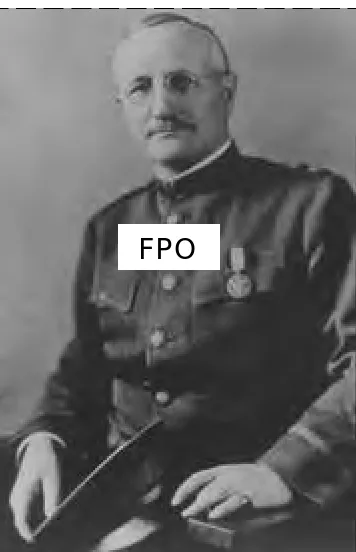
of-Fig. 2-6. Major General William L. Sibert was the first commanding general of the U.S. Army Chemical War-fare Service. He had previously commanded the 1st Di-vision in France in early 1918. Photograph: Chemical and Biological Defense Command Historical Research and Response Team, Aberdeen Proving Ground, Md.
ficer, Major General William L. Sibert (Figure 2-6). When President Wilson transferred the research fa-cilities that had been set up by the Bureau of Mines to the War Department, the stage was set for the inauguration of a new consolidated organization. On 28 June 1918, the War Department formally es-tablished the Chemical Warfare Service (CWS) un-der Sibert as part of the National Army (ie, the war-time army, as distinguished from the regular army), with full responsibility for all facilities and func-tions relating to toxic chemicals.
The CWS was organized into seven main divisions. The Research Division was located at American University, Washington, D. C. Most of the weapons and agent research was conducted by this division during the war. The Gas Defense Division was re-sponsible for the production of gas masks and had a large plant in Long Island City, New York. The Gas Offense Division was responsible for the pro-duction of chemical agents and weapons, with its main facility located at Edgewood Arsenal, Mary-land. The Development Division was responsible for charcoal production, and also pilot-plant work
on mustard agent production. The Proving Ground Division was collocated with the Training Division at Lakehurst, New Jersey. The Medical Division was responsible for the pharmacological aspects of chemical defense.
The offensive chemical unit for the AEF was the First Gas Regiment, formerly the 30th Engineers. This unit was organized at American University under the command of Colonel E. J. Atkisson in 1917, and was sent to France in early 1918.17,25
The U.S. Army finally had an organization that controlled offensive chemical production, defensive equipment production, training, testing, and basic research, along with a new chemical warfare unit, the First Gas Regiment, under one general. This organization helped lead the AEF to victory, al-though much of its work, including the construc-tion of toxic gas–producconstruc-tion and –filling plants and gas mask factories, was only partially completed by the end of the war.
Agent Production
Agent production and shell-filling were initially assigned to the Ordnance Department and then to the CWS. The primary facility was Edgewood Arsenal, Maryland, erected in the winter of 1917– 1918. The plant was designed to have four shell-filling plants and four chemical agent production plants. The first shell-filling plant filled 75-mm, 155-mm, 4.7-in., and Livens projectiles with phosgene. A second filling plant was added to fill 155-mm shells with mustard agent or chloropicrin (Figure 2-7). Two additional shell-filling plants were started but not completed before the end of the war.
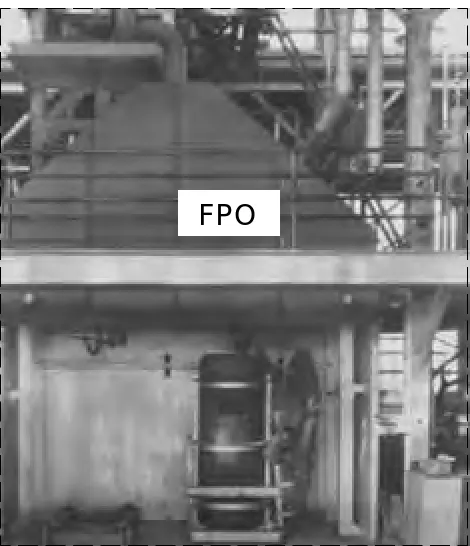
The four agent production plants produced the highest priority agents thought to be required for the western front in 1917. These were chlorine, chlo-ropicrin, phosgene, and mustard agent (Figure 2-8). By 1918, the first two were no longer critical agents, although chlorine was used in the produc-tion of phosgene. Over 935 tons of phosgene and 711 tons of mustard agent were produced at the arsenal by the end of the war. Government contractors also produced these four agents and Lewisite, named af-ter Captain W. Lee Lewis, a member of the CWS Re-search Division. The Lewisite, however, never reached the front: it was dumped somewhere in the Atlantic Ocean (ie, sea dumped) after the armistice.3,17,26
Chemical Weapons
[image:18.612.100.278.68.344.2]fensive chemical attack was the portable chemical cylinder, designed to hold 30 to 70 lb of agent. Sol-diers simply opened a valve and hoped the wind continued to blow in the right direction. The result-ing cloud could drift many miles behind enemy
Fig. 2-8. Interior view of the Mustard Agent Production Plant at Edgewood Arsenal, Md. Photograph: Chemical and Biological Defense Command Historical Research and Response Team, Aberdeen Proving Ground, Md.
lines, or, if the wind changed, could gas friendly troops.
The British improved on the delivery system, developing the Livens projector, an 8-in. mortarlike tube that shot or projected the cylinder into the Fig. 2-7. Filling 75-mm artillery shells with mustard agent at Edgewood Arsenal, Md. Facilities designed to fill shells with chemical agents were notoriously hazardous. Anecdotal reports from mustard shell-filling plants indicated that over sev-eral months, the entire labor force could be expected to become ill. These workers’ apparent nonchalance to the hazards of mustard would not be tolerated by the occupational medicine standards of a later era (see Figure 2-31). Photograph: Chemical and Biological Defense Command Historical Research and Response Team, Aberdeen Proving Ground, Md.
FPO
enemy’s lines (Figures 2-9 and 2-10). The range was a respectable 1,700 yd, with a flight time of 25 sec-onds. There were several problems with the system. Fig. 2-9. A battery of dug-in Livens projectors, with one gas shell and its propellant charge shown in the fore-ground. Electrically controlled salvo firing was the usual mode of operation. Emplacement was a slow process, and it limited the surprise factor for attack. Photograph: Chemical and Biological Defense Command Historical Re-search and Response Team, Aberdeen Proving Ground, Md.
Fig. 2-10. Sectionalized view of a Livens projectile. The central tube contains a small explosive charge, which, when detonated by the contact fuze, breaks the shell and aids in the dissemination of the chemical agent. The usual weight of the chemical agent was 30 lb; the shell weighed an additional 30 lb. Photograph: Chemical and Biologi-cal Defense Command HistoriBiologi-cal Research and Response Team, Aberdeen Proving Ground, Md.
Being electrically fired, a battery of Livens projec-tors required extensive preparation and could not be moved once set up. Normally, a battery could only be emplaced and fired once a day. This lim-ited mobility required the element of surprise to prevent the Germans from taking counter actions. British 4-in. trench mortars, called Stokes mor-tars (Figure 2-11), provided a solution to some of the problems with Livens projectors. The Stokes mortar did not require extensive preparation and could be moved as needed. Since it was not rifled, the range was only 1,200 yd, which meant about a 14-second flight time. The small size of the shell only held about 6 to 9 lb of agent, but experienced gunners could fire 25 rounds per minute. Ameri-can troops used both Livens projectors and Stokes mortars during the war. Ordnance officers tried making their own Stokes mortars, but none reached the front before the end of the war.
In addition to the special chemical weapons, the CWS fired chemical rounds from 75-mm, 4.7-in., 155-mm, and larger-caliber guns. Many of these had ranges of 5 to 10 miles, with payloads of as much as 50 lb of agent. Owing to a shortage of shell parts and the late completion of U.S. shell-filling plants, U.S. troops primarily fired French phosgene and mustard agent rounds.3,14,26
Biological Warfare Weapons
By 1918, the United States was apparently aware of the German biological warfare program, but the only agent examined was a toxin for retaliatory
Fig. 2-11. A complete Stokes mortar with ammunition and accessories for firing. Photograph: Chemical and Biologi-cal Defense Command HistoriBiologi-cal Research and Response Team, Aberdeen Proving Ground, Md.
FPO
FPO
Fig. 2-12. Early attempts at collective protection during World War I included the dugout blanket, which was used to cover the doorways to dugouts. Reprinted from Army War College. Methods of Defense Against Gas At-tacks. Vol 2. In: Gas Warfare. Washington, DC: War De-partment; 1918: Figure 18.
purposes. Ricin, derived from castor beans, could be disseminated two ways. The first involved ad-hering ricin to shrapnel bullets for containment in an artillery shell. The results of this work were stated in a technical report in 1918:
These experiments show two important points: (1) easily prepared preparations of ricin can be made to adhere to shrapnel bullets, (2) there is no loss in toxicity of firing and even with the crudest method of coating the bullets, not a very considerable loss of the material itself. ... It is not unreasonable to suppose that every wound inflicted by a shrapnel bullet coated with ricin would produce a serious casualty. ... Many wounds which would otherwise be trivial would be fatal.29(p112)
The second involved the production of a ricin dust cloud, but due to limited amounts of ricin be-ing produced and the inefficient delivery via the respiratory tract, little work seems to have been pursued in this means of dissemination. Although both approaches were laboratory tested, neither was perfected for use in Europe before the end of the war.29
Protective Equipment
The early unsuccessful efforts to produce a gas mask were resolved by CWS researchers at American University and other CWS research fa-cilities. In the spring of 1918, the CWS issued the Richardson, Flory, and Kops (RFK) mask, which was an improved version of the British SBR. Over 3 mil-lion were produced for U.S. troops. Late in 1918, the CWS merged the best aspects of the RFK mask with a French design that eliminated the scuba-type mouthpiece. Designated the Kops Tissot Monro (KTM) mask, only 2,000 were produced before the end of the war.14,30–32 Humans were not the only
crea-tures requiring protection against chemical agents: the CWS developed protective masks for horses, dogs, and carrier pigeons.
Other efforts at individual protection were not very successful. Sag Paste derived its name from Salve Antigas and was intended as an ointment that would prevent mustard agent burns. It was made of zinc stearate and vegetable oil and, for a short period, provided some protection against large doses of mustard agent. However, once the paste absorbed the mustard, injuries occurred. In addi-tion, there was the problem of an individual’s hav-ing to apply the paste to all the parts of his body using his contaminated hands and while remain-ing on the battlefield. Over 900 tons of Sag Paste was shipped to the AEF during the war.14,26
The early concerns with collective protection pri-marily concentrated on providing a group of sol-diers a gas-proof place in the trenches where they could remove the uncomfortable early gas masks. To accomplish this objective, studies were con-ducted on blankets to hang over dugout doorways, and various coatings or impregnates were examined for agent resistance. The result was a regular cot-ton blanket treated with dugout-blanket oil, a spe-cial heavy oil (Figure 2-12). Over 35,000 such blan-kets were shipped to the AEF.26
For ventilation of the dugout, there was the spe-cial antigas fan known as the Canvas Trench Fan. A 1918 War College gas warfare manual dedicated seven pages to the use of the fan, although all the fan really did was disperse the gas (Figure 2-13). Still, over 25,000 trench fans were sent to the front.26,33
Decontamination
There was also the problem of cleaning up the chemical agents after the gas attack. Mustard agent was a significant problem when it came to decon-taminating the ground. The Germans apparently used chloride of lime to decontaminate the ground after an explosion at Germany’s first mustard agent factory in Adlershof. For the AEF, bleaching