Perceptions of quality of life in people
with mild or borderline learning disability
and the autism diagnostic process
SUZANNE JANE SMITH
A thesis submitted in partial fulfilment of the requirements of
the University of the West of England, Bristol for the degree of
Doctorate of Health and Social Care
Sponsored by SEQOL (Care and Support Partnership),
Swindon
Faculty of Health and Applied Sciences, University of the
West of England, Bristol March 2015
Word Count: 59,067 (Excluding Index, References and
Appendices)
Acknowledgments
My thanks go firstly to the people that motivated this study, who are
the participants. This is a group of people for whom direct engagement
is not always easy and I very much appreciate the time that they and
their supporters gave to enable this study to happen.
I have hugely appreciated the support, knowledge, time and focus
given by my supervision team: Professor Jane Powell, Professor Sue
Roulstone and Dr Neil Summers. They have all been generous in their
time and have motivated me to continue to learn and improve on
everything I have been trying to do.
Without the support of my husband Gary, and children Tom and Joe
this would not have been possible. They have been a part of this
process and have contributed to it in numerous ways, some of them
they may not have fully realised.
My employer, SEQOL, have been key to ensuring that I was able to
complete this doctorate and allowing some time and space to achieve
it within a demanding job. Particular thanks go to Graham Walker who
helped me to begin the process and believed that it was possible.
Many friends have helped practically and emotionally. I am very
grateful to Mark Lever and Richard Mills for their time, support and
Finally thanks to both my parents and parents-in-law for just being
willing to do whatever they could without asking any questions.
This thesis is dedicated to the memory of my brother John, my
greatest motivation to continue when times were tough.
Abstract
This study used mixed methods to gather multidimensional quality of
life perceptions from a small group of adults (n = 20) who had mild or
borderline learning disabilities and had been referred to a local
diagnostic process. The methods were developed through a contextual
literature search and a focus group. Quantitative methods involved the
administration of quantitative tools, which were the Comprehensive
Quality of Life Scale - Intellectual/Cognitive Disability (COMQOL-I5)
(Cummins et al 1997) and the Personal Wellbeing Index - Intellectual
Disability (PWI-ID) (Cummins and Lau 2005) as well as a visual
ranking exercise of dimension importance. An in-depth qualitative
interview, using some adapted ethnographic approaches was carried
out with a purposively selected group of eight of the participants.
Quantitative analysis was carried out using selected statistical analysis
and qualitative data analysed using thematic analysis (Braun and
Clarke 2013).
The findings indicated that the study group had a generally low level of
objective quality of life with the exception of the dimensions of health
and emotional wellbeing. The study group had a lower level of
subjective quality of life than was expected, with the exceptions of the
dimensions of social interaction and safety. Themes were identified in
not fair, emotions are a problem, communication is key, control is key,
I want to feel worthwhile and it all boils down to the moneywise.
This study identified some differences in quantitative indicators of
subjective and objective quality of life for this participant group from
studies of people with a learning disability and the ordinary population.
It raised issues in relation to the specific impact of autism
characteristics on quality of life perceptions, particularly in the areas of
social interaction, health and material wellbeing. It highlighted the
importance of combining clinical and research roles and demonstrated
that this participant group’s quality of life perceptions could be
INDEX
Acknowledgments ... 2
Abstract ... 4
INDEX ... 6
Chapter One: Introduction ... 14
1.1 Overview of study ... 14
1.2 National and local background ... 18
1.3 Diagnostic process ... 19
1.3.1 Economic factors related to diagnostic services ... 21
1.3.2 Diagnostic terms ... 21
1.3.3 Alternative diagnostic outcomes ... 23
1.3.4 Changes in diagnostic categories ... 24
1.3.5 Diagnostic labels ... 27
1.4 Neurodevelopmental difference in Autism Spectrum Disorder . 29 1.4.1 Theory of mind ... 29
1.4.2 Executive functioning ... 30
1.4.3 Central coherence ... 30
1.4.4 Neurotypicality ... 31
1.5 Relationship between autism and learning disability ... 31
1.6 Quality of life ... 34
1.7 Motivation for study of people with a mild or borderline learning disability and possible autism ... 35
1.8 Aims and objectives of study ... 38
1.8.1 Primary question ... 39
1.8.2 Secondary questions ... 39
1.8.3 Outline of thesis ... 39
Chapter Two: Contextual literature background to the study ... 41
2.1 Introduction ... 41
2.2 Published literature ... 41
2.2.1 Summary of key points from published literature ... 57
2.3 Unpublished contextual literature ... 59
Chapter Three: Theoretical concepts of quality of life in people with a mild or borderline learning disability and possible autism
... 65
3.1 Introduction ... 65
3.2 History of quality of life concept in learning disability literature . 66 3.3 Current understanding of the term quality of life in learning disability literature ... 69
3.4 Objective indicators of quality of life ... 71
3.5 Subjective indicators of quality of life ... 72
3.6 Relationship between subjective and objective indicators ... 73
3.7 Subjective wellbeing and happiness ... 76
3.8 Subjective and objective quality of life for the population of people who do not have a learning disability ... 77
3.9 Quality of life as a measurement in this present study ... 79
3.9.1 Measuring quality of life in people with a learning disability ... 81
3.9.2 Rationale for selection of quantitative quality of life tools ... 82
3.10 Gathering qualitative quality of life data from people with a learning disability and autism ... 89
Chapter Four: Methodology and methods ... 91
4.1 Introduction ... 91
4.2 Methodological position ... 91
4.2.1 Relationship between nature of enquiry and methodology ... 91
4.2.2 Relationship between participant group and methodology ... 92
4.2.3 Influence of ethnographic approach on methodology ... 93
4.3 Mixed methods approach ... 99
4.4 Summary of methodology ... 100
4.5 Methods overview ... 101
4.6 Ethical approval ... 101
4.7 Phase One: the developmental phase ... 102
4.7.1 Contextual literature approach ... 102
4.7.2 Focus group ... 105
4.7.3 Sample selection ... 106
4.7.4 Advantages and disadvantages of using a focus group ... 107
4.7.6 Invitation and venue ... 110
4.7.7 Approach and structure to focus group ... 110
4.7.8 Participant characteristics and learning from focus group ... 113
4.7.9 Learning from focus group ... 116
4.8 Phase Two: the pilot study ... 120
4.8.1 Purpose of pilot phase ... 120
4.8.2 Sample selection ... 120
4.8.3 Engagement in research ... 121
4.8.4 Pre-testing procedures ... 122
4.8.5 COMQOL-I5 and PWI-ID ... 124
4.8.6 Visual ranking exercise ... 124
4.8.7 Qualitative interview ... 125
4.8.8 Data gathering and appraisal in the pilot stage ... 128
4.8.9 Learning from pilot interviews ... 133
4.9 Phase Three: the research phase ... 137
4.9.1 Justification for quantitative analysis ... 137
4.9.2 Justification for sample size ... 139
4.9.3 Justification for sample size for qualitative analysis ... 141
4.10 Quantitative analysis ... 142
4.10.1 Descriptive quantitative analysis PWI-ID and COMQOL-I5 ... 142
4.10.2 Analysis of observable change in the data ... 142
4.10.3 Analysis of visual ranking exercise ... 143
4.11 Qualitative analysis ... 144
4.11.1 Aim of analysis ... 144
4.11.2 Analytical method ... 145
4.12 Summary of methodology and methods ... 146
Chapter Five: Results ... 148
5.1 Introduction ... 148
5.2 Results from pilot and research phase ... 149
5.2.1 Participant characteristics ... 149
5.3 Findings related to methods and engagement with the participant group ... 152
5.3.1 Accessing the participants ... 152
5.3.2 Gatekeepers ... 153
5.3.3 Location for engagement ... 154
5.3.4 Response to the quantitative tools ... 155
5.3.5 Response to visual hierarchy task ... 156
5.3.6 Response to pictorial supports in the qualitative interview ... 156
5.3.7 Summary of learning from research engagement ... 157
5.4 Quantitative results ... 158
5.4.1 Descriptive statistics for mean COMQOL-I5 scores ... 159
5.4.2 Analysis of significance of observable change in COMQOL-I5 scores ... 162
5.4.4 Descriptive statistics for PWI-ID mean scores ... 172
5.4.5 Analysis of significance of observable change in PWI-ID scores across whole sample group ... 175
5.4.6 Comparison of this study with a published study using PWI-ID with people with a learning disability ... 178
5.4.7 Changes in PWI-ID scores ... 180
5.4.8 Descriptive statistics for visual hierarchy exercise ... 186
5.4.9 Summary of quantitative results ... 188
5.5 Qualitative results ... 190
5.5.1 Introduction ... 190
5.5.2 Central themes related to quality of life perceptions across whole data set ... 191
5.5.3 Changes in central theme patterns throughout the diagnostic process ... 221
5.5.4 Subtheme patterns ... 224
5.5.5 Summary of qualitative results ... 229
5.6 Illustrative cases combining detail of quantitiative and qualitative results ... 232
5.6.1 Mark – an adaptive case ... 233
Themes for Mark ... 235
5.6.2 John – an adaptor moving to deprivation ... 239
Themes for John ... 241
5.6.3 Jane – In wellbeing and remaining there ... 246
Themes for Jane ... 248
5.6.4 David – In wellbeing and life improving ... 253
Themes for David ... 255
5.6.5 Summary of results of illustrative cases ... 259
Chapter Six: Discussion ... 263
6.1 Introduction ... 263
6.2 Engagement and access ... 264
6.3 Issues arising from methods employed ... 273
6.4 Quality of life perceptions across whole study group ... 279
6.4.1 Overall objective quality of life ... 280
6.4.2 Changes to objective quality of life ... 284
6.4.3 Overall subjective quality of life ... 286
6.4.4 Changes in subjective wellbeing ... 287
6.4.5 Balance of subjective and objective quality of life ... 291
6.5 Social interaction ... 293
6.6 Health ... 299
6.7 Sensory issues and health ... 302
6.9 Safety and community participation ... 306
6.10 Future security ... 311
6.11 Limitations of study ... 314
6.12 Implications for future research and clinical practice ... 317
Chapter Seven: Conclusions ... 321
7.1 Overview ... 321
7.2 Contribution to new learning and clinical practice ... 323
References ... 325
Bibliography ... 343
List of Appendices ... 346
Appendix A ... 348
Appendix B ... 350
Appendix C ... 351
Appendix D ... 357
Appendix E ... 359
Appendix F ... 361
Appendix G ... 362
Appendix H ... 368
Appendix I ... 372
Appendix J ... 374
Index of illustrations
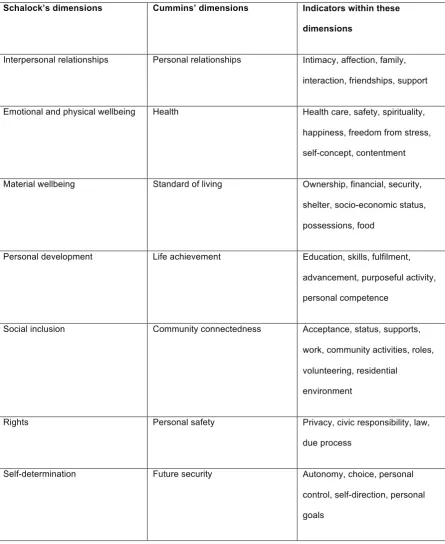
Table 3.1: Relationship between indicators and quality of life dimensions ... 88
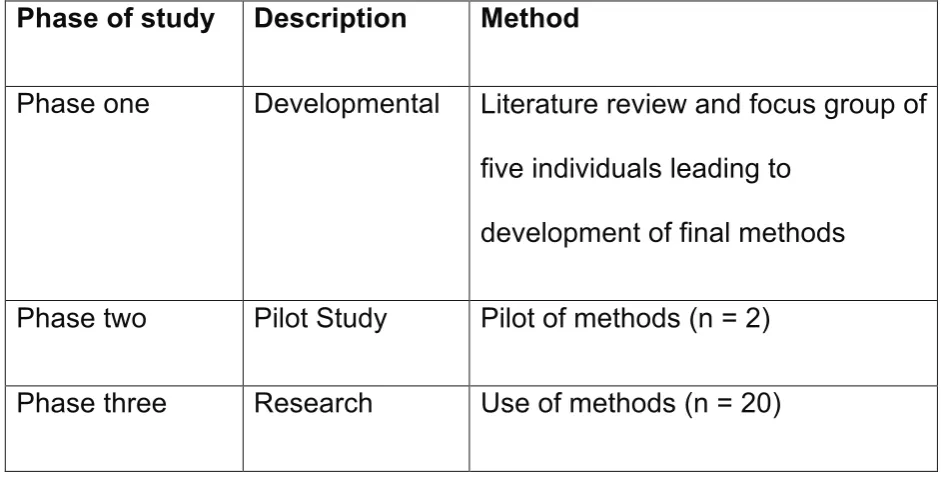
Table 4.1: Method phases in the study ... 101
Table 4.2: Pattern of participant uptake in focus group ... 114
Table 4.3: Focus of questions in pilot phase ... 131
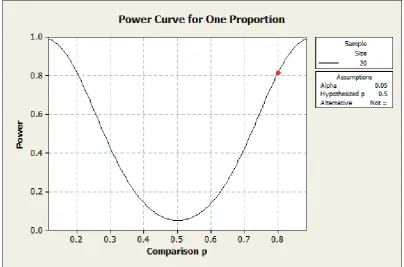
Figure 4.1: Calculation of power curve for this study ... 139
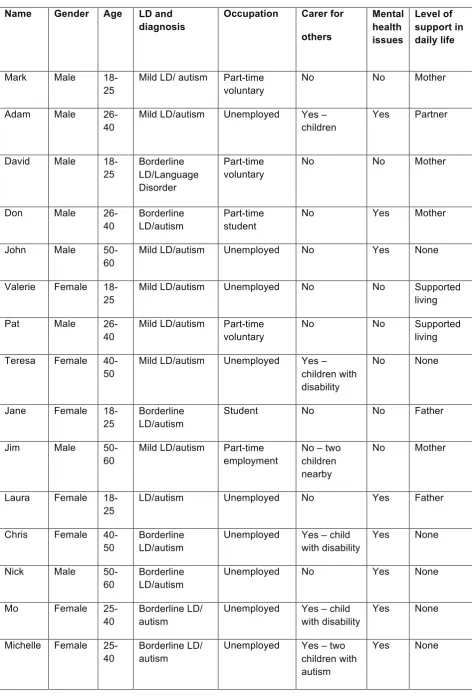
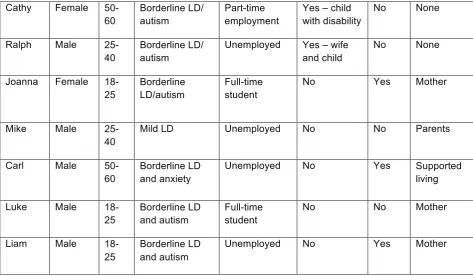
Table 5.1: Characteristics of participants engaged in research phase of study .. 150
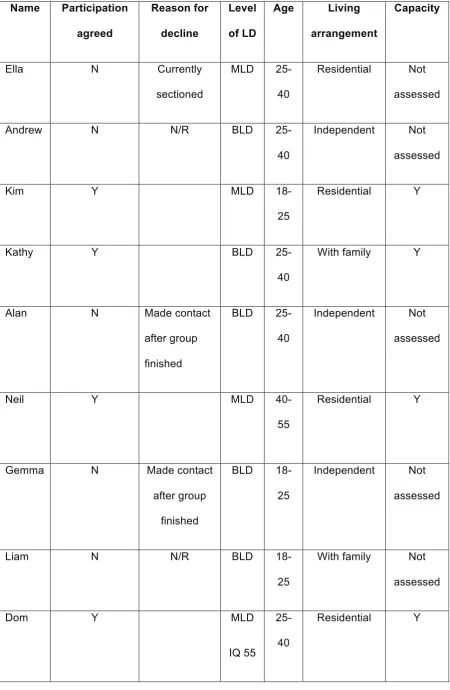
Table 5.2: Background of potential participants who were not engaged in research phase of study ... 151
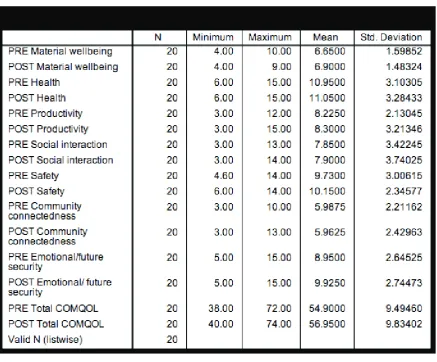
Table 5.3: Descriptive analysis of pre and post-diagnostic mean scores in dimensions and total COMQOL-I5 scores for the sample ... 160
Chart 5.1: Patterns of mean COMQOL-I5 scores across dimensions (pre and post-diagnostic process) ... 161
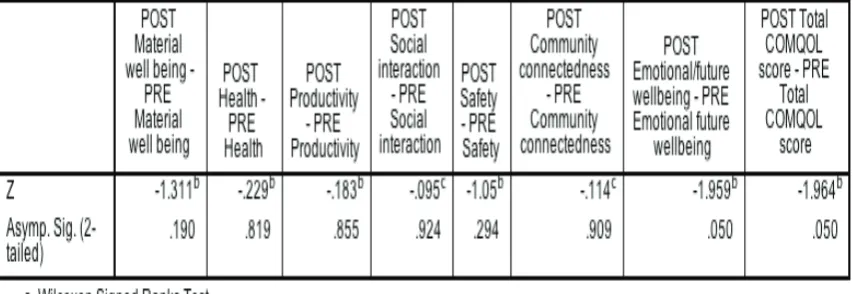
Table 5.4: Analysis of differences in mean COMQOL-I5 dimensions and in total ... 163
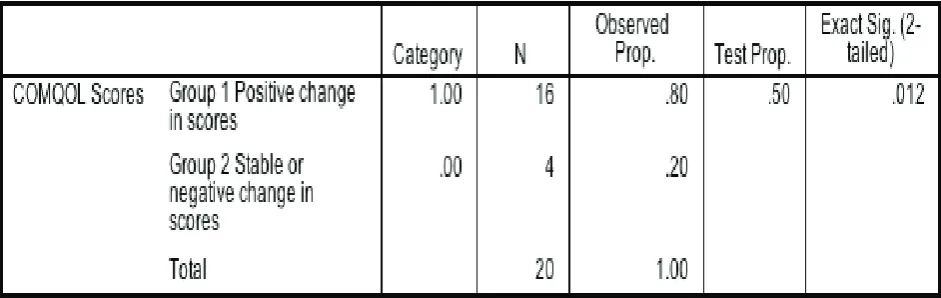
Table 5.5: Binomial test of distribution of patterns of change of COMQOL-I5 scores in sample ... 164
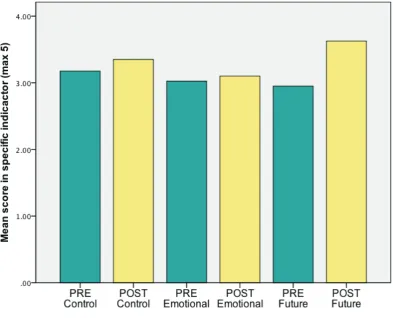
Chart 5.2: Changes of mean in specific indicators that make up the COMQOL dimension of emotional wellbeing ... 165
Table 5.6: Analysis of significance of difference in scores in indicators that make up the COMQOL-I5 dimension of emotional wellbeing using the Wilcoxon signed rank test ... 166
Chart 5.3 and Chart 5.4: A side-by-side comparison showing mean scores in COMQOL-I5 dimensions from Verri’s Australian population (1999) and this researcher’s study group ... 167
Graph 5.1: A scattergraph showing individual participant changes in COMQOL-I5 scores across the diagnostic process ... 169
Table 5.7: Descriptive statistics for PWI-ID scores across all dimensions ... 173
Chart 5.5: PWI-ID scores across all dimensions and scores pre and post-diagnostic process ... 174
Table 5.8: Analysis of observable change in mean PWI-ID across sample group ... 175
Chart 5.6 and Chart 5.7: A side-by-side comparison showing mean PWI-ID scores across dimensions in McGillivray’s 2009 study and this researcher’s study ... 178
Graph 5.2: Individual changes in mean PWI-ID scores across the diagnostic
process ... 180
Figure 5.1Participants overall scores, pre and post-diagnosis, related to Zapft’s dimensions of objective and subjective wellbeing (1984) ... 183
Table 5.10: Descriptive statistics for visual ranking exercise ratings for participants in study ... 186
Chart 5.8: Mean ranking scores for each dimension across study group ... 187
Figure 5.2: Central themes identified from data set ... 192
Figure 5.3: Subthemes that were linked by the central theme of ‘People have value’ ... 193
Figure 5.4: Subthemes that were linked by the central theme of ‘Other people are the problem’ ... 197
Figure 5.5: Subthemes that were linked to central theme ‘My emotions are the problem’ ... 200
Figure 5.6: Subthemes that were linked by the central theme of ‘Life is not fair’ 203
Figure 5.7: Subthemes that were linked by the central theme of ‘Communication is the problem’ ... 207
Figure 5.8: Subthemes that were linked by the central theme of ‘Control is
important’ ... 210
Figure 5.9: Subthemes that were linked by the central theme of ‘It all boils down to the moneywise’ ... 214
Figure 5.10: Subthemes that were linked by the central theme of ‘I need to feel worthwhile’ ... 217
Table 5.11: Central theme patterns throughout diagnostic process ... 221
Figure 5.11: Distribution of positive and neutral quality of life perceptions across all qualitative interviews (number of references to code across interview in brackets) ... 227
Figure 5.12: Distribution of negative quality of life perceptions across all qualitative interviews (number of references to themes shown in brackets) ... 228
Chart 5.9: PWI-ID scores for Mark ... 233
Chart 5.10: COMQOL-I5 scores for Mark ... 234
Chart 5.11: PWI-ID scores for John ... 239
Chart 5.12: COMQOL-I5 scores for John ... 240
Table 5.13: Order of dimension importance for John before and after diagnosis 240
Chart 5.13: PWI-ID scores for Jane ... 246
Chart 5.14: COMQOL-I5 dimensions for Jane ... 247
Table 5.14: Order of dimension importance for Jane before and after diagnosis 248
Chart 5.15: PWI-ID scores for David ... 253
Chart 5.16: COMQOL scores for David ... 254
Chapter One: Introduction
This section will begin by providing a brief overview of the study. Detail
will then be provided on the local and national context for the study
and an explanation will be given of key terms that will be used
throughout. The nature and method of gathering contextual literature
to support the study will be described and explained, alongside a
review of relevant literature. The introduction will conclude with the
questions that this study set out to explore.
1.1 Overview of study
People with a mild or borderline learning disability, who may also have
autism, have limited representation in research literature. This group
were primarily identified in studies exploring the criminal justice
system, substance abuse and mental health issues (Ellem et al 2013;
van Duijvenbode et al 2012; Vinkers 2013; Ellem et al 2008). They
were most likely to become visible within clinical services supporting
people with a mild or borderline learning disability with these additional
challenges. As a result, this was a group that had a presence in clinical
practice when they experienced difficulties, but little was understood
about their lives and perceptions. In general, studies of individuals with
a more significant learning disability focused on measurement of
objective quality of life, using quantitative tools (Billstedt et al 2011;
appeared to reflect the communication challenges for individuals with a
moderate or severe learning disability who were generally chosen as
participants. These participants were more likely to have difficulties
with their own expression and others’ ability to interpret their
perceptions of quality of life.
Individuals with a mild or borderline learning disability may have subtle
speech and language difficulties that could add complexity to
understanding their perspective on their lives. Clinical experience has
suggested that this group should have adequate verbal ability to
express views on their own lives, with skilled support. The existence of
an Autism Diagnostic Service in one local area, with a specialism in
learning disability, provided an opportunity to access participants with
a mild or borderline learning disability and possible autism. The
investigator in this study was a Speech and Language Therapist with
specific skills and experience in supporting individuals with autism and
learning disabilities. The main objective of this study was to explore
and describe the quality of life perceptions for this group. This study
also set out to describe any change in these perceptions following the
diagnostic process and to understand the issues and approaches
needed to engage this group in a research process.
This was a small-scale study (n=20), but it represented 77% of the
total population of individuals with a mild or borderline learning
period of one year. A focus group was used to assist in the
development of methods for the main study. The main study used
mixed methods and incorporated quantitative questionnaires
(Cummins and Lau 1997, 2005), a visual hierarchy exercise and
in-depth qualitative interviews. These methods measured and described
the participants’ subjective and objective perceptions across multiple
dimensions of quality of life. These measurements were carried out
before individuals began the diagnostic process and were then
repeated after the diagnostic process had been completed. Statistical
analysis was carried out on the quantitative data gathered and
thematic analysis was used to identify and explore themes in the
qualitative data (Braun and Clarke 2013).
The results showed that this group had lower subjective perceptions of
quality of life than demonstrated in other studies of individuals with a
more significant learning disability and in the ordinary population
(McGillivray et al 2009; Hensel et al 2002). The exceptions to this were
the domains of social interaction and material wellbeing, where this
group showed the same level of positive subjective wellbeing found in
other groups. In general, subjective wellbeing remained relatively
stable throughout the diagnostic process. A small subgroup showed an
observable decrease in their subjective wellbeing at the end of the
The objective indicators were similarly low to those found in studies of
individuals with a more significant learning disability (Verri et al 1999;
Hensel et al 2002), with the exception of the domains of health and
safety, which were relatively high. Positive score change was
observed, following the diagnostic process, in the overall objective
quality of life of the group and also in the dimension of emotional
wellbeing. Analysis indicated that this change was close to a level of
statistical significance, but was not statistically significant and was of
clinical interest. The dimension of community participation was
generally perceived to be of low importance across the group.
Qualitative analysis identified some key themes. These were: people
have value; people are difficult; control is key; communication is key;
emotions can be a problem; life is not fair and needing to feel valued.
Key areas for discussion were: The importance of quality rather than
quantity for this group in relation to social interaction and material
wellbeing; the importance of having a balance of time alone and time
with others; the value of family for this group; the relationship between
sensory issues and health as well as the links between wellbeing and
productivity.
This study demonstrated that this group could participate in research,
and that their subjective and objective quality of life perceptions could
be effectively gathered. It highlighted the methodological value and
suggested that some aspects of quality of life might be perceived
differently for people with a mild or borderline learning disability and
possible autism, than for other people with a more significant learning
disability and the ordinary population. This highlights the need to
consider the tools currently used for the measurement of quality of life
and their adequacy as a measure of quality of life for people with
autism. This area warrants some further investigation, particularly in
relation to social interaction, health and material wellbeing. This study
raised the possibility of changes in quality of life following the
diagnostic process. Further study is required to consider this in a wider
population of people with a mild or borderline learning disability and
autism. The long-term stability of observed changes also requires
further investigation.
1.2 National and local background
Over the past six years there has been a growing national interest in
the availability and impact of Autism Spectrum Disorder diagnosis for
adults. Three major studies identified a failure to diagnose adults with
autism (Eaves and Ho 2008; Matson and Shoemaker 2009; Mackenzie
and Watts 2009) and these, in combination with pressure from adults
with autism and their families, led to government-level investigation
(National Audit Office 2009). This resulted in legislation and new
strategic guidance (Department of Health 2010a). These guidelines
adults, and current learning disability legislation requires the inclusion
of people with a learning disability in these services (Department of
Health 2007). As a result of these legislative pressures a diagnostic
team was commissioned, in this researcher’s local area, to provide
autism diagnosis for all adults, including adults with a mild or
borderline learning disability.
1.3 Diagnostic process
The participants in this study had all been referred to undertake an
autism diagnostic process, which was available to them in their local
area, if agreed by their general practitioner. The local diagnostic
process (see Appendix A) was developed in line with national
guidance (National Institute for Health and Care Excellence 2012).
This process was not one intervention, but instead a series of
interventions, which had some set elements and others which could
vary slightly in relation to individual need and presentation.
A core aspect of this process was the identification of whether an
individual presented with signs and symptoms that conformed to the
medical diagnostic criteria of Autism Spectrum Disorder (American
Psychiatric Association 2013). The process also involved an
evaluation of the strengths and needs of the individual in relation to
his/her social and communication skills and daily functioning. A final
and linking with local services that were tailored to that individual’s
needs. Examples of solution-focused working were: the development
of an employment disclosure document, a session supporting a
partner or parent of a child to understand autism or attendance at a
more individualised therapy session. Individuals could be signposted
to specialist employment, advice or psychology services and
encouraged to access local support groups. The whole diagnostic
process generally took place over three sessions and usually took
between eight and 12 weeks to complete.
The local service had been in existence for four years. It was run from
within the learning disability service, but had a remit to provide
diagnostic assessments for individuals both with and without a learning
disability across three counties. The team was relatively unusual
nationally in having several Speech and Language Therapists, as well
as psychologists, trained as diagnosticians above and beyond their
usual professional role. This increased skill base, and a strong link
with learning disability services, increased the likelihood of people with
a borderline learning disability with possible autism, who were not
eligible for the learning disability service, being referred to the Autism
Diagnostic Service. As a result, the service in which this study was
carried out had a greater awareness of and experience with adults
who had a borderline learning disability and autism than was
1.3.1 Economic factors related to diagnostic services
At a national level, the public sector review demanded that services
were provided in an effective, value for money way (Department of
Health 2010b) and local commissioners required evidence and
assurance that the autism diagnostic service being provided was
economically efficient and that the perceptions of the service users
were being carefully evaluated and considered within planning and
development of these services (Department of Health 1997). Knapp et
al (2009) had identified national costs of around £25 billion per year
linked to both costs and lost opportunities for adults described as
having Autism Spectrum Disorder.
1.3.2 Diagnostic terms
The individuals included in this study have been described as having a
mild or borderline learning disability. The term learning disability, also
described as an intellectual disability outside of the United Kingdom, is
defined as a neurodevelopmental disorder, which results in intellectual
and adaptive functioning difficulty in conceptual, social and practical
domains. To be considered as having a learning disability an individual
must have discernible and measurable difficulties in his/her cognitive
occurred in early development ( American Psychiatric Association
2013).
Presence and level of learning disability can be measured through
cognitive testing or professional evaluation of an individual’s
intellectual quotient (IQ). A person with an average IQ would score at
around 100 on a standard IQ test, and an individual with a mild
learning disability would score between 55 and 70 and would be
expected to have some mild difficulties in adaptive functioning,
meaning that he/she might have more difficulty with more complex
daily tasks and activities (Royal College of Psychiatrists 2013).
Emerson et al (2011) estimated that around 2% of the general
population were likely to have a degree of learning disability, with the
greatest proportion of these likely to be in the mild end of the range.
Emerson stated that 0.47% of the adult population accessed support
and services designed for people with a learning disability, with the
largest proportion of these being people with difficulties in the severe
learning disability range.
The term borderline learning disability describes individuals who have
an IQ that is at the lower end of the normal range of 70-85, who may
present with some difficulties in their adaptive functioning depending
on their patterns of ability, levels of natural support and life demand
(Ferrari 2009). In clinical practice this group is less likely to be eligible
Autism Spectrum Disorder is understood as a neurodevelopmental
condition which, historically, has been described in terms of three
particular areas of impairment: social communication, social interaction
difficulties and restricted or repetitive patterns of behaviour, interests
or activities. All of these need to have been demonstrated over a range
of contexts and to have been present in the early years of life
(American Psychiatric Association 2013). Current estimates suggest
that approximately 1% of the adult population fulfils the diagnostic
criteria for Autism Spectrum Disorder (Baird et al 2006). The degree to
which this actually affects individuals is less well understood, with poor
recording of diagnoses and no clear picture of how many people
actively need or seek services (National Audit Office 2009).
1.3.3 Alternative diagnostic outcomes
As this was a diagnostic process, some of those who were referred to
the service would not have received a diagnosis of autism, and this
was the case for some of the subjects in this study (see Appendix K).
In this local area, around 60% of referrals were likely to result in a
diagnosis of Autism Spectrum Disorder. Another possible outcome
was a diagnosis of a Social Communication Disorder, which
suggested that underlying speech and language difficulties were the
fundamental cause of the difficulties being experienced. Personality
process had identified features suggesting this was possible then a
referral was made to the local complex needs team. Other possible
suspected diagnoses that needed ongoing referrals were:
developmental dyspraxia, severe anxiety, depression, or thought
disorders such as schizophrenia. It was also possible that an
individual’s level of learning disability adequately explained the autism
features with which he/she presented.
In all these cases, individuals were likely to have been referred
because they were presenting with some features of autism and the
job of the diagnostician was to decide whether these were best
explained as an Autism Spectrum Disorder or whether there was an
alternative explanation that matched their presentation more
effectively. Occasionally no specific diagnosis was appropriate and
that individual was described as having some autistic features but not
fulfilling the diagnostic criteria for autism.
1.3.4 Changes in diagnostic categories
Currently, an area of considerable academic and clinical discussion
centres on changes in diagnostic criteria for Autism Spectrum
Disorder, which have been published in the Diagnostic and Statistical
Manual of Psychiatric Disorders V (DSM V) (American Psychiatric
Association 2013). Studies have been carried out into the face validity
Functioning Autism (Wing et al 2011). These terms were used in
previous diagnostic manuals (DSM IV American Psychiatric
Association 2000) and these studies have suggested inconsistent use
of these terms in clinical practice. As a result, the DSM V has chosen
to exclude these descriptive terms and has proposed that
diagnosticians use one umbrella term, ‘Autism Spectrum Disorder’,
and have the potential to rate severity of the disorder. Studies have
also indicated minimal evidence that individuals present with social
communication and social interaction difficulties in isolation (Wing et al
2011) and as a result the DSM V has reduced the ‘Triad of
Impairments’ to a dyad, combining the two communication descriptors.
This has resulted in one overall diagnostic term and a severity rating
that becomes the primary medical differentiator of case presentation.
Guidance in the manual leans towards this rating being related to
language skills, issues with adaptive functioning and degree of autistic
symptoms, such as repetitive behaviours.
The term Asperger Syndrome is widely used and is a descriptive label
in support groups and services as well as increasingly in public and
media discourse. The loss of this term as a formal medical diagnosis
has caused concern amongst the autistic community (Giles 2014).
Atypical Autism was a term often used to encompass individuals who
were felt likely to benefit from autism specific support and services but
limited developmental data, or lack of evidence in one dimension were
challenging to match to the full diagnostic criteria. These complexities
are commonly experienced during a diagnostic process with people
with a mild or borderline learning disability and this presents the
possibility of ‘missed’ diagnosis (Worley and Matson 2012).
Decision-making and policy in public services reflect the overall
economic climate in the United Kingdom, resulting in greater scrutiny
of resources for those deemed to be in the most need. Adult social
care services in the United Kingdom are charged with assessing any
adult who presents with social care needs using the Fair Access to
Care (FACS) tool (Social Care Institute for Excellence 2013) which
uses factors such as severity of disability to assign level of need.
Feedback from clinicians in other parts of the United Kingdom has
indicated that individuals have often needed to reach a ‘critical’ or
‘substantial’ level of need on these assessments in order to be able to
access any financial support. Medical assessments and diagnosis are
a core part of local area benefits allocation decisions or access to
employment support or reasonable adaptations, with a heavy
emphasis on formal medical diagnosis and severity ratings.
Clinical experience assessing people with milder levels of learning
disability suggests that they present with more subtle language
difficulties on their lives and functioning may, nonetheless, be very
significant, and there is a risk that a severity rating could minimise this
and result in less effective support.
Despite these concerns, there are some aspects of the revisions that
may be beneficial in supporting diagnosis. The DSM V no longer
requires that problems must have been noted before the age of three
years and recognises that children might not show significant problems
until they become older or social demands increase. This is particularly
helpful in the case of adults where very early history has been difficult
to obtain. In the case of adults with borderline and above levels of
cognitive skill, there is more possibility that these individuals function
well within the structure of primary school and struggle at secondary
school (Attwood 2001; Humphrey and Lewis 2008). Additionally, the
new criteria include sensory differences, such as tactile or auditory
hypersensitivity, as a diagnostic indicator. This is a helpful addition for
individuals who have tended to not conform to typical presentations of
autism, such as in the case of women with autism, who may have less
easily identified restricted and repetitive behaviours (Wing et al 2011).
1.3.5 Diagnostic labels
A key part of a diagnostician’s role is to provide referred individuals, if
appropriate, with a diagnostic label. The impact of choosing to allocate
and merits brief discussion in relation to a study exploring the
perception of a group of individuals actively involved with a diagnostic
service.
There are reasonable concerns that could be raised in relation to
providing a label of Autism Spectrum Disorder for an individual. These
concerns may be related to the possibility of limiting his/her own or
societal expectations or stigmatising him/her and reducing his/her
agency. An alternative view would be that a label is explanatory and
empowering and enables society to understand difference in a way
that prevents alternative and pejorative labels being attached to that
individual’s difference (Qureshi 2012).
Historically, autism was a categorical and narrow diagnosis that
generally described individuals with very visible symptoms, significant
learning disability and a perceived poor prognosis. However, the work
of Lorna Wing (1996) helped to identify the wider spectrum of autism
as a group of heterogeneous individuals with some shared
characteristics, but a diversity of life chances and opportunities.
In spite of this change in thinking, there are undoubtedly risks of wider
societal misunderstanding of the term autism, and resulting
stigmatisation or negative framing. However, as highlighted by Peeters
(1997) and Attwood (2007), there are risks of failure to correctly
treatment and support and also have emotional impact for an
individual experiencing difference and distress with no explanation
other than his/her own failure (Qureshi 2012; Murray 2006; Mandell et
al 2005; Mcleod 1999).
1.4 Neurodevelopmental difference in Autism Spectrum Disorder
There are a number of areas of neurodevelopmental difference, which
underpin many of the social, communication and flexibility of thinking
differences that people with a formal diagnosis of Autism Spectrum
Disorder have. These vary from individual to individual and contribute
both to individual strengths and needs.
1.4.1 Theory of mind
This describes the individual’s ability to understand a full range of
states in others from their observable behaviour, in effect to be able to
anticipate why others may be behaving in a particular way without
having to ask them (Baron-Cohen 1997). This skill is developmental,
and allows children to begin to read signals such as facial expression,
gesture, intonation and context and predict what others might be
thinking, thus allowing then to show skills such as empathy. Whilst this
skill is not necessarily absent in adults with autism, it is felt to have
more potential to be impaired, resulting in apparent difficulties with
empathy, inference and literal interpretation of language and situations
likely to say what they are thinking and avoid manipulating information
to please others, thereby being perceived as more honest, which can
be both problematic and advantageous.
1.4.2 Executive functioning
This term describes skills in an adult which allow him/her to ‘project
manage’ life on a day-to-day basis. These skills incorporate
organisation and planning; inhibition and impulse control;
self-reflection and self-management; time management and prioritising;
understanding complex and abstract concepts and using new
strategies. There is a body of research to support the idea that these
skills are commonly affected in some way for people with an Autism
Spectrum Disorder (Attwood 2007). This can result in a person with
autism appearing poorly organised and chaotic.
1.4.3 Central coherence
Central coherence describes a person’s ability to rapidly take in an
overview of a situation or object and understand its overall meaning. If
an individual has weak central coherence he/she will tend to focus with
more intensity on a detail of a situation, or consider each detail
individually and may struggle to link them up. Weak central coherence
has been found to occur in people with Autism Spectrum Disorder
and understand whole situations, but also means that people with
autism could be far superior to neurotypical (non-autistic) individuals in
tasks that require an attention to detail.
1.4.4 Neurotypicality
In order to have a descriptive term to help provide a label for those
people who do not have autism, the term neurotypical has been
developed and is widely used in many communities of adults who have
an Autism Spectrum Disorder diagnosis (Attwood 2007) and also
amongst diagnosticians. This term does not indicate that all people
without autism are identical in their presentation, but that, like people
with autism, they can vary, but do not fulfil the diagnostic criteria for an
Autism Spectrum Disorder.
1.5 Relationship between autism and learning disability
Clinically and in research literature there is no available data
describing the prevalence and presentation of individuals with a mild
or borderline learning disability. It is generally accepted that around
2% of the population of the United Kingdom have a degree of learning
disability (Emerson et al 2011). It is believed that about 0.3% of the
population have a severe learning disability and this group is easier to
identify as they often need high support from an early age and are
known to services. Emerson’s paper also identifies that up to 30% of
autism. Brugha (2012) argues that people with autism and a learning
disability are generally a hidden group and that large proportions of
these are likely to have a mild or borderline learning disability.
Local clinical experience suggests that people with a mild or borderline
learning disability were commonly not diagnosed specifically with
either a learning disability or autism until later in life. They were often
described in childhood as developmentally delayed, slow learners or
emotionally immature with a focus on their learning difficulties (reading
and writing challenges) rather than learning disabilities (wider cognitive
challenges). In the local service many individuals who are referred with
a mild or borderline learning disability come from complex
backgrounds characterised by unsettled family situations, other
medical diagnosis, specific learning difficulty and behavioural
difficulties at school. All of these have the potential to mask or distract
from a mild or borderline learning disability or autism.
Autism and learning disability are both neurodevelopmental conditions
that can impact on communication, behaviour and adaptive
functioning. As a result there are risks of autism being overlooked
where there is learning disability (Levitas and Hurley 2007). There is
evidence that the needs of people with a sole diagnosis of a learning
disability are different from those with the dual diagnosis (Gilchrist
2001). Bradley et al (2004) found that people with additional autism
life-long comorbid conditions such as depression and anxiety (Bradley and
Bolton 2006.
Individuals with more subtle levels of learning disability may also
present with more subtle signs of autism at an early age. As a clinician
looking at past history of referred individuals, it is common for a child’s
skills in social development to be explained by lower intellectual ability.
Rigid and repetitive behaviours can occur in children without being an
obvious cause for concern and if children are experiencing other
disruptions in their early lives, these may be considered explanatory.
This group has a reasonable likelihood of having the capacity to
engage in research, as their cognitive difficulties can be relatively mild
and they are more likely to have stronger communication skills. Many
studies setting out to understand the lives of people with a learning
disability and autism are based on convenience samples of groups of
people who are in some type of residential care or need high levels of
support from services (Billstedt et al 2011; Gerber et al 2011; Alvarez
and Crabtree 2008). People with a mild or borderline learning disability
and possible autism are more likely to live independently or with family
and may be less aware of their difficulties. Difficulties in literacy and
social skills, which may be shared by families, may generally make this
Other possible indicators of autism may be interpreted in alternative
ways with people with mild or borderline learning difficulties. It is
recognised that people with autism can have highly variable patterns
of skills, sometimes referred to as ‘a spiky profile’ (Happé 1994). This
is often easier to identify in an individual with a higher IQ, where that
person might struggle with some everyday tasks but has a very
specific area of high ability (Attwood 2007). In an individual with an
average to high IQ, this kind of profile is likely to result in some skills
that are viewed as exceptional in relation to most people.
In an individual with a mild or borderline learning disability this spiky
profile might result in skills that are ‘average’ or ‘good’ and some skills
that are very poor indeed. Clinical experience suggests that these
individuals are often framed by others as ‘not trying’, ‘only putting effort
in when interested’; and other negative interpretations, with the
‘average’ skill being seen as what that person can do when he/she
tries.
1.6 Quality of life
The complexity of this term warrants in-depth consideration and this
will be presented in chapter three, with particular focus on this term in
relation to people with a learning disability. For the purpose of this
study it encapsulates a number of other concepts. Firstly, subjective
levels of satisfaction within different dimensions of his/her life.
Secondly, objective wellbeing, which refers to measurable factors in an
individual’s life, which may be assumed to impact on his/her overall
quality of life in a number of dimensions, such as income or level of
access to health services. These then need to be considered in terms
of that individual’s perceptions of the importance of these dimensions
and in relation to other people or his/her own hopes and expectations.
1.7 Motivation for study of people with a mild or borderline learning disability and possible autism
The development of a local autism diagnostic pathway and service,
hosted within a Learning Disability Service, has resulted in the
development of specialist skills and an increase in referrals for people
with a mild or borderline learning disability. Discussion with other
services (Nylander 2013 personal correspondence) indicated that this
group of individuals had a clinical presence in other caseloads and
improving understanding of their lives and perceptions was considered
of clinical interest and value.
Tacit knowledge and clinical experience suggested that this group’s
perspective on themselves and their world might be different from
other groups and that understanding this would be important to
effectively engage with them. In the clinical world of autism, the
practice in the support of people with a diagnosis of autism Kappett et
al 2013; Krcek et al 2013; Mackenzie et al 2012). This approach
recognises people with autism and people without autism as
potentially having different but equally valid ways of viewing and
processing the world. This leads to the thinking that it is possible that
people with autism may perceive the world in a different but valid way
to people who are more neurotypical and that this may apply to their
perceptions of quality of life (Robertson 2010).
An important factor in the local autism diagnostic process was
developing an understanding of an individual’s best hopes for the
process and the impact he/she wanted it to have in his/her life . This
facilitated the most effective planning of the solution-focused session
and consideration of signposting and recommendations that were most
likely to be of value to them and make the most positive difference to
their lives. All of the individuals referred to this service were likely to
present with some autistic features but might not fulfil the criteria for
Autism Spectrum Disorder. The perceptions of all the individuals
referred were of clinical interest and for this reason people who did not
receive a diagnosis of autism (Carl, Mike, and David: see Appendix J)
were not excluded from this study, but any differences for these
individuals were highlighted and discussed.
A clinician in a diagnostic team is required to consider a very wide
involves exploration of relationships, physical and emotional wellbeing,
hopes for the future, material and financial understanding, links to the
wider community, feelings of safety and security, daily living skills,
occupation and fulfilment. These become key areas to consider in
terms of strength and needs analysis and solution-focused support.
These dimensions map well onto the dimension of quality of life,
suggesting that exploring these quality of life perceptions in a
multidimensional way was likely to benefit clinical understanding and
practice with this group of individuals.
Enhancing clinical knowledge and understanding, with the intention of
providing better diagnostic services, lay at the heart of this enquiry. In
a small specialist service, that meant that the clinician most motivated
and skilled to carry out the study was also the clinician who had the
greatest level of clinical skill with people with a mild or borderline
learning disability, and was, therefore, most likely to be involved with
those individuals clinically.
Whilst this dual role presented considerable ethical challenges, it also
highlighted the benefit of clinical skills and experience in designing
appropriate methods and facilitating engagement with this group.
Initially, this study had a greater focus on looking at the ways in which
participants’ perceptions of the quality of their lives changed
throughout the diagnostic process. Early in the research process, it
life perceptions of this group in general would be challenging and
would make a significant contribution to professional practice.
Alongside this, improving understanding of effective ways to engage in
research with participants with a mild or borderline learning disability
and possible autism would contribute to both clinical and research
practice. Change in perceptions across the diagnostic process,
therefore, became an area of secondary interest.
1.8 Aims and objectives of study
This study aimed to effectively engage in research with individuals who
had a mild or borderline learning disability and possible autism and
had been referred to their local diagnostic service. It set out to gather
these individuals’ perceptions of the quality of their lives in a way that
reflected their perceptions of both subjective and objective aspects.
This included consideration of the ways in which these perceptions
might change or remain stable throughout the diagnostic process.
Objectives of this study were to effectively present and describe the
quality of life perceptions of people with a mild or borderline learning
disability who were going through the diagnostic process and present
learning on tools that had been used or developed to gather this data.
A further objective was to be able to summarise engagement
approaches that facilitated research involvement with this group of
the challenges and benefits of a clinician taking on the joint role of
researcher and diagnostician in this study.
1.8.1 Primary question
What is the perceived quality of life for people with a mild or borderline
learning disability who are referred to a local diagnostic process?
1.8.2 Secondary questions
What approaches facilitate research engagement for participants with
a mild or borderline learning disability and possible autism?
What are the patterns of change or stability in quality of life
perceptions for individuals from beginning to the end of a local
diagnostic process?
What are the challenges and benefits of a clinician having a joint role
of researcher and diagnostician in this specific study?
1.8.3 Outline of thesis
This thesis will go on to provide an exploration of the contextual
literature that relates to these questions and will then move on to a
detailed exploration of the construct of quality of life in the field of
learning disability. It will link this to the tools and specific approach that
will then describe the methodology that underpinned the methods
employed and engagement approach that was used.
The results section will begin by presenting learning about research
engagement with this particular participant group. This will be followed
by a quantitative overview, with a focus on descriptive presentation,
comparison to other studies and some consideration of the
significance of any observable changes of participant scores.
A qualitative overview will be given looking at central and subthemes
and illustrated with participant data. Selected case examples will then
be used to present the interaction between quantitative and qualitative
data and to consider the interaction between quality of life dimensions.
Discussion will then bring together thinking about the ways in which
results relate to existing studies and quality of life theory and will go on
to consider the ways in which learning disability, autism and other
factors impacting on this group may be affecting their quality of life
Chapter Two: Contextual literature background to the
study
2.1 Introduction
This section will describe the sources of literature and knowledge that
were accessed to provide context to this study. There was minimal
current literature that specifically examined quality of life perceptions in
people with a mild or borderline learning disability or any work
suggesting how this group might be approached or specific tools for
this purpose. A number of sources of contextual information were
accessed, some of which were drawn from published literature. A vital,
additional source of contextual literature came from unpublished
sources such as correspondence with centres of excellence; contact
with other diagnostic services; information from research organisations
and attendance or presentation at conferences. These links provided
access to studies, thinking and viewpoints that were not formally
available from conventional literature databases.
2.2 Published literature
There were a small number of published studies in the area of learning
disabilities and autism, which explored quality of life for individuals with
learning disabilities, with only a few of these specifically related to
adults. Whilst these did not specifically exclude people with a mild or
studies and consider the methodological issues that led to these
studies being more likely to focus on individuals with more significant
levels of learning disability or focus on the carers’ perspectives. These
studies have value in offering some suggestion of the patterns of
quality of life that may occur for people with a learning disability, and
an opportunity in some cases to consider whether the results in this
researcher’s study might differ in any way from published studies.
Plimley’s 2007 appraisal of papers, related to the topic of quality of life
and autism in adults, highlighted limitation in the data gathered outside
of populations with significant learning disabilities and a tendency to
rely on quantitative, proxy contact. Large-scale studies favoured
measurement of objective quality of life indicators (Billstedt et al 2011;
Saldaňa et al 2009; Nydén et al 2008; (García-Villamissar et al 2013).
Billstedt’s study approached a Swedish population of 120 adults
diagnosed with autism in childhood, 108 of whom ultimately
participated. The majority of this group had a significant learning
disability, but 12 were identified as having a mild or borderline learning
disability.
This study used specifically developed tools to evaluate the quality of
life of individuals in relation to objective indicators, such as identifying
whether a care plan was in place or whether staff had autism-specific
training. These involved the judgement of experienced clinicians and
themselves. This study appeared to work on the underlying
assumption that if concrete objective indicators had occurred, then the
quality of life for the individual would be enhanced. Whilst there might
have been value in ensuring that objective and measurable indicators
were in place it was not clear whether this represented a
measurement of quality of life, which by its nature involved the
subjective views of the individual. There was no specific reason given
in this study for the lack of more direct involvement of those individuals
with a mild or borderline learning disability. Billstedt’s team suggested
that objective quality of life was generally higher for people with higher
IQ levels and that poor residential and occupational engagement was
associated with poor objective quality of life.
Saldaña et al (2009) used questionnaires to gather objective data for
74 Spanish people with a learning disability and autism. The level of
learning disability in this group was unclear. 10% of the participants
had received a diagnosis of Asperger Syndrome, which suggested
normal or higher IQs. However, in all cases family members, on a
proxy basis, completed the questionnaires. Objective indicators in this
study were poor compared to the ordinary population, with a lack of
community-orientated resources and challenges for proxy reporters in
judging subjective wellbeing in individuals with significant
Objective indicators can be relatively easy to gather as they can often
be obtained without having to get information directly from a learning
disabled individual with possible communication challenges. This is
likely to be a considerable factor behind the predominance of these
measurements particularly in larger scale quality of life studies with
people with a learning disability (Gerber et al 2008; Beadle-Brown et al
2009; Baird et al 2006). Gerber’s team carried out a smaller scale
study involving 30 adults based in two residential units where all
participants had moderate or severe learning disabilities, but it was
identified that 20 of the group could communicate with signs or
verbally. This study was primarily an evaluation of treatment
approaches that used objective quality of life measurements.
Additionally, staff and family views were sought, but no attempt was
made to obtain views from the participants. This study indicated that
objective quality of life scores were improved when a specific
treatment approach was used but that, generally, objective quality of
life measurements were low.
Verri’s (1999) study looked at a group of 151 adults with a learning
disability in Australia and 125 people with a learning disability in Italy,
alongside a group of 100 adults in Australia without a learning
disability and 92 in the Italian sample. This study used the
COMQOL-I5 as a measurement tool that will be described in more detail in
mild learning disability, but the majority had a more significant learning
disability and, therefore, required a higher level of direct care. A similar
study was carried out by Hensel et al (2002) looking at 31 people with
a learning disability, drawn from a community setting, who were either
in a specialist programme or residential care. Verri’s study was
completed on a postal basis, which reduced certainty that it had been
understood and completed by the participants at whom it was targeted.
Both studies showed that, in general, subjective perceptions of people
with learning disabilities were similar to the ordinary population, and in
the case of the Italian study appeared inflated. Objective quality of life
in both countries was generally lower in the learning disabled group.
Baird et al (2006) carried out a longitudinal study based on a cohort of
children in Camberwell who had been identified as having an Autism
Spectrum Disorder. This study recruited 72 adult participants from an
original cohort of 92. Whilst the majority of the study group were
evaluated using objective measurements a small sample of nine
participants were interviewed using the Quality of Life Questionnaire
(QOL-Q), which was a quantitative tool for gathering subjective
wellbeing data, in an attempt to get the participants’ views on their
quality of life. It was not clear from the data the precise level of
learning disability for this small sample group. These individuals had
been identified as having communication skill levels which could allow
that this sample size was too small to warrant inclusion in analysis.
The authors reported that overall satisfaction levels with life and with
employment were lower than identified in the proxy reports.
Other studies have explored specific areas of life for children with
autism, primarily looking at proxy reports. Kuhithau et al (2010)
identified generally lower levels of objective quality of life in children
with autism, compared with children with chronic conditions. Tavernor
et al (2013) explored the direct use of a quality of life tool (Paediatric
Quality of Life tool) with 10 children with autism and their parents that
also suggested a lower quality of life than that found within the
ordinary population.
There is little published work that describes or explains changes in
perceptions of any kind throughout the diagnostic process. A small
number of qualitative studies and papers have presented the
perceptions of individuals, usually described as having Asperger
Syndrome, after they have received a diagnosis (Punshon et al 2009;
James et al 2006). This group’s higher level of cognitive skills results
in less severe communication challenges. This is, therefore, a group
whose subjective perceptions are potentially more straightforward to
gather. These studies have been limited in the dimensions of quality of
life that have been considered and have focused on psychological
changes or medical management considered to have occurred in
Punshon’s (2009) psychological perspective used an interpretive
phenomenological analysis with an opportunistic case sample and a
clear focus on the views of the participants. This resulted in
person-centred thematic data and an approach that could consider an
individual’s perspective. This study identified feelings of relief and
reduction in guilt following diagnosis.
James et al (2006) used an opportunistic case selection strategy to
analyse instances of late autism diagnosis from the perspective of
psychiatric medical management and related changes. This study did
not consider individual perception of these changes, but indicated the
author’s perception that the diagnosis of autism might result in positive
changes in the individual’s quality of life. In both studies, the
opportunistic nature of selection and analysis limited the potential to
explore the data in a more structured and thoughtful way and to
consider the possibility of changes during the diagnostic process.
Shrubb (2010) presented a personal perspective of life perceptions
post diagnosis, highlighting primarily feelings of relief mixed with some
concerns about possible stigma.
Robertson (2010), an autistic researcher, presented an analysis of the
ways in which an autistic perspective of the domain of quality of life
could be considered and particularly highlighted the tendency for
marginalisation and focus on consideration of outcome-based
treatments when discussing quality of life.
There have been studies using qualitative approaches with subjects
with Asperger Syndrome or using proxy models. Jennes-Coussens et
al (2006) used a mixed methods approach to explore the quality of life
of 12 young men with Asperger Syndrome. This used a matched group
of participants without autism. In this design, a qualitative interview
was used to probe for greater depth to add to the data gathered
through a quantitative interview and highlighted lower levels of
satisfaction in areas such as productivity and social interaction for
people with Asperger Syndrome who also scored lower for positive
employment and higher for solitary activity.
Van Heijst and Geurts (2014) carried out a meta-analysis of ten
studies carried out over the previous eight years, looking at quality of
life in autism over the life span of people with autism. The majority of
these studies were in the area of paediatrics, four involved some
adults and only one involved direct engagement with affected
individuals to obtain data. This study (Kamio et al 2013) was limited to
the domains of psychological and social wellbeing, focused on
objective measurements of quality of life and was completed by postal
questionnaire. This made it harder to be certain that data came directly