Pediatric Drug Formulations: A Review of Challenges
and Progress
abstract
Children differ from adults in many aspects of pharmacotherapy, in-cluding capabilities for drug administration, medicine-related toxicity, and taste preferences. It is essential that pediatric medicines are for-mulated to best suit a child’s age, size, physiologic condition, and treatment requirements. To ensure adequate treatment of all chil-dren, different routes of administration, dosage forms, and strengths may be required. Many existing formulations are not suitable for children, which often leads to off-label and unlicensed use of adult medicines. New regulations, additional funding opportunities, and in-novative collaborative research initiatives have resulted in some re-cent progress in the development of pediatric formulations. These advances include a paradigm shift toward oral solid formulations and a focus on novel preparations, includingflexible, dispersible, and multiparticulate oral solid dosage forms. Such developments have enabled greater dose flexibility, easier administration, and better ac-ceptance of drug formulations in children. However, new pediatric for-mulations address only a small part of all therapeutic needs in children; moreover, they are not always available. Five key issues need to be addressed to stimulate the further development of better medicines for children: (1) the continued prioritization of unmet formulation needs, particularly drug delivery in neonates and treatment gaps in pediatric cancers and childhood diseases in developing countries; (2) a better use of existing data to facilitate pediatric formulation de-velopment; (3) innovative technologies in adults that can be used to develop new pediatric formulations; (4) clinical feedback and practice-based evidence on the impact of novel formulations; and (5) improved access to new pediatric formulations. Pediatrics 2014;134:361–372
AUTHORS:Verica Ivanovska, PharmD, MPH,a,bCarin M.A.
Rademaker, PharmD, PhD,cLiset van Dijk, PhD,dand Aukje
K. Mantel-Teeuwisse, PharmD, PhDa
aUtrecht Institute for Pharmaceutical Sciences, Utrecht
University, Utrecht, Netherlands;bFaculty of Medical Sciences,
University Goce Delcev, Republic of Macedonia;cDepartment of
Clinical Pharmacy, University Medical Center Utrecht, Utrecht, Netherlands; and dNIVEL, Netherlands Institute for Health
Services Research, Utrecht, Netherlands
KEY WORDS
administration, age groups, oral medications, pediatric, therapeutics
ABBREVIATION
WHO—World Health Organization
Dr Ivanovska conceptualized and designed the study, and drafted the initial manuscript; Drs Rademaker, van Dijk, and Mantel-Teeuwisse contributed to the study concept and outline, and reviewed and revised the manuscript; and all authors approved thefinal manuscript as submitted.
www.pediatrics.org/cgi/doi/10.1542/peds.2013-3225
doi:10.1542/peds.2013-3225
Accepted for publication Feb 27, 2014
Address correspondence to Verica Ivanovska, PharmD, MPH, Utrecht Institute for Pharmaceutical Sciences, Utrecht University, PO Box 80082, 3508 TB, Utrecht, Netherlands. E-mail:
PEDIATRICS (ISSN Numbers: Print, 0031-4005; Online, 1098-4275).
Copyright © 2014 by the American Academy of Pediatrics
FINANCIAL DISCLOSURE:The authors have indicated they have nofinancial relationships relevant to this article to disclose.
FUNDING:No external funding.
Drug formulations used in pediatric pharmacotherapy should be adapted to children’s needs to suit their age, size, physiologic condition, and treatment requirements.1,2Such pediatric
medi-cines are key to achieving safe and accurate dose administration, re-ducing the risk of medication errors, enhancing medication adherence, and improving therapeutic outcomes in children.3,4
The use of inadequate drug formula-tions in children may pose problems not seen in adults, such as difficulty in swallowing conventionally sized tab-lets, safety issues with certain excip-ients that are acceptable in adult formulations, and adherence problems with unpalatable medicines.1,5 These
issues have led to tragedies in the past, and they exist partly because only a small fraction of all marketed drugs are available in formulations that are age appropriate.6–12As a result, many
adult medicines are used off-label in children, a practice that carries additional health and environmental risks.13–15
To strengthen the development of pe-diatric drug formulations, new legis-lation was introduced in the United States and Europe, and efforts for global collaboration were made by the World Health Organization (WHO).16–20A
number of innovative pediatric for-mulations have followed, but their ac-tual effect on pediatric drug approvals remains to be seen, as clinical trials and marketing authorization take a substantial amount of time.21–24
To optimize pharmacotherapy in chil-dren, it is important for clinicians to understand the background of the aforementioned problems as well as to gain insight into the challenges, devel-opments, and potential solutions. The aim of the present review was to de-scribe why there is a specific need for pediatric drug formulations and to il-lustrate the clinical consequences of
the absence of suitable medicines for children. We will discuss the progress achieved so far and determine addi-tional steps required to improve the development and availability of pedi-atric drug formulations.
THE NECESSITY OF PEDIATRIC DRUG FORMULATIONS
Diversity in Children
It has been well established that chil-dren are not small adults but rather a distinct and heterogeneous patient group with regard to pharmacother-apy.25They often exhibit a different
re-sponse to both active substance and excipients.26Children present a
contin-uum of growth and developmental phases as a result of their rapid growth, maturation of the body composition, and physiologic and cognitive changes during childhood.
Children differ from adults in many aspects of pharmacokinetics and phar-macodynamics, potential routes of ad-ministration, medicine-related toxicity, and taste preferences.3,25 Important
pharmacokinetic differences between children and adults include the rate of gastric emptying and pH, gastroin-testinal permeability, and the surface area available for drug absorption. Dissimilarities have also been reported in drug metabolism, transporter ex-pression, biliary function, and renal clearance, resulting in differences in drug disposition and elimination.27,28
The largest deviation from adult phar-macokinetics is observed in the first 12 to 18 months, when organ functions are developing.29,30 In older children
and adolescents, the pharmacokinetic parameters approach adult values and are thus easier to predict.26,31–33
The effect of age on pharmacokinetics leads to different dosing require-ments for different age groups. From birth to adulthood, the body size and weight of an average child increases up to 20-fold, and the magnitude of
dose variation administered throughout childhood may be 100-fold.5More
dra-matically, premature neonates admitted to the hospital can weigh as little as 500 g, further highlighting the need for dose variability.29,30Maturation processes in
children are not linear, and therefore doses in certain age subsets may be lower, identical to, or higher than in adults, depending on a drug’s metabolic pathway.32,34,35
Due to this extensive variability in children, there is an obvious need for drug formulations tailored to children in all the target age groups. The Inter-national Conference of Harmonisation divides childhood into 5 age groups related to the developmental stages, derived from the physiologic and phar-macokinetic differences mentioned ear-lier.28 These groups (with age ranges)
are: preterm newborn infants; term newborn infants (0–27 days); infants and toddlers (1–23 months); children (2–11 years); and adolescents (12–16 years in the United States or 12–18 years in the European Union).5,36
The European Committee for Medicinal Products for Human Use further sub-divides the age group“children”(2–11 years) into “preschool children” (2–5 years), and “school children” (6–11 years) to more precisely reflect the children’s ability to accept and use different dosage forms.5However, the
classification of the pediatric pop-ulation into age categories is to some extent arbitrary because children of the same chronologic age may still develop at different rates.28
Age-Related Adherence to Pediatric Drug Formulations
motor skills, and improve their ability to swallow medications. At certain ages, the dependence on caregivers also plays a role in the administration of pediatric dosage forms.1Pain, discomfort, and an
unnecessary burden on children and/or caregivers during drug administration should be minimized to assure ade-quate medication adherence. In older children and adolescents, lifestyle and peer pressure may also influence med-ication adherence and possible prefer-ences for particular formulations. Taste attributes may be critical to ensure acceptable adherence to pediatric oral formulations. Because children have a low tolerance for disagreeable taste, the use of tasteless or palatable medi-cines can minimize the loss of medica-tion from spillage and/or spitting.14,37,38
Taste preferences may differ between children and adults, as children prefer sweet and saltyflavors, and dislike bit-ter and peppermint taste. These fi nd-ings suggest that taste assessment should involve children early in the drug formulation development.35,38,39
Chil-dren’s communication about taste per-ceptions can be facilitated by using age-appropriate methods, scales, and measures.40Alternative taste-screening
methods may include adult taste panels with validated design for data trans-ferability or predictive electrochemical sensor systems (so called “electronic tongues”).41,42
CLINICAL CONSEQUENCES OF THE ABSENCE OF SUITABLE PEDIATRIC DRUG FORMULATIONS
Potential Limitations of Pediatric Drug Formulations
Historically, the failure to appreciate the developmental changes in children has led to many adverse outcomes in clinical practice. Examples include infant deaths from choking on albendazole tablets, the lethal use of benzyl alcohol or diethylene glycol in sulfanilamide elixirs, and elec-trolyte imbalances caused by high contents
of sodium or potassium in parenteral formulations.6–9
To prevent such tragedies and ensure adequate treatment of children of all ages, different routes of administration, dosage forms, and strengths are often needed for the same active substance.1
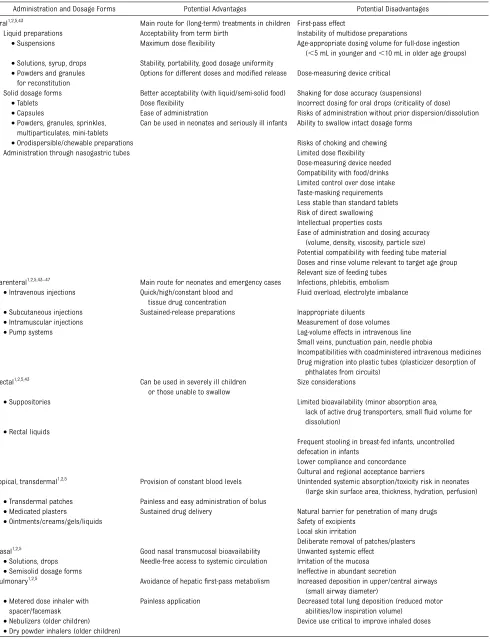
Table 1 illustrates the specific purposes, potential strengths, and weaknesses of various routes of administration and dosage forms for pediatric use.1,2,5,43–47
As in adults, the oral route is the pre-dominant route of administration in children.1,2,43Alternative nonoral routes
of administration include rectal, dermal, nasal, pulmonary, and ocular routes.1,2
The selection for clinical use is infl u-enced by the limitations of each dosage form. Oral solids are associated with the risk of choking or chewing and with limited dose flexibility, whereas palat-ability and dose uniformity may be challenging for liquid preparations.1,2,43,44
In addition, liquid forms raise issues regarding stability (chemical, physical, or microbiological) and the require-ment for clean water; moreover, they can be bulky, impractical, and expen-sive to ship and store, particularly in lower income countries with hot and humid climates.48,49
The use of nonoral routes of drug ad-ministration may be hampered by dif-ficult application, local irritation,fluid overload, electrolyte imbalance, or poor drug acceptability (Table 1).1,2,5,43–47 In
neonates, intravenous administration may lead to volume overload. Moreover, measuring small dose volumes may cause large dosage variations and errors.47Similarly, age-appropriate
dos-ing volumes are important to ensure full dose ingestion for oral liquids.5
Another important concern in pediat-ric drug formulations are the excipi-ents, frequently used as preservatives, sweeteners,fillers, solvents, and coating and coloring agents. Their selection for pediatric medicines is challenging be-cause neither the inactive ingredients
guide list of the US Food and Drug Ad-ministration nor the“generally regarded as safe” status has been validated for pediatric use.3,29,30,50 Little is known
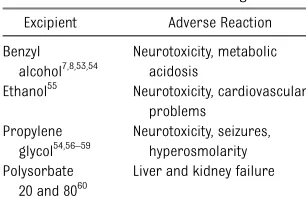
about the safety of excipients in children, and accepted daily and cumulative in-takes of excipients have not been estab-lished. Anecdotal evidence suggests an association between some excipients commonly used in adult medicines and el-evated toxicity and safety issues in children, especially neonates (Table 2).3,6–9,26,50–60
A recent example is the administration of lopinavir/ritonavir (Kaletra [Abbott Laboratories, Abbott Park, IL]) oral so-lution in premature newborns who were exposed to the risk of ethanol and/or propylene glycol toxicity. This situation resulted in a Food and Drug Administration drug safety communi-cation and a change in the drug label in 2011.61A number of recent studies in
NICUs revealed systemic concentra-tions of excipients that were intol-erable even in older age groups.54,62,63
The urgent need to understand these safety concerns has led to a collabora-tive effort by the United States and the European Union to create a STEP (Safety and Toxicity of Excipients for Pediatrics) database. Its aim is to improve sys-tematic data collection on excipient toxicity and tolerance in children.64–66
A similar initiative, ESNEE (European Study of Neonatal Exposure to Excipients), has developed a platform for the sys-tematic assessment of excipients in neo-nates.67
Concerns Over Off-label and Unlicensed Use of Medicines in Children
Pediatric drug development is associ-ated with numerous challenges, including methodologic and ethical requirements for pediatric trials, high developmental costs, and a small and fragmented market.3,4,50,68–71As a result of these
TABLE 1 Potential Clinical Advantages and Disadvantages of Different Formulations and Routes of Administration in Children1,2,5,43–47
Administration and Dosage Forms Potential Advantages Potential Disadvantages
Oral1,2,5,43 Main route for (long-term) treatments in children First-pass effect
Liquid preparations Acceptability from term birth Instability of multidose preparations
•Suspensions Maximum doseflexibility Age-appropriate dosing volume for full-dose ingestion (,5 mL in younger and,10 mL in older age groups)
•Solutions, syrup, drops Stability, portability, good dosage uniformity
•Powders and granules for reconstitution
Options for different doses and modified release Dose-measuring device critical
Solid dosage forms Better acceptability (with liquid/semi-solid food) Shaking for dose accuracy (suspensions)
•Tablets Doseflexibility Incorrect dosing for oral drops (criticality of dose)
•Capsules Ease of administration Risks of administration without prior dispersion/dissolution
•Powders, granules, sprinkles, multiparticulates, mini-tablets
Can be used in neonates and seriously ill infants Ability to swallow intact dosage forms
•Orodispersible/chewable preparations Risks of choking and chewing Administration through nasogastric tubes Limited doseflexibility
Dose-measuring device needed Compatibility with food/drinks Limited control over dose intake Taste-masking requirements Less stable than standard tablets Risk of direct swallowing Intellectual properties costs
Ease of administration and dosing accuracy (volume, density, viscosity, particle size) Potential compatibility with feeding tube material Doses and rinse volume relevant to target age group Relevant size of feeding tubes
Parenteral1,2,5,43–47
Main route for neonates and emergency cases Infections, phlebitis, embolism
•Intravenous injections Quick/high/constant blood and tissue drug concentration
Fluid overload, electrolyte imbalance
•Subcutaneous injections Sustained-release preparations Inappropriate diluents
•Intramuscular injections Measurement of dose volumes
•Pump systems Lag-volume effects in intravenous line
Small veins, punctuation pain, needle phobia
Incompatibilities with coadministered intravenous medicines Drug migration into plastic tubes (plasticizer desorption of
phthalates from circuits) Rectal1,2,5,43 Can be used in severely ill children
or those unable to swallow
Size considerations
•Suppositories Limited bioavailability (minor absorption area,
lack of active drug transporters, smallfluid volume for dissolution)
•Rectal liquids
Frequent stooling in breast-fed infants, uncontrolled defecation in infants
Lower compliance and concordance Cultural and regional acceptance barriers
Topical, transdermal1,2,5 Provision of constant blood levels Unintended systemic absorption/toxicity risk in neonates (large skin surface area, thickness, hydration, perfusion)
•Transdermal patches Painless and easy administration of bolus
•Medicated plasters Sustained drug delivery Natural barrier for penetration of many drugs
•Ointments/creams/gels/liquids Safety of excipients
Local skin irritation
Deliberate removal of patches/plasters Nasal1,2,5 Good nasal transmucosal bioavailability Unwanted systemic effect
•Solutions, drops Needle-free access to systemic circulation Irritation of the mucosa
•Semisolid dosage forms Ineffective in abundant secretion
Pulmonary1,2,5 Avoidance of hepaticfirst-pass metabolism Increased deposition in upper/central airways (small airway diameter)
•Metered dose inhaler with spacer/facemask
Painless application Decreased total lung deposition (reduced motor abilities/low inspiration volume)
•Nebulizers (older children) Device use critical to improve inhaled doses
one-third of all medicines approved by the European Medicines Agency over the period of 1995 to 2005 were licensed for use in children.11,23,72Higher but still
unsatisfactory rates were reported in New Zealand (35%), Australia (38%), and the United States (54%).23,73,74The
pediatric market has focused mostly on only a limited number of thera-peutic areas, such as antiinfectives, hormones, and medicines for the re-spiratory and central nervous system.75
Meanwhile, there are hardly any dermal preparations and medicines specifically aimed at younger age groups for the cardiovascular system, sensory organs, and cancers.23 Moreover, especially in
younger children and neonates, even authorized pediatric medicines may not always be age appropriate with respect to dosing, suitability of dosage forms, and excipients.
This lack of pediatric formulations often leaves health care professionals no alternative but to use adult medicines in an off-label or unlicensed manner. The trend is widespread: in the European Union, 45% to 60% of all medicines are given to children off-label. This trend is also true for 90% of medicines adminis-tered to neonates and infants, particu-larly in PICUs.76Not surprisingly, off-label
use is common for antiarrhythmics, antihypertensives, proton pump inhibitors, H2-receptor antagonists, antiasthmatic agents, and some antidepressants.76In
the United States, two-thirds of medicines used in pediatrics are off-label;
world-wide, this proportion is up to three-quarters.77
Risk Management of Compounding and Manipulation of Medicines for Children
Alternative treatment options are often used to make unavailable drugs ac-cessible for children and/or to adjust drug doses according to individual patient needs. These options include the modification of administration routes (eg, oral use of parenteral formulations); manipulation of adult dosage forms (eg, diluting liquid formulations); seg-menting tablets and suppositories, cutting patches, and dispersing open capsules or crushed tablets in water, liquid, or food; or extemporaneous dispensing (ie, compounding medi-cines from ingredients within phar-macies).5,78
Administering medicines in this way is difficult and unsafe because limited data are available to validate stability, bioavailability, pharmacokinetics, phar-macodynamics, dosing accuracy, tol-erability, and reproducibility.79–84 A
documented example is the crushing of Kaletra tablets for pediatric admin-istration, which resulted in reduced bioavailability and drug exposure in children.85All these manipulations may
compromise drug efficacy and/or safety, as well as create risks for the environment and individuals handling the dosage forms, particularly in the case of mutagen and cytotoxic com-pounds.79–84
Producing a medicine by extempora-neous dispensing may be the only option for some children to receive a certain medicine in a suitable dosage form. In such situations, the risks can be reduced by applying sound quality assurance systems. Pharmacists should ensure that good manufacturing principles are implemented, adequate raw materials and formulae are used, and stability studies are validated and conducted by certified laboratories. Moreover,
be-cause practices and guidelines for extemporaneous formulations differ greatly among practitioners, there is an urgent need for a standardization of commonly applied compounding prac-tices.78,86Existing networks, resources,
and guidelines should be stimulated to provide appropriate information on the standards of practice for extempora-neous formulations.78,84 However, the
available information may not always be easily transferable to a local situation or may not be exclusively focused on chil-dren.87
PROGRESS IN DEVELOPING PEDIATRIC DRUG FORMULATIONS
New Frameworks for the Development of Pediatric Drug Formulations
To overcome the aforementioned chal-lenges, a new pediatric regulatory en-vironment has been created to stimulate the development and availability of age-appropriate medicines for children.16–19
The intended long-term aim is to in-tegrate pediatric needs into overall drug development, so that each new component is systematically evaluated for its potential use in children. Initial progress has been made by combining legal requirements with incentives for companies to test, authorize, and for-mulate medicines for use in children. Over the past decade, the Best Phar-maceuticals for Children Act and the Pediatric Research Equity Act in the United States, and the Pediatric Regu-lation in the European Union, have fueled an increasing number of pediat-ric clinical trials and innovations in pe-diatric drug formulations.22,24
Nonetheless, therapeutic areas ad-dressed by the industry seem to be more aligned with adult drug de-velopment than with unmet public health needs in children.22,68,88,89 To
guide the efforts toward significant therapeutic benefits for children, the US and European Union government
TABLE 2 Examples of Excipients With Elevated Toxicity and Safety Risks for (Preterm and Term) Newborns and Infants,6 Months of Age7,8,53–60
Excipient Adverse Reaction
Benzyl alcohol7,8,53,54
Neurotoxicity, metabolic acidosis
Ethanol55
Neurotoxicity, cardiovascular problems
Propylene glycol54,56–59
Neurotoxicity, seizures, hyperosmolarity Polysorbate
20 and 8060
agencies have produced priority med-icines lists, highlighting areas with substantial off-label use in children and gaps in pediatric data.90,91
Simultaneously, a WHO initiative (“Make Medicines Child Size”) has drawn at-tention to the fact that the lack of med-icines most acutely affects children living in developing countries.20,92A
fo-cus on the development of suitable dosage forms to treat diseases of high burden in childhood in low-resource settings could greatly reduce child-hood morbidity and mortality.92 There
have been comprehensive WHO activi-ties to improve access to and use of safe and appropriate pediatric medicines. These activities include establishing a model list of essential medicines for children and a list of priority life-saving medicines for women and children, de-veloping model formularies for chil-dren, updating childhood treatment recommendations, and including pedi-atric medicines in the prequalification process.93–97
Furthermore, the present reward sys-tem has not proved to be an adequate incentive for investment in off-patent drug research.69,89This tendency may
be linked to prescription reimburse-ment rules that attach little value to old medicines, even if they include new child-friendly formulations.69 To
generate more interest in off-patent medicines, new public funding oppor-tunities in academia and small- and medium-sized enterprises have been provided by both the USEunice Kennedy ShriverNational Institute of Child Health and Human Development Pediatrics For-mulation Initiative and the EU’s Seventh Framework Program for Research.98–100
However, new technologies developed from these initiatives must be adopted by the industry and marketed so they can realize their full potential.
There is also increased recognition that the selection of appropriate pediatric formulations requires a risk/benefit
analysis on a case-by-case basis.1,2
Taking into consideration the het-erogeneity of children and specific characteristics of each dosage form (Table 1), the industry has recently proposed a composite assessment tool to guide optimal formulation choices for individual patients.44 This
struc-tured framework is based on 3 pre-determined criteria for each drug formulation: product efficacy and ease of use (eg, dose flexibility, drug ac-ceptability, convenient handling, correct use), patient safety (eg, bioavailability of active substances, safety of excipients, medication stability, risk of medication errors) and patient access (eg, prod-uct manufacturability, affordability, de-velopment, production speed).41 The
choice between alternatives is based on a quantitative scoring system for each pharmaceutical formulation option.44
This individualized approach to optimal formulations can also be replicated in clinical settings if the selection criteria include relevant aspects of patient care.
Novel Oral Pediatric Formulations
Recent progress in pediatric drug de-velopment mostly concerns oral for-mulations.22,101 Until recently, liquid
formulations were preferred for youn-ger children because of their easy and simple dosing across age subgroups.5, 10,102In 2008, a WHO expert forum
pro-posed a paradigm shift toward pedi-atric oral solids in view of stability problems and the high transportation and storage costs involved in liquid formulations.92From then on, flexible
oral solid dosage forms, such as oro-dispersible tablets and/or tablets used to prepare oral liquid preparations suitable for younger children, have become the recommended pediatric dosage forms worldwide. In 2009, Coartem Dispersible (Novartis Inter-national AG, Basel, Switzerland, and Medicines for Malaria) was launched to offer flexible artemisinin-based combination therapy for children (5–
35 kg) with a cure rate comparable to that of the Coartem tablet.103,104
For oral medicines requiring precise dose measurement, a new flexible platform technology was proposed to produce solid multiparticulate dosage forms (eg, mini-tablets, pellets) and dosage forms dispersible in liquids or sprinkled on food.92 This platform
technology has the potentialflexibility to construct fixed-dose combination products, especially for chronic dis-eases such as HIV or tuberculosis.105–107
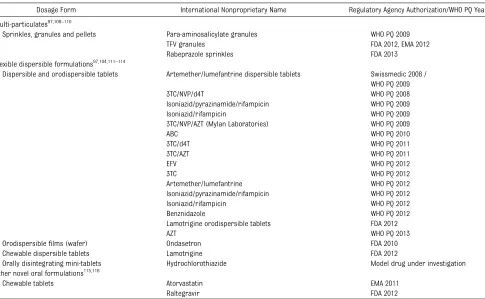
Table 3 illustrates some of the quality-certified, innovative oral pediatric dos-age forms brought to market, including much needed heat-stable formulations and fixed-dose combination products for low-resource settings.97,104,108–116
Current surveys reveal that novel oral solids may be used in children at an earlier age than previously antici-pated.5,117,118Initially, in 2009, Thomson
et al119 demonstrated that 46% of
2-year-old children and 86% of 5-2-year-old children could swallow innovative 3-mm mini-tablets without choking or aspiration. The age limit was further decreased in an exploratory study which demonstrated that children aged 6 to 12 months were capable of swallowing uncoated, drug-free, 2-mm mini-tablets and accepted them better than sweet liquid formulations.120,121
For infants aged ,2 years, a new promising development is the orally disintegrating mini-tablet, which com-bines mini-tablets and fast-dissolving dosage forms.111
A complementary research area is the development of pediatric dosing de-vices, which facilitate the accurate and consistent administration of oral pe-diatric formulations.1,122 New devices
help increase product stability by using a pulp-spoon with a single dry dose of medicine (see Table 4 for more detailed examples).3,116,122
FUTURE STEPS
The ideal pediatric formulation should have flexible dosage increments and minimal excipients, be palatable, safe and easy to administer, and be stable with regard to light, humidity, and heat.
Nevertheless, a significant number of drug formulations are unsuitable for children, which leads to unsafe off-label and unlicensed use of adult medicines. Recent initiatives promoting pediatric drug development have made some initial progress in the neglected area of pediatric formulations. Most efforts have focused on age-appropriate oral solid preparations, which enable dose flexibility, easier administration, and
better acceptance in children. Despite these advances, the new pediatric for-mulations are still only a small part of the full therapeutic arsenal needed to serve all pediatric patients.
The following 5 priorities have been identified as critical for the further development of appropriate pediatric formulations. Thefirst key issue is the continuous prioritization process that focuses on unmet public health issues
TABLE 3 Examples of Recently Marketed/Prequalified Novel Oral Drug Formulations for Children97,104,108–116
Dosage Form International Nonproprietary Name Regulatory Agency Authorization/WHO PQ Year
Multi-particulates97,108–110
Sprinkles, granules and pellets Para-aminosalicylate granules WHO PQ 2009
TFV granules FDA 2012, EMA 2012
Rabeprazole sprinkles FDA 2013
Flexible dispersible formulations97,104,111–114
Dispersible and orodispersible tablets Artemether/lumefantrine dispersible tablets Swissmedic 2008 / WHO PQ 2009
3TC/NVP/d4T WHO PQ 2008
Isoniazid/pyrazinamide/rifampicin WHO PQ 2009
Isoniazid/rifampicin WHO PQ 2009
3TC/NVP/AZT (Mylan Laboratories) WHO PQ 2009
ABC WHO PQ 2010
3TC/d4T WHO PQ 2011
3TC/AZT WHO PQ 2011
EFV WHO PQ 2012
3TC WHO PQ 2012
Artemether/lumefantrine WHO PQ 2012
Isoniazid/pyrazinamide/rifampicin WHO PQ 2012
Isoniazid/rifampicin WHO PQ 2012
Benznidazole WHO PQ 2012
Lamotrigine orodispersible tablets FDA 2012
AZT WHO PQ 2013
Orodispersiblefilms (wafer) Ondasetron FDA 2010
Chewable dispersible tablets Lamotrigine FDA 2012
Orally disintegrating mini-tablets Hydrochlorothiazide Model drug under investigation Other novel oral formulations115,116
Chewable tablets Atorvastatin EMA 2011
Raltegravir FDA 2012
3TC, lamivudine; ABC, abacavir; AZT, zidovudine; d4T, stavudine; EFV, efavirenz; FDA, US Food and Drug Administration; ODT, orodispersible tablet; PQ, prequalification; NVP, nevirapine; TFV, tenofovir.
TABLE 4 Examples of Novel Drug Devices That Facilitate Oral Administration of Medicines in Children3,116,122
Novel Drug Devices Examples of Medicines Administered With Drug Devices (Brand Name, Manufacturer)
Purpose of Use
Modified teat/pacifier with drug-loaded reservoir Nystatin (Mykundex, Bioglan Giessen, Germany) Constant delivery of medicine (in oral cavity) in neonates/infants
Dosing spoonfilled with liquid medicine Diphenhydramine (Benadryl, Pfizer Consumer Healthcare, Madison, New Jersey)
Exact measurement of single doses, low risk of spillage
Coated particles on dosage spoon (pulp-spoon) Azythromycin powder for oral pulp (predosed azithromycin spoon; Sandoz Kundl, Austria)
Exact measurement of single doses, low risk of spillage improves stability of medicines
Dropper tube Codeine drops (Paracodin, Abbott Laboratories, Abbott Park, IL)
Ensures dose uniformity
Dose-sipping technology (straw with medicine and beverage)
Clarithromycin micropellets (Clarosip, Grünenthal GmbH, Aachen, Germany)
Improves palatability and adherence
and ensures that drug development aligns with the true clinical needs in children. Special attention should be paid to innovations that improve drug delivery in neonates,fill treatment gaps in pediatric cancers, and treat diseases of high burden in developing coun-tries.49,90,91,94,123
Second, better use of existing data are required to facilitate pediatric drug development. Some innovative scenar-ios under investigation include pre-liminary “enabling” formulations that bridge existing adult formulations and potential pediatric market formulations, adjustments of adult in vitro gastrointes-tinal models to study drug bioavailability in children, and refined criteria for the extrapolation of adult efficacy data to the pediatric population.124–126
Third, future research on pediatric formulations could potentially benefit from existing or innovative technolo-gies under development in adults.127
Novel experimental treatments of adult cancers, infections, and asthma have used nanoparticle-targeted therapy, novel smart polymer-based drug
de-livery systems, new chemical entities (eg, dendrimers), and remote trigger-ing devices. These treatments may have significant applications in chil-dren, and the identification of appro-priate animal models for pediatric preclinical studies should be a re-search priority.128–130
Fourth, ongoing technologic advances need to be accompanied by relevant patient outcome studies and clinical feedback on efficacy, safety, patient acceptability, preferences, and adher-ence regarding new formulations; currently, such studies and feedback are lacking.131Practice-based evidence
on the impact of novel formulations, generated by health care professionals and caregivers, could provide further support for the development of pedi-atric medicines with clear clinical advantages.
Thefifth priority concernsfinance. Be-cause innovative technologies are costly, the ultimate challenge is to make these new pediatric formulations available on the market and in daily practice.22,89,132 Their commercial
via-bility might be improved by an in-creased market size (eg, global scale, inclusion of geriatric patients and adults with swallowing difficulties); new incentive schemes (particularly for off-patent drugs), such as limited exclusivity and premiums, funding, and tax breaks; and public–private part-nerships that support the development of orphan drugs and other less profi t-able niches.69,98–100
In sum, to reach these goals, it is es-sential that there is a committed collaboration between stakeholders that extends across disciplines and geographic regions. Moreover, this collaboration should have the in-novative potential to further shape the pediatric drug development agenda and thus to close the adult–child medicine gap.
ACKNOWLEDGMENT
We acknowledge Dr Richard Laing (WHO) for his advice on the progress analysis and recommendations for improving pediatric drug formula-tions.
REFERENCES
1. European Medicines Agency. Guideline on pharmaceutical development of medi-cines for paediatric use. EMA/CHMP/QWP/ 805880/2012 Rev. 2
2. World Health Organization. Development of Paediatric Medicines: Points to Con-sider in Formulation.Geneva, Switzerland: World Health Organization; 2012. WHO Technical Report Series, No. 970, Annex 5
3. Breitkreutz J, Boos J. Paediatric and ge-riatric drug delivery. Expert Opin Drug Deliv. 2007;4(1):37–45
4. Ernest TB, Elder DP, Martini LG, Roberts M, Ford JL. Developing paediatric medicines: identifying the needs and recognizing the challenges.J Pharm Pharmacol. 2007;59 (8):1043–1055
5. European Medicines Agency. Committee for Medicinal products for Human use (CHMP) 2005: Reflection Paper: For-mulations of Choice for the Paediatric Population. EMEA/CHMP/PEG/194810/2005
6. Geiling EMK, Cannon PR. Pathological effects of elixir of sulfanilamide poison-ing.JAMA. 1938;111(10):919–926 7. Hiller JL, Benda GI, Rahatzad M, et al.
Benzyl alcohol toxicity: impact on mor-tality and intraventricular hemorrhage among very low birth weight infants. Pe-diatrics. 1986;77(4):500–506
8. Brown WJ, Buist NR, Gipson HT, Huston RK, Kennaway NG. Fatal benzyl alcohol poi-soning in a neonatal intensive care unit.
Lancet. 1982;1(8283):1250
9. World Health Organization.Promoting Safety of Medicines for Children. Geneva, Switzer-landWorld Health Organization; 2007
10. Nahata MC. Lack of pediatric drug for-mulations. Pediatrics. 1999;104(3 pt 2, suppl 3):607–609
11. Ceci A, Felisi M, Baiardi P, et al. Medicines for children licensed by the European Medicines Agency (EMEA): the balance after 10 years.
Eur J Clin Pharmacol. 2006;62(11):947–952
12. Shirkey H. Therapeutic orphans.J Pediatr. 1968;72(1):119–120
13. European Medicines Agency. Report on the Survey of all Paediatric Uses of Me-dicinal Products in Europe. EMA/794083/ 2009
14. Bazzano AT, Mangione-Smith R, Schonlau M, Suttorp MJ, Brook RH. Off-label pre-scribing to children in the United States outpatient setting.Acad Pediatr. 2009;9(2): 81–88
15. Mason J, Pirmohamed M, Nunn T. Off-label and unlicensed medicine use and adverse drug reactions in children: a narrative review of the literature.Eur J Clin Phar-macol. 2012;68(1):21–28
16. Best Pharmaceuticals for Children Act. In: Proceedings of 107th Congress of the United States of America. Washington, DC; January 3, 2002
United States of America. Washington, DC; January 7, 2003
18. US Food and Drug Administration Amend-ments Act of 2007. In: Proceedings of 110th Congress of the United States of America. Washington, DC; January 4, 2007
19. The European Parliament and the Council of the European Union. Regulation EC No. 1901/2006 Medicinal Products for Paedi-atric Use. Official Journal of the European Union L. 378/2. 27.12.2006. Available at: http://ec.europa.eu/health/files/eudralex/ vol-1/reg_2006_1901/reg_2006_1901_en. pdf. Accessed August 15, 2013
20. World Health Organization. Make medi-cines child size. Available at: www.who.int/ childmedicines/en/. Accessed August 15, 2013
21. BPCA Collaborative Efforts. Inter-agency initiatives. Pediatric formulations platform. Inter-Agency Agreement between the Eunice Kennedy Shriver National Institute of Child Health and Human Development (NICHD) and the US Food and Drug Ad-ministration (FDA). Available at: http://bpca. nichd.nih.gov/collaborativeefforts/initiatives/ index.cfm. Accessed August 15. 2013
22. European Medicines Agency. Draft 5-year report to the European Commission: general report on the experience ac-quired as a result of the application of the Paediatric Regulation. July 8, 2012; EMA/ 428172/2012
23. van Riet-Nales DA, de Jager KE, Schobben AF, Egberts TC, Rademaker CM. The avail-ability and age-appropriateness of medi-cines authorized for children in The Netherlands.Br J Clin Pharmacol. 2011;72 (3):465–473
24. Balakrishnan K, Grieve J, Tordoff J, Norris P, Reith D. Pediatric licensing status and the availability of suitable formulations for new medical entities approved in the United States between 1998 and 2002.J Clin Pharmacol. 2006;46(9):1038– 1043
25. Moore P. Children are not small adults.
Lancet. 1998;352(9128):630
26. Kearns GL, Abdel-Rahman SM, Alander SW, Blowey DL, Leeder JS, Kauffman RE. De-velopmental pharmacology—drug dispo-sition, action, and therapy in infants and children. N Engl J Med. 2003;349(12): 1157–1167
27. Fernandez E, Perez R, Hernandez A, Tejada P, Arteta M, Ramos JT. Factors and mech-anisms for pharmacokinetic differences between pediatric population and adults.
Pharmaceutics. 2011;3(1):53–72 28. European Medicines Agency (EMEA) 2000:
ICH Topic E 11. Clinical Investigations of
Medicinal Products in the Paediatric Population. EMEA/CHMP/ICH/2711/99
29. Allegaert K. Neonates need tailored drug formulations.World J Clin Pediatr. 2013;2 (1):1–5
30. Noel GJ, Van Den Anker JN, Lombardi D, Ward R. Improving drug formulations for neonates: making a big difference in our smallest patients. J Pediatr. 2012;161(5): 947–949
31. Bartelink IH, Rademaker CM, Schobben AF, van den Anker JN. Guidelines on
paediat-ric dosing on the basis of developmental physiology and pharmacokinetic consid-erations.Clin Pharmacokinet. 2006;45(11): 1077–1097
32. Strolin Benedetti M, Whomsley R, Baltes EL. Differences in absorption, distribution, metabolism and excretion of xenobiotics between the paediatric and adult pop-ulations.Expert Opin Drug Metab Toxicol. 2005;1(3):447–471
33. Strolin Benedetti M, Baltes EL. Drug me-tabolism and disposition in children.
Fundam Clin Pharmacol. 2003;17(3):281– 299
34. Meissner HC, Smith AL. The current status
of chloramphenicol. Pediatrics. 1979;64 (3):348–356
35. Albani M, Wernicke I. Oral phenytoin in infancy: dose requirement, absorption, and elimination.Pediatr Pharmacol (New York). 1983;3(3–4):229–236
36. Food and Drug Administration. Specific requirements on content and format of labeling for human prescription drugs: revision of “Pediatric Use” subsection in the labeling; final rule. 21 CFR Part 201 (Docket No 92N-0165). Federal Register: December 13, 1994. Available at: http://
www.fda.gov/ohrms/dockets/ac/01/briefing/ 3778b1_Tab6_7-21CFR%20Part%20201.pdf Accessed August 15, 2013
37. Matsui D. Assessing the palatability of medications in children.Paediatr Perinat Drug Ther. 2007;8(2):55–60
38. Cram A, Breitkreutz J, Desset-Brèthes S, Nunn T, Tuleu C; European Paediatric Formulation Initiative (EuPFI). Challenges of developing palatable oral paediatric formulations.Int J Pharm. 2009;365(1–2): 1–3
39. Mennella JA, Beauchamp GK. Optimizing oral medications for children.Clin Ther. 2008;30(11):2120–2132
40. Davies EH, Tuleu C. Medicines for children: a matter of taste.J Pediatr. 2008;153(5): 599–604, e1–e2
41. Tuleu C, Breitkreutz J. Educational paper:
formulation-related issues in pediatric
clinical pharmacology.Eur J Pediatr. 2013; 172(6):717–720
42. Clapham D, Kirsanov D, Legin A, Rudnitskaya A, Saunders K. Assessing taste without using humans: rat brief access aversion model and electronic tongue.Int J Pharm. 2012;435(2): 137–139
43. Breitkreutz J, Wessel T, Boos J. 13. Dosage forms for oral drug administration. In: Choonara I, Nunn T, Kearns G, eds. In-troduction to Paediatric and Perinatal Drug Therapy. Nottingham, UK: Notting-ham University Press;2003:189–205 44. Sam T, Ernest TB, Walsh J, Williams JL;
European Paediatric Formulation Initia-tive. (EuPFI). A benefit/risk approach to-wards selecting appropriate pharmaceutical dosage forms—an application for paediatric dosage form selection.Int J Pharm. 2012;435 (2):115–123
45. Shea KM; American Academy of Pediatrics Committee on Environmental Health. Pe-diatric exposure and potential toxicity of phthalate plasticizers. Pediatrics. 2003; 111(6 pt 1):1467–1474
46. Haishima Y, Matsuda R, Hayashi Y, Hasegawa C, Yagami T, Tsuchiya T. Risk assessment of di(2-ethylhexyl)phthalate released from PVC blood circuits during hemodialysis and pump-oxygenation therapy.Int J Pharm. 2004;274(1–2):119–129
47. Allegaert K, Anderson BJ, Vrancken M, et al. Impact of a paediatric vial on the magnitude of systematic medication errors in neonates.Paediatr Perinat Drug Ther. 2006;7(2):59–63
48. Mulberg A, Silber S, van den Anker J, eds.
Pediatric Drug Development. Concepts and Applications. Hoboken, NJ: J. Wiley & Sons; 2009
49. UNICEF/WHO. Priority essential medicines for child survival report, Copenhagen, Denmark. Available at: www.who.int/child-medicines/progress/Unicef_prioriry_meds_ child_survival.pdf. Accessed August 15, 2013
50. Fabiano V, Mameli C, Zuccotti GV. Paediatric pharmacology: remember the excipients.
Pharmacol Res. 2011;63(5):362–365 51. Nahata MC. Safety of“inert”additives or
excipients in paediatric medicines.Arch Dis Child Fetal Neonatal Ed. 2009;94(6): F392–F393
52. American Academy of Pediatrics Commit-tee on Drugs. “Inactive” ingredients in pharmaceutical products: update (subject review).Pediatrics. 1997;99(2):268–278 53. Hiller JL, Benda GI, Rahatzad M, et al.
54. Shehab N, Lewis CL, Streetman DD, Donn SM. Exposure to the pharmaceutical excipients benzyl alcohol and propylene glycol among critically ill neonates.
Pediatr Crit Care Med. 2009;10(2):256–259 55. American Academy of Pediatrics. Ethanol in liquid preparations intended for chil-dren.Pediatrics. 1984;73(3):405–407 56. Arulanantham K, Genel M. Central nervous
system toxicity associated with ingestion
of propylene glycol.J Pediatr. 1978;93(3): 515–516
57. Martin G, Finberg L. Propylene glycol: a potentially toxic vehicle in liquid dosage form.J Pediatr. 1970;77(5):877–878 58. MacDonald MG, Getson PR, Glasgow AM,
Miller MK, Boeckx RL, Johnson EL. Pro-pylene glycol: increased incidence of seizures in low birth weight infants. Pe-diatrics. 1987;79(4):622–625
59. Glasgow AM, Boeckx RL, Miller MK, Mac-Donald MG, August GP, Goodman SI. Hyperosmolality in small infants due to propylene glycol. Pediatrics. 1983;72(3): 353–355
60. Balistreri WF, Farrell MK, Bove KE. Lessons from the E-Ferol tragedy.Pediatrics. 1986; 78(3):503–506
61. US Food and Drug Administration. Drug Safety Communication: Serious Health Problems Seen in Premature Babies Given Kaletra (Lopinavir/Ritonavir) Oral Solution. Available at: www.fda.gov/Drugs/DrugSaf-ety/ucm246002.htm. Accessed August 15, 2013
62. Whittaker A, Currie AE, Turner MA, Field DJ, Mulla H, Pandya HC. Toxic additives in medication for preterm infants.Arch Dis Child Fetal Neonatal Ed. 2009;94(4):F236– F240
63. Lass J, Naelapää K, Shah U, et al. Hospi-talised neonates in Estonia commonly
re-ceive potentially harmful excipients. BMC Pediatr. 2012;12:136
64. Salunke S, Giacoia GP, Tuleu C. The STEP (safety and toxicity of excipients for paedi-atrics) database. Part 1-A need assessment study.Int J Pharm. 2012;435(2):101–111 65. Salunke S, Brandys B, Giacoia GP, Tuleu C.
The STEP (Safety and Toxicity of Excipients for Paediatrics) database: part 2—the pilot version.Int J Pharm. 2013;457(1):310–322 66. Paediatric Formulation Initiative. STEP database: database of safety and toxicity of excipients for paediatrics. Available at: www.eupfi.org/gpage11.html. Accessed Au-gust 15, 2013
67. Turner MA, Storme T. European Study for Neonatal Excipient Exposure (ESNEE).Eur J Hosp Pharm. 2012;19(2):67
68. Schirm E, Tobi H, de Vries TW, Choonara I, De Jong-van den Berg LT. Lack of appro-priate formulations of medicines for children in the community.Acta Paediatr. 2003;92(12):1486–1489
69. Milne CP, Bruss JB. The economics of pe-diatric formulation development for off-patent drugs. Clin Ther. 2008;30(11): 2133–2145
70. Institute of Medicine (US) Committee on Clinical Research Involving Children. The necessity and challenges of clinical re-search involving children. In: Field M, Behrman R, eds.Ethical Conduct of Clini-cal Research Involving Children. Wash-ington, DC: National Academies Press; 2004
71. Institute of Medicine (US). Addressing the barriers to pediatric drug development: Workshop summary. Forum on Drug Dis-covery, Development, and Translation. Washington, DC: The National Academies Press; 2008
72. Balakrishnan K, Tordoff J, Norris P, Reith D. Establishing a baseline for the moni-toring of medicines availability for chil-dren in the UK: 1998-2002. Br J Clin Pharmacol. 2007;63(1):85–91
73. Chui J, Tordoff J, Kennedy J, Reith D. Trends in accessibility to medicines for children in New Zealand: 1998– 2002.Br J Clin Pharmacol. 2004;57(3): 322–327
74. Chui J, Tordoff J, Reith D. Changes in availability of paediatric medicines in Australia between 1998 and 2002.Br J Clin Pharmacol. 2005;59(6):736–742 75. Osterberg RE. 4. FDA Approach to
Pediat-ric Testing. In: Hoberman AM, Lewis EM, eds. Pediatric Nonclinical Drug Testing: Principles, Requirements, and Practices. Hoboken, NJ: John Wiley & Sons, Inc; 2012: 59–78
76. European Medicines Agency. Report on the survey of all paediatric uses of me-dicinal products in Europe. December 10, 2010, EMA/794083/2009
77. Tobias LD, Harkness J. IAPO Briefing Paper on Paediatric Medicines and Clinical Re-search (November 2006). International Alliance of Patients’ Organizations (IAPO) Available at: www.patientsorganizations. org/paediatrics. Accessed May 23, 2014
78. Nahata MC, Allen LV Jr. Extemporaneous drug formulations.Clin Ther. 2008;30(11): 2112–2119
79. Choonara I, Conroy S. Unlicensed and off-label drug use in children: implications for safety.Drug Saf. 2002;25(1):1–5 80. European Medicines Agency. Evidence of
Harm From Off-Label or Unlicensed
Med-icines in Children. EMEA/126327. EMEA; 2004
81. Shah SS, Hall M, Goodman DM, et al. Off-label drug use in hospitalized children.
Arch Pediatr Adolesc Med. 2007;161(3): 282–290
82. Cuzzolin L, Atzei A, Fanos V. Off-label and unlicensed prescribing for newborns and children in different settings: a review of the literature and a consideration about drug safety.Expert Opin Drug Saf. 2006;5 (5):703–718
83. Pandolfini C, Bonati M. A literature review on off-label drug use in children.Eur J Pediatr. 2005;164(9):552–558
84. Lowey A, Jackson M. Handbook of Ex-temporaneous Formulation—A Guide to Pharmaceutical Compounding. London, UK: Pharmaceutical Press; 2010
85. Best BM, Capparelli EV, Diep H, et al. Pharmacokinetics of lopinavir/ritonavir crushed versus whole tablets in chil-dren.J Acquir Immune Defic Syndr. 2011; 58(4):385–391
86. Kairuz TE, Gargiulo D, Bunt C, Garg S. Quality, safety and efficacy in the‘off-label’ use of medicines.Curr Drug Saf. 2007;2 (1):89–95
87. PharmInfoTech. eMixt database: database of oral liquid formulations. Available at: www. pharminfotech.co.nz/manual/Formulation/ mixtures/. Accessed August 15, 2013
88. Boots I, Sukhai RN, Klein RH, et al. Stim-ulation programs for pediatric drug re-search—do children really benefit?Eur J Pediatr. 2007;166(8):849–855
89. European Medicines Agency. General port on the experience acquired as a re-sult of the application of the Paediatric Regulation. Summary of the replies to the public consultation. SANCO/D5/FS/ci D (2013) 27105 Available at: http://ec.europa. eu/health/fi les/paediatrics/2013_pc_paedi-atrics/2013_paediatric_report_summary. pdf. Accessed August 15, 2013
90. Best Pharmaceuticals for Children Act (BPCA). Priority List of Needs in Pediatric Therapeutics, 2012. Eunice Kennedy Shriver National Institute of Child Health and Human Development (NICHD). Best Pharmaceuticals for Children Act. Available at: http://bpca.nichd.nih.gov/prioritization/ upload/2012_Priority_List_FINAL.pdf. Accessed August 15, 2013
92. World Health Organization. Report of the informal expert meeting on dosage forms of medicines for children. WHO Headquar-ters, Geneva, Switzerland, 2008. Available at: www.who.int/selection_medicines/committees/ expert/17/application/paediatric/Dosage_ form_reportDEC2008.pdf. Accessed August 15, 2013
93. World Health Organization. WHO model list of essential medicines for children, 4th list. WHO, Geneva, April 2013. www.who.int/ medicines/publications/essentialmedicines/ 4th_EMLc_FINAL_web_8Jul13.pdf. Accessed August 15, 2013
94. World Health Organization. Priority life-saving medicines for women and children 2012 Geneva, WHO/EMP/MAR/2012. Available at: http://apps.who.int/iris/bitstream/10665/ 75154/1/WHO_EMP_MAR_2012.1_eng.pdf. Accessed August 15, 2013
95. World Health Organization. WHO Model Formulary for Children. WHO, Geneva, Available at: www.who.int/selection_me-dicines/list/WMFc_2010.pdf. Accessed Au-gust 15, 2013
96. World Health Organization. Maternal, newborn, child and adolescent health. Documents on child health. Available at: www.who.int/maternal_child_adolescent/ documents/child/en/. Accessed August 15, 2013
97. World Health Organization. WHO List of Prequalified Medicinal Products. Available at: http://apps.who.int/prequal/97. Accessed August 15, 2013
98. National Institutes of Health (NICHD) Funding Opportunities. Development of appropriate pediatric formulations and pediatric drug delivery systems (R01, R03, R21, R41/R43). Available at: http://grants. nih.gov/grants/guide. Accessed August 15, 2013
99. Zajicek A. The National Institutes of Health and the Best Pharmaceuticals for Children Act.Paediatr Drugs. 2009;11(1): 45–47
100. European Commission. EU Research Proj-ects FP7 Health. CORDIS (Community Re-search and Development Information Centre). Available at: http://cordis.europa.eu/projects/ home_en.html. Accessed August 15, 2013
101. Pediatric Formulations Platform. BPCA, National Institutes of Health. Inter-agency agreement between the Eunice Kennedy Shriver National Institute of Child Health and Human Development (NICHD) and the US Food and Drug Administration (FDA). Oral formulations platform–report 1. Available at: http://bpca.nichd.nih.gov/collaborativeefforts/ initiatives/upload/Formulations_Table_for_ Web_11-02-11.pdf Accessed August 15, 2013
102. Nunn T, Williams J. Formulation of medi-cines for children. Br J Clin Pharmacol. 2005;59(6):674–676
103. Stoltenberg I, Winzerburg G, Breitkreutz J. Solid oral forms for children—formulations, excipients and acceptance issues. J App Ther Res. 2010;7(4):141–146
104. Abdulla S, Sagara I, Borrmann S, et al. Efficacy and safety of artemether-lumefantrine dispersible tablets com-pared with crushed commercial tablets in African infants and children with un-complicated malaria: a randomised, single-blind, multicentre trial. Lancet. 2008;372 (9652):1819–1827
105. Kayitare E, Vervaet C, Ntawukulilyayo JD, Seminega B, Bortel V, Remon JP. De-velopment offixed dose combination tab-lets containing zidovudine and lamivudine for paediatric applications. Int J Pharm. 2009;370(1–2):41–46
106. Vanprapar N, Cressey TR, Chokephaibulkit K, et al. IMPAACT P1056 Team. A chewable pediatricfixed-dose combination tablet of stavudine, lamivudine, and nevirapine: pharmacokinetics and safety compared with the individual liquid formulations in human immunodeficiency virus-infected children in Thailand.Pediatr Infect Dis J. 2010;29(10):940–944
107. Chokephaibulkit K, Cressey TR, Capparelli E, et al; IMPAACT P1069 Team. Pharmaco-kinetics and safety of a new paediatric fixed-dose combination of zidovudine/ lamivudine/nevirapine in HIV-infected chil-dren.Antivir Ther. 2011;16(8):1287–1295 108. Larka. Press release. Aptalis announces
European Commission approval for new formulation of Viread. Available at: www. pharmaceutical-technology.com/contractors/ drug_delivery/eurand/pressaptalis-ec-approval-new-formulation-of-viread.html. Accessed August 15, 2013
109. Eisai Inc. Press release. FDA approves ACIPHEX Sprinkle (Rabeprazole Sodium) for use in children ages 1 to 11. Available at: http://us.eisai.com/wps/wcm/connect/ Eisai/Home/Press+Room/Press+Releases/ 2013/FDAapprovesaciphexsprinkle.html. Accessed August 15, 2013
110. World Health Organization. Benznidazole: child-adapted dosage form approved.WHO Drug Information. 2012;26(1):21–22 111. Food and Drug Administration. Lamictal
medication guide. Available at: www.fda.gov/ downloads/Drugs/DrugSafety/UCM152835. pdf. Accessed August 15, 2013
112. Drug Information online. Press release 2012: FDA approves Zuplenz. Available at: www. drugs.com/newdrugs/fda-approves-strativa-
pharmaceuticals-zuplenz-ondansetron-oral-soluble-film-2208.html. Accessed August 15, 2013
113. Stoltenberg I, Breitkreutz J. Orally dis-integrating mini-tablets (ODMTs)—a novel solid oral dosage form for paedi-atric use.Eur J Pharm Biopharm. 2011; 78(3):462–469
114. Pfizer Medic and News 2009. Pfizer an-nounces European Union approval of a new form of Lipitor (atorvastatin) for use in children. Available at: http://press.pfizer. com/press-release/pfi zer-announces-european- union-approval-new-form-lipitor-atorvastatin-use-children. Accessed August 15, 2013
115. Merck News Room.FDA approves Merck’s ISENTRESS (raltegravir) for use in chil-dren ages two years and older as part of HIV-1 combination therapy. Available at: www.mercknewsroom.com/press-release/ prescription-medicine-news/fda-approves- mercks-isentress-raltegravir-use-children-ages. Accessed August 15, 2013
116. Breitkreutz J. Arzneiformen für Kinder. Nach der EU-Reform. Pharmazie in unserer Zeit 2009;38(1):30–37.
117. Yeung VW, Wong IC. When do children convert from liquid antiretroviral to solid formulations? Pharm World Sci. 2005;27 (5):399–402
118. Garvie PA, Lensing S, Rai SN. Efficacy of a pill-swallowing training intervention to improve antiretroviral medication adher-ence in pediatric patients with HIV/AIDS.
Pediatrics. 2007;119(4). Available at: www.pediatrics.org/cgi/content/full/119/ 4/e893
119. Thomson SA, Tuleu C, Wong IC, Keady S, Pitt KG, Sutcliffe AG. Minitablets: new modality to deliver medicines to preschool-aged children.
Pediatrics. 2009;123(2): Available at www.pe-diatrics.org/cgi/content/full/123/2/e235
120. Spomer N, Klingmann V, Stoltenberg I, et al. Acceptance of uncoated mini-tablets in young children: results from a pro-spective exploratory cross-over study.Arch Dis Child. 2012;97(3):283–286
121. Klingmann V, Spomer N, Lerch C, et al. Favorable acceptance of mini-tablets compared with syrup: a randomized con-trolled trial in infants and preschool chil-dren.J Pediatr.2013;163(6):1728–1732.e1 122. Walsh J, Bickmann D, Breitkreutz J,
www.who.int/medicines/areas/priority_ medicines/en/. Accessed August 15, 2013
124. Ricci BM. Bridging studies in support of oral pediatric formulation development.
Int J Pharm. 2013;457(1):323–326 125. Havenaar R, Anneveld B, Hanff LM, et al.
In vitro gastrointestinal model (TIM) with predictive power, even for infants and children?Int J Pharm. 2013;457(1):327–332 126. Dunne J, Rodriguez WJ, Murphy MD, et al. Extrapolation of adult data and other data in pediatric drug-development programs.
Pediatrics. 2011;128(5). Available at: www. pediatrics.org/cgi/content/full/128/5/e1242
127. Giacoia GP, Taylor-Zapata P, Zajicek A. Eunice Kennedy Shriver National Institute
of Child Health and Human Development Pediatrics Formulation Initiative: proceed-ings from the Second Workshop on Pedi-atric Formulations. Clin Ther. 2012;34(11): S1–S10
128. Menjoge AR, Kannan RM, Tomalia DA. Dendrimer-based drug and imaging con-jugates: design considerations for nano-medical applications. Drug Discov Today. 2010;15(5–6):171–185
129. Timko BP, Kohane DS. Materials to clinical devices: technologies for remotely triggered drug delivery.Clin Ther. 2012;34(11):S25–S35 130. Krishnan V, Xu X, Barwe SP, et al. Dexamethasone-loaded block copolymer nanoparticles induce leukemia cell death
and enhance therapeutic efficacy: a novel application in pediatric nanomedicine.
Mol Pharm. 2013;10(6):2199–2210 131. van Riet-Nales DA, Schobben AF, Egberts
TC, Rademaker CM. Effects of the phar-maceutical technologic aspects of oral pediatric drugs on patient-related out-comes: a systematic literature review.Clin Ther. 2010;32(5):924–938
132. United States Government Accountability Office. Pediatric medical devices. Provi-sions support development, but better data needed for required reporting. Re-port to Congressional Committees. Avail-able at: www.gao.gov/assets/590/587164. pdf. Accessed August 15, 2013
POUTINE:Church Street is a pedestrian street that runs through the heart of downtown Burlington, Vermont. During the summer and fall, the street is crowded with food vendors selling all kinds of different foods. However, as re-quired by city ordinance, street vendors may only sell foods that do not directly compete with restaurants on or immediately adjacent to Church Street. That is the reason no food vendors sell pizza or hamburgers. Just recently, though, I noticed a new vendor on the street selling poutine, a Canadian dish made of French fries and nuggets of curd cheese smothered in gravy. As reported inThe Wall Street Journal(In Search Of: May 2, 2014), poutine is not classically asso-ciated withfine dining. In fact, there is a debate as to whether something such as “great poutine” even exists. Still, the dish seems to exploding in popularity, moving from humble trucks stops and cafes in rural Quebec to fine dining establishments in New York and Chicago. The roots of poutine are a bit myste-rious. Some say the dish was created in the mid-20th century after a cook in Warwick, Quebec, mixed the ingredients together with vinegar in a waxed paper bag and after the resultant explosion, labeled the concoction a“maudite poutine” —a blasted mess. Most aficionados report the“best”poutine includes very fresh cheese curds, crisp French fries, and homemade brown gravy-preferably one that would do justice to afine rib roast. Recently, restaurateurs have begun exper-imenting with all sorts of additional ingredients, but classic poutine has only three. Regardless of the quality of the ingredients, however, the dish is certainly not light. Still, it is a wonderful guilty pleasure that I partake of at least once a summer. Now I will not have to travel to a particular small town in upstate New York or Montreal, my traditional spots for poutine, but can savor the dish right here in my own town.
DOI: 10.1542/peds.2013-3225 originally published online July 14, 2014;
2014;134;361
Pediatrics
Mantel-Teeuwisse
Services
Updated Information &
http://pediatrics.aappublications.org/content/134/2/361
including high resolution figures, can be found at:
References
http://pediatrics.aappublications.org/content/134/2/361#BIBL
This article cites 83 articles, 15 of which you can access for free at:
Subspecialty Collections
http://www.aappublications.org/cgi/collection/therapeutics_sub Therapeutics
following collection(s):
This article, along with others on similar topics, appears in the
Permissions & Licensing
http://www.aappublications.org/site/misc/Permissions.xhtml
in its entirety can be found online at:
Information about reproducing this article in parts (figures, tables) or
Reprints
http://www.aappublications.org/site/misc/reprints.xhtml
DOI: 10.1542/peds.2013-3225 originally published online July 14, 2014;
2014;134;361
Pediatrics
Mantel-Teeuwisse
Verica Ivanovska, Carin M.A. Rademaker, Liset van Dijk and Aukje K.
Pediatric Drug Formulations: A Review of Challenges and Progress
http://pediatrics.aappublications.org/content/134/2/361
located on the World Wide Web at:
The online version of this article, along with updated information and services, is
by the American Academy of Pediatrics. All rights reserved. Print ISSN: 1073-0397.