General Distribution
OCDE/GD(96)40
MICROCREDIT IN TRANSITIONAL ECONOMIES LEED
THE PROGRAMME ON LOCAL ECONOMIC AND EMPLOYMENT DEVELOPMENT TERRITORIAL DEVELOPMENT SERVICE
ORGANISATION FOR ECONOMIC CO-OPERATION AND DEVELOPMENT Paris 1996
Applications for permission to reproduce or translate all or part of this material should be made to: Head of Publications Service, OECD, 2 rue André-Pascal, 75775 Paris Cedex 16, France.
TABLE OF CONTENTS
FOREWORD... 5
INTRODUCTION ... 6
CHAPTER 1. WHY MICROENTERPRISE CREDIT ... 7
A. Definitions and Underlying Premises... 7
B. International Microcredit Experience ...10
C. North American Adaptations ...12
D. Opportunities for Microcredit in Transition economies ...19
CHAPTER 2. THE BUSINESS ENVIRONMENT ... ...22
A. Overview of Economic Conditions ...23
B. Demand for Microcredit ...26
C. Availability of Credit...29
D. Existing Resources for Micro and Small Enterprises...31
E. Conclusions ...35
CHAPTER 3. SUCCESSES AND CHALLENGES IN TRANSITION ECONOMIES...37
A. Overview...37
B. Profiles of Four Notable Credit Programmes ...38
C. Shared Characteristics of the Four Programmes ...40
D. Challenges in Transition Economies...49
CHAPTER 4. BUILDING BLOCKS FOR PROGRAMME DESIGN...59
A. Principles and Building Blocks...59
B. Strategic Planning ...65
C. Strategies and Tactics for Sustainability...82
D. Overview of Microenterprise Lending Models...86
CHAPTER 5. FUNDAMENTALS OF PROGRAMME OPERATIONS ...90
A. The Art and Science of Effective Lending ...90
B. The Role of Technical Assistance ...105
C. Credit and Portfolio Management ...110
D. Financial Management ...120
E. Staffing & Staff Development...127
CHAPTER 6. SUGGESTIONS FOR FUNDERS AND POLICYMAKERS ...131
APPENDIX A: INTERVIEW LIST BY-COUNTRY ...138
UNITED STATES and WESTERN SOURCES ...138
HUNGARY ...139
POLAND...139
CZECH REPUBLIC ...141
APPENDIX B: BIBLIOGRAPHY, SUGGESTED SOURCES & REFERENCES ...143
Table 1: North American Microloan Programmes Vary By Mission and Target Market ...14
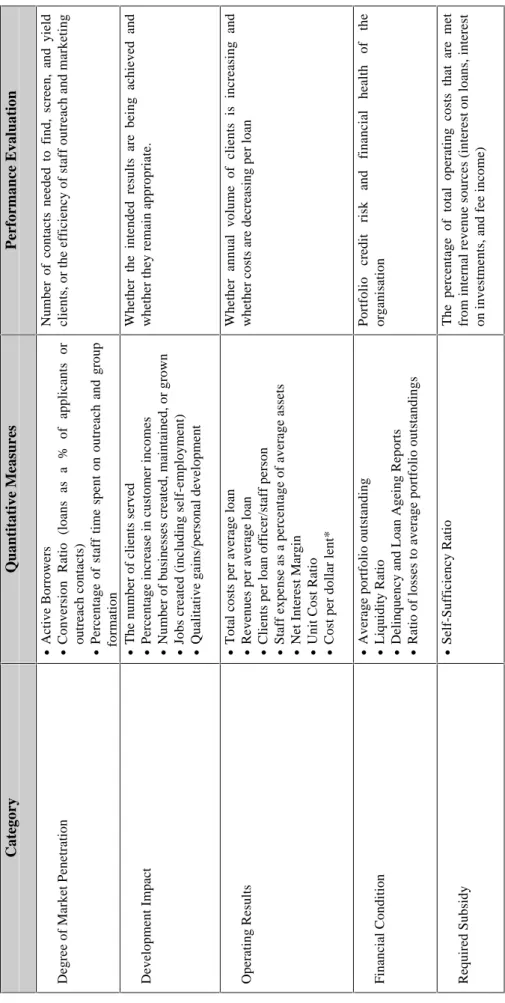
Table 2: Sample Performance Measures ...73
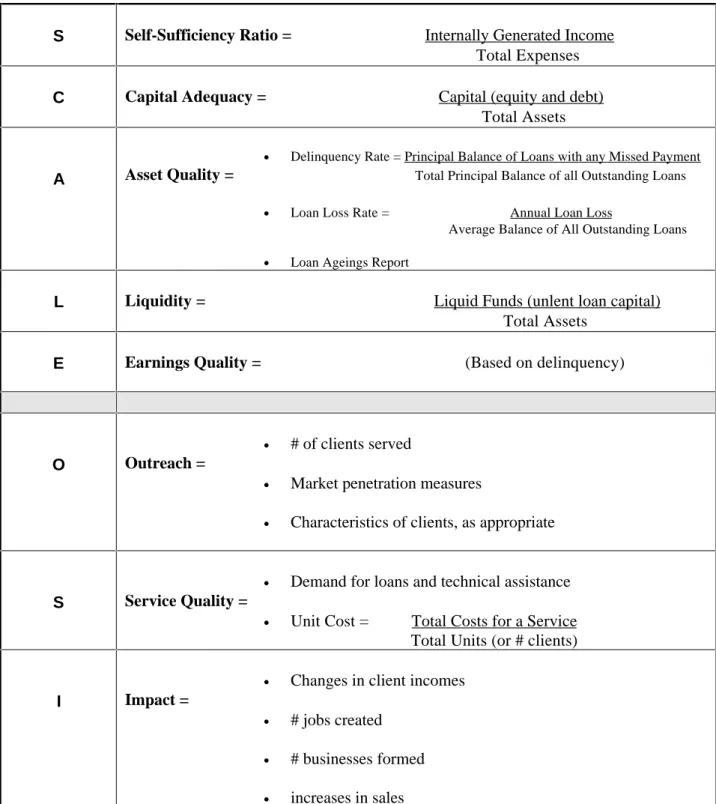
Table 3: Recommended Performance Measures...74
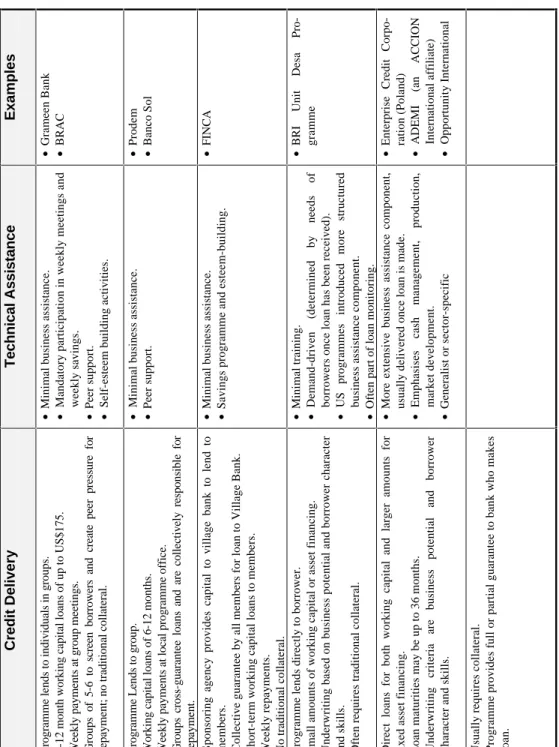
Table 4: Comparison of Selected Microlending Models ...89
Table 5: Four Key Areas of Credit Analysis for Small Business and Microlenders ...94
FOREWORD
Microenterprise credit, or the provision of short-term loans to very small businesses, is a proven, effective development instrument to reach high numbers of beneficiaries and microentrepreneurs in the developing countries of Asia, Africa, and Latin America. By contrast, in the highly developed economies of North America, microcredit has filled small and targeted geographic areas and market niches. The potential impact of microcredit for the economic development of central and eastern European countries (CEECs) and the New Independent States of the former Soviet Union (NIS) may be high. Economies in transition represent a hybrid of the environments in developing countries and North America. Access to credit and capital is limited, and there appear to be viable business opportunities for microenterprises.
The intended audiences for this report are development professionals and policy makers operating in CEECs and in the NIS. This report provides practical tools for new and experienced microcredit practitioners as they design and manage their programmes for long-term viability. In transition economies, the small business environment presents unique features that are different from those in either developing or first world countries. While there has been a surge of microbusiness ventures in these countries to fill market gaps for local goods and services, few potential entrepreneurs have had the personal savings or financial resources to invest for capital formation in a new business. Few have a grasp of markets, competition, and pricing, and a high proportion operate in the informal sector to avoid high taxation or other obstacles. Business management skills are also lacking.
There is a unique opportunity in the CEECs and NIS to use microenterprise finance as an additional tool to foster the production and distribution of local goods and services and to help new entrepreneurs gain experience, earn income, and build capital. This report identifies the opportunities for microcredit in the transition economies and presents the experience of microcredit programmes in developing countries and North America.
The project was undertaken on the initiative of the LEED Programme of the OECD's Territorial Development Service and the Charles Stewart Mott Foundation of Flint, Michigan, as part of the programme of the OECD Centre for Co-operation with the Economies in Transition (CCET). The authors of this report are Ms. Janney Bretz Carpenter, Managing Director of Shorebank Advisory Services, and Ms. Julia Vindasius, Executive Director of the Good Faith Fund.
The views expressed are those of the authors and do not necessarily reflect those of the OECD or its Member countries. This study is published on the responsibility of the Secretary-General of the OECD.
Salvatore Zecchini OECD Deputy Secretary-General
INTRODUCTION
As a handbook for new microcredit programme managers, this report summarises the key building blocks of programme design and current experiences in efficient programme operations. It is organised into the following sections: Chapter 1 provides an introduction to microenterprise credit, summarises the experience of programmes in both developing countries and North America, and discusses the potential role of microcredit in transition economies.
Chapter 2 focuses on the economic environment of the transition economies and its implications for the design of microcredit programmes. The chapter describes the business and development infrastructure currently available to support these programmes and microentrepreneurs, and it indicates opportunities for the development of microcredit in transition economies.
Chapter 3 describes four existing micro and small-scale credit programmes and how they have operated successfully in their respective contexts, given their different development objectives and target customers. These four programmes highlight the challenges facing microcredit programmes in transition economies and the main factors for success.
Chapter 4 reviews main components, that can lead to the design of an effective, local programme. These building blocks concern context, mission, customers, and resources. This chapter details the steps in developing a clear programme mission and a strategic plan as well as appropriate institutions in making an assessment of local customers and markets; and in defining the credit and non-credit products and services to be offered.
Chapter 5 reviews the fundamentals of programme operations, including effective lending methods, technical assistance delivery, credit and portfolio management, financial and cash flow management, and staff training and development.
CHAPTER 1. WHY MICROENTERPRISE CREDIT
This report explores the potential for microenterprise finance, or microcredit, in transition economies and shares how to design and run an effective microcredit programme in this context. The focus of this report is the micro and small-enterprise sector, or MSE sector, as a distinct segment of small and medium-sized enterprises (or SMEs) that have been the focus of economic development efforts in these countries. As a frame of reference, SMEs are defined by the Organisation for Economic Co-operation and Development (OECD) as businesses employing more than 50 people. These small businesses have been recognised as an engine of economic growth and sustainable economic development. In developing economies, SMEs are key actors because they are more likely to participate in export markets, can contribute to Gross Domestic Product, and can employ a significant number of employees.
Very small businesses, or microenterprises, can also be engines of growth and development, particularly in environments facing high unemployment, and high poverty rates, or in highly fragmented, cash-based economies. Although the SME sector may create more full-time jobs per firm and more disposable income per employee to be spent in the community, the MSE sector generates additional household income, creates wealth for individuals, and builds service and retail firms that provide local goods and services. The focus on MSEs also stems from their potential for growth. Perhaps 2-5 per cent
of all microenterprises grow into SMEs; however, nearly all SMEs began as microbusinesses.1
This chapter summarises the current state of microenterprise finance as a development strategy and the experience gained in developing countries and in North America. While this report focuses on MSEs, it also looks at the lower end of the SMEs as part of the overlapping continuum of small enterprise development.
A. Definitions and Underlying Premises
Since its emergence in the 1970s and 1980s, microcredit has become a development strategy with adaptations in Latin America, Africa, Asia, and North America. Most microcredit organisations have one or more of three objectives:
• To provide seed capital to small-scale businesses that can create jobs and economic growth in the
future;
• To provide income-generating opportunities and services to alleviate poverty; and
• To provide credit and financial services to micro and small businesses run by entrepreneurs who do
not have access to conventional financial resources because of a lack of physical access or social barriers to women, disadvantaged groups, or informal businesses whose links to the conventional banking system are weak.
A wide range of microcredit institutions and programmes have emerged to pursue one or more of these objectives. In Latin America, Africa, and Asia, microcredit programmes have pursued poverty alleviation strategies in very poor countries or supported self-employment and the unbanked sectors of the economy by providing basic financial services for the very poor. In more developed countries like the United States, microcredit has targeted narrower market niches as a poverty alleviation or business formation strategy.
Definition of Microenterprise:
Definitions of microenterprise vary widely, usually based on the size of the business (by numbers of employees or sales volume) and its need for small amounts of credit. For this report, a microenterprise or microbusiness is defined as:
• A sole proprietorship or family business with fewer than 10 employees (most often
owner-operated); and
• Requiring relatively small amounts of capital or credit financing (less than US$25 000).2
• In addition, microenterprises include part-time or self-employment activities to supplement family
income.
The MSE sector includes a spectrum of businesses, ranging from high growth potential firms in infancy to small-scale firms that may never achieve significant growth but regularly employ one or more persons.
Most importantly, many microenterprises, perhaps the majority, are operated by the owner alone,
although they may have part-time employees.3 These businesses vary widely in size and sophistication,
but almost always lack access to conventional sources of credit and capital because of their modest size, lack of collateral, insufficient equity, and management inexperience. An additional factor in limiting access to credit are less developed financial sectors that do not serve smaller businesses and social prejudice against certain populations.
As an economic development strategy, microcredit (defined as loans of less than US$25 000) provides financing and assistance to the smallest businesses. These programmes encourage income-generating activities, help entrepreneurs stabilise existing sources of income, and assist microbusinesses to grow into small businesses.
Regardless of their geographic location, most small-scale entrepreneurs face three fundamental gaps between their needs and existing resources: an information gap, a management skills gap, and a financing gap. The specific nature of those gaps varies with business contexts, socio-economic groups, and available resources. In rural Bangladesh, for example, landless women have no savings, and thus seek part-time income-generating activities. These women need small amounts of short-term working capital, basic market information, and life skills training, which are not commonly available in the Bangladesh marketplace, especially to women. In the United States, microentrepreneurs need medium-term working capital loans and management help to navigate the complex American regulatory business environment. In Russia, entrepreneurs may need market information, cash flow management skills, and small equipment
common goal is to promote economic opportunity for individuals and to provide access to resources that entrepreneurs need to generate income or expand their businesses.
As noted earlier, microenterprise is one of several strategies in economic development and has found a niche in certain economic conditions and contexts. Although microenterprises are the smallest businesses and generate fewer full-time jobs than SMEs, microenterprise credit and/or support services have become an additional tool for alleviating poverty, promoting economic independence, providing alternative employment options for low- and moderate-income people, and fostering the creation of new small businesses.
This report reflects several values and lessons that the most mature and successful programmes have concluded through their experience. These premises are stated below, and are developed fully in the remaining chapters.
• Microenterprise finance achieves social good through poverty alleviation, small business
formation, and small business growth and transformation
Microcredit fills a particular niche among financial and development tools and balances social good with the business of lending. As a result, microcredit organisations find themselves balancing financial viability with development goals. In transition economies, the market opportunity for microcredit is at least two fold: small business formation and supporting the growth and emergence of small enterprises. These may also be a viable niche for microcredit as a poverty alleviation strategy. Those organisations with a clear development vision and a commitment to becoming permanent resources have proven their ability to achieve their mission successfully.
• Successful organisations plan for permanence
Because entrepreneurs cannot grow a business by depending on a temporary programme for their financing needs, successful microcredit organisations have an aura of permanence and usually have a strategy for long-term sustainability. Dependence on philanthropic funding alone is short-sighted. Strategic planning should include long-term capitalisation and institutional development, as well as effective products and services. Institutional structures might include: a new stand-alone organisation, a programme within a permanent institution, or the strategic use of existing delivery systems (e.g. the banking system). There will always be a continuing gap between the need for alternative sources of credit and capital and the formal financial system.
• Organisations should strive for financial self-sufficiency and scale
Most developing country microcredit institutions have reached financial viability by achieving scale in their operations. They usually operate in high density markets with a high demand for microcredit, and have relatively low operating costs. Not all programmes will achieve the large scale most often associated with financial self-sufficiency. Those that cannot achieve either scale of operations (a high number of beneficiaries) or financial self-sufficiency must demonstrate results that merit continued subsidy.
These programmes will not survive unless they master effective use of subsidy and can merit continued investment based on the benefits generated and a reasonable subsidy cost per unit.
subsidy requirements and increase the number of clients they serve than programmes that do not set those goals.
• Although the definitions of success vary among microcredit organisations, cost-effectiveness is
paramount
Each organisation identifies its goals, objectives, and performance measures. For stand-alone microcredit financial institutions, financial self-sufficiency and number of beneficiaries may be key success measures. For a smaller programme focused on poverty alleviation in a certain geographic or customer market, the number of participants who achieve economic self-sufficiency may be the best success measure. Whatever the goals of the microcredit programme, those that relentlessly pursue cost-effectiveness often achieve the most development impact because they are focused on meeting the credit demand from their customers while maintaining efficiency in operations.
• Clients are best served by a business-like microcredit programme
Small-scale entrepreneurs are drawn to and better served by organisations that they perceive as businesses rather than government programmes or charities. The lender has more credibility as a reliable business partner and can speak more convincingly of business planning and financial management if it operates in a business-like way.
Microcredit programmes must both demonstrate social good and deliver those results cost-effectively. Achieving scale and determining reasonable costs are part of the debate. The opportunity for microcredit in transition economies is the potential to achieve both goals successfully. The development benefits are substantial, and the high demand for microcredit may allow programmes to achieve full or near financial self-sufficiency.
As a development strategy, the following microcredit has been most effective in economies distinguished by five characteristics:
• Structural change or a persistently negative condition in an economy creating declining wage
rates, growing unemployment, and a high proportion of “working poor.”
• Limited employment options due to the closure or lack of large employers or industries that were
the main source of local jobs.
• An ethnic culture of entrepreneurial activity and a high proportion of the population interested in
self-employment and entrepreneurship.
• Economic opportunities with low barriers to entry into the marketplace that require small
amounts of start-up capital.
• A significant credit gap between the need for financing and the availability of personal resources
(such as savings) or formal credit (such as bank loans).
Out of the investments in microcredit organisations, a handful of permanent financial institutions serves millions of poor entrepreneurs while covering their annual operating costs with interest income and service fees paid by their customers. These institutions cover all operating costs (operations, loan loss reserves,
inflation) except the market cost of capital.4 The BRI Unit Desa System in Indonesia covers all of its
costs. The Grameen Bank in Bangladesh, Bank Rikiyat Indonesia (BRI) Unit Desa programme in Indonesia, and Banco Sol in Bolivia are all chartered financial institutions under national banking laws. They operate in countries with high population densities and with high demand for credit and financial services and have been able to achieve large scale in their operations. These programmes recognised that microentrepreneurs want and need liquidity -- not just credit -- and developed the capacity to mobilise large amounts of savings from their customers, as well as provide them with loans. In addition, their successes have spawned a large number of small, village-based microcredit programmes in developing countries around the world.
With a primary focus on the very poor in society, the successful institutions in Asia, Latin
America, and Africa share several traits:5
• They know their markets: entrepreneurs seeking a source of income are willing to pay for
access to credit
The major service need of microentrepreneurs in these environments is credit for working capital, with loan terms of less than one year. Most programmes do not try to direct capital to specific uses. They charge market rates for loans, understanding that access to credit is more important than the cost. Interest rates are high relative to the formal financial system, but low compared with typical informal sources (e.g. money lenders). Programmes lower transaction costs by locating lending branches near the clients (in rural or urban areas), providing simple application processes, and disbursing loans quickly.
• They streamline lending and monitoring processes to slash administrative costs
The simplest procedures are used for the smallest loans. Loan applications are often no more than one page; loan terms are standardised; and credit decisions are based on eligibility rather than on business appraisal.
• They use special techniques to motivate borrower repayment
Lenders use negative sanctions (such as group guarantees and pressure from social networks) to replace collateral and other traditional loan security such as quick access to larger loans in the future. Although programmes dealing with large microbusinesses often require collateral, many do not.
• They are designed for cost-effectiveness and sustainability
All of these institutions are striving for long-term financial viability. The handful of large-scale institutions that have reached full financial self-sufficiency for their branch operations may still benefit from a below-market rate cost of capital or funds. Many programmes, however, remain heavily subsidised and dependent on funders for both capital and annual operating funds. Successful programmes are steadily improving their cost-effectiveness and are designed to be sustainable.
In Latin America, Africa, and Asia, microenterprises are often existing small businesses in the informal or cash sectors of the economy that require small amounts of short-term working capital and minimal technical assistance. In a developing country context, microcredit has been a highly efficient development strategy due to the high level of interest in microenterprise, the need for income sources, and a significant credit gap combine to create strong demand for small amounts of credit. For example, ACCION International affiliates in Latin America focus on lending to street hawkers and market vendors who know their market well but need small amounts of working capital to boost their profits and income. The Grameen Bank and BRAC, both in Bangladesh, make very small loans to rural, landless women who need to buy a milk cow or raise a small flock of chickens to supplement family income.
For the handful of programmes that have emerged as permanent financial intermediaries specialising in providing financial services to the poor, the population density when combined with high demand for loans generates substantial interest income revenue. Because operating costs (labour costs and other transaction costs) are relatively low, financial viability is compatible with their poverty alleviation or microbusiness growth development goals. As noted earlier, these programmes have demonstrated several key methods to streamline operating costs and reach the poor. Because of the poverty and lack of resources among their customers, these programmes use group lending methods and cross-guaranties among borrowers in place of traditional collateral. Most developing country microcredit programmes streamline their loan disbursement, monitoring, and collection procedures through weekly or biweekly loan payment meetings. In addition to a monitoring system that tracks payments, these meetings provide a forum for informal information-sharing or training.
As discussed in the next section, microcredit has found demand in small and targeted niches in the highly developed economies of North America. These economies have localised pockets of limited employment, but the population is generally less entrepreneurial and the barriers to entry are much higher for small businesses.
C. North American Adaptations
Although microcredit practitioners in transition economies can benefit from experiences in both least and most developed countries, the adaptations of microcredit in the United States and Canada may be more directly relevant: like transition economies, the markets are more competitive; the development goals are more often small business formation and job creation; the public assistance safety net for the unemployed can dampen entrepreneurial interest; and microcredit is only one of many economic development efforts.
In most cases, the North American markets for microcredit have been:
• Those left unserved by conventional financial institutions because of the high cost, perceived higher
risk, and limited profit potential of making small loans.
• Those that are relatively weak and hence do not attract market-based capital or investment; or
• Those in which people have few personal financial resources and therefore cannot qualify for
North American microcredit programmes are almost always non-profit organisations that extend credit through a revolving loan fund and provide management assistance to the owners of microenterprises. Loan volumes are much lower than those in developing countries for several reasons:
• A relatively small proportion of the overall population engages in self-employment or
entrepreneurial activity (often estimated at
• 8-10 per cent of the population nationally, compared to as much as 80 per cent in developing
countries, such as Bangladesh).
• The financial system is well-developed and banks and other credit institutions reach many small
businesses with both commercial and consumer credit products, leaving a relatively narrow credit gap;
• The public assistance “safety net” poses disincentives for low- and moderate-income individuals to
engage in self-employment; and
• The regulatory and legal costs of establishing a formal small business in the U.S. can be high.
American microcredit programmes have adapted the developing country microenterprise models to fit certain market gaps within a relatively sophisticated credit and business development environment. Programmes focus on rural or urban disadvantaged populations, or fill the narrow credit gap with very small loans.
The Spectrum of North American Microcredit Programmes
Microcredit programmes in the United States have a broad range of development objectives from poverty alleviation to business formation to business growth.
They fall into three general categories:
• Poverty alleviation programmes that use microcredit as one of many tools to help individuals
increase their economic independence and overcome social and financial hurdles. These programmes aim to alleviate poverty and develop human capital by helping poor people develop additional sources of income.
• Self-employment programmes that help microbusinesses become stable sources of employment
for one person or a family.
• Growth and emerging microbusiness programmes that help microbusinesses to increase sales
and employment and to transition into small businesses with access to banking system resources.
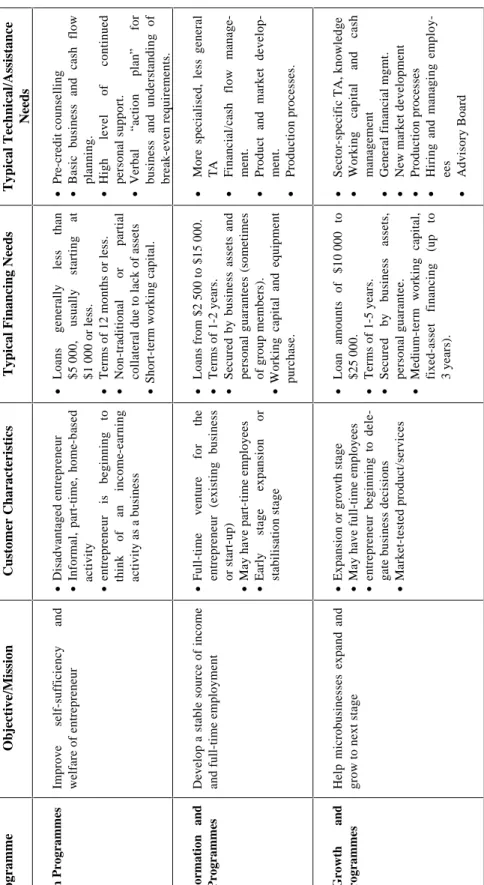
As shown in Table 1 on the following page, these programmes provide different products and services depending on their objectives and the needs of their target customers. For example, those programmes with a poverty alleviation mission focus on life skills and social development as well as the opportunities to increase income through microenterprise. Programmes targeting existing microentrepreneurs or those with growth objectives usually provide more specialised business assistance that is specific to each entrepreneur and his or her industry.
14
Table 1:
North American Microloan Programmes Vary By Mission and Target Market
Objective/Mission
Customer
Characteristics
Typical Financing Needs
Typical Technical/Assistance Needs Improve self -sufficiency a n d welfare of entrepreneur • Disadvantaged entrepreneur • Informal, part -time, home -b as e d activity • entrepreneur is beginning t o think of an income -earning activity as a business •
Loans generally less than $5
000, usually starting a t $ 1 000 or less. • Terms of 12 months or less. •
Non-traditional or partial collateral due to lack of assets
•
Short
-term working capital.
• P re -credit counselling • Basic
business and cash flow
planning.
•
High level of continued personal support.
•
Verbal “action plan
”
for
business and understanding
o f break-even requirements. a n d rogrammes Develop a
stable source of income
and full
-time employment
•
Full
-time venture for
th
e
entrepreneur (existing business or start
-up)
•
May have part
-time employees
•
Early stage expansion o
r stabilisation stage • Loans from $2 500 to $15 000. • Terms of 1 -2 years. • Secured b y business assets a n d personal guarantees (sometimes of group members). •
Working capital and equipment purchase.
•
More specialised, less
general TA • Financial/cash flow manage-ment. • Product
and market
develop-ment. • Production processes. a n d Help microbusinesses expand a n d
grow to next stage
•
Expansion or growth stage
•
May have full
-time employees
•
entrepreneur beginning to dele- gate business decisions
• Market-tested product/services • Loan amounts of $ 1 0 000 to $ 2 5 000. • Terms of 1 -5 years. • Secured b y business assets, personal guarantee. •
Medium-term working capital, fixed
-asset financing (up t o 3 years). • Sector
-specific TA, knowledge
•
Working capital and cash management
•
General financial mgmt.
•
New market development
•
Production processes
•
Hiring and managing employ- ees
•
Although individual programmes vary widely, most microcredit programmes share five elements:
• Targeting of particular market niches
Most North American microenterprise programmes target a certain group of entrepreneurs (women, minorities, low-income individuals) or businesses (start-ups, existing microbusinesses that want to expand, businesses in particular sectors, or businesses located within a geographic area). Programmes screen out those entrepreneurs who have access to other sources of credit by above-market pricing or other screening criteria.
• Delivery of credit through a disciplined lending methodology
The most common lending methodologies are direct lending (a loan to one individual with collateral), peer lending (loans to a small group of individuals or members of a group whose shared obligation replaces traditional collateral), and modified group lending (lending to the individuals within a community).
• Provision of some pre-credit technical assistance
Pre-credit technical assistance is provided either as formal, mandatory training (for start-up businesses) or as assistance in completing the loan application or a business plan. Training can be a series of meetings or a formal, 6-10 week training programme for start-up businesses which imparts basic business knowledge and screens out those who are not ready to start a business or repay a loan.
• Provision of ongoing business assistance for borrowers
To improve chances of success and loan repayment, most programmes provide ongoing business advice and problem solving to their borrowers. This is usually structured as part of regular loan monitoring, separate advisory services, or a peer-based support system.
• Development of programme operations
In North America, most programmes have developed systems for approving and documenting loans, monitoring the loan portfolio, financial and cash management, and staff development and training. These are designed as management tools to control cost inefficiencies, monitor loan loss rates, and prevent rapid staff turnover, any of which can quickly render a programme ineffective.
In the U.S., a few programmes at the poverty alleviation end of the spectrum also provide a savings component which enables their customers to build a financial cushion (personal liquidity).
Lessons from North American Adaptations
As North American programmes have adapted the developing country microenterprise experience, they have created modifications to make microcredit an effective tool in a financially complex and sophisticated economy. The lessons that may also be applicable to microcredit programmes in CEEC and NIS contexts include:
• Most credit needs among microbusinesses are for either short-term working capital or small amounts of asset or equipment financing
To minimise lengthy underwriting, most programmes use a standardised regular loan product that can effectively meet these credit needs. Short- to medium-term loans (6 months, 12 months, or at most, 36 month loans) impose the discipline of frequent payments, monthly or quarterly monitoring (usually with a site visit to the business), and a set repayment schedule, reducing the risk to both the lender and the borrower. Furthermore, loan standardisation streamlines costs.
• “Stepping loans” that start small and gradually increase in amount with subsequent loans
minimise business risk for both borrower and lender
When lending to start-ups or new, unproven businesses, many programmes test their customer by making a smaller loan at first (sometimes as low as $500). Once the borrower has demonstrated his or her ability and commitment to repay, a series of gradually larger loans capable of meeting additional microbusiness needs can be disbursed. Access to larger amounts provides strong incentive for repayment.
• Lending is a business: borrowers must be selected on the basis of rigorous assessment of
business viability and character, not need
No one benefits by supporting a poor business idea or an individual not ready to be a successful entrepreneur. Screening and self-selection techniques have helped programmes find the most “entrepreneurially ready” customers. Unlike the developing country context, the competitive retail and service markets in North America have made business viability a more important component in credit decisions than client need or eligibility.
• Microentrepreneurs need three things: financing, market information, and management skills
Entrepreneurs everywhere need access to credit and capital, information on how to access markets, and both skills and a network of peers and mentors for management guidance and support. Access to information and management skills are needed by all microentrepreneurs, however, programmes that link those to the individual business provide the greatest value to the entrepreneur.
• Linking access to credit with business assistance is an effective way to change entrepreneurial
behaviour
While high quality assistance is an excellent resource in and of itself, it is those programmes that provide both credit and business assistance that have the highest quality services and most affect borrower behaviour. By controlling the purse strings, a microcredit programme can encourage a customer to improve certain elements of his or her business plan or get assistance in certain weak areas. Once the credit is disbursed, that leverage must be maintained through constant loan monitoring.
• Investments in staff development and training pay off
In the US, most early practitioners had little lending experience or business management experience. Over the past few years, more programmes are hiring experienced staff (e.g. former lenders and
• Management information systems and internal control procedures should be developed early Managers need reliable and timely information on their development outputs and financial performance to assess programme methods and evaluate the effectiveness of programme elements.
Perhaps the most important lesson has been that microcredit is not a “cookie-cutter” formula that can be easily applied from one situation to the next. Individual programme design, development goals, and financial objectives are determined by four factors: context or macro environment; mission or development goals; target market; and available resources. These four factors will be explored further in Chapter 4.
Continuing Challenges
The most important continuing challenge for microcredit organisations is to balance development goals with financial sustainability. After more than five years of experimentation and adaptation, North American microloan funds began to be pushed by funders and policy makers to:
• Better demonstrate a measurable impact on their client base;
• Achieve those development goals at reasonable cost; and
• Steadily improve their cost-effectiveness and move toward financial sustainability.
In response, the microenterprise field has better identified its goals and objectives, and focused on identifying those models that appear most effective. Individual programmes are developing performance measures and operating plans that strive for sustainability. In addition, they have been developing relationships with banks and other financial institutions to develop additional resources and improve their cost-effectiveness.
In addition, the contextual limitations on loan volumes cited on page 9, microcredit is expensive to deliver in developed countries because:
• Transaction costs per loan tend to be high as a percentage of the amount loaned;
• Business assistance and other support services are staff-intensive and costly;
• Small loan sizes generate small average outstanding balances and low interest earnings; and
• Many programmes incur higher than acceptable loan losses in their early years (loan losses are a
cost of lending and must be maintained at reasonable levels).
Only in a few developing countries are a handful of microcredit organisations reaching financial self-sufficiency (excluding the cost of capital). They are operating in high-density and high-demand markets, generating large loan volume, and fully covering operating costs with loan interest income.
Currently, no North American microcredit organisation is earning a profit or covering all of its costs. However, several are striving for self-sufficiency and are continuously improving their operations to earn an increasing percentage of their operating budget from internally generated funds.
For microcredit programmes, several key variables influence financial viability:
• Pricing of credit
The most successful programmes charge “market” rates on loans. Although government and other funding sources often prefer to subsidise interest rates, microcredit programmes generally do not. For borrowers, access to credit is usually more important than the cost of credit because the cost to the borrower is low compared to the return from investing that credit. A high interest rate on a small loan significantly increases the revenues of the loan fund. The net interest margin that can be earned (the difference between interest earned on loans and the cost of loan capital) varies with the local market rates: in Latin America, programmes charge as much as 15-20 per cent above inflation rates; in the United States, interest rates range from a few points above conventional bank commercial interest rates to credit card rates of 15-16 per cent.
• Targeting customers
The intended customer base determines the size range and structure of loans. Self-employment and start-up microbusinesses will tend to have small average loan sizes and short maturities (up to 12 months). Existing and growth-oriented microbusinesses will tend to need larger loans with maturities of 1-3 years. Disbursements, shaped by the number of loans made and the average size of loans, drive the size of the loan portfolio. As with conventional banks, the interest income of microloan programmes is determined by average loans outstanding multiplied by the interest rate. To expand their portfolios and to meet the growing credit needs of their customers, most programmes will allow experienced borrowers who have proven their creditworthiness with small loans to obtain loans in larger amounts. In this way, the programme grows with its customers.
• The amount of technical assistance provided
A key cost variable is the level of pre-credit technical assistance to be provided and the amount of monitoring or post-credit business assistance needed. This variable is also driven by the choice of target market, whether that be first time entrepreneurs who need help applying for a loan, or existing business owners who are able to benefit from credit with minimal business assistance. These services can be delivered directly by programme staff, through partnerships with existing organisations, or by tapping private business services providers such as accountants, lawyers, and marketing experts.
• Sound management and operations
Like any business, a microloan fund needs good management and careful planning to maximise its cost-effectiveness, including leveraging resources where possible, standardising loan products and procedures, and streamlining the delivery of credit. A strategic plan for long-term cost-effectiveness also requires clear performance measures and periodic self-evaluation.
Most programmes, especially in the early years, will need annual loan operating support because their operating costs will exceed the revenues generated from interest income or fees. The level of operating support should steadily decrease as the programme builds its loan portfolio and meets the credit demand of its customers. As noted earlier, the appropriate performance goals for achieving self-sustainability will vary among individual programmes based on their mission, customer base, and
Some programmes will achieve self-sufficiency; some will never cover their costs and must steadily reduce their subsidy requirement. Successful programmes, however, strive to do two things:
•
• Clearly identify development outputs and the associated financial costs; and
•
• Steadily increase the proportion of operating costs that are covered by internally generated
funds
Chapters 4 and 5 share many of the operational strategies that microcredit programmes have used to manage the above variables and achieve these objectives.
D. Opportunities for Microcredit in Transition economies
The potential economic and development impact for microenterprise finance programmes in CEECs and the NIS is high. The transition economies of the CEEC and NIS share characteristics with both developing countries and North America that create unique opportunities for microcredit as a tool to encourage self-employment or help launch new entrepreneurs and businesses. Choosing the target customer base is one of four key factors that drive programme design and affect the challenges for microcredit programmes. The interplay between the four key design factors -- context, mission, target market, and resources -- determines the development and business strategies of an individual microcredit programme.
Context
Microcredit opportunities in these countries may be much greater than in North America because of their economic context. Structural change creates new market opportunities, unemployment in rural areas is high, interest in entrepreneurship runs strong, and the gap between current credit resources and needs is relatively wide.
• First, the dramatic market changes from centrally-planned economies to various forms of
capitalism have created new market opportunities. Market gaps are being capitalised on by MSEs and SMEs in manufacturing, retail, and services. Structural change in the economy and the dependence of many rural areas on single employers or industries have created a need for discovering new ways to generate income, employment, and a high interest in entrepreneurship.
• Second, the institutional infrastructure has not yet adapted to support the emergence of the
small-scale private sector. The credit and information gaps for MSEs remain quite large. The banking system has not yet adapted to meet the needs of small businesses and the credit gap is relatively wide. The multinational economic development assistance from OECD countries has focused mainly on targeting resources to SMEs. Most aid has been in the form of large-scale credit, technical assistance, and management training with the goal of improving the survival rates of new SME firms and accelerating the economic transformation of these transition economies. Foreign aid and local policy-makers have focused on SMEs because:
a) They can cushion the unemployment that results from the closing or scaling down of large, economically non-competitive state-owned enterprises by creating new jobs;
b) The proliferation of SMEs can improve the quality, efficiency, and distribution of consumer
goods and services, and contribute to Gross Domestic Product through exports.6
Conventional wisdom has been that MSEs have neither the market knowledge nor capacity to significantly increase exports quickly and efficiently. As a result, few resources have targeted this segment of the enterprise spectrum. In transition economies, however, microbusinesses both provide consumer products and services in local and smaller urban areas, and allow new entrepreneurs to build experience and capital. Home-based businesses, petty traders, local retail storefronts and service firms, and nascent manufacturers are important sources of employment, supplemental income, and local goods and services.
• Third, the slow rate of change in much of the regulatory and legal framework continues to
contribute to the growth of informal small-scale entrepreneurship outside of the regulated business realm. High tax rates, expectations for continuing high inflation, and required registration of all private business have given many entrepreneurs disincentives to make the transition into
"formal" regulated and taxed businesses.7 Local experts in Poland and Hungary estimated the
percentage of informal microbusinesses as 20 per cent and 50 per cent of total firms, respectively.8
Mission and Customers
Development mission and choice of target customers are inextricably linked. A programme seeking to assist low-income individuals will by necessity serve first-time entrepreneurs needing significant business assistance. Transition economies comprise several levels of entrepreneurs, nearly all of whom are constrained by their lack of personal savings, lack of assets, and lack of access to bank credit or capital. This presents a diverse spectrum of microentrepreneurs and presents many opportunities. The volume and density of entrepreneurial activity is high as shifting markets create opportunities, and the economic viability of microbusinesses appears to be strong.
According to interviews, latent entrepreneurs are emerging to meet the private sector opportunities. As noted earlier, microbusinesses, both family-run storefront enterprises and single-owner start-ups, are a vibrant and essential part of local economies, particularly in rural and smaller urban areas. In several markets, microenterprise is the only alternative for people facing closure of a city’s sole or major state-owned employer. This demand for credit and the financial viability for microbusinesses are discussed further in Chapter 2.
In contrast to North America, microenterprises in transition economies have a strong potential for financial viability. Microcredit programmes can focus on entrepreneurs who have technical skills and market knowledge, but lack basic business management skills. The most skilled microbusiness owners have a strong probability of growing into viable contributors to economic growth and exports. Less skilled microentrepreneurs may create stable sources of self or family employment. The diversity of entrepreneurs who need access to credit gives microcredit programmes a wide range of market opportunities and may allow them to reach financial sustainability more easily than their American counterparts.
Resources
The level of financial and human resources currently available for enterprise development is a unique trait of these economies. Relative to the United States, OECD donor countries and development institutions have been making significant financial and human resource investments into these transition economies. The financial resources from foreign donors and financial institutions provide an opportunity for microcredit programmes to raise capital and operating funds, gain operating experience, and at the same time plan for self-sufficiency. In addition, the generally higher education level of the population and the strong motivation among local development professionals suggests a strong local management
capacity for microcredit programmes.9 There are a wide range of professionals with technical skills
(engineers, attorneys, lenders) who can develop the market-oriented management skills necessary to run effective programmes.
Opportunities
Given the market characteristics of transition economies, microcredit may be a highly effective development strategy in these environments. Based on the above, there are at least three potential market niches for microenterprise credit:
•
First-time entrepreneurs and the unemployed: For those poverty-stricken or unemployedindividuals, self-employment provides an alternative or additional source of income and may potentially be a source of self-determination. In transition economies, where a significant number of people are losing jobs that previously offered lifetime security, microenterprise is a way to smooth their transition into the private sector. Several western countries currently include
microenterprise as an alternative for the unemployed.10
• Existing, stable microbusinesses: According to interviews, family-or individually-owned retail and
consumer product and service businesses form the backbone for the distribution of goods and services outside of the capital cities. They often need small amounts of equipment or working capital financing to stabilise the business, meet demand, or expand their ventures.
• Emerging growth microbusinesses: These are start-ups or existing businesses with high growth
potential but no access to capital or credit. They are often run by technically-proficient or market-savvy owners who lack business management experience. Most often, these businesses appear to need equipment financing to grow the business, and can often use their own resources for small working capital financing.
Microcredit organisations have become an important strategy for poverty alleviation in developing countries. Microcredit has also been adapted to particular market niches in North America to support income-generation among the poor and small business formation. In the unique context of economies in transition, microenterprise finance can play an important role in cultivating new entrepreneurs and promoting the emergence of the private sector.
CHAPTER 2. THE BUSINESS ENVIRONMENT
Much of the advice given [about small enterprise development] is based on previous experience in the donor or other richer countries, or in far poorer “developing countries” in Africa, Latin America, and Asia. Often it fails to take account of the special history or of the educational standard and significant industrial development previously attained in these countries in transition…
The result, to say the least, has been confusing. It would be more effective not to recommend a model or approach from another country, but rather to analyse the needs and the prevailing situation and then use judgement as to the suitable way forward.
Harper and Levitsky11
Enterprise development grows out of local entrepreneurial capacity and is supported by a broad development infrastructure. This infrastructure includes banks and other sources of capital, the labour force, business support services and technical assistance programmes, as well as the overall qualities of the economies in which these businesses take root. While many of the ingredients for successful enterprise development are common to all countries, local development professionals are the best judges of which models, approaches, and methods are most appropriate for their particular context or environment.
As stated in Chapter 1, the business context in transition economies offers a very high potential for microcredit programmes because:
• There is a high volume of diverse, small-scale entrepreneurial activity and high demand for small
amounts of credit;
• The existing business infrastructure has not yet adapted to meet the needs of very small businesses,
creating a significant credit gap between demand and available resources;
• Substantial economic development resources are flowing into these countries to grow the nascent
private sector; and
• A well-educated, motivated population provides a strong pool of talent as microentrepreneurs and as
potential managers of microcredit programmes.
To set the context for microenterprise opportunities in Central and Eastern Europe and for other economies in transition, this chapter presents a brief overview of the current business environment in these transition economies and the opportunities for microenterprise development. Although the market conditions described are not shared by all transition economies, the underlying similarities may help new programmes identify their niches more clearly. Specifically, this chapter reviews entrepreneurial activity in these markets, the current state of the banking system and other components of the business infrastructure, and the channelling of current economic development resources.
A. Overview of Economic Conditions Current Economic Conditions:
Czech Republic
The Czech Republic has maintained low inflation (10.0 per cent in 1994),12 has kept low unemployment
(3.3 per cent in 1994),13and has a relatively well-developed legal and regulatory environment for private
sector businesses. The Czech government privatised most state-owned enterprises in two waves by distributing vouchers that entitled citizens to bid on shares. Most Czechs have entrusted their vouchers to
one or more of the 600 or so investment funds run by the country’s major banks.14 Unlike in Poland and
Hungary, privatisation has not yet resulted in dramatic restructurings and increased unemployment. Based on interview findings however, unemployment in rural areas and certain towns may be as high as 10-15 per cent. Although the Czech Republic is often seen as more similar to Western Europe than to other CEECs, local enterprise development experts interviewed believed that in small cities and rural areas outside of Prague, the emergence of small-scale private enterprise remains slow. Under the previous regime, privately-owned businesses were not permitted.
Although each CEEC and NIS comprises a unique set of economic, political, and social conditions, they share certain general characteristics as transition economies that are relevant to the design of microcredit programmes. Beginning in 1989, the Soviet republics and Eastern Bloc countries broke away from the centrally-planned economic policy and business practices of the previous regimes and headed towards private and free markets. These transitions have taken time and progressed to varying degrees as the banking systems and legal and regulatory frameworks are being rebuilt. Many state-owned enterprises have closed or contracted, resulting in the loss of jobs, reduced availability or certain goods, and an influx of higher priced imports; and individuals and families have had to adjust to rapidly changing job markets with high levels of uncertainty. Each country has struggled to balance the restructuring of state-owned firms with maintaining employment options for the population. A key objective in these economic transitions is to hasten the emergence of a private sector economy to create new jobs.
Current Economic Conditions: Hungary
The legal private sector economy began in 1982 with the Act for Economic Association and was broadened in 1988 with the Second Act for Economic Association. The first Act allowed professionals to establish small businesses as a sideline to their primary jobs. In 1988, the regulations loosened further and allowed small-scale private enterprises to incorporate, borrow, and grow into full time businesses (and broadened the pool of eligible Entrepreneurs). Hungary attracted more than half of the foreign investment into Eastern Europe from 1989 through 1993. In 1993 and early 1994, however, burgeoning government deficits and imports exceeding exports have created an economic recession. Inflation reached 22.5 per cent in 1993 and fell to 18.4 per cent in 1994; unemployment leapt to 12.8 per cent in 1993 before
dropping to 11.3 per cent in 1994.15 Privatisation nearly stopped in mid-1994 with the election of
Socialist Party leadership. According to more than one person interviewed, most microbusinesses are worse off now than they were in 1990 because of high inflation and economic uncertainty. However, new small firms are emerging at a relatively rapid pace in both rural and urban centres, often out of fear of unemployment rather than perceived economic opportunity.
Despite their similarities, each country has unique conditions based on its implementation and response to market reforms. The Czech Republic, Poland, Hungary, and the Slovak Republic are probably
the furthest along in their introductions of market-oriented reforms.16 Others, including those further east and the NIS, are in the early or middle stages of economic transition, depending on their access to foreign markets, monetary stability, infrastructure, and entrepreneurial business activity.
In this context, microenterprise finance may be an additional strategy for producing and distributing local goods and services, creating jobs in rural areas and smaller cities, and providing additional income sources. Microenterprise allows new entrepreneurs to accumulate experience and capital. It will permit some of those entrepreneurs to launch larger ventures in the future.
Although only Hungary, Poland, and the Czech Republic were visited in researching this report, the observations and conclusions drawn from those interviews have parallels to other CEECs and the NIS for several reasons:
• The macro-economic environments in transition economies share many similar characteristics
regardless of the stage of their economic transition.
• Interviews with Eastern European experts suggest that microbusinesses play an essential role in the
production and distribution of consumer goods and services in all rural and small urban areas. Whether part-time, informal, legal, or well-established, microbusinesses are an important source of jobs and supplemental income for people.
Current Economic Conditions: Poland
The largest of the three countries, Poland posted 4.5 per cent growth in GDP during 1994, exceeding even that of the Czech Republic. The radical "shock therapy" approach to economic reforms that Poland adopted in 1990 is now bearing fruit in terms of high productivity and foreign investment. However, high turnover in the Polish political leadership has resulted in a stop-and-go pattern of change and frequently changing laws. Poland has privatised about 30 per cent of its state-owned enterprises; unemployment was
about 16 per cent nation-wide in 1994,17 but reportedly up to 30 per cent in agricultural areas that depend
upon a single plant or state-owned enterprise for employment. Managing the balance between market reforms and unemployment has been unusually sensitive. The early reformist zeal has been replaced by a government seeking to placate the union workers, elderly, and other labour-based constituencies. Inflation
has fallen steadily, from 45.3 per cent in 1992 to 33.2 per cent in 1994,18 but remains high.
There is a very active market economy among small businesses in rural areas because farming was never collecturized in Poland. Poland’s physical proximity to and high trading volume with Germany has also fuelled the emergence of an industry of small-scale traders and merchants, most of whom exist as informal, illegal businesses. This phenomenon may have been accelerated by the fact that 800 000 of the
estimated 1.3 million recent emigrants from Poland are in Germany.19
Poland’s current regulatory or legal framework can not support small-scale private enterprise. Finally, there are many disincentives for microbusinesses to enter the formal sector, including high taxation rates, income and payroll taxes, and required registration with the government.
Furthermore, the principles for the design and sound management of microcredit programmes apply in a wide range of contexts; individual practitioners in each country can best determine the models most appropriate for that particular context.
Although these three countries may be farther along in their economic transitions, they share
common general market conditions that are seen throughout CEEC and NIS countries:20
• Inflation and currency devaluation risk
Although inflation has remained quite low in the Czech Republic, the risk of high inflation affects business decisions in Hungary and Poland. microentrepreneurs are concerned that high inflation will make debt repayment difficult, as few businesses can quickly earn such high returns. According to interviews, the expectation of higher inflation inhibits investment by individuals and raises uncertainty for small-scale businesses, even in the Czech Republic where many people believe the low inflation rate cannot last.
• High effective tax rates on formal businesses
Although tax laws change frequently, as of March 1994, the income tax rate in Poland was 50 per cent and the payroll tax (based on number of employees) was 47 per cent, resulting in an effective
tax rate of 97 per cent for all registered businesses.21 In Hungary, the combined burden of a 44 per
cent corporate tax rate and a 49 per cent payroll tax convinces many small businesses to remain
informal or keep multiple sets of books.22 All three countries also require complicated licensing
and registration of small businesses, providing disincentives for microbusinesses to leave the informal sector.
• Cash economy with a poor payments system
The banking sector does not yet function as an efficient national payments clearing system. Nearly all transactions occur in cash rather than through credit, checks, or electronic funds transfer. Such a cash-based economy facilitates business and tax fraud because there is little record-keeping and no "paper trail" of transactions, but businesses have little choice. In Hungary, for example, it takes eight days for a check to clear within Budapest and much longer in rural areas.
• The commercial code and basic business laws have not yet evolved to protect non-bank
creditors or shareholders
According to interviews, the legal and regulatory framework does not yet sufficiently protect investors and creditors from fraud and bankruptcy. This limits the amount of additional capital and liquidity pumped into the system and restricts the growth potential of smaller firms which must rely on cash terms for all suppliers and buyers. In Poland, for example, the bankruptcy laws essentially require liquidation rather than reorganisation. There is no central registry of liens or ownership, so the same asset might be pledged to multiple creditors without their knowledge. At present, banks have preference over other creditors and are the only entities that can foreclose on pledged collateral without going through the unwieldy and time consuming commercial courts.
• Lack of reliable communication and market information
As one experienced manager opined, "The lack of reliable communication is the single biggest
impediment to doing business in Poland."23 Telephone communication is not consistent and travel
is time consuming. In addition, the lack of reliable and accessible market information makes business planning and assessment difficult. For example, no credit histories are available, making
the selection of business customers and partners difficult. This environment makes owner-operated, local microbusinesses more prevalent, as relatively few surmount the hurdles for SMEs are more significant.
All of these conditions suggest that opportunities exist, but microentrepreneurs must be street smart and savvy to solve problems and detect shifts in their markets and competition. In this context, microcredit lenders must base loan decisions on the character and resourcefulness of the borrower and the viability of the business and market niche, as opposed to need or eligibility as in developing countries.
It is in this environment that microcredit and support can be a useful development tool, as the demand for such services appears to be high.
B. Demand for Microcredit
Although the level of small-scale private sector activity in any of these countries is difficult to measure, microbusinesses are a vibrant part of these economies. In 1994, the percentage of Gross Domestic Product that is private-sector output ranged from 40 per cent -- 65 per cent for Hungary, Poland,
and The Czech Republic.24 However, these figures can be over or understated for several reasons:
• They include the privatisation of state-owned enterprises which creates large shifts all at once;
• According to interviewees, much of the private sector activity in Poland and Hungary occurs in the
informal sector and is therefore not captured as registered private businesses; and
• Finally, interviews also reported that a high proportion of small, private businesses under-report
their sales and incomes to reduce or avoid taxes.
As a result, reliable quantifiable data was difficult to find and the best information was anecdotal. Based on interviews in the three countries visited and conversations with experts on CEECs and NIS, the micro and small business sector appears to be very active in all of these countries. As the state-owned, centrally-planned production and distributions systems have ground to a halt or slowed, private enterprise has jumped in to fill the market gaps. In Poland, for example, small, independent bakeries appeared in almost every town and city to fill the gap left by the uncompetitive contracting
state-owned bakery.25 Medical doctors and dentists have been establishing private offices and clinics.
These small-scale enterprises have been particularly important for providing goods and services to rural and smaller urban areas away from the capital cities.
According to Professor Peter Szirmai of the Small Business Research Institute at Budapest Economic University, there were approximately 180 000 registered private companies in Hungary in early 1994, only 13 000 of which were share-owned companies. The rest are partnerships and limited partnerships. In addition, there are about 700 000 craftspeople and family-owned businesses that require only a license rather than full, private incorporation and registration. Of all the private businesses, Professor Szirmai estimates that 95 per cent have fewer than 20 employees. In Poland, according to recent research by Dariusz Stola, there are 1.7 million private registered businesses and the average size is only 1.8 employees.
collateral requirements. Shorebank Advisory Services drew the following observations about microenterprise in these transition economies:
• Microbusinesses include informal businesses, the self-employed, and family-owned
businesses. While microbusinesses may have up to 10 employees, the owner-operator does all management tasks and sales
Some interviewees, such as Eva Bakonyi in Budapest, made sharper distinctions between micro and small-scale enterprises based on the management capacity of the owner-operator. In a microbusiness, the owner-operator may have employees to help with production tasks, but does not delegate any of the management tasks (such as production, financial management, sales, buying inventory). The MSE sector is a larger economic segment in these economies than in western or developing countries because of (1) the rapid emergence of private enterprise in such a short time, and (2) the economic viability of microbusinesses appears to be high.
• There are three tiers of potential microentrepreneurs in CEEC economies: latent
entrepreneurs, potential entrepreneurs, and the under-employed
As one development professional stated, “the goal is to develop a private economy by encouraging
entrepreneurs to come out of the woodwork.”26 In all three countries, the first tier comprised those
latent entrepreneurs who come out of the woodwork when there is access to credit and information and a sense of business opportunity. They typically need minimal technical assistance. The second tier is the layer of potential entrepreneurs who need access to credit and information plus some basic coaching, support, and additional skills to manage their businesses. The third tier includes the poor, the unemployed, and under-employed who need to develop alternative sources of income. These entrepreneurs may need more handholding and support, and more extensive basic business training, than the second tier.
In the three countries visited, the first tier has already emerged and the second tier is gradually emerging where resources become available. A few programmes appeared to target the third tier (such as the Foundation for Polish Agriculture and the Polish Ministry of Labour). In many other CEECs, experts suggested that the first and second tier are just beginning to emerge as market opportunities become more evident and resources become more available (see Existing Resources section in part D).
Although the economic transitions of individual countries are driven by their unique context, the emergence of microentrepreneurs is likely to follow the general patterns seen in Poland, Hungary, and/or the Czech Republic. Although there is very little data on Polish firms with fewer than 5 employees, the pre-1989 private sector was comprised of subsistence farming, small craftsmen, and retail food kiosks. After the old regime, the first wave of new entrepreneurs were people who had some capital and could become importers to meet domestic consumption demand. The second wave were professionals or those with market connections who established private businesses to
compete with poorly-functioning government-owned operations.27 In Hungary, the newcomers
since the 1988 law have included (1) experienced professionals who can use their market knowledge and contacts to compete with government-owned businesses, and (2) individuals choosing self-employment for survival in the face of increasing job uncertainty. Most start their businesses