University of Central Florida University of Central Florida
STARS
STARS
Electronic Theses and Dissertations, 2004-20192014
A Multimedia Approach to Game-Based Training: Exploring the
A Multimedia Approach to Game-Based Training: Exploring the
Effects of the Modality and Temporal Contiguity Principles on
Effects of the Modality and Temporal Contiguity Principles on
Learning in a Virtual Environment
Learning in a Virtual Environment
Stephen Serge
University of Central Florida
Part of the Psychology Commons
Find similar works at: https://stars.library.ucf.edu/etd University of Central Florida Libraries http://library.ucf.edu
This Doctoral Dissertation (Open Access) is brought to you for free and open access by STARS. It has been accepted for inclusion in Electronic Theses and Dissertations, 2004-2019 by an authorized administrator of STARS. For more information, please contact [email protected].
STARS Citation STARS Citation
Serge, Stephen, "A Multimedia Approach to Game-Based Training: Exploring the Effects of the Modality and Temporal Contiguity Principles on Learning in a Virtual Environment" (2014). Electronic Theses and Dissertations, 2004-2019. 4604.
A MULTIMEDIA APPROACH TO GAME-BASED TRAINING: EXPLORING THE EFFECTS OF THE MODALITY AND TEMPORAL CONTIGUITY PRINCIPLES ON
LEARNING IN A VIRTUAL ENVIRONMENT
by
STEPHEN RYAN SERGE
B.S. Virginia Polytechnic Institute and State University, 2006 M.A. University of Central Florida, 2012
A dissertation submitted in partial fulfillment of the requirements for the degree of Doctor of Philosophy
in the Department of Psychology in the College of Sciences at the University of Central Florida
Orlando, Florida
Fall Term 2014
ii
iii ABSTRACT
There is an increasing interest in using video games as a means to deliver training to individuals learning new skills or tasks. However, current research lacks a clear method of developing effective instructional material when these games are used as training tools and explaining how gameplay may affect learning. The literature contains multiple approaches to training and GBT but generally lacks a foundational-level and theoretically relevant approach to how people learn specifically from video games and how to design instructional guidance within these gaming environments.
This study investigated instructional delivery within GBT. Video games are a form of multimedia, consisting of both imagery and sounds. The Cognitive Theory of Multimedia Learning (CTML; Mayer 2005) explicitly describes how people learn from multimedia information, consisting of a combination of narration (words) and animation (pictures). This study empirically examined the effects of the modality and temporal contiguity principles on learning in a game-based virtual environment. Based on these principles, it was hypothesized that receiving either voice or embedded training would result in better performance on learning measures. Additionally, receiving a combination of voice and embedded training would lead to better performance on learning measures than all other instructional conditions.
A total of 128 participants received training on the role and procedures related to the combat lifesaver – a non-medical soldier who receives additional training on combat-relevant lifesaving medical procedures. Training sessions involved an instructional presentation
manipulated along the modality (voice or text) and temporal contiguity (embedded in the game or presented before gameplay) principles. Instructional delivery was manipulated in a 2x2
iv
between-subjects design with four instructional conditions: Upfront-Voice, Upfront-Text, Embedded-Voice, and Embedded-Text.
Results indicated that: (1) upfront instruction led to significantly better retention performance than embedded instructional regardless of delivery modality; (2) receiving voice-based instruction led to better transfer performance than text-voice-based instruction regardless of presentation timing; (3) no differences in performance were observed on the simple application test between any instructional conditions; and (4) a significant interaction of modality-by-temporal contiguity was obtained. Simple effects analysis indicated differing effects along modality within the embedded instruction group, with voice recipients performing better than text (p = .012). Individual group comparisons revealed that the upfront-voice group performed better on retention than both embedded groups (p = .006), the embedded-voice group performed better on transfer than the upfront text group (p = .002), and the embedded-voice group
performed better on the complex application test than the embedded-text group (p =.012). Findings indicated partial support for the application of the modality and temporal contiguity principles of CTML in interactive GBT. Combining gameplay (i.e., practice) with instructional presentation both helps and hinders working memory’s ability to process information. Findings also explain how expanding CTML into game-based training may fundamentally change how a person processes information as a function of the specific type of knowledge being taught. Results will drive future systematic research to test and determine the most effective means of designing instruction for interactive GBT. Further theoretical and practical implications will be discussed.
v
This work is dedicated to all of my family and friends. Your constant words of
encouragement and endless support were always there to keep me motivated – especially you – when I needed them the most.
vi
ACKNOWLEDGMENTS
This work was accomplished through the partial support of the Consortium Research Fellows Program and the U.S. Army Research Institute for the Behavioral and Social Sciences. Special thanks and gratitude go out to the ARI researchers and Consortium staff members who helped me along the way, especially to the late and great Dr. Robert Ruskin, for believing in me since day one.
Additional thanks are due to my committee members: Dr. Mustapha Mouloua, my advisor and chair, for his guidance and persistence throughout this entire process; Dr. Clint Bowers, for the support and insightful feedback; Dr. Corey Bohil, for asking the right questions and making me think about things more thoroughly; and Dr. Heather Priest-Walker, for all of the support, input, and patience that you showed me from the onset of this project.
I would also like to thank Dr. Glenn Martin, Steve Zielinski, and Shehan Sirigampola at UCF’s Institute for Training and Simulation. Their technical know-how and programming prowess made this project a realistic possibility and I would not have been able to accomplish it without their support.
Finally, I would like to thank my editors, Evan Serge and Brie Shiflett, for sacrificing their free time and working their way through this entire document to point out my spelling and grammatical mistakes – I know that, deep down, they thoroughly enjoyed it.
vii
TABLE OF CONTENTS
LIST OF FIGURES ... xi
LIST OF TABLES ... xii
CHAPTER ONE: INTRODUCTION AND BACKGROUND ... 1
Training and Games ... 1
Current State of Training with Video Games ... 2
Game-Based Training ... 3
Current Research on GBT ... 6
Inconsistencies in the Literature ... 7
Guided Learning ... 9
Expanding Guidance in GBT ... 11
Games as Effective Training Systems ... 12
CHAPTER TWO: LITERATURE REVIEW ... 15
Cognitive Theory of Multimedia Learning ... 15
The Modality Principle ... 20
The Temporal Contiguity Principle ... 21
Retention and Transfer in CTML ... 23
Applying CTML to Instructional Guidance in GBT ... 24
Training for a Complex Task ... 26
Performance and Workload ... 27
Task Complexity and Realistic Training ... 27
Measuring Performance of Task Procedures in GBT... 29
The Current Study ... 30
Experimental Hypotheses ... 31
Hypothesis 1 ... 32
Prediction 1 ... 32
Prediction 2 ... 33
viii Hypothesis 2 ... 33 Prediction 1 ... 34 Prediction 2 ... 34 Prediction 3 ... 34 Hypothesis 3 ... 35 Predictions 1 & 2 ... 35 Predictions 3 & 4 ... 35 Prediction 5 ... 36 Hypothesis 4 ... 36 Predictions 1 & 2 ... 37 Predictions 3 & 4 ... 37 Prediction 5 ... 37
CHAPTER THREE: METHODOLOGY ... 38
Participants ... 38 Power Analysis ... 38 Experimental Tasks ... 39 Learning Objectives... 39 Experimental Design ... 40 Experimental Covariates ... 41 Experimental Conditions ... 42
Timing of the Presentation ... 42
Modality of the Information ... 43
Instructional Conditions ... 44
Apparatus ... 45
Simulation Computer... 45
TC3Sim Gaming Environment ... 46
Instructional Presentation Software ... 47
Materials ... 47
ix
Demographics Questionnaire ... 49
Video Game Experience Survey ... 49
Object Perspective/Spatial Orientation Test ... 49
Cognitive Load Questionnaire ... 50
NASA TLX ... 50
Performance Measures ... 51
Declarative Knowledge Pre and Post Tests ... 51
Conceptual Problem-Solving Transfer Test ... 51
Practical Application/Demonstration ... 52
Procedures ... 53
Upfront Presentation Condition ... 54
Embedded Presentation Condition ... 54
All Conditions ... 55
CHAPTER FOUR: RESULTS ... 56
Data Collection and Analysis Plan ... 56
Hypotheses Testing ... 59
Hypothesis 1: Retention Test Performance ... 59
Prediction 1: Modality Effect on Retention ... 62
Prediction 2: Temporal Contiguity Effect on Retention ... 63
Prediction 3: Individual Group Performance on Retention ... 63
Hypothesis 2: Transfer Test Performance ... 65
Prediction 1: Modality Effect for Transfer Performance ... 66
Prediction 2: Temporal Contiguity Effect for Transfer Performance ... 67
Prediction 3: Individual Group Performance on Transfer ... 68
Hypothesis 3: Application Test Performance ... 69
Predictions 1 & 2: Modality and Temporal Contiguity Effects for SAT scores ... 71
Predictions 3 & 4: Modality and Temporal Contiguity Effects for CAT Scores ... 72
Prediction 5: Interaction on the CAT ... 73
x
Predictions 1 & 2: Temporal Contiguity and Modality on Cognitive Load ... 75
Predictions 3 & 4: Temporal Contiguity and Modality on Mental Workload ... 75
Prediction 5: Embedded-Voice Instruction on Cognitive Load and Mental Workload .... 76
CHAPTER FIVE: DISCUSSION ... 78
Summary and Explanation of Results ... 79
GBT Retention and CTML ... 79
GBT Transfer and CTML ... 81
Task Performance in GBT and CTML ... 83
Mental Workload and Cognitive Load in GBT ... 84
Theoretical Implications ... 86
Practical Implications ... 90
Conclusions ... 92
Study Limitations ... 94
Future Research ... 95
APPENDIX A: DEMOGRAPHICS QUESTIONNAIRE ... 99
APPENDIX B: VIDEO GAME EXPERIENCE QUESTIONNAIRE ... 102
APPENDIX C: DECLARATIVE KNOWLEDGE PRE AND POST-TESTS... 105
APPENDIX D: PROBLEM-SOLVING TRANSFER TEST ... 114
APPENDIX E: IRB APPROVAL LETTERS ... 116
xi
LIST OF FIGURES
Figure 1. The Cognitive Theory of Multimedia Learning ... 16
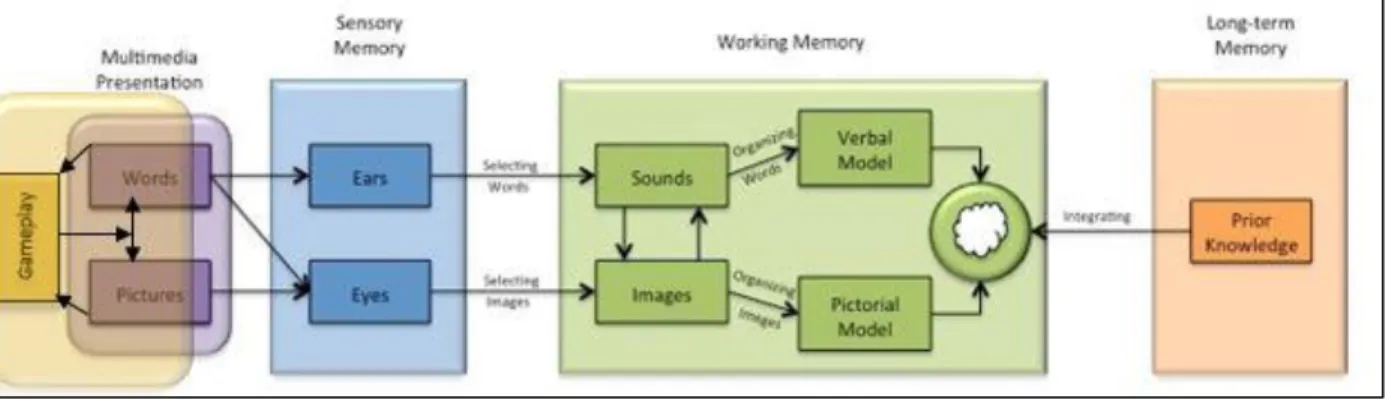
Figure 2.The Model of Information Processing Altered to Include Embedded Game-Based Instruction. ... 26
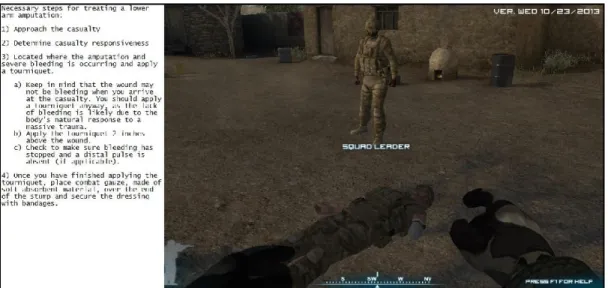
Figure 3.Screenshot from TC3Sim with embedded-text instructional guidance. The textbox on the side panel provides instruction to the learner in real-time. ... 47
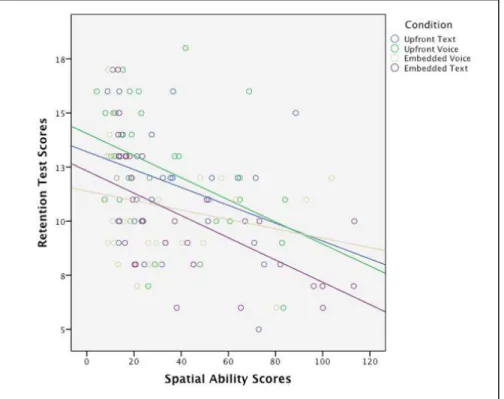
Figure 4. Linear relationship between Spatial Ability and Retention Performance ... 62
Figure 5. Mean differences between levels of temporal contiguity on the retention test ... 64
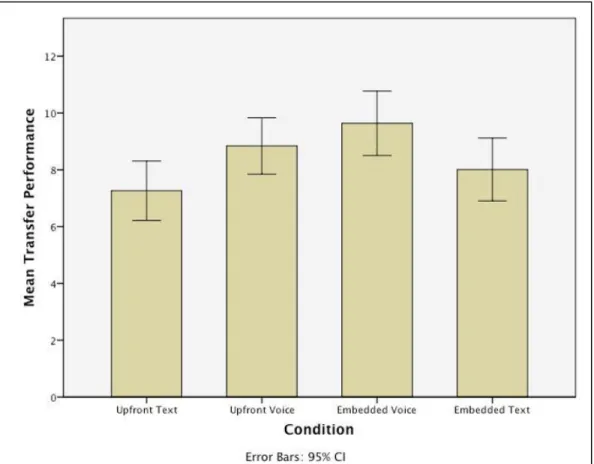
Figure 6. Mean transfer performance across instructional conditions ... 67
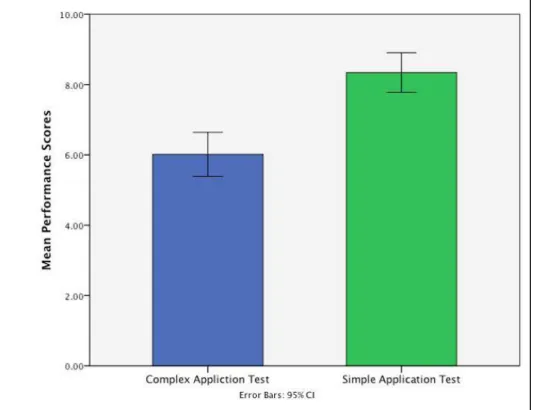
Figure 7. Mean performance differences between the CAT and SAT ... 70
xii
LIST OF TABLES
Table 1 Descriptions and Responsibilities Involved in Tactical Combat Casualty Care ... 40
Table 2 Brief Description of Instructional Conditions ... 44
Table 3 Results of Kolmogorov-Smirnov Tests for Normality on DVs and CVs ... 57
Table 4 Correlations between CVs and DVs ... 58
Table 5 ANOVA Results for tests of Independence (TOI) and Homogeneity of Regression (HOR) Slopes Assumptions for Covariates ... 60
Table 6 Overall Means and Standard Deviations for Pre-Test Performance Between Experimental Conditions ... 61
Table 7 Planned Comparisons between Instructional Conditions on Retention Test Scores ... 65
Table 8 Means and Standard Deviations for Main Effects and Individual Groups on the Transfer Test ... 66
Table 9 Planned Comparisons Between Instructional Conditions on Transfer Performance ... 69
Table 10 Adjusted Means for Main Effects and Individual Groups on the SAT ... 71
Table 11 Adjusted Means for Main Effects and Individual Groups on the CAT ... 72
Table 12 Individual Group Means and Deviations for the NASA-TLX and CLQ ... 76
Table 13 Planned Comparisons Between Instructional Conditions on Ratings of Mental Workload During the Training Sessions ... 77
1
CHAPTER ONE: INTRODUCTION AND BACKGROUND
Training and Games
Training is a tool for providing necessary information or practice in virtually any profession or setting. People receive training when they start a new job, learn how to perform a new task, or in any situation where a new or unique skill is required for optimal performance. Simply put, training is a way to promote the learning of important information essential for a person to accomplish what is required of him or her.
Games have been used to train individuals for centuries (Smith, 2010). Historically, games have served as aids in the development of therapeutic exposure training to help overcome fears or other problems, such as childhood anxiety (Webb, 1999), to instill greater decision making abilities to those in leadership roles, such as military war gaming (Mason & Patterson, 2013), along with any number of other skills and abilities. Using games as training tools offers a fun and safe way to practice and learn in what can be an instructional and supportive
environment. For instance, role-playing, in which a person acts out or responds to a scenario in a play-based fashion, allows for a deeper understanding and more precise feedback from an
instructor and affords a safe and often times fun environment for the learner. Similarly, war-gaming, which refers to a type of militaristic training, allows military leaders to test the effects of different strategies without risking injury or before engaging in actual combat. The positive cost-benefit potential of game-based training outcomes can result in more effective learning and training strategies with lower overall costs, risks, and increased safety.
Over the past few decades, interest in using video games as training devices has increased dramatically. This is the result of a number of factors. First, the technology required has become
2
incredibly powerful at a relatively low cost, which allows for high levels of interactive game-play and intensive graphical performance at a reasonable expense. Since better virtual
environment fidelity is associated with stronger transfer of knowledge (Wallet et al., 2011), the availability of low-cost, highly realistic systems is beneficial to training developers and learners alike (Dalgarno & Lee, 2010). Second, video games are exceedingly portable. This means that games are easy to distribute to a large number of people located almost anywhere. Since personal computers, handheld devices, and internet access are becoming increasingly widespread,
distribution of software-based training games has never been quicker and easier. Finally, games offer a means in which to develop personalized training. The programmability and flexibility often found in today’s video games allows for training that matches an individual’s needs in a much more dynamic way than more generic, widespread styles of training (e.g., lectures or presentations given to hundreds of people at the same time). This means that the technology exists which allows games to be customizable to a learner’s individual learning needs.
Current State of Training with Video Games
Despite the growing popularity and application of video games for training, a large gap in the literature regarding the most effective means of designing instructional game-based training exists (Baniqued et al., 2013). In most instances, games for training are developed and
distributed without much attention to foundational training and learning literature. Instructional guidance within these games is either lacking or insufficiently designed to promote effective learning. This has created instances in which the effectiveness of game-based training varies across applications and has given rise to uncertainty when trying to develop a game that guides, trains, and teaches an individual the information and/or skills intended.
3
As such, the purpose of this research was two-fold. There are obvious areas in the research that are lacking in terms of instructional game-based training (GBT) design principles. The first goal of this research was to determine the most effective way of designing instruction within GBT systems to promote learning from gaming media. Understanding the most effective methods of teaching provides a basis that helps determine the appropriate and necessary features of instructional design that promote overall learning.
After establishing how to teach people effectively, the second goal of this study was to determine how to apply these instructional methods to interactive gaming environments designed for training. Often times, GBT removes a physical instructor, facilitator, or teacher from the learning process. Therefore, some form of guidance within a GBT system is necessary for learning to take place. This research sought to determine how to best guide the learning process within GBT environments.
Game-Based Training
Game-based training ranges from classical strategy development, such as chess, to full-fledged procedural practice and training in immersive and interactive virtual environments and simulators. No matter the medium, GBT is a tool for facilitating learning or training as a means to develop new knowledge and skills. For this effort, the focus centered on GBT that utilized video games designed for learning.
A game designed for learning consists of a specific set of characteristics. According to Mayer and Johnson (2010), these characteristics include being based on a knowable rule-set, allowing players to act and respond within the environment (i.e., be interactive), present opportunities for individuals to succeed at challenging tasks, and keep track of a player’s
4
progress towards the goals of the game. These characteristics, while not exhaustive, provide a framework for differentiating between games for learning versus simulations.
Video games have become a popular focus for training research. Unlike larger, simulation-based trainers (e.g., full-scale mockups of cockpit flight controls or driving
simulators), GBT does not typically require large workspaces or heavy and expensive equipment. Most games are developed for personal computers, web browsers, handheld devices, or popular gaming consoles, making them a relatively easy and inexpensive way to distribute training to a large number of people. In this sense, video games are a form of digital multimedia that are highly interactive (i.e., players can manipulate and interact with items, objects, and other characters within the game) and often times immersive virtual environments played via a
personal computer or game-specific console. Learners are able to go through the training on their own time and without the aid of an instructor, but still receive the information they need to know in an effective manner, making them a less expensive training tool compared to large-scale virtual trainers.
Despite the overt differences, games and simulations also share a number of similarities, allowing researchers to draw comparisons between the two. For instance, both commonly use virtual representations projected onto some type of screen. Both will also utilize scenario-based exercises for training or learning purposes. Users typically interact with them by using a
keyboard and mouse or appropriate controllers (e.g., flight sticks, steering wheels) and both offer a method of providing instructional guidance to a user with the ultimate goal of instilling new knowledge or skills.
5
The use of video games for learning is not a new concept. In fact, a wide range of instructional techniques in games used for training already exists. Some games, like Virtual Battle Space 2 (Bohemian Interactive, 2013), are highly immersive and realistic virtual
environments used for military training, but lack true instruction within the game. These types of games are considered virtual sandbox trainers and are generally poor for training people of low prior knowledge due to a lack of guidance (Smeeton, Williams, Hodges, & Ward, 2005; de Jong, 2005). In contrast, games like Pulse!! (Breakaway Ltd., 2012) also provide a highly realistic virtual environment in which medical students practice their classroom knowledge within a virtual world. The game also includes embedded instruction from a typical health care
curriculum into game play. These types of games provide guidance to the learner as they play, which aids in the learning process.
GBT also allows for individuals to “reenact a precise set of circumstances multiple times, exploring the consequences of different actions” (Trybus, 2012, para. 10). This characteristic can help reduce training costs over time (Clark, Nguyen, & Sweller, 2006) and, if developed
properly, potentially improves the conceptual understanding of what is being trained (Atkinson & Renkl, 2007; Renkl, Atkinson, & Große, 2004). In order to accomplish this, the system must provide trainees with an accurate presentation of instructional information in real-time,
experiences similar to those they may face in real-life, and effectively aid in both knowledge and conceptual development for the material.
In order to provide criteria that is more refined for instructional guidance in GBT, research needs to focus on how current theories or concepts for training and learning extend to GBT instructional design within interactive virtual environments. In fact, there are a number of
6
theoretical factors involved when approaching video games from a training perspective. Training involves learning on the behalf of the trainee. One aspect of the stand-alone approach to GBT is that it lacks the presence of an instructor. This lack of guidance means that some form of built-in guidance is necessary for proper learning to take place. Guided approaches to learning
consistently outperform free-play or discovery approaches, largely because guiding learners frees up valuable cognitive resources (Kirschner, Sweller, & Clark, 2006), particularly those needed when processing and learning new information (de Jong, 2005). However, there is a lack of substantive research exploring effective means of guiding learning or training in GBT.
Additionally, the driving force behind video games is a largely interactive and
multimedia-based experience. In terms of learning, the cognitive theory of multimedia learning (CTML) is an appropriate theoretical basis on which to examine GBT. CTML explains how people learn from multimedia presentations, or a combination of pictures and words (Mayer, Bove, Bryman, Mars, & Tapangco, 1996; Mayer, 2009). Not only does it provide a
well-established model of how people learn from multimedia, it provides guidelines and principles for developing these types of instructional presentations. Although not widely researched in
interactive GBT, CTML can provide a starting point for designing instructional guidance within game-based multimedia approaches to learning.
Current Research on GBT
Research exists that supports the use of games for training (e.g., Mayer & Johnson, 2010; Dickey, 2006; Dickey 2011; Leemkuil & de Jong, 2011). However, other research also exists that fails to find significant benefits for using video games as stand-alone training devices (e.g., Derouin-Jessen, 2008; Lee et al., 2012). Although there are gaps in the research surrounding
7
certain aspects of GBT, positive findings from the existing research shed some light on the prospects of how to best utilize GBT, while negative or indifferent findings help uncover some potential areas where more research is needed.
Inconsistencies in the Literature
The different and inconsistent approaches to GBT research and implementation may be the reason why there is some disagreement about its effectiveness in the literature. Research has often shown that GBT is equally effective, if not better than, traditional classroom training approaches (Gega, Norman, & Marks, 2007; Vernadakis, Gioftsidou, Antoniou, Ioannidis, & Giannousi, 2012), which typically consist of using books and lectures as a teaching medium. For example, Vernadakis et al. (2012) compared physical body balance training using either a
traditional approach (i.e., trampolines and balance boards) or a game-based approach (i.e., Nintendo Wii balance board and the Wii Fit Plus game). They reported that both groups
significantly improved on measures of balancing ability. They claimed their findings supported the overall notion that a game-based version of the training was just as effective at improving performance as traditional training.
Similarly, Cheng & Annetta (2012) looked at how well a video game, designed to teach middle school students about the basic principles of neuroscience and the effects of drugs on the brain, increased the knowledge level of the students after the lesson. They found that students were able to learn significantly more information after using the game versus a non-game approach.
Expanding on that, research has also reported that GBT is effective, but only as a training supplement to other, more traditional, forms of instruction. A review by Sitzmann (2011)
8
reported that there might be a bias in the literature towards games that lead to positive training, stating that much of the GBT literature claims to test purely game-based approaches to training but actually include some additional, non-game form of instruction as well. She reports that games only seem to add real instructional value when used as a supplement to traditional forms of instruction.
However, other researchers have reported that GBT is not as effective at training specific tasks meant to transfer to other real-world environments or applications. Lee et al. (2012)
manipulated whether or not participants received a type of hybrid part-whole task training or simple practice training on a game meant to teach better cognitive strategies for learning. They found that their test condition led to better performance, but only in the game. Neither type of training led to increases in cognitive performance on other transfer tasks, which was the goal of the training.
Given these examples, it seems as though GBT may only be partially effective at training individuals. However, the problems that plague GBT research are also apparent here: each approach utilizes GBT in a different fashion. No instructional standards exist for GBT because researchers and practitioners are manipulating different things and supplementing instruction in different ways. Therefore, attempting to extract foundational-level guidelines for designing GBT instruction from these studies may not lead to consistent results across experimentation.
Research needs to focus on how and when to provide instruction based on how people actually learn from gaming media.
9
Guided Learning
In the traditional sense, learning occurs when someone unfamiliar with something
receives new information or skills from an instructor or teacher. The teacher-student relationship is present throughout training and learning literature. Research has examined how levels of instructor training affect student competency (Deal, Bennet, Mohr, & Hwang, 2011), how instructor praise or criticism affects student stress levels while learning (Krahenbuhl, 1981), and the general interactions between teachers and their roles in the classroom with students and their responsibilities (Cantor, 1946). The teacher-student research domain stretches decades and it is obvious that this relationship is an important part of enabling the learning process. It may be important for GBT developers to understand and attempt to model this type of relationship as best they can in GBT environments in order to maximize learning.
Throughout the literature on training and learning, a guided learning approach seems to appear frequently. This approach is focused on the concept that deeper and more meaningful learning takes place when learners are guided through the learning process (de Jong, 2005; Kalyuga, 2007; Leemkuil & de Jong, 2011; Moreno, 2009), and notes the drawbacks of pure discovery learning (Kirschner, Sweller, & Clark, 2006; Mayer, 2004). Discovery learning is process of giving a learner a problem or task to work through or complete without direct guidance from an instructor. The idea behind discovery learning is that when given the proper tools or materials, learners will create a solution to the problem on their own. This, in turn, helps them develop better mental models for the task or problem, rather than being shown or taught how to perform the task (Bruner, 1961; Wu et al., 2011). However, there is an increased risk that learners will develop incorrect mental models of the material via this method of learning and
10
little research exists that supports the effectiveness of pure discovery learning (Kirschner, Sweller, & Clark, 2006). Guiding people through the learning process is considered by many as the most effective way to teach or train individuals. Therefore, a guided learning approach may be most appropriate for GBT design.
Guided learning is based on a cognitive centered approach for learning (Vogel-Walcutt et al., 2011; Kersh, 1962; Smeeton, Williams, Hodges, & Ward, 2005). The underlying principle of guided learning is that providing instructional guidance during learning or training promotes better learning by lowering cognitive load and freeing up cognitive resources for processing new information, which is essential for learning to take place (Vogel-Walcutt et al., 2011). This guidance is highly important as people may not form meaningful or correct connections between information on their own or without proper instructional interventions (i.e., form correct
concepts or schemas for the material). This results in potentially improper application of the material and rising costs associated with mistakes and retraining. Part of this argument stems from the idea that the lack of guidance leads to massive amounts of processing required of the learner, which overly taxes cognitive resources and does not allow proper processing of new information to take place. Here, guidance can consist of real-time feedback, instructional interventions, detailed scaffolding, or procedural walkthroughs. In any case, the purpose of guidance is to lower the cognitive demands placed on the learner as they progress through their learning activity by providing some form of explanation, rationale, or detailed information that describes the material, concepts, or procedures in relation to one another. This allows for deeper learning to occur.
11
Research examining how guided learning affects knowledge acquisition has provided a foundation for its implementation. For example, Smeeton, Williams, Hodges, and Ward (2005) looked at the effectiveness of various instructional techniques to aid in athletic anticipatory skill development. Their findings indicated that trainees given explicit or guided instruction improved performance at faster rates than other non-guided forms of instruction.
Expanding Guidance in GBT
Guiding the learning process leads to more effective and deeper learning. Unfortunately, typical training in GBT is structured in a way that is similar to a discovery-based approach. This involves initially providing all the training information to the trainee in the very beginning of training (i.e., the first stage of training consists only of an informational session) and then allowing them to practice or demonstrate what they learned (i.e., the learner must recall all previous information in order to successfully complete the tasks in the gaming environment). Completing training in this fashion can overwhelm the trainee’s cognitive resources and make it more difficult for him or her to recall or understand the information when the assessment is taken (Mayer & Moreno, 2002; Mayer, 2005). Therefore, it becomes prudent to ask whether this is the most effective way to train individuals.
By its nature, GBT is unique in that it is a highly practice-based, interactive, and stand-alone medium (Masson, Bub, & Lalonde, 2011). Based on guided learning instructional principles, supplementing GBT with integrated instruction should produce better learning outcomes than that of traditional training or GBT without supplemental material. For example, Cameron & Dwyer (2005) indicated that participants who trained with a computer-based instructional delivery system for educational purposes performed the best on delayed retention
12
tests when guided through the lesson with additional memory prompts. When applied correctly, a game-based instructional system that provides an appropriate level of instructional guidance will likely reduce the cognitive load of the participant (Duffy, Ng, & Ramakrishnan, 2004) and help them to achieve a high level of performance at a faster rate (Serge, Priest, Durlach & Johnson, 2013).
Games as Effective Training Systems
Using interactive games as a means to reinforce training material has resulted in better learning outcomes in educational settings than in traditional training settings (Thompson, Ford, & Webster, 2011). Interactive GBT is also associated with better critical thinking skills and knowledge application (Sotomayor, 2010), as well as better scores on measures comparing declarative knowledge, procedural knowledge, and retention than more traditional styles of training (Sitzmann, 2011). However, a problem exists when considering the fact that games are generally self-paced, individually based training. GBT is often times conducted with little or no instructor intervention during gameplay. Nevertheless, the majority of these studies utilize games as a training supplement, rather than a stand-alone, self-paced training system. It is possible to use instructional games as a means to train individuals without direct interaction with an instructor (Nicolescu et al., 2007; Weiner et al., 2011; Billings, 2012; Rhienmora, Haddawy, Suebnukarn, & Dailey, 2011), but few evidence-based principles exist on how to effectively embed guidance or training into the actual game-play so that the best possible learning outcomes occur. They tend only to state that the systems work (Guillen-Nieto & Aleson-Carbonell, 2012).
This lack of evidence may be attributed to the high amount of variability in GBT results. Questions regarding what type of information to present, when to present it, and in what format
13
the information should be delivered have received some attention from researchers. However, it is not possible to draw definitive conclusions from these reports. It has been strongly suggested that guiding learners through a training simulation or game can be much more beneficial than simply dropping them into the virtual environment without further instruction (i.e., free play) as to how to complete the task (i.e., guided instruction vs. discovery learning; Mayer, 2004).
It is also important to understand how different instructional methods affect how people learn the material. Is the goal of training to correctly answer questions on a knowledge test or to acquire the ability to perform the correct functions of a task when necessary? For the purposes of training complex tasks, the latter should prevail. However, existing findings are not yet complete enough to determine the most effective way of presenting training material to learners using interactive GBT, especially for training concepts and task procedures with real-world applications. Much of the current research provides an insight into how certain theories or
concepts of training with GBT work. However, it also tends to focus on simpler types of training, resulting in a need for more research involving GBT for applied tasks and better conceptual understanding.
If given the proper attention, these approaches have the potential to help provide
guidance for the use and development of video games for training. However, some of the things that make GBT so inviting for researchers and training developers also create some potential drawbacks for their implementation. GBT tasks do not take place in the real world. Actions or behaviors within them are removed from the real world or environment in which they naturally occur. This factor has been shown to sometimes lead to increased risk taking behavior within the game that would otherwise be impossible in real-life (Fischer, Kubitzki, Guter, & Frey, 2007).
14
This, in turn, may lead to difficulty applying skills learned in the gaming environment to the real world. Some of the benefits of using GBT are also affected by the feelings, attitudes, or abilities of each individual learner regarding games or computer-based training. Differences along these attributes can influence performance, learning outcomes, or engagement levels in games
(Przybylski, Rigby, & Ryan, 2010; Orvis, Horn, & Belanich, 2009).
Despite the potential drawbacks and differing results, interest in games for training is still increasing and it is important that research provides adequate details to instructional designers regarding why and how implementing certain types of GBT is effective versus others. Without proper foundational-level research findings guiding training development, production of ineffective and inefficient training games may hinder ideal learning in many situations.
Additionally, the cost of developing these types of training systems could become much higher if original designs do not succeed in fully training individuals.
It appears that there is still a continuous and growing utilization of GBT systems despite the lack of a clear consensus among researchers to guide the instructional design process. This is largely due to the sometimes-unfounded benefits perceived in games for training. Still, the fact remains that when well designed and appropriate for the situation, games have certain
15
CHAPTER TWO: LITERATURE REVIEW
One of the goals of GBT is to provide a higher level of in-depth and complete training and instill new knowledge in the learner without requiring the presence of a human instructor. Since the literature lacks the necessary guidelines for developing these types of instructional systems directly, a logical first step is to examine the fundamentals of how people learn, and then apply those details to a gaming environment.
Games are largely driven by multimedia factors (i.e., they contain high levels of audio and visual interactive stimuli). Given this fact, the question turns to how people learn from multimedia. The cognitive theory of multimedia learning (CTML; Mayer, Bove, Bryman, Mars, & Tapangco, 1996; Mayer, 2005) explains how people learn from multimedia presentations and provides instructional design principles that may be applicable in GBT. CTML models the learning process based on the ability of the learner to efficiently process information from such presentations. Since video games consist of multimedia factors, CTML may provide a basis for instructional design based on cognitive resources and human information processing in GBT (Mayer 2001; Mayer 2005).
Cognitive Theory of Multimedia Learning
One of the central theories focusing on the effectiveness of learning from multimedia is the Cognitive Theory of Multimedia Learning (CTML; Mayer 2001; 2009). The underlying principle of CTML is that people are able to process a very limited amount of information at any given moment. Therefore, the most effective learning occurs when the informational material takes advantage of the multi-channeled processing capability of working memory (WM). This is
16
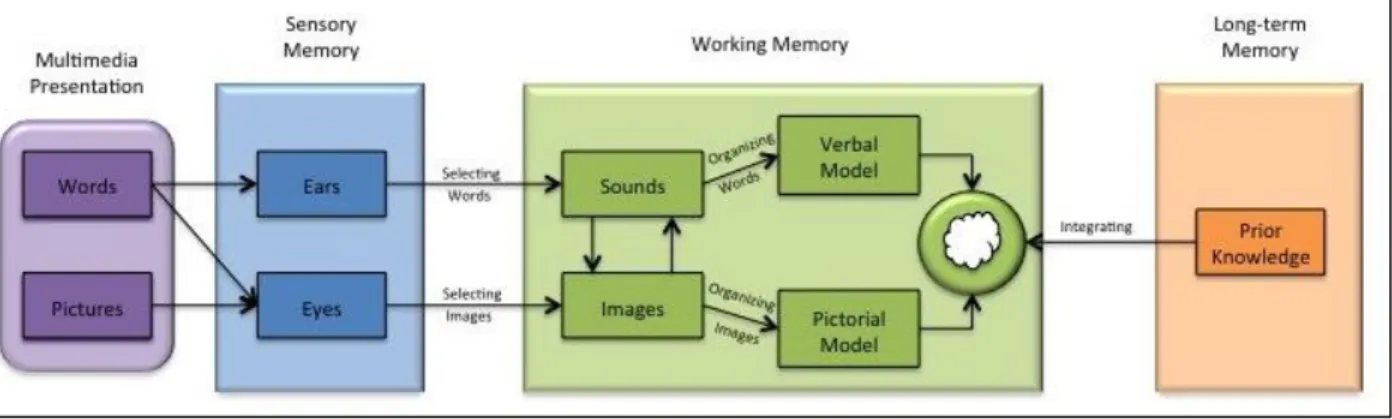
accomplished using multimedia presentations. Multimedia presentations consist of words (e.g., spoken or printed text) and pictures (e.g., illustrations, photos, animations, or videos; Mayer, 2005). See Figure 1 for a graphical representation of how CTML explains the learning process in WM.
Figure 1. The Cognitive Theory of Multimedia Learning, adapted from Clark & Mayer (2008).
According to CTML, learning begins when a person selects relevant words and images from a multimedia presentation. Next, the selected information is organized into coherent verbal and pictorial representations in WM. Finally, the verbal and pictorial representations are
integrated with themselves and with prior knowledge in long-term memory (Clark & Mayer, 2008). This results in an understanding of the material and the creation of new knowledge.
CTML works on a number of well-established assumptions regarding the cognitive processes involved in learning. The first assumption, the dual-channel assumption, states that people possess separate systems for processing visual and verbal information from the environment. The basis for this assumption comes from Paivio’s (1971; 2007) dual-coding theory (Mayer & Moreno, 2002), which states that visual- (i.e., imagery or pictures; non-verbal)
17
and audio-based (i.e., language; verbal) information is processed in separate modality-specific cognitive subsystems in working memory. Each of these subsystems is specialized for processing one mode of information and has the ability to form associations for related information between channels.
The second assumption states that there is limited channel capacity in working memory. This means that each channel (i.e., visual and auditory) has a limited amount of information that it can process at any given time (Baddeley, 1992). Support for this assumption comes from classical research on working memory. Active processing of information takes place in working memory and people are typically only able to hold a few items in working memory at any given time (Mayer, 2001). Poorly designed instructional presentations lead to higher processing requirements and risk exceeding the effective capacity of working memory to process information, which can inhibit learning.
The third assumption states that learning is an active process taken on by the individual. Mayer (2001; 2009) states that humans, by their nature, actively try to process, organize, and integrate incoming information with their prior knowledge or experiences to make sense of things. This means that people actively try to make sense of the information they are receiving, rather than acting as a passive observer. The assumption of an active approach to processing information means that the learner is naturally willing to attempt to form connections and meaning from the information they receive (Mayer, 2001; Mayer, 2009).
The learning process in CTML works by lowering the cognitive demand of the material by taking advantage of both channels of processing through a multimedia presentation.
18
experience during the learning process due to the learning material’s organization. The first type of cognitive processing is called essential processing (Mayer, 2009). Similar in context to intrinsic cognitive load (Chandler & Sweller, 1991; Sweller, 2011), this type of processing results from the inherent difficulty of the instructional material being learned. According to Mayer (2005), essential processing is the amount of cognitive processing required to understand the material and is related to the difficulty of the learning material (i.e., the task, information, system being taught, etc.) relative to the person receiving training.
In contrast, extraneous processing occurs as a result of irrelevant material or stimuli involved in the learning process. This refers to processing additional or unnecessary information unrelated to the actual instruction (Mayer, 2005). Extraneous processing is similar to extraneous cognitive load, explained by Chandler and Sweller (1991), in that increases in this type of cognitive load are caused by the actual design of the instructional material itself, not the
difficulty of the information being learned. This type of cognitive processing can hinder learning because it requires more cognitive resources to focus on, process, and react to the material itself, which may not be directly related to the learning material. For example, if an animation is presented on a screen with descriptive captions written below, the additional visual scanning required between the two points (i.e., the distance between the picture and the words) potentially increases extraneous load (Mayer, 2009). Likewise, the act of interacting with the training system or game via a keyboard or controller may be an extraneous factor to those with lower experience with computer systems or games, particularly if interacting with these systems draws attention away from the learning material. Limiting the amount of extraneous processing is paramount for successful learning and training outcomes.
19
Finally, generative cognitive processing refers to resources used during the process of developing a deeper understanding of the material and integrating new information with older mental models (Mayer, 2009). This concept is similar to germane cognitive load (van
Merrienboar & Sweller, 2005), which concerns the processing of new information into schemas in long-term memory. This type of processing is associated with organizing and integrating new information with previous knowledge and creating new and deeper knowledge so that the information can be used in the future and in other situations or applications (Mayer, 2009). Generative processing is most crucial for deeper learning to take place.
Many studies support the application of CTML in traditional educational settings. For example, when comparing multimedia presentations with traditional, classroom or lecture-based teaching methods, those given multimedia instruction tend to perform better on transfer tasks (Harskamp, Mayer, & Suhrer, 2007), as well as see significant improvements on exam performance (Sanchez & Garcia-Rodicio, 2008). Additionally, research examining learning effects between traditional lecture-based approaches and those incorporating CTML design principles have shown much faster rates and quality of learning from multimedia-based
approaches (i.e., medical education, Issa et al., 2011). These results support the notion that using multimedia presentations helps learners acquire a deeper level of learning, which is a
foundational component of CTML.
CTML provides a number of instructional design principles to apply to multimedia presentations for learning. Applying some of these principles to GBT design may help to provide a consistent basis for future research and application to GBT.
20
The Modality Principle
The underlying principle of CTML states that people learn better from a combination of corresponding words and pictures rather than just words alone (Mayer, 2009). Additionally, studies comparing the manipulation and style of multimedia presentations consistently find better support for combining voice/audio instruction and corresponding pictures rather than text
instructions and corresponding pictures (Moreno & Mayer, 1999; Mayer, 2009). The reason for this is because of the increased working memory load that occurs when the material is heavily loaded on the visual channel, such as when an instructional presentation consists of both text and pictures (i.e., both are processed along the visual channel); this phenomenon is referred to as the modality principle (Mayer, 2001; Mayer 2005).
The modality principle in CTML states, “People learn better from animation and narration than from animation and on-screen text” (Mayer, 2001, p.134). As stated previously, Mayer (2001) has suggested that the visual channel in WM becomes overloaded when material is presented solely in a visual format (i.e., text and pictures, processed in the visual channel), leading to higher extraneous processing and lowering the ability of working memory to organize and integrate information, which also hinders generative processing. Research on this effect has shown that it exists over a wide range of educational settings and material (Mayer, 2008). A series of studies testing the modality principle consistently found that retention and transfer test scores were higher for those participants watching narrated presentations on lightning formation than when text was overlaid onto the same presentation, with large effect sizes (Median d = .97, Mayer, 2005; Mayer & Moreno, 1998; Moreno & Mayer, 1999). Additionally, research
21
participants receiving narration covering the procedures needed to successfully play the game performed better on subsequent transfer tests than those receiving on-screen text-based information (O’Neil et al., 2000; Moreno & Mayer, 2002). The modality effect has also been observed outside the lab and in the classroom setting and similar results have been reported with students performing better on learning metrics when given materials that adhere to this principle versus more heavily text-based materials (Harskamp, Mayer, & Suhre, 2007).
However, a large proportion of research on the modality principle has focused on educational or declarative types of knowledge. Little research exists that has examined the effects of this type of instructional manipulation in interactive GBT with real-time or embedded instruction for increasingly complex and realistic tasks. This is particularly alarming considering the wide-ranging shift in GBT that includes training of tasks or skills beyond the declarative knowledge scope. Some research examining modality effects in GBT for simulated activities have reported positive findings (Fiorella, Vogul-Walcutt, & Schatz, 2012), but much work is still needed in order to determine the best approach for training complex tasks in highly interactive, game-based environments.
The Temporal Contiguity Principle
In many circumstances, traditional methods of training involve separate sessions: learning the material and then applying what was learned. A question arises from this: Would embedded training, which combines the learning and practice sessions, be more effective than typical successive training, where corresponding words and images are presented separately? In CTML, Mayer (2001, 2008) has described this concept as the temporal contiguity principle. This principle states that people learn more deeply from a multimedia presentation when
22
corresponding images and narration are presented simultaneously rather than successively (Mayer, 2005). The word-based information and pictures used to explain or teach a concept, set of skills, or task are presented temporally close to one another, which allows them to be
processed simultaneously. This approach helps provide clearer connections between information and better understanding of the material when used in conjunction with other principles of CTML (Mayer & Moreno, 2002).
The temporal contiguity principle in instructional design works by taking advantage of the dual-channel assumption of CTML. When words and pictures in a multimedia presentation are presented simultaneously, both channels of working memory are able to process information and form meaningful connection between presented information. This contributes to effective organizing and integrating of the new information (Mayer, 2001), and a number of studies exist in which positive effects are seen for simultaneous presentation versus successive presentation (Mayer, Moreno, Boire, & Vagge 1999; Mayer & Anderson 1992; Mayer 2001).
Similar lines of research looking at temporal contiguity effects for item recall provided some support for the application of this principle in aiding recall of information. When asked to recall items from a list, more accurate performance was observed for items that were grouped closely together temporally (Kahana, Howard, & Polyn, 2008). Additionally, when items are grouped together, better recall has been observed when those items have some form of semantic relationship between them, such as a hammer and nails, rather than items that do not (e.g., a lamp and grass clippings; Howard & Kahana, 2002). Furthermore, research has also shown that
23
when the information being recalled occurs temporally close and is semantically related (SederBerg, Miller, Howard, & Kahana, 2010).
When items that are related to each other are presented simultaneously in an informative setting, stronger associations are created in memory for those items. The temporal contiguity principle explains why presenting training information in a simultaneously presented multimedia fashion can be beneficial. First, in CTML, multimedia instructions are presented in separate channels of WM simultaneously. If the presentation is designed so that extraneous load is low and promotes good levels of germane load, better schema development and actual learning will occur. Presenting information simultaneously, with word-based explanations and animations revealing functional qualities, aids the cognitive processes needed for deeper learning and understanding to occur and leads to better results from training.
Retention and Transfer in CTML
Research on CTML often includes measures of both retention and transfer. Retention deals with the ability to recall information learned at some point in time. This is tested with a declarative knowledge assessment after receiving instruction. However, some research has suggested that retention is only best suited for measurement of rote learning, or the ability of an individual to memorize information quickly (Harskamp, Mayer, & Suhre, 2007). On the other hand, transfer refers to the ability to apply what was learned in training to a real-life, non-training situation, or other applicable area (Saks & Burke, 2012; Mayer, 2002). For example, transfer may be measured by constructing a real-world performance measure after learning from an electronic source (i.e., learning how to perform CPR online, then being tested using a physical training mannequin). Put more simply, retention measures how well one remembers the
24
information from training, while transfer measures how well one is able to apply what was learned to another simulated or real-life situation.
Research examining the modality principle has found that those receiving a multimedia presentation with animation and narration tend to perform much better on both transfer and retention tests than those receiving animation and text presentations (Mayer, 2001; Mayer, 2005). CTML research exploring learning effects from the temporal contiguity principle has reported mixed results regarding performance on retention tests. Mayer (2001) explains that over multiple experiments, retention performance was not always better between the simultaneous-presentation group and the successive-simultaneous-presentation group. Mayer concluded that despite the simultaneous group being able to form deeper understanding of the material as seen through transfer scores, the successive group was able to listen to the presentation without the additional distraction of the animation, canceling out the potential learning effects for retention. While retention results may sometimes indicate mixed effects, simultaneous groups consistently perform better on transfer measures than successive groups, signifying that simultaneous presentation led to deeper learning (Mayer, 2001).
Applying CTML to Instructional Guidance in GBT
Despite the fact that research is paving the way for the application of CTML instructional design principles in educational settings, there is still a large gap in the research examining whether or not these same principles apply in the same fashion when instruction is embedded in a game-based training system. By embedding training material into an interactive game-based environment, trainees may acquire a better understanding of the material, developing deeper conceptual understanding of the material more effectively than simply playing the game by itself
25
and without instruction. Integrating CTML principles into GBT design and development should increase the effectiveness of these systems in general. Applying the modality principle, in terms of voice versus text presentations, and the temporal contiguity principles, in terms of combining information presentation within the game (i.e., simultaneous training) or separate from the game (i.e., successive training) was thought to provide a walkthrough-style approach to training. Simultaneous and voice-based presentation in CTML eliminates the additional demand
successive and text-based presentation puts on processing structures in memory (Mayer, 2008; Mayer & Moreno, 2002), which may be more pronounced in GBT systems because of the interactive layer of the human-system interaction components.
As mentioned previously, research that has taken a CTML approach to training focuses mainly on declarative knowledge or educational based tasks (e.g., educating participants on how solar cells work, Mayer & DaPra, 2012; learning about lightning formation, Mayer & Chandler, 2001). Mayer’s model of information processing (as seen in Figure 1, above) provides an accurate representation for how individuals process new information from multimedia
presentations in a very static sense. This means that information is provided in a passive manner, such as a slideshow-style presentation, lacking the immersiveness and interactivity of a virtual or simulated environment found in some GBT systems. Often times, by their very nature, video games deliver information to the trainee in a multimodal fashion. However, very little research exists that applies these concepts to immersive GBT. Therefore, a central focus of this research was to determine how well Mayer’s model of information processing applies to expectations when adding game-based interaction in the learning model, illustrated in Figure 2. It was thought that the theory’s principles of instructional design for multimedia presentations are beneficial
26
regardless of additional factors included in training. On the other hand, it may be that adding the game-interaction factor fundamentally changes how the model works and, by extension, the overall effects of the instructional design principles.
Training for a Complex Task
Another goal and benefit of GBT is to provide a safe and realistic environment to use new knowledge and practice the skills and/or abilities that are applicable to real life. When training a real-life task in a game-based environment, the task tends to be of much higher complexity than a purely lab-based environment is typically able to create. As such, the method of instructional guidance has been shown to have a large influence on both learning and
performance of a complex task, particularly when the task or task environment is one of high workload or stress (Paas & Van Merriënboer, 1997; Keinan, Friedland, & Sarig-Naor, 1990; Leung, Yucel, & Duffy, 2010).
Figure 2. The Model of Information Processing Altered to Include Embedded Game-Based Instruction.
27
Performance and Workload
High task complexity or workload can severely affect a person’s cognitive ability by decreasing their reaction time and performance on logical reasoning and spatial processing tasks (Harris, Ross, & Hancock, 2008). The increased load on a the cognitive system typically results from a sense of unfamiliarity from or a sense of personal threat within (i.e., danger, failure, etc.) an environment in which a person feels as though he or she lacks adequate knowledge to cope effectively (Hancock & Szalma, 2008). The increased load could also result from insufficient or ineffective training (Paas & Van Merriënboer, 1994). When an individual lacks the knowledge or skills to perform certain tasks in a high-stress environment, the sheer amount of incoming
information can overload mental processing ability and lead to less efficient or incorrect decision-making and lower overall performance on a complex task (Litt, Reich, Maymin, & Shiv, 2011).
Fortunately, there are ways of mitigating the decrements in performance associated with tasks and environments with inherently high workload by creating training directed towards instilling better and deeper knowledge (Pass & Van Merriënboer, 1994), as well as providing a more realistic experience of the real-life conditions during the training process (Driskell & Johnston, 1998). These factors have been shown to help lower the cognitive pressures of the task or environment by better preparing the individual through training.
Task Complexity and Realistic Training
Higher complexity of a task is associated with poorer performance and higher mental workload (Leung, Yucel, & Duffy, 2010). This is especially true when the learner is required to apply knowledge or procedures within a dynamic or multi-task environment (Chen & Joyner,
28
2009). As mentioned previously, higher demands on cognitive processing generally have negative effects on learning (Paas & Van Merriënboer, 1994).
In addition, research has stated that familiarizing learners with the stressors or workload of the natural environment during training is an effective means of improving performance and resiliency in high stress environments (Driskell & Johnston, 1998; Stetz, Weiderhold, & Wildzunas, 2006). Stress training helped to prepare a trainee to perform under stressful and realistic circumstances and environments (Tichon & Wallis, 2010; Kluge & Burkolter, 2013; Driskell, Salas, Johnston, & Wollert, 2008). Creating realistic environmental stressors during simulation or game-based training has been found to help improve performance of complex tasks while under stress (Keinan, Friedland, & Sargi-Noar, 1990; Delahaij, van Dam, Gaillard, & Soeters, 2011).
Effective training may help alleviate some of the degradation in performance commonly found in tasks that have an inherently higher amount of complexity and workload (Friedland & Keinan, 1992; Hockey, Sauer, & Wastell, 2007). In these instances, certain types of training may help increase the ability to cope with complex and stressful environmental stimuli better than other training methods. These types of training focus on better preparation, deeper learning, and exposure to some of the stressors likely experienced during real-world performance of the task, which in turn leads to better performance of complex tasks. Research on utilizing this type of training with video games needs to be examined deeper, particularly when the skills being trained are highly complex and are required in high-stress or high-workload environments, such as those found in many military exercises and deployments.
29
Measuring Performance of Task Procedures in GBT
Much of the research examining videogame-based training has utilized the game as both the training tool and assessment measure. This is because it may not be feasible or advisable to assess training effectiveness or performance on certain tasks under true-to-life conditions without exposing those involved to potentially dangerous situations, as is the case with combat and some medically inclined training, for example. In order to test the effectiveness of a GBT program, researchers have sometimes increased the complexity of the task used for training in order to assess how well the learner actually learns the task and applies it under circumstances that are more naturalistic (Tichon & Wallis, 2010). Researchers often increase the complexity of a simulated task by including secondary tasks (e.g., question and answer tasks; Merat, Jamson, Lai, & Carsten, 2012), adding distracter stimuli (e.g., non-relevant targets in a target detection task; Elliot & Geisbrecht, 2010), or by increasing the inherent workload of the task (e.g., requiring higher precision and attention; Veltman & Gaillard, 1998). Doing so has led to increases on strain within WM and attention, which lowers the ability of a person to perform tasks at an effective level, but also allows for a more accurate real-world assessment.
However, the utilization of CTML for training knowledge and skills usable in highly complex environments is lacking. Therefore, it is important to examine how varying levels of complexity in the assessment of knowledge in GBT may lead to varying performance scores as a result of the style of training used. Delivering instructional presentations in a cognitively
efficient manner that takes advantage of the processing capabilities of WM should lead to deeper knowledge (Mayer, 2005). Embedded training within the GBT environment provides additional exposure to common stressors associated with real-world performance of the task, which should
30
allow for an increase in knowledge and experience on how to cope with such stressors. This should lead to better performance of the task in applicable conditions.
The Current Study
Although there are studies that have reported positive findings with regard to GBT and learning, a number of questions involving the most effective and efficient ways of presenting instructional information to the trainee within gaming environments remain largely unanswered. This is evident throughout the mixed reports within the literature. Research needs to look at factors involving instructional guidance unique to GBT environments, particularly when the goal of training is to perform a complex task in a dynamic environment. These factors include the use of GBT as a stand-alone trainer without an instructor and factors influencing the presentation methods for self-paced GBT. Furthermore, other questions exist involving how manipulating the delivery or the presentation of information affects learning within an immersive game-based environment. This is particularly important when considering how people learn. Simply adding some form of instruction into virtual training environments without evidence of beneficial
outcomes may result in ineffective training and higher costs associated with re-training. Research needs to take a foundational-level approach that accounts for both principles of human learning and how these may be affected through a game-based interaction.
Therefore, the goals of this dissertation were to empirically examine the effects of
applying the modality and temporal contiguity principles of CTML within a GBT system. Games are a form of multimedia presentations. Games for training offer a variety of ways for providing instructional guidance within the game while a trainee is playing in real time. Much of the research on GBT has involved comparisons of different interventions on smaller-scale
31
knowledge assessments. These are not explicitly helpful when the goal of training is for skills and knowledge to transfer to a more realistic and potentially highly dynamic environment. This experiment examined which attributes of game-based instructional guidance, specifically the delivery of training information within an interactive game-based environment, were most effective for learning. Furthermore, the present research sought to determine how embedded versus upfront styles of instruction within gaming environments, modeled after the temporal contiguity principle, and the delivery modality of the learning material affected how well people learned a complex task via a game-based environment. In addition, this effort also sought to determine how well the CTML model of information processing applied to interactive GBT and how playing a game designed for training might change the magnitude of the expected effects for certain performance measures and fundamentally change the flow of information processing as laid out by CTML. Finally, measurements of individual differences, such as video gaming experience and spatial ability, were collected and used to determine potential effects on performance outcomes of training with interactive game-based environments.
Experimental Hypotheses
Based on previous research and theoretical review, a number of possible ways to present training information to a learner in a GBT environment were developed for this experiment. Learners need some form of instructional guidance for optimal learning to occur. Instruction also needs to account for the limitations of working memory and how game interactions may affect those limitations. The instructional methods were created by adapting the modality and temporal contiguity principles from CMTL to the design of training material for GBT. Research
32
Therefore, the following hypotheses were created for the current research based on how each principle would affect specific learning outcomes related to multimedia learning.
Hypothesis 1
It is hypothesized that performance on retention measures will reveal main effects for both modality and temporal contiguity. This hypothesis is based on results from theoretical research on the modality principle of CTML that reports consistent findings across multiple studies and domains. Presenting a combination of voice and pictures is better for retention than text and pictures (Moreno, 2006). Presenting information that takes advantage of the dual-channel and limited dual-channel capacity assumptions of WM explained by CTML leads to better organization and integration of new information, and therefore deeper learning. This will be evident on retention test scores between groups. Similar results are reported for the temporal contiguity principle, stating that corresponding information presented simultaneously is better for learning than the same information presented at different times (Mayer & Anderson 1992; Mayer 2001). Some research on the temporal contiguity effect in CTML finds little or no effects for retention between manipulations. However, the present effort explores the effects of these manipulations when incorporated into GBT, which may provide opportunities for deeper conceptual connections to form due to the ability to practice what is being learned in real-time. Therefore, three specific predictions were prepared to examine this hypothesis.
Prediction 1
The first prediction is that those receiving voice-based instruction, regardless of presentation timing, will have better retention performance than those receiving text-based instruction.