Evaluating and Integrating Educational Technology in the Elementary Mathematics Classroom
Rebecca Bunz, BSc (Hons), BEd
Department of Graduate and Undergraduate Studies in Education
Submitted in fulfillment of the requirements for the degree of Master of Education
Faculty of Education, Brock University St. Catharines, Ontario
ii Abstract
This study used a meta-analysis to analyze several studies examining the impact of technology in the mathematics classroom in order to investigate the functionality of digital tools, and the integration of those digital tools, that most positively impact student achievement and student engagement. Through a keyword search and exclusion criteria, a systematic collection of relevant articles was compiled and analyzed through a two-tier coding scheme. The analysis determined that professional development opportunities need to be provided before, during, and after integration of technology. In addition, educators and students need time prior to the lesson or unit to become familiar with the digital tool and its available functions. Furthermore,
educators need to put pedagogy first in order to align strategies with the appropriate digital tools. Finally, digital tools should be introduced in a blended format, with the teacher as a facilitator and the digital activities connected to the curriculum.
iii
Acknowledgements
I would like to take this opportunity to thank several people who have helped me in the completion of this project. Thank you to everyone who helped me find a passion for educational technology. Thank you to my friends, family, and the Brock University faculty members who supported me throughout this process and the entirety of my academic career. Thank you, especially, to my advisor, Camille Rutherford, for not only introducing me to the education technology world, but also for all the time and effort you put in to helping me make this project something I can be proud of. Thank you.
iv
Table of Contents
Abstract....………. ii
Acknowledgements.….……… iii
List of Tables…….………..… vi
List of Figures ………... vii
CHAPTER ONE: INTRODUCTION TO THE STUDY……….. 1
The Problem ………... 1
Purpose of the Study ……… 2
Study Rationale ……… 3
Theoretical Framework………. 3
Scope and Limitations of the Study ………. 8
Document Outline ……… 9
CHAPTER TWO: REVIEW OF THE RELATED LITERATURE ……….. 10
Best Practices in Elementary Mathematics Education ………... 10
Technology-Enhanced Elementary Mathematics Education ……...…...…... 17
Student Engagement and Achievement ………...………... 20
Evaluating Technology ………...………... 23
Integrating Technology ………...…………... 27
CHAPTER THREE: METHODOLOGY AND RESEARCH DESIGN …………... 32
Research Methodology and Design ……….…... 32
Data Collection ………... 32
Data Analysis ………..………... 39
Methodological Assumptions of this Study ………... 47
Limitations of this Study ……….……... 47
v
Restatement of the Area of Study ………... 48
CHAPTER FOUR: PRESENTATION OF RESULTS ………...…... 49
Findings of the Included Studies ……….... 49
Functionality of Digital Tools ……….…... 56
Integration of Technology ………...……... 63
Ages of Study Participants ………..………... 70
CHAPTER FIVE: SUMMARY, DISCUSSION, AND RECOMMENDATIONS.... 73
Summary of the Study ……….………... 74
Discussion ………...………... 76
Implications and Recommendations ………...…………... 83
Concluding Thoughts ………..………... 84
References ………...………... 85
Appendix A: Results of the Inclusion and Exclusion Process ………... 99
Appendix B: Studies Excluded from the Integration Analysis ……….……... 100
Appendix C: Studies Excluded from the Functionality Analysis ………..….. 103
vi List of Tables
Table 3.1 Description of Macro-Codes ………... 39 Table 3.2 Description of Integration Macro-Codes ……….... 44 Table 3.3 Description of Functionality Macro-Codes ……… 45 Table 4.1 Studies that Reported Positive Results on Student Achievement
for Each Function ……….………….………. 56 Table 4.2 Studies that Reported Positive Results on Other Factors of Learning
For Each Function ……….. 62 Table 4.3 Studies that Reported Positive Results on Student Achievement
for Each Quality ………...………. 65 Table 4.4 Studies that Reported Positive Results on Other Factors of Learning
vii List of Figures
Figure 1.1 TPACK Framework ………... 4
Figure 1.2 The SAMR Model ………...…………7
Figure 2.1 George Polya’s Four-Step Model ……….… 12
Figure 3.1 Keyword Categories ……….… 34
Figure 3.2 Inclusive and Exclusion Criteria Flow Chart ………... 38
Figure 3.3 Age Macro-Codes ………. 41
Figure 3.4 Findings Marco-Code ………... 42
Figure 4.1 Impact on Student Achievement ………... 51
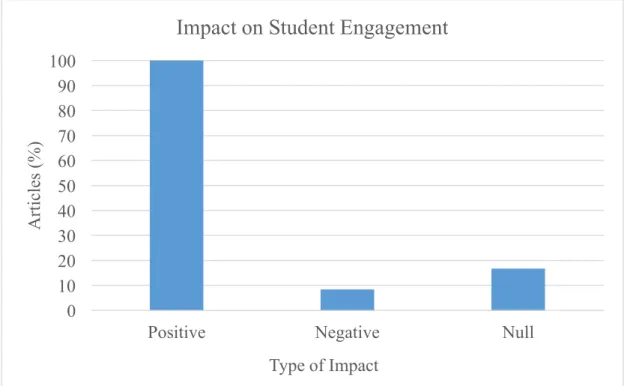
Figure 4.2 Impact on Student Engagement ………...…. 52
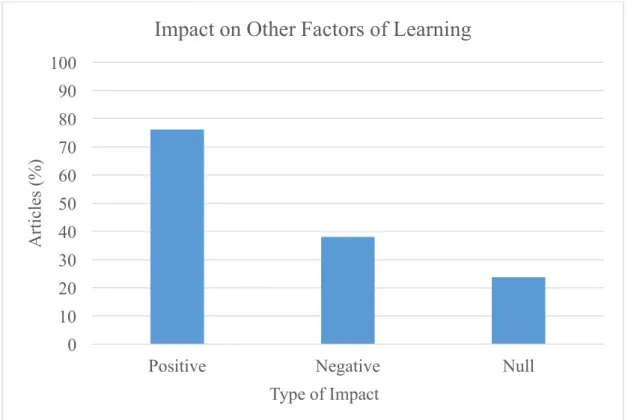
Figure 4.3 Impact on Other Factors of Learning ……….... 55
Figure 4.4 Functionality Micro-Code Positive Impact vs. Null or Negative Impact.. 60
Figure 4.5 Integration Micro-Code Positive Impact vs. Null or Negative Impact …. 67 Figure 4.6 Grades (Ages) Included in the Studies ……….. 71
CHAPTER ONE: INTRODUCTION TO THE STUDY
For the 2015 – 2016 school year, the Toronto District School Board (TDSB) allocated three million dollars towards the use of technology in the classroom (Toronto District School Board, 2015). This number has been on the rise in the past several years due to researchers linking the use of technology to higher student achievement and engagement. For example, after performing a second order meta-analysis on 25 studies including 1,055 primary studies, Tamim (2011) found that the average student in a technology-enhanced classroom performed 12 percentile points higher than the average student in traditional classroom settings. However, some studies examining the impact of technology are finding the use of technology to have a negative or null effect on student achievement (Carr, 2012; Carrasco & Torrecilla, 2012).
This study will examine the functionality of digital tools and the different qualities of technology integration to determine which factors maximize the
technology’s potential impact on student achievement and student engagement. This chapter will describe the problem, the purpose of the study, the study rationale and the theoretical framework, in addition to outlining the rest of the document.
The Problem
Teaching mathematics with technology is a complex process that requires educators to be knowledgeable in a large number of competencies (Bennison & Goos, 2010; Jarvis, 2016; NCTM, 2015; Thomas & Hong, 2012). Thomas and Hong (2012) state that the teacher’s environment, attitude, confidence, and ability all affect their decision to use technology to teach mathematics. A teacher needs to develop their pedagogical technological knowledge, which includes the principles and techniques required to integrate technology into mathematics classrooms, in order for the use of
technology to be effective. To accomplish this, educators need to have an understanding of how to use technology within a classroom, have a strong
understanding of how to teach mathematics, value the use of technology, and build their confidence with using technology in mathematics.
However, many of the professional development opportunities offered to teachers regarding the use of technology take on a show-and-tell structure that focuses on specific products and their functionality, rather than being workshops which develop teachers’ pedagogical knowledge (Bennison & Goos, 2010). This lack of knowledge leads to educators forcing technology into traditional teacher-focused instructional methods, resulting in the ineffective integration of educational technology and technology enhanced non-learning (Kinchin, 2012).
Purpose of the Study
The purpose of this study is to deconstruct articles that examine the effect of technology on student achievement and engagement in elementary mathematics in order to determine the functions of digital tools and the qualities of technology integration that most impact student learning. In order to accomplish this, a meta-analysis of studies examining the impact of technology on the engagement and achievement of mathematics students aged 10 to 14 years will be conducted. The meta-analysis will aim to answer the following questions:
1) How do the qualities of the educational technology integration effect the digital tool’s impact on student achievement and engagement?
2) How does the functionality of the digital tool used affect its impact on student achievement and engagement?
3) What is the most effective way to evaluate and integrate technology to most positively impact student achievement and engagement?
Study Rationale
This study aims to provide a resource for educators to help guide them in effectively evaluating and integrating educational technology into their mathematics classrooms. This resource will help educators increase the potential impact of technology on student achievement and engagement. Thus, not only will this study serve as a resource for educators, but it could have a positive impact on student learning. In addition, this study can help inform the need for an increase in the
number of professional development opportunities that are available to educators, and will encourage educational technology companies to design products that have the potential to positively impact student achievement and engagement.
Theoretical Framework
In this section, I will explore two frameworks that are commonly referred to when evaluating or integrating educational technology.
The TPACK Framework
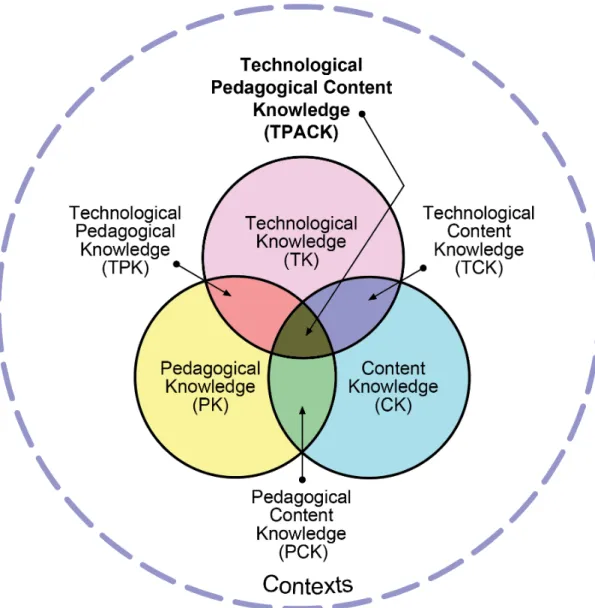
Developed by Dr. Punya Mishra and Dr. Matthew Koehler, the TPACK Framework (see Figure 1.1) outlines three primary forms of knowledge – content knowledge, pedagogical knowledge, and technological knowledge – along with how these three types of knowledge intersect in order to construct the technological pedagogical content knowledge an educator needs to effectively teach with technology (Koehler & Mishra, 2008).
Figure 1.1. TPACK Framework. This figure illustrates the TPACK Framework reproduced by permission of the publisher, © 2012 by tpack.org.
According to Koehler and Mishra (2008), content knowledge includes the knowledge of concepts, theories, ideas, and procedures within a given field. Without this, students could receive incorrect information and develop misconceptions. Pedagogical knowledge is the knowledge of the process and methods of teaching and learning, such as understanding student learning, classroom management, effective lesson planning, and accurate, informative assessment and evaluation. Pedagogical knowledge allows educators to understand how students construct knowledge and how learning theories apply to individual student needs. Combining these two areas into pedagogical content knowledge (PCK) provides educators with the knowledge and skills they need to effectively apply different teaching strategies and learning theories to help students learn within a particular field or across fields.
Technological pedagogical content knowledge (TPACK) is the combination of content knowledge, pedagogical knowledge, and knowledge of the use of technology in order to effectively learn and teach with technology (Koehler & Mishra, 2008). This includes the understanding of how best to represent concepts using technology, pedagogical strategies that can be enhanced using technology, knowledge of what concepts are more difficult to learn and how they can be addressed more effectively using technology, understanding of students’ prior knowledge, and knowledge of how to use this technology constructively.
In the context of mathematics, Guerrero (2010) explains that an educator’s TPACK is the knowledge of how to use technology to support teaching and learning mathematics, including the educator’s beliefs about mathematics, how mathematics can be addressed through the use of technology, and which concepts are important for students to learn through the use of technology. Educators must decide how to use technology to meet the needs of individual students, the content, and instruction, in
addition to deciding which digital tool would accomplish this most efficiently. For example, if a teacher was to use an interactive whiteboard in a lesson teaching a mental addition strategy, the mathematics educator would have used their knowledge of the mathematics strategy, their pedagogical content knowledge of the teaching methods that would be most appropriate to facilitate developing this mental skill, and their knowledge of using interactive whiteboards to effectively teach the mathematics concept (Muir, Callingham, & Beswick, 2016).
The SAMR Model
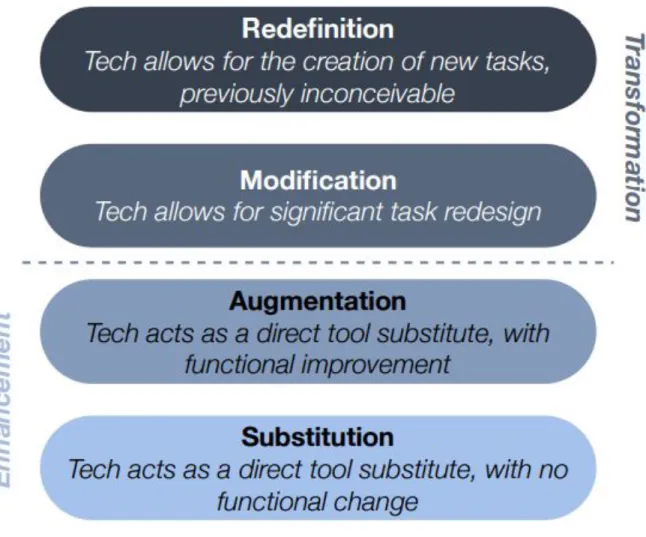
Developed by Dr. Ruben Puentedura, the SAMR Model (see Figure 1.2) defined the different levels of technology tools and their use within the classroom in order to encourage educators to enhance the quality of technology use (Green, 2014; Romrell, Kidder, & Wood, 2014).
According to Romrell, Kidder & Wood (2014), substitution is the use of technology as a substitute for learning activities without adding any functional
change. For example, students could be asked to listen to a podcast to review a lesson or participate in an online discussion. Augmentation is the use of technology as a substitution tool with some functional improvement, such as using text messaging to help students learn vocabulary or using video and audio to reference material in context (Romrell, Kidder, & Wood, 2014).
Figure 1.2. The SAMR Model. This figure illustrates the SAMR Model from Puentedura, R. (2014). Frameworks for educational technology: SAMR, the EdTech Quintet, and the Horizon Report.
According to Romrell, Kidder & Wood (2014), the third level in the SAMR Model is modification, which is the use of technology to redesign learning activities. For example, text messaging can be used to send students updates on the events in a simulated flood disaster. After each message, students could decide whether to start flood alert procedures or not, and responded with their decision via text message. The next message depended on the previous message; this allowed the simulation to be redesigned, and provided the opportunity for students to participate in real-time decision making. Lastly, redefinition is the use of technology to create a task that could not have been done without the use of the digital tool. For example, an application was developed to help Chinese students learn English by using GPS to find the student’s location. English descriptions of the objects and places around the student would then be displayed over the image seen through their phone’s camera. This type of activity would not be possible without the use of the phone’s camera and GPS. Using tools within the substitution and augmentation categories can enhance learning, whereas using digital tools within the modification or redefinition categories has the potential to transform the learning experience (Romrell, Kidder & Wood, 2014).
Scope and Limitations of the Study
Teaching with technology is a complex process that requires educators to be knowledgeable in a large number of competencies such as content knowledge, pedagogical knowledge, and knowledge of the use of technology in order to redefine the learning experience to most benefit student learning (Bennison & Goos, 2010; Jarvis, 2016; Koehler & Mishra, 2008; NCTM, 2015; Romrell, Kidder & Wood, 2014; Thomas & Hong, 2012). Therefore, it is important to narrow the focus of this
study to specific content knowledge and a particular pedagogical focus. Thus, this study will focus on elementary mathematics pedagogy and content.
Furthermore, the analysis of the qualities of technology integration and functionality of the digital tools are limited by the description presented within the study. Although studies with insufficient information are filtered out by exclusion criteria within the coding stage, this may result in a smaller number of valuable articles. Additionally, aspects of functionality or qualities of integration may have been present in the study but not reported in the research paper. Lastly, Card and Little (2012) state that studies which result in null or insignificant findings tend to not be published, thus resulting in a publication bias.
Document Outline
The next chapter will provide a review of the relevant literature associated with this study in order to provide a background of the research already produced in this area. Chapter Three will then go into detail on the methodology of this study, including how the data was collected, how the data was analysed, the assumptions and limitations of the study, and the validity and reliability of this study. Chapter Four will then present the findings of the study, followed by Chapter Five, which will discuss the findings, provide recommendations, and conclude the document.
CHAPTER TWO: REVIEW OF THE RELATED LITERATURE This chapter outlines the relevant literature that forms the background to this study. The first section discusses the current best teaching practices and pedagogy in elementary mathematics education. Second, this chapter will examine how technology may enhance these practices. The third section will examine the link between student engagement and student achievement. The fourth section discusses evaluating
technology, and section five finishes off the chapter by discussing technology integration.
Best Practices in Elementary Mathematics Education
The Ontario Curriculum, Grades 1 – 8: Mathematics (Ontario Ministry of Education, 2005) argues that today’s students need to be able to, “think critically about complex issues, analyze and adapt to new situations, solve problems of various kinds, and communicate their thinking effectively” (p. 3) in order to succeed in an information and technology-based society. Through elementary mathematics
education, students develop their ability to problem solve, reason, justify conclusions, express their ideas clearly, and apply their knowledge to the real world.
The Ontario Ministry of Education (2005) outlines seven processes through which students develop and apply mathematics knowledge and skills. Problem- solving is essential to learning mathematics. By learning through problem-solving, students can connect mathematical ideas and develop conceptual understanding. George Polya’s four-step model (see Figure 2.1) helps students to think critically about a problem and the process through which to solve it. First, a student must understand the problem and identify the given information and the information needed to solve the problem. Second, students must make a plan by considering possible strategies or a combination of skills. Third, students carry out their plan using
effective communication skills, and finally, students must reflect on their solution to ensure their answer is reasonable and that they answered the question fully.
Small (2012) states that when students learn through problem-solving using an authentic, interesting problem with a real-world context, they develop a deeper
understanding of the mathematics concepts, they are more motivated and self-confident, and they become more independent in their learning. To help students develop problem-solving skills, educators can have students act out the problem, use models or manipulatives, draw pictures, guess and test, look for patterns, and use charts, graphs, or lists (Small, 2012).
The process of reasoning and proving helps students develop a deeper understanding of math concepts through exploring and developing ideas, and justifying results (Ontario Ministry of Education, 2005). Through this process, students learn to make inferences, generalize, verify, and develop logical reasoning skills (Small, 2012). Students can also use conjectures to practice reasoning and proving. Small (2012) defined conjectures as a statement that has not yet been proven to be true or shown to be false. Educators can model this process by thinking out loud and by asking meaningful questions such as “Why do you think this happened?”and “Will this always happen?”(Small, 2012).
The process of reflection helps problem-solvers to monitor their own thought processes, make conscious decisions, strategize, and make sense of problems (Ontario Ministry of Education, 2005). Educators can use questioning to help students reflect on mathematical processes, and can also leverage class discussions so that students can listen to others’ ideas and compare them to their own (Small, 2012).
Figure 2.1. George Polya’s Four-Step Model. This figure illustrates the steps taken to effectively solve a problem from the Ontario Ministry of Education Mathematics Curriculum (2005, p. 13).
The process of selecting tools and computational strategies is important in order for students to develop their ability to select the appropriate tools,
manipulatives, and strategies in order to successfully complete tasks and solve problems (Ontario Ministry of Education, 2005). Manipulatives such as base ten blocks, counters, fraction bars, connecting cubes, coins, and spinners can be used to develop concrete representations of mathematical ideas (Small, 2012).
The process of connecting mathematical ideas helps students to relate concepts to each other, showing that mathematical concepts are not isolated ideas but rather can be used together to deepen their understanding of all strands (Ontario Ministry of Education, 2005). Educators can help students make connections through studying problems in the context of the real world or fantasy worlds (Small, 2012).
Additionally, cross-curricular situations can help students develop their own process of solving problems and make their own connections, which deepens understanding.
The process of representing is extremely important, as it allows students to represent mathematics ideas and relationships as well as develop their communication skills and their ability to justify their answers (Ontario Ministry of Education, 2005). The more adaptive students are in finding alternative ways to represent mathematical ideas, the more likely they are to develop a deep understanding of a concept (Small, 2012). Educators can encourage students to represent answers in various ways through questioning and exploration with manipulatives.
Finally, the Ontario Ministry of Education (2005) explains that the process of communicating and expressing mathematical ideas orally, visually, internally, and in writing is essential in connecting all the processes together and in addressing
misconceptions. It is important for educators and students to understand that problems can be solved in many different ways, and thus, effective communication skills are
necessary in order for students to clarify their ideas and thought processes (Ontario Ministry of Education, 2005). Small (2012) explained that educators can help students develop oral communication through peer discussion, mixed ability grouping, giving time to think and develop a response, reflecting on communication skills, encouraging listening, and prompting students. Giving predictions, comparing approaches, and using manipulatives can also provide opportunities for oral communication. Educators can help students develop written communication skills through personal and
descriptive writing, explanatory writing, and math journals. Questioning, scaffolding, and exemplars can also help students develop effective written communication skills. Lastly, ensuring students feel safe, respected, and supported within the classroom can help students feel comfortable speaking, responding, and elaborating within the mathematics classroom (Jarvis, 2016; Ontario Ministry of Education, 2005).
The Ontario Ministry of Education (2006) published A Guide to Effective Instruction in Mathematics, Kindergarten to Grade 6 in which they described three instructional approaches to support students in learning mathematics. Shared
mathematics is an instructional approach where students work collaboratively to solve problems. This approach helps students develop their problem-solving, reasoning, reflecting, and communication processes. With this approach, students can work collaboratively to investigate a mathematical concept, work in centers, demonstrate skills or concepts, explain or justify their thinking, and provide peer feedback. During this process, educators can observe students, ask questions to help students understand concepts, help students justify answers or reflect on their solutions, address
misconceptions, and encourage collaboration, discussion or alternative ways of thinking. Additionally, students need time to work in small groups or pairs because it enhances engagement, can encourage higher-order thinking, and can provide the
support students need to clarify a task and problem solve (Anthony & Walshaw, 2009). An example of this type of instruction is a math congress, where students work collaboratively to solve a problem and then participate in a gallery walk and group discussion to reflect on the different ways the problem was solved, the
communication skills used, and the group’s ability to represent and justify their answer (Small, 2012).
The second instructional approach in the Guide to Effective Instruction in Mathematics, Kindergarten to Grade 6 by the Ontario Ministry of Education (2006) is guided mathematics. Guided mathematics is an instructional approach where the educator models and guides student through understanding a mathematical concept or skill. This allows the educator to model strategies, appropriate mathematical
language, mathematical thinking, and problem-solving. During this process, students can observe and respond to demonstrated strategies, explain their own mathematical thinking, and participate in discussions. It also provides the opportunity for educators to connect concepts to students’ prior knowledge, model problems and mathematical ideas and strategies, demonstrate the use of tools and manipulatives, refer to visual cues within the classroom, and pose meaningful questions. Additionally, educators can invite students to explain their thinking, listen to their peers, respect one another, and accept different ways of thinking (Anthony & Walshaw, 2009).
The final instructional strategy in the Guide to Effective Instruction in
Mathematics, Kindergarten to Grade 6 by the Ontario Ministry of Education (2006) is independent mathematics. Independent mathematics is an instructional strategy where students work independently to explore mathematical concepts, develop skills,
communicate understanding, and solve problems. This does not mean that the student is isolated from all interactions, but rather that the student can function as an
autonomous learner who knows when and how to ask questions, develop strategies, and work through problems on their own using available tools and resources. During this process, students can communicate, develop, and demonstrate understanding, make personal decisions about appropriate strategies and tools, and problem solve. During this process, educators can interact with students, monitor student progress and activities, interview or conference with students, pose questions, and provide modifications or extensions to meet all students’ individual needs. Students need time to work independently to give them time to grasp a new concept without the
distraction of others’ views or conflicting perspectives (Anthony & Walshaw, 2009). An example of this type of instruction is a bansho, where students work independently to solve a problem and then, through class discussion, the answers from the various students are combined to create an anchor chart for the classroom (Small, 2012).
In Paying Attention to Mathematics Education: Seven Foundational Principles for Improvement in Mathematics, K–12, the Ontario Ministry of Education (2011) explains that effective mathematics instruction is based on problem-solving and the exploration of mathematical concepts, builds on students’ prior knowledge, is relevant to the students’ lives, is differentiated to meet individual students’ needs, is based on knowledge of students’ mathematical development, and allows students to construct mathematical knowledge in an active, nurturing learning environment. In order to accomplish this, mathematics instruction must engage students is all the mathematical processes, allow flexible and varied ways of thinking, reasoning, meaning making, and concept development, include a variety of materials and tools, develop a mathematics learning community with student-student and student-teacher interactions, provide effective feedback and reflection, provide opportunities for cross-curricular connections, is authentic, and provide fair, equitable assessment and
evaluation. This means that educators must have opportunities for professional
development that builds on teachers’ pedagogical knowledge of mathematics teaching and learning, as well as opportunities to foster the integration of parents, school, and the community to work together to support student achievement (Anthony &
Walshaw, 2009; Bruce, Esmonde, Ross, Dookie & Beatty, 2010; Jarvis, 2016; Ontario Ministry of Education, 2011).
All in all, it is important for educators to take a constructivist, investigative approach to mathematics education where students are actively involved in problem-based learning, giving them the opportunity to construct their own knowledge in an authentic, engaging environment in order to develop conceptual understanding of mathematical concepts (Anthony & Walshaw, 2009; Jarvis, 2016; Ontario Ministry of Education, 2005; Small, 2012). Activities that encourage students to analyse patterns and relationships while engaging in inquiry-based opportunities within a real world context allow students to see the key principles of mathematics, which will
consequently encourage students to apply mathematical reasoning in other areas of their lives (Ontario Ministry of Education, 2005). Finally, effective instructional approaches activate students’ prior knowledge, engage students in meaningful
practice, incorporate a variety of tools and strategies, provide concrete representations through manipulatives, foster communication skills, and promote a positive attitude towards mathematics education (Anthony & Walshaw, 2009; Jarvis, 2016; Ontario Ministry of Education, 2005).
Technology-Enhanced Elementary Mathematics Education
The Ontario Curriculum, Grades 1 – 8: Mathematics by the Ontario Ministry of Education (2005) recognizes the benefits that technology can have on learning mathematics, and therefore encourages the integration of appropriate technology into
mathematics education. Technology can be used for whole-class instruction, as well as a tool to differentiate the learning to meet diverse student needs. It can be used to promote concept development through simulations, multimedia resources, and virtual manipulatives, as well as helping students develop communication skills. In addition, technology can help students become more globally aware through its ability to connect students to other schools in the surrounding area or abroad, bringing global cultures into the classroom. Technology can be used to help students extend their ability to investigate and analyse mathematical concepts, in addition to reducing the amount of time spent on computational activities. Technology can be used as
problem-solving tools, exploration tools, and representation tools, while also building confidence and contributing to conceptual understanding. For example, technology can be used to decrease mathematics anxiety by making responses anonymous, such as through the use of clickers or by providing alternative ways to participate (Small, 2012). Interactive white boards also encourage participation and provide opportunities for lessons to be recorded for future reference.
One of the standards of the National Council of Teachers of Mathematics (NCTM) (2015) is the strategic use of technology in teaching and learning
mathematics. This standard refers to the use of digital tools by students and teachers in a meaningful way and at thoughtfully determined times in order to enhance how students and teachers learn, experience, communicate, and understand mathematics. If used correctly, content specific mathematics technology can support students in investigating mathematical concepts and relationships, enhance student-teacher interactions, promote understanding of mathematical procedures, and develop students’ ability to problem-solve, reason, and justify their answers. In order for this
to be done effectively, educators need to be knowledgeable in determining how and when digital tools are most beneficial to student learning (NCTM, 2015).
Jarvis (2016) found that some educators were not making the transition from traditional methods of teaching to reform-based mathematics education due to a perceived anxiety about managing their time, covering expectations, lack of
confidence with the mathematics content, and managing student behaviors. Bennison and Goos (2010) state that educators need professional development opportunities in order to feel comfortable to try new teaching approaches such as the integration of technology. These workshops need to push beyond the show-and-tell type of activities that simply provide information on particular products that can assist in the teaching of mathematics. Instead, professional development opportunities need to show how specific mathematics topics can be taught using technology, with a focus on how to manage the technology in the classroom and how it can impact student learning. In other words, educators want practical ideas that relate to the daily routines and management of the classroom (Bennison & Goos, 2010).
As a result, it may be helpful to take routines or teaching strategies that educators are already using and demonstrate how they can be enhanced using technology. For instance, Small (2012) states that in order for students to develop conceptual understanding, it is essential for educators to provide concrete
representations of mathematical ideas, such as manipulatives. For example, when exploring fractions, manipulatives can help students develop conceptual and
procedural understanding using physical representations, which will assist them when moving onto more abstract ideas (Lee & Ferrucci, 2012; Small, 2012). This strategy has the potential to be enhanced using technology. In fact, Lee and Ferrucci (2012)
found that virtual manipulatives had a positive impact on students’ understanding of fractions, while enhancing their thinking and creativity.
Therefore, the use of technology has the potential to enhance mathematics teaching and learning (NCTM, 2015; Ontario Ministry of Education, 2005; Small, 2012). However, in order to positively impact student learning, educators need to be knowledgeable in determining how and when digital tools are most beneficial (Jarvis, 2016; NCTM, 2015). These professional development opportunities need to focus on pedagogy such as daily routines and teaching strategies in order for educators to be willing to make changes in classroom practices (Bennison & Goos, 2010, Jarvis, 2016).
Student Engagement and Achievement
The concept of student engagement has been defined as the extent to which a student appears to be involved or interested in their learning, in addition to how connected they are to their class, school, and peers (Axelson & Flick, 2010).
Furthermore, student engagement can be defined as the relationship between the time, effort, and resources invested by all stakeholders to maximize student experience and optimise student development (Trowler, 2010). Harris (2008) argues that defining the concept of engagement is problematic due to the fact that there is a disagreement as to what counts as student engagement.
In this study, I have chosen to define student engagement using Fredricks, Blumenfeld, and Paris’ (2004) definition, which describes engagement in three
dimensions. Behavioural engagement includes the students’ involvement in academic, social, and extracurricular activities. It is considered crucial for achieving a positive academic outcome. Emotional engagement is the positive and negative reaction to the learning environment including teachers, classmates, academics, and the school. It
creates ties to the institution and learning and can influence the students’ willingness to learn and become involved. Cognitive engagement surrounds the idea of the thoughtfulness and willingness for students to produce the effort necessary to
understand concepts and master skills (Fredricks et al., 2004). Furthermore, students can show positive engagement, non-engagement, and negative engagement in each dimension at different times (Trowler, 2010). Thus, the fusion of all three dimensions together creates the overall construct of student engagement.
Zepke and Leach (2010) performed a meta-analysis on articles pertaining to student engagement. Through a keyword search in several databases including the Web of Science, PsycINFO, ERIC, A+Education, Google Scholar, Academic Search Elite, General OneFile and Index New Zealand, the researchers found 283 items. These were then reduced to 93 relevant articles through inclusion and exclusion criteria. After synthesizing the remaining literature, the following proposals for increasing student engagement were developed. Enhancing students’ self-belief that they are capable, while enabling them to work independently, will increase students’ intrinsic motivation to complete tasks. Additionally, teachers’ relationships with the students must be positive, caring, and encouraging to create an environment that fosters collaborative learning and enriches educational experiences. Institutions must also encourage engagement through welcoming diverse backgrounds and investing in support services in order to change student expectations and develop a positive, inclusive school environment. Finally, enabling students to develop their social and cultural awareness challenges social beliefs and practices, thereby increasing student engagement in active citizenship.
Many researchers have examined how the use of technology in the classroom affects student engagement and motivation. In this study, the terms digital tool and
technology refer to any device that uses hardware, such as computers, tablets, and mobile phones, or software, such as operating systems and application programs (JMC, 2011). Cicconi (2014) explains that technology allows students to take on the role of the expert, redefining the types of learning experiences accessible to students. Additionally, using technology can engage students in collaborative exercises that deepen their understanding of math concepts through relevant and authentic learning experiences (Cicconi, 2014). Moreover, Eyyam and Yaratan (2014) surmised that both students and teachers benefit from the use of technology within learning environments, including seeing an increase in learning capabilities, motivation, and engagement. Furthermore, Bray and Tangney (2016) found that digital tools can make mathematics more meaningful, practical, and engaging by allowing students to solve problems in contexts which help develop a sense of ownership over their learning, thus resulting in improved attitudes, behavior, and confidence.
Carini, Kuh, and Klein (2006) state that student engagement is considered to be one of the best predictors of learning among post-secondary students. Marks (2000) made this same connection when examining patterns among elementary, middle, and high school students, stating that pupils who are engaged in school are more likely to learn, graduate, and continue onto higher education. In other words, the more positive engagement exhibited by the student while exploring a concept, the more likely they are to learn and understand it. Additionally, research has shown that positive behavioral engagement is correlated with higher achievement scores, while negative behavioral engagement has been shown to be a precursor to students
dropping out of school (Fredricks et al., 2004). Student achievement has been defined as the extent of conceptual growth as determined by measures of student performance
(Hegedus, Tapper & Dalton, 2016). Therefore, student engagement has been shown to be a good predictor of student achievement (Carini et al., 2006; Marks, 2000).
The use of technology within the learning environment has been shown to increase student engagement (Bray & Tangney, 2016; Cicconi, 2014; Eyyam &Yaratan, 2014; Schibeci, Lake, Phillips, Lowe, Cummings & Miller, 2008). In addition, student engagement is a good predictor of student achievement (Carini et al., 2006; Marks, 2000). Coincidentally, it can be hypothesized that the use of technology within the learning environment may have the ability to increase student achievement. However, some studies examining the impact of using technology in the classroom have found a negative or null effect on some aspect of student achievement.
Carrasco and Torrecilla (2012) completed a study on the effect of computer access on the student achievement of Latin-American Grade 6 students. They found that students who used a computer at home to do homework achieved lower marks in math and reading than children who did not. Likewise, Carr (2012) completed a quantitative, quasi-experimental study to examine the effects of 1:1 iPad use on 104 fifth grade students’ mathematics achievement. The study found that iPad use had no significant effect on student achievement. Therefore, while the use of technology in the classroom has a positive effect on student engagement, which is a strong predictor of student achievement, technology is not always found to have a positive effect on student learning.
Evaluating Technology
Blake, Davies, Jones, Morris and Scanlon (2003) argue that through the
evaluation of educational technology, educators can determine whether the digital tool will impact teaching and learning. In fact, Blake et al. (2003) suggest three areas for evaluating digital tools. First, educators must examine the context of using the digital
tool. This includes the wider context, such as teaching strategies and classroom activities, all the way to the smaller context, such as the digital tool used within the unit. Questions that need to be asked are will the work be collaborative or
independent? What is the rationale for using the digital tool? The second stage is to collect information about the process in order to record success, but to also find areas for improvement, as well as examining student interactions. Finally, educators must analyze the attitudes and outcomes of using the digital tool (Blake et al., 2003).
Squires and Preece (1999) offer a model of evaluation that precedes using the digital tool to predictively evaluate educational technology. Digital tools should keep users informed about what is going on, connect to the real world by using phrases and concepts familiar to the user, allow the user control and freedom, be consistent in words, situations, and actions, have error prevention, make actions and objects available in order to focus on recognition instead of recall, information and instructions should be visible or easily retrievable, flexible and easy to use for inexperienced and experienced users, simple design, and provide help to users when required (Squires & Preece, 1999). In other words, educators should be using
predictability evaluation techniques as well as data collection during and after the process in order to effectively evaluate the impact of a digital tool. This information will help educators gain personal experience to make valuable judgements on further educational tools and their potential impact on student achievement (Blake et al., 2003; Squires & Preece, 1999).
Lee and Cherner (2015) explain that not all educational technology is equally beneficial. They report that there are over 20, 000 iOS education apps available in the App Store, resulting in the fact that teachers need support to filter out the inferior apps in order to identify the quality apps they should use in the classroom. In other words,
educators need to be examining the functionality of digital tools in order to determine if the digital tool or educational technology has the potential to impact student
achievement. Functionality can be defined as the functions that allow the user to interact with the tool (Lee & Cherner, 2015). In this study, I have decided that the term functionality will refer to the operations, features, or capabilities that can be performed using the digital tool that usually contributes to the interaction between the tool and the user. Therefore, through the evaluation of the functions used to interact with the users, educators can predict the potential impact the tool may have in the classroom. In order to support teachers through this evaluation, several researchers have attempted to create rubrics.
For instance, Lee and Cherner (2015) developed a rubric for evaluating educational apps based on previously conducted research on the methods used to evaluate technology for educational purposes. Through this research, they developed a rubric with 24 evaluative dimensions aligned to a 5-point Likert scale. The rubric was then examined by two groups of experts, who then critiqued the rubric, resulting in some modifications and revisions. After a final presentation to the experts, the final rubric was published. The rubric was divided into three domains. The first domain was used to determine the instructional worth of the app through evaluation of the level of higher- order thinking required of the user, the development of 21st century skills, connections to curriculum standards, the ability to let users learn from
mistakes, the ability for the teachers to monitor users’ progress, the challenge level in relation to the audience, ability for users to collaborate, and ability to accommodate individual differences (Lee & Cherner, 2015).
The second domain in Lee and Cherners’ (2015) rubric is to examine the user’s interaction with the app in order to determine the efficiency and ease of use.
Specifically, educators examine the app’s ability to save users’ progress, the app’s ability to interact with other platforms, the screen design and organization, the ease of use or its ability to be user-friendly, users’ navigation through the app, whether each component of the app contributes to the learning goals, how the app presents
information, how the app integrates different forms of media such as visuals, graphics, and videos, and the app’s ability to accommodate different cultures or backgrounds (Lee & Cherner, 2015).
Finally, the third domain in Lee and Cherner’s (2015) rubric examines the app’s ability to engage and motivate the users. Specifically, educators examine whether the app allows users to choose the level of difficulty, has an engaging
instructional experience, allows users to control the speed at which they move through the content, allows the users to personalize settings, whether the app will appeal to the audience, whether the app is visually appealing, and whether the users will find the app beneficial to their academic, professional, or personal lives (Lee & Cherner, 2015).
Schibeci et al. (2008) did not create a rubric; rather, the researchers examined over 40 learning objects in order to determine the characteristics or functions of successful tools. Learning objects were defined as any file or chunk of material designed to be used as a learning experience that works alongside other digital and non-digital resources, is accessible through the internet, and can be tracked using a learning management system. These learning objects included talking books, digital or virtual drills to practice and assess skills, tools used to perform tasks more
efficiently, activities where students investigate concepts or produce a product, simulations, and interpretative activities that allow the user to select the content and product. They determined that the learning object was more successful if it
encouraged exploration of concepts, motivated users, used gaming characteristics such as rewards or a point system, was relevant to learning purposes, the difficulty level was suitable to the user, instructions were provided only when needed, the learning purpose was shared, the object was user-friendly, the learning object
provided feedback, content was differentiated, and the learning object had the ability to interact with other programs such as a word processing software. Additionally, successful learning objects avoided text-intensive instructions or text-intensive inputs from users, sound was available when needed, video clips were easily interpreted by users, and animations were used to highlight important ideas (Schibeci et al., 2008).
Thus, not all digital tools are equally beneficial to student learning, which could contribute to the fact that some studies are finding digital tools to have a
negative or null impact on student achievement. This means that educators need to be supported to evaluate the functionality of digital tools in order to predict their
potential impact on student achievement.
Integrating Technology
Several researchers have explained the disconnect between technology and student achievement in a different way. Kinchin (2012) refers to this disconnect as technology-enhanced non-learning. He argues that technology-enhanced non-learning is the product of the ineffective integration of educational technology due to the pressure on educators to incorporate digital tools in the classroom. This leads to educators forcing technology into traditional teacher-focused teaching methods. The National Forum for Education Statistics (2002) defined technology integration as the use of technology resources and technology-based practices in daily routines, school work, and the management of schools to support school goals and purposes. In this study, I have defined the integration of technology as the instructional methods,
pedagogy, or teaching strategies used to incorporate the use of technology or digital tools into curriculum, routines, or day-to-day practices.
Thomas and Hong (2013) explain that a teachers’ pedagogical technology knowledge is the bank of teaching strategies required to teach mathematics through the use of educational technology. In other words, teachers need to use technology to scaffold mathematics learning while understanding that digital tools can be used in a variety of ways and students may benefit more from one way than another. Many researchers have examined this idea, adapting the TPACK Framework as a model for the knowledge needed to effectively integrate technology into the classroom.
Developed by Dr. Punya Mishra and Dr. Matthew Koehler, the TPACK Framework outlines three primary forms of knowledge: content knowledge, pedagogical
knowledge, and technological knowledge, along with how the three types of knowledge intersect in order to construct the technological pedagogical content
knowledge an educator needs to effectively teach with technology (Koehler & Mishra, 2008; Koehler, 2011).
However, the purpose of the TPACK Framework is to identify the knowledge needed to teach with technology effectively – not to be used as a model of integration to help select, evaluate, or instruct on the use of technology within the classroom (Green, 2014; Koehler & Mishra, 2008; Koehler, 2011). Additionally, Green (2014) argues that the SAMR Model used by many may not be valid due to the limited published research documenting the development and validation of the model.
Developed by Dr. Ruben Puentedura, the SAMR Model defined the different levels of technology tools and their use within the classroom. However, by using the SAMR and TPACK models to organize digital tools and formulate strategies for integration, the functionality of the tools becomes the focus of the integration, rather than the
pedagogy and teaching strategies that are already proven in research to have a benefit to student achievement.
Campe (2011) would agree with Green (2014), arguing that simply using technology within the classroom is not enough. In other words, the functionality of the digital tool needs to be aligned with effective pedagogy in order for educators to use the technology to its full potential. Campe (2011) states that before the lesson, the educator must educate themselves on the functionality of the tool, decide whether the tool will work better with students working collaboratively or independently, examine ready-made materials, prepare directions and demonstrations of the digital tool, consider pre-requisite skills, design the lesson to build understanding, be willing to allow exploration, and scaffold student learning. During the lesson, educators should let the students play with the tool without interference, change group roles, clarify expectations, use questioning to give help, use checkpoints, use all of the
technology’s available functions, and be prepared for technology failure. After the lesson, educators should debrief with the students, assess student understanding, and reflect on the lesson.
This process is similar to the general expectations of teachers when planning a lesson. Wiggins and McTighe (2006) describe the learning plan as the time when educators think about the learning experiences and activities that will help students achieve the desired results. In this model, educators should know where the unit is going, what is expected and what the students’ prior knowledge is. They should then hook the students, allow them to explore and experience the learning objectives, and allow them to rethink, revise, and evaluate their work. Educators should differentiate the learning experience, make sure it is engaging, and be reflective after the lesson.
In other words, the process of creating a lesson with technology is similar to creating a lesson without technology (Wiggins & McTighe, 2006; Campe, 2011). However, if teachers have a low level of confidence in using technology, a limited number of opportunities to develop strategies for teaching with technology, a
resistance to change or negative attitude towards using technology, a limited amount of time, a limited number of resources, or a lack of technical support, teachers are unable to apply their pedagogical knowledge to integrating technology (Bingimlas, 2009; Thomas & Hong, 2013). Without this knowledge, the students end up with technology-enhanced non-learning (Kinchin, 2012).
According to Delgado, Wardlow, O'Malley and McKnight (2015), the most common strategies of technology integration include bring your own device (BYOD), blended learning or hybrid courses, flipped learning, and online learning or distance education. In BYOD environments, every student brings their own personal digital device to school to be used within the learning environment. Blended learning, hybrid, courses, and flipped learning refers to an environment where instruction is given both virtually and face-to-face. In an online learning environment, most of the instruction is given virtually, with limited face-to-face interaction (Delgado et al., 2015). However, most research examines these strategies in terms of the proportion of time spent learning online or the digital tools that have the functionality needed to facilitate them, not the pedagogical strategies or teaching decisions that best align to each type of integration.
The research presented in this chapter examined the literature surrounding student engagement, student achievement, the evaluation of technology, and the integration of technology. Student engagement is a good predictor of student achievement (Carini et al., 2006; Marks, 2000). Using technology in the classroom
has been shown to increase student engagement, but it does not always positively impact student achievement (Bray & Tangney, 2016; Carr, 2012; Carrasco & Torrecilla, 2012; Cicconi, 2014; Eyyam &Yaratan, 2014; Schibeci et al., 2008). By correctly evaluating digital tools for their potential impact on student learning, and then aligning these tools to the correct pedagogical strategies, educators can ensure that digital tools will have an impact on student engagement and achievement (Blake et al., 2003; Lee & Cherner, 2015; Schibeci et al., 2008; Squires & Preece, 1999). However, models of technology integration and strategies for the integration of technology focus on functionality and time online rather than the pedagogical strategies that benefit student learning (Green, 2014).
The next chapter outlines the methodology used in this study to examine the functionality of digital tools and the qualities of technology integration that most impact student learning in order to develop strategies for evaluation and integration that focus on pedagogy and functionality.
CHAPTER THREE: METHODOLOGY AND RESEARCH DESIGN This chapter discusses the methodology used in this study. The first section describes the research methodology and design of the study, followed by how the data was collected and analysed. The fourth and fifth sections outline the methodological assumptions and limitations of the study. Finally, the chapter will end by discussing the credibility of the study, followed by a restatement of the area of study.
Research Methodology and Design
This systematic review integrated the findings from existing research on the impact of technology in elementary mathematics classrooms using a meta-analytic approach. Card and Little (2012) argue that due to studies being conducted at an increasing rate, it is difficult for scholars to stay informed of research outside their area of specialization, which can minimize the connections between areas of study. Meta-analysis is the process of summarizing and comparing results from existing literature, making it possible to gain new insights and conclusions based upon a high number of existing, credible studies (Card & Little, 2012). In this study, meta-analysis allows for a systematic review of recent research examining the impact of technology in elementary mathematics classrooms. Once collected, these studies can be analysed and compared to examine the commonalities between the functionality of the
technology used, how the technology was integrated into the classroom, and whether or not the study found a positive effect on student achievement and student
engagement.
Data Collection
Meta-analysis differs from other types of reviews by devoting attention to the systematic approach taken to locate and retrieve relevant literature (Card & Little,
2012). In this study a three-part system was used to collect the articles to be used in the analysis.
Selection of Keywords
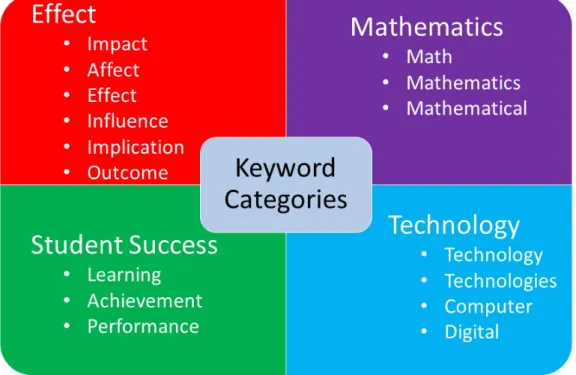
To decide on the keywords that would bring about the most relevant articles, four keyword categories were selected (see Figure 3.1). The mathematics category included the keywords math, mathematics, and mathematical. The effects category included the keywords impact, affect, effect, influence, implication, and outcome. The student success category included the keywords learning, achievement, and
performance. The technology category included the keywords technology, technologies, computer, and digital.
Selection of the Database and Limitations
A keyword search using the above terms was completed using a single database. The search was limited to peer-reviewed articles in order to increase credibility. In addition, the articles were limited to those published since 2010 to account for recent technological and educational advances.
The Education Resources Information Center (ERIC) is an online database of indexed and full-text educational literature featuring resources from journals included in the Current Index of Journals in Education and Resources in Education Index (EBSCO Industries, 2016b). After trying 72 searches in ERIC using variations of the keywords above, it was decided to switch to a different database that may supply a higher number of relevant articles.
Figure 3.1. Keyword Categories. This is an illustration of the keywords included in each category.
Academic Search Complete is designed for academic institutions as a database of leading resources for scholarly research. Since it has access to over 7,700 full text, peer-reviewed journals supporting several key areas of academic study including education, technology, and mathematics, it was decided to do two different searches, both in Academic Search Complete (EBSCO Industries, 2016a).
The initial search involved the keyword search technology AND math AND elementary,resulting in 298 articles. The second search involved the keyword search (technology OR computer OR digital) AND math* AND (impact OR affect OR
influence OR effect OR implication OR outcome) AND elementary AND (achievement OR learning OR performance), resulting in 236 articles. 67 of these articles were duplicates, resulting in 467 unique articles in total. The citations and abstracts of all 467 articles were then copied into Excel 2016 for further analysis.
Inclusion and Exclusion Criteria
A series of inclusion and exclusion criteria was created in order to narrow the results down to the most relevant articles to include in the data analysis (see Figure 3.2). First, the articles were excluded if they were not available in English. Although this is a limitation to the study, the researcher is only fluent in English. Second, because this research study focuses on elementary mathematics, only abstracts with a connection to elementary students or teachers were included. In this study, elementary refers to students aged 10 to 14, which correlates to Grades 4 – 8 in Ontario, Canada.
One by one, each abstract was copied into Word 2016. Using the ‘replace’ function, all of the keywords in the mathematics and technology category were replaced with a text- coloured version of themselves, and then the whole abstract was copied back into Excel 2016. Excel 2016 was then used to examine the abstracts and record results. Articles were excluded if they did not have at least one keyword from
both categories. If no keyword was found, the abstract was searched for other words related to the mathematics category such as subject specific terms like algebra, or the technology category such as mobile, software, or online. Furthermore, articles were excluded if they had keywords from both categories, but they were not the focus of the study. For example, Voogt (2010) had the keywords technology and math in the abstract. However, this article was examining the differences in teachers’ curriculum goals and pedagogical practices between science teachers that use technology and those that do not. Therefore, even though this article had at least one keyword from both categories, it was focusing on science and not mathematics, so it was excluded.
Fourth, the remaining abstracts were again copied into Word 2016 and the ‘replace’ function was used to replace all of the keywords in the effect category with a text-coloured version of itself, and then the whole abstract was copied back into Excel 2016. Excel 2016 was then used to examine the abstracts and record results. Articles were excluded if they did not have at least one keyword from this category. If no keyword was found, the abstract was searched for other words related to the effect category such as improve, benefits, or relationship. Additionally, articles were
excluded if the effect keyword was not used in reference to technology. For example, Cotabish, Dailey, Robinson and Hughes (2013) had the keyword effect in their abstract. However, this study was examining the effect of an elementary Science, Technology, Engineering, and Mathematics (STEM) program – not the effect of a digital tool.
Therefore, if the article was in English, was connected to elementary students or teachers, was focused on mathematics and technology, and examined the effect of technology, the article was included. This process resulted in 47 articles being
included in the data analysis. Results of the inclusion and exclusion decisions were recorded using Excel 2016 (see Appendix A).
Figure 3.2. Inclusion and Exclusion Criteria Flow Chart. This figure illustrates the process of including and excluding articles in the meta-analysis.
Data Analysis
After systematically retrieving 47 relevant articles, the next step in performing the meta-analysis was to code the studies (Card & Little, 2012). All 47 included articles were obtained in full-text and uploaded to QDA Miner 4 Lite. QDA Miner 4 Lite is a qualitative analysis software that allows the user to analyse textual data through coding, commenting, text retrieval, and text analysis functions. This software is free, easy to use, and provides the coding and text-retrieval features needed for the meta-analysis.
In order to identify the methodological characteristics that might contribute to answering the research questions, a two-tier coding system was used. First, all articles were coded using macro-codes aligned to the research questions, findings, and age of the participants. The macro-coding scheme included selecting sections of text that described the integration of the digital tool, the functionality of the digital, findings, and age of participants (see Table 3.1).
Table 3.1
Description of Macro-Codes
Term Description
Integration The instructional methods, pedagogy, or teaching strategies used to incorporate the use of technology or digital tools into curriculum, routines, or day-to-day practices. In other
words, how is the digital tool used?
Functionality The operations, features, or capabilities that can be
performed using the digital tool, usually contributes to the interaction between the tool and the user. In other words, what can the digital tool do?
Findings The positive, negative, or null outcomes of the study. Age The age or grade of the participants in the study.
The first set of codes were pre-selected so that they aligned to the research questions. However, the second tier of coding terms could not be pre-selected, or the findings would be at risk of researcher bias. Therefore, the ‘text retrieval’ tool in QDA Miner 4 Lite was used to copy the text selected for each of the macro-codes into Excel 2016. Excel 2016 was then used to record and sort information from the
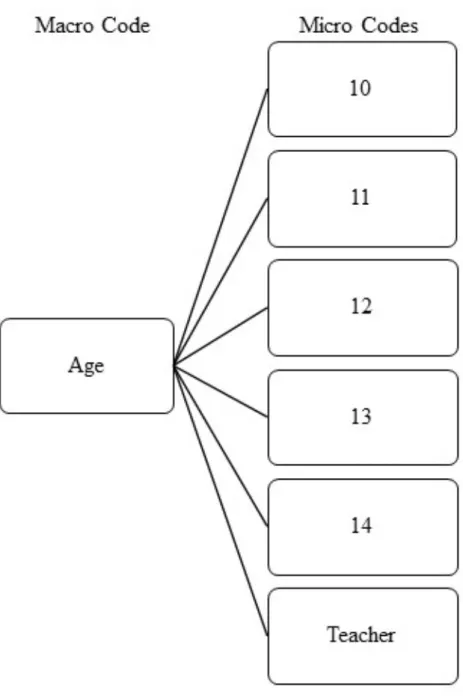
sections into micro-codes created from information provided within the selected text. Text selected under the ‘age’ macro-code was used to examine the number of each age group represented in the studies. Each article’s citation was used as a row heading. Ages found within the text sections became the micro-codes, and were placed as the column headings (see Figure 3.3). The selected text for each article was then scanned for the age of the participants, which was then used to put a one in the matching cell. Totals for each column were then calculated using the ‘sum formula.’
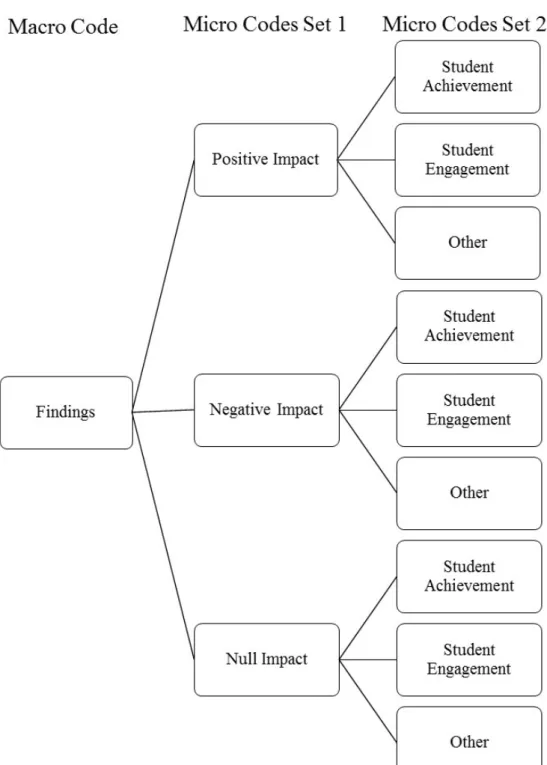
The ‘findings’ macro-code was used to record whether or not the study resulted in positive, negative, or null findings on student achievement, student engagement, or some other factor of learning. Each article’s citation was used as a row heading. The terms positive impact, negative impact, and null impact became micro-codes and were placed as column headings. The terms student achievement, student engagement, and other also became a second set of micro-codes, and were placed as subheadings under each of the terms in the first set of micro-codes (see Figure 3.4). The selected text under the findings macro-code for each article was then scanned for the positive, negative or null outcomes on student achievement, student engagement, or other factors of learning. The number ‘one’ was then put in the matching cell. Totals for each column were calculated using the ‘sum formula.’
Figure 3.3. Age Macro-Code. This figure illustrates the relationship between the age macro-code and its micro-codes.
Figure 3.4. Findings Macro-Code. This figure illustrates the relationship between the findings macro-code and its micro-codes.
A similar process was used separately for both the ‘integration’ and ‘functionality’ macro-codes, which each examined the qualities of technology integration and the functions of the digital tools, respectively. Each article’s citation was used as a row heading. The text from the ‘integration’ macro-code was analysed for qualities of integration, while the text from the ‘functionality’ macro-code was analysed for reported functions. As a new quality or function was presented, it became a new micro-code (see Table 3.2 and Table 3.3) and was placed as a column heading. The text selected for each article was then scanned for a connection to each micro-code, and the number ‘one’ was put in the columns of each micro-code it reported. If a study did not directly report a quality or a function, it was not recorded, even if there was reason to believe the quality or function would be present. Totals for each column were then calculated using the ‘sum formula.’
These spreadsheets were analysed and compared to the findings spreadsheet. During this second tier, an article could be excluded from the integration or
functionality analysis if a sufficient description of the qualities of functionality and integration was not provided (see Appendix B and C).