Decrease Catheter Associated Urinary Tract Infections with Leader Rounding Using a Checklist Elizabeth Menschner
Table of Contents List of Tables ……….3 List of Figures ………....4 Abstract ………..5 Introduction ………6 Problem Statement ……….…7
Aims and Objectives ………..8
Review of Literature ………..9
Theoretical Framework ……….14
Methods ……….18
Project Design ………...18
Sample: Setting and Participants/Subjects ………18
Human Subjects Protection ………...18
Timeline……….19
Measures ………...19
Procedures ……….19
Evaluation (Data Management and Data Analysis) ………..20
Strengths and Limitations ……….21
References ……….23
Appendix. ………..26
Tables ………27
List of Tables
Table 1 Organization Data and NDNQI Mean
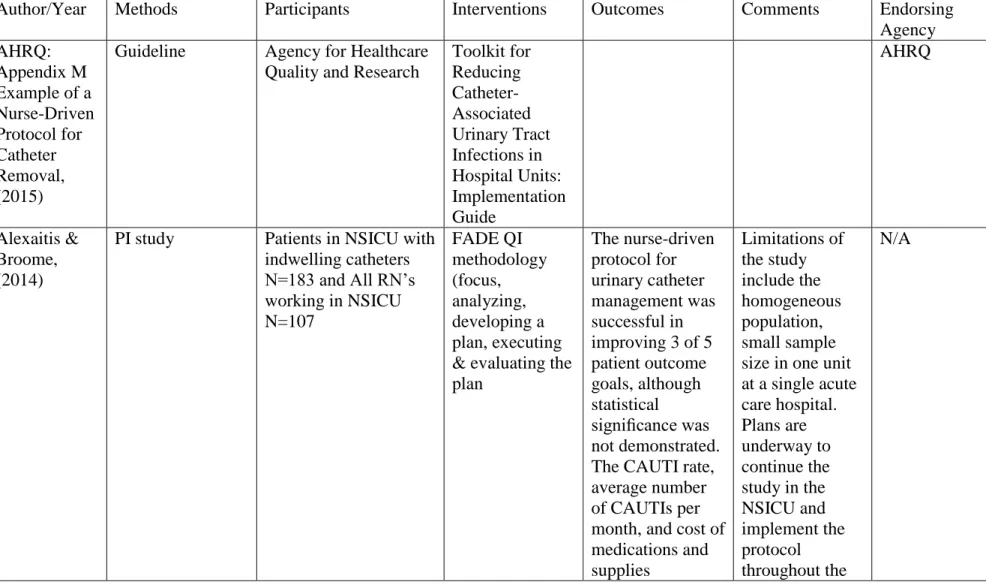
Table 2 CAUTI Data for Medical and Neurosurgical Intensive Care Units Table 3 Table of Evidence
List of Figures
Figure 1 Lewin’s Three Stage Change Process Figure 2 PDCA Wheel
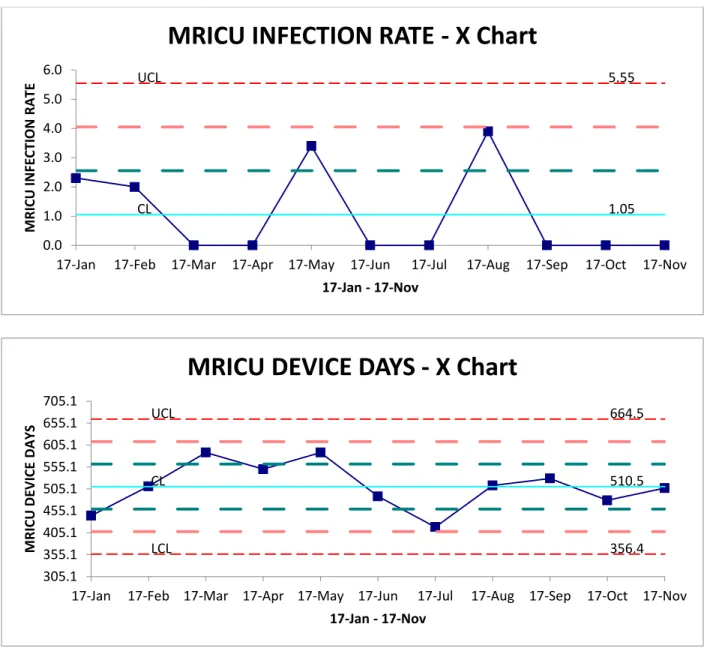
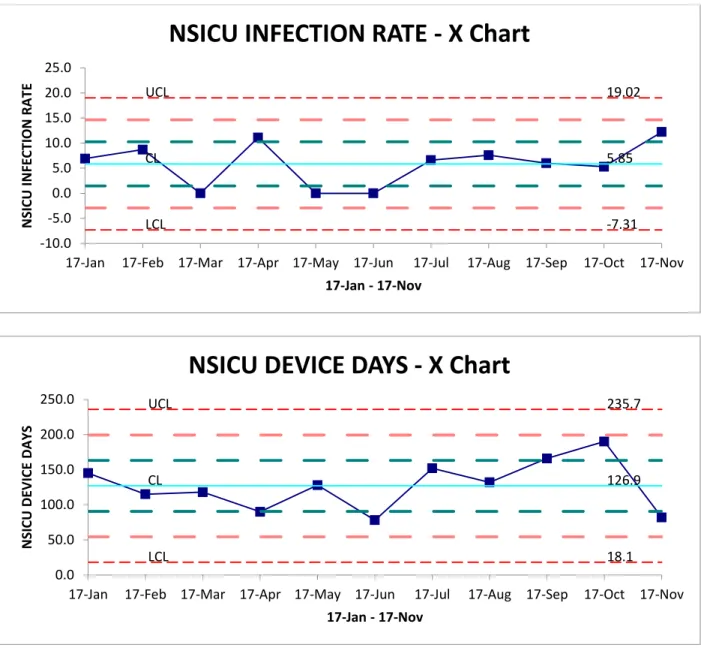
Figure 3 MICU Infection Rate and Device Days X Chart Figure 4 NSICU Infection Rate and Device Days X Chart
Abstract
It has been estimated that each year, more than 13,000 deaths are associated with CAUTI’s (Magill et al., 2014). Decreasing use of indwelling catheters through removal when no longer clinically indicated is the key to decreasing or eliminating CAUTI. Approximately 12%-16% of adult hospitalized inpatients will have an indwelling urinary catheter at some time during their inpatient admission. Each day the indwelling urinary catheter remains, a patient has a 3% to 7% increased risk of acquiring a CAUTI (Burton, Edwards, Srinivasan, Fridkin, & Gould, 2011). The purpose of this project was to determine if nurse leader rounding using a checklist to prompt removal when indwelling urinary catheters are no longer clinically indicated would decrease catheter days and CAUTI infections compared to nurse leaders not rounding.
The study site was a 722- bed licensed academic medical center located in a major city in Pennsylvania. A Focused PDCA approach was used for a six-week performance improvement project. Data was collected from the daily patient census in two intensive care units. No demographic information was collected. Patients were assigned control numbers and the nurse leader completed the checklist during daily rounds. A Fisher’s exact test (Polit &Beck, 2017) was conducted and demonstrated no correlation between the use of a checklist and leader rounding versus no leader rounding or use of a checklist. Outcomes of this study were shared with the study site and CAUTI committee.
Introduction
The urinary tract is a common site for healthcare associated conditions (HAC’s). Gould, Umscheid, Agarwal, Kuntz, & Pegues (2009) describe HAC’s as a threat to patient safety. Urinary tract infections (UTIs) are the fourth most common type of healthcare-associated infection, with an estimated 93,300 UTIs in acute care hospitals in 2011 (McGuckin, 2012). UTIs additionally account for more than 12% of infections reported by acute care hospitals. Nearly all healthcare-associated UTIs are caused by instrumentation of the urinary tract (Centers for Disease Control and Prevention, 2017). UTI’s are commonplace among HAC’s with the most common type of infection following the insertion of an indwelling urinary catheter which may not be clinically indicated and clearly overlooked by the healthcare team (McGuckin, 2012). Terminology used by Burton, et al., (2011) to describe this sort of infection is catheter associated urinary tract infection (CAUTI). Approximately 12%-16% of adult hospitalized inpatients in the United States will have an indwelling urinary catheter at some time during their inpatient
admission, and each day the indwelling urinary catheter remains, a patient has a 3% to 7% increased risk of acquiring a CAUTI (Burton, et al. 2011). CAUTI has been recognized as a life-threatening infection almost a century ago, yet Kass & Schneiderman in 1957 demonstrated the fundamentals of urinary tract bacteriology when they determined that 49% of CAUTI’s were due to late extra luminal infections caused by bacteria clinging to the surface of the catheter in large quantities via the mucous layer and entering into the urinary tract. According to Burton et al., (2011) an estimated 17%-69% of CAUTI’s may be prevented annually. This incidence turns into almost 400,000 infections and 9000 deaths that potentially can be prevented on an annual basis. The U.S Department of Health and Human Services (HHS) introduced the HAC Action Plan in 2009. CAUTI was identified as one of the top HAC’s top action plans (United States
Government Accountability Office., 2008). The goal was to decrease CAUTI incidence by 25% over a period of five years.
Meddings, Rogers, Macy, & Saint (2010) conducted a systematic review and meta-analysis examining the efficacy of alert systems and their role in the reduction of incidence of CAUTI and the decrease in the use of indwelling urinary catheters in hospitalized patients. The rate of CAUTI is defined as the number of occurrences per 1000 catheter days (Centers for Disease Control and Prevention, 2012). In this review use of an alert system demonstrated a decrease in occurrences of CAUTI by 52% (Meddings, Rogers, Macy, et al., 2010).
CAUTI can lead to complications such as prostatitis, epididymitis, and orchitis in males, and cystitis, pyelonephritis, gram-negative bacteremia, endocarditis, vertebral osteomyelitis, septic arthritis, and meningitis may occur in some patients. Complications associated with CAUTI cause discomfort to the patient, prolonged hospital stays, and increased cost and mortality. It has been estimated that each year, more than 13,000 deaths are associated with CAUTI’s (Magill et al., 2014). Decreasing use of indwelling catheters through removal when no longer clinically indicated is the key to decreasing or eliminating CAUTI.
Problem Statement
The use of evidence-based practice in hospital acute care settings has shown to be somewhat effective in the reduction of CAUTI (Meddings, Rogers, Krein, et al., 2014). CAUTI’s were included in the category of HAC’s selected for non-payment by Medicare as early as October 2008, a focus for the overall “elimination as a never event” (Joint Commission Perspectives 2013, p.2) with a national goal to decrease the incidence of CAUTI by 25% and reduce use of indwelling catheters by 50% by the year 2014. These initiatives have changed public and research emphasis on a national level with the goal of preventing CAUTI,
encouraging several strategies and appraisals of the efficacy of these strategic priorities (Parry, Grant, & Sestovic, 2013). The problem is the use of indwelling urinary catheters that are not clinically indicated and which places patients at high risk for CAUTI.
PICOT Question
In adult medical and neurosurgical intensive care patients with indwelling urinary catheters, what is the effect of daily nurse leader rounding and the use of a criteria-based paper reminder sheet compared with no reminder sheet on indwelling catheter days and the rate of catheter acquired urinary tract infections over a six-week timeframe?
P = Patients with indwelling urinary catheters in an adult medical ICU and a Neurosurgical ICU I = Nurse leader rounding and use of a criteria-based paper reminder form
C = Leader rounding using a checklist compared to no leader rounding and no checklist O = Decreased urinary tract infections in both units
T = 6 week time period
Aims and Objectives
The aims of this project were to improve patient outcomes through the reduction or elimination of CAUTI, to apply evidence to develop a daily checklist and to empower nurse leaders to remind inter-professional team members to remove catheters when no longer clinically indicated. AHRQ developed a tool kit to assist with the reduction of CAUTI’s. “And these tools are designed to help, but if you don’t pay attention to the tool and you don’t think CAUTI is a problem, you’re not going to move the needle much” (AHRQ, 2015, p.9).
Review of Literature
The literature search for this appraisal consisted of a search performed of MEDLINE and Cochrane databases (using Ovid) and PubMed (published from 2011 to 2017) for intervention studies to reduce use of unnecessary urinary catheters and decrease catheter associated urinary tract infections (CAUTI) of adults in intensive care units (ICU). Cochrane search revealed one review on strategies for the removal of short-term indwelling urethral catheters in adults. Search of the literature also included using electronic databases which included CINAHL, ACCESSSS and ProQuest to identify recent publications to discover studies that use evidence based practice to reduce CAUTI’s and use of a checklist or reminder.
Key words used were: urinary tract infections, indwelling catheters, catheter associated, CAUTI, infection prevention, leadership, and checklist. Language was limited to English. Inclusion criteria used was English language, peer reviewed articles, published 2011 or after. Exclusion criteria used was: non-English language and published before 2011.
A total of 831 articles were found using PubMed. Review of the abstracts from this search only revealed one article and was used that addressed prevention of CAUTI using methods such as use of reminders to review catheter utilization and removal of unnecessary catheters. The search within CINAHL revealed seven relevant references. Boolean operator AND was used to search urinary catheter AND infection prevention and OR was used to add leader rounding to the search.
The search within PubMed revealed 13 references using MeSH terms catheter, urinary tract infections and checklist. The ProQuest search revealed a total of 540 references and
included 376 scholarly journals, 116 dissertations/thesis, 42 trade journals, two other sources and two reports. Review of the abstracts was conducted. Five of the articles were found to address
prevention of CAUTI using a variety of methods such as a nurse driven protocol, use of
reminders and nurse leader multidisciplinary rounds to review catheter utilization. Abstracts of identified documents were reviewed, and then full text of relevant documents was retrieved for inclusion in this review. Reference lists of retrieved documents were also reviewed to identify additional publications.
The search was expanded because use of additional search results prior to 2011 was also supplemented after assessment of systematic reviews, integrative reviews and meta-analysis. Web based sites such as Agency for Healthcare Research and Quality (AHRQ), the Department of Health and Human Services, The Joint Commission, Association for Infection Control and Epidemiology (APIC) and the Center for Disease Control (CDC) were also searched.
Crouzet, Bertrand, Venier, Badoz, Husson, & Talon (2007) conducted a level III
prospective time-sequence, non-randomized intervention study. The setting was five departments at a University Hospital. The purpose of the study was to determine the impact of daily
reminders to physicians by nurses to remove catheters that were no longer clinically indicated. Two hundred thirty-four patients participated in a three-month prospective study. The mean age of the study patients was 70 years old. Patients admitted with existing indwelling catheters were excluded. A total of five departments with significant numbers of urinary catheters were selected. The specialty units included neurosurgery, cardiovascular, orthopedics, neurology and geriatrics. Patients with long-term catheters were not included in the study. Analysis of outcomes was accomplished by reviewing computerized infection control data and review of patient’s electronic medical record. CAUTI’s were noted to peak day five or six post insertion of the catheter. Based on that observation, the researchers determined that day four would be the point where the intervention was started. During the intervention period, nurses reminded physicians to
remove catheters that were no longer clinically indicated day four after insertion and daily thereafter. The researchers defined CAUTI using the 2008 CDC definition and national
guidelines. Chi-squared tests were conducted to analyze the data. The results of the intervention demonstrated a decrease in duration of catheters in two of the five departments. The incidence of CAUTI amongst patients with indwelling catheters in each of the five departments decreased from 10.6 to 1.1 per 100 patients (p=0.003).
The study’s strengths provided results that were positive with this intervention. The intervention was uncomplicated, required minimal resources and was low in cost. Study limitations described by the researchers included small sample size therefore limiting power of the study. The timeframe that study was conducted was short in duration.
Meddings, Rogers, Macy et al., (2010) conducted a systematic review and meta-analysis of the effect of urinary catheter reminder systems on the rate of CAUTI, urinary catheter use, and the need for re-catheterization. Studies were identified in MEDLINE, the Cochrane Library, Biosis, the Web of Science, EMBASE, and CINAHL through August 2008. Only interventional studies that used reminders to physicians or nurses that a urinary catheter was in use or stop orders to prompt catheter removal in hospitalized adults were included. A total of 6679 citations were identified; 118 articles were reviewed, and 14 articles met the selection criteria.
Two authors independently reviewed and abstracted data from the 16 articles that appeared to meet the inclusion criteria. Data included setting, study population characteristics, inclusion and exclusion criteria, definitions used, health outcomes, and quality issues. A third investigator resolved any differences in abstraction and reviewed the mutual decisions made to exclude articles that no longer met the inclusion criteria after further review during abstraction.
The rate of CAUTI (episodes per 1000 catheter-days) was reduced by 52% (P < .001) with use of a reminder or stop order. The mean duration of catheterization decreased by 37%, resulting in 2.61 fewer days of catheterization per patient in the intervention versus control groups; the pooled standardized mean difference (SMD) for duration of catheterization was −1.11 overall (P = .070), as well as a statistically significant decrease in studies that used a stop order (SMD, −0.30; P = .001) however, was not found in those that used a reminder (SMD, −1.54; P = .071). Re-catheterization rates were similar in control and intervention groups (Meddings, Rogers, Macy, et al., 2010).
Based on the meta-analysis results reminders and stop orders would be expected to have the result of larger numbers of avoided CAUTI episodes per 1000 catheter-days when baseline rates of CAUTI were higher. The numbers of avoided CAUTI episodes per 1000 catheter-days were comparable when stratified by intervention type (stop orders vs. reminders); the analysis was limited by the small number of studies using each type of intervention (Meddings, Rogers, Macy, et al., 2010).
Several limitations of the existing literature were outlined. The available 14 studies included only one randomized controlled trial, with the remaining 13 trials using either pre-intervention versus post-pre-intervention comparisons or concurrent control subjects. Differences noted across studies related to the populations investigated and details of the reminder and stop-order intervention. Inclusion and exclusion criteria related to outcomes of urinary catheter use and CAUTI development. Half of the studies evaluated other interventions focusing on reducing infection risk or catheter use, in addition to the reminder or stop-order intervention.
Galiczewski (2016) conducted an integrative review. Through analysis of the review, interventions included both single and bundle protocols to control or prevent CAUTI in an ICU
setting. Evidence showed interventions that included criteria for catheter use, daily review of catheter necessity and discontinuation of catheter prior to day seven, nurse driven protocols and use of hydrogel catheters were successful in decreasing CAUTI rates. Fourteen studies were reviewed. Six studies were reviewed for a single intervention: two studies evaluated daily reminders to physicians for catheter removal, one study evaluated use of silver-hydrogel catheters and two studies evaluated adherence to guidelines and one study had no intervention and reviewed compliance with policies to reduce CAUTI. One hundred seventy-four hospitals in the review had at least one of the 4 interventions in their policy. Twelve percent used catheter removal reminders and 10% used nurse initiated discontinuation. During this review, a study by Chen et al., (2013) showed ICUs in larger hospitals >500 beds were half as likely to have adopted at least 1policy (odds ratio, 0.52; 95% confidence interval: (0.33-0.86). The review supports removal of urinary catheters in ICU patients when no longer clinically indicated and a daily assessment for the continued need for indwelling catheters.
Limitations of the review included studies that were only conducted in ICU’s and
therefore not generalizable to other settings and not all interventions that may have an impact on decreasing CAUTI was reviewed.
Meddings, Rogers, Krein, et al., (2014) conducted a meta-analysis and provided an update to a systematic review (through October 2012). Thirty studies identified for meta-analysis and 11 studies were included. A 53% (95% confidence interval, P<0.001) CAUTI reduction was noted with reminders or stop orders for urinary catheter removal or discontinuation. Five of the eleven studies also included interventions such as aseptic technique, maintenance, antimicrobial urinary catheters, and bladder bundle implementation. The updated systematic review included an RCT that identified antimicrobial catheters did not provide significant benefit in CAUTI
prevention. The meta-analysis further validated the need for more research in insertion, maintenance of urinary catheters when catheters continue to be clinically indicated.
Summary of Literature
The plan, do, check, act model was used in many of the studies. One study used the FADE performance model which stands for focus, analyze, develop a plan, and execute (Alexaitis & Broome, 2014). Some studies were clear in their methodologies and other were lacking. In terms of results, there were no real discrepancies between studies. Of note one of the points of reference was the comment that aseptic technique procedures did not reduce bacteria in the urine. Not all studies defined aseptic technique in the same fashion making the results
difficult to generalize. There is more research needed in this area. Each item of the care bundle needs to be evaluated in a more rigorous fashion to be able to represent true cause and effect on decreasing CAUTI. The most effective method of reducing or eliminating CAUTI is to remove the indwelling catheters when no longer clinically indicated.
Theoretical Framework
Theoretical framework is Lewin’s Change Theory (Figure 1) as it applies to changing behavior to reduce or eliminate CAUTI. The ability to develop, test, and implement changes was critical for any person, team, or organization to continuously improve. Use of a change theory was helpful in moving forward with efforts to affect CAUTI and decrease catheter days. Kurt Lewin’s change theory continues to be relevant today. The model suggests that one of the best ways to encourage people to change is to first get them to see a need for change. The first stage of Lewin’s theory is unfreezing. People generally need to see for themselves the need for change, for the catalyst to occur, to cause them to "unfreeze". CAUTI reduction has been identified as an
organizational priority. Transparency in sharing the CAUTI rates at the unit level can be helpful in getting staff to recognize there is a problem (Lewin, 1947).
The next stage of the theory is the moving stage. This stage corresponds to the period during which the actual change occurs. This stage includes planning and implementation of the change (Lewin, 1947). Including frontline staff, physicians and other key stakeholders in the planning and implementation phase can be effective in moving the change forward.
The final stage is referred to as refreezing. The practice change occurs and leads to stabilization and evaluation (Lewin, 1947). Providing feedback to frontline staff regarding the effectiveness of the change and providing opportunities for feedback during the evaluation assists in hardwiring the change. Unit-based dashboards can be used to show progress and effectiveness of the change.
Although individual approaches may vary, all models provide an organized framework to facilitate the implementation of knowledge from evidence based recommendations to application in clinical settings to change practice (Langley, Moen, Nolan, Nolan, Norman, & Provost, 2009). Quality Improvement has a variety of frameworks that provide approaches that can be readily adapted to organize the improvement efforts. Improvement teams are challenged to determine changes that can be tested to improve a process. Organizing key stakeholders of direct caregivers and physicians and conducting focus groups has been shown to be an effective strategy (Langley, et al., 2009). A cause and effect diagram is an organizational tool that the facilitator can use when conducting the focus group to explore and display the many causes contributing to continued use of indwelling catheters that are not clinically indicated and the resulting outcome of CAUTI. A cause and effect diagram is a graphic display of the relationship of the causes to
the effect and to each other. This tool can help the teams recognize areas for improvement (Institute for Healthcare Improvement, n.d.)
The Focus Plan-Do-Check-Act (PDCA) cycle (Figure 2), (Bader, Palmer, Stalcup, et al., 2003) is a five-step cycle promoted by the Institute for Healthcare Improvement (IHI). This process fosters finding a problem, planning the change that includes collecting data, making or implementing a small change analyzing data and results, and enhancing the changes based on what was learned in the act phase.
In the focus phase of Focus PDCA, finding a process or identifying a problem that needs improvement is the first step. The issue of CAUTI is significant as it relates to patient outcomes, financial impact and quality scores of an organization.
In the problem phase of Focus PDCA, the incidence of CAUTI and use of indwelling catheters not clinically indicated has been identified as an organizational problem. In the plan phase the use an evidenced-based reliable and valid checklist and reminder to remove catheters that are not clinically indicated would be used. In the do phase, the nurse leader would assess intensive care patients in two units daily using the evidenced-based checklist during a 6-week period. In the study phase, compare the results of catheter days and CAUTI to determine if the intervention was effective. In the act phase, disseminate information for proper assessment using the tool and to teach staff nurses to use the checklist to remind physicians to remove catheters when no longer clinically indicated. The key to successful implementation of the PDCA methodology is sustainability. Sustainability can be accomplished by continuing to monitor the proper use of the checklist.
CAUTI Bundles
Many of the professional healthcare organizations mentioned above have created toolkits for CAUTI bundles with specific attention to prevention strategies. Most healthcare organizations have developed policies supporting nurse driven protocols to remove catheters when no longer clinically indicated utilizing specific criteria. The quality of evidence regarding the bundle steps range from low to high and are normally referenced in that manner. Reviewing steps from the various bundles available in the literature, it was found that most include the following:
• Insert urinary catheters only when acceptable clinical indications have been met • Staff who insert catheters should be clinically competent to do so
• Insert using aseptic technique • Document insertion
• Continuous surveillance using a standard definition for CAUTI • Maintain a closed system and unobstructed urine flow
• Daily meatal hygiene with soap and water
• Remove the catheter as soon as clinically indicated
• Use of a checklist to assist with prompts for removal of catheters
Current State-Study Site
The study site was a 722-bed licensed acute care academic medical center located in a major city in Pennsylvania. The primary patient population was patients requiring medical or neurosurgical intensive care. In 2015, the study site had two intensive care units out of six intensive care units outperforming the benchmarks for CAUTI infections (Table 1). The facility reports to the National Database of Nursing Quality Indicators (NDNQI) and four out of six intensive care units were higher than the national mean for CAUTI infections.
Methods/Implementation Project Design
The project was designed as a performance improvement project using the Focused PDCA methodology. Data was collected to address the stated PICOT question. The strategy that was used to implement evidence based recommendations into practice was to use a daily
checklist (Appendix 1) with nurse leader rounding to determine the continued need for the indwelling catheter. The checklist was used based on the criteria outlined in the study by Parry, Grant, & Sestovic (2013). Permission to use the checklist was granted by Parry for the use in this performance improvement project.
Human Subjects Protection
The Institution Review Board of Drexel University determined on October 11, 2017 that the proposed activity was not research involving human subjects as defined by DHHS and FDA regulations. Drexel University’s IRB determined this study to be exempt from review since it met criteria as a quality improvement study.” The IRB study number was documented as
1709005669. Temple University Hospital did not require submission to the IRB as this study was determined to be performance improvement by the Chief Medical Officer Temple University Hospital.
Sample
During the study period, all patients who had indwelling urinary catheters inserted either in the intensive care unit or if transferred from a unit within the organization were included. Excluded from the study were patients without indwelling urinary catheters, patients who were admitted with indwelling urinary catheters inserted from an outside hospital or facility, or patients who were less than 18 years old.
Measures
The intent was to use Chi-square testing but due to the low number of CAUTIs during the study period and the short duration of the study timeframe further testing was needed. Two-tailed t-test was also explored. The data from the medical intensive care unit catheter days showed the t-value to be 0.49221. The p-value was .634357. The result was not significant at p < .05. The CAUTI rate data t-value was 1.07657. The p-value was 0.309681. The result was not significant at p < .05. The data for the neurosurgical intensive care unit for catheter days was a t-value of -0.38474. The p-value was 0.709363. The result was not significant at p < .05. The data for the neurosurgical intensive care unit for CAUTI rates showed the t-value as -1.06298. The p-value was 0.315482. The result was not significant at p < .05.
Procedures
Data were collected to address the stated PICOT question. The strategy consisted of implementing evidence based recommendations into practice via the use of a daily checklist for assessing continued clinical necessity for the indwelling urinary catheter using Focus PDCA methodology.
Each checklist was reviewed for completion and for any documentation of protected health information. Only patient room numbers and a numerical identifier were included on the checklist. If protected health information was discovered, the checklist was returned to the nurse leader for removal.
Timeline
The individual subject was considered a participant for the duration the individual has an indwelling catheter in place and remains in either the medical or neuroscience intensive care
unit. The study timeline commenced upon approval from the IRB and ended in a six week timeframe (October 16, 2017-November 30, 2017).
Evaluation
The Fisher’s exact test (Polit & Beck, 2017) was conducted and showed no correlation between the use of a checklist and leader rounding versus no leader rounding or use of a checklist and the outcome of catheter days (P= 0.093938).
Descriptive statistics were also performed. There were a total of 123 patients from the medical intensive care unit and 40 patients from the neurosurgical intensive care unit included in this study. There were two patients excluded from the study due to having been admitted from an outside healthcare facility with an indwelling catheter. There were a total of two CAUTIs
included in the study period for which there was an available checklist. Of note, one CAUTI attributed to the neurosurgical intensive care unit was related to insertion that occurred in the emergency department. Infections are attributed to the unit where the patient was located at the time the infection was diagnosed.
Pre-intervention phase revealed the mean number of catheter days was 514.3 for the medical intensive care unit with a standard deviation of 58.39. For the neurosurgical intensive care unit, the mean was 124.8 with a standard deviation of 14. Post intervention the mean number of catheter days for the medical intensive care unit was 493 with a standard deviation of 26.772 and 131 for the neurosurgical intensive care unit with a standard deviation of 54.
CAUTI infections for the total study time were 2 (Table 2). The range of infections per month was 0 to 1. There were two consecutive months with no infection in the medical intensive care unit. In the medical intensive care unit, the CAUTI rate was zero as compared to 1.28 when no checklist and leader rounding was used. CAUTI infection rates for the neurosurgical unit was
9.6 compared to 5.21 when the checklist and leader rounding was used. Although there was a decrease to zero in the medical intensive care unit and an increase in rate of the neurosurgical intensive care unit, there was no statistical significance noted. Figures 3 and 4 depict control charts for data for both units. Based on the upper and lower control points, there was controlled variation noted. Use of control charts depicts when a process is in or out of control and if action is warranted.
Clinical Implications and Summary
CAUTI infections impact the quality of life for our patients and are considered a nurse sensitive indicator. CAUTI infections should not occur in the hospitalized patient. Nurse leader’s role modeling the use of evidence based practice through daily review of the ongoing need for indwelling urinary catheters supports empowering the clinical nurse to remove catheters
following the nurse driven protocol. Outcomes of this study were shared with the study site and system CAUTI committee. The DNP student shared the study results via a PowerPoint
presentation to the study site via their nursing leadership meeting as well as at the organization’s CAUTI committee meeting.
Strengths and Limitations
The strength of the study was that all patients who had catheters inserted at the study site were included in the study unless the documentation was missing or lacking on the checklist. There were minimal exclusions (n=2). In addition, this study could contribute to the current body of literature that is lacking on the use of checklists and nurse leader rounding.
One limitation to the study included the fact that it was a single site study in a
multisystem organization. Another limitation was that the study had a short duration of a six week period of time. It may be beneficial to evaluate a longer period of time. There were two
CAUTIs during the study period. One CAUTI was attributed to the neurosurgical intensive care unit that occurred when the patient was in another location within the hospital. Another
limitation included the fact that there are many other elements that contribute to CAUTI and length of time the catheter is in place is not the only rate limiting factor.
Discussion and Implications
There was an anecdotal finding noted when evaluating the use of the checklists. The indicators for continued use did not have a specific definition for the nurse leader or clinical nurse to objectively assess the continued need for the indwelling catheter. The DNP student as a result of these study findings will investigate further opportunities in defining measurable criteria for continued clinical indications for catheters to remain in place. The DNP student will present recommendations from expert sources such as AHRQ, (2015), to the physician and nursing leadership of the medical and neurosurgical intensive care units to define objective categories for the critically ill adult. The DNP student will further investigate the opportunity to develop an electronic checklist integrated with the electronic medical record.
References
AHRQ. (2015). http://www.ahrq.gov/health-care-information/topics/topic-hai.html Alexaitis, I., & Broome, B., (2014). Implementation of a nurse-driven protocol to prevent
catheter-associated urinary track infections. Journal of Nursing Care Quality, 29(3), 245-252. Doi:10.1097/NCQ.0000000000000041.
Bader, M. K., Palmer, S., Stalcup, C., & Shaver, T. (2003). Using a FOCUS-PDCA quality improvement model for applying the severe traumatic brain injury guidelines to practice: Process and outcomes. Evidence - Based Nursing, 6(1), 6.
doi:http://dx.doi.org.ezproxy2.library.drexel.edu/10.1136/ebn.6.1.6
Burton, D. C., Edwards, J. R., Srinivasan, A., Fridkin, S. K., & Gould, C. V. (2011, August). Trends in Catheter-Associated Urinary Tract Infections in Adult Intensive Care Units-United States, 190-2007. Infection Control and Hospital Epidemiology, 32(8), 748-756. http://dx.doi.org/23.235.32.0
Centers for Disease Control and Prevention. (2012). www.cdc.gov/infection/
Chen, Y., Chi, M., Chen, Y., Chan, Y., Chou, S., & Wang, F. (2013). Using a criteria-based reminder to reduce use of indwelling urinary catheters and decrease urinary tract infections. AJCC, 22(2), 105-114.
http://dx.doi.org/http://dx.doi.org/10.4037/ajcc2013464
Crouzet, J., Bertrand, X., Venier, A. G., Badoz, M., Husson, C., & Talon, D. (2007). Control of the duration of urinary catheterization: impact on catheter-associated urinary tract infection. Journal of Hospital Infection, 67, 253-257. Retrieved from
Galiczewski, J.M., (2016), J.M. Interventions for the prevention of catheter associated urinary tract infections in intensive care units: an integrative review. Intensive Critical Care Nursing. Philadelphia. Elsevier, 32, (1), 1-11
Gould, C. V., Umscheid, C. A., Agarwal, R. K., Kuntz, G., & Pegues, D. A. (2009). Guideline for Prevention of Catheter-Associated Urinary Tract Infections 2009. Retrieved from http:www.cdc.gov/hipac/pdf/CAUTI/CAUTIguideline2009final.pdf
Hanchett, M. (2012). Preventing CAUTI: a patient-centered approach. Prevention Strategist, 42-50. Retrieved from
http://www.apic.org/Resource_/TinyMceFileManager/epublications/CAUTI_feature_PS_ fall_12.pdf
Institute for Healthcare Improvement. (n.d.). http://www.ihi.org
Joint Commission Perspectives [Supplemental material]. (2013). Joint Commission Perspectives, 33(6), 1-3. Retrieved from http://www.jointcommission.org/assets/1/18/S1-JCP-06-13.pdf
Kass, E. H., & Schneiderman, L. J. (1957). Entry of bacteria into the urinary tracts of patients with inlying catheters. New England J of Med, 256(12), 556-557.
http://dx.doi.org/10.1056/NEJM195703212561206
Langley,G.L., Moen R, Nolan KM, Nolan TW, Norman CL, Provost LP (2009). The
Improvement Guide: A Practical Approach to Enhancing Organizational Performance, Second edition. San Francisco, CA, Jossey-Bass Publishers.
Lewin, K. (1947). Frontiers in group dynamics: concept, method and reality in social science; social equilibrium and social change. Human Relations, 1(1), 4-51. http://dx.doi.org/ 10.1177/001872674700100103.
Magill, S. S., Edwards, J., Stat, M., Bamberg, W., Beldavs, Z., Dumyati, G., ... Fridkin, S. (2014). Multistate point-prevalence survey of health care-associated infections. New England Journal of Medicine, 370(13), 1198-208.
http://dx.doi.org/1056/NEJMoa1306801
McGuckin, M. (2012). The patient survival guide: 8 simple solutions to prevent hospital and healthcare-associated infections. New York, New York: Demos Medical Publishing. Meddings, J., Rogers, M. A., Krein, S. L., Fakih, M. G., Olmsted, R. N., & Saint, S. (2014).
Reducing unnecessary urinary catheter use and other strategies to prevent catheter-associated urinary tract infection: an integrative review. BMJ Quality and Safety, 23(4), 277-289. Retrieved from http://qualitysafety.bmj.com
Meddings, J., Rogers, M. A., Macy, M., & Saint, S. (2010). Systematic Review and
Meta-Analysis: Reminder Systems to Reduce Catheter-Associated Urinary Tract Infections and Urinary Catheter Use in Hospitalized Patients. Clinical Infectious Disease, 2010(51), 550-560. http://dx.doi.org/10.1086/655133
Parry, M. F., Grant, B., & Sestovic, M. (2013). Successful reduction in catheter-associated urinary tract infections: Focus on nurse-directed catheter removal. American Journal of Infection Control, 41(), 1178-1181. http://dx.doi.org/10.1016/j.ajic.2013.03.296
Polit, D. F., & Beck, C. T. (2017). Nursing Research. Generating and assessing evidence for nursing practice (tenth ed.). Philadelphia, Pa: Wolters Kluwer.
United States Government Accountability Office. 2008. Health-Care-Associated Infections in Hospitals. GAO-08-283, Washington, DC.
Appendix 1
PAPER CHECKLIST FOR CATHETER REMOVAL
_____________________________________________________________________________________ Nursing protocol for removal of Foley catheters
Foley catheter checklist Date: _________________________
Room# ________________________ V#: __________________________________
Does your patient have a Foley catheter? Y N
Is there an order for the catheter? Y N
Date Foley catheter inserted: ___________________________________________________________
What service is your patient on? (circle) Medical Surgical Other
Which criteria for appropriate use of a Foley catheter does your patient meet? _____ 24 hour urine collection (if unable to obtain by voiding)
_____ Epidural Catheter _____ Head injury, acute
_____ Skin breakdown (in males not manageable with condom catheter) _____ On “spine precautions”
_____ Acute neurogenic bladder
_____ Clinical need, i.e., chemically paralyzed and sedated _____ Crush injury or pelvic fracture
_____ Hemodynamically unstable needing strict I/O (Q 1 hour urine output) _____ Renal/Urology Surgery
_____ Colorectal Surgery (collaborate with MD for earliest removal) _____ Abdominal/Pelvic Surgery (collaborate with MD for earliest removal) _____ Comfort for End of Life Care
If none of the above criteria are met, remove the Foley and alert physician.
Was Foley removed? Y N
Name of physician notified: ______________________________________________________________ If Foley not removed, explain why: ________________________________________________________ _____________________________________________________________________________________
Table 1
Organization Data and NDNQI Mean
Q2 Q3 Q4 Q1 Q2 Q3 Q4 Q1 Q2 2015 2015 2015 2016 2016 2016 2016 2017 2017 MRICU 0 0.64 0.71 1.24 2.5 3.1 1.31 1.94 1.23 NDNQI Benchmark-MEAN 1.13 1.29 1.37 1.2 1.18 1.29 1.22 1.16 1.17 NSICU 7.61 8.2 2.71 0 5.62 0 5.29 7.94 11.09 NDNQI Benchmark-MEAN 1.13 1.29 1.37 1.2 1.18 1.29 1.22 1.16 1.17
Table 2
CAUTI Data for Medical and Neurosurgical Intensive Care Units
MRICU
DEVICE DAYS INFECTION RATE
Jan 17 444 2.3 Feb 17 511 2.0 Mar 17 588 0.0 Apr 17 550 0.0 May 17 588 3.4 June 17 488 0.0 July 17 418 0.0 Aug 17 513 3.9 Sept 17 529 0.0 Oct 17 479 0.0 Nov 17 507 0.0 NSICU
DEVICE DAYS INFECTION RATE
Jan 17 145 6.9 Feb 17 115 8.7 Mar 17 118 0.0 Apr 17 90 11.1 May 17 128 0.0 June 17 78 0.0 July 17 152 6.6 Aug 17 132 7.6 Sept 17 166 6.0 OCT 17 190 5.3 Nov 17 82 12.2
Table 3
Table of Evidence
Author/Year Methods Participants Interventions Outcomes Comments Endorsing
Agency AHRQ: Appendix M Example of a Nurse-Driven Protocol for Catheter Removal, (2015)
Guideline Agency for Healthcare Quality and Research
Toolkit for Reducing Catheter-Associated Urinary Tract Infections in Hospital Units: Implementation Guide AHRQ Alexaitis & Broome, (2014)
PI study Patients in NSICU with indwelling catheters N=183 and All RN’s working in NSICU N=107 FADE QI methodology (focus, analyzing, developing a plan, executing & evaluating the plan The nurse-driven protocol for urinary catheter management was successful in improving 3 of 5 patient outcome goals, although statistical significance was not demonstrated. The CAUTI rate, average number of CAUTIs per month, and cost of medications and supplies Limitations of the study include the homogeneous population, small sample size in one unit at a single acute care hospital. Plans are underway to continue the study in the NSICU and implement the protocol throughout the N/A
associated with treating CAUTIs decreased during the evaluation period. However, catheter utilization rates and hospital LOS increased
hospital.
APIC, 2014 Guideline Association for Professionals in Infection Control and Epidemiology Use of 4 E’s to decrease CAUTI (engage, educate, execute, and evaluate)
Use of the APIC Implementation Guide, 2014 and AHRQ CAUTI Toolkit, 2013 APIC AHRQ Chen, Chi, Chen, Chan, Chou, & Wang, (2012) Randomized Control Trial, 2 respiratory intensive care units, 2990 tertiary care medical center. Variables: catheter removed in < 7 days, health care area or facility (Resp ICU, ED, other hospitals, general care area, and Nursing home. Number of times catheter replaced, reason for replacement.
Use of criterion based reminder to remove catheters. 278 patients recruited. Utilization rate of catheters decreased by 22% in intervention group (RR 0.78; 95% CI, 0.76-0.80; p=<.001). Reminder intervention reduced CAUTI by 48% (RR, 0.52; 95% CI, 0.32-0.86; p=.009 compared to control group Study limitations: used randomized trial approach with an intervention and control group during the same period. Catheters were removed from patients in same unit. Areas where catheters were inserted were different. N/A
(2016) Review interventions and both single and bundle protocols to control or prevent CAUTI in an ICU setting reviewed for a single intervention: 2 studies evaluated daily reminders to physicians for catheter removal, one study evaluated use of silver-hydrogel catheters and 2 studies evaluated adherence to guidelines and one study had no intervention and reviewed compliance with policies to reduce CAUTI. hospitals having at least one of the 4 interventions in their policy 12% catheter removal reminders 10%. nurse initiated discontinuation hospitals >500 beds were half as likely to have adopted at Least 1policy (odds ratio,0.52; 95% confidence interval: (0.33-0.86). Meddings, Rogers, Macy and Saint, (2010) Systematic review and meta-analysis of the effect of urinary catheter reminder systems on the rate of CAUTI, urinary catheter use, and the need for re-catheterization
Studies were identified in MEDLINE, the Cochrane Library, Biosis, the Web of Science, EMBASE, and CINAHL through August 2008. Only interventional studies that used reminders to physicians or nurses The rate of CAUTI (episodes per 1000 catheter-days) was reduced by 52% (P < .001) with use of a reminder or stop order. The mean
Several limitations of the existing literature were outlined. The available 14 studies included only one randomized controlled trial, with the Interventions such as reminder systems are used to prompt removal of unnecessary urinary catheters. N/A
that a urinary catheter was in use or stop orders to prompt catheter removal in hospitalized adults were included. A total of 6679 citations were identified; 118 articles were reviewed, and 14 articles met the
selection Two authors independently reviewed and abstracted data from the 16 articles that appeared to meet the inclusion criteria. Data included setting, study population
characteristics,
inclusion and exclusion criteria, definitions used, health outcomes, and quality issues. A third investigator resolved any differences in abstraction and reviewed the mutual decisions made to exclude articles that no longer met the
duration of catheterization decreased by 37%, resulting in 2.61 fewer days of catheterization per patient in the intervention versus control groups; the pooled standardized mean difference (SMD) for duration of catheterization was −1.11 overall (P = .070), as well as a statistically significant decrease in studies that used a stop order (SMD, −0.30; P = .001) but was not found in those that used a reminder (SMD, −1.54; P = .071). Re-catheterization
remaining 13 trials using either pre-intervention versus post-intervention comparisons or concurrent control subjects. Differences noted across studies related to the populations investigated and details of the reminder and stop-order intervention. Inclusion and exclusion criteria related to outcomes of urinary catheter use and CAUTI development... Half of the studies evaluated other interventions focusing on reducing infection risk or catheter use, in addition to the reminder or stop-order
inclusion criteria after further review during abstraction rates were similar in control and intervention groups. On the basis of the meta-analysis results reminders and stop orders would be expected to have the end result of larger numbers of avoided CAUTI episodes per 1000 catheter-days when baseline rates of CAUTI were higher. The numbers of avoided CAUTI episodes per 1000 catheter-days were comparable when stratified by intervention type (stop orders vs. reminders); the analysis was limited by the
small number of studies using each type of intervention Parry, Grant and Sestovic, (2013) An interventional study design of a hospital-wide, multidisciplinary program directed at the reduction of urinary catheter use and CAUTIs on all patient care units in a 300-bed, community teaching hospital in Connecticut. Clinical care is provided on 6 medical and surgical floors with 28 to 32 beds each, consisting of two-thirds single rooms; an all-single room 30-bed maternity and 10-bed pediatric unit; and a 16-bed, mixed medical-surgical intensive care unit (ICU). An EMR system was installed in October 2005;
successively initiating Charting by nurses modules; physician order entry (CPOE); and physician electronic progress note modules in October 2005, May 2007, and June 2010, respectively.
The patient population evaluated was over the 36-month study period
Key focus was the implementation of a nurse-directed urinary catheter removal protocol. The protocol was linked to the physician’s catheter insertion order. Three additional components included physician documentation of catheter insertion criteria, a device-specific charting module added to physician electronic progress notes, and biweekly unit-specific feedback on catheter use A 50% hospital-wide reduction in catheter use and a 70% reduction in CAUTIs over a was observed over 36-month period, a wide variation was observed from unit to unit in catheter reduction efforts, ranging from 4% (maternity) to 74% (telemetry). Hospital-wide use of indwelling urinary catheters analyzed, was reduced by 50.2%, (0.223 catheters/patient-day to 0.112 catheters/patient-days) over the 36-month period This was comparable to a 4.1% reduction in Lack of statistical significance in CAUTI reduction on individual units because of the small number of symptomatic CAUTIs. No information was available on the impact of the program on the incidence of asymptomatic bacteriuria. Over-estimation or under-estimation of infection rate could also be attributed to the definition interpretation of “symptomatic” indicators listed by the NHSN, particularly in a N/A
(January 2009 to December 2011) totaled 181,785 patient-days (monthly average, 5,050 ± 252 patient-days) and 30,747 catheter-days (monthly average, 854 ± 207 catheter-days). Month-to-month variation in patient-days was only 5%
rates and CAUTI rates in a
multidisciplinary forum.
catheter use per month Decrease in infections per patient-day was more significant as a result of the combined reduction in infection rates and catheter use. complex ICU setting. Accuracy of nurse documentation may have an impact on the measurement of catheter-days when data was abstracted from the EMR. EMR documentation was found to be more accurate than manual methods, which had been decentralized to patient care units, Saint, Olmsted, Fakih, Kowalski, Watson, Sales, & Krien, (2009). Third phase of a 3- phase sequential mixed methods project. All participants were volunteers Nursing providers were defined as RNs (registered nurses), LPNs (licensed practical nurses, CNAs Purposeful sampling was used to select 14 hospitals that did or did not use specific
practices to prevent HAC’s
During phase 3 conducted 48
interviews to identify recurrent and unifying themes that characterize successful Identification of leadership behaviors that successfully implemented practices or facilitated practices to prevent HAC’s. The nursing self-reported catheter tagging Successful leaders focused on: cultivating a culture of clinical excellence, developed vision, articulated the organizational culture well, and successfully conveyed that to Study was considered small scale. The data analyzed was self-reported data from staff that attended the education session focus groups
(clinical nurse assistants). Clinical nurse leaders were invited to participate as project champions. Variables were not described leader behaviors. The nurses were asked to self-report tagging efforts. To improve compliance with documentation of indwelling urinary catheter insertion. Implementation of catheter labels (IUC tags) was implemented
increased after the introduction of the IUC tags. Once tags were introduced, there was a significant increase in proportion of nurses reporting use of IUC tags at the end of the cycle of
educational blocks from 46.2%-84.6% (p=0.001)
staff at all levels, solution oriented, focused on overcoming barriers and did not tend to throw up their hands and complain pulled the issue out of the fray of organizational disconnect by dealing directly with resistant staff or process issues that impeded prevention of HAI, inspired staff cultivated leadership skills and inspired the people they supervised, thought strategically while acting locally, planned ahead and left few things to chance, leveraged
personal prestige to move initiatives forward, worked
well across disciplines and kept their eye on the prize:
improving patient care.
Figure 1
Figure 2 PDCA Model
Figure 3 UCL 5.55 CL 1.05 0.0 1.0 2.0 3.0 4.0 5.0 6.0
17-Jan 17-Feb 17-Mar 17-Apr 17-May 17-Jun 17-Jul 17-Aug 17-Sep 17-Oct 17-Nov
M RICU INFE CTI ON RA TE 17-Jan - 17-Nov
MRICU INFECTION RATE - X Chart
UCL 664.5 CL 510.5 LCL 356.4 305.1 355.1 405.1 455.1 505.1 555.1 605.1 655.1 705.1
17-Jan 17-Feb 17-Mar 17-Apr 17-May 17-Jun 17-Jul 17-Aug 17-Sep 17-Oct 17-Nov
M RICU DE VI CE D A Y S 17-Jan - 17-Nov
Figure 4 UCL 19.02 CL 5.85 LCL -7.31 -10.0 -5.0 0.0 5.0 10.0 15.0 20.0 25.0
17-Jan 17-Feb 17-Mar 17-Apr 17-May 17-Jun 17-Jul 17-Aug 17-Sep 17-Oct 17-Nov
NSI CU INFE CTI ON RA TE 17-Jan - 17-Nov
NSICU INFECTION RATE - X Chart
UCL 235.7 CL 126.9 LCL 18.1 0.0 50.0 100.0 150.0 200.0 250.0
17-Jan 17-Feb 17-Mar 17-Apr 17-May 17-Jun 17-Jul 17-Aug 17-Sep 17-Oct 17-Nov
NSI CU D EVI CE D A Y S 17-Jan - 17-Nov