The OPTIMAL study: A randomized
controlled trial and process
evaluation of an occupational therapy
led self-management support
programme for people with
multimorbidity in primary care
A thesis submitted to The University of Dublin,
Trinity College for the degree of Doctor of
Philosophy
Lynn O’ Toole
Discipline of Occupational Therapy, School of
Medicine
i
Declaration
I declare that this thesis has not been submitted as an exercise for a degree at this or
any other university and it is entirely my own work.
I agree to deposit this thesis in the University’s open access institutional repository or
allow the Library to do so on my behalf, subject to Irish Copyright Legislation and Trinity
College Library conditions of use and acknowledgement.
I consent to the examiner retaining a copy of the thesis beyond the examining period,
should they so wish (EU GDPR May 2018).
Signed: _______________________
Lynn O’ Toole
ii
Author’s contributions to the development and evaluation of
the OPTIMAL programme
This section declares the author’s contributions and specific roles in relation to the
development and evaluation of the OPTIMAL programme in accordance to the phases
of the Medical Research Council (MRC) Framework for the development and evaluation
of complex interventions.
Phase 1: Development
The author’s (LOT) research supervisors (DC, SS, FB) were involved in
developing and piloting occupational therapy complex interventions for those
with multimorbidity.
The first pilot study evaluated individual home-based occupational therapy assessment and intervention (Wallace, 2011). Based on this study’s findings
the development of a group-based occupational therapy intervention for those
with multimorbidity was recommended
The author as part of an MSc (by research) developed and piloted a
group-based self-management support programme for those with multimorbidity in
primary care. This programme was subsequently coined the OPTIMAL
programme. In terms of development the author:
o Conducted a detailed literature review to identify key intervention dimensions and components. This was also informed by the research
supervisor’s (SS) Cochrane review which was underway but not yet
published at this time.
o Consulted with the research supervisors (DC, SS) and other professionals including a pharmacist and physiotherapist.
o Developed programme materials and session plans in collaboration with the research supervisors (DC, SS).
Phase II: Feasibility & piloting
Following this developmental work, the author conducted a mixed methodology
pilot study of the OPTIMAL programme (also part of the MSc by research). This
study included a quasi-experimental pre-test-post-test design and focus groups
with intervention participants. The author:
o Developed and delivered the OPTIMAL programme as part of this study.
iii
o Published the findings of this study in a paper (O’ Toole et al., 2013) and presented at national and international conferences.
o Provided recommendations for future studies of the OPTIMAL programme
Based on these recommendations, a pilot RCT of the OPTIMAL programme
was undertaken as part of an MSC by research by Jess Garvey with the
research supervisors (DC; SS; FB). While the author (LOT) was not involved
directly in the pilot RCT, the study was informed by the authors‘ previous MSc
research.
Findings from the pilot RCT were published (Garvey et al., 2015). It was
recommended to conduct an RCT and process evaluation of the OPTIMAL
programme as per stage III of the MRC framework. This study is the focus of
the author’s PhD thesis.
Phase III: Evaluation
The author in fulfilment of the PhD thesis:
o Developed the study protocol as part of the grant application for this PhD
o Applied for and obtained required ethical and HSE approvals for the study
o Contacted and recruited health professionals to deliver and refer participants to this study
iv
Summary
Background: People with multiple chronic conditions or multimorbidity, are particularly vulnerable with poorer health outcomes, higher health service utilisation and costs.
Despite the negative impact of multimorbidity on individuals and the healthcare system
a recent updated Cochrane review concluded that there was limited research on
interventions for those with multimorbidity. The review concluded that interventions were
more likely to be effective if they focused either on risk factors common across co-morbid
conditions or on generic outcomes such as daily functioning (S. M. Smith, Wallace,
O'Dowd, & Fortin, 2016). The provision of function-oriented interventions appear to be in
line with preferences and priorities of those with multimorbidity. Occupational therapy
has been proposed as a profession suited to delivering interventions for those with
multimorbidity due to the profession’s generic focus on functioning. Despite this there is
a paucity of high quality occupational therapy interventions for those with multimorbidity.
The Medical Research Council’s (MRC) Framework (2008) for complex
interventions was used to develop and pilot "OPTIMAL" an occupational therapy led
self-management programme for those with multimorbidity. The OPTIMAL programme is a
six-week group based programme focusing on topics of concern to those with
multimorbidity including fatigue management, maintaining mental well-being, physical
activity, managing medication and communication strategies. Following on from previous
developmental and pilot work, the overall aim of this PhD study was to evaluate the
effectiveness of the OPTIMAL programme as per Stage III of the MRC framework
(Medical Research Council, 2008).
Methods: The study was conducted in HSE primary care teams (PCT) in the Dublin Mid-Leinster region. The approach selected was a pragmatic parallel randomised controlled
trial. Participants with multimorbidity were recruited from primary care settings. Primary
outcome measures were the EQ-VAS (health related quality of life measure) and
Frenchay Activities Index (activity participation). Participants were randomly allocated to
the intervention group, to attend the OPTIMAL programme, or to the wait list control
group, to receive care as usual. Follow-up data collection took place immediately
post-intervention. Intention to treat and per protocol analyses using multi-level linear
regression models were performed. A concurrent mixed methods process evaluation
was also used to understand the functioning and effects of the OPTIMAL programme by
examining how the intervention was delivered and received in practice. Quantitative
v
participant questionnaires, therapist log/fidelity tool and programme attendance records.
Qualitative data were collected using focus groups with intervention participants and
semi-structured interviews with the occupational therapists and other health
professionals who referred to and delivered the programme. Qualitative data were
transcribed verbatim and analysed using thematic analysis.
Results: In total 149 participants were recruited across eight HSE primary care team areas. At follow-up, immediately post-intervention there was a significant improvement
in health-related quality of life for the intervention group (Adjusted mean difference (MD)
in EQ-VAS = 7.86; 95% CI=0.92 to 14.80) in comparison to controls. No significant
differences were found between the two groups in frequency of activity participation.
Sub-group analyses found a significant difference in favour of the intervention group for
participants aged <65 in both health-related quality of life (Adjusted EQ-VAS MD = 13.46;
95% CI = 1.48 to 25.45) and frequency of activity participation (Adjusted MD = 5.00; 95%
CI = 1.29 to 8.72). Sub-group analyses also found a significant difference for intervention
participants with four or more chronic conditions in frequency of activity participation
(Adjusted MD = 2.86; 95% CI = 0.31 to 5.41).
Process evaluation results highlighted significant difficulties with recruitment and
wide variation in referral sources by site with some sites unable to deliver the
programme. The group-based nature and goal-setting components of the programme
were perceived as being important mechanisms of change. Barriers and facilitators to
implementation included managerial and collegial support, low participant numbers,
resources and caseload demands. Overall the intervention content and delivery was well
received by participants and health professionals, who perceived that the intervention
improved participants’ activity levels, emotional well-being and self-management skills.
Conclusion: This study found that the OPTIMAL programme was effective in improving health related quality of life but not frequency of activity participation at immediate
follow-up. The results of ongoing research (6-month follow-up) will be important in determining
the sustainability of these clinical effects over time and on other secondary outcomes.
The process evaluation highlighted that the intervention was acceptable to health
professionals and participants but enablers and barriers to the routine implementation of
the OPTIMAL programme in primary care settings were identified. The study’s findings
can be used to inform the next phase of the MRC framework, Phase IV i.e.
vi
Acknowledgement
First and foremost, thank you to the participants who kindly agreed to take part in this
study and for their valuable contribution. I am sincerely grateful to the health care
professionals who worked with me on this study and put significant effort into this
research in the hope that it will contribute to the evidence base and improve care for
those with multiple morbidities within primary care.
I wish to express my deep gratitude to my supervisors Dr. Deirdre Connolly, Prof.
Susan Smith and Dr. Fiona Boland for their guidance, excellent advice and kindness
which they have provided me with since my Masters studies. I appreciate their
continuous patience, encouragement and support which made completion of this thesis
possible.
I would like to thank the Health Research Board of Ireland who funded this PhD
as part of the Research Training Fellowships for Healthcare Professionals (Grant no:
HPF 2015-972). This fellowship allowed me to pursue my studies further and provided
me with invaluable academic and administrative resources for which I am most grateful.
It has allowed me to develop my research skills through the high quality training that was
afforded to me. I wish to also acknowledge the support provided from the HRB Clinical
Trials Network.
I would particularly like to thank the staff, researchers and fellow PhD students in
the HRB Centre for Primary Care Research. Your company, humour and advice on this
journey has been very much appreciated.
I want to thank my colleagues in the Discipline of Occupational Therapy, Trinity
College Dublin, particularly Dr. Tadhg Stapleton and Dr. Geraldine Foley for their
mentorship and support from when I initially decided to pursue my PhD studies. A special
thanks to my wonderful colleagues Dr. Ann Marie Morrissey and Dr. Patrick Murphy
whose support and friendship throughout the last three years has been invaluable.
Finally to my family and Rick who have supported me in so many ways in my
studies over the years. Thank you for listening and encouraging me when I needed it
most and of course for the proof-reading, food and coffee supplies. I will be forever
vii
List of Planned Publications
Papers
O’ Toole, L., Boland, F., Connolly, D., & Smith, S.M. Effectiveness of an occupational
therapy led self-management support programme for those with multimorbidity in primary
care: A parallel randomised controlled trial (OPTIMAL study). [In preparation. Aim to
submit to The BMJ by June 2019]
O’ Toole, L., Smith, S.M., Boland, F., & Connolly, D. A process evaluation of an
occupational therapy led self-management programme for people with multimorbidity in
primary care: The OPTIMAL study. Trials [In preparation. Aim to be submitted to Trials by Sept 2019]
O’ Toole, L., Smith, S.M., Boland, F., & Connolly, D. Evaluation of goal-setting in the
OPTIMAL programme: A self-management support programme for those with
multimorbidity in primary care The British Journal of Occupational Therapy [Planned. Aim to submit by Dec 2019]
O’ Toole, L., Boland, F., Connolly, D., & Smith, S.M. Health care professionals
experience of primary care team working in Ireland. Primary Health Care Research & Development [Planned. Aim to submit by Spring 2020]
Presentations
O’ Toole, L., Smith, S.M., Boland, F., & Connolly, D. The OPTIMAL study: Examining the
impact and implementation of an OccuPaTIonal therapy led self MAnagement support
programme for people with muLtimorbidity in primary care. AOTI Primary Care Advisory
Group Study Day, Dr. Steeven’s Hospital, June 6th 2019 [In preparation]
O’ Toole, L., Smith, S.M., Boland, F., & Connolly, D. The OPTIMAL study. A randomized
controlled trial and process evaluation of an OccuPaTIonal therapy led self MAnagement
support programme for people with muLtimorbidity in primary care. Dissemination
viii
Table of Contents
Declaration ... i
Author’s contributions to the development and evaluation of the OPTIMAL programme ii Summary ... iv
Acknowledgement ... vi
List of Planned Publications ... vii
Table of Contents ... viii
List of Tables ... xiv
List of Figures ... xvii
List of Abbreviations ... xviii
Chapter 1 Introduction ... 1
1.1 Introduction ... 2
1.2 Definition of terms ... 2
1.3 Background ... 3
1.4 Development and evaluation of the OPTIMAL programme: The MRC framework ... 7
1.4.1 Phase I and II: Development, feasibility and piloting of the OPTIMAL intervention... 8
1.4.2 Phase III: Evaluation ... 10
1.5 Aims and objectives ... 10
1.6 Brief overview of the OPTIMAL programme and methodology ... 11
1.6.1 The OPTIMAL programme ... 11
1.6.2 Randomised controlled trial ... 12
1.6.3 Process Evaluation ... 13
1.7 Phase IV: Implementation ... 13
1.8 Thesis outline ... 14
Chapter 2 Literature Review ... 15
2.1 Introduction ... 16
2.2 Literature search ... 16
2.2.1 Information source and search strategy ... 16
2.2.2 Study selection ... 17
2.2.3 Data extraction and analysis ... 17
2.3 Multimorbidity ... 17
ix
2.3.2 Prevalence of multimorbidity ...19
2.3.3 Risk factors for multimorbidity ...25
2.3.4 Impact of multimorbidity ...28
2.3.5 Irish primary care policy and implementation ...39
2.3.6 Recommended care delivery and management of multimorbidity in primary care 41 2.4 Evidence of effectiveness of interventions for multimorbidity ...44
2.4.1 Chronic disease self-management interventions ...48
2.4.2 Occupational therapy interventions for multimorbidity in primary care ....57
2.4.3 Occupational therapy led self-management interventions for multimorbidity in primary care ...59
2.5 Current practice of occupational therapists in primary care ...61
2.6 Summary...63
Chapter 3 OPTIMAL randomised controlled trial study design ...67
3.1 Introduction ...68
3.2 Approaches to the development of complex interventions: The Medical Research Council Framework ...68
3.3 Application of the MRC framework to the OPTIMAL intervention and study ..70
3.3.1 Phase 1: Development of the OPTIMAL intervention ...72
3.3.2 Phase 2: Feasibility and piloting ...73
3.3.3 Theoretical underpinning of OPTIMAL: Self-efficacy theory ...77
3.3.4 OPTIMAL programme development through feasibility and piloting ...79
3.4 Phase 3: Pragmatic parallel randomised controlled trial ...81
3.4.1 Study aim, objectives and hypothesis...81
3.4.2 Specific objectives ...82
3.4.3 Justification for research design ...82
3.5 The OPTIMAL programme ...84
3.5.1 Group component ...85
3.5.2 Facilitators...85
3.5.3 Programme duration and content ...86
3.5.4 Individual goal-setting ...89
3.5.5 Programme resources ...91
3.6 Study population ...92
3.7 Recruitment ...93
3.7.1 Primary care occupational therapy teams engagement ...93
3.7.2 Primary care clinicians engagement ...93
x
3.7.4 Recruitment of participants ... 94
3.8 Allocation concealment and randomisation ... 95
3.9 Outcome measures ... 96
3.9.1 Demographic Questionnaire and Referral Form ... 97
3.9.2 Primary outcome measures ... 98
3.9.3 Secondary outcome measures ... 102
3.10 Sample size calculation ... 111
3.11 Data collection ... 112
3.12 Blinding ... 113
3.13 Data analysis... 113
3.14 Ethical approval ... 116
3.14.1 Ethical considerations ... 117
3.15 Trial Governance Arrangements ... 118
3.16 Funding ... 118
3.17 Phase IV: Implementation ... 119
3.18 Conclusion ... 124
Chapter 4 Process evaluation methodology ... 125
4.1 Introduction ... 126
4.2 Process evaluation aims and objectives ... 126
4.3 Process evaluation ... 126
4.3.1 Process evaluation study design ... 127
4.3.2 Study population ... 129
4.3.3 Data collection methods ... 129
4.4 Intervention fidelity ... 132
4.4.1 Study and treatment design... 133
4.4.2 Training ... 137
4.4.3 Treatment delivery ... 141
4.4.4 Treatment receipt ... 143
4.4.5 Enactment of treatment skills ... 143
4.5 Process evaluation: Qualitative component ... 145
4.5.1 Qualitative approach ... 145
4.5.2 Qualitative data collection ... 146
4.6 Process evaluation data analysis ... 151
4.6.1 Quantitative data analysis ... 151
4.6.2 Qualitative data analysis ... 151
4.6.3 Rigour of qualitative data ... 152
xi
Chapter 5 Trial Results ... 159
5.1 Introduction ... 160
5.2 Recruitment, attrition and attendance ... 160
5.3 Participants’ baseline demographic characteristics ... 163
5.3.1 Primary outcomes at baseline ... 163
5.3.2 Baseline profile of attenders and non-attenders ... 165
5.3.3 Baseline profile of responders and non-responders at study completion 166 5.4 Secondary outcomes at baseline ... 168
5.4.1 Baseline Hospital Anxiety and Depression Scale scores ... 169
5.5 Immediate post-intervention results: Analyses of primary outcomes... 170
5.5.1 Primary outcome: EQ-VAS ... 171
5.5.2 Primary outcome: FAI total score ... 178
5.5.3 Description of FAI subscale scores ... 181
5.6 Conclusion ... 182
Chapter 6 Process Evaluation ... 184
6.1 Introduction ... 185
6.2 Part one: Quantitative process evaluation results ... 186
6.2.1 Recruitment ... 186
6.2.2 Fidelity ... 193
6.2.3 Attendance (dose received) ... 195
6.3 Part two: Qualitative process evaluation results ... 198
6.3.1 Qualitative data sets ... 199
6.4 Themes related to implementation of the OPTIMAL programme ... 202
6.4.1 Perceptions of training and facilitator manual ... 202
6.4.2 Recruitment ... 205
6.4.3 Reasons for low referrals and uptake ... 205
6.4.4 Appropriateness of recruited participants ... 207
6.4.5 Recommended OPTIMAL recruitment strategies ... 209
6.4.6 OPTIMAL programme content and delivery... 212
6.4.7 Perceptions of programme organisation ... 213
6.4.8 Perceptions of programme content ... 216
6.4.9 Useful programme resources ... 220
6.4.10 Intervention recommendations ... 223
6.5 Themes related to mechanisms of impact ... 227
6.5.1 Benefits of group-based interventions ... 228
xii
6.5.3 Challenges in goal-setting ... 234
6.6 Themes related to context ... 237
6.6.1 Enablers to implementation ... 237
6.6.2 Barriers to implementation ... 240
6.7 Themes related to outcomes ... 245
6.7.1 Programme benefits ... 245
6.7.2 No benefits ... 251
6.8 Summary of process evaluation results ... 251
Chapter 7 Discussion ... 254
7.1 Introduction ... 255
7.2 Summary of main findings ... 256
7.3 OPTIMAL RCT results in the context of the current evidence ... 258
7.3.1 Health related quality of life ... 259
7.3.2 Frequency of activity participation ... 265
7.4 Process evaluation results in the context of the current literature ... 267
7.4.1 Implementation... 267
7.4.2 Mechanisms of impact ... 283
7.4.3 Enablers and barriers to implementation ... 287
7.5 Strengths and limitations ... 291
7.6 External validity ... 293
7.7 Assessment of RCT risk of bias ... 294
7.7.1 Selection bias ... 294
7.7.2 Performance bias ... 295
7.7.3 Detection bias ... 296
7.7.4 Attrition bias ... 296
7.7.5 Reporting bias ... 296
7.7.6 Other biases: Risk of contamination ... 297
7.7.7 Summary of risk of bias ... 298
7.8 Impact of findings ... 299
7.8.1 Research related impacts ... 299
7.8.2 Policy related impacts ... 300
7.8.3 Service related impacts ... 302
7.8.4 Societal related impacts ... 303
7.9 Phase IV: Implementation ... 303
7.10 Implementation of the OPTIMAL programme in primary care: Normalisation process theory ... 304
xiii
7.11.1 Recruitment and retention ... 310
7.11.2 Training ... 311
7.11.3 OPTIMAL programme elements ... 312
7.11.4 Recommendations for future research ... 313
7.11.5 Public and patient involvement (PPI) ... 314
7.12 Conclusion ... 314
References ... 316
Appendix 1 Consort Guidelines for Parallel RCTs ... 347
Appendix 2 Literature Review Search Strategies ... 350
Appendix 3 OPTIMAL session plans ... 351
Appendix 4 Goal Attainment Scaling Form ... 370
Appendix 5 OPTIMAL Weekly goal-setting and review sheets ... 372
Appendix 6 Original sample size calculation ... 374
Appendix 7 Information Packs for GPs and Primary Care Professionals ... 375
Appendix 8 OPTIMAL Referral form for GPs and Primary Care Professionals ... 378
Appendix 9 OPTIMAL Poster ... 379
Appendix 10 Participant Information Leaflet and Consent Form ... 380
Appendix 11 Baseline Participant Questionnaires ... 383
Appendix 12 Immediate Follow-Up Questionnaires ... 394
Appendix 13 Ethical Approval Letter ... 397
Appendix 14 Fidelity Tool ... 398
Appendix 15 Participant Focus Group Topic Guide ... 410
Appendix 16 Interview Guide Occupational Therapists ... 412
Appendix 17 Interview Guide Physiotherapists ... 414
Appendix 18 Interview Guide Pharmacists ... 415
Appendix 19 Interview Guide GPs ... 416
Appendix 20 Healthcare Professionals Invitation Letter, Information Leaflet and Consent Form for Interview ... 417
xiv
List of Tables
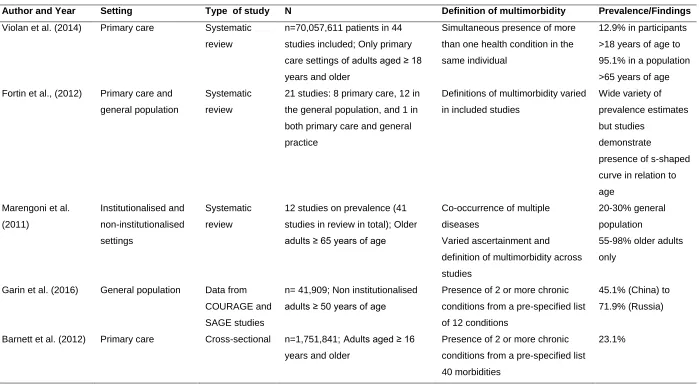
Table 2-1 International prevalence studies of multimorbidity ... 21
Table 2-2 International prevalence studies of multimorbidity (cont.) ... 22
Table 2-3 Prevalence studies of multimorbidity in Ireland ... 24
Table 2-4 Identification of interventions in Cochrane review for multimorbidity interventions according to EPOC ... 45
Table 2-5 Generic chronic disease self-management programmes ... 52
Table 2-6 Evidence of clinical and cost effectiveness of self-management interventions in HIQA HTA ... 55
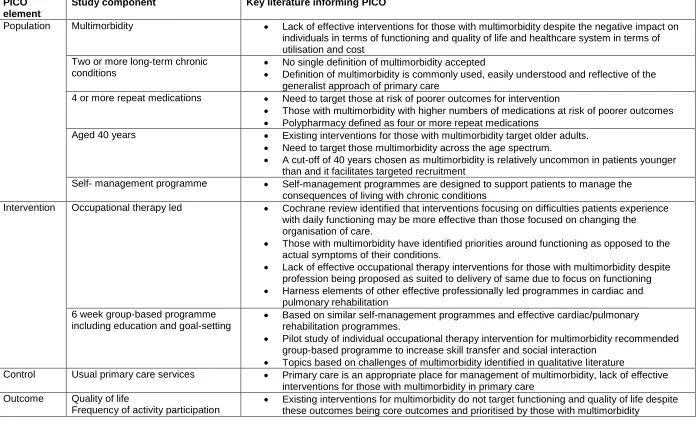
Table 2-7 Summary of literature according to PICO ... 66
Table 3-1 Application of the MRC framework to the OPTIMAL study ... 71
Table 3-2 Overview of Phase I and Phase II of the MRC framework ... 76
Table 3-3 Sources of self-efficacy and application to OPTIMAL programme ... 78
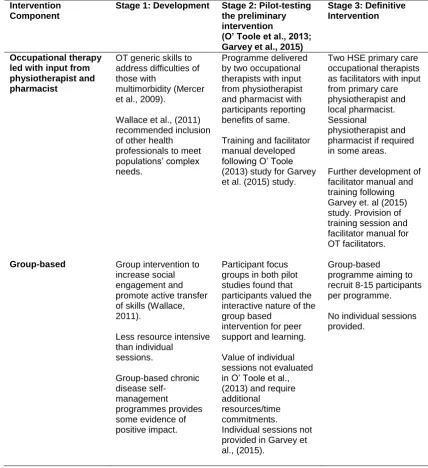
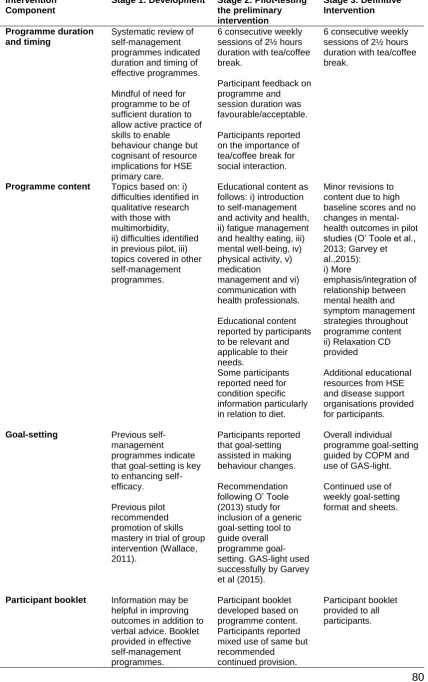
Table 3-4 OPTIMAL intervention development ... 79
Table 3-5 OPTIMAL intervention development (cont.) ... 80
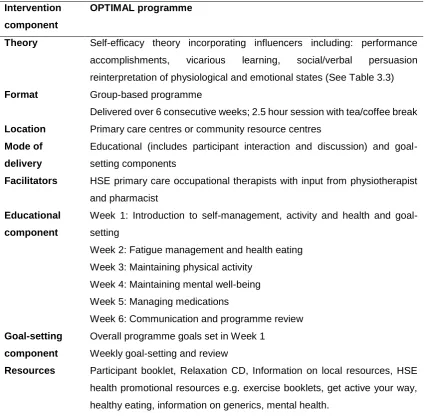
Table 3-6 Finalised OPTIMAL intervention ... 84
Table 3-7 Summary of trial outcome measures ... 97
Table 3-8 Interpretation of GAS T-Scores... 110
Table 3-9 Interpreting results of ITT and PP analyses ... 116
Table 3-10 NPT constructs and sub-constructs: Coherence ... 120
Table 3-11 NPT constructs and sub-constructs: Cognitive participation ... 121
Table 3-12 NPT constructs and sub-constructs: Collective action ... 122
Table 3-13 NPT constructs and sub-constructs: Reflexive monitoring ... 123
Table 4-1 Process evaluation data collection methods in line with the MRC process evaluation functions ... 130
Table 4-2 Assessment of treatment fidelity and strategies: Study and treatment design (adapted from Borelli, 2011) ... 136
Table 4-3 Assessment of treatment fidelity and strategies: Training (adapted from Borelli, 2011) ... 140
Table 4-4 Assessment of treatment fidelity and strategies: Treatment delivery (adapted from Borelli, 2011) ... 142
Table 4-5 Assessment of treatment fidelity and strategies: Treatment receipt and enactment (adapted from Borelli, 2011) ... 144
xv
Table 5-1 Participant baseline characteristics ... 164
Table 5-2 Baseline characteristics of attenders and non-attenders ... 165
Table 5-3 Baseline characteristics of responders and non-responders for primary outcomes ... 167
Table 5-4 Participant baseline secondary outcome measures ... 169
Table 5-5 Categorisation of baseline HADS scores ... 170
Table 5-6 Linear Regression Analyses of EQ-VAS (ITT and PP) ... 173
Table 5-7 Analyses of EQ-5D-3L index score ... 175
Table 5-8 Descriptive analysis of EQ-5D index at baseline and immediate follow-up 177 Table 5-9 Linear Regression Analysis of FAI total (ITT and PP) ... 180
Table 5-10 Frequency and percentage of participants in each group who improved, stayed the same or dis-improved for EQ-VAS and FAI Total ... 181
Table 5-11 Descriptive analysis of FAI subscales at baseline and immediate follow-up ... 181
Table 6-1 Programme delivery sites and timing ... 187
Table 6-2 Recruitment by PCTs and GP practices ... 189
Table 6-3 Participant numbers by referral sources ... 190
Table 6-4 Withdrawn and deferred areas ... 192
Table 6-5 Results self-report fidelity tool ... 194
Table 6-6 Number of sessions attended by area ... 196
Table 6-7 Weekly attendance by area ... 197
Table 6-8 Themes according to MRC process evaluation functions ... 198
Table 6-9 Profile of participant focus groups... 199
Table 6-10 Profile of interview participants: Occupational therapist facilitators ... 200
Table 6-11 Profile of interview participants: Other health professionals ... 201
Table 6-12 Themes and sub-themes related to training and facilitator manual ... 202
Table 6-13 Themes and sub-themes related to participant recruitment ... 205
Table 6-14 Themes and sub-themes relevant to OPTIMAL programme content and delivery ... 212
Table 6-15 Themes and sub-themes related to mechanisms of impact ... 227
Table 6-16 Themes and sub-themes related to context ... 237
Table 6-17 Themes and sub-themes related to programme outcomes ... 245
Table 7-1 Comparison of EQ-5D index scores with recent intervention trials ... 264
Table 7-2 Assessment of risk of bias in the OPTIMAL RCT ... 298
Table 7-3 Research Impact Framework ... 299
Table 7-4 Findings according to NPT framework: Coherence ... 306
xvi
Table 7-6 NPT constructs and sub-constructs: Collective action ... 308
xvii
List of Figures
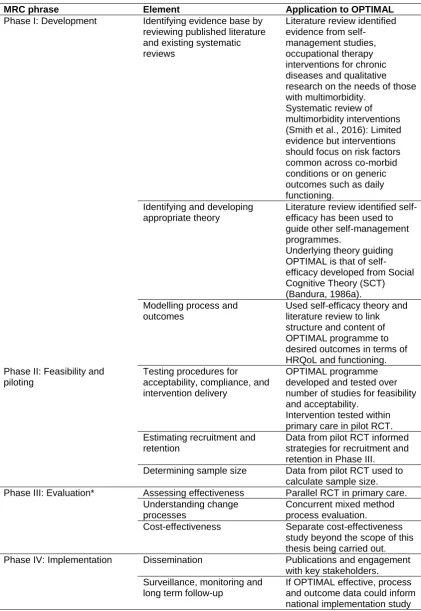
Figure 1-1 MRC framework for development and evaluation of complex interventions and
application to the OPTIMAL study (adapted from MRC, 2008) ... 7
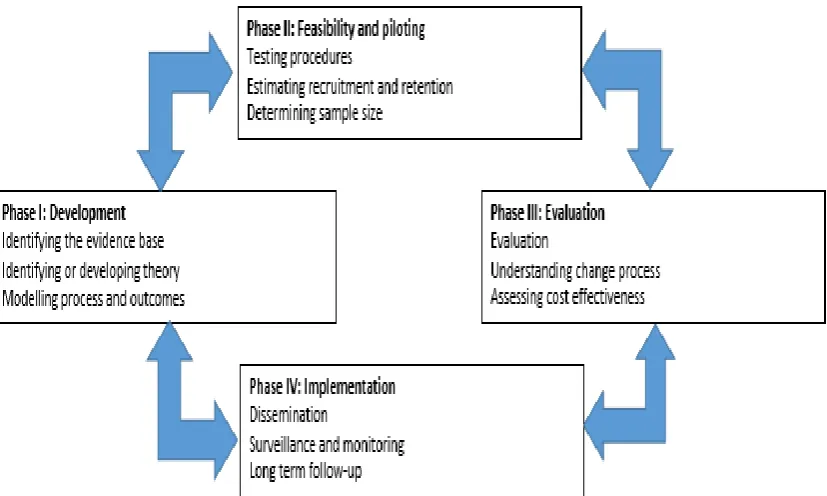
Figure 3-1 MRC framework for development and evaluation of complex interventions
(adapted from MRC, 2008) ...70
Figure 4-1 Key functions of process evaluation and relations among them according to
the MRC framework on process evaluations (adapted from Moore et al., 2014) ... 128
Figure 5-1 Consort flow diagram ... 162
xviii
List of Abbreviations
ADLs Activities of Daily Living
AOTI Association of Occupational Therapists of Ireland
BADLS Basic Activities of Daily Living
BDI Beck Depression Inventory
CARDI Centre for Ageing Research and Development in Ireland
CCM Chronic Care Model
CCM Chronic Care Model
CDSMP Stanford Chronic Disease Self-Management Programme
CHO Community Healthcare Organisation
CI Confidence Interval
CINAHL Cumulative Index to Nursing and Allied Health Literature
CIRS Cumulative Illness Rating Scale
CONSORT Consolidated Standards of Reporting Trials
COPD Chronic Obstructive Pulmonary Disease
COPM Canadian Occupational Performance Measure
COPM-P Canadian Occupational Performance Measure: Performance
COPM-S Canadian Occupational Performance Measure: Satisfaction
CSO Central Statistics Office
DC Dr. Deirdre Connolly (Research Supervisor)
DSN Diabetic Specialist Nurse
DT Dietician
EBSCO Elton B. Stephens CO (company) database
EMA European Medicines Agency
EMBASE Excerpta Medica dataBASE
EPP Expert Patient Programme
EQ-5D-3L The European Quality of Life 3 Level measure
EQ-5D-5L The European Quality of Life 5 Level measure
EQ-VAS The European Quality of Life Visual Analogue Scale
FAI Frenchay Activity Index
FB Dr. Fiona Boland (Research Supervisor)
GAS Goal Attainment Scaling
GMS General Medical Services
GP General Practitioner
xix
HADS-A Hospital Anxiety and Depression Scale- Anxiety Subscale
HADS-D Hospital Anxiety and Depression Scale- Depression Subscale
HBA1c Haemoglobin A1c
HCP Health Care Professional
HCU Health Care Utilisation
HeiQ The Health Education Impact Questionnaire
HIQA Health Information and Quality Authority
HRQoL Health Related Quality of Life
HSE Health Service Executive
HTA Health Technology Assessment
IADLS Instrumental Activities of Daily Living
ICARE4EU Innovating Care for People with Multiple Chronic Conditions in
Europe
ICC Intraclass Correlation Coefficient
ICD-9 9th revision of the International Statistical Classification of
Diseases and Related Health Problems
ICP Integrated Care Programmes
IQR Interquartile Range
ITT Intention To Treat
MCID Minimally Clinically Important Difference
MD Mean Difference
MECC Making Every Contact Count
MeSH Medical Subject Heading
MRC Medical Research Council
NCP National Clinical Programme
NEADL Nottingham Extended Activities of Daily Living
NHS National Health Service
NICE National Institute for Health and Care Excellence
NPT Normalisation Process Theory
OPTIMAL OccuPaTIonal therapy led self-MAnagement support programme
for people with muLtimorbidity
OT Occupational Therapy
PCC Primary Care Centre
PCRS Primary Care Reimbursement Scheme
PCT Primary Care Team
PHARM Pharmacist
xx
PHQ-9 Patient Health Questionnaire
PIL Participant Information Leaflet
PN Practice Nurse
PP Per Protocol
PRISMS Practical Reviews of Self-Management Support
PT Physiotherapist
PubMed MEDLINE database
QoL Quality of Life
RCT Randomised Controlled Trial
SCT Social Cognitive Theory
SD Standard Deviation
SEMCD Stanford Chronic Disease Self-Efficacy 6-item Scale;
SES Socio-Economic Status
SLT Speech and Language Therapist
SMART Specific, Measurable, Achievable, Realistic, Timed
SR Self-referral
SS Prof. Susan Smith (Research Supervisor)
TEDSS Taxonomy of Everyday Self-management Strategies
TILDA The Irish LongituDinal study on Ageing
1
2
1.1 Introduction
This thesis presents the findings of a parallel randomised controlled trial (RCT) of the
OPTIMAL programme, an occupational therapy led self-management support
programme for individuals with multimorbidity in primary care, as per Stage III of the
Medical Research Council (MRC) framework (Medical Research Council, 2008). A
process evaluation was also conducted to understand the functioning and effects of the
OPTIMAL programme by examining how the intervention was delivered and received in
practice. The MRC framework for the development and evaluation of complex
interventions was used to guide the development and evaluation of the OPTIMAL
programme (Medical Research Council, 2008). This framework was used in previous
studies to develop and pilot the intervention and to direct the current study which is a
definitive trial and process evaluation of the OPTIMAL programme. This chapter begins
by outlining the need and evidence for multimorbidity interventions. The findings of the
previous development and pilot studies which led to this RCT and process evaluation
are also discussed. The aims and objectives of the research are then presented.
Following this, a brief overview of the OPTIMAL programme will be described, including
self-efficacy theory which underpins the intervention, the programme content and
structure. Additionally, a very brief overview of the methodology employed to address
these aims and objectives is summarised, and finally the chapter concludes with an
outline of the thesis structure.
1.2 Definition of terms
Multimorbidity is the co-existence of two or more chronic conditions in the same individual (S. M. Smith et al., 2016; Xu, Mishra, & Jones, 2017). For the purposes of this
study this definition was used as it is most common, easily understood and reflective of
the generalist approach of primary care. The World Health Organisation definition of
chronic diseases is health problems which require ongoing management over a period
of years or decades (World Health Organisation, 2002). Participants were also required
to be on four or more repeat medications to ensure targeting of those with
well-established multimorbidity. Participants were also required to be aged 40 years or over,
this criterion was selected as multimorbidity is relatively uncommon in individuals
3
Self-management is generally described as a holistic intervention, aimed at maximising physical and psychosocial functioning by providing individuals with skills to manage
symptoms, treatments and the psychosocial consequences of living with a chronic
condition (Barlow, Wright, Sheasby, Turner, & Hainsworth, 2002; Davies, 2010; Richard
& Shea, 2011; Schulman-Green et al., 2012).
Occupational therapy is a client-centred health profession focused on promoting health and well-being through occupation (World Federation of Occupational Therapists, 2010).
Occupations are purposeful and meaningful daily activities to occupy time and are
typically classified as self-care, productive or leisure (Reitz & Scaffa, 2013). Occupational
therapists promote health and well-being by working with people and communities to
enhance their ability to participate in valued occupations and/or by modifying the
occupation or the environment to better support their occupational engagement (World
Federation of Occupational Therapists, 2010).
Health related quality of life (HRQoL) is a subjective concept encompassing multifaceted dimensions of physical, emotional and social functioning (Fortin, Dubois,
Hudon, Soubhi, & Almirall, 2007; Fortin et al., 2004).
Activity participation refers to an individual’s involvement or engagement in self-care,
productive or leisure activities that are desired and/or necessary to one’s health and
well-being (Kielhofner, 2008; Law, 2002). The presence of disability or functional decline
leads to participation that is less diverse, is located more in the home, involves fewer
social relationships, and includes less active recreation (Law, 2002).
Self-efficacy is described as an individual’s belief in their ability to execute necessary
actions in response to specific situations (Bandura, 1986b, 2004). Self-efficacy theory is
one theory which underlies some self-management interventions and has been
suggested to influence occupational performance and self-management behaviours
(Gage & Polatajko, 1994; Lorig & Holman, 2003).
1.3 Background
Multimorbidity can be defined as the co-existence of two or more chronic conditions in
the same individual (S. M. Smith et al., 2016; Xu et al., 2017). It is clear from international
4 primary care practice (Fortin, Stewart, Poitras, Almirall, & Maddocks, 2012). A recent
study of prevalence within Irish primary care practices suggested that 66.2% of patients
aged over 50 years of age have multimorbidity (Glynn et al., 2011). It is likely that the
prevalence of multimorbidity will continue to increase due to the ageing population and
increased life expectancy worldwide. It is worthwhile noting that while multimorbidity has
been seen as a problem predominantly effecting older people, in absolute terms there
are more middle-aged adults living with multimorbidity (Barnett et al., 2012; Fortin et al.,
2012).
Multimorbidity is associated with increased health care utilisation and cost, increased
numbers of medications and increased risk of death (Marengoni et al., 2011).
Multimorbidity is associated with poor physical functioning, psychological well-being and
quality of life (QoL) (Kanesarajah, Waller, Whitty, & Mishra, 2018; Marengoni et al., 2011;
Aine Ryan, Wallace, O'Hara, & Smith, 2015; Vancampfort, Koyanagi, Hallgren, Probst,
& Stubbs, 2017). Those with multimorbidity highlight difficulty with functioning including
maintaining social roles, work and leisure activities, a positive identity, well-being,
relationships and managing medications (Lindsay, 2009; Noel, Frueh, Larme, & Pugh,
2005). Furthermore, those with multimorbidity have identified priorities in maintaining
function in order to be able to participate in valued activities and roles (Bratzke et al.,
2015; Cheraghi-Sohi et al., 2013). Noel et al. (2005) found that those with multimorbidity
are more concerned with functioning and the impact of their conditions on daily routines
rather than symptoms per se.
There is a growing recognition of the impact of multimorbidity on individuals and health
care systems and the importance of improving outcomes for individuals affected and the
healthcare system alike (National Institute for Clinical Excellence, 2016; S. M. Smith et
al., 2016). Despite the documented impact of multimorbidity, chronic disease care
continues to emphasise management of chronic conditions based on single disease
management, which is unsuited to those with multimorbidity (National Institute for Clinical
Excellence, 2016; World Health Organisation, 2016). Poor integration between primary
and secondary care services means that patients with multimorbidity are overwhelmed
and over-burdened not just by multimorbidity but an increased burden of treatment,
involving management, monitoring, appointments, and passing information between
multiple healthcare providers (May, Montori, & Mair, 2009). General Practitioners (GPs)
describe feeling overwhelmed by the range of problems that need to be addressed and
challenges regarding care coordination, prioritization of patient’s needs and medicines
5 2013). At present, no health policy has been developed in Ireland specifically addressing
management of those with multimorbidity. Despite this, there is recognition that primary
care is the optimal place in which to address multimorbidity and primary care teams
(PCTs) are ideally placed to provide and coordinate care for people with multimorbidity
who require multidisciplinary support for complex physical and psychosocial problems
(Health Service Executive, 2017; Smyth et al., 2017). It is therefore imperative that health
policy and systems be designed to provide for effective prevention and management of
multimorbidity.
A recent updated Cochrane review concluded that there was limited research to date on
interventions for those with multimorbidity (S. M. Smith et al., 2016). In existing studies,
there was a tendency to focus on co-morbid conditions or multimorbidity in older patients.
The review highlighted many challenges in multimorbidity research including identifying
patients within the broad multimorbidity spectrum at increased risk of poor health
outcomes and the targeting of interventions. The review concluded that interventions
were more likely to be effective if they focused either on risk factors common across
co-morbid conditions or on generic outcomes such as daily functioning (S. M. Smith et al.,
2016). The provision of function-oriented interventions appear to be in line with
preferences and priorities of those with multimorbidity (Bratzke et al., 2015;
Cheraghi-Sohi et al., 2013; Noel et al., 2005).
Self-management interventions for chronic disease have become one of the most
commonly researched interventions for chronic disease management in primary care
(Reynolds et al., 2018). Self-management is a term attached to many patient education
programmes (Lorig & Holman, 2003). Self-management has been described as the
actions taken by individuals to lead a healthy lifestyle, meet their needs and care for one
or more chronic conditions by managing the role, emotional and medical aspects of their
conditions (Health Service Executive, 2017; Lorig & Holman, 2003). Self-management
interventions are generally described as a holistic intervention, aimed at maximising
physical and psychosocial functioning by providing individuals with skills to manage
symptoms, treatments and the psychosocial consequences of living with a chronic
condition (Barlow et al., 2002; Davies, 2010; Richard & Shea, 2011; Schulman-Green et
al., 2012). Many self-management programmes are targeted towards single and
common chronic conditions. Of the eighteen studies included in the Cochrane review of
multimorbidity interventions, there were two studies of group-based self-management
support interventions specifically targeting those with multimorbidity In primary care (S.
6 reported outcomes for those with multimorbidity or reported sub-group analysis only
(Health Information and Quality Authority, 2015; S. M. Smith et al., 2016). This is despite
the fact that many participants attending both generic and disease-specific
self-management interventions are likely to have multimorbidity (Health Information and
Quality Authority, 2015). Currently there is insufficient evidence to recommend
management programmes for those with multimorbidity. Furthermore, despite
self-management interventions aiming to improve role and emotional self-management, studies
tend to focus on outcomes pertaining to medical management rather than outcomes
associated with function and participation which are priorities for those with
multimorbidity (Augustine, Roberts, & Packer, 2011; S. M. Smith et al., 2016). In Ireland
there has been a growing recognition of the need to provide self-management support
to individuals with chronic diseases, with the HSE recently publishing the “National
Framework and Implementation Plan for Self-management Support for Chronic
Conditions: Chronic Obstructive Pulmonary Disease (COPD), Asthma, Diabetes and
Cardiovascular Disease” (Health Service Executive, 2017).
Occupational therapy has been proposed as a profession suited to provide interventions
for individuals with multimorbidity. Occupational therapy focuses on identifying barriers
to activity engagement due to physical and mental health difficulties, using either
individual or group-based interventions to remediate or compensate for these barriers
(American Association of Occupational Therapy, 2014). The potential role of
occupational therapy in self-management programmes, for a wide range of chronic
conditions including those with multimorbidity, is being considered internationally with a
recommendation for increased attention to occupational participation and quality of life
measures in programme evaluations (Hand, Law, & McColl, 2011; Hand, Letts, & von
Zweck, 2011; Leland, Fogelberg, Halle, & Mroz, 2017; Packer, 2011, 2013).
Occupational therapy may be suited to enabling individuals with multimorbidity
incorporate chronic disease management strategies into daily routines and occupational
engagement to maintain function (Hand, Letts, et al., 2011; Leland et al., 2017; Mercer,
Smith, Wyke, O'Dowd, & Watt, 2009). However it remains that the role of occupational
therapy in relation to chronic disease and multimorbidity is poorly defined and researched
(Hand, Law, et al., 2011; Hand, Letts, et al., 2011; Leland et al., 2017). In Ireland primary
care based OTs have tended to provide home-based interventions mainly with
vulnerable elderly patients in need of assistive devices and home adaptations (Flannery
7 Based on the gaps identified in the literature an occupational therapy led group-based
self-management support intervention for those with multimorbidity in primary care,
named OPTIMAL, was developed and evaluated using the MRC framework for
development and evaluation of complex interventions (Garvey, Connolly, Boland, &
Smith, 2015; O' Toole, Connolly, & Smith, 2013). The following section describes the
previous development and pilot studies which led to the current study i.e. an RCT and
process evaluation of the OPTIMAL programme.
1.4 Development and evaluation of the OPTIMAL programme: The
MRC framework
The UK Medical Research Council (MRC) Framework for the design and evaluation of
complex multi-component interventions was used to develop and evaluate the feasibility
of the intervention (Medical Research Council, 2008). The application of the MRC
framework to the OPTIMAL programme is presented briefly in the Section 1.4.1.
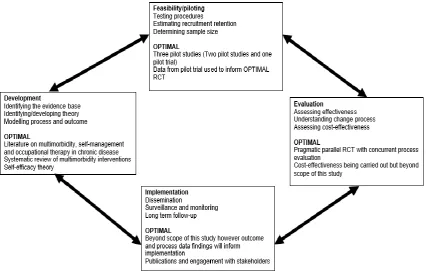
Figure 1.1 summarises the framework’s stages and the key elements and activities at
each stage. The arrows indicate the main interactions between the phases. It is important
to note that the stages do not necessarily follow a linear or cyclical sequence. Reporting
[image:29.595.104.531.467.738.2]is viewed as an important element at each stage in the process.
8
1.4.1 Phase I and II: Development, feasibility and piloting of the OPTIMAL
intervention
The MRC Framework was used to develop the intervention. An extensive literature
review and findings from the Cochrane review of interventions for those with
multimorbidity in primary care informed intervention development. After two initial pilot
studies, the intervention was refined to a six-week occupational therapy led
self-management programme, OPTIMAL, specifically designed to target individuals with
multimorbidity. This intervention was underpinned by self-efficacy theory. This
intervention was then further tested in an exploratory RCT. Since the publication of the
exploratory RCT (Garvey et al., 2015) a framework for defining pilot and feasibility
studies has been developed (Eldridge et al., 2016). According to this framework the
exploratory RCT would be categorised as a pilot RCT. Feasibility and pilot studies are
not mutually exclusive with pilot studies being considered a subset of feasibility studies.
A feasibility study considers whether something can be done, if it should be proceeded
with and how to proceed. A pilot study, while considering the same questions as
feasibility studies, includes a specific design feature whereby a future study, or part of a
future study, is conducted on a smaller scale (Eldridge et al., 2016). The exploratory trial
will be described as a pilot RCT in this thesis.
The previous piloting work which led to this study, the definitive trial of the OPTIMAL
programme, is summarised below and described in further detail in Chapter 3, Section
3.3.
1.4.1.1 Study One: Wallace (2011)
The first study used a quasi-experimental pre-test post-test design to explore the
feasibility of individual home-based occupational therapy assessment and intervention
for community dwelling adults with multimorbidity (Wallace, Connolly, & Smith, 2011).
GPs in two practices identified eligible patients, i.e. those with a chronic respiratory
diagnosis and with two or more co-occurring conditions, from practice registers and
invited patients based on their clinical knowledge of who may benefit from occupational
therapy intervention. A home-based occupational therapy assessment was conducted
with identified patients who agreed to participate (n=18) and based on this assessment
eight patients were identified as requiring occupational therapy intervention. The
9 identified problems (environmental modifications, fatigue, lifestyle and anxiety
management). While the intervention seemed promising, it was resource intensive with
a range of 2-11 home visits required per patient. Wallace et al. (2011) recommended the
pilot of a group intervention, with provision of individual sessions, which would serve to
increase social interaction and promote active transfer of skills. The study also
recommended the inclusion of other health professionals in interventions to meet the
populations’ complex needs.
1.4.1.2
Study 2: O’ Toole et al., (2013)
This led to a follow-on study conducted by the researcher as part of an MSc by research.
This study developed, delivered and examined the acceptability and impact of an
occupational therapy led, six week group-based intervention for individuals with
multimorbidity in primary care (O' Toole et al., 2013). The programme was named
OPTIMAL (OccuPaTIonal therapy led self-MAnagement support programme for people
with muLtimorbidity). Section 1.6.1 briefly describes content/delivery. The study was
conducted with 19 individuals with multimorbidity who were recruited via general
practitioners (GPs). The study used a convergent-parallel mixed methods design
including a quasi-experimental pre-test post-test design and participant focus groups.
Findings were promising in terms of feasibility. Statistically significant improvements at
8-week follow-up were found in activity participation (p=0.008), self-perceptions of
occupational performance (p=0.017) and satisfaction with same (p=0.023) and
self-efficacy (p=0.050), however these findings were limited given the small
quasi-experimental nature of the study and as the focus of the pilot study is not to assess
effectiveness (or efficacy) (Eldridge et al., 2016). In the qualitative evaluation,
participants reported improvements in the targeted behaviours and being more positive
about their general health. Participants valued the group-based nature of the intervention
and the weekly goal-setting and review element of the programme (O' Toole et al., 2013).
1.4.1.3 Study 3: Garvey et al., (2015)
These promising findings led to a pilot pragmatic parallel randomised controlled trial
(RCT) of OPTIMAL delivered by HSE primary care occupational therapists in three
Dublin-based primary care teams (Garvey et al., 2015). Participants were recruited from
10 received care as usual. The results showed a significant improvement in the intervention
group compared to the control group at two-week follow-up in frequency levels of activity
participation (p=0.003), perceptions of occupational performance (p<0.001) and
satisfaction with same (p<0.001), self-efficacy (p<0.001), perception of independence in
daily activities (p<0.001), health-related quality of life (p=0.001) and positive and active
engagement in life (p=0.002). The intervention group demonstrated high levels of goal
achievement, between baseline and follow-up scores (p<0.001). No significant
differences were found in anxiety, depression or healthcare utilisation. In light of these
findings an RCT to test the effectiveness of the OPTIMAL programme over a longer time
period and across a wider range of primary care settings was recommended.
1.4.2 Phase III: Evaluation
As a result of this development and pilot work it was decided to conduct an RCT and
process evaluation of the OPTIMAL programme as per stage III of the MRC framework.
This study is the focus of the PhD thesis.
1.5 Aims and objectives
The overall aim of this study was to evaluate the effectiveness of the OPTIMAL
programme, an occupational therapy led chronic disease self-management programme
for individuals with multimorbidity in primary care, as per Stage III of the MRC framework
(Medical Research Council, 2008).
Null hypothesis
An occupational therapy led chronic disease self-management programme has no effect
on activity participation and quality of life in intervention participants compared to
controls.
Alternative hypothesis
An occupational therapy led chronic disease self-management programme has an effect
on activity participation and quality of life in intervention participants compared to
11 A secondary aim of this study was to conduct a process evaluation to understand the
functioning and effects of the OPTIMAL programme by examining how the intervention
was delivered and received in practice. The objectives to achieve this aim were:
To describe the recruitment process including sampling of sites and recruitment
sources.
To analyse the extent to which the OPTIMAL programme was delivered as
intended and how and why it varied, i.e. to explore intervention fidelity.
To quantify the dose received by OPTIMAL programme participants i.e.
programme attendance.
To explore OPTIMAL facilitators’ perceptions of the impact, delivery and
acceptability of the OPTIMAL programme.
To explore participants’ perceptions of the impact, delivery and acceptability of
the OPTIMAL programme.
Additional project aims planned as part of the wider OPTIMAL study include evaluating
the effectiveness and sustainability of the OPTIMAL programme at six-month follow-up
and a cost-effectiveness analysis of the OPTIMAL programme. However these aims
are beyond the scope of the thesis.
1.6 Brief overview of the OPTIMAL programme and methodology
1.6.1 The OPTIMAL programme
The OPTIMAL programme is an occupational therapy led group-based self-management
programme delivered over six consecutive weekly sessions of two and a half hours
duration. Section 3.5 in Chapter 3, provides a detailed overview of the programme. Each
weekly session comprises an educational component and individual weekly goal-setting
and review. The programme covers a variety of topics including activity and health,
fatigue management, healthy eating, maintaining mental well-being, maintaining physical
activity and communication with health care professionals. While the programme is
occupational therapy led, one of the sessions incorporates education on physical activity
delivered by a physiotherapist and another incorporates medicines management,
delivered by a pharmacist. The OPTIMAL programme is underpinned by the theory of
self-efficacy which informed the mode of delivery of the programme. Self-efficacy is one
12 confidence in their ability to carry out a certain task or behaviour, thereby empowering
the individual to self-manage (Health Service Executive, 2017). Self-efficacy is theorised
to be influenced by four sources of information: performance accomplishments, vicarious
experience, persuasion and physiological state (Bandura, 1986b, 2004). Programme
elements such as goal-setting, peer discussion, interaction, brainstorming, coaching,
feedback, encouragement and information provision have been included in the
programme in order to address these sources of self-efficacy. The theoretical
underpinning of the intervention is explored in further detail in Chapter 3, Section 3.3.2.1.
1.6.2 Randomised controlled trial
A pragmatic parallel randomised controlled trial was selected to examine the
effectiveness of the OPTIMAL programme. The trial was conducted in eight primary care
team areas in the Dublin/Mid-Leinster region from 2016-2018. The study was designed
in line with the CONSORT statement (See Appendix 1) (Schulz, Altman, Moher, &
Consort Group, 2010).
Primary outcome measures were the EQ-VAS (health related quality of life measure)
and Frenchay Activities Index (frequency of activity participation). Participants were
randomly allocated to the intervention group, to attend the OPTIMAL programme, or to
the wait list control group, to receive care as usual. Follow-up data collection took place
immediately post-intervention. Six-month data were collected for primary and all
secondary outcomes (Nottingham Extended Activities of Daily Living Scale (NEADL),
Stanford Chronic Disease Self-Efficacy 6-item Scale (SEMCD); Hospital Anxiety and
Depression Scale (HADS) and Canadian Occupational Performance Measure (COPM)),
however the reporting of six-month follow-up data is beyond the scope of this thesis.
Data analysis and reporting was according to CONSORT guidelines for randomised
controlled trials. Data was inputted and analysed using Stata version 15 (StataCorp,
2017). Data were analysed using intention-to-treat (ITT) comparisons between the two
groups for the primary outcomes (EQ-VAS and FAI total). Models were adjusted as
appropriate for gender, baseline scores, area, number of conditions and age. The
analyses were replicated for participants who completed the trial as per protocol (PP),
excluding those who were randomised to the intervention but attended less than three of
the group sessions. Planned sub-group analyses evaluated the effects of age (< 65 and
13 regression models, with results presented as point estimates (difference in means), 95%
confidence intervals (CI) and p-values.
1.6.3 Process Evaluation
The process evaluation used a mixed methods approach, combining both qualitative and
quantitative data as recommended by the MRC guidance on process evaluations in
complex interventions (Moore et al., 2014). The process evaluation in this study was
based on examining the three key functions of process evaluations identified in the MRC
guidance as follows: i) implementation (identifying what intervention was delivered and
how was this done or achieved), ii) mechanisms of impact (which factors contributed to
the delivered intervention producing or not producing change) and iii) context (contextual
factors external to the intervention which affected implementation, intervention
mechanisms, outcomes and vice versa).
Quantitative process evaluation data collection sources included demographic forms,
recruitment logs, research logs and fidelity tools. Data from these sources were inputted
into Stata version 15 and summarised using descriptive statistics (StataCorp, 2017).
Qualitative process evaluation data were collected immediately post-intervention. Focus
groups were held with intervention participants. Semi-structured interviews were used to
collect qualitative data from occupational therapists and a sample of physiotherapists,
pharmacists and GPs involved in delivering the intervention or referring participants to
the programme. A qualitative descriptive approach was employed for the qualitative
element of the process evaluation. Qualitative description aims to stay close to the data
in both the analytical process and data presentation by producing a rich, straight
description of an experience or an event (Sandelowski, 2000). Qualitative description is
a suitable method for studies focusing on health intervention development and
evaluation (Sandelowski, 2000, 2010). Qualitative data were inputted into the Nvivo
qualitative software package and thematic analysis was used to identify, analyse and
report patterns (themes) (Braun & Clarke, 2006; Clarke & Braun, 2013).
1.7 Phase IV: Implementation
Phase IV of the MRC framework, whilst beyond the scope of this study, will be informed
14 used to inform levers and barriers to the implementation of the OPTIMAL programme
within Irish primary care settings. Implementation, based on the RCT and process
evaluation results, are discussed using Normalisation Process Theory (NPT) in Chapter
7, Section 7.8. NPT provides a framework to describe, assess and enhance
implementation through identification of factors that promote or inhibit the routine
integration of complex intervention into everyday practice (May & Finch, 2009).
1.8 Thesis outline
This thesis is presented in eight chapters. Chapter 2 will discuss in detail the literature
pertaining to multimorbidity, multimorbidity intervention research, self-management
interventions and the role of occupational therapy in primary care to provide background
to the need for the current study. Chapter 3 describes the methodology of the OPTIMAL
RCT. Chapter 4 outlines the methodology employed to conduct the process evaluation.
Chapter 5 will present the results from the OPTIMAL RCT while the results of the process
evaluation are presented in Chapter 6. Chapter 7 summarises the findings of both the
RCT and process evaluation and discusses the results in the context of existing
literature. The clinical, research and policy implications of this thesis are then examined
15
16
2.1 Introduction
This chapter summarises the existing literature relevant to the development and
evaluation of the OPTIMAL programme, an occupational therapy led self-management
programme for people with multimorbidity in primary care. The chapter begins by
providing an overview of the literature search methods. Literature pertaining to
definitions, measurement of multimorbidity and the prevalence of multimorbidity is
discussed. Evidence regarding the consequences of multimorbidity particularly in
relation to function, psychological well-being, quality of life and health care utilisation are
examined. Irish health policy relevant to the management of multimorbidity in primary
care is described. Finally, the literature for interventions for multimorbidity is summarised
and evaluated with a specific focus on self-management and occupational therapy
interventions. The context of current primary care occupational therapy practice is also
described. The chapter concludes by identifying the gaps in the existing literature.
2.2 Literature search
The aim of this literature review was to identify literature related to the prevalence, impact
and interventions for multimorbidity with a particular focus on identifying
self-management interventions and occupational therapy interventions for multimorbidity in
primary care.
2.2.1 Information source and search strategy
The search was conducted on the following online databases: PubMed, CINAHL, the Cochrane Database of Systematic Reviews, ProQuest and PsychINFO. The search
engine Google Scholar was also utilised. Grey literature was searched using Lenus and
RIAN. Additional publications were identified by a manual search of the reference lists of
relevant studies and review articles. A combination of search terms and MeSH terms,
where available, were used in the literature search. Publications were reviewed and
reference lists searched for further publications. Key search terms included
multimorbidity, chronic conditions, self-management, occupational therapy, primary
care, community, function, activity and participation. Further details of the search terms
17
2.2.2 Study selection
No time period was applied but efforts were made to ensure up to date literature was
identified with the latest searches being conducted in August 2018. The search was
limited to English language studies.
2.2.3 Data extraction and analysis
The results of the searches were downloaded into an Endnote file and reviewed for
relevancy based on the article title and abstract. Articles which were not relevant and
duplicates were deleted. The full-text of relevant articles were sourced from the online
library, library or via direct contact with the authors. Articles were reviewed and
summarised narratively as presented in the proceeding sections.
2.3 Multimorbidity
2.3.1 Definitions of multimorbidity
Multimorbidity is often described as the co-existence of two or more chronic conditions
in the same individual (Almirall & Fortin, 2013; Lefèvre et al., 2014; World Health
Organisation, 2015, 2016). There is no consensus on terminology to describe the
presence of multiple concurrent conditions (Almirall & Fortin, 2013). A variety of terms
have been used to describe the presence of multiple co-occurring diseases including
multimorbidity, co-morbidity, polymorbidity, polypathology, pluripathology,
multipathology and multicondition. Different definitions of multimorbidity have specified
varying numbers of morbidities, the number and severity of morbidities, and the number
and severity of morbidities together with concurrent limitations in functional status or
frailty (Almirall & Fortin, 2013; Lefèvre et al., 2014; Xu et al., 2017). Some definitions of
multimorbidity have specified medical conditions whereas others include unlimited
numbers and types of medical conditions, chronic conditions, or both acute and chronic
conditions, physical conditions only, or physical and psychiatric conditions (Almirall &
Fortin, 2013; Lefèvre et al., 2014; Ording & Sørensen, 2013). A recently published
National Institute of Clinical Excellence (NICE) guideline on the assessment and
management of multimorbidity has emphasised that multimorbidity can include two or