Scholarship@Western
Scholarship@Western
Electronic Thesis and Dissertation Repository
1-19-2018 10:00 AM
It's About Time! GDM: A Transformative Postpartum Process. A
It's About Time! GDM: A Transformative Postpartum Process. A
Constructivist Grounded Theory Study
Constructivist Grounded Theory Study
Natalie Giannotti
The University of Western Ontario Supervisor
Dr Marilyn Evans
The University of Western Ontario Dr Sandra Regan
The University of Western Ontario Dr Erin Keeley
The University of Western Ontario Graduate Program in Nursing
A thesis submitted in partial fulfillment of the requirements for the degree in Doctor of Philosophy
© Natalie Giannotti 2018
Follow this and additional works at: https://ir.lib.uwo.ca/etd
Part of the Maternal, Child Health and Neonatal Nursing Commons
Recommended Citation Recommended Citation
Giannotti, Natalie, "It's About Time! GDM: A Transformative Postpartum Process. A Constructivist Grounded Theory Study" (2018). Electronic Thesis and Dissertation Repository. 5224.
https://ir.lib.uwo.ca/etd/5224
This Dissertation/Thesis is brought to you for free and open access by Scholarship@Western. It has been accepted for inclusion in Electronic Thesis and Dissertation Repository by an authorized administrator of
i
Gestational Diabetes Mellitus (GDM) is defined as glucose intolerance with onset or first
diagnosis during pregnancy, and affects 3.7%-18% of Canadian women (Canadian
Diabetes Association, 2013). Social support can help women with a history of GDM be
successful in achieving optimal health postpartum. The purpose of this constructivist
grounded theory (GT) study (Charmaz, 2011) was twofold: (1) To explore the social
support processes of women with a history of GDM as they navigate through the
healthcare system postpartum, to restore and maintain their health, and (2) To critically
examine facilitating factors and barriers to engaging in health behaviours within the
context of the individual, interpersonal, organizational, community, and political
environments in which the women live. A total of 29 postpartum women with history of
GDM participated in this study. In line with constructivist GT methodology data from
semi-structured interviews and documents were simultaneously collected and analyzed
using the constant comparative method. N-Vivo qualitative software was used to assist
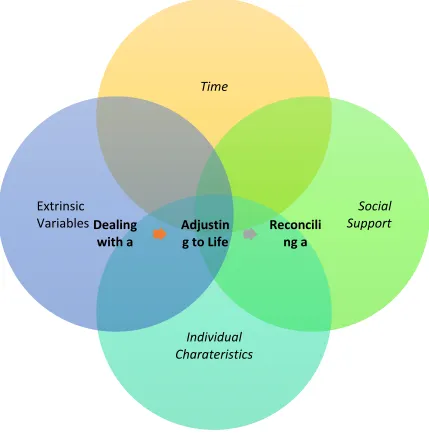
with data analysis. Time, social support, individual characteristics, extrinsic variables and
barriers & facilitators to engaging in healthy behaviours were the main concepts
identified. A model was developed titled It’s About Time! GDM: A Transformative
Postpartum Process. Three themes were identified: Dealing with a GDM Diagnosis,
Adjusting to Life without Diabetes While Maintaining or Restoring Health and,
Reconciling a New Normal. The results from this study were used to guide interventions
on the provision of social support to postpartum women targeting various levels of
ii Health Promotion
Co-Authorship Statement
I, Natalie Giannotti, acknowledge that this thesis includes three integrated manuscripts
that evolved as a result of collaboration with my supervisor and committee members. In
the three manuscripts, the primary contributions were made by the first author in terms of
the methodology, study design, ethics application, conducting literature review,
collecting data, reviewing the interview records, coding and analyzing the data, and
writing the manuscript. The contribution of the co-authors, Dr. Marilyn Evans, Dr,
Sandra Regan, and Dr. Erin Keely was the provision of supervision, guidance, and
iii
It has been such an honour to collaborate with an extraordinary group of
committee members who possess a wealth of knowledge and expertise. I have had the
privilege of working with Dr. Marilyn Evans, Dr. Sandra Regan, and Dr. Erin Keely who
have provided me with diverse and, incredibly thoughtful insights to improve my
knowledge and skills. I will be forever grateful for the countless hours that Dr. Marilyn
Evans has invested in me, as she has been a tremendous source of support and
encouragement throughout the years. She has taught me what it means to be a true
academic and scholar, and has consistently reminded me of the importance of my work.
Her abundant expertise in the area of qualitative research, gestational diabetes and, health
promotion has undoubtedly strengthened my research. Words cannot begin to express my
gratitude for her guidance, encouragement and confidence she has instilled in me.
I would like to express my gratitude to Dr. Sandra Regan for her incredible
breadth of knowledge on health policy and your guidance on the use of N-Vivo, the
qualitative software used in this research. Our discussions on the implications of health
policy and your willingness to meet with me at any time have been invaluable. To Dr.
Erin Keely, as an endocrinologist and active researcher, your contributions in working
with gestational diabetic women provided direction and comprehensiveness this study.
I would like to thank the women who graciously agreed to participate in this
study. Without you, this study would not have been possible. To my dear friend Susan
Rotondi, there are no words to describe how appreciative I am for all that you have done
to support me throughout this process. Without you, this research would not be what it is
iv
my education, your support, and encouragement to keep moving me forward are the
reason I am the person I am today.
To my incredibly loving husband Adrian, your constant words of encouragement,
support, and countless sacrifices have afforded me this opportunity. Without you, this
PhD would not have been possible. I could not have asked for a more supportive partner
in life. Lastly, but most importantly, I would like to dedicate my research to my son
Sebastian. You have been my inspiration to pursue this research. You my dear son,
v
Abstract ...i
Co-Authorship Statement ...ii
Acknowledgments...iii
Table of Contents ...v
List of Figures ...ix
List of Appendices ...x
Chapter 1 ...1
1 Introduction ...1
1.11 Background and Significance ...3
1.12 Research Purpose ...8
1.13 Research Questions ...9
1.2 Methodology ...9
1.3 Chapter Overviews...11
1.4 References ...13
Chapter 2 ...22
2 Health promotion and type 2 diabetes prevention in postpartum women with prior GDM: A socioecological approach ...22
2.1 Introduction ...22
2.2 Social Determinants of Health ...24
2.3 Social Ecological Model of Health Promotion ...25
2.31 Core Assumptions of the Social Ecological Model of Health Promotion ...27
2.4 Levels of the Social Ecological Model of Health Promotion ...28
2.41 Individual Level ...28
2.42 Interpersonal ...29
2.43 Organizational/Institutional ...29
2.44 Community ...31
2.45 Political ...32
2.5 Discussion ...33
vi
2.53 Conclusion ...39
2.6 References ...41
Chapter 3 ...49
3 Gestational diabetes mellitus management: How well are we doing postpartum? A scoping review ...49
3.1 Introduction ...49
3.2 Background and Significance ...50
3.4 Methods...54
3.5 Results ...57
3.6 Post Partum Blood Glucose Screening and Follow-up ...57
3.61 Screening Rates ...57
3.62 Postpartum Follow-up: Barriers and Facilitators ...59
3.63 Postpartum Screening and Provision of Support ...61
3.7 GDM and Postpartum Lifestyle Modification ...62
3.71 Postpartum Lifestyle Modifications: Barriers and Facilitators ...62
3.72 Postpartum Lifestyle Modification and Provision of Support ...65
3.8 GDM and Breastfeeding ...67
3.81 GDM and Breastfeeding Rates ...67
3.9 Discussion ...70
4.0 Concluding Remarks ...73
4.1 References ...75
Chapter 4 ...87
4 It’s About Time! GDM: A Transformative Postpartum Process ...87
4.1 Introduction ...87
4.2 Background and Significance ...88
4.3 Research Purpose ...89
4.5 Research Questions ...90
vii
4.63 Postpartum Screening and Provision of Support ...94
4.64 GDM and Postpartum Lifestyle Modification ...95
4.65 Postpartum Lifestyle Modification and Provision of Support ...98
4.66 GDM and Breastfeeding Rates ...99
4.7 Theoretical Perspective – Social Ecological Model ...103
4.8 Methodology ...104
4.9 Methods...108
4.91 Sampling ...108
5.0 Recruitment ...110
5.11 Data Collection ...113
5.12 Data Analysis ...116
5.2 Developing the Categories ...117
5.3 Rigor ...120
5.4 Researcher Reflexivity ...122
5.5 Ethical Considerations ...125
5.6 Results ...126
5.61 Participant Demographics ...126
5.62 It’s About Time! GDM: A Transformative Postpartum Process ...126
5.63 A Transformative Postpartum Process...129
5.7 Stages of the Transformative Postpartum Process ...134
5.71 Dealing with a Diagnosis of GDM ...134
5.72 Adjusting to Life without Diabetes While Maintaining or Restoring Health ...140
5.73 Reconciling a New Normal ...144
5.8 Discussion ...150
5.9 Conclusion ...155
viii
5 Discussion ...171
5.1 Implications for Practice ...186
5.2 Research Implications ...191
5.3 Study Limitations and Strength ...192
5.4 Conclusion ...192
5.5 References ...194
ix List of Figures
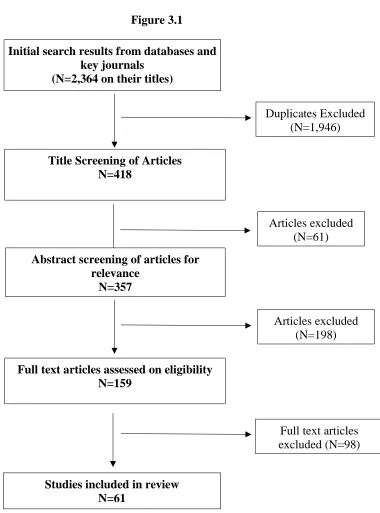
Figure 3.1 ...56
x
Appendix A Articles Categorized ...198
Appendix B Letter of Information for Healthcare Providers ...203
Appendix C Consent Form for Healthcare Provider...205
Appendix D Recruitment Poster ...206
Appendix E Recruitment Handout ...207
Appendix F Recruitment Advertisement ...208
Appendix G GDM Website Layout ...209
Appendix H Letter of Information for Participants ...203
Appendix I Participant Consent Form ...207
Appendix J GDM Document Analysis Chart ...208
Appendix K Facilitator and Barriers to Following the Clinical Practice Guidelines ...223
Appendix L Demographic Date ...225
Appendix M Semi-Structured Interview Questions ...226
Appendix N Example of Data Code, to a Category Having Access to Resources ...228
Appendix O Participant Demographics ...232
Appendix P Clinical Recommendations ...236
Chapter 1
Introduction
It is well documented that gestational diabetes mellitus (GDM) is a precursor to
developing type 2 diabetes later in life (Bellamy, Casas, Hingorani, & Williams, 2009).
Postpartum women with a history of GDM have a seven-fold risk of developing type 2
diabetes compared to normo-glycemic postpartum women (Bellamy et al., 2009). A
diagnosis of gestational diabetes mellitus (GDM) presents opportunities for prevention of
type 2 diabetes through the provision of health education, monitoring and social support
to postpartum women.
The Canadian Diabetes Association [CDA] (2013) clinical practice guidelines for
prevention of type 2 diabetes in women with a history of GDM recommend the
following: screening for diabetes at six weeks to six months postpartum and subsequent
annual screening, nutrition and lifestyle counseling, and exclusive breastfeeding for at
least three months. Evidence shows however, that recommended postpartum protocols for
women with GDM are not being followed by health providers and women (Case,
Willoughby, & Haley-Zitlin, 2006; (England, Dietz, Njoroge, Calaghan, Bruce, Buus et
al., 2009; Dietz,Vesco, Callaghan, Bachman, Bruce, Berg, et al., 2008; Tovar,
Chasan-Taber, Eggelston & Okem, 2011). Poor adherence to recommendation protocols renders
postpartum women with prior GDM at risk for type 2 diabetes.
Women with a history of GDM have consistently expressed a strong need for
social support to make and sustain changes in dietary and physical activity habits
(Dasgupta, Da Costa, Pillay, De Civita, Gougeon, Leong, et al., 2013; Evans, Patrick &
Wellington, 2010; Jagiello & Chertok 2015; Razee, van der Ploeg, Blignault, Smith,
healthcare providers as their primary preference for support (Dasgupta et al., 2013).
Women who experienced GDM, however, report feeling disconnected from their
healthcare providers postpartum (Evans et al., 2010; Thomas 2004) at a time when their
need for support is the greatest (Thomas, 2004). Women who have experienced medical
complications in pregnancy discussed additional stress postpartum. Not only are these
women transitioning to motherhood with all of the demands of a newborn, they are also
trying to regain control over their health (Thomas, 2004). These findings suggest that
women who have experienced medically complicated pregnancies encounter additional
challenges to regain health postpartum than in the general population, and would benefit
from additional support to help overcome those challenges (Thomas, 2004).
Social support has been shown to play a significant role in people at risk for type
2 diabetes to engage in health promoting behaviours (Diabetes Prevention Program,
2002), and has been associated with increased involvement in health enhancing activities
in postpartum women with prior GDM (Koh, Miller, Marshall, Brown, & McIntyre,
2010; Razee et al., 2010). Previous studies have focused on linking social support to
positive physical health outcomes in at risk-populations (Ali, Merlo, Rosvall, Lithman,
and Lindström, 2006; Tomaka, Thompson, and Palacios, 2006; & Zhang, Norris, Gregg,
and Beckles, 2007). Newer research focusing on the link between the provision of social
support and health outcomes is gaining momentum, as it considers the impact that social
support plays in the health of at risk populations (Reblin and Uchino, 2008). While
current literature highlights that recommended clinical practice guidelines (CPG’s) are
not being followed, this research study aimed to address why this is the case from the
the study, social support, purpose of the study, research questions, methodology,
researcher reflexivity, and brief overview of all the chapters will be presented.
Background and Significance
GDM is defined as glucose intolerance with onset or first diagnosis during
pregnancy (CDA, 2013). According to the CDA (2013), the prevalence of gestational
diabetes varies between 3.7% and 18% of Canadian women, depending on the population
studied. Women diagnosed with GDM are at an increased risk for type 2 diabetes,
metabolic syndrome later in life, as well as developing GDM in subsequent pregnancies
(Feig, Zinman, Wang, & Hux, 2008; Gatullo, & Olubummo 2009; Khangura, Grimshaw,
& Moher 2010; Reece, Leguizamon, & Wiznitzer 2009; Schneiderman 2010). A 2008
analysis of Ontario-wide data revealed that nearly 4% of women with prior GDM
developed type 2 diabetes 9 months postpartum, and close to 20% had developed type 2
diabetes within 9 years (Feig et al., 2008). According to the CDA (2012), 30% of
Canadian women with a history of GDM will develop type 2 diabetes within 15 years.
This is concerning since the overall incidence of GDM has increased in Ontario from
3.2% in 1995, to 3.6% in 2001, (Feig et al., 2008) and has essentially doubled over the
last 14 years ((Feig, Hwee, Shah, Booth, Bierman, and Lipscombe, 2014). Research by
Lipscombe & Hux (2007) has shown that diabetes rates in Ontario have increased
dramatically over the last decade with the biggest rise in diabetes seen in women aged 20
to 49 years. This increase appears to be a trend that we are contending with on a global
level. According to the International Diabetes Federation (IDF), there were an estimated
199.5 million women with diabetes in 2015 and is expected to rise to 313.3 million by
The IDF (2015) estimates that 20.9 million or 16.2% of live births to women had
some form of hyperglycaemia in pregnancy. An estimated 85.1% of diabetic pregnancies
(or approximately 17.79 million) were due to gestational diabetes. Additionally, children
of women with a history of GDM are also at an increased risk for obesity (Zhao, Liu,
Qiao, Katzmarzyk, Chapput, Fogelholm, et al., 2016), developing pre-diabetes, and type
2 diabetes later in life (Clausen, Mathiesen, Hansen, Pedersen, Jensen, Lauenborg, et al.,
2008; Dabelea & Pettit, 2001; Damm, 2009; Egeland & Meltzer, 2010). An increased
incidence of GDM and type 2 diabetes is associated with higher healthcare costs related
to diabetes management, and associated health complications. The costs associated with
diabetes management and complications not only affects those individuals living with the
disease, but also their families, communities, and society as a whole (CDA, 2009).
Risk factors for type 2 diabetes include: advanced maternal age, history of GDM,
obesity, heart disease, high cholesterol, ethnicity (Aboriginal, Hispanic, Asian, South
Asian or African), pre-diabetes, or family history of type 2 diabetes (CDA, 2013).
Previous research indicates that development of type 2 diabetes can be delayed or
prevented in at-risk populations through lifestyle modifications (Case et al., 2006;
Delahanty & Nathan, 2008; Khangura et al., 2010). However, women with a history of
GDM report difficulty making recommended lifestyle modifications, and postpartum
follow-up remains suboptimal (Koh, Miller, Marshall, Brown & McIntyre, 2010; Smith,
Cheung, Bauman, Zehle, & McLean, 2005). The lack of follow-up care and ongoing
support postpartum for women with a history of GDM leaves them at high risk for
developing type 2 diabetes.
The economic burden of diabetes on the Canadian healthcare system is enormous
from complications (Haydon, Roerecke, Giesbrecht, Rehm, & Kobus-Mathews, 2006).
According to the CDA (2009), there are approximately 700,000 undiagnosed cases of
type 2 diabetes in Canada. Medical costs for people with diabetes can be up to triple the
amount for those without diabetes (CDA, 2008). Direct costs for individuals with
diabetes include medications and diabetic supplies that range between $1000 and $15,000
per year (CDA, 2008) as well as the indirect costs due to associated complications,
injury-related work disability and premature death. It is estimated that the direct cost of
diabetes to the Canadian health care system accounts for 3.5% of total health care
spending in Canada and has soared to $12.2 billion in 2010, nearly double the cost
reported in 2000, and is expected to increase by another $4.7 billion by 2020 (CDA,
2009). The higher cost is the result of increased hospital stays, physicians’ visits and
medical procedures associated with diabetes management and its co-morbidities (CDA,
2008).
Current fiscal estimates are considered conservative as actual healthcare costs
pertaining to diabetes are thought to be significantly higher (Haydon et al., 2006). The
increasing financial demands on the healthcare system, paired with dwindling fiscal
resources, require innovative planning for the future. Health promotion and diabetes
prevention strategies are needed to reduce the growing burden of diabetes on women,
their children and families, and on our healthcare system. The provision of social support
can be used as a strategy to help successful prevention of type 2 diabetes as it is
well-documented to be one of the most important psychosocial factors influencing positive
health outcomes (Berkman, Glass, Brissette, & Seeman, 2000; Bishop, Irby, Isom,
Blackwell, Vitolins, & Skelton, 2013; Goetz, Szecsenyi, Campbell, Rosemann, Rueter,
Empirical studies have shown that generally, people lacking social support have
high mortality rates, most notably from cardiovascular disease (Brummett, Barefoot,
Siegler, Clapp-Channing, Lytle, Bosworth et al., 2001; Frasure-Smith, Lesperance,
Gravel, Masson, Juneau, Talajic, et al., 2000; Rutledge, Reis, Olson, Owen, Kelsey,
Pepine et al., 2004). Social support has been studied and defined in many different ways
and therefore, must be clearly defined to understand the overall construct (Schwarzer,
Knoll, & Reikmann, 2004). Social support, social support networks, and social
integration are concepts that are interrelated yet are quite different. Social support
networks are objective in nature, referring to the people or providers of support within
one’s environment and provide the foundation upon which social integration and social
support will eventually occur (Schwarzer et al., 2004). Social integration and social
support on the other hand, are theoretical constructs that refer to one’s social
embeddedness, sense of belonging, closeness, and obligation (Schwarzer et al., 2004).
There are two aspects of social integration: 1) configuration of social relationships (the
size and degree of networks and how often they interact), and 2) one’s perception of
embeddedness within that network (Schwarzer et al., 2004). In contrast, the idea of social
support in its broadest sense is subjective, is dependent on the context in which it is used,
and represents the purpose and quality of social relationships that occurs through a
process of engaging with others (Schwarzer et al., 2004).
For the purpose of this research, social support was defined as any resource
provided by others, any exchange of resources, or any assistance with coping (Schwarzer
et. al., 2004). There are various types of social support that may be exchanged including
instrumental (e.g., problem solving), informational (e.g., advice or education), tangible
is important to note that the health of an individual is not solely dependent on the
provision of social support itself. According to Rook (1990), health results from
reciprocal process that occurs through the participation in a meaningful social context.
This means that when people engage socially, they become vested and more embedded in
their social networks over time. The more the individual engages socially and builds
relationships, the greater their ties become, the higher their obligations, and the desire to
give in return becomes greater (Schwarzer et al., 2004).
The Social Ecological Model of Health Promotion [SEMHP] (McLeroy, Bibeau,
Steckler, & Glanz, 1988; Stokolos, 1996) offers a framework that portrays the intricate
relationships amongst the various levels of influence. This model proposes that while
individuals are responsible for implementing the necessary lifestyle modifications to
improve their health, individual behaviour is predominantly dictated by the social
environment in which they live (Stokolos, 1996). The various levels of influence on
individual health include individual, interpersonal, organizational, community, and
political (Stokolos, 1996). The SEMHP was used to guide this research as it helped to
understand the variables that either facilitate, or act as barriers to postpartum women with
a history of GDM engaging in health behaviours. The SEMHP is particularly useful for
understanding social processes (Stokolos, 1996), making it an ideal choice to help
understand the social support processes of postpartum women with prior GDM. The
SEMHP also helped address the multitude of complexities within the various levels of
influence that contribute to health behaviours rather than focusing specifically on the
individual (Stokolos, 1996).
A diagnosis of GDM presents opportunities for type 2 diabetes prevention
women. These opportunities are often overlooked or missed by healthcare providers in
Ontario, a symptom of the fragmented healthcare that is provided in our current
healthcare system (Keely, 2012). This research study was designed to engage postpartum
women with prior GDM in the research process to capture “their historical, social, and
situational locations" (Charmaz, 2011, p. 366) while trying to make and maintain healthy
lifestyles.
In summary, GDM is a well-known risk factor for the development of future
diabetes. There is little known about how to specifically address barriers to prevent type 2
diabetes within the context of the Canadian healthcare system. Provision of social support
has been shown to improve health outcomes for postpartum women yet, is lacking at a
time when women have identified a need for it. Social support processes are not fully
understood as experienced by postpartum women as they try to restore or maintain their
health after having GDM. Knowledge on how social support is experienced by women as
they transition from a GDM complicated pregnancy to life without diabetes, offers
valuable insight on how to address their challenges maintaining or restoring health. This
research explored the social support processes as experienced by postpartum women with
prior GDM to help address this gap.
Research Purpose
The goal of this research was to generate a substantive theory to explain the role
that social support plays within various levels of influence, and on the health promoting
behaviours of postpartum women with prior GDM. The purpose of this constructivist
grounded theory research was twofold:
(1) To explore the social supports of postpartum women with a history of GDM, as they
(2) To critically examine facilitators and barriers to engaging in health behaviours among
postpartum women with a history of GDM, within the context of the individual,
interpersonal, organizational, community, and political levels of influence on health.
Research Questions
The research questions guiding this research were:
1) What are the social support processes experienced by postpartum women with prior
GDM between 3 months and 24 months postpartum,
2) How do social supports and various levels of influence, impact engaging in, and
maintaining healthy lifestyles in postpartum women with prior GDM?
Methodology
This research study was guided by constructivist grounded theory methodology.
Grounded theory originally developed by Glaser and Strauss (1967) was introduced in
their book titled "The Discovery of Grounded Theory", and is now one of the most
widely used methodologies in the social sciences (Strauss & Corbin, 1998). Grounded
theory was established as a general qualitative methodology, and offered a "new way of
thinking about and conceptualizing data" (Straus & Corbin, 1994, p. 275). It was
specifically developed to help narrow the gap between theory and empirical research,
provide logic behind the theory it generated, and to validate qualitative research (Strauss
and Corbin, 1994). Ultimately, grounded theory was designed to construct theory that
captures issues of importance in people's lives (Glaser & Strauss, 1967; Glaser, 1978;
Straus & Corbin, 1998), by constructing "abstract theoretical explanations of social
processes" (Charmaz, 2007, p. 5). According to Strauss and Corbin (1994), grounded
theory was designed to assist researchers in creating theory that is 'conceptually dense'.
explanations of experiences and phenomena. They assert that theoretical
conceptualizations are concerned with the interplay between a variety of social units, as
well as patterns of action or processes (Strauss & Corbin, 1994).
Grounded theory has evolved over the years as various researchers have differing
ideas on the implementation of grounded theory methods (Jones & Alony, 2011). Today,
there are three prevalent variations of grounded theory, Traditional, Straussian, and
Constructivist, and are differentiated by their philosophical underpinnings and
methodological approach (Kenney & Fourie, 2015). It has been argued that "all variations
of grounded theory exist on a methodological spiral and reflect their epistemological
underpinnings" (Mills, Bonner, & Francis, 2006, p.9). This means that all versions of
grounded theory share the same foundation, but may differ philosophically in their
approach to the research process. Grounded theory was a natural fit with the purpose of
this study as it intended to explore the social processes of women with prior GDM as they
attempt to restore and maintain their health postpartum.
Constructivist grounded theory methods also allow the researcher to unveil
complex social processes by integrating subjective experiences with social conditions in
the analyses. This means that individual perspectives and social contexts are not ignored,
but rather are valued and emphasized in the theory it produces. Constructivist grounded
theory forces the researcher to go beyond the surface to co-construct theory with research
participants. In doing so, constructivist grounded theory offers a means to elicit multiple
realities, offering theoretical interpretations of peoples’ experiences. Constructivist
grounded theory was particularly relevant for this research as it pays attention to context
insight on how to best meet the needs of women with prior GDM as they transition to life
without diabetes postpartum while maintaining or restoring health.
Chapter Overviews
This dissertation follows an integrated article format whereby each chapter is a
separate manuscript. Chapter 2 is a manuscript titled Health Promotion and Type 2
Diabetes Prevention in Postpartum Women with Prior GDM: A Socioecological
Approach. This manuscript addresses the role that social determinants of health play in
the health of postpartum women with prior GDM. The social determinants were an
important consideration in this research study as they not only influence health
behaviours, but they also help to address the health inequities that exist for women with
prior GDM. The social ecological model is presented, and used as a conceptual
framework to understand the multiple factors that serve as enablers, and/or barriers to
postpartum women with a history of GDM engaging in health promoting activities.
Chapter 3 is a manuscript titled Gestational Diabetes Mellitus Management: How
Well are we Doing Postpartum? A Scoping Review. The scoping review examines the
current state of the literature on the global implementation of the International Diabetes
Federation guidelines pertaining to diabetes prevention in women with prior GDM (blood
glucose screening, breastfeeding, and lifestyle modifications). The scoping review also
helped identify the role that social support plays for women to follow the CPG’s. The
results of this scoping review identified specific gaps in the research and provided the
direction for this research study.
Chapter 4 is a manuscript titled It’s About Time! GDM: A Transformative
Postpartum Process. This manuscript presents a constructivist grounded theory (GT)
of GDM as they navigate the healthcare system postpartum, to restore and maintain their
health, and (2) To critically examine facilitating factors and barriers to engaging in health
behaviours within the context of the individual, interpersonal, organizational, community,
and political environments in which the women live. Three phases of a transformative
postpartum process are presented and discussed: dealing with a GDM diagnosis,
adjusting to life without diabetes while maintaining or restoring health, and reconciling a
new normal. Research methods including sampling and recruitment strategies, participant
selection, inclusion and exclusion criteria, data collection, data analysis and category
development, results, discussion, clinical implications and conclusion are presented.
Chapter 5 provides a discussion, implications, conclusion and a summary of the
results of this research study for current and future practice. Clinical recommendations
are identified and discussed that address current barriers and facilitators to engaging in
References
Ali, S., Merlo, J., Rosvall, M., Lithman. T., and Lindström, M. (2006). Social capital, the
miniaturisation of community, traditionalism and first time acute myocardial
infarction: a prospective cohort study in southern Sweden. Social Science &
Medicine, 63, 2204–2217.
Bellamy, L., Casas, J.P., Hingorani, A.D., Williams, D. (2009). Type 2 diabetes mellitus
after gestational diabetes; A systematic review and meta-analysis. Lancet,
373(9771), 1773- 1779. doi:10.1016/S0140-6736(09)60731-5
Berkman, L.F., Glass, T., Brissette, I., & Seeman, T.E. (2000). From social integration to
health: Durkheim in the new millennium. Social Science and Medicine, 51, 843–
857.
Bishop, J., Irby, M. B., Isom, S., Blackwell, C. S., Vitolins, M. Z., & Skelton, J. A.
(2013). Diabetes Prevention, Weight Loss, and Social Support: Program
Participants’ Perceived Influence on the Health Behaviors of Their Social Support
System. Family & Community Health, 36(2), 10.1097/FCH.0b013e318282b2d3.
http://doi.org/10.1097/FCH.0b013e318282b2d3
Brummett, B.H., Barefoot, J.C., Siegler, I.C., Clapp-Channing, N.E., Lytle, B.L.,
Bosworth, H.B., et al. (2001). Characteristics of socially isolated patients with
coronary artery disease who are at elevated risk for mortality. Psychosomatic
Medicine, 63, 267–272
Canadian Diabetes Association. (2008). Gestational diabetes: Preventing complications in
pregnancy. Diabetes Canada. Retrieved from
Canadian Diabetes Association. (2009). Economic tsunami; The cost of diabetes in
Canada. Diabetes Canada. Retrieved from:
http://www.diabetes.ca/advocacy/reports-and-information/federal-provincial-cost-model-reports/
Canadian Diabetes Association. (2012). Testing for Type 2 Diabetes after Gestational
Diabetes Mellitus (GDM). Diabetes Canada. Retrieved from:
http://www.diabetes.ca/diabetes-and-you/healthy-guidelines/protecting-mothers/
Canadian Diabetes Association. (2013). Clinical practice guidelines; Screening for type 1
and type 2 diabetes. Canadian Journal of Diabetes, 37, S12-S-15.
Case, J., Willoughby, D., Haley-Zitlin, V., & Maybee, P. (2006). Preventing type 2
diabetes after gestational diabetes. The Diabetes Educator, 32(6), 877-886. doi:
10.1177/0145721706294263
Charmaz, K. (2007). Constructing grounded theory: A practical guide through
qualitative analysis. Thousand Oaks, CA. Sage Publications.
Charmaz, K. 2011. Grounded theory methods in social justice research. In Denzin, N.,
and Lincoln, Y. (Eds.). Handbook of Qualitative Research (4th ed., pp. 359-385).
Thousand Oaks, CA: Sage Publications
Clausen, T., Mathiesen, E., Hansen, T., Pedersen, O., Jensen, D., Lauenborg, J., &
Damm, P. (2008). High prevalence of type 2 diabetes and pre-diabetes in adult
offspring of women with gestational diabetes mellitus or type 1 diabetes: The role
of intrauterine hyperglycemia. Diabetes Care, 31(2); 340-346. doi:
Dabelea. D., & Pettit, D. (2001). Intrauterine diabetic environment confers risk for type 2
diabetes mellitus and obesity in the offspring, in addition to genetic susceptibility.
Journal of Pediatric Endocrinology and Metabolism, 14(8), 1085–1091.
Damm, P. (2009). Future risk of diabetes in mother and child after gestational diabetes.
International Journal of Gynecology and Obstetrics, 104(1), S25-S26,
doi:10.1016/j.ijgo.2008.11.025
Dasgupta, K., Da Costa, D., Pillay, S., De Civita, M., Gougeon, R., Leong, A., & ...
Meltzer, S. (2013). Strategies to optimize participation in diabetes prevention
programs following gestational diabetes: A focus group study. Plos ONE, 8(7),
1-8. doi:10.1371/journal.pone.0067878
Delahanty, L. M., & Nathan, D. M. (2008). Implications of the diabetes prevention
program (DPP) and Look AHEAD clinical trials for lifestyle interventions.
Journal of The Academy of Nutrition and Dietetics, 108(4), s66-s72.
doi: 10.1016/j.jada.2008.01.026
Diabetes Prevention Program. (2002). The diabetes prevention program: Description of
lifestyle intervention. Diabetes Care, 25(12), 2165-2171. doi:
0.2337/diacare.25.12.2165
Dietz, P., Vesco, K., Callaghan, W., Bachman, D., Bruce, F., Berg, C., ... Hornbrook, M.
C. (2008). Postpartum screening for diabetes after a gestational diabetes mellitus–
affected pregnancy. Obstetrics and Gynecology, 112(4): 868-874. doi:
Egeland, G. & Meltzer, S. (2010). Following in mother’s footsteps? Mother–daughter
risks for insulin resistance and cardiovascular disease 15 years after gestational
diabetes. Diabetic Medicine, 27(3), 257-265. doi:
10.1111/j.1464-5491.2010.02944.x
England, L., Dietz, P., Njoroge, T., Calaghan, W., Bruce, C., Buus, R., & Williamson, D.
(2009). Preventing type 2 diabetes: public health implications for women with a
history of gestational diabetes mellitus. American Journal of Obstetrics and
Gynecololgy, 200(4). 365 e1-365 e8. doi: 10.1016/j.ajog.2008.06.031
Evans, M., Patrick, L., & Wellington, C. (2010). Health behaviours of women with a
history of gestational diabetes. Canadian Journal of Diabetes, 34(3), 227-232.
Feig, D., Zinman, B., Wang, X., & Hux, J. (2008). Risk of development of diabetes
mellitus after diagnosis of gestational diabetes. Canadian Medical Association
Journal, 179(3), 229-234. doi:10.1503/cmaj.080012.
Feig, D.S., Hwee, J., Shah, B.R., Booth, G.L., Bierman, A.S., Lipscombe, L.L. (2014).
Trends in incidence of diabetes in pregnancy and serious perinatal outcomes: a
large, population-based study in Ontario, Canada, 1996-2010. Diabetes Care,
37(6):1590-6. doi: 10.2337/dc13-2717.
Frasure-Smith, N., Lesperance, F., Gravel, G., Masson, A., Juneau, M., Talajic, M., &
Bourassa, M.G. (2000). Social support, depression, and mortality during the first
year after myocardial infarction. Circulation, 101, 1919–1924.
Gattullo, B. & Olubummo, C. (2009). Sizing up gestational diabetes. Nursing, 39(12), 54-
56. doi: 10.1097/01.NURSE.0000365028.25526.2a
Glaser, B. (1978). Theoretical sensitivity: Advances in the methodology of grounded
Glaser, B. & Strauss, A. (1967). The discovery of grounded theory: Strategies for
qualitative research. Chicago, IL: Aldine.
Goetz, K., Szecsenyi, J., Campbell, S., Rosemann, T., Rueter, G., Raum, E., … Miksch,
A. (2012). The importance of social support for people with type 2 diabetes – a
qualitative study with general practitioners, practice nurses and patients. GMS
Psycho-Social-Medicine, 9, Doc02. http://doi.org/10.3205/psm000080
Haydon, E., Roerecke, M., Giesbrecht, N., Rehm, J., & Kobus-Mathews, M. (2006).
Chronic disease in Ontario and Canada: determinants, risk factor and prevention
priorities. Ontario Chronic Disease Prevention Alliance and the Ontario Public
Health Association. Retrieved from:
http://www.ocdpa.on.ca/rpt_ChronicDiseaseOntario.htm
International Diabetes Federation. (2015). Diabetes resources: Fast facts and figures.
The IDF Diabetes Atlas, seventh edition. Retrieved from:
http://www.idf.org/women-and-diabetes/resource-centre
Jagiello, K. P. and Azulay Chertok, I. R. (2015), Women's experiences with early
breastfeeding after gestational diabetes. Journal of Obstetric, Gynecologic, &
Neonatal Nursing, 44(4), 500–509. doi: 10.1111/1552-6909.12658
Jones, M. & Alony, A. (2011). Guiding the use of grounded theory in doctoral studies:
An example from the Australian film industry. International Journal of Doctoral
Studies, 6, 95-114. Retrieved
from:http://ro.uow.edu.au/cgi/viewcontent.cgi?article=1842&context=commpapers
Keely, E., Clark, H., Karovitch, A., & Graham. I. (2010). Screening for type 2 diabetes
Kenny, M., & Fourie, R. (2014). Tracing the history of grounded theory methodology:
From formation to fragmentation. The Qualitative Report, 19(103), 1-9. Retrieved
from http://www.nova.edu/ssss/QR/QR19/kenny103.pdf
Khangura, S., Grimshaw, J., & Moher, D. (2010). What is known about postpartum
intervention for women with gestational diabetes mellitus? Ottawa Hospital
Research Institute. Retrieved from:
http://www.ohri.ca/kta/docs/KTA-GDM-Evidence-Review.pdf
Koh, D., Miller, Y., Marshall, A., Brown, W., & McIntyre, D. (2010). Health-enhancing
physical activity behaviour and related factors in postpartum women with recent
gestational diabetes. Journal of Science and Medicine in Sport, 13(1), 42-45.
Lipscombe, L. & Hux, J. (2007) Trends in diabetes prevalence, incidence, and mortality
in Ontario, Canada 1995-2005: a population-based study. The Lancet,
369(9563),750-756. doi:10.1016/S0140-6736(07)60588-1
McEwen, M. M., Pasvogel, A., Gallegos, G., & Barrera, L. (2010). Type 2 Diabetes
Self-Management Social Support Intervention in the U.S.-Mexico Border. Public Health
Nursing 27(4), 310–319. http://doi.org/10.1111/j.1525-1446.2010.00860.x
Mills, J., Bonner, A., & Francis, K. (2006). Adopting a constructivist approach to
grounded theory: Implications for research design. International Journal of Nursing
Practice. 12(2), 8-13. doi: 10.1111/j.1440-172X.2006.00543.x.
Razee, H., van der Ploeg, H., Blignault, I., Smith, B., Bauman, A., McLean, M., &
Cheung, N. (2010). Beliefs, barriers, social support, and environmental influences
related to diabetes risk behaviours among women with a history of gestational
Reblin, M., & Uchino, B. N. (2008). Social and emotional support and its implication for
health. Current Opinion in Psychiatry, 21(2), 201–205.
doi.org/10.1097/YCO.0b013e3282f3ad89
Reece, A., Leguizamon, G., & Wiznitzer, A. (2009). Gestational diabetes: the need for a
common ground. Lancet, 373(9676), 1789-1797.
doi:10.1016/S0140-6736(09)60515-8
Rook, K. S. (1990). Social relationships as a source of companionship: Implications for
older adults’ psychological well-being. In B. R. Sarason, I. G. Sarason, & G. R.
Pierce (Eds.), Social support: An interactional view (pp. 221-250). New York:
Wiley.
Rutledge, T., Reis, S.E., Olson, M., Owen, J., Kelsey, S.F., Pepine, C.J., et al. (2004).
Social networks are associated with lower mortality rates among women with
suspected coronary disease: The national heart, lung, and blood
institute-sponsored women’s ischemia syndrome evaluation study. Psychosomatic
Medicine, 66, 882–886.
Schneiderman, E. (2010). Gestational diabetes: An overview of a growing health concern
for women. Journal of Infusion Nursing, 33(1), 48-54.
doi:10.1097/NAN.0b013e3181c6d983.
Schwarzer, R., Knoll, N., & Reikmanns, N. (2004). Social Support. Kaptein, A., &
Meinmann, J. Introduction to health psychology (1st ed). Blackwell, Oxford,
England.
Seeman, T.E. (1996). Social ties and health: The benefits of social integration. Annals of
Smith, B., Cheung, N., Bauman, A., Zehle, K., McLean, M. (2005). Postpartum physical
activity and related psychosocial factors among women with recent gestational
diabetes mellitus. Diabetes Care, 28(11),2650–2654.
Straus, A. & Corbin, J. (1994). Grounded theory methodology; An overview. In Denzin,
N. & Lincloln, Y. (p. 273-285). Handbook of Qualitative Research. Thousand
Oaks, CA: Sage Publications.
Strauss, A. & Corbin, J. (1998). Basics of qualitative research: Techniques and
procedures for developing grounded theory (2nd ed.). Thousand Oaks, CA: Sage
Publications.
Thomas, H. (2004). Women’s postnatal experience following a medically complicated
pregnancy. Health Care for Women International, 25(1), 76-87.
doi: 10.1080/07399330490253256
Tomaka. J., Thompson, S., & Palacios, R. (2006). The relation of social isolation,
loneliness, and social support to disease outcomes among the elderly. Journal of
Aging and Health. (18)359–384.
Tovar, A., Chasan-Taber, L., Eggleston, E., & Oken, E. (2011). Postpartum screening for
diabetes among women with a history of gestational diabetes mellitus. Preventing
Chronic Disease, 8(6), A124
Uchino, B.N. (2004). Social support and physical health: Understanding the health
consequences of our relationships. New Haven, CT: Yale University Press
Zhang, X., Norris, S., Gregg, E., & Beckles, G. (2007). Social support and mortality
Zhao, P., Liu, E., Qiao, Y., Katzmarzyk, P., Chapput, J. Fogelholm, M., et al. (2016). Ma
ternal gestational diabetes and childhood obesity at age 9–11: results of a
multinational study. Diabetologia 59: 2339.
Chapter 2
Health promotion and type 2 diabetes prevention in postpartum women with prior
GDM: A socioecological approach
Introduction
Gestational Diabetes Mellitus (GDM) is defined as glucose intolerance with onset
or first diagnosis during pregnancy, and affects 3.7%-18% of Canadian women
(Canadian Diabetes Association [CDA], 2013). It is well documented that GDM is a
precursor to developing type 2 diabetes later in life (Bellamy, Casas, Hingorani, &
Williams, 2009). Postpartum women with a history of GDM have a seven-fold risk of
developing type 2 diabetes compared to normo-glycemic postpartum women (Bellamy et
al., 2009). The incidence of GDM in Canada has doubled over the last 14 years, and the
overall burden of diabetes in pregnancy on society is growing (Feig, Hwee, Shah, Booth,
Bierman, and Lipscombe, 2014). Approximately 30% of Canadian women with a history
GDM will develop type 2-diabetes within 15 years post diagnosis (Canadian Diabetes
Association [CDA], 2013).
A diagnosis of GDM presents opportunities for health promotion, and the
prevention of type 2 diabetes. The CDA (2013) clinical practice guidelines for prevention
of type 2 diabetes in women with a history of GDM recommend the following: screening
for diabetes at six weeks to six months postpartum and subsequent annual screening,
nutrition and lifestyle counseling, and exclusive breastfeeding for at least three months.
Evidence shows however, that recommended postpartum protocols for women with
GDM are not being followed (Case, Willoughby, & Haley-Zitlin, 2006; England et al.,
2009; Dietz et al., 2008; Tovar, Chasan-Taber, Eggelston & Okem, 2011). Given that
it is time to revisit our current health promotion and disease prevention strategies for
women with prior GDM. The purpose of this paper is to explore a socioecological
approach to health promotion in postpartum women with prior GDM.
The term health promotion became popular in the 1980’s with a group of health
activists who were opposed to the traditional individualistic approach to health education
and disease prevention (International Union for Health Promotion and Education
[IUHPE] 2007). There was a distinct shift in thinking during this time from a focus on
modifying individual risk factors, to addressing the context and meaning of health
(Kickbusch, 2003). In 1986, the Ottawa Charter was developed in response to a growing
need for a new public health movement worldwide. The charter identifies the
prerequisites for health as the basic conditions and resources necessary for health to exist.
Provision of social support that targets a variety of influences on health, ensures a
comprehensive approach to health promotion and disease prevention.
Clinical practice guidelines (CPG’s) are designed to promote health and prevent
disease for the target population that they are intended. While CPG’s exist for postpartum
women with prior GDM, they only offer recommendations for care. Despite these
recommendations, evidence indicates that clinical practice guideline for postpartum
women with prior GDM are not being followed by health providers and women (Case et
al., 2006; England et al., 2009; Dietz et al., 2008; Tovar et al., 2011). Provision of social
support is crucial to help ensure successful implementation of these guidelines for women
with prior GDM as evidence indicates that social support plays a significant role in
overcoming obstacles to promoting healthy behaviours (Berkman, Glass, Brissette, &
Social Determinants of Health
Social determinants of health (SDOH) significantly impact the extent to which
people engage in healthy behaviours, and fundamentally influence people’s health
(Raphael, 2008). The determinants include the economic and social conditions that affect
the health of individuals, communities, and populations as a whole (Raphael, 2008).
Social determinants of health are influenced by various political, economic, and social
forces within one’s environment (Raphael, 2008). According to the World Health
Organization’s (WHO) Commission on the SDOH (2008), the determinants include, but
not limited to the following: income, social support networks, education, employment,
social and physical environments, coping skills, healthy child development, biology and
genetics, access to health services, gender and culture.
The SDOH largely influence an individual's ability to identify and achieve
personal aspirations, satisfy needs, cope with the environment, and changing life
circumstances (Raphael, 2008). For example, research has shown that women with high
education levels are more likely to engage in healthy behaviours (supplementing
prenatally with folic acid, seeking early prenatal care, attending prenatal education
programs and exclusively breastfeeding for six months), than women who have less
education (Health Statistics, 2010). Pregnant women with low income, low levels of
education, and few social supports are shown to have poorer birth outcomes than
pregnant women with high incomes, high education levels and strong social supports
(Canning, Frizzell, & Courage., 2010; Gennaro, 2005). The rates of preterm birth, small
for gestational age, stillbirth, and infant mortality are reported to decrease as the level of
Women are also more likely to have GDM or subsequent diagnosis of diabetes if
they are of low socioeconomic status and live in an urban setting (Feig et al., 2008).
Women are more likely to complete postpartum glucose screening if they received
prenatal care, are older, have had multiple pregnancies, earn a high income, have high
education levels, and/or have attended their 6-week postpartum follow-up appointment
(Tovar et al., 2011). The social determinants of health are an important consideration as
they not only influence health and health outcomes, they help to understand the health
inequities that may exist for women with prior GDM.
Social Ecological Model of Health Promotion
The prevention of type 2 diabetes requires individuals to modify a complex set of
lifestyle behaviours influenced by personal characteristics, interpersonal relationships,
organizational structures, community supports, and political forces. Originally proposed
by Urie Bronfenbrenner (1979), the Ecological Systems Theory of Development
(ESTOD) is one of most well-known conceptual frameworks for understanding both
personal and environmental influences that shape human development. In this
framework, behaviour is thought to be affected by, as well as have an effect on, multiple
levels of influence (Bronfenbrenner, 1979). According to Bronfenbrenner (1979), there
are four levels of influence in which the environment can influence behaviour, and can in
turn effect the environment. Those levels include microsystems, mesosystems,
exosystems and macrosystems. Others have since built upon Bronfenbrenner's original
work to develop the Social Ecological Model of Health Promotion [SEMHP] (McLeroy
et al., 1988; Stokolos, 1996). McLeroy et al. (1988) developed five levels of influence
and later Stokolos (1996), identified core assumptions of the social ecological model. In
1988). Much like Bronfenbrenner's model, McLeroy et al., (1988) and Stokolos (1996)
believe that behaviour influences multiple levels including individual, interpersonal, and
organizational, community and political levels.
The social ecological model of health promotion was developed to understand
various areas of study, and is particularly useful for understanding social processes
(Stokolos, 1996). This model proposes that while individuals are responsible for
implementing necessary lifestyle modifications to improve their health, individual
behaviour is predominantly dictated by the social environment in which they live
(Stokolos, 1996). There are numerous variables that come into play when examining the
lifestyle practices and health of individuals. Social determinants of health significantly
impact the extent to which people engage in healthy behaviours and influence people’s
health. Health is determined by the physical, social, and economic environments (Tones
& Tilford, 2001), yet health promoting practices for new mothers have been
predominantly based on behavioural change models where the focus is directed at the
individual level. The social ecological approach for health promotion (SEMHP) on the
other hand, helps to address the interdependence between the multiple layers of influence,
rather than focusing simply on the role that individuals have in their own health
behaviours (Stokolos, 1996). There are many influencing factors that contribute to a
woman’s ability to implement healthy lifestyle modifications following a GDM
complicated pregnancy. Personal characteristics, physical status, emotional status,
personal relationships, income status, access to resources, geographical location are just a
few examples of the countless influences that contribute to a woman’s ability to maintain
Behavioural change models offer interventions for diabetes prevention for
women with prior GDM to implement however, these types of interventions are limited
as they do not do not take into account personal characteristics or potential barriers. For
example, a behavioural change intervention would be to encourage women with prior
GDM to breastfeed postpartum. A SEMHP approach on the other hand would integrate
facilitating factors, as well as address potential barriers to successful breastfeeding. In a
SEMHP intervention, once the assessment is complete, interventions would capitalize on
the positive influencing factors, and address the barriers to their implementation. For
example, a SEMHP intervention would be to encourage women with prior GDM to
breastfeed postpartum with the provision of ongoing support and education, until a good
latch and regular feeding patterns have been established. This type of intervention would
require the assessment and consideration of individual characteristics (physical,
psychological, emotional etc.) while considering and accounting for potential extrinsic
influences (intra-personal relationships, access to healthcare providers, access to
resources etc).
Core Assumptions of the Social Ecological Model of Health Promotion
According to Stokolos (1992), there are four core assumptions that underpin the
SEMHP. The first assumption acknowledges the countless personal attributes and
multiple factors in the environment that can influence behaviour (Stokolos, 1992). The
second assumption asserts that environments are multidimensional and complex, and are
characterized by several components (Stokolos, 1992). Social or physical components
within the environment can be described in terms of their features or attributes, their
actual or perceived qualities, as well as on their scale or proximity to the individual
environments, ranging from individual or small group interactions, to larger communities
and populations, rather than focusing solely on the individual level (Stokolos, 1992). The
last assumption acknowledges that interrelationships between people and their
environments are dynamic (Stokolos, 1992) and reciprocal in nature. The physical, social
and political environments influence one's behaviour, while at the same time, the
behaviour of the individual, group or organization also impact on the wellbeing of their
environments (Stokolos, 1992). The SEMHP acknowledges that individuals are situated
within larger social systems that interact at various levels (Stokolos, 1992). The following
discussion will identify some of the interactions that occur within those systems at each
of the levels of influence.
Levels of the Social Ecological Model of Health Promotion
Individual Level
Evidence suggests that personal attributes and behaviours are linked to the
development of a number chronic conditions and diseases such as obesity and diabetes
(Kaplan, Everson, & Lynch, 2000). Likewise, there are a number of individual
characteristics that influence one's propensity to engage in health behaviours. The ability
to change behaviour is influenced by one's knowledge, attitudes, beliefs, values,
self-concept, skills, genetic heritage, personality dispositions, as well as emotional and
developmental history (McLeroy et al., 1988; Stokolos, 1996). Many behaviour change
models such as those directed at the prevention of diabetes, are based on the premise that
individual behaviour is related to these individual characteristics, and consider these
attributes within the context of the broader social environment and in fact, emphasize the
interaction between them (Stokolos, 1996). Interventions at this level would use a variety
Therefore, interventions primarily target individuals who are at risk for certain diseases.
For example, to prevent type 2 diabetes in women with prior GDM, we need to determine
the risks and benefits of blood glucose screening, examine current postpartum screening
practices, determine women’s intent to be screened for type 2 diabetes and establish
women’s motivation for implementing healthy lifestyle behaviours.
Interpersonal
The interpersonal level of influence includes relationships that exist with family,
friends, neighbours, and healthcare providers. These social relationships are considered
crucial to the individual's social identity, and are thought to provide various sources of
social support such as emotional, informational, and tangible support (McLeroy et al.,
1988). The social ecological model proposes that individuals acquire norms through their
interactions in social networks and in turn influence those within their social networks as
well as those linked to those networks (McLeroy et al., 1988). At this level, interventions
would be designed to alter existing social relationships in such a way as to support
desired behaviours and discourage those that are undesirable with the ultimate goal of
changing social norms, beliefs and social influences (McLeroy et al., 1988). For example,
healthcare providers should provide counselling and support to women with prior GDM
on type 2 diabetes prevention, provide blood glucose screening, offer reminders and
follow-up, and should align women with tangible resources to help overcome barriers to
accessing care.
Organizational/Institutional
The organizational or institutional level of influence refers to any social
institutions, such as schools, workplaces or professional associations that possess
(McLeroy et al., 1988). Organizations provide individuals with both social and economic
resources, convey board societal norms and values, and are essential to support long-term
behavioural changes (McLeroy et al., 1988). People spend a great deal of time within
their formal organizations, which can significantly influence health and health
behaviours. Organizations can offer several advantages in terms of health promotion such
as their potential to reach a large number of individuals. Interventions at this level of
influence for health promotion would target overarching organizational culture and
characteristics (McLeroy et al., 1988), such as rules and regulations (ex, smoking
restrictions), employee benefits (insurance coverage), or work structure (time off for
engaging in healthy activities) in order to change existing culture and encourage positive
behavioural changes.
Organizations provide the context for health promoting behaviours and offer
social support for behaviour change (Centers for Disease Control and Prevention, 2016;
Whitemore, Melkus, & Grey, 2004). For example, evidence suggests that employment
and culture environment can have a positive influence on health and health behaviours
(Centers for Disease Control and Prevention, 2016) such as adding healthier cafeteria
food and vending machine options, work-site anti-smoking policies and weight loss
incentive initiatives (Kaplan et al., 2000). Regarding diabetes prevention, the CDA
(2003) developed a healthy workplace initiative program targeting corporations to adopt
health promotion strategies. Evidence has shown a decline in the number of sick days,
loss of time due to injuries, and a reduction in the number of Workplace Safety and
Insurance Board (WSIB) claims resulting from the adoption of this initiative (CDA,
developed clinical practice guidelines for the prevention of diabetes in Canada which we
are still utilized today (CDA, 2013).
Community
Community influences on health can be defined in a number of ways. According
to McLeroy et al. (1988), communities make up the larger social structures, and can serve
in various ways; as mediating structures (such as families, informal social networks,
churches, neighborhoods), they can exist as relationships among organizations within a
political or geographic location, and can serve as power structures within towns, cities
and provinces (media agendas, public agendas, developing partnerships etc.). Engaging in
health behaviours is significantly influenced by the social context in which communities
are situated, as well as by social norms surrounding a particular health issue (Quintiliani,
Sattelmair, & Sorrenson, 2007). Social norms, values and beliefs are created by those
individuals who make up the larger community.
Community based interventions to prevent or delay type 2 diabetes are becoming
more prevalent. For example, the Diabetes Prevention Program (DPP, 2002) was a major
clinical research study involving 3234 men and women in the United States. It sought to
determine if modest weight loss through dietary changes and increased physical activity
or the use of metformin (a medication to help reduce blood glucose levels) could prevent
or delay the onset of type 2 diabetes. Participants receiving intensive individual
counselling and motivational support on effective diet, exercise, and behaviour
modification-reduced their risk of developing diabetes by 58 percent. This finding was
consistent across all participating ethnic groups and for both men and women. While the
Diabetes Prevention Program (2002) was originally developed to target individual and
throughout the United States. One study explored the effectiveness of the Diabetes
Prevention Program adapted to incorporate community-based interventions in 11
underserved communities (Seidel, Powell, Zigbor, Siminerio, & Piat, 2008). There were
573 participants (both men and women) screened for metabolic syndrome however, 88
participants were eligible for the interventions (Siedel et al., 2008). Nearly 44% of the
participants experienced improvements in one or more components of metabolic
syndrome, 46.4% of participants lost more than 5% body weight and 26.1% lost greater
than 7% body weight (Seidel et al., 2008).
Evidence suggests that community based interventions have led to increased
knowledge, activity levels, self-esteem and other preventive behaviours (Satterfield,
Volansky, Caspersen, Engelgau, Bauman, Gregg et al., 2003). Interventions at this level
should focus on utilizing mediating or power structures to deliver services within those
communities, or strengthen existing structures (McLeroy et al., 1988). Interventions at
this level might include the provision of social resources (ex. health services, social
services, welfare etc.), increasing community awareness, increasing coordination among
community agencies and targeting public agenda items (McLeroy et al., 1988). For
example, women with prior GDM should have access to the same nutritional and lifestyle
counselling as received during pregnancy and should also be referred to local diabetes
prevention programs within their community.
Political
Political influences refer to any local, provincial, and national laws or policies that
are in place to help protect the health of the community (McLeroy et al., 1988). This is
the broadest level in the model and can influence all other levels as they are
structures (which serve as the connection between individuals and the greater social
environment) that provide access to, as well as influence the policy development process
(including policy analysis, advocacy and development) (McLeroy et al., 1988). For
example, in 2011 the United Nations made a political declaration on non-communicable
disease prevention and control (International Diabetes Federation, 2011). A commitment
was made by member countries to strengthen national policies into health planning
programs. The following commitments were made for diabetes prevention: to strengthen
and implement public policies such as education and information programs; to eliminate
industrially-produced trans-fat foods and promotion reduced consumption of salt, sugar
and saturated fats; to adopt the WHO’s recommendation on marketing of foods and
non-alcoholic beverages to children and; to encourage policies that promote the production of
healthy foods. This political declaration demonstrates how to strengthen the ability of
those mediating structures to influence the policy development process.
Discussion
Today, health promotion and prevention strategies are recognized as essential
components to reduce the burden of non-communicable diseases and rising health care
costs (Public Health Agency of Canada, 2010). In 2005, Canada declared health
promotion and disease prevention as a priority to improve the health of Canadians (Public
Health Agency of Canada [PHAC], 2010). Many health related documents identify the
need to consider the social determinants of health when implementing health promoting
and prevention strategies. For example, the Healthy People 2020 document on health
promotion focuses on the importance of addressing the social determinants of health by
including the “social and physical environments that promote good health for all” as one
Disease Prevention (2010, p.). This goal is also supported by the (2008) WHO’s
commission on SDOH. While health-promoting documents recognize the need to
acknowledge and address the social determinants of health, very few policies reflect this
ideology (Raphael, 2007).
Health promotion and prevention strategies have historically targeted individual
characteristics and behaviours (Hofrichter, 2003), supporting a narrowly focused
bio-medical approach to health (Bryant, 2009). Some argue that the broader aspects of the
health care system, such as the social, economic and political forces that shape health
care services and delivery, are neglected altogether (Bryant, 2009). Canadian health
policy has traditionally been dominated by an individual lifestyle approach to health
(Bryant, 2009). Although individual characteristics are an important consideration, it is
equally imperative to consider the various levels of influence that affect individual health
(Raphael, 2009). An individualistic focus can be problematic as it can result in "victim
blaming" (Bryant, 2009). Placing blame on the individual assumes that negative health
outcomes are related to lifestyle choices, rather than considering how
socio-environmental factors influence health (Bryant, 2009). Health promotion and disease
prevention strategies need to have a broader scope that addresses the intrapersonal,
interpersonal, community, organizational and political forces that shape the health of
Canadians.
According to the Ontario Ministry of Health and Long-Term Care (2006), health
promotion and disease prevention is a proactive approach to health care. Such an
approach assumes that health exists on a continuum. There are varying levels of
prevention strategies, which depend on where an individual falls on that health