Scholarship@Western
Scholarship@Western
Electronic Thesis and Dissertation Repository
7-30-2019 2:30 PM
Optimizing Gait Outcomes in Parkinson's Disease with Auditory
Optimizing Gait Outcomes in Parkinson's Disease with Auditory
Cues: The Effects of Synchronization, Groove, and Beat
Cues: The Effects of Synchronization, Groove, and Beat
Perception Ability
Perception Ability
Emily A. Ready
The University of Western Ontario
Supervisor Grahn, Jessica A.
The University of Western Ontario Joint Supervisor Holmes, Jeffrey D.
The University of Western Ontario
Graduate Program in Health and Rehabilitation Sciences
A thesis submitted in partial fulfillment of the requirements for the degree in Doctor of Philosophy
© Emily A. Ready 2019
Follow this and additional works at: https://ir.lib.uwo.ca/etd
Part of the Occupational Therapy Commons, Physical Therapy Commons, Physiotherapy Commons, and the Psychology Commons
Recommended Citation Recommended Citation
Ready, Emily A., "Optimizing Gait Outcomes in Parkinson's Disease with Auditory Cues: The Effects of Synchronization, Groove, and Beat Perception Ability" (2019). Electronic Thesis and Dissertation Repository. 6443.
https://ir.lib.uwo.ca/etd/6443
This Dissertation/Thesis is brought to you for free and open access by Scholarship@Western. It has been accepted for inclusion in Electronic Thesis and Dissertation Repository by an authorized administrator of
Abstract
This dissertation explores a common, rehabilitative strategy for mitigating gait impairments in Parkinson’s disease (PD) called Rhythmic Auditory Stimulation (RAS). The effects of this intervention on gait in PD are well documented but highly variable, which poses difficulty for appropriate therapeutic application. Part of this variability may be related to individual musical abilities, such as beat perception accuracy, as most RAS interventions involve synchronizing with a beat. However, music is complex and variable. Therefore, factors inherent in the music itself may play a role in these differences, such as how much the music makes you want to move (groove) or how familiar it is. The studies in this thesis address these questions by examining the effects of different musical features (e.g., groove, familiarity) in auditory stimuli on the gait of different populations (younger adults, older adults, people with PD). The immediate effects of instructions to synchronize or to walk freely to the auditory stimuli on spatiotemporal gait parameters were compared between those with good beat perception and with poor beat perception in each of the populations.
This research supports overall that high groove music and metronome cues have markedly different effects on spatiotemporal gait parameters than low groove cues, and that low groove cues have the potential to hinder spatial and temporal gait parameters. This indicates that music in RAS should be carefully assessed before use. This thesis also supports that synchronizing to RAS may be helpful to maximize the effects of cueing on temporal gait parameters across healthy adults and the PD group. However, these studies also highlight the various ways in which synchronizing can potentially compromise gait (e.g., shortening strides, increasing variability) and that this is not necessarily dependent on how well one can find a musical beat. Further research is required to understand what additional factors can be manipulated to best individualize music-based RAS for optimal gait management in clinical populations.
Keywords
Summary for Lay Audience
This dissertation explores a common therapy for managing walking patterns in Parkinson’s disease (PD) called Rhythmic Auditory Stimulation (RAS). Clinically implementing RAS can be challenging, as walking patterns do not always change consistently with RAS. Many RAS interventions involve people walking with the beat in music, therefore individual musical abilities (such as how well a person can find a musical beat) may contribute to this variability. However, music itself is complex and variable. Therefore, factors inherent in the music itself may play a role in these differences, such as how much the music makes you want to move (groove), or how familiar it is. The studies in this thesis address these questions by examining the effects of different musical features (e.g., groove, familiarity) in music on the walking patterns of different groups (younger adults, older adults, people with PD). The immediate effects of
instructions to synchronize or to walk freely to the music on walking patterns were compared between those with good beat perception and with poor beat perception in each of the groups.
Co-Authorship Statement
All data chapters were completed in collaboration with, and under the supervision of, Drs. Jessica Grahn and Jeffrey Holmes. Chapters 3-5 will be submitted for publication. Drs. Jessica Grahn and Dr. Jeffrey Holmes will be co-authors.
Dr. Lucy McGarry contributed to experimental design of Study 1 (Chapter 3).
Acknowledgments
In completion of my dissertation, I would like to thank Drs. Jessica Grahn and Jeffrey Holmes for their endless guidance, support, and patience during these challenging past five years. I will be forever grateful to have had two supervisors that strive to be such exceptional mentors and teachers. Thank you.
Dr. Mary Jenkins and Dr. Andrew Johnson provided their valuable input during the project development and analysis stages of my dissertation. I am grateful to have had two committee members who are so overtly passionate about what they do, about sharing their knowledge, and who so kindly expressed an open door policy. In addition, I owe Mary endlessly for welcoming me into her clinic and for sharing with me her clinical expertise.
I am particularly grateful for the many Grahn Lab research assistants without whom this research would not have continued smoothly during the clinical years of this combined program, in particular to Alexis MacIntyre and Shaily Brahmbhatt. Additionally, I am thankful for all the knowledge, advice, and encouragement received from the exceptional graduate students and post-doctoral fellows in this Lab. I owe particular thanks to Dr. Lucy McGarry, whose guidance in the initial stages of my work was crucial.
I am thankful to the Parkinson Society of Southwestern Ontario and Rock Steady Boxing for graciously allowing me to recruit participants at their events and to the Parkinson’s community that participated in this research. I can never thank you enough for your time and for sharing your experiences with me.
Last, but not least, I owe so much of this accomplishment to the people in my personal life who have supported me on this journey:
To the friends that have become family in Ontario: Research can be isolating experience, but the friendships and working relationships I’ve built here have given me more support than I ever anticipated. Each of you motivates me to be a better person and academic, and for that I am grateful.
Table of Contents
Abstract ... ii
Summary for Lay Audience ... iii
Co-Authorship Statement ... iv
Acknowledgments ... v
Table of Contents ... vii
List of Tables ... xii
List of Figures ... xiii
List of Abbreviations... xiv
List of Appendices ... xv
Chapter 1 ... 1
1 General Introduction ... 1
1.1 Parkinson’s Disease Background ... 1
1.1.1 Prevalence & Burden ... 1
1.1.2 Neurological Movement Disorder ... 2
1.1.3 Symptoms ... 2
1.2 Neurological mechanisms of PD ... 3
1.2.1 Basal Ganglia Pathways ... 3
1.2.2 Dopamine and other Neurotransmitter Involvement ... 4
1.3 Etiology ... 4
1.4 Treatment ... 5
1.4.1 Medication ... 5
1.4.2 Deep Brain Stimulation ... 5
1.5 Gait Presentation in PD... 6
1.6 Internal Timing & Parkinson's ... 7
1.6.1 Non-Music Timing Tasks ... 8
1.6.2 Music-Based Timing Tasks ... 8
1.6.3 Neurological Mechanisms of Timing in PD ... 10
1.7 Auditory Cueing/Rhythmic Auditory Stimulation (RAS) ... 10
1.7.1 Music-based RAS ... 12
1.7.2 Beat Perception/Production Ability and RAS ... 14
1.7.3 Synchronized RAS – A dual task ... 16
1.8 Thesis Overview ... 18
Chapter 2 ... 30
2 General Protocol ... 30
2.1 Baseline Gait Measurements ... 30
2.2 Selection of Auditory Stimuli. ... 31
2.3 Cued Walking Trials. ... 33
2.4 Demographics ... 34
2.5 Beat Alignment Test (BAT) ... 34
2.6 Data Processing ... 35
2.7 Data Analysis ... 35
Chapter 3 ... 38
3 Accelerated Music-Based RAS in Healthy Young Adults ... 38
3.1 Methods ... 39
3.1.1 Participants ... 39
3.1.2 Stimuli ... 40
3.1.4 Data Analysis ... 40
3.2 Results ... 43
3.2.1 Spatial Gait Parameters ... 43
3.2.2 Temporal Gait Parameters ... 44
3.2.3 Variability Gait Parameters ... 47
3.3 Discussion ... 49
3.3.1 High groove cues produce better gait outcomes than low groove cues .... 50
3.3.2 Potential impact of cueing on gait stability ... 51
3.3.3 Beat perception ability and familiarity ... 52
3.3.4 Walking pace is influenced by more than cue pace ... 53
3.4 Conclusions ... 53
Chapter 4 ... 57
4 Accelerated Music-Based Auditory Cueing in Healthy Older Adults ... 57
4.1 Methods ... 59
4.1.1 Participants ... 59
4.1.2 Stimuli ... 60
4.1.3 Variations from General Gait Protocol ... 60
4.1.4 Variation from General Demographic Assessment Protocol ... 61
4.1.5 Data Analysis ... 61
4.2 Results ... 62
4.2.1 Spatial Gait Parameters ... 62
4.2.2 Temporal Gait Parameters ... 63
4.2.3 Variability Gait Parameters. ... 66
4.3 Discussion ... 68
4.3.2 Instructions to Synchronize Impact Gait ... 69
4.3.3 Beat perception Ability and Familiarity ... 69
4.3.4 Music versus Metronome Cues ... 70
4.3.5 Acceleration of Cues Relative to Natural Walking Pace ... 71
4.4 Conclusions ... 72
Chapter 5 ... 81
5 Accelerated Music-Based RAS in Parkinson’s Disease ... 81
5.1 Methods ... 82
5.1.1 Participants ... 82
5.1.2 Stimuli ... 83
5.1.3 Procedures ... 83
5.1.4 Clinical Examination ... 84
5.1.5 Demographic Assessment ... 84
5.1.6 Data Analysis ... 85
5.2 Results ... 88
5.2.1 Spatial Gait Parameters. ... 89
5.2.2 Temporal Gait Parameters. ... 90
5.2.3 Variability Gait Parameters. ... 91
5.3 Discussion ... 95
5.3.1 Groove Alters Gait in PD ... 95
5.3.2 Music and Metronome RAS ... 95
5.3.3 Synchronizing Enhances RAS in PD ... 96
5.3.4 Beat perception and Dual-Tasking... 96
5.3.5 Accelerated Auditory Cues Do Not Increase Step Length ... 97
Chapter 6 ... 103
6 General Discussion ... 103
6.1 Summary of Main Results ... 103
6.1.1 Groove in Music Alters Gait ... 103
6.1.2 Instructions to Synchronize Enhance RAS Outcomes ... 104
6.1.3 The Challenge of Beat Finding During Synchronized RAS ... 106
6.2 Implications for Clinical Practice ... 108
6.3 Limitations ... 110
6.4 Future Directions ... 113
6.5 Conclusions ... 115
References ... 132
Appendices ... 147
List of Tables
Table 2.1 End anchors for familiarity, groove, enjoyment, and beat salience ratings. ... 32
Table 3.1. Participant demographics. ... 40
Table 3.2 Raw means and standard deviations for stimulus and instruction conditions compared to baseline. ... 42
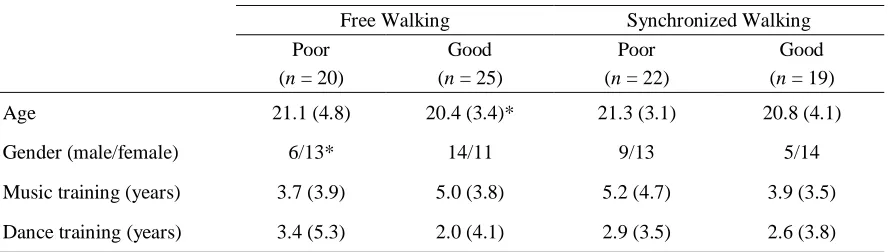
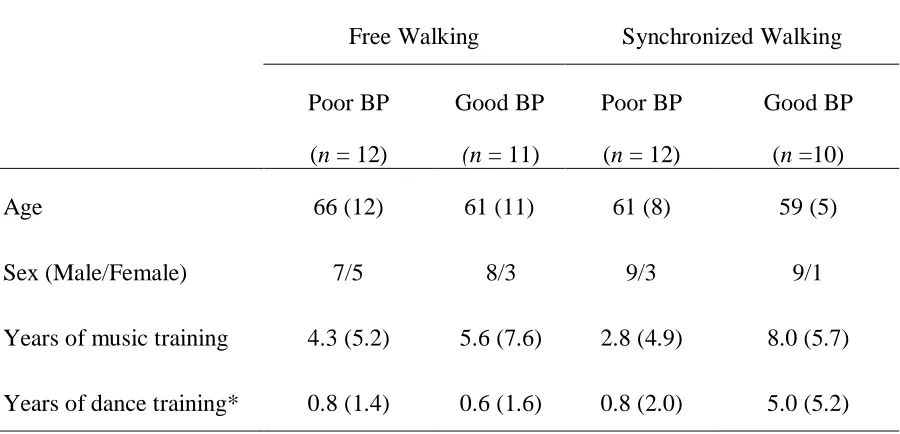
Table 4.1. Demographic data by subgroup. ... 59
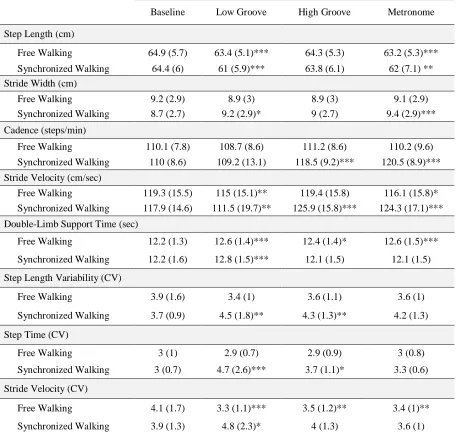
Table 4.2. Raw means and standard deviations for stimulus and instruction conditions. ... 65
Table 4.3. 4-way ANOVA results for variability. ... 67
Table 5.1. Demographic data for participants by subgroup. ... 87
Table 5.2. Raw means and standard deviations for stimulus and instruction conditions. ... 88
Table 5.3. 4-Way ANOVA results for stride width. ... 90
List of Figures
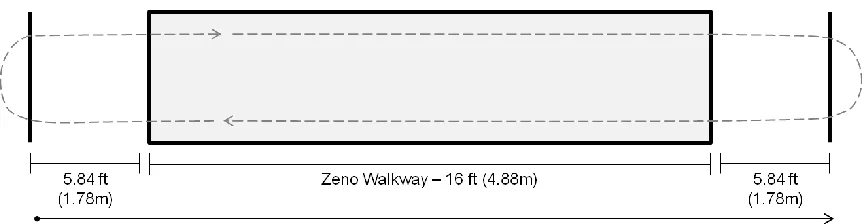
Figure 2.1: Illustration of the pressure sensitive ZenoTM walkway procedures. ... 31
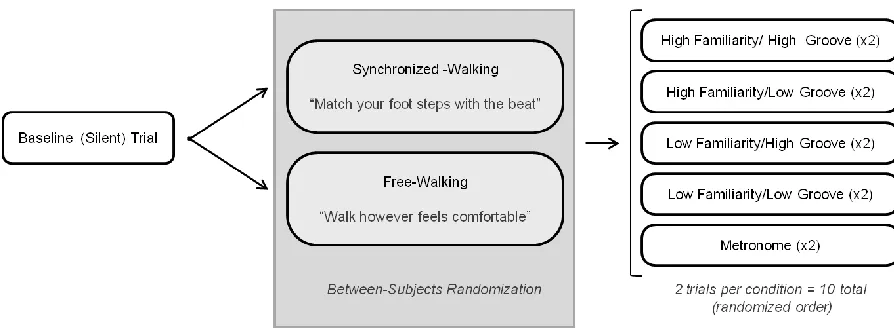
Figure 2.2 Illustration of procedures for cued walking trials. ... 33
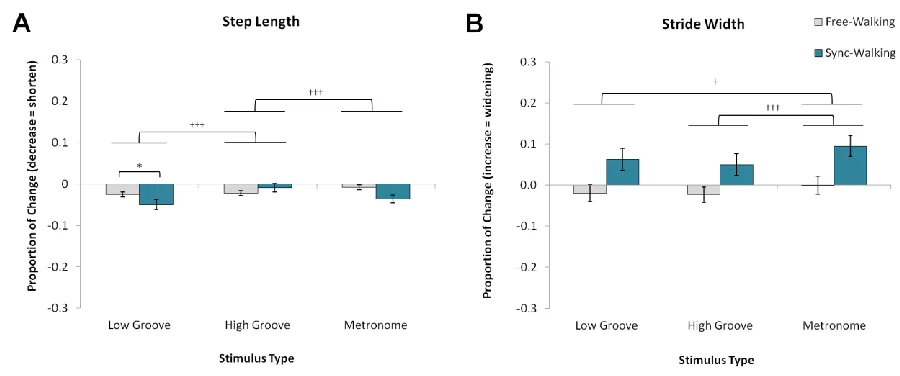
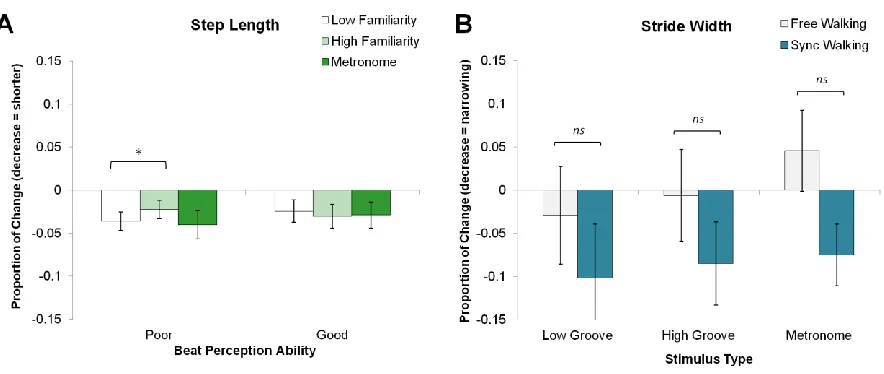
Figure 3.1. Mean normalized changes scores and standard error for spatial gait measures. ... 44
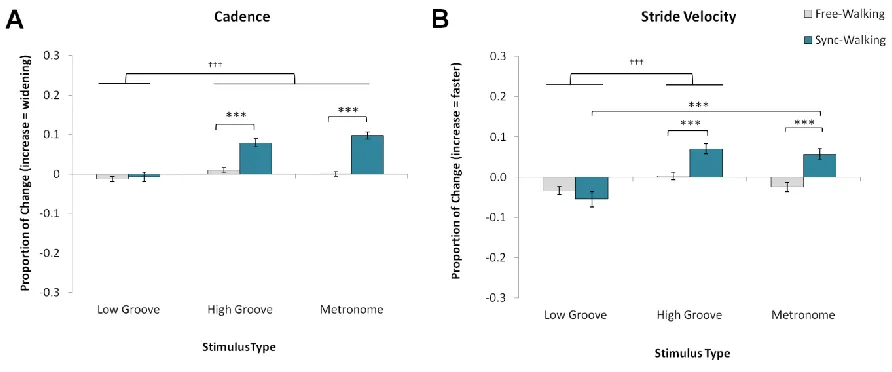
Figure 3.2. Mean normalized change scores and standard error for temporal measures. ... 45
Figure 3.3. Mean normalized change scores and standard error for DLST among all stimulus types, beat perception groups, and instruction groups. ... 47
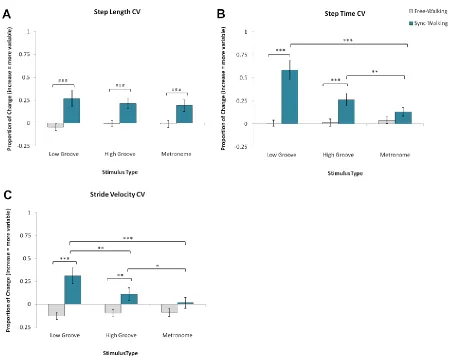
Figure 3.4. Mean normalized change scores and standard error for variability measures. ... 49
Figure 4.1. Mean normalized changes scores and standard error for spatial parameters. ... 63
Figure 4.2. Mean normalized changes scores and standard error for temporal parameters. ... 64
Figure 4.3 Mean normalized changes scores and standard error for variability measures. ... 66
Figure 5.1. Mean normalized change scores and standard error for spatial measures. ... 89
Figure 5.2. Mean normalized change scores and standard error for temporal gait measures. ... 92
List of Abbreviations
ANOVA Analysis of variance
BAI Beck Anxiety Inventory
BAT Beat Alignment Test
BDI Beck Depression Inventory
BG Basal ganglia
BPM Beats per minute
cm Centimeters
CV Coefficient of variation
DA Dopamine
DBS Deep brain stimulation
DLST Double-limb support time
DV Dependent variable
Fmri Functional magnetic resonance imaging
ft Foot
GABA Gamma-aminobutryic acid
GMSI Goldsmith Musical Sophistical Index
Gpe Globus pallidus externa
Gpi Globus pallidus interna
L-dopa Levodopa
m Meter
MATLAB Matrix Laboratory
MDS-UPDRS III Movement Disorder Society Unified Parkinson's Disease Rating Scale Motor Subscale
MEP Motor-evoked potential
Min Minute
MOABI Monoamine oxidase-B inhibitors
PD Parkison's disease
PKMAS Protokinetics Movement Analysis Software
PMC Premotor cortex
QOL Quality of life
RAS Rhythmic auditory stimulation
SAS Starkstein Apathy Scale
Sec Seconds
SMA Supplementary motor area
SNc Substantia nigra pars compacta SNr Substantia nigra pars reticulate
STN Subthalamic nucleus
TMS Transcranial magnetic stimulation
List of Appendices
Appendix A: Demographic Questionnaire: Section 1 ... 147
Appendix B: Demographic Questionnaire: Section 2. ... 151
Appendix C: Study 1 Ethics. ... 158
Appendix D: Study 1 Stimulus Database. ... 163
Appendix E: Study 1 Original 4-way ANOVAs ... 164
Appendix F: Study 1 Raw DLST Data... 165
Appendix G: Study 2 Ethics ... 166
Appendix H: Study 2 Stimulus Databases ... 173
Appendix I: Studies 2 and 3 Synchronization Questionnaire ... 175
Appendix J: Study 2 Original 4-way ANOVAs. ... 178
Appendix K: Study 3 Ethics. ... 180
Appendix L: Study 3 Stimulus database ... 188
Appendix M: Study 3 GSMI Musical Training Subscale ... 189
Appendix N: Study 3 Original 4-Way ANOVAs ... 190
Chapter 1
1
General Introduction
Parkinson’s disease (PD) is a degenerative movement disorder caused by neurological changes in the basal ganglia (Schapira, 2009). Most motor symptoms are treated with pharmaceutical interventions (e.g., dopamine replacement therapy), but many symptoms persist and/or become unmanageable with medication in later disease stages (Fahn, 1999; Fahn et al., 2004; Hung & Schwarzschild, 2014). For this reason, complementary therapies that target residual symptoms (such as musically cued gait training) are employed among allied health professionals.
This dissertation explores a common, non-pharmaceutical strategy for mitigating gait
impairments in PD called Rhythmic Auditory Stimulation (RAS). This technique provides a safe alternative that poses minimal side effects, is low cost, and actively engages the user. The effects of this intervention on gait in PD are well documented but highly variable, which poses difficulty for appropriate therapeutic application (Ghai, Ghai, Schmitz, & Effenberg, 2018; Lim et al., 2005; Spaulding et al., 2013). Part of this variability may be related to individual musical abilities among surveyed patients, such as their ability to accurately sense a beat, as most RAS interventions involve synchronizing with a beat (Dalla Bella et al., 2017; Leow, Parrott, & Grahn, 2014). However, music is complex and variable. Therefore, factors inherent in the music itself may play a role in these differences, such as how much the music makes you want to move, or how familiar it is (Leow, Rinchon, & Grahn, 2015). The studies in this thesis address these questions by examining the effects of musical beat perception ability as well as groove (how much music makes you want to move), and familiarity on gait patterns in younger adults, older adults without PD, and people living with PD.
1.1
Parkinson’s Disease Background
1.1.1
Prevalence & Burden
significant rise in the incidence of PD (Canadian Institute for Health Information, 2007; Health Canada & Parkinson Society Canada, 2003). Furthermore, PD is the second most common neurodegenerative condition following only after Alzheimer’s (Shulman, De Jager, & Feany, 2011). PD accounts for 1.1% of all Disability Adjusted Life Years in Canada, 72.2% of which are lost due to disability instead of mortality (Health Canada & Parkinson Society Canada, 2003).
1.1.2
Neurological Movement Disorder
PD is a neurological condition caused by degeneration of dopamine producing neurons within the motor areas of the brain. Specifically, PD is due to depletion in dopaminergic neurons in the substantia nigra which impacts the quality of voluntary and controlled movement
(Schapira, 2009). The condition is progressive and leads to increasingly severe motor symptoms over time. In later disease stages, neurodegeneration expands to additional non-dopaminergic regions of the brain, often resulting in psychiatric symptoms, sensory
anomalies, and autonomic dysfunction (Schapira, 2009; Sethi, 2008). PD is predominantly diagnosed in the elderly, with an average age of onset in the mid to late 60s (Inzelberg, Schechtman, & Paleacu, 2002).
1.1.3
Symptoms
PD is characterized by four cardinal symptoms: resting tremor, bradykinesia, rigidity, and postural instability (Jankovic, 2008). Resting tremor and bradykinesia are two of the most common and easily recognized symptoms of PD. Resting tremor typically manifests
unilaterally (Farrer, 2006) in the extremities but may also be experienced as an “inner tremor” that is not visible to an observer. Bradykinesia manifests as slowness of movement due to problematic planning and execution of movement (Grafton, 2004; Ruiz, Catalán, & Carril, 2011). An additionally common yet less noticeable symptom is rigidity and is experienced as stiffness or resistance of the limbs. Rigidity often results in pain that may be mistaken for other conditions such as arthritis (Jankovic, 2008; Ruiz et al., 2011). Finally, the fourth
cardinal symptom is postural instability. Postural instability is one of the most common causes of falls and injuries among this population due to decreased postural control and,
In addition to the most well-known symptoms of the condition, PD also often results in additional motor symptoms, sensory symptoms and psychological/cognitive symptoms. Examples of other motor symptoms are gait disturbances (i.e., freezing of gait, decreased step length, festination) and speech and swallowing difficulty (i.e., dysarthria, hypophonia, and dysphagia) (Jankovic, 2008). Also common among those with PD are sensory and perceptual abnormalities such as olfactory disturbance (e.g., loss of smell) and visual dysfunction (e.g., altered colour vision, hallucinations) (Jankovic, 2008; Patel, Jankovic, & Hallett, 2014; Zhu et al., 2016). Finally, PD may result in an array of neuropsychiatric symptoms such as dementia, depression, sleep disturbances, and anxiety (Sethi, 2008).
1.2 Neurological mechanisms of PD
1.2.1 Basal Ganglia Pathways
The basal ganglia (BG) are clusters of nuclei deep within the brain that facilitate neural communication about motor functions. The basal ganglia can be divided into four components: the striatum, the globus pallidus, the subthalamic nucleus (STN) and the substantia nigra (Yelnik, 2002). The striatum is a major input station for the BG and is comprised of two nuclei called the caudate nucleus and the putamen (Widnell, 2005). The striatum receives information from many areas, including the cerebral cortex, the thalamus, the amygdala and the substantia nigra. The cortex is one of the dominant sources of
to the GPi and the SNr, creating an excitatory effect on the inhibitory signals. As such, inhibitory projections to the thalamus and motor cortex are increased and movement is decreased (DeLong, 1990; Gupta, 2002).
1.2.2 Dopamine and other Neurotransmitter Involvement
These direct and indirect pathways are modified and balanced by dopamine (DA), which is a neurotransmitter highly concentrated in the substantia nigra pars compacta (SNc). The SNc is a main production area for dopamine, which is projected from the SNc to the striatum, the globus pallidus and the STN. Dopaminergic terminals from the SNc synapse on striatal neurons in both pathways (Yelnik, 2002), creating an excitatory effect for the direct pathway at D1 receptors and an inhibitory effect on the indirect pathway at D2 receptors. It is estimated that clinical symptoms do not manifest until 50-60% of dopamine within the substantia nigra has been lost. (Schapira, 2009). Neurodegeneration in PD is not limited to the BG or to DA neurotransmitters. As the disease progresses, DA deficiency is later accompanied by
degeneration of other neurotransmitters such as norepinephrine, acetylcholine, and serotonin (Macphee & Stewart, 2012; Sethi, 2008). This non-dopaminergic degeneration is understood to be one of the main causes of non-motor symptoms in PD. For instance, depletion of
acetylcholine in the nucleus basalis of Meynert has been demonstrated to result in cognitive impairments. Similarly, degeneration of norepinephrine in the locus coeruleus may result in hallucinations and psychosis (Macphee & Stewart, 2012; Sethi, 2008)
1.3 Etiology
Presently, there is no consensus in the literature on the causes of dopaminergic cell loss in PD (de Lau & Breteler, 2006). In the past, PD has been viewed as having mainly an
1.4 Treatment
1.4.1 Medication
There is no treatment of PD that can stop or slow the progression of the condition.
Nevertheless, there are treatment options that help decrease the effects of certain symptoms and reduce the impact they may have on a person’s quality of life (QOL). The primary treatment for PD is DA replacement therapy using levodopa (L-Dopa), a dopamine precursor (Fahn, 1999; Fahn et al., 2004). L-Dopa is often prescribed in combination with medications such as carbidopa or benserazide. However, in earlier stages or among younger patients, alternative treatments may involve dopamine agonists and monoamine oxidase-B inhibitors (MOABI) to delay the use of levodopa therapy (Fox et al., 2018). PD is often initially treated with dopamine agonists, but as the disease progresses or the patient ages it requires the
integration of/transition to levodopa. Unfortunately, DA replacement therapies are minimally effective for certain PD symptoms, such as gait impairments, and eventually lead to aversive side effects including dyskinesias and motor fluctuations (Fahn, 1999; Hung & Schwarzschild, 2014). For this reason, there is increasing interest in adjunct therapies that may improve symptom management, such as music or rhythm to manage outstanding gait problems.
1.4.2 Deep Brain Stimulation
An additional form of treatment for PD is deep brain stimulation (DBS), which involves the implantation of electrodes within the brain (Limousin & Martinez-Torres, 2008). These therapies are used primarily when functional ability is disrupted by symptoms that are not responsive to medication. DBS can target the GPi, the ventral intermediate thalamic nucleus, the STN, and the pedunculopontine nucleus. DBS is not an alternative form of treatment, but a treatment that may be used in combination with pharmacotherapy to provide additional
control over motor symptoms. DBS improves only certain symptoms (e.g., limb tremor, dyskinesia, limb bradykinesia, etc.); however many symptoms are unresponsive or may actually worsen following DBS procedures. For example, approximately 20% of patients receiving thalamic DBS experience dysarthria (Limousin & Martinez-Torres, 2008).
2008). Thus, these surgical procedures are options for only a small portion of the PD population. Moreover, they do not eliminate the need for additional treatment options that target the L-Dopa unresponsive symptoms of PD.
1.4.3 Rehabilitation Therapies
Because pharmaceutical and surgical interventions do not alleviate every symptom of PD at all stages of the disease, other treatments come in the form of rehabilitation from allied health disciplines (e.g., speech-language pathology for speech or swallowing concerns,
physical therapy for mobility, and occupational therapy for functional mobility and cognition). These rehabilitative approaches use adjunct therapies to help people with PD manage the symptoms that interfere with their functioning, safety, and/or quality of life.
1.5 Gait Presentation in PD
Gait impairment is a significant symptom of PD. Healthy gait follows a rhythmic and symmetric pattern among all four limbs, but this rhythmicity and symmetry is altered in PD (Baltadjieva, Giladi, Gruendlinger, Peretz, & Hausdorff, 2006). Changes in the spatial and temporal coordination of limbs are observed and eventually interfere with the ability to ambulate in a timely, stable, and functional way (Balash et al., 2005; Bloem, Grimergen, Cramer, Willemsen, & Zwinderman, 2001). As a result, Parkinsonian gait impairments significantly impact quality of life and safety. Over 70% of people with Parkinson’s experience at least one fall over the course of a year and approximately 75% of injuries acquired from a fall require healthcare services (Balash et al., 2005; Wielinski, Erickson-Davis, Wichmann, Walde-Douglas, & Parashos, 2005). People with PD report significant activity limitations due to gait dysfunction and fear of falling, even in early stages of the condition, which reportedly produces feelings of isolation and life dissatisfaction (Baltadjieva et al., 2006; Bloem et al., 2001; Marr, 1991; Schrag, Jahanshahi, & Quinn, 2000; Soundy, Stubbs, & Roskell, 2013).
stride velocity (Ebersbach, Moreau, Gandor, Defebvre, & Devos, 2013; Švehlík et al., 2009). Gait is less stable and more irregular than that of healthy adults, as indicated by an increased percentage of double-limb support time and increased stride-to-stride variability (Blin, Ferrandez, & Serratrice, 1990; Hausdorff, Cudkowicz, Firtion, Wei, & Goldberger, 1998). These gait changes are observed early in the disease and are consequently a prominent aspect of the condition that must be managed at varying levels of severity and for the entirety of the disease (Baltadjieva et al., 2006). These changes in speed and stability are closely tied to one’s ability to complete activities of daily living independently and safely (Moore, Peretz, &
Giladi, 2007). For this reason, physical and occupational therapy are often involved to recommend rehabilitative and remedial strategies to improve gait and safety. With disease progression, gait impairments increase in severity, with festinating and freezing of gait presenting marked interference for independent mobility (Ellis et al., 2011; Tan, McGinley, Danoudis, Iansek, & Morris, 2011).
Gait changes occur during healthy ageing, even in the absence of neurological pathology like PD. Older adults exhibit slower walking patterns with smaller strides, greater double-limb support time (DLST) and larger stride width than younger adults (Aboutorabi, Arazpour, Bahramizadeh, Hutchins, & Fadayevatan, 2016). However, the magnitude of these changes in healthy adults is not as severe as in PD (Hausdorff et al., 1998; Sofuwa et al., 2005). Age-related gait changes may be associated with a variety of factors that are not diagnosis specific. Examples of factors include decreased strength and lower force production (Perry, Carville, Smith, Rutherford, & Newham, 2007); musculoskeletal changes limiting range of motion; changes in executive or attention functioning (Amboni, Barone, & Hausdorff, 2013); and neural changes in white and grey matter (Callisaya et al., 2013). Age-related gait changes may also reflect compensatory strategies to increase stability and reduce the risk of falling or reduce energy expenditure (Aboutorabi et al., 2016). Knowledge of how therapeutic strategies impact gait throughout the aging process and in PD may provide insight into how these
strategies work.
People with PD demonstrate impaired timing abilities, and some hypothesize that this may underlie gait changes in the condition (Nombela, Hughes, Owen, & Grahn, 2013; Skodda, Flasskamp, & Schlegel, 2010). While timing abilities in respect to movement are more readily noticeable in PD (i.e., difficulty regulating a consistent amplitude or speed of repetitive movement, as can be observed during finger or foot tapping tasks), there are also changes in timing abilities at a purely perceptual level (Cameron, Pickett, Earhart, & Grahn, 2016; J. A. Grahn & Brett, 2009; Pastor, Artieda, Jahanshahi, & Obeso, 1992; Smith, Harper, Gittings, & Abernethy, 2007). In other words, changes in timing abilities exist independently of movement.
1.6.1
Non-Music Timing Tasks
Timing abilities have been studied in the form of basic, non-motor timing tasks, such as estimating durations of time intervals and reproducing timing intervals by verbally indicating when an interval should end (Pastor et al., 1992; Smith et al., 2007). For example, people with PD are more variable in the accuracy of their timing estimation compared to healthy controls, and they tend to underestimate timing intervals (Pastor et al., 1992; Smith et al., 2007). Notably, these patterns of disrupted timing persist in PD when motor systems are recruited by reproducing time intervals through motor response (e.g., tapping tasks) (Honma, Kuroda, Futamura, Shiromaru, & Kawamura, 2016; Pastor et al., 1992). In other words, there are impairments in both reproduction and perception of timing information.
1.6.2
Music-Based Timing Tasks
Impaired timing perception has also been observed on rhythm-based tasks (Cameron et al., 2016; Grahn & Brett, 2007; Grahn & Brett, 2009). Rhythms (i.e., a sequence of tones
separated by intervals of silence) offer an alternative means of investigating timing perception because we must correctly perceive durations of time between tones (inter-tone intervals) to accurately recognize or reproduce previously heard rhythms. Thus, timing abilities can be assessed by having listeners discriminate among rhythms or reproduce rhythms after hearing them.
beat is often experienced as a “stronger” or more salient tone in the rhythm which occurs at regular intervals. When we listen to music, the beat is often emphasized by musicians (e.g., by increasing loudness) (Ellis & Jones, 2009; Lenc, Keller, Varlet, & Nozaradan, 2018).
However, this beat percept can be experienced even in rhythms comprised only of pure (sine) tones with no variability in acoustic properties such as pitch or amplitude (Ellis & Jones, 2009; Grahn & Brett, 2007; Grube & Griffiths, 2009; Kung, Chen, Zatorre, & Penhune, 2013; Povel & Okkerman, 1981). In other words, beat perception can arise solely from the temporal spacing of onsets of tones that are otherwise identical.
Therefore, the temporal structure of a rhythm is crucial to the experience a beat percept. Rhythms in music generally have a clear, periodic beat. However, it is possible to construct temporal sequences in which no beat can be perceived. Nonbeat rhythms follow no regular temporal structure and tone onsets are spaced irregularly in time. In these rhythms, it is impossible for listeners to perceive any kind of pulse, or beat, and therefore it is difficult for listeners to tap along to the rhythm in a regular way.
Rhythm provides a helpful paradigm to explore timing abilities. Typically healthy people are much more accurate in reproducing beat rhythms than nonbeat rhythms (Essens, 1986; Cameron et al., 2016; Grahn & Brett, 2009). This pattern is weaker among people with PD. Instead, people with PD perform only marginally better on beat than non-beat rhythms, thus suggesting that their timing perception does not benefit from the perception of a beat
(Cameron et al., 2016; Grahn & Brett, 2009). This may reflect impaired processing of beat structure or impaired use of beat structure to benefit performance by PD patients, as suggested by Grahn & Brett (2009). Cameron and colleagues (2016) replicated this finding in PD
adjust their tapping rate to match tempo changes. Thus, PD patients demonstrate less accurate perceptual and motor performance than healthy controls on rhythm-based timing tasks.
1.6.3
Neurological Mechanisms of Timing in PD
The neural mechanisms underlying timing abilities are complex. For the purpose of this dissertation, it is important to understand that there is extensive overlap between the brain regions active during temporal processing and those affected in PD. Previous research has shown that, in particular, the BG and the supplementary motor areas (SMA) are crucial brain regions for processing beat-based timing information, yet activity in these regions is markedly lower in people with PD (Grahn & Brett, 2007; Grahn & Brett, 2009; Haslinger et al., 2001; Jahanshahi, Jenkins, Brown, & Marsden, 1995; Rascol et al., 1994). Although differences in these activation patterns explain the observed timing deficits in PD, it leaves uncertainty regarding how auditory cueing benefits gait in PD. Many theories have been proposed, but two particular theories have gained attention. One hypothesis suggests that auditory cueing may bypass or supplement the deficient internal volitional movement network comprised of the BG and SMA by activating a compensatory external cueing network comprised primarily of the cerebellum and premotor cortex (PMC) (Kotz, Schwartze, & Schmidt-Kassow, 2009). Another possibility is that musical cueing may offer additional benefits not entirely rooted in timing mechanisms, for example reward. This may then stimulate dopamine release in the basal ganglia in an alternative way, allowing more efficient release of the non-depleted dopamine (Nombela et al., 2013; Thaut & Abiru, 2010). However, the neural mechanisms are not entirely understood and require a better understanding of the behavioural patterns
associated with auditory cueing to fully understand the underlying neural substrates.
1.7 Auditory Cueing/Rhythmic Auditory Stimulation (RAS)
Rhythmic auditory stimulation (RAS) is a strategy for gait rehabilitation that capitalizes on the innate tendency we have to move with a beat in a synchronized way (also known as
side effects. The general principle behind auditory cueing is that coordinating movements to be in time with a regular auditory stimulus can foster motor entrainment that will translate into a more appropriately timed gait pattern that is faster and less variable (Ghai et al., 2018). This technique has been applied broadly in gait rehabilitation, among many conditions other than PD, such as multiple sclerosis, spinal cord injury, cerebral palsy, and stroke (Cha, Kim, & Chung, 2014; Shahraki, Sohrabi, Taheri Torbati, Nikkhah, & NaeimiKia, 2017; Thaut et al., 2007). However, it has gained the most interest in PD literature as it is widely accepted that RAS can enhance gait in PD (Ghai et al., 2018; Lim et al., 2005; Spaulding et al., 2013). RAS is incorporated into national guidelines as a rehabilitative gait strategy for both physical and occupational therapists working with PD (Aragon & Kings, 2018; Keus, Bloem, Hendriks, Bredero-Cohen, & Munneke, 2007; Sturkenboom et al., 2008)
minimally impact velocity but increase stride length; cues faster than preferred pace increase velocity but not stride length) (Ghai et al., 2018; Willems et al., 2006). With this knowledge, it is suggested that tempi perhaps have to be selected based on which gait changes are most prominent for an individual (Morris, Martin, & Schenkman, 2010; Willems et al., 2006). Similarly, some literature suggests that individual rhythmic ability or musical perception may influence RAS outcomes and be a powerful avenue for RAS individualization (Dalla Bella et al., 2017; Dalla Bella, Dotov, Bardy, & Cock Valérie, 2018; Leow, Parrott, & Grahn, 2014; Leow, Rinchon, & Grahn, 2015). In this dissertation, the importance of variability in stimuli and instruction type in relation to individual beat perception ability will be explored. These factors will be discussed in more detail below.
1.7.1
Music-based RAS
Music can be used as a rhythmic auditory cue (or music-based gait training), either in place of/in combination with a metronome. Music-based RAS, at face value, may be more enjoyable to users which may contribute to therapy adherence (de Bruin et al., 2015). However, music may afford benefits beyond the enjoyable aspects of music-listening by increasing motor engagement and neural activation.
1.7.1.1
Music and Reward
length) by increasing movement speed or vigor. However, this was not the case and suggests that the enjoyable properties of music, though they may increase therapeutic adherence, do not influence gait changes in response to music.
1.7.1.2
Music and Motor System Activation
Music also activates motor regions, such as the PMC, the SMA, the cerebellum, and the BG. This is true regardless of enjoyment and even when listeners are not moving (Chen, Penhune, & Zatorre, 2008; Grahn & Brett, 2009). Beat-based timing, which is involved in music listening, increases connectivity between auditory and motor systems (Kung et al., 2013) and higher beat salience has been associated with greater motor-evoked potentials during
transcranial magnetic stimulation (TMS) than are observed for music with low beat salience (Cameron, Stewart, Pearce, Grube, & Muggleton, 2012).
Importantly, motor system activation may be strongly mediated by how much the music produces a desire to move for the listener. In the music cognition literature, this concept of wanting to move to the beat in music (e.g., tapping foot, swaying, bobbing head) is called groove (Madison, 2006). Music perceived to be higher in groove evokes strong desires to move, or stronger auditory-motor coupling, and music lower in groove is associated with less (or no) desire to move, or weaker auditory-motor coupling. The neural literature related specifically to groove-perception in music is sparse; however, one TMS study has shown modulation of the motor cortex for high groove but not low groove music (Stupacher, Hove, Novembre, Schütz-Bosbach, & Keller, 2013). In this study, participants were instructed not to move while receiving single-pulse TMS over the primary motor cortex for high groove music, low groove music, and white noise. Motor-evoked potentials (MEPs) were significantly altered for high groove music (in comparison to low groove and white noise, for which MEPs did not differ). Notably, the modulation trends observed were different for musicians (larger MEPs) versus non-musicians (lower MEPs), suggesting that musical training may influence motor system activation to high groove music.
the head, trunk, and extremities to high groove music (versus low groove) during music listening when participants were instructed to not move with the music. In other words, participants demonstrated more auditory-motor synchronization to high versus low groove music. Moreover, participants reported that tapping was easier to high groove than groove music (Janata et al., 2012). This suggests that the sensorimotor coupling occurs with less effort for high groove music instead of low groove music.
Similar findings have been observed in gait studies using music. Using a RAS paradigm, Leow and colleagues (2015) instructed participants to walk with the beat of high and low groove music ranging in familiarity. The authors found that high groove music consistently produced faster stride velocity and larger stride length when compared to low groove music. Another recent study demonstrated that participants show a similar trend of faster and larger strides to high versus low groove regardless of beat perception ability, stimulus familiarity, or intent to synchronize or not (Ready, McGarry, Rinchon, Holmes, & Grahn, 2019).
Additionally, these studies both found that synchronization ability (or ability to match the tempo of music) is more accurate for high versus low groove music. This has significant implications for RAS as an intervention which is highly dependent on synchronization ability and will be explored in this dissertation.
1.7.2
Beat Perception/Production Ability and RAS
As previously reviewed, the temporal structure of a rhythm significantly impacts a person’s ability to both hear and tap a beat out while listening to a rhythm (in addition to their ability to correctly recognize or reproduce the rhythm as a whole). However, beat perception accuracy is not equal across all people (Dalla Bella, Sowi, & ski, 2015; Launay, Grube, & Stewart, 2014; Leow et al., 2014; Phillips-Silver et al., 2011) and can be influenced by many factors including musical training (Grahn & Rowe, 2009), age (Repp, 2013), cultural familiarity (Cameron, Bentley, & Grahn, 2015), and auditory short-term memory (Grahn & Schuit, 2012). Nevertheless, only a small portion of RAS studies account for these differences in individual rhythmic ability.
(people who can accurately identify the beat in music) and poor beat perceivers (those who cannot as accurately identify a beat) during a rhythm discrimination task (2009). The authors discovered differences in the SMA (greater activity among good vs. poor beat perceivers) and the PMC (greater left PMC activity among good and greater right PMC activity among poor). These differences occur largely in brain regions known to be active during beat-based rhythm processing and motor planning/movement.
1.7.2.1
Sensorimotor Synchronization and Beat Ability
Auditory-motor synchronization is influenced by beat perception accuracy. Benoit et al. (2014) found significant differences for synchronization-continuation task for PD vs. healthy controls. Improved performance among PD participants following training suggests this may not be a result of general motor timing deficits, but rather the perceptual timing deficits present in PD (Benoit, 2014). This is supported in the RAS literature both in healthy young adults and in people with PD. In a music-based auditory cueing study, Leow et al. (2014) found that healthy young adults with poor beat perception ability were significantly less accurate at synchronizing foot steps to a musical beat when instructed to than participants who demonstrated accurate beat perception ability. In addition, variability of synchronization was greater for poor beat perceivers than good beat perceivers. This suggests that they are both less accurate in synchronizing to the beat while walking but also less consistent in their synchronization while walking. Importantly, these effects interacted with the amount of groove perceived in music. This suggests that perceived groove may mediate the effects of beat perception in synchronization ability. Similar trends have been observed in the
1.7.2.2
Stimulus Familiarity and Beat Ability
Importantly, familiarity with a stimulus may facilitate sensorimotor synchronization or reduce the cognitive demands associated with synchronization through familiarity with the beat structure. Leow et al. (2015) demonstrated in a RAS study that gait synchronization is significantly more accurate for highly familiar versus unfamiliar music. The authors suggest that this may reflect greater familiarity with the beat structure and a reduced need to focus on prediction of beat onsets. They hypothesize that this reduces cognitive demand during highly familiar conditions and is related to the increase in gait speed observed in these trials, as slower gait speeds are often reported during dual-tasking in healthy young adult populations (Al-Yahya et al., 2011; Leow et al., 2015). These findings were not replicated by Ready et al. (2019) in a similar RAS study among young adults walking to high and low familiarity
stimuli. The authors did not find significant differences for any spatiotemporal gait parameters (including stride time and velocity, as above) for high and low familiarity. Therefore, the impact of stimulus familiarity on gait outcomes in RAS is not entirely clear. Importantly, the findings from Leow et al. (2014) are consistent with literature exploring the impact of culturally familiar rhythmic structure on beat tapping. Cameron et al. (2015) found that participants tapped the beat more accurately to culturally familiar versus unfamiliar rhythms (i.e., Western participants were more accurate with Western rhythms than East-African rhythms, and vice versa).
1.7.3
Synchronized RAS – A dual task
RAS often operates on the premise that deliberately synchronizing with an auditory stimulus contributes to entrainment and the effects of RAS on gait. For this reason, the majority of studies on RAS incorporate synchronization instructions as part of the protocol. Despite this being an integral part of the intervention, few studies have actually explored the role of instructions to synchronize on RAS outcomes.
participants, demonstrate poorer synchronization as the tempo deviates further from their preferred gait tempo). This may explain some contrasting effects observed by Ready et al. (2019) in a RAS study where cues delivered at baseline walking rate elicited gait tempo-matching to both metronome and high groove music cues, regardless of instructions to synchronize. Synchronization did not occur for low groove cues.
Beneficial effects of RAS can still occur in the absence of synchronization to cues (Benoit et al., 2014; de Bruin et al., 2015; Wittwer, Webster, & Hill, 2013). Several studies support that spatiotemporal gait improvements can occur even when walkers instructed to synchronize do not demonstrate accurate synchronization (Wittwer, Webster, & Hill, 2013) and when
participants are walking with no intent to synchronize (Benoit et al., 2014; de Bruin et al., 2015). In fact, some findings suggest that intent to synchronize may negatively impact gait patterns by increasing gait variability and slowing/shortening strides (Leow et al., 2018). Studies exploring the impact of rhythmic ability on RAS outcomes suggest that poor performance during synchronized RAS (i.e., inaccurate synchronization or detriment in spatiotemporal gait patterns) may be related to poor rhythmic abilities (Dalla Bella et al., 2018; Leow et al., 2014; Ready et al., 2019). People with poorer rhythmic ability demonstrate slower, more variable gait patterns that closely resemble dual-tasking gait patterns. Leow et al. (2014) found shorter, slower, and more variable strides among poor beat perceivers versus good beat perceivers during synchronized walking. Similarly, Dalla Bella et al. (2017) concluded that rhythmic skills in a PD group were predictive of gait velocity changes during RAS. Ready et al. (2019) did not corroborate the findings that poor beat perceivers slow and shorten strides during synchronized walking. However, the authors did find that poor beat perceivers walked with more narrow strides during uninstructed (free) walking than when they were instructed to synchronize, potentially indicating that uninstructed walking facilitated a more stable gait pattern by reducing cognitive demand. Importantly, many studies conclude that synchronizing does not compromise gait (in healthy adults and PD groups); thus the impact of synchronization demands on gait during RAS remain unclear.
al., 2005). This gait deterioration is frequently referred to as “dual-task interference” and reflects a more cautious and less-controlled gait pattern. People with PD are more susceptible to dual-task interference on gait than the average, healthy older adult (O'Shea, Morris, & Iansek, 2002; Yogev et al., 2005). This sensitivity to dual-task interference puts people with PD at a high fall risk when completing secondary tasks while walking (Heinzel et al., 2016). For this reason it is crucial to optimize RAS in a way that limits dual-task demands and fosters the safest and most functional gait pattern.
1.8
Thesis Overview
This introduction outlines how sensorimotor synchronization can be influenced by a number of factors that may impact RAS outcomes. Spontaneous synchronization and ease of
References
Aboutorabi, A., Arazpour, M., Bahramizadeh, M., Hutchins, S. W., & Fadayevatan, R. (2016). The
effect of aging on gait parameters in able-bodied older subjects: a literature review. Aging
Clinical and Experimental Research, 28(3), 393-405. doi:10.1007/s40520-015-0420-6
Al-Yahya, E., Dawes, H., Smith, L., Dennis, A., Howells, K., & Cockburn, J. (2011). Cognitive motor
interference while walking: A systematic review and meta-analysis. Neuroscience and
Biobehavioral Reviews, 35(3), 715-728. doi:10.1016/j.neubiorev.2010.08.008
Amboni, M., Barone, P., & Hausdorff, J. M. (2013). Cognitive contributions to gait and falls: evidence
and implications. Movement disorders : official journal of the Movement Disorder Society,
28(11), 1520-1533. doi:10.1002/mds.25674
Baltadjieva, R., Giladi, N., Gruendlinger, L., Peretz, C., & Hausdorff, J. M. (2006). Marked alterations
in the gait timing and rhythmicity of patients with de novo parkinson's disease. European
Journal of Neuroscience, 24(6), 1815-1820. doi:10.1111/j.1460-9568.2006.05033.x
Balash, Y., Peretz, C., Leibovich, G., Herman, T., Hausdorff, J. M., & Giladi, N. (2005). Falls in
outpatients with Parkinson's disease. Journal of Neurology, 252(11), 1310-1315.
doi:10.1007/s00415-005-0855-3
Benoit, C.-E., Dalla Bella, S., Farrugia, N., Obrig, H., Mainka, S., & Kotz, S. A. (2014). Musically
Cued Gait-Training Improves Both Perceptual and Motor Timing in Parkinson’s Disease.
Frontiers in Human Neuroscience, 8(494). doi:10.3389/fnhum.2014.00494
Blin, O., Ferrandez, A. M., & Serratrice, G. (1990). Quantitative analysis of gait in Parkinson patients:
increased variability of stride length. J Neurol Sci, 98(1), 91-97.
Bloem, B. R., Grimbergen, Y. A. M., Cramer, M., Willemsen, M., & Zwinderman, A. H. (2001).
Prospective assessment of falls in parkinson's disease. Journal of Neurology, 248(11),
Bugalho, P., Alves, L., & Miguel, R. (2013). Gait dysfunction in Parkinson’s disease and normal
pressure hydrocephalus: a comparative study. Journal of Neural Transmission, 120(8),
1201-1207. doi:10.1007/s00702-013-0975-3
Callisaya, M. L., Beare, R., Phan, T. G., Blizzard, L., Thrift, A. G., Chen, J., & Srikanth, V. K. (2013).
Brain structural change and gait decline: a longitudinal population-based study. J Am Geriatr
Soc, 61(7), 1074-1079. doi:10.1111/jgs.12331
Cameron, D. J., Bentley, J., & Grahn, J. A. (2015). Cross-cultural influences on rhythm processing:
reproduction, discrimination, and beat tapping. Frontiers in psychology, 6(366).
doi:10.3389/fpsyg.2015.00366
Cameron, D. J., Stewart, L., Pearce, M. T., Grube, M., & Muggleton, N. G. (2012). Modulation of
Motor Excitability by Metricality of Tone Sequences. Psychomusicology: Music, Mind, and
Brain, 22(2), 122-128. doi:10.1037/a0031229
Canadian Institute for Health Information. (2007). The Burden of Neurological Diseases, Disorders
and Injuries in Canada Ottawa: CIHI.
Casarotto, S., Turco, F., Comanducci, A., Perretti, A., Marotta, G., Pezzoli, G., . . . Isaias, I. U. (2019).
Excitability of the supplementary motor area in parkinson's disease depends on subcortical
damage. Brain Stimulation, 12(1), 152-160. doi:10.1016/j.brs.2018.10.011
Cha, Y., Kim, Y., & Chung, Y. (2014). Immediate effects of rhythmic auditory stimulation with tempo
changes on gait in stroke patients. Journal of Physical Therapy Science, 26(4), 479-482.
doi:10.1589/jpts.26.479
Chen, J. L., Penhune, V. B., & Zatorre, R. J. (2008). Listening to musical rhythms recruits motor
regions of the brain. Cereb Cortex, 18(12), 2844-2854. doi:10.1093/cercor/bhn042
Dalla Bella, S., Benoit, C. E., Farrugia, N., Keller, P. E., Obrig, H., Mainka, S., & Kotz, S. A. (2017).
Gait improvement via rhythmic stimulation in Parkinson's disease is linked to rhythmic skills.
Dalla Bella S., Dotov, D., Bardy, B., & Cock Valérie, C. (2018). Individualization of music‐based
rhythmic auditory cueing in Parkinson's disease. Annals of the New York Academy of Sciences,
0(0). doi:10.1111/nyas.13859
Dalla Bella, S., Sowi, & ski, J. (2015). Uncovering Beat Deafness: Detecting Rhythm Disorders with
Synchronized Finger Tapping and Perceptual Timing Tasks. Journal of Visualized
Experiments(97), e51761. doi:doi:10.3791/51761
de Bruin, N., Kempster, C., Doucette, A., Doan, J. B., Hu, B., & Brown, L. A. (2015). The effects of
music salience on the gait performance of young adults. Journal of Music Therapy, 52(3),
394-419. doi:10.1093/jmt/thv009
de Lau, L. M., & Breteler, M. M. (2006). Epidemiology of Parkinson's disease. Lancet Neurology,
5(6), 525-535. doi:10.1016/S1474-4422(06)70471-9
DeLong, M. R. (1990). Primate models of movement disorders of basal ganglia origin. Trends in
Neurosciences, 13(7), 281-285.
Ebersbach, G., Moreau, C., Gandor, F., Defebvre, L., & Devos, D. (2013). Clinical syndromes:
Parkinsonian gait. Movement Disorders, 28(11), 1552-1559. doi:10.1002/mds.25675
Ellis, R. J., & Jones, M. R. (2009). The role of accent salience and joint accent structure in meter
perception. Journal of Experimental Psychology: Human Perception and Performance, 35(1),
264-280.
Essens, P.J. (1986). Hierarchical organization of temporal patterns. Perception & Psychophysics,
40(2), 69-73. https://doi.org/10.3758/BF03208185
Fahn, S. (1999). Parkinson disease, the effect of levodopa, and the elldopa trial. Archives of Neurology,
56(5), 529-535. doi:10.1001/archneur.56.5.529
Fahn, S., Oakes, D., Shoulson, I., Kieburtz, K., Rudolph, A., Lang, A., . . . Parkinson Study, G. (2004).
Levodopa and the Progression of Parkinson's Disease. The New England Journal of Medicine,
Farrer, M. J. (2006). Genetics of Parkinson disease: paradigm shifts and future prospects. Nature
Reviews. Genetics, 7(4), 306-318. doi:http://dx.doi.org/10.1038/nrg1831
Grube, M., & Griffiths, T. D. (2009). Metricality-enhanced temporal encoding and the subjective
perception of rhythmic sequences. Cortex, 45(1), 72-79. doi:10.1016/j.cortex.2008.01.006
Ghai, S., Ghai, I., Schmitz, G., & Effenberg, A. O. (2018). Effect of rhythmic auditory cueing on
parkinsonian gait: A systematic review and meta-analysis. Sci Rep, 8(1), 506.
doi:10.1038/s41598-017-16232-5
Grahn, J. A., & Brett, M. (2007). Rhythm and beat perception in motor areas of the brain. Journal of
Cognitive Neuroscience, 19(5), 893-906. doi:10.1162/jocn.2007.19.5.893
Grahn, J. A., & Brett, M. (2009). Impairment of beat-based rhythm discrimination in Parkinson's
disease. Cortex, 45(1), 54-61. doi:10.1016/j.cortex.2008.01.005
Grahn, J. A., & Rowe, J. B. (2009). Feeling the beat: premotor and striatal interactions in musicians
and nonmusicians during beat perception. J Neurosci, 29(23), 7540-7548.
doi:10.1523/jneurosci.2018-08.2009
Grahn, J. A., & Schuit, D. (2012). Individual Differences in Rhythmic Ability: Behavioral and
Neuroimaging Investigations. Psychomusicology, 22(2), 105-121. doi:10.1016/
S1364-6613(00)01538-2
Gupta, S. M. D. (2002). Anatomy and physiology of the Basal Ganglia. Psychiatric Annals, 32(4),
230-232.
Haslinger, B., Erhard, P., Kämpfe, N., Boecker, H., Rummeny, E., Schwaiger, M., . . .
Ceballos-Baumann, A. O. (2001). Event-related functional magnetic resonance imaging in parkinson's
disease before and after levodopa. Brain, 124(3), 558-570. doi:10.1093/brain/124.3.558
Hausdorff, J. M., Cudkowicz, M. E., Firtion, R., Wei, J. Y., & Goldberger, A. L. (1998). Gait
variability and basal ganglia disorders: stride-to-stride variations of gait cycle timing in
Hausdorff, J. M., Cudkowicz, M. E., Firtion, R., Wei, J. Y., & Goldberger, A. L. (1998). Gait
variability and basal ganglia disorders: Stride‐to‐stride variations of gait cycle timing in
parkinson's disease and Huntington's disease. Movement Disorders, 13(3), 428-437.
doi:10.1002/mds.870130310
Health Canada, & Parkinson Society Canada. (2003). Parkinson's Disease: Social and Economic
Impact. Toronto: PSC.
Heinzel, S., Maechtel, M., Hasmann, S. E., Hobert, M. A., Heger, T., Berg, D., & Maetzler, W. (2016).
Motor dual-tasking deficits predict falls in parkinson's disease: A prospective study.
Parkinsonism and Related Disorders, 26, 73-77. doi:10.1016/j.parkreldis.2016.03.007
Honma, M., Kuroda, T., Futamura, A., Shiromaru, A., & Kawamura, M. (2016). Dysfunctional
counting of mental time in Parkinson’s disease. Sci Rep, 6, 25421. doi:10.1038/srep25421
Hung, A., & Schwarzschild, M. (2014). Treatment of Parkinson’s Disease: What’s in the
Non-dopaminergic Pipeline? Neurotherapeutics, 11(1), 34-46. doi:10.1007/s13311-013-0239-9
Inzelberg, R., Schechtman, E., & Paleacu, D. (2002). Onset age of Parkinson disease. American
Journal of Medical Genetics, 111(4), 459-460. doi:10.1002/ajmg.10586
Jahanshahi, M., Jahanshahi, M., Jenkins, I. H., Jenkins, I. H., Brown, R. G., Brown, R. G., . . . Brooks,
D. J. (1995). Self-initiated versus externally triggered movements I. an investigation using
measurement of regional cerebral blood flow with PET and movement-related potentials in
normal and parkinson's disease subjects. Brain, 118(4), 913-933. doi:10.1093/brain/118.4.913
Janata, P., Tomic, S. T., & Haberman, J. M. (2012). Sensorimotor coupling in music and the
psychology of the groove. Journal of Experimental Psychology: General, 141(1), 54-75.
doi:http://dx.doi.org/10.1037/a0024208
Jankovic, J. (2008). Parkinson’s disease: clinical features and diagnosis. Journal of Neurology,
Kelly, V. E., Eusterbrock, A. J., & Shumway-Cook, A. (2012). A review of dual-task walking deficits
in people with Parkinson's disease: motor and cognitive contributions, mechanisms, and
clinical implications. Parkinson's disease, 2012, 918719. doi:10.1155/2012/918719
Kim, S. D., Allen, N. E., Canning, C. G., & Fung, V. S. C. (2013). Postural Instability in Patients with
Parkinson's Disease: Epidemiology, Pathophysiology and Management. CNS Drugs, 27(2),
97-112. doi:10.1007/s40263-012-0012-3
Kung, S. J., Chen, J. L., Zatorre, R. J., & Penhune, V. B. (2013). Interacting cortical and basal ganglia
networks underlying finding and tapping to the musical beat. J Cogn Neurosci, 25(3), 401-420.
doi:10.1162/jocn_a_00325
Launay, J., Grube, M., & Stewart, L. (2014). Dysrhythmia: a specific congenital rhythm perception
deficit. Front Psychol, 5, 18. doi:10.3389/fpsyg.2014.00018
Lenc, T., Keller, P. E., Varlet, M., & Nozaradan, S. (2018). Neural tracking of the musical beat is
enhanced by low-frequency sounds. Proceedings of the National Academy of Sciences of the
United States of America, 115(32), 8221-8226. doi:10.1073/pnas.1801421115
Leow, L.-A., Parrott, T., & Grahn, J. A. (2014). Individual differences in beat perception affect gait
responses to low- and high-groove music. Frontiers in Human Neuroscience, 8.
doi:10.3389/fnhum.2014.00811
Leow, L.-A., Rinchon, C., & Grahn, J. (2015). Familiarity with music increases walking speed in
rhythmic auditory cuing. Annals of the New York Academy of Sciences, 1337(1), 53-61.
doi:10.1111/nyas.12658
Leow, L.-A., Waclawik, K., & Grahn, J. A. (2018). The role of attention and intention in
synchronization to music: effects on gait. Experimental Brain Research, 236(1), 99-115.
doi:10.1007/s00221-017-5110-5
Lim, I., van Wegen, E., de Goede, C., Deutekom, M., Nieuwboer, A., Willems, A., . . . Kwakkel, G.
(2005). Effects of external rhythmical cueing on gait in patients with Parkinson's disease: a
Limousin, P., & Martinez-Torres, I. (2008). Deep brain stimulation for Parkinson’s disease.
Neurotherapeutics, 5(2), 309-319. doi:10.1016/j.nurt.2008.01.006
Macphee, G. J. A., & Stewart, D. A. (2012). Parkinson's disease – pathology, aetiology and diagnosis.
Reviews in Clinical Gerontology, 22(3), 165-178. doi:10.1017/S095925981200007X
Mazzoni, P., Hristova, A., & Krakauer, J. W. (2007). Why Don't We Move Faster? Parkinson's
Disease, Movement Vigor, and Implicit Motivation. The Journal of Neuroscience, 27(27),
7105. doi:10.1523/JNEUROSCI.0264-07.2007
McAuley, J. H., Daly, P. M., & Curtis, C. R. (2009). A preliminary investigation of a novel design of
visual cue glasses that aid gait in Parkinson's disease. Clinical Rehabilitation, 23(8), 687-695.
doi:10.1177/0269215509104170
Mendonça, C., Oliveira, M., Fontes, L., & Santos, J. (2014). The effect of instruction to synchronize
over step frequency while walking with auditory cues on a treadmill. Hum Mov Sci, 33, 33-42.
doi:10.1016/j.humov.2013.11.006
Moore, O., Peretz, C., & Giladi, N. (2007). Freezing of gait affects quality of life of peoples with
Parkinsonʼs disease beyond its relationships with mobility and gait. Movement Disorders,
22(15), 2192-2195. doi:10.1002/mds.21659
Morris, M. E., Martin, C. L., & Schenkman, M. L. (2010). Striding out with parkinson disease:
Evidence-based physical therapy for gait disorders. Physical Therapy, 90(2), 280-288.
doi:10.2522/ptj.20090091
Niv, Y., Joel, D., & Dayan, P. (2006). A normative perspective on motivation. Trends in Cognitive
Sciences, 10(8), 375-381. doi:10.1016/j.tics.2006.06.010
O'Shea, S., Morris, M. E., & Iansek, R. (2002). Dual task interference during gait in people with
Parkinson disease: Effects of motor versus cognitive secondary tasks. Physical Therapy, 82(9),
888-897.
Patel, N., Jankovic, J., & Hallett, M. (2014). Sensory aspects of movement disorders. Lancet
Neurology, 13(1), 100-112. doi:10.1016/S1474-4422(13)70213-8
Perry, M. C., Carville, S. F., Smith, I. C. H., Rutherford, O. M., & Newham, D. J. (2007). Strength,
power output and symmetry of leg muscles: effect of age and history of falling. European
Journal of Applied Physiology, 100(5), 553-561. doi:10.1007/s00421-006-0247-0
Phillips-Silver, J., Toiviainen, P., Gosselin, N., Piché, O., Nozaradan, S., Palmer, C., & Peretz, I.
(2011). Born to dance but beat deaf: A new form of congenital amusia. Neuropsychologia,
49(5), 961-969. doi:10.1016/j.neuropsychologia.2011.02.002
Povel, D.J. & Okkerman, H. (1981). Accents in equitone sequences. Perception & Psychophysics,
30(565). https://doi.org/10.3758/BF03202011
Rascol, O., Sabatini, U., Chollet, F., Fabre, N., Senard, J. M., Montastruc, J. L., . . . Rascol, A. (1994).
Normal activation of the supplementary motor area in patients with parkinson's disease
undergoing long-term treatment with levodopa. Journal of Neurology Neurosurgery and
Psychiatry, 57(5), 567-571. doi:10.1136/jnnp.57.5.567
Ready, E. A., McGarry, L. M., Rinchon, C., Holmes, J. D., & Grahn, J. A. (2019). Beat perception
ability and instructions to synchronize influence gait when walking to music-based auditory
cues. Gait & Posture, 68, 555-561. doi:https://doi.org/10.1016/j.gaitpost.2018.12.038
Roberts, B. S. (2017). Comparing the influence of music enjoyment and beat perception ability on
spatiotemporal gait parameters among healthy young and older adults. (Master of Science),
University of Western Ontario, Electronic Thesis and Dissertation Repository. Retrieved from
https://ir.lib.uwo.ca/etd/4893 (4893)
Rocha, P. A., Porfírio, G. M., Ferraz, H. B., & Trevisani, V. F. M. (2014). Effects of external cues on
gait parameters of Parkinson's disease patients: A systematic review. Clinical Neurology and
Neurosurgery, 124, 127-134. doi:10.1016/j.clineuro.2014.06.026
Ruiz, P. J. G., Catalán, M. J., & Carril, J. M. F. (2011). Initial Motor Symptoms of Parkinson Disease.
Schapira, A. H. V. (2009). Neurobiology and treatment of Parkinson's disease. Trends in
Pharmacological Sciences, 30(1), 41-47. doi:10.1016/j.tips.2008.10.005
Sethi, K. (2008). Levodopa unresponsive symptoms in Parkinson disease. Movement Disorders,
23(S3), S521-S533. doi:10.1002/mds.22049
Shahraki, M., Sohrabi, M., Taheri Torbati, H. R., Nikkhah, K., & NaeimiKia, M. (2017). Effect of
rhythmic auditory stimulation on gait kinematic parameters of patients with multiple sclerosis.
Journal of Medicine and Life, 10(1), 33-37.
Shulman, J. M., De Jager, P. L., & Feany, M. B. (2011). Parkinson's Disease: Genetics and
Pathogenesis. Annual Review of Pathology: Mechanisms of Disease, 6, 193-222.
doi:10.1146/annurev-pathol-011110-130242
Smith, J. G., Harper, D. N., Gittings, D., & Abernethy, D. (2007). The effect of Parkinson's disease on
time estimation as a function of stimulus duration range and modality. Brain Cogn, 64(2),
130-143. doi:10.1016/j.bandc.2007.01.005
Sofuwa, O., Nieuwboer, A., Desloovere, K., Willems, A. M., Chavret, F., & Jonkers, I. (2005).
Quantitative Gait Analysis in Parkinson's Disease: Comparison With a Healthy Control Group.
Archives of Physical Medicine and Rehabilitation, 86(5), 1007-1013.
doi:10.1016/j.apmr.2004.08.012
Spaulding, S. J., Barber, B., Colby, M., Cormack, B., Mick, T., & Jenkins, M. E. (2013). Cueing and
Gait Improvement Among People With Parkinson's Disease: A Meta-Analysis. Archives of
Physical Medicine and Rehabilitation, 94(3), 562-570. doi:10.1016/j.apmr.2012.10.026
Stegemöller, E. L., Wilson, J. P., Hazamy, A., Shelley, M. C., Okun, M. S., Altmann, L. J., & Hass, C.
J. (2014). Associations between cognitive and gait performance during single- and dual-task
walking in people with Parkinson disease. Physical therapy, 94(6), 757–766.
Stupacher, J., Hove, M. J., Novembre, G., Schütz-Bosbach, S., & Keller, P. E. (2013). Musical groove
modulates motor cortex excitability: A TMS investigation. Brain and Cognition, 82(2),
127-136. doi:https://doi.org/10.1016/j.bandc.2013.03.003
Švehlík, M., Zwick, E. B., Steinwender, G., Linhart, W. E., Schwingenschuh, P., Katschnig, P., . . .
Enzinger, C. (2009). Gait Analysis in Patients With Parkinson's Disease Off Dopaminergic
Therapy. Archives of Physical Medicine and Rehabilitation, 90(11), 1880-1886.
doi:10.1016/j.apmr.2009.06.017
Wall, Nicholas R., De La Parra, M., Callaway, Edward M., & Kreitzer, Anatol C. (2013). Differential
Innervation of Direct- and Indirect-Pathway Striatal Projection Neurons. Neuron, 79(2),
347-360. doi:10.1016/j.neuron.2013.05.014
Widnell, K. (2005). Pathophysiology of motor fluctuations in Parkinsonʼs disease. Movement
Disorders, 20(S11), S17-S22. doi:10.1002/mds.20459
Wielinski, C. L., Erickson-Davis, C., Wichmann, R., Walde-Douglas, M., & Parashos, S. A. (2005).
Falls and injuries resulting from falls among patients with Parkinsonʼs disease and other
parkinsonian syndromes. Movement Disorders, 20(4), 410-415. doi:10.1002/mds.20347
Wittwer, J. E., Webster, K. E., & Hill, K. (2013). Music and metronome cues produce different effects
on gait spatiotemporal measures but not gait variability in healthy older adults. Gait Posture,
37(2), 219-222. doi:10.1016/j.gaitpost.2012.07.006
Yelnik, J. (2002). Functional anatomy of the basal ganglia. Movement Disorders, 17(S3), S15-S21.
doi:10.1002/mds.10138
Yogev, G., Giladi, N., Peretz, C., Springer, S., Simon, E. S., & Hausdorff, J. M. (2005). Dual tasking,
gait rhythmicity, and Parkinson's disease: which aspects of gait are attention demanding? Eur J
Neurosci, 22. doi:10.1111/j.1460-9568.2005.04298.x
Zatorre, R. J. (2015). Musical pleasure and reward: mechanisms and dysfunction. Ann N Y Acad Sci,
Zhu, M., Li, M., Ye, D., Jiang, W., Lei, T., & Shu, K. (2016). Sensory symptoms in Parkinson's
disease: Clinical features, pathophysiology, and treatment. Journal of Neuroscience Research,