Features
•
Wide bandwidth
[1]:
17 MHz (HCPL-4562)
9 MHz (HCNW4562)
•
High voltage gain
[1]:
2.0 (HCPL-4562)
3.0 (HCNW4562)
•
Low G
Vtemperature coefficient: -0.3%/°C
•
Highly linear at low drive currents
•
High-speed AlGaAs emitter
•
Safety approval:
UL Recognized
– 3750 V rms for 1 minute (5000 V rms for 1 minute for
HCPL-4562#020 and HCNW4562) per UL 1577
CSA Approved
IEC/EN/DIN EN 60747-5-2 Approved
– V
IORM= 1414 V
peakfor HCNW4562
•
Available in 8-pin DIP and widebody packages
Applications
•
Video isolation for the following standards/formats:
NTSC, PAL, SECAM, S-VHS, ANALOG RGB
•
Low drive current feedback element in switching
power supplies, e.g., for ISDN networks
•
A/D converter signal isolation
•
Analog signal ground isolation
•
High voltage insulation
CAUTION: It is advised that normal static precautions be taken in handling and assembly
of this component to prevent damage and/or degradation which may be induced by ESD.
7 1 2 3 4 5 6 8 NC ANODE CATHODE NC VCC VB VO GND HCPL-4562 Functional Diagram
HCPL-4562, HCNW4562
High Bandwidth, Analog/Video Optocouplers
Data Sheet
Description
The HCPL-4562 and HCNW4562 optocouplers provide
wide bandwidth isolation for analog signals. They are ideal
for video isolation when combined with their application
circuit (Figure 4). High linearity and low phase shift are
achieved through an AlGaAs LED combined with a high
speed detector. These single channel optocouplers are
available in 8-Pin DIP and Widebody package
configurations.
HCPL-4562 Schematic IF 8 6 5 GND VCC 2 3 VO ICC VF IO ANODE CATHODE + – 7 VB IB
Schematic
To order, choose a part number from the part number
column and combine with the desired option from the
option column to form an order entry.
Example 1:
HCPL-4562-520E to order product of Gull Wing Surface
Mount package in Tape and Reel packaging with UL 5000
Vrms/1 minute rating and RoHS compliant.
Example 2:
HCNW4562 to order product of 8-Pin Widebody DIP
package in Tube packaging with IEC/EN/DIN EN
60747-5-2 V
IORM= 1414 V
peakSafety Approval and UL 5000 Vrms/1
minute rating and non RoHS compliant.
Option datasheets are available. Contact your Avago sales
representative or authorized distributor for information.
Remarks: The notation ‘#XXX’ is used for existing products,
while (new) products launched since July 15, 2001 and
RoHS compliant will use ‘–XXXE.’
Selection Guide
Single Channel Packages
8-Pin DIP
Widebody
(300 Mil)
(400 Mil)
HCPL-4562
HCNW4562
Ordering Information
HCPL-4562 is UL Recognized with 3750 Vrms for 1 minute per UL1577 unless otherwise specified. HCNW4562 is UL
Recognized with 5000 Vrms for 1 minute per UL1577.
Option
Part
RoHS
non RoHS
Surface
Gull
Tape
UL 5000 Vrms/
IEC/EN/DIN
Number
Compliant Compliant Package
Mount
Wing
& Reel 1 Minute rating EN 60747-5-2
Quantity
-000E no option 300 mil DIP-8 50 per tube
-300E #300 X X 50 per tube
-500E #500 X X X 1000 per reel
HCPL-4562 -020E #020 X 50 per tube
-320E #320 X X X 50 per tube
-520E #520 X X X X 1000 per reel
-060E #060 X[1] 50 per tube
-000E no option 400 mil X X[2] 42 per tube
HCNW4562 -300E #300 Widebody X X X X[2] 42 per tube
-500E #500 DIP-8 X X X X X[2] 750 per reel
Notes:
1. IEC/EN/DIN EN 60747-5-2 VIORM = 630 Vpeak Safety Approval.
Package Outline Drawings
8-Pin DIP Package (HCPL-4562)
8-Pin DIP Package with Gull Wing Surface Mount Option 300 (HCPL-4562)
1.080 ± 0.320 (0.043 ± 0.013) 2.54 ± 0.25 (0.100 ± 0.010) 0.51 (0.020) MIN. 0.65 (0.025) MAX. 4.70 (0.185) MAX. 2.92 (0.115) MIN. 5° TYP. 0.254+ 0.076- 0.051 (0.010+ 0.003)- 0.002) 7.62 ± 0.25 (0.300 ± 0.010) 6.35 ± 0.25 (0.250 ± 0.010) 9.65 ± 0.25 (0.380 ± 0.010) 1.78 (0.070) MAX. 1.19 (0.047) MAX. A XXXXZ YYWW DATE CODE
DIMENSIONS IN MILLIMETERS AND (INCHES). 5 6 7 8 4 3 2 1 OPTION CODE* UL RECOGNITION UR TYPE NUMBER
* MARKING CODE LETTER FOR OPTION NUMBERS "L" = OPTION 020
OPTION NUMBERS 300 AND 500 NOT MARKED.
NOTE: FLOATING LEAD PROTRUSION IS 0.25 mm (10 mils) MAX. 3.56 ± 0.13 (0.140 ± 0.005) 0.635 ± 0.25 (0.025 ± 0.010) 12° NOM. 9.65 ± 0.25 (0.380 ± 0.010) 0.635 ± 0.130 (0.025 ± 0.005) 7.62 ± 0.25 (0.300 ± 0.010) 5 6 7 8 4 3 2 1 9.65 ± 0.25 (0.380 ± 0.010) 6.350 ± 0.25 (0.250 ± 0.010) 1.016 (0.040) 1.27 (0.050) 10.9 (0.430) 2.0 (0.080) LAND PATTERN RECOMMENDATION
1.080 ± 0.320 (0.043 ± 0.013) 3.56 ± 0.13 (0.140 ± 0.005) 1.780 (0.070) MAX. 1.19 (0.047) MAX. 2.54 (0.100) BSC
DIMENSIONS IN MILLIMETERS (INCHES). LEAD COPLANARITY = 0.10 mm (0.004 INCHES).
NOTE: FLOATING LEAD PROTRUSION IS 0.25 mm (10 mils) MAX.
0.254+ 0.076- 0.051 (0.010+ 0.003)- 0.002)
8-Pin Widebody DIP Package (HCNW4562)
8-Pin Widebody DIP Package with Gull Wing Surface Mount Option 300 (HCNW4562)
5 6 7 8 4 3 2 1 11.15 ± 0.15 (0.442 ± 0.006) 1.78 ± 0.15 (0.070 ± 0.006) 5.10 (0.201)MAX. 1.55 (0.061) MAX. 2.54 (0.100) TYP.
DIMENSIONS IN MILLIMETERS (INCHES).
NOTE: FLOATING LEAD PROTRUSION IS 0.25 mm (10 mils) MAX. 7° TYP. 0.254- 0.0051+ 0.076 (0.010+ 0.003)- 0.002) 11.00 (0.433) 9.00 ± 0.15 (0.354 ± 0.006) MAX. 10.16 (0.400) TYP. A HCNWXXXX YYWW DATE CODE TYPE NUMBER 0.51 (0.021) MIN. 0.40 (0.016) 0.56 (0.022) 3.10 (0.122) 3.90 (0.154) 1.00 ± 0.15 (0.039 ± 0.006) 7° NOM. 12.30 ± 0.30 (0.484 ± 0.012) 0.75 ± 0.25 (0.030 ± 0.010) 11.00 (0.433) 5 6 7 8 4 3 2 1 11.15 ± 0.15 (0.442 ± 0.006) 9.00 ± 0.15 (0.354 ± 0.006) 1.3 (0.051) 13.56 (0.534) 2.29 (0.09) LAND PATTERN RECOMMENDATION
1.78 ± 0.15 (0.070 ± 0.006) 4.00 (0.158)MAX. 1.55 (0.061) MAX. 2.54 (0.100) BSC
DIMENSIONS IN MILLIMETERS (INCHES). LEAD COPLANARITY = 0.10 mm (0.004 INCHES).
NOTE: FLOATING LEAD PROTRUSION IS 0.25 mm (10 mils) MAX.
0.254- 0.0051+ 0.076 (0.010+ 0.003)- 0.002) MAX.
Solder Reflow Temperature Profile
Regulatory Information
The devices contained in this data sheet have been approved by the following organizations:
IEC/EN/DIN EN 60747-5-2
Approved under:
IEC 60747-5-2:1997 + A1:2002
EN 60747-5-2:2001 + A1:2002
DIN EN 60747-5-2 (VDE 0884 Teil 2):2003-01
(HCNW4562 only)
Recommended Pb-Free IR Profile
0 TIME (SECONDS) TEMPERATURE (°C) 200 100 50 100 150 200 250 300 0 30 SEC. 50 SEC. 30 SEC. 160°C 140°C 150°C PEAK TEMP. 245°C PEAK TEMP. 240°C PEAK TEMP. 230°C SOLDERING TIME 200°C PREHEATING TIME 150°C, 90 + 30 SEC. 2.5°C ± 0.5°C/SEC. 3°C + 1°C/–0.5°C TIGHT TYPICAL LOOSE ROOM TEMPERATURE
PREHEATING RATE 3°C + 1°C/–0.5°C/SEC. REFLOW HEATING RATE 2.5°C ± 0.5°C/SEC.
217 °C RAMP-DOWN 6 °C/SEC. MAX. RAMP-UP 3 °C/SEC. MAX. 150 - 200 °C *260 +0/-5 °C t 25 °C to PEAK 60 to 150 SEC. 20-40 SEC.
TIME WITHIN 5 °C of ACTUAL PEAK TEMPERATURE tp ts PREHEAT 60 to 180 SEC. tL TL Tsmax Tsmin 25 Tp TIME TEMPERA TURE NOTES:
THE TIME FROM 25 °C to PEAK TEMPERATURE = 8 MINUTES MAX. Tsmax = 200 °C, Tsmin = 150 °C
Note: Non-halide flux should be used.
* Recommended peak temperature for widebody 400 mils package is 245°C
Note: Non-halide flux should be used.
UL
Recognized under UL 1577, Component Recognition
Program, File E55361.
CSA
Approved under CSA Component Acceptance Notice #5,
File CA 88324.
Insulation and Safety Related Specifications
8-Pin DIP
Widebody
(300 Mil)
(400 Mil)
Parameter
Symbol
Value
Value
Units
Conditions
Minimum External L(101) 7.1 9.6 mm Measured from input terminals to
Air Gap (External output terminals, shortest distance
Clearance) through air.
Minimum External L(102) 7.4 10.0 mm Measured from input terminals to
Tracking (External output terminals, shortest distance
Creepage) path along body.
Minimum Internal 0.08 1.0 mm Through insulation distance,
Plastic Gap conductor to conductor, usually the
(Internal Clearance) direct distance between the photo-
emitter and photodetector inside the
optocoupler cavity.
Minimum Internal NA 4.0 mm Measured from input terminals to
Tracking (Internal output terminals, along internal cavity.
Creepage)
Tracking Resistance CTI 200 200 Volts DIN IEC 112/VDE 0303 Part 1
(Comparative Tracking Index)
Isolation Group IIIa IIIa Material Group
(DIN VDE 0110, 1/89, Table 1)
Option 300 - surface mount classification is Class A in accordance with CECC 00802.
IEC/EN/DIN EN 60747-5-2 Insulation Related Characteristics (HCNW4562 ONLY)
Description
Symbol
Characteristic
Units
Installation classification per DIN VDE 0110/1.89, Table 1
for rated mains voltage ≤ 600 V rms I-IV
for rated mains voltage ≤ 1000 V rms I-III
Climatic Classification 55/85/21
Pollution Degree (DIN VDE 0110/1.89) 2
Maximum Working Insulation Voltage VIORM 1414 Vpeak
Input to Output Test Voltage, Method b*
VIORM x 1.875 = VPR, 100% Production Test with tm = 1 sec, VPR 2652 Vpeak
Partial Discharge < 5 pC
Input to Output Test Voltage, Method a*
VIORM x 1.5 = VPR, Type and sample test, VPR 2121 Vpeak
tm = 60 sec, Partial Discharge < 5 pC
Highest Allowable Overvoltage*
(Transient Overvoltage, tini = 10 sec) VIOTM 8000 Vpeak
Safety Limiting Values
(Maximum values allowed in the event of a failure, also see Figure 17, Thermal Derating curve.)
Case Temperature TS 150 °C
Input Current IS,INPUT 400 mA
Output Power PS,OUTPUT 700 mW
Insulation Resistance at TS, VIO = 500 V RS ≥ 109 Ω
*Refer to the front of the optocoupler section of the current catalog, under Product Safety Regulations section IEC/EN/DIN EN 60747-5-2, for a detailed description.
Note: Isolation characteristics are guaranteed only within the safety maximum ratings which must be ensured by protective circuits in application.
Absolute Maximum Ratings
Parameter
Symbol
Device
Min.
Max.
Units
Note
Storage Temperature TS -55 125 °C
Operating Temperature TA -40 85 °C
Average Forward Input Current IF(avg) HCPL-4562 12 mA
HCNW4562 25
Peak Forward Input Current IF(PEAK) HCPL-4562 18.6 mA
HCNW4562 40
Effective Input Current IF(EFF) HCPL-4562 12.9 mA rms
Reverse LED Input Voltage (Pin 3-2) VR HCPL-4562 1.8 V
HCNW4562 3
Input Power Dissipation PIN HCNW4562 40 mW
Average Output Current (Pin 6) IO(AVG) 8 mA
Peak Output Current (Pin 6) IO(PEAK) 16 mA
Emitter-Base Reverse Voltage (Pin 5-7) VEBR 5 V
Supply Voltage (Pin 8-5) VCC -0.3 30 V
Output Voltage (Pin 6-5) VO -0.3 20 V
Base Current (Pin 7) IB 5 mA
Output Power Dissipation PO 100 mW 2
Lead Solder Temperature TLS HCPL-4562 260 °C
HCNW4562 260 °C
Reflow Temperature Profile TRP Option See Package Outline
300 Drawings Section
1.6 mm Below Seating Plane, 10 Seconds up to Seating Plane, 10 Seconds
Recommended Operating Conditions
Parameter
Symbol
Device
Min.
Max.
Units
Note
Operating Temperature TA HCPL-4562 -10 70 °C
Quiescent Input Current IFQ HCPL-4562 6 mA
HCNW4562 10
Peak Input Current IF(PEAK) HCPL-4562 10 mA
Electrical Specifications (DC)
T
A= 25°C, I
F= 6 mA for HCPL-4562 and I
F= 10 mA for HCNW4562 (i.e., Recommended I
FQ) unless otherwise specified.
Parameter
Symbol
Device
Min. Typ.*
Max. Units Test Conditions
Fig.
Note
Base Photo IPB 13 31 65 µA IF = 10 mA VPB ≥ 5 V 2, 6
Current HCPL-4562 19.2 IF = 6 mA IPB ∆IPB/ -0.3 %/°C 2 mA < IF < 10 mA, 2 Temperature ∆T VPB ≥ 5 V Coefficient IPB HCPL-4562 0.25 % 2 mA < IF < 10 mA 2, 6 3 Nonlinearity HCNW4562 0.15 6 mA < IF < 14 mA Input Forward VF HCPL-4562 1.1 1.3 1.6 V IF = 5 mA 5 Voltage HCNW4562 1.2 1.6 1.8 IF = 10 mA
Input Reverse BVR HCPL-4562 1.8 5 V IR = 10 µA
Breakdown HCNW4562 3 IR = 100 µA Voltage Transistor hFE 60 160 IC = 1 mA, Current Gain VCE = 1.25 V Current CTR HCPL-4562 45 % VCE = 1.25 V, 8, 9 4 Transfer Ratio HCNW4562 52 VPB ≥ 5 V DC Output VOUT HCPL-4562 4.25 V GV = 2, VCC = 9 V 4, Voltage HCNW4562 5.0 15
Small Signal Characteristics (AC)
T
A= 25°C, I
F= 6 mA for HCPL-4562 and I
F= 10 mA for HCNW4562 (i.e., Recommended I
FO) unless otherwise specified.
Parameter Symbol Device Min. Typ.* Max. Units Test Conditions Fig. Note
Voltage Gain GV HCPL-4562 0.8 2.0 4.2 VIN = 1 VP-P 1 6
(0.1 MHz) HCNW4562 3.0
GV Temperature ∆GV/∆T -0.3 %/°C VIN = 1 VP-P, 1, 11
Coefficient fREF = 0.1 MHz
Base Photo ∆iPB HCPL-4562 1.1 3.0 -dB VIN = 1 VP-P, 3, 10,
Current (6 MHz) HCNW4562 0.36 fREF = 0.1 MHz 12 Variation -3 dB Frequency iPB HCPL-4562 6 15 MHz VIN = 1 VP-P, 3, 10, 7 (iPB) (-3 dB) HCNW4562 13 fREF = 0.1 MHz 12 -3 dB Frequency GV HCPL-4562 6 17 MHz VIN = 1 VP-P, 1, 11 7 (GV) (-3 dB) HCNW4562 9 fREF = 0.1 MHz Gain Variation ∆GV HCPL-4562 1.1 3.0 -dB TA = 25°C VIN = 1 VP-P, 1, 11 (6 MHz) HCNW4562 0.54 f REF = 0.1 MHz HCPL-4562 0.8 TA = -10°C 1.5 TA = 70°C ∆GV HCPL-4562 1.15 -dB VIN = 1 VP-P, (10 MHz) HCNW4562 2.27 fREF = 0.1 MHz Differential HCPL-4562 ±1.0 % IFac = 0.7 mA p-p, 3, 7 8 Gain at IFdc = 3 to 9 mA f = 3.58 MHz HCNW4562 ±0.9 IFac = 1 mA p-p, IFdc = 7 to 13 mA
Differential HCPL-4562 ±1 deg. IFac = 0.7 mA p-p, 3, 7 9
Phase at IFdc = 3 to 9 mA
f = 3.58 MHz HCNW4562 ±0.6 IFac = 1 mA p-p,
IFdc = 7 to 13 mA
Total Harmonic THD HCPL-4562 2.5 % VIN = 1 VP-P, 4 10
Distortion HCNW4562 0.75 f = 3.58 MHz, GV = 2
Output Noise VO(noise) 950 µV rms 10 Hz to 10 MHz 1
Voltage
Isolation Mode IMRR HCPL-4562 122 dB f = 120 Hz, GV = 2 14 11
Notes:
1. When used in the circuit of Figure 1 or Figure 4; GV = VOUT/VIN; IFQ = 6 mA (HCPL-4562), IFQ = 10 mA (HCNW4562). 2. Derate linearly above 70°C free-air temperature at a rate of 2.0 mW/°C (HCPL-4562).
3. Maximum variation from the best fit line of IPB vs. IF expressed as a percentage of the peak-to-peak full scale output.
4. CURRENT TRANSFER RATIO (CTR) is defined as the ratio of output collector current, IO, to the forward LED input current, IF, times 100%. 5. Device considered a two-terminal device: Pins 1, 2, 3, and 4 shorted together and Pins 5, 6, 7, and 8 shorted together.
6. Flat-band, small-signal voltage gain.
7. The frequency at which the gain is 3 dB below the flat-band gain.
8. Differential gain is the change in the small-signal gain of the optocoupler at 3.58 MHz as the bias level is varied over a given range.
9. Differential phase is the change in the small-signal phase response of the optocoupler at 3.58 MHz as the bias level is varied over a given range.
10. TOTAL HARMONIC DISTORTION (THD) is defined as the square root of the sum of the square of each harmonic distortion component. The THD of the isolated video circuit is measured using a 2.6 kΩ load in series with the 50 Ω input impedance of the spectrum analyzer.
11. ISOLATION MODE REJECTION RATIO (IMRR), a measure of the optocoupler’s ability to reject signals or noise that may exist between input and output terminals, is defined by 20 log10 [(VOUT/VIN)/(VOUT/VIM)], where VIM is the isolation mode voltage signal.
12. In accordance with UL 1577, each optocoupler is proof tested by applying an insulation test voltage ≥4500 V rms for 1 second (leakage detec-tion current limit, II-O ≤5 µA). This test is performed before the 100% Production test shown in the IEC/EN/DIN EN 60747-5-2 Insulation Related Characteristics Table, if applicable.
13. In accordance with UL 1577, each optocoupler is proof tested by applying an insulation test voltage ≥6000 V rms for 1 second (leakage detec-tion current limit, II-O ≤5 µA). This test is performed before the 100% Production test shown in the IEC/EN/DIN EN 60747-5-2 Insulation Related Characteristics Table, if applicable.
Package Characteristics
All Typicals at T
A= 25°C
Parameter
Sym.
Device
Min.
Typ.
Max.
Units
Test Conditions
Fig.
Note
Input-Output VISO HCPL-4562 3750 V rms RH ≤50%, 5, 12 Momentary HCNW4562 5000 t = 1 min., 5, 13 Withstand HCPL-4562 5000 TA = 25°C 5, 13 Voltage* (Option 020) Input-Output RI-O HCPL-4562 1012 Ω V I-O = 500 Vdc 5 Resistance HCNW4562 1012 1013 T A = 25°C 1011 T A = 100°C Input-Output CI-O HCPL-4562 0.6 pF f = 1 MHz 5 Capacitance HCNW4562 0.5 0.6
*The Input-Output Momentary Withstand Voltage is a dielectric voltage rating that should not be interpreted as an input-output continuous voltage rating. For the continuous voltage rating refer to the VDE 0884 Insulation Related Characteristics Table (if applicable), your equipment level safety specification or Avago Application Note 1074 entitled “Optocoupler Input-Output Endurance Voltage,” publication number 5963-2203E.
Figure 1. Gain and bandwidth test circuit
Figure 2. Base photo current test circuit Figure 3. Base photo current frequency response test circuit
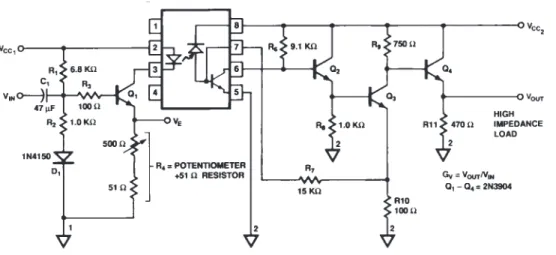
Figure 4. Recommended isolated video interface circuit 162 Ω (HCPL-4562) 90.9 Ω (HCNW4562)
162 Ω (HCPL-4562) 90.9 Ω (HCNW4562)
Figure 5. Input current vs. forward voltage
Figure 6. Base photo current vs. input current
Figure 7. Small-signal response vs. input current
SMALL-SIGNAL GAIN 0 0.92 IF – INPUT CURRENT – mA 20 4 1 12 2 8 10 16 1.02 0.96 0.94 0.98 18 6 14 PHASE GAIN 1 2 0 -1 -2 -3 SMALL-SIGNAL PHASE – DEGREES NORMALIZED IF = 6 mA f = 3.58 MHz TA = 25 °C SEE FIG. 3 HCPL-4562 fig 5a I F
– INPUT FORWARD VOLTAGE – mA
1.0 0.01 VF – FORWARD VOLTAGE – V 1.5 1.1 1.0 1.2 10 100 0.1 VF IF 1.3 HCPL-4562 1.4 + – TA = 70 °C TA = 25 °C TA = -10 °C HCPL-4562 fig 6a I PB
– BASE PHOTO CURRENT – µA
0 0 IF – INPUT CURRENT – mA 20 4 70 12 2 8 10 16 80 30 20 50 18 6 14 TA = 25 °C VPB > 5 V HCPL-4562 60 40 10 HCPL-4562 HCNW4562 HCNW4562 HCNW4562
Figure 8. Current transfer ratio vs. temperature
Figure 9. Current transfer ratio vs. input current
Figure 10. Base photo current variation vs. bias conditions
HCPL-4562 fig 8a NORMALIZED CURRENT TRANSFER RATIO -10
0.86 T – TEMPERATURE – °C 70 10 1.02 40 0 20 30 50 1.04 0.94 0.92 0.98 60 HCPL-4562 1.00 0.96 0.88 NORMALIZED TA = 25 °C IF = 6.0 mA VCE = 1.25 V VPB > 5 V 0.90 HCPL-4562 fig 9a
CTR – NORMALIZED CURRENT TRANSFER RATIO
0 0.50 IF – INPUT CURRENT – mA 20 4 1.00 12 2 8 10 16 1.10 0.70 0.60 0.90 18 6 14 VCE = 5.0 V NORMALIZED TA = 25 °C IF = 6 mA VCE = 1.25 V VPB > 5 V 0.80 VCE = 1.25 V VCE = 0.4 V HCPL-4562 ∆ i PB – BASE PHOTO CURRENT VARIATION – dB -2.71
IFQ – QUIESCENT INPUT CURRENT – mA 12 3 -1.1 6 2 4 5 7 -0.9 -1.9 -2.1 -1.5 8 HCPL-4562 -1.3 -1.7 -2.5 TA = 25 °C FREF = 0.1 MHz -2.3 9 10 11 FREQUENCY = 6 MHz FREQUENCY = 10 MHz HCNW4562 HCNW4562 HCNW4562
Figure 11. Normalized voltage gain vs. frequency
Figure 12. Normalized base photo current vs. frequency
Figure 13. Phase vs. frequency
HCPL-4562 fig 13a ∅ – PHASE – DEGREES 0 -250 f – FREQUENCY – MHz 20 -25 6 2 4 0 -150 -175 -100 8 HCPL-4562 -75 -125 -225 VIDEO INTERFACE CIRCUIT PHASE SEE FIGURE 4 -200 10 12 -50 14 16 18 TA = 25 °C IPB PHASE SEE FIGURE 3 HCPL-4562 fig 12a NORMALIZED BASE PHOTO CURRENT – dB 0.01
-4.5 f – FREQUENCY – KHz 100,000 0 10 0.1 1.0 0.5 -2.5 -3.0 -1.5 100 HCPL-4562 -1.0 -2.0 -4.0 NORMALIZED TA = 25 °C f = 0.1 MHz -3.5 1000 10,000 -0.5 HCPL-4562 fig 11a
NORMALIZED VOLTAGE GAIN – dB
0.01 -7 f – FREQUENCY – KHz 100,000 2 10 0.1 1.0 3 -3 -4 -1 100 HCPL-4562 0 -2 -6 NORMALIZED TA = 25 °C f = 0.1 MHz -5 1000 10,000 TA = -10 °C TA = 70 °C 1 TA = 25 °C HCNW4562 HCNW4562 HCNW4562
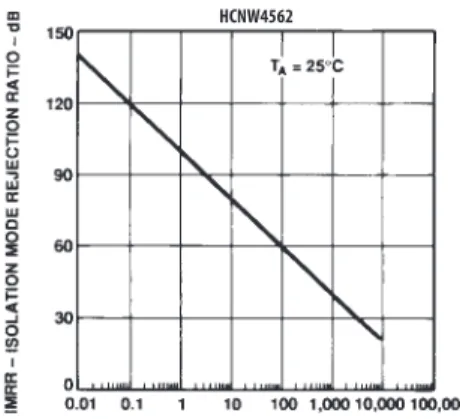
Figure 17. Thermal derating curve, dependence of safety limiting value with case temperature per IEC/ Figure 14. Isolation mode rejection ratio vs. frequency
Figure 15. DC output voltage vs. transistor current gain
Figure 16. Output buffer stage for low imped-ance loads ICQ4 = 2 mA R9 Q3 R10 R11 Q4 Q5 R12 VOUT VCC LOW IMPEDANCE LOAD ADDITIONAL BUFFER STAGE OUTPUT POWER – PS , INPUT CURRENT – I S 0 0 TS – CASE TEMPERATURE – °C 175 HCPL-4562 fig 17b 1000 50 400 125 25 75 100 150 600 800 200 100 300 500 700 900 PS (mW) IS (mA) HCNW4562 HCPL-4562 fig 14a
IMRR – ISOLATION MODE REJECTION RATIO – dB
0.01 0 f – FREQUENCY – KHz 10,000 0.1 150 60 90 1.0 HCPL-4562 30 10 120 100 1000 TA = 25 °C -20 dB/DECADE SLOPE Gv vOUT/vIM IMRR = 20 LOG10 HCPL-4562 fig 15a VO – DC OUTPUT VOLTAGE – V 50 3.0
hFE – TRANSISTOR CURRENT GAIN 450 150 5.5 100 250 350 6.0 4.0 3.5 5.0 400 200 300 4.5 HCPL-4562 HCNW4562 HCNW4562
16
Conversion from HCPL-4562 to HCNW4562
In order to obtain similar circuit performance when
converting from the HCPL-4562 to the HCNW4562,
it is recommended to increase the Quiescent Input
Current, I
FQ, from 6 mA to 10 mA. If the application circuit
in Figure 4 is used, then potentiometer R4 should be
adjusted appropriately.
Design Considerations of the Application Circuit
The appÏication circuit in Figure 4 incorporates
several features that help maximize the bandwidth
performance of the HCPL-4562/HCNW4562. Most
important of these features is peaked response of the
detector circuit that helps extend the frequency range
over which the voltage gain is relatively constant. The
number of gain stages, the overall circuit topology, and
the choice of DC bias points are all consequences of
the desire to maximize bandwidth performance.
To use the circuit, first select R
1to set V
Efor the desired
LED quiescent current by:
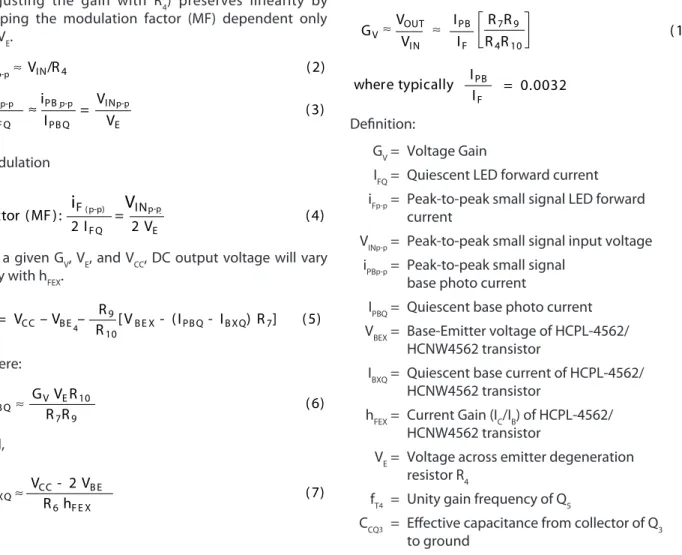
Figure 15 shows the dependency of the DC output
voltage on h
FEX.
For 9 V < V
CC< 12 V, select the value of R
11such that
V
EG
VV
ER
10I
F Q=
�
( 1)
R
4(
�
I
PB/
�
I
F) R
7R
9i
F p-p�
V
IN/R
4( 2)
i
F p-pi
PB p-pV
INp-p�
=
( 3)
I
F QI
PB QV
Ei
F ( p-p)V
INp-pF actor ( MF ) :
=
( 4)
2 I
F Q2 V
ER
9V
O= V
CC– V
B E[ V
B E X- ( I
PB Q- I
B XQ) R
7]
( 5)
R
10G
VV
ER
10I
PB Q�
( 6)
R
7R
9V
CC- 2 V
B EI
B XQ�
( 7)
R
6h
F E XV
O4.25 V
I
CQ4�
�
�
9.0 mA
( 8)
R
11470
R
91
*
( 9)
R
101 + s R
1
9C
CQ2
�
R
�
11f
T 4V
OUT�
I
PBR
7R
9G
V�
�
( 10)
V
IN�
I
FR
4R
10�
I
PBwhere typically
�
I
F p-p 4 ( p-p) p-p p-p p-p p-p Q4 3 4≈
≈
≈
≈
≈
≈
= 0.0032
–
+
≈
≈
V
EG
VV
ER
10I
F Q=
�
( 1)
R
4(
�
I
PB/
�
I
F) R
7R
9i
F p-p�
V
IN/R
4( 2)
i
F p-p�
i
PB p-pV
INp-p=
( 3)
I
F QI
PB QV
Ei
F ( p-p)V
INp-pF actor ( MF ) :
=
( 4)
2 I
F Q2 V
ER
9V
O= V
CC– V
B E[ V
B E X- ( I
PB Q- I
B XQ) R
7]
( 5)
R
10G
VV
ER
10I
PB Q�
( 6)
R
7R
9V
CC- 2 V
B EI
B XQ�
( 7)
R
6h
F E XV
O4.25 V
I
CQ4�
�
�
9.0 mA
( 8)
R
11470
R
91
*
( 9)
R
101 + s R
1
9C
CQ2
�
R
�
11f
T 4V
OUT�
I
PBR
7R
9G
V�
�
( 10)
V
IN�
I
FR
4R
10�
I
PBwhere typically
�
I
F p-p 4 ( p-p) p-p p-p p-p p-p Q4 3 4≈
≈
≈
≈
≈
≈
= 0.0032
–
+
≈
≈
V
EG
VV
ER
10I
F Q=
�
( 1)
R
4(
�
I
PB/
�
I
F) R
7R
9i
F p-p�
V
IN/R
4( 2)
i
F p-pi
PB p-pV
INp-p�
=
( 3)
I
F QI
PB QV
Ei
F ( p-p)V
INp-pF actor ( MF ) :
=
( 4)
2 I
F Q2 V
ER
9V
O= V
CC– V
B E[ V
B E X- ( I
PB Q- I
B XQ) R
7]
( 5)
R
10G
VV
ER
10I
PB Q�
( 6)
R
7R
9V
CC- 2 V
B EI
B XQ�
( 7)
R
6h
F E XV
O4.25 V
I
CQ4�
�
�
9.0 mA
( 8)
R
11470
R
91
*
( 9)
R
101 + s R
1
9C
CQ2
�
R
�
11f
T 4V
OUT�
I
PBR
7R
9G
V�
�
( 10)
V
IN�
I
FR
4R
10�
I
PBwhere typically
�
I
F p-p 4 ( p-p) p-p p-p p-p p-p Q4 3 4≈
≈
≈
≈
≈
≈
= 0.0032
–
+
≈
≈
V
EG
VV
ER
10I
F Q=
�
( 1)
R
4(
�
I
PB/
�
I
F) R
7R
9i
F p-p�
V
IN/R
4( 2)
i
F p-pi
PB p-pV
INp-p�
=
( 3)
I
F QI
PB QV
Ei
F ( p-p)V
INp-pF actor ( MF ) :
=
( 4)
2 I
F Q2 V
ER
9V
O= V
CC– V
B E[ V
B E X- ( I
PB Q- I
B XQ) R
7]
( 5)
R
10G
VV
ER
10I
PB Q�
( 6)
R
7R
9V
CC- 2 V
B EI
B XQ�
( 7)
R
6h
F E XV
O4.25 V
I
CQ4�
�
�
9.0 mA
( 8)
R
11470
R
91
*
( 9)
R
101 + s R
1
9C
CQ2
�
R
�
11f
T 4V
OUT�
I
PBR
7R
9G
V�
�
( 10)
V
IN�
I
FR
4R
10�
I
PBwhere typically
�
I
p-p 4 ( p-p) p-p p-p p-p p-p Q4 3 4≈
≈
≈
≈
≈
≈
= 0.0032
–
+
≈
≈
V
EG
VV
ER
10I
F Q=
�
( 1)
R
4(
�
I
PB/
�
I
F) R
7R
9i
F p-p�
V
IN/R
4( 2)
i
F p-p�
i
PB p-pV
INp-p=
( 3)
I
F QI
PB QV
Ei
F ( p-p)V
INp-pF actor ( MF ) :
=
( 4)
2 I
F Q2 V
ER
9V
O= V
CC– V
B E[ V
B E X- ( I
PB Q- I
B XQ) R
7]
( 5)
R
10G
VV
ER
10I
PB Q�
( 6)
R
7R
9V
CC- 2 V
B EI
B XQ�
( 7)
R
6h
F E XV
O4.25 V
I
CQ4�
�
�
9.0 mA
( 8)
R
11470
R
91
*
( 9)
R
101 + s R
1
9C
CQ2
�
R
�
11f
T 4V
OUT�
I
PBR
7R
9G
V�
�
( 10)
V
IN�
I
FR
4R
10�
I
PBwhere typically
p-p 4 ( p-p) p-p p-p p-p p-p Q4 3 4≈
≈
≈
≈
≈
≈
= 0.0032
–
+
≈
≈
V
EG
VV
ER
10I
F Q=
�
( 1)
R
4(
�
I
PB/
�
I
F) R
7R
9i
F p-p�
V
IN/R
4( 2)
i
F p-pi
PB p-pV
INp-p�
=
( 3)
I
F QI
PB QV
Ei
F ( p-p)V
INp-pF actor ( MF ) :
=
( 4)
2 I
F Q2 V
ER
9V
O= V
CC– V
B E[ V
B E X- ( I
PB Q- I
B XQ) R
7]
( 5)
R
10G
VV
ER
10I
PB Q�
( 6)
R
7R
9V
CC- 2 V
B EI
B XQ�
( 7)
R
6h
F E XV
O4.25 V
I
CQ4�
�
�
9.0 mA
( 8)
R
11470
R
91
*
( 9)
R
101 + s R
1
9C
CQ2
�
R
�
11f
T 4V
OUT�
I
PBR
7R
9G
V�
�
( 10)
V
IN�
I
FR
4R
10�
I
p-p 4 ( p-p) p-p p-p p-p p-p Q4 3 4≈
≈
≈
≈
≈
≈
–
+
≈
≈
V
EG
VV
ER
10I
F Q=
�
( 1)
R
4(
�
I
PB/
�
I
F) R
7R
9i
F p-p�
V
IN/R
4( 2)
i
F p-pi
PB p-pV
INp-p�
=
( 3)
I
F QI
PB QV
Ei
F ( p-p)V
INp-pF actor ( MF ) :
=
( 4)
2 I
F Q2 V
ER
9V
O= V
CC– V
B E[ V
B E X- ( I
PB Q- I
B XQ) R
7]
( 5)
R
10G
VV
ER
10I
PB Q�
( 6)
R
7R
9V
CC- 2 V
B EI
B XQ�
( 7)
R
6h
F E XV
O4.25 V
I
CQ4�
�
�
9.0 mA
( 8)
R
11470
R
91
*
( 9)
R
101 + s R
1
9C
CQ2
�
R
�
11f
T 4V
OUT�
I
PBR
7R
9G
V�
�
( 10)
V
IN�
I
FR
4R
10�
I
PBwhere typically
�
I
F p-p 4 ( p-p) p-p p-p p-p p-p Q4 3 4≈
≈
≈
≈
≈
≈
= 0.0032
–
+
≈
≈
V
EG
VV
ER
10I
F Q=
�
( 1)
R
4(
�
I
PB/
�
I
F) R
7R
9i
F p-p�
V
IN/R
4( 2)
i
F p-pi
PB p-pV
INp-p�
=
( 3)
I
F QI
PB QV
Ei
F ( p-p)V
INp-pF actor ( MF ) :
=
( 4)
2 I
F Q2 V
ER
9V
O= V
CC– V
B E[ V
B E X- ( I
PB Q- I
B XQ) R
7]
( 5)
R
10G
VV
ER
10I
PB Q�
( 6)
R
7R
9V
CC- 2 V
B EI
B XQ�
( 7)
R
6h
F E XV
O4.25 V
I
CQ4�
�
�
9.0 mA
( 8)
R
11470
R
91
*
( 9)
R
101 + s R
1
9C
CQ2
�
R
�
11f
T 4V
OUT�
I
PBR
7R
9G
V�
�
( 10)
V
IN�
I
FR
4R
10�
I
PBwhere typically
�
I
F p-p 4 ( p-p) p-p p-p p-p p-p Q4 3 4≈
≈
≈
≈
≈
≈
= 0.0032
–
+
≈
≈
V
EG
VV
ER
10I
F Q=
�
( 1)
R
4(
�
I
PB/
�
I
F) R
7R
9i
F p-p�
V
IN/R
4( 2)
i
F p-pi
PB p-pV
INp-p�
=
( 3)
I
F QI
PB QV
Ei
F ( p-p)V
INp-pF actor ( MF ) :
=
( 4)
2 I
F Q2 V
ER
9V
O= V
CC– V
B E[ V
B E X- ( I
PB Q- I
B XQ) R
7]
( 5)
R
10G
VV
ER
10I
PB Q�
( 6)
R
7R
9V
CC- 2 V
B EI
B XQ�
( 7)
R
6h
F E XV
O4.25 V
I
CQ4�
�
�
9.0 mA
( 8)
R
11470
R
91
*
( 9)
R
101 + s R
1
9C
CQ2
�
R
�
11f
T 4V
OUT�
I
PBR
7R
9G
V�
�
( 10)
V
IN�
I
FR
4R
10�
I
PBwhere typically
�
I
F p-p 4 ( p-p) p-p p-p p-p p-p Q4 3 4≈
≈
≈
≈
≈
≈
= 0.0032
–
+
≈
≈
For a constant value V
INp-p, the circuit topology
(adjusting the gain with R
4) preserves linearity by
keeping the modulation factor (MF) dependent only
on V
E.
Modulation
For a given G
V, V
E, and V
CC, DC output voltage will vary
only with h
FEX.
Where:
and,
The voltage gain of the second stage (Q
3) is
approximately equal to:
Increasing R
′
11(R
′
11includes the parallel combination of
R
11and the load impedance) or reducing R
9(keeping
R
9/R
10ratio constant) will improve the bandwidth.
If it is necessary to drive a low impedance load,
bandwidth may also be preserved by adding an
additional emitter following the buffer stage (Q
5in
Figure 16), in which case R
11can be increased to
set I
CQ4≅
2 mA.
Finally, adjust R
4to achieve the desired voltage gain.
Definition:
G
V= Voltage Gain
I
FQ= Quiescent LED forward current
i
Fp-p= Peak-to-peak small signal LED forward
current
V
INp-p= Peak-to-peak small signal input voltage
i
PBp-p= Peak-to-peak small signal
base photo current
I
PBQ= Quiescent base photo current
V
BEX= Base-Emitter voltage of HCPL-4562/
HCNW4562 transistor
I
BXQ= Quiescent base current of HCPL-4562/
HCNW4562 transistor
h
FEX= Current Gain (I
C/I
B) of HCPL-4562/
HCNW4562 transistor
V
E= Voltage across emitter degeneration
resistor R
4f
T4= Unity gain frequency of Q
5C
CQ3= Effective capacitance from collector of Q
3to ground
For product information and a complete list of distributors, please go to our website: www.avagotech.com
Avago, Avago Technologies, and the A logo are trademarks of Avago Technologies Limited in the United States and other countries. Data subject to change. Copyright © 2005-2008 Avago Technologies Limited. All rights reserved. Obsoletes AV01-0571EN