A COMPARISON OF THE CHALLENGE OF THE COMMON CORE STATE STANDARDS TO TRADITIONAL JOB STRESSORS OF NORTH CAROLINA SUPERINTENDENTS
Shane M. Morrison
A dissertation submitted to the faculty at the University of North Carolina at Chapel Hill in partial fulfillment of the requirements for the degree of Doctor of Education in the School of
Education.
Chapel Hill 2015
iii ABSTRACT
Shane M. Morrison: A Comparison of the Challenge of the Common Core State Standards to Traditional Job Stressors of North Carolina Superintendents
(Under the direction of Fenwick English).
The purpose of the study was to examine the levels of stress, and the impact of the Common Core State Standards on stress, of superintendents in North Carolina. Secondary analysis addressed demographic differences and any relationships between stress and the independent variables. The researcher collected data through the survey research method and used descriptive and correlation statistics. One open ended question was administered at the end of the survey to allow for superintendents to express any stress concerning federal and/or state mandates.
A survey was emailed to all 115 superintendents in North Carolina, and 56 responded. The survey questions consisted of the Administrative Stress Index (ASI), which included 33 stressor items that superintendents traditionally encounter on the job. Other questions consisted of five questions designed by the researcher to obtain necessary demographic information. The respondents in this study reported, on the Administrative Stress Index, on a scale from 33-132, a mean score of 81.69. The findings suggest that district level superintendents in North Carolina were moderately stressed in their jobs.
iv
this study show: (1) North Carolina superintendents are experiencing moderate job-related stress; (2) the top three reported stressors were: attempting to meet student performance standards as measured by standardized tests, imposing excessively high expectations on myself, and
v
For Dad, Mom, Megan, John, and Aunt E. Each of you has contributed a great deal to my life in your own irreplaceable way. Your accomplishments, ideals, and love have taught me more than
I can express. I hope to make all of you as proud of me as I am of you.
And for my wife, Maria, whose unwavering support and selflessness give me deep purpose. You have always believed in me, and I believe in you. And when you believe in someone it isn’t for a
vi
ACKNOWLEDGEMENTS
vii
TABLE OF CONTENTS
LIST OF TABLES………..ix
CHAPTER 1: INTODUCTION………...………1
Statement of the Problem……….2
Research Questions………..3
Conceptual Framework………5
Assumptions………...…………..6
Limitations……….………..7
Definitions……...………10
CHAPTER 2: LITERATURE REVIEW………....………...11
The Superintendency: A Very Brief History……….13
Defining Stress………...20
Why Stress Matters………21
Managerial and Boundary Spanning Stress………...23
Accountability Stress……….25
Relevant Common Core Literature………28
North Carolina Administrator Stress Studies……….………33
Summary and Need for Further Research………..35
CHAPTER 3: METHODOLOGY.………38
Purpose of the Study..………38
Research Questions………38
Research Design……….40
Survey Instrument………..40
Data Collection and Analysis……….42
Reliability and Validity………..43
Population and Sample………...43
CHAPTER 4: DATA ANALYSIS AND FINDINGS…..……….44
Introduction..………..………44
Demographic Data Findings……….….………44
Demographic Tables………..46
Research Questions Findings……….49
viii
CHAPTER 5: FINDINGS SUMMARY, RECOMMENDATIONS, AND CONCLUSIONS...74
Purpose of the Study………..………74
Summary Findings………...……….….………75
Discussion………..80
Recommendations for Further Study……….86
Conclusions………86
APPENDIX A: SURVEY INSTRUMENT………...90
APPENDIX B: EMAIL CONSENT LETTER.………...100
ix
LIST OF TABLES
Table Page
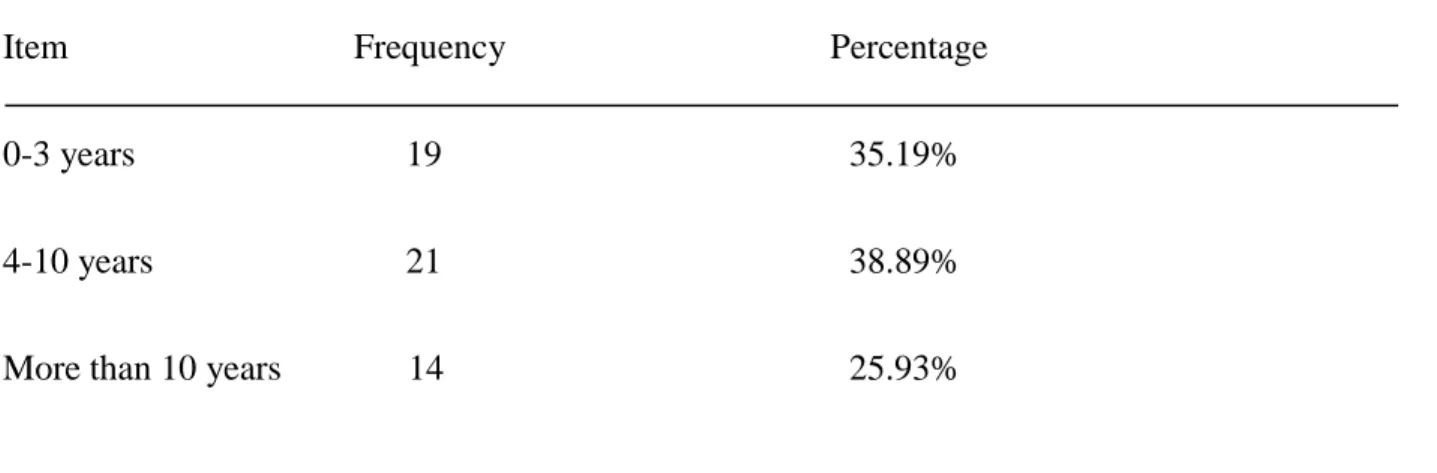
1. Frequency Response: Years of Experience as a Superintendent………...47
2. Frequency Response: Size of the District………..47
3. Frequency Response: Gender of the Superintendent……….48
4. Frequency Response: Education Level of the Superintendent………..48
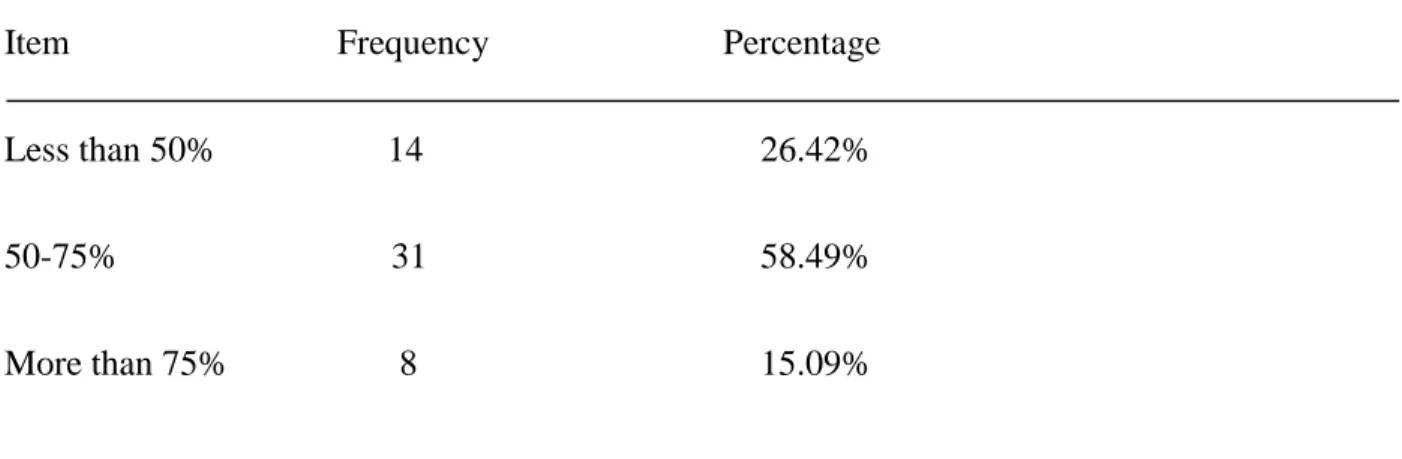
5. Frequency Response: Poverty of the District……….49
6. North Carolina Superintendent Stress Scores………..………..50
7. Administrative Stress Index Responses for North Carolina Superintendents…………...51
8. Descriptive Stress Index of North Carolina Superintendents………54
9. Stress of Common Core Compared to Traditional Stressors……….55
10.Analysis of Variance of Common Core Stress by District Poverty………..57
11.T-test of Common Core Stress by Gender of the Superintendent……….58
12.T-test of Common Core Stress by Education Level……….……….59
13.Analysis of Variance of Common Core Stress by District Size………60
14.Analysis of Variance of Common Core Stress by Years of Experience………61
15.Analysis of Variance of Overall Stress by District Poverty………..62
16.T-test of Overall Stress by Gender of the Superintendent……….63
17.Analysis of Variance of Overall Stress by Years of Experience………...64
18.T-test of Overall Stress by Education Level………..65
19.Analysis of Variance of Overall Stress by District Size………66
1
CHAPTER 1: INTRODUCTION
The role of superintendent has been called the undoable position. As education policy undergoes major and minor recalculations, the responsibilities and stresses of the superintendent shift as well. One could say that the educational leader’s primary pressures underwent a radical shift after 2002, when No Child Left Behind introduced a wave of new stressors (Cushing, Kerrins, & Johnstone, 2003). While this new era in education brought new stressors to
educational leaders, it did not shed the stressors of the past. Generally speaking, responsibilities have increased, and so have the perceived stress levels.
The job description of the superintendent has traditionally been shaped by demands such as managing employees, responding to parent concerns, and acting as the district’s vocal and visible leader (Brock & Grady, 2002; Gmelch, 1982; Gmelch & Chan, 1994; Lane, 2000; Sanchez, 1997). The aforementioned responsibilities have been some of the most frequently cited sources of administrator stress prior to No Child Left Behind.
The new challenges that educational leaders face, in addition to the traditional ones, involve multiple pressures due to increased accountability standards. Mandates from No Child Left Behind and Race to the Top legislation have been commonly reported as the leading causes of administrator stress. Superintendents and other educational leaders, such as principals, work long hours, shoulder massive responsibilities, and fret over rising accountability standards (Goodwin, Cunningham, & Childress, 2003; Sogunro, 2012; Welmers, 2005).
2
Robbins & Alvy, 2009). We know that the traditional stressors of time constraints, managing employees, and handling parental concerns have been compounded by new stressors stemming from increased accountability standards. What we do not know enough about is the impact of some of the newest changes to education, particularly the Common Core Standards. In North Carolina, these changes have come coupled with state budget cuts, and while this study does not draw a link between the two, research is warranted to investigate the impacts felt by educational leaders in the state.
Statement of the Problem
Educational leaders face stress stemming from their work. Much of the research in education has been highly focused on identifying the common causes of this stress. The problem that was investigated here was the impact of the Common Core Standards on the perceived stress levels among North Carolina superintendents. We know a great deal about the traditional causes of administrator stress, but not a lot about the ways superintendents feel the Common Core standards have impacted their stress levels.
3
The educational leaders charged with implementing changes, or with resisting those same changes, face potentially stressful environments, which can lead to poorer performance, physical ailments, and leaving the job altogether. Instability in leadership and policy, including
superintendent tenure length, has been shown to have negative effects on school communities (Marzano & Waters, 2007). In other words, consistency in leadership, goals, and morale have practical impacts on individuals in leadership positions and on communities of learning.
Research regarding stress and stressors must be consistently reexamined to report and reveal contemporary and shifting stressors. By recognizing the potential stressors, such as Common Core and other new policies, superintendents may serve longer tenures, potentially leading to better health and better professional performance.
Research Questions
This study examined the perceptions of North Carolina school superintendents
concerning their stress levels and what specific things cause the most stress. The research was guided by using the following research questions:
1) How stressful is the job of superintendent in North Carolina?
2) What are the greatest job stressors of current North Carolina superintendents? The research specifically measured how stressed North Carolina superintendents are, as reported through the Administrative Stress Index. The first major research question was guided by sub-questions such as:
4
have on leadership performance. Excessive stress can negatively impact leaders’ relationships, decisions, and personal health. Also, it is important to understand the challenges
superintendents are facing in order to best serve the students, schools, and all stakeholders of the community. Any information that can assist in painting a picture of the stress climate among school leaders is helpful in evaluating policy and procedures.
The second guiding question for this research centered on which stressors were the most prevalent among North Carolina superintendents. This question aimed at identifying the top stressors of superintendents and were guided by sub-questions such as:
4) Has Common Core impacted superintendent stress?
5) Is there a relationship between reported Common Core stress level and the percentage of students who qualify for free and reduced price lunch?
6) Is there a relationship between reported Common Core stress levels of superintendents in North Carolina and the gender of the superintendent? 7) Is there a relationship between reported Common Core stress levels of
superintendents in North Carolina and the education level of the superintendent? 8) Is there a relationship between reported Common Core stress levels of
superintendents in North Carolina and the size of the district?
9) Is there a relationship between reported Common Core stress level and years of experience as a superintendent?
5
stress of principals and other building site leaders. This research adds to the body of literature and adds to the discussion further by reporting on the stress levels of school superintendents, and by examining the impact of new policy on stress, particularly the controversy surrounding the Common Core State Standards.
Conceptual Framework
Theories of stress point to the idea that there are adverse effects to one’s mental and physical health from exposure to prolonged or high levels of stress. Individuals who work in upper level jobs, such as the superintendent, tend to experience high levels of stress; Gmelch established that significant stress exists for public school administrators (1996). This study used Gmelch’s theory of stress to examine the stress levels of North Carolina superintendents, to discern the major stressors of North Carolina Superintendents, and explore whether new policy (Common Core State Standards) has impacted the stress levels of North Carolina
superintendents.
6
stressors. In Stage 3, the individual is responding to the stress (i.e. coping). Stage four involves the consequences, as the individual under stress may find ways to cope with the stress or face physical illness and/or a decrease in professional performance, resulting in an impact on the individual and the situation (i.e. burnout).
This study primarily addressed stages one and two of Gmelch’s framework of stress, and provided information potentially useful to superintendents in terms of identifying top stressors, and acknowledging that some superintendents may feel significantly less stress based on their years of experience. Stages three and four could potentially be viewed in light of
recommendations and implications of the study. Based on Gmelch’s theory of stress,
superintendents, in retreats and reflection activities, could have the chance to anticipate common stressors and reach out to colleagues for support in these stages. This could help to ensure longevity and physical health, as well as a more fruitful job performance.
In short, Gmelch’s theory of stress provided a framework for common stressors of
educational leaders, as well as explained the impact of possible new stressors, and the process by which educational leaders experience, perceive, and can respond to inevitable job related stress. By using Gmelch’s framework for stress, the researcher framed the survey to elicit the most useful responses in terms of adding to the body of literature.
Assumptions
7
Raleigh. State budget cuts to education have, in part, sparked a backlash from more progressive groups in the state, such as the North Carolina NAACP, educators from UNC-Chapel Hill, and other citizens. Arrests were made during the summer of 2013 for acts of civil disobedience; the researcher assumed the superintendents in North Carolina had a rudimentary understanding of these events. The researcher also assumed the superintendents were familiar with the Common Core State Standards, and how North Carolina’s political leaders have delivered mixed messages concerning the support for, implementation, and future of Common Core in the state.
Limitations
This study had several limitations. First, the study was limited to a specific geographic location. The study was limited to only superintendents in North Carolina. Districts in North Carolina differ in many ways, but all North Carolina public school superintendents face some level of job related stress, and all are dealing with new policy, including the Common Core State Standards. Also, not all states across the country have adopted the standards, so a study done elsewhere may produce different results concerning the Common Core State Standards and stress. The results yielded from the research are not necessarily applicable to all educational leaders everywhere. The study does not include educational leaders other than superintendents, such as principals, assistant principals, administrators of higher education, or teachers.
Another limitation is the number of superintendents that chose to respond to the survey. The response rate in this study was 48 percent. While a higher response rate was more desirable, the responses offered in this study were sufficient in order to analyze North Carolina
8
education level, the size of their district, district poverty level, and years of experience as a superintendent.
The gender breakdown included 43 males, which made up 81 percent of the respondents. Statewide, males make up 78 percent of North Carolina superintendents. Ten females
participated in this study, which made up 19 percent of the respondents. Statewide, females make up 22 percent of North Carolina superintendents. This is highly representative and very close to the norms of the superintendent population in North Carolina.
The sample was typical in terms of education level as well, as 43 participants reported they have a Doctoral degree, which made up 80 percent of the respondents. Statewide,
superintendents with Doctoral degrees make up 73 percent of the population. Eleven participants reported they have a Master’s degree, which made up 20 percent of the respondents. Statewide, superintendents with Master’s degrees make up 27 percent of the population. The education variable closely reflected the superintendent population in North Carolina reasonably well. Superintendents with Doctoral degrees were slightly over-represented, while superintendents with Master’s degrees were slightly under-represented.
9
work in a district where more than 75 percent of students qualify for free/reduced price lunch. The percentage from the total population of superintendents in the same category is 20 percent. In short, wealthy districts were a bit over-represented in this study, and high poverty districts were slightly under-represented. However, superintendents that work in high, medium, and low poverty districts were all represented in this study, and in proportions that were reasonable and worth analyzing. These differences were taken into consideration when analyzing and
interpreting the data.
10 DEFINITIONS
This section offers key definitions to terms used frequently throughout this study.
AASA: American Association of School Administrators.
Common Core State Standards (CCSS): Documents and policies that outline what students K-12 should know and what skills they should have as a result of their public school education. 44 states have adopted the CCSS, plus Washington, D.C. The CCSS were developed by the nation’s governors and educational commissioners, through their representative
organizations.
NAACP: National Association for the Advancement of Colored People.
NCLB: No Child Left Behind. Legislation signed by President George W. Bush in 2001. NCLB supports standards-based education reform based on the premise that setting high
standards and establishing measurable goals can improve individual outcomes in education. Each individual state develops its own standards.
RTTT: Race to the Top is a $4.35 billion United States Department of Education contest created to spur innovation and reforms in state and local district K-12 education. It is funded by the ED Recovery Act as part of the American Recovery and Reinvestment Act of 2009.
Stress: The anticipation of one's inability to respond adequately to a perceived demand accompanied by one's anticipation of negative consequences for an inadequate response (Gmelch, 1996).
11
CHAPTER 2: LITERATURE REVIEW General Discussion of the Topic
The stress levels of educational administrators is a well-researched topic in education literature. Scholars in education have defined stress and identified the typical causes of administrator stress. Much research has been conducted since the 1970’s to illuminate the impact of stress on educational leaders, to measure stress among educational leaders, and to analyze the ways those leaders choose to handle the stress involved with leading in a high stress environment.
Superintendents balance a formidable amount of responsibilities. Even those with vast experience in leadership positions have struggled to create a successful tenure as superintendent. Some scholars have made the case that turnover at the position of superintendent is in part due to the high stress associated with the job (Trimble, 2013). And stress has been a significant factor concerning superintendents’ job descriptions. One study found that, of the superintendents studied, over 50 percent reported high levels of stress (Hawk & Martin, 2011). Statistics like these indicate that stress is an issue that provokes questions from students and scholars of leadership that will guide inquiries into the stressors of superintendents all over the United States; one such question is: have superintendents always felt that their job was stressful?
12
increasing stress levels of school superintendents. Ten year studies reveal that school superintendents are riding a “disturbing but largely predictable trend” (AASA, 2000).
In the 1982 AASA study, superintendents perceived their job as moderately stressful. 84.6 percent of participants said that some stress was present. In 1992, AASA reported that 84 percent of superintendents said they felt considerable or moderate stress. Only a mere 7.8 percent reported very great stress. These statistics from the 1980’s and early 1990’s indicate a consistent level of stress stemming from traditional stressors such as managerial tasks and budget issues.
In 2000, AASA reported on a superintendency in a new age of technology and
information explosion. Superintendents in this study reported about the same amount of stress as did the participants in the 1992 AASA study. According to the study done in 2000, it was
difficult to determine whether the reported stress levels were disabling and interfering with superintendent job performance, and the topic needed much further study. The 2000 report also pondered just how high stress levels would be in a 21st century superintendency (AASA, 2000).
In 2007, the AASA reported that 44.3 percent of superintendents described their job as very stressful. Fifteen percent even reported very great stress. In 2007, these were the highest stress levels of any AASA state of the superintendency study, as superintendents “faced the pressure of meeting increasing expectations with dwindling resources”(AASA, 2007). The 2007 study also reported that 59 percent of superintendents felt No Child Left Behind had a negative impact on schools (AASA, 2007).
In 2010, AASA reported that, as was the case in previous 10-year studies of the
13
time requirements. Stress reached an all-time high in 2010, as close to 50 percent of
superintendents viewed their job as very stressful (AASA, 2010). The AASA reports from the past thirty years bear out the notion that stress is rising for educational leaders. The statistics indicate that stress significantly increased during the era of No Child Left Behind and increased accountability standards.
The two guiding questions for this study focus on the stress level scores of North Carolina superintendents as measured by the Administrative Stress Index, and what specific stressors emerge as the major stressors of superintendents. In order to best frame this study, a review of the current literature was conducted, seeking a definition of stress, organizing the stress literature into relevant and useful categories, and providing a summary of relevant literature on the Common Core State Standards.
The first section of this chapter provides a brief history of the superintendency, and also information regarding the North Carolina superintendency. The next section provides a working definition of stress, and also presents the rationale for why stress matters. Next, this section provides a brief history of educational leadership stress, including the major stressors of educational leaders. The fourth section of this chapter presents the relevant Common Core literature as it relates to the stress of educational leaders. Lastly, this chapter provides a summary of studies on administrator stress in North Carolina.
The Superintendency: A Very Brief History
14
one of the most difficult and most high stress jobs in America. A glimpse at any superintendent job description will likely induce feelings of challenge, excitement, and potentially stress. But it has not always been so, as the superintendency has developed over time into a position with increased responsibilities and expectations.
1865, for a number of reasons, remains a watershed year in American history. Many Americans likely conjure up images of General Lee’s surrender at Appomattox Courthouse, signaling the end of the Confederate States of America and the end of a bloody Civil War. However, 1865 was also a new beginning. Reconstruction commenced so that a nation conceived in liberty might live. Probably a lesser known fact, the American Association of School Administrators also formed in 1865 (Houston, 2007). Much like the nation as a whole, the superintendency would begin to find its place in American life.
According to Mintz (2004), a new phase in the history of child welfare arose in the 1890’s. “Invoking the principles of professionalization, scientific expertise, and rational
administration,” the Progressive era expanded the role of the state in addressing the education of children. This era witnessed the first effective compulsory school attendance laws, curriculum revisions, and the swift growth of the high school (Mintz, 2004, p. 172-173).
15
humanist sentiment back into public education, allowing for more individuality and child-centered pedagogy.
As the nineteenth century gave way to the twentieth, industrial organization and progress influenced a number of fields, including education. As cities sprang up, superintendents filled newly created positions, charged with leading new cities of schools. Between 1870 and 1915 the number of children attending school increased from seven million to twenty million. School expenditures grew even more rapidly, from $63 million to $605 million. By the end of World War I every state in the union had enacted compulsory school attendance laws (Mintz, 2004).
Progressive educators, led by John Dewey, carried the charge started by Superintendent Parker and others. Respect for diversity, critical thinking, and developmentally appropriate instruction became relevant aspects of progressive pedagogy. But a dichotomy was also
forming. This era witnessed a rise in standardized tests, placing students into different curricular tracks. And according to Mintz (2004), racial or ethnic minorities almost always received lower test scores and were tracked into vocational courses of study.
By mid-century, superintendents were expected to play an integral role in expanding education for more citizens than ever before. Between 1946 and 1964 more than seventy-five million children were born. American women averaged 3.6 babies, which was nearly twice the rate of the depression era 1930’s (Mintz, 2004, p. 276). The baby boom was in full swing, which meant more children in school. In 1952, 50,000 new classrooms were built, and average daily attendance rose by two million students (Mintz, 2004, p. 287).
16
Rights, women’s liberation, and other causes for social justice became intertwined with America’s perceived image around the globe. No longer were superintendents expected to ensure the education of wealthy white males only; women, blacks, students with disabilities, and others gained further protection from the federal government in terms of having access to a quality education. Brown v. Board of Education, The Elementary and Secondary Education Act, and Title IX signaled a sense of progress in society and in public education. The
superintendent’s responsibilities thus changed with the new mandates and responsibility of protecting the educational rights of more segments of society than ever before. Superintendents were expected to promote and ensure interaction across class, and later, racial lines. Around 1960 more than 100,000 small high schools closed in favor of consolidated larger high schools. The size of the average high school increased 300 percent, with many urban schools swelling to well over 3,000 students (Mintz, 2004, p.290).
The 1980’s and 1990’s were a time of increased stress for superintendents. A Nation at Risk served as an educational Sputnik, triggering much concern about the state of American achievement. The rebuttals against the arguments in A Nation at Risk were largely dismissed. Critics of the report asserted that American achievement had not eroded, but that the proportion of economically disadvantaged students, as well as students with limited English proficiency, had risen quickly, and the extra money being spent went largely to their needs (Mintz, 2004, p.367). The argument all but fell on deaf ears, as many Americans only saw that spending was up, and achievement was flat.
17
layer of responsibility for the superintendent, and another expected skill set. On top of that, the child poverty rate at the beginning of the new millennium was higher than it was three decades prior. In 2002 the child poverty rate was 16 percent, roughly 14 percent higher than the lower end of the 1970’s (Mintz, 2004, p. 344). Superintendents were now charged with educating more children, with higher standards, and with less economic resources than ever before.
School violence is an issue that the modern superintendent must face on a daily basis, and is a relatively new phenomenon for superintendents and other educational leaders. During the 1992-1993 school year, almost fifty school children and adults were killed in a school-related act of violence (Mintz, 2004, p.376). Superintendents are faced with competing notions of why mass shootings occur in schools; a lengthy list of issues to consider include bullying, social rejection, mental illness, and others (Leary, Kowalski, Smith, & Phillips, 2003).
Though school violence related deaths remain relatively rare, instances like Columbine, Newtown, and others remind everyone that school violence is an issue in rural, suburban, and urban schools (Leary, Kowalski, Smith, & Phillips, 2003). Elementary, middle, and high schools, each day, can be infiltrated by individuals seeking to inflict harm. School violence and shootings add yet another responsibility to the plate of the superintendent, and highlights the ever increasing demands of the position over time. Today’s superintendent faces daunting challenges. He or she must be a public speaker, a bridge builder, a politician, a consoler, and a statistical consultant. This extensive set of requirements often make for a highly stressful job atmosphere, and a position nearly unrecognizable from its nineteenth century origins.
18
job of the superintendent. The debate over school-district size goes back centuries, and efforts to reform small school districts had their start in the early nineteenth century. As presented earlier, educating children was predominantly a local endeavor for many years. But as states began to take more responsibility for local education systems, many chose to “institutionalize town and city structures as local education agencies” (Boser, 2013). During the early 20th century, the push to consolidate schools and districts grew more aggressive, and as a result, the number of school districts in the United States shrunk from about 117,000 districts in 1940 to about 14,000 school districts today (Boser, 2013).
In North Carolina race and class undoubtedly played an important role in deciding which districts consolidated and which districts did not. Wake County, now the state’s largest public school system, grew out of a merger in the 1970’s between the former Wake County school system and the Raleigh City schools. It should be noted that this consolidation took place amidst the process of desegregation, and is representative of merging black students (Raleigh City schools) with white students (Wake County schools). This merger serves as an example of how the number of students under the span of one superintendent has grown in some areas of North Carolina. Today, Wake County has 171 schools and serves over 155,000 students. The Wake County Public School System is not only the largest in North Carolina, but the 16th-largest in the nation. The student population has almost tripled since 1980, and about 40,000 additional
students are projected by year 2022 (Wake County Public School System, 2015).
19
the twentieth century commenced, one-room and two-room schools were consolidated (Charlotte-Mecklenburg Schools, 2015).
In 1949, Dr. Elmer Garinger became superintendent of the city schools. In that same year, the Institute of Government at the University of North Carolina at Chapel Hill
recommended the consolidation of the Charlotte City Schools and Mecklenburg County. The University institute claimed that consolidation would result in several advantages, most notably equal educational opportunities for all children (Charlotte-Mecklenburg Schools, 2015). In 1960, the Charlotte City Schools and Mecklenburg County Schools merged, joining the two largest school districts in the state at the time to form a new city-county school district. Dr. Elmer Garinger, who was the superintendent of the city schools, was appointed superintendent of the new consolidated system. Today, Charlotte-Mecklenburg serves over 145,000 students throughout 145 schools, and has an operating budget of $1.3 billion.
But not all regions in North Carolina underwent massive consolidation, and not all led to swelling populations in one district. In Halifax County, for instance, there have been three separate school districts operating for more than one hundred years. Two of Halifax’s school districts are nearly 100 percent nonwhite, while Roanoke Rapids has a student population that is 70 percent white. Some argue that these three small districts have not merged into one school district partially because of racial reasons (Boser, 2013).
School consolidation in North Carolina has led some districts, such as Wake and
20
among superintendents. With a background of the superintendency established, both nationwide and locally, the next section of this chapter addresses the definition of stress, why stress matter for the superintendency.
Defining Stress and Why Stress Matters
In order to examine the major stressors of superintendents in North Carolina, it was vital to examine the history of stress in educational leadership, to provide a working definition of stress, and explore how stress has been measured in past studies. This section offers a definition of stress based off the work of past scholars, and also presents an analysis of why stress matters in educational leadership.
Definition of Stress
When examining the major stressors of superintendents, the need for a working definition of stress is evident. The term “stress” is quite subjective and can be construed in any number of ways. Stress can be viewed as positive or negative, desirable or undesirable, and relevant or trivial. While some may use the term stress to describe specific feelings of anxiety or grief, some may think of stress as any uncertainty about one’s personal shortcomings or of society’s circumstances. In truth, the concept of stress, like other concepts, remains a rather imprecise one.
21
lives of educational leaders. The researcher chose to use, in this study, the definition of stress put forth by Dr. Walt Gmelch.
Gmelch (1996) defined stress as "the anticipation of your inability to respond adequately to a perceived demand accompanied by your anticipation of negative consequences for an inadequate response." A similar definition was offered by Halbesleben (2010). Both scholars emphasize that stress is a concept that describes the feeling of a person when they think they have inadequate means to respond to an imposed demand. The researcher used this definition of stress throughout the study.
The researcher chose to include Gmelch’s older research, even though it is dated. Gmelch is still referenced by scholars today and the research tools established by Gmelch (1982) are still influential in the current research, such as the Administrative Stress Index. The Administrative Stress Index was developed specifically to measure the stress levels of educational
administrators, and was the primary survey instrument in this study.
Now that a definition of stress has been established, it is relevant to explore the literature that examines why stress is an important avenue for research. Multiple scholars have argued, for various reasons, why stress is a relevant topic for education leadership. The next section of this chapter analyzes the existing scholarship on why stress matters.
Why Stress Matters
22
Several scholars consider stress to be a relevant and vital aspect to maintaining a
competent leadership (Cushing, Kerrins, & Johnstone, 2003; Queen & Queen, 2005; Robbins & Alvy, 2009). These researchers have discerned that stress is prevalent among educational leaders and that learning more about the stress phenomenon is pertinent. Glass (1992) argued that when leaders confront excessive negative stress, organizations "generally do not perform well when they are more preoccupied with handling stress than with developing the organization's
potential." (Richardson, 1998, p. 17). In other words, when stress is too high, both the individual leader and the community can experience negative consequences.
Numerous studies also suggest that stress has grown steadily over time (Brock & Grady, 2002; Cushing et al., 2003; Queen & Queen, 2005). This body of research reflects an interest in the stress levels of many types of educational leaders, including principals and superintendents. The majority of leaders studied have reported discernable patterns in terms of the causes of their stress: managerial tasks, and the rise of increased accountability pressures. Managerial tasks tend to dominate the literature prior to 2001. After 2001, stress seems to be stemming significantly from standardized testing and accountability pressures.
In short, the research suggests that stress stemming from their work is a significant issue for educational leaders. It is also increasingly evident that the traditional stressors faced by educational leaders are increasingly accompanied by new stressors stemming from increased accountability standards and new policies. The next section of this chapter examines the
23
Managerial, Boundary-Spanning, and Accountability Stress
The literature suggests two broad categories of stress: managerial and boundary-spanning stress, and accountability. Educational leaders have reported that managerial tasks such as answering phone calls, attending lengthy meetings, responding to emails, and managing
employees are major sources of stress. In the case of the superintendent, dealing with the board of education has been a consistent source of stress as well. Boundary-spanning stress refers to the stress stemming from dealing with agents within the organization and with agents outside the organization. External agents can include parents, community members, business owners, and others (McGarity, 2004).
Educational leaders have also reported, since 2002, that accountability pressures contribute a great deal to their stress. No Child Left Behind mandates and high stakes testing have been common stressors for educational administrators in several studies (Carlin, 2010; Carson, 2010). This section will review the research on the aforementioned two categories of stress, the historical major stressors of educational leaders, and how new policy contributes to stress.
Managerial and Boundary-Spanning Stress
Several studies used the Administrative Stress Index to measure stress during the 1980’s. Foster’s (1986) study utilized the Administrative Stress Index by surveying principals in
24
era brought increased attention to mandates, even prior to NCLB, educators felt stress from mandates outside their control.
Another study of educational leadership stress surveyed principals in Maryland. Wright (1987) used the Administrative Stress Index and found that the top stressor for the participants was completing reports and submitting paper work on time. Too heavy a work load, meetings, high expectations, and interruptions from phone calls were also reported as highly stressful. Wright’s (1987) study supports the notion that traditional stressors, such as paperwork and time constraints, caused significant stress for educational leaders prior to 2002.
Buzelli-White (1988) conducted a study of Colorado administrators using the
Administrative Stress Index. She found that, according to the 30 participants, they were feeling moderately stressed, and that the amount of experience and number of hours worked indicated higher stress levels. Less experienced leaders had higher levels of stress, as did those who worked more hours.
The 1990’s yielded similar results in terms of causes of administrator stress. Atwood (1996) used the Administrative Stress Index and found that the top stressors of California administrators were too heavy a workload, meetings, and paperwork. Sanchez (1997) used the Administrative Stress Index in California as well, and found that 276 administrators reported stress stemming from workload, not having enough time to think, paperwork, and solving conflicts (Sanchez, 1997, 57,).
25
superintendents were mandates, personnel problems, and public demands and criticisms (Richardson, 1998, p. 14). These findings are consistent with the notion that managerial tasks and boundary-spanning stress significantly impacted educational leaders prior to 2001. Shumate (1999) used the Administrative Stress Index to measure administrator stress in Washington State, and found similar results still. 221 administrators cited workload and time constraints as the top stressors.
The literature reviewed here suggests that managerial and boundary-spanning caused a significant amount of stress for educational leaders throughout the 1980’s and 1990’s. There is also evidence that some stress from federal and state mandates appear prior to 2002. However, studies conducted after 2002 show that stress stemming from mandates, accountability standards, and new policy increased since that date. The next section of this chapter examines some of the research on educational leadership stress stemming from increased accountability standards and new policy.
Accountability Stress
26
Bowers (2004) surveyed Pennsylvania superintendents and found that the top stressors had to do with funding, state mandates, and No Child Left Behind. Carlin’s (2010) qualitative study investigated administrator stress and the impact of No Child Left Behind. Ten middle school principals were interviewed from urban, suburban, and rural schools. Carlin (2010) found that educational leaders and students have all experienced a highly stressful atmosphere as a result of high stakes testing and accountability. “Nationally, recent research has borne out an increase in principal turnover across the country over the past 5 years” (Carlin, 2010, 22). This study provides valuable insight into 10 administrators and their perceptions of stress during the No Child Left Behind era.
However, this study does not address the most current policy impacting education: the Common Core State Standards. While Carlin (2010) contributed a great deal in terms of educational leaders dealing with mandates and new policy, more research is needed to investigate the stress of educational leaders as a result of the newest policies, such as the Common Core State Standards.
Boyland’s (2011) study sought to examine the stress of educational leaders in Indiana. The opinions sought came from 193 elementary principals in order to gain a better understanding of what administrators feel is stressful, as well as to “deepen understanding of the evolving climate surrounding public school leadership” (Boyland, 2011, 1). The study used a mixed methods approach. Boyland (2011) used a survey to gather the participants’ demographic information (age, experience, education) and to reflect the stress levels of the principals. The participants were asked to rate their levels of job stress as “low stress,” “medium stress,” or “high stress.” The responses were assigned a numerical value (1, 2, & 3) and analyzed to
27
quantitative questions in order to gather information on principal methods and techniques for coping with job stress. 193 Indiana principals responded to the survey. Of those that responded, 38.5 percent reported high job stress, 53.6 percent reported moderate job stress, and 7.8 percent reported low job stress. No statistically significant relationships were found between
demographics and reported stress levels. For the qualitative data, principals reported an overwhelming feeling of chronic task overload. Paperwork, deadlines, and budget cuts were cited as very stressful (Boyland, 2011, 5).
Sogunro’s (2012) qualitative study does a remarkable job of explaining and exploring the multiple sources of stress for educational leaders. This study consisted of interviews with 52 principals in Connecticut over a span of 2.5 years. Sogunro found that 96 percent of the participants experienced work-related stress at a level they believed was affecting their physical health, work habits, and productivity (Sogunro, 2012, 664.) One principal remarked, “There are so many things to do within a limited time frame” (Sogunro, 2012, 679). Other principals voiced their concern over time constraints, with over 70 percent of the principals referring to unrealistic deadlines imposed on them by the central office as a source of stress.
The principals who participated in this study cited unpleasant relationships and people conflicts as the greatest source of stress for educational leaders (Sogunro, 2012, 676). Time constraints was a close second as the most stressful factor among the participants. 98 percent of the participants cited time constraints as the second most stressful aspect of educational
leadership (Sogunro, 2012, 679).
28
local school boards” (pp. 680). 85 percent of the participants in this study cited budgetary constraints as a source of stress, and one principal commented that “since the budget is always fixed by the central office, budgetary issues are virtually out of our control” (Sogunro, 2012, 681).
What we still do not know enough about is the impact of the most current policies on the stress of educational leaders, particularly on superintendents. Educational leaders are facing budget cuts in the midst of implementing new policies, and this critique is one that warrants further study into the stress levels of superintendents. The next section of this chapter examines the relevant literature on the Common Core Standards. It is appropriate to analyze whether the Common Core Standards present changes to education, and to what extent.
Relevant Common Core Literature
The Common Core State Standards (CCSS) were developed in 2009. The National Governors Association and the Council of Chief State School Officers collaborated to write the standards, which are intended to “improve student achievement and college and career readiness (corestandards.org). They are not curricula and do not direct teachers on how and with what resources to teach” (Wagner, 2013). This distinction is necessary and relevant due to the controversy and, for some, ignorance of what Common Core actually is. The issue of federal involvement in public education enters here as well, and will be discussed further in this section, and in chapter 4.
29
educational leaders may or may not be facing as a result of the new policy, thus being an avenue of interest for research on stress. It was not the goal of the researcher to present literature on Common Core to make a case for its implementation, nor for its repeal. The primary goal was to present a balanced account of the controversy surrounding the Common Core State Standards, and why this emerging narrative is relevant for examining the stress levels of educational leaders.
Some on the political right call it Obamacore (Martin, 2014). Some on the left call the Common Core State Standards and their impact on students “unconscionable” (Murphy, 2014, p. 42). According to one Florida lawmaker, Common Core will attract every one of your children to become as homosexual as they possibly can (Murphy, 2014, p. 38). Despite these curious comments, such as the one from Florida State Representative Charles Van Zant, the Common Core State Standards began as a bipartisan effort to strengthen public education, with support from those of all political stripes. Tim Murphy’s article in Mother Jones magazine, entitled “Tragedy of the Common Core,” crafts a current synopsis of the political roots of the Common Core controversy. Despite initial consensus, several Republican governors, particularly those with potential Presidential hopes, are backing off Common Core (Martin, 2014). Back in 2009, it seemed as though Democrats and Republicans had found a common cause in public education, but some state lawmakers in multiple states, including North Carolina, are now trying to halt the Common Core State Standards.
30
performing, given the lack of consistency in assessments (Kendall, 2011). The solution? The CCSS aim to create benchmarks of concepts and of skills, but not curricula (corestandards.org).
Education reformers have invested time and money into the Common Core State Standards, including Bill Gates, who has given $200 million toward the implementation of the standards (Layton, 2014). Non-profits and philanthropists are not the only ones throwing their support behind Common Core. For profit textbook and testing companies, including Pearson, lobbied for Common Core, and stand to benefit monetarily from the new CCSS (Murphy, 2014, p. 38).
Beyond the money and political side shows is the heart of the issue. According to Murphy (2014), Common Core is about who controls what kids learn and how they learn it (p. 38). The introduction and adoption of Common Core commenced in the midst of the Great Recession, a Wall Street Bailout, and the argument over the Affordable Care Act. In 2009, all but two governors were on board with Common Core (Sarah Palin and Rick Perry). The
American Federation of Teachers supported Common Core. But in 2011, with the rollout of the CCSS, both sides of the political aisle voiced their concerns (Murphy, 2014).
31
plans for Common Core in Indiana. North Carolina, Missouri, Oklahoma, and South Carolina soon followed Indiana’s lead (Murphy, 2014, p. 42).
The United Federation of Teachers withdrew its support for Common Core in 2014. The union turned because states would not release versions of the tests to be used to judge teacher performance, and a lack of funding for ESL students and students with learning disabilities. Common Core proponents, meanwhile, assert that the CCSS have exposed the fact that children, including suburban and middle class children, were not held to high enough standards in the No Child Left Behind era (Murphy, 2014, p. 68).
Common Core Studies
Porter, McMaken, Hwang, and Yang (2011) compared the alignment of the Common Core Standards to each individual state’s content standards for math and language arts. Their analysis addresses how much change the Common Core standards represent for content standards and assessments. For each state, a formula determined how closely aligned the new Common Core Standards are with the former standards of that particular state. For this study, I will focus primarily on the data from North Carolina because my research is specific to
superintendents in North Carolina.
32
The national alignment mean was 0.27 for language arts. I used 5th grade because there was no data for K-4 or for grade 6.
The authors of this study concluded that “the Common Core standards represent considerable change from what states currently call for in their standards and in what they assess” (Porter, McMaken, Hwang, &Yang, 2011, 114). These are relevant findings when exploring the impact of the Common Core standards on the stress levels of superintendents in North Carolina.
Beach (2011) responded to the work of Porter et al. Beach argues that Porter et al.’s (2014) documentation of the lack of alignment betweenthe Common Core standards and current state standards and assessments is a significant and important finding in that implementation of the Common Core Standards “will involve challenging curriculum transformations given
teachers’ familiarity with the current state standards, challenges exacerbated by lack of resources to implement these changes” (Beach, 2011, 181). In other words, Beach argues that the Common Core signals at least some change and newness for administrators, teachers, and students.
Beach (2011) offers additional insights into the lack of alignment and comprehensive funding issues through the lens of the language arts curriculum:
The state standards’ focus on expository writing and the CCSS focus on argumentative writing represents one of many areas that will require substantive curriculum changes over the next few years, given teachers’ familiarity with their current state standards. Unfortunately, teachers may receive little professional development support for making this transition, given state and district budget reductions, resulting in implementation like that of No Child Left Behind a decade ago, when policy changes were never adequately funded (Beach, 2011, 179).
33
Core standards. 40 of the states responded to the survey. These authors’ conclusions are relevant to this study for the information they provide in terms of educational administrators and their perceptions about implementing the Common Core standards. Kober and Rentner (2013) found that “nearly all CCSS adopting states recognize that implementing the Common Core will require substantial changes in curriculum and instruction in their state” (pp. 16.). The authors also concluded that many states lack adequate resources to effectively carry out all CCSS-related activities; 34 of the 40 participating states reported that resources were either a major or minor challenge to CCSS implementation (Kober & Rentner, 2013, 16).
The survey responses in this study were anonymous, so it is not possible to discern specifics about the perceptions of educational administrators in North Carolina or in any other state. While Kober and Rentner (2013) provided valuable data to the Common Core literature, further research is needed within individual states to flesh out the particular challenges
educational leaders are facing with regard to their local fiscal realities, politics, and populations. The final section of this chapter will examine the recent studies on educational administrator stress conducted in the state of North Carolina.
North Carolina Administrator Stress Studies
North Carolina school leaders currently face a number of divisive issues. One recent controversy involves the Common Core State Standards. Governor Pat McCrory has endorsed the Common Core State Standards, but in the summer of 2014 called for a review of the
34
Tea Party activists have, in some places like Indiana, Michigan, and North Carolina, driven a movement against the Common Core, fearing a federal intrusion into education. State superintendent Dr. June Atkinson has commented that “the Common Core is nothing more than guidelines identifying what students should know and be able to do in math and English
language arts as a result of being in our public schools…..nothing more or nothing less than that” (Wagner, 2013).
This is a snapshot of contemporary educational politics in North Carolina. The stress felt by educational leaders in the state today is shaped by multiple sources. It is relevant to frame today’s issues with a review of the literature that examined administrator stress in North Carolina in the past. Doing so will provide a solid setting for my study of the stress levels and causes of stress for North Carolina superintendents.
Thompson (1985) conducted a study of principals in North Carolina, focusing on stress and coping strategies. He used the Administrative Stress Index to survey elementary principals and found that the most cited stressors involved managerial tasks, similar to previous findings of other scholars of stress. Physical exercise was the coping strategy most used by the participants. Blanks (1990) found similar results among North Carolina educational leaders, as managerial tasks were reported as the most frequent causes of stress.
35
Carson’s (2010) quantitative study of educational leaders in North Carolina sought to provide data on the stress and stress coping preferences of North Carolina elementary principals. 222 principals responded to the survey. Carson (2010) used the Administrative Stress Index to determine the stress levels of principals; the Roesch Coping Preference Scale (RCPS) was used to obtain the coping preferences of the participants. The principals that participated in the study reported a mean score on the ASI of 93.01. Carson’s findings suggested that elementary school principals of North Carolina were “moderately stressed in their jobs” (Carson, 2010, v).
Carson also concluded that the top four stressors for the respondents were: too heavy of a workload, feeling that meetings take up too much time, failing to complete reports or other paperwork on time, and daily interruptions from staff members (Carson, 2010, v-vi). Findings from the RCPS suggest that principals cope with stress by taking work home, working on weekends, and collaborating with colleagues. In addition, there were no significant differences among new and veteran elementary principals’ mean stress indexes (Carson, 2010, vi).
There is plentiful evidence that educational leaders are experiencing stress stemming from their work (Carson, 2010). It is less clear what many superintendents feel is stressing them out the most. Additionally, the research is underdeveloped in terms of assessing the impact of new policy, such as the Common Core State Standards, on the stress levels of educational leaders. The underdevelopment of such research has contributed to the research questions posited for this study.
Summary and Need for Further Research
36
literature provided definitions of stress, the history of stress for educational leaders, the patterns and causes of administrator stress, and the impact of new policy on stress. This framework provides the background information for new stress studies that engage in areas where the research in underdeveloped. The stress levels of the school superintendent is one of those areas where new research can add to the stress report in an ongoing evaluation of the stress atmosphere among educational leaders.
While the causes of stress have, since 2002, tended to be associated with increased accountability standards and new policy, more research is needed to investigate the impact of the newest educational policies on the stress levels of educational leaders. This is especially true of superintendents. Much of the recent research has focused primarily on principals.
Superintendents are faced with a job that requires a vast skill set, including the ability to be “on” all of the time. Educational leadership is not confined to inside classrooms and schools. This study is intended to provide needed research on what the major stressors of superintendents are, as well as to assess the impact of the Common Core State Standards on their stress levels.
The research that currently exists addresses the causes of stress and the stress coping preferences of educational leaders, but is chiefly devoted to principals (Carson, 2010; Boyland, 2011; Sogunro, 2012). These are important matters, to be sure, but provide an incomplete picture of the modern stressors of the educational leader, particularly from the perspective of the superintendent.
37
examined stress from the perspective of the North Carolina superintendent, and none have sought to investigate the impact of the Common Core State Standards on their stress levels.
38
CHAPTER 3: METHODOLOGY
This chapter focuses on the research design, methodology, and instruments used. The chapter is divided into sections that review the purpose of the study, research questions, research design and rationale, population and sampling, and significance of the study.
Purpose of the Study
The purpose of this research was to investigate the perceptions of North Carolina superintendents concerning their stress levels and whether the controversy surrounding the Common Core State Standards impacted their stress levels. This study investigated whether a relationship exists between personal and demographic variables and stress levels. The stress of educational leaders has summoned the attention of scholars and researchers in an effort to better understand the challenges those stressors pose to leadership performance and physical health. Because the superintendent is accountable to the public in a visible and significant way, and because new policies impact the leaders that carry out those policies, research into the stress levels and major stressors of superintendents was warranted.
Research Questions
The research is guided by using the following research questions:
1) How stressful is the job of superintendent in North Carolina?
39
5) Is there a relationship between reported Common Core stress levels and the percentage of students who qualify for free and reduced price lunch?
6) Is there a relationship between Common Core stress levels of superintendents in North Carolina and the gender of the superintendent?
7) Is there a relationship between Common Core stress levels of superintendents in North Carolina and the education level of the superintendent?
8) Is there a relationship between Common Core stress levels of superintendents in North Carolina and the size of the district?
9) Is there a relationship between reported Common Core stress level and years of experience as a superintendent?
The first part of this research specifically looked at how stressed North Carolina superintendents are feeling as a result of their job. This first major research question used guiding sub-questions to further explore the stress climate of North Carolina superintendents.
The second major research question was guided by sub-questions designed to identify the top stressors of superintendents. Specifically, the research explored which items on the
Administrative Stress Index scored highest among North Carolina superintendents. Also, the research gained the perspectives of superintendents on how new policy impacts stress.
40 Research Design
This study used correlation research design, using cross tabulation with chi squared. The design of the correlation study sought to identify a relationship between groups. It should be noted that no attempt by the researcher was made to influence the attitudes of the participants.
An electronic survey using correlation design was appropriate for this research for several reasons. First, it allowed for the collection of data from a large number of human participants in a relatively short period of time. It also allowed the researcher to report the response rate and descriptively report the aggregate responses to each item on the survey. According to Creswell (2005, p. 375), “this process helps to discern general patterns of responses and variation
(variance and standard deviation) in results.” This design also allowed for the researcher to test hypotheses and research questions using inferential statistics.
A broad number of participants (i.e., more than 40) was essential to make sure variances and similarities were properly represented within the sample. A frequency number and
percentage was calculated for each item on the Administrative Stress Index. The cross tabulation with chi squared was used to compare the differences between superintendents concerning size of the district, district poverty, and years of experience as a superintendent. A t-test was used to compare the differences between superintendents in terms of gender and education level.
Survey Instrument
41
surveys are that they can be administered in a short amount of time, are economical, and investigate populations anonymously (Creswell, 2005). It should be noted that surveys rely on self-reported information, which is subjective to the perceptions of the participants. Given that this study aimed to gain data regarding the perceptions of superintendents, this weakness of surveys was not particularly troubling.
As this research measured the perspectives and perceptions of North Carolina
superintendents, the survey consisted of the Administrative Stress Index, which used a Likert scale, and had 33 questions. The Administrative Stress Index (ASI) was first developed in 1977 by Gmelch and Swent. For this study, one question was deleted from the ASI: the increasing accountability and expense of NCLB and other federal mandates. The researcher also added a question: the controversy surrounding the Common Core State Standards. Given the evolving role of the superintendent and the well-established notion that NCLB has caused an increase in stress, this question replacement was warranted and was rooted in exploring the impact of Common Core on stress.
The survey also included one open ended question to allow superintendents to share supplementary information regarding the impact of any federal or state mandate on their stress. This question allowed for a rich exploration and analysis of the responses. The answers were coded and analyzed in light of previous literature and established claims by other scholars of stress.
42
1. Superintendents will report their jobs are stressful.
2. The greatest stress levels will be concerned with resources to support a quality educational program.
3. Student body composition (i.e. free/reduced price lunch) will be positively correlated to stress.
4. There will be no significant differences that NC superintendents report by gender, tenure, size of the district, or education level.
5. Recent legislative and policy initiatives such as NCLB, RTTT and CCSS will add to the stress level superintendents’ report.
Data Collection and Analysis
Following approval from IRB, an email was sent to each of the superintendents in North Carolina. The email addresses were obtained from the online database which contains every email address for every superintendent in the state. The online survey format allowed for low cost and high efficiency. Another benefit to the online survey was the increased likelihood for high participation among superintendents across the state of North Carolina.
Analysis of the data included both descriptive and inferential testing and analysis. The descriptive analysis included determining the overall mean score, the top stressor items, and tests of statistical significance. The inferential testing included assessing the relationship among variables (Creswell, 2012). The variables tested were: gender of the superintendent, education level of the superintendent, years of experience as a superintendent, size of the district, and district poverty.
43
issues. The responses were categorized and analyzed in light of the survey responses, as well as in light of previous research.
Reliability and Validity
The reliability of the survey is the degree to which the results demonstrate stability and consistency. This research was administered using a well-established instrument: the
Administrative Stress Index. Gmelch and Swent first developed the Administrative Stress Index (ASI) in 1977 and they revised the instrument in 1984. The instrument was field tested with 25 educational leaders to check the reliability and validity. The ASI was revised again and tested on 20 educational leaders and a reliability coefficient of .70 was established. Gmelch and Swent increased the internal validity by sending surveys to more than 1,100 educational leaders in the state of Oregon and found no significant differences with regard to age or years of experience (Blair, 2010).
The online format of the survey ensured objectivity and identical conditions of
administration. Computer based statistical analysis programs were used to score and interpret the results in order to ensure the highest degree of objectivity possible.
Population and Sample
Surveys were sent to all 115 North Carolina superintendents. While the researcher sent the survey to all 115 superintendents in North Carolina, all 115 did not respond. A total of 56 superintendents completed the survey and the results were analyzed. In other words, for this study, the response rate was 48 percent. Of the 56 superintendents that filled out the
44
CHAPTER 4: DATA ANALYSIS AND FINDINGS
Introduction
The contents of this chapter include an analysis of the sample population data and of the research questions data. The data presented for the sample and each of the research questions are reported in both narrative and table format. These tables report data from the superintendents and provide demographic information such as gender, number of years as a superintendent, education level, district size, and district poverty. The means and standard deviations for job related
stressors as perceived by North Carolina district level superintendents are shown in the tables in this chapter. The chapter concludes with a summary of the findings.
Demographic Data Findings
The study was conducted by surveying public school superintendents in North Carolina who served during the 2014-2015 school year. During the 2014-2015 school year, there were 115 superintendents in North Carolina listed in the superintendent Directory (North Carolina Department of Public Instruction, 2015).