WORKPLACE ENVIRONMENTAL AND POLICY PRACTICES THAT SUPPORT HEALTHY BEHAVIOR AMONG EMPLOYEES WITH PREDIABETES:
IMPLICATIONS FOR EMPLOYERS
Julie L. Osgood
A dissertation submitted to the faculty at the University of North Carolina at Chapel Hill in partial fulfillment of the requirements for the degree of Doctor of Public Health in the Department of Health Policy and Management in the Gillings School of Global Public Health.
Chapel Hill 2017
iii ABSTRACT
Julie L. Osgood: Workplace Environmental and Policy Practices that Support Healthy Behavior Among Employees with Prediabetes: Implications for Employers
(Under the direction of Sandra Greene)
In the United States, 86 million people have prediabetes putting them at significant risk for type 2 diabetes in the absence of lifestyle modification. The health and economic
consequences of type 2 diabetes are significant for individuals and society. In response, the U.S. Centers for Disease Control and Prevention has implemented an evidence-based National
Diabetes Prevention Program (NDPP) that reduces the incidence of prediabetes and type 2 diabetes. In this program, lifestyle coaches teach participants to eat healthy foods, be physically active, deal with stress, and overcome barriers to success. Many employers offer this program to employees as a way of improving the health status and avoiding future healthcare costs
associated with diabetes care and its complications.
Adults spend the majority of their waking days at their place of employment. Researchers have shown that workplace physical and social environments and policies affect health behavior, particularly when used in combination. This dissertation aims to understand how employers can optimize enrollment and support participation in worksite NDPP using physical/social
environmental and policy practices.
iv
practices to promote healthy lifestyle behaviors, though there are opportunities for more. Employers struggle with barriers, including: (1) how to identify and communicate directly with employees who have prediabetes; (2) how to appropriately support and incentivize NDPP participation; (3) how to engage senior leaders and middle managers in supporting healthy behavior; and (4) how to effectively engage a diverse workforce in lifestyle behavior change. A survey of employees with prediabetes indicates that employees have noticed workplace
environment and policy changes related to health behaviors. I discuss barriers preventing them from enrolling in NDPP and factors that could motivate them to do so.
This work provides employers with recommendations and a process for using
v
In memory of my beloved sister, Christa Ellen Osgood.
vi
ACKNOWDLEGEMENTS
This dissertation would not exist were it not for the love, support, and encouragement from my husband, David. I would also like to acknowledge my family, who supported my journey from the beginning. Thank you Mom, Dad, Tom, Grandmother, Robert, and David. And thanks to Rosie for her uncanny ability to make me smile and laugh when I needed it the most.
There are many others who have helped me along the way, including countless family, friends, and colleagues. I am grateful for the 11 other members of C10, who have my friendship for life. Thank you to all the DrPH professors and staff at UNC for your commitment and dedication to our growth and development. Thanks also to my committee, who guided me with their expertise and wisdom. Special thanks go to Julie Armstrong, Vance Brown, Bill Caron, Andy Coburn, Deb Deatrick, Robert McArtor, Edward Miller, Lisa Smith, Hugh Tilson, Andrew Williams, and Cathy Zimmer.
vii
TABLE OF CONTENTS
LIST OF TABLES ... xi
LIST OF FIGURES ... xiii
LIST OF ABBREVIATIONS ... xiv
CHAPTER 1: THE TOPIC ... 1
Background ... 1
Conceptual Framework ... 9
Definitions ... 11
Dissertation Aims and Research Questions ... 11
Research Interests ... 14
CHAPTER 2: LITERATURE REVIEW ... 16
Results ... 18
Physical Environment ... 22
Social Environment ... 25
Combination of Physical and Social Environments ... 27
Policy ... 28
viii
Discussion ... 30
CHAPTER 3: METHODOLOGY ... 37
Study Design and Methods ... 37
Study Limitations ... 43
IRB Considerations/Confidentiality Issues ... 44
Methodology for Phase One: Qualitative Case Study ... 45
Data sources. ... 45
Delimitations ... 48
Data Management Plan ... 48
Data Analysis Plan... 49
Methodology for Phase Two: Quantitative Study ... 52
Data sources. ... 52
Definitions of Key Terms/Variables ... 53
Delimitations ... 54
Data Management Plan ... 54
Data Analysis ... 55
CHAPTER 4: RESULTS ... 57
Results for Phase One: Qualitative Study ... 57
Within-case Analysis ... 58
ix
In-depth qualitative analysis: Key findings. ... 83
Results for Phase Two: Quantitative Study... 93
Descriptive statistics. ... 95
Employee perceptions and observations of work environments. ... 98
Workplace characteristics. ... 103
Enrollment/completion barriers and motivators (NDPP participants). ... 104
Enrollment barriers (NDPP non-participants). ... 106
Enrollment motivators (NDPP non-participants). ... 108
CHAPTER 5: DISCUSSION ... 115
CHAPTER 6: PLAN FOR CHANGE ... 122
Recommendations Based on Literature and Research Findings ... 122
Limitations ... 130
A Process for Implementing Recommendations Based on Change Theory ... 131
Plans for Communication/Dissemination of Findings and Recommendations ... 144
APPENDIX A: LIST OF STUDIES INCLUDED IN LITERATURE REVIEW ... 148
APPENDIX B: RECRUITMENT EMAIL FOR KEY INFORMANT INTERVIEW PARTICIPANTS ... 164
APPENDIX C: KEY INFORMANT INTERVIEW GUIDE ... 166
APPENDIX D: WRITTEN CONSENT FORM FOR QUALITATIVE RESEARCH ... 171
APPENDIX E: RECRUITMENT EMAIL FOR SURVEY PARTICIPANTS ... 176
x
APPENDIX G: QUANTITATIVE SURVEY REMINDER EMAIL ... 200
APPENDIX H: PERMISSIONS TO USE SURVEY QUESTIONS ... 202
APPENDIX I: QUANTITATIVE SURVEY GRAPHS ... 209
APPENDIX J: ENROLLMENT/COMPLETION BARRIERS AND
MOTIVATORS (NDPP PARTICIPANTS) ... 214
xi
LIST OF TABLES
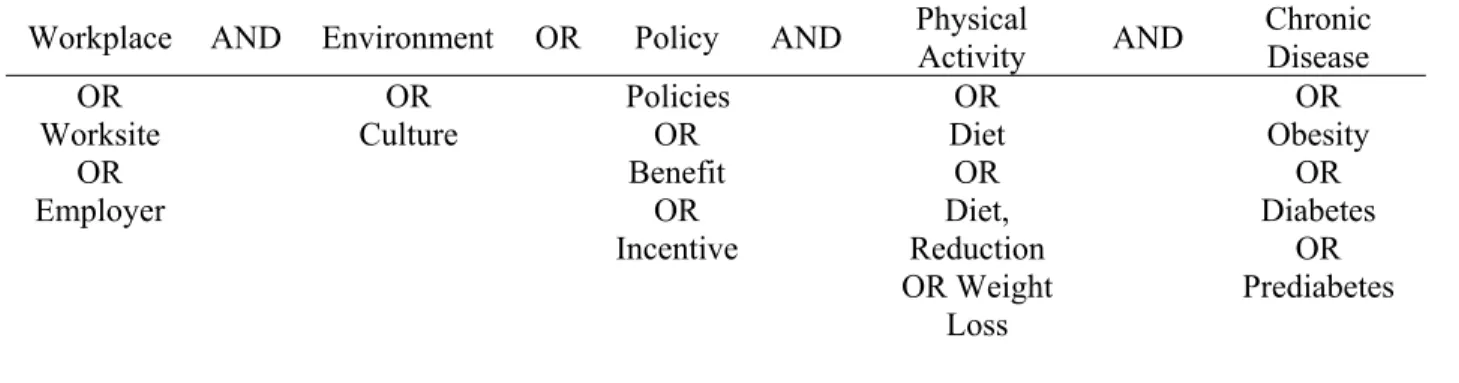
Table 1: Literature Search Strategy ... 17
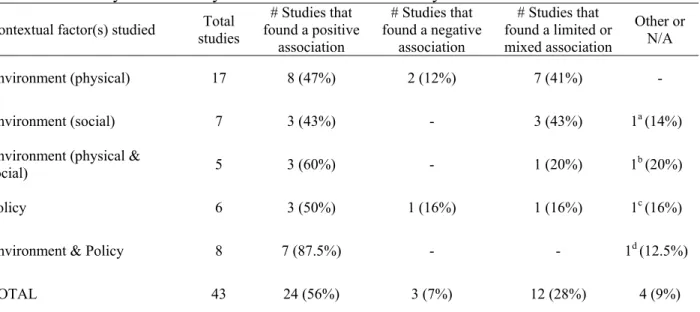
Table 2: Summary of Studies by Contextual Factor and Lifestyle Behavior Association ... 22
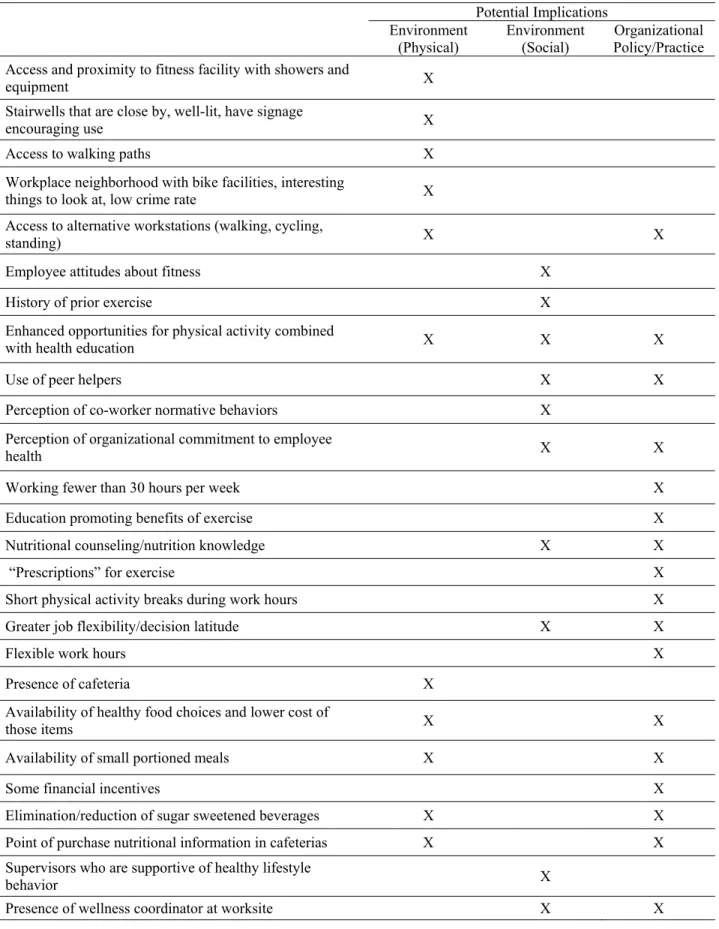
Table 3: Workplace Environmental and Policy Practices that Support Healthy Behavior ... 35
Table 4: Workplace Environmental and Policy Practices that Hinder Healthy Behavior ... 36
Table 5: Study Eligibility Within National Diabetes Prevention Program Worksites ... 46
Table 6: Independent and Dependent Variables ... 54
Table 7: Description of Workplaces, Qualitative Study ... 58
Table 8: Site One Characteristics ... 65
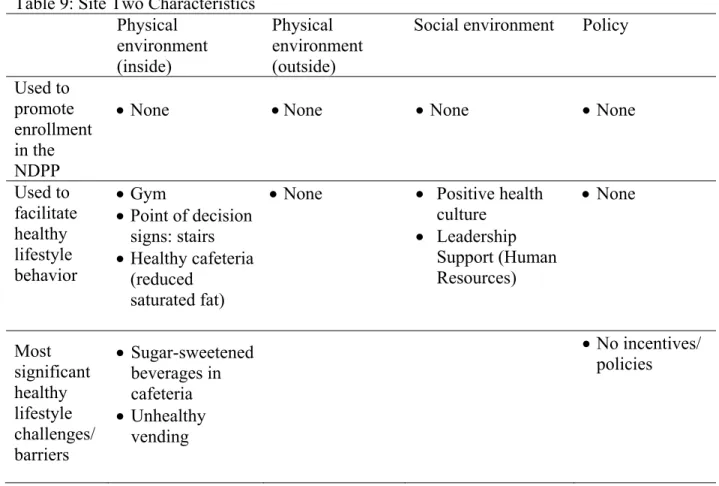
Table 9: Site Two Characteristics ... 66
Table 10: Site Three Characteristics ... 67
Table 11: Site Four Characteristics ... 68
Table 12: Site Five Characteristics ... 69
Table 13: Site Six Characteristics ... 70
Table 14: Site Seven Characteristics ... 71
Table 15: Site Eight Characteristics ... 73
Table 16: Site Nine Characteristics... 74
Table 17: Site Ten Characteristics ... 75
Table 18: Health Behavior Facilitators Across Sites by Characteristic ... 77
Table 19: Health Behavior Facilitators Across Sites by Organization Size ... 79
Table 20: Health Behavior Challenges/Barriers Across Sites by Characteristic ... 80
xii
Table 22: Comparison between all employees with prediabetes and survey respondents ... 96
Table 23: Occupation of Survey Participants ... 97
Table 24: Survey Participant Job Tenure ... 98
Table 25: Employee Observations At Work ... 100
Table 26: Employee Observations About Co-Workers ... 100
Table 27: Employee Perceptions of Social Environment & Health Culture ... 101
Table 28: Workplace Observations by Employees with Prediabetes ... 102
Table 29: Workplace Characteristics ... 104
Table 30: NDPP Enrollment Barriers (NDPP non-participants) ... 107
Table 31: Factors that Employees Say Would Motivate Them to Enroll in NDPP ... 109
Table 32: Cross Tabulation of Factors that Employees Say Would Motivate Them to Enroll in NDPP ... 111
Table 33: Motivation to Enroll in NDPP by Occupation ... 114
Table 34: Process to Implement Worksite Environmental and Policy Practices ... 143
Table 35: NDPP Completion Barriers ... 214
Table 36: Factors Motivating Employees to Enroll in NDPP ... 215
xiii
LIST OF FIGURES
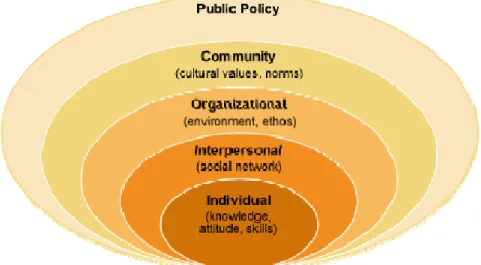
Figure 1. The social ecological model. ... 9
Figure 2. Flow diagram of the systematic review of literature. ... 20
Figure 3. Exploratory sequential mixed methods study design. ... 40
Figure 4. Employee survey design and branch logic. ... 41
Figure 5. Site overlap between qualitative and quantitative research phases. ... 47
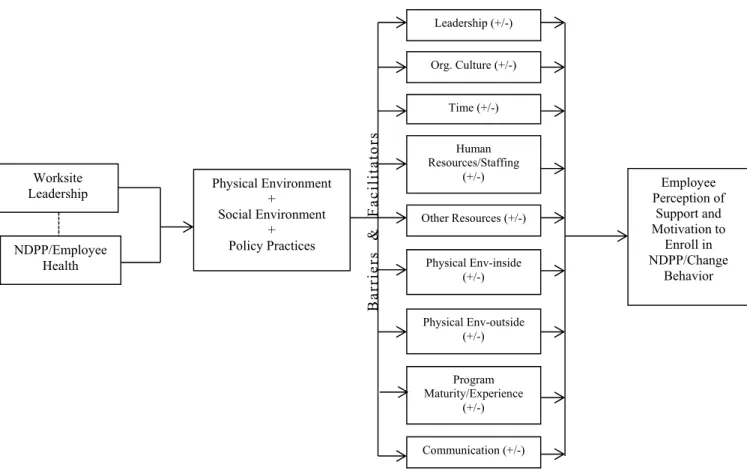
Figure 6. Conceptual model for key informant interviews. ... 49
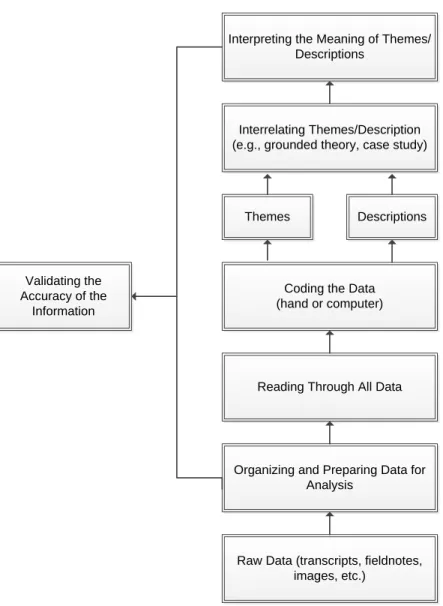
Figure 7. Approach to data analysis for the phase one qualitative research. ... 51
Figure 8. Code co-occurrence model... 89
Figure 9. Employee survey branch logic and response totals. ... 94
Figure 10. The diffusion process of communication. ... 132
xiv
LIST OF ABBREVIATIONS
BMI Body Mass Index
CDC Centers for Disease Control and Prevention
DPP Diabetes Prevention Program (refers to NIH study) GTT Oral Glucose Tolerance Test
NDPP National Diabetes Prevention Program NHLBI National Heart, Lung, and Blood Institute NIH National Institutes of Health
1
CHAPTER 1: THE TOPIC Background
Prediabetes, which is also called impaired blood glucose tolerance or impaired fasting blood glucose, is a condition in which individuals have elevated blood glucose or hemoglobin A1C levels but not high enough to be classified as type 2 diabetes. Prediabetes is becoming more common in the United States. The U.S. Centers for Disease Control and Prevention (CDC) estimates that approximately 86 million U.S. adults ages 20 or older (i.e., more than one out of every three adults) had prediabetes in 2012 "Centers for Disease Control and Prevention" 2014).
People with prediabetes often do not have any symptoms. The CDC estimates that nine out of 10 people with prediabetes do not know they have it (CDC, 2014). However, people with prediabetes have an increased risk of developing type 2 diabetes, heart disease, and stroke. Lifestyle modification (e.g., weight loss, change in diet, and moderate physical activity) can prevent or delay type 2 diabetes. Certain people are at increased risk ("Centers for Disease Control and Prevention," 2015) for developing prediabetes and type 2 diabetes, including those with the following characteristics:
Age >45 years;
Overweight (Body Mass Index -BMI ≥25 kg/m2); Physical inactivity;
Having a first-degree relative with diabetes;
2
Having diabetes while pregnant or giving birth to a baby weighing more than nine pounds.
Prediabetes can be diagnosed several ways ("American Diabetes Association," 2014). The hemoglobin A1C test measures average blood glucose levels for the previous two to three months. Results of the HbA1c test that range between 5.7% and 6.4% indicate prediabetes. The fasting plasma glucose test measures fasting blood glucose levels. Results of 100 mg/dl to 125 mg/dl indicate prediabetes. Lastly, the Oral Glucose Tolerance Test (OGTT) checks blood
glucose levels before and after consuming glucose (usually a 75-gram load). Results between
140 mg/dl and 199 mg/dl are diagnostic for prediabetes (American Diabetes Association, 2014).
The consequences of developing type 2 diabetes are significant for individuals and society. People diagnosed with diabetes often have high blood pressure, high cholesterol, and higher risk for heart and kidney disease, stroke, eye problems, and amputations. They also can suffer a reduced quality of life and incur medical costs that are 2.3 times higher than people without the disease (CDC, 2014). Gestational diabetes, prediabetes, and undiagnosed diabetes cost over $217 billion, and one in three Medicare enrollees has diabetes (Hill et al., 2013). One study estimated the economic burden, measured by medical costs and productivity losses per case, at $10,970 for diagnosed diabetes, $5,800 for gestational diabetes, and $4,030 for undiagnosed diabetes (Dall et al., 2014). Another study estimated the total cost of diabetes in 2012 in the United States to be $245 billion, including $176 billion in direct medical costs and $69 billion in reduced productivity (American Diabetes Association, 2013).
3
Program, or DPP) could prevent or delay the development of type 2 diabetes among people with prediabetes. This study found that participants who lost weight through healthy eating and increased physical activity reduced their risk of developing type 2 diabetes by 58% (Knowler et al., 2002). Since then, numerous translation studies have been conducted, as well as a fifteen-year follow up study, which showed that the effects of the original lifestyle intervention persisted (Diabetes Prevention Program Research Group, 2015).
Based on the findings from the NIH DPP study and many other follow-up studies, the CDC developed the National Diabetes Prevention Program (NDPP), a comprehensive approach to reducing the incidence of prediabetes and type 2 diabetes involving partnerships in the public and private sectors, including “federal agencies, state and local health departments, community organizations, employers, public and private insurers, healthcare professionals, university community education programs, and businesses that focus on wellness” (Centers for Disease Control and Prevention, 2016b). The components of the NDPP include:
workforce training to promote effective delivery of the lifestyle change program; a recognition program to assure program quality and fidelity;
delivery of the lifestyle intervention, including increasing insurance coverage by public and private insurers; and
Increase referrals and uptake of the program.
The NDPP’s lifestyle change program uses trained “lifestyle coaches.” During the year-long program, participants engage in sixteen educational sessions delivered approximately weekly for the first six months to learn how to incorporate healthy eating and physical activity into their daily lives. During the second six months of the program, participants meet
4
support from other group members and cover strategies to overcome barriers to success, such as stress (CDC, 2011). The NDPP has been implemented in numerous settings, including
workplaces, at community locations (e.g., YMCA, community centers, and schools), healthcare settings (e.g., hospitals and primary care practices) and with virtual technology. Regardless of the setting that lifestyle coaches deliver the program, NDPP sites must meet certain standards in order to gain recognition from the CDC. These standards include (Centers for Disease Control and Prevention, 2011):
The use of a CDC-approved curriculum. Programs can use a curriculum developed by CDC, or they can develop their own or use that of another organization (with
permission), as long as CDC approves it.
The ability to begin offering the lifestyle program within 6 months of receiving approval from CDC.
The capacity and commitment to deliver the program for at least one year, including at least 16 sessions during the first six months and at least six sessions during the last six months.
The ability to submit data on participants’ progress every 12 months, including attendance, weight loss, and physical activity.
Trained lifestyle coaches who can help build participants’ skills and confidence to make lasting lifestyle changes.
Designated individual(s) to serve as the diabetes prevention program coordinator.
5
Employers have a vested interest in preventing diabetes due to the higher costs for health insurance along with the costs of absenteeism and reduced productivity. Obesity-related chronic diseases, such as type 2 diabetes, are increasingly prevalent in younger (i.e., working-age) adults (Mattke et al., 2013). To control costs and losses in productivity, many employers have
implemented workplace wellness and health promotion programs to identify and assist employees at risk of further declines in their health status. Since most adults spend
approximately half their day at work (Gorman et al., 2013; Hipp et al., 2015), many employers assess health risks, collect biometric data (e.g., fasting glucose and BMI), and offer incentives at the workplace to support healthy lifestyle behaviors.
6
However, there are some criticisms of these kinds of wellness programs. For example, despite the apparent effectiveness of these programs, some research has suggested that
workplace wellness participation rates tend to be low and that only healthy employees generally participate (Linnan, Sorensen, Colditz, Klar, & Emmons, 2001). Studies that show a more limited association between workplace wellness programs and improvements in health outcomes have limitations including the use of self-reported data, small sample sizes, risk for bias, cross-sectional design, and a lack of reported outcomes (i.e. BMI, productivity measures, or healthcare utilization). (Brehm, Gates, Singler, Succop, & D'Alessio, 2011; Lemon et al., 2009; Linde et al., 2012).
The existing literature is helpful for understanding the design and implementation of successful lifestyle interventions focused on individual behavior change. However, by
understanding the association between workplace environment and policy on lifestyle behavior, employers can focus their practices more effectively to support diabetes prevention. It is
important for employers to understand the factors at the workplace that either support or hinder employees’ efforts to sustain healthy lifestyle behaviors. Success can lead to changed health behavior, improved outcomes for individuals, and the potential avoidance of health
complications resulting from type 2 diabetes. Theoretically, these changes have the potential to produce substantial cost savings for individuals and employers over time.
7
constraints on individual choice” (Institute of Medicine, 2002). Health promotion strategies often address the environment to support desired behaviors. Recent research has focused on examining workplace policy and environment in terms of how they affect employee behavior, such as healthy eating, physical activity, and weight. Many studies have concluded that the most effective approaches in improving outcomes, such as achieving a targeted BMI, combine
individual interventions with policy and environmental changes. (Almeida et al., 2014; Archer et al., 2011; Brissette, Fisher, Spicer, & King, 2008; Matson-Koffman, Brownstein, Neiner, & Greaney, 2005; Park, Pan, & Lankford, 2014).
Less is known about what environmental and policy practices employers are using to promote enrollment and support participation in evidence-based chronic disease prevention programs, such as the NDPP lifestyle-change program. NDPP has been implemented in multiple settings, including workplaces. However, little is known about how workplace environmental and/or policy practices affect employees with prediabetes or their likelihood of enrolling in the program due to one or more of those factors. We do not know if location of the workplace matters (e.g., rural vs. urban; small vs. large), nor do we know if differences in these practices affect the likelihood of employee enrollment in the NDPP, based on gender, age, income, occupation, etc. For instance, would a policy that provides release time from work for participating in the program motivate employees to enroll? How about a policy that provides other financial incentives through an employee health program, or one that requires healthy food options for meetings? Would knowing that the workplace environment supported efforts to make lifestyle behavior changes encourage an employee to take the step to enroll in NDPP? In
8
practices, or combination thereof, support employees who are participating in the program and attempting to make lifestyle behavior changes.
Research to study the workplace environment and its influence on employee health behavior is needed (Golaszewski, Allen, & Edington, 2008). By studying workplace-based diabetes prevention programs, we can better identify environmental and policy factors that support employee enrollment and participation in such programs. This information will be valuable to employers who want to increase enrollment and participation (and ultimately completion) in evidence-based diabetes prevention programs and to help reduce the risk of employees developing type 2 diabetes. This information will also aid employers who aim to develop comprehensive approaches that support health promoting behaviors for the entire workforce, such as physical activity and healthy eating.
9 Conceptual Framework
Social ecological model. The social ecological model (Figure 1) is useful in
understanding factors that affect behavior. It also provides guidance for the development of successful programs through social environments. The term ecology refers to the interrelations between organisms and their environments (Hawley, 1950). The ecological paradigm has evolved in several disciplines, including sociology, psychology, economics, and public health (Stokols, 1992). The ecological model for promoting wellbeing presents health as a “product of the interdependence between the individual and subsystems of the ecosystem (e.g., family, community, culture, physical and social environment)” (Green, Richard, & Potvin, 1996). The “ecosystem” offers the social and economic conditions that promote health and healthy lifestyles, as well as the information and skills that individuals can use to engage in positive health
behaviors (Green et al., 1996).
10
Disease prevention and health promotion programs of the past have focused on narrow interventions that attempt to change the behaviors of individuals. Over the past twenty years, efforts have become more comprehensive and address the interdependencies among
“socioeconomic, cultural, political, environmental, organizational, psychological and biological determinants of health and illness” (Stokols, Allen, & Bellingham, 1996). Social ecological models emphasize multiple levels of influence, such as individual, interpersonal, organizational, community and public policy, and the idea that behaviors both shape and are shaped by the social environment. According to Stokols (1992), the health status of individuals and groups are influenced not only by environmental factors but also by a variety of personal attributes,
including genetic heritage, psychological dispositions, and behavioral patterns. Health promotion efforts should therefore be based on an understanding of the “dynamic interplay among diverse environmental and personal factors,” rather than exclusively focusing on environmental, biological, or behavioral elements.
Green et al. (1996) found that preventing diabetes in high-risk populations involves the interaction of complex processes, ranging from health behaviors motivated by an individual’s knowledge, attitude, and skills, in addition to how they are influenced by the broader
environment (i.e., workplace, community, socioeconomic variables), which supports or hinders the individual’s attempts to adopt healthy behaviors.
11
synthesizes concepts and processes from cognitive, behavioristic, and emotional models of behavior change, so it can be readily applied to counseling interventions for disease prevention and management. A basic premise of SCT is that people learn not only through their own
experiences, but also by observing the actions of others and the results of those actions (Bandura, 1986; "Social and Behavioral Theories," 2015). This theory is important to health promotion efforts that include social ecological components, such as peer support or role models for healthy behaviors in the workplace.
Definitions
For this study, workplace or worksite refers to a place or physical location of work or employment. The term environment refers to either the physical environment such as built aspects of a workplace (e.g., stairs, sidewalks, and cafeteria) or the social environment (e.g., having healthy food at meetings or having colleagues who display healthy eating or physical activity behaviors). The social environment “influences behavior by shaping norms: enforcing patterns of social control (which can be health promoting or health damaging); providing or denying opportunities to engage in particular behaviors; and reducing or producing stress” (Institute of Medicine, 2002). Policy can refer to healthcare benefits, incentives (financial or material rewards) used to promote physical activity or weight loss, or include organizational policy, which is defined as written guidelines that affect all employees at a workplace. Practices are activities used by employers and organizations to promote or discourage health behaviors. They may include policies or the shaping of the physical or social environments.
Dissertation Aims and Research Questions
12
prevention programs through environmental and policy practices. The specific aims are to identify the physical and social environmental and policy practices being used by employers to: a) promote enrollment of employees with prediabetes in the diabetes prevention program; b) support employees participating in the program and attempting lifestyle behavioral change; and c) understand how these practices affect their likelihood to enroll and sustain participation in the program. The primary research question is:
How can employers optimize enrollment and support participation in workplace NDPP through physical and social environment and policy practices?
This question is divided into three separate aims (and sub-aims) and is presented with methods for achieving each:
Aim 1: To understand how workplace environments and policy support or hinder employee behavior related to diabetes prevention (i.e., physical activity, healthy eating, and weight status).
Method: Systematic review of the literature.
Aim 2: To determine what practices employers are using to promote employee enrollment and support participation in the diabetes prevention program.
2a) What physical and social environmental practices are employers using to promote enrollment and support participation?
2b) What policy practices are workplaces using to promote enrollment and support participation?
2c) In general, what are the barriers and facilitators to employee enrollment in NDPP? 2d) What are the environmental and policy barriers and facilitators that affect
13
2e) What are the barriers and facilitators to implementing environmental and policy practices to promote enrollment and support participation in NDPP?
Method: Key informant interviews with 10 program leaders responsible for NDPP sites in Maine.
Aim 3: To determine employee awareness and perceptions of workplace environment and policy practices and their effect on motivation to enroll and participate in NDPP.
3a) How do employees who are at risk for developing type 2 diabetes perceive their work environments?
3b) Which environmental and policy practices do employees say would motivate them to enroll in NDPP?
3c) What factors facilitate or hinder completion of the program?
3d) If employees have not participated in the program, what factors hinder enrollment?
3f) What are the differences in employee preference toward environment and policy practices as motivators to enroll and participate in NDPP between employees based on:
i. Gender ii. Age iii. Income iv. Occupation
v. BMI
14
Aim 4: To develop a plan for change, outlining how employers can optimize enrollment and support participation in workplace diabetes prevention programs through physical and social environmental and policy practices. The plan would include a discussion about where employee and employer perspectives align or depart as possible leverage points for change.
Research Interests
My interest in this work stems from a life-long passion for prevention and my work over the past eighteen years in public health and healthcare delivery systems. In the late 1990’s, I was involved in researching and evaluating a tobacco control program using telephonic-based
counseling. It was the precursor of what is now a statewide Tobacco HelpLine. We were trying to understand whether or not counseling delivered over the phone could help employees of a large grocery store quit smoking. We conducted a pilot test with employees in the corporate office, retail store, trucking and distribution divisions. I conducted key informant interviews in these settings to learn about employee motivation to change their behavior. It was at that time that I became fascinated by social ecology and the effect of one’s work environment on behavior change.
15
the employees be successful. Since then, I have recognized the importance of the larger
environment (including physical and social as well as policies), whether it is at an organizational level, a neighborhood, a city, state or national level and the opportunities we have to affect behavior change. Diabetes is such an immense challenge in the United States and given that prevention involves behavior change, I thought it was a great opportunity to explore how worksite environments can facilitate healthy behavior.
16
CHAPTER 2: LITERATURE REVIEW
In order to understand how workplace environments and policies support or hinder employee behavior related to diabetes prevention (i.e., physical activity, healthy eating, and weight status), I conducted a literature review. I obtained articles from systematic searches of multiple electronic databases and bibliographic reference lists, including PubMed, CINAHL Plus with Full Text, and PsycINFO.
I developed inclusion criteria for the literature search. The review included studies involving worksites and those assessing the association between workplace environment and policy on dietary intake, weight loss, or physical activity. Also included were studies reporting any effects on prediabetes and chronic diseases such as obesity and diabetes. Obesity is a risk factor for type 2 diabetes and weight loss is associated with type 2 diabetes prevention; therefore, it was included in the literature search strategy. This review did not include studies that
singularly assessed individual wellness and health promotion interventions/strategies for weight loss, physical activity, and healthy eating because the primary focus of this dissertation is the association of healthy behavior with environmental and policy strategies in the workplace. One exception was the inclusion of studies that used individual interventions that included a
modification to the physical environment, such as the use of treadmill or cycling workstations to decrease worker sedentary time.
17
for relevant information. American health officials and scientists recognized diabetes as an emerging epidemic in the late 1990s, and the prevalence of the disease dramatically increased in the 2000s (Engelgau et al., 2004). As a result, only studies published between 1990 and 2015 were included in this literature review to coincide with the observed rise in diabetes prevalence in the United States. Only studies written in English were included. Studies pertaining to military settings as workplaces were excluded because they are unique and not clearly
generalizable to other kinds of worksites. Schools (as workplaces) were included, but only if the target population was working adults. Any studies that include children as a target population were excluded. The search strategy (Table 1) employed the following terms and the search string appeared as follows:
(workplace OR worksite OR employer) AND (environment OR culture) OR (policy OR benefit OR incentive)) AND (physical activity OR diet OR weight loss OR weight reduction) AND (chronic disease OR obesity OR diabetes OR prediabetes)
Table 1: Literature Search Strategy
Workplace AND Environment OR Policy AND Physical
Activity AND
Chronic Disease OR
Worksite OR Employer
OR Culture
Policies OR Benefit
OR Incentive
OR Diet
OR Diet, Reduction OR Weight
Loss
OR Obesity
OR Diabetes
OR Prediabetes
18
environment and policy on the factors associated with prediabetes, diabetes, or obesity. Then, abstracts were reviewed to assess fit based on inclusion criteria. For the abstracts that met those criteria, I obtained and reviewed the full text articles, then developed a data abstraction form in Excel and used it to record information from the studies. The form included the name of the journal, article title, authors, year, study design, variables, population, data sources, analytic methods, validity score, findings/results, and limitations. Full-text articles that met the inclusion criteria were imported into EndNote x7.5, read, and further sorted into folders of studies that were included or excluded after review.
Results
Results of the literature review are captured in the flow diagram in Figure 2. The literature search yielded 474 references, including 299 from PubMed, 92 from CINAHL Plus with Full Text, and 83 from PsycINFO. An additional five references were identified through bibliographic references and a web search of the CDC and the American Diabetes Association websites. A total of 84 duplicates were identified and removed, leaving 395 records for title and abstract review. 301 records were eliminated based on title and abstract review, leaving 94 records eligible for full text review. Eight studies could not be located through the library or interlibrary loan, and thus were excluded.
A full text evaluation was conducted on the remaining 86 articles and 43 were eliminated based on specified inclusion/exclusion criteria, leaving 43 included for this literature review. I used the following reasons to exclude studies from the literature review: 1) The reference was not a research study, rather commentary or editorial with practice recommendations (n = 13); 2) The reference did not specifically study the association between the physical or social
19
individual physical activity or weight intervention (n = 10); 4) The studies were not conducted at worksites or were conducted in military settings (n = 6); 5) The studies featured a high risk of bias or poor quality (n = 3); and 4) The study focused on children (n = 1).
# Figure 2. Records identi s (Pub CINAHL Plus Psyc Flow diagra ass # ified through d search:
474
bmed: 299 s with Full Tex INFO: 83)
#
#
#
am of the sys
# Full-text arti sessed for eligi
86 Studies includ review: 43 database xt: 92
# Records after
# Records scree (title/abstract
395
# Full-text artic identified fo assessment o eligibility: 94 stematic revi 20 icles ibility: ded in # R so
r duplicates rem
395 ened t): cles or of
iew of literat
Records identif ources/bibliogr 5 moved: # # ture.
# Full-text arti with re
43
Editorial/Comm
Did not study a policy/environ
Focus on phys activity/weight only: 10
Non-worksite
High risk of bi
Focus on child
fied through ot raphic referenc
5
# Records exclu title/ab
30
# Full-text arti but not foun
8 icles excluded easons: 3 mentary: 13 association of nment: 10 ical t intervention or military: 6 ias/poor quality: 3 dren: 1
ther es:
uded based on stract:
01
cles requested nd/received:
21
The studies varied in the way they assessed different contextual factors, such as the physical environment (e.g., built environment, stairwells, or treadmill stations), social environment (e.g., peer support), and workplace policy and their association with physical activity and healthy eating behaviors and related clinical or behavioral outcomes. Table 2 describes a number of studies that looked at individual factors, such as the physical or the social environment alone, as well as studies that combined environmental factors (i.e., physical and social) together or with policy factors. Table 2 also includes the number and percentage of studies that found a positive, negative, or limited or mixed associations with clinical and/or behavioral outcomes. For the studies that were included in the review, positive associations among singular contextual factors, such as physical environment (47%) or social environment (40%), yielded a smaller percentage of positive associations than did studies that combined those contextual factors (60%). This was most apparent in the studies that combined workplace
22
Table 2: Summary of Studies by Contextual Factor and Lifestyle Behavior Association Contextual factor(s) studied studies Total found a positive # Studies that
association
# Studies that found a negative
association
# Studies that found a limited or mixed association
Other or N/A
Environment (physical) 17 8 (47%) 2 (12%) 7 (41%) -
Environment (social) 7 3 (43%) - 3 (43%) 1a (14%)
Environment (physical &
social) 5 3 (60%) - 1 (20%) 1b (20%)
Policy 6 3 (50%) 1 (16%) 1 (16%) 1c (16%)
Environment & Policy 8 7 (87.5%) - - 1d (12.5%)
TOTAL 43 24 (56%) 3 (7%) 12 (28%) 4 (9%)
aQualitative study assessing perceptions of factors that influence sedentary behavior. bFocus group to assess employee perceptions regarding physical and social environments on healthy eating habits. cStudy assessed the relationship between employment characteristics (e.g., company size, work hours) and obesity among employed U.S. adults. dStudy surveyed employees regarding perceived barriers and enablers to healthy behaviors, but did not study specific outcomes.
Physical Environment
23
found increased expenditure of energy compared to sitting. All of the studies had a low number of participants. One randomized controlled trial looked at the use of a treadmill desk at a private workplace and found that its use with 41 office workers, who were either overweight or obese, resulted in an increase in their daily steps and “light” physical activity, thus decreasing sedentary time during working hours (Schuna et al., 2014). An experimental study randomly assigned 180 undergraduate students to seated, standing, cycling and walking workstations (Sliter & Yuan, 2015). The authors looked at variables, such as boredom, task satisfaction, stress, arousal, and performance, along with BMI and exercise habits as moderators. This study showed support for the benefits of walking workstations on task satisfaction, arousal, boredom, and stress. The cycling workstations, however, were related to decreased task satisfaction and performance.
There were two studies that demonstrated a positive association with the physical
environment and looked at characteristics such as having a greater availability of healthy food at lower prices in vending machines, as well as access to outdoor space and exercise rooms. Researchers conducted a comparison study using randomized pairs to assess 33 vending
machines in four bus garages. Based on sales data and an employee survey, they determined that a greater availability and lower prices on targeted food and beverage items from vending
24
Researchers who assessed the built environment, specifically stairs and stair prompts, and found mixed results. They found that stair prompts were associated with a 3.21 increased
likelihood of stair-use (and more so by men and people under age 65). They also found that the study’s subjects were more likely to use naturally lit stairwells and those that were located closer to lobby entrances. However, there were some factors that were negatively associated with stair use, including working on a higher floor, BMI, stairwell distance from the lobby, and being female. (Ruff et al., 2014).
25
Heart, Lung, and Blood Institute (NHLBI), researchers studying innovative environmental interventions for weight control concluded that approaches combining environmental, policy, and individual interventions were promising at improving diet and physical activity behavior (Pratt et al., 2007).
Social Environment
There were seven studies that examined the social environment in the literature review, which included factors such as peer support, changes to social norms, perceived commitment to employee health and levels of stress, and hostile work environments. Researchers in three of the studies showed positive associations between social environmental factors and physical activity and healthy eating behavior, three had mixed results, and one was a qualitative descriptive work. Using data from the 2010 National Health Interview Survey, Luckhaupt, Cohen, Li, and Calvert (2014) found that people who worked more than 40 hours per week and had exposure to a hostile work environment were associated with an increased prevalence of obesity. They also identified an association between certain occupations and increased obesity prevalence, including
healthcare, community and social services, protective services, office and administrative support, public administration, and architecture. Stress was examined in a group-randomized worksite intervention study by Barrington, Ceballos, Bishop, McGregor, and Beresford (2012), which found that higher levels of perceived stress among healthy working adults in the Seattle metro area were associated with lower levels of eating awareness (i.e., being deliberately mindful and present when eating), lower physical activity, and less walking. Among participants with lower eating awareness, higher levels of stress were associated with fewer servings of fruit and
26
with perceived stress, but associations were detected with proximal obesity-related behavioral indices, such as soft drink consumption.
A site-randomized trial of 899 employees from six hospitals within a single healthcare system looked at employee perceptions of organizational commitment to employee health and coworker normative physical activity and healthy-eating behavior. The authors found that a greater perception of organizational commitment to employee health was associated with lower BMI, and perception of coworkers’ positive health behavior was associated with fruit and vegetable intake, saturated fat consumption, and physical activity (Lemon et al., 2009). In other words, co-workers who ate healthfully and exercised spread this normative behavior to others and influenced their eating and physical activity behaviors. Another study by Tamers et al. (2011) assessed the role of perceived worksite co-worker social support on obesogenic behaviors and could not find a conclusive relationship except between the variables physical activity, and fruit and vegetable intake. Tabak, Hipp, Marx, and Brownson (2015) found differences between “social/organizational characteristics” and demographic characteristics. For example, seeing co-workers engage in healthy behaviors, such as eating fruits and vegetables, or taking exercise, was related to employees’ fruit and vegetable intake and physical activity. The authors also observed that healthy behaviors, such as fruit and vegetable consumption and physical activity, increased with worksite size.
27
acted as barriers to reducing sedentary time, including jobs that required all-day sitting and the perceived pressure by employees to spend the day at their workstations. Facilitators to reducing sedentary behavior included having a specific purpose for getting up and moving, getting physical or mental relief from sitting, and peer support (Cole, Tully, & Cupples, 2015).
Combination of Physical and Social Environments
Several studies examined a combination of practices/factors in the physical and social environments and their association with physical activity and healthy eating behavior. Of these studies, three of them identified factors that both supported and hindered employee behavior. A qualitative study of nurses by Phiri, Draper, Lambert, and Kolbe-Alexander (2014) identified stress and shift-work to be negatively associated with healthy lifestyle behavior. In addition, they identified factors that hindered participation in worksite health promotion activities, including lack of facilities (i.e., showers), time, interest, staff shortages, and fatigue. They also found that unhealthy eating habits were associated with the higher cost of healthy food in the hospital cafeteria. An uncontrolled pretest-posttest study by Lara et al. (2008) of 335 Mexican Ministry of Health office workers found that changes to the physical and sociocultural
28
strategies, and the use of advisory groups. Lastly, Thorndike (2011) reviewed the literature that looked at workplace interventions for reducing obesity and cardiometabolic risk and discussed some of the mixed results of studies that assessed the physical and social environments. She points out the difficulty in obtaining follow-up data from employees as a limiting factor to interpreting some of the studies.
Policy
There were five studies in the literature survey that contained policy implications. Of these five, two studies assessed organizational policy related to the number of hours worked and having time for education and short breaks for physical activity. Bennie, Timperio, Crawford, Dunstan, and Salmon (2011) surveyed over 800 employed adults, ages 18-70, in Melbourne, Australia and found that worker sedentary time was reduced by providing male employees short breaks for physical activity and by providing female workers information about the benefits of this practice. Data from over 15,000 employed adults from the 2010 National Health Interview Survey revealed that the odds of being obese were significantly greater among adults who worked at a company with between 100 and 499 employees compared to a workplace that had only 1 to 24 employees. The same trend was observed at companies in which employees worked greater than 50 hours per week compared with those that worked 30 or fewer hours (Park et al., 2014).
The remaining articles looked at forms of incentives to change employee behavior, including financial incentive models for weight loss. Kullgren et al. (2013) compared group versus individual incentives for weight loss among 105 employees with a BMI between 30-40 kg/m2 at Children’s Hospital in Philadelphia. The authors concluded that the group-based
29
result seems to point to the interconnectedness between social environmental factors and
incentive policy. In contrast, Abraham, Feldman, Nyman, and Barleen (2011) looked at worksite incentives around gym memberships and found the use of financial incentives in modifying clinical and behavioral outcomes to be questionable. What seemed to matter more to employees was the time cost of exercise and their proximity to a gym facility. They also found that
employee attitudes about exercise were important and that prior exercise was a strong
determinant for program participation. A systematic review by Archer et al. (2011) looked at incentives among other strategies to prevent and control obesity in the workplace. They identified both competitions and incentives in the worksite for weight loss to be “promising,” however, they were unable to determine the sustainability of any of the practices. Lastly, a randomized controlled trial by Patel et al. (2016) using financial incentives (i.e., health insurance premiums and lotteries) failed to show statistically significant differences in weight change between the control and intervention groups.
Overall, the use of workplace policy practices to affect healthy behaviors showed mixed results in the literature and it is clear that more longitudinal studies are needed to assess longer term clinical and behavioral outcomes, such as BMI, healthy eating and physical activity.
Combination of Environment and Policy
Some studies looked at the combination of environmental and policy strategies as a way to improve physical activity and healthy eating. In this literature survey, eight studies were identified, and seven of them examined the combined association of these factors and found positive associations. The study designs included systematic literature reviews, in-depth
30
among public high school employees. It included both physical/social environmental and policy interventions, such as access to fitness facilities and locker rooms, availability of healthy lunch options, elimination of sugar sweetened beverages, point of purchase nutritional information in cafeterias, group walking, and more. Dodson, Lovegreen, Elliott, Haire-Joshu, and Brownson (2008) also found that a combination of strategies (e.g., accessible stairways, fitness facilities, equipment, counseling, and fitness testing) were important for meeting physical activity
recommendations among 977 workers from Missouri, Tennessee, and Arkansas. In addition to noting the positive contributions of environmental and policy strategies in promoting physical activity, Escoffery, Kegler, Alcantara, Wilson, and Glanz (2011) identified a combination of barriers in small and rural worksites, including a lack of vending machines/cafeterias and supportive programs to promote healthy eating and physical activity.
Other studies supported this combination of environmental and policy strategies for promoting healthy behaviors (Arena et al., 2013; Brissette et al., 2008; Catlin, Simoes, & Brownson, 2003; Matson-Koffman et al., 2005). An online survey of 111 employees from 55 organizations identified barriers (e.g., long hours) and enablers of healthy lifestyle behaviors, which included both environmental and policy strategies similar to those identified in other works, such as access to healthy food in the workplace, access to gym/shower facilities, having colleagues to exercise with, flexible work hours, etc. (Blackford, Jancey, Howat, Ledger, & Lee, 2013).
Discussion
31
and healthy eating. However, when these practices were examined on their own, they often had limited or no effect on clinical outcomes such as BMI. For example, altering the physical environment to include treadmill workstations decreased sedentary time, but did not result in changes in weight or BMI. Many of the studies did not assess the longer-term sustainability of behavior change results. Furthermore, while diabetes risk factors were studied, none of the research sought to understand how the workplace environment affected employee progression from the prediabetes state to diagnostic diabetes, nor did they assess whether environmental or policy supports were associated with employee participation in evidence-based programs such as the NDPP.
32
causality, and relied on self-reported data (Barrington et al., 2012; Lemon et al., 2009). Therefore, additional prospective studies are needed to examine aspects of the social environment and their effect on clinical and behavioral outcomes.
Few studies considered both the physical and the social environment of the workplace. A literature review by Thorndike (2011) looked at workplace interventions to reduce obesity and cardiometabolic risk. The researcher found mixed results and pointed out the difficulty in
obtaining follow-up data from employees. The methods of the review were not described, so it is difficult to ascertain why certain studies were chosen. Focus groups conducted by Gates et al. (2006) sought to understand factors to increase healthy eating and physical activity, but only studied a small number of worksites (n = 4), and thus the results may be challenging to externally validate . Phiri et al. (2014) also conducted focus groups to identify factors associated with nurse participation in worksite health promotion activities and noted the challenge of focus group attendance, particularly night shift workers, and the fact that the group interview format may have led to the suppression of some opinions. A study by Lara et al. (2008) found an association between 10-minute exercise breaks during work hours for employees of the Mexican Ministry of Health and improved body composition measures. However, this study did not have a control group, and there was a selection bias toward healthier workers. A cross-sectional study by Nelson et al. (2014) used self-reported data to examine relationships among workplace
33
needed to determine whether policies aimed at those characteristics are also predictors of physical activity (or other lifestyle behaviors).
This review identified few studies that primarily focused on workplace policy, even though some touched on policy questions. This could be a limitation of this literature review methodology or could point out gaps in the literature. Of the studies that looked at policy-related components, three touched on incentives (Abraham et al., 2011; Archer et al., 2011; Kullgren et al., 2013), and one described associations between employment characteristics and obesity (Park et al., 2014). These studies have policy implications insofar as they have identified an
association between people who are obese and those who work greater than 50 hours per week (Park et al., 2014). Only one study examined an organizational policy (allowing workers to take physical activity breaks during working hours) as a way to reduce sedentary time (Bennie et al., 2011). In that study, there was a lack of consistency in the definition of what constituted a “short physical activity break.” None of the studies examined organizational policy or practice as a predictor of employee participation in diabetes prevention programs. The studies based on examining financial incentives provided some insight into practices leading to participation in weight loss programs, but they suffered from attrition and lacked long-term follow-up.
34
organization allow treadmill stations or flexible schedules?), but some may not be explicit (e.g., having a policy or practice to include smaller portioned meals in cafeterias, or a policy that establishes a wellness coordinator or peer helpers).
35
Table 3: Workplace Environmental and Policy Practices that Support Healthy Behavior
Potential Implications
Environment (Physical)
Environment (Social)
Organizational Policy/Practice Access and proximity to fitness facility with showers and
equipment X
Stairwells that are close by, well-lit, have signage
encouraging use X
Access to walking paths X
Workplace neighborhood with bike facilities, interesting
things to look at, low crime rate X
Access to alternative workstations (walking, cycling,
standing) X X
Employee attitudes about fitness X
History of prior exercise X
Enhanced opportunities for physical activity combined
with health education X X X
Use of peer helpers X X
Perception of co-worker normative behaviors X
Perception of organizational commitment to employee
health X X
Working fewer than 30 hours per week X
Education promoting benefits of exercise X
Nutritional counseling/nutrition knowledge X X
“Prescriptions” for exercise X
Short physical activity breaks during work hours X
Greater job flexibility/decision latitude X X
Flexible work hours X
Presence of cafeteria X
Availability of healthy food choices and lower cost of
those items X X
Availability of small portioned meals X X
Some financial incentives X
Elimination/reduction of sugar sweetened beverages X X
Point of purchase nutritional information in cafeterias X X Supervisors who are supportive of healthy lifestyle
behavior X
36
Table 4: Workplace Environmental and Policy Practices that Hinder Healthy Behavior
Potential Implications
Environment
(Physical) Environment (Social) Policy/Practice Organizational
Employee attitudes about fitness X
Hostile/stressful environments X X
Low levels of eating awareness X X
No access to walking paths or outdoor space X No access/proximity to fitness facility X Lack of availability of healthy food choices and higher
priced healthy items X X
Lack of job flexibility/decision latitude X
Jobs that require all day sitting X X
Workplace neighborhood without bike facilities,
interesting things to look at, high crime rate X
Presence of vending machines with unhealthy
choices/absence of vending with healthy choices X X
Access to sugar sweetened beverages X X
Absence of point of purchase nutritional information in
37
CHAPTER 3: METHODOLOGY
Study Design and Methods
In addition to the literature review, this dissertation includes a qualitative and a
quantitative study. A qualitative study was completed to determine what practices employers are using to promote employee enrollment and support participation in the diabetes prevention program. Specifically, I wanted to learn about the specific (physical and social) environmental and policy practices that employers in Maine are using to promote enrollment and support participation in NDPP. I also wanted to identify general barriers and facilitators to employee enrollment in NDPP as well as those specific to environmental and policy practices. The setting for this study included worksites that offered the NDPP to their own employees in the state of Maine (United States).
A quantitative study was completed to determine employee awareness and perceptions of workplace environment and policy practices and their effect on motivation to enroll and
participate in NDPP. Specifically, I wanted to understand how employees who are at risk for developing type 2 diabetes perceive their work environments. I was also interested in
38
Between 1995 and 2010, diabetes tripled in Maine and was the 7th leading cause of death. As of 2014, 7.4% of Mainers had prediabetes (Maine Center for Disease Control and Prevention, 2014). As a result, the Maine Center for Disease Control and Prevention and its Diabetes
Prevention and Control Program included diabetes prevention in their 10-year statewide cardiovascular health and diabetes strategic plan (2011–2020), including opportunities for worksites and worksite wellness programs (Maine Department of Health and Human Services, 2011).
The integrated healthcare delivery system that participated in the quantitative study (employee survey) is comprised of 11 member and four affiliated hospitals, a medical laboratory, an accountable care organization, a home health agency, and physician practices spanning 11 of Maine’s 16 counties as well as one county in New Hampshire. The health system employs approximately 18,000 employees in urban and rural locations. As of January 2016, the health system offered the NDPP at two sites and was actively planning to add more.
Employees of the health system must complete both a health risk assessment and biometric screening in order to gain access to healthcare benefits. Beginning in 2015, this requirement was extended to covered spouses. The requirement resulted in a very high
percentage of employee/spouse completion of these two actions (~90% since 2012). In 2015, the health system changed the fasting blood glucose testing requirement from annually to once every three years to align with evidence-based practice recommendations (American Diabetes
Association, 2014).
In this research study, I utilized an exploratory sequential mixed methods design. Mixed methods research is “an approach to inquiry involving collecting both quantitative and
39
philosophical assumptions and theoretical frameworks” (Creswell, 2014). An exploratory sequential mixed methods design means that data collection occurred in two phases, beginning with a qualitative study that later built into quantitative data collection and analysis (Figure 3). Phase one of the research was a qualitative case study of worksites in Maine that offered the NDPP to their employees and have pending or full recognition from the CDC. There were 13 sites eligible to participate in the study, and 10 agreed to do so. Note that many programs offer classes that are open to the public in addition to their own employees. These sites were eligible to participate in the study, but the focus was on the employee cohort as a target population. I
40
Figure 3. Exploratory sequential mixed methods study design. Reprinted from Research Design: Qualitative, Quantitative, and Mixed Methods Approaches (4th ed.) (p.220), by J. W. Creswell, 2014, Thousand Oaks, California: SAGE Publications, Inc.
Phase two of the study used information from the phase one qualitative study regarding the practices used to promote the NDPP and support employees who participated. I developed and tested a survey instrument to assess employee perceptions of their work environment in order to determine how physical and social environmental or policy practices affected employee motivation to enroll in the diabetes prevention program. The study was designed to gather
general data on employee observations about their worksites and then used branch logic to gather more specific data based on whether or not the employee had enrolled or completed NDPP.
Qualitative Data Collection and Analysis (QUAL)
42
Employees were asked about their perceptions of their current worksite, using questions from other validated instruments with permission from the authors to minimize the number of new questions (Hoehner, Budd, Marx, Dodson, & Brownson, 2013; Tabak et al., 2015). In addition, I collected data regarding the worksite itself (e.g., urban vs. rural, size) and the employees’ demographic information (e.g., gender, age, income, occupation). The draft instrument was assessed for readability according to health literacy principles (MaineHealth, 2010). It was modified to achieve a fifth grade reading level. Some questions were modified slightly to achieve the readability goal, and I obtained permission to use the modified versions from the authors (Appendix H). I also developed new questions using the findings from the qualitative study. For instance, if several worksite-based NDPP programs were using financial incentives to promote enrollment in the program, I included “financial incentives” as a factor in assessing what motivated, or would motivate, an employee to enroll.
After the survey was drafted, I sent it to 13 people with varying backgrounds and expertise (including survey design) for comment and feedback. Reviewers were asked to comment on: 1) whether they understood the questions and response categories; 2) whether the electronic tool worked (i.e., could it be read with whatever browser they were using, did the buttons to select choices work, etc.); 3) a sense for how long it took to complete; and 4) any other substantive feedback based on their experience and expertise. The survey was revised with this input before it was sent into the field in full production status. On June 20, 2016, the survey was distributed to 1,258 employees in the health system who met the inclusion criteria,
43 Study Limitations
Both phases of the study had limitations. I recruited from 13 eligible worksites that offered the NDPP to their own employees. A limitation of the qualitative study is that there were only 13 eligible sites in Maine, and therefore generalization to a larger set of worksites (i.e., outside of Maine) could be a challenge. In addition, while I consulted with experts in qualitative data analysis and coding, I was the only coder, and therefore I could have introduced bias into the results because my interpretation of the findings were unavoidably shaped by my
background, female gender, culture, history, and socioeconomic origin (Creswell, 2014).
Similarly, the key informants may have misclassified their responses or interpreted the questions through their own personal lenses and experiences, even though I reviewed definitions of terms that I would use during the study at the outset. In some cases, the survey respondents were not able to answer all of the questions due to tenure, experience, or involvement in a particular aspect of the work. Lastly, this research study did not include an audit of environmental and policy practices at the worksites and collected only limited evidence that the practices were actually implemented and known to employees. For example, a worksite may have had a relevant written policy that could affect employee health behavior, but the key informant (or employees generally) may not have been aware of it.
44
their health behavior, or who are contemplating doing so, may have been more likely to complete the survey. In addition, there is a possibility of social desirability bias since the survey asks for height and weight as well as an assessment of motivation to make lifestyle changes. Employees who were not contemplating lifestyle behavior change may have been reluctant to be
forthcoming. Furthermore, the researcher used a convenience sample based on access to a population of employees who are at risk for developing type 2 diabetes. Since the biometric data used to filter the respondents is from 2014 (the time of the last required employee biometric screening), it is possible that the people identified are no longer at risk if they have already lost weight through healthy eating and physical activity to improve their fasting blood glucose levels, or they may have actually developed type 2 diabetes. The research design was cross-sectional and did not include collecting NDPP enrollment and participation data, therefore it only assessed what employees said and not what they subsequently did related to NDPP enrollment and
participation. Actual NDPP enrollment and participation data were not accessible to the researcher and were beyond the scope of this study.
IRB Considerations/Confidentiality Issues
I was required to obtain Institutional Review Board (IRB) approval from both the University of North Carolina (UNC) and the Maine Medical Center (MMC) IRBs. Both IRBs agreed to collaborate and ultimately, MMC deferred to the UNC IRB. I submitted the IRB application to UNC with information intended to satisfy both institutions. Key personnel from both IRBs met to discuss the application once it was submitted. The application was reviewed and deemed exempt from further review in late March, 2016.
45
and in audio files and written transcripts. These data were kept in password-protected files and will be destroyed upon acceptance of the final dissertation. In addition, while direct quotes were used, no names were attributed to the informants. Within the survey, employee identifiers included only worksite location.
I identified a psychological risk to employees who take the survey, insofar as they may have experienced embarrassment resulting from questions that were personal in nature (i.e., height, weight, age, and income). I minimized this risk by making these questions optional.
Methodology for Phase One: Qualitative Case Study
Data sources. At the time of recruitment for the qualitative study, there were 13 NDPP sites that had pending or full CDC recognition in Maine. Only those who offered the program to their own employees were eligible to participate (Table 5). Of these worksites, I recruited 10 for the study. Key informant interviews were conducted with the leader responsible for the design and oversight of the diabetes prevention program at each respective site.
46
Table 5: Study Eligibility Within National Diabetes Prevention Program Worksites DPP offered to
employees only
DPP offered to employees and
community members
DPP offered to community members only
1 X
2 X
3 X
4 X
5 X
6 X
7 X
8 X
9 X
10 X
11 X
12 X
13 X
14 X
15 X
16 X
17 X
TOTAL 4 9 4
TOTAL ELIGIBLE
TO PARTICIPATE 4 9 0