VOLUME 21 ISSUE 18 APRIL 2017 ISSN 1366-5278
Development and validation of Prediction models for
Risks of complications in Early-onset Pre-eclampsia
(PREP): a prospective cohort study
Shakila Thangaratinam, John Allotey, Nadine Marlin, Ben W Mol,
Peter Von Dadelszen, Wessel Ganzevoort, Joost Akkermans,
models for Risks of complications in
Early-onset Pre-eclampsia (PREP):
a prospective cohort study
Shakila Thangaratinam,
1,2,3
* John Allotey,
1,2,3
Nadine Marlin,
3
Ben W Mol,
4
Peter Von Dadelszen,
5
Wessel Ganzevoort,
6
Joost Akkermans,
7
Asif Ahmed,
8
Jane Daniels,
9
Jon Deeks,
10
Khaled Ismail,
11
Ann Marie Barnard,
12
Julie Dodds,
1,2,3
Sally Kerry,
3
Carl Moons,
13
Richard D Riley
14
and Khalid S Khan
1,2,3
on behalf of the PREP study group
1
Women
’
s Health Research Unit, Barts and the London School of Medicine and
Dentistry, Queen Mary University of London, London, UK
2
Multidisciplinary Evidence Synthesis Hub (MESH), Queen Mary University of
London, London, UK
3
Pragmatic Clinical Trials Unit, Barts and The London School of Medicine and
Dentistry, Queen Mary University of London, London, UK
4
School of Paediatrics and Reproductive Health, University of Adelaide,
Adelaide, SA, Australia
5
Institute of Cardiovascular and Cell Sciences, University of London, London, UK
6Department of Obstetrics and Gynaecology, Academic Medical Centre,
Amsterdam, the Netherlands
7
Department of Obstetrics, Leiden University Medical Centre, Leiden,
the Netherlands
8
School of Life and Health Sciences, Aston University, Birmingham, UK
9Birmingham Clinical Trials Unit, University of Birmingham, Birmingham, UK
10School of Health and Population Sciences, University of Birmingham,
Birmingham, UK
11
Birmingham Centre for Women
’
s and Children
’
s Health, University of
Birmingham, Birmingham, UK
12
Action on Pre-eclampsia Charity (APEC), Evesham, UK
Published April 2017
DOI: 10.3310/hta21180This report should be referenced as follows:
ISSN 1366-5278 (Print)
ISSN 2046-4924 (Online)
Impact factor: 4.058
Health Technology Assessmentis indexed in MEDLINE, CINAHL, EMBASE, The Cochrane Library and the ISI Science Citation Index.
This journal is a member of and subscribes to the principles of the Committee on Publication Ethics (COPE) (www.publicationethics.org/).
Editorial contact: [email protected]
The full HTA archive is freely available to view online at www.journalslibrary.nihr.ac.uk/hta. Print-on-demand copies can be purchased from the report pages of the NIHR Journals Library website: www.journalslibrary.nihr.ac.uk
Criteria for inclusion in theHealth Technology Assessmentjournal
Reports are published inHealth Technology Assessment(HTA) if (1) they have resulted from work for the HTA programme, and (2) they
are of a sufficiently high scientific quality as assessed by the reviewers and editors.
Reviews inHealth Technology Assessmentare termed‘systematic’when the account of the search appraisal and synthesis methods (to
minimise biases and random errors) would, in theory, permit the replication of the review by others.
HTA programme
The HTA programme, part of the National Institute for Health Research (NIHR), was set up in 1993. It produces high-quality research information on the effectiveness, costs and broader impact of health technologies for those who use, manage and provide care in the NHS.
‘Health technologies’are broadly defined as all interventions used to promote health, prevent and treat disease, and improve rehabilitation
and long-term care.
The journal is indexed in NHS Evidence via its abstracts included in MEDLINE and its Technology Assessment Reports inform National Institute for Health and Care Excellence (NICE) guidance. HTA research is also an important source of evidence for National Screening Committee (NSC) policy decisions.
For more information about the HTA programme please visit the website: http://www.nets.nihr.ac.uk/programmes/hta
This report
The research reported in this issue of the journal was funded by the HTA programme as project number 09/22/163. The contractual start date was in November 2011. The draft report began editorial review in June 2015 and was accepted for publication in October 2015. The authors have been wholly responsible for all data collection, analysis and interpretation, and for writing up their work. The HTA editors and publisher
have tried to ensure the accuracy of the authors’report and would like to thank the reviewers for their constructive comments on the draft
document. However, they do not accept liability for damages or losses arising from material published in this report.
This report presents independent research funded by the National Institute for Health Research (NIHR). The views and opinions expressed by authors in this publication are those of the authors and do not necessarily reflect those of the NHS, the NIHR, NETSCC, the HTA programme or the Department of Health. If there are verbatim quotations included in this publication the views and opinions expressed by the
interviewees are those of the interviewees and do not necessarily reflect those of the authors, those of the NHS, the NIHR, NETSCC, the HTA programme or the Department of Health.
Editor-in-Chief
Health Technology Assessment
NIHR Journals Library
Professor Tom Walley Director, NIHR Evaluation, Trials and Studies and Director of the EME Programme, UK
NIHR Journals Library Editors
Professor Ken Stein Chair of HTA Editorial Board and Professor of Public Health, University of Exeter Medical School, UK
Professor Andree Le May Chair of NIHR Journals Library Editorial Group (EME, HS&DR, PGfAR, PHR journals)
Dr Martin Ashton-Key Consultant in Public Health Medicine/Consultant Advisor, NETSCC, UK
Professor Matthias Beck Chair in Public Sector Management and Subject Leader (Management Group), Queen’s University Management School, Queen’s University Belfast, UK
Dr Tessa Crilly Director, Crystal Blue Consulting Ltd, UK
Professor William McGuire Professor of Child Health, Hull York Medical School, University of York, UK
Professor John Norrie Chair in Medical Statistics, University of Edinburgh, UK
Professor John Powell Consultant Clinical Adviser, National Institute for Health and Care Excellence (NICE), UK
Professor James Raftery Professor of Health Technology Assessment, Wessex Institute, Faculty of Medicine, University of Southampton, UK
Dr Rob Riemsma Reviews Manager, Kleijnen Systematic Reviews Ltd, UK
Professor Helen Roberts Professor of Child Health Research, UCL Institute of Child Health, UK
Professor Helen Snooks Professor of Health Services Research, Institute of Life Science, College of Medicine, Swansea University, UK
Professor Jim Thornton Professor of Obstetrics and Gynaecology, Faculty of Medicine and Health Sciences, University of Nottingham, UK
Please visit the website for a list of members of the NIHR Journals Library Board: www.journalslibrary.nihr.ac.uk/about/editors
Editorial contact: [email protected]
Editor-in-Chief
Professor Hywel Williams Director, HTA Programme, UK and Foundation Professor and Co-Director of the Centre of Evidence-Based Dermatology, University of Nottingham, UK
Professor Jonathan Ross Professor of Sexual Health and HIV, University Hospital Birmingham, UK Dr Eugenia Cronin Senior Scientific Advisor, Wessex Institute, UK
Professor Martin Underwood Director, Warwick Clinical Trials Unit, Warwick Medical School, University of Warwick, UK
Professor Geoffrey Meads Professor of Health Sciences Research, Health and Wellbeing Research Group, University of Winchester, UK
Ms Tara Lamont Scientific Advisor, NETSCC, UK
Dr Catriona McDaid Senior Research Fellow, York Trials Unit, Department of Health Sciences, University of York, UK
Abstract
Development and validation of Prediction models for Risks
of complications in Early-onset Pre-eclampsia (PREP):
a prospective cohort study
Shakila Thangaratinam,
1,2,3* John Allotey,
1,2,3Nadine Marlin,
3Ben W Mol,
4Peter Von Dadelszen,
5Wessel Ganzevoort,
6Joost Akkermans,
7Asif Ahmed,
8Jane Daniels,
9Jon Deeks,
10Khaled Ismail,
11Ann Marie Barnard,
12Julie Dodds,
1,2,3Sally Kerry,
3Carl Moons,
13Richard D Riley
14and Khalid S Khan
1,2,3on behalf of
the PREP study group
1Women’s Health Research Unit, Barts and the London School of Medicine and Dentistry, Queen Mary University of London, London, UK
2Multidisciplinary Evidence Synthesis Hub (MESH), Queen Mary University of London, London, UK
3Pragmatic Clinical Trials Unit, Barts and The London School of Medicine and Dentistry, Queen Mary University of London, London, UK
4School of Paediatrics and Reproductive Health, University of Adelaide, Adelaide, SA, Australia 5Institute of Cardiovascular and Cell Sciences, University of London, London, UK
6Department of Obstetrics and Gynaecology, Academic Medical Centre, Amsterdam, the Netherlands
7Department of Obstetrics, Leiden University Medical Centre, Leiden, the Netherlands 8School of Life and Health Sciences, Aston University, Birmingham, UK
9Birmingham Clinical Trials Unit, University of Birmingham, Birmingham, UK
10School of Health and Population Sciences, University of Birmingham, Birmingham, UK 11Birmingham Centre for Women’s and Children’s Health, University of Birmingham,
Birmingham, UK
12Action on Pre-eclampsia Charity (APEC), Evesham, UK
13Julius Centre for Health Sciences and Primary Care, University Medical Centre Utrecht, Utrecht, the Netherlands
14Research Institute for Primary Care and Health Sciences, Keele University, Keele, UK
*Corresponding author [email protected]
Background:The prognosis of early-onset pre-eclampsia (before 34 weeks’gestation) is variable. Accurate prediction of complications is required to plan appropriate management in high-risk women.
Objective:To develop and validate prediction models for outcomes in early-onset pre-eclampsia.
Design:Prospective cohort for model development, with validation in two external data sets.
Setting:Model development: 53 obstetric units in the UK. Model transportability: PIERS (Pre-eclampsia Integrated Estimate of RiSk for mothers) and PETRA (Pre-Eclampsia TRial Amsterdam) studies.
Sample size:Nine hundred and forty-six women in the model development data set and 850 women (634 in PIERS, 216 in PETRA) in the transportability (external validation) data sets.
Predictors:The predictors were identified from systematic reviews of tests to predict complications in pre-eclampsia and were prioritised by Delphi survey.
Main outcome measures:The primary outcome was the composite of adverse maternal outcomes established using Delphi surveys. The secondary outcome was the composite of fetal and neonatal complications.
Analysis:We developed two prediction models: a logistic regression model (PREP-L) to assess the overall risk of any maternal outcome until postnatal discharge and a survival analysis model (PREP-S) to obtain individual risk estimates at daily intervals from diagnosis until 34 weeks. Shrinkage was used to adjust for overoptimism of predictor effects. For internal validation (of the full models in the development data) and external validation (of the reduced models in the transportability data), we computed the ability of the models to discriminate between those with and without poor outcomes (c-statistic), and the agreement between predicted and observed risk (calibration slope).
Results:The PREP-L model included maternal age, gestational age at diagnosis, medical history, systolic blood pressure, urine protein-to-creatinine ratio, platelet count, serum urea concentration, oxygen saturation, baseline treatment with antihypertensive drugs and administration of magnesium sulphate. The PREP-S model additionally included exaggerated tendon reflexes and serum alanine aminotransaminase and creatinine concentration. Both models showed good discrimination for maternal complications, with an optimism-adjustedc-statistic of 0.82 [95% confidence interval (CI) 0.80 to 0.84] for PREP-L and 0.75 (95% CI 0.73 to 0.78) for the PREP-S model in the internal validation. External validation of the reduced PREP-L model showed good performance with ac-statistic of 0.81 (95% CI 0.77 to 0.85) in PIERS and 0.75 (95% CI 0.64 to 0.86) in PETRA cohorts for maternal complications, and calibrated well with slopes of 0.93 (95% CI 0.72 to 1.10) and 0.90 (95% CI 0.48 to 1.32), respectively. In the PIERS data set, the reduced PREP-S model had ac-statistic of 0.71 (95% CI 0.67 to 0.75) and a calibration slope of 0.67 (95% CI 0.56 to 0.79). Low gestational age at diagnosis, high urine protein-to-creatinine ratio, increased serum urea concentration, treatment with antihypertensive drugs, magnesium sulphate, abnormal uterine artery Doppler scan findings and estimated fetal weight below the 10th centile were associated with fetal complications.
Conclusions:The PREP-L model provided individualised risk estimates in early-onset pre-eclampsia to plan management of high- or low-risk individuals. The PREP-S model has the potential to be used as a triage tool for risk assessment. The impacts of the model use on outcomes need further evaluation.
Trial registration:Current Controlled Trials ISRCTN40384046.
Funding:The National Institute for Health Research Health Technology Assessment programme.
ABSTRACT
Contents
List of tables xiii
List of figures xv
List of boxes xvii
List of abbreviations xix
Plain English summary xxi
Scientific summary xxiii
Chapter 1Introduction 1
Burden of pre-eclampsia 1
Existing evidence 2
Evidence on assessment of risk of complications in early-onset pre-eclampsia 2
Management of early-onset pre-eclampsia 2
Objectives 3
Chapter 2Development and internal validation of the prediction model: PREP
prospective observational study 5
Study methods 5
Study design and conduct 5
Setting 5
Participants 5
Patient and public involvement 5
Inclusion criteria 6
Exclusion criteria 6
Predictors 7
Identification of predictors 7
Outcome 10
Sample size 12
Data sets for external validation: PIERS and PETRA studies 13
PIERS study 13
PETRA study 13
Analysis plan development 13
Statistical analysis 13
Data preparation 14
Methods for handling missing values 14
Selection of predictor variables 14
Model development for adverse maternal outcomes 14
Non-linear terms 16
Sensitivity analyses 16
Apparent performance 17
Internal validation 17
Production of the final models 17
External validation 17
Chapter 3Maternal characteristics, predictors and outcomes in women with
early-onset pre-eclampsia 19
Flow of participants in the study 19
Baseline characteristics of women included in the PREP study 19
Predictor characteristics in women with early-onset pre-eclampsia 20
Clinical history 20
Symptoms 23
Bedside examination and tests 23
Laboratory tests 23
Treatments provided 23
Additional fetal predictors 23
Maternal and fetal adverse outcomes in women with early-onset pre-eclampsia 23
Chapter 4Prediction of overall risk of adverse maternal outcome by discharge in
women with early-onset pre-eclampsia: PREP-L model 27
Modelling continuous predictors 27
Development of PREP-L model: predictor selection 27
Transformation of predictors for the final PREP-L model 27
Final PREP-L model before adjusting for optimism 31
Apparent performance and internal validation of the PREP-L model 31
Final adjusted PREP-L model for adverse maternal outcomes in women with early-onset
pre-eclampsia 32
Application of the PREP-L model 33
Scenario 1 33
Scenario 2 35
Sensitivity analysis of the PREP-L model in participants with unconfirmed diagnosis of
pre-eclampsia 35
Chapter 5Prediction of adverse maternal outcome in women with early-onset
pre-eclampsia: PREP-S model 37
Modelling continuous predictors 37
Development of the PREP-S model: predictor selection 37
Apparent performance of the PREP-S model 41
Sensitivity analysis 41
Internal validation and shrinkage of estimates for the final PREP-S model 43
Application of the PREP-S model 43
Sensitivity analysis of survival model in participants with unconfirmed diagnosis of
pre-eclampsia 44
Chapter 6External validation of the prediction models for complications in
women with early-onset pre-eclampsia 47
Inclusion criteria and availability of data in external data sets 47
The PIERS study 47
The PETRA study 47
Characteristics of women with early-onset pre-eclampsia in the PIERS and PETRA studies 48
Risk of adverse outcomes in the PIERS and PETRA cohorts 48
External validation of the models 48
External validation of the PREP-L model in the PIERS data set 48
External validation of the reduced PREP-L model in the PETRA cohort 52
External validation of the PREP-S model in the PIERS data set 54 CONTENTS
Chapter 7Prediction of fetal complications in women with early-onset pre-eclampsia 57
Performance of the PREP-L model for adverse fetal outcomes 57
Predictive value of tests for adverse fetal and neonatal outcomes 57
Association of maternal and fetal characteristics with adverse fetal outcomes 57
Chapter 8Discussion 61
Strengths and limitations 61
Comparison with existing evidence 63
Implications for clinical practice 63
Research recommendations 64
Acknowledgements 65
References 69
Appendix 1Prioritisation of outcomes for inclusion in the composite adverse
maternal outcome based on clinical importance by expert panel 73
Appendix 2Changes since original application 75
Appendix 3PREP-L model 77
Appendix 4PREP-S model 79
Appendix 5Multivariable fractional polynomial terms that best predict outcome
in the logistic model 81
Appendix 6Coefficients of the final multivariable logistic model after
adjustment for optimism 83
Appendix 7Comparison of the flexible parametric approach with the Cox model
for the full survival model 85
Appendix 8Coefficients of the survival model after adjusting for optimism 87
Appendix 9Coefficients of the final adapted PREP-L model adjusted for
optimism excluding serum urea concentration 89
Appendix 10Coefficients of the final adapted PREP-S model adjusted for optimism and excluding serum urea concentration, clonus and exaggerated
tendon reflexes 91
List of tables
TABLE 1 Definitions of the inclusion criteria for women recruited in the
Prediction of Risks in Early-onset Pre-eclampsia (PREP) study 6
TABLE 2 Definitions of the individual components of the maternal composite
outcome evaluated in the PREP study 11
TABLE 3 Definitions of the individual components of the fetal composite
outcome evaluated in the PREP study 12
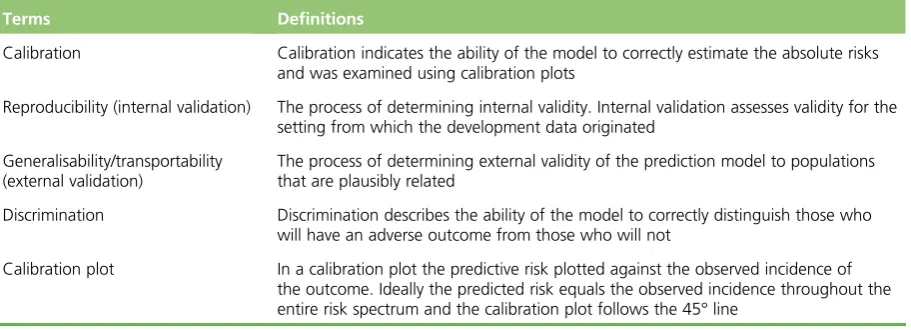
TABLE 4 Definitions of key model performance terms 18
TABLE 5 Women recruited to the PREP study according to the various
inclusion criteria 19
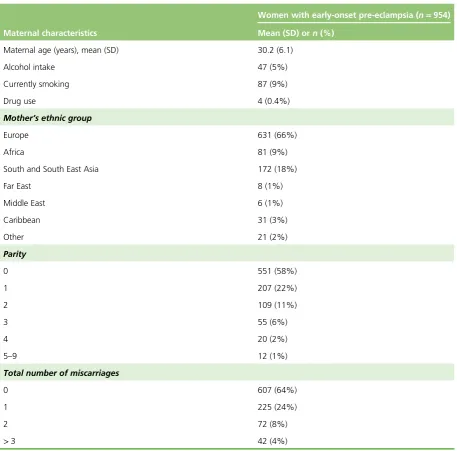
TABLE 6 Descriptive characteristics of women recruited in the PREP study 20
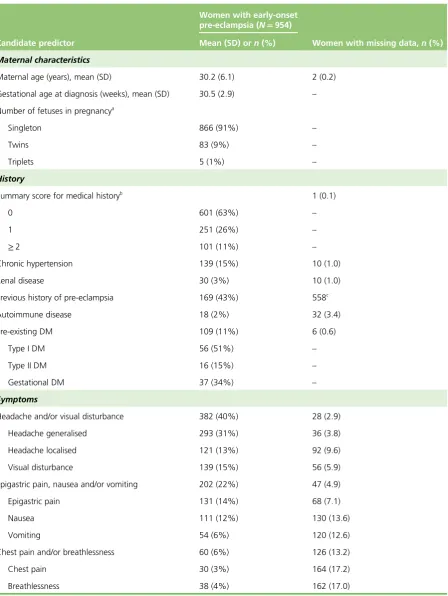
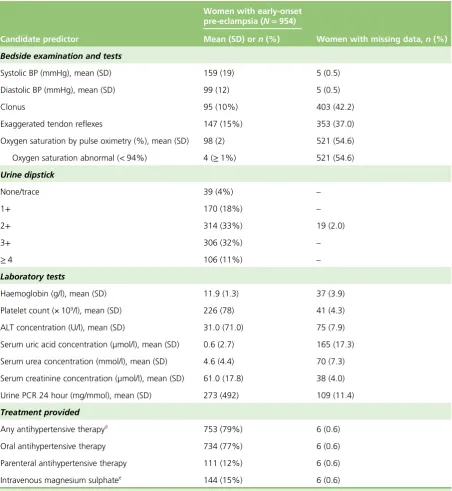
TABLE 7 Details of candidate predictors of women in the PREP study and the
proportion with missing values 21
TABLE 8 Details of fetal predictors in the PREP study and the proportion with
missing values 23
TABLE 9 Rates of individual maternal complications in women with early-onset
pre-eclampsia in the PREP study 24
TABLE 10 Rates of individual fetal and neonatal complications in the PREP study 25
TABLE 11 Univariable and multivariable logistic analysis of candidate predictors
and risk of adverse outcomes after multiple imputation 28
TABLE 12 Final PREP-L model including non-linear FP terms before optimism
adjustment 31
TABLE 13 Proportions of outcomes within groups of predicted risk in the
PREP-L model 32
TABLE 14 Examples of calculation of risk of adverse maternal outcome by
discharge using the PREP-L model 34
TABLE 15 Rates of failure defining adverse events for the survival model 37
TABLE 16 Univariable and multivariable analysis of candidate predictors for
adverse maternal outcomes in women with early-onset pre-eclampsia 38
TABLE 17 Final PREP-S model including non-linear FP terms before adjustment
for optimism 42
TABLE 19 Baseline survival adjusted for optimism at various time points for
women diagnosed with early-onset pre-eclampsia 44
TABLE 20 Calculations of risk of adverse maternal outcome by 48 hours using
the PREP-S model 45
TABLE 21 Inclusion criteria for women with early-onset pre-eclampsia recruited
to the PIERS and PETRA studies compared with the PREP cohort 47
TABLE 22 Characteristics of women with early-onset pre-eclampsia in the PREP
study and external validation cohorts (PIERS and PETRA) 49
TABLE 23 Comparison of the maternal outcome measures in the PIERS and
PETRA data sets compared with the PREP study 51
TABLE 24 Comparison of the fetal outcome measures in the PIERS and PETRA
data sets 51
TABLE 25 Comparison of the predicted vs. observed risk for adverse maternal
outcome using the rPREP-L model in the PIERS cohort 52
TABLE 26 Comparison of predicted vs. observed risk for adverse maternal
outcome using the rPREP-L model in the PETRA cohort 53
TABLE 27 Performance of the rPREP-L and rPREP-S models in the derivation
cohorts and external validation data sets 54
TABLE 28 Comparison of the number of women with observed adverse fetal
outcomes in deciles of risk groups predicted by the PREP-L model 57
TABLE 29 Crude univariable and multivariable analyses of candidate predictors
and adverse fetal outcomes in women with early-onset pre-eclampsia 58
LIST OF TABLES
List of figures
FIGURE 1 Flow chart of the Prediction of Risks in Early-onset Pre-eclampsia
(PREP) study conduct 7
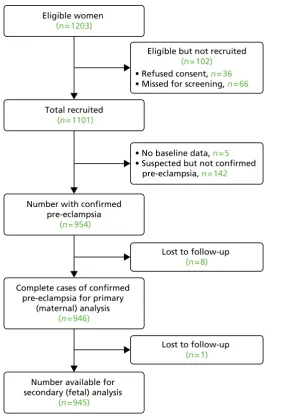
FIGURE 2 Flow of women recruited in the PREP study for development of the
prediction model(s) for adverse maternal and fetal outcomes 15
FIGURE 3 Predicted versus observed risk for maternal complications in the
PREP-L model 32
FIGURE 4 Mean survival curves for groups of prognostic index compared with
their observed Kaplan–Meier survival curves up to 30 days from diagnosis 43 FIGURE 5 Validation plot of the predicted vs. observed risk for adverse maternal
outcome using the rPREP-L model in the PIERS cohort 52
FIGURE 6 Validation plot of the predicted vs. observed risk for adverse maternal
outcome using the rPREP-L model in the PETRA cohort 53
FIGURE 7 Validation of the PREP-S model in the PIERS data set up to 30 days
from diagnosis 55
FIGURE 8 Validation of the PREP-S model in the PIERS data set up to 7 days
from diagnosis 55
FIGURE 9 Validation of the rPREP-S model in the PIERS data set after
recalibration up to 30 days from diagnosis 56
FIGURE 10 Calibration plot of the predicted vs. observed risk for adverse fetal
List of boxes
BOX 1 List of candidate predictor variables evaluated in the PREP study 8
BOX 2 List of predictor variables for fetal complications in the PREP study 9
BOX 3 Calculation of outcome risk by discharge 33
List of abbreviations
AIC Akaike information criterion
ALT alanine aminotransaminase
APEC Action on Pre-Eclampsia Charity
AST aspartate transaminase
BIC Bayesian information criterion
BP blood pressure
CI confidence interval
CTG cardiotocography
FP fractional polynomial
HELLP haemolysis, elevated liver enzymes, low platelets
MFP multivariable fractional polynomial
PCR protein-to-creatinine ratio
PETRA Pre-Eclampsia TRial Amsterdam
PIERS Pre-eclampsia Integrated Estimate of RiSk
PREP Prediction of Risks in Early-onset Pre-eclampsia
PREP-L Prediction of Risks in Early-onset Pre-eclampsia–logistic model
PREP-S Prediction of Risks in Early-onset Pre-eclampsia–survival model
rPREP-L Prediction of Risks in Early-onset Pre-eclampsia–reduced logistic model
rPREP-S Prediction of Risks in Early-onset Pre-eclampsia–reduced survival model
RR relative risk
SD standard deviation
SOGC Society of Obstetricians and Gynaecologists in Canada
Plain English summary
P
re-eclampsia is a disorder in pregnancy, characterised by raised blood pressure and protein in the urine. When it occurs before 34 weeks of pregnancy (early onset), it causes serious complications for the mother and baby. The only known cure for pre-eclampsia is delivery of the baby. There is a lack ofsufficient evidence regarding the ability of tests to correctly predict complications to the mother or baby to inform management.
The PREP (Prediction of Risks in Early-onset Pre-eclampsia) study aims to provide estimates of risks faced by mothers, using tests that are routinely performed in the NHS.
We developed two models. The first model (PREP-L) provided overall individual risk estimates from diagnosis of early-onset pre-eclampsia until discharge. The second model (PREP-S) provided risk estimates at various time points from diagnosis until 34 weeks of pregnancy. The models’performance was assessed in populations outside the UK (Canada and the Netherlands).
Scientific summary
Background
Women with early-onset pre-eclampsia (before 34 weeks’gestation) are at high risk of maternal and fetal complications. Early identification of pregnancies at high risk is required to plan transfer of mothers to a tertiary care unit, commence intense monitoring and administer corticosteroids for fetal lung maturity.
Objectives
Primary
To develop prediction models to assess the overall risk of composite maternal outcomes in women with early-onset pre-eclampsia by postnatal discharge and at various time points after the diagnosis of the condition and to validate the performance of these prediction models in external data sets for assessment of transportability.
Secondary
To assess the predictive value of baseline maternal and fetal characteristics and tests for fetal and neonatal complications at birth and by discharge.
Methods
We developed and externally validated two prediction models: a logistic model (PREP-L) to assess the risk of any maternal complication until postnatal discharge and a survival analysis model (PREP-S) to predict the risk of composite maternal outcome at various time points after diagnosis and until 34 weeks’gestation.
Development of the models
Data source
We undertook a prospective observational study [Prediction of Risks in early-onset Pre-eclampsia (PREP)]. Consecutive eligible women with early-onset pre-eclampsia were recruited from 53 secondary and tertiary care maternity units in the UK. Pregnant women presenting with uncomplicated early-onset pre-eclampsia before 34 weeks’gestation were recruited to the study if they satisfied the following inclusion criteria:
l new-onset pre-eclampsia, defined as new-onset hypertension [systolic blood pressure (BP) of
≥140 mmHg or diastolic BP of≥90 mmHg on two occasions between 4 and 6 hours apart] after 20 weeks of pregnancy and new-onset proteinuria (2+or more on a urine dipstick or urine protein-to-creatinine ratio (PCR) of>30 mg/mmol or 300 mg of protein excretion in 24 hours)
l superimposed pre-eclampsia diagnosed in women with chronic hypertension before 20 weeks’ gestation and new-onset proteinuria. In women with significant proteinuria before 20 weeks’ gestation, we defined superimposed pre-eclampsia as elevated serum alanine aminotransferase
concentration (>70 units per litre) or worsening hypertension (either two diastolic BP measurements of at least 110 mmHg 4 hours apart or one diastolic BP measurement of at least 110 mmHg if the woman had been treated with an antihypertensive drug) and one of the following: increasing proteinuria, persistent severe headaches or epigastric pain
Additionally, we recruited women with suspected pre-eclampsia, with new-onset hypertension and 1+proteinuria on a urine dipstick. Only those women whose diagnosis of pre-eclampsia was confirmed subsequently with significant proteinuria (PCR>30 mg/mmol or 24-hour urine protein concentration
>300 mg) were included in the primary models.
Candidate predictors
We evaluated the predictive ability of tests that were routinely performed in women with pre-eclampsia. We identified 22 maternal and 27 fetal predictors a priori through systematic reviews and Delphi surveys for their association with adverse outcomes and their availability in the UK NHS.
We evaluated the following:
l maternal characteristics including age, gestation at diagnosis of pre-eclampsia and number of fetuses in pregnancy
l medical history including pre-existing hypertension, renal disease, diabetes mellitus, autoimmune disease and/or history of pre-eclampsia in previous pregnancies
l symptoms including headache and/or visual disturbance, epigastric pain, nausea and/or vomiting, chest pain and dyspnoea
l bedside examination findings and tests including BP, clonus, tendon reflex, oxygen saturation and urine dipstick
l laboratory investigations including haemoglobin levels, platelet counts, urine PCR serum and concentrations of alanine aminotransaminase (ALT), serum aspartate transaminase (AST), serum uric acid, serum urea and serum creatinine
l treatment measures including administration of antihypertensives and magnesium sulphate.
In addition, we considered estimated fetal weight and liquor volume by ultrasound, uterine artery Doppler, cardiotocography findings and administration of steroids for prediction of fetal outcomes.
Outcomes
The primary outcome, established using Delphi surveys of experts in the field, was a composite maternal outcome which included at least one of the following: eclamptic seizures, Glasgow Coma Scale score of
<13, stroke or reversible ischaemic neurological deficit (RIND), cortical blindness, retinal detachment, posterior reversible encephalopathy, Bell’s palsy, hepatic dysfunction, liver haematoma or rupture, need for positive inotrope support, myocardial ischaemia or infarction, at least 50% fraction of inspired oxygen (FiO2) for>1 hour, intubation, pulmonary oedema, acute renal insufficiency, dialysis, transfusion of any blood product, abruptio placentae and postpartum haemorrhage and delivery before 34 weeks’gestation.
The secondary outcome was a composite fetal outcome, which included one or more of the following: perinatal or infant mortality, bronchopulmonary dysplasia, necrotising enterocolitis, grade III/IV
intraventricular haemorrhage, cystic periventricular leukomalacia, stage 3–5 retinopathy of prematurity, hypoxic–ischaemic encephalopathy, stillbirth and admission to the neonatal intensive care unit.
Sample size
We aimed to evaluate 10 candidate predictors in our multivariable model, with at least 10 events per candidate predictor variable. We assumed that 20% of women with early-onset pre-eclampsia would have adverse maternal outcomes, with the objective to continue recruitment until 100 events were reached. Prior to the analysis, we included preterm delivery before 34 weeks as an outcome and we were able to study over 20 predictors.
SCIENTIFIC SUMMARY
Analysis
Candidate predictors that did not show a normal distribution were log-transformed to improve model fit. We dealt with missing data by multiple imputation for missing predictor values, except for oxygen saturation, missing values of which were assumed to be normal. The backward selection procedure was done to identify predictors for inclusion in the models. Non-linear terms were identified using fractional polynomials. PREP-L was used to predict risks of any adverse outcome by discharge, and a flexible
parametric model censored at 34 weeks’gestation was used for PREP-S. The apparent model performance was evaluated for its ability to discriminate those with and without the outcome (Harrell’sc-statistic for survival model and thec-statistic for the logistic model) and for calibration defined as the agreement between observed and predicted risks (by visual inspection of calibration plots).
We internally validated the model by using bootstrapping techniques that quantified the model’s potential for overfitting, and the amount of optimism in the model’s performance. We then calculated the
optimism-adjustedc-statistic for each model and reduced the predictor effects in the final models by a uniform shrinkage factor to adjust for optimism.
External validation of the model
We assessed the performance of the models to predict adverse maternal outcomes in the two external cohorts from the Pre-eclampsia Integrated Estimate of RiSk for mothers (PIERS) and the Pre-Eclampsia TRial Amsterdam (PETRA) studies. Owing to the missing predictors in the PETRA and PIERS cohorts, it was necessary to reduce the number of predictor variables in the original PREP models, and the reduced logic model and survival model (rPREP-L and rPREP-S, respectively) were externally validated.
Results
Between December 2011 and April 2014, 1101 women with suspected or confirmed early-onset
pre-eclampsia were recruited to the study. Of these, the diagnosis was confirmed and maternal outcomes were known in 946 women. Two-thirds (633/946, 66.9%) experienced at least one adverse maternal outcome by discharge and 584 (61.7%) experienced an adverse outcome before 34 weeks’gestation.
Prediction of adverse maternal outcomes
Apparent performance of the PREP-L model
The model included maternal age, gestational age at diagnosis, summary score for medical history (1 point for pre-existing chronic hypertension, renal disease, diabetes mellitus, autoimmune disease or previous history of pre-eclampsia), systolic BP, urine PCR, platelet count, serum urea concentration, baseline treatment with any antihypertensive drug and administration of magnesium sulphate. The apparent performance of the model showed an optimism-adjustedc-statistic of 0.82 [95% confidence interval (CI) 0.80 to 0.84] for composite adverse maternal outcomes.
Apparent performance of the PREP-S model
In addition to the predictors included in the PREP-L model, the PREP-S model included exaggerated tendon reflexes, and concentrations of serum ALT and serum creatinine. The model showed a discrimination (Harrell’sc-statistic) of 0.75 (95% CI 0.73 to 0.78) for maternal complication after adjusting for optimism.
Performance of the models in external data sets
The rPREP-L model showed good discrimination in the PIERS and PETRA data sets, with ac-statistic of 0.81 (95% CI 0.77 to 0.85) and 0.75 (95% CI 0.64 to 0.86), respectively, for maternal complications. The calibration slope was 0.93 (95% CI 0.72 to 1.10) in the PIERS and 0.90 (95% CI 0.48 to 1.32) in the PETRA cohort.
The rPREP-S model showed a discrimination of 0.71 (95% CI 0.67 to 0.75) in the PIERS cohort, and a calibration slope of 0.67 (95% CI 0.56 to 0.79) for adverse maternal outcomes, which suggested large overprediction of the reduced PREP-S model. We did not validate the PREP-S model in the PETRA data set because of a lack of information on the timing of outcomes.
Prediction of fetal complications
Multivariable analysis of predictors showed that an increased gestational age at diagnosis of pre-eclampsia reduced the odds of fetal complications [odds ratio (OR) 0.09, 95% CI 0.01 to 0.61]. A medical history of pre-existing chronic hypertension, diabetes mellitus, autoimmune disease or renal disease or a history of pre-eclampsia in previous pregnancies reduced the odds of composite adverse fetal outcomes (OR 0.65, 95% CI 0.44 to 0.98) for one pre-existing medical condition and (OR 0.43, 95% CI 0.25 to 0.77) for two or more pre-existing medical conditions. The odds of fetal complications were significantly increased in women with raised urine PCR (OR 1.29, 95% CI 1.11 to 1.50) or serum urea concentration (OR 1.72, 95% CI 1.07 to 2.76), in women being treated with antihypertensive drugs (OR 1.56, 95% CI 1.04 to 2.37) or magnesium sulphate (OR 2.40, 95% CI 1.04 to 5.57), in women in whom uterine artery Doppler scanning was abnormal (OR 1.94, 95% CI 1.08 to 3.51) and when expected fetal weight was less than the 10th centile, as determined by ultrasound scanning (OR 2.54, 95% CI 1.46 to 4.40).
Conclusions
The PREP-L model provides accurate predictions of the overall severity of the disease, and will be crucial to plan subsequent care, such as regular follow-ups and admission of high-risk individuals and outpatient management of those at low risk. The reduced PREP-L model has excellent discrimination and calibration, even when transported to external validation data sets outside the UK. We expect the full PREP-L model to have similar, if not better, performance.
The PREP-S model can provide individual risk estimates for adverse maternal outcomes, at various time points after a diagnosis of early-onset pre-eclampsia to plan management. External validation of the reduced PREP-S model in a non-UK population shows similar discrimination, but recalibration may be required to improve the accuracy of predicted risks in populations outside the UK.
Future work recommendations
Further research may examine the impact of implementing the PREP-S and PREP-L models into clinical practice, in terms of their uptake by clinicians and their impact on patient outcomes.
Trial registration
This trial is registered as ISRCTN40384046.
Funding
Funding for this study was provided by the Health Technology Assessment programme of the National Institute for Health Research.
SCIENTIFIC SUMMARY
Chapter 1
Introduction
Burden of pre-eclampsia
Pre-eclampsia is a multisystem disorder in pregnancy associated with hypertension and proteinuria.1–3 Hypertension is defined as systolic blood pressure (BP) of≥140 mmHg and diastolic BP of≥90 mmHg on two occasions between 4 and 6 hours apart.1–3Proteinuria is defined as≥300 mg of protein in a 24-hour urine collection period or urine dipstick of 1+or more in two samples collected 6 hours apart or a spot urine protein-to-creatinine ratio (PCR) of at least 30 mg/mmol.2–4Hypertensive diseases in pregnancy remain one of the leading causes of direct maternal deaths in the UK and account for 20% of all stillbirths.5In 1% of pregnant women, pre-eclampsia develops before 34 weeks’gestation and thus is called early-onset pre-eclampsia.6,7
Early-onset pre-eclampsia is considered to be a pathophysiologically different disease from late-onset pre-eclampsia, with considerably increased risk of maternal complications, including a 20-fold higher maternal mortality.8–10The only known cure for this condition is delivery of the baby and placenta. In women with early-onset pre-eclampsia, decisions on the timing of delivery can be difficult, as fetal and neonatal benefits from prolongation of pregnancy beyond preterm gestation need to be balanced against the risk of multisystem dysfunction in the mother. Preterm delivery accounts for 65% of neonatal deaths and 50% of neurological disability in childhood.11Many of the current practice guidelines do not consider gestational age at presentation as a criterion for diagnosis, severity or subclassification to stratify risk in women with pre-eclampsia.2,12
The complexity of the treatment in early-onset pre-eclampsia gives rise to high health-care costs.6,7 Women are often admitted to a tertiary care facility, and one-third experience complications, which may necessitate admission to an intensive care facility.13Infants usually need prolonged intensive care treatment for the management of complications, including lifelong handicaps arising as a result of prematurity. The additional cost to the NHS of caring for a preterm baby born before 33 weeks’gestation is £61,509 and and of a baby born before 28 weeks’gestation is £94,190.14Each year, the care of preterm babies costs the NHS £939M, largely accounted for by neonatal care such as incubation and hospital readmissions.14 Delaying premature births by a week could potentially save £260M a year.14
One of the key recommendations in the last Confidential Enquiries into Maternal and Child Health (CEMACH) report for policy-makers, service commissioners and providers, and health-care professionals (now known as the Centre for Maternal and Child Enquiries, CMACE) is the need to adopt an
early-warning system to help in the timely recognition, referral and treatment of women who have or are developing critical conditions.5This applies to women with early-onset pre-eclampsia, as early recognition of women at risk of adverse outcomes will allow timely transfer from a secondary to a tertiary unit to enable care in a high-dependency unit or neonatal intensive care unit if needed.
Timely prediction of complications in women with early-onset pre-eclampsia involves the use of a combination of patients’characteristics, symptoms, physical signs and investigations;15these‘tests’are performed routinely in all obstetric units, but, in the absence of a structured approach, somewhat haphazardly. Gestational age is the most important determinant of perinatal outcome with more than half the chance of intact fetal survival when the gestational age is>27 weeks and the birthweight is
Existing evidence
Evidence on assessment of risk of complications in early-onset pre-eclampsia
At present, it is difficult to identify those mothers with early-onset pre-eclampsia at increased risk of developing complications, and individual risk estimates for complications at various time points cannot be provided.9Current classification systems of pre-eclampsia [Royal College of Obstetricians and
Gynaecologists (RCOG); Australia and New Zealand School of Government (ANZOG); International Society for the Study of Hypertension in Pregnancy (ISSHP); Community Health Partnerships (CHP); and the Society of Obstetricians and Gynaecologists in Canada (SOGC)] are based on the severity of the disease.9,12,17–19All of them include BP and proteinuria to dichotomise the severity but do not take into account gestational age to assess severity of pre-eclampsia, with the exception of the SOGC, which classifies all early-onset pre-eclampsia as severe.19However, in this subgroup the predictors that influence maternal and fetal outcomes are not well established.
Our systematic reviews on the accuracy of tests in predicting complications in women with pre-eclampsia were based on very few, poor-quality primary studies.20–23They did not take into account the predictive role of more than one test result on the outcome. Furthermore, there was no separate quantification of risks, especially in women with early-onset pre-eclampsia.
Prediction models, such as Pre-eclampsia Integrated Estimate of RiSk (PIERS), were developed in women with any onset pre-eclampsia and not particularly in those with early onset.9Furthermore, the PIERS model did not fully account for the treatment paradox, whereby a strong predictor of a common complication triggers an effective treatment, thereby preventing the occurrence of a certain proportion of adverse outcomes. In this situation, the predictor that triggered the treatment in the first place will look poorer in its predictive performance in a simple model.24Hence, tests such as BP and proteinuria were not identified to be significant in the PIERS model. This had a negative impact on the face validity of the model, as traditionally clinicians prioritise these tests and have a very low threshold for intervention when they are abnormal.
Management of early-onset pre-eclampsia
Currently, the only definitive treatment in pre-eclampsia is delivery. Antenatal corticosteroids are administered to improve fetal lung maturation whenever preterm delivery is anticipated. As steroids achieve their optimal effect after 48 hours,25,26clinicians tend to postpone delivery until this time unless complications have occurred or are anticipated. Neonatal morbidity from early preterm delivery could be reduced by stabilising the woman’s condition and, if possible, by delaying delivery. Expectant management of early-onset pre-eclampsia has been shown to improve perinatal outcomes in randomised trials.27,28 A Cochrane review13that compared early intervention with expectant management in women with early-onset severe pre-eclampsia27,28showed that babies born to mothers in the early intervention group had more hyaline membrane disease [relative risk (RR) 2.3, 95% confidence interval (CI) 1.4 to 3.8] and more necrotising enterocolitis (RR 5.50, 95% CI 1.04 to 29.60) and were more likely to be admitted to the neonatal intensive care unit (RR 1.3, 95% CI 1.1 to 1.6) than those allocated an expectant policy. Infants in the expectant group were delivered approximately 2 weeks later and were 300 g heavier at birth than infants in the early intervention group. A recent systematic review of observational studies suggested that expectant management in carefully selected cases of pre-eclampsia before 34 weeks’gestation was associated with few serious maternal complications (median<5%), similar to interventionist care.9,29 There is consensus that fetal outcome is poor before 24 weeks’gestation in women with early-onset pre-eclampsia.27,30,31However, many centres do not practise expectant management because of the poorly quantified maternal risk. Our study will establish a predictive rule to allow clinicians to confidently provide expectant care when risk of complications in early-onset pre-eclampsia is low.
INTRODUCTION
Objectives
l To develop, and internally validate, a prediction model in women admitted with early-onset pre-eclampsia from 20+0weeks to 33+6weeks’gestation, for assessment of the risk of adverse maternal outcome by discharge and at various time points after diagnosis.
l To externally validate and update the model through two external data sets of patients with a diagnosis of early-onset pre-eclampsia.
Chapter 2
Development and internal validation
of the prediction model: PREP prospective
observational study
Study methods
The study protocol was developed according to existing recommendations on prognostic research, model development and validation, and prediction rule development,32–34and reported in line with the Transparent Reporting of a multivariable prediction model for Individual Prognosis Or Diagnosis (TRIPOD) statement.35The study received ethics approval from the National Research Ethics Service Committee West Midlands (approval number 11/WM/0248).
Study design and conduct
We undertook a prospective, observational cohort study to develop the prediction model(s). All consecutive women with suspected or confirmed diagnosis of early-onset pre-eclampsia were approached to take part in the study. Women were recruited from December 2011 to April 2014 based on a set of prespecified eligibility criteria and the follow-up of the last participant was completed in July 2014. Potential mothers were identified and recruited by research midwives and clinicians from the antenatal clinics, wards, day assessment units and delivery suites. We obtained information routinely collected as part of the antenatal booking process in the UK such as maternal age, ethnicity, smoking, alcohol intake and substance misuse. The ethnicity classification was applied using the NHS criteria.36,37
Setting
The multicentre study was conducted in 53 obstetric units within secondary and tertiary care hospitals in England and Wales.
Participants
Women with suspected or confirmed diagnosis of early-onset pre-eclampsia (before 34 weeks’gestation) were recruited to the study. Only women with confirmed early-onset pre-eclampsia were included in the final models.
Patient and public involvement
Inclusion criteria
The inclusion criteria were gestational age between 20+0and 33+6weeks; maternal age of≥16 years; and a diagnosis of new-onset or superimposed pre-eclampsia. We also included women with a diagnosis of haemolysis, elevated liver enzymes, low platelets (HELLP) syndrome with no proteinuria or hypertension and those with one episode of eclamptic seizures but no hypertension or proteinuria.9,38All women provided written informed consent and were capable of understanding the information provided. We used an interpreter if required.
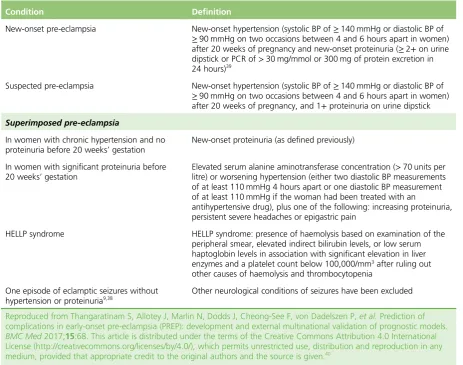
The definitions for diagnosis of pre-eclampsia are provided inTable 1.
Exclusion criteria
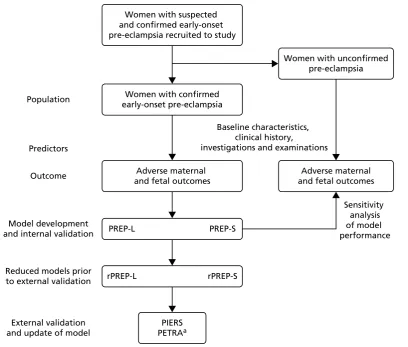
Women were excluded if the outcome (including recurrent eclamptic seizures) occurred prior to the tests or if there was insufficient time for gaining informed consent or if the mother did not comprehend spoken and written English adequately. A flow chart of study conduct is shown inFigure 1.
TABLE 1 Definitions of the inclusion criteria for women recruited in the Prediction of Risks in Early-onset Pre-eclampsia (PREP) study
Condition Definition
New-onset pre-eclampsia New-onset hypertension (systolic BP of≥140 mmHg or diastolic BP of ≥90 mmHg on two occasions between 4 and 6 hours apart in women) after 20 weeks of pregnancy and new-onset proteinuria (≥2+on urine dipstick or PCR of>30 mg/mmol or 300 mg of protein excretion in 24 hours)39
Suspected pre-eclampsia New-onset hypertension (systolic BP of≥140 mmHg or diastolic BP of ≥90 mmHg on two occasions between 4 and 6 hours apart in women) after 20 weeks of pregnancy, and 1+proteinuria on urine dipstick
Superimposed pre-eclampsia
In women with chronic hypertension and no proteinuria before 20 weeks’gestation
New-onset proteinuria (as defined previously)
In women with significant proteinuria before 20 weeks’gestation
Elevated serum alanine aminotransferase concentration (>70 units per litre) or worsening hypertension (either two diastolic BP measurements of at least 110 mmHg 4 hours apart or one diastolic BP measurement of at least 110 mmHg if the woman had been treated with an
antihypertensive drug), plus one of the following: increasing proteinuria, persistent severe headaches or epigastric pain
HELLP syndrome HELLP syndrome: presence of haemolysis based on examination of the
peripheral smear, elevated indirect bilirubin levels, or low serum haptoglobin levels in association with significant elevation in liver enzymes and a platelet count below 100,000/mm3after ruling out other causes of haemolysis and thrombocytopenia
One episode of eclamptic seizures without hypertension or proteinuria9,38
Other neurological conditions of seizures have been excluded
Reproduced from Thangaratinam S, Allotey J, Marlin N, Dodds J, Cheong-See F, von Dadelszen P,et al.Prediction of complications in early-onset pre-eclampsia (PREP): development and external multinational validation of prognostic models.
BMC Med2017;15:68. This article is distributed under the terms of the Creative Commons Attribution 4.0 International License (http://creativecommons.org/licenses/by/4.0/), which permits unrestricted use, distribution and reproduction in any medium, provided that appropriate credit to the original authors and the source is given.40
DEVELOPMENT AND INTERNAL VALIDATION OF THE PREDICTION MODEL: PREP PROSPECTIVE OBSERVATIONAL STUDY
Predictors
Identification of predictors
Our previous Delphi survey of international experts on pre-eclampsia prioritised the tests that were
considered to be clinically important in women with pre-eclampsia.15,41Additional predictors were identified from our systematic reviews on the accuracy of tests for complications in pre-eclampsia and other relevant studies.9This provided face validity to the choice of tests evaluated in the development of the Prediction
of Risks in Early-onset Pre-eclampsia (PREP) model.
The list of preselected candidate predictor variables evaluated in the PREP study is provided inBox 1and the list of predictor variables for fetal complications in the study is shown inBox 2. In addition, we included management strategies that had the potential to reduce risk of complications to minimise bias from treatment paradox.24This included administration of antihypertensive drugs (oral and/or parenteral) and/or magnesium sulphate if women were on them at the time of diagnosis of early-onset pre-eclampsia, or if they were commenced within a day of diagnosis. We forced maternal age and gestational age at diagnosis into the model.
Women with suspected and confirmed early-onset pre-eclampsia recruited to study
Women with unconfirmed pre-eclampsia
Adverse maternal and fetal outcomes
Sensitivity analysis of model performance Baseline characteristics,
clinical history,
investigations and examinations Women with confirmed
early-onset pre-eclampsia
Adverse maternal and fetal outcomes
PIERS
PETRAa
PREP-L PREP-S
rPREP-L rPREP-S
Population
Predictors
Outcome
External validation and update of model
Model development and internal validation
Reduced models prior to external validation
BOX 1 List of candidate predictor variables evaluated in the PREP study
Maternal characteristics
Maternal age at diagnosis (years).
Gestational age at diagnosis (weeks).
Number of fetuses in pregnancy at time of consent (1, 2 or 3).
History
Summary score for medical history–1 point for each of the following: pre-existing hypertension, renal disease, diabetes mellitus, autoimmune disease, previous history of pre-eclampsia (0, 1, 2 or more).
Symptoms
Headache and/or visual disturbance (yes/no).
Epigastric pain, nausea and/or vomiting (yes/no).
Chest pain and dyspnoea (yes/no).
Bedside examination and tests
Systolic BP (mmHg, highest measurement over 6 hours).
Diastolic BP (mmHg, highest measurement over 6 hours).
Clonus (yes/no).
Exaggerated tendon reflexes (yes/no).
Abnormal oxygen saturation (<95% on air) (yes/no).
Urine dipstick (0, 1+, 2+, 3+, 4+or more).
Laboratory tests
Haemoglobin (g/l).
Platelet count (× 109/l).
ALT concentration (IU/l).
Serum uric acid concentration (µmol/l).
Serum urea concentration (mmol/l).
Serum creatinine concentration (µmol/l).
Urine PCR (mg/mmol).
DEVELOPMENT AND INTERNAL VALIDATION OF THE PREDICTION MODEL: PREP PROSPECTIVE OBSERVATIONAL STUDY
Management at baseline
Administration of oral and/or parenteral antihypertensives (ongoing or commenced within 1 day of diagnosis) (yes/no).
Administration of magnesium sulphate (commenced before or within 1 day of diagnosis) (yes/no).
ALT, alanine aminotransaminase; IU, international unit.
BOX 2 List of predictor variables for fetal complications in the PREP study
Maternal characteristics
Maternal age at diagnosis (years).
Gestational age at diagnosis (weeks).
Number of fetuses in pregnancy at time of consent (1, 2 or 3).
History
Summary score for history, for example 1 point for each of pre-existing hypertension, renal disease, diabetes mellitus, autoimmune disease, previous history of pre-eclampsia (0, 1, 2 or more).
Symptoms
Headache and/or visual disturbance (yes/no).
Epigastric pain, nausea and/or vomiting (yes/no).
Chest pain and dyspnoea (yes/no).
Bedside examination and tests
Systolic BP (mmHg, highest measurement over 6 hours).
Diastolic BP (mmHg, highest measurement over 6 hours).
Clonus (yes/no).
Exaggerated tendon reflexes (yes/no).
Abnormal oxygen saturation (<94% on air) (yes/no).
Urine dipstick (0, 1+, 2+, 3+, 4+or more).
Outcome
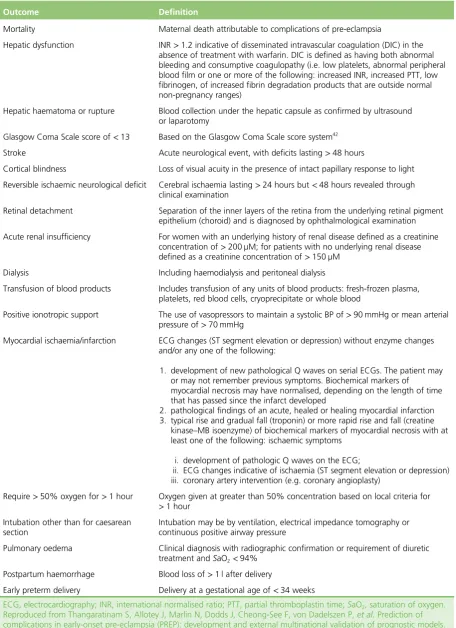
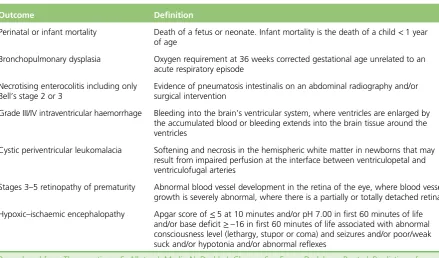
The primary outcome was composite adverse maternal outcome that included at least one of the components inTable 2. In addition to maternal complications, prior to the analysis, we added delivery before 34 weeks’gestation as an additional component to the composite maternal adverse outcome to minimise bias caused by treatment paradox. The components of the composite outcome were developed through Delphic consensus and had previously undergone piloting and validation in the Canadian cohort of patients in the PIERS (Pre-eclampsia Integrated Estimate of RiSk) study.9A composite measure for fetal outcome was also developed by the Delphi consensus9(Table 3).
Laboratory tests
Haemoglobin (g/l).
Platelet count (× 109/l).
ALT concentration (IU/l).
Serum uric acid concentration (µmol/l).
Serum urea concentration (mmol/l).
Serum creatinine concentration (µmol/l).
Urine PCR in 24 hours (mg/mmol).
Ultrasound and cardiotocography
Uterine artery Doppler at 20–24 weeks’gestation (normal/abnormal).
CTG findings (normal/abnormal).
Estimated fetal weight by ultrasound (<10th centile).
Liquor volume (normal/abnormal).
Management at baseline
Administration of oral and/or parenteral antihypertensives (ongoing or commenced within 1 day of diagnosis) (yes/no).
Administration of magnesium sulphate (commenced within 1 day of diagnosis) (yes/no).
Administration of corticosteroids (commenced within 1 day of diagnosis) (yes/no).
ALT, alanine aminotransaminase; CTG, cardiotocography; IU, international unit. BOX 2 List of predictor variables for fetal complications in the PREP study (continued)
DEVELOPMENT AND INTERNAL VALIDATION OF THE PREDICTION MODEL: PREP PROSPECTIVE OBSERVATIONAL STUDY
TABLE 2 Definitions of the individual components of the maternal composite outcome evaluated in the PREP study
Outcome Definition
Mortality Maternal death attributable to complications of pre-eclampsia
Hepatic dysfunction INR>1.2 indicative of disseminated intravascular coagulation (DIC) in the absence of treatment with warfarin. DIC is defined as having both abnormal bleeding and consumptive coagulopathy (i.e. low platelets, abnormal peripheral blood film or one or more of the following: increased INR, increased PTT, low fibrinogen, of increased fibrin degradation products that are outside normal non-pregnancy ranges)
Hepatic haematoma or rupture Blood collection under the hepatic capsule as confirmed by ultrasound or laparotomy
Glasgow Coma Scale score of<13 Based on the Glasgow Coma Scale score system42
Stroke Acute neurological event, with deficits lasting>48 hours
Cortical blindness Loss of visual acuity in the presence of intact papillary response to light
Reversible ischaemic neurological deficit Cerebral ischaemia lasting>24 hours but<48 hours revealed through clinical examination
Retinal detachment Separation of the inner layers of the retina from the underlying retinal pigment epithelium (choroid) and is diagnosed by ophthalmological examination
Acute renal insufficiency For women with an underlying history of renal disease defined as a creatinine concentration of>200 µM; for patients with no underlying renal disease defined as a creatinine concentration of>150 µM
Dialysis Including haemodialysis and peritoneal dialysis
Transfusion of blood products Includes transfusion of any units of blood products: fresh-frozen plasma, platelets, red blood cells, cryoprecipitate or whole blood
Positive ionotropic support The use of vasopressors to maintain a systolic BP of>90 mmHg or mean arterial pressure of>70 mmHg
Myocardial ischaemia/infarction ECG changes (ST segment elevation or depression) without enzyme changes and/or any one of the following:
1. development of new pathological Q waves on serial ECGs. The patient may or may not remember previous symptoms. Biochemical markers of
myocardial necrosis may have normalised, depending on the length of time that has passed since the infarct developed
2. pathological findings of an acute, healed or healing myocardial infarction 3. typical rise and gradual fall (troponin) or more rapid rise and fall (creatine
kinase–MB isoenzyme) of biochemical markers of myocardial necrosis with at least one of the following: ischaemic symptoms
i. development of pathologic Q waves on the ECG;
ii. ECG changes indicative of ischaemia (ST segment elevation or depression) iii. coronary artery intervention (e.g. coronary angioplasty)
Require>50% oxygen for>1 hour Oxygen given at greater than 50% concentration based on local criteria for >1 hour
Intubation other than for caesarean section
Intubation may be by ventilation, electrical impedance tomography or continuous positive airway pressure
Pulmonary oedema Clinical diagnosis with radiographic confirmation or requirement of diuretic treatment andSaO2<94%
Postpartum haemorrhage Blood loss of>1 l after delivery
Early preterm delivery Delivery at a gestational age of<34 weeks
ECG, electrocardiography; INR, international normalised ratio; PTT, partial thromboplastin time;SaO2, saturation of oxygen. Reproduced from Thangaratinam S, Allotey J, Marlin N, Dodds J, Cheong-See F, von Dadelszen P,et al.Prediction of complications in early-onset pre-eclampsia (PREP): development and external multinational validation of prognostic models.
When more than one outcome occurred in the same woman, we chose the adverse outcome that occurred first for the purpose of the survival model. A panel of clinicians with expertise in pre-eclampsia and
prognosis research ranked the maternal outcomes for their importance to clinical care (seeAppendix 1).
Sample size
We aimed to examine about 10 candidate predictor variables for inclusion in the model(s). Simulation studies examining predictor variables for inclusion in logistic regression models suggest that approximately 10 events are necessary for each candidate predictor to avoid overfitting.43–45
Therefore, to examine 10 candidate predictors, we required at least 100 women with adverse maternal outcomes in our cohort. From our systematic reviews,20–2320% of women (100 of 500) with early-onset pre-eclampsia were expected to have adverse maternal outcomes at any time before discharge. Thus, the original target sample size was 500 women with confirmed pre-eclampsia. As the event rate was lower than predicted, we revised the sample size to continue recruitment until 100 women had experienced adverse events. Appendix 2lists the changes compared to the original protocol submitted to the National Institute for Health Research Health Technology Assessment programme.
Prior to analysis, after discussion with the steering committee, the study group additionally classified delivery before 34 weeks’gestational age as an adverse maternal outcome to avoid treatment paradox from delivery. The sample size criteria remained the same. With the increased number of outcomes, we were able to consider about 20 candidate predictors but we maintained at least 10 events per predictor in the modelling process.
TABLE 3 Definitions of the individual components of the fetal composite outcome evaluated in the PREP study
Outcome Definition
Perinatal or infant mortality Death of a fetus or neonate. Infant mortality is the death of a child<1 year of age
Bronchopulmonary dysplasia Oxygen requirement at 36 weeks corrected gestational age unrelated to an acute respiratory episode
Necrotising enterocolitis including only Bell’s stage 2 or 3
Evidence of pneumatosis intestinalis on an abdominal radiography and/or surgical intervention
Grade III/IV intraventricular haemorrhage Bleeding into the brain’s ventricular system, where ventricles are enlarged by the accumulated blood or bleeding extends into the brain tissue around the ventricles
Cystic periventricular leukomalacia Softening and necrosis in the hemispheric white matter in newborns that may result from impaired perfusion at the interface between ventriculopetal and ventriculofugal arteries
Stages 3–5 retinopathy of prematurity Abnormal blood vessel development in the retina of the eye, where blood vessel growth is severely abnormal, where there is a partially or totally detached retina
Hypoxic–ischaemic encephalopathy Apgar score of≤5 at 10 minutes and/or pH 7.00 in first 60 minutes of life and/or base deficit≥–16 in first 60 minutes of life associated with abnormal consciousness level (lethargy, stupor or coma) and seizures and/or poor/weak suck and/or hypotonia and/or abnormal reflexes
Reproduced from Thangaratinam S, Allotey J, Marlin N, Dodds J, Cheong-See F, von Dadelszen P,et al.Prediction of complications in early-onset pre-eclampsia (PREP): development and external multinational validation of prognostic models.
BMC Med2017;15:68. This article is distributed under the terms of the Creative Commons Attribution 4.0 International License (http://creativecommons.org/licenses/by/4.0/), which permits unrestricted use, distribution and reproduction in any medium, provided that appropriate credit to the original authors and the source is given.40
DEVELOPMENT AND INTERNAL VALIDATION OF THE PREDICTION MODEL: PREP PROSPECTIVE OBSERVATIONAL STUDY
Data sets for external validation: PIERS and PETRA studies
The PREP model was externally validated in two external independent data sets from the PIERS9and the Pre-Eclampsia TRial Amsterdam (PETRA)46studies.
PIERS study
The aim of this prospective observational study was to develop a prediction model for adverse maternal outcomes in women with pre-eclampsia of any onset (both early and late).9Two thousand and twenty-three women were recruited from tertiary perinatal units in Canada, New Zealand, the UK and Australia between 1 September 2003 and 31 January 2010. Women were included if they were admitted with pre-eclampsia or had developed pre-eclampsia after admission. Women were excluded if they were admitted in spontaneous labour or had achieved any component of the maternal outcome before either fulfilling eligibility criteria or collection of predictor data. The primary outcome was a composite maternal outcome. The combined adverse maternal outcome included one or more of the following: maternal mortality or a serious central nervous system, cardiorespiratory, hepatic, renal, or haematological morbidity. We used the anonymised data set of women with early-onset pre-eclampsia in the PIERS study to validate the PREP model.
PETRA study
The PETRA study was a randomised controlled trial evaluating the effectiveness of plasma expansion in expectant management of early-onset hypertensive disease in pregnancy, including pre-eclampsia.46 Women were recruited from two university hospitals, the Department of Obstetrics at the Academic Medical Centre and the Vrije University Medical Centre Amsterdam, between April 2000 and May 2003. Patients across the spectrum of severe hypertensive disorders of pregnancy were included in the trial. Patients were excluded if severe fetal distress or lethal fetal congenital abnormalities were diagnosed, if language difficulties prevented informed consent-taking, or if plasma volume expansion had already been given. A total of 216 women were randomised, 111 to plasma volume expansion and 105 to no plasma volume expansion (the control group). The primary outcomes were neonatal neurological development at term age (Prechtl score),47perinatal death, neonatal morbidity and maternal morbidity. The intervention showed no significant difference in outcomes between the two groups. Data from the entire study cohort were used in the external validation of the PREP model.
Analysis plan development
We convened a panel of 24 experts in the field of pre-eclampsia and prognostic research, to explore the challenges and potential solutions in the development of a prediction model. The panel focused its discussion on methods to reduce the risk of bias in the PREP models as a result of treatment paradox.24 After consideration of various methods, it was decided to include effective treatments such as
antihypertensive drugs and magnesium sulphate as predictors to avoid bias. The appropriateness of the population, predictors and outcomes was discussed. The methodological issues pertinent to the analysis, such as the choice of model (logistic or survival), were considered and the panel suggested the development of both models.
Statistical analysis
Data preparation
We produced descriptive tables of baseline characteristics, candidate predictors and outcomes. Candidate predictors were checked for normality and log-transformed if applicable. We avoided dichotomisation of continuous variables to avoid loss of information. Only pulse oximetry findings were dichotomised because of the very small variations in values.
Methods for handling missing values
During model development, to deal with missing predictor values in some patients, multiple imputation was performed (under a missing at random assumption) using the user-written ICE package in Stata version 12 (StataCorp LP, College Station, TX, USA) with five imputations. We combined the estimates across imputed data sets using Rubin’s rules to produce final parameter estimates for the model.48 All missing values of candidate predictor variables were multiply imputed except for pulse oximetry and previous occurrence of pre-eclampsia. Previous occurrence of pre-eclampsia was always classed as a‘no’in nulliparous women. Pulse oximetry was assumed normal if missing. The imputation of missing data was performed on the complete data set of all participants with suspected or confirmed pre-eclampsia. This was to allow as much information as possible into the imputation procedure. Apart from the eight women lost to follow-up after baseline, no outcome data were missing; therefore, no outcomes were imputed.
Selection of predictor variables
For both primary models, all 22 variables listed inBox 1were considered to be candidate predictor variables for inclusion in our maternal model. A backwards selection procedure was used to decide which of the candidate predictor variables should be included in the final prediction model (with ap-value of
<0.15 conservatively taken to warrant inclusion and prevent omission of important predictors). Gestational age and maternal age at diagnosis were forced into the model, to ensure clinical acceptability of the final model. For categorical variables, such as medical history and urine dipstick, we used the lowestp-value of any category (relative to the reference category) to indicate inclusion or exclusion.
Continuous variables were initially selected based on an assumed linear tren