Cluster 1: Integrated Physiology - Report
The THESEUS Coordination and Support Action has received funding from the European Community’s 7th Framework Programme (FP7/2007-2013) under grant agreement n°242482.
This document only reflects the views of the THESEUS Consortium. The European Commission is not liable for any use that may be made of the information contained therein.
Cluster 1: Integrated Systems Physiology - Report
Bone and muscle
Cardiovascular, lungs and kidneys
Immunology
Neurophysiology
Nutrition and metabolism
Towards Human Exploration of Space:
a EUropean Strategy
Past space missions in low Earth orbit have demonstrated that human beings can survive and work in space for long durations. However, there are pending technological, medical and psychological issues that must be solved before adventuring into longer-duration space missions (e.g. protection against ionizing radiation, psychological issues, behaviour and performance, prevention of bone loss, etc.). Furthermore, technological breakthroughs, e.g. in life support systems and recycling technologies, are required to reduce the cost of future expeditions to acceptable levels. Solving these issues will require scientific and technological breakthroughs in clinical and industrial applications, many of which will have relevance to health issues on Earth as well.
Despite existing ESA and NASA studies or roadmaps, Europe still lacks a roadmap for human exploration of space approved by the European scientific and industrial communities. The objective of THESEUS is to develop an integrated life sciences research roadmap enabling European human space exploration in synergy with the ESA strategy, taking advantage of the expertise available in Europe and identifying the potential of non-space applications and dual research and development.
THESEUS Expert Groups
The basis of this activity is the coordination of 14 disciplinary Expert Groups (EGs) composed of key European and international experts in their field. Particular attention has been given to ensure that complementary ex-pertise is gathered in the EGs.
EGs are clustered according to their focus:
THESEUS: Towards Human Exploration of Space
– a European Strategy
Cluster 1: Integrated Systems Physiology
Bone and muscle Heart, lungs and kidneys Immunology
Neurophysiology
Nutrition and metabolism
Cluster 2: Psychology and Human-machine Systems
Group/team processes Human/machine interface Skill maintenance
Cluster 3: Space Radiation
Radiation effects on humans Radiation dosimetry
Cluster 4: Habitat Management
Microbiological quality control of the indoor environment in space
Life support: management and regeneration of air, water and food
Cluster 5: Health Care
Space medicine Medication in space
Identification of Research Priorities and Development of the THESEUS Roadmap
Each Expert Group based their work on brainstorming sessions dedicated to identifying key issues in their specific field of knowledge. Key issues can be defined as disciplinary topics representing challenges for human space exploration, requiring further attention in the future. These key issues were addressed to the scientific community through an online consultation; comments and inputs received were used to refine them, to consi-der knowledge gaps and research needs associated to them, as well as to suggest potential investigations.
Table of Contents
1. Integrated Systems Physiology: Introduction 7
2. Bones and Muscles 10
2.1. Relevance of Research on Bones and Muscles 10 2.1.1. Relevance for space exploration missions 10 2.1.2. Earth benefits and applications 10 2.2. Bones and Muscles – Key Issues 11 2.2.1. Key issue 1: Sex-based differences in the preservation of musculoskeletal tissue
during space flight 11
2.2.2. Effects of micro-gravity on musculoskeletal injuries and healing processes
(ligaments and tendons, bone fracture, back pain) 15 2.2.3. Key issue 3: Role of genetics in musculoskeletal performance, preposition to injury
and overall adaptation to micro-gravity 15 2.2.4. Key issue 4: Biomechanics and impact of partial gravity on the musculoskeletal system 16 2.2.5. Key issue 5: Effects of radiation exposure experienced during space flight
on the musculoskeletal system 16 2.2.6. Key issue 6: Ground-based human studies 17 2.2.7. Key issue 7: Ground-based animal studies 18 2.2.8. Key issue 8: Optimise countermeasure efficiency and utilise an integrated physiology
approach 19
2.3. Conclusion 21
2.4. References 23
3. Cardiovascular, Lungs and Kidneys 26
3.1. Relevance of Research on the Cardiovascular System, Lungs and Kidneys 26 3.1.1. Relevance for space exploration missions 26 3.1.2. Earth benefits and applications 26 3.2. Cardiovascular, Lungs and Kidneys – Key Issues 26 3.2.1. Key issue 1: What are the in-flight alterations in cardiac structure and function? 26 3.2.2. Key issue 2: What is the influence of spaceflight on structure and function of blood vessels?
28 3.2.3. Key issue 3: What level of cardiovascular function loss is acceptable and what type and
quantity of exercise is necessary to ensure that this loss is not exceeded? 28 3.2.4. Key issue 4: What are the risks associated with exposure to extra-terrestrial dust? 29 3.2.5. Key issue 5: What are the roles of diet and bone demineralisation on kidney stone formation
and is it possible to predict the risk of kidney stones? 30
3.3. References 31
4. Immunology 34
4.2. Brief Review of Latest Developments 35 4.2.1. Research using isolated cell systems 35 4.2.2. Research using animal experiments: from model organisms to mice 35
4.2.3. Investigations in humans 36
4.3. Immunology – Key Issues ...37
4.3.1. List of key issues ...37
4.3.2. Knowledge gaps and research needs ...37
4.3.3. Proposed investigations and recommendations ...38
4.3.4. Cross-disciplinary aspects ...38
4.4. Conclusion 39 4.5. References (other than included in the text) 40 5. Neurophysiology 41
5.1. Relevance of Research on Neurophysiology 41 5.2. Neurophysiology – Key Issues 42 5.2.1. Key issue 1: Impacts of spaceflight on the senses 42 5.2.2. Key issue 2: Impacts of spaceflight on sensorimotor performance 44 5.2.3. Key issue 3: Impacts of neurophysiological changes on spaceflight-induced decrements in neuro-behavioural performance. 45
5.2.4. Key issue 4: Countermeasure strategies to minimise the risks associated with neurophysiological changes during and after G-transitions. 47
5.2.5. Key issue 5: Understand the role of gravity in the development of the nervous system 48
5.3. Conclusion 48 5.4. References 49 6. Nutrition and Metabolism 54
6.1. Relevance of Research on Nutrition and Metabolism 54 6.1.1. Relevance for space exploration missions 54 6.1.2. Earth benefits and applications 55 6.2. Nutrition and Metabolism - Key Issues 55 6.2.1. Key issue 1: In-flight negative energy balance ...55
6.2.2. Key issue 2: Feeding behaviour ...56
6.2.3. Key issue 3: Metabolic stress ...58
6.2.4. Key issue 4: Micronutrients deficiency ...58
6.2.5. Key issue 5: Alterations of gut microflora ...59
6.2.6. Key issue 6: Hydro-electrolytic imbalance ...60
6.3. Conclusion ...60
6.4. References ...61
The next phase of bioastronautics and human spaceflight
Human bioastronautics programmes have grown from the culmination of 50 years of human spaceflight experience, including both short- and long-duration missions on a variety of platforms. Medical and physiological findings from these missions have demonstrated that spaceflight has a dramatic impact on almost all physiological systems including muscle atrophy, bone demineralisation, cardiovascular and metabolic dysfunctions, impaired cognitive processes and reduced immunological competence, and nutrition/metabolism. These adaptive responses lead to a physiological de-conditioning in space and have the potential to affect crew health and performance both in space and upon return to Earth. In many instances, countermeasures have been implemented to mitigate some of the maladaptive changes associated with space flight, including drugs, nutritional supplements and physical exercise on various workout devices. Although no countermeasures are able to fully mitigate the negative effects of space flight, several have proven to be very effective, allowing crew to live and work nominally on-orbit.
Undoubtedly, significant knowledge has been accumulated on the physiological changes associated with the adaptation of humans to short-term space flights. Europe scientists have contributed largely to this knowledge database and acquired undisputable expertise in basic space physiology and countermeasures through both spaceflight experiments and a strong and complete bed rest programme.
Human spaceflight is currently entering the next phase of space exploration towards the Moon and Mars, and with such ambitious goals come inherent medical challenges. Knowledge regarding human (mal)adaptation to microgravity is limited to that obtained during 6-month missions, with majority of information lying on short-term physiological changes. Therefore, the primary focuses of the next phase of bioastronautics research will be to further expand knowledge on the effects of long-duration space flight on crew health and performance, to further develop efficient countermeasures and to
facilitate post-flight readaptation to the terrestrial environment. Such basic and upstream research is clearly a pre-requisite for long-term spaceflight, interplanetary travel and living on planetary surfaces. This objective is far from trivial and priorities have yet to be defined.
Although space medicine has been practiced for more than half a century, it is quite nascent relative to the physiological and clinical knowledge and capability required for long-term space missions. For example, a significant challenge in the evolution of space medicine will be to determine how the physiological adaptation to space may alter the physiopathology of disease or the manifestation of illness and injury in space. Answers can be found by reviewing the clinical experience of flight physicians who treated diseases in space, but the strongest approach is to create an integrated model of the physiopathological adaptation of multiple organ systems to microgravity. The exploration of space requires a systematic understanding of human body, from the molecular to integrated systems levels, as it responds to the unfamiliar environment of space and microgravity. Towards a necessary integrated physiology approach This new integrated physiology approach is undoubtedly necessary for future bioastronautics research. Even though it has long been recognised as an essential scientific approach, for decades research has been conducted on individual body systems (e.g. muscle, bone, cardiovascular system, and nutrition researched independently). The limits of such an approach are easily seen through the incomplete success of current countermeasure programmes in which scientists focus on specific organ systems and symptoms in a piecemeal fashion, rather than using a whole body approach. For example, the dual effect of amino acid supplementation which was positive on muscle mass but negative on bone, demonstrates why a holistic approach to space adaptation is absolutely essential to support future space exploration. The transition of space research from independent physiological systems to a more rigorous, integrated approach requires a clear, focused, competitive research strategy for solving targeted risk areas of
1
Integrated Systems Physiology
human health and performance in space. Reaching these goals will not only provide the basis for critical, high quality health care for crews on-orbit but also result in a wealth of physiological data. Examination of this data will certainly yield solutions for significant medical challenges for long-duration space flight and exploration. The data will also provide the basis for well-conceived and evidence-based countermeasures to deal with critical areas of concern including radiation exposure, immunology, mineral metabolism, protein synthesis, chronobiology, cardiology, and food and nutrition in space, for both micro and low gravity.
Considerations of the physiological effects of Lunar and Martian gravity
Another essential research topic that must be considered to enable future planetary exploration is human adaptation not only to weightlessness, but also reduced gravity. The biological effects of long-duration exposure to reduced gravity levels that will be experienced during stays on the Moon (0.16 g) and Mars (0.38 g) are completely unknown. It seems unlikely that the countermeasures developed on-board the International Space Station (ISS) will adequately protect crews on a journey to Mars and back over a 30-month period, or prevent the effects of a long-duration exposure to reduced gravity on the Moon or Mars. There is therefore a need to obtain basic knowledge on physiological adaptations to reduced gravity levels. Also, new insights could then be used in designing an “integrated countermeasure” for preventing the detrimental effects of weightlessness and/or reduced gravity on the physiological systems of the human body.
The overlooked ground-based applications of bioastronautics Lastly, it is essential that ground-based applications of bioastronautics are utilised to their fullest potential and communication between researchers is enhanced. For decades, clinicians and physiologists performing research in space have done so separately, unaware of the likely possibility of having very similar research questions and goals. One example includes researchers on aging and chronic diseases, searching for environmental factors that fuel the pandemic of chronic diseases. Although sedentary lifestyle has been highlighted for decades as one of the main factors triggering the development of current chronic diseases such as obesity, insulin resistance, hypertension, muscle disuse, and bone demineralisation, the physiology of physical inactivity has received little attention. Clearly, the causal relationships between sedentary behaviours and the aforementioned diseases are essentially based on epidemiological studies or on the indirect beneficial effects of exercise training. None of these studies provide evidence to support a cause-and-effect relationship, but they indirectly suggest that sedentary behaviours and poor nutrition are the second leading cause
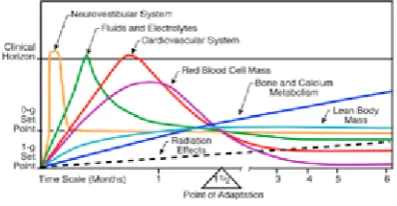
Figure 1: Changes of various body systems during adaptation to microgravity (Credit: NASA)
of death in the USA, right after tobacco, and are major contributors to diseases associated with aging. Likewise, certain physiological adaptations to microgravity stem from an adaptation to physical inactivity, which is exceedingly well simulated in ground-based bed rest analogues. In addition to space medicine related questions, bed rest studies are able to provide unique models to investigate mechanisms by which physical inactivity leads to the development of current societal chronic diseases, and also to test the efficacy of countermeasure programmes in preventing the development of these diseases. More importantly, because bed rest studies are conducted in healthy subjects that will recover, new therapeutic avenues can be explored.
Finally, the adaptation to reduced loading of the musculo-skeletal system is a major aspect of aging, as well as an adaptation to the space environment. With the new evolving era of proteomics, genomics, researchers can now investigate and try to understand why and how mechanical loading mediates some physiological and biological processes towards “unhealthy” behaviours.
Cluster and expert group objectives
The priorities of research necessary to support future space exploration beyond low Earth orbit present a unique set of issues whose solutions demand an in-depth understanding of whole body integrated physiology and cross-disciplinary work between life scientists, engineers and technologists. The objective of this expert group was to gather interdisciplinary European expertise and create synergies, allowing for an integrated physiology system based on identified research priorities. Due to the necessary holistic approach, those research programmes obviously required the involvement of scientists whose expertise is disseminated across Europe.
The specific objectives include:
To delineate the priorities of high quality research
1.
in physiology needed to support the next phase of space exploration.
To define these priorities on a new integrated
2.
approach of the deconditioning syndrome based on which a new generation of countermeasures are to be tested in the context of Mars exploration. To better utilise the results of space physiology
3.
research and ground-based analogues to strengthen knowledge on the role of sedentary behaviours in the development of current societal
2.1.1. Relevance for space exploration missions
The musculoskeletal system is central to work, locomo-tion, and posture. Maintaining its integrity is essential to mission completion as well as to astronaut health during and after the mission and over the lifespan of former fliers. One of the principal obstacles facing the design and implementation of long-duration explora-tion class missions is the fact that, without counter-measures, all components of the musculoskeletal sys-tem adapt to the microgravity environment, and also incur damage to tissue structure and function due to radiation exposure. Notably, bone mass and strength are lost (1). Muscle mass is lost and morphology is al-tered, with a loss of muscle strength and endurance (2). Tendon elasticity declines, reducing the power transmission of muscle contractions. Inter-vertebral discs elongate, causing potentially debilitating back pain. Also, many astronauts and cosmonauts have made multiple flights, further challenging the integ-rity of the musculoskeletal system.
During an exploration mission, astronauts will have endure a long-duration spaceflight in weightless-ness, then adapt to live and work in partial gravity, undergo another long-duration spaceflight, and then finally return to a 1-g environment. In order to func-tion properly, the astronaut’s musculoskeletal system must adapt to each gravitational change. Operating in a gravitational field with a musculoskeletal system adapted to microgravity would result in impairment of performance due to reduced strength and endur-ance, increased risk of falling and increased risk of bone fractures. Also, the process of re-adaptation itself may increase risk of injury as different muscu-loskeletal components may recover at different rates. Thus, to diminish the impairment of performance and risk of injury, it is essential to develop countermeas-ures that maintain muscle strength and endurance, bone mass, and postural balance throughout the mission. Such countermeasures must be properly de-signed in order to meet their physiologic goals, to be carried out without an excessive burden of crew time, and to avoid injury or illness associated with their use.
The knowledge required to develop effective coun-termeasures will derive both from experience in low earth orbit spaceflights of relatively short durations (<6 month) and from extensive ground based stud-ies involving human bed rest models and mechanistic animal studies.
While maintaining the integrity of the musculoskel-etal system is central to crew health and function, it is also important to consider the interaction of the mus-culoskeletal system with other physiologic systems. In order to maximise the large investments made by NASA and ESA in developing and flying exercise hardware, exercise protocols should be modified to also maximise known positive impacts on cognition, behaviour, and immune function, which have been established in ground based studies.
In conclusion, maintaining the integrity of the mus-culoskeletal system is of high importance due to the known deleterious effects of the spaceflight environ-ment on injury risk and performance, and due to the potential benefits of exercise in increasing crew health in other physiologic areas.
2.1.2. Earth benefits and applications
Understanding the effects of spaceflight on the mus-culoskeletal system entails both studies and counter-measures that are directly relevant to Earth popula-tions, such as the elderly, subjects with muscle wast-ing syndromes, or those in prolonged enforced bed rest. The strongest translational potential of muscu-loskeletal research in the spaceflight context involves the study of age-related osteoporosis and sarcopenia. Although aging and spaceflight may involve changes in morphology and function by fundamentally differ-ent cellular and molecular pathways, they share the common feature of adaptation to changing levels of strain (3). Thus, studying musculoskeletal system ad-aptation from microgravity to partial or 1g parallels the adaptation needed to function in the context of age-related atrophy of bone and muscle tissue. Fur-ther, the types of countermeasures required to
main-Bones and Muscles
2
tain function in altered gravity environments must take into account preservation of muscle strength, endurance, bone strength and postural balance. Similar approaches are relevant to the prevention of falls and fractures in eld-erly subjects.
Translational potential also exists for technologies such as imaging techniques used to monitor musculoskeletal sta-tus in space. The use of unloading analogues in ground-based research is relevant to patient populations that are subject to prolonged disuse. Bed rest studies allow us to separate the effect of disuse from those associated with co-morbidities, both in the context of fracture healing and in atrophy due to prolonged hospital stays. In summary, research into the musculoskeletal effects of long-duration spaceflight is rich in translational potential in both elderly and other populations affected by disuse atrophy.
2.2. Bones and Muscles – Key Issues
Eight key issues were identified which are relevant to un-derstand the changes in, and to maintaining the health of the musculoskeletal system during spaceflight in order to provide a framework for planning future research. For each identified key issue, the latest developments, knowledge gaps and research needs, proposed investigations and recommendations, as well as trans-disciplinary aspects are presented.
2.2.1. Key issue 1: Sex-based differences in the preserva-tion of musculoskeletal tissue during space flight
Brief review of latest developments
Some recent case-study reports of individual male and female astronauts who have spent ~6 months on the ISS have led to the intriguing observation that women, in gen-eral, better preserve their musculoskeletal tissues during missions compared to men (4). However, there are many unanswered questions regarding these observations in-cluding medication use (inin-cluding estrogen), pre-flight BMDs, exercise countermeasure profiles, etc.
Knowledge gaps and research needs
While recent bed rest studies involving women have
•
shed new light on the response of women to un-loading and inactivity (5-8), there is still much to be learned.
It is critical to identify the mechanisms for the different
•
Figure 2: ESA astronaut Frank De Winne equipped with a bungee harness, exercising on a treadmill on the ISS (Credit: ESA/NASA)
patterns of musculoskeletal deconditioning that have been observed in women compared to men.
To date, most women on long-duration missions have
•
inhibited their menstrual cycles through pharmaco-logical intervention. However, this may not be a safe practice for missions to Mars, for example, which may last up to 3-years, and research into this issue is need-ed.
The effects of space radiation in the presence of
estro-•
gen are unknown and require further investigation.
Proposed investigations and recommendations
There is an urgent need for bed rest studies in which
•
men and women are exposed to exactly the same conditions and countermeasures during the period of confinement. It is possible that data from control sub-jects at NASA’s Flight Analog Research Unit in Galves-ton, TX may already have some appropriate data that could be mined. Similarly, side-by-side animal studies using male and female animals need to be conducted in order to explore sex-based differences at the level of cellular and molecular kinetics. The response of fe-males to simulated and actual unloading in relation to menstrual cycles needs to be studied.
The design of exercise-countermeasure equipment
•
must take differing body dimensions of men and women crewmembers into account. Such equipment must be designed to be adjustable so that women can exercise over a full range of loads and motions without undue hardship.
Trans-disciplinary aspects
Links must be made with the endocrinology research
•
community for joint work on the hormonal basis for sex-differences in response to altered gravity. Also of interest is the central nervous system regulation of bone and an examination of the role of estrogen and the hypothalamic-pituitary-adrenal axis in homeosta-sis of the musculoskeletal system.
Radiation effects on bone and muscle may also exhibit
•
sex-based differences and these should be examined in collaboration with radiation biologists.
Sex-based differences in nutrition and micro-nutrition
•
interaction and their influence on the musculoskeletal system also need to be studied.
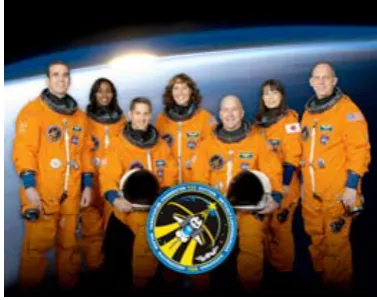
Figure 3: There are questions regarding sex-based differences in physiological responses to microgravity (Credit: NASA)
2.2.2. Effects of micro-gravity on musculoskeletal injuries and healing processes (ligaments and ten-dons, bone fracture, back pain)
Brief review of latest developments
Information from spaceflight studies on fracture healing may prove to be a useful guide to studies of fracture healing in subjects during extended bed rest and those with bone loss due to disuse atrophy. Since Fibroblasts, muscle cells, and extracellular matrix are sensitive to alterations in gravitational forces (9, 10). Sporadic pieces of data from space-flown rats have shown that the repair process of load-bearing bone and skeletal muscle may be hindered during acute exposure to microgravity (11, 12). Furthermore, since many subjects in bed rest studies experience back pain, results on the management of this condition may be useful to evaluate the effect of deconditioning on back pain in a hospital-based population without the confounders associated with examining decondi-tioning in sick patients. Information from Earth-based studies should inform experiments on the healing of ligaments and tendon since unloading is a common form of treatment on earth.
Ligaments and tendons
There is recent evidence that collagen fibre
orien-•
tation in tendons may be altered by microgravity (13, 14). If verified, this may have important im-plications for recovery of soft tissues from long-duration spaceflight.
There is data to support that unloading of the rat
•
hind-limbs for 3 or 7 weeks inhibits dense fibrous connective tissue wound healing processes (15, 16), suggesting that minimal mechano-transduc-tion may be useful for connective tissue repair. There is evidence of injury to soft tissues in a bed
•
rest study which included the level of aggres-sive resistance exercise that may be necessary to maintain bone and muscle during long-duration missions.
A high rate of injury has been observed in
high-•
intensity exercise in the elderly. Since it is often said that spaceflight mimics aging, this may be a cautionary observation that is relevant to long-duration spaceflight.
A recent literature review of shoulder injuries
at-•
tributed to resistance training (17) has indicated that predictors of soft tissue injury remain un-known and cited the need for further research in this area.
Bone fracture
Studies using the hind-limb suspension (HLS)
•
model of unloading have revealed a contradic-tory finding for fracture healing in the rat tibial and femur. Whereas the tibial HLS model shows impaired healing, such was not the case in the femoral HLS model. These changes need to be replicated and explained.
There are indications that HLS affects
angiogen-•
esis and vascularity (18, 19). These findings needs need to be further examined in relation to the va-lidity of the HLS model for weightlessness. A 2002 study (20) reported that skeletal
unload-•
ing increases adipocyte differentiation concomi-tantly with inhibition of osteoblast differentia-tion. Thus, bone marrow becomes more fatty in unloading. Prolonged exposure to microgravity may potentially lead to profound alteration of skeletal metabolism, perhaps including reduced osteogenic response to exercise.
There is some evidence that immune
compro-•
mise and bacterial virulence increases in the spaceflight environment (21). This may be rel-evant to soft-tissue infection after injury during spaceflight.
Back pain
Lower and upper back pain is highly prevalent in
•
returning crew members.
Recovery from back pain shows persistence of
•
pain without clear evidence of morphologic change
There are indications that core muscles show
•
poor recovery after bed rest
Knowledge gaps and research needs Ligaments and tendons
There is a lack of information in general about
•
ig-The enthesis is a common source of problems in
•
sports and orthopedic medicine (22). However, information on the response of the enthesis (22) to altered gravity is absent from the literature. What is the effect of particular exercise activity on
•
tendons and ligaments?
What are the predictors of injury to tendons and
•
ligaments?
Rotator cuff injuries are common in astronauts
•
during training and flight (23).
Bone fracture
The contradictory results in fracture healing of
•
the femur and tibia in hind-limb unloaded ani-mals needs to be explained.
Medical management procedures for in-flight
•
fractures need to be elucidated and standard-ised.
Back pain
The mechanisms of spaceflight-related back pain
•
need to be elucidated.
Proposed investigations and recommendations
Ligaments and tendons
There is a need for a comprehensive critical
re-•
view of the literature in the areas of ligament and tendon in spaceflight. Ideally, this could lead to an identification of the key risk factors for injury. Little is known about enthesis during space flight
•
and animal studies to address this issue are need-ed.
It would be beneficial to consider the effects of
•
specific countermeasure exercises in key soft tis-sue structures that are at risk of injury.
Research which will safeguard the integrity of the
•
shoulder in space is urgent.
Bone fracture
Experiments with rodents in which fractures are
•
induced immediately prior to flight would be in-structive.
The above experiments would be complemented
•
by the induction of fractures while in space. There is a need to model of different types of
frac-•
ture fixation. The conventional models (such as the classical Einhorn model (24)) are not relevant to human fractures because they require an in-tramedullary rod, which would not be a feasible treatment in space.
There are opportunities to use animal models to
•
simulate telemedicine and autonomous medical management. These opportunities should be ex-ploited as a complement to human studies. Currently, it appears that ultrasound is likely to be
•
the major form of medical imaging that will be available in space. Research needs to be focused on the diagnostic and therapeutic use of ultra-sonic techniques.
Back pain
Animal models of conditions leading to back pain
•
need to be developed in order to understand eti-ologic factors and to test interventions.
In human studies, there is a need to do more
cor-•
relative studies between activity, exercise, spine morphology, etc. to gain insight into predictors of back pain.
There is a need for detailed studies of the various
•
tissue compartments (muscles, discs, ligaments, etc.) whose changes are associated with back pain.
A more thorough understanding of the
mecha-•
nisms of lower back pain in micro/partial gravity needs to be developed.
Trans-disciplinary aspects
Ligaments and tendons
Bone and muscle have been considered as separate
•
Bone fracture
Information is emerging regarding changes in
•
the vascularisation of bone during fracture heal-ing in the settheal-ing of unloadheal-ing (25). Collaboration with vascular physiologists would be beneficial as these studies move forward.
Any impairment of immune function could delay
•
fracture healing and this area needs to be ex-plored with collaborative research.
If the spaceflight environment (microgravity and
•
radiation) alters hematopoiesis, this may affect the process of fracture healing, as osteoclast pre-cursors derive from the hematopoietic lineage. Interaction of the spaceflight environment with
•
mesenchymal stem cells may affect the number and function of osteoblastic cells involved in frac-ture healing.
Back pain
Back pain has the potential to affect crew
per-•
formance and crew-crew interactions. These ef-fects should be studied with physiotherapists and psychologists with the aim of devising strategies to minimise mission impact in the event of acute in-flight episodes of back pain.
Pain affects sleep duration and quality, and
re-•
search is needed to examine ways of attenuating the effects of acute in-flight episodes of back pain on sleep.
Back pain has other cascading effects on the
•
nervous system and these effects require further elucidation.
Exercise compliance in the presence of back pain
•
is likely to be poor and this could lead to an overall deterioration in the crew member’s health. Alter-native exercise prescriptions need to be devised so that crew members can exercise despite acute in-flight episodes of back pain. Emphasis may be given on the acquisition by the crew of a biome-chanically sound exercising technique when us-ing exercise apparatuses, an element that may have been underestimated as a potential factor merely responsible for initiating lower back pain.
2.2.3. Key issue 3: Role of genetics in musculoskel-etal performance, preposition to injury and overall adaptation to micro-gravity
Brief review of latest developments
Genome-wide association studies have identified
•
specific genes associated with performance and fracture in epidemiologic studies.
Animal models show differences in muscle and
•
bone phenotypes based on genetic variation
Knowledge gaps and research needs
At present, there is a dearth of integrated
knowl-•
edge in this area that can be directly applied at the human level to activities such as crew mem-ber selection with flight-based genetic profiling. Experimentation on the wide variety of
genetical-•
ly modified animals has, to date, been confined to 1-g studies.
Proposed investigations and recommendations
Detailed family histories of musculoskeletal
dis-•
eases, including the incidence of osteoporosis and fractures, should be collected on all crew members and these data should be compared with pre- and post-flight measurements of mus-culoskeletal status.
Better animal facilities are urgently needed on
•
the ISS and animal studies with genetically modi-fied rodents should focus on animals that have shown resistance to the loss of musculoskeletal during 1-g based models of unloading.
Trans-disciplinary aspects
2.2.4. Key issue 4: Biomechanics and impact of par-tial gravity on the musculoskeletal system
Brief review of latest developments
Recent lunar simulations have indicated that
•
ground reaction forces under simulated EVA load conditions are low and unlikely to be osteopro-tective.
Suspension simulations of reduced gravity
loco-•
motor activities are now more readily available.
Knowledge gaps and research needs
Biomechanical modelling techniques have been
•
underutilised for the estimation of whether or not various loading scenarios are likely to be os-teoprotective in partial gravity.
Lunar exploration through the Apollo programme
•
showed that preferred gaits on the moon were different from those on earth. Preferred gaits on Mars are not known.
Insight is needed regarding how altered patterns
•
of locomotion in partial-g scenarios may lead to increased risk of injury.
The kinematics and kinetics of simulated
con-•
struction, exploration, and EVA activities are not well-known.
Comprehensive simulations of work tasks in
par-•
tial gravity should be conducted to aid in the as-sessment of fitness for duty after prolonged ex-posure to partial gravity and to assess the risk of injury.
Proposed investigations and recommendations
Acceleration Monitoring Units (AMUs) should be
•
added to spacesuits and space footwear in order to monitor motion during actual and simulated activity.
Ground-based suspension models offer
consider-•
able possibility for simulation of locomotor and other activities (such as jumping, work tasks, etc.) and these approaches should be exploited. Musculoskeletal modelling techniques ought
•
to be refined to generate validated loading esti-mates of structures that are at risk for bone loss (such as the proximal femur).
Simulation of altered gait patterns in partial
grav-•
ity that might lead to injury should be conducted. Biomechanical analysis of work tasks in partial
•
gravity needs to be conducted.
Biomechanical information on preferred gaits
•
and task requirements is critical for the design of spacesuits and footwear for EVA.
Trans-disciplinary aspects
Coordinated movements require sensorimotor
•
integration which may be altered by prolonged exposure to altered gravity. Collaborative studies with specialists in this area would be beneficial. Surface activity during Apollo EVAs indicated
sig-•
nificant metabolic demands and exploration of the cardiovascular consequences of exploration activities are warranted in conjunction with bio-mechanical studies.
2.2.5. Key issue 5: Effects of radiation exposure ex-perienced during space flight on the musculoskel-etal system
Brief review of latest developments
Recently published animal studies have shown that exposure to heavy ions simulated galactic sources of radiation induce rapid transient osteoclastic bone resorption (26). Studies of cultured osteoblasts have shown deleterious effects of radiation on osteoblast proliferation and function (27). Other studies have ex-amined the effects of drug and nutritional interven-tions on musculoskeletal status (28, 29) in the simu-lated space environment of hindlimb unloading and radiation exposure.
Knowledge gaps and research needs
Proposed investigations and recommendations
Definition of the risk posed by the space radiation en-vironment on musculoskeletal tissues requires contin-uation of current animal studies establishing cellular and molecular pathways to bone loss, and extending these studies to examine effects on muscle as well. These mechanistic studies should involve different radiation types, and examine effects in the context of microgravity as simulated by the hindlimb unloading model (30). These mechanistic studies should also de-fine the ability of radiation damaged musculoskeletal tissues to recover function, and further animal studies should begin to assess the effect of countermeasure approaches to radiation induced bone and muscle loss, including anti-resorptive therapies for bone, and anti-oxidants for bone and muscle.
Trans-disciplinary aspects
Understanding the effect on musculoskeletal tissues and function of exposure to space radiation will re-quire a multidisciplinary approach integrating infor-mation from the central nervous (CNS), immune and vascular systems, as well as the hematopoetic (27) and mesenchymal niches in the bone marrow. Inves-tigations of radiation effects should take into account the CNS, as it is of primary interest as a target of space radiation and is the source of input to skeletal muscle as well as the recipient of sensory information. Recent studies have also pointed to the role of the CNS in regulating both the formation and resorption arms of bone remodelling.
There is extensive literature on the immune response to radiation exposure. Radiation exposure is also known to affect angiogenesis, a key element of the skeletal muscle and bone repair. Finally, radiation is known to impact the progenitor cells of the mesen-chymal and hematopoietic niche. Osteoblastic and muscle satellite cells derive from the same lineage, and osteoclasts derive from hematopoietic mono-cytes. Thus space radiation exposure may affect the reparative and remodelling functions of bone and muscle tissue.
On Earth, the closest clinical analogy to space radia-tion is clinical radiaradia-tion therapy, which involves
en-tirely different doses and types of radiation. However, information gained from mechanistic studies may shed light on potential cellular and molecular path-ways by which bone and muscle may be affected in the clinical radiation therapy setting.
2.2.6. Key issue 6: Ground-based human studies
Ground-based human studies are relevant to all mis-sion types, but are especially important for simulation of long-duration exploration missions. These stud-ies are required to overcome the main drawbacks of space-based research, which generally have low sample sizes and uncontrolled experimental condi-tions. Human studies of sufficient sample size, with carefully controlled conditions, are essential to obtain pre-flight baselines and correctly evaluate the effec-tiveness of various countermeasures. Such examina-tions may eventually have to take place in one-year missions to the ISS, as yearlong bed rest studies are considered to be neither ethical nor practical.
Brief review of latest developments
Recent bed rest studies have demonstrated the abil-ity of countermeasure approaches to attenuate dis-use bone loss. These include high intensity resistance exercise (31, 32), resistive vibration (33, 34), and also pharmacologic interventions (alendronate and pa-midronate) (8, 12, 35-37).
Knowledge gaps and research needs
anti-resorptive treatments that are newly available, such as denosumab.
Proposed investigations and recommendations
Continued research with larger sample sizes and control-led conditions will be required to optimise exercise pro-tocols for efficacy and time efficiency. Achieving this goal will require further studies to elaborate the mechanisms of countermeasure effectiveness in bone and muscle. The amount of crew time required for exercise protocols, and the expense devoted to design and placement of the equipment justify efforts in determining the efficacy of ex-ercise for protecting other physiologic systems from the effects of spaceflight, such as brain (behaviour/cognition/ performance) and immune systems. For pharmacologic interventions, dose response studies are required, and new pharmaceuticals should eventually be tested, such as denosumab, which may provide fewer side effects than bisphophonates. Finally, there is a need to examine how exercise and drug treatment can operate synergistically.
Trans-disciplinary aspects
Exercise is inherently multidisciplinary, integrating cardio-vascular, skeletal-muscle and skeletal physiology. Future investigations will require collaborations with neurophysi-ologists and cognition/behaviour specialists as well as im-mune and nutrition researchers.
Ground-based studies are highly translational in that they can be used to model long-term bed rest without the con-founding effects of comorbidities. Additionally, prolonged bed rest is a useful clinical paradigm for the study of insulin resistance.
2.2.7. Key issue 7: Ground-based animal studies
Although animal research with hindlimb unloading els has the limitation of imperfect mapping of animal mod-els to humans and hindlimb unloading to microgravity, ground-based animal studies continue to be a high prior-ity. Ground-based animal studies are relevant to all mis-sion types but are especially important for simulation of long-duration exploration missions. These studies provide mechanistic information that is otherwise impossible to obtain in humans, notably the interaction of radiation with disuse and the healing of fractures and wounds in general in radiation and microgravity environments. Animal
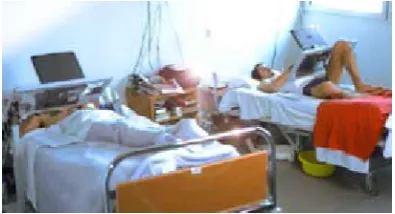
stud-Figure 4: Bed rest studies are frequently used as spaceflight analogues for physiology research (Credit: ESA/Vista S.T.I.)
ies also offer the advantages of large sample sizes, as well as the ability to carry out gender studies and ma-nipulate estrogen status. Further, by use of transgenic animals it is possible to understand the effect of ma-nipulating key genes, as exemplified by the myostatin knockout mouse (41).
Brief review of latest developments
Recent studies using rodent models and accelerator facilities have discovered high bone loss and deterio-ration of bone structure associated with exposure to radiation fields simulating deep space. The high bone loss has been attributed to a rapid transient activation of osteoclasts. Other studies have yielded conflicting results of fracture healing with hindlimb unloading, with open tibial fractures demonstrating delayed healing compared to loaded controls, but with femo-ral fractures showing the opposite tendency. Other developments have included preparation of new fa-cilities for ISS, including the Italian Mouse Drawer, and the ESA Mice in Space Facility.
Knowledge gaps and research needs
Conflicting results from hindlimb unloading models point to the need to fly fractured animals in space to derive conclusive information regarding micrograv-ity and fracture healing. The discovery of powerful space radiation effects on bone points to the need to systematically explore radiation interaction with skel-etal muscle. Animal studies are also needed to study musculoskeletal effects of radiation and microgravity induced alterations of neural function and vasculari-sation/angiogenesis.
Proposed investigations and recommendations
Activation of the American animal facility is of high priority for increasing sample sizes necessary for mechanistic studies. Unfortunately, there are no cur-rent plans to fly such a facility. High scientific priority should be given to investigations of space radiation and skeletal muscle, and in particular, to the interac-tion of radiainterac-tion with fracture healing and wound healing in general.
Trans-disciplinary aspects
The studies described above involve interactions be-tween multiple disciplines. These include interactions between musculoskeletal sciences and radiobiology, genetics, immunology, neural and vascular studies.
Animal studies in simulated microgravity provide mechanistic information about disuse osteopenia and sarcopenia, and allow for studies of genetic ma-nipulations in these disease areas. They also allow for mechanistic information about the interaction of dif-ferent physiologic systems in these disease areas and others.
2.2.8. Key issue 8: Optimise countermeasure ef-ficiency and utilise an integrated physiology ap-proach
Brief review of latest developments
Recent results indicate that exercise is effective for at-tenuating muscle and bone loss in long-term bed rest (5, 6, 8). Initial results from a bed rest study led by Cav-anagh indicate that specific protocols tailored to each subject that replace that subject’s 1g loading attenu-ates bone loss. Amelioration of bone loss and muscle atrophy has also been observed with similar results observed for resistive vibration countermeasures (33, 42). It has been also demonstrated that mechanical stimulation of the plantar foot surface attenuates unloading-induced muscle atrophy both in humans (43, 44) and rats (45, 46). Other advances include the development of new multifunctional exercise devices suited for exploration class spacecraft, as well as a growing volume of data on subjects that exercised with second generation treadmills and resistive ex-ercise devices on the ISS. Treadmill countermeasure exercise on the ISS has also been recently shown to elicit less force under the feet than similar exercise on earth, suggesting that restraining loads from the sub-ject load devices (SLDs) are inadequate (47).
Knowledge gaps and research needs
applied, as well as the effectiveness of nutritional and phar-macologic interventions with and without exercise. Infor-mation is lacking on the efficacy of intermittent timing of exercise bouts, on gender differences in exercise counter-measure efficacy, as well as the efficacy of exercise for pro-tecting other physiologic systems, such the immune sys-tem and brain. Although a flight study of alendronate for prevention of bone loss is underway, the information on this and other bisphosphonates is incomplete, and there will be an eventual need to investigate therapies such as denosumab, which may offer anti-resorptive capability without the gastrointestinal side effects of alendronate. Lastly, there is a lack of information in spaceflight and bed rest scenarios using a combination of countermeasure ap-proaches, such as timed nutritional-exercise countermeas-ures, combined exercise and anti-resorptive treatment, and the use of anti-oxidants to combat both radiation and dis-use.
Proposed investigations and recommendations
Exercise countermeasure efficacy should be evaluated in side by side gender comparisons. Attention should also be given to testing exercise approaches that combine re-sistance exercises with balance and proprioception. Novel analogue environments such as EnviHab should be utilised to determine the protective effect of exercise on brain and immune function when exercise is carried out in isolation environments. Studies should be carried out that combine nutritional and pharmacologic approaches with exercise to determine if there are synergistic effects. Finally, exercise studies in transgenic rodent models should be carried out to better elucidate the mechanisms of exercise efficacy.
Trans-disciplinary aspects
Finding the optimal exercise protocol and/or the correct combination of exercise and nutritional/pharmacologic countermeasures will require a multidisciplinary approach, integrating information from the musculoskeletal, sensori-motor, neuro-behavioural, radiation biology and immunol-ogy fields.
Countermeasure studies are highly relevant to health on Earth in that they are developing countermeasures that ad-dress both bone loss and muscle loss as well as balance/fall risk, two factors that underlie the vast public health prob-lem of fractures in the elderly.
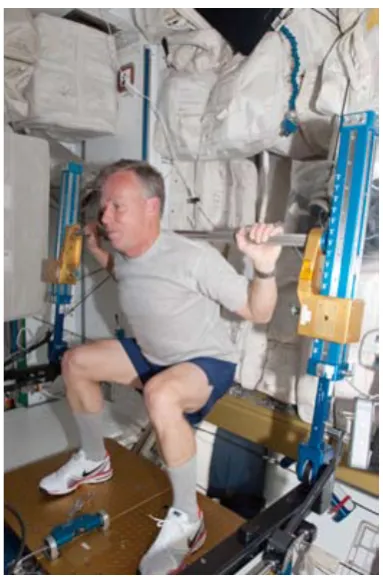
Figure 5: NASA Astronaut Steve Lindsey using the advanced Resistive Exercise Device (aRED), providing high loads to weight-bearing bones (Credit: NASA)
2.3. Conclusion
Overall, eight key issues have been identified in the field of muscle and bone research in space, including sex-based differences, musculoskeletal injury, genetic predisposition, biomechanics, radiation, ground-based human studies, ground-ground-based animal studies, and countermeasures.
Much still remains unknown about the response of women to altered gravity. While this is not surprising given that women crew members have represented less than 20% of all astronauts to date, there is a com-pelling need to address sex-based disparity in infor-mation and research.
Injury to musculoskeletal tissues during spaceflight has the potential to be mission-critical. Many situa-tions can be envisaged in which crew members will be unable to carry out important, and in some cases life preserving, manoeuvres because of musculoskel-etal injury. Bone fracture has, appropriately, been the focus of most prior spaceflight injury research, but even in this area much remains to be learned and con-tradictory findings need to be explained. However, injury to ligaments and tendons, which are very com-mon in terrestrial workplace and sports settings, are also likely to occur during long-duration spaceflight in the future and very little research to data has ad-dress mechanisms for healing in altered gravity. The potential for varying rates of recovery of muscle, ten-dons, ligaments, and bones from injury upon return to Earth presents significant challenges to post-flight re-habilitation. Back injuries have also proven to be one of the most common complaints of returning crew members to date, and it is critical that a better under-standing of its etiology and treatment be achieved.
At some point in the future, it is likely that pre-flight investigations will identify genetic predisposition for bone and muscle loss in altered gravity and this may become part of the selection matrix for potential crew members. However, such methods are currently not available and the focus of activity must remain on ani-mal studies.
Biomechanical issues are also important for under-standing a number of aspects of long-duration space-flight. Locomotion during EVA on a surface with al
tered gravity has received some attention in the past but much remains unknown, particularly on Mars where no empirical evidence is available and few sim-ulations have been conducted. Knowledge of typical locomotive patterns is also important for the design of habitats where increased vertical movement dur-ing gait and enhanced vertical jumpdur-ing ability will require additional headroom. Biomechanical insights into typical exploration work tasks are important for task scheduling, suit design, and injury prevention.
The environment of deep space involves exposure to galactic and solar radiations that are largely de-flected by the Earth’s magnetic field. Recent studies have indicated that exposure to this radiation may play an important role in bone loss, however the ef-fect on muscle is not yet known. Thus, a mechanistic understanding of radiation-induced bone loss, based on realistic simulations of the space environment, is essential to understanding the magnitude of the risks involved and to development of countermeasures. While there is some evidence that radiation disrupts muscle tissue at the fibre level, the state of knowl-edge is much less advanced than it is for bone, and development of the field is of high priority. This work will be highly interdisciplinary and is likely to produce knowledge that will be of value to the study of other physiologic systems.
Continued investment in human bed rest and other ground studies is essential due to the sample sizes and controlled conditions available to obtain infor-mation that can serve as a rational basis for selection and optimisation of countermeasure (both in terms of efficacy for protecting the musculoskeletal system, and for determination and optimisation for protective effects on other physiologic systems).
for exploitation of the unique features animal models can offer.
2.4. References
Lang T, LeBlanc A, Evans H, Lu Y, Genant H, Yu A. Cortical and trabecular bone mineral loss from the spine and hip in long-duration spaceflight. J Bone Miner Res 2004;19:1006-12.
Adams GR, Caiozzo VJ, Baldwin KM. Skeletal muscle unweighting: spaceflight and ground-based models. J Appl Physiol 2003;95:2185-201.
Lecker SH, Jagoe RT, Gilbert A, et al. Multiple types of skeletal muscle atrophy involve a common program of changes in gene expression. FASEB J 2004;18:39-51.
Ellman R, Sibonga J, Bouxsein M. Male Astronauts Have Greater Bone Loss and Risk of Hip Fracture following Long Duration Spaceflights than Females. J Bone Miner Res 2010;25 (Suppl 1).
Trappe S, Creer A, Minchev K, et al. Human soleus single muscle fiber function with exercise or nutrition coun-termeasures during 60 days of bed rest. Am J Physiol Regul Integr Comp Physiol 2008;294:R939-47.
Salanova M, Schiffl G, Puttmann B, Schoser BG, Blottner D. Molecular biomarkers monitoring human skeletal muscle fibres and microvasculature following long-term bed rest with and without countermeasures. J Anat 2008;212:306-18.
Smith SM, Zwart SR, Heer M, et al. WISE-2005: supine treadmill exercise within lower body negative pressure and flywheel resistive exercise as a countermeasure to bed rest-induced bone loss in women during 60-day simulated microgravity. Bone 2008;42:572-81.
Chopard A, Lecunff M, Danger R, et al. Large-scale mRNA analysis of female skeletal muscles during 60 days of bed rest with and without exercise or dietary protein supplementation as countermeasures. Physiol Genomics 2009;38:291-302.
Saito M, Soshi S, Fujii K. Effect of hyper- and microgravity on collagen post-translational controls of MC3T3-E1 osteoblasts. J Bone Miner Res 2003;18:1695-705.
Liu Y, Wang E. Transcriptional analysis of normal human fibroblast responses to microgravity stress. Genomics Proteomics Bioinformatics 2008;6:29-41.
Kaplansky AS, Durnova GN, Burkovskaya TE, Vorotnikova EV. The effect of microgravity on bone fracture healing in rats flown on Cosmos-2044. Physiologist 1991;34:S196-9.
Chappard D, Alexandre C, Palle S, et al. Effects of a bisphosphonate (1-hydroxy ethylidene-1,1 bisphosphonic acid) on osteoclast number during prolonged bed rest in healthy humans. Metabolism 1989;38:822-5.
Carnino A, Roffino S, Chopard A, Marini JF. Effects of a 14-day spaceflight on soleus myotendinous junction ultrastructure in the rhesus monkey. J Gravit Physiol 2000;7:S65-8.
Roffino S, Carnino A, Chopard A, Mutin M, Marini JF. Structural remodeling of unweighted soleus myotendinous junction in monkey. C R Biol 2006;329:172-9.
Provenzano PP, Martinez DA, Grindeland RE, et al. Hindlimb unloading alters ligament healing. J Appl Physiol 2003;94:314-24.
Martinez DA, Vailas AC, Vanderby R, Jr., Grindeland RE. Temporal extracellular matrix adaptations in ligament during wound healing and hindlimb unloading. Am J Physiol Regul Integr Comp Physiol 2007;293:R1552-60. Kolber MJ, Beekhuizen KS, Cheng MS, Hellman MA. Shoulder injuries attributed to resistance training: a brief review. J Strength Cond Res 2010;24:1696-704.
Fei J, Peyrin F, Malaval L, Vico L, Lafage-Proust MH. Imaging and quantitative assessment of long bone vasculari-zation in the adult rat using microcomputed tomography. Anat Rec (Hoboken) 2010;293:215-24.
Ahdjoudj S, Lasmoles F, Holy X, Zerath E, Marie PJ. Transforming growth factor beta2 inhibits adipocyte differen-tiation induced by skeletal unloading in rat bone marrow stroma. J Bone Miner Res 2002;17:668-77.
Gueguinou N, Huin-Schohn C, Bascove M, et al. Could spaceflight-associated immune system weakening pre-clude the expansion of human presence beyond Earth’s orbit? J Leukoc Biol 2009;86:1027-38.
Shaw HM, Benjamin M. Structure-function relationships of entheses in relation to mechanical load and exer-cise. Scand J Med Sci Sports 2007;17:303-15.
Fincke EM, Padalka G, Lee D, et al. Evaluation of shoulder integrity in space: first report of musculoskeletal US on the International Space Station. Radiology 2005;234:319-22.
Bonnarens F, Einhorn TA. Production of a standard closed fracture in laboratory animal bone. J Orthop Res 1984;2:97-101.
Sarmiento A, Schaeffer JF, Beckerman L, Latta LL, Enis JE. Fracture healing in rat femora as affected by functional weight-bearing. J Bone Joint Surg Am 1977;59:369-75.
Bandstra ER, Thompson RW, Nelson GA, et al. Musculoskeletal changes in mice from 20-50 cGy of simulated galactic cosmic rays. Radiat Res 2009;172:21-9.
Gridley DS, Obenaus A, Bateman TA, Pecaut MJ. Long-term changes in rat hematopoietic and other physiologi-cal systems after high-energy iron ion irradiation. Int J Radiat Biol 2008;84:549-59.
Guan J, Stewart J, Ware JH, Zhou Z, Donahue JJ, Kennedy AR. Effects of dietary supplements on the space radiation-induced reduction in total antioxidant status in CBA mice. Radiat Res 2006;165:373-8.
Willey JS, Livingston EW, Robbins ME, et al. Risedronate prevents early radiation-induced osteoporosis in mice at multiple skeletal locations. Bone 2010;46:101-11.
Yumoto K, Globus RK, Mojarrab R, et al. Short-term effects of whole-body exposure to (56)fe ions in combina-tion with musculoskeletal disuse on bone cells. Radiat Res 2010;173:494-504.
Shackelford LC, LeBlanc AD, Driscoll TB, et al. Resistance exercise as a countermeasure to disuse-induced bone loss. J Appl Physiol 2004;97:119-29.
Loehr JA, Lee SM, English KL, et al. Musculoskeletal Adaptations to Training with the Advanced Resistive Exer-cise Device. Med Sci Sports Exerc 2010.
Belavy DL, Miokovic T, Armbrecht G, Rittweger J, Felsenberg D. Resistive vibration exercise reduces lower limb muscle atrophy during 56-day bed-rest. J Musculoskelet Neuronal Interact 2009;9:225-35.
Belavy DL, Beller G, Armbrecht G, et al. Evidence for an additional effect of whole-body vibration above resistive exercise alone in preventing bone loss during prolonged bed rest. Osteoporos Int 2010.
Vico L, Chappard D, Alexandre C, et al. Effects of a 120 day period of bed-rest on bone mass and bone cell activi-ties in man: attempts at countermeasure. Bone Miner 1987;2:383-94.
LeBlanc AD, Driscol TB, Shackelford LC, et al. Alendronate as an effective countermeasure to disuse induced bone loss. J Musculoskelet Neuronal Interact 2002;2:335-43.
Simonov PV. [The “bright spot of consciousness”]. Zh Vyssh Nerv Deiat Im I P Pavlova 1990;40:1040-4.
Prisby RD, Lafage-Proust MH, Malaval L, Belli A, Vico L. Effects of whole body vibration on the skeleton and other organ systems in man and animal models: what we know and what we need to know. Ageing Res Rev 2008;7:319-29.
Rittweger J. Vibration as an exercise modality: how it may work, and what its potential might be. Eur J Appl Physiol 2010;108:877-904.
McPherron AC, Lawler AM, Lee SJ. Regulation of skeletal muscle mass in mice by a new TGF-beta superfamily member. Nature 1997;387:83-90.
Rittweger J, Beller G, Armbrecht G, et al. Prevention of bone loss during 56 days of strict bed rest by side-alter-nating resistive vibration exercise. Bone 2010;46:137-47.
Litvinova KS, Vikhlyantsev IM, Kozlovskaya IB, Podlubnaya ZA, Shenkman BS. Effects of artificial support stimu-lation on fiber and molecular characteristics of soleus muscle in men exposed to 7-day dry immersion. J Gravit Physiol 2004;11:P131-2.
Infanger M, Kossmehl P, Shakibaei M, et al. Longterm conditions of mimicked weightlessness influences the cytoskeleton in thyroid cells. J Gravit Physiol 2004;11:P169-72.
De-Doncker L, Picquet F, Falempin M. Effects of cutaneous receptor stimulation on muscular atrophy devel-oped in hindlimb unloading condition. J Appl Physiol 2000;89:2344-51.
3.1.1. Relevance for space exploration missions
Ensuring adequate cardiovascular health in the astro-naut and cosmoastro-naut population is a critical aspect of long-duration space travel. Experience on the ISS has shown that missions greater than 6 months in dura-tion, even with substantial amounts of exercise, will have significant effects and degradations in cardiovas-cular function in the form of orthostatic intolerance and a lower level of cardiac performance. In long-du-ration explolong-du-ration-class missions, (e.g. a 6 month lu-nar stay or a visit to a near-Earth object) crew must be able to function adequately in a hypo-gravity or zero gravity environment, and then be able to return safely to Earth. On a very long-duration mission, such as a mission to Mars, crew members must be able to func-tion on the Martian surface after long periods in zero gravity, and then return to Earth after an even longer zero gravity exposure. Several key areas remain un-known or poorly defined to ensure the crew’s ability to succeed in these missions at this time.
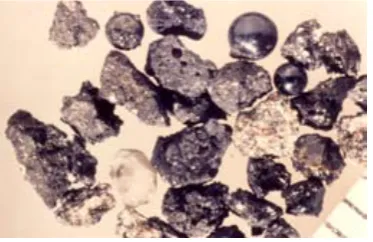
In such exploration class missions, crews will be ex-posed to extraterrestrial dusts which will inevitably be transported into the habitats, and these dusts are thought to have a high potential of being toxic. These fine dusts will be inhaled, and in the low gravity en-vironment, will be transported deeper into the lung where they will likely remain for extended periods of time, which will likely enhance their toxicity.
Changes in blood chemistry brought about by space-flight including blood volume reductions, potential dietary effects, and increased calcium resulting from bone demineralisation all have the potential to in-crease the risk of developing kidney stones. With the development of kidney stones come significant risks to overall mission success and thus prevention is a critical issue.
3.1.2. Earth benefits and applications
Heart disease is a leading cause of death in the ter-restrial population. Space travel results in significant
in a healthy population (astronauts and cosmonauts), providing the potential to understand the factors that lead to cardiovascular disease here on Earth. Many workers are exposed to dusty environments in the workplace and particulate matter in the environment is a known health risk to urban populations. Further, many drugs are now delivered in aerosol form, and so a comprehensive understanding of the deposition and subsequent clearance of deposited particles is of considerable importance in both areas. Developing a more complete understanding of the role of diet and other effects in the development of kidney stones stands to improve the health and reduce the suffering of a large percentage of the Earth population.
3.2. Cardiovascular, Lungs and Kidneys – Key Issues
The expert group on cardiovascular, kidneys and lung functions delineated five key issues of importance for future exploration.
The issues identified here all have the potential to se-riously impair a successful exploration-class mission, and to a lesser extent, spaceflight in low earth orbit. They are considered high priority research targets by the Expert Group.
3.2.1. Key issue 1: What are the in-flight alterations in cardiac structure and function?
Relevance for space exploration missions
Cardiovascular deconditioning has always been ob-served after spaceflight and ground simulations (bed rest, water immersion). This poses a threat to astro-nauts upon arrival to the Moon and Mars, and after return to Earth.
Earth benefits and applications
Similar problems occur in patients after prolonged bed rest due to trauma surgery and other conditions forc-ing the patient to stay bedridden for extended periods of time.
Cardiovascular, Lungs and Kidneys
3
Figure 6:Lunar dust stuck to the astronaut’s spacesuit will inevitably be transferred into the space habitat (Credit: NASA)
Brief review of latest developments
The optimal countermeasure is yet to be defined but planned developments include artificial gravity and vari-ous exercise modes.
Knowledge gaps and research needs
The effects of prolonged space flight on myocardial mass, intrinsic contractility, myocardial compliance and auto-nomic neuro-regulation are currently unknown. Further, the interaction with peripheral circulation is complex and it is not known whether cardiac changes observed thus far are primarily cardiac or are due to secondary to changes in the peripheral circulation. [Also see following Key Issue].
Proposed investigations and recommendations
Dynamic responses of cardiac function to exercise/
•
orthostatic tests simulating different phases of Moon and Mars exploration missions.
Bed rest simulations of relevant durations, and dry
im-•
mersion simulations (up to 2 weeks)
Cardiac muscle structure by advanced
echocardiogra-•
phy.
Simultaneous monitoring of 1) cardiac function
(car-•
diac output), 2) 24-h blood pressure, 3) sympathetic nervous activity, 4) plasma concentrations of vasoac-tive hormones (vasopressin, catecholamines, natriu-retic peptides and renin-angiotensin-aldosterone). Monitoring of cardiovascular function during lower
•
body negative pressure and dynamic exercise. Develop tolerable 24h blood pressure monitoring.
•
As a justification for the more complex 24 h arterial blood pressure recording, as compared to single-point measure-ments, the latter are considered to be much less repre-sentative for the state of the subject and can be subject to emotional influences from the procedure itself (white coat hypertension).
Trans-disciplinary aspects
Thermoregulation changes in microgravity, and may
•
impact both metabolic and cardiovascular control. Radiation may interact with cardiovascular
degrada-•
tion/ repair processes.
Mental stress and sleep disorders are likely to
influ-•
ence cardiovascular health.