
University of Pennsylvania
ScholarlyCommons
Publicly Accessible Penn Dissertations
2017
Individual Differences In Value-Based
Decision-Making: Learning And Time Preference
Marieta Pehlivanova
University of Pennsylvania, [email protected]
Follow this and additional works at:https://repository.upenn.edu/edissertations Part of theCognitive Psychology Commons
This paper is posted at ScholarlyCommons.https://repository.upenn.edu/edissertations/2520 For more information, please [email protected].
Recommended Citation
Pehlivanova, Marieta, "Individual Differences In Value-Based Decision-Making: Learning And Time Preference" (2017).Publicly
Accessible Penn Dissertations. 2520.
Individual Differences In Value-Based Decision-Making: Learning And
Time Preference
Abstract
Human decisions are strongly influenced by past experience or by the subjective values attributed to available choice options. Although decision processes show some common trends across individuals, they also vary considerably between individuals. The research presented in this dissertation focuses on two domains of decision-making, related to learning and time preference, and examines factors that explain decision-making differences between individuals. First, we focus on a form of reinforcement learning in a dynamic
environment. Across three experiments, we investigated whether individual differences in learning were associated with differences in cognitive abilities, personality, and age. Participants made sequential predictions about an on-screen location in a video game. Consistent with previous work, participants showed high variability in their ability to implement normative strategies related to surprise and uncertainty. We found that higher cognitive ability, but not personality, was associated with stronger reliance on the normative factors that should govern learning. Furthermore, learning in older adults (age 60+) was less influenced by
uncertainty, but also less influenced by reward, a non-normative factor that has substantial effects on learning across the lifespan. Second, we focus on delay discounting, the tendency to prefer smaller rewards delivered soon over larger rewards delivered after a delay. Delay discounting has been used as a behavioral measure of impulsivity and is associated with many undesirable real-life outcomes. Specifically, we examined how neuroanatomy is associated with individual differences in delay discounting in a large adolescent sample. Using a novel multivariate method, we identified networks where cortical thickness varied consistently across individuals and brain regions. Cortical thickness in several of these networks, including regions such as ventromedial prefrontal cortex, orbitofrontal cortex, and temporal pole, was negatively associated with delay discounting. Furthermore, this brain data predicted differences beyond those typically accounted for by other cognitive variables related to delay discounting. These results suggest that cortical thickness may be a useful brain phenotype of delay discounting and carry unique information about impulsivity. Collectively, this research furthers our understanding of how cognitive abilities, brain structure and healthy aging relate to individual differences in value-based decision-making.
Degree Type
Dissertation
Degree Name
Doctor of Philosophy (PhD)
Graduate Group
Psychology
First Advisor
Joseph W. Kable
Subject Categories
Cognitive Psychology
INDIVIDUAL DIFFERENCES IN VALUE-BASED DECISION-MAKING:
LEARNING AND TIME PREFERENCE
Marieta Pehlivanova
A DISSERTATION
in
Psychology
Presented to the Faculties of the University of Pennsylvania
in
Partial Fulfillment of the Requirements for the
Degree of Doctor of Philosophy
2017
Supervisor of Dissertation
_____________________
Joseph W. Kable, Ph.D., Baird Term Associate Professor, Psychology
Graduate Group Chairperson
_______________________
Sara R. Jaffee, Ph.D., Professor, Psychology
Dissertation Committee
Theodore D. Satterthwaite, M.D., M.A., Assistant Professor, Psychiatry
Russell A. Epstein, Ph.D., Professor, Psychology
INDIVIDUAL DIFFERENCES IN VALUE-BASED DECISION-MAKING:
LEARNING AND TIME PREFERENCE
COPYRIGHT
2017
Marieta Pehlivanova
This work is licensed under the Creative Commons Attribution- NonCommercial-ShareAlike 3.0 License
To view a copy of this license, visit
iii
iv
ABSTRACT
INDIVIDUAL DIFFERENCES IN VALUE-BASED DECISION-MAKING:
LEARNING AND TIME PREFERENCE
Marieta Pehlivanova
Joseph W. Kable
Human decisions are strongly influenced by past experience or by the subjective values
attributed to available choice options. Although decision processes show some common
trends across individuals, they also vary considerably between individuals. The research
presented in this dissertation focuses on two domains of decision-making, related to
learning and time preference, and examines factors that explain decision-making
differences between individuals. First, we focus on a form of reinforcement learning in a
dynamic environment. Across three experiments, we investigated whether individual
differences in learning were associated with differences in cognitive abilities, personality,
and age. Participants made sequential predictions about an on-screen location in a video
game. Consistent with previous work, participants showed high variability in their ability
to implement normative strategies related to surprise and uncertainty. We found that
higher cognitive ability, but not personality, was associated with stronger reliance on the
normative factors that should govern learning. Furthermore, learning in older adults (age
60+) was less influenced by uncertainty, but also less influenced by reward, a
non-normative factor that has substantial effects on learning across the lifespan. Second, we
v
larger rewards delivered after a delay. Delay discounting has been used as a behavioral
measure of impulsivity and is associated with many undesirable real-life outcomes.
Specifically, we examined how neuroanatomy is associated with individual differences in
delay discounting in a large adolescent sample. Using a novel multivariate method, we
identified networks where cortical thickness varied consistently across individuals and
brain regions. Cortical thickness in several of these networks, including regions such as
ventromedial prefrontal cortex, orbitofrontal cortex, and temporal pole, was negatively
associated with delay discounting. Furthermore, this brain data predicted differences
beyond those typically accounted for by other cognitive variables related to delay
discounting. These results suggest that cortical thickness may be a useful brain phenotype
of delay discounting and carry unique information about impulsivity. Collectively, this
research furthers our understanding of how cognitive abilities, brain structure and healthy
vi
TABLE OF CONTENTS
ABSTRACT ... IV
LIST OF TABLES ... VIII
LIST OF ILLUSTRATIONS ... IX
CHAPTER 1 – INTRODUCTION ... 1
CHAPTER 2 — AGE AND COGNITIVE ABILITIES PREDICT LEARNING IN A DYNAMIC ENVIRONMENT ... 18
Abstract ... 18
Introduction... 19
Experiment 1: Method... 22
Experiment 1: Results ... 33
Experiment 1: Discussion ... 36
Experiment 2: Method... 38
Experiment 2: Results and Discussion ... 41
Experiment 3: Method... 45
Experiment 3: Results and Discussion ... 47
Group differences between young and elderly participants ... 49
General Discussion ... 52
CHAPTER 3 — DIMINISHED CORTICAL THICKNESS IS ASSOCIATED WITH IMPULSIVE CHOICE IN ADOLESCENCE... 63
Abstract ... 63
Significance ... 64
Introduction... 64
vii
Results ... 75
Discussion ... 79
CHAPTER 4 — GENERAL DISCUSSION ... 92
viii
LIST OF TABLES
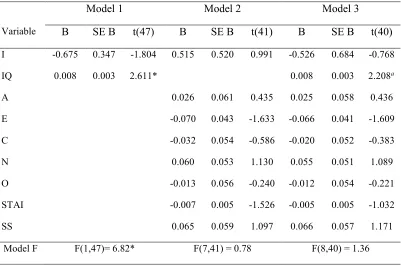
2.1 Summary of regression results for three models predicting NLF in Experiment 1 …55
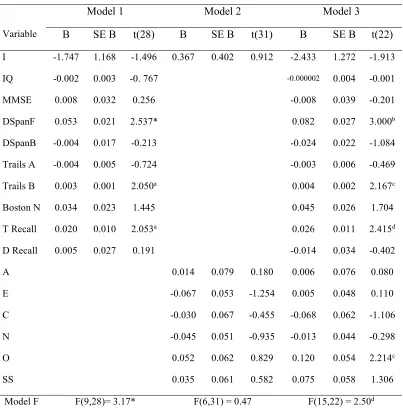
2.2 Summary of regression results for three models predicting NLF in Experiment 2 …56
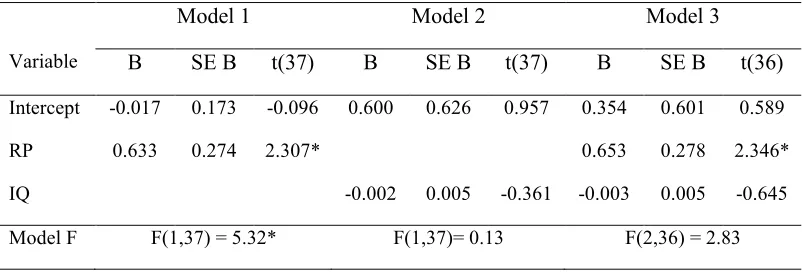
2.3 Summary of regression results for three models predicting NLF in Experiment 3 …57
ix
LIST OF ILLUSTRATIONS
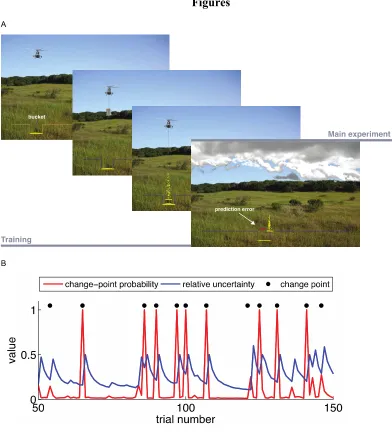
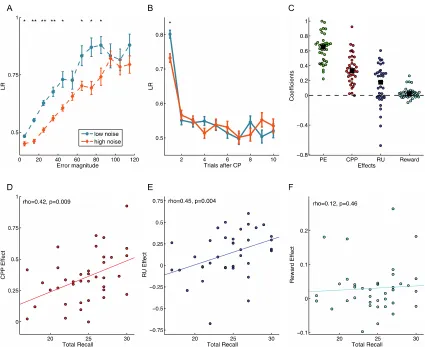
2.1 Overview of helicopter task and normative learning factors ………..58
2.2 Experiment 1 results: normative learning behavior and its associations with IQ …...59
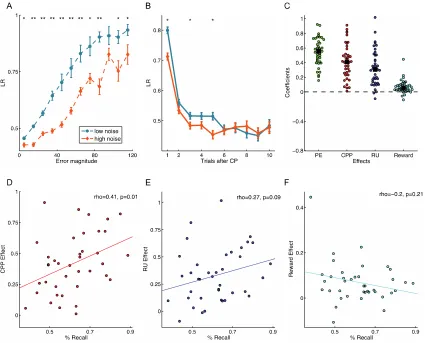
2.3 Experiment 2 results: normative learning behavior and its associations with memory ………....60
2.4 Experiment 3 results: normative learning behavior and its associations with memory ………....61
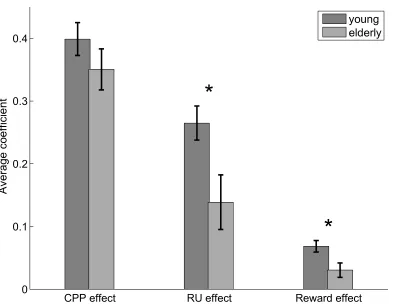
2.5 Group differences between young and older participants in updating based on
normative factors and the incidental reward factor ………...62
3.1 Schematic of non-negative matrix factorization and example data for each matrix ...86
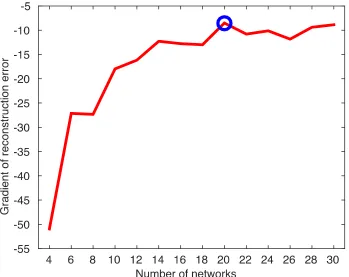
3.2 NMF reconstruction error plot ……….…...87
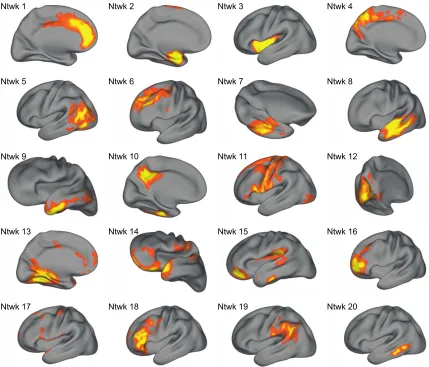
3.3 Structural covariance networks delineated by NMF ………...………….…...88
3.4 Significant associations between delay discounting and cortical thickness ….……..89
3.5 Age effects on cortical thickness ……….………...90
1
CHAPTER 1 – Introduction
Value-based decision-making: examples and main effects vs. individual differences
In life, people make a multitude of decisions in the span of a single day, week, month, or
even across many years. Some of these decisions involve choices rooted in preferences,
such as choosing between spending available money now or saving for retirement or
future consumption (time preference); or choosing between a risky but possibly profitable
career move versus a less risky but also less beneficial alternative (risk preference); or
choosing between an option of narrow-self interest and an option that may benefit
another person or group (social preference). Alternatively, other decisions are more
strongly rooted in learning from past experience, through trial and error, such as
choosing a driving route based on previously experienced traffic and delays on specific
roads. A large effort in the research field of decision-making has focused on studying the
main effects of choices under different conditions, i.e. elucidating the behavioral
principles and neural mechanisms of how people make decisions. To this end, relevant
measures such as response rates, reaction times, or neural activation in response to task
stimuli are typically averaged between different experimental conditions, while
inter-individual variability is treated as idiosyncratic noise (Kanai & Rees, 2011). For example,
people tend to view losses more unfavorably than gains of the same magnitude, a
phenomenon called loss aversion (Tversky & Kahneman, 1992).
Yet, one of the most consistent and salient observations in both everyday life and
2
life, some differences are easily and immediately observable (for example, height), while
others take time to uncover (e.g. personality or cognitive ability), and others may yet be
inconspicuous to the naked eye (e.g. brain size). Within the scientific study of
decision-making, research has shown, for example, that people vary widely in the level of risk they
accept in life (Weber, Blais, & Betz, 2002) or in the degree to which they can delay
gratification (Mischel, Shoda, & Rodriguez, 1989). The research presented in this
dissertation aims at furthering our understanding of cognitive and neuroanatomical
features that relate to individual differences in decision-making, specifically in the
domains of learning and time preference.
Sources of individual differences in differential psychology
Differences between individuals that relate to psychological and behavioral
characteristics have been studied within the purview of differential psychology. Here we
consider the following major domains of individual differences between humans:
cognitive abilities, personality and age (Kanai & Rees, 2011; Lubinski, 2000). One of the
most consequential dimensions of human variability is general intelligence, a factor that
subsumes variability in reasoning, mental processing speed, executive function and
memory, and is measured by the intelligence quotient (IQ). Higher IQ is associated with
higher educational achievement, successful job performance and functioning in modern
life (Gottfredson, 1997) and decreased mortality (Batty, Deary, & Gottfredson, 2007),
among other beneficial outcomes. Personality is another dimension of variability, with
one prominent model (“Big Five”) identifying five traits along which humans vary:
3
McCrae, 1992). As measured by this model, personality is associated with differences in
job performance (Barrick & Mount, 1991), health behaviors (McAdams & Donnellan,
2009; Rhodes & Smith, 2006), and even political views (Gerber, Huber, Doherty, &
Dowling, 2011) and predicts mortality, divorce, and occupational attainment at least as
well as cognitive ability does (Roberts, Kuncel, Shiner, Caspi, & Goldberg, 2007).
Finally, both cognition and personality change across the lifespan (Craik & Bialystok,
2006; Specht, Egloff, & Schmukle, 2011), and healthy aging is generally associated with
changes in decision-making, resulting from changes in neurophysiology, cognitive
abilities and affective motivation (Samanez-Larkin & Knutson, 2015).
Over the past couple of decades, differential psychology has increasingly begun to
examine the brain anatomy and function underlying psychological differences among
individuals. This process has been facilitated by advances in neuroimaging and further
reinforced by discoveries that the individual difference factors described above may have
a neurobiological basis and a genetic component, thus giving rise to the field of
personality neuroscience (DeYoung & Gray, 2009). Indeed, general intelligence is linked
to structural brain differences in frontal, temporal, and parietal lobes—where more gray
matter or thicker cortex is associated with higher IQ— and is highly heritable (Deary,
Penke, & Johnson, 2010; Haier, Jung, Yeo, Head, & Alkire , 2004). The study of
personality has also yielded structural correlates of distinct Big Five traits (DeYoung et
al., 2010) and evidence of heritability (Riemann, Angleitner, & Strelau, 1997). Among
the above factors, perhaps the most significant source of neural variability is associated
4
adolescence (Giedd et al., 1999; Lenroot et al., 2007) to healthy old age (Buckner, 2004;
Raz et al., 2005).
The following section will discuss cognition, personality, and age as sources of
individual differences in specific decision-making tasks related to learning and time
preference.
Reinforcement learning and individual differences
Brief background on reinforcement learning
Much of human decision-making is based on learning from experience, through
trial and error, so as to avoid unpleasant outcomes and achieve desirable ones. This
phenomenon is known as reinforcement learning and has been robustly observed across
species beyond humans. Early explorations of such learning came from the field of
animal behavior. In a classical conditioning paradigm, an animal was repeatedly
presented with a pairing of an initially neutral and unconditioned stimulus and a reward,
such as food, which produces a natural response from the animal (Daw & Tobler, 2013;
Pavlov, 1927). After repeated exposure to this pairing, the animal develops an implicit
response to the (now conditioned) stimulus, even when the stimulus is presented without
the reward. It was proposed that the animal learns the conditioned response based on
comparisons between the observed reward and the expected/predicted reward based on
prior experience (Bush & Mosteller, 1951). The difference between the two is termed the
prediction error, and learning is greatest when that error is large. This observation gave
5
1972). According to this model, the animal updates its predictions in the direction of the
prediction error and the extent of updating is governed by a parameter called the learning
rate (constrained between 0 and 1, where larger values indicate updating towards more
recent outcomes). Most of the work on the neural basis of reinforcement learning
computations has focused on prediction errors. Prediction error-like signals have been
associated withphasic activity of the midbrain dopamine neurons (Glimcher, 2011;
Schultz, Dayan, & Montague, 1997); over the course of learning stimulus-reward
associations, dopamine neurons gradually become responsive to the reward-predicting
stimulus, rather than the reward itself (Schultz et al., 1997).
Adaptive learning
In this dissertation, we will focus on a specific form of reinforcement learning that
takes into account abrupt changes in the environment. Recent work has begun to
characterize the principles of learning specifically in a changing environment (Behrens et
al., 2007; Nassar et al., 2010; McGuire et al., 2014). We refer to such learning as
“adaptive” because it allows and requires adapting one’s rate of learning to the type of
environment. In a stable but noisy environment, long-run experience is the best predictor
of the future, and it is reasonable to maintain a low learning rate favoring the averaged
experienced outcomes (Behrens et al., 2007; Nassar et al., 2010). Conversely, in a
volatile environment, characterized by unexpected changes, recent experience is the best
predictor of the future, and it is reasonable to use a high learning rate such that the most
recently experienced outcome is weighted more heavily. In such learning paradigms,
6
and respond appropriately by using higher learning rates— but these adaptive tendencies
vary widely across individuals (Behrens et al., 2007; McGuire et al., 2014; Nassar et al.,
2010).
Individual differences in reinforcement learning
In this section, I will review literature on individual difference factors, as outlined
above, that have been found to explain variability in reinforcement learning.
Cognitive factors. Some work has been done in a framework that distinguishes
between two learning algorithms: “model-based” versus “model-free” learning. In this
framework, model-free learning relies on simply repeating actions that have previously
been rewarded without explicitly learning the structure of the reward environment (Daw,
Niv, & Dayan, 2005). This is the type of learning mechanism that is encoded in
dopaminergic neurons’ responses. In contrast, model-based learning relies on building a
sophisticated mental model of the reward environment, evaluating choices in the context
of that model, and flexibly updating one’s learning rate depending on the circumstances.
Otto and colleagues (2013, 2014) have recently shown that better working memory and
cognitive control are associated with increased reliance on model-based rather than
model-free learning. In addition, high working memory capacity protects individuals
against the deleterious effect of stress on model-based learning (Otto et al., 2013).
Neural factors. Some work has also identified a neural basis of individual
differences in reinforcement learning, specifically linked to the striatum, which is one of
7
learning task, individuals who were able to learn the reward contingencies of the task
showed pronounced striatal activation in response to prediction errors, relative to those
who were unable to learn, and the magnitude of activation was positively associated with
performance across both groups (Schönberg, Daw, Joel, & O'Doherty, 2007). Another
study has directly linked individual differences in learning to differences in baseline
striatal dopamine synthesis capacity, such that individuals with high and low capacity
show distinct patterns of responses to learning from rewards versus punishments in a
reversal learning task (Cools et al., 2009).
In adaptive learning specifically, prior work has reported psychophysiological and
neural correlates of individual variability in learning. Pupil diameter tracks normative
learning factors derived from a computational model, and the degree of pupil metrics’
sensitivity to environmental statistics reflects the extent to which a person’s behavior was
influenced by these normative factors (Nassar et al., 2012). In an fMRI study, activity in
the anterior insula and dorsomedial frontal cortex, regions linked to arousal and salience
(Seeley et al., 2007), is modulated by these normative factors (McGuire et al., 2014).
Furthermore, the extent to which activity in anterior insula and dorsomedial frontal cortex
was modulated by these normative factors was associated with the extent to which a
person’s behavior was influenced by these same factors (McGuire et al., 2014).
Personality. The literature on personality factors that explain individual variability
in learning behavior is sparse. In particular, extraversion— a personality trait that has
been hypothesized to relate to dopamine function— is associated with individual
8
Pickering, & Smillie, 2014; Smillie, Cooper, & Pickering, 2011). In an associative
learning task, more extraverted individuals show a greater difference in sensitivity
between unpredicted non-rewards and predicted rewards, compared to introverted
individuals (Cooper et al., 2014; Smillie et al., 2011).
Age. Reinforcement learning processes show age-related differences, with
children and older adults generally able to learn reward contingencies, but learning more
slowly and with more difficulty than adolescents and younger adults (Eppinger, Kray,
Mock, & Mecklinger, 2008; Eppinger, Mock, & Kray, 2009; Hämmerer, Li, Müller, &
Lindenberger, 2011). In old adults, some of these differences have been hypothesized to
result from age-related changes in the dopaminergic and serotonergic systems (Marschner
et al., 2005). Healthy aging is specifically associated with decreased sensitivity to reward
in a probabilistic learning task, which is neurobiologically mediated by reduced white
matter integrity in select prefrontal pathways (Samanez-Larkin et al., 2012).
Important open questions in individual differences in adaptive learning
As outlined above, most of the work on individual differences in reinforcement
learning has been done in paradigms that do not explicitly model fundamental changes in
the environment. Differentiating between variability due to changes as apposed to noise
is an important skill, and people vary in their degree of adaptability in dynamic
environments— some people are quick learners in the face of change, while others
require more time and experience to adapt. Given that most realistic environments
humans experience, such as relationships, the work place or financial markets, are rarely
decision-9
making in dynamic environments is important. Previous individual difference work in the
adaptive learning framework has indentified psychophysiological (Nassar et al., 2012)
and neural correlates (McGuire et al., 2014) of variability. However, differences have not
been examined in the context of other factors that are generally known to relate to
inter-individual variability, such as cognitive and personality factors. In addition, healthy aging
could be an important source of individual differences, as it is associated with changes in
personality (Roberts & Mroczek, 2008) and cognition (McArdle, Ferrer-Caja, Hamagami,
& Woodcock, 2002), possibly mediated by neurological age-dependent changes
(Marschner et al., 2005). Alternatively, age may play a role in adaptive learning
independently of changes in the above factors. The systematic study of these factors
together could be fruitful, as it will allow us to study the adaptive learning process in its
complexity. Accordingly, here we extend the study of individual differences in adaptive
learning by investigating the effect of cognitive abilities, personality, and age on learning
strategies.
Time preference: delay discounting and individual differences
In adaptive learning, the decision-maker is influenced by the past, and recent
outcomes compete with more distant ones to shape current expectations about the
environment. Next, we transition to another domain of decision-making— time
preference— where decisions are in turn based on the influence of the recent or
immediate versus distant future.
10
In the domain of preference, this dissertation specifically focuses on time
preference which entails a choice between receiving something desirable soon and
receiving something desirable after some time. This type of decision is common in real
life and consists of a comparative evaluation of costs and benefits of options occurring at
different points in time. For example, a student has a choice between playing video
games now and using that time to study for the SAT, which might lead to a larger return
on investment in the future; an employee has a choice between using their discretionary
income for hobbies or leisure now or investing that income for larger future monetary
returns. Such intertemporal choices have been studied in the laboratory using a paradigm
called “delay discounting” (DD), which measures the degree to which people “discount”
the value of rewards received after a delay (Kirby, Petry, & Bickel, 1999). The DD task
consists of a series of questions of the type “Would you rather receive $10 now or $18 in
30 days?” By varying the amounts and delays, one can estimate the subjective discount
rate at which each individual devalues future outcomes. The discount rate (DR) estimates
the steepness of the reduction of present value with increases in delays. Individuals with
higher DRs are considered more impulsive, while individuals with low DRs are
considered patient. DD is particularly fruitful for the study of individual differences for
the following reasons: First, there exists large variability between individuals in the
degree of discounting. Second, behavioral variability on this lab task predicts variability
in many real-life behaviors, including addiction. Third, DD has been used extensively as
a measure of impulsivity.
11
A large body of literature has shown that discount rates measured in the lab
correlate with consequential real-life behaviors and outcomes. Higher discounting is
associated with relationship infidelity (Reimers, Maylor, Stewart, & Chater, 2009), lower
creditworthiness (Meier & Sprenger, 2012), and poor health habits and obesity (Amlung,
Petker, Jackson, Balodis, & MacKillop, 2016; Chabris, Laibson, Morris, Schuldt, &
Taubinsky, 2008). Conversely, lower discounting is associated with greater life
satisfaction (Becker, Deckers, Dohmen, Falk, & Kosse, 2012) greater social competence
in adolescents (Mischel et al., 1989), and higher GPA in college students (Kirby,
Winston, & Santiesteban, 2005). The largest literature on the real-life correlates of delay
discounting comes from the field of addiction research (see MacKillop et al., 2011 for a
meta-analysis and Reynolds, 2006 for a qualitative review). Higher discounting has been
reliably associated with smoking (Epstein et al., 2003; Reynolds, 2004; Reynolds,
Richards, Horn, & Karraker, 2004); with higher and/or problematic alcohol use
(Courtney et al., 2012; Petry, 2001a; Vuchinich & Simpson, 1998); with heroin and
cocaine addiction (Coffey, Gudleski, Saladin, & Brady, 2003; Kirby et al., 1999; Kirby &
Petry, 2004; Madden, Petry, Badger, & Bickel, 1997); and with pathological gambling
(Petry, 2001b). In the aggregate, greater discounting of future rewards appears to be
robustly related to less desirable outcomes, while low discounting appears to be
associated with more desirable outcomes.
Impulsivity is defined as a tendency to act without deliberation or adequate regard
for consequences (Evenden, 1999). DD has been proposed as a model of impulsivity,
12
preference for delayed rewards is interpreted as a display of self-control (Ainslie, 1975).
DD has also specifically been proposed as a framework for understanding substance
abuse as an impulsive choice of an immediate reward over the more patient and
beneficial choice of abstinence (Bickel et al., 2007).
Individual differences in delay discounting
In this section, I will review individual difference factors that have been found to
explain variability in discount rates among people.
Cognitive factors. In relation to cognitive factors, lower discounting is robustly
associated with higher intelligence (Shamosh and Gray, 2008), and also with better
working memory (Shamosh et al., 2008; Bobova et al., 2009). As a potential neural
mechanism of these associations, Shamosh and colleagues (2008) found that working
memory-related activity in anterior prefrontal cortex partially mediates the relationship
between DD and IQ.
Personality. In contrast, relationships between personality traits and DD appear to
be less stable. High extraversion (characterized by an orientation towards people and
external events), high agreeableness (characterized by a tendency to act in a cooperative
manner), and low conscientiousness (characterized by a tendency to be less organized
and responsible) have been reported to predict steeper discounting (Anderson, Burks,
DeYoung, & Rustichini, 2011; Becker et al., 2012; Daly, Harmon, & Delaney, 2009;
Ostaszewski, 1996), though replication of these effects has been inconsistent (Becker et
13
interaction of cognitive abilities and personality in predicting discount rates (Hirsh,
Morisano, & Peterson, 2008). At the low end of the cognitive ability distribution, high
extraversion and low neuroticism, defined as emotional stability, predict higher
discounting, while at the high end extraversion has no effect and high neuroticism is
associated with steeper discounting (Hirsh et al., 2008). Traits related to time perception
also appear to play a role in temporal discounting (Kim & Zauberman, 2009): feeling
weak connectedness to one’s future self (Ersner-Hershfield et al., 2009a; 2009b) is
associated with steeper discounting. Both differences in time perception and future
connectedness have been associated with differences in brain activity (Cooper, Kable,
Kim, & Zauberman, 2013; Ersner-Hershfield et al., 2009b).
Age. Multiple studies have examined age as a source of individual differences in
DD. One of the earliest such investigations reported that young adults were lower
discounters than children but higher discounters than older adults, suggesting a linear
decrease in discounting across age groups (Green, Fry, & Myerson, 1994). Despite these
differences, though, the mechanism of choice in DD appears to be qualitatively similar
across age groups (Green et al, 1994). However, reports about discounting differences
between young and old adults are inconsistent. In addition to several studies reporting
that older adults are lower discounters compared to young adults (Eppinger, Nystrom, &
Cohen, 2012; Green et al., 1994; Reimers et al., 2009), there is evidence of old adults
being higher discounters (Read & Read, 2004), as well as reports of no differences
between these age groups (Chao, Szrek, Pereira, & Pauly, 2009; Samanez-Larkin et al.,
14
age and DD, such that elderly adults (average age of 75) discounted more steeply than
young adults (average age of 25), with middle-aged adults (average age of 44) exhibiting
the lowest discount rates. In youth, age differences have been reported, such that younger
adolescents are higher discounters that older adolescents (Olson, Hooper, Collins, &
Luciana, 2007; Scheres et al., 2006; Steinberg et al., 2009).
Brain structure. A number of studies with adults have investigated individual
differences in DD in relation to neuroanatomy. Negative associations between gray
matter volume and discounting have been found in lateral prefrontal cortex (Bjork et al.,
2009), superior frontal gyrus (Schwartz et al., 2010), putamen (Dombrovski et al., 2012;
Cho et al., 2013); and positive associations have been found in posterior cingulate cortex
(PCC) and ventral striatum (Schwartz et al., 2010), medial prefrontal regions and anterior
cingulate cortex (ACC, Cho et al., 2013), middle frontal gyrus and frontal pole (Wang et
al., 2016). Decreased CT in medial prefrontal cortex and ACC is associated with higher
discounting (Bernhardt et al., 2014). Generally, these results have been inconsistent in
terms of directionality and regional specificity of effects, and might have been limited by
small or clinical samples, and region-of-interest analyses (for a review see Kable & Levy,
2015).
Important open questions in individual differences in delay discounting
The neurofunctional correlates of DD have been characterized extensively (Bartra,
McGuire, & Kable, 2013; Clithero & Rangel, 2013; Kable & Glimcher, 2007; Peters &
15
However, most of the previous work relating brain structure to DD has been conducted
with adult samples, and it is unclear whether documented age differences in DD might
also contribute to differences in neurostructural correlates. Such differences are
especially important to consider in relation to adolescence because this developmental
period is characterized by dramatic structural brain changes which may contribute to
increased impulsivity (Giedd et al., 1999; Sowell et al., 2004; Van Leijenhorst et al.,
2010), as well as changes in cognitive abilities, such as intelligence and executive
function (Blakemore & Choudhury, 2006; McArdle, Ferrer-Caja, Hamagami, &
Woodcock, 2002), which are associated with DD. In addition, delay discounting, as a
behavioral measure of impulsivity, has been associated with many risky behaviors, such
as reckless driving and alcohol abuse, which are an acute source of morbidity in
adolescence (Eaton et al., 2011). Here we extend the study of individual differences in
DD by investigating how differences in neuroanatomy, specifically cortical thickness,
relate to variability in discounting in adolescence.
Research overview
This dissertation specifically focuses on investigating individual differences in
two types of value-based decision-making processes: adaptive learning and delay
discounting. Both of these processes involve processing time-dependent information: in
learning, the decision-maker incorporates information from the past to accurately
estimate the current expectations about the environment, while in delay discounting the
decision-maker incorporates information about delays into the future. Conversely, the
16
delay discounting is based on preference rather than experience. Understanding the
factors that contribute to individual differences in these processes is important because
successful functioning in the world depends on the abilities to detect changes in one’s
environment, delay gratification and accumulate resources for future consumption.
In Chapter 2, in a series of three behavioral experiments, we investigate whether
individual differences in adaptive learning are associated with differences in cognitive
abilities, personality, and age. In a simple video game task, participants make sequential
predictions about an on-screen location. This task provides trial-by-trial learning rate
estimates and has been successfully used in eliciting individual differences in learning
behavior (Nassar et al., 2010, 2012, 2016; McGuire et al., 2014). In addition, the task has
an underlying computational model, which has characterized two distinct normative
factors that should drive learning: change-point probability, which is related to how
surprising and unexpected a new outcome is, and relative uncertainty, which tracks the
reliability of the current beliefs about the state of the environment (Wilson et al., 2010;
Nassar et al., 2010, 2012). Consistent with previous work, we find that participants
exhibit common strategies in adaptive learning but also show large individual differences
in implementing these strategies. We find that increased cognitive ability is associated
with stronger reliance on the normative factors that should govern learning in this task. In
contrast, we find no reliable evidence that personality traits, including trait anxiety,
influence learning strategies in this dynamic environment. Furthermore, we find that
17
also less influenced by reward, a non-normative factor that has substantial effects on
adaptive learning across the lifespan.
In Chapter 3, we examine neuronatomy, specifically cortical thickness, as a
source of individual differences in delay discounting in large sample of adolescents.
Using a novel multivariate method, we describe networks where cortical thickness varies
consistently across individuals and brain regions. Cortical thickness in several of these
networks of regions shows a negative relationship with impulsivity, such that diminished
cortical thickness is associated with greater discounting. The strongest effects were found
in regions typically implicated in delay discounting, such as ventromedial prefrontal
cortex and orbitofrontal cortex. Brain data predicted differences in discounting above and
beyond cognitive variables typically found to correlate with delay discounting.
Combined, these results suggest that cortical thickness may be a useful brain phenotype
18
CHAPTER 2 — Age and cognitive abilities predict learning in a
dynamic environment
Abstract
People are adaptive learners in a changing environment and are able to update their
beliefs using relevant cues about the state of the world. Despite common trends in
behavior, there is great variability in participants’ learning strategies. Across three
experiments, we investigate cognitive abilities, personality, and age as potential sources
of these individual differences. In a simple video game task, participants made sequential
predictions about an on-screen location. This task provides estimates of trial-by-trial
learning rates and has been successfully used in eliciting individual differences in
learning behavior. In addition, the task has an underlying computational model, which
has characterized two distinct normative factors that should drive learning: change-point
probability, which is related to how surprising a new outcome is, and relative
uncertainty, which tracks the reliability of the current beliefs about the state of the
environment. Consistent with previous work, we found that participants exhibit common
strategies in adaptive learning but also show large individual differences in implementing
these strategies. We found that increased cognitive ability, and specifically better
memory performance, is associated with stronger reliance on the normative factors that
should govern learning in this task. In contrast, we found no reliable evidence that
personality traits influence learning strategies in a dynamic environment. Furthermore,
19
consistent with previous reports, but also less influenced by reward, a non-normative
factor that has substantial effects on adaptive
Introduction
Imagine dining at the same restaurant on repeated occasions and having delicious
meals, making it your favorite place to dine. Unexpectedly, on one particular occasion
they serve you a bad meal. Is this negative experience just an unfortunate exception in an
otherwise stable but noisy world, or does it indicate that something fundamental about the
restaurant has changed, such as a new chef? How much you should update your beliefs in
response to new experiences depends on the stability of the environment. In an
environment that is stable but noisy, long-run experience is the best predictor of the
future, and beliefs should be updated minimally in the face of new evidence (Behrens,
Woolrich, Walton, & Rushworth, 2007; Nassar, Wilson, Heasly, & Gold, 2010). In this
case, if a restaurant has a reliable and stable history with the same chef, it is sensible to
disregard the occasional negative experience if you have had a steady streak of good
meals there. Conversely, in a volatile environment, characterized by unexpected changes,
recent experience is the best predictor of the future, and beliefs should be updated more
rapidly in the face of new data (Behrens et al., 2007; Nassar et al., 2010). In this case, if a
restaurant has gone through many chef changes recently, a surprisingly negative
experience is more likely to mean that another change has occurred. Recent work has
shown that, while on average people follow these strategies, individuals differ
20
(Behrens et al., 2007; McGuire, Nassar, Gold, & Kable, 2014; Nassar et al., 2010).
However, the different factors that might influence these individual differences in
adaptive learning have not been systematically studied. Here we investigate cognitive
abilities, personality, and age as possible sources of these individual differences.
A learning model derived from Bayesian theory has characterized two distinct
normative factors that should drive learning in volatile environments, and individual
differences in adaptive learning can be described by variability in responding to these
normative factors (McGuire et al., 2014; Nassar, Bruckner, Gold, Li, Heekeren, &
Eppinger, 2016; Nassar, Rumsey, Wilson, Parikh, Heasly, & Gold, 2012; Nassar et al.,
2010; Wilson, Nassar, & Gold, 2010). The first factor, which we call change-point
probability, tracks the likelihood of a fundamental shift in the environment and is related
to how surprising and unexpected a new outcome is (Nassar et al., 2012). In the
restaurant example, a meal of unexpected quality, relative to one’s experience, might
suggest that something important about the restaurant has changed. The second factor,
which we call relative uncertainty, tracks the uncertainty, and thus reliability, of the
current beliefs about the state of the environment, and is related to the number of
observed outcomes consistent with the current state (Nassar et al., 2012). In the restaurant
example, the longer the streak of delicious meals, the more confident you are of the
quality of the meals under the current chef. Though on average individuals update their
beliefs in a dynamic environment according to both of these factors, there is large
21
What accounts for these individual differences in sensitivity to relevant
environmental cues? To date, studies have identified associations between individual
differences in adaptive learning and psychophysiological and neural activity linked to
arousal systems.Pupil diameter reflects both normative factors described above, with
evoked changes in pupil diameter tracking change-point probability and average baseline
pupil diameter tracking relative uncertainty(Nassar et al., 2012). Furthermore, the degree
of pupil metrics’ sensitivity to environmental statistics predicted the extent to which a
person’s behavior was influenced by the normative factors (Nassar et al., 2012). In an
fMRI study, activity in the anterior insula and dorsomedial frontal cortex, regions linked
to arousal and salience (Seeley et al., 2007), was modulated by both change-point
probability and relative uncertainty (McGuire et al., 2014). Furthermore, the extent to
which activity in anterior insula and dorsomedial frontal cortex was modulated by these
normative factors was associated with the extent to which a person’s behavior was
influenced by these same factors (McGuire et al., 2014).
Here we extend these findings in a series of three behavioral experiments
investigating whether individual differences in adaptive learning are associated with
differences in cognitive abilities, personality, and age. There are strong reasons to
hypothesize that each of these classic individual difference variables might influence
adaptive learning. Cognitive abilities are associated with individual differences in many
decision-making and learning tasks (Burks, Carpenter, Goette, & Rustichini, 2009; Otto,
Skatova, Madlon-Kay, & Daw, 2014; Shamosh & Gray, 2008) but have not been
explicitly studied in adaptive learning. Given that sensitivity to relevant cues from the
22
trait-based affect may influence adaptive learning. Indeed, a recent report links high trait
anxiety with a reduced ability to adjust learning between stable and volatile environments
(Browning, Behrens, Jocham, O'Reilly, & Bishop, 2015). Healthy aging is also associated
with changes in decision-making, resulting from changes in neurophysiology, cognitive
abilities and affective motivation (Samanez-Larkin & Knutson, 2015).In particular,
Nassar et al. (2016) have shown that learning from uncertainty in a dynamic environment
is reduced in older, relative to younger, adults. Here we systematically explore the
interplay of cognitive abilities, personality, and aging on adaptive learning.
Consistent with previous reports (Nassar et al., 2010, 2012; McGuire et al., 2014),
we found that people exhibited common strategies in adaptive learning, but also showed
large individual differences in implementing these strategies. We found that increased
cognitive ability, and specifically better memory performance, is associated with stronger
reliance on the normative factors that should govern learning in this task. In contrast, we
found no reliable evidence that personality traits, including trait anxiety, influence
learning strategies in a dynamic environment. Finally, we found that adaptive learning in
older adults (age 60+) is less influenced by relative uncertainty, consistent with previous
reports (Nassar et al., 2016), but also less influenced by reward, a non-normative factor
that has substantial effects on adaptive learning across the lifespan.
Experiment 1: Method
Participants.The experimental protocol was approved by the University of
23
participants. We recruited 49 participants for this experiment (age 18–34, M = 25.5, SD =
4.7; 33% males) from the University of Pennsylvania and the surrounding local
community. Inclusion criteria included comfort with using a right-handed trackball and
fluency in English. Exclusion criteria included a history of alcohol or drug abuse, major
psychiatric disorders not in remission for > 6 months, and current use of psychotropic
medications (including antidepressants, anxiolytics, and antipsychotics).
Procedure. Participants first completed a variant of a predictive inference task that
we have previously used to study adaptive learning, the “helicopter task,” which is
described in more detail below. Subsequently, participants’ IQ was assessed with the
similarities and matrix reasoning subtests of the Wechsler Abbreviated Intelligence Scale
(WASI; Wechsler, 1999). Finally, participants completed the Big Five Inventory-44
(John, Donahue, & Kentle, 1991), Brief Sensation Seeking Scale (Hoyle, Stephenson,
Palmgreen, Lorch, & Donohew, 2002), and the State-Trait Anxiety Inventory (STAI) trait
subscale (Spielberger, Gorsuch, Lushene, Vagg, & Jacobs, 1983) via Qualtrics (Qualtrics
Labs Inc., Provo, UT). We also administered an intertemporal choice task (Senecal,
Wang, Thompson, & Kable, 2012) for exploratory purposes, and do not describe the
results of that task here. All tests were administered by the same experimenter (MP), in
the same manner, and in the same testing room. One notable exception to the
experimental protocol is that we started administering the STAI trait subscale mid-data
collection upon becoming aware of Browning et al.’s (2015) reported anxiety effects on
adaptive learning. We retroactively collected the anxiety data for the first half of our
24
Helicopter Task.Participants performed four blocks (150 trials each) of a
predictive-inference task in which learning rates can be tracked trial-by-trial (Nassar et
al., 2010, 2012, 2016; McGuire et al., 2014). The task was programmed in Matlab (The
MathWorks, Natick, MA) using MGL (http://justingardner.net/mgl) and snowDots
(https://code.google.com/archive/p/snow-dots/) extensions. On every trial, participants
made a prediction about the mean of an underlying generative distribution based on
observed random draws from that distribution. The task was presented as a computer
game with the following description: a helicopter in the sky drops a bag of coins on each
trial; once the bag reaches the ground, it turns into a coin explosion, and the participant’s
job is to position a bucket on the ground prior to the bag fall to collect as many coins as
possible (Figure 1A). Importantly, the helicopter is hidden in clouds, so participants must
use previously observed bag drop locations to infer the helicopter’s position. Participants
made trial-by-trial predictions about the location of the helicopter by positioning the
rectangular bucket using a trackball. At the beginning of every trial, the bucket was
re-positioned to its default position in the middle of the screen. Once a participant submitted
their prediction, they could not move the bucket until the bag-drop outcome was realized.
Participants were instructed that the best strategy to maximize earnings is to position the
bucket directly underneath the helicopter, even when the helicopter is obscured by
clouds, thus implicitly discouraging guessing of individual bag drop locations.
Participants received feedback on every trial in the form of a red bar spanning the
difference between the bag drop location and the selected bucket position, indicating the
25
in this inference problem. The helicopter location changed occasionally, without warning,
giving rise to unsignaled change points (CPs).
Possible bag drop and bucket locations were mapped onto arbitrary screen units
valued from 0 to 300. Bag drop locations were drawn at random from a Normal
distribution around the center of the helicopter. The mean of the distribution, and thus the
helicopter position, was held fixed on most trials (with 100% probability for the first 3
trials in a new location). Occasionally there were unsignaled change points: with a .125
probability after the third stable trial, the mean of the generative distribution was
re-drawn from a uniform distribution on (0, 300). The standard deviation of the distribution
of bag drops varied between blocks and was set to either 10 or 25 screen units, creating
different levels of noise in the environment. Participants were instructed to think of this
noise as different strengths of “wind” which occasionally blew the bags away from the
center of the helicopter. The width of the bucket scaled with the strength of the wind, and
was set to 2.5 and 2.2 times the SD of the bag drop distribution, in the low and high wind
conditions, respectively. The width of the bucket was chosen to balance earnings between
different noise blocks, and the set of other parameter values were chosen based on
simulations seeking to maximize the difference in payoff between an approximately
Bayesian learning model (described below) and an observer that uses the simple strategy
of placing the bucket at the location of the last bag drop. The main part of the task
consisted of four blocks (150 trials each) alternating in wind strength, with the type of the
first block (low vs. high wind/noise) counterbalanced across participants.
The task also included a manipulation of reward with each bag containing one of
26
trial. For half the participants, yellow coins were rewarded and gray coins were
unrewarded. For the remaining participants, the colors were flipped with gray coins being
rewarded and yellow coins being unrewarded. The rewarded color was also
counterbalanced across participants and participants were assigned to one of the four
conditions obtained by crossing the factors initial noise level and rewarded color.
Participants were told which color would be rewarded, and were specifically instructed
that (1) they will not see the coin color until after they have made a bucket prediction and
observed the bag fall; (2) the color of the coin should not influence their strategy in the
game. All rewarded coins gathered were redeemed for money. Participants received
feedback after each block in the form of a percentage score indicating the participant’s
earnings relative to earnings obtained by the approximate Bayesian learning model
described in the following section.
Prior to the four experimental blocks, participants completed a training session
that was more extensive than in earlier versions of the task (Nassar et al., 2012; McGuire
et al., 2014). The training built understanding of the environment by gradually
introducing more complexity, such as wind, clouds and changes in the helicopter’s
position. In the first training block, the helicopter was visible, fixed and the bag always
dropped right underneath the helicopter (i.e. no wind); participants were simply required
to repeatedly position the bucket underneath the helicopter to ensure they can manipulate
the trackball. This first block was performed to criterion: 15 consecutive trials where the
center of bucket was positioned within 12 screen units of the helicopter position. In the
second training block of 25 trials, a distribution of bag drops with SD = 10 units around
27
block was 35 trials of a “windier” condition with SD = 25 units and a larger bucket,
conditions that were maintained throughout the remainder of the training session. In the
fourth block of 40 trials we introduced clouds on about half the trials (randomly
determined on each trial); the clouds obscured the stationary helicopter from view. In the
following two blocks of 50 trials each it was cloudy at all times, so participants never saw
the helicopter and had to infer its position based on observed bag drops. In the next block
of 50 trials the clouds were fully removed to make visible occasional shifts of the
helicopter (i.e., change points were added). In the final training block of 60 trials,
participants experienced high wind, clouds at all times, and occasional change points, and
the only difference from the experimental blocks was that there was only one type of
coin. The unrewarded coins of different color were introduced in the main experimental
blocks. Participants did not earn money from the training session.
Normative Model.We used a well-described approximately Bayesian belief
updating model to simulate (nearly) optimal performance in the helicopter task (Nassar et
al., 2010, 2012, 2016; McGuire et al., 2014). The model computes trial-by-trial estimates
of the location of the helicopter in the form of a delta-rule (Nassar et al., 2010, 2012,
2016):
Bt+1=Bt +αt ×δt (1)
28
where Bt and Bt+1 are beliefs about the current and next locations of the helicopter,
respectively, Xt is the current observed bag drop, δt is the prediction error for the current
trial, and at is the learning rate.
The ideal observer infers the position of the helicopter, i.e., the mean of the
distribution generating bag drops, from the positions of previously observed bag drops
according to:
p(µt X1:t)= p(X1:tµt)p(µt)
p(X1:t) (3)
where μt is the position of the helicopter on trial t, and X1:t denotes the locations of bag
drops observed on trials 1 through t.
The model posits that trial-by-trial learning rates are driven by two factors
computed on every trial from the sequence of experienced bag drop locations (Figure 1B;
Nassar et al., 2012, 2016). The first factor is change point probability (CPP, denoted as
Ω), which measures the probability of the helicopter having switched locations since the
last trial, given the observed prediction error. The second factor is relative uncertainty
(RU, denoted as τ), which estimates the uncertainty in the exact location of the helicopter
(often caused by a recent change point) as a function of the total uncertainty about the
next bag drop.
Trial-by-trial learning rate is computed according to:
29
Learning accelerates and favors recent outcomes when the estimated likelihood of
a change point is high or when the uncertainty in the precise location of the helicopter is
high. The effect of RU in determining the learning rate is highest when CPP is zero and,
conversely, the effect of CPP is highest when uncertainty about the mean of the
generative distribution is low.
In a recent instantiation of this normative model (Nassar et al., 2016), these two
factors are computed recursively by first estimating RU as follows:
(5)
where Ωt , τt, andδt are, respectively, the change point probability, relative uncertainty
and prediction error on the previous trial; σN is the standard deviation of the bag drop
distribution (previously defined as “noise”). The numerator of Equation 5 denotes the
variance of the predictive distribution over possible helicopter locations, and includes
terms for the variability in the bag drop distribution (σN) weighted under conditions of a
recent change point or a stable environment, respectively, as well as an adjustment term
for the variance arising from the difference in means of these distributions (McGuire et
al., 2014).The denominator in Equation 5 includes all the terms in the numerator, plus a
term to account for the remaining total uncertainty, namely uncertainty arising strictly
from variability in the distribution of bag drops (σN). Total uncertainty in bag locations in
30
(numerator) and uncertainty about the standard deviation of the bag drop distribution
around the helicopter center. Accordingly, RU is calculated as the proportion of total
uncertainty about the next bag location that is due to having an imprecise estimate of the
location of the helicopter (McGuire et al., 2014; Nassar et al., 2016).
To calculate CPP, the model considers whether the generative mean has been
resampled. The overall probability of resampling is called the Hazard rate, denoted by H.
CPP on every trial is then computed from H, relative uncertainty (τt), SD of the bag drop
distribution (σN) and the current prediction error (δt) as follows (Nassar et al., 2012,
2016):
Ωt =
U(Xt 0, 300)H
U(Xt 0, 300)H+N(δt 0,σN2 1−τ
t)(1−H)
(6)
where U(Xt|0,300) represents the probability of the current observation being randomly
drawn from the possible helicopter locations and N(δt|0, σ2N/1- τt) is the likelihood of
observing the current prediction error under the current predictive distribution. In
principle, CPP is higher as the base-rate of change points increases; however, H in our
experiment was held fixed throughout. Thus, CPP only depended on how unlikely an
observed prediction error was under the current beliefs.
We obtained trial-by-trial estimates of CPP and RU by fitting the model to the
sequences of experienced prediction errors using the true values of the hazard rate (H =
31
Behavioral Analysis.We used linear regression to test the effect of normative
model factors and the non-normative reward factor on participants’ trial-by-trial bucket
updates, an analysis strategy successfully used in recent work with this task (McGuire et
al., 2014; Nassar et al., 2016). Specifically, our analysis of task behavior was closely
modeled after that used by Nassar and colleagues (2016). In other work with this task
(Nassar et al., 2010, 2012, 2016), the normative model was alternatively, or additionally,
fit to subjects’ bucket predictions to infer latent variables, such as the baseline rate of
change points. In contrast, here we simulated normative influences on behavior
(trial-by-trial CPP and RU; by fitting the normative model to the sequence of observed bag drops),
and examined how those relate to actual participant behavior.
We fit the regression models explaining behavior separately for each participant,
combining data from all 4 experimental blocks. Each model included the following
independent variables calculated for each trial: prediction error and the interaction
between prediction error and CPP, RU, an indicator variable for noise (the SD of the bag
distribution), reward value (1 for rewarded trial and 0 for non-rewarded trial), and the
quadratic weighted distance from screen center (to adjust for bias towards the default
bucket position in the center of the screen). All predictors were mean-centered. As
discussed in Nassar et al. (2016), residuals from this regression scale with prediction
errors, such that they are larger with larger absolute errors. To account for this violation
of regression assumptions, we used weighted linear regression, as described in Nassar et
al. (2016). In an initial regression, we estimated the variance of residuals in sliding
32
addition, a ridge penalty was applied to shrink estimated coefficients. We used a sliding
window method, where data were binned based on relative prediction error (absolute
prediction error divided by the SD of the bag drop distribution), which indexed surprise.
We applied the binning to account for a non-monotonic relationship between updating
and surprise. Each bin contained 10% of the total data and bins were incremented by one
percentile of the data. For further details on analysis strategy, refer to Nassar et al.
(2016).
The regression coefficients for each independent variable in the above-described
model were taken as the effects of each factor on the participant’s updates. Group effects
across participants for each factor were tested against zero using Wilcoxon signed-rank
tests. We then tested the CPP, RU and reward effects for association with personality and
cognitive variables of interest. In our and previous studies (McGuire et al., 2014), the
CPP and RU effects were strongly positively correlated; we therefore averaged them into
a “Normative Learning Factor” (NLF) to use in a first step analysis and minimize the
number of tests conducted. We used separate regression models with NLF as the
dependent variable and either the cognitive or personality factors as independent
variables to test the separate associations with personality and cognition. We used F-tests
to formally compare a full model of personality and cognitive predictors to a nested
model with just the cognitive variable, IQ, thus testing if personality predicts normative
learning above and beyond cognition.
Although the CPP and RU effects are strongly conceptually and quantitatively
related, prior work has also shown some distinctions between the two (McGuire et al.,
33
normative learning, we further unpacked these effects by looking at bivariate correlations
between the CPP and RU effects and the significant individual difference variables. We
used Spearman’s rho for all reported correlations, to account for slight non-normality,
especially in the cognitive and personality variables.
Experiment 1: Results
In this experiment, we investigated whether cognitive or personality factors explain
individual differences in adaptive learning in young participants.
Model-free analyses showed that participants’ learning was sensitive to normative
model factors. Specifically, we examined if trial-by-trial learning was responsive to: (1)
different magnitudes of spatial prediction error, and (2) sudden changes in the
environment.
Both of these factors have previously been shown to influence belief updating in a
changing environment (Nassar et al., 2010, 2012). Consistent with previous findings,
participants’ learning rates increased monotonically as the prediction error increased, in
both low- and high-noise blocks (Figure 2A).Learning rates were also higher in the
low-noise blocks than in the high-low-noise blocks for an equivalent PE magnitude (Figure 2A;
median p across prediction error bins < .0001). Combined, these results show that
participants are sensitive to CPP, as CPP increases with prediction error and is greater for
low noise than high noise for a fixed PE (Nassar et al., 2012).Also consistent with
previous findings, participants used the highest learning rates on trials right after a change
34
post change point (Figure 2B).This result shows that participants are also sensitive to
RU, as RU peaks after a change point and declines thereafter (Nassar et al., 2012).
We used model-based analyses to further quantify how behavior depended on
both normative and other incidental factors (Nassar et al., 2016). Trial-by-trial bucket
update was the dependent variable, and the regression model included trial-wise PE, and
the interaction between PE and CPP, RU, and reward as independent variables. The
regression coefficients are a measure of the influence of that factor on each participant’s
learning behavior, controlling for the influence of the other factors in the regression
model. Consistent with previous reports (McGuire et al., 2014; Nassar et al., 2016),
participants, as a group, made larger updates based on both CPP (Mdn = 0.37, Q1 = 0.22,
Q3 = 0.50) and RU (Mdn = 0.19, Q1 = 0.07, Q3 = 0.32), with both group effects being
significantly different from zero (Z = -6.02 and Z = -5.03, respectively, ps < .0001; Figure
2C). Consistent with their normative roles, both CPP- and RU-based updating were
positively correlated with total number of coins earned (rho = .70, p < .0001 and rho =
.44, p = .002, respectively).
Participants’ learning was not fully accounted for by the normative model,
however. The normative model posits that learning is fully driven by CPP and RU
(Nassar et al., 2012; 2016).In contrast, participants reliably updated based on the
observed spatial prediction error alone, with higher PE engendering larger bucket updates
(Mdn = 0.61, Q1 = 0.50, Q3 = 0.71, Z = -6.09, p < .0001). The regression coefficient on
PE alone captures a tendency to rely on a fixed learning rate instead of learning

![(+) trans Chlorido{2 [(Rp) 2 (methylsulfanyl)ferrocenyl] 2,5,6,7 tetrahydropyrrolo[1,2 c]imidazol 3 ylidene}bis(triphenylphosphane κP)palladium(II) hexafluoridophosphate dichloroform disolvate](data:image/gif;base64,R0lGODlhAQABAIAAAP///wAAACH5BAEAAAAALAAAAAABAAEAAAICRAEAOw==)