The role of multisensory feedback in the
objective and subjective evaluations of
fidelity in virtual reality environments.
Thesis submitted in accordance with the requirements of the
University of Liverpool for the degree of
Doctor of Philosophy by
Natalia Cooper
April 2017
Supervisors:
Dr Georg Meyer, School of Psychology
Dr Mark White, School of Engineering
Outcomes of this thesis
Awards
The Best Paper Award (October 2015) - European Conference on Virtual Reality (EURO VR) 2015 in Lecco, Italy. The Effects of Multisensory Cues on the Sense of Presence and Task Performance in a Virtual Reality Environment.
Best Online Poster Award (June 2015) - University of Liverpool, Faculty of Health and Life Sciences. The Effects of Multisensory Cues on the Sense of Presence and Task Performance in a Virtual Reality Environment.
Journal Publications
{Chapter 3] Cooper N, Cant I, White M and Meyer G. But My Eyes are Fixed on You: Visually Evoked Postural Responses are Modulated by the Perceived Stability of Foreground Objects. Submitted to Plos ONE
[Chapter 4] Cooper N, Millela F, Cant I, Pinto C, White M. and Meyer G. The Effects of Substitute Multisensory Cues on the Task Performance and Sense of Presence in Virtual Environment. Submitted to Plos ONE
[Chapter 4] Cooper N, Millela F, Cant I, Pinto C, White M. and Meyer G. Track Me if You Can: Substitute Multisensory Cues Modulate Sickness During Inaccurate Motion Tracking. In preparation for submission to Plos ONE.
[Chapter 5] Cooper N, Millela F, Cant I, Pinto C, White M. and Meyer G. Virtually Tyred: User Experience and Sensory Feedback Modulate Training Transfer from Virtual to Real Environments. Submitted to Manufacturing and Virtuality workshop, 29-30th June 2017; publication in the International Journal on Interactive Design and Manufacturing (in preparation)
[Chapter 6] Cooper N, Roscoe J, White M and Meyer G. Side to side: Motion Cuing and Cognitive Workload Shape User Experience in VR. In preparation for submission to Journal of Aviation Psychology.
Conference presentations (posters and talks)
[Poster] 15th IEEE International Symposium on Mixed and Augmented Reality, ISMAR 2016, Mexico - poster presentation titled: Augmented Cues in Virtual Environment Facilitates Learning Transfer.
[Poster] European Conference on Visual Perception (ECVP) 2016, Barcelona, Spain – poster presentation titled: Virtual Training with Augmented Cues Facilitates Learning Transfer from Virtual to Real Environment.
[Poster] Eurohaptics 2016, London, UK - poster presentation tilted: Tactile Feedback Facilitates Performance and Presence.
[Talk] European Conference on Virtual Reality (EURO VR) 2015, Lecco, Italy - presented talk and poster titled: The Effects of Multisensory Cues on the Sense of Presence and Task Performance in a Virtual Reality Environment.
[Poster] International Multisensory Research Forum (IMRF) 2015, Pisa, Italy - presented poster titled Multisensory Cues in VR Facilitate the Sense of Presence and Performance.
[Talk] Ergonomics and Human Factor conference (IEHF) 2015 - presented talk at Doctoral Consortium and a poster at the conference titled: Additional Sensory Cues Facilitate on Presence and Performance in a VR.
[Poster] International Multisensory Research Forum (IMRF) 2014, Amsterdam, Netherlands - presented poster titled: “But My Eyes are Fixed on You: Visually Evoked Postural Responses are Modulated by the Perceived Stability of Foreground Objects” and as a second author presented poster “Simulation Fidelity Affects Perceived Sound Comfort.”
[Talk] Action Group AG-21GARTEUR 2013 - presented talk about my future studies at the conference meeting about Rotorcraft Simulation Fidelity Assessment: Predicted and Perceived Measures of Fidelity in the National Aerospace Laboratory (NLR), Amsterdam, Netherlands.
[Poster] European Conference in Visual Perception ECVP 2013, presented poster “The Effects of Stress on Body Ownership and The Rubber Hand Illusion” Currently published in Perception, 2013 http://www.perceptionweb.com/ecvp.cgi?year=2013
Abstract
The use of virtual reality in academic and industrial research has been rapidly expanding in recent years therefore evaluations of the quality and effectiveness of virtual environments are required. The assessment process is usually done through user evaluation that is being measured whilst the user engages with the system. The limitations of this method in terms of its variability and user bias of pre and post-experience have been recognised in the research literature. Therefore, there is a need to design more objective measures of system effectiveness that could complement subjective measures and provide a conceptual framework for the fidelity assessment in VR.
There are many technological and perceptual factors that can influence the overall experience in virtual environments. The focus of this thesis was to investigate how multisensory feedback, provided during VR exposure, can modulate a user’s qualitative and quantitative experience in the virtual environment. In a series of experimental studies, the role of visual, audio, haptic and motion cues on objective and subjective evaluations of fidelity in VR was investigated. In all studies, objective measures of performance were collected and compared to the subjective measures of user perception.
The results showed that the explicit evaluation of environmental and perceptual factors available within VR environments modulated user experience. In particular, the results shown that a user’s postural responses can be used as a basis for the objective measure of fidelity. Additionally, the role of augmented sensory cues was investigated during a manual assembly task. By recording and analysing the objective and subjective measures it was shown that augmented multisensory feedback modulated the user’s acceptability of the virtual environment in a positive
manner and increased overall task performance. Furthermore, the presence of augmented cues mitigated the negative effects of inaccurate motion tracking and simulation sickness. In the follow up study, the beneficial effects of virtual training with augmented sensory cues were observed in the transfer of learning when the same task was performed in a real environment. Similarly, when the effects of 6 degrees of freedom motion cuing on user experience were investigated in a high fidelity flight simulator, the consistent findings between objective and subjective data were recorded. By measuring the pilot’s accuracy to follow the desired path during a slalom manoeuvre while perceived task demand was increased, it was shown that motion cuing is related to effective task performance and modulates the levels of workload, sickness and presence.
The overall findings revealed that multisensory feedback plays an important role in the overall perception and fidelity evaluations of VR systems and as such user experience needs to be included when investigating the effectiveness of sensory feedback signals. Throughout this thesis it was consistently shown that subjective measures of user perception in VR are directly comparable to the objective measures of performance and therefore both should be used in order to obtain a robust results when investigating the effectiveness of VR systems. This conceptual framework can provide an effective method to study human perception, which can in turn provide a deeper understanding of the environmental and cognitive factors that can influence the overall user experience, in terms of fidelity requirements, in virtual reality environments.
Acknowledgments
Firstly, I would like to thank my supervisors Dr Georg Meyer and Dr Mark White whose continuous support, motivation and scientific guidance helped me in every step in this process. Your advice and encouragement during this process was invaluable and without it none of this would be possible. I hope we can keep in touch and continue to discuss our research endeavours. I would also like to thank my examiners Professor Walterio Mayol-Cuevas from the University of Bristol and Dr Maria Limniou from the University of Liverpool for their advice and guidance on how to improve this dissertation.
My huge thanks go to the people at the Virtual Engineering Centre who supported me all the way and provided me with their technological creativity and expertise in regards to virtual environments. I will always remain grateful for the opportunity I’ve had to learn and progress as a research scientist in their company.
I have been very fortunate to have a support of my family and friends here in England and in Slovakia throughout this process and to all of them I give my thanks. In particularly I would like to thank, my mother-in-law Rachel and her partner Keith, my father-in-law Phil, my brother-in-law Ben and his wife Chloe and their children Alice, Scarlett, Max and Leo, my other brother-in-law Matthew and his wife Rachel and their children Sam and Louis (and now also baby Ehtan), who all have been there with their love and support and on many occasions helped to take care and entertain my children when I needed time and space to study.
I would also like to thank my friends and family in Slovakia, in particular my mum and dad, my sister Eva and her husband Slavo and their children Bianka and Eliska and my brother Lubos, his wife Lenka and their son Jakub, who all have always listened patiently to my moans and accomplishments, and my continuous efforts in trying to explain to them what I actually do. Although far away, they continuously supported me, through skype calls, phone calls and occasional visits, during my undergraduate and postgraduate studies and provided me with endless love and encouragement.
And last but not least, I would like to thank from the bottom of my heart my children Liana, Michael and Abigail who always gave me a lots of hugs and kisses that helped me unwind and made me smile every time I needed a break from my research work. Finaly I would like to thank from the bottom of my heart to my husband Zakeus, whose continuous support and encouragement gave me the strength to accomplish this. I am very grateful for your grammatical correctness, our many constructive discussions, but mostly for your constant love and caring.
I love you all and I am truly happy that you are all with me here to share this moment and celebrate my accomplishments, which I hope mark the start of my new career in research.
List of Contents
Outcomes of this thesis ... 2
Abstract ... 4
Acknowledgments ... 6
List of content ... 7
Chapter 1: Fidelity assessments in the virtual reality environments 1.1 General Introduction ... 16
1.1.2 Fidelity of virtual environment ... 17
1.1.2.1 High and low fidelity ... 18
1.1.3 User experience ... 20
1.1.4 Objective and subjective measures of fidelity ... 21
1.2 Main aims of this thesis ... 23
1.2.1 Fidelity of the environmental factors ... 24
1.2.2 Fidelity of the sensory feedback in virtual environment ... 25
1.2.3 Fidelity assessment during the whole body motion simulation ... 25
1.3 Experimental approach ... 26
1.3.1 Ethical approval ... 26
1.3.2 Statistical analyses ... 27
1.4 Overall findings and contributions ... 28
1.5 Structure of the thesis ... 30
Chapter 2: Environmental and perceptual factors in the fidelity assessments 2.1 Self-motion perception in virtual environments ... 32
2.2 Multisensory perception in virtual reality environments... 35
2.2.1 Visual and Audio feedback ... 36
2.2.2 Haptic feedback ... 37
2.2.3 Motion feedback ... 39
2.3 Multimodal interfaces and task performance ... 40
2.4 Motion tracking in virtual environments ... 42
2.4.1 Motion tracking systems ... 43
2.5 Motion feedback in virtual environments... 45
2.5.1 Motion cuing in aviation ... 46
2.5.2 Motion cuing in driving simulations ... 48
2.6 Performance metrics ... 50
2.6.1 ObjectivePerformance measures ... 51
2.6.2 SubjectivePerformance measures ... 52
2.6.2.1 The sense of presence ... 30
2.6.2.2 Immersion ... 53
2.6.2.3 Simulation sickness ... 55
2.6.2.4 Cognitive workload ... 57
2.6.2.5 Interplay between presence, sickness and workload ... 59
2.7 Assessment metrics ... 61
2.7.1 Assessing the sense of presence ... 61
2.7.2 Assessing simulation sickness ... 63
2.7.3 Assessing cognitive workload... 64
Chapter 3: The effects of visual and environmental factors on postural stability
3.1 Introduction
3.1.1 Postural stability... 67
3.1.2 The Disparity cue presentation: accommodation vs. vergence ... 70
3.1.3 Summary of experimental aims ... 72
3.2 Methods 3.2.1 Participants ... 74
3.2.2 Virtual reality set up... 75
3.2.3 Stimulus ... 76
3.2.4 Task procedure ... 77
3.2.5 Data analysis of VEPRs ... 79
3.2.6 Statistical analysis ... 81
3.3 Results 3.3.1 Experiment 1. The effect of visual disparity cues on postural sway ... 83
3.3.1.1 Main aims ... 83
3.3.1.2 Experimental conditions... 84
3.3.1.3 Experimental results ... 85
3.3.1.4 Experiment 1a. Postural response with convergent plane at 0 meters ... 85
3.3.1.5 Experiment 1b. Postural response with convergent plane at -2 meters ... 87
3.3.1.6 Comparison between two experimental blocks: Experiment 1a and Experiment 1b... 90
3.3.2 Experiment 2. The positional stability of environmental anchors and
its effects on postural sway ... 92
3.3.2.1 The main aim... 92
3.3.2.2 Experimental conditions... 93
3.3.2.3 Experimental results ... 93
3.3.2.4 Experiment 2a. Postural responses to visual stimulation with teapot as a real foreground object ... 93
3.3.2.5 Experiment 2b. Postural responses to visual motion with a helium balloon as a foreground object ... 95
3.3.2.6 Comparison of the magnitude of postural sway between the teapot and the balloon presented as foreground objects... 97
3.3.2.7 Summary of Experiment 2 ... 99
3.4 Discussion... 100
3.4.1 Visual disparity cues and vergence – accommodation conflict ... 101
3.4.2 Positional stability of real environmental anchors ... 104
3.4.3 Limitations ... 106
Chapter 4: The effects of multisensory cueing on fidelity assessments 4.1 Introduction ... 107
4.1.1 Multisensory cues ... 107
4.1.2 Motion tracking ... 108
4.1.3 Experimental approach and summary of the experimental aims ... 109
4.2 Methods ... 110
4.2.1 Participants ... 110
4.2.3 Sensory stimuli... 112
4.2.4 Task procedure ... .114
4.2.3 Objective and subjective performance measures ... 115
4.2.6 Multisensory feedback ... 116
4.2.7 Experimental design... 117
4.3 Results ... 119
4.3.1 Part 1. The effects of augmented sensory cues on performance ... 119
4.3.1.1 Objective measures ... 119
4.3.1.2 Subjective measures ... 124
4.3.1.3 Correlations ... 127
4.3.2 Part 2. The effects of positional inaccuracy of motion tracking system 4.3.2.1 Methodology ... 130
4.3.2.2 Task performance in each experimental block ... 131
4.3.2.3 Simulation sickness questionnaire ... 135
4.3.2.4 Presence questionnaire ... 139
4.3.2.5 Correlation ... 142
4.4 Discussion... 145
4.4.1 The effects of augmented cues on performance ... 146
4.4.2 The motion tracking inaccuracy and performance... 151
4.4.3 The motion tracking inaccuracy and simulation sickness... 151
4.4.4 The motion tracking inaccuracy and sense of presence ... 153
4.4.5 Relationship between variables... 154
Chapter 5: The effects of virtual training on transfer of skills from virtual to real environment
5.1 Introduction ... 157
5.1.1 Virtual training ... 157
5.1.2 Factors influencing the effectiveness of virtual training ... 158
5.1.3 Assessments of training ... 159
5.1.4 Summary of experimental aims ... 161
5.2 Methods ... 161
5.2.1 Participants ... 161
5.2.2 Virtual reality set up... 162
5.2.3 Sensory stimuli in VR ... 163
5.2.4 Real task stimuli ... 163
5.2.5 Task procedure ... 164
5.2.5.1 Real task procedure ... 165
5.2.5.2 Virtual task procedure ... 166
5.2.6 Performance measures ... 166
5.2.7 Experimental design... 167
5.3 Results ... 168
5.3.1 Dexterity test ... 168
5.3.2 Objective measures ... 168
5.3.2.1 Task performance during virtual training ... 172
5.3.3 Subjective measures ... 172
5.3.3.1 NASA TXL workload ... 173
5.3.3.2 Simulation Sickness Questionnaire... 176
5.3.4 Analysis of error ... 181
5.4 Discussion... 182
5.4.1 Virtual training and performance ... 183
5.4.2 User experience in real and virtual environment ... 184
5.4.2.1 Presence and immersion ... 185
5.4.2.2 Cognitive workload ... 186
5.4.3 Relationship between subjective and objective measures ... 188
5.4.4 Limitations of the study ... 188
Chapter 6: The effects of motion cuing on fidelity assessments in simulated flight ………task 6.1 Introduction ... 190
6.1.1 Motion platform in aviation ... 190
6.1.2 High and low cognitive workload ... 191
6.1.3 Summary of experimental aims ... 192
6.2 Methods ... 193
6.2.1 Participants ... 193
6.2.2 Virtual reality set up... 193
6.2.3 Task procedure ... 196 6.2.4 Methodology ... 198 6.2.5 Statistical analysis ... 199 6.3 Results ... 200 6.3.1 Objective data ... 200 6.3.2 Subjective data ... 202
6.3.2.2 Presence Questionnaire data ... 206
6.3.2.3 NASA TXL workload ratings ... 208
6.3.2.4 Objective and subjective measures ... 213
6.4 Discussion... 215
6.4.1 Motion cuing and the accuracy of performance ... 215
6.4.2 Motion cuing and workload ... 217
6.4.3 Motion cuing, presence and discomfort ... 218
6.4.4 Limitation of the study ... 220
Chapter 7: Overall discussion and future recommendations 7.1 Summary ... 221
7.2 Overall contribution of this thesis ... 221
7.3 The thesis main conclusions ... 222
7.3.1 Environmental and perceptual factors in fidelity assessments ... 222
7.3.2 The effects of augmented sensory cues on fidelity assessments ... 224
7.3.2.1 Motion tracking and augmented sensory cues ... 225
7.3.3 Motion cuing and fidelity assessments ... 226
7.4 Objective and subjective measures in fidelity assessments ... 227
7.5 Implications ... 228
7.6 Directions for future research... 230
7.6.1 Overall future recommendations... 231
7.6.1.1 Methodology ... 231
7.6.1.2 Physiological measures ... 231
7.6.1.3 Age and Gender ... 232
7.6.2.1 Postural responses to visual motion ... 233
7.6.2.2 Additional augmented multisensory cues ... 233
7.6.2.3 Transfer of training ... 235
7.6.2.4 Motion cuing ... 236
References ... 238
Chapter 1.
Fidelity assessments in virtual reality environments
1.1 General introduction
Virtual reality (VR) environments are commonly used as tools for training, research, interpersonal communication, data visualisation and many other purposes. Previous research studies have suggested that the user experience needs to be at the forefront of any evaluation process when investigating the usability of feedback signals in VR (de Korte, Huysmans, De Jong, Van de Ven & Ruijsendaa, 2014; Meyer, Clarke & Robotham, 2012, Meyer, Shao, White, Hopkins & Robotham, 2013). The feedback signals that are present during the VR interaction, determine the acceptability of the virtual simulation and any other devices or products that are associated with this technology (Pietschmann & Rusdorf, 2014; Meyer at al., 2012, 2013).
User evaluation of VR systems often includes all qualitative and quantitative experience that is measured whilst a user engages with a given system (Pietschmann & Rusdorf, 2014). The evaluation of the effectiveness of virtual environments is usually achieved through the assessments of fidelity. The definition of fidelity adopted in this research is the same as the definition proposed by Meyer et al. (2012) who suggested that the term fidelity can be referred to as “a measure of the degree to which a simulation system represents a real-world system” (Meyer et al., 2012, p.1). In general, fidelity can be thought of as the faithfulness of a simulation. The experimental research has suggested that well-developed models of fidelity can be used to predict outcomes and enhance statistical power in research applications
(Mowbray et al., 2003). In addition, the fidelity measures are recognised as important metrics of systems effectiveness as they can assist in producing a meaningful comparison of treatments and although the term fidelity is often applied to training devices, it has been also used in reference to equipment and the environment (Meyer et al., 2012; 2013; Keyson, 2007; Hamstra, Brydges, Hatala, Zendejas & Cook, 2014).
1.1.2 Fidelity of a virtual environment
The concept of simulation fidelity is usually understood as the degree to which a simulation looks, feels and acts like in a real life environment. It has been highlighted that fidelity is a multifactorial concept and that the fidelity requirements vary according to learning and task contexts (Hamstra et al., 2014). For example within the medical research, Screbo and Dawson (2007) suggested that fidelity could be described in physical and functional terms. Physical fidelity concerns the degree of similarity between the equipment, materials, displays, and controls used in the operational environment and those available in the simulation. On the other hand functional fidelity is concern with how the processes are implemented i.e. how the information requirements are accomplished with response requirements. For example, some VR-based medical simulations differ in how different instruments are selected as compared to the real environment and therefore they lack functional fidelity (Screbo & Dawson, 2007). Within aviation research, Perfect and colleagues (2010) defined two complementary subgroups of fidelity: predicted fidelity and perceptual fidelity. Predicted fidelity refers to the degree to which a flight simulator matches the characteristics of a real aircraft and is assessed by comparing quantitative data from aircraft and simulator. Perceptual fidelity refers to a simulator’s ability to induce the
same pilot behaviour that is essential for the control and operation of a real aircraft, in a simulated environment (Padfield, Hodge & White, 2010).
It seems that there are many different descriptors used to define fidelity; examples reflecting the type of fidelity can be fitted into two groups: one that relates to the hardware, such as equipment fidelity, objective fidelity, physical fidelity, predicted fidelity; and one that relates to its functionality, such as behavioural fidelity, functional fidelity, environmental fidelity, informational fidelity and perceptual fidelity. All of these terms are used within the research literature and as such there is no formally recognised terminology for the term fidelity (Timson, 2013).
As the main theme of this research work is around fidelity assessments, it is necessary to define what terminology will be used. The main focus of this thesis is on the effects of multisensory cues, in particular how their presentation and salient availability can influence objective and subjective fidelity assessments. Therefore the term physical fidelity will be used for the faithfulness of the simulated cues and the term informational fidelity will refer to the nature and saliency of these cues.
1.1.2.1 High or low fidelity
For a long time it was generally assumed that higher fidelity results in higher performance; however the beneficial effects and the necessity for high fidelity simulations have been questioned in many empirical studies (Hamstra et al., 2014). Empirical research investigating the quantifiable benefits of high fidelity systems showed that rather than enhancing the overall VR set up, the enhancement of individual components can also be beneficial to performance (McMahan, Gorton, McConnell and Bowman, 2006; Dahlstrom, Dekker, Van Vinsen and Nyce, 2012; Screbo & Dawson, 2007; Salas, Wildman and Piccolo, 2009). This supports the
notion that the overall fidelity of the virtual environment may not be as important in some tasks as it was previously thought. For example, McMahan et al. (2006) provided empirical evidence of the benefits of immersion, but found that object manipulation can be successfully performed with less immersive and less costly displays, with no loss of efficiency. Similarly, Dahlstrom et al. (2012) found that a high level of simulator fidelity has little or no effect on skill transfer. They suggested that lower fidelity simulation can reduce complexity and enhance focus on training and should be used to complement higher fidelity simulations. Screbo and Dawson (2007) suggested that there are three main reasons why high-fidelity VR systems do not always lead to better learning: individual based distortions in perception of stimulus; distorted reality in virtual displays due to different viewing angles; and the multimodal nature of perception. Salas et al. (2009) suggested that low fidelity simulation can often provide several advantages over more complex simulations, and provide just as rich of a learning opportunity. They concluded that as long as an appropriate level of cognitive (perceptual) fidelity is achieved, physical (predicted) fidelity does not necessarily need to be high when using VR as a management or educational tool.
Many studies have been conducted to investigate which factors are most important to the overall fidelity of the virtual environment and under which conditions the levels of fidelity can be degraded but still be effective for overall task performance (Hamstra et al, 2014, Salas et al., 2009, Screbo & Dawson, 2007, McMahan et al., 2006). These empirical studies have served as a main motivation for some of the research questions addressed in this thesis. The main aim of this thesis is to investigate the role of multisensory cues during VR exposure and its effects on user experience in terms of objective and subjective performance metrics. Additionally, I
wanted to examine whether the nature and saliency of these multisensory cues will affect the overall fidelity assessments of VR. The experimental study described in Chapter 4 is focusing on the effects of the high level of informational fidelity on user experience when the overall physical fidelity of the simulation is decreased.
1.1.3 User experience
User experience (UX) is often defined as an umbrella term for all qualitative experiences a user has while interacting with a given product (Pietschmann and Rusdorf, 2014). The ISO definition of UX focuses on a “user's perception and responses resulting from the use or anticipated use of a product, system, service or game” (ISO FDIS 9241-210:2010 as cited in Pietschmann and Rusdorf, 2014). Within the virtual environment, the user acts and interacts within a space generated by the computer. By being enveloped in this environment the user experiences presence in the computer-generated world which surrounds the user with ever-changing sensations, while simultaneously responding to the user’s actions (Witmer and Singer, 1998).As oppose to usability , which refers to ability of the user to carry out certain task, user experience takes a broad view looking at the individual interactions with the system as well as the thoughts, feelings and perceptions that result from that interaction (Albert & Tullis, 2013).
The key elements of the virtual reality experience are the virtual world, immersion, sensory feedback and interactivity (Faas et al, 2014). Keyson (2007) suggested that the key factors for enhancing user experience in VR are the sense of being in control, the feeling of involvement, emotional engagement and expected and functional performance of VR. In the similar way, Witmer and Singer (1998) suggested that selective attention, involvement and immersive response are necessary
to experience the sense of presence. The terms immersion, presence and involvement have become the key concepts that are being studied during the user evaluation process of the effectiveness of VR systems (Faas et al, 2014; Witmer and Singer, 1998, Ma and Kaber, 2006, Meehan et al., 2006).
1.1.4 Objective and subjective measures of fidelity
Task performance is the most common objective measure of system effectiveness. The measures that are obtained to evaluate task performance are task completion time, error rate, task accuracy or response time. The main advantages of objective measures is that they offer less variability across participants and they do not require extra attention from users, however they are less sensitive to users’ preferences and habituation (Screbo & Dawson, 2007).
The subjective measures are usually collected through the administration of various questionnaire-based rating scales. The reasons for the frequent use of subjective measures include their practical advantages, such as the ease of implementation and their non-intrusiveness. However, it has been pointed out that they are time consuming and as they are filled in after the experience they might not capture the constructs that they attempt to measure (Rubio et al., 2004).
The above-mentioned research has provided another theme to the research work described in this thesis, in particular in the way how to use, evaluate and compare objective and subjective metrics used for the assessments of fidelity. A significant amount of work has been conducted in order to bridge the gap between the subjective opinion and the formal objective metrics of fidelity. The effectiveness of virtual reality environments is traditionally assessed by subjective measures of presence and immersion. However, many studies have pointed out that there is a need
for more objective measures of fidelity. For example, Wong (2014) tested participants in a high fidelity helicopter flight simulator in a target-tracking task whilst manipulating the available audio cues. She compared objective measures after training with subjective self-evaluation measures. Whilst some correlations between objective and subjective measures were found, she reported that sometimes there was no correlation between the measures. She concluded that although subjective measures are a good indicator of self-performance, objective data offer a valuable task-orientated perspective on simulator fidelity. Similarly, Meyer et al. (2013) argued that objective fidelity evaluations of virtual environments should be centred on human-performance and be task-specific, rather than measure the match between simulation and physical reality. In their study they showed how multisensory perception measures could be used to form an evaluation framework that uses human performance as a referent and is designed to evaluate the contribution of individual cues to task performance. The same assumption is undertaken in the studies described in this thesis as the presented studies where designed in order to investigate the relative contribution of individual sensory cues: visual, audio, tactile and motion.
The above mentioned studies provided an overall theme for the research work presented in this thesis as they suggest that there is a need to further investigate and evaluate factors that influence the fidelity assessments of virtual reality environments. Therefore, the overall aim of this thesis is to provide additional knowledge into the understanding of the role of multisensory cuing in user experience and the fidelity assessments. In the section bellow I will describe the main aims of my research work and present research questions that were addressed in the studies that form the chapters of this thesis.
1.2 Main aims of this thesis
The overall focus of this thesis is centered on fidelity - in particular how the fidelity is defined and what is the best ways to assess the fidelity in VR environments. The work presented in this thesis is mainly concerned with the role of sensory feedback that is available during the VR exposure and its influence on the overall experience of a user during the fidelity assessments. The main implication of this research is to provide a deeper understanding of the fundamental aspects of perception, performance and interaction within the real and virtual reality environments and through the knowledge gained to provide an evaluative framework for the assessment of the fidelity in the virtual environments.
This thesis will present a series of experimental studies that were designed to investigate how humans perceive and interact within virtual reality (VR) environments. The main aim of this thesis is to explore the role of multisensory feedback presented during VR exposure. The main questions driving this research are centred on the sensory cues available in virtual environments during the VR interaction. In particular, I am going to explore and investigate the role of visual, audio, tactile and motion sensory feedback during the experimental task on objective and subjective fidelity assessments. In order to do this, I designed and conducted a set of experimental studies where the main focus was to investigate the role of multisensory perception for the effective assessment of the fidelity of virtual environments. By presenting multisensory cues in various modes of feedback, such as unimodal, bimodal and multimodal, and designing various performance tasks, I hoped to provide a greater understanding of the advances and limitations of multisensory presentation in VR on user’s perception, behaviour and acceptability of virtual environments.
In the section below, I will present the main research questions in three sections. Each section is concerned with the assessments of fidelity in VR, especially focusing on the ways the sensory cues are presented in virtual environments. For each section a set of experimental studies were designed and conducted. The studies have been separated to form the chapters of this thesis.
1.2.1 Fidelity of the environmental factors
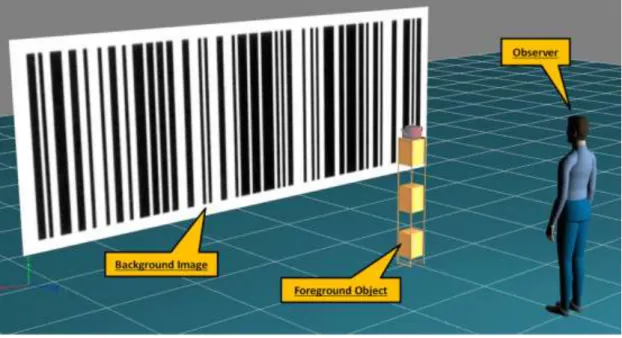
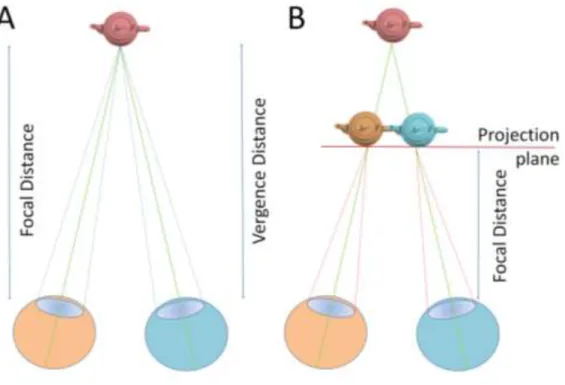
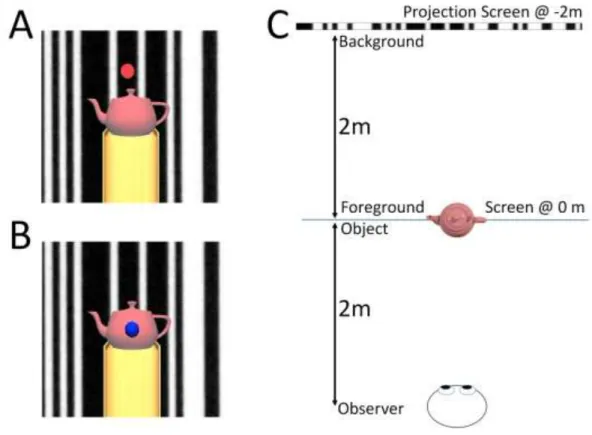
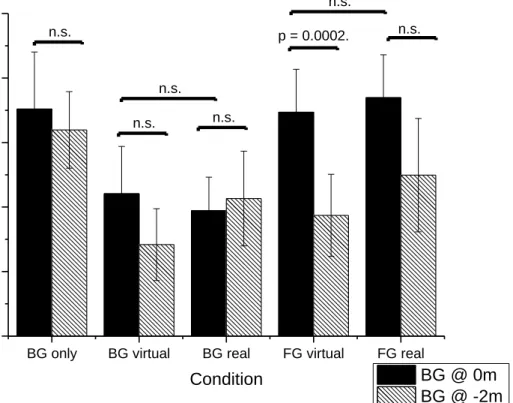
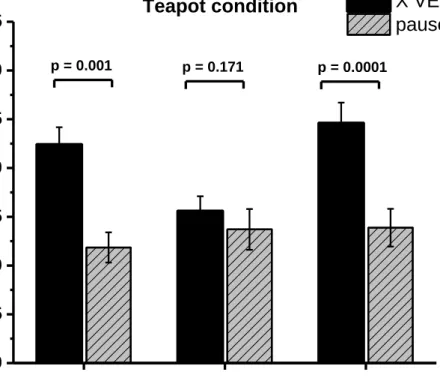
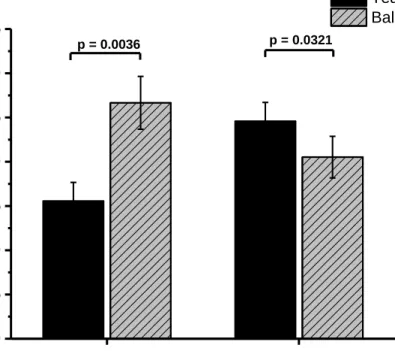
The first question that I wanted to address is concerned with how important the presentation of sensory cues is in VR. In particular, does it matter to what degree the visual sensory cues presented in VR represented the perception in the real world? Does the perception of depth influence the fidelity of VR? To answer these questions, two experiments were conducted where the fidelity of the virtual environment was manipulated and the effects it had on user’s behaviour were recorded. In the first study I examined whether visual disparity cues, used to provide depth perception through 3D stereoscopic displays, affect user perception. In the second study I investigated whether the environmental factors, such as the physical properties of environmental reference anchor points presented in a scene during VR exposure will modulate the fidelity of the simulation. In both studies the magnitude of postural responses was recorded as an objective measure of fidelity. As the postural responses are usually performed unconsciously (Meyer et al., 2013), the main aim was to investigate whether the changes in the presentation of the visual sensory cues affects users postural stability. These studies are described in greater detail in Chapter 3.
1.2.2 Fidelity of the sensory feedback in virtual environment
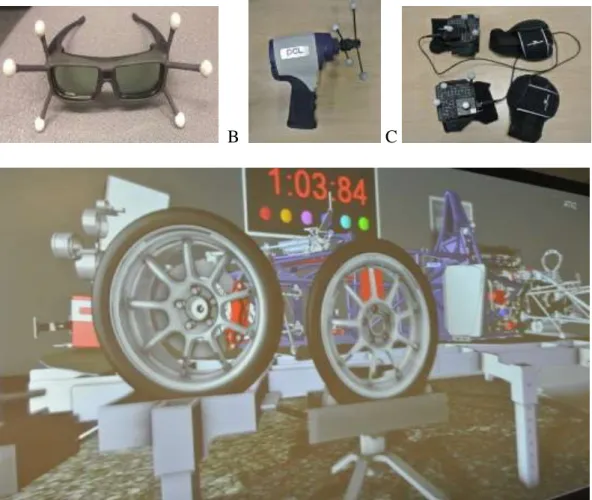
In my following studies I have focused on interaction techniques used in VR. My research questions were focused on the informational fidelity of presented sensory cues. I was interested to explore what happens when the available sensory feedback in a virtual environment is not portraying the faithful representation of the real world? What if the sensory information presented during the VR task lacks physical fidelity but provides useful information? Will the varying levels of fidelity influence user’s objective performance? Will it modulate user’s subjective evaluations of the VR environment? To answer these questions, I designed and conducted two experimental studies where sensory cues presented during the task were available as augmented cues, i.e. they lacked physical fidelity but provided additional task-relevant information and therefore had high informational fidelity. Additionally, the virtual environment was modulated by the introduction of motion tracking discrepancy during the VR simulation. The reason for this manipulation was to investigate whether the augmented cues will influence user’s behaviour and performance. The follow-up study, with the upgraded VR set up, investigated whether the virtual training using these augmented sensory cues can translate into performance improvements in the real environment. The first study is described in more detail in Chapter 4. The second study, which focuses on the effects of virtual training with additional sensory cues and the subsequent transfer of learning from virtual to the real task, is described in Chapter 5.
1.2.3 Fidelity assessment during the whole body motion simulation
In the next study the focus was again on the interaction in VR but this time the main emphasis was on the motion cues, in particular the effects of whole body
motion, such as the motion platform used in aviation training. The main questions driving this research were: Do whole body motion simulators guarantee improvements in fidelity requirements? Can we observe beneficial effects of the motion cuing when the perceived demand of the task is increased? Is there a relationship between the motion cuing and user’s perceptual workload? To answer this question, a 6 degrees-of-freedom (DOF) helicopter flight simulator was used in order to provide sufficient whole body motion feedback. I designed and conducted a study where the effects of motion cuing were examined whilst pilots performed a simulated flight task. The slalom manoeuvre was flown in two motion conditions whilst at the same time the perceived demand of the task was manipulated by the pole width separation in three experimental conditions. The study, which is described in Chapter 6, focused on assessing pilot’s flying strategies and task accuracy during the task as well as on the pilot’s psychological state including presence and immersion, simulation sickness and cognitive workload.
1.3 Experimental approach
In all of the studies presented in this thesis, a user-centric design was adopted where behavioural and psychological measures were collected, analysed and compared. In all cases the objective measures of performance were collected and at the same time the ratings from various subjective questionnaire-based measures were also obtained.
1.3.1 Ethical approval
and Health Sciences Ethics Committee (PSYC-1112–049A). The ethical guidelines for qualitative and quantitative approaches were as followed:
Every participant who took part in the studies described in this thesis was given prior information about the study and after making an informed decision about participation they signed an informed consent form.
Every participant was informed that they can withdraw at any time during the task, should the task become too uncomfortable or too unpleasant for the participants to continue.
Participants were informed about the confidentiality guidelines and requirements of the information collected; all collected data were securely stored in line with the guidelines.
After the task every participant was debriefed and made aware of the main aim and the purpose of the study.
1.3.2 Statistical analyses
For the statistical analysis of the collected data and measures, a factorial within subject repeated measures design (ANOVA) was adopted in all of the studies presented in this thesis, except for one study (Chapter 5) where different groups of people were subjected to different experimental conditions and therefore a factorial mixed design (ANOVA) was adopted. Additionally, pairwise comparison tests (dependent and independent) were conducted when the difference between the conditions was investigated. The reliability and validity analyses of the questionnaire-based metrics used in these studies were also conducted.
Prior to every experimental study described in this thesis, a power analysis G-power (Faul, Erdfelder, Buchner & Lang, 2009) was conducted to determine the
sample size required to detect an effect of a given size with a given degree of confidence. Statistical power is a measure of likelihood that a researcher will find statistical significance in a sample if the effect exists in the full population (Field, 2013). The power of a statistical test is the probability that its null hypothesis (H0)
will be rejected given that it is in fact false. G power is a power analysis program for statistical tests commonly used in social and behavioural research. It provides improved effect size calculators and graphic options, supports both distribution-based and design-based input modes, and offers all types of power analyses. Statistical tests were specified through a distribution-based approach and through a design-based approach. The type of power analysis conducted for each experimental study described in this thesis was a priory test which was done to compute required sample size – given α, power and effect size as input parameters. The output parameters consisted of critical t, degrees of freedom (Df), total sample size and actual power. For the detailed description about G power analysis please refer to Faul et al. (2009).
1.4 Overall findings and contributions
The work described in this thesis is concerned about the role the multisensory cues play in the fidelity assessments of the virtual environment (VE). In this thesis objective and subjective measures were used to determine the effects of multisensory feedback on overall user experience assessed through the fidelity metrics. Visual, audio, tactile and motion sensory feedback was provided in a series of experimental studies whilst participants performed a task in highly immersive virtual environments. The main findings of the conducted research are described bellow
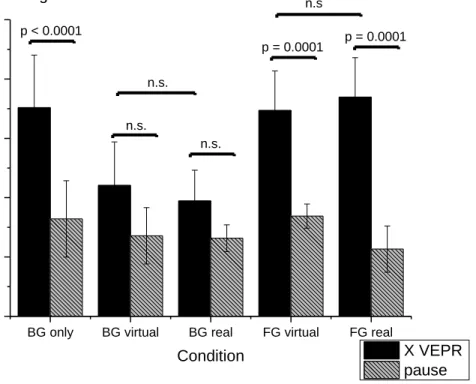
The manipulation of visual disparity cues that enables depth perception in VR environments can influence the fidelity of the environment as assessedthrough the postural adjustments. Environmental factors, such as physical properties of the real reference points within the scene were also shown to influence postural responses. Therefore it can be concluded that the way the sensory cues are presented in VR can impact the fidelity of the VR environment. Additionally, the results confirmed the suitability of the postural responses to multisensory stimulation as a viable option for the objective assessments of fidelity in virtual environments.
Increasing the informational fidelity of the multisensory cues during the manual assembly task in VR enhances performance and users’ overall experience, even when the overall physical fidelity of the virtual environment is disrupted. The results showed that the additional augmented audio, tactile and visual sensory feedback that is relevant to the task in hand, improves task performance and participants’ sense of presence and immersion. In addition, the beneficial effects of audio and tactile feedback were recorded in objective performance. The additional multisensory feedback was also shown to mitigate the negative effects of motion tracking inaccuracy.
The virtual training with augmented sensory cues translates into performance improvements in the real task scenarios. Virtual training groups showed better performance on the real task than the control group. Augmented sensory cuing in VR stimulated attention to error prone events on the real task – the group that received virtual training with additional augmented cues conducted significantly less errors that the group that was trained in VR without any additional sensory cues provided. The availability of motion feedback during the simulated flight task has beneficial effects on the objective and subjective fidelity metrics. The task
performance and users’ comfort was improved when motion cues were available. The results showed that the perceived task demand during flight task influenced the beneficial effects of motion feedback in low workload conditions. Therefore it can be concluded that a certain amount of cognitive workload is necessary to attain alertness in order to achieve the desired accuracy of performance.
1.5 Structure of the thesis
The structure of this thesis is as follows:
Chapter 2 will present a background literature review that was conducted to provide motivation and insight for the presented research work by discussing self-motion, multimodal perception, motion tracking techniques in VR, and the use of motion platforms. The psychological measures that are used to investigate user experience during VR exposure and interaction will be also introduced together with the usability metrics used in the experimental studies described in this thesis.
Chapter 3 will then presents the first study that investigated the effects of visual disparity cues that enable depth perception through 3D stereoscopic displays and the effects of environmental factors on users’ acceptability of VR environments as measured through postural balance.
Following this, Chapter 4 will outline the second study that consists of two experiments that were set up to explore the effects of augmented sensory cues on users’ perception and performance during the manual assembly task in VR. In this chapter the effects of the positional inaccuracy of the motion tracking systems is also investigated.
Chapter 5 then describes a follow up study from Chapter 4 that was designed to investigate whether the beneficial effects of virtual training with additional augmented sensory cues can be translated into performance improvements in the real task scenarios.
Chapter 6 will present the last study of this thesis that was conducted in a high fidelity 6 degrees of freedom helicopter flight simulator. The main aim of this study was to investigate the role of motion sensory feedback on objective and subjective fidelity assessments, such as task performance and cognitive workload.
Finally, Chapter 7 summarises the overall findings, presents main conclusions of this work and provides recommendations for future research.
Chapter 2.
Environmental and perceptual factors in the fidelity
assessments
Chapter overview
The fidelity assessment of the virtual environment can be influenced by many environmental and perceptual factors. This chapter will present a background review of empirical research studies that investigated environmental and perceptual factors in the assessment of the fidelity in VR. These included the investigation of postural stability, multisensory perception, multimodal interfaces, motion tracking systems and motion cuing available in virtual environments. Most of the research studies mentioned in this chapter were concerned with the fidelity evaluations in terms of user performance and perception, whilst using virtual reality as a research platform.
2.1 Self-motion perception in virtual environments
The human balance system relies upon sensory information from the surrounding environment to interpret how the body is moving and is continuously adjusting for the state of instability (Day & Gueraz, 2007). To navigate effectively through our everyday environment we must estimate accurately our own motion relative to people and objects around us. Sometimes the signals that help control our postural sway can become ambiguous, especially during self-motion where the moving environment or visual motion can create self-motion illusion, also called vection (Riecke, Schulte-Pelkum, Avraamides, Heyde & Bülthoff, 2006; Meyer et al.,
ambiguity in order to control and stabilise our body posture (Dokka, Kenyon, Keshner & Kording, 2010). Perhaps one of the most known examples of self-motion illusion is experienced on a train station when a person who is sitting on a stationary train perceives the motion of an adjacent train as the motion of the their stationary train: visual information indicates motion however no vestibular signals are present since the train is still stationary therefore causing a self-motion illusion (Riecke et al. 2006). When the virtual environments are configured to a high level of fidelity to simulate the real world, the same postural responses as experienced in the real world should be observed in high fidelity virtual settings (Riecke et al., 2006; Meyer et al., 2013). The self-motion illusion in is a very convincing and compelling experience; it is sometimes desired but sometime not and in this cases it can have negative consequences in terms of participant’s wellbeing. Self-motion illusions are particularly desired in the entertainment industry as it can improve the overall user experience. The main goal of many VR applications used in the entertainment industry, such as 3D/IMAX theatres and theme parks, is to place a person into a mediated environment and create an experience combing all multisensory information, including motion, to provide realistic sensations (Atkins, 2008). However, many VR technologies are used in commercial and industrial research settings where the VR is mostly used for visualisation, teaching and training purposes (Salas et al., 2009; Van der Linden, Johnson, Bird, Rogers & Schoonderwaldt, 2011; Laha, Sensharma, Schiffbauer & Bowman, 2012; Stevens & Kinciad, 2015; Menzies, Rogers, Phillips, Chiarovano … & MacDougal, 2016). The self-motion illusion in these applications is not desired however it is often experienced. This can have adverse effects of performance and user experience, mainly because it can give rise to the symptoms of motion sickness (Seay, Krum, Hodges & Rybarsky, 2001; Sparto,
Whitney, Hodges, Furman & Redfen, 2004; Stein & Robinski, 2012). Empirical studies have shown that postural instability precedes motion sickness, which is the main concern of VR technologies (Murata, 2004; Villard et al., 2008) and it is therefore important to investigate factors that can affect postural stability. Ricco and Stoffregen (1991) propose a theory of postural stability in which that defined postural control as the coordinated stabilisation of all body segments. This theory holds that when human or animal encounters a destabilising environment it must try to regain and maintain postural control. If the strategy for marinating postural control is not learned a postural instability occurs which can give rise to motion sickness (Ricco & Stoffregen, 1991). These studies have all provided motivation for some of the themes and research questions addressed in this thesis.
It has been suggested that postural stability can be used as an objective measure of fidelity in virtual reality environments that could complement subjective measures. Meyer et al. (2013) set out to investigate what factors can modulate the amount of postural sway in response to visual motion. They explored the effects of virtual and real environmental anchors on visually evoked postural responses (VEPRs) that are part of natural postural sway, in high fidelity virtual environment. They hypothesize that as these responses are performed in unconscious manner they should mimic those seen in real situations. Their results revealed that lateral postural sway can be modulated by the presence of visual, audio and tactile reference points, however the anterior-posterior postural sway was unaffected by the presence of these anchors. They concluded that postural sway can be used as an objective measure of fidelity, which could complement user’s subjective evaluations of VR (Meyer et al., 2013). Similarly, Menzies and colleagues (2016) suggested that postural stability could be used to objectively assess visual fidelity of VR headset. In their study three
VR devices and a stable VR visual stimulus were evaluated in regards to postural stability. They findings showed that the eyes-open condition allowed for significantly greater postural stability than the other conditions, which supports the validity of posturography as a measure of fidelity in VR (Menzies et al., 2016).
The above-mentioned research has directly influenced my research work presented in Chapter 3 that focused on how presentation of visual information in VR environments can influence postural stability and possible motion sickness. The discussion of previous research work allowed me to identify two key concerns; the need to further investigate the role of the fidelity of visual information, and the need to identify factors that can reduce the negative effects of self-motion illusion. Informed by the findings from previous research, I designed and conducted two experimental studies: the first study focused on the effects of the fidelity of visual cues in VR, in particular the role of visual disparity cues that enable depth perception; in the second follow up study the main focus was to investigate how the physical properties of environmental anchors can modulate the negative effects of self-motion illusion. The main motivation behind this research was to extend the previous research and provide additional knowledge about the factors that can influence postural stability during the VR exposure.
2.2 Multisensory perception in virtual reality environments
Multisensory feedback presented in VR is another way how the fidelity of the VR technology can be assessed. As mentioned previously our environment delivers a large amount of sensory stimulation from all modalities and as the human limitations reduce our ability to pay attention to multiple stimuli, the brain needs to choose which information is necessary in terms of its characteristics and relevance for any given
moment. To provide a clearer understanding of this process, Wickens (1998, 2002) developed Multiple Resource Theory (MRT) that is considered the guiding principle of multimodal perception. MRT theory assumes that people have different cognitive resources for processing information. Some of these resources are more suited for simultaneous use (parallel processing) than others. When the information is perceived through different modalities, fewer interfaces should occur than compared to the case where the same amount of information is presented through a single modality (Wickens, 2002). Sometimes, many resources are available for one modality whilst others are limited in processing information, which can eventually deteriorate performance, especially when one modality needs to handle more than one task (Oskarsson, Eriksson & Carlander, 2012).
2.2.1 Visual and audio feedback
As a human, we have a bias towards vision as we take most of our information about the environment around us through visual modality (Jerome, 2006). In regards to the VR environment, it is usually believed that the more sensory feedback is present, the more effective the VR application is (Jia, Bhatti & Nahavandi, 2011, Lee & Bilinghurst, 2013). However, visual modality can easily become overwhelmed, with a huge amount of information in the real and virtual environments, which may decrease overall task performance. In a bid to overcome this limitation, experimental research in multisensory stimulation suggested potential benefits of other modalities, such as audio feedback. Indeed, studies have shown that visual and audio sensory feedback presented alone or in combination, improved task performance in target localisation (Jerome, 2006), target accuracy (Jacko, Emery, Edwards, Ashok, … Sainfort, 2004) and spatial attention tasks, without affecting perceptual workload
(Jeon, Davison, Nees, Wilson & Walker, 2009; Santangelo & Spence, 2007). Meyer et al. (2012) found that visual and auditory cues (with training) can lead to improved and transferable performance.
2.2.2 Haptic/tactile feedback
The advantages of additional haptic feedback in VR environments have also been explored, even though this feedback is slightly more difficult to operationalize in VR. In 3D virtual interactions haptic feedback can be presented as force feedback or vibrotactile feedback. Force feedback conveys information to the user by the generation of forces on the mechanical interface, which a user can move (for example Phantom limb) whereas vibrotactile feedback refers to the skin stimulation that uses vibrations to transmit sensations (Martinez, Martinez, Molina & Garcia, 2011) but not, for example, mechanical resistance to movements.
The use of force feedback in the simulation is often very costly and it has been argued that vibrotactile feedback is a viable alternative to force feedback with minimal cost and complexity (Martinez et al., 2011; Schoomaker & Cao, 2006). For example, Martinez et al. (2011) compared force and vibrotactile feedback in texture detection study and showed that vibrotactile feedback is more efficient than force feedback in the textures recognition from different patterns and shapes. Similarly, Schoonmaker and Cao (2006) suggested that the distortions in force feedback devices used during minimal invasive surgery make the task more difficult for surgeons. They investigated whether vibrotactile feedback can enhance performance and control the forces that are being applied. Their results showed that vibrotactile feedback aided probing depth error and the control of the forces applied. They concluded that vibrotactile stimulation can serve as a viable substitute for force feedback in
simulated minimal invasive surgery. The findings from these studies provided motivation for inclusion of haptic feedback during my studies described in Chapter 4 and 5.
The empirical research investigating the benefits of vibrotactile feedback has shown potential advantages during mulimodal stimulation. For example, it was suggested that the main contribution of vibrotactile cues to effective interaction is seen when the visual or auditory modalities are fully engaged (Vitensen, Jacko & Emery, 2003; Akamatsu, MacKenzie & Hasbroucq, 1995; Hopp, Smith, Clegg & Heggestad, 2005) especially when the task involves close range interaction or simple manipulations (Van Erp & Van Veen, 2004, Ramsamy, Haffegee, Jamieson & Alexandrov, 2006; Burke, Prewett, Gray, Yang, Stilson… & Redden, 2006; Hopp, Smith, Clegg & Heggestad, 2005; Adams, Klowden & Hannaford, 2001; Feintuch, Raz, Hwang, Josman… & Weiss, 2006). The presence of vibrotactile feedback was also shown to enhance performance in spatial guidance tasks (Ho, Tan & Spence, 2007), in the teaching and learning processes of a new physical activity (Oakley, 2009; Faas, Bao, Frey & Yang, 2014) and this feedback also served as an efficient warning signal in complex tasks, such as driving a car or air traffic control (Ho et al., 2005). In the meta-analysis of 43 studies that that examined the effect of multimodal feedback on user performance, Burke et al. (2006) found that visual-auditory (VA) and visual-tactile (VT) signals reduced reaction time and improved performance; in particularly VA feedback was shown to be most effective in a single task with normal workload, and VT feedback was shown to be more effective when multiple tasks are being performed and the workload conditions are high. Both of them were effective for target acquisition tasks but they varied in the effectiveness for other task types.
They concluded that adding an additional modality to visual feedback improves overall performance (Burke et al., 2006).
This literature review provided a great motivation and the main theme for my research work presented in this thesis, which is described in Chapter 4 and 5. The above-mentioned studies have investigated the potential beneficial effects of multisensory presentation during the task, in particular visual, audio and tactile sensory cuing. This research directly influenced the main focus of this thesis being on the role of multisensory cuing in the fidelity assessments of VR. In the studies
presented in Chapter 4 and 5 additional sensory cues were provided during a manual assembly task to see whether the research findings from the previous studies that suggested potential advantages of visual, audio and tactile sensory cuing can be replicated. However, my research work extends previous studies by investigating how additional task-relevant information can be utilised by the user. By conducting this research I hope to provide additional knowledge about the beneficial effects of additional sensory cuing on user performance and overall subjective experience in VR.
2.2.3 Motion feedback
In the same way as visual, audio and tactile sensory cues, motion cuing is also investigated in a great detail by the experimental researchers especially within the transport industry, for example with aviation and automotive technologies. The beneficial effects of motion cuing have been observed in many studies, mainly because the presence of motion feedback improves the realism of the simulated flight task and thus have been linked to user’s sense of presence. For example, Mulder,
presence during virtual sailing. Five experienced sailors completed the same course several times while subjected to various motion conditions. Their results showed that adding simulated motion resulted in a positive effect on the subject’s presence and immersion. Steven and Kincaid (2015) examined whether the higher fidelity of visual information contributes to the perceived sense of presence and performance. Their findings showed that visual information presented during the simulated task had a significant effect on performance and presence ratings. Moreover, a significant moderate relationship between performance and presence was found, which suggests that increasing user immersion and sense of presence could result in an improved performance.
These research studies directly influenced the research work presented in Chapter 6 of this thesis; here the effects of motion cuing are investigated during various conditions that differentiate in the levels of perceived task demand on cognitive workload
2.3 Multimodal interfaces and performance
The sensory information in VR is usually presented multimodally and as it was suggested that multimodal perception can be sometimes limiting (Wickens, 1998, 2002) a significant amount of empirical research have been conducted to investigate its usefulness in VR. The advantages of multisensory interfaces have been explored and reported in empirical studies. For example, Jai et al. (2011) investigated the role of multimodal interfaces during a virtual assembly task and found that multimodal feedback significantly improved performance. Similarly, Lee and Bilinghurst (2013) showed that a multimodal interface used within augmented reality increased the levels of user satisfaction and improve performance.
Augmented reality (AR) is one of the recent technological developments in human-computer interactions and has been implemented in a wide variety of application domains, including medicine, entertainment, education and engineering (Navab, Feuerstein & Bichlmeier, 2007; Billinghurst, Clark & Lee, 2015; Mayol-Cuevas, Davison, Tordoff & Murray, 2005, Billinghurst, 2002; Torrez-Gomez & Mayol-Cuevas, 2014, Henrysson, Billinghurst & Ollila, 2005; Fjeld & Voegtli, 2002; Piekarski & Thomas, 2002). The main aim of AR application is to provide additional information within the real world through the use of AR interfaces. Sensory information presented with VR and AR technologies have the potential to improve users experience including performance, therefore there is a need to investigate the effects of additional sensory cues on task performance and user perception in VR (Van Krevelen & Poelman, 2007). This research directly motivated my choice of sensory cues for the research studies described in Chapter 4 and 5. In these studies the sensory cuing was augmented in a way that provided additional task-relevant information and its utility was evaluated through the objective and subjective performance metrics.
When examining the beneficial effects of multimodal interfaces on user’s cognitive workload, Shi, Ruiz, Taib, Choi and Chen (2007) and Oviatt, Coulston and Lunsford (2004) all found that users reported a lower cognitive load when operating a multimodal interface compared to operating a unimodal interface, especially when performing complex tasks. Despite this, other studies have reported that the availability of sensory modalities, in particular tactile and audio feedback, can decrease overall performance; they were shown to have an adverse effect in accuracy tasks and were also perceived as distracting and annoying (Oakley, 2009; Vitense, jacko & Emery, 2003). Moreover, it has been reported that in some cases the