Diagnosis and treatment of psoriatic arthritis
Philip Mease, MD,a and Bernard S. Goffe, MDbSeattle, Washington
Psoriatic arthritis is a chronic, heterogeneous disease whose pathogenesis is unknown, although genetic, environmental, and immunologic factors play major roles. Psoriatic arthritis can follow an aggressive clinical course, and differentiating it from other arthropathies is sometimes difficult. Diagnosis of psoriatic arthritis is based on history, physical examination, the usual absence of rheumatoid factor, and characteristic radiographic features. At least 40% of patients with psoriatic arthritis develop radiographically detectable joint destruction; therefore, proper diagnosis and early treatment can have a significant impact on disease course and outcome. Understanding the pathogenesis of psoriatic disease has led to the use of several biologic agents that work by modulating T-cell signaling or by inhibiting key cytokines involved in inflammation, such as tumor necrosis factor (TNF). TNF inhibitors have demonstrated excellent efficacy in resolving skin and joint disease in patients with psoriatic arthritis and have been shown to be safe agents in various inflammatory disorders. This article reviews the diagnostic and treatment challenges of psoriatic arthritis as they relate to pathogenesis and burden of disease. ( J Am Acad Dermatol 2005;52:1-19.)
Learning objective:At the conclusion of this learning activity, participants should have acquired a more comprehensive knowledge of our current understanding of the classification, clinical presentation, etiology, pathophysiology, differential diagnosis, and treatment of psoriatic arthritis.
P
soriasis is estimated to affect at least 7 million people in the United States, a figure sub-stantially greater than previous estimates.1-3 Between 5% and 42% of this group will develop psoriatic arthritis and require care for both skin and joint involvement.4-6 This reported range of preva-lence is wide owing to variable methods of ascer-tainment: more accurate recent studies place the prevalence toward the higher end of this range. In a 2002 National Psoriasis Foundation survey, persis-tent joint pain or stiffness was found in 31% of patients with psoriasis, indicating that many patients may be unaware of their disease.7Psoriatic arthritis has a tremendous impact on health-related quality oflife. Measures of pain and limitations related to emotional upset indicate that psoriatic arthritis may have more of an impact on the quality of patients’ lives than rheumatoid arthritis (RA) has.8Although patients with psoriatic arthritis may exhibit less joint tenderness than those with RA, the severity of joint inflammation has probably been underestimated in patients with psoriatic arthritis.9Joint deformity and radiologically detectable damage have been demon-strated in at least 40% of those afflicted with psoriatic arthritis, and in some cases, the disease may be as severe as RA.10,11 Moreover, psoriatic arthritis is a lifelong condition and carries about a 60% higher risk of mortality relative to the general population, which is correlated with measures of disease sever-ity such as radiologic damage at presentation.12,13
Abbreviations used:
ACR: American College of Rheumatology DIP: distal interphalangeal
DMARD: disease-modifying antirheumatic drug ESR: erythrocyte sedimentation rate FDA: Food and Drug Administration HAQ: health assessment questionnaire HLA: human leukocyte antigen Ig: immunoglobulin
IL: interleukin MTX: methotrexate
NSAID: nonsteroidal anti-inflammatory drug PASI: psoriasis area and severity index RA: rheumatoid arthritis
RF: rheumatoid factor
SF-36: short-form health survey containing 36 items
TNF: tumor necrosis factor
From Seattle Rheumatology Associates, Swedish Hospital Medical Center, Division of Clinical Research,aand the Department of
Dermatology, Minor and James Medical,bUniversity of Wash-ington School of Medicine.
Funding sources: None.
Disclosure: Dr Mease is an investigator, advisor, and/or participant in the speakers’ bureau for Abbott Laboratories, Amgen Inc, Aventis, Biogen, Inc, Boehringer Ingelheim, Centocor, Inc, Genentech, Inc, Idec Pharmaceuticals, Merck & Co, Inc, Novartis, Pfizer Inc, Pharmacia, Serono, Wyeth Pharmaceuticals, and Xoma. Dr Goffe is an investigator, advisor, and/or participant in the speakers’ bureau for Amgen Inc, Biogen, Inc, Boehringer Ingelheim, Genentech, Inc, Centocor, Inc, Corixa Corporation, Fujisawa Healthcare Inc, and Idec Pharmaceuticals.
Correspondence to: Philip Mease, MD, Seattle Rheumatology Associates, 1101 Madison St, tenth floor, Seattle, WA 98104. E-mail:[email protected].
0190-9622/$30.00
ª2005 by the American Academy of Dermatology, Inc. doi:10.1016/j.jaad.2004.06.013
Because treatments that improve psoriatic lesions do not necessarily improve joint symptoms and vice versa, distinguishing the patient with psoriatic arthri-tis is important in guiding therapy.
Each year in the United States, visits to physicians made principally for psoriasis number approxi-mately 1.5 million, 80% of which are made to dermatologists.14 Each visit is an opportunity for a dermatologist to assess for joint pain that may suggest the presence of psoriatic arthritis. However, the diagnosis of psoriatic arthritis can be difficult; other arthropathies, such as osteoarthritis, reactive arthritis, RA, and ankylosing spondylitis must be excluded.15 The treatment options for psoriatic arthritis further complicate the management of this potentially debilitating disease. This review will discuss the challenges associated with diagnosis and treatment of psoriatic arthritis in relation to the pathogenesis and burden of the disease.
BURDEN OF DISEASE
Psoriatic arthritis is a lifelong recurring and re-mitting condition. Because severity fluctuates over time, so does the impact of the disease.16Both the skin and the joint components contribute to the disease burden. The problems associated with pso-riasis include physical discomfort, disfigurement, and reduced quality of life, while the arthritic component adds to the burden with pain, swelling, stiffness, and reduced mobility and function.
The difficulties associated with psoriatic symptoms alone have been well documented. Fleischer et al studied 317 patients with diagnoses of psoriasis vulgaris.17They analyzed disease sever-ity and its relationship to population characteristics on the basis of a questionnaire, the self-administered psoriasis area and severity index (PASI). Of the pa-tients surveyed, 95% reported pruritus, 81% reported skin burning, and 86% reported sore skin. Notably, 69% reported joint pain. In addition, the average time spent in daily psoriasis care was reported to be 68 minutes. Similarly, in a survey of 17,425 patients with psoriasis, the most frequent symptoms reported were scaling (94%), itching (79%), skin redness (71%), skin tightness (31%), bleeding from the psoriatic lesion (29%), burning (21%), and fatigue (19%).1Of the respondents, 31% had had diagnoses of psoriatic arthritis.
Several studies have corroborated the profound impact that psoriatic symptoms have on quality of life. Rapp et al18compared the health-related quality of life of 317 patients with psoriasis with that of patients with other chronic medical conditions and found that the psoriasis group expressed lower physical and mental functioning than these other
groups. Kirby et al19 found a positive correlation between clinical findings and psychologic disability in a group of 101 patients.
The burdens of psoriasis become even greater when combined with arthritic symptoms. Symptoms of psoriatic arthritis include joint pain, pain at in-sertions of tendons and ligaments (enthesitis), stiff-ness, and fatigue. Physical signs of psoriatic arthritis include joint and enthesial swelling, ‘‘sausage’’ digits, and joint deformities. Radiologic manifestations in-clude loss of joint space, bone and cartilage erosion, bony ankylosis, joint subluxation, periostitis, and subchondral cysts.20Inflammatory ocular disease is another manifestation sometimes seen with psoriatic arthritis and with the spondyloarthropathies in gen-eral.20The erosive nature of psoriatic arthritis results in progressive deformities and restriction of func-tional ability. For example, Gladman et al found that in a group of 220 patients with psoriatic arthritis, 11% reported marked restriction of daily activities, 43% had at least 1 deformity, and 16% had 5 or more deformed joints, which was defined as radiologic stage 4 on the basis of the American Rheumatism Association criteria for the classification of RA.10 Radiographically, 67% had erosive disease, with 30% having ankylosis or joint destruction, or both.
Many studies document functional impairment in patients with psoriatic arthritis. Rapp et al18 found that patients with psoriatic arthritis had significantly lower physical function scores and quality-of-life measurements than did patients with psoriasis alone. Krueger et al1 reported that patients with psoriatic arthritis had difficulty using their hands (66%) standing for long periods (64%), and walking (63%). McKenna and Stern21 reported that 43% of their psoriatic arthritis patients did not return to their place of employment because of the disease. Sokoll and Helliwell22reported that although patients with psoriatic arthritis had less severe joint involvement than those with RA, they had similar deficits in function and quality of life. They speculated that the accompanying skin disease could account for this finding. Similarly, Husted et al8 reported that al-though patients with RA had more acute inflamma-tory disease, patients with psoriatic arthritis reported more role limitations because of emotional problems and more bodily pain. In addition to all of these complications, the course of psoriatic arthritis is unpredictable, with periods of relapse and remission, and the prognosis is dependent on many factors.20,23
CAUSE AND PATHOGENESIS
The pathogenesis and cause of psoriatic arthritis are multifactorial in nature; genetic, environmental, and immunologic factors play major roles in the
development of this disease.4,6,24Psoriatic arthritis is generally defined as an inflammatory arthritis that is associated with the presence of psoriasis but is usually seronegative for rheumatoid factor (RF).15,25 However, the clinical spectrum of psoriatic arthritis is wide, encompassing many different arthropathies, including spondylitis.15The evolving classification of psoriatic arthritis currently includes the 5 original clinical subgroups as defined by Moll and Wright (Table I).4,6,26Psoriatic arthritis tends to affect joints in an asymmetrical manner (in contrast to RA) and does not show the predilection for women associated with RA.4,6The distal interphalangeal (DIP) and proximal interphalangeal joints typically are affected in psori-atic arthritis, and the primary pathology can be in the synovium or enthesis.15 Dactylitis, inflammation of the entire digit, is also common, affecting up to 30% of patients with psoriatic arthritis.4,6,15Patients with psoriatic arthritis may have evidence of spondylitis, sacroiliitis, or other elements of inflammatory spinal disease, including enthesial inflammation.4,6,15,27 However, the spondylitis associated with psoriatic arthritis has a less severe clinical course than that of ankylosing spondylitis.4,28,29 Spondylitis in patients with psoriatic arthritis is frequently unilateral, as opposed to the bilateral involvement that invariably is observed in ankylosing spondylitis. Although psoriatic arthritis once was assumed to be a relatively benign arthropathy, radiologic and clinical studies have revealed that well over half of psoriatic arthritis patients exhibit progressive erosive arthritis and up to 19% have functional impairment of joint movement (American College of Rheumatology [ACR] class III/ IV).4,10,30 Wong et al12 reported a 59% and 65% increase in the death rate for women and men with psoriatic arthritis, respectively, compared with the general population.
The severity of skin involvement in patients with psoriasis appears to correlate with the time of onset or severity of psoriatic arthritis.5 Psoriatic arthritis develops after the onset of psoriasis in approxi-mately 70% of patients. On average, psoriatic arthritis appears approximately 10 years after the first signs of psoriasis, but the delay can be up to 20 years.10,31,32 The development of arthritis precedes psoriasis in 14% to 21% of cases (by as many as 10-15 years31,32) and occurs simultaneously in 11% to 15% of cases.10,30,31,33 Most patients with psoriatic arthritis exhibit the plaque form of psoriasis (psoriasis vul-garis), but some present with another type (eg, gut-tate, pustular).29,30,34
Genetic factors
Evidence now suggests that susceptibility to psoriatic arthritis has a significant genetic component
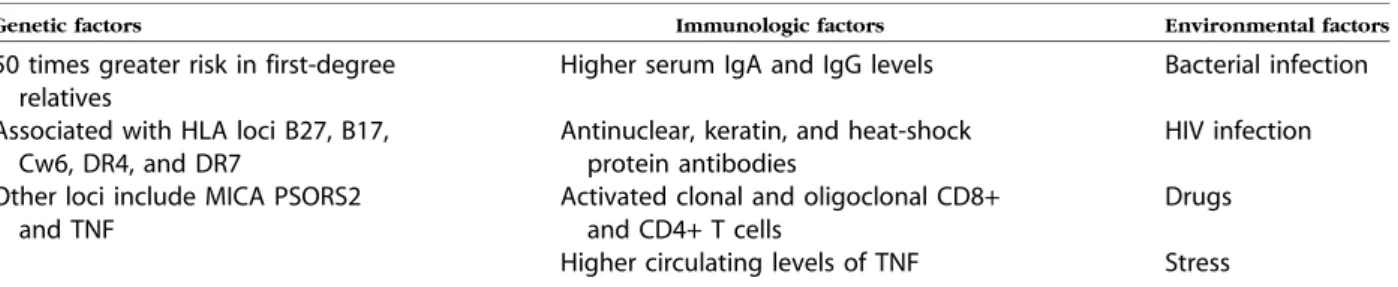
(Table II).35,36Multiple chromosomal loci appear to harbor susceptibility genes, and clinical expression is variable. Twin studies indicate a concordance among monozygotic twins of 35% to 70%, com-pared with 12% to 20% for dizygotic twins.24,36-38 Risks among first-degree relatives of patients are elevated.37,39 Strong evidence of familial aggrega-tion was first noted in 1975 in a study of more than 100 families; the risk of psoriatic arthritis was found to be 50 times greater in first-degree relatives of pso-riatic arthritis patients than in a control population.40 Psoriatic arthritis is among a broad family of diseases that are characterized by abnormal immu-nologic events. Although psoriasis is strongly associ-ated with several specific human leukocyte antigens (HLAs), association of the HLA locus with psoriatic arthritis has been less clear-cut. Early studies that focused on the HLA-B27 locus demonstrated associ-ation in patients with sacroiliitis and spinal disease.41 Researchers in additional studies detected associa-tion between psoriatic arthritis and HLA-B17, -Cw6, -DR4, and -DR7.42,43 Many of these are the same HLA associations that have been reported for famil-ial, early-onset psoriasis and for psoriatic arthritis. The HLA-Cw*0602 variant was associated particularly with an early age of onset of psoriasis.37,44Additional loci that demonstrate association with psoriatic arthri-tis include the MICA (class I MHC chain-related) gene and microsatellite polymorphisms in the tumor necrosis factor (TNF) promoter.45,46
Linkage analyses in psoriatic arthritis have been few in number. In 64 patients with psoriatic arthritis from the United Kingdom, linkage to the HLA locus PSORS1 was conspicuously absent, in contrast to observations in patients with psoriasis alone.47 A Swedish study of 134 sibling pairs with psoriatic arthritis also failed to find an association with the Table I. Moll and Wright’s classification of psoriatic arthritis subgroups based on
presentation*
1. Arthritis predominantly involving the DIP joints 2. Arthritis mutilans
3. A symmetric polyarthritis that resembles RA but is negative for RF
4. An asymmetric oligo- or monoarthritis affecting DIP joints, the proximal interphalangeal joints, and metatarsal phalangeal joints (the most prevalent type of psoriatic arthritis)
5. An arthritis with or without peripheral joint involvement, in which axial spine disease (spondyloarthropathy) is the principal characteristic
DIP,Distal interphalangeal; RA,rheumatoid arthritis;RF, rheuma-toid factor.
HLA region.48 The Swedish study also suggested linkage to the PSORS2 locus in patients with psoriatic arthritis, confirming a previously reported observa-tion of linkage between the psoriatic arthritis phe-notype in a large family and PSORS2.49
Immunologic factors
Direct evidence indicates increased humoral- and cell-mediated immune responsiveness among patients with psoriatic arthritis (Table II).30,41 This finding is in agreement with the association with certain class I and class II HLAs. Deposition of immune complexes, higher serum levels of certain immunoglobulins (Igs), and cellular infiltrates are all common characteristics of psoriatic arthritis.6,41 In general, serum levels of IgA and IgG are higher in psoriatic arthritis patients, whereas IgM levels may be normal or diminished.41,50 Synovial membranes from patients with psoriatic arthritis have been shown to contain higher numbers of plasma cells positive for IgG or IgA than synovial membranes from patients with meniscal tears.51 An abnormal humoral immune response mechanism is further supported by the identification of circulating im-mune complexes in psoriatic arthritis patients.6 In one study, 28 (80%) of 35 psoriatic arthritis patients were found to have circulating IgA complexes, and the serum level of the immune complexes correlated with the severity of the arthritis.52 Autoantibodies against nuclear antigens, cytokeratins, epidermal keratins, and heat-shock proteins have been re-ported in psoriatic arthritis, again confirming a hu-moral immune component of the disease.53-58
A large body of experimental evidence has clearly implicated T cells in the autoimmune pathogenesis of psoriatic arthritis.59 Cyclosporin A, methotrexate (MTX), ultraviolet B irradiation, interleukin (IL)-10 treatment, and other therapies that inhibit T-cell function or proliferation result in clinical improve-ment.41,59-64Further support for the role of T cells as a pivotal disease mediator comes from a study in which 8 out of 10 psoriasis patients showed clinical improvement after administration of a fusion protein
designed to kill activated T cells.61These findings are corroborated by in vitro studies demonstrating that cytokines produced by activated T cells induce activation and proliferation of keratinocytes and, presumably, synovial fibroblasts.65,66 More direct evidence is that activated CD81 T cells populate the synovial fluid of psoriatic arthritis patients.67 Indeed, both the skin and synovium from psoriatic arthritis patients have been shown to contain clonal and oligoclonal expansions of both CD81and CD41 T cells.68,69
Interestingly, patients with psoriatic arthritis have elevated levels of TNF in serum and synovial fluid; the excess TNF seems to play a key role in the pathogenesis of psoriatic arthritis.70,71Recent studies have shown that treatment with agents that decrease the levels of TNF are beneficial for psoriatic arthritis patients.63,72,73To summarize, an interplay of factors produced by infiltrating immune cells and the re-sponsive synovium or enthesis, or both, is believed to be responsible for the major pathologic man-ifestations observed in psoriatic arthritis.
Environmental factors
Both viral and bacterial infections have been implicated as triggers for psoriatic arthritis (Table II). However, association between the development of psoriatic arthritis and bacterial infection, if any, is weak.74-77 An association between HIV infection and psoriatic arthritis has been observed.78-80 This association was striking in a recent study of 702 Zambian patients with newly diagnosed inflamma-tory arthropathy. In this region of high endemic HIV infection, 27 of 28 patients in whom psoriatic arthritis was diagnosed were found to be seropositive for HIV.81It is unknown whether HIV-associated psori-atic syndromes are strictly analogous to idiopathic psoriatic arthritis in noneHIV-infected patients. Evidence against this possibility is that none of the HLA alleles found in patients with idiopathic (non-HIV) psoriatic arthritis (such as Cw6, B13, or B17) occur with greater frequency among HIV-infected patients with psoriatic arthritis.82,83
Table II.Genetic, immunologic, and environmental factors in the pathogenesis of psoriatic arthritis
Genetic factors Immunologic factors Environmental factors
50 times greater risk in first-degree relatives
Higher serum IgA and IgG levels Bacterial infection Associated with HLA loci B27, B17,
Cw6, DR4, and DR7
Antinuclear, keratin, and heat-shock protein antibodies
HIV infection Other loci include MICA PSORS2
and TNF
Activated clonal and oligoclonal CD8+ and CD4+ T cells
Drugs Higher circulating levels of TNF Stress
HLA,Human leukocyte antigen;Ig,immunoglobulin;MICA,MHC class Ierelated chain gene A;PSORS2,psoriasis locus at chromosome 17q24-q25;TNF,tumor necrosis factor.
DIAGNOSTIC CHALLENGES IN PSORIATIC
ARTHRITIS
Modes of presentation
Psoriatic arthritis belongs to a group of inflam-matory arthritic conditions called the spondylo-arthropathies, which share certain clinical and laboratory features.84The spondyloarthropathies in-clude diseases such as psoriatic arthritis, reactive arthritis, ankylosing spondylitis, and enteropathic arthropathy. This group shares such characteristics as asymmetric peripheral arthritis, axial involvement (especially sacroiliitis), the usual absence of RF, unique radiologic features, a greater degree of in-volvement of males, and distinctive HLA patterns.84 Complaints of joint pain, swelling, morning stiffness, and fatigue by a patient with psoriasis raise a high index of suspicion for concurrent psoriatic arthritis.
Clinical features and diagnosis
There is no specific diagnostic test for psoriatic arthritis. The diagnosis is made primarily on the basis of history, physical examination, the usual absence of RF, and radiographic features. The physical examination includes assessment of number, loca-tion, and distribution of joints involved, along with the presence of psoriatic skin lesions.85 Key signs and symptoms indicative of psoriatic arthritis include asymmetric joint involvement, enthesitis, dactylitis, DIP and proximal interphalangeal involvement, and spinal inflammation (Table III).4,6,15,33Extra-articular manifestations include nail lesions, iritis, mouth ulcers, urethritis, and heel pain.6 Iritis may follow
a benign course and is more often associated with sacroiliitis or spondylitis.10,86,87Patients with psori-atic arthritis commonly develop pitting, thickening, separation of the subungual bed, and ridging of the nail plate.86,87
Laboratory features
Patients with psoriatic arthritis are typically seronegative for RF, although RF is detected in 5% to 9% of patients.10,11,30 The RF test has a high false-positive rate, and the result must be used along with the other physical findings to determine a di-agnosis.88 Using this test nonselectively may cause unnecessary concern and expense. Therefore, RF-positive and RF-negative patients with psoriatic arthritis should undergo treatment in the same manner.
The most characteristic laboratory abnormalities in patients with psoriatic arthritis are elevations of the erythrocyte sedimentation rate (ESR) and other acute-phase reactants—especially C-reactive pro-tein. These laboratory tests track the activity of the disease by measuring inflammation. An elevated ESR is usually found in about 40% of patients with psoriatic arthritis.10,11,30 It was recently confirmed that among the laboratory markers for psoriatic arthritis, ESR had the highest degree of correlation with clinical joint scores.89
Radiographic abnormalities
Patients with psoriatic arthritis have unique and distinct radiographic features not seen in RA. In Table III.Differential diagnosis among psoriatic arthritis, rheumatoid arthritis, osteoarthritis, and ankylosing spondylitis
Signs and symptoms Psoriatic arthritis RA OA AS
Peripheral disease Asymmetric Symmetric Varies ÿ
DIP involvement + ÿ +, Heberden nodes ÿ
Sacroiliitis Asymmetric ÿ ÿ Symmetric
Stiffness Peripheral joints, some spine, morning
Morning With activity Significant spine Gender bias 1:1, male to female 3:1, female to male Hand and toe OA
more frequent in females 3:1, male to female Enthesitis + ÿ ÿ + RF ÿ + ÿ ÿ HLA association* B27, Cw6 DR4 ÿ B27 Radiographic changes Erosions, paramarginal, absence of osteopenia, pencil-in-cup, asymmetric syndesmophytes
Erosions, osteopenia Osteophytes, erosions Squaring of vertebral bodies, symmetric syndesmophytes, spinal osteopenia
AS, Ankylosing spondylitis; DIP, distal interphalangeal joint; HLA, human leukocyte antigen; ÿ, negative for sign or symptom; OA,
osteoarthritis; +, positive for sign or symptom;RA,rheumatoid arthritis;RF,rheumatoid factor.
addition to the classic clinical findings of DIP and asymmetrical joint involvement, key radiologic fea-tures include increasing osteolysis, the prominent ‘‘pencil-in-cup’’ deformity, ankylosis, formation of spurs, whiskering, calcification within the areas of enthesitis, paramarginal (occurring away from the edge of the vertebrae) erosions, asymmetric sacro-iliitis, and changes suggestive of enthesitis (Fig 1).4,6,90 Many features of the spondyloarthropathies, includ-ing sacroiliitis and bony outgrowths from a ligament (syndesmophytes), tend to be asymmetric.4,6,28,86,90 Magnetic resonance imaging has improved the de-tection of enthesitis.15,91,92
Symptomatic psoriatic enthesopathy occurs in approximately 19% of patients with psoriatic arthri-tis, usually in the lower limbs around the involved joints.93 If enthesopathy presents radiologically, it does so as a combination of bone erosion and hyperproliferation at ligamentous and tendinous insertions. Evidence of enthesopathy may be helpful in distinguishing psoriatic arthritis and RA.87 Furthermore, it is not uncommon for significant disability to be associated with relatively minor radiographic changes. Ankylosis, for example, can result in significant impairment of joint function.
Resorption of bone (osteolysis) with dissolution of the joint, observed as the pencil-in-cup radio-graphic finding, leads to redundant overlying skin with a telescoping motion of the digit. The pencil-in-cup deformity is characterized by pencil-in-cupping of the proximal end of the phalanges, metacarpals, or metatarsals, combined with whittling of the distal ends of these bones (Fig 1).26 For example, McGonagle, Conaghan, and Emery15 describe the deformity of the DIP joint with the ‘‘cup’’ being formed by bilateral DIP joint capsular calcification, with the central erosion at the insertion site of the flexor or extensor tendon.
Differential diagnosis
The diagnostic classification system with the 5 forms described by Moll and Wright (Table I) re-mains the most widely used classification for psori-atic arthritis. Marsal et al94followed 73 patients over a median of 8 years to determine whether this classification system could be used to clearly distin-guish patients over time. Because most peripheral forms of the disease eventually evolved into poly-arthritis, the authors concluded that the classification system should be limited to 2 groups: those with peripheral disease without sacroiliac involvement and those with axial disease. On the basis of this classification system, 29% of patients had axial disease and 71% of patients had peripheral disease. The authors also found HLA-B27 in 43% of those with
axial disease and in only 11% with peripheral disease. The stronger correlation of HLA-B27 with axial disease is supported by others.15,30
Fournie´ et al95developed a diagnostic classifica-tion system for psoriatic arthritis after studying 260 patients. Based on an analysis and statistical review of 39 variables, their diagnostic scheme ultimately used nine of the variables, which included clinical, radiologic, and laboratory findings. Clinical criteria included psoriasis with joint symptoms, family his-tory of psoriasis, arthritis of a DIP joint, inflammation of the cervical and thoracic spine, asymmetric monoarthritis or oligoarthritis (inflammation of 4 or fewer joints), pain (buttock, heel [Achilles tendon enthesitis], spontaneous anterior chest wall, or dif-fuse inflammatory pain in the entheses). Avila’s criteria 1 through 5, which are radiologic measures used to evaluate joint damage, were used to assess digit erosion. Laboratory findings included an HLA type of B16 (39, 39) or B17 and a negative finding of the Waller-Rose test (for RA).95They determined that this model demonstrated both sensitivity (95%) and specificity (98%).
Because psoriatic arthritis has signs and symptoms in common with other arthropathies, including RA, osteoarthritis, ankylosing spondylitis, reactive arthritis, and gout, diagnosis of psoriatic arthritis can be challenging.85,87,95 Clinical features are considered in conjunction with laboratory and radiographic findings in making the diagnosis (Table III). For example, differentiating psoriatic arthritis from RA requires an appreciation of differences in the pattern of joint inflammation (eg, asymmetric DIP involvement with psoriatic arthritis vs meta-carpophalangeal joint involvement with RA)85
Fig 1. Progressive changes observed in the interphalan-geal joints of a patient with psoriatic arthritis.A, Mild soft-tissue swelling, narrowing of the joint spaces, and adjacent erosions. B, Greater loss of bone substance and early resorption. C, Further loss of bone with tapering and pencil-in-cup appearance.
(Table IV); laboratory differences may include the presence of RF, which is generally negative in pso-riatic arthritis11; and radiographic differences may include changes such as the pencil-in-cup deformity seen in psoriatic arthritis.15 A differential diagnosis from osteoarthritis may include the presence of Heberden nodes in association with DIP involvement in a patient with osteoarthritis versus psoriatic arthri-tis.87 Psoriatic arthritis may be differentiated from ankylosing spondylitis by less restriction of spinal movement, degree of accompanying peripheral joint involvement, and asymmetric syndesmophytes that are more common with psoriatic arthritis.6,28
Implications for prognosis
A variety of factors have been linked to prognosis for psoriatic arthritis. Gladman et al23found that male sex, fewer actively inflamed and damaged joints, and better functional class at presentation were associ-ated with remission. They also reported that on follow-up, patients who had experienced a remission continued to have less clinical and radiologic dam-age and better function. However, of the study group, only 17.6% sustained a remission and only 8.7% were in true remission with discontinuation of medication and no clinical or radiologic evidence of damage.23
Certain HLA markers also seem to be associated with disease progression.96 Patients with HLA-B39 and HLA-B27 in the presence of HLA-DR7 are more likely to experience disease progression, while those with B22 or DQw3 in the presence of HLA-DR7 may be protected from disease progression.96 Gladman et al13reported that an ESR of[15 mm/h, medication use before the first clinical visit, evidence of radiologic damage, and absence of nail lesions were associated with increased mortality.
TREATMENT CHALLENGES IN PSORIATIC
ARTHRITIS
In the past, traditional therapy of both skin and joint involvement in patients with psoriatic arthritis commonly followed a stepped-care approach, wherein one step of therapy usually failed before a more aggressive therapy was initiated. However, psoriatic arthritis is an autoimmune disease and requires long-term therapy that may benefit more from continuous rather than from cyclic or intermit-tent therapy. A new treatment paradigm that com-prises aggressive long-term intervention with rapid sustainable efficacy and minimal side effects is necessary to improve the treatment of psoriatic arthritis. Advances in studies of the immunologic basis of psoriatic arthritis, combined with progress in genetics, microbiology, and bioengineering, have
resulted in a shift in therapeutic focus toward agents that interfere with the disease process at the cellular level.
Traditional therapy
In patients with moderate to severe skin involve-ment, systemic therapy with MTX, acitretin, mycophenolate mofetil, hydroxyurea, cyclosporine, and others have been used. The use of systemic corticosteroids in psoriatic arthritis can be problem-atic, because serious flares of psoriatic symptoms may occur at withdrawal.97 Even though they may relieve the joint manifestations, these agents have a greater toxicity than topical therapy or photo-therapy.98Although a patient who visits the derma-tologist for moderate or severe skin lesions may be less aware of joint symptoms, ongoing joint surveil-lance is important. After a diagnosis of psoriasis, joints should be monitored continuously for the presence of disease and disease flare.
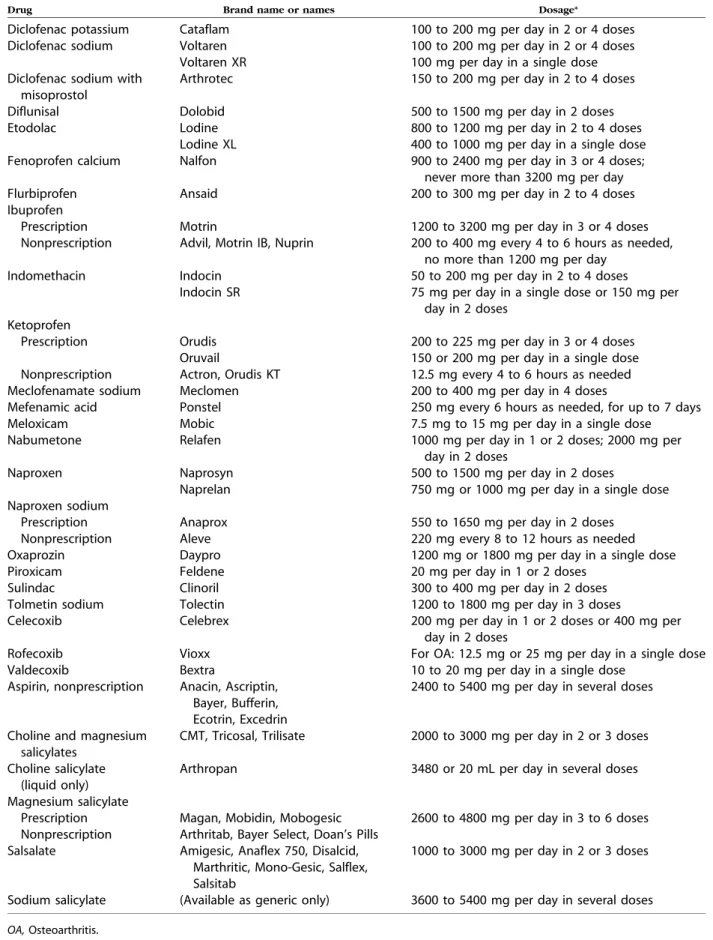
Identifying factors that define patients who will experience significant progression has not been fully worked out in psoriatic arthritis but is being addressed in longitudinal studies.99 Many patients with psoriatic arthritis present with mild disease that occurs episodically and involves few joints. Some of these patients do not experience significant pro-gression of their disease and thus do not require consideration for disease-modification therapy. Patients with this type of disease history may benefit from the use of nonsteroidal anti-inflammatory drugs (NSAIDs; Table V), perhaps with adjunctive physical therapy, use of heat and ice, and occasional joint injection with corticosteroids. In patients who are receiving NSAIDs for mild arthritis symptoms, if skin involvement is not severe enough to require systemic therapy, topical treatments for the skin can be used.
In a meta-analysis of 20 randomized clinical trials for the treatment of psoriatic arthritis, only sul-fasalazine, azathioprine, etretinate (the prodrug of acitretin), and high-dose parenteral MTX achieved significantly better results than placebo on a global Table IV. Diagnostic signs and symptoms of arthritis
Signs to examine for Symptoms to ask about
Tender or swollen joints Morning stiffness Asymmetric inflammatory arthritis
Persistent joint pain or other arthritic symptoms Dactylitis or
‘‘sausage digits’’
Fluctuation of joint pain with psoriasis exacerbations Enthesitis Family history
Table V.Common NSAIDs for alleviating the joint symptoms of psoriatic arthritis
Drug Brand name or names Dosage*
Diclofenac potassium Cataflam 100 to 200 mg per day in 2 or 4 doses Diclofenac sodium Voltaren 100 to 200 mg per day in 2 or 4 doses
Voltaren XR 100 mg per day in a single dose Diclofenac sodium with
misoprostol
Arthrotec 150 to 200 mg per day in 2 to 4 doses
Diflunisal Dolobid 500 to 1500 mg per day in 2 doses
Etodolac Lodine 800 to 1200 mg per day in 2 to 4 doses
Lodine XL 400 to 1000 mg per day in a single dose Fenoprofen calcium Nalfon 900 to 2400 mg per day in 3 or 4 doses;
never more than 3200 mg per day
Flurbiprofen Ansaid 200 to 300 mg per day in 2 to 4 doses
Ibuprofen
Prescription Motrin 1200 to 3200 mg per day in 3 or 4 doses
Nonprescription Advil, Motrin IB, Nuprin 200 to 400 mg every 4 to 6 hours as needed, no more than 1200 mg per day
Indomethacin Indocin 50 to 200 mg per day in 2 to 4 doses
Indocin SR 75 mg per day in a single dose or 150 mg per day in 2 doses
Ketoprofen
Prescription Orudis 200 to 225 mg per day in 3 or 4 doses
Oruvail 150 or 200 mg per day in a single dose Nonprescription Actron, Orudis KT 12.5 mg every 4 to 6 hours as needed Meclofenamate sodium Meclomen 200 to 400 mg per day in 4 doses
Mefenamic acid Ponstel 250 mg every 6 hours as needed, for up to 7 days
Meloxicam Mobic 7.5 mg to 15 mg per day in a single dose
Nabumetone Relafen 1000 mg per day in 1 or 2 doses; 2000 mg per
day in 2 doses
Naproxen Naprosyn 500 to 1500 mg per day in 2 doses
Naprelan 750 mg or 1000 mg per day in a single dose Naproxen sodium
Prescription Anaprox 550 to 1650 mg per day in 2 doses
Nonprescription Aleve 220 mg every 8 to 12 hours as needed
Oxaprozin Daypro 1200 mg or 1800 mg per day in a single dose
Piroxicam Feldene 20 mg per day in 1 or 2 doses
Sulindac Clinoril 300 to 400 mg per day in 2 doses
Tolmetin sodium Tolectin 1200 to 1800 mg per day in 3 doses
Celecoxib Celebrex 200 mg per day in 1 or 2 doses or 400 mg per
day in 2 doses
Rofecoxib Vioxx For OA: 12.5 mg or 25 mg per day in a single dose
Valdecoxib Bextra 10 to 20 mg per day in a single dose
Aspirin, nonprescription Anacin, Ascriptin, Bayer, Bufferin, Ecotrin, Excedrin
2400 to 5400 mg per day in several doses
Choline and magnesium salicylates
CMT, Tricosal, Trilisate 2000 to 3000 mg per day in 2 or 3 doses Choline salicylate
(liquid only)
Arthropan 3480 or 20 mL per day in several doses Magnesium salicylate
Prescription Magan, Mobidin, Mobogesic 2600 to 4800 mg per day in 3 to 6 doses Nonprescription Arthritab, Bayer Select, Doan’s Pills
Salsalate Amigesic, Anaflex 750, Disalcid, Marthritic, Mono-Gesic, Salflex, Salsitab
1000 to 3000 mg per day in 2 or 3 doses
Sodium salicylate (Available as generic only) 3600 to 5400 mg per day in several doses
OA,Osteoarthritis.
Table VI.Differential effects of drugs for psoriatic arthritis on skin and joint manifestations*
Drugs Skin lesions Joint disease Other
Topicals Can be used alone or in combination with UVB
Little or no effect Skin irritant; unpleasant odor; topical corticosteroids can produce systemic adverse events; can result in pustular psoriasis after withdrawal Phototherapy
PUVA, UVB, and narrow-band UVB
Ultraviolet A (300-400 nm) and ultraviolet B (290-320 nm or 311–313 nm) light; inhibits cell proliferation and cell-mediated inflammation in skin
Little effect Risk of burn; increases risk of skin cancer
Systemic agents
NSAIDs No effect Initial agents for alleviation of mild inflammation associated with mild joint involvement
Possible GI adverse events
Hydroxyurea Antineoplastic agent; effective in psoriasis
Little effect Skin irritant; causes hemato-logic abnormalities Mycophenolate
mofetil
Immunosuppressive agent; effective in psoriasis
Mild effect GI disturbances, increases incidence of infection COX-2 inhibitors No effect Initial agents for alleviation
of mild inflammation associated with mild joint involvement
Alternative to NSAIDs in patients with GI adverse events
Psoralens (see Phototherapy)
Highly effective when used with UVA (PUVA)
No effect PUVA can induce skin cancers Acitretin Retinoid; effective in moderate
to severe cases; can be combined with photother-apy and systemic drugs, including biologics145
Mild effect Teratogenic
Methotrexate Antimetabolite for use in severe cases
Effective in measures of disease activity but has not been proven to delay radio-graphic progression
Potential hepatotoxicity and pulmonary toxicity
Cyclosporine Suppression of T cell activation; short-term efficacy against moderate to severe lesions
Effective in measures of disease activity but has not been proven to delay radio-graphic progression
Potential for hypertension and renal impairment; FDA does not allows continuous use to exceed 1 year
Leflunomide Patients experienced skin improvement within 3 months
Improvements in tender joint counts and swollen joint counts; greater improve-ment was observed with leflunomide in terms of PsARC, modified ACR20, compared to placebo
Adverse events not unlike those observed reported in RA trials: diarrhea and increases in transaminase levels
ACR, American College of Rheumatology; ACR20,ACR criteria for 20% improvement in disease activity; ACR50,ACR criteria for 50% improvement in disease activity;ACR70,ACR criteria for 70% improvement in disease activity;GI,gastrointestinal;IM,intramuscular;IV,
intravenous;LFA,lymphocyte function-associated;NSAIDs,nonsteroidal anti-inflammatory drugs;PASI,Psoriasis Area and Severity Index;
PsARC,Psoriatic Arthritis Response Criteria;TNF,tumor necrosis factor;UVA,ultraviolet A;UVB,ultraviolet B. *Data are from references 23, 24, 54, 59, and 70-72.
measure of disease activity.100One clinical study has shown that oral MTX was superior to intramuscular gold in producing a clinical response (defined as a $50% reduction in active joint count for at least 6 months).101However, MTX has not been proved to slow the progression of long-term arthritic com-plications of the disease. For example, Abu-Shakra et al102showed that 63% of patients with psoriatic arthritis had an increase in radiographic damage after 24 months of oral MTX therapy compared with matched control subjects; MTX did not show a statis-tically significant benefit in this group of patients who had severe and longstanding disease.102 Although MTX has been a mainstay for rheumatol-ogists treating RA, the drug carries a well-known risk of hepatotoxicity, pulmonary toxicity, and teratoge-nicity, therefore requiring careful monitoring and periodic liver biopsy in high-risk cases.103,104
At least one controlled trial has demonstrated that cyclosporine is equal in efficacy to that of MTX in improving arthritic symptoms associated with psori-atic arthritis, and the 2 agents have been used with some success in patients refractory to second-line treatment.105However, cyclosporine has been asso-ciated with serious adverse events such as renal toxicity and hypertension, leading to a significantly higher rate of discontinuation in comparison with MTX.106Sulfasalazine has been shown to be margin-ally effective in reducing arthritic symptoms associ-ated with psoriatic arthritis.100 Moreover, sulfasalazine is not tolerated by a high percentage of patients (almost 40% discontinued within 3
months in one study); gastrointestinal complaints are the primary adverse event leading to discontin-uation.107 To summarize, the traditional disease-modifying antirheumatic drugs (DMARDs) have not been shown to halt the long-term radiographic progression of articular disease in patients with psoriatic arthritis. Results from a 12-month, multi-center, double-blind, placebo-controlled, random-ized trial were recently reported. Seventy-two active psoriatic arthritis patients with an incomplete re-sponse to MTX were recruited and randomized to receive either MTX or placebo (n = 34) or MTX and cyclosporine (n = 38). At 12 months, there were significant improvements in swollen joint count (P\.001), C-reactive protein (P\.05), and PASI score (P\.001) in the active group. A subgroup analysis of severe patients with C-reactive protein levels[15 mg/L at baseline (n = 25) demonstrated further significant improvement in the active but not placebo arm in the tender joint index (P\.05).108 Although one can argue that traditional DMARD regimens failed because dosing was suboptimal or therapy was started too late,6 this possibility is unlikely to be tested because future clinical studies probably will be focused on newer agents that may be more effective with fewer side effects.
Although leflunomide is not considered tradi-tional therapy for psoriatic arthritis, it is considered a conventional treatment for RA and may be bene-ficial in psoriatic arthritis. Leflunomide, an oral pyrimidine synthesis inhibitor approved for the treatment of RA, has shown efficacy in the treatment Table VI.(Cont’d )
Drugs Skin lesions Joint disease Other
Biologic response modifiers
Etanercept (SC) TNF-receptor fusion protein; significantly better than placebo on PsARC and PASI
Significantly better than placebo on ACR20, ACR50, and ACR70
Approved for reducing the signs and symptoms and inhibiting progression of structural damage in patients with psoriatic arthritis; well tolerated Infliximab (IV) Anti-TNF monoclonal antibody
with activity against active psoriatic lesions
Active against multiple mea-sures of joint activity
Well tolerated; requires monitoring (risk of antibody formation and reactions; long infusion time Alefacept (IM) LFA-3/IgG1 fusion protein with
activity against active psori-atic lesions
Improves ACR20 and ACR50 compared with baseline
Well tolerated; requires monitoring of T cells; slow onset of action but potential for long remissions
Efalizumab (SC) Monoclonal antibody against CD11a chain of LFA-1 with activity against active psoriatic lesions
RA study was discontinued due to arthritis flares
Well tolerated; high incidence of rebound
of psoriatic arthritis and psoriasis.109 In a double-blind, randomized, placebo-controlled clinical trial, 56 (59%) of 95 leflunomide-treated patients and 27 (29%) of 91 placebo-treated patients met psoriatic arthritis response criteria (P\.0001) at 24 weeks. Significant improvements were also observed in response to the ACR’s preliminary criteria for im-provement (ACR20 [ACR criteria for 20% improve-ment in disease activity]), target lesion, PASI score, and quality-of-life assessments. Diarrhea and ele-vated alanine aminotransferase levels were the most notable events occurring at higher frequencies in the leflunomide group. Liver enzyme values remained normal in the majority of patients, and there were no cases of severe liver toxicity. Previous experience with leflunomide in RA suggests appropriate liver enzyme monitoring is necessary for leflunomide to be safely used in patients with psoriatic arthritis.
Psoriatic arthritis treatment strategies in patients with severe involvement of both skin and joints must address both manifestations (Table VI). MTX, cyclo-sporine, and more recently, leflunomide have been used as ‘‘dual-purpose’’ agents in such patients, but none yet demonstrates clear evidence of the ability to halt disease progression, and all carry concerns of toxicity. Thus, well-tolerated agents that clear psori-atic lesions and prevent further radiographic ero-sions would represent an advance in the treatment of psoriatic arthritis. A relatively new class of agents, the biologic response modifiers, has the potential to fill such a role.
ADVANCED PHARMACOTHERAPY
Psoriatic arthritis shares several clinical and pathologic characteristics with RA, suggesting that they may share similar pathophysiologic features. A number of biologic therapies, already developed or currently in development, target specific elements of the immunologic cascade responsible for inflamma-tion. These include therapies that target key cyto-kines, which are intracellular messengers or key cells, such as T cells, through immunomodulation or ablation. Following is a review of biologic agents that have been used in psoriatic arthritis.
Advances in understanding the role of cytokines in autoimmune diseases have led to improved therapy, best exemplified by the development of TNF-neutralizing agents to treat signs and symptoms and limit disease progression in RA patients. TNF is a monocyte-macrophage-keratinocyteederived pro-inflammatory cytokine that produces a myriad of biologic effects by interacting with endothelial cells, synovial fibroblasts, keratinocytes, dendritic cells, and other immune cells (Fig 2).110 Provocation of inflammatory events by TNF represents one
molec-ular mechanism common to the development of skin and joint lesions. High levels of TNF have been demonstrated in psoriatic skin lesions111,112and in synovial fluid isolated from patients with psoriatic arthritis.71,113 Moreover, serum levels of TNF have been correlated with psoriatic disease activity, both before and during effective treatment, suggesting a possible role for this cytokine as a marker for assessing therapeutic efficacy.70Similarly, increased levels of serum and synovial TNF have been shown to reflect disease severity in patients with RA.114,115 Together with data showing that TNF accelerates disease activity in animal models of inflammatory arthritis while anti-TNF antibodies decrease such activity,116-118 these findings suggest that TNF may play a key role in mediating the inflammation that leads to joint destruction in both RA and psoriatic arthritis.110
Fig 2. Tumor necrosis factor (TNF)emediated cascade
that leads to inflammatory responses and subsequent joint destruction. TNF is a cytokine present in the psoriatic joint that induces the synthesis and secretion of matrix-degrad-ing proteases, interleukin-6 (IL-1), interleukin-8 (IL-1), granulocyte-macrophage colony-stimulating factor (GM-CSF), and more TNF by osteoclasts, synovial fibroblasts, and chondrocytes. This cascade leads to inflammation and subsequent joint destruction.
The use of biologic response modifiers that target TNF and other cytokines represents an advance in the treatment of several diseases involving autoimmune mechanisms. Several such agents have been de-veloped, in the form of either soluble fusion proteins, such as etanercept, or monoclonal an-tibodies, such as infliximab and adalimumab, which have shown considerable efficacy in the treatment of RA and other autoimmune diseases. The available data on their use in psoriatic arthritis are reviewed below.
Etanercept (Enbrel; Amgen Inc/Wyeth Pharmaceuticals) is a soluble TNF-receptor fusion protein produced by means of recombinant DNA technology. It exhibits high-affinity binding to TNF, preventing the association of TNF with cell-surface receptors and thus blocking the proinflammatory actions of TNF. Etanercept has been approved by the Food and Drug Administration (FDA) as mono-therapy for reducing signs and symptoms, inhibiting the progression of structural damage, and improving physical function in patients with RA. In addition, etanercept as monotherapy has received FDA ap-proval for treating the symptoms and signs of moderate to severe polyarticular-course juvenile RA and ankylosing spondylitis and for reducing signs
and symptoms and inhibiting the progression of structural damage of psoriatic arthritis. Most recently, etanercept was approved for treatment in adult patients (18 years or older) with chronic moderate to severe plaque psoriasis who are candidates for systemic therapy or phototherapy.
Two clinical trials have shown that etanercept is safe and effective for reducing the clinical signs and symptoms of psoriatic arthritis in patients with active skin and joint involvement.63,72,119-123 A 24-week, multicenter, randomized, double-blind, placebo-controlled phase 3 study was conducted to assess the efficacy and tolerability of etanercept (25-mg twice-weekly subcutaneous injections) or placebo in 205 patients with psoriatic arthritis.123The primary endpoint was the proportion of patients who met the ACR20, which includes tender and swollen joint counts, patient and physician global assessments, patient assessment of pain, a disability index, and acute phase reactant. In addition, a subset of patients was assessed for improvement in the PASI. The PASI measures the amount of psoriatic plaque throughout the body, as well as the severity of the skin disease. After 12 weeks of treatment, 59% of the 101 patients who received etanercept had an ACR20 response, compared with 15% of 104 patients who received
Fig 3. Modified Sharp scoring method. The Sharp score used in psoriatic arthritis trials score is modified for assessment of the DIP joints, which is not traditionally performed in patients with RA. Feet are not evaluated, but the score does include measures associated with psoriatic bone damage, including bony ankylosis, periostitis, and eccentric bone erosion.
placebo. Furthermore, 38% of patients who received etanercept had an ACR50 response (compared with 4% of patients who received placebo) and 11% had an ACR70 response (compared with none who received placebo). Similar results were seen at 24 weeks.72,123,124
Patients who completed this placebo-controlled blinded trial also underwent assessment with serial radiography to determine whether etanercept in-hibits radiographic evidence of progression in pso-riatic arthritis.121,125Radiographs were assessed with the Sharp scoring system. The Sharp method in-volves use of a 4-point scale to rate joints according to the severity of erosions and degree of joint space narrowing (Fig 3). The erosion and joint space narrowing subscores are then added to obtain a total radiographic score. Radiographs of patients’ hands and wrists were obtained at baseline, at 6 months, at rollover to active drug, and at 12 months. At 1 year, there was inhibition of radiographic progression in the etanercept group (n = 101) compared with the placebo group (n = 104). The mean change from baseline in total Sharp score was a reduction in progression of 20.03 unit in the etanercept group versus an increase in progression of11.00 unit in the placebo group (P= .0001).
Progression of structural damage was inhibited when measured not only with the total Sharp score but also with joint erosion scores and joint space narrowing scores. Mean changes from baseline in erosion scores over a year were20.09 unit in patients who underwent treatment with etanercept versus 10.66 unit in the patients given placebo (P= .0001). In addition, mean changes in joint space narrowing from baseline over a year were10.05 unit in patients given etanercept versus10.34 unit in patients give placebo (P= .04). More recently, patients with erosive psoriatic arthritis who were given etanercept had a lowered frequency of circulating osteoclast precursors and improvement in bone marrow edema. These findings suggest a potential mecha-nism to explain the protective effects of etanercept on inflammatory bone loss in psoriatic arthritis.126
Etanercept also has been shown to improve health-related quality of life in patients with psoriatic arthritis. In the phase III study of etanercept in psoriatic arthritis discussed above, patients com-pleted a health assessment questionnaire (HAQ), the Medical Outcomes Study 36-item short-form health survey (SF-36), and the EuroQoL Feeling Thermometer at baseline and at 24 weeks.122 The HAQ is a comprehensive measure of outcomes that is widely used to determine the functional status of patients with a variety of rheumatic diseases, in-cluding psoriatic arthritis.127 This 2-page
question-naire contains the HAQ disability index, the pain visual analogue scale, and the patient global health visual analogue scale. An HAQ score (0-3, 3 = greatest disability) of zero (0) indicates no disability. For the etanercept group, the mean HAQ score changed from 1.1 at baseline to 0.5 at 24 weeks after therapy, which represents a 53.6% improve-ment. In contrast, the mean HAQ score changed from 1.1 at baseline to 1.0 at 24 weeks for the placebo group, which represents an improvement of only 6.4%. Of the patients in the etanercept group, 50% showed at least a 0.5-unit improvement, compared with 14% of the patients in the placebo group. This improvement has been sustained in both the index score and the individual scores through 72 weeks (range, 0.5-0.8 units; data available for 69 patients).128 Patients’ vitality also improved, by a mean of 13.6 units during the blinded phase and 15.3 units at 72 weeks (scale, 0-100 units, with a higher number signifying improvement; 8 units = clinically meaningful change). Similarly, patients in the etanercept group also showed significant im-provement in the SF-36 and the Feeling Thermom-eter compared with patients in the placebo group, indicating that patients given etanercept had a greater improvement in health-related quality of life than patients given placebo.
Recently, reports from an observational study showed that the initiation of etanercept therapy plus a distributed patient support system in RA patients resulted in clinically meaningful improvement in both health-related quality of life and functionality, as measured with the SF-36 and the HAQ.129 All patients were registered and participating in the Enliven program, a multimodality, distributed pa-tient support system for papa-tients beginning treatment with etanercept. At the time of this analysis, complete data at baseline and 6 months were available for 1043 patients. Both the SF-36 vitality and mental health domain scores had clinically meaningful improvements. The mean HAQ functional disability index at baseline was 1.54 units. At 6 months, the mean index decreased (improved) by 0.68 units; 77.9% of the sample experienced a clinically mean-ingful improvement of $0.25 unit. In addition, 36.9% had an absolute HAQ index of #0.5 unit and 10.6% had a zero HAQ index.
Adverse events were similar to those reported in previous clinical trials of etanercept in patients with RA. There was no increase in the number of se-rious adverse events occurring in patients given etanercept compared with those who received placebo. Only the rate of injection-site reactions in patients who received etanercept was statistically different compared with placebo.72,121,122,124
Therefore, etanercept offers patients an effective and safe alternative monotherapy for the treatment of psoriatic arthritis. Etanercept has also been studied in 2 large and well-controlled studies of psoriasis patients and has been approved by the FDA for the treatment of psoriasis.120,130 In postmarketing use, several serious adverse events with etanercept have been reported, including neurologic disorders and serious infections such as tuberculosis.119 Many of these infections occurred in patients predisposed to infections because of concomitant immunosuppres-sive therapy or their underlying disease, or both. Nonetheless, etanercept should not be administered to patients with sepsis or serious infections. An increased rate of lymphoma has been observed in RA patients given etanercept,115 a finding that may be related to the underlying disease.131,132In clinical trials and postmarketing use, the incidence of malignancies has not increased with extended ex-posure to etanercept and is similar to the projected background rate.119
Infliximab (Remicade; Centocor, Inc), an anti-TNF monoclonal antibody, is another TNF-neutralizing agent that has been approved for the treatment of Crohn’s disease and RA (in combination with MTX). Antoni and colleagues evaluated results in 102 patients who received infliximab, 5 mg/kg, or placebo at weeks 0, 2, 6, and 14, followed by open-label treatment with 5 mg/kg every 8 weeks for 50 weeks.133-136 Participants in the trial had a diagnosis of psoriatic arthritis for at least 6 months. Comedication with corticosteroids, DMARDs, and NSAIDs was permitted at stable doses. All par-ticipants in the trial had undergone unsuccessful treatment with at least one DMARD; 69 patients were receiving DMARD therapy at baseline. Of these patients, 56 received concomitant MTX. Response to all criteria used showed that infliximab success-fully reduced the signs and symptoms of psoriatic arthritis at week 16. Sixty-nine percent of patients given infliximab versus 8% of patients given placebo (P\.001) had an ACR20 response. Of infliximab-treated patients, 49% and 29% met ACR50 and ACR70 response criteria, respectively, while none of the placebo patients did (P\.0001). By week 16, in those available for PASI score ([3% body surface area), the mean PASI in the placebo group had increased to 9.29, while in the infliximab group, it had decreased to 1.61. Sixty-seven percent of patients had a PASI 75 response, and the mean PASI change was 81.5%. Of 102 patients, 93 un-derwent a week 50 efficacy evaluation.137Of the 14 patients who discontinued treatment, 7 did so owing to adverse events (1 each: infusion reaction, joint infection, tendon rupture, elevated liver function test
result, asthma attack, meningioma), 6 did so owing to lack of efficacy or withdrawal of consent, and 1 was lost to follow-up. Regarding efficacy, the in-fliximab group had an ACR20 response rate of 72% at week 50. At this same time point, the ACR50 re-sponse rate was 54% and the ACR70 rere-sponse rate was 35%. In the placebo group, 8% achieved an ACR20 response at week 16; after switching to active treatment, the ACR20 response rate increased to 77% at week 50. In the infliximab group, 12 of 14 patients who had an improved PASI by $75% at week 16 sustained this level through week 50. Overall, in-fliximab was well tolerated and the safety profile was similar to that which had been reported previously with other indications. In RA, it is recommended that infliximab be administered in combination with low-dose MTX to reduce the development of human antichimeric antibodies to infliximab.138,139The FDA has issued safety warnings for infliximab concerning worsening heart failure in patients with moderate to severe congestive heart failure and opportunistic infections such as tuberculosis, histoplasmosis, liste-riosis, and pneumocystosis.140
The effects of other anti-TNF medications on psoriasis and psoriatic arthritis are being studied. Adalimumab (Humira; Abbott Laboratories), a hu-manized monoclonal antibody approved for the treatment of RA, is in phases II and III trials in psoriasis and psoriatic arthritis. Phase II trials of the use of onercept, a soluble fusion protein, in patients with psoriasis and psoriatic arthritis have been completed with promising results, and phase III trials are anticipated.
Considering the limited data regarding the efficacy of MTX and cyclosporine in preventing radiographic-evident disease progression associated with psoriatic arthritis and the safety concerns encountered with both agents, TNF-neutralizing therapy may represent a significant advance in the treatment of both skin and joint lesions in patients with psoriatic arthritis.
Because the cause of psoriatic arthritis involves multiple cellular and cytokine pathways, several molecular entities may be appropriate targets for therapeutic intervention. Currently, at least 20 bi-ologic response modifiers are in development for the treatment of psoriasis alone. Activated T cells have been known to play a central role in the pathogen-esis of psoriasis141,142 and have been identified in affected skin and joint tissue of patients with psoriatic arthritis, where they secrete cytokines.6 Alefacept (Amevive; Biogen, Inc) is a lymphocyte functioneassociated antigen 3 recombinant protein that binds to CD2 receptors on psoriasis-mediating T lymphocytes, preventing their activation and induc-ing apoptosis of activated T-cell populations that
may be critical to disease expression. Alefacept was approved by the FDA in January 2003 for the treatment of moderate to severe chronic plaque psoriasis and is now being investigated in psoriatic arthritis, with encouraging results. In a recent study, 11 psoriatic arthritis patients were given alefacept, 7.5 mg, once weekly.64After 12 weeks of treatment, 7 patients met the ACR20 improvement criteria and 3 patients met the ACR50 response criteria. In addition, 7 patients showed a 50% (mean) improvement of skin psoriasis. There was also a reduction in T-cell and macrophage infiltration in synovial samples after 12 weeks of treatment compared with baseline.64A multicenter, placebo-controlled, phase II trial in psoriatic arthritis is currently under way. One of the concerns about the use of alefacept has been that the drug reduces circulating CD41T cell counts, which requires weekly monitoring.
Efalizumab is another T-cell modulator approved for psoriasis. Unlike the preliminary findings with alefacept, a phase II study with efalizumab in 107 patients with psoriatic arthritis did not reach statisti-cal significance at 12 weeks for the primary endpoint ACR20.143
Several other agents may have, on theoret-ical grounds, a role in psoriatic arthritis. Another strategy targets IL-2, a stimulator of T-cell growth. Daclizumab (Zenapax; HoffmaneLa Roche Inc) is an anti-CD25 antibody that blocks IL-2 binding to its receptor, resulting in a reduction in the severity of psoriatic symptoms without producing significant adverse events.144 In addition to exploiting new cytokine and cellular targets for treating psoriatic arthritis, novel approaches aimed at disease modifi-cation are also on the horizon.145,146
CONCLUSION
Psoriatic arthritis has the potential to be an extremely severe disease and can result in significant functional impairment. The impact of this disease on function and quality of life is usually compounded by the simultaneous presence of psoriasis. Early diagnosis of psoriatic arthritis provides the opportu-nity for intervention to improve function and quality of life and to slow disease progression. Because dermatologists are often seeing the patient for pso-riasis prior to the onset of arthritis, they are in a prime position to diagnose psoriatic arthritis and suggest initial therapy. The ongoing care of psoriatic arthritis, especially if moderate to severe, optimally also includes a team of experienced clinicians such as rheumatologists, physical therapists, occupational therapists, and possibly orthopedists.
When psoriatic arthritis is detected, medications should be considered and used to reduce disease
severity, improve the quality of life, and intervene in disease progression. Progress in understanding the cause of psoriatic disease has led to new treatments that focus on specific immunologic targets, such as inhibition of TNF and modulation of T-cell function. For example, etanercept, a soluble human receptor fusion protein that inhibits TNF, has already been approved by the FDA for the treatment of psoriatic arthritis, and it is anticipated that others will be approved. Consideration of the type and aggressive-ness of treatment for psoriatic arthritis should take into account the severity of psoriatic skin lesions and concurrent joint inflammation, utilizing agents that treat both skin lesions and joint involvement simul-taneously. In addition, the different safety aspects of each agent must be considered carefully before a treatment strategy is selected.
REFERENCES
1. Krueger G, Koo J, Lebwohl M, et al. The impact of psoriasis on quality of life: results of a 1998 National Psoriasis Foundation patient-membership survey. Arch Dermatol 2001;137:280-4. 2. Vital and health statistics: current estimates from the
National Health Interview Survey, 1996. Centers for Disease Control and Prevention, National Center for Health Statistics; 2003.
3. National Psoriasis Foundation. About psoriasis Web page. Available at: http://www.psoriasis.org. Accessed November 12, 2003.
4. Gladman DD, Brockbank J. Psoriatic arthritis. Expert Opin Investig Drugs 2000;9:1511-22.
5. ElKayam O, Ophir J, Yaron M, Caspi D. Psoriatic arthritis: interrelationships between skin and joint manifestations related to onset, course and distribution. Clin Rheumatol 2000;19:301-5.
6. Gladman DD. Psoriatic arthritis. Rheum Dis Clin North Am 1998;24:829-44.
7. National Psoriasis Foundation. Benchmark survey on psoriasis and psoriatic arthritis. Available at:http://www.psoriasis.org/ news/news/2001/200104_npfsurvey.php. Accessed August 9, 2003.
8. Husted JA, Gladman DD, Farewell VT, Cook RJ. Health-related quality of life of patients with psoriatic arthritis: a comparison with patients with rheumatoid arthritis. Arthritis Rheum 2001; 45:151-8.
9. Buskila D, Langevitz P, Gladman DD, Urowitz S, Smythe HA. Patients with rheumatoid arthritis are more tender than those with psoriatic arthritis. J Rheumatol 1992;19:1115-9. 10. Gladman DD, Shuckett R, Russell ML, Thorne JC, Schachter
RK. Psoriatic arthritis (PSA)—an analysis of 220 patients. Q J Med 1987;62:127-41.
11. Rahman P, Nguyen E, Cheung C, Schentag CT, Gladman DD. Comparison of radiological severity in psoriatic arthritis and rheumatoid arthritis. J Rheumatol 2001;28:1041-4.
12. Wong K, Gladman DD, Husted J, Long JA, Farewell VT. Mortality studies in psoriatic arthritis: results from a single outpatient clinic. I. Causes and risk of death. Arthritis Rheum. 1997;40:1868-72.
13. Gladman DD, Farewell VT, Wong K, Husted J. Mortality studies in psoriatic arthritis: results from a single outpatient center. II. Prognostic indicators for death. Arthritis Rheum 1998;41:1103-10.
14. Stem RS. Utilization of outpatient care for psoriasis. J Am Acad Dermatol 1996;35:543-5.
15. McGonagle D, Conaghan PG, Emery P. Psoriatic arthritis: a unified concept twenty years on. Arthritis Rheum 1999;42: 1080-6.
16. Krueger GG, Feldman SR, Camisa C, et al. Two considerations for patients with psoriasis and their clinicians: what defines mild, moderate, and severe psoriasis? What constitutes a clinically significant improvement when treating psoriasis? J Am Acad Dermatol 2000;43:281-5.
17. Fleischer AB Jr, Feldman SR, Rapp SR, et al. Disease severity measures in a population of psoriasis patients: the symptoms of psoriasis correlate with self-administered psoriasis area severity index scores. J Invest Dermatol 1996;107:26-9. 18. Rapp SR, Feldman SR, Exum ML, Fleischer AB Jr, Reboussin
DM. Psoriasis causes as much disability as other major medical diseases. J Am Acad Dermatol 1999;41:401-7. 19. Kirby B, Richards HL, Woo P, et al. Physical and psychologic
measures are necessary to assess overall psoriasis severity. J Am Acad Dermatol 2001;45:72-6.
20. Kammer GM, Soter NA, Gibson DJ, Schur PH. Psoriatic arthritis: a clinical, immunologic and HLA study of 100 patients. Semin Arthritis Rheum 1979;9:75-97.
21. McKenna KE, Stern RS. The impact of psoriasis on the quality of life of patients from the 16-center PUVA follow-up cohort. J Am Acad Dermatol 1997;36:388-94.
22. Sokoll KB, Helliwell PS. Comparison of disability and quality of life in rheumatoid and psoriatic arthritis. J Rheumatol 2001; 28:1842-6.
23. Gladman DD, Hing EN, Schentag CT, Cook RJ. Remission in psoriatic arthritis. J Rheumatol 2001;28:1045-8.
24. Ortonne JP. Recent developments in the understanding of the pathogenesis of psoriasis. Br J Dermatol 1999;140(Suppl 54):1-7.
25. FitzGerald O, Kane D. Clinical, immunopathogenic, and therapeutic aspects of psoriatic arthritis. Curr Opin Rheuma-tol 1997;9:295-301.
26. Moll JM, Wright V. Psoriatic arthritis. Semin Arthritis Rheum 1973;3:55-78.
27. Battistone MJ, Manaster BJ, Reda DJ, Clegg DO. The prevalence of sacroiliitis in psoriatic arthritis: new perspec-tives from a large, multicenter cohort. A Department of Veterans Affairs Cooperative Study. Skeletal Radiol 1999;28: 196-201.
28. Helliwell PS, Hickling P, Wright V. Do the radiological changes of classic ankylosing spondylitis differ from the changes found in the spondylitis associated with inflammatory bowel disease, psoriasis, and reactive arthritis? Ann Rheum Dis 1998;57:135-40.
29. Scarpa R, Oriente P, Pucino A, et al. The clinical spectrum of psoriatic spondylitis. Br J Rheumatol 1988;27:133-7. 30. Torre Alonso JC, Rodriguez PA, Arribas Castrillo JM, et al.
Psoriatic arthritis (PA): a clinical, immunological and radiolog-ical study of 180 patients. Br J Rheumatol 1991;30:245-50. 31. Biondi OC, Scarpa R, Pucino A, Oriente P. Psoriasis and
psoriatic arthritis. Dermatological and rheumatological co-operative clinical report. Acta Derm Venereol Suppl (Stockh) 1989;146:69-71.
32. Pitzalis C. Skin and joint disease in psoriatic arthritis: what is the link? Br J Rheumatol 1998;37:480-3.
33. Hammerschlag WA, Rice JR, Caldwell DS, Goldner JL. Psoriatic arthritis of the foot and ankle: analysis of joint involvement and diagnostic errors. Foot Ankle 1991;12:35-9.
34. Cohen MR, Reda DJ, Clegg DO. Baseline relationships between psoriasis and psoriatic arthritis: analysis of 221
patients with active psoriatic arthritis. Department of Veter-ans Affairs Cooperative Study Group on Seronegative Spon-dyloarthropathies. J Rheumatol 1999;26:1752-6.
35. Traupe H. The puzzling genetics of psoriasis. Clin Dermatol 1995;13:99-103.
36. Bhalerao J, Bowcock AM. The genetics of psoriasis: a complex disorder of the skin and immune system. Hum Mol Genet 1998;7:1537-45.
37. Hohler T, Marker-Hermann E. Psoriatic arthritis: clinical aspects, genetics, and the role of T cells. Curr Opin Rheumatol 2001;13:273-9.
38. Henseler T. The genetics of psoriasis. J Am Acad Dermatol 1997;37:S1-11.
39. Swanbeck G, Inerot A, Martinsson T, et al. Genetic counselling in psoriasis: empirical data on psoriasis among first-degree relatives of 3095 psoriatic probands. Br J Dermatol 1997;137: 939-42.
40. Moll JM, Wright V. Familial occurrence of psoriatic arthritis. Ann Rheum Dis 1973;32:181-201.
41. Espinoza LR, van Solingen R, Cuellar ML, Angulo J. Insights into the pathogenesis of psoriasis and psoriatic arthritis. Am J Med Sci 1998;316:271-6.
42. Gladman DD, Anhorn KA, Schachter RK, Mervart H. HLA antigens in psoriatic arthritis. J Rheumatol 1986;13:586-92. 43. McHugh NJ, Laurent MR, Treadwell BL, Tweed JM, Dagger J.
Psoriatic arthritis: clinical subgroups and histocompatibility antigens. Ann Rheum Dis 1987;46:184-8.
44. Gladman DD, Cheung C, Ng CM, Wade JA. HLA-C locus alleles in patients with psoriatic arthritis (PsA). Hum Immunol 1999; 60:259-61.
45. Gonzalez S, Martinez-Borra J, Torre-Alonso JC, et al. The MICA-A9 triplet repeat polymorphism in the transmembrane region confers additional susceptibility to the development of psoriatic arthritis and is independent of the association of Cw*0602 in psoriasis. Arthritis Rheum 1999;42:1010-6. 46. Rudwaleit M, Hohler T. Cytokine gene polymorphisms
relevant for the spondyloarthropathies. Curr Opin Rheumatol 2001;13:250-4.
47. Burden AD, Javed S, Bailey M, et al. Genetics of psoriasis: paternal inheritance and a locus on chromosome 6p. J Invest Dermatol 1998;110:958-60.
48. Samuelsson L, Enlund F, Torinsson A, et al. A genome-wide search for genes predisposing to familial psoriasis by using a stratification approach. Hum Genet 1999;105:523-9. 49. Bowcock AM. Genetic locus for psoriasis identified. Ann Med
1995;27:183-6.
50. Laurent MR, Panayi GS, Shepherd P. Circulating immune complexes, serum immunoglobulins, and acute phase pro-teins in psoriasis and psoriatic arthritis. Ann Rheum Dis 1981; 40:66-9.
51. Fyrand O, Mellbye OJ, Natvig JB. Immunofluorescence studies for immunoglobulins and complement C3 in synovial joint membranes in psoriatic arthritis. Clin Exp Immunol 1977;29:422-7.
52. Hall RP, Gerber LH, Lawley TJ. IgA-containing immune complexes in patients with psoriatic arthritis. Clin Exp Rheumatol 1984;2:221-5.
53. Rosenberg JN, Johnson GD, Holborow EJ. Antinuclear anti-bodies in ankylosing spondylitis, psoriatic arthritis, and psoriasis. Ann Rheum Dis 1979;38:526-8.
54. Calzavara PG, Cattaneo R, Franceschini F, et al. Antinuclear antibodies in psoriatic arthritis and its subgroups. Acta Derm Venereol Suppl (Stockh) 1989;146:31-2.