Capstone Projects and Master's Theses
Spring 2015
Awareness Intervention for Students with Behavioral Challenges-
Awareness Intervention for Students with Behavioral Challenges-
Mindfulness in the Classroom
Mindfulness in the Classroom
Gian Michael Sarabia
California State University, Monterey Bay
Follow this and additional works at: https://digitalcommons.csumb.edu/caps_thes
Recommended Citation Recommended Citation
Sarabia, Gian Michael, "Awareness Intervention for Students with Behavioral Challenges- Mindfulness in the Classroom" (2015). Capstone Projects and Master's Theses. 502.
https://digitalcommons.csumb.edu/caps_thes/502
This Master's Thesis is brought to you for free and open access by Digital Commons @ CSUMB. It has been accepted for inclusion in Capstone Projects and Master's Theses by an authorized administrator of Digital Commons @ CSUMB. Unless otherwise indicated, this project was conducted as practicum not subject to IRB review but conducted in keeping with applicable regulatory guidance for training purposes. For more information, please contact [email protected].
Awareness Intervention for Students with Behavioral Challenges- Mindfulness in the Classroom Gian Michael Sarabia
Action Thesis Submitted in Partial Fulfillment of the Requirements for the Degree of Master of Arts in Education
California State University Monterey Bay
ii
Awareness Intervention for Students with Behavioral Challenges- Mindfulness in the Classroom By: Gian Michael Sarabia
APPROVED BY THE GRADUATE ADVISORY COMMITTEE
Dr. Lou Denti, Thesis Advisor and Coordinator, Master of Arts in Education
______________________________________________________________________________ Dr. Kris Roney, Ph.D. Associate Vice President
For Academic Programs and Dean of Undergraduate & Graduate Studies
Digitally signed by Dr. Kris Roney
iii
Abstract
The use of mindfulness for students with behavioral challenges has been gaining popularity as a school-classroom intervention for the purpose of curtailing disruptive conduct. In this study, the use of mindfulness on five behaviorally challenged students was initiated and studied. Within an 8-week period, the five fifth grade students practiced mindfulness techniques (i.e., mindfulness sound differentiation, breath concentration, and emotional-regulation) in direct correlation with four behavioral categories: 1) following verbal directions; 2) talking out of turn; 3) bullying; and 4) anger. The results of the study showed a significant decrease in the following behavioral categories: not following verbal directions and talking out of turn. Furthermore, in the beginning of the mindfulness practice, all five students had a challenging time staying still, focusing on their breath and regulating their emotions; however, towards the end of the study, all five students gained a significant amount of self-control, due to the benefits of the mindfulness intervention.
iv
Table of Contents
Abstract... iii
Table of Contents……….. iv
Figures.……… vii
CHAPTER 1: PROBLEM STATEMENT.……….... 1
Introduction ………... 1 Problem Statement ……… 1 Purpose of Study ………... 2 Research Questions ………... 4 Theoretical Model………... 4 Researcher Background ……… 5 Definition of Terms..……….. 6 Summary.………... 6
CHAPTER 2: REVIEW OF LITERATURE.……….. 7
Introduction.………. 7
History of Mindfulness ………... 7
Description of Mindfulness ………. 8
Mindfulness Meditation in Schools ……….9
Mindfulness Asana-Stretches in Schools.……….10
Assessment of Impact- Positive.……….. 12
Assessment of Impact- Concerns ……… 13
Summary.………. 15
v
Introduction.………. 17
Research Design.……….. 17
Specific Research Plan ……… 17
Setting.………... 18 Community ………...18 School ……… 18 Class.……….. 18 Participants.………. 19 Participant 1.……….. 19 Participant 2.……….. 19 Participant 3.……….. 19 Participant 4.……….. 20 Participant 5.……….. 20
Data Collection Procedures ………... 20
Intervention.……….. 20
Implementation ……… 21
Data Collection and Sources ……… 22
Data Collectors ……… 22
Data Analysis ………..………...…...23
Summary ... 24
CHAPTER 4: FINDINGS ...…...………... 25
Introduction ... 25
vi Summary ... 32 CHAPTER 5: DISCUSSION ... 34 Introduction ... 34 Summary ... 34 Finding Restated ... 35
Personal thoughts on findings ... 35
Limitations-Threats to Validity ... 35
Action Plan ... 36
Dissemination of Plan ... 37
Conclusion ... 37
vii List of Figures
Figure 1. Participant 1 behavior data across 8-week study………26
Figure 2. Participant 2 behavior data across 8-week study………27
Figure 3. Participant 3 behavior data across 8-week study………28
Figure 4. Participant 4 behavior data across 8-week study………29
Figure 5. Participant 5 behavior data across 8-week study………....30
CHAPTER 1: PROBLEM STATEMENT Introduction
The ability to function and behave appropriately in a social-classroom environment is very important in regards to becoming a functioning adult in society. Socially healthy adults are capable of self-regulation in terms of their own internal-emotional processes that help them be contributing members of society (Fitzgerald, Brown, Sonnega and Ewart, 2005). The impairment of these self-regulatory capacities at an early age, in turn, places youth at risk for social,
emotional, and behavioral problems (Gould, Dariotis, Mendelson, and Greenberg, 2012). According to Mendelson et al. (2010), mindfulness practice has been seen as a positive
intervention that could help troubled youth with their emotional regulation when stressful events are present in their lives.
The following is an overview of the research on how mindfulness techniques in the classroom can curtail unwanted behaviors in students. Specifically, the research cited in this paper aims to determine the impact that mindfulness practice has on behaviorally challenged students.
Problem Statement
Community violence and/or social stressors that are caused by poor living conditions plague many urban-rural schools in the United States and abroad. According to Elder et al. (2011), students coming from these areas tend to express their frustration in inappropriate ways. Many times, students who exhibit behavioral challenges tend to disrupt classroom instruction; furthermore, the problematic behavior occurs not just in the classroom, but also out during recess, as well as other areas of the school campus. According to Carrell & Hoekstra (2010), problematic student behavior is sometimes a byproduct of unhealthy domestic environments, which as a result, affect other students’ ability to learn.
Bishop et al. (2004) states that in contemporary psychology, the fostering of, and
incorporation of awareness in order to react appropriately to mental processes that trigger or set-off emotional distress, has been seen as the development of mindfulness. Brown & Ryan (2004) found that attention and awareness are key elements when speaking of, or referring to, the concept of mindfulness. Abikoff et al. (2002) concludes that what the general population deems as inappropriate conduct constitutes behaviors such as clowning, interrupting others and talking during work time. Moreover, Davis and Jordan (1994) found that some students have serious behavior challenges in terms of following directions and assimilating themselves within the classroom community’s standard of conduct. Brown & Gerbarg (2009) found that over the last decade, meditative breathing exercises have gained more popularity in the psychological research community due to its growing evidence of curtailing stress-related mental disorders, including those exhibited by behaviorally challenged students coming from K-12 schools. Therefore, according to Ihlo & Nantais (2010), there is a need to implement new positive classroom support methods to curtail students’ unacceptable behavior.
Purpose of Study
The goal of my research is to improve the behavior of disruptive students whose conduct constitutes unacceptable classroom behavior: talking/outbursts during lessons, not following verbal directions, bullying, and actions of anger. The aim of the research is for the unwanted behavior to be replaced by the students’ development of self-control and emotional regulation. Due to the fact that many of the students in my class display unacceptable classroom behavior, I have decided to implement this goal.
The ability to function and behave appropriately in a classroom environment is very important in regards to becoming a functioning adult in society. Fitzgerald, Brown, Sonnega & Ewart
(2005) found that socially healthy adults are capable of self-regulation in terms of their own internal-emotional processes that help them be contributing members of society. Impairment in these self-regulatory capacities, in turn, places youth at risk for social, emotional, and behavioral problems (Gould, Dariotis, Mendelson, & Greenberg, 2012). The behavior expectations that are dictated by the rules in a classroom community are analogous to the codification of law in our society. The students’ disruptive behavior, which is brought about by a lack of self-control, or self-regulation, will eventually have a negative impact on society (e.g., correctional programs, prison, mental health facilities) when they become adults.
Moreover, the city of Salinas, where I teach, has a heavy gang population that predominantly consists of Latino members. This situation makes the problem of school-classroom disruptive behavior of utmost importance. According to Robst & Weinberg (2010), the ability for students to overcome their behavior issues is important, due to the fact that problematic behavior in young students, particularly boys, results in low high school graduation rates. Saddler, Tyler,
Maldonado, Cleveland, & Thompson (2011) found that if students do not graduate from high school, there will be less of a chance for these students to eventually serve in role model positions (e.g., fireman, teacher, police officer) that could potentially be beneficial for other youth facing similar behavior issues.
In order to address the problem stated, the research will take on a quantitative, single- subject reversal design using mindfulness breath-body practice as the independent variable and student behavior, as the dependent variable. The intervention will consist of mindfulness breath-body practice, which involves attending to the present moment in a sustained and receptive fashion. I have selected this intervention due to the fact that it is growing in research and has shown positive results. According to Mendelson et al. (2010), mindfulness-based approaches
may improve adjustment among chronically stressed and disadvantaged youth by enhancing self-regulatory capacities.
The results of the research will add to the knowledge we have as it pertains to alternative behavior modification strategies. In turn, the pedagogy of behavioral modification provided in school, as related to students facing conduct deficiencies, may ultimately lower the population in our society’s correctional facilities (e.g., mental health rehabilitation, prison population).
Research Question
Will the use of mindfulness practice decrease the incidence of disruptive behavior in five focus students?
Theoretical Model
The following experimental single-subject reversal design is based on two theoretical
frameworks. The first is Walter Cannon’s stress response, which is one of the components of his stress theory that describes a response that quickly increases heart rate, respiration, blood
pressure, and serum cholesterol, due to elevated amounts of adrenaline. The physical changes in the body that result from emotional disturbances were described as a fight or flight response (Cannon, 1994). Much of Walter Cannon’s theory describes the fight or flight stage of an
individual as a physiological reaction. This reaction is brought about in response to a “perceived” negative event, threat of survival, or basic attack in an individual’s environment (Cannon, 1994). It is important to note that many of these environmental factors stem from triggers, emotional responses to stimuli in the environment, and can have psychological effects such as anxiety, restlessness, irritability, poor attention, anger, and/or depression.
The second stress theory that propagates Walter Cannon’s fight or flight response is Hans Selye’s stress theory that he termed GAS, or general adaptation syndrome. Hans Selye describes
GAS as the response of the body to any demand made upon it (Selye, 1950). He proposed a three-phased process that expanded on Walter Cannon’s “fight or flight” response. These three phases of stress response are the alarm reaction, stage of resistance and stage of exhaustion (Selye, 1950).
One can see that the problematic behaviors that some students exhibit are the effect of stressors (i.e., classroom environment triggers) that they are responding to. A single-subject quantitative reversal design will gauge the effectiveness of mindfulness practice on student stressors that cause them to act out inappropriately. The mindfulness technique will be the independent variable, and the student behavior, will be the dependent variable. The intervention will consist of mindfulness, which involves attending to the present moment in a sustained and receptive fashion. I have selected this intervention due to the fact that it is growing in research and has shown positive results. Mindfulness-based approaches may improve adjustment among chronically stressed and disadvantaged youth by enhancing self-regulatory capacities
(Mendelson et al., 2010).
Researcher Background
The researcher background consists of mindfulness training and elementary education work. The researcher has eight years of contractual experience in various school districts as a bilingual elementary school teacher. The researcher has a Multiple Subject Teaching Credential with a BCLAD (Bilingual Cultural Language Aquision Development) emphasis that he obtained from San Francisco State University. Moreover, the researcher has been practicing yoga and
mindfulness meditation for over a decade. His mindfulness training consists of multiple
taught by UCLA’s MARC (Mindfulness Awareness Research Center) program director, Diana Winston.
Definition of Terms
• Mindfulness: Paying attention to present moment experiences with openness, curiosity and a willingness to be with what is, accepting whatever comes up, without judgment.
Summary
The incidents of school suspensions are growing at an alarming rate. It is very important to find new ways to curtail problematic behavior that will help students stay in the classroom and develop social-emotional coping skills, which will inevitably help society as a whole. Many students come from unhealthy domestic environments that many times contribute to the deregulation of emotions. As a result, students act out negatively in school. Mindfulness intervention with behaviorally challenged students has shown great promise in helping achieve emotional-regulation and curtailing impulsive behaviors that arise in students from stressful domestic-community environments. Walter Cannon’s stress theory can be applied to these types of stressful situations when students are triggered by various school stimuli that lead to fight or flight states. Mindfulness practice in schools has shown promise in regulating maladaptive emotional states that lead to problematic behaviors. The following action thesis will describe the implementation of mindfulness practice with behaviorally challenged students. The teacher-researcher of the study has had extensive experience regulating his own stress induced emotional states, in order to positively adapt and become a contributing member of society.
CHAPTER 2: REVIEW OF LITERATURE Introduction
Questioning whether the use of mindfulness practice can decrease the incidence of disruptive behavior in five focus students requires one to look at behavioral systems in place and the applicability of mindfulness as an intervention within the constructs of classroom management. It’s important to note that many times disruptive behavior is the byproduct of external and internal factors that cause an individual to act out inappropriately. Students may be triggered by external factors in the school environment that cause their internal emotions to be deregulated; thus, mainstream behavioral conditioning reward-punishment systems (e.g., behavior card-chart, loss of privileges, positive incentives) are sometimes not enough to curtail problematic behaviors in the moderately to severe behaviorally-challenged students.
History of Mindfulness
Transcendental meditation has been studied in the United States as early as 1963 (Brown & Gerbarg, 2009). Meditation has been foundational in relation to Eastern spiritual practices that aim to eradicate negative symptoms of the mind such as emotional stress (Brown & Gerbarg, 2009). Nayak and Shankar (2004) found that meditation, which focuses on breathing techniques as a means to awaken ones’ consciousness, is a branch of Yoga that originated from the Indian subcontinent, with documentation dating back as far back as 3000 BC. The term given to the breathing aspect of Yoga is called pranayama, which is part of the Eight Limbs (or subsections) of Yoga that was developed in the Yoga sutras (i.e., the written framework of Yoga) that goes back as far as 200 B.C. Prana is a Sanskrit word that has been described as life-air and directly translates into “control or expansion of energy”; whereas asana, which directly translates into “posture”, is the physical stretches involving simultaneous attention to the breath and body
(Nayak & Shankar, 2004). Buddhism, whose sole spiritual practice relies on meditation, has also incorporated some of the fundamental aspects of yogic breathing that have spread across China, Tibet (now part of China), Persia, and many other countries (Brown & Gerbarg, 2009). It is important to note here that one of the most important goals of Yoga and Buddhism is to understand the nature of the mind and to develop awareness (Brown & Gerbarg, 2009). In present-day psychology, the implementation of awareness by an individual, in order to react appropriately to mental processes that trigger emotional distress, has been seen as the development of mindfulness (Bishop, et al., 2004). This awareness is a key element when speaking of, or referring to, the concept of mindfulness (Brown and Ryan, 2004). Over the last decade, the physical postures derived from one of the “limbs of Yoga” as well as the meditative breathing exercises, have gained more popularity in the psychological research community due to its growing evidence of curtailing stress-related mental disorders (Brown & Gerbarg, 2009)- including that of students coming from K-12 institutions.
Description of Mindfulness
Mindfulness is described as a phenomenon that promotes psychological well-being (Brown & Ryan, 2004). Though it is challenging to pinpoint the actual inner constructs (i.e. brain activity mechanisms) that underline the fabric of mindfulness, there is much emphasis going into the conceptualization and creation of solid research in order to measure mindfulness with accurate precision. According to Peck, Kehle, Bray, and Theodore (2005), Yoga, which also delves into the actualization and manifestation of awareness, stretches the body through physical postures while incorporating breath control; thus, creating a feeling of calmness and relaxation. Bond, et al. (2009) demonstrated that meditation must have three components, precisely, (a) a logical means to relaxation, (b) a defined technique of practice, and (c) be the product of a self-induced
state. In order to summon up a mindfulness disposition, one must focus their attention so as to bring light to certain aspects of reality (e.g., how one is truly feeling about something - bad or good); however, this focusing of attention must be followed by the acceptance of whatever comes up for the person (Brown & Ryan, 2004). The more one practices, the more one is able to maintain a sustained state of attention. Meditation effects have been described as being vigilant and with a feeling of being really alive and present (Bishop, et al., 2004). There are more than a dozen well-known meditation styles, but all have the common factor of breath attention.
Mindfulness-Meditation in School-Classrooms
The use of Transcendental Meditation (TM), a mindfulness technique, has shown a significant improvement in behaviorally challenged students coming from low socio-economic homes, particularly, with the psychological distress resulting from community-environmental stressors (Elder, et al., 2011). Furthermore, the use of mindfulness techniques has been well received by administrators, teachers, and students due to the positive results post-intervention.
Barnes, Bauza, and Treiber (2003) initiated a Transcendental Meditation program with 677 youth from two inner-city high schools in the Richmond County Public School District. The students were randomly assigned to an experimental group, the TM program, or were placed in the control group, the regular health education program. The goal of the study was to use TM as a stress reduction technique in order to improve behavioral challenges among students facing conduct problems. The study was completed over two semesters with 4-month interventions, one per semester. The TM encompassed home and school group practice, with 15 minutes per
session, once at school and once at home. Moreover, students practiced twice daily at home during their weekend. After four months, both groups’ data on their disciplinary actions (i.e., disruptive class behavior) was collected and analyzed. The measurement of data was also
incorporated using the Spielberg Anger Expression Scale. The TM method was initiated and taught by TM instructors using a seven-step breathing-visualization method and practiced twice a day for fifteen minutes with students’ eyes closed while sitting in a quiet comfortable location (Barnes, Bauza, & Treiber, 2003). The researchers deemed the TM intervention a success and state that the implementation of school-based stress reduction programs are feasible; therefore, they should be initiated in target schools for the purpose of improving behavioral risk factors in youth (Barnes, Bauza, & Treiber, 2003).
Mindfulness-Asana in School-Classrooms
According to Khalsa, Hickey-Schultz, Cohen, Steiner, and Cope (2012), one of the main agents leading to unwanted school behavior has to do with the mass amount of academic pressure students face everyday. In turn, students suffer from fatigue, which many times causes students to become more stressed as the school-year progresses. As a result, some of these students act out angrily during class as a way to deal with their frustration.
New studies are being implemented with the use of Yoga Education programs in schools, such as the 11-week Yoga Ed. program-study at a Massachusetts high school, in order to measure the effect Yoga-derived mindfulness has in relation to anger control, resilience, and fatigue (Khalsa, Hickey-Schultz, Cohen, Steiner, and Cope, 2012). In this study, 121 adolescents in a rural secondary school completed the baseline and end-program Self-Report of Personality (SRP). The students were between 15-19 years of age and 74 of these students were randomly assigned to the Yoga Ed. experimental group while the remaining 47 were placed in the control group (normal exercise PE routine). The Yoga Ed. program began with 5-minutes of relaxation time (i.e., focused breathing), a 5-minute warm up, 15 minutes of Yoga poses, and finished with another 5-minutes of closing relaxation time.
Costenbader and Markson (1998) state that students who lack self-control end up acting out; and as a result, many of these students are suspended from school. In a multiple-baseline design study (Peck, Kehle, Bray, & Theodore, 2005) across three grade-levels (2nd, 3rd, and 4th grade), students from 10 elementary schools were chosen to participate in a pilot-program where they were observed in relation to whether they lacked attention during current classroom activity-tasks. These students were assessed based on the ADHD (attention hyper-activity disorder) model of symptoms that tie directly to students’ lack of attention. The psychologist that managed and supervised the study used a BOF (Behavioral Observation Form) and measured the
percentage of times the selected students were off task during the morning work time. The BOF consisted of 10-minute observations with short-time samplings of 10-second intervals. The experimenters used a Yoga video called “Yoga Fitness for Kids” as the intervention for 30- minutes, twice a week, for a period of 3 weeks. The video was simple and clear-cut, directing the students through yogic breathing and postures, and ending with relaxation techniques that
included guided imagery while students lay on the floor, imagining peaceful images (i.e., flowers) (Peck, Kehle, Bray, & Theodore, 2005).
In 2013, researchers piloted a Yoga based program at high schools in the Los Angeles Unified School District (Ghahremani, et al., 2013). The Research and Planning Division of the district approved the study and named it YES (Youth Empowerment Seminar). The program entailed the use of mindfulness techniques, such as Yoga, in order to curtail impulsive behavior, manage stress, promote conflict resolution, and focus attention (Ghahremani, et al., 2013). The program was initiated and completed between the Spring of 2010 and the Fall of 2011 and included primarily 788 Hispanic students coming from low- to-middle-income communities. Of the 788 students, 524 were randomly placed in the experimental YES intervention group, and the other
264 students were placed in the control group (normal PE). The students completed a YES questionnaire packet, based on the Barratt Impulsiveness Scale, pre- and post- intervention. The experimental group practiced the YES program mindfulness principles 1 hour per day, over 4 weeks (Ghahremani, et al., 2013).
Assessment of Impact-Positive
The results of the TM conducted by Barnes, Bauza, and Treiber in 2003 showed that there was a significant reduction of behavioral infractions with the experimental group that practiced TM techniques, compared to the control group that did not show a reduction in relation to behavioral infractions. The study also showed an 83% reduction in suspension during one of the four-month intervention periods.
In the 11-week Yoga study (Khalsa, Hickey-Schultz, Cohen, Steiner, & Cope, 2012), the initial data showed that there were no differences in baseline data between the control and intervention group. However, there was a statistically significant difference from baseline to end-program in the experimental group that received Yoga as an intervention. The results showed that there was a difference in anger-control data between the experimental and control groups. The experimental group showed an improvement in anger, resilience and fatigue post
intervention. The control group did not show improvement from baseline to end-program in anger, resilience, and/or fatigue (Khalsa, Hickey-Schultz, Cohen, Steiner, & Cope, 2012). In mindfulness studies with primary-school students, there is a surmounting amount of evidence that yogic techniques can affect negative school behavior in positive ways. In the 2005 study conducted by Peck, Kehle, Bray, and Theodore, “on task” levels based on focused
attention remained higher than the baseline for the experimental group of 2nd, 3rd, and 4th graders that listened to a “Yoga Fitness for Kids” video as the intervention. The measurement
outcomes analyzed by the researchers, such as the scores on coding and static motor performance tasks, showed that there were significant benefits from Yoga that showed up as improved student concentration.
Univariate analysis showed that before delivering the YES program to both an intervention and a control group at a LAUSD high school, there were no significant differences between impulsiveness in the groups. The results of the study showed reduced impulsive behavior in the YES intervention group versus the control group that showed no difference between baseline and end result testing. Furthermore, the program shows that it can help impulsive behavior that shows up in much of the ADHD population of students (Ghahremani, D., et al., 2013).
Assessment of Impact-Concerns
Though there is a growing amount of research on the benefits of mindfulness techniques in classrooms, many researchers have pointed to flaws in pilot studies, which promote Yoga and meditation programs throughout public schools. Factors to consider in the research have to do with the fact that some of the TM (transcendental meditation) pilot programs use mantras (a word or sound repeated to aid concentration in meditation). These mantras may be considered of a religious nature (Hindu-Buddhist) and could be construed as a violation of church and state in public education. Because of this connection to religion, there has been much concern in the research community that potential faith-based qualities found in mindfulness techniques have not been addressed. According to Greenberg and Harris (2012), some of the studies that highlight the yogic effects on children are tied to geographical areas of research, such as India; therefore, due to the fact that Yoga is a normal part of Hindu culture, the results of the research might have been skewed.
The Barnes, Bauza and Treiber (2003) research described above (see Mindfulness-Meditation section) had some limitations due to the small sample size of students as well as the short
duration of the study. Due to this factor, there was not a sufficient amount of frequency in terms of the occurrences, especially when measuring behavior results, such as suspension rates. Furthermore, it is recommended that future studies determine factors responsible for the TM program’s effect on school-related behavioral problems by measuring changes through mock-conflict evoking situations (Barnes, Bauza, & Treiber, 2003).
The limitation of Khalsa, Hickey-Schultz, Cohen, Steiner and Cope’s 2012 study on yogic effects on anger, resilience and fatigue can be seen in the fact that the program was only one semester long, which is insufficient in relation to yielding more significant outcomes. Furthermore, the control group’s regular physical education classes have psychological and physical benefits that overlap those of Yoga; thus, the comparative evaluation of this study that used Yoga Ed sessions might have affected the data, post intervention. A better comparative study might be designed to look at the curriculum of both physical education and Yoga sessions with a curriculum of only physical education, which could provide more accurate post-
intervention data (Khalsa, Hickey-Schultz, Cohen, Steiner, & Cope, 2012).
The yogic study (Peck, Kehle, Bray, & Theodore, 2005) initiated with primary school students showed some weaknesses due to the fact that it only looked at the behavioral aspect of, attention. In the future, the studies should include behavioral qualities such as social competence, stress management, and general well-being, not only with the young primary school-age
students, but also with older students from different age ranges (Peck, Kehle, Bray, & Theodore, 2005). Moreover, students were engaged in different tasks while they were being observed; thus, different activities might breed different sorts of attention within an eclectic group of students.
In the YES program initiated in the Los Angeles Unified School district high schools, the study was limited, primarily, to Hispanic students; thus, there was not enough variance in terms of ethnic populations, which as a result, could have an impact on the results. Furthermore, the sample of the students was not balanced in terms of the experimental and control group (Ghahremani, et al., 2013).
Summary
This review of the literature is focused on the research question of whether the use of mindfulness can decrease the incidence of unwanted behavior in behaviorally challenged students. Mindfulness is the process by which one focuses on the present moment through meditation (breathing exercises), yoga (asana-postures), or the combination of both- in order to concentrate and witness his or her changing thoughts, feelings, and/or sensations. Recent
research has shown positive results in relation to students’ self-control and regulation of negative thoughts and impulsiveness by the use of mindfulness techniques (Mendelson, et al., 2010). The studies listed in this literature review show potential benefits for improvement in classroom-school conduct with behaviorally challenged students by the use of mindfulness techniques. However, many critiques have to do with the way that the studies have been conclusively determined to be significantly valid in terms of the results being deemed a success. Some researchers claim that these so-called significantly valid results were inadequate due to lack of instructor qualifications, attrition rates, and poor data analysis (Greenberg and Harris, 2012). Moreover, many studies lacked appropriate sample sizes and/or have had short duration periods that make the results questionable.
In conclusion, many K-12 public schools are looking for ways to diminish unwanted,
order to do this, mindfulness strategies, such as Yoga and meditation, are being researched. It is very important that more extensive and elaborate mindfulness research continues in order to meet the needs of behaviorally challenged students.
CHAPTER 3: RESEARCH METHODS
There is growing evidence that the use of mindfulness practice can decrease the incidence of disruptive behavior with behaviorally-challenged students. In order to show the correlation that mindfulness intervention has on a few select group of students’ disruptive behavior, it is
necessary to apply an appropriate research design.
Research Design
I will be using quantitative research because, per Fraenkel & Wallen (2000), “it is one of the most powerful research methodologies that researchers can use” (p. 261) for this kind of cause and effect study. The cause and effect relationship being hypothesized is that the independent variable of mindfulness practice will cause an effect on the dependent variable of students’ problematic behavior.
Specific Research Plan
The specific research method that I will be using is a single-subject ABAB design. I chose single subject research because it is the most appropriate design that will help me measure the effects of an intervention on a single student or on a very small group of students (e.g., five students). This design relies on intensive data collection on a very few individuals rather than on group designs, and relies on data graphs rather than traditional quantitative data collection and analysis methods (Fraenkel & Wallen, 2000).
As mentioned, I am using this research method to measure the cause and effect relationship between the independent and dependent variables. The independent variable in this case will be mindfulness, and the effect that mindfulness has on the dependent variable, precisely, students’ problematic behavior. Furthermore, the single-subject ABAB design is used in order to measure the effect that the independent variable has on the dependent variable, by allowing one to test the
reliability through the recording of a baseline, treatment, withdrawal of treatment, and reintroduction of treatment.
Setting
The setting of my study is Boronda Meadows Elementary School, in Salinas, California. The following information is taken from the city and school websites.
Community
Salinas encompasses about 150,000 people consisting of about 75.5% Hispanic, 15.7% White alone, 15.7% Asian alone, 1.2% two or more races, 0.09% Black alone, 0.4% American Indian alone, 0.02% Native Hawaiian and other Pacific Islander, and 0.01% other race alone. The median age of the population is 28.5 years of age and 46.8% of the entire town population is female. The median household income is $50,000. Salinas Valley town is known for its vast agricultural landscape.
School
The elementary school district to which Boronda Meadows belongs is a district that manages 13 other elementary schools. It serves a total of 8,700 K-6 students, 51% male and 49% female, with various numbers of classrooms per grade, depending on the number of enrolled students. About 90% of the students at Boronda Meadows Elementary are Hispanic/Latino and a little over half are English Language Learners (ELLs). About 15% of the students at the school are Special Education (SPED) students and 98% of the SPED students are of Hispanic origin, with 95% eligible for free and/or reduced lunch. There are 35 teachers at Boronda Meadows and 39% of the teachers are Latino; 55% are White, and 5% are of other race. 5 of the 35 teachers are male.
Class
a total of 23 students, 10 being boys and 13 being girls. About all of the students are of Hispanic origin and 10 of the students are considered ELLs. None receive special education services.
Participants
There will be five students who will be considered the focus students in my research. These students include five boys with various behavioral problems. The following describes the focus students and some of their backgrounds that have led to problematic behaviors.
• Participant 1 is a 10-year old Hispanic boy who has a hard time controlling his anger
when social experiences don’t go his way. Due to the severe nature of some of his behavioral issues, the administration has implemented various suspensions and is
currently considering school expulsion. Some of the unwanted behaviors that he displays include not being able to effectively communicate with others, bullying his classroom peers as a way to express his emotions, and being disrespectful. Participant 1 lost his mother when he was in Kindergarten and has been displaying severe problematic behaviors since that time. The mental health counselors at the school site have worked with him and describe his behavior as that similar to post-traumatic stress symptoms.
• Participant 2 is a 9-year old boy who shows a lack of control when it comes to talking out of turn and following verbal directions. Though his disruptive behavior is mild and he has shown little signs of anger and bullying, he has shown a deficit in relation to impulse control, which has resulted in behavioral infractions throughout his schooling.
• Participant 3 is a 10-year old boy that has struggled with severe behavioral issues that
have led to multiple suspensions. Currently the administrators are considering expulsion. Some of the disruptive behaviors that participant 3 displays consist of talking out of turn, not following verbal directions, bullying and aggressive displays of anger (e.g., kicking
his desk, throwing his chair around the room). Participant 3 comes from a domestically violent environment.
• Participant 4 is a 10-year old Hispanic boy who has a hard time focusing and/or being still during class lessons and independent study time. He has been diagnosed as ADHD and some of the unwanted, moderate to severe behaviors that he displays consist of being off task in the middle of a lesson and/or silent study time (e.g., tapping on the desk with his pencil, playing with his school materials), talking out of turn, not following verbal directions, bullying and aggressive displays of anger (e.g., slamming books down on his desk as a way of venting his frustration).
• Participant 5 is a 10-year old boy who has had behavior challenges at Boronda
Elementary School. He has a hard time controlling his anger when classroom experiences do not go his way. Some of the unwanted, mild-moderate behaviors that he displays include distracting others by talking out of turn during instruction time, bullying, angry outbursts and not following verbal directions.
Data Collection Procedures
The following describes the data collection procedures of the mindfulness intervention-implementation with the participants listed in the preceding section.
Intervention
The intervention consists of teaching mindfulness practice to all the students in my classroom, including the five focus students. The concept of mindfulness involves attending to the present moment in a sustained and receptive fashion (Gould, Dariotis, Mendelson, & Greenberg, 2012). Mindfulness is the practice of being present with negative and/or positive (perhaps neutral) feelings without reacting to them. The students will sit in a quiet environment while
concentrating on the area just below the nostril as they try to focus on the breath going in and out, without attending to any thoughts that might take them away from their breath-awareness. This can be done anywhere between 10 minutes and half an hour. The object of this practice is to remain present and in the moment while observing, and not reacting, to negative or positive sensations that might arise in the body. In turn, there is a calming effect that allows more
patience and focus when ready to reengage in classroom activities. Using a soft calming voice, I will guide my students through the practice, as dictated above, so as to teach them one method of attaining mindfulness.
Implementation
Prior to introducing the intervention, I will use the behavioral classroom application,
Classroom Dojo, to record specific problematic behavior of the focus students mentioned above. There will be 4 problematic behaviors that will be recorded: anger, talking out of turn, not following verbal directions and bullying. The observation of problematic behavior will take place after lunch, when disruptive behavior and low attention span seems to surface the most. I will record the disruptive behaviors everyday, for 1 week, from which I will gather data so as to create my baseline.
Next, I will introduce the treatment, or independent variable; by delivering mindfulness (see intervention section above for description) to the five focus students. As a class, we will partake in 20 minutes of mindfulness breathing, for 5 weeks, 3 times per week, during the time period of the school day when disruptive behavior seems to surface the most, after lunch. During these five weeks, I will record the number of times that the focus students display the specific disruptive behaviors listed above in sub-section A.
the intervention for 1 week, and I will again record the incidents of disruptive behavior of the focus students and class as a whole when problematic behavior seems to surface the most. Finally, I will reintroduce the intervention for 1 week with the same frequency and daily timing as described above in sub-section B, and again record the number of times that the focus students, as well as the class, show the disruptive behavior listed in sub-section A.
Data Collection and Sources
The recording of the behavioral criteria, using the online Classroom Dojo app, is designed to measure the number of times that the five focus students show disruptive behavior. This is a time-sampling online behavioral data collection app that has been created for the purpose of determining how often a behavior occurs by observing the incidence of occurrence in a given period of time and recording its frequency. This will allow me to collect data on all behavioral levels in relation to disruptive behavior exhibited by the five focus students for each of the behavioral categories listed in sub-section A: anger, talking out of turn, not following verbal directions and bullying. Moreover, for the purposes of data collection and analysis, each single occurrence of disruptive behavior exhibited by each fifth grade student will be displayed on a bar graph throughout the study and will also be combined with the other students’ incidence of disruptive behavior to yield an overall quantitative score for disruptive behavior that will be factored and displayed on data bar graphs.
Data Collectors
I will do all data collection; thus, I will be the only researcher to use and interpret the behavioral data.
Data Analysis
four phases, as follows: (1) baseline phase; (2) intervention/treatment phase; (3) reversal phase, or withdrawal of intervention; and (4) re-introduction of intervention/treatment phase. As called for in an ABAB design, data for the baseline, treatment, reversal, and reintroduction of treatment phases will be analyzed by bar graphs, which will illustrate total incidence of student disruptive behavior across the four phases of an ABAB design.
Baseline: This will be the initial recording of disruptive behavior of the focus students. This will be done Monday through Friday, for 1 week, when disruptive behavior seems to surface the most, after lunch The frequency of the disruptive behavior will be displayed on a bar graph that shows the frequency of time that the focus students were displaying the disruptive behaviors listed in sub-section A, for 1 week.
Treatment: I will introduce the treatment and record the disruptive behavior of the focus students. This will be done everyday for 5 weeks, or one month, during a certain period of the school day when disruptive behavior seems to surface the most, after lunch. The frequency of the disruptive behavior will be displayed on a bar graph that shows the frequency of time that the focus students were displaying the disruptive behaviors listed in sub-section A.
Reversal: I will withdraw the treatment and will record the disruptive behavior of the focus students. This will be done everyday, for 1 week, during a certain period of the school day when disruptive behavior seems to surface the most. The frequency of the disruptive behavior will be displayed on a bar graph that shows the frequency of time that the focus students were displaying the disruptive behaviors listed in sub-section A, for 1 week.
Treatment reintroduction: I will reintroduce the treatment and will record the disruptive behavior of the focus students. This will be done everyday, for 1 week, during a certain period of the school day when disruptive behavior seems to surface the most. The frequency of the
disruptive behavior will be displayed on a bar graph that show the frequency of time that the focus students were displaying the disruptive behaviors listed in sub-section A, for 1 week.
Summary
The students described above are adequate participants for the implementation of the intervention in order to see if mindfulness will reduce the incidence of their problematic behavior. Graphing the data will allow me to infer whether the independent variable of mindfulness practice has an impact on the dependent variable of student disruptive behavior. Specifically, I will look for a clear pattern of student behavior in the baseline data, that is, to see if the students’ pre-treatment behavior is relatively stable. Then, if the pattern of behavior changes following the introduction of the independent variable, e.g., disruptive behaviors are reduced; there would be reason to suspect that the intervention may have impacted on the
students’ behavior to cause the reduction. If there actually were a functional relationship between the variables, then after removing the intervention I would expect for some of the students’ level of disruptive behavior to regress towards its original baseline level. Finally, if after
reintroduction of the intervention, some of the student disruptive behavior levels again declined, I would have reason to conclude that there is in fact a functional relationship between variables and that the mindfulness intervention successfully reduced student disruptive behavior.
CHAPTER 4: FINDINGS Introduction
This chapter presents the findings that describe the impact of the implementation of
mindfulness intervention on the dependent variable of five focus students’ disruptive behavior. The following section will answer the research question: 1) Will the use of mindfulness practice decrease the incidence of disruptive behavior in five focus students? After analyzing the data, four particular traits showed in response to the research question.
• Every participant’s baseline data had verbal directions as the highest occurrence of disruptive behavior.
• Every participant’s baseline data had talking out of turn as the second highest occurrence of disruptive behavior.
• All five participant’s verbal directions decreased significantly over the intervention period; however, three out of the five participant’s verbal direction incidences rose during week four.
• Looking at the average occurrence for all disruptive behaviors, the five focus students’ withdrawal (second baseline) period showed an increase of occurrence for all behaviors.
Impact of mindfulness-intervention with behaviorally-challenged students
The use of mindfulness as an intervention decreased the incidence of disruptive behavior, though verbal directions and talking out of turn seemed to benefit from the intervention the most. The following data graphs show the impact that the independent variable intervention had on the dependent variable of each students’ problematic behavior.
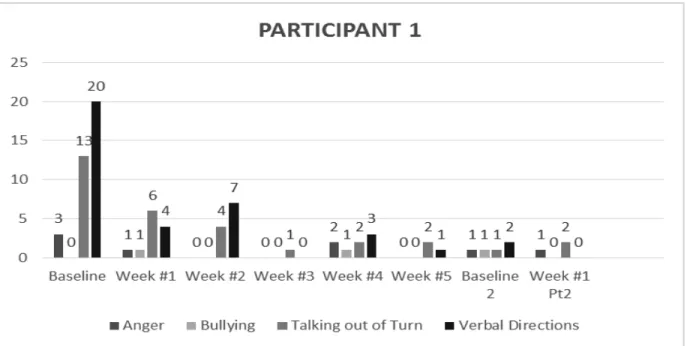
Figure 1. Participant 1 behavior data across 8 week study
Participant 1 struggled with all four of the behaviors, though in the baseline, anger and bullying showed themselves the least, or not at all. One can see that for the first week, the baseline data showed verbal directions and talking out of turn as two of the most problematic behaviors for Participant 1. Upon implementation of the mindfulness intervention, the incidence of the two most disruptive behaviors decreased significantly. Verbal directions incidence went from 20 to 4, giving it a 16 incident occurrence drop in a week. Talking out of turn decreased more than 50% within the first week of the intervention. It’s important to note that one incident of anger and bullying showed up during the first week, but disappeared by the second week and didn’t occur again until the fourth week. The second week, there was a slight regression in verbal directions, though talking out of turn kept dropping. By the third week, the incident of disruptive behavior reached an all time low, with only one incident of talking out of turn. For one reason or another, there was a small regression of all four behaviors during week four. Upon withdrawal of the intervention, one behavioral category seemed to retain their level from the week prior. There was little difference from the withdrawal when the intervention was introduced for the second
time.
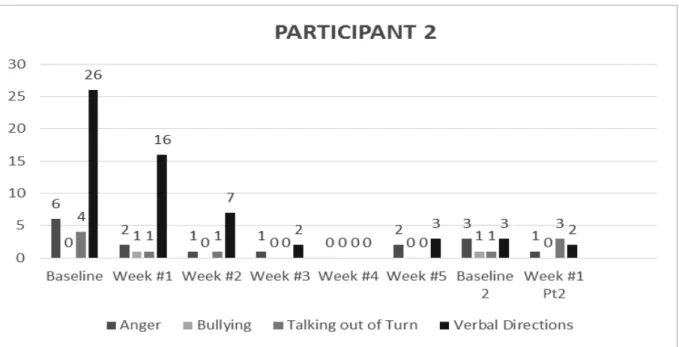
Figure 2. Participant 2 behavior data over 8 week study
Participant 2 had incident occurrences with all four of the behaviors, though in the baseline, bullying had no occurrences. One can see that for the baseline data showed verbal directions and anger as two of the most problematic behaviors for Participant 2. Verbal directions incidence went from 26 to 16, giving it a 10 incident occurrence drop in week 1. Anger decreased more than 50% within the first week of the intervention. It’s important to note that one incident of bullying showed up during the first week, but disappeared by the second week and didn’t show up again until the second baseline. The second week, there was continual drop of verbal
directions and anger though talking out of turn stayed the same. By the third week, there was one incident of anger and two incidences of not following verbal directions. By the fourth week, Participant 2 reached an all time low, with no incidents of any of the four problematic behaviors. Upon withdrawal of the intervention, the four behavioral categories seemed to raise the most, though still remaining relatively low as compared to the original baseline as well as the
time, the behavioral levels rose slightly, overall.
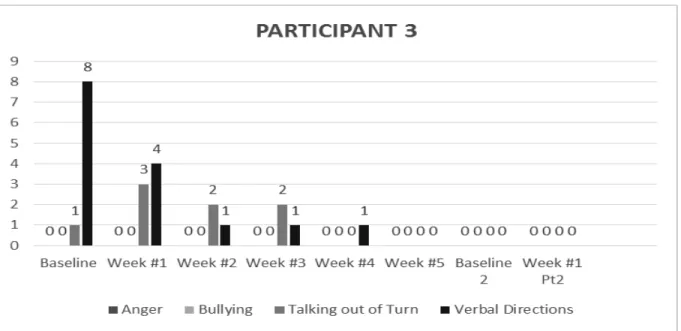
Figure 3. Participant 3 behavior data over 8 week study
Participant 3 had very mild behavioral challenges, though in the baseline, he had 8 occurrences of not following verbal directions. Upon implementation of the mindfulness intervention, the incidence of not following verbal direction behavior decreased by 50%. However, the baseline showed that Participant 3 had one incident of talking out of turn that increased to three incidences during the first week of intervention. There were no incidents of anger or bullying throughout the eight-week study. The second week, there was a drop of verbal directions, from 4 to 1, and talking out of turn decreased by 1 occurrence and it stayed the same for week two and three. By the fourth week, there were no incidences of talking out of turn, which continued with zero occurrences for the rest of the study. By the fifth week, Participant 3 reached an all-time low, with no incidents of any of the four problematic behaviors, which continued with zero occurrences for all behaviors until the end of the study.
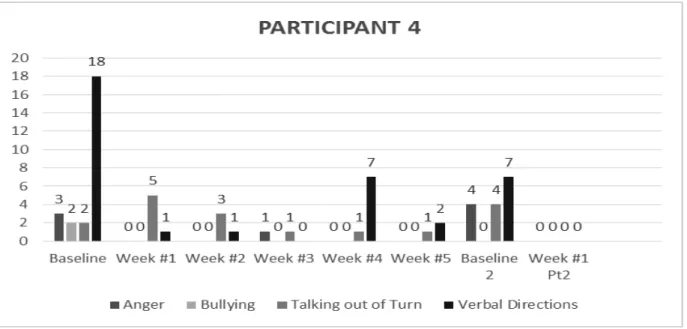
Figure 4. Participant 4 behavior data over 8 week study
For the baseline, Participant 4 had moderate-mild behavioral challenges across all areas of behavior. Upon implementation of the mindfulness intervention, the incidence of verbal direction misbehavior decreased from 18 occurrences to 1 occurrence. Moreover, there were no incidents of anger or bullying during the first week of the mindfulness intervention though talking out of turn increased from two incidences to five incidences during the first week of the intervention. The second week showed a decrease in talking out of turn, from five to three, though not following verbal directions stayed the same. There were still no incidents of anger or bullying during the second week intervention period. During the third week, the verbal directions misbehavior showed a zero incident occurrence though there was a single incident increase in anger. By the fourth week, there were no incidents of bullying or anger, though verbal directions misbehavior rose by 7 occurrences. During the fifth week, Participant 4 had a drop from 7 incidents to 2 incidents, in verbal direction misbehavior. There was a significant regression in all behaviors, except bullying, during the second baseline. The following week, post second
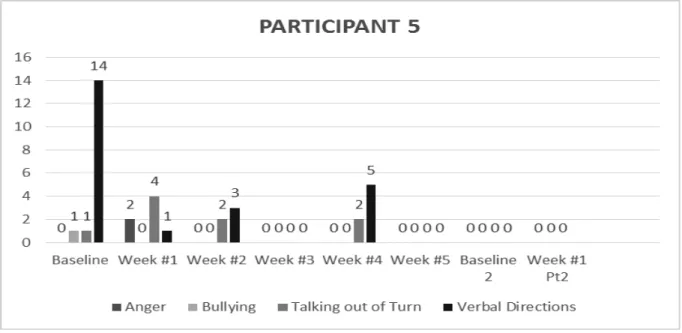
Figure 5. Participant 5 behavior data over 8 week study
During the baseline, Participant 5 displayed 14 incidences of verbal direction misbehavior, one incident of bullying, one incident of talking out of turn and no incidents of anger. The first week, during the introduction of the intervention, verbal directions misbehavior dropped by 13. However, talking out of turn went up by three, bullying dropped off completely and anger showed itself twice. The second week of the intervention, verbal direction misbehavior went up by 2, talking out of turn decreased by 50% and anger dropped off completely. There were no incidents of bullying. There were no incidents of misbehavior in all behavioral categories during week 3 of the intervention. During week four, verbal direction misbehavior showed itself 5 times and talking out of turn showed itself twice. For the rest of the study Participant 5 did not have any occurrences of misbehavior in all behavioral categories.
Figure 6. Total Participant behavior data over 8 week study
For the combined total for all students in relation to their misbehavior, the highest incidents of misbehavior took place in the behavioral category of not following verbal directions. The second highest was talking out of turn, followed with displays of anger and then bullying, as the lowest behavioral incidece of occurrence. Not following verbal directions showed the highest
descending trend,with steady downward occurences, except for regressions during week four as well as the second baseline, when the intervention was withdrawn. The second observed
behavior that showed itself the most, talking out of turn, rose by 8.5 from the original baseline to the first week of the intervention. From then one, talking out of turn showed a steady downward trend of occurrence, though it rose slightly during the second baseline, dropping back down again during the second first week intervention, post withdrawal. Anger decreased during the first and second week of the intervention and stayed at a two incident occurances for the remainder of the study, except during the second baseline, when it roseto 8 occurrences.
Summary
Based on the data, one can see that the intervention of mindfulness lowered the overall occurrences of behavioral challenges in the five participants that participated in the study. Not following verbal directions was the highest recorded behavioral incident during the baseline period of the intervention. Post first baseline, the drop of not following verbal directions dropped significantly, and though there was a slight regression with most of the participants during week four, the cumulative drop of incidents for this behavioral category was more than evident. Therefore, one can safely make the inference that mindfulness practice was successful at
lowering the incidence of not following verbal directions, the highest behavioral challenge for all participants. In regards to talking out of turn, one can see the direct affect that mindfulness had on this behavioral category. All participants showed talking out of turn as the second highest behavioral challenge. The implementation of mindfulness, post-baseline, showed a significant decrease in the incidents of talking out of turn, for all participants. Though the incidence was not as high as not following verbal directions, the overall percentage drop of talking out of turn came to a close second in terms of a large quantitative affect that the mindfulness intervention had on this behavioral category. The other two categories, bullying and anger were harder to interpret due to the fact that the levels of occurrence were inconsistent and fluctuated the most as opposed to talking out of turn and not following verbal directions. Upon implementation of mindfulness, some of the participants’ anger and/or bullying incidents went up, then regressed during various weeks, and then slightly rose again; thus, making it hard to attribute mindfulness towards any of the increase or decrease in both of these behaviors. In answering the research question as to whether mindfulness intervention can reduce the incidence of disruptive behavior, the answer is yes; the use of mindfulness can reduce the incidence of disruptive behavior, though out of all
four behavioral categories, it significantly reduced the behavior of talking out of turn and not following verbal directions.
CHAPTER 5: DISCUSSION Introduction
This section will discuss the general results of the study for the purpose of answering the research question of: Will the use of mindfulness practice decrease the incidence of disruptive behavior in five focus students? The results of the study as well as personal thoughts regarding the study will also be addressed.
Summary
The aim of this study was to find out whether the use of mindfulness as an intervention can reduce problematic behavior in five focus students facing behavioral challenges. The use of mindfulness as an intervention with behaviorally challenged individuals has gained a great amount of support in educational and psychotherapeutic institutions (Mendelson et al., 2010). Due to the growing problem of disruptive behavior throughout K-12 schools as well as
significant increases in school suspensions, new ways of addressing these issues is paramount to school graduation rates and an overall academic-social well being.
The research literature concerning mindfulness approaches as a behavioral intervention in schools has shown much promise. Even though there are some drawbacks in some of the studies that have been done (i.e. poor research design, faulty analysis), the overall results of the studies have been successful in reducing some behavioral problems for students facing conduct issues within school communities. In one mindfulness-meditation study conducted by Barnes, Bauza, and Treiber (2003) there was a significant reduction of behavioral infractions with the
experimental group that practiced mindfulness meditation, in contrast with the control group whose behavioral infractions showed little decrease from the baseline data. However, this study also raised some flags in relation to the small sample size. Moreover, the Barnes, Bauza, and
Treiber study used a mantra-visualization method during the mindfulness meditation sessions, which has been criticized due to the religious foundations of the practice.
Findings Restated
Using mindfulness meditation in the classroom with behaviorally challenged students showed a significant reduction in 50% of the behavioral categories that were tested. In particular, not following verbal directions and talking out of turn showed the most significant decrease, with some of the participants recording zero occurrences towards the end of the study.
Personal Thoughts of Findings
It is important to note that at the beginning of the study, all five participants showed
tremendous stress in keeping their eyes closed, focusing on their breath and not reacting to the disturbing physical sensations in the body that came about from focusing their awareness on the present moment. However, after two weeks of the intervention, these symptoms started to deescalate and it was evident that they were gaining more focus and emotional regulation over their physical sensations.
Limits-Threats to Validity
• Timing: The study is relatively short, with a time period of 8 weeks. The results of the study might be skewed and inaccurate due to emotional variances resulting from the onset of puberty.
• Implementation Fidelity: I have had a particular type of mindfulness training (i.e.
UCLA’s MARC program and Vipassana meditation) that might differentiate from other sorts of mindfulness and/or yoga training methods; therefore, the results of the study might not be comparable to other researchers offering a different type of mindfulness training. Furthermore, one particular mindfulness technique could work for one focus
student, whereas another type might benefit a different focus student.
• Experimental Bias: I am the sole person collecting the data and analyzing the data and
my experience as an avid supporter of mindfulness techniques could potentially skew the results by seeing more of a reduction in behavioral outbursts (during the intervention) due to my own relaxed state, after practicing mindfulness with the five focus students.
Action Plan
The positive results gained from the study; in particular, the reduction of two important behavioral categories with the five behaviorally challenged students will be shared with the school community where the research took place as well as the other schools within the district. Furthermore, the researcher will seek to enroll in another facilitation course, to further his
knowledge of mindfulness in order to train other teachers within the school district, which can be used as part of the PBIS (Positive Behavioral Intervention Supports) model that is currently being implemented and developed within the district.
Implementing mindfulness in order to deal effectively with problematic behavior is a powerful way of addressing referrals and suspension rates facing our school communities. Moreover, the reduction of stress in school classroom, whether in teachers or students, is paramount in maintaining a conducive academic and healthy social-emotional classroom environment. Therefore, initiating mindfulness as part of our district’s PBIS model will be beneficial in relation to improving behavioral challenges throughout school settings.
Dissemination of Plan
Mindfulness training will be initiated with the support of the school district. The researcher will apply to UCLA’s MARC (see researcher background section) yearlong program, which will give the researcher the training necessary to bring mindfulness education to professional
development and/or school site/district workshop trainings for teachers. The results of the mindfulness research will be shared with my school community during parent-teacher
conferences, family night presentations, staff meetings and at district level PBIS events in order to motivate parents, teachers and administrators in bringing mindfulness training within our school district. A district-aimed proposal will be drafted with the help of the PBIS specialist at our school in order to implement the aforementioned.
Conclusion
It is my privilege to have the opportunity to introduce mindfulness into the school district where I teach. The ability to see the emotional-regulation in students facing behavioral issues was an eye opening experience. I have seen firsthand the positive effects that mindfulness can have on behaviorally challenged students. If teachers within school communities take the time to develop and open themselves up to the well-documented emotional-regulating effects that
mindfulness can bring to an individual, I believe the use of mindfulness by well-trained educators could result in a powerful intervention that could impact the culture of a school in a positive and empowering way for both teachers and students. Implementation of mindfulness by teachers could reduce stress teachers encounter by providing an approach that allows for self-regulation of emotions through the foundational processes such as breathing and relaxation. In conclusion, mindfulness practice in classrooms will help alleviate distressing symptoms in students that suffer from emotional-regulating deficiencies when triggered by school stimuli. It was amazing to see the positive results that mindfulness practice had on behaviorally challenged students and the school-community I serve in.
References
Abikoff, H., Jensen, P., Arnold, L., Hoza, B., Hechtman, L., et al. (2002). Observed classroom behavior of children with adhd: Relationship to gender and comorbidity. Journal of Abnormal Child Psychology, 30(4), 349-359.
Barnes, V., Bauza, L., and Treiber, F. (2003). Impact of stress reduction on negative school behavior in adolescents. Health and Quality of Life Outcomes, 1(1), 10.
Bishop, S., Lau, M., Shapiro, S., Carlson, L., Anderson, N., et al. (2004). Mindfulness: A proposed operational definition. Clinical Psychology: Science and Practice, 11(3), 230-24.
Bond, K., Ospina, M., Hooton, N., Bialy, L., Dryden, D., et al. (2009). Defining a complex intervention: The development of demarcation criteria for "meditation". Psychology of Religion and Spirituality, 1(2), 129-137.
Brown, R., and Gerbarg, P. (2009). Yoga breathing, meditation, and longevity. Annals of the New York Academy of Sciences, 1172(1), 54-62.
Brown, K., and Ryan, R. (2004). Perils and promise in defining and measuring
mindfulness: Observations from experience. Clinical Psychology: Science and Practice, 11(3), 242-248.
Cannon, B. (1994). Walter Bradford Cannon: Reflections on the man and his contributions. International Journal of Stress Management, 1(2), 145-158.
Cassileth, B. (2010). Yoga. Oncology, 24(9), 85-169.
Carrell, S., and Hoekstra, M. (2010). Externalities in the classroom: How children exposed to domestic violence affect everyone's kids. American Economic Journal: Applied Economics, 2(1), 211-228.
Costenbader, V., and Markson, S. (1998). School suspension. Journal of School Psychology, 36(1), 59-82.
Davis, J. E., and Jordan, W. J. (1994). The effects of school context, structure, and experiences on African American males in middle and high school. Journal of Negro
Education, 63, 570-587.
Elder, C., Nidich, S., Colbert, R., Hagelin, J., Grayshield, L., et al. (2011). Reduced
psychological distress in racial and ethnic minority students practicing the transcendental meditation program. Journal of Instructional Psychology, 38(2), 109-116.
Fitzgerald, S., Brown, K., Sonnega, J., and Ewart, C. (2005). Early antecedents of adult work stress: Social-emotional competence and anger in adolescence. Journal of Behavioral Medicine, 28(3), 223-230.
Fraenkel, J.R. and Wallen, N.E. (2000). How To Design And Evaluation Research In Education. McGraw-Hill Companies.
Ghahremani, D., Oh, E., Dean, A., Mouzakis, K., Wilson, K., et al. (2013). Effects of the
youth empowerment seminar on impulsive behavior in adolescents. The Journal of Adolescent Health: Official Publication of the Society for Adolescent Medicine, 53(1), 139-141.
Gould, L., Dariotis, J., Mendelson, T., and Greenberg, M. (2012). A school based mindfulness intervention for urban youth: Exploring moderators of intervention effects. Journal of Community Psychology, 40(8), 968-982.
Greenberg, M., and Harris, A. (2012). Nurturing mindfulness in children and youth: Current state of research. Child Development Perspectives, 6(2), 161-166.