Public Health Theses School of Public Health
Spring 5-15-2015
The Association of Major Depression and Selected
Health Behaviors among HIV-positive Adults
Receiving Medical Care in Georgia: Findings from
the Georgia Medical Monitoring Project,
2009-2012
Rachel Culbreth Georgia State University
Follow this and additional works at:https://scholarworks.gsu.edu/iph_theses
This Thesis is brought to you for free and open access by the School of Public Health at ScholarWorks @ Georgia State University. It has been accepted for inclusion in Public Health Theses by an authorized administrator of ScholarWorks @ Georgia State University. For more information, please contact [email protected].
Recommended Citation
i
THE ASSOCIATION OF MAJOR DEPRESSION AND SELECTED HEALTH BEHAVIORS AMONG HIV-POSITIVE ADULTS RECEIVING MEDICAL CARE IN GEORGIA: FINDINGS FROM THE MEDICAL MONITORING PROJECT, 2009-2012
BY
RACHEL E. CULBRETH
B.S, GEORGIA STATE UNIVERSITY
A Thesis Submitted to the Graduate Faculty Of Georgia State University in Partial Fulfillment
Of the
Requirements for the Degree
MASTER OF PUBLIC HEALTH
ii
TABLE OF CONTENTS
Acknowledgements………..………...ix
List of Tables………..……….x
Chapters………..………... I. Introduction 1.1Background………...1
1.2Purpose……..………...2
1.3Hypotheses………..………...2
II. Literature Review 2.1. Epidemiology of HIV………..……….4
2.2. Epidemiology of Depression……….5
2.3. Depression among Adults Living with HIV…..………...6
2.4. Depression and Cigarette Smoking among Adults living with HIV………..10
2.5. Depression and Substance Use among Persons living with HIV...13
2.6.Depression and HIV Medication Adherence………...14
2.7. Summary of literature review and gaps………..15
References………..17
III. Manuscript Introduction..………..28
Methods………..30
iii
Discussion……….……….37
References………..46
Appendices
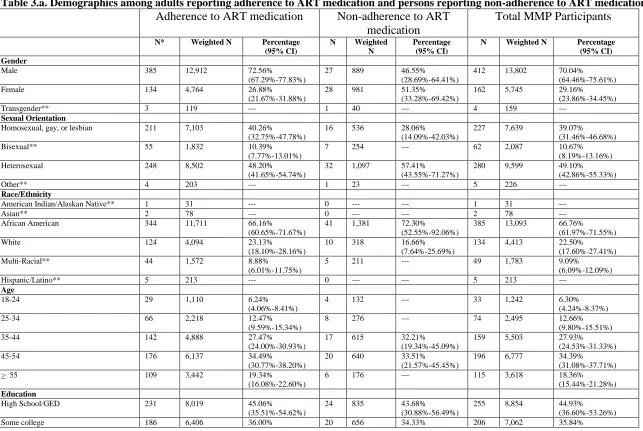
Table 3.a. Demographics among adults reporting adherence to ART medication
and persons reporting non-adherence to ART medication………52
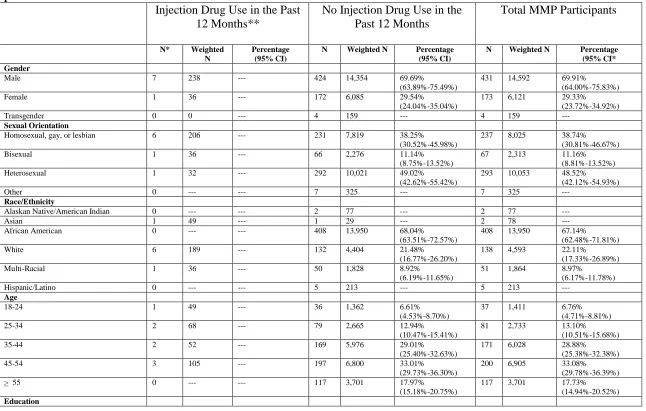
Table 3.b. Demographics among adults who used injection drugs in the past 12
months and persons who did not use injection drugs in the past 12 months…….54
Table 3.c. Demographics among adults who used non-injection drugs in the past
12 months and persons who did not use non-injection drugs in the past 12
months………56
Table 3.d. Demographics among current smokers, former smokers, and
non-smokers...58
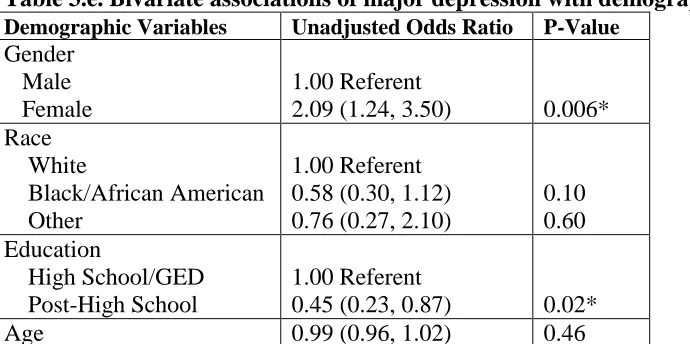
Table 3.e. Bivariate associations of major depression with demographic
iv
THE ASSOCIATION OF MAJOR DEPRESSION AND SELECTED HEALTH BEHAVIORS AMONG HIV-POSITIVE ADULTS RECEIVING MEDICAL CARE IN GEORGIA: FINDINGS FROM THE MEDICAL MONITORING PROJECT, 2009-2012
BY
v
Notice to Borrowers Page
All theses deposited in the Georgia State University Library must be used in accordance with the stipulations prescribed by the author in the preceding statement.
The author of this thesis is:
Student’s Name: Rachel Elizabeth Culbreth______
Street Address: 2550 Akers Mill Road, Apt. N8___
City, State, and Zip Code: Atlanta, Georgia, 30339
The Chair of the committee for this thesis is:
Professor’s Name: Dr. Shanta Dube____________________
Department: Department of Epidemiology and Biostatistics_
College: School of Public Health______________________
Georgia State University School of Public Health P.O. Box 3995
Atlanta, GA 30302-3995
Users of this thesis who are not regularly enrolled as students at Georgia State University are required to attest acceptance of the preceding stipulation by signing below. Libraries borrowing this thesis for use of their patrons are required to see that each user records here the information requested.
NAME OF USER
ADDRESS DATE TYPE OF USE
vi
Author’s Statement Page
In presenting this thesis as a partial fulfillment of the requirements for an
advanced degree from Georgia State University, I agree that the Library of the University shall make it available for inspection and circulation with accordance with its regulations governing materials of this type. I agree that permission to quote from, copy from, or to publish this thesis may by granted by the author or, in his/her absence, by the professor under whose direction it was written, or in his/her absence, by the Associate Dean, School of Public Health. Such quoting, copying, or publishing must be solely for
scholarly purposes and will not involve potential financial gain. It is understood that any copying from or publication of this dissertation which involves potential financial gain will not be allowed without permission of the author.
vii
Rachel Culbreth, BS, RRT
2550 Akers Mill Rd. Apt. N08
Atlanta, GA 30316
Education
MPH Georgia State University
Master’s in Public Health Epidemiology
Spring 2014- Current
Expected Graduation: Spring 2015
BS Georgia State University 2010
Bachelors of Science in Respiratory Therapy Summa Cum Laude
Publications
1. Culbreth R, Goodfellow LT. Complications of prone positioning and extracorporeal membrane oxygenation: A systematic review. Revise and Resubmit: Respiratory Care.
Conference Presentations
1. DiGirolamo A, Bussey R, Culbreth R, Redd S, Romanson B, Sherwood N, Henderson-Smith L. Fidelity to wraparound in Georgia: Demographic differences and relationships with child functioning. Accepted: 28th Annual Research and Policy Conference on Child, Adolescent, and
Young Adult Behavioral Health. Tampa, Florida 2015.
2. Maggio D, Culbreth R, Spears N, Kelly J, Drenzek C. Stigma and Discrimination through the Eyes of Women Living with HIV: An analysis from Georgia MMP data. Center for AIDS Research (CFAR) Networking Meeting: Emory University Rollins School of Public Health. Atlanta, Georgia 2014. 3. Culbreth R, Kelly J, Maggio D, Murphy-Hoefer R, Drenzek C. Surviving HIV and dying for a smoke:
Implications of tobacco use among people living with HIV. Scientific Retreat on Tobacco Related Research. Charleston, South Carolina 2014.
4. Reichling (Culbreth) R, Glass A. The Mental health crisis in Georgia: A Policy Analysis. Georgia State University Undergraduate Research Conference. Atlanta, Georgia 2009.
Research Experience 2014-
Present
Epidemiology Intern- Georgia Department of Public Health Department of HIV/AIDS Epidemiology
2014- Present
Graduate Research Assistant- Georgia State University Georgia Healthy Policy Center
Center of Excellence in Child and Adolescent Behavioral Health
Clinical Experience 2010-
2014
viii
Abstract
Introduction:
Currently there are approximately 1.2 million people in the United States living with HIV and it is estimated that 25.6% of HIV-positive adults suffer from depression. The purpose of this study is to examine the contribution of depression on substance use and
medication adherence specifically among HIV-positive adult Georgians receiving medical care for HIV.
Methods:
Secondary data with a probability sample of 608 HIV-positive adults who took part in the 2009-2012 Georgia Medical Monitoring Project (MMP) were analyzed. Descriptive analysis and multivariate logistic regression models were conducted to assess
relationships between depression with current cigarette smoking, injection drug use, other non-injection drug use, and medication adherence, adjusting for sociodemographic
covariates (age, gender, race, and education). All analyses accounted for non-response and complex sampling design and were performed using SAS 9.2 (Cary, NC).
Results:
Among HIV-positive adults in Georgia, approximately 9.2% met the criteria for major depression; 15.2% of women and 6.9% of men had major depression. Heterosexual adults also had a higher percentage of major depression (11.9%) compared to adults who
identified as bisexual (8.3%) or homosexual (6.1%). Major depression was also highest among young adults (17.1%) and adults with high school diploma or GED (13.0%). Major depression was associated with a greater odds of current cigarette smoking (3.04; 95% CI: 1.48, 6.23); injection drug use (5.62; 95% CI: 0.96, 32.81), and other non-injection drug use (2.17; 95% CI: 1.10, 4.25), after adjusting for sociodemographic variables. Major depression was also associated with a greater odds of ART medication non-adherence, 2.52 (95% CI: 1.20, 5.28), after adjusting for gender.
Conclusion:
ix
Acknowledgements
x
List of Tables
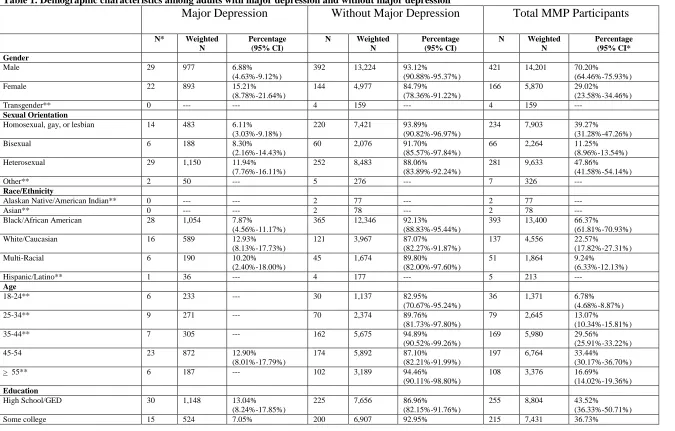
Table 1. Demographic characteristics among adults with major depression and adults
without major depression……….43
1
CHAPTER I: Introduction
1.1 Background
Approximately 1.2 million people within the United States are currently living
with Human Immunodeficiency Virus (HIV), and nearly 14% are not aware of their HIV
infection (“CDC - HIV/AIDS”). The CDC estimates 50,000 new HIV infections each
year (“CDC - HIV/AIDS”). According to the Georgia Department of Public Health
HIV/AIDS Epidemiology Section, approximately 50, 436 people were living with HIV in
Georgia as of December 31, 2012 (The Georgia Department of Public Health Fact Sheet:
HIV Surveillance, Georgia, 2012). Georgia has the sixth highest HIV prevalence among
adults and adolescents in the United States, and Georgia ranked fourth highest in the
United States for new HIV infections in 2011 (The Georgia Department of Public Health
Fact Sheet: HIV Surveillance, Georgia, 2012).
If left untreated, HIV leads to acquired immunodeficiency syndrome (AIDS). HIV
impairs the immune system by destroying CD4 cells. HIV is classified into three stages
which are measured by CD4 counts. Stage three is when CD4 levels are the lowest,
classified as AIDS. Although there is no cure at this time, treatment with antiretroviral
therapy (ART) is highly effective at improving the quality and longevity of life among
people living with HIV. ART lowers a person’s viral load and decreases the risk of
transmission (The Georgia Department of Public Health Fact Sheet: HIV Surveillance,
Adults with HIV experience multiple comorbid social, behavioral, physical, and
mental health problems. For example, adults with HIV may deal with stigma and
discrimination, and this may lead to chronic stress and substance use. Adults with HIV
also may engage in more risk taking behaviors such as unprotected sex or needle-sharing
injection drug use, and because many persons may not know they are infected, risk taking
behaviors by persons with HIV may further increase the likelihood of spreading the virus.
While individuals living with HIV are living longer lives compared to the era
before ART, complications and barriers still exist linking and retaining individuals with
HIV to treatment and care. Specific comorbidities are common to people living with
HIV. Mental illness, specifically depression, disproportionately affects this population.
The presence of depression among HIV-positive adults is strongly suspected to be a
barrier to accessing and remaining in care.
1.2 Purpose of the study
The purpose of this study is to examine the association of major depression with
current cigarette smoking, injection drug use, other non-injection drug use, and
medication adherence, among adults in Georgia receiving medical care for HIV infection
using the Georgia Medical Monitoring Project Data, 2009-2012.
1.3 Hypotheses
The four null hypotheses will be tested using multivariate logistic regression: (1) Among
adults residing in Georgia living with HIV, major depression will have no association
with current cigarette smoking, (2) Among adults residing in Georgia living with HIV,
major depression will have no association with injection drug use, (3) Among adults
non-injection drug use, and (4) Among adults residing in Georgia living with HIV, major
4
CHAPTER II: Literature Review
2.1 Epidemiology of HIV
Approximately 1.2 million people within the United States are currently living
with Human Immunodeficiency Virus (HIV) (“CDC - HIV/AIDS”). Currently, African
Americans are most affected by HIV in the United States. African American’s rate of
infection is nearly 8 times compared to whites (“CDC - HIV/AIDS”). African Americans
also have a higher proportion of new HIV infections, a higher prevalence of HIV
infections, and a higher proportion of persons ever diagnosed with AIDS (“CDC -
HIV/AIDS”). An estimated 44% of all new HIV infections among individuals 13 or older
were African Americans, and among those, an estimated 70% were men. More new HIV
infections were among African American men who have sex with men, ages 13 to 24,
than other men who have sex with men (“CDC - HIV/AIDS”).
In the United States, 75% of all adults living with HIV were men, and the
majority of those individuals were men who have sex with men (“CDC - HIV/AIDS”).
Among women, most new HIV infections are from heterosexual contact (“CDC -
HIV/AIDS”). As with men, African American women are disproportionately affected by
HIV compared to other races; nearly 64% of HIV-positive women are African American.
Also, women overall are not receiving adequate care for their HIV in the United States.
Only 45% of HIV-positive women were retained in care (“CDC - HIV/AIDS”).
Similar trends are observed in Georgia compared to national HIV epidemiology.
According to the Georgia Department of Public Health HIV/AIDS Epidemiology
31, 2012 (The Georgia Department of Public Health Fact Sheet: HIV Surveillance,
Georgia, 2012). Georgia has the sixth highest HIV prevalence among adults and
adolescents in the United States, and Georgia ranked fourth highest in the United States
for new HIV infections in 2011 (The Georgia Department of Public Health Fact Sheet:
HIV Surveillance, Georgia, 2012). Men account for 78% of new HIV infections, and
55% of all new HIV infections were African American.
2.2 Epidemiology of Depression among Adults in the U.S. Population
During 2009-2011, an annual average of 19.9% of adults had a mental illness,
including individuals with depression, schizophrenia, and bipolar disorders (Centers for
Disease Control and Prevention (CDC), 2013). Among these individuals, the highest
proportion of mental illness was among adults ages 18 to 24 and among women. An
estimated 23.4% (95% CI, 22.9-23.9) of women had a mental illness compared with
16.1% (95% CI, 15.7-16.6) of men (Centers for Disease Control and Prevention (CDC),
2013). The median state percentage of adults with any mental illness was 20.4%, and
Georgia had a 17.2% percentage of adults with a mental illness (Centers for Disease
Control and Prevention (CDC), 2013). A recent examination of NHANES 2009-2010
revealed that the prevalence of depressive symptoms among adults ages 18 and older was
25.7% (Wittayanukorn, Qian, & Hansen, 2014). Among the 25.7% experiencing
depressive symptoms, 36.6% were classified as having moderate to severe depression
(Wittayanukorn et al., 2014). Furthermore, among those classified as having moderate to
severe depression, only 38.7% were receiving antidepressant medication or seeing a
Major depressive disorder, as defined by the Diagnostic and Statistical Manual of
Mental Disorders, fourth edition (DSM-IV), includes experiencing five or more
depressive symptoms (American Psychiatric Association, 2000). These symptoms can
include feeling sad or empty, diminished interest in activities, significant weight loss,
insomnia or hypersomnia, psychomotor agitation, fatigue, feelings of worthlessness, and
an inability to concentrate (American Psychiatric Association, 2013).
There are multiple scales and instruments currently used to assess depression
among the adult population. The Patient Health Questionnaire (PHQ-9) is one such
instrument, which has become an increasingly popular tool in surveillance systems to
assess the 9 criteria for depression as defined by the DSM-IV (American Psychiatric
Association, 2000; K. Kroenke, Spitzer, & Williams, 2001). Recently, a PHQ-8 became
available that consisted of an 8-item version of the PHQ-9 (Kurt Kroenke et al., 2009).
PHQ-8 has demonstrated strong validity and reliability as a measure to assess current
depression (Kurt Kroenke et al., 2009).
2.3 Depression among Adults living with HIV
Among HIV-infected individuals, depression is the most common
neuropsychiatric disorder that affects these individuals (Nanni, Caruso, Mitchell,
Meggiolaro, & Grassi, 2015). The prevalence of depression among HIV-infected
individuals is anywhere between 18 and 81 percent (Arseniou, Arvaniti, & Samakouri,
2014). Depression also disproportionately affects HIV-positive individuals compared to
HIV-negative individuals (Bing et al., 2001). Using the National Medical Monitoring
Project (MMP) and the Behavioral Risk Factor Surveillance System (BRFSS), the
23.8%-27.4%) compared to 9.1% (95% CI: 8.9%-9.4%) of adults in the general
population who had any depression (Do et al., 2014). An estimated 12.4% (95% CI:
11.2%, 13.7%) of HIV-positive adults had major depression compared to 4.1% (95% CI:
3.9%, 4.2%) who had major depression in the general population (Do et al., 2014). This
estimate of 25.6% of HIV-positive adults with any depression is also higher than the
estimated 19.9% of adults in the general population who had a mental illness (Centers for
Disease Control and Prevention (CDC), 2013). Compared to the general population, HIV
positive persons are between two and seven times more likely to be diagnosed with major
depression (Hinkin, Castellon, Atkinson, & Goodkin, 2001; Do et al., 2014). Depression
among people living with HIV is known to have an effect on several health outcomes and
health behaviors (Arseniou et al., 2014).
The relationship between depression and HIV infection is complicated, and the
directionality of causation is often unclear. Depression does not only frequently occur
after HIV diagnosis, but depression can be a risk factor for HIV transmission (Nanni et
al., 2015). Adults with severe mental illness (SMI), including those with depression, are
more likely to engage in risky sexual behavior or use injection drugs, therefore increasing
HIV transmission risk (Meade & Sikkema, 2005). In the study by Do et al., adults who
engaged in one or more HIV risk behaviors had a depression prevalence twice the
depression prevalence of adults who did not engage in HIV risk behaviors (2014).
Biological Etiologies of Depression among persons living with HIV
Depression also frequently occurs after HIV diagnosis. Depression within the
HIV-positive population has several etiologies, including biological and psychosocial
altering biological elements within the brain, leading to depression. One indication that
the HIV virus has infected the central nervous system is the presence of neurocognitive
defects, which also may potentially cause depression (Gibbie et al., 2006). HIV infection
has been linked to alterations of neural networks and white matter structure, alterations of
brain morphology, somatostatin dysregulation, and tryptophan degradation (Gibbie et al.,
2006). Several studies have examined brain structure alterations among HIV-negative
individuals with major depression, and they have found several brain structures actually
morph over time (Milak et al., 2005; Sheline, 2000). These certain brain structures,
including basal ganglia, orbitofrontal cortex, and neural networks, are also vulnerable to
HIV infection, which may cause secondary depression (Arseniou et al., 2014). Long-term
studies are needed to further examine this relationship, but there is evidence linking HIV
infection and depression within the brain structures.
Another biological mechanism that has been hypothesized as linking HIV
infection to depression is hypothalamus-pituitary-thyroid (HPT) dysfunction (Arseniou et
al., 2014). HPT dysfunction, among the HIV-negative population, is known to cause
depression, along with mood disorders and dementia. HIV infection of the CNS may alter
hypothalamus and thyroid communication; therefore, HIV infection of the CNS may
cause depression through this mechanism (Langford, Baron, Joy, Del Valle, & Shack,
2011).
Psychosocial Etiologies of Depression among persons living with HIV
Apart from the biological factors explaining depression diagnoses post-HIV
infection, psychosocial factors among HIV-positive adults also contribute to the
newly diagnosed with a chronic illness or disease exhibit elevated levels of depression
(DeJean, Giacomini, Vanstone, & Brundisini, 2013). Among HIV positive individuals,
changes in social support structure and body image, perceived stigma, and occupational
disability contribute to an increase risk of depression (Olatunji, Mimiaga, O’Cleirigh, &
Safren, 2006). Among a study assessing the emotions of newly diagnosed men and
women in the San Francisco area, a qualitative analysis revealed several common themes
about initial diagnosis, including concerns about dying, stigma, and a threat to identity
(Moskowitz, Wrubel, Hult, Maurer, & Acree, 2013).
Depression’s Impact on the Progression of HIV
Depression is not only harmful to individuals living with HIV and their sense of
well-being, but one study revealed depressive symptoms were associated with a quicker
development of an AIDS condition compared to individuals without depressive
symptoms (J. Leserman et al., 2002). This rapid progression can be due to a variety of
factors, including individuals with depressive symptoms adhering less to HIV medication
regimen than individuals without depressive symptoms (Soller et al., 2011). Chronic
depression, as well as stressful events and trauma, may negatively influence disease
progression by decreasing CD4 T lymphocytes and increasing risk for mortality
(Leserman, 2003; Leserman, 2008). The extent of this relationship of depression to
biomarkers still needs to be explored; depression may influence psychosocial and
behavioral risk factors, which subsequently influence an increase in viral load or decrease
in CD4 T lymphocytes (Schuster, Bornovalova, & Hunt, 2012).
Early studies revealed depression has a substantial influence on the immune
is further worsened by depression’s negative influence on the production of cytotoxic
lymphocytes (Herbert & Cohen, 1993). Hyperactivity of the HPA axis, which results
from major depression, increases glucocorticoid circulation (Pariante & Lightman, 2008).
Glucocorticoids have an effect on the production of interleukins and interferons, which
have a direct impact on lymphocytes’ mechanism of fighting infectious agents (Schuster
et al., 2012).
In addition to these studies, other researchers sought to evaluate depression’s
effect on the immune system in patients on antiretroviral therapy. A small study in Italy
revealed a significant difference in the number of natural killer cells between depressed
individuals and non-depressed individuals (Alciati, Gallo, Monforte, Brambilla, &
Mellado, 2007). These participants were all receiving antiretroviral therapy.
2.4 Depression and Cigarette Smoking among Adults living with HIV
The association between depression and cigarette smoking among the general population
Among the general United States adult population, a strong relationship between
mental illness and tobacco use exists in the general U.S. adult population and also across
US states (Dube et al., 2009; McClave et al., 2009). During 2009-2011, a yearly average
of 19.9% of adults ages 18 and older were living with a mental illness, and among these
adults, 36.1% were current smokers (Centers for Disease Control and Prevention (CDC),
2013). Among the general adult population ages 18 and older, 21.4% of adults are current
smokers, substantially lower than the smoking prevalence among those living with a
mental illness (Centers for Disease Control and Prevention (CDC), 2013). Among
Georgians, an estimated 24% (95% CI, 18.8-30.1) of adults with a mental illness smoke.
psychoactive properties of nicotine, which may help to ameliorate negative affective
states that are symptoms of many types of mental illnesses, including major depression
(McClave, McKnight-Eily, Davis, & Dube, 2010; Strine et al., 2012; Trosclair & Dube,
2010).
Depression and cigarette smoking among persons living with HIV
While mental illnesses, including depression, have a known association with
cigarette smoking, the general adult population living with HIV also experience a higher
smoking prevalence compared to the general adult population in the United States
(Browning, Wewers, Ferketich, & Diaz, 2013; Centers for Disease Control and
Prevention (CDC),"BRFSS,” 2013). Studies have reported smoking prevalence in the
range of 40-70% among persons living with HIV, compared to the general population
smoking prevalence of 21.4% (Centers for Disease Control and Prevention (CDC), 2013).
In 2013, the Behavioral Risk Factor Surveillance System (BRFSS) estimated only 17.8%
of adults are current smokers, a decrease from the previous estimate of 21.4% (Centers
for Disease Control and Prevention (CDC),"BRFSS,” 2013). Mdodo et al, 2015
examined smoking prevalence and quit ratios among HIV adults in care who participated
in the Medical Monitoring Project compared to adults who participated in the National
Health Interview Survey in 2009 (2015). Smoking prevalence among adults was 42.4%
(95% CI, 39.7% to 45.1%) compared to 20.6% of adults in the general population
(Mdodo et al., 2015). Adults living with HIV were nearly twice as likely to smoke, and
less likely to quit smoking (quit ratio, 32.4% vs. 51.7%) (Mdodo et al., 2015). Adults
living with HIV are disproportionately affected by cigarette smoking compared to the
Depression may be a factor in the high cigarette smoking prevalence observed in
people living with HIV (Browning et al., 2013). Due to the high proportion of depression
among HIV-positive individuals, smoking may in fact help to mitigate the effects of
depression, as seen in the general adult population (Burkhalter, Springer, Chhabra,
Ostroff, & Rapkin, 2005). HIV-positive individuals that currently smoke also have lower
quit rates compared to the general adult population, and a high prevalence of depression
may impact quit attempts (Burkhalter et al., 2005).
Shuter, Bernstein, and Moadel examined smoking behaviors and beliefs among
persons living with HIV (2012). These individuals were receiving care, and most of the
individuals explained that cigarette smoking helped them cope with anger, depression, or
anxiety (Shuter et al., 2012). Among these participants, 73.3% stated they were currently
depressed or experienced depression in the past (Shuter et al., 2012).
The increased burden of cigarette smoking among persons living with HIV
Cigarette smoking increases risk for diseases for HIV-positive smokers, including
cardiovascular disease, pneumonia, lung cancer, and liver cancer (Helleberg et al., 2013).
HIV-positive smokers are more susceptible to develop chronic obstructive pulmonary
disorder (COPD) compared to smokers in the general population (Crothers et al., 2006).
One study revealed liver cancer risk is synergistically increased by HIV infection and
current tobacco use (Helleberg et al., 2013). The authors also reported a substantial
increase in mortality among HIV-positive smokers compared to HIV-infected
non-smokers (Helleberg et al., 2013). In another study, Helleberg, et al, examined associations
between smoking and mortality among individuals in care with more than one year after
al., 2015). The mortality rate ratio (MRR) which compared HIV-infected smokers with
HIV-infected nonsmokers was 1.94 (95% CI 1.56-2.41). HIV-positive smokers also
experienced a higher mortality from cardiovascular disease [MRR 6.28 (95% CI
2.19-18.0)] (Helleberg et al., 2015). The loss life-years associated with smoking was 7.9 (95%
CI 7.1-8.7) (Helleberg et al., 2015).
2.5 Depression and Substance Use among Adults living with HIV
Previous research has demonstrated a relationship between depression and
substance use in persons living with HIV. Studies have estimated between 10% and 28%
of persons living with HIV have co-occurring substance use disorders and mental illness
disorders, including depression (Burnam et al., 2001; Dausey & Desai, 2003). A national
study that utilized a probability sample of HIV-positive individuals in care revealed that
drug dependence was independently associated with a number of factors, including
screening positive for a psychiatric disorder, including depression (Bing et al., 2001).
Berger-Greenstein et al. estimated a 72% prevalence of depression among HIV-positive
substance users in a low-income, urban setting (2007). Depression and substance use
disorders are also related to low medication adherence, essentially creating a complicated
mechanism of disease progression (Magidson et al., 2014).
Researchers have also found that depressive symptoms are associated with an
increase in risky behaviors, which have an even larger impact on HIV-positive substance
users, particularly injection-drug users (Johnson, Rabkin, Lipsitz, Williams, & Remien,
1999). Depressive symptoms have been related to an increase in needle-sharing, which
increases both the risk of transmissibility of HIV as well as a new infection of a different
2007). Persons who are infected with more than one strain of HIV have an increased
probability of experiencing resistance to antiretroviral medications (Berger-Greenstein et
al., 2007).
Although the relationship between depression and substance use has been
explored among persons living with HIV, few articles examine the relationship between
depression and use of specific drugs, especially non-injection drugs, among persons
living with HIV in care. A study which examined co-occurring substance use disorders
with psychological distress found the strongest relationship among opioid users
(McCabe, Feaster, & Mitrani, 2014). Opioid users had three times the odds of having
co-occurring psychological distress (OR=2.75, p=0.035) (McCabe et al., 2014). This article
also assessed relationships between psychological distress and use of other substances,
including cannabis, alcohol, and sedatives; however, these relationships were not
statistically significant (McCabe et al., 2014).
2.6 Depression and HIV Medication Adherence
Depression has been linked to a decrease in HIV medication adherence in more
than 95 studies (Gonzalez, Batchelder, Psaros, & Safren, 2011). This meta-analytic
review found that across 95 independent samples depression was significantly (P<0.01)
related to medication non-adherence (r=0.19; 95% CI 0.14-0.25) (Gonzalez et al., 2011).
However, contradicting results were found in a study assessing medication adherence
among HIV-positive substance users with a mental illness, including those with
depression (Berger-Greenstein et al., 2007). The participants were actively receiving care
for HIV, and 72.9% of participants had major depression disorder (Berger-Greenstein et
depression symptoms were also likely to report a high rate of medication adherence
compared to individuals reporting a smaller number of depression symptoms
(Berger-Greenstein et al., 2007). The authors reasoned that depressed individuals are more likely
to be concerned with longevity of life and their health, and they are more likely to take
their medications. They also proposed that medication adherence could have been falsely
reported by these individuals, possibly due to their depression interfering with memory
recall or social desirability bias (Berger-Greenstein et al., 2007).
Although many studies have assessed the relationship of depression to HIV
medication adherence, articles have revealed inconsistent results. Few articles also
explore the relationship between depression and medication adherence among individuals
receiving continuous care for HIV (Berger-Greenstein et al., 2007). Other researchers
have sought to examine the relationships between depression, non-medication adherence,
and other variables.
Medication adherence is measured in a variety of ways. Although medication
adherence is measured primarily by self-reported questionnaires or interviews,
medication adherence can also be measured by viral load (Bonner, Mezochow, Roberts,
Ford, & Cohn, 2013). Most HIV-positive individuals who are adhering to antiretroviral
medications are virally suppressed.
2.7 Summary of Literature Review and Gaps
Individuals living with HIV and co-morbid depression experience more adverse
health behaviors, such as medication non-adherence, current cigarette smoking, and
substance use, compared to individuals living without depression. Untreated depression
Abstaining from substance use and cigarette smoking behaviors has been shown to
prolong life for this population. Furthermore, adhering to ART medication promotes
healthier, longer lives while substantially decreasing the risk of HIV transmission.
However, these important behaviors are negatively impacted by depression. Since
depression has such a high prevalence in this population compared with the general
population, identifying and treating depression has enormous implications for persons
living with HIV.
Although a substantial amount of literature exists around depression among
persons living with HIV, few studies have consistently evaluated individuals living with
HIV who are currently receiving medical care. By analyzing Medical Monitoring Project
participants in Georgia, this study can provide a unique perspective of the association of
depression on certain health behaviors among individuals currently receiving medical
care for HIV. Most studies reviewed have examined the relationship between depression
and adverse health outcomes; however, no studies to date have assessed the relationship
between depression and adverse health outcomes among HIV-positive adults in Georgia
receiving care. The results will inform public health professionals and healthcare
providers on the importance of screening and treatment of depression among this
References
Alciati, A., Gallo, L., Monforte, A. D., Brambilla, F., & Mellado, C. (2007). Major
depression-related immunological changes and combination antiretroviral therapy
in HIV-seropositive patients. Human Psychopharmacology, 22(1), 33–40.
http://doi.org/10.1002/hup.813
American Psychiatric Association. (2013). Diagnostic and Statistical manual of mental
disorders (5th ed.). Washington, DC.
Arseniou, S., Arvaniti, A., & Samakouri, M. (2014). HIV infection and depression.
Psychiatry and Clinical Neurosciences, 68(2), 96–109.
http://doi.org/10.1111/pcn.12097
Association, A. P. (2000). Diagnostic and Statistical Manual of Mental Disorders, 4th
Edition, Text Revision (4th edition). Washington, DC: American Psychiatric
Association.
Berger-Greenstein, J. A., Cuevas, C. A., Brady, S. M., Trezza, G., Richardson, M. A., &
Keane, T. M. (2007). Major depression in patients with HIV/AIDS and substance
abuse. AIDS Patient Care and STDs, 21(12), 942–955.
http://doi.org/10.1089/apc.2006.0153
Bing, E. G., Burnam, M. A., Longshore, D., Fleishman, J. A., Sherbourne, C. D., London,
A. S., … Shapiro, M. (2001). Psychiatric disorders and drug use among human
immunodeficiency virus-infected adults in the United States. Archives of General
Psychiatry, 58(8), 721–728.
Bonner, K., Mezochow, A., Roberts, T., Ford, N., & Cohn, J. (2013). Viral load
Acquired Immune Deficiency Syndromes (1999), 64(1), 74–78.
http://doi.org/10.1097/QAI.0b013e31829f05ac
BRFSS Prevalence and Trends Data - List of All States. (n.d.). Retrieved January 25,
2015, from
http://apps.nccd.cdc.gov/brfss/list.asp?cat=TU&yr=2013&qkey=8161&state=All
Browning, K. K., Wewers, M. E., Ferketich, A. K., & Diaz, P. (2013). Tobacco use and
cessation in HIV-infected individuals. Clinics in Chest Medicine, 34(2), 181–190.
http://doi.org/10.1016/j.ccm.2013.01.005
Burkhalter, J. E., Springer, C. M., Chhabra, R., Ostroff, J. S., & Rapkin, B. D. (2005).
Tobacco use and readiness to quit smoking in low-income HIV-infected persons.
Nicotine & Tobacco Research: Official Journal of the Society for Research on
Nicotine and Tobacco, 7(4), 511–522.
http://doi.org/10.1080/14622200500186064
Burnam, M. A., Bing, E. G., Morton, S. C., Sherbourne, C., Fleishman, J. A., London, A.
S., … Shapiro, M. F. (2001). Use of mental health and substance abuse treatment
services among adults with HIV in the United States. Archives of General
Psychiatry, 58(8), 729–736.
CDC - HIV/AIDS Home. (n.d.). Retrieved February 1, 2015, from
http://www.cdc.gov/hiv/
Centers for Disease Control and Prevention (CDC). (2013). Vital signs: current cigarette
smoking among adults aged ≥18 years with mental illness - United States,
Crothers, K., Butt, A. A., Gibert, C. L., Rodriguez-Barradas, M. C., Crystal, S., Justice,
A. C., & Veterans Aging Cohort 5 Project Team. (2006). Increased COPD among
HIV-positive compared to HIV-negative veterans. Chest, 130(5), 1326–1333.
http://doi.org/10.1378/chest.130.5.1326
Dausey, D. J., & Desai, R. A. (2003). Psychiatric comorbidity and the prevalence of HIV
infection in a sample of patients in treatment for substance abuse. The Journal of
Nervous and Mental Disease, 191(1), 10–17.
http://doi.org/10.1097/01.NMD.0000044704.49418.E2
DeJean, D., Giacomini, M., Vanstone, M., & Brundisini, F. (2013). Patient experiences of
depression and anxiety with chronic disease: a systematic review and qualitative
meta-synthesis. Ontario Health Technology Assessment Series, 13(16), 1–33.
Do, A. N., Rosenberg, E. S., Sullivan, P. S., Beer, L., Strine, T. W., Schulden, J. D., …
Skarbinski, J. (2014). Excess Burden of Depression among HIV-Infected Persons
Receiving Medical Care in the United States: Data from the Medical Monitoring
Project and the Behavioral Risk Factor Surveillance System. PLoS ONE, 9(3),
e92842. http://doi.org/10.1371/journal.pone.0092842
Dube, S. R., Caraballo, R. S., Dhingra, S. S., Pearson, W. S., McClave, A. K., Strine, T.
W., … Mokdad, A. H. (2009). The relationship between smoking status and
serious psychological distress: findings from the 2007 Behavioral Risk Factor
Surveillance System. International Journal of Public Health, 54 Suppl 1, 68–74.
http://doi.org/10.1007/s00038-009-0009-y
Gibbie, T., Mijch, A., Ellen, S., Hoy, J., Hutchison, C., Wright, E., … Judd, F. (2006).
2-year follow-up. HIV Medicine, 7(2), 112–121.
http://doi.org/10.1111/j.1468-1293.2006.00350.x
Gonzalez, J. S., Batchelder, A. W., Psaros, C., & Safren, S. A. (2011). Depression and
HIV/AIDS treatment nonadherence: a review and meta-analysis. Journal of
Acquired Immune Deficiency Syndromes (1999), 58(2), 181–187.
http://doi.org/10.1097/QAI.0b013e31822d490a
Helleberg, M., Afzal, S., Kronborg, G., Larsen, C. S., Pedersen, G., Pedersen, C., …
Obel, N. (2013). Mortality attributable to smoking among HIV-1-infected
individuals: a nationwide, population-based cohort study. Clinical Infectious
Diseases: An Official Publication of the Infectious Diseases Society of America,
56(5), 727–734. http://doi.org/10.1093/cid/cis933
Helleberg, M., May, M. T., Ingle, S. M., Dabis, F., Reiss, P., Fätkenheuer, G., … Obel,
N. (2015). Smoking and life expectancy among HIV-infected individuals on
antiretroviral therapy in Europe and North America. AIDS (London, England),
29(2), 221–229. http://doi.org/10.1097/QAD.0000000000000540
Herbert, T. B., & Cohen, S. (1993). Depression and immunity: a meta-analytic review.
Psychological Bulletin, 113(3), 472–486.
Hinkin, C. H., Castellon, S. A., Atkinson, J. H., & Goodkin, K. (2001). Neuropsychiatric
aspects of HIV infection among older adults. Journal of Clinical Epidemiology,
54 Suppl 1, S44–52.
Johnson, J. G., Rabkin, J. G., Lipsitz, J. D., Williams, J. B., & Remien, R. H. (1999).
(HIV)-positive and HIV-negative intravenous drug users: findings of a 3-year
longitudinal study. Comprehensive Psychiatry, 40(1), 31–34.
Kroenke, K., Spitzer, R. L., & Williams, J. B. (2001). The PHQ-9: validity of a brief
depression severity measure. Journal of General Internal Medicine, 16(9), 606–
613.
Kroenke, K., Strine, T. W., Spitzer, R. L., Williams, J. B. W., Berry, J. T., & Mokdad, A.
H. (2009). The PHQ-8 as a measure of current depression in the general
population. Journal of Affective Disorders, 114(1), 163–173.
http://doi.org/10.1016/j.jad.2008.06.026
Langford, D., Baron, D., Joy, J., Del Valle, L., & Shack, J. (2011). Contributions of HIV
infection in the hypothalamus and substance abuse/use to HPT dysregulation.
Psychoneuroendocrinology, 36(5), 710–719.
http://doi.org/10.1016/j.psyneuen.2010.10.005
Leserman, J. (2003). HIV disease progression: depression, stress, and possible
mechanisms. Biological Psychiatry, 54(3), 295–306.
Leserman, J. (2008). Role of depression, stress, and trauma in HIV disease progression.
Psychosomatic Medicine, 70(5), 539–545.
http://doi.org/10.1097/PSY.0b013e3181777a5f
Leserman, J., Petitto, J. M., Gu, H., Gaynes, B. N., Barroso, J., Golden, R.
N., … Evans, D. L. (2002). Progression to AIDS, a clinical AIDS
condition and mortality: psychosocial and physiological predictors. Psychological
Magidson, J. F., Listhaus, A., Seitz-Brown, C. J., Safren, S. A., Lejuez, C. W., &
Daughters, S. B. (2014). Can behavioral theory inform the understanding of
depression and medication nonadherence among HIV-positive substance users?
Journal of Behavioral Medicine. http://doi.org/10.1007/s10865-014-9606-1
McCabe, B. E., Feaster, D. J., & Mitrani, V. B. (2014). Health correlates of co-occurring
substance use for women with HIV in cocaine use recovery. Addictive Behaviors,
39(3), 725–728. http://doi.org/10.1016/j.addbeh.2013.11.026
McClave, A. K., Dube, S. R., Strine, T. W., Kroenke, K., Caraballo, R. S., & Mokdad, A.
H. (2009). Associations between smoking cessation and anxiety and depression
among U.S. adults. Addictive Behaviors, 34(6-7), 491–497.
http://doi.org/10.1016/j.addbeh.2009.01.005
McClave, A. K., McKnight-Eily, L. R., Davis, S. P., & Dube, S. R. (2010). Smoking
characteristics of adults with selected lifetime mental illnesses: results from the
2007 National Health Interview Survey. American Journal of Public Health,
100(12), 2464–2472. http://doi.org/10.2105/AJPH.2009.188136
Mdodo, R., Frazier, E. L., Dube, S. R., Mattson, C. L., Sutton, M. Y., Brooks, J. T., &
Skarbinski, J. (2015). Cigarette Smoking Prevalence Among Adults With HIV
Compared With the General Adult Population in the United StatesCross-sectional
SurveysCigarette Smoking Prevalence Among Adults With HIV. Annals of
Internal Medicine, 162(5), 335–344. http://doi.org/10.7326/M14-0954
Meade, C. S., & Sikkema, K. J. (2005). HIV risk behavior among adults with severe
mental illness: A systematic review. Clinical Psychology Review, 25(4), 433–457.
Milak, M. S., Parsey, R. V., Keilp, J., Oquendo, M. A., Malone, K. M., & Mann, J. J.
(2005). Neuroanatomic correlates of psychopathologic components of major
depressive disorder. Archives of General Psychiatry, 62(4), 397–408.
http://doi.org/10.1001/archpsyc.62.4.397
Moskowitz, J. T., Wrubel, J., Hult, J. R., Maurer, S., & Acree, M. (2013). Illness
appraisals and depression in the first year after HIV diagnosis. PloS One, 8(10),
e78904. http://doi.org/10.1371/journal.pone.0078904
Nanni, M. G., Caruso, R., Mitchell, A. J., Meggiolaro, E., & Grassi, L. (2015).
Depression in HIV infected patients: a review. Current Psychiatry Reports, 17(1),
530. http://doi.org/10.1007/s11920-014-0530-4
Olatunji, B. O., Mimiaga, M. J., O’Cleirigh, C., & Safren, S. A. (2006). Review of
treatment studies of depression in HIV. Topics in HIV Medicine: A Publication of
the International AIDS Society, USA, 14(3), 112–124.
Pariante, C. M., & Lightman, S. L. (2008). The HPA axis in major depression: classical
theories and new developments. Trends in Neurosciences, 31(9), 464–468.
http://doi.org/10.1016/j.tins.2008.06.006
Schuster, R., Bornovalova, M., & Hunt, E. (2012). The influence of depression on the
progression of HIV: direct and indirect effects. Behavior Modification, 36(2),
123–145. http://doi.org/10.1177/0145445511425231
Sheline, Y. I. (2000). 3D MRI studies of neuroanatomic changes in unipolar major
depression: the role of stress and medical comorbidity. Biological Psychiatry,
Shuter, J., Bernstein, S. L., & Moadel, A. B. (2012). Cigarette smoking behaviors and
beliefs in persons living with HIV/AIDS. American Journal of Health Behavior,
36(1), 75–85.
Soller, M., Kharrazi, N., Prentiss, D., Cummings, S., Balmas, G., Koopman, C., &
Israelski, D. (2011). Utilization of psychiatric services among low-income
HIV-infected patients with psychiatric comorbidity. AIDS Care, 23(11), 1351–1359.
http://doi.org/10.1080/09540121.2011.565024
Strine, T. W., Edwards, V. J., Dube, S. R., Wagenfeld, M., Dhingra, S., Prehn, A. W., …
Croft, J. B. (2012). The mediating sex-specific effect of psychological distress on
the relationship between adverse childhood experiences and current smoking
among adults. Substance Abuse Treatment, Prevention, and Policy, 7, 30.
http://doi.org/10.1186/1747-597X-7-30
The Georgia Department of Public Health Fact Sheet: HIV Surveillance, Georgia, 2012.
(n.d.). Retrieved from
https://dph.georgia.gov/sites/dph.georgia.gov/files/HIV_EPI_Fact_Sheet_Surveill
ance_2012.pdf
Trosclair, A., & Dube, S. R. (2010). Smoking among adults reporting lifetime depression,
anxiety, anxiety with depression, and major depressive episode, United States,
2005-2006. Addictive Behaviors, 35(5), 438–443.
http://doi.org/10.1016/j.addbeh.2009.12.011
Vital Signs: Current Cigarette Smoking Among Adults Aged ≥18 Years with Mental
http://www.cdc.gov/mmwr/preview/mmwrhtml/mm6205a2.htm?s_cid=mm6205a
2_w
Wittayanukorn, S., Qian, J., & Hansen, R. A. (2014). Prevalence of depressive symptoms
and predictors of treatment among U.S. adults from 2005 to 2010. General
Hospital Psychiatry, 36(3), 330–336.
26
CHAPTER III: Manuscript
THE ASSOCIATION OF MAJOR DEPRESSION AND SELECTED HEALTH BEHAVIORS AMONG HIV-POSITIVE ADULTS RECEIVING MEDICAL CARE IN GEORGIA: FINDINGS FROM THE MEDICAL MONITORING PROJECT, 2009-2012
Corresponding Author:
Rachel Culbreth, MPHc
Affiliation: Georgia State University School of Public Health
Address: P.O. Box 3995
Atlanta, GA 30302-3995
E-mail: [email protected]
Telephone: 404 293 1977
Co-Authors:
Shanta Dube, PhD, MPH
Affiliation: Georgia State University School of Public Health
Address: P.O. Box 3995
Atlanta, GA 30302-3995
E-mail: [email protected]
Telephone: 404 413 9301
David Maggio, MPH
Affiliation: Georgia Department of Public Health
HIV/AIDS Epidemiology Section
Address: 2 Peachtree Street NW, 14th Floor
Atlanta, GA 30303
E-mail: [email protected]
Abstract
Introduction:
Currently there are approximately 1.2 million people in the United States living with HIV and it is estimated that 25.6% of HIV-positive adults suffer from depression. The purpose of this study is to examine the contribution of depression on substance use and
medication adherence among HIV-positive adults receiving medical care for HIV.
Methods:
Secondary data with a probability sample of 608 HIV-positive adults who took part in the 2009-2012 Georgia Medical Monitoring Project (MMP) were analyzed. Descriptive analysis and multivariate logistic regression models were conducted to assess
relationships between depression with current cigarette smoking, injection drug use, other non-injection drug use, and medication adherence, adjusting for sociodemographic
covariates (age, gender, race, and education). All analyses accounted for non-response and complex sampling design.
Results:
Among HIV-positive adults in Georgia, approximately 9.2% met the criteria for major depression; 15.2% of women and 6.9% of men had major depression. Heterosexual adults also had a higher percentage of major depression (11.9%) compared to adults who
identified as bisexual (8.3%) or homosexual (6.1%). Major depression was also highest among young adults (17.1%) and adults with high school diploma or GED (13.0%). Major depression was associated with a greater odds of current cigarette smoking (3.04; 95% CI: 1.48, 6.23); injection drug use (5.62; 95% CI: 0.96, 32.81), and other non-injection drug use (2.17; 95% CI: 1.10, 4.25), after adjusting for sociodemographic variables. Major depression was also associated with a greater odds of ART medication non-adherence, 2.52 (95% CI: 1.20, 5.28).
Conclusion:
As previously found in the general population, we found significant associations between depression and smoking and other non-injection drug use among HIV-positive adults. Because HIV-positive adults have ongoing encounters with healthcare providers, screening and treatment for depression and other co-morbid substance use is needed to reduce an additional health burden in this population.
Key Words: Depression, substance use, cigarette smoking, antiretroviral medication adherence, HIV, Behavior
Introduction
Approximately 1.2 million people within the United States are currently living
with Human Immunodeficiency Virus (HIV) (“CDC - HIV/AIDS”). According to the
Georgia Department of Public Health HIV/AIDS Epidemiology Section, approximately
50, 436 people were living with HIV in Georgia as of December 31, 2012 (The Georgia
Department of Public Health Fact Sheet: HIV Surveillance, Georgia, 2012). Georgia has
the sixth highest HIV prevalence among adults and adolescents in the United States, and
Georgia ranked fourth highest in the United States for new HIV infections in 2011 (The
Georgia Department of Public Health Fact Sheet: HIV Surveillance, Georgia, 2012).
While individuals living with HIV are living longer lives compared to the era
before antiretroviral therapy (ART), complications and barriers still exist linking and
retaining individuals with HIV to treatment and care. Specific comorbidities are common
to people living with HIV. Mental illness, specifically depression, disproportionately
affects this population, and depression is strongly suspected to be one barrier to accessing
and remaining in care. Among HIV-infected individuals, depression is the most common
neuropsychiatric disorder that affects these individuals (Nanni, Caruso, Mitchell,
Meggiolaro, & Grassi, 2015). Compared to the general population, HIV positive persons
are between two and seven times more likely to be diagnosed with major depression
Depression among people living with HIV is known to have an effect on several
health outcomes and health behaviors, including medication adherence (Arseniou,
Arvaniti, & Samakouri, 2014). Depression has been linked to a decrease in HIV
medication adherence in more than 95 studies (Gonzalez, Batchelder, Psaros, & Safren,
2011). However, Berger-Greenstein et al found that participants who reported a high
number of depression symptoms were also likely to report a high rate of medication
adherence compared to individuals reporting a smaller number of depression symptoms
(2007).
Other adverse health behaviors, including cigarette smoking and substance use,
have also been associated with depression (McClave, McKnight-Eily, Davis, & Dube,
2010; Strine et al., 2012; Trosclair & Dube, 2010). For example, among persons with any
mental illness, 36.1% are current smokers, substantially higher than the general
population (CDC, 2013). The psychoactive properties of nicotine in tobacco, may be
used to ease symptoms of mental illness, including major depression (McClave et al.,
2010; Strine et al., 2012; Trosclair & Dube, 2010). Due to the high proportion of
depression among HIV-positive individuals, the nicotine from smoking cigarettes may in
fact help to mitigate the effects of depression, as seen in the general adult population
(Burkhalter, Springer, Chhabra, Ostroff, & Rapkin, 2005). Adults living with HIV are
nearly twice as likely to smoke, and less likely to quit smoking (quit ratio, 32.4% vs.
51.7%) (Mdodo et al., 2015). Substance use also has demonstrated an association with
depression, among both the general population and those with HIV. Studies have
estimated between 10% and 28% of persons living with HIV have co-occurring substance
Dausey & Desai, 2003). Depression and substance use disorders are also related to low
medication adherence, essentially creating a complicated mechanism of disease
progression (Magidson et al., 2014).
The purpose of this study is to examine the excess burden of depression on
current cigarette use, injection drug use, non-injection drug use, and ART medication
adherence, among adult Georgians receiving medical care for HIV infection using the
Georgia Medical Monitoring Project Data, 2009-2012. By analyzing depression’s
association with these health behaviors, individuals involved in care of HIV-positive
persons can determine the importance of screening and treating depression.
Methods
Sample and Data Source
The Georgia Medical Monitoring Project (MMP) is a surveillance system that
collects data on behavioral and clinical aspects of persons living with HIV who are
currently receiving medical care (“Georgia Medical Monitoring Project (MMP) | Georgia
Department of Public Health”). For the purposes of the present study, a secondary
analysis was conducted using 2009, 2010, 2011, and 2012 aggregate MMP data.
Institutional Review Board at Georgia State University determined the study to be
exempt.
MMP consists of a three-stage, probability sampling method, and Georgia is one
of 26 states and cities across the United States to participate (“Georgia Medical
Monitoring Project (MMP) | Georgia Department of Public Health”). MMP project areas
are estimated to include over 80% of the total HIV/AIDS patients in the United States.
information, and medical record abstractions are used to obtain clinical information. To
be eligible to participate, individuals were required to be HIV-positive, 18 years of age or
older at the time of the interview, and actively receiving medical care for HIV. Data from
the Georgia MMP are weighted to produce a representative sample of all adult Georgians
receiving medical care for HIV (McNaghten et al., 2007; Blair et al., 2011; Frankel et al.,
2012). Once facilities are selected and agree to participate, patient lists are generated and
a random sample of 400 Georgia patients are randomly selected. Patient and facility
response rates are combined into one response rate to report for each year of MMP. For
2009, the combined response rate was 27.39%, the combined response rate for 2010 was
17.58%, the combined response rate for 2011 was 23.23%, and the combined response
rate for 2012 was 34.71%.
Measures
Independent Variables
Depression is measured in MMP using the Eight-Item Patient Health
Questionnaire (PHQ-8) (Kurt Kroenke et al., 2009; K. Kroenke, Spitzer, & Williams,
2001). The PHQ-8 was adopted from the PHQ-9, which assesses the nine criteria
associated with depression as defined by the Diagnostic and Statistical Manual of Mental
Disorders, fourth edition (DSM-IV) (American Psychiatric Association, 2000). The ninth
item that was omitted from the PHQ-8 assesses suicidal ideations, and due to the majority
of interviewers not being trained mental health providers, this item was removed to create
a more widely used tool, the PHQ-8 (Kurt Kroenke et al., 2009; K. Kroenke et al., 2001).
The PHQ-8 has demonstrated to be closely comparable to the PHQ-9 (Kurt Kroenke,
measure has demonstrated internal reliability or 0.86 to 0.89 and external reliability of
0.84 in identifying depression in both clinical settings and general population settings
(Kurt Kroenke et al., 2010).
Methods used to identify individuals with major depression are consistent with
the DSM-IV criteria (American Psychiatric Association, 2000) as well as methods used
to identify major depression in a national MMP study (Do et al., 2014). The PHQ-8 asks
if the individuals experienced certain symptoms within the last two weeks. Individuals
were considered to have major depression if the individual had five out of the eight
symptoms “more than half the days” out of the last two weeks, and the individual
answered “more than half the days” in response to at least one of the first two questions:
1) “Little pleasure in doing things”, 2) “Feeling down, depressed, or hopeless” (Kurt
Kroenke et al., 2009; Do et al., 2014).
Dependent Variables
Injection drug use
Participants who responded that they had used injection drugs in the past 12
months were defined injection drug use. The interviewer explains that injection drugs for
non-medical purposes include using drugs with a needle, “either by mainlining, skin
popping, or muscling.” The participant can identify which drug (heroin, cocaine, heroin
and cocaine together, crack, methamphetamine, amphetamines, oxycontin, steroids or
hormones, or any other drug) and how often the individual used the drug.
Other non-injection drug use
Participants who responded that they had used other non-injection drugs in the
such as Valium, Ativan, Xanax, painkillers such as Oxycontin, Vicodin, Percocet,
hallucinogens such as LSD, or mushrooms, and other drugs like ecstasy, heroin or opium,
marijuana, amyl nitrate, GHB, or ketamine) and how often they used the drug during the
past 12 months (daily, weekly, monthly, less than monthly, never, refused, or don’t
know).
Current Cigarette Smoking
For the descriptive analysis, current cigarette smoking was categorized as current
cigarette smoker, former cigarette smoker, and never smoker. Cigarette smoking was
assessed using the CDC criteria used to assess current smoker status (“CDC Disability
and Health Data System (DHDS)”). Individuals were defined as current smokers if the
individual answered “Yes” to “Have you smoked at least 100 cigarettes in your entire
life?” and if the individual answers “Daily,” “Weekly,” or “Monthly” in response to
“How often do you smoke cigarettes now?” (“CDC Disability and Health Data System
(DHDS)”). To meet the criteria of a former cigarette smoker, participants answered
“Yes” to “Have you smoked at least 100 cigarettes in your entire life?” and “Never” to
“How often do you smoke cigarettes now?” Never smokers were classified if participants
answered “No” to “Have you smoked at least 100 cigarettes in your entire life?”
Individuals were classified as current smokers or non-smokers for the purpose of
the logistic regression analysis. Current smokers were classified using the same
methodology as the descriptive analysis, and former smokers were categorized with never
smokers into the non-smoker category.
ART medication adherence was assessed using several questions. Adults who
reported ever taking any antiretroviral medicines were included in the analysis.
Participants who responded they were not currently taking antiretroviral medicines due to
reasons other than doctor advisement, but had taken antiretroviral medicines in the past,
were classified as non-adherent. If participants reported their antiretroviral medicines
consisted of special instructions, such as taking medication with food or with plenty of
fluids, and they reported following those instructions “Never,” “Rarely,” or “About half
of the time,” they were classified as non-adherent. Participants who reported “Most of the
time” or “Always” regarding following their instructions were classified as adherent.
Also, if participants reported “Never,” “Rarely,” or “About half of the time,” to specific
scheduling instructions for ART medications in the past 3 days, they were classified as
non-adherent. Participants were classified as adherent if they reported following their
scheduling instructions “Most of the time” or “Always.” Furthermore, if individuals
reported missing their ART medications in the past week, 1-2 weeks ago, or 3-4 weeks
ago, the participants were classified as non-adherent. If the participant reported the last
time they missed their ART medication as 1-3 months ago, more than 3 months ago, or
reported never skipping medications, they remained classified as adherent.
Drug holidays were also taken into consideration in assessing for medication
adherence. Participants who responded “Yes” to the question, “Have you ever
purposefully taken a ‘drug holiday’ from your antiretroviral medicines that wasn’t
recommended by your doctor?” were classified as non-adherent, whereas participants
Participants were excluded from the medication adherence analysis if they were
never prescribed antiretroviral medicines due to their doctor’s recommendations or if
they had never taken antiretroviral medicines. Participants were also excluded from the
analysis if they reported having taken ART medicines in the past, were not currently
taking ART medicines, but reported participating in an HIV clinical trial. Individuals who
refused to answer or did not know if they were taking antiretroviral medicines were also
excluded.
Statistical Analyses
All statistical analyses were conducted using SAS 9.2 (SAS Institute, Inc., Cary,
NC). Demographic variables between individuals with major depression and individuals
without major depression were ascertained. All analyses accounted for the complex
survey design and included weights, cluster and stratum variables. Multivariate logistic
regression was conducted to assess associations between depression and dependent
variables using procedures which accounted for complex sampling design. Logistic
regression took into account various confounders based upon bivariate analyses of
confounders in this dataset and previously documented confounders in the literature.
Results
Demographic characteristics (Table 1) displayed differences among adults with
major depression and those without major depression. The overall total weighted
percentage of adults with major depression, 9.2% (95% CI: 6.8%, 11.7%), were similar to
findings in a national MMP study, which found 12.4% (95% CI: 11.2%, 13.7%) of adults
had major depression (Do et al., 2014). A greater percentage of females, 15.2%, were
(95% CI: 4.6%, 9.1%). An estimated 11.9% (95% CI: 7.8%, 16.1%) of heterosexuals
classified as having major depression, a higher percentage than those who identified as
bisexual, 8.3% (95% CI: 2.2%, 14.4%), or homosexual, gay, or lesbian, 6.1% (95% CI:
3.0%, 9.2%). A higher proportion of individuals whose highest education achieved was a
high school education or GED met the criteria for major depression, 13.0% (95% CI:
8.2%, 17.8%), compared to individuals with a higher level of education.
Adults who reported non-adherence to ART medication had a higher percentage
of major depression, 20.8% (95% CI: 8.8%, 32.8%) compared to adults who reported
adherence to ART medication, 8.2% (95% CI: 5.8%, 10.6%). Among all participants,
9.7% (95% CI: 7.1%, 12.3%) met the criteria for non-adherence to ART medication.
Among those who reported not currently taking antiretroviral medicines, reported reasons
for non-adherence included due to doctor advisement or delay, 24.7% (95% CI: 10.1%,
39.2%), due to side effects, 22.4% (95% CI: 9.4%, 35.4%), worried about ability to
adhere, 7.4% (95% CI: 3.8%, 11.0%), or due to money or insurance issues, 26.4% (95%
CI: 11.9%, 40.8%). As previously mentioned, participants who reported non-adherence
due to doctor advisement to delay or stop treatment were excluded from the analysis.
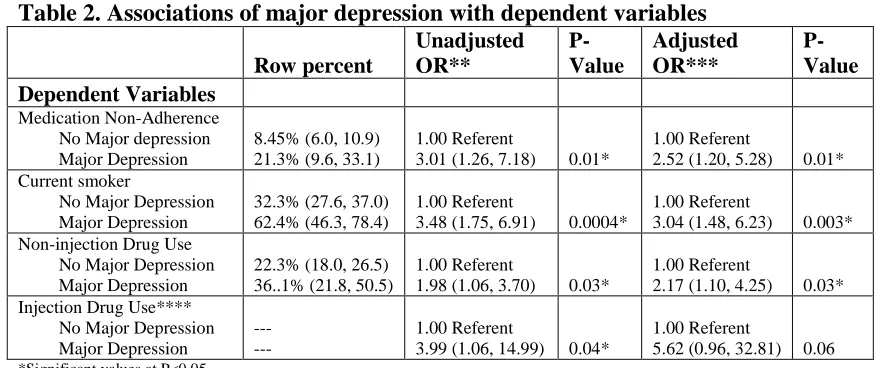
Logistic regression analyses (Table 2) examined the associations between ART
medication adherence and major depression. After adjusting for gender, major depression
was associated with a higher odds of non-adherence to medication, 2.52 (1.20, 5.28),
compared to adults without major depression.
A higher percentage of current cigarette smokers had major depression, 16.1%
(95% CI: 11.1%, 21.0%), compared to former cigarette smokers, 4.4% (95% CI: 0.5%,
analyses compared current smokers to non-smokers. After adjusting for age, gender, race,
and education, the odds of current cigarette smoking among individuals with major
depression was 3.04 (95% CI: 1.48, 6.23) times the odds of current cigarette smoking
among individuals without major depression.
Injection drug users had a much higher percentage of adults with major
depression, 28.2% (95% CI: 2.4%, 54.0%) compared to non-injection drug users, 9.0%
(95% CI: 6.5%-11.5%). However, due to the small sample size of unweighted individuals
with major depression, the confidence interval is unstable. The adjusted odds ratio for
persons with major depression and the association of injection drug use was 5.62 (95%
CI: 0.96, 32.81). Both the injection drug odds ratio and the non-injection drug odds ratio
were adjusted for age, gender, race, and education. Non-injection drug users also had a
similar distribution of individuals with major depression as injection drug users. Among
non-injection drug users, 14.2% (95% CI: 8.3%, 20.1%) had major depression compared
to 7.7% (95% CI: 5.0%, 10.5%) of those who did not use non-injection drugs who had
major depression. The adjusted odds ratio for non-injection drug use and major
depression was 2.17 (95% CI: 1.10, 4.25).
Discussion
Adults with major depression were more likely to report current cigarette
smoking, injection drug use in the past 12 months, and ART medication
non-adherence compared with individuals without major depression. Even after adjusting for
potential confounders, these relationships were significant. Although injection drug users